
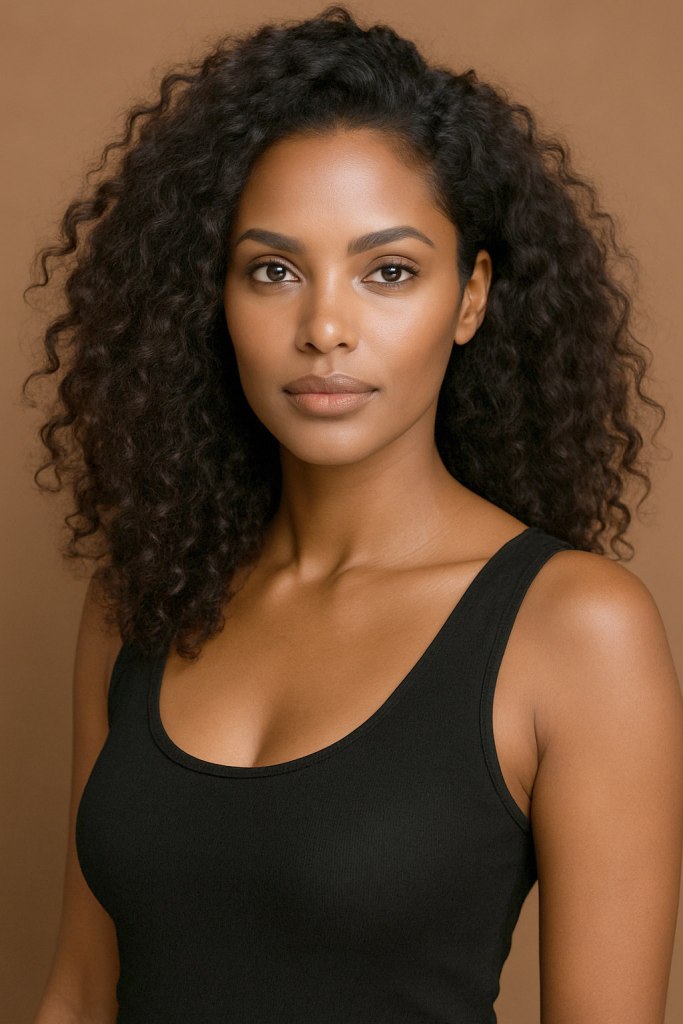
The concept of “pretty privilege” refers to the societal advantages afforded to individuals deemed conventionally attractive. Within communities of color, this privilege is often compounded by colorism—the preferential treatment of lighter-skinned individuals over their darker-skinned counterparts. Historically, light-skinned individuals have navigated a complex landscape where their appearance has afforded them certain privileges, yet also subjected them to unique challenges and scrutiny.
Historical Roots of Colorism
Colorism traces its origins to colonial and slavery-era practices, where lighter-skinned individuals, often of mixed heritage, were granted privileges such as domestic roles or education, while darker-skinned individuals were relegated to labor-intensive tasks. This hierarchy established a precedent for valuing lighter skin within the community. The “brown paper bag test,” a practice where individuals lighter than a brown paper bag were granted entry into social clubs, exemplifies this internalized discrimination. Wikipedia
Cultural Reinforcement Through Media
Media representations have historically favored lighter-skinned individuals, reinforcing the notion that beauty and desirability are linked to lighter skin tones. This portrayal not only marginalizes darker-skinned individuals but also places pressure on light-skinned individuals to conform to these beauty standards. Films, advertisements, and television shows often depict light-skinned characters as more attractive, intelligent, and successful, perpetuating colorist ideals.
The Intersection of Pretty Privilege and Colorism
While light-skinned individuals may experience certain advantages, they are not immune to the complexities of colorism. They may face challenges such as being perceived as less authentically Black or being tokenized in spaces that seek diversity. Furthermore, the internalization of colorist ideals can lead to self-esteem issues and a sense of inadequacy, as individuals navigate the expectations placed upon them due to their appearance.
Example:
Halle Berry and the Intersection of Pretty Privilege and Colorism
Halle Berry’s career trajectory and public image exemplify the complex interplay between beauty standards, colorism, and the concept of “pretty privilege.” As a biracial woman with lighter skin, Berry has often been celebrated for her beauty, yet she has also faced challenges related to her racial identity and the expectations placed upon her.
Beauty and Career Advancement
Berry’s striking appearance has undoubtedly played a role in her ascent within Hollywood. Her success in beauty pageants, including being named Miss Ohio in 1986 and placing as the first runner-up in the Miss USA pageant the same year, highlights the industry’s preference for certain beauty ideals. These accolades likely opened doors for her in modeling and acting, leading to roles in films such as Boomerang (1992) and The Flintstones (1994). Her portrayal of Storm in the X-Men series further cemented her status as a leading actress.
The Impact of Pretty Privilege
While Berry’s beauty has afforded her opportunities, she has also acknowledged the limitations of being valued primarily for her appearance. In a 2024 interview with Marie Claire, Berry described beauty as a “hollow win,” emphasizing that she had no control over her looks and expressing a desire to be recognized for her talents and contributions beyond her physical appearance Marie Claire.
Colorism and Racial Identity
Berry’s biracial heritage has placed her at the intersection of colorism and racial identity. In the entertainment industry, lighter-skinned individuals often receive more favorable treatment, a phenomenon rooted in historical preferences for Eurocentric features. Berry has openly discussed the complexities of her identity, noting that she identifies as Black because that is how she is perceived, despite her mixed-race background Wikipedia.
Public Perception and Criticism
Berry’s experiences reflect broader societal issues related to beauty standards and racial identity. Discussions on platforms like Lipstick Alley have highlighted how her lighter skin may have contributed to her being perceived as more conventionally attractive, raising questions about the role of colorism in shaping public perceptions Lipstick Alley.
Advocacy and Empowerment
Beyond her acting career, Berry has used her platform to advocate for women’s empowerment and challenge societal norms. In 2025, she shared a makeup-free photo in a sheer dress to promote menopause awareness, encouraging women to embrace aging and defy conventional beauty standards InStyle. Her wellness brand, Re-spin, further reflects her commitment to supporting women through various life stages.
Halle Berry’s journey underscores the multifaceted nature of beauty, privilege, and identity. While her appearance has opened doors and afforded her opportunities, she remains a vocal advocate for being recognized for her abilities and character. Her experiences shed light on the complexities faced by individuals navigating the intersections of race, beauty, and societal expectations.
Social Dynamics and Interpersonal Relationships
Within communities of color, light-skinned individuals may experience strained relationships due to perceptions of favoritism or resentment. These dynamics can manifest in both subtle and overt ways, affecting friendships, family bonds, and community cohesion. The pressure to align with certain beauty standards can lead to identity conflicts and a sense of alienation.
Economic Implications
Studies have shown that lighter-skinned individuals often receive higher wages and better job opportunities compared to their darker-skinned counterparts. This economic disparity underscores the tangible benefits associated with lighter skin, highlighting the pervasive nature of colorism in professional settings. However, these advantages can also lead to feelings of guilt or discomfort among light-skinned individuals, who may recognize the inequities present within their communities.
Psychological Effects
The awareness of receiving preferential treatment can lead to cognitive dissonance for light-skinned individuals, as they grapple with the unfairness experienced by darker-skinned peers. This internal conflict can result in stress, anxiety, and a diminished sense of self-worth. Additionally, the constant scrutiny and expectations placed upon them can lead to burnout and emotional fatigue.
Educational Disparities
In educational institutions, light-skinned students often receive more favorable treatment from educators, leading to better academic outcomes. This bias can affect grading, disciplinary actions, and teacher-student relationships, contributing to a cycle where lighter-skinned students are more likely to succeed academically. Conversely, darker-skinned students may face harsher treatment and lower expectations, perpetuating educational inequalities.
Impact on Identity Formation
For light-skinned individuals, especially those of mixed heritage, navigating their identity can be complex. They may struggle with feelings of not fully belonging to either the Black or white communities, leading to identity crises and a lack of cultural grounding. This sense of liminality can affect their self-perception and their relationships with others.
Resistance and Advocacy
Despite the challenges, many light-skinned individuals have used their experiences to advocate for racial equity and challenge colorist norms. By acknowledging their privilege and working to dismantle colorist structures, they contribute to broader efforts aimed at achieving racial justice. Their advocacy highlights the importance of solidarity and collective action in addressing systemic issues.
Conclusion
The history of light-skinned individuals experiencing “pretty privilege” is intertwined with the broader narrative of colorism. While they may benefit from certain societal advantages, these privileges come with their own set of challenges and responsibilities. Understanding the complexities of this dynamic is crucial in the ongoing efforts to combat colorism and promote inclusivity within communities of color.
References
- Hunter, M. (2007). The persistent problem of colorism: Skin tone, status, and inequality. Sociology Compass, 1(1), 237–254. https://doi.org/10.1111/j.1751-9020.2007.00006.x
- Pilgrim, D. (2014). The brown paper bag test. Ferris State University. Retrieved from https://www.ferris.edu/HTMLS/news/jimcrow/question/test.htm
- Wikipedia contributors. (2023). Brown paper bag test. Wikipedia. Retrieved from https://en.wikipedia.org/wiki/Brown_paper_bag_test
- Wikipedia contributors. (2023). Colorism. Wikipedia. Retrieved from https://en.wikipedia.org/wiki/Colorism
- Wikipedia contributors. (2023). Discrimination based on skin tone. Wikipedia. Retrieved from https://en.wikipedia.org/wiki/Discrimination_based_on_skin_tone
- Wikipedia contributors. (2023). Pretty privilege. Wikipedia. Retrieved from https://en.wikipedia.org/wiki/Pretty_privilege
- Wikipedia contributors. (2023). Skin tone discrimination. Wikipedia. Retrieved from https://en.wikipedia.org/wiki/Skin_tone_discrimination
- Wikipedia contributors. (2023). Colorism in the Black community. Wikipedia. Retrieved from https://en.wikipedia.org/wiki/Colorism_in_the_Black_community
- Wikipedia contributors. (2023). Colorism in the Caribbean. Wikipedia. Retrieved from https://en.wikipedia.org/wiki/Colorism_in_the_Caribbean
- Wikipedia contributors. (2023). Colorism in the Philippines. Wikipedia. Retrieved from https://en.wikipedia.org/wiki/Colorism_in_the_Philippines
- Wikipedia contributors. (2023). Colorism in the United States. Wikipedia. Retrieved from https://en.wikipedia.org/wiki/Colorism_in_the_United_States
- Wikipedia contributors. (2023). Colorism in South Asia. Wikipedia. Retrieved from https://en.wikipedia.org/wiki/Colorism_in_South_Asia
- Wikipedia contributors. (2023). Colorism in East Asia. Wikipedia. Retrieved from https://en.wikipedia.org/wiki/Colorism_in_East_Asia
- Wikipedia contributors. (2023). Colorism in Latin America. Wikipedia. Retrieved from https://en.wikipedia.org/wiki/Colorism_in_Latin_America
- Wikipedia contributors. (2023). Colorism in Africa. Wikipedia. Retrieved from https://en.wikipedia.org/wiki/Colorism_in_Africa
- Wikipedia contributors. (2023). Colorism in the Middle East. Wikipedia. Retrieved from https://en.wikipedia.org/wiki/Colorism_in_the_Middle_East
- Wikipedia contributors. (2023). Colorism in the Pacific Islands. Wikipedia. Retrieved from https://en.wikipedia.org/wiki/Colorism_in_the_Pacific_Islands
- Wikipedia contributors. (2023). Colorism in Indigenous communities. Wikipedia. Retrieved from https://en.wikipedia.org/wiki/Colorism_in_Indigenous_communities
- Wikipedia contributors. (2023). Colorism and mental health. Wikipedia. Retrieved from https://en.wikipedia.org/wiki/Colorism_and_mental_health
- Wikipedia contributors. (2023). Colorism and education. Wikipedia. Retrieved from https://en.wikipedia.org/wiki/Colorism_and_education
- Wikipedia contributors. (2023). Colorism and employment. Wikipedia. Retrieved from https://en.wikipedia.org/wiki/Colorism_and_employment
- Wikipedia contributors. (2023). Colorism and media representation. Wikipedia. Retrieved from https://en.wikipedia.org/wiki/Colorism_and_media_representation
- Wikipedia contributors. (2023). Colorism and beauty standards. Wikipedia. Retrieved from https://en.wikipedia.org/wiki/Colorism_and_beauty_standards
- Wikipedia contributors. (2023). Colorism and fashion industry. Wikipedia. Retrieved from https://en.wikipedia.org/wiki/Colorism_and_fashion_industry
- Wikipedia contributors. (2023). Colorism and advertising. Wikipedia. Retrieved from https://en.wikipedia.org/wiki/Colorism_and_advertising
- Wikipedia contributors. (2023). Colorism and social media. Wikipedia. Retrieved from https://en.wikipedia.org/wiki/Colorism_and_social_media
- Wikipedia contributors. (2023). Colorism and activism. Wikipedia. Retrieved from https://en.wikipedia.org/wiki/Colorism_and_activism
- Wikipedia contributors. (2023). Colorism and intersectionality. Wikipedia. Retrieved from https://en.wikipedia.org/wiki/Colorism_and_intersectionality
- Wikipedia contributors. (2023). Colorism and allyship. Wikipedia. Retrieved from https://en.wikipedia.org/wiki/Colorism_and_allyship
- Wikipedia contributors. (2023). Colorism and education reform. Wikipedia. Retrieved from https://en.wikipedia.org/wiki/Colorism_and_education_reform
- Wikipedia contributors. (2023). Colorism and policy change. Wikipedia. Retrieved from https://en.wikipedia.org/wiki/Colorism_and_policy_change
- Wikipedia contributors. (2023). Colorism and global perspectives. Wikipedia. Retrieved from https://en.wikipedia.org/wiki/Colorism_and_global_perspectives
- Wikipedia contributors. (2023). Colorism and cultural identity. Wikipedia. Retrieved from https://en.wikipedia.org/wiki/Colorism_and_cultural_identity
- Wikipedia contributors. (2023). Colorism and self-esteem. Wikipedia. Retrieved from https://en.wikipedia


 THE BROWN GIRL DILEMMA