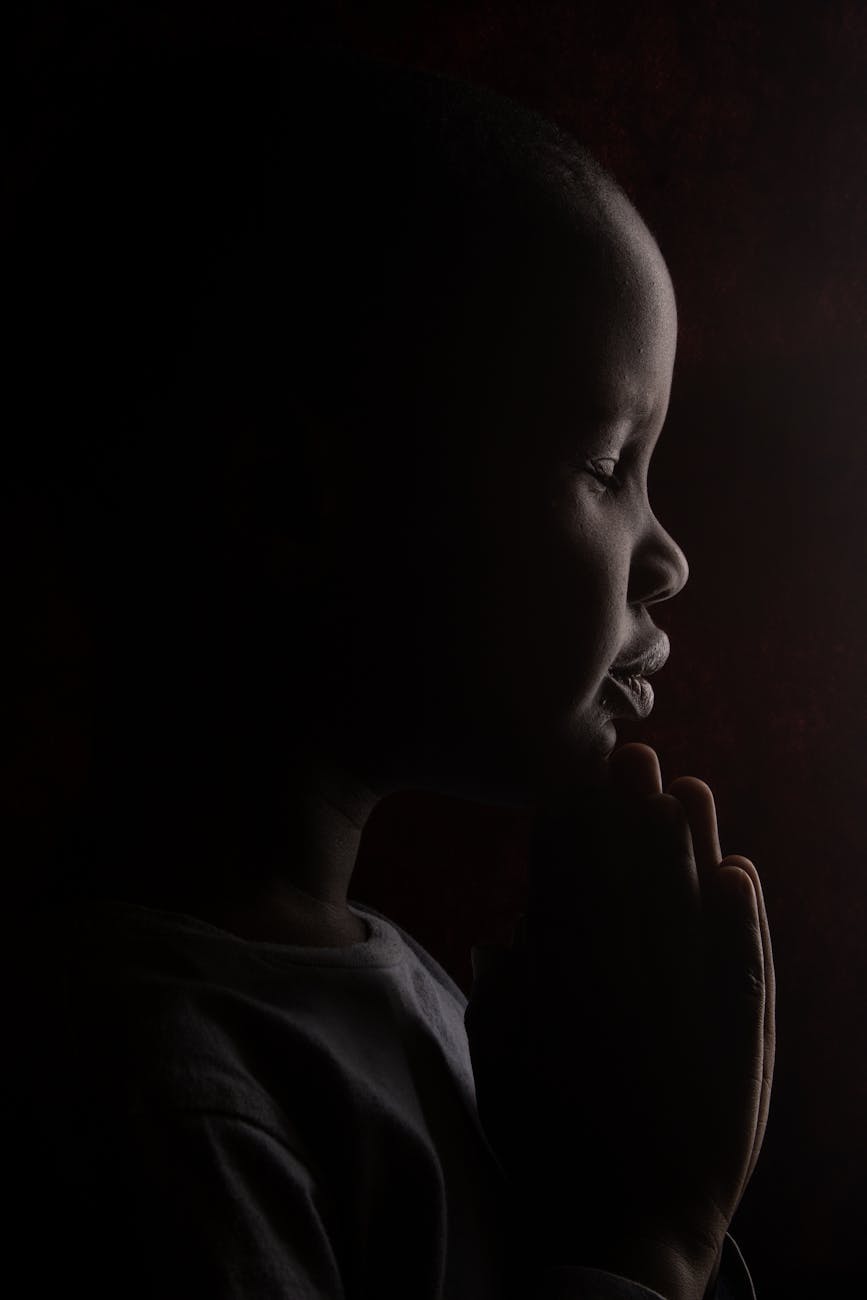
Category Archives: prayer

Two Doors Before the Soul: Fear’s Panic Room or Faith’s War Room.

Every day, the human spirit stands in a hallway of decision—one door leads to fear and hiding, the other to prayer and spiritual battle.

Life often presents itself as a quiet hallway with two doors. The setting is not always visible to the eyes, yet it exists in the interior landscape of the mind and spirit. On one side stands a door labeled the Panic Room. On the other side rests the door to the War Room. Every day, consciously or unconsciously, individuals choose which door they will enter. The choice is not merely emotional but deeply spiritual, reflecting whether a person will surrender to fear or rise in prayerful resistance.

The Panic Room is built from accumulated anxieties. Its walls are constructed from past disappointments, financial worries, relational failures, and the lingering echoes of traumatic experiences. Once inside, the air grows heavy with thoughts such as I cannot handle this, life is too difficult, or nothing will ever change. It is a place designed for hiding rather than healing, for survival rather than transformation.

Fear is often persuasive because it masquerades as protection. The Panic Room promises temporary safety from overwhelming circumstances. Individuals retreat there when the pressures of life seem unbearable—economic instability, broken relationships, health concerns, or uncertainty about the future. In this chamber of dread, the mind rehearses worst-case scenarios, replaying them until anxiety becomes normalized.

Yet the Panic Room rarely offers true refuge. Instead, it traps individuals in cycles of overthinking and emotional paralysis. Problems are magnified, hope diminishes, and darkness settles into the corners of the soul. Fear convinces people that hiding is wisdom when in reality, it is spiritual stagnation.

Psychologically, fear activates survival mechanisms within the brain. Scholars of stress and cognition explain that repeated exposure to perceived threats can trigger chronic anxiety responses (McEwen, 2007). When individuals remain mentally confined within their Panic Rooms, their thoughts begin to revolve around crisis rather than solutions, reinforcing helplessness.

This room is filled with the voices of doubt. One voice says the economy is collapsing and survival is uncertain. Another whispers that relationships will always end in betrayal. Yet another warns that the future holds only disappointment. These voices feed despair until individuals become convinced that darkness is their permanent dwelling place.

In contrast, the War Room stands across the hallway as a radically different environment. This room is not designed for hiding but for spiritual confrontation. Its walls are covered not with fear but with written prayers, declarations of faith, and reminders of divine promises. Within this sacred space, individuals prepare themselves for the battles of life.

The War Room is a metaphor for intentional prayer and spiritual discipline. Instead of retreating from problems, believers enter this room to face them through communion with God. Prayer transforms panic into strategy and anxiety into spiritual focus.

Within the War Room, faith becomes an active force. Scriptures, affirmations, and prayers are placed upon the walls as reminders that spiritual authority exists beyond human weakness. The atmosphere is one of hope rather than despair, expectation rather than defeat.

The Bible repeatedly encourages believers to confront fear through prayer. In Philippians 4:6–7, the apostle Paul instructs believers to present their requests to God rather than surrender to anxiety. Prayer becomes the doorway through which divine peace enters the troubled mind.

Similarly, the War Room embodies the principle of spiritual warfare. The New Testament describes believers as participants in a spiritual struggle against unseen forces of darkness. In Ephesians 6:12, Paul the Apostle explains that the true battle is not merely physical but spiritual in nature.

Prayer in this room is not passive. It is strategic, intentional, and persistent. Individuals bring their fears before God and replace them with declarations of trust. Economic fears become prayers for provision. Relationship struggles become petitions for wisdom and healing.

Over time, the War Room becomes a place of clarity. Instead of magnifying problems, it magnifies divine sovereignty. Fear loses its grip when faith begins to dominate the narrative of the mind.

Psychologists have also observed the stabilizing effects of prayer and meditation on emotional health. Studies suggest that spiritual practices can reduce stress and improve psychological resilience (Koenig, 2012). In this sense, the War Room is both a spiritual and psychological refuge.

The difference between the two rooms is profound. The Panic Room amplifies problems, while the War Room amplifies possibilities. One encourages hiding while the other encourages spiritual engagement. One breeds anxiety while the other cultivates peace.

Importantly, the hallway between the two rooms represents a daily choice. Life constantly places individuals at this intersection. When adversity arises, the question becomes whether one will retreat into fear or rise into prayer.

Many people unintentionally live inside their Panic Rooms for years. They accept anxiety as a permanent condition rather than recognizing the open door to spiritual empowerment. Yet the War Room remains available to anyone willing to step inside.

Faith does not eliminate challenges, but it changes the posture with which individuals face them. Instead of asking, “How will I survive this?” the believer begins to ask, “How will God work through this?”

Peace eventually fills the War Room because prayer invites divine presence. Fear loses its authority where trust resides. What once felt overwhelming becomes manageable through spiritual perspective.

Ultimately, life presents two doors every day. One leads to panic, isolation, and despair. The other leads to prayer, courage, and spiritual victory. The hallway remains the same, but the choice of room determines the atmosphere of the soul.

The profound truth is that individuals choose their rooms daily. Fear invites them into hiding, but faith invites them into battle. The Panic Room may feel familiar, yet the War Room holds the power to transform fear into peace.


References

Koenig, H. G. (2012). Religion, spirituality, and health: The research and clinical implications. ISRN Psychiatry. https://doi.org/10.5402/2012/278730

McEwen, B. S. (2007). Physiology and neurobiology of stress and adaptation. Physiological Reviews, 87(3), 873–904.

The Holy Bible, King James Version. (1769/2017). Cambridge University Press.
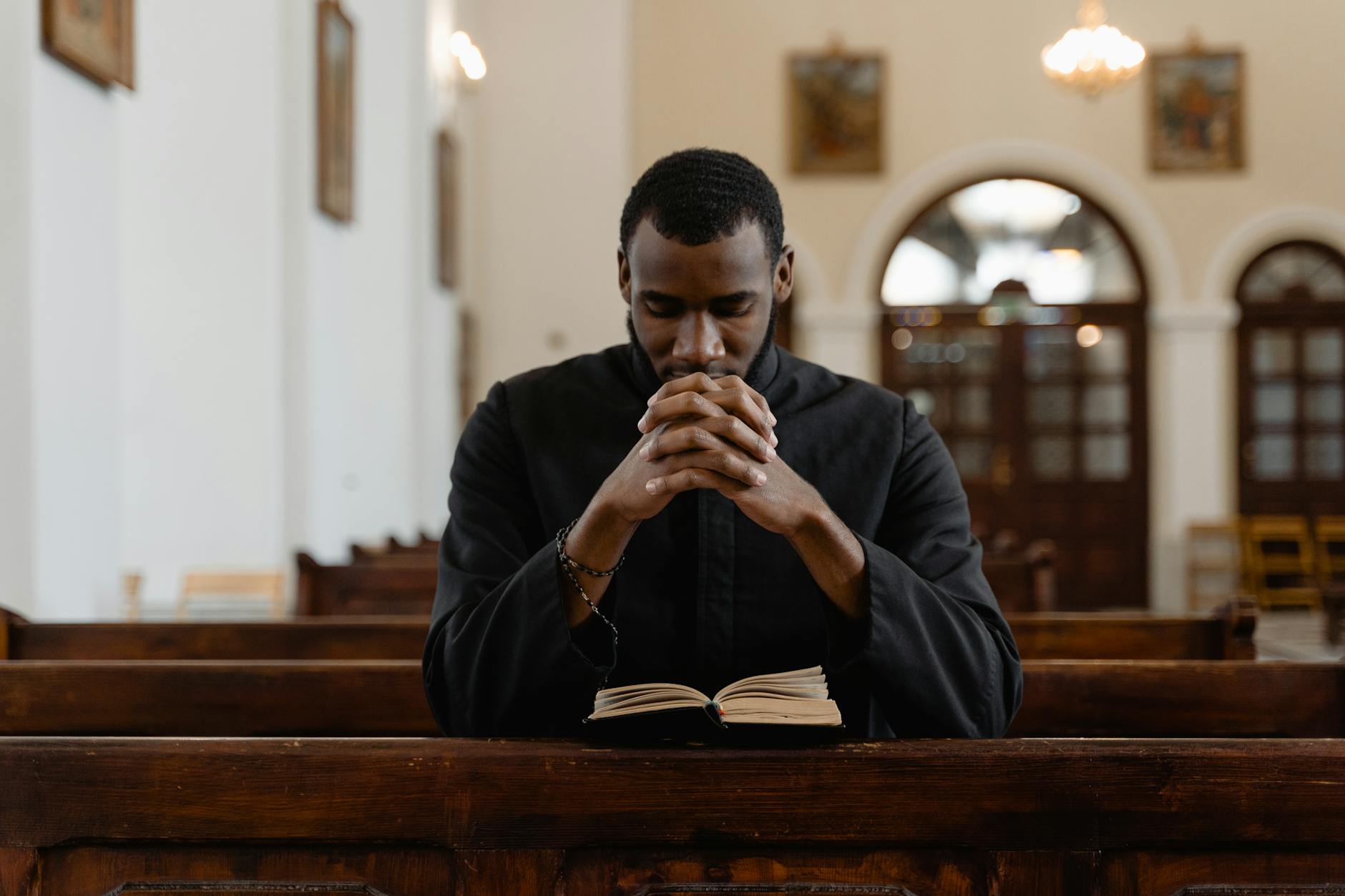
Men Who Pray: Reclaiming Spiritual Authority Through Faith.

Photo by MART PRODUCTION on Pexels.com

Prayer is a defining act that connects men to divine guidance, moral clarity, and spiritual authority. In a world where traditional masculine power is often measured by wealth, status, or physical prowess, prayer offers a transformative avenue for men to reclaim authentic authority rooted in humility, obedience, and purpose. Men Who Pray explores how spiritual disciplines restore leadership, integrity, and influence.

Historically, men in scripture exemplified spiritual authority through prayer. Figures such as Moses, David, and Solomon demonstrated that true leadership depends on communion with God rather than solely on human wisdom or strength (1 Samuel 12:23; 2 Chronicles 1:7–12, KJV). Prayer was both a tool and a testimony of divine empowerment.

Modern society often marginalizes men’s spiritual development. Cultural narratives emphasize independence and emotional stoicism, discouraging men from seeking divine counsel. This neglect undermines their ability to lead ethically in family, community, and professional spheres. Prayer serves as a corrective to these distortions, restoring alignment with God’s will.

Prayer cultivates humility, a hallmark of spiritual authority. Recognizing dependence on God fosters self-awareness and accountability. Men who pray acknowledge that ultimate power is God-given, not self-invented, allowing them to exercise influence responsibly and justly (Proverbs 3:5–6, KJV).

Intercessory prayer is a mechanism for communal leadership. Men who pray on behalf of families, communities, and nations demonstrate stewardship, empathy, and moral courage. Their spiritual advocacy nurtures social cohesion and inspires trust, reflecting the biblical mandate to shepherd and protect (James 5:16).

Consistent prayer shapes character and integrity. Daily spiritual discipline reinforces patience, self-control, and discernment. Men who commit to regular prayer internalize values that guide decisions, manage conflict, and uphold justice, strengthening both personal and societal moral frameworks.

Spiritual authority through prayer transcends hierarchical power. Unlike worldly dominance, divine authority is relational, ethical, and enduring. Men who cultivate this authority gain influence through respect, wisdom, and service, echoing the biblical principle that “the greatest among you shall be your servant” (Matthew 23:11, KJV).

Prayer combats moral and emotional vulnerability. Life’s pressures—temptation, stress, and adversity—challenge men’s integrity. Prayer provides guidance, fortification, and clarity, enabling men to navigate these trials without succumbing to destructive behaviors or compromised ethics (Psalm 5:11–12, KJV).

Mentorship and modeling are amplified through prayer. Men who prioritize spiritual practice serve as role models for younger generations, demonstrating that true strength emerges from faithfulness and obedience rather than aggression or coercion. This transmission of spiritual discipline preserves cultural and moral continuity.

Faith-driven leadership strengthens families. Fathers who pray cultivate homes grounded in moral clarity, spiritual resilience, and mutual respect. Children witness that authority is inseparable from accountability, compassion, and devotion, fostering well-rounded spiritual development (Ephesians 6:4, KJV).

Prayer also reinforces community engagement. Men who pray for societal welfare demonstrate active stewardship and ethical responsibility. This outward focus bridges personal spirituality with social action, reinforcing the biblical principle of love for neighbor and advocacy for justice (Micah 6:8, KJV).

The discipline of prayer enhances discernment. Through reflection and spiritual attunement, men learn to identify truth, avoid deception, and make decisions aligned with divine wisdom. This discernment underpins ethical leadership and strengthens relational trust.

Spiritual authority challenges destructive cultural norms of masculinity. Men who embrace prayer redefine strength, modeling courage, vulnerability, and ethical stewardship as complementary rather than opposing forces. This redefinition fosters healthier communities and family structures.

Prayer provides resilience against societal oppression. For men facing systemic injustice or marginalization, spiritual practice serves as a source of inner strength and hope. Biblical examples, such as Daniel and Joseph, demonstrate how prayer sustains moral integrity amidst adversity (Daniel 6:10, KJV).

Education on the power of prayer is essential. Teaching young men to integrate spiritual practice with daily life equips them to navigate modern challenges with integrity, purpose, and leadership grounded in faith rather than social approval or material gain.

Mental and emotional health benefit from prayer. Regular spiritual reflection fosters peace, emotional regulation, and clarity, countering stress, anger, or despair. Men who pray cultivate resilience, enabling them to lead without succumbing to personal turmoil (Philippians 4:6–7, KJV).

Corporate prayer—engaging with others in faith communities—strengthens relational bonds and collective purpose. Men who participate model collaboration, humility, and mutual support, reinforcing the social dimensions of spiritual authority.

Prayer aligns men with God’s covenant promises. Acknowledging divine guidance affirms identity, purpose, and destiny, anchoring men in a moral and spiritual framework that transcends temporal challenges (Jeremiah 29:11, KJV).

Consistency in prayer transforms character over time. Spiritual authority is not instantaneous but cultivated through persistent devotion, reflection, and obedience. Men who commit to this discipline demonstrate reliability, ethical fortitude, and lasting influence.

In conclusion, Men Who Pray illustrates that spiritual authority is reclaimed not through dominance, aggression, or societal expectation, but through prayer, humility, and faithful alignment with God. Men who embrace this path become builders of ethical families, communities, and legacies, embodying strength intertwined with spiritual wisdom and divine purpose.


References

The Holy Bible, King James Version. (n.d.). 1 Samuel 12:23; 2 Chronicles 1:7–12; Proverbs 3:5–6; James 5:16; Matthew 23:11; Psalm 5:11–12; Ephesians 6:4; Micah 6:8; Daniel 6:10; Philippians 4:6–7; Jeremiah 29:11. King James Bible Online. https://www.kingjamesbibleonline.org

Ferguson, R. A. (2019). The spiritual lives of African American men: Faith, family, and resilience. Routledge.

Pruett, K. (2017). Faithful fathers: The role of prayer and spirituality in fatherhood. Journal of Men’s Studies, 25(3), 310–326. https://doi.org/10.1177/1060826517720998

Watson, N. (2015). Masculinity and spirituality: Redefining strength through faith. Palgrave Macmillan.

Difficulties Are Necessary for Life

Difficulties are not proof that life has failed—rather, they testify that life is working according to God’s refining process, for affliction enlarges the soul and tutors the spirit (Smith, 2020).

Scripture reveals that trials serve a divine purpose. Paul declares that tribulations produce patience, shaping believers through progressive sufferings that build spiritual stamina, not destruction (Romans 5:3-4, KJV).

Life’s challenges are God’s crucible. Proverbs teaches that just as silver is tried in the furnace, human hearts are tested by the Lord Himself (Proverbs 17:3, KJV).

Hardship marches beside every calling. Christ warns that in the world, believers shall have tribulation—not may, but will, affirming that difficulty is stitched into earthly existence (John 16:33, KJV).

Suffering awakens prayer. Distress becomes the spiritual trumpet that calls men and women to cry toward God, who promises to hear them and deliver them out of all troubles (Psalm 34:17, KJV).

The wilderness is necessary for maturity. Deuteronomy reveals that God led Israel into hard places to humble them, prove them, and reveal what was truly in their heart (Deuteronomy 8:2, KJV).

Struggles expose spiritual hunger. When earthly strength collapses, dependence on God rises, for man lives by every Word of God, not bread alone (Deuteronomy 8:3, KJV).

Affliction produces obedience. Psalm 119 teaches that suffering teaches statutes—pain becomes the unwilling teacher of righteousness (Psalm 119:71, KJV).

Trials extract faith from theory into reality. James echoes this truth, proving that faith matures through testing, though Job lived it long before it was written (James 1:2-3, KJV).

Difficulty births endurance. Hebrews reminds believers that chastening corrects and proves sonship, for God disciplines those He loves (Hebrews 12:6-7, KJV).

Storms test spiritual roots. Christ teaches that houses built on sand collapse under trouble, while those founded on rock survive—it is not the absence of storm, but the foundation that matters (Matthew 7:24-27, KJV).

Hardship develops courage. Joshua was commanded to be strong because the assignment ahead was heavy, not easy (Joshua 1:9, KJV).

Suffering silences pride. Paul described being given a thorn to keep him from self-exaltation—pain became a shield against arrogance (2 Corinthians 12:7-9, KJV).

Adversity expands compassion. Those wounded by life often become vessels of gentleness, for God comforts us so we may comfort others (2 Corinthians 1:3-4, KJV).

Hard seasons cultivate spiritual perception. Elijah heard God’s voice after fire, wind, and earthquake—difficulty cleared his hearing (1 Kings 19:11-12, KJV).

Affliction proves calling. Joseph’s pit and prison preceded his palace—pain processed a dream before privilege manifested (Genesis 37-41, KJV).

Trials reveal loyalty. Ruth clung tighter when loss grew heavier, showing that difficulties do not break the faithful, they anchor them (Ruth 1:16-17, KJV).

Suffering produces hope, not despair. Biblical hope is not optimism—it is expectation grown in suffering, rooted in God’s faithfulness (Romans 8:18, KJV).

Hardship is spiritually proportional. The greater the impact, the heavier the pressure, for glory outweighs suffering when purpose is understood (Romans 8:28;18, KJV).

Thus, difficulties are not evidence of God’s absence—often they are the evidence of His involvement, molding believers into instruments able to survive what the untested self could never carry (Romans 5:3-5, KJV).


References

Beck, A. T. (1976). Cognitive therapy and emotional disorders. International Universities Press.

Frankl, V. E. (2006). Man’s search for meaning. Beacon Press. (Original work published 1946)

Masten, A. (2014). Ordinary magic: Resilience in development. Guilford Press.

Smith, J. (2020). Resilience and faith under pressure. Journal of Psychology & Spirituality, 12(4), 201-219.

Taleb, N. N. (2012). Antifragile: Things that gain from disorder. Random House.

The King James Version Bible. (Authorized, 1611/1769).

Prayer, Meditation, and Personal Growth

Photo by RDNE Stock project on Pexels.com

Prayer, meditation, and personal growth are interconnected disciplines that nurture spiritual, emotional, and mental well-being. For believers, these practices are not merely exercises in self-reflection but acts of devotion that align the soul with the will of God. Rooted in Scripture, prayer and meditation on God’s Word provide guidance, strength, and wisdom, fostering growth in character and faith.

Prayer is the foundational channel of communication with God. Philippians 4:6-7 (KJV) exhorts, “Be careful for nothing; but in every thing by prayer and supplication with thanksgiving let your requests be made known unto God. And the peace of God, which passeth all understanding, shall keep your hearts and minds through Christ Jesus.” Through prayer, believers express gratitude, seek guidance, and intercede for themselves and others, cultivating humility and reliance on God’s providence.

Meditation, particularly on Scripture, deepens understanding and internalization of God’s Word. Psalm 1:2-3 (KJV) states, “But his delight is in the law of the Lord; and in his law doth he meditate day and night. And he shall be like a tree planted by the rivers of water, that bringeth forth his fruit in his season; his leaf also shall not wither; and whatsoever he doeth shall prosper.” Regular meditation on biblical truths transforms the mind, guiding decisions, shaping character, and fostering spiritual discernment.

Personal growth in God involves applying principles of prayer and meditation to daily life. Romans 12:2 (KJV) commands, “And be not conformed to this world: but be ye transformed by the renewing of your mind, that ye may prove what is that good, and acceptable, and perfect, will of God.” By allowing God’s Word to renew the mind, believers develop virtues such as patience, humility, wisdom, and self-discipline, advancing toward spiritual maturity.

Daily Prayer and Meditation Practices for Personal Growth in God

  1. Start the Day with Scripture and Prayer
    Begin each morning by reading a short passage of the Bible and offering a prayer of gratitude and guidance. Psalm 5:3 (KJV) says, “My voice shalt thou hear in the morning, O Lord; in the morning will I direct my prayer unto thee, and will look up.” This sets the tone for a day anchored in God’s Word.
  2. Meditate on a Single Verse
    Choose one verse each day to meditate on. Reflect on its meaning, how it applies to your life, and ways to embody it in actions. Psalm 119:15 (KJV) encourages, “I will meditate in thy precepts, and have respect unto thy ways.” Focusing on one verse deepens understanding and personal application.
  3. Journaling Your Prayers and Insights
    Write down your prayers, reflections, and spiritual insights daily. Habakkuk 2:2 (KJV) instructs, “Write the vision, and make it plain upon tables, that he may run that readeth it.” Journaling provides clarity, tracks growth, and strengthens faith over time.
  4. Incorporate Short Prayer Breaks
    Take brief moments throughout the day to reconnect with God through silent prayer or thanksgiving. 1 Thessalonians 5:17 (KJV) states, “Pray without ceasing.” These pauses maintain spiritual focus and reduce stress.
  5. Reflect on Personal Growth Areas
    Use meditation to assess areas of personal development—patience, humility, kindness, or faithfulness. Romans 12:2 (KJV) reminds believers to renew the mind for transformation. Self-reflection aligned with Scripture encourages growth in character and spiritual maturity.
  6. Evening Reflection and Gratitude
    Before bed, review your day, noting moments where you lived in alignment with God’s Word or areas needing improvement. 1 Chronicles 16:11 (KJV) urges, “Seek the Lord and his strength, seek his face continually.” Evening reflection reinforces accountability and spiritual awareness.
  7. Memorize Scripture for Meditation
    Memorization strengthens internalization of God’s Word. Psalm 119:11 (KJV) declares, “Thy word have I hid in mine heart, that I might not sin against thee.” Reciting verses throughout the day reminds believers of God’s promises and guidance.
  8. Integrate Worship and Praise
    Combine meditation with worship through music or spoken praise. Psalm 100:2 (KJV) encourages, “Serve the Lord with gladness: come before his presence with singing.” Worship uplifts the spirit and deepens connection to God.
  9. Seek Community Support
    Participate in prayer groups or Bible study. Fellowship strengthens understanding and provides accountability. Ecclesiastes 4:9-10 (KJV) highlights the value of mutual support, “Two are better than one; because they have a good reward for their labour.”
  10. Set Spiritual Goals
    Identify goals for spiritual growth—memorizing verses, daily prayer consistency, or acts of service. 2 Peter 1:5-7 (KJV) encourages adding virtue to knowledge, self-control, patience, and godliness, cultivating a life of continuous improvement and Christlike character.

By incorporating these daily practices, believers foster personal growth grounded in prayer, meditation, and Scripture. These habits build resilience, clarity, and a deeper relationship with God, empowering individuals to live purposefully and faithfully.

Consistency is key in both prayer and meditation. Daily engagement with God’s Word and intentional prayer strengthen faith and resilience. Joshua 1:8 (KJV) emphasizes, “This book of the law shall not depart out of thy mouth; but thou shalt meditate therein day and night, that thou mayest observe to do according to all that is written therein: for then thou shalt make thy way prosperous, and then thou shalt have good success.” Persistent practice ensures growth, stability, and alignment with God’s purpose.

Personal growth is also reflected in ethical living and service to others. Galatians 5:22-23 (KJV) outlines the fruits of the Spirit—love, joy, peace, longsuffering, gentleness, goodness, faith, meekness, temperance—which develop through prayerful meditation and obedience. These qualities shape character and influence interactions, enhancing personal and communal well-being.

Journaling or reflective writing can supplement meditation, helping believers document insights, prayers, and spiritual breakthroughs. Habakkuk 2:2 (KJV) advises, “And the Lord answered me, and said, Write the vision, and make it plain upon tables, that he may run that readeth it.” Recording spiritual reflections reinforces understanding and encourages continued growth.

Prayer and meditation also foster emotional health. Philippians 4:13 (KJV) declares, “I can do all things through Christ which strengtheneth me.” Engaging in these practices reduces anxiety, builds resilience, and strengthens the ability to navigate life’s challenges with faith and confidence.

Community support enhances personal growth as well. Praying with others, studying Scripture in fellowship, and discussing spiritual insights fosters accountability and encouragement, aligning with Ecclesiastes 4:9-10 (KJV), “Two are better than one; because they have a good reward for their labour. For if they fall, the one will lift up his fellow…”

Finally, integrating prayer, meditation, and personal growth into daily life produces holistic transformation. Believers are empowered to act with integrity, pursue purpose, and cultivate spiritual fruit, embodying the teachings of Christ in thought, word, and deed. As Psalm 119:105 (KJV) affirms, “Thy word is a lamp unto my feet, and a light unto my path,” God’s Word illuminates the way for continual growth and spiritual maturity.


References

  1. Holy Bible, King James Version (KJV).
  2. Philippians 4:6-7 (KJV).
  3. Psalm 1:2-3 (KJV).
  4. Romans 12:2 (KJV).
  5. Joshua 1:8 (KJV).
  6. Galatians 5:22-23 (KJV).
  7. Habakkuk 2:2 (KJV).
  8. Philippians 4:13 (KJV).
  9. Ecclesiastes 4:9-10 (KJV).
  10. Psalm 119:105 (KJV).

Don’t Give Up: The Power of Prayer.

Prayer is the lifeline of a believer, the direct channel of communication with God. It is through prayer that one expresses faith, seeks guidance, and finds comfort in times of distress. The Bible encourages persistent prayer, assuring believers that God hears and responds to those who earnestly seek Him. As stated in 1 Thessalonians 5:17, “Pray without ceasing,” which reminds us that prayer should be an ongoing, steadfast practice, not a mere occasional act.

Many believers face moments when the weight of life feels unbearable. In these moments, prayer becomes a refuge, providing peace beyond human understanding. Philippians 4:6-7 exhorts, “Be careful for nothing; but in every thing by prayer and supplication with thanksgiving let your requests be made known unto God. And the peace of God, which passeth all understanding, shall keep your hearts and minds through Christ Jesus.” Here, prayer is not only a plea for help but also a conduit for divine tranquility.

Prayer is powerful because it aligns our will with God’s will. Often, humans desire immediate solutions or worldly comforts, but prayer refocuses our hearts on divine purpose. Jesus taught in Matthew 6:10, “Thy kingdom come, Thy will be done in earth, as it is in heaven.” By praying in alignment with God’s plan, we invite His guidance into our decisions and actions, ensuring that our paths are blessed and purposeful.

Persistence in prayer demonstrates faith. Luke 18:1 recounts Jesus teaching a parable of a widow who continually sought justice from an unjust judge. Jesus concludes, “And shall not God avenge his own elect, which cry day and night unto him, though he bear long with them?” Persistent prayer is a testimony of trust in God’s timing, reinforcing that He works for the benefit of those who wait on Him.

Prayer is also a weapon against spiritual adversity. Ephesians 6:18 instructs believers, “Praying always with all prayer and supplication in the Spirit, and watching thereunto with all perseverance and supplication for all saints.” In the face of trials, prayer fortifies the soul against fear, doubt, and temptation. It is a shield that strengthens believers to stand firm in faith despite worldly opposition.

Many biblical figures illustrate the power of prayer in transforming circumstances. Daniel, in captivity, prayed fervently three times a day (Daniel 6:10). Despite facing the threat of the lions’ den, his steadfast prayer invoked God’s protection, demonstrating that unwavering faith in prayer can produce miraculous deliverance even in dire situations.

Prayer fosters intimacy with God. Through it, believers share their innermost thoughts, fears, and desires, cultivating a relationship rooted in trust and love. Psalm 145:18 affirms, “The LORD is nigh unto all them that call upon him, to all that call upon him in truth.” This nearness is not merely physical but relational, creating a profound spiritual connection that empowers, sustains, and consoles.

The effectiveness of prayer is not measured by immediate answers but by the transformation it brings within the believer. Romans 12:12 advises, “Rejoicing in hope; patient in tribulation; continuing instant in prayer.” Even when solutions seem delayed, prayer shapes patience, hope, and endurance, molding character in alignment with God’s divine purposes.

Prayer is a source of guidance in confusion. When facing difficult decisions, believers often turn to prayer for clarity and direction. Proverbs 3:5-6 instructs, “Trust in the LORD with all thine heart; and lean not unto thine own understanding. In all thy ways acknowledge him, and he shall direct thy paths.” Through prayer, we receive divine wisdom that transcends human reasoning.

The power of communal prayer is significant. When believers unite in prayer, the spiritual impact is amplified. Matthew 18:19-20 assures, “Again I say unto you, That if two of you shall agree on earth as touching any thing that they shall ask, it shall be done for them of my Father which is in heaven. For where two or three are gathered together in my name, there am I in the midst of them.” Corporate prayer strengthens faith, unity, and spiritual resolve.

Prayer also acts as a medium for gratitude. By thanking God for His blessings, believers cultivate a heart of appreciation and humility. 1 Thessalonians 5:18 instructs, “In every thing give thanks: for this is the will of God in Christ Jesus concerning you.” Gratitude in prayer nurtures spiritual resilience and invites more of God’s favor into one’s life.

Suffering often prompts the most fervent prayers. Job’s unwavering dialogue with God amidst profound loss exemplifies this truth. Job 1:21 declares, “The LORD gave, and the LORD hath taken away; blessed be the name of the LORD.” Even in grief, prayer sustains hope and reinforces trust in God’s sovereignty.

Prayer is a balm for anxiety and fear. When overwhelmed by life’s uncertainties, believers find solace in casting their burdens on God. 1 Peter 5:7 encourages, “Casting all your care upon him; for he careth for you.” Through prayer, anxiety is transformed into trust, and fear gives way to divine assurance.

Intercessory prayer demonstrates love and compassion. By praying for others, believers participate in God’s work of mercy. James 5:16 states, “The effectual fervent prayer of a righteous man availeth much.” Intercession extends God’s grace to those in need, reflecting Christ’s heart of care and concern.

Prayer is also an exercise in spiritual discipline. Regular devotion shapes the believer’s mind, aligning thoughts, emotions, and actions with godliness. Acts 1:14 highlights the early church, “These all continued with one accord in prayer and supplication, with the women, and Mary the mother of Jesus, and with his brethren.” Consistent prayer fosters unity and spiritual strength.

Through prayer, believers experience deliverance from temptation. Jesus’ instruction in Matthew 26:41 emphasizes, “Watch and pray, that ye enter not into temptation: the spirit indeed is willing, but the flesh is weak.” Prayer equips the believer to resist sin and maintain spiritual integrity amidst challenges.

Even unanswered prayers carry lessons. They teach patience, deepen faith, and cultivate reliance on God’s wisdom. Isaiah 55:8-9 reminds, “For my thoughts are not your thoughts, neither are your ways my ways, saith the LORD. For as the heavens are higher than the earth, so are my ways higher than your ways, and my thoughts than your thoughts.” Persistence in prayer nurtures trust in God’s perfect plan.

Prayer encourages humility. By acknowledging dependence on God, believers confront pride and self-sufficiency. Psalm 34:17 asserts, “The righteous cry, and the LORD heareth, and delivereth them out of all their troubles.” Humility through prayer positions the believer to receive divine intervention.

Prayer transcends circumstance. Whether in joy or sorrow, abundance or lack, believers are called to maintain a life of prayer. Nehemiah 1:4 demonstrates, “And it came to pass, when I heard these words, that I sat down and wept, and mourned certain days, and fasted, and prayed before the God of heaven.” Prayer is the constant companion through every season of life.

Finally, prayer is the ultimate expression of hope. It affirms that God is present, active, and listening. Romans 8:26 teaches, “Likewise the Spirit also helpeth our infirmities: for we know not what we should pray for as we ought: but the Spirit itself maketh intercession for us with groanings which cannot be uttered.” Even when words fail, prayer bridges the gap between human weakness and divine strength.

In conclusion, prayer is the believer’s anchor, shield, and source of strength. It transforms hearts, shapes character, and opens the door for God’s miraculous intervention. By not giving up, by praying without ceasing, believers experience the power of prayer, a power that moves mountains, comforts the weary, and fulfills God’s will in lives devoted to Him. Persistent prayer is not only a spiritual duty but a lifeline, a testament to faith, and a declaration that no matter the circumstance, one should never give up.

Biblical References (KJV)

  • Bible. (2000). The Holy Bible: King James Version. Thomas Nelson.
  • Matthew 7:7–8 – Asking, seeking, knocking in prayer.
  • Philippians 4:6–7 – Prayer and supplication with thanksgiving.
  • James 5:16 – The effectual fervent prayer of a righteous man availeth much.
  • 1 Thessalonians 5:17 – Pray without ceasing.
  • Luke 18:1–8 – Parable of the persistent widow.
  • Mark 11:24 – Believing in what we pray for.
  • Psalm 34:17 – The Lord hears the righteous when they cry.
  • Jeremiah 33:3 – Call unto Me, and I will answer thee.
  • Romans 12:12 – Continuing instant in prayer.

Scholarly & Theological References

  • Alexander, T. D. (2017). Prayer in the Bible: A theological and pastoral approach. Grand Rapids, MI: Baker Academic.
  • Foster, R. J. (1992). Celebration of discipline: The path to spiritual growth. San Francisco, CA: HarperSanFrancisco.
  • Packer, J. I. (2001). Knowing God. Downers Grove, IL: InterVarsity Press.
  • Blackaby, H., & Blackaby, R. (2001). Spiritual leadership: Moving people on to God’s agenda. Nashville, TN: B&H Publishing.
  • Grudem, W. (1994). Systematic theology: An introduction to biblical doctrine. Grand Rapids, MI: Inter-Varsity Press. (See chapters on prayer and providence.)

Prayer: The Secret Weapon of Faith

Photo by Hendrick Molomo on Pexels.com

Prayer is the act of communicating with God, expressing praise, thanksgiving, confession, and supplication. Biblically, prayer is both a privilege and a spiritual weapon: “Pray without ceasing” (1 Thessalonians 5:17, KJV). It is a direct channel to the Most High, allowing believers to align their hearts with His will, seek guidance, and intercede for others. Psychologically, prayer can reduce stress, enhance emotional regulation, and foster resilience by providing a sense of control and connection to a higher purpose (Pargament, 2007).

How God Receives Prayer

The Most High receives prayer based on the heart and righteousness of the believer. James 5:16 states, “The effectual fervent prayer of a righteous man availeth much” (KJV). God listens attentively when our hearts are aligned with His commands and when we approach Him with humility and faith. Even in imperfection, sincere prayer is heard, but unrepented sin can hinder effectiveness (Psalm 66:18, KJV).

How to Pray

Prayer can take many forms: adoration, confession, thanksgiving, and supplication (ACTS model). Jesus provided a template: “After this manner therefore pray ye: Our Father which art in heaven, Hallowed be thy name. Thy kingdom come. Thy will be done in earth, as it is in heaven” (Matthew 6:9-10, KJV). Effective prayer is consistent, heartfelt, and specific. Psychologically, structured prayer fosters focus and intentionality, strengthening mental clarity and spiritual discipline.

When to Pray and the Role of Fasting

Prayer is not limited by time; it can be done morning, evening, and throughout the day (Psalm 5:3, KJV). Fasting intensifies prayer by humbling the body and heightening spiritual sensitivity. Daniel exemplified this: “And when he had spoken unto me, I set my face unto the Lord God, to seek by prayer and supplications, with fasting” (Daniel 9:3, KJV). Prayer and fasting together unlock spiritual breakthroughs, discipline the flesh, and magnify faith.

Prayers That Hit the Walls

Some prayers encounter resistance when the believer is not in right standing. Sin, unforgiveness, or idolatry can act as barriers: “If I regard iniquity in my heart, the Lord will not hear me” (Psalm 66:18, KJV). Persistent, repentant, and righteous prayer, however, can penetrate spiritual walls and bring deliverance. Examples include Elijah praying for rain (1 Kings 18:41-45) and Hezekiah interceding for Jerusalem (Isaiah 38:1-5).

Praying Over Your Home and Spiritual Warfare

Prayer affects not only individuals but also spaces and demonic influences. Praying over one’s home involves dedicating it to God, reading Scripture aloud, and commanding evil spirits to depart (Joshua 24:15, KJV). Demonic forces are disrupted by prayer, as it invokes God’s authority: “Submit yourselves therefore to God. Resist the devil, and he will flee from you” (James 4:7, KJV). Consistent intercession fortifies households, communities, and personal lives.

Biblical Examples of Prayer

  • Hannah prayed fervently for a child and received Samuel (1 Samuel 1:10-20).
  • Daniel prayed three times daily despite decree forbidding it (Daniel 6:10-22).
  • Jesus prayed in Gethsemane for guidance and submission to the Father (Luke 22:41-44).
    These examples highlight prayer’s power, persistence, and alignment with God’s will.

Practical Prayer Guide: Unlocking the Secret Weapon of Faith

1. Daily Prayer Routine

  • Morning Prayer: Begin the day thanking God and dedicating your actions to Him (Psalm 5:3, KJV).
  • Evening Prayer: Reflect on the day, confess sins, and ask for guidance (Psalm 66:18, KJV).
  • Throughout the Day: Short prayers of gratitude, protection, and intercession.

Tip: Use the ACTS method—Adoration, Confession, Thanksgiving, Supplication—to structure prayers.


2. How to Pray Effectively

  • Align Your Heart: Approach God with humility and sincerity (James 5:16, KJV).
  • Be Specific: Pray for clear needs and outcomes, not just general desires.
  • Persistence: Don’t give up after one prayer; consistent prayer demonstrates faith (Luke 18:1-8).
  • Meditate on Scripture: Integrate verses into your prayers to strengthen faith and focus.

3. Prayer and Fasting

  • Purpose: Fasting humbles the body and heightens spiritual sensitivity (Daniel 9:3, KJV).
  • Timing: Fast during critical decisions, spiritual battles, or when seeking breakthroughs.
  • Integration: Combine fasting with focused prayer for specific outcomes or intercession.

4. Praying Over Your Home

  • Walk through each room while reading Scriptures aloud (Joshua 24:15, KJV).
  • Declare God’s protection, peace, and blessing over the home.
  • Command any demonic influence to leave in Jesus’ name (James 4:7, KJV).
  • Maintain a routine of prayer, praise, and Scripture reading to keep the space spiritually strong.

5. Spiritual Warfare Through Prayer

  • Recognize that prayer disrupts demonic forces: “Resist the devil, and he will flee from you” (James 4:7, KJV).
  • Use authority in Christ to bind evil spirits and release blessing.
  • Pray for protection, discernment, and deliverance over yourself, family, and community.

6. Prayers That Hit the Walls

  • Sin, unforgiveness, or hidden motives can hinder prayer (Psalm 66:18, KJV).
  • Confess and repent regularly to maintain alignment with God’s will.
  • Intercede with righteousness, faith, and persistence to break through spiritual barriers.

7. Biblical Examples

  • Hannah: Persisted in prayer for a child; God answered (1 Samuel 1:10-20).
  • Daniel: Prayed three times daily despite persecution (Daniel 6:10-22).
  • Elijah: Prayed for rain; his persistence caused a spiritual breakthrough (1 Kings 18:41-45).
  • Jesus: Prayed for God’s will to be done in Gethsemane (Luke 22:41-44).

8. Psychology of Prayer

  • Prayer reduces stress, promotes emotional regulation, and fosters resilience.
  • Structured prayer improves mental clarity and decision-making (Pargament, 2007).
  • Spiritual connection enhances purpose, optimism, and coping strategies.

9. Tips for Righteous and Effective Prayer

  • Confess sins and forgive others before praying (Matthew 6:14-15, KJV).
  • Keep a prayer journal to track requests and God’s answers.
  • Pray in faith, believing God hears and answers according to His will (Mark 11:24, KJV).
  • Use corporate prayer with community or church to strengthen spiritual authority.

Conclusion

Prayer is a secret weapon of faith, blending spiritual authority, discipline, and psychological fortitude. Approached with righteousness, consistency, and humility, it brings guidance, protection, and breakthroughs. Through fasting, intercession, and praying over spaces and individuals, believers engage in spiritual warfare, resist demonic forces, and strengthen their connection to the Most High. Prayer is both a divine privilege and a practical tool for navigating life’s challenges with faith and purpose.


References

Biblical References (KJV)

  • 1 Thessalonians 5:17
  • James 5:16
  • Psalm 66:18
  • Matthew 6:9-10
  • Psalm 5:3
  • Daniel 9:3
  • 1 Kings 18:41-45
  • Isaiah 38:1-5
  • Joshua 24:15
  • James 4:7
  • 1 Samuel 1:10-20
  • Daniel 6:10-22
  • Luke 22:41-44

Secondary Sources
Pargament, K. I. (2007). Spiritually Integrated Psychotherapy: Understanding and Addressing the Sacred. Guilford Press.