Category Archives: mental slavery

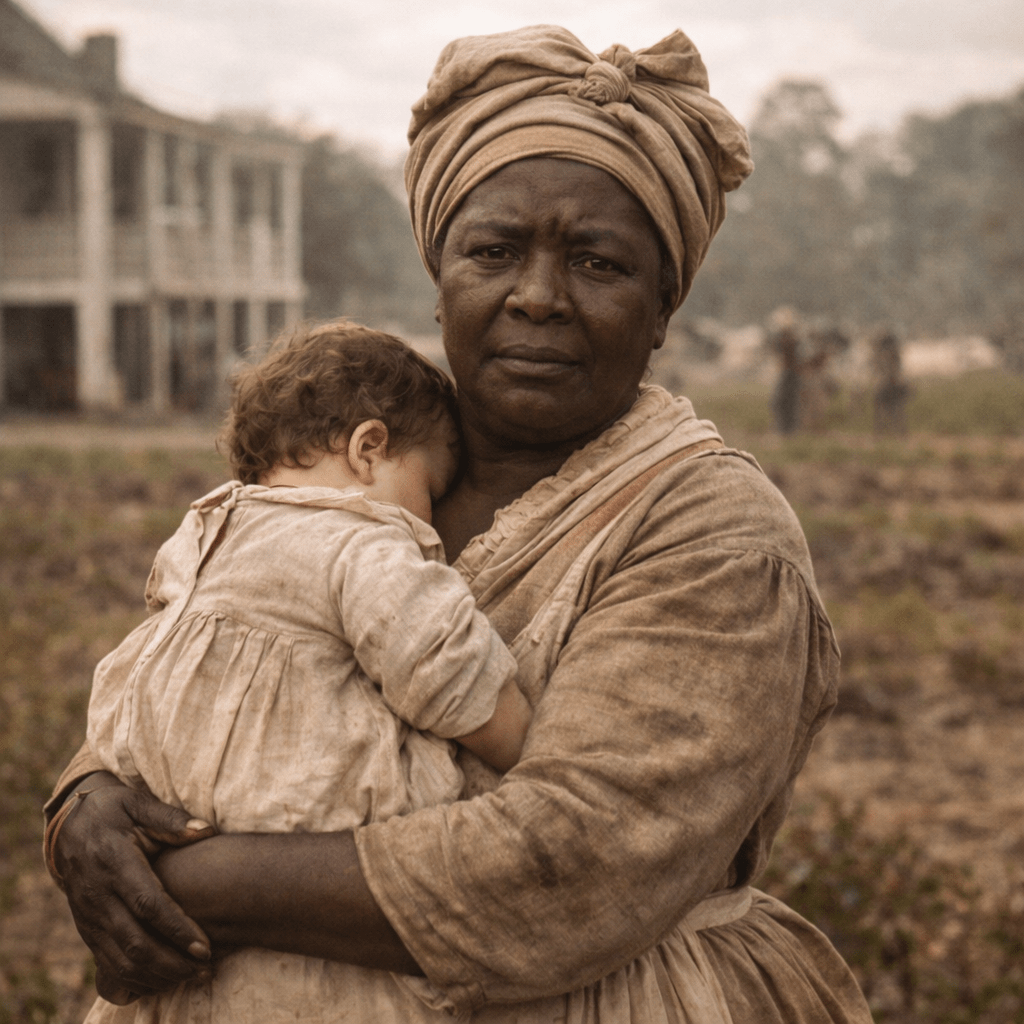
Black Stereotype Series: Mammy – The Origins and Legacy of a Controlling Image.

The “Mammy” stereotype is one of the most enduring and harmful caricatures in American culture, representing Black women as loyal, nurturing, and subservient caretakers of white families. This stereotype has its roots in the era of slavery, evolving into a pervasive image in popular media, advertising, and literature that distorted the realities of Black womanhood.

Historically, a mammy was a Black woman employed by a white household, often enslaved, responsible for raising white children, cooking, cleaning, and managing domestic labor. The role required complete obedience, selflessness, and emotional labor while denying the woman autonomy over her own life.

During slavery, the mammy’s existence was shaped by oppression and survival. While she was sometimes positioned as a maternal figure for white children, she was denied motherhood of her own children, who might be sold, abused, or neglected. This forced nurturing role was a form of psychological control that reinforced white supremacy.

Physical characteristics were often exaggerated in the Mammy stereotype. Popular culture depicted mammies as overweight, dark-skinned, elderly women with wide noses, large eyes, and hair tied in a scarf or kerchief. These features were contrasted against ideals of European beauty to emphasize their “otherness” and justify subservience.

The image of the mammy was not simply descriptive—it was prescriptive. It suggested that Black women were naturally suited for servitude, domestic labor, and caretaking, thereby legitimizing both slavery and racial hierarchies. The mammy became a comforting figure for white society, masking the brutality of slavery behind the illusion of loyalty and affection.

In the post-slavery era, the mammy stereotype persisted in media and advertising. The most famous example is Aunt Jemima, a brand that used a smiling, maternal Black woman as its mascot for pancake syrup and other products. The character reinforced notions that Black women existed to serve white households, normalizing racial subordination for generations.

The creation of the mammy stereotype had multiple causes. It served to ease white guilt over the horrors of slavery, rationalize the economic dependence on enslaved labor, and infantilize Black women as harmless, loyal, and nonthreatening. It also reinforced gendered expectations of women as domestic nurturers, but only within a racialized hierarchy.

Slavery itself created conditions for the mammy figure. Enslaved Black women were separated from their families, forced to work in domestic settings, and denied personal agency. These social realities became simplified and romanticized in cultural narratives, which erased the violence and coercion underlying their labor.

The mammy stereotype also had a visual codification in film and literature. Characters such as Hattie McDaniel in Gone with the Wind epitomized the trope, showing Black women as loyal, jolly, and devoted entirely to white families while remaining sexually desexualized. This image became a template for portrayals of Black women for decades.

Treatment of real-life mammies varied, but it was often harsh and exploitative. While some might have had close bonds with children they cared for, their labor was uncompensated or minimally compensated, and they were frequently subjected to physical punishment, verbal abuse, and systemic neglect.

The stereotype persists in subtle ways in modern culture. Contemporary media still sometimes portrays Black women in caregiving or service-oriented roles, emphasizing nurturing or subservient qualities while neglecting complexity, independence, and agency. These echoes of the mammy reinforce racialized expectations.

A defining aspect of the mammy figure is the emotional labor expected of her. She was imagined as endlessly patient, self-sacrificing, and cheerful regardless of mistreatment or abuse. In reality, enslaved and working Black women often carried immense emotional and physical burdens with no recognition or reward.

The mammy’s image was also carefully codified through dress and posture. Headscarves, aprons, and loose-fitting clothing became shorthand for subservience, domesticity, and age, creating a visual language that signaled loyalty to white households while denying Black women individuality or beauty.

Racist ideologies reinforced the stereotype. By presenting Black women as content in servitude, white society justified ongoing racial hierarchies and minimized the brutality of slavery. The mammy figure served as propaganda, comforting white audiences while erasing Black women’s struggles and resistance.

Advertising and branding further entrenched the mammy stereotype. From Aunt Jemima to various domestic product mascots, corporations leveraged the image of a smiling, motherly Black woman to sell products, perpetuating a reductive and exploitative representation for profit.

The mammy stereotype also intersects with gender oppression. By portraying Black women as caretakers first and individuals second, society denied them sexual, economic, and social autonomy. Their identity was flattened into a role that served white households, leaving little space for recognition of personal aspirations or desires.

Efforts to challenge and dismantle the mammy stereotype have increased in contemporary scholarship and activism. Scholars and cultural critics highlight the harm of these images and advocate for nuanced representations that honor the complexity, strength, and humanity of Black women.

In literature, cinema, and history, Black women’s voices reveal a different narrative than the mammy trope suggests. Enslaved and free women resisted domination in countless ways, asserting their dignity, creating cultural expressions, and protecting families despite systemic oppression.

The mammy stereotype exemplifies how race, gender, and labor intersected under slavery and beyond. It illustrates how visual and cultural symbols can enforce social hierarchies while shaping perceptions of entire communities. Understanding this history is critical to dismantling persistent racial stereotypes.

Ultimately, the mammy figure is not a reflection of reality but a tool of control and propaganda. Recognizing its origins, effects, and ongoing influence helps to contextualize contemporary struggles for representation, equity, and the reclamation of Black women’s narratives and beauty.


References

Giddings, P. (1984). When and Where I Enter: The Impact of Black Women on Race and Sex in America. HarperCollins.

Pilgrim, D. (2012). The Mammy Caricature. Jim Crow Museum of Racist Memorabilia, Ferris State University. Retrieved from https://www.ferris.edu/HTMLS/news/jimcrow/mammies/

Wallace-Sanders, K. (2008). Mammy: A Century of Race, Gender, and Southern Memory. University of Michigan Press.

Hine, D. C., Hine, W. C., & Harrold, S. (2009). The African American Odyssey. Pearson Higher Ed.

Pilgrim, D. (2000). Aunt Jemima and the Mammy Figure. Retrieved from https://www.ferris.edu/HTMLS/news/jimcrow/mammies/

West, C. M. (1995). Mammy, Jezebel, Sapphire, and Their Homegirls: Developing an “Oppositional Gaze” Toward the Images of Black Women. In Black Women in America (pp. 28–42). Indiana University Press.

Hall, K. (1992). Hair as Power: Cultural Identity and Resistance in African American History. Journal of American History, 79(3), 921–939.
History in Black: The Slave Trade

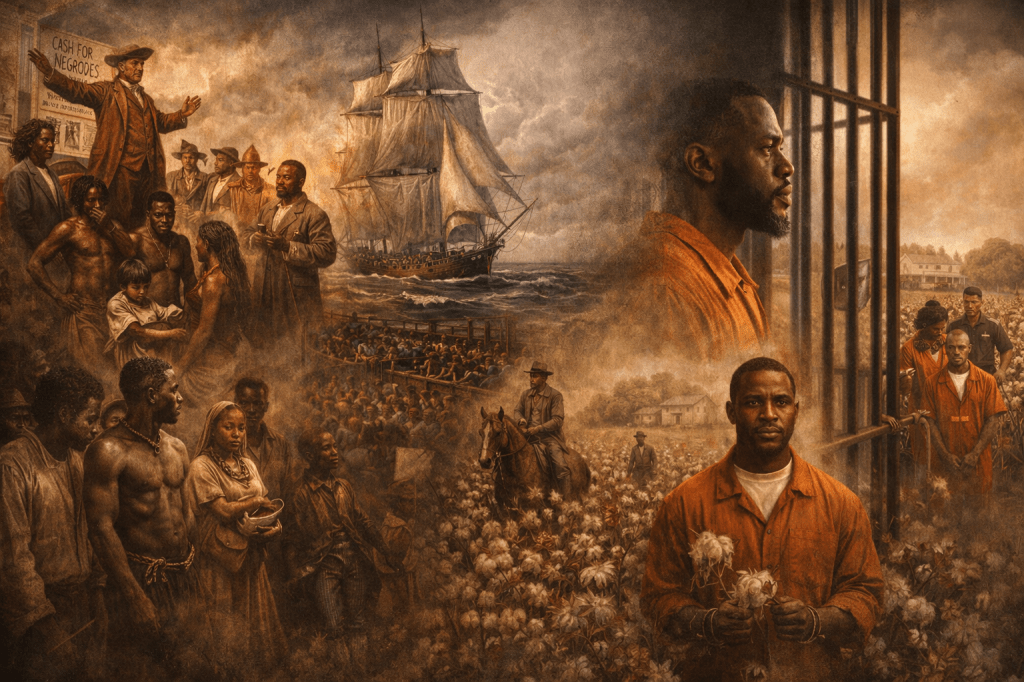
The history of the transatlantic slave trade is one of the most defining and devastating chapters in Black history, shaping the modern world through violence, exploitation, and racial hierarchy. It represents not merely a period of forced labor, but the systematic dehumanization of African peoples and the construction of a global economy built on Black suffering. Slavery was not accidental or natural; it was a deliberate system engineered for profit, power, and domination.

The slave trade began in the late 15th century with European expansion into Africa and the Americas. Portuguese and Spanish traders were among the first to establish routes, followed by the British, French, Dutch, and later Americans. Africa became a central source of labor for European colonies in the so-called “New World,” especially in plantations producing sugar, cotton, tobacco, and coffee.

The primary reason behind the slave trade was economic. European empires needed a massive labor force to exploit land stolen from Indigenous peoples. Africans were targeted because they were already skilled agricultural workers, could survive tropical climates, and were geographically accessible through coastal trading ports. Race was later used to morally justify what was, at its core, an economic crime.

African people were captured through warfare, raids, kidnappings, and betrayal by local intermediaries pressured or coerced into participating. Millions were marched to coastal forts, imprisoned in dungeons, and branded as property. Families were torn apart permanently, with no regard for kinship, language, or humanity.

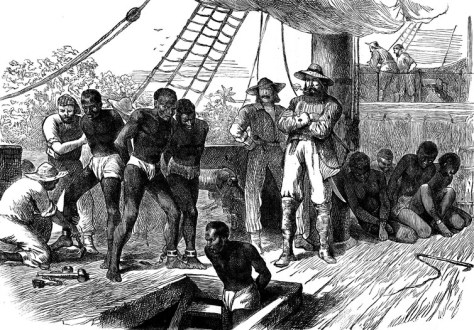
The Middle Passage was one of the most horrific experiences in human history. Enslaved Africans were packed into ships like cargo, chained, starved, raped, beaten, and thrown overboard. Many died from disease, suicide, or suffocation before ever reaching land. Those who survived arrived psychologically traumatized and physically broken.

Upon arrival in the Americas, Black people were sold at auction and legally reduced to chattel. They were stripped of names, cultures, religions, and identities. Enslaved Africans were treated not as human beings, but as livestock—bred, whipped, mutilated, and worked to death.

Slavery was enforced through extreme violence. Enslaved people were beaten, lynched, raped, and tortured for disobedience. Laws known as slave codes made it illegal for Black people to read, write, gather, or defend themselves. Resistance was punished with death.

Yet, despite unimaginable brutality, enslaved Africans resisted constantly. They escaped, revolted, preserved culture, practiced spiritual traditions, and passed down ancestral knowledge. Revolts such as the Haitian Revolution proved that enslaved people never accepted their condition as legitimate.

In the United States, slavery became the foundation of the national economy. Cotton was king, and enslaved labor made America one of the richest nations on earth. Banks, insurance companies, universities, and governments were directly funded by slave profits.

The Civil War (1861–1865) led to the formal abolition of slavery in the U.S. through the 13th Amendment. However, freedom was largely symbolic. Formerly enslaved people were released into poverty with no land, no resources, and no protection.

Immediately after slavery, Black Americans faced Black Codes, sharecropping, and convict leasing—systems that recreated slavery under new names. Prisons replaced plantations. Chain gangs replaced whips. Black labor remained controlled.

The Jim Crow era legalized racial segregation and terror. Lynchings, racial pogroms, and voter suppression were used to maintain white supremacy. Black people were excluded from housing, education, healthcare, and political power.

The Civil Rights Movement of the 1950s and 60s challenged legal segregation. Figures like Martin Luther King Jr., Malcolm X, and Fannie Lou Hamer fought for basic human rights. Laws changed, but systems did not.

Mass incarceration emerged as the new form of social control. The “War on Drugs” targeted Black communities, filling prisons with nonviolent offenders. Black men became statistically more likely to be incarcerated than to attend college.

Police violence replaced slave patrols. The same logic of control persisted: Black bodies were still viewed as dangerous, disposable, and criminal. Surveillance, brutality, and profiling became modern tools of oppression.

Economic inequality remains rooted in slavery. The racial wealth gap, housing discrimination, school segregation, and healthcare disparities all trace back to stolen labor and denied opportunity.

Globally, the legacy of slavery continues through neocolonialism, resource extraction, and economic dependency across Africa and the Caribbean. Western wealth still rests on historical exploitation.

Culturally, Black identity has been shaped by trauma and resilience. Music, religion, language, and art emerged as tools of survival. Black culture became both a source of global influence and commodification.

Psychologically, slavery created intergenerational trauma. Internalized racism, colorism, and identity fragmentation are modern expressions of historical violence. The mind became another site of colonization.

Legally, slavery was never repaired. There were no reparations, no land restitution, no national healing process. Former enslavers were compensated—former slaves were not.

From slavery to Jim Crow, from segregation to mass incarceration, the system changed in form but not in function. Black people remain disproportionately policed, imprisoned, impoverished, and surveilled.

History in Black reveals a painful truth: slavery did not end—it evolved. The chains became invisible, the plantations became prisons, and the auction blocks became algorithms. What changed were the laws. What did not change was the structure of power.


References

Alexander, M. (2012). The New Jim Crow: Mass incarceration in the age of colorblindness. The New Press.

Baptist, E. E. (2014). The half has never been told: Slavery and the making of American capitalism. Basic Books.

Berlin, I. (2003). Generations of captivity: A history of African-American slaves. Harvard University Press.

Du Bois, W. E. B. (1935). Black reconstruction in America. Free Press.

Equiano, O. (1789). The interesting narrative of the life of Olaudah Equiano. Author.

Equal Justice Initiative. (2017). Lynching in America: Confronting the legacy of racial terror. https://eji.org

Gates, H. L. (2014). The African Americans: Many rivers to cross. PBS.

Hochschild, A. (1998). King Leopold’s ghost. Houghton Mifflin.

Kendi, I. X. (2016). Stamped from the beginning: The definitive history of racist ideas in America. Nation Books.

UNESCO. (2010). The transatlantic slave trade database. https://www.slavevoyages.org

U.S. National Archives. (n.d.). 13th Amendment to the U.S. Constitution. https://www.archives.gov

Washington Post. (2020). Fatal Force: Police shootings database. https://www.washingtonpost.com/graphics/investigations/police-shootings-database/

Williams, E. (1944). Capitalism and slavery. University of North Carolina Press.

Dilemma: Bid ’Em Up

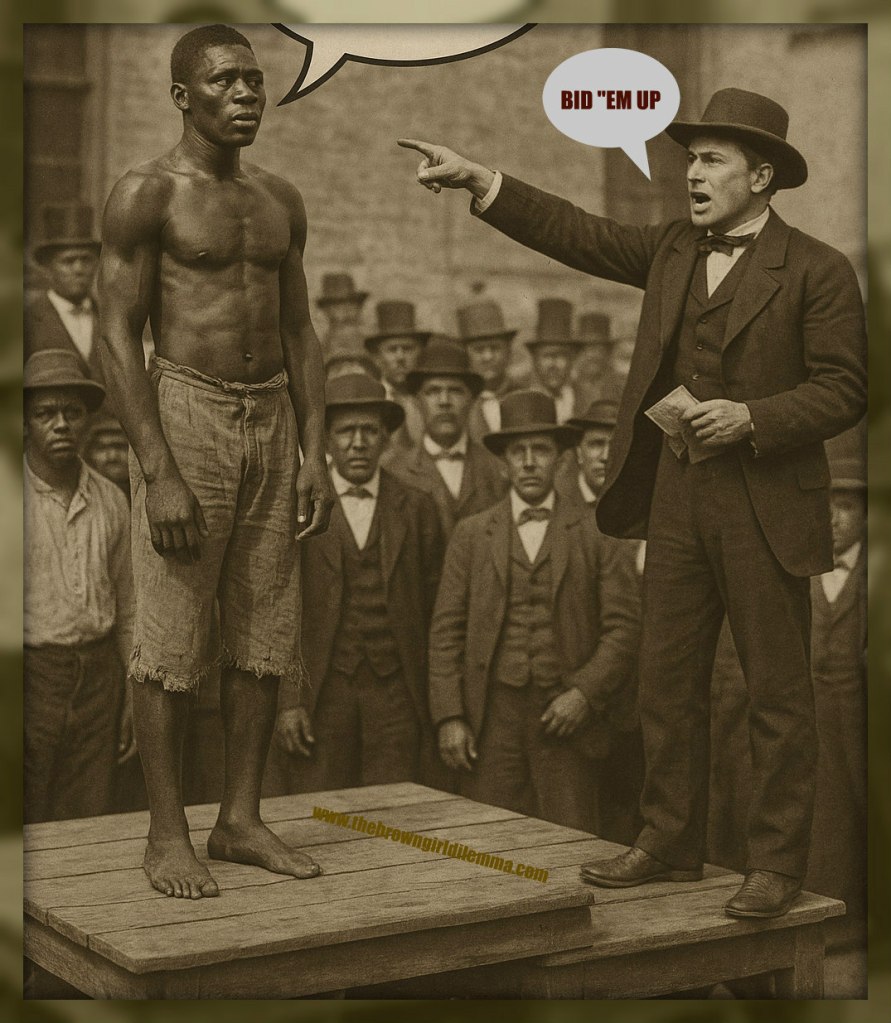
The phrase “Bid ’em up” refers to one of the most dehumanizing practices of the transatlantic slave trade: the process of auctioning African men, women, and children to the highest bidder. It was a command shouted at buyers during slave auctions, urging them to increase their bids as if the people on the block were livestock rather than human beings. This phrase captures the brutality, humiliation, and commercial greed embedded in American slavery.

Slave auctions operated as public markets where enslaved Africans were bought and sold, primarily in the 1700s–1800s, with the largest waves occurring from the early 18th century up to the Civil War in 1861. These auctions were often loud, crowded, and emotionally devastating events. Families were torn apart as husbands, wives, and children were separated, sold to different plantations, and sent to different states based solely on profit margins. “Bid ’em up” was not merely a business tactic—it was a reflection of how deeply racism shaped the economic and social system of the United States.

The auctions often took place in major Southern cities such as New Orleans, Charleston, Richmond, and Savannah. These markets drew slave traders, planters, wealthy merchants, and speculators eager to expand their labor force. In these spaces, the racial hierarchy of America was not hidden or subtle—it was on full display. Black people were forced onto platforms, examined, touched, and evaluated like property. Their bodies were scrutinized for strength, fertility, and obedience.

The enslaved were stripped of humanity through language. Terms like “bucks,” “breeders,” and “hands” reduced people to economic tools. The phrase “Bid ’em up” reveals the cold transactional nature of slavery, where human lives became items in an economic system built entirely on violence and racial domination.

Racism played a central role in justifying these practices. Europeans and white Americans constructed ideologies claiming Black people were inferior, subhuman, or naturally suited for enslavement. These racist beliefs formed the moral foundation for buying and selling millions of Africans. Without racism, the brutality of the slave market could not have been rationalized or sustained.

Slave auctions were not isolated events—they were central to the expansion of American agriculture. The rise of cotton, sugar, and rice industries increased demand for enslaved labor. The years following the 1808 ban on international slave importation saw the rise of the domestic slave trade, where enslaved people were sold from the Upper South to the Deep South in massive numbers.

These auctions were emotional battlegrounds. Many enslaved people prayed, cried, or resisted in small ways as they were forced onto the blocks. Mothers clung to their children, couples begged to stay together, and countless individuals were separated forever. The psychological trauma of these auctions rippled across generations.

The sight of chains, ropes, and shackles haunted the enslaved. Their names were replaced with auction numbers. Their futures were determined not by God or family but by the greed of bidders. The auction block became a symbol of absolute powerlessness.

Even children were not spared. Boys and girls as young as five or six were sold for their future labor value. Infants were sold with their mothers or separated from them, depending on what yielded higher profits. Slave traders calculated the price of innocence.

The practice reached its most infamous moment in 1859 during the largest recorded slave auction in U.S. history: The Weeping Time in Georgia, where over 400 enslaved people were sold over two days. The rain that fell during the event was described as the tears of heaven, mourning the suffering.

The economic impact of these auctions built generational wealth for white families while simultaneously creating generational poverty for Black Americans. Plantations, banks, and insurance companies all profited from human sale and exploitation.

The culture around slave auctions normalized cruelty. Newspapers advertised upcoming sales, listing children alongside horses. Hotels hosted bidders. Judges and sheriffs enforced fugitive slave laws to protect the system. Churches often remained silent, and in some cases participated.

After the Civil War and emancipation, the memory of the auction block became a permanent wound in African American history. It shaped family structures, migration patterns, and the cultural resilience of Black communities. Many African Americans today trace their lineage to ancestors sold on those blocks.

The legacy of “Bid ’em up” exposes how slavery was not just a labor system—it was an industry, a psychology, and a national economic engine grounded in racial violence. Understanding this context helps illuminate the roots of systemic racism in modern America.

The phrase also reminds us of the strength of the ancestors who survived unimaginable pain. Their endurance, faith, and determination laid the foundation for Black progress in the centuries that followed. They were bought and sold, yet they remained unbroken.

Remembering these auctions is not simply an act of historical reflection. It is a testimony to the resilience of a people who were denied humanity but ultimately reclaimed their identity, dignity, and voice. The auction block is a scar, but it is also a monument to survival.

In studying this painful history, we confront the truth of America’s origins. Slavery was not a footnote—it was central. And phrases like “Bid ’em up” force us to acknowledge the systems of racism that endured long after the auctions ended.

This history calls us to honor the ancestors by telling their stories truthfully, challenging systemic injustice, and ensuring that the trauma of the auction block is never forgotten.

References
Berlin, I. (2003). Generations of captivity: A history of African-American slaves. Harvard University Press.
Fett, S. (2002). Working cures: Healing, health, and power on Southern slave plantations. University of North Carolina Press.
Johnson, W. (1999). Soul by soul: Life inside the antebellum slave market. Harvard University Press.
Smallwood, S. (2007). Saltwater slavery: A Middle Passage from Africa to American diaspora. Harvard University Press.
Smith, C. (2012). The Weeping Time: Slave auctions and the economy of the South. Yale University Press.

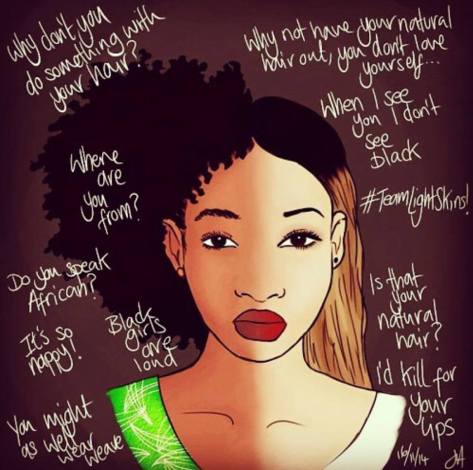
The Brown Girl Dilemma: Self-Hatred, Lookism, Lightism, and Mental Slavery.

This artwork is the property of its respective owner. No copyright infringement intended.

The experience of brown-skinned girls and women is marked by complex social pressures that extend beyond race. Within and outside of Black and Brown communities, colorism—the preferential treatment of lighter skin over darker shades—intersects with lookism and internalized societal standards to create what can be described as mental slavery. These pressures shape self-perception, relationships, and social mobility, resulting in a lived experience where one’s skin tone and features dictate perceived worth.

Self-Hatred and Internalized Bias

Self-hatred among brown girls is often fueled by societal messaging that favors Eurocentric beauty ideals. Media, peer comparison, and historical legacies of oppression contribute to an internalized hierarchy of value. Psychologists describe this as internalized oppression, where victims unconsciously adopt the prejudices of the dominant culture (Welsing, 1991). Brown-skinned girls may feel inferior to lighter-skinned peers, impacting self-esteem, academic performance, and social confidence.

Lookism: Appearance as a Social Currency

Lookism—the preference for certain physical traits—intensifies color-based biases. Studies show that facial symmetry, lighter skin, and straight hair are often socially rewarded in professional and social contexts (Etcoff, 1999). Brown girls may experience disadvantage not because of talent or character, but because their appearance fails to align with prevailing beauty standards. This reinforces a system where self-worth is externally validated, creating pressure to modify appearance through cosmetics, hair treatments, or even skin-lightening products.

Lightism and Color Hierarchy

Lightism, a subset of colorism, privileges lighter skin within communities of color. Historically rooted in colonial hierarchies and slavery, light skin was associated with proximity to power, wealth, and status. Brown girls are thus positioned in a spectrum of desirability, often excluded from leadership opportunities, romantic preference, and cultural representation. The Bible reminds believers that value is spiritual and moral rather than physical: “But the Lord said unto Samuel, Look not on his countenance, or on the height of his stature; because I have refused him: for the Lord seeth not as man seeth; for man looketh on the outward appearance, but the Lord looketh on the heart” (1 Samuel 16:7, KJV).

Mental Slavery and Cultural Conditioning

Mental slavery refers to the internalized belief that worth and success are determined by adherence to dominant cultural norms. Brown girls often face a dual pressure: conforming to Eurocentric standards while navigating systemic racism and community bias. This can manifest as low self-confidence, anxiety, and even estrangement from one’s cultural identity. The psychological effects are profound, limiting aspirations and perpetuating cycles of inequality.

Strategies for Healing and Empowerment

  • Awareness: Recognizing internalized bias and societal pressures is the first step toward liberation.
  • Community Support: Engaging with affirming networks that celebrate brown and dark-skinned beauty reinforces self-worth.
  • Media Representation: Advocating for diverse representation in media, fashion, and leadership provides visible role models.
  • Faith and Spiritual Practice: For believers, grounding identity in God’s perspective restores confidence and counters external value systems (Psalm 139:14, KJV).

The Brown Girl Empowerment Toolkit

1. Affirmations and Self-Worth

Daily affirmations help counter internalized oppression:

  • “I am fearfully and wonderfully made” (Psalm 139:14, KJV).
  • “My worth is not determined by the color of my skin but by the character of my heart” (1 Samuel 16:7, KJV).
  • “I celebrate my melanin, my heritage, and my uniqueness.”

2. Media Literacy and Representation

  • Follow media that celebrates brown and dark-skinned beauty.
  • Support creators and public figures who challenge colorism.
  • Critically analyze mainstream media to understand subtle messages about beauty and desirability.

3. Community and Mentorship

  • Join groups or online communities focused on celebrating brown beauty.
  • Seek mentors—especially brown women leaders, entrepreneurs, and creatives—to model confidence and success.
  • Share experiences with peers to build solidarity and resilience.

4. Cultural Pride and Identity

  • Study African, Caribbean, or South Asian heritage to reinforce pride in skin, hair, and cultural features.
  • Celebrate traditional hairstyles, clothing, and art as expressions of identity.
  • Engage in cultural events to counteract Eurocentric standards.

5. Faith and Spiritual Grounding

  • Use prayer, meditation, and scripture to anchor identity beyond societal approval.
  • Daily prayer of self-acceptance and guidance.
  • Study verses affirming God’s value of the heart over appearance (1 Samuel 16:7, KJV).

6. Psychological Tools

  • Journaling: Document experiences of discrimination, self-reflection, and victories.
  • Cognitive Restructuring: Replace negative thoughts with positive affirmations.
  • Therapy: Seek mental health support familiar with colorism and racial trauma.

7. Practical Beauty Strategies

  • Embrace natural hair and skin tones; avoid unnecessary bleaching or alteration.
  • Use makeup, hair, or fashion as self-expression rather than approval-seeking.
  • Celebrate diverse skin tones in personal branding, social media, and public presence.

8. Role Models

  • Priyanka Chopra: Advocates for dusky beauty and challenges colorism in Bollywood.
  • Rashida Strober: Activist emphasizing self-love and black beauty standards.
  • Chimamanda Ngozi Adichie: Author promoting African identity and resisting Western beauty norms.

9. Action Steps

  1. Daily affirmation practice (5 minutes).
  2. Limit exposure to media promoting harmful beauty standards.
  3. Join or form support networks to discuss colorism openly.
  4. Highlight cultural pride in social media or community activities.
  5. Engage in mentorship to guide younger girls in building self-confidence.

Conclusion

The Brown Girl Dilemma—self-hatred, lookism, lightism, and mental slavery—is a multifaceted issue with deep historical and cultural roots. Addressing it requires societal change, psychological support, and personal empowerment. By understanding the origins of color bias, rejecting internalized oppression, and embracing cultural and spiritual identity, brown girls can reclaim their value, beauty, and power.


References

Biblical References (KJV)

  • 1 Samuel 16:7
  • Psalm 139:14

Secondary Sources
Welsing, F. C. (1991). The Isis Papers: The Keys to the Colors. Third World Press.
Etcoff, N. (1999). Survival of the Prettiest: The Science of Beauty. Doubleday.
Hunter, M. L. (2007). The Persistent Problem of Colorism: Skin Tone, Status, and Inequality. Sociology Compass, 1(1), 237–254.
Clark, R., & Clark, K. (1947). Racial Identification and Preference in Negro Children. Journal of Negro Education, 16(3), 169–176.

Dilemma: 400 years later…

The arrival of the first documented Africans to the shores of what would become the United States began in 1619, initiating a 400-year historical continuum that cannot be reduced to a single era or chapter but must be read as an unfolding system of captivity and racial stratification rooted in both economic exploitation and social demonization. The transatlantic slave trade expanded across the Americas over the next two centuries, cementing a global architecture of forced labor that built Western wealth while systematically devastating African communities and fracturing family lineage. This reality fulfills the ancient warning that curses follow a disobedient and oppressed people, for scripture foretold a nation that would experience alien ruin, humiliation, and subjugation: “The stranger that is within thee shall get up above thee very high; and thou shalt come down very low” (Deuteronomy 28:43, KJV).

Slavery did not begin by accident but by law, religion, and commerce. By the mid-1600s, colonial legislatures had codified Africans and their descendants into permanent hereditary servitude, legally positioning Black bodies as property rather than persons, creating a condition where captivity could be inherited like a surname. Plantations multiplied across the Southern colonies, where cotton would later emerge as “king,” demanding labor on a scale that turned land into empire and humans into fuel. Yet the Bible condemns the very foundation of such enterprise: “He that stealeth a man, and selleth him… shall surely be put to death” (Exodus 21:16, KJV). The theft was never the land alone — it was identity, labor, movement, and posterity.

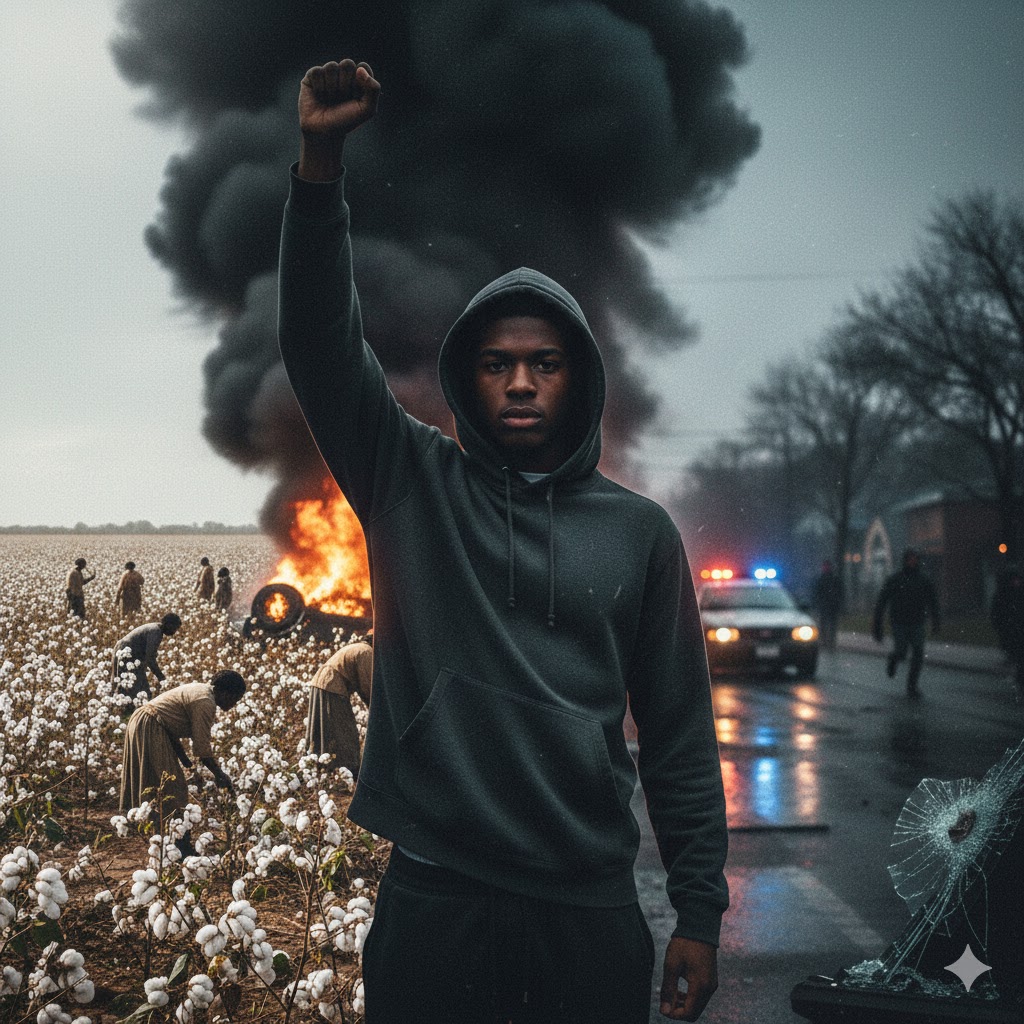
Even after the Thirteenth Amendment of 1865 formally abolished chattel slavery, its exception clause allowed a rapid pivot into criminalized bondage, birthing the era of convict leasing, where Black men were arrested on arbitrary charges, leased to corporations, and worked under conditions nearly indistinguishable from plantation labor. The cotton field remained, only relabeled. This legislative loophole reframed chains as “justice,” transforming freedom into illusion. Scripture again provides clarity: “The wicked walk on every side, when the vilest men are exalted” (Psalm 12:8, KJV). When power itself is corrupt, deliverance cannot be legal alone — it must also be spiritual.

Reconstruction offered a brief but luminous disruption of bondage. Black Americans built schools, entered political office, established land ownership, and reconnected fragments of stolen ancestry. But progress provoked terror, and by 1877, federal retreat enabled Southern states to regenerate racial hierarchy through Jim Crow laws, insulating white privilege and criminalizing Black mobility. Between 1870 and 1950, thousands of Black Americans were lynched in public acts of racial terrorism, not as random violence but as a national message: Black advancement would be met with blood. The psalmist described this spirit precisely: “They have said, Come, and let us cut them off from being a nation” (Psalm 83:4, KJV). The objective was erasure.

The Great Migration (1916–1970) relocated millions of Black families from the agricultural South to the industrial North, seeking wages rather than whipping posts, safety rather than spectacle deaths. But northern opportunity carried its own forms of apartheid: redlining maps, restricted labor unions, segregated schools, employment ceilings, and policing systems that followed Black communities like a shadow. The physical field changed, but the captivity matured into systems rather than signposts. Scripture declared the emotional condition of displaced people longing for justice and homeland: “By the rivers of Babylon, there we sat down, yea, we wept” (Psalm 137:1, KJV).

The 1960s Civil Rights Movement confronted segregation at its legal roots, demanding equal access to education, voting, housing, and public participation. Its leaders spoke like prophets disrupting empires: “Let judgment run down as waters, and righteousness as a mighty stream” (Amos 5:24, KJV). Yet many of the same state systems that resisted abolition resisted civil rights — governors blocking doors, officers turning hoses, lawmakers filibustering dignity. Progress was wrestled, never gifted.

Following civil rights legislation came a new form of containment — the War on Drugs, hyper-policing, and mass incarceration. From the 1980s onward, prisons expanded faster than schools, sentencing laws grew harsher, and policing strategies militarized, targeting Black neighborhoods with a disproportionality that mirrors an economic draft. Men descended from sharecroppers became inmates leased through labor programs inside industrial prisons. The plantation evolved into a complex, adaptable organism. As Proverbs illuminated the mechanics of inequality: “The rich ruleth over the poor” (22:7, KJV). For Black America, poverty was not incidental but intentional infrastructure.

In modern expression, hatred manifests not in auction blocks but in algorithms, policing districts, wage gaps, and judicial disparities. Hate crimes continue at alarming frequency, motivated by the same racial animus that once governed slave patrols, lynch mobs, and segregated institutions. Police brutality killings operate as extrajudicial punishments disproportionately borne by Black citizens, echoing the terror logic of the past. “They break in pieces thy people, O Lord, and afflict thine heritage” (Psalm 94:5, KJV). The cries are the same; only the arenas differ.

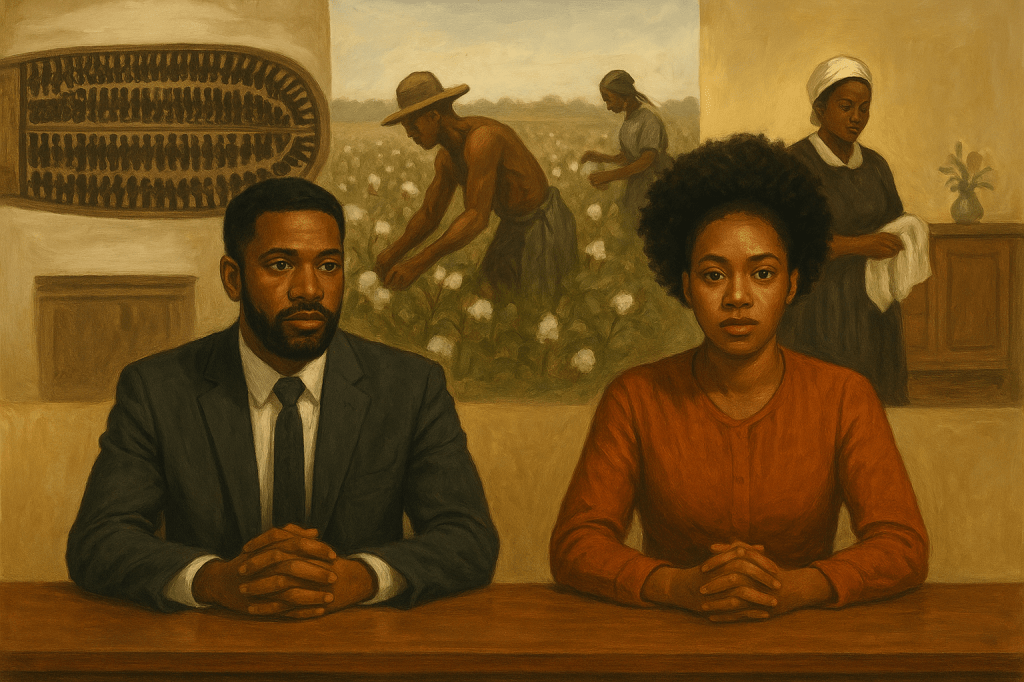
Reparations promised in 1865 through “40 acres and a mule” never materialized nationally, representing not only a breach of contract but a breach of justice. No federal reparative policy has been enacted despite centuries of documented theft, labor extraction, and structural disenfranchisement. The field and the counter today form an economic diptych — continuity rather than contrast: from unpaid cotton labor to underpaid service labor, from stolen land to inaccessible mortgages, from patrolled movement to policed existence, from literal chains to institutional ones.

The psychological captivity is often strongest. Media systems still export narratives that position Black identity as inferior, criminal, or disposable, reproducing a cognitive caste system that shapes public perception, opportunity distribution, and even self-esteem. Solomon teaches that perception becomes self-governing: “As he thinketh in his heart, so is he” (Proverbs 23:7, KJV). When a people lives under 400 years of negative mirrors, liberation must reconstruct the mind, not only the nation.

Understanding the Biblical “400-Year” Hardship Motif

In the Bible, long periods of suffering are often tied to exile, purification, oppression, and divine timing, not arbitrary catastrophe. The closest explicit reference to 400 years appears in Genesis 15:13–14 (KJV), where God tells Abram:

“Know of a surety that thy seed shall be a stranger in a land that is not theirs, and shall serve them; and they shall afflict them four hundred years; And also that nation, whom they shall serve, will I judge: and afterward shall they come out with great substance.”

This passage establishes three key principles:

  1. Suffering within foreign lands can be part of divine assignment — “a land that is not theirs.”
  2. The suffering serves a formative purpose for a chosen lineage — Abram’s seed is not destroyed, but shaped.
  3. The timeline ends with judgment of the oppressor and advancement of the oppressed — “I will judge” + “come out with great substance.”

Other biblical exiles follow similar structure, though without the number 400 attached. Israel’s bondage in Egypt, Judah’s exile into Babylon, and the scattering of tribes under imperial conquest all follow a recognizable pattern:

  • Identity is attacked
  • Oppression is used as endurance training
  • God times deliverance to align with spiritual readiness rather than political apology
  • Restoration is communal, covenantal, and spiritual before material

(Deuteronomy 30:3–5, Jeremiah 29:10–14, Psalm 126:1-3, KJV)

Thus, when people today speak of “400 years later,” they are usually drawing a parallel between African-descended suffering in America (beginning in 1619) and the Genesis 15 captivity framework, combining historical trauma with biblical typology. This is a symbolic theological claim, not a literal prophetic decree.

Du Bois (1903) noted that Black history in America has often been interpreted through a dual lens of diaspora and spiritual yearning, mirroring Hebraic exile themes. This interpretive tradition became especially strong in the African-American church and in later Afro-Hebraic movements. (Du Bois, 1903; Wilkerson, 2010)


Why 2025 Is Being Discussed as the “Cycle’s End”

The belief that “the 400-year test ends in 2025” is an example of contemporary sacred-historical reinterpretation, similar to how different generations calculated messianic or jubilee timelines in their own eras. The Bible shows that humans frequently attach chronology to hope:

  • Daniel expected restoration after 70 years because Jeremiah prophesied it (Daniel 9:2, KJV)
  • Israelites expected the Messiah based on timeline readings of prophets (Luke 3:15, KJV)
  • The Jubilee cycle (Leviticus 25) shaped conversations of liberation and return

Likewise, many Black thought movements today use 1619 → 2019/2025 as a rhetorical timeline to emphasize:

  • How long has injustice persisted
  • How delayed deliverance feels
  • How captivity keeps evolving
  • The moral debt owed to Black descendants has not been acknowledged or repaired

(Rothstein, 2017; Stevenson, 2014)

However, the Bible consistently teaches that God’s deliverance is not triggered by the clock alone, but by covenant remembrance and collective turning toward Him:

“Then ye shall call upon me, and ye shall go and pray unto me, and I will hearken unto you. And ye shall seek me, and find me, when ye shall search for me with all your heart.”
(Jeremiah 29:12-13, KJV)

This shows that spiritual awakening precedes systemic reversal in God’s economy.


What Has Changed vs. What Hasn’t

What has changed since 1619:

  • Black Americans are no longer enslaved as legal property
  • Literacy, land ownership, political office, scholarship, and cultural expression are possible
  • The Bible is now read by Black communities rather than read at them

(Woodson, 1933; Du Bois, 1903)

What has not changed at the root level :

  • Violence against Black bodies continues through hate-motivated crimes
  • Law enforcement injustice appears through disproportionate lethal force and brutality
  • No federal reparative restoration has been enacted for descendants of slavery
  • The wealth gap persists, restricting intergenerational mobility
  • Oppression remains structural, not individual alone
  • Bondage evolved from chains on bodies → chains on systems → chains on narratives → chains on economics → chains on mobility and life expectancy

(Muhammad, 2011; Rothstein, 2017; Stevenson, 2014)

Biblically, this mirrors a shift like captivity rather than the removal of it. Egypt began as physical bondage, but later exile became psychological, political, and spiritual scattering.


Yet transformation, though unfinished, remains possible. The biblical arc of exodus shows that freedom is not immediate but fought for, walked into, prayed into, and inherited by those who refuse to remain Egypt-minded. “Stand fast therefore in the liberty wherewith Christ hath made us free, and be not entangled again with the yoke of bondage” (Galatians 5:1, KJV). Black America has been made free in spirit — the labor left is to be made free in systems, policies, safety, economy, body, and legacy.

Bondage persists, but so does chosen resistance. The cotton field, the counter, the classroom, the courtroom, the wealth gap, the police district — these are the new Red Seas, new wildernesses, and new pleas for divine justice. Deliverance is still in motion. Liberation has begun, but emancipation is still the mission. And the question is no longer “Were we enslaved?” but “Why are the chains so adaptive, and where will exodus lead next?”

References

Bibb, H. (1849). Narrative of the Life and Adventures of Henry Bibb, an American Slave. Author.

Du Bois, W. E. B. (1903). The Souls of Black Folk. A. C. McClurg & Co.

Equal Justice Initiative. (2022). Lynching in America: Confronting the Legacy of Racial Terror (3rd ed.). Author.

Feagin, J. (2020). The racism: A short history (2nd ed.). Routledge.

Genovese, E. D. (1976). Roll, Jordan, Roll: The World the Slaves Made. Pantheon Books.

Higginbotham, A. L. (1978). In the Matter of Color: Race and the American Legal Process. Oxford University Press.

King James Bible. (1611). King James Version (KJV).

King, M. L., Jr. (1963). “I Have a Dream.” Speech presented at the March on Washington for Jobs and Freedom, Washington, D.C.

Muhammad, K. G. (2011). The Condemnation of Blackness: Race, Crime, and the Making of Modern Urban America. Harvard University Press.

National Archives. (2024). 13th Amendment to the U.S. Constitution: Abolition of Slavery (except as punishment for crime). U.S. Government.

Rothstein, R. (2017). The Color of Law: A Forgotten History of How Our Government Segregated America. Liveright Publishing.

Smith, S. (2016). Generations of captivity: A history of African-American slavery. Journal of Cultural History, 12(4), 45–67.

Stevenson, B. (2014). Just Mercy: A Story of Justice and Redemption. Spiegel & Grau.

Wilkerson, I. (2010). The Warmth of Other Suns: The Epic Story of America’s Great Migration. Random House.

Woodson, C. G. (1933). The Mis-Education of the Negro. Associated Publishers.

Exodus 21:16 – “He that stealeth a man, and selleth him… shall surely be put to death.”

Deuteronomy 28:37 – “Thou shalt become an astonishment, a proverb, and a byword, among all nations.”

Deuteronomy 28:43 – “The stranger that is within thee shall get up above thee very high; and thou shalt come down very low.”

Proverbs 22:7 – “The borrower is servant to the lender.”

Proverbs 23:7 – “As he thinketh in his heart, so is he.”

Psalm 12:8 – “The wicked walk on every side, when the vilest men are exalted.”

Psalm 83:4 – “Let us cut them off from being a nation.”Psalm 94:5 – “They break in pieces thy people, O Lord, and afflict thine heritage.”

Galatians 5:1 – “Stand fast therefore in the liberty wherewith Christ hath made us free, and be not entangled again with the yoke of bondage.”

The Wrath of Black Resilience

Black resilience is not a gentle force; it is a righteous wrath forged through centuries of pressure, pain, and perseverance. It is the fire that refuses to be extinguished, the power that rises from ashes with dignity still intact. This resilience is both a shield and a sword, shaped by generational survival and spiritual endurance.

The wrath of Black resilience is not destructive—it is transformative. It is the fierce determination to exist in a world that has tried, repeatedly, to erase, distort, or diminish Black life. This resilience emerges from the collision of suffering and hope, forming a strength unmatched in its depth and sacred in its origin.

This wrath carries memory. It remembers slave ships, plantations, whips, auctions, and chains. It remembers the cries of mothers whose children were torn from their arms and the prayers whispered in dark cabins to a God who seemed far yet remained present. Memory sharpens resilience into conviction.

It is a wrath tempered by wisdom. Black people have learned to survive without surrendering their humanity. The resilience that flows through the diaspora is a testimony to what happens when faith meets fire and refuses to break. It is refusal wrapped in courage—refusal to bow, to be silent, or to disappear.

The wrath of Black resilience is seen in the unyielding pursuit of justice. It is the righteous anger that propelled rebellions, marches, sit-ins, and court battles. It is the same spirit that fueled leaders like Malcolm X, Fannie Lou Hamer, Marcus Garvey, and Ida B. Wells—individuals who understood that survival alone was not enough; liberation was the goal.

It is a sacred wrath, aligned with the God of the oppressed. Scripture affirms that the Most High hears the cries of the afflicted. Black resilience draws strength from this divine truth, knowing that justice is not merely a human demand but a spiritual inheritance. This wrath becomes a holy resistance against systems of exploitation and dehumanization.

Yet, Black resilience also holds tenderness. Despite centuries of brutality, Black communities created art, music, family, culture, and spiritual practices that nourished life. This duality—wrath against injustice, tenderness toward each other—is the secret to its power.

This resilience is generational. From enslaved ancestors to modern activists, the flame of endurance has been passed down like a torch. Each generation fans it into something greater—revival, rebellion, restoration. The wrath of resilience ensures that the trauma of the past does not silence the future.

It also manifests in economic creativity. From sharecropping to Black Wall Street, from entrepreneurship to global influence, Black communities have repeatedly built and rebuilt despite sabotage and systemic barriers. This relentless reconstruction is a form of wrathful hope—hope that refuses to die.

The wrath of Black resilience is poetic. It sings through spirituals and hip-hop, dances through jazz and blues, and speaks through literature, sermons, and scholarship. Art becomes protest; creativity becomes survival; expression becomes liberation.

It is seen in Black love—the protective, enduring, healing love that withstands external assault. Black families have survived legal restrictions, targeted destabilization, and economic pressure. Yet the love still blossoms. That love is an act of defiance.

This resilience is intellectual as well. Black scholars have dismantled false histories, reconstructed truth, and reclaimed identity. The wrath here is quiet but profound—a refusal to let lies prevail. Knowledge becomes warfare, and scholarship becomes a pathway to cultural redemption.

The wrath of Black resilience also operates spiritually. Through Christianity, Islam, African traditional religions, and Hebrew Israelite faith practices, Black communities cultivated belief systems that affirmed their worth when the world denied it. Faith became resistance; prayer became strategy.

This resilience is communal. It is seen in mutual aid networks, church gatherings, neighborhood protection, and intergenerational mentorship. Black communities have learned that survival is collective work. Their wrath is unified; their resilience, intertwined.

Even in grief, Black resilience rises. Mourning becomes movement; sorrow becomes strategy. Whether after lynchings, massacres, police brutality, or generational trauma, the community finds a way to speak, march, organize, and heal without losing its soul.

The wrath of Black resilience is global. In Africa, the Caribbean, South America, and throughout the diaspora, colonization could not destroy the spirit of the people. Revolutions erupted; cultures survived; languages adapted; identities persisted. The global Black experience is one of endurance and rebirth.

This resilience is also prophetic. It does not simply react to injustice—it anticipates liberation. It sees beyond present oppression to future restoration. Black resilience believes in the possibility of a world made right, and it fights relentlessly until that vision becomes reality.

The wrath of resilience is not rage without direction—it is purpose wrapped in fire. It is the sharpened edge of survival and the disciplined determination to rise above systems built for destruction. It is righteousness standing firm against wickedness.

Ultimately, the wrath of Black resilience is a divine inheritance. It is the echo of ancestors, the strength of the present generation, and the promise of those yet to come. It is the collective heartbeat of a people who refuse to die, refuse to bend, and refuse to be forgotten.


References

Alexander, M. (2012). The new Jim Crow: Mass incarceration in the age of colorblindness. The New Press.

Cone, J. H. (1975). God of the oppressed. Orbis Books.

Davis, A. (2016). Freedom is a constant struggle: Ferguson, Palestine, and the foundations of a movement. Haymarket Books.

Gates, H. L. (2019). Stony the road: Reconstruction, white supremacy, and the rise of Jim Crow. Penguin Press.

Wells, I. B. (2020). Crusade for justice: The autobiography of Ida B. Wells. University of Chicago Press.

West, C. (2017). Race matters. Beacon Press.

Don’t Trust These Types of People.

Photo by Paweu0142 L. on Pexels.com

In life, trust is one of the most valuable currencies we possess, and not everyone is worthy of it. The Bible repeatedly warns us to “be not deceived” (Galatians 6:7, KJV) and to discern the spirits around us. Carl Jung, the father of analytical psychology, emphasized the importance of understanding archetypes and the shadow self—the darker, hidden parts of human personality. When we understand these patterns, we can recognize dangerous types of people before they harm our mental, emotional, and spiritual well-being.

One of the most dangerous types of people is the chronic victim. This person always sees themselves as oppressed, never taking responsibility for their actions. They thrive on pity and manipulate others through guilt. Psychologically, this aligns with Jung’s concept of the “wounded child” archetype—an unhealed inner self that refuses to grow. The Bible instructs believers not to enable such behavior, reminding us that “every man shall bear his own burden” (Galatians 6:5, KJV). When someone constantly demands emotional rescue, they can drain your energy and hinder your growth.

Another type to be wary of is the mirror—those who mimic your personality, values, and even speech to gain your trust. At first, they seem like soulmates or best friends, but their imitation is not born of genuine admiration; it is a psychological tactic. Jung would identify this as projection—they reflect what they believe you want to see. Eventually, their false identity collapses, often leading to betrayal. The Bible warns of such deceit: “For such are false apostles, deceitful workers, transforming themselves into the apostles of Christ” (2 Corinthians 11:13, KJV).

Then comes the seductive empath, a dangerous combination of sensitivity and manipulation. This person uses emotional intelligence not to heal but to seduce, entrap, or control. Jung spoke of the “anima/animus” archetype—the inner masculine and feminine energies—that can be either a guide to growth or a source of temptation. Proverbs 5:3-4 (KJV) warns against the strange woman whose lips “drop as an honeycomb” but whose end is “bitter as wormwood.” The seductive empath appears comforting but can lead you into sin, distraction, or emotional destruction.

You should also beware of the non-rejoicer of your success. This person cannot celebrate your wins and often minimizes or sabotages your achievements. Psychologically, this reveals envy, which Jung regarded as a projection of one’s own unlived life. Cain is the ultimate biblical example—unable to rejoice at Abel’s accepted offering, leading to murder (Genesis 4:5-8, KJV). People who cannot celebrate your growth often secretly wish for your downfall.

Another dangerous figure is the judge—the person who constantly criticizes, shames, and condemns others. This type lives out Jung’s “senex” archetype in its shadow form—rigid, oppressive, and controlling. While healthy judgment is necessary for discernment, the hypercritical judge seeks power over others by tearing them down. Jesus taught against this spirit of condemnation: “Judge not, that ye be not judged” (Matthew 7:1, KJV). Such individuals can erode your confidence and paralyze you with fear of failure.

Of course, the narcissist is one of the most destructive personalities. Narcissists exhibit grandiosity, entitlement, and lack of empathy—traits that psychology has well documented. Jung described the narcissist as someone fixated on their own ego rather than the Self (the higher, integrated psyche). The Bible offers a sobering description of the last days: “For men shall be lovers of their own selves, covetous, boasters, proud…” (2 Timothy 3:2, KJV). Narcissists can charm at first but ultimately exploit those closest to them.

Be cautious also of the fake spiritualist—those who cloak themselves in religion or spirituality to gain influence. They use scripture or mystical language as a weapon, often for personal gain or control. Jung would say they are possessed by the “persona” archetype—the mask they wear to appear holy while hiding their shadow. Jesus warned of such people: “Beware of false prophets, which come to you in sheep’s clothing, but inwardly they are ravening wolves” (Matthew 7:15, KJV). These people can cause spiritual confusion and abuse.

Collectively, these types of people threaten your peace, purpose, and faith. They represent unhealed archetypes, shadow projections, and spiritual dangers that require wisdom to navigate. Setting boundaries is not unloving; it is biblical. Proverbs 4:23 (KJV) reminds us, “Keep thy heart with all diligence; for out of it are the issues of life.” You are responsible for guarding your soul from manipulation and harm.

Type of PersonPsychological Insight (Carl Jung / Psychology)KJV Bible Reference
Chronic Victim“Wounded Child” archetype; refuses to take responsibility and thrives on pity, draining others emotionally.“For every man shall bear his own burden.” (Galatians 6:5)
The MirrorProjection—imitates your personality to gain trust, eventually betraying you when their false mask collapses.“For such are false apostles, deceitful workers, transforming themselves…” (2 Corinthians 11:13)
Seductive EmpathShadow side of anima/animus; uses emotional intelligence and empathy to seduce or control.“For the lips of a strange woman drop as an honeycomb… but her end is bitter as wormwood.” (Proverbs 5:3-4)
Non-Rejoicer of Your SuccessEnvy as shadow projection—resentment toward others’ accomplishments.Cain envying Abel: “And Cain was very wroth… and it came to pass… Cain rose up against Abel his brother, and slew him.” (Genesis 4:5-8)
The JudgeShadow “Senex” archetype; overly critical and controlling, shaming others.“Judge not, that ye be not judged.” (Matthew 7:1)
NarcissistEgo fixation; lack of empathy, grandiosity, entitlement. Jung: ego over Self integration.“For men shall be lovers of their own selves, covetous, boasters, proud…” (2 Timothy 3:2)
Fake SpiritualistPersona archetype—masking hidden motives under spirituality or religion.“Beware of false prophets, which come to you in sheep’s clothing…” (Matthew 7:15)
General WarningJung emphasized shadow work and self-reflection to avoid repeating toxic patterns.“Keep thy heart with all diligence; for out of it are the issues of life.” (Proverbs 4:23)

Finally, psychology and Scripture agree that discernment is crucial. Jung encouraged deep self-reflection to recognize patterns and avoid repeating them. The Bible calls for spiritual discernment through prayer and the Holy Spirit (1 John 4:1, KJV). By understanding these dangerous personalities, you equip yourself to walk wisely, preserve your emotional health, and stay aligned with your divine purpose.


References

  • Holy Bible, King James Version
  • Jung, C. G. (1959). The Archetypes and the Collective Unconscious. Princeton University Press.
  • American Psychiatric Association. (2022). Diagnostic and Statistical Manual of Mental Disorders (DSM-5-TR).
  • Campbell, J. (2008). The Hero with a Thousand Faces. Princeton University Press.
  • Greenberg, J., & Mitchell, S. (1983). Object Relations in Psychoanalytic Theory. Harvard University Press.

Dilemma: Loss of Identity

This artwork is the property of its respective owner. No copyright infringement intended.

Chains rattled with the tide,
Names stolen, tongues tied.
On waters wide, hope sank deep,
Captivity carried—memories we keep.

The loss of identity is one of the most profound dilemmas endured by humanity, particularly among oppressed peoples. For African descendants in the Americas, this dilemma is not abstract but lived—a consequence of slavery, colonization, and systemic erasure. This struggle to know oneself is both a personal and collective burden, rooted in history yet carried into the present.

Slave Ships as Sites of Erasure

The transatlantic slave ships were more than vessels of transport; they were tools of identity annihilation. Families were torn apart, languages silenced, and cultural memories suppressed. Olaudah Equiano (1789/2001) described the Middle Passage as a space where people were treated as “commodities” rather than human beings. In this forced displacement, African men and women were stripped of their names, rituals, and belonging.

Captivity and Biblical Parallels

The Bible offers parallels to this historical tragedy. Deuteronomy 28:68 (KJV) prophesies, “And the LORD shall bring thee into Egypt again with ships… and there ye shall be sold unto your enemies for bondmen and bondwomen, and no man shall buy you.” This verse echoes the reality of Africans transported into captivity, linking the loss of identity to a spiritual dimension of exile and prophecy.

Identity as a Human Anchor

Psychologically, identity functions as an anchor. Erikson’s (1968) stages of psychosocial development emphasize identity formation as crucial to mental stability. When individuals are robbed of cultural markers, such as name, language, and ancestry, they experience fragmentation. Enslaved Africans and their descendants inherited this psychological wound across generations.

The Mask of Survival

In order to survive, many enslaved people were forced to adopt the identity of their oppressors. Names were replaced with European ones, religions were imposed, and cultural practices were punished. This masking of the true self aligns with W.E.B. Du Bois’s (1903/1994) concept of “double consciousness,” where African Americans lived with the tension of their authentic self and the imposed gaze of white society.

Spiritual Disconnection

Another dimension of identity loss was spiritual. Many Africans brought rich religious traditions, yet these were suppressed and replaced with distorted forms of Christianity that justified slavery. While the true liberating message of the Gospel offered hope, its manipulation by oppressors contributed to spiritual confusion, making faith itself a site of identity struggle (Raboteau, 2004).

The Generational Silence

The dilemma did not end with emancipation. Generations inherited silence rather than memory. Families often lacked knowledge of their origins beyond slavery, leading to fractured identities. This loss of ancestral connection created cultural amnesia, leaving African descendants vulnerable to assimilation and shame.

The Psychological Cost

Research shows that historical trauma can have intergenerational effects. Danieli (1998) observed how unresolved trauma in one generation transmits to the next, manifesting in depression, anxiety, or internalized oppression. For Black communities, the unresolved trauma of slavery contributed to identity confusion, cycles of poverty, and weakened family structures.

Identity and Racism

The external world reinforced this loss through systemic racism. Stereotypes, laws, and discriminatory practices labeled Black people as inferior, perpetuating the identity imposed during slavery. This external misrepresentation created internal conflict, where individuals wrestled with the lies of society versus the truth of their humanity.

The Role of Education

Carter G. Woodson (1933/2006) argued in The Mis-Education of the Negro that systemic erasure within education reinforced identity loss. Black history was omitted or distorted, causing generations to believe they had no legacy worth preserving. Education became a battleground for identity reclamation.

The Dilemma of Assimilation

In pursuit of acceptance, many African Americans adopted European standards of beauty, speech, and culture. While assimilation provided opportunities for survival, it deepened the dilemma of identity: to belong outwardly meant to deny inwardly. This paradox remains visible today in debates about hair, skin tone, and language.

The Bible as Restoration

Despite misuse by oppressors, Scripture also became a source of restoration. Psalms 137:1 (KJV) captures the lament of displaced people: “By the rivers of Babylon, there we sat down, yea, we wept, when we remembered Zion.” The cry of exiles resonates with African descendants longing for identity, showing that biblical narratives of captivity also carry promises of restoration.

Community as Healer

Identity is not rebuilt in isolation but in community. Black churches, cultural movements, and grassroots organizations became centers of identity reclamation. Through music, worship, and storytelling, fragments of identity were pieced back together, restoring dignity and hope.

The Role of Memory

Remembering is itself an act of resistance. By preserving oral histories, traditions, and genealogies, communities resist erasure. Isaiah 58:12 (KJV) promises, “And they that shall be of thee shall build the old waste places… thou shalt be called, The repairer of the breach.” Remembering builds bridges between past and future.

Cultural Reclamation Movements

The Harlem Renaissance, Black Power, and Pan-African movements sought to reclaim lost identity. By celebrating African heritage, art, and pride, these movements countered centuries of imposed inferiority. They demonstrated that cultural expression is not merely art but a tool of identity restoration.

Psychological Healing

Healing identity loss requires psychological and spiritual renewal. Romans 12:2 (KJV) urges believers to “be transformed by the renewing of your mind.” Therapy, cultural education, and spiritual grounding all contribute to rebuilding fragmented identities, offering freedom from internalized lies.

Modern Identity Struggles

Even today, Black communities wrestle with dilemmas of identity. From debates over African versus African American identity to struggles with colorism and beauty standards, the search for self continues. The legacy of slavery’s identity theft lingers in these ongoing struggles.

Toward Restoration

Restoration comes when individuals and communities reclaim their heritage, affirm their worth, and embrace their divine purpose. Identity is not only about ancestry but also about destiny. Recognizing oneself as created in the image of God (Genesis 1:27, KJV) provides the ultimate foundation for restored dignity.

Conclusion

The dilemma of loss of identity is both a wound and a call to healing. Though chains, ships, and systems sought to erase, the memory of a people endures. Through history, faith, and collective resilience, identity can be reclaimed. What was lost in captivity can be restored in truth, for identity rooted in God and heritage cannot be permanently destroyed.


References

  • Danieli, Y. (1998). International handbook of multigenerational legacies of trauma. Springer.
  • Du Bois, W. E. B. (1994). The souls of Black folk. Dover. (Original work published 1903)
  • Equiano, O. (2001). The interesting narrative of the life of Olaudah Equiano. Bedford/St. Martin’s. (Original work published 1789)
  • Erikson, E. H. (1968). Identity: Youth and crisis. Norton.
  • Raboteau, A. (2004). Slave religion: The “invisible institution” in the antebellum South. Oxford University Press.
  • Woodson, C. G. (2006). The mis-education of the Negro. Book Tree. (Original work published 1933)
  • The Holy Bible, King James Version.

Dilemma: Mental Slavery

Understanding, Overcoming, and Renewing the Mind.

Photo by Ketut Subiyanto on Pexels.com

Mental slavery refers to the psychological condition in which individuals internalize beliefs of inferiority, limitation, or subservience imposed by external systems of oppression. Unlike physical slavery, which confines the body, mental slavery confines the mind, influencing behavior, self-worth, and worldview. It perpetuates cycles of disempowerment, even long after the end of legal slavery. Psychologists describe mental slavery as a form of internalized oppression, where the oppressed adopt the value system of the oppressor (Welsing, 1991). Biblically, this is akin to captivity of the mind: “And be not conformed to this world: but be ye transformed by the renewing of your mind, that ye may prove what is that good, and acceptable, and perfect, will of God” (Romans 12:2, KJV).

Origins of Mental Slavery

Mental slavery originated during the transatlantic slave trade, where Africans were forcibly removed from their homelands and subjected to dehumanization, brutality, and cultural erasure. Enslavers imposed narratives of inferiority, instilling in enslaved people the belief that they were subhuman, incapable of self-determination, and dependent on their oppressors. This psychological conditioning was reinforced through generations via systemic oppression, segregation, and institutionalized racism.

Impact on Ancestors

Our ancestors endured extreme physical, emotional, and psychological trauma. They were denied education, cultural expression, family integrity, and autonomy. Beyond physical exploitation, slavery instilled fear, dependency, and internalized inferiority, affecting generational mindset. Even in freedom, descendants inherit remnants of these beliefs, manifesting as self-doubt, colorism, and acceptance of societal hierarchies that devalue Black life.

Psychological Impact Today

Mental slavery continues to affect Black communities through low self-esteem, internalized racism, identity conflicts, and susceptibility to societal conditioning. Psychologists observe that it contributes to cycles of poverty, educational disparities, and social marginalization. The mental burden often results in anxiety, depression, and diminished motivation, creating barriers to realizing full potential (Hunter, 2007).

Understanding Mental Slavery Through the Bible

The KJV Bible provides principles for overcoming mental slavery by emphasizing spiritual freedom and mind renewal. Jesus declared: “If the Son therefore shall make you free, ye shall be free indeed” (John 8:36, KJV). Freedom begins in the mind, aligning thoughts and beliefs with God’s truth rather than the lies imposed by oppression. Scripture repeatedly emphasizes that the mind and heart are central to liberation (Romans 12:2; 2 Corinthians 10:5, KJV).

Renewing the Mind

Renewal of the mind involves rejecting false narratives, embracing God’s Word, and cultivating a spiritual, moral, and intellectual identity rooted in truth. Daily practices include prayer, meditation on Scripture, affirmations, education, and exposure to empowering narratives. “Casting down imaginations, and every high thing that exalteth itself against the knowledge of God, and bringing into captivity every thought to the obedience of Christ” (2 Corinthians 10:5, KJV). Renewal requires discipline, community, and conscious effort.

Overcoming Mental Slavery

Overcoming mental slavery entails both individual and collective strategies:

  • Education: Learning history, culture, and personal heritage restores identity and pride.
  • Therapy & Counseling: Addressing generational trauma and internalized beliefs.
  • Faith & Spiritual Practice: Grounding identity in God’s truth rather than societal lies.
  • Community & Mentorship: Engaging with supportive networks that model empowerment and resilience.

Mental Slavery Healing Guide: Breaking Generational Mind Chains


1. Daily Affirmations and Spiritual Alignment

  • “If the Son therefore shall make you free, ye shall be free indeed” (John 8:36, KJV).
  • “I reject every lie of inferiority and embrace my God-given worth.”
  • “My mind is renewed by God’s Word, not the world’s standards” (Romans 12:2, KJV).

Practice: Repeat affirmations morning and evening, or write them in a journal. Pair with prayer to internalize truth.


2. Scripture Meditation and Mind Renewal

  • Meditate on verses that affirm identity, freedom, and power in Christ:
    • 2 Corinthians 10:5: “Casting down imaginations, and every high thing that exalteth itself against the knowledge of God.”
    • Romans 12:2: Emphasizes transformation through mind renewal.
  • Visualize each thought and belief aligning with God’s truth rather than oppressive narratives.

3. Education and Historical Awareness

  • Study the history of slavery, colonialism, and colorism to understand the roots of mental slavery.
  • Read biographies of Black leaders, scholars, and revolutionaries who resisted oppression.
  • Teaching history accurately restores pride, identity, and resilience.

4. Psychological Tools

  • Journaling: Record experiences of internalized bias and victories over negative thoughts.
  • Cognitive Restructuring: Identify and challenge thoughts of inferiority, replacing them with affirming truths.
  • Therapy or Counseling: Seek professionals trained in racial trauma, intergenerational oppression, and self-esteem issues.

5. Faith-Based Practices

  • Daily prayer for clarity, courage, and mental freedom.
  • Fasting and extended prayer sessions can strengthen spiritual discipline and focus.
  • Attend Bible study groups that emphasize spiritual empowerment and mental renewal.

6. Community and Mentorship

  • Surround yourself with mentors and peers who embody empowerment and pride in Black identity.
  • Participate in community programs that focus on leadership, entrepreneurship, and cultural affirmation.
  • Engage in dialogue about mental slavery to normalize experiences and foster collective healing.

7. Cultural Affirmation and Personal Expression

  • Celebrate natural hair, skin, and features; avoid conforming to Eurocentric standards for approval.
  • Explore cultural arts, music, and literature to strengthen identity and counter societal conditioning.
  • Represent Black beauty, achievement, and intellect publicly to inspire others.

8. Action Steps for Daily Freedom

  1. Begin each day with Scripture, prayer, and affirmations.
  2. Educate yourself on history and cultural identity.
  3. Practice cognitive and emotional strategies to reject internalized oppression.
  4. Engage in faith communities and mentorship programs.
  5. Express identity authentically through personal appearance, creativity, and leadership.

Conclusion

Mental slavery is a profound, generational challenge, rooted in the dehumanization of our ancestors and perpetuated by societal systems. Its psychological impact is pervasive, influencing identity, self-perception, and social outcomes. However, the KJV Bible provides a framework for liberation through the renewal of the mind, spiritual alignment, and embracing God-given worth. By understanding its origins, acknowledging its effects, and actively pursuing mental and spiritual freedom, Black individuals and communities can break the chains of mental slavery and reclaim empowerment, dignity, and purpose.


References

Biblical References (KJV)

  • Romans 12:2
  • 2 Corinthians 10:5
  • John 8:36

Psychology & Sociology References

  • Welsing, F. C. (1991). The Isis Papers: The Keys to the Colors. Third World Press.
  • Hunter, M. L. (2007). The Persistent Problem of Colorism: Skin Tone, Status, and Inequality. Sociology Compass, 1(1), 237–254.
  • Clark, R., & Clark, K. (1947). Racial Identification and Preference in Negro Children. Journal of Negro Education, 16(3), 169–176.