Category Archives: melanin

Melanin Matters: Embracing Your Natural Glow.

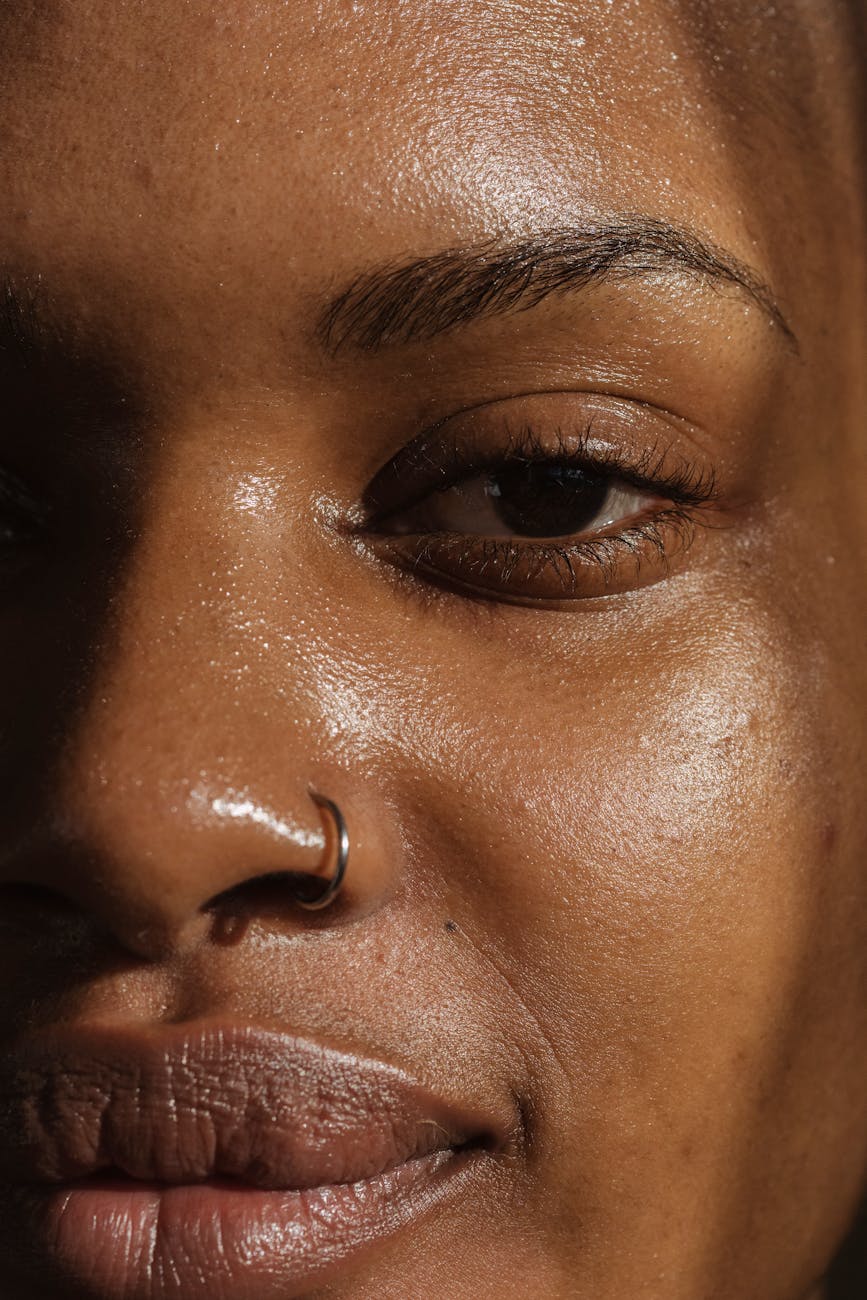
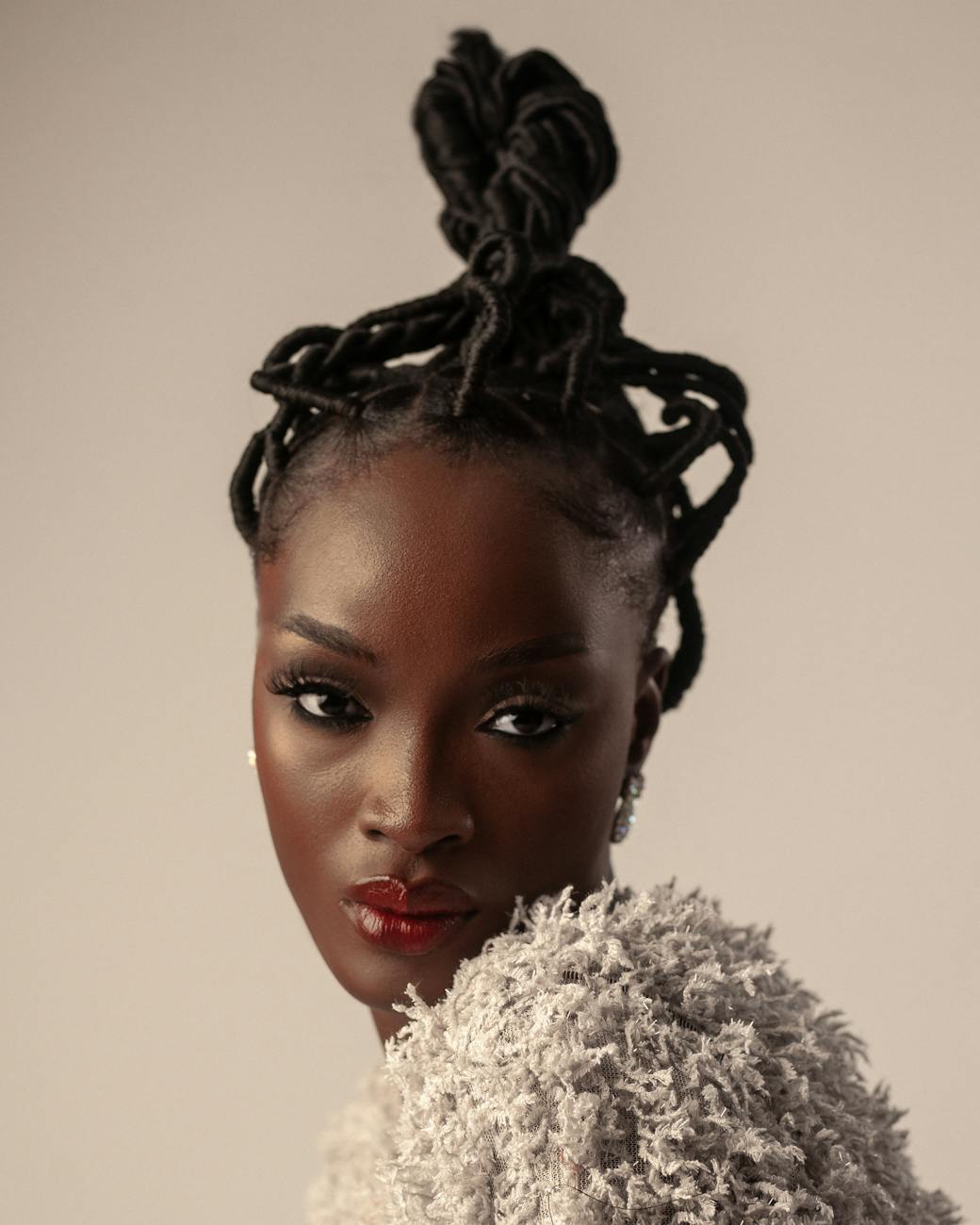
Photo by Angela Roma on Pexels.com

Melanin is more than the pigment that determines skin color—it is a symbol of heritage, resilience, and beauty. For people with melanin-rich skin, embracing this natural glow is both an act of self-love and cultural affirmation. In a world that has long privileged lighter skin, recognizing the value of melanin transforms perceptions of beauty, identity, and confidence.

The Science of Melanin

Melanin is a natural pigment responsible for skin, hair, and eye color. It provides protection against ultraviolet radiation and contributes to the skin’s radiant appearance. Beyond its biological function, melanin has cultural and aesthetic significance, symbolizing ancestral pride and a connection to history. Recognizing its importance fosters appreciation for the uniqueness and strength inherent in melanin-rich skin.

Melanin Matters: Embracing Your Natural Glow

1. Celebrate Your Shades

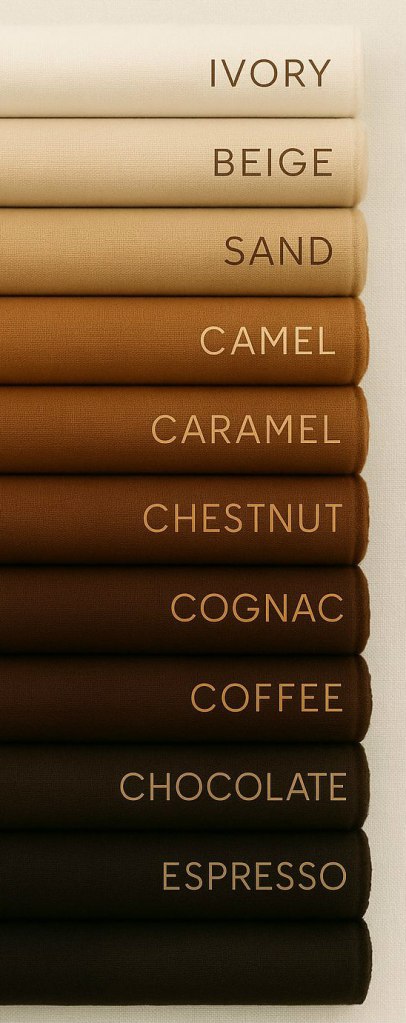
Visual: Gradient spectrum of melanin-rich skin tones from deep espresso to light caramel.
Message: Every shade is radiant, unique, and beautiful.


2. Affirm Your Beauty

Daily Affirmations:

  • “My melanin is my power.”
  • “I shine in my natural skin.”
  • “My glow is a reflection of my heritage.”
    Visual Idea: Typography-based graphic with glowing letters over skin-tone-inspired backgrounds.

3. Embrace Natural Hair and Features

Tips:

  • Celebrate curls, coils, braids, and waves.
  • Honor natural facial features as part of your heritage.
    Visual Idea: Illustrations or images of diverse hairstyles paired with radiant skin tones.

4. Skin Care with Pride

Tips:

  • Use sunscreen to protect your glow.
  • Hydrate and nourish your skin.
  • Embrace minimal and natural beauty routines.
    Visual Idea: Skincare icons over shades of brown with subtle shine effects.

5. Engage with Representation

Tips:

  • Follow influencers and media celebrating melanin-rich beauty (#MelaninPoppin, #BrownSkinGirl).
  • Support brands that offer inclusive products.
    Visual Idea: Collage of influencer photos with glowing skin tones and branded visuals.

6. Community Celebration

Tips:

  • Share your glow online with supportive communities.
  • Participate in melanin-positive challenges and campaigns.
    Visual Idea: Network or mosaic of selfies across shades of brown, connected by hashtag banners.

Cultural Significance

Historically, melanin-rich skin has been undervalued due to colonialism, slavery, and colorism. Despite this, communities across the African diaspora and beyond have celebrated melanin as a marker of identity, power, and beauty. Embracing melanin is a reclamation of heritage and a rejection of Eurocentric beauty ideals. Figures like Lupita Nyong’o, Adut Akech, and Tracee Ellis Ross exemplify how melanin can be celebrated as a source of pride and influence.

Psychological Benefits

Embracing melanin has measurable psychological benefits. Research indicates that individuals who celebrate their natural skin tone experience higher self-esteem, improved body image, and greater resilience against societal bias (Hunter, 2007). Affirming one’s melanin-rich skin reduces internalized colorism and reinforces a positive sense of identity, particularly for young women navigating social and media pressures.

Practical Ways to Embrace Your Glow

  1. Celebrate Natural Beauty: Embrace hair textures, skin tones, and features without altering them to fit imposed standards.
  2. Engage with Representation: Follow media, brands, and influencers that affirm melanin-rich beauty.
  3. Skin Care with Pride: Protect and nourish your natural glow with sun protection, hydration, and self-care rituals.
  4. Affirm Daily: Use positive affirmations like, “My melanin is my power,” or “I shine in my natural skin.”
  5. Community Celebration: Join online and offline spaces that celebrate melanin, such as #MelaninPoppin or #BrownSkinGirl.

Conclusion

Melanin is a gift, a cultural legacy, and a defining feature of natural beauty. Embracing your natural glow is a declaration of self-love, confidence, and cultural pride. By celebrating melanin, individuals honor their heritage, resist colorism, and redefine beauty on their own terms. Every shade of melanin matters, and every glow deserves recognition. Melanin is a legacy, a gift, and a defining feature of natural beauty. Embrace every shade, celebrate your glow, and affirm your worth daily. Your melanin matters—your glow deserves recognition.


References

  • Hunter, M. (2007). The Persistent Problem of Colorism: Skin Tone, Status, and Inequality. Sociology Compass, 1(1), 237–254.
  • The Holy Bible, King James Version. (1611). Song of Solomon 1:5.
The Science of Glow: Melanin, Skin Health, and Beauty.

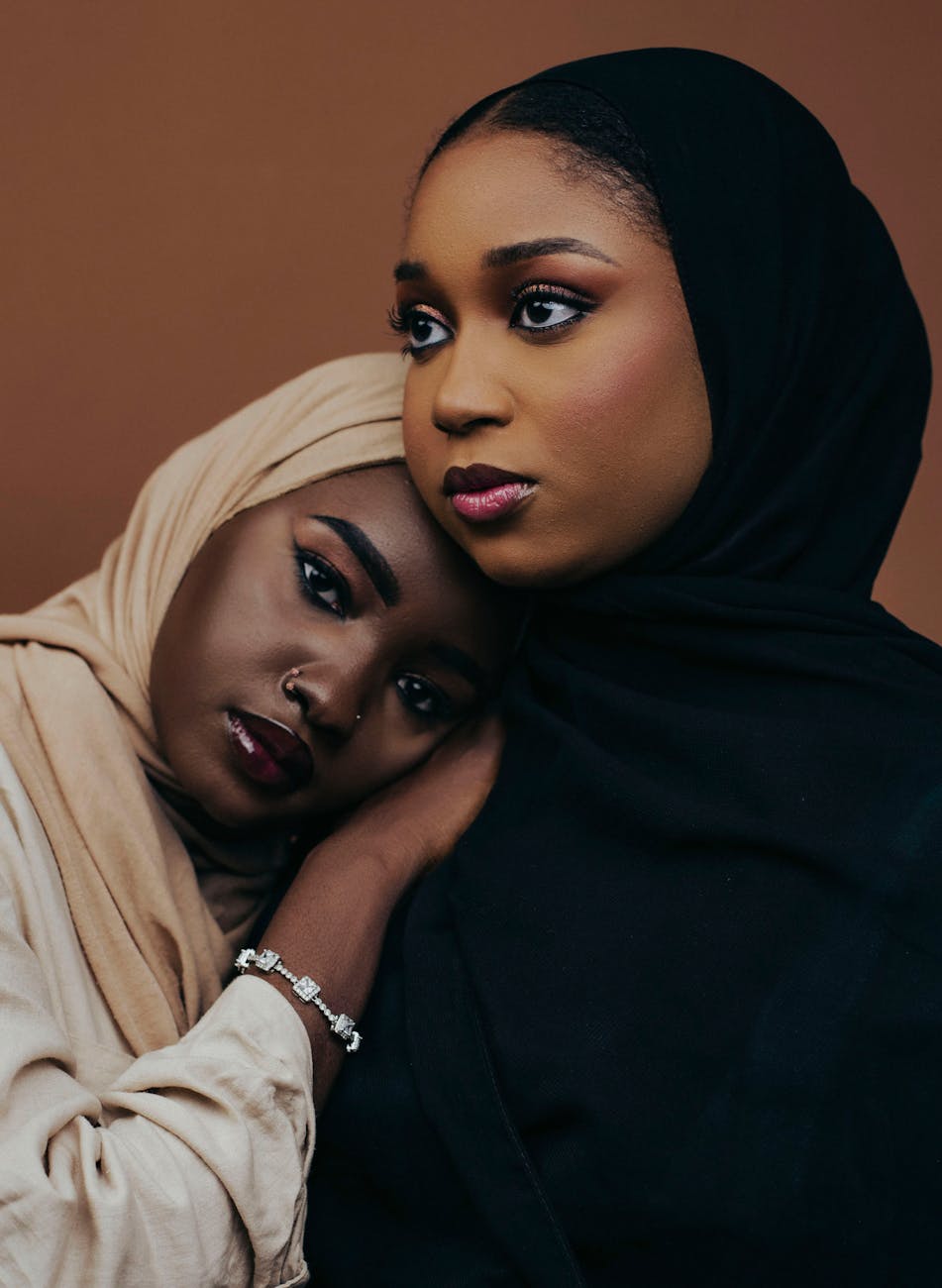
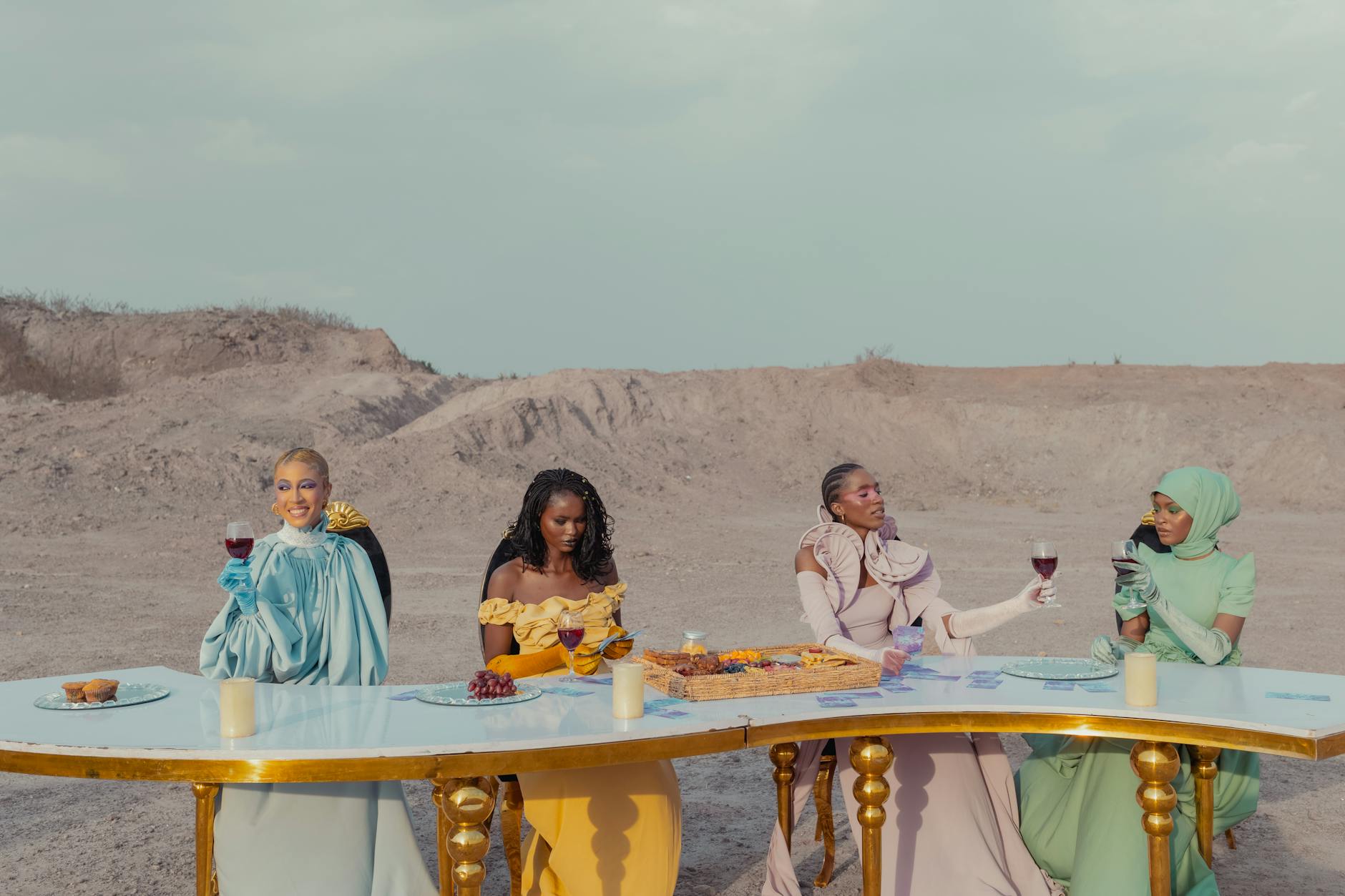
Photo by Darksight Image on Pexels.com

Golden Glow

Emerging from the depths, a shimmer in the light,
Brown skin gleams with stories, both ancient and bright.
Each droplet a testament, each curve a song,
In the tapestry of heritage, we all belong. Rich as earth, deep as night,
A tapestry of ancestral light.
Golden hues in sun’s embrace,
A legacy etched upon the face.
Strength and beauty intertwined,
In every shade, a story is defined.

Glow is often used in popular culture to describe radiant, healthy skin, but behind the aesthetic appeal lies a biological marvel: melanin. Understanding how melanin functions, its impact on skin health, and its role in beauty offers both scientific insight and cultural affirmation for individuals with melanin-rich skin.

Dr. Frances Cress Welsing’s work, The Isis Papers: The Keys to the Colors, delves into the concept of the “Golden Fleece” as a metaphor for the genetic potential and beauty inherent in Black individuals.. In her writings, she emphasizes the unique and powerful attributes of Black skin, often highlighting its radiance and resilience. ResearchGate+3PBS+3Wikipedia+3

The “Golden Fleece” metaphorically represents the richness and depth of Black identity and heritage. It’s a poetic way to acknowledge the inherent beauty and strength that radiates from within, much like the glow that can be seen when light reflects off skin after emerging from water.

Melanin: Nature’s Protective Pigment

Melanin is a natural pigment responsible for skin, hair, and eye color. It is produced by specialized cells called melanocytes, which convert the amino acid tyrosine into pigment through a process called melanogenesis. Melanin serves a crucial biological function: it protects the skin from ultraviolet (UV) radiation, reducing the risk of DNA damage, premature aging, and certain types of skin cancer.

The Link Between Melanin and Skin Health

Individuals with higher melanin content have natural photoprotection, which contributes to healthier skin over time. Melanin acts as a natural sunscreen, absorbing UV rays and preventing excessive sun damage. However, proper skin care remains essential: hydration, nourishment, and protection from environmental stressors enhance the natural glow, while avoiding harsh chemicals and overexposure to sun preserves skin integrity.

Melanin and Aesthetic Glow

A radiant complexion is often associated with high melanin content because melanin-rich skin can reflect light in a warm, luminous manner. This natural radiance is enhanced by proper hydration, nutrition, and self-care practices. Beyond aesthetics, the glow symbolizes resilience and heritage, linking biological function to cultural identity.

What is Melanin?

  • Definition: Natural pigment responsible for skin, hair, and eye color.
  • Function: Protects skin from harmful UV rays and reduces DNA damage.
  • Visual Idea: Diagram showing melanocytes producing melanin in the skin layers.

2. Melanin and Natural Radiance

  • Glow Factor: Reflects light in warm, luminous tones.
  • Significance: Radiance signals health, vitality, and resilience.
  • Visual Idea: Gradient spectrum of melanin-rich skin glowing under soft light.

3. Skin Health Tips for a Natural Glow

  • Hydration: Drink water to maintain cellular function.
  • Nutrition: Eat foods rich in antioxidants, vitamins C & E, and healthy fats.
  • Sun Protection: Use sunscreen to prevent hyperpigmentation and UV damage.
  • Gentle Care: Avoid harsh chemicals; embrace natural products.
  • Visual Idea: Icons representing water, fruits/veggies, sunscreen, and skincare bottles.

4. Cultural and Psychological Power

  • Heritage: Melanin-rich skin represents ancestral pride and identity.
  • Confidence: Embracing natural glow strengthens self-esteem and counters colorism.
  • Visual Idea: Illustration of diverse brown-skinned women celebrating their glow with affirmations.

5. Daily Affirmations for Your Glow

  • “My melanin is my shield and my shine.”
  • “My glow reflects my heritage, health, and beauty.”
  • “I embrace and celebrate my natural radiance every day.”
  • Visual Idea: Typography-based banners layered over gradient brown tones.

Cultural and Psychological Significance

Melanin has been historically undervalued due to Eurocentric beauty standards and colorism. Embracing melanin-rich skin as beautiful and healthy fosters self-esteem, pride, and identity affirmation (Hunter, 2007). When communities celebrate melanin, glow becomes both a physical and psychological marker of confidence, resilience, and empowerment.

Practical Tips for Enhancing Your Natural Glow

  1. Hydration: Water consumption supports cellular function and skin vitality.
  2. Nutrition: Diets rich in antioxidants, vitamins C and E, and healthy fats promote skin radiance.
  3. Sun Protection: Even melanin-rich skin benefits from sunscreen to prevent hyperpigmentation and UV damage.
  4. Gentle Skin Care: Avoid harsh exfoliants and chemical treatments that disrupt natural skin balance.
  5. Affirmation and Confidence: Embrace your natural glow as a reflection of heritage, health, and beauty.

Conclusion

Glow is more than surface-level radiance—it is the intersection of biology, health, and cultural identity. Melanin not only protects the skin but also enhances its aesthetic appeal, symbolizing resilience, heritage, and self-pride. By understanding and caring for melanin-rich skin, individuals can cultivate a natural glow that is both scientifically supported and culturally empowering. Glow is both science and culture. By understanding melanin’s protective role, practicing healthy skincare, and embracing natural beauty, your glow becomes a declaration of confidence, heritage, and empowerment.


References

  • Hunter, M. (2007). The Persistent Problem of Colorism: Skin Tone, Status, and Inequality. Sociology Compass, 1(1), 237–254.
  • Brenner, M., & Hearing, V. J. (2008). The protective role of melanin against UV damage in human skin. Photochemistry and Photobiology, 84(3), 539–549.
  • The Holy Bible, King James Version. (1611). Song of Solomon 1:5.
Heritage in Every Hue: Embracing the Legacy of Brown Skin.

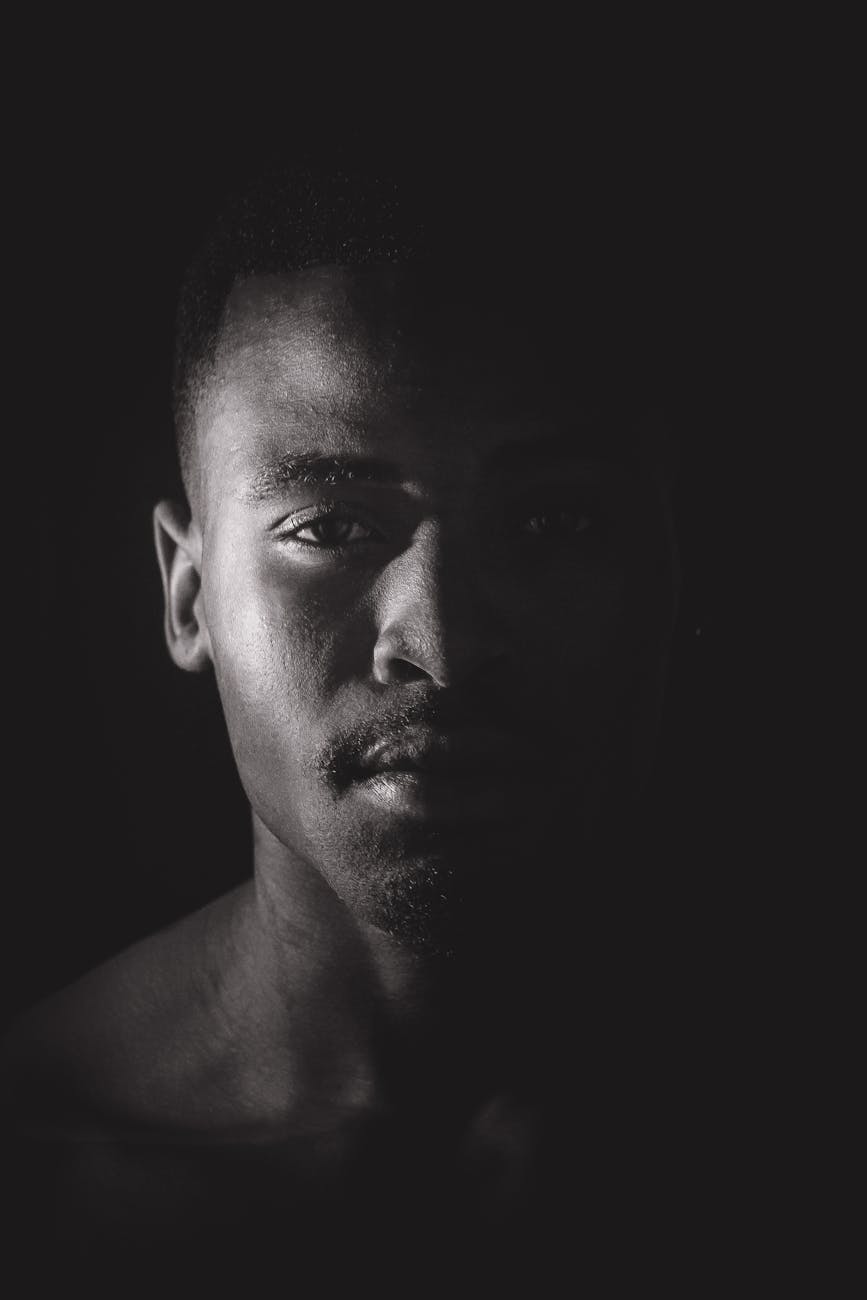
Photo by magapls . on Pexels.com

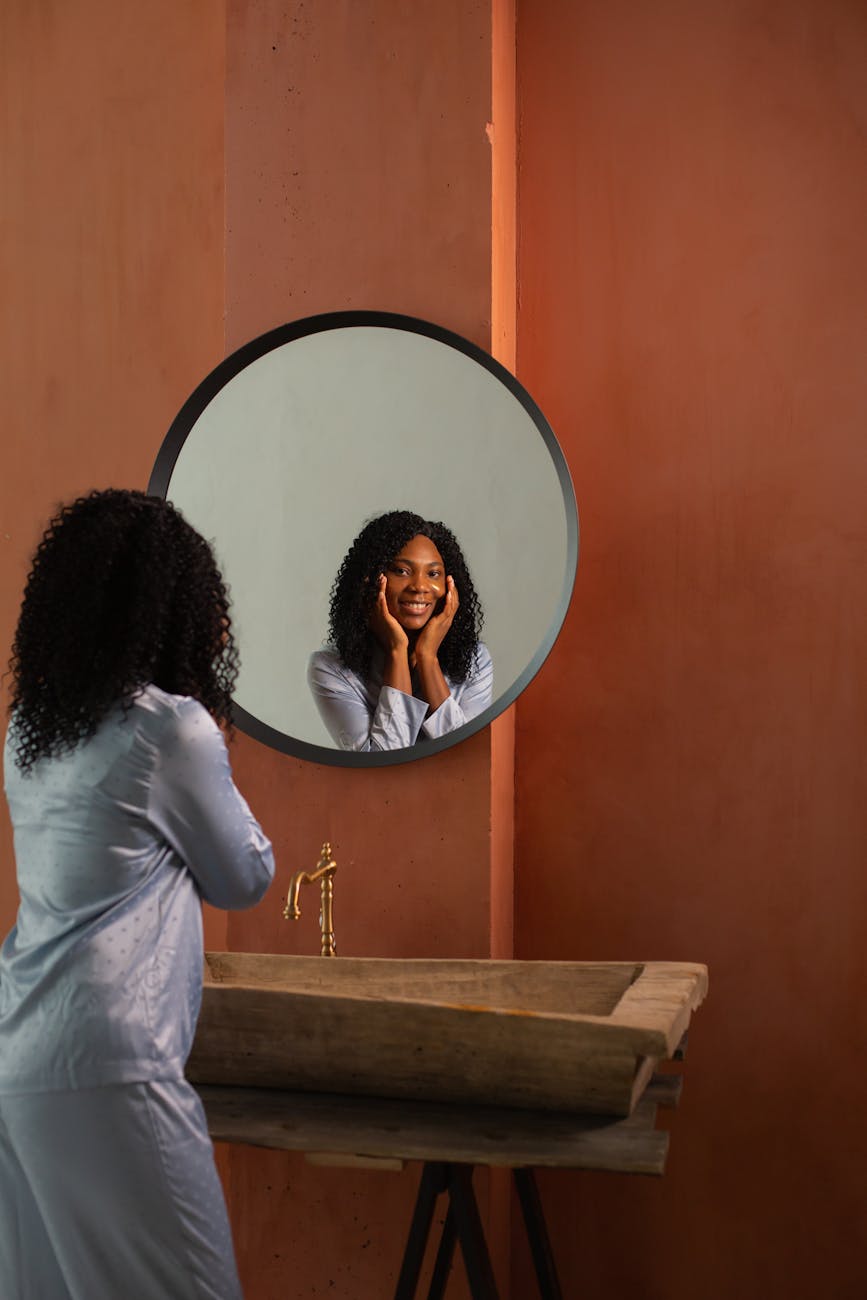
Brown skin carries with it a rich history, cultural significance, and an enduring legacy of resilience. For centuries, women of color have navigated societies that devalue their features and privilege lighter complexions, yet they have also cultivated beauty traditions, artistry, and cultural pride that transcend these limitations. Embracing brown skin is not just an aesthetic choice—it is an act of honoring ancestry, reclaiming identity, and asserting worth in the face of systemic colorism.

The Historical Context of Brown Skin

Colorism, a byproduct of colonialism and slavery, created hierarchies that valued lighter skin while marginalizing darker complexions (Hunter, 2007). These social constructs infiltrated media, employment, and even interpersonal relationships, perpetuating the notion that beauty is synonymous with fairness. Despite these historical pressures, women of brown skin have contributed significantly to art, literature, science, and culture, asserting their presence and redefining societal standards of beauty.

Cultural Pride and Beauty Traditions

Across Africa, the Caribbean, South Asia, and Latin America, brown skin has been celebrated through rituals, adornments, and fashion that reflect heritage and creativity. From intricate hairstyles to vibrant fabrics, jewelry, and skincare practices, these traditions affirm identity and beauty in culturally meaningful ways. Such practices highlight the connection between aesthetics and ancestry, showing that embracing brown skin is simultaneously an act of self-love and cultural preservation.

Representation in Media and Fashion

Modern media plays a critical role in shaping perceptions of beauty. Historically, mainstream platforms prioritized Eurocentric features, marginalizing brown skin in advertising, television, and film. However, today, more Brown women are taking control of narratives through modeling, acting, and digital platforms, challenging stereotypes and increasing representation. Public figures like Lupita Nyong’o, Adut Akech, and Tracee Ellis Ross exemplify the beauty, versatility, and influence of brown skin, inspiring younger generations to embrace their own tones.

The Science of Melanin and Health

Beyond cultural and aesthetic significance, brown skin has biological advantages. Higher melanin content provides natural protection against ultraviolet (UV) radiation, reduces the risk of skin cancer, and contributes to skin elasticity, often resulting in slower aging (Brenner & Hearing, 2008). Understanding the science of melanin not only reinforces appreciation for brown skin but also empowers individuals to care for it in informed and intentional ways.

12 Tips for Brown Girls to Celebrate and Care for Their Skin

  1. Embrace Your Natural Tone – Wear your skin proudly without trying to lighten it. Celebrate the unique shades that make you who you are.
  2. Practice Daily Skincare – Use moisturizers, sunscreens, and gentle cleansers suited for melanin-rich skin to maintain health and glow.
  3. Highlight, Don’t Hide – Use makeup or fashion to enhance your natural features rather than masking your complexion.
  4. Wear Color That Compliments Your Hue – Jewel tones, earth tones, and vibrant colors often enhance brown skin beautifully.
  5. Protect Against UV Damage – Even though melanin provides some protection, always apply sunscreen to prevent hyperpigmentation and premature aging.
  6. Celebrate Hair and Texture – Embrace natural hairstyles, braids, curls, or twists as expressions of cultural pride.
  7. Consume Affirming Media – Follow influencers, celebrities, and content creators who celebrate brown skin and diversity in beauty.
  8. Engage in Skin-Positive Communities – Join groups online or offline that promote self-love and reject colorist standards.
  9. Educate Yourself on Skin Health – Understand the biology of melanin and how to care for it; knowledge empowers self-confidence.
  10. Reject Colorist Products and Messages – Avoid products or media that suggest lighter skin is superior; affirm your natural beauty instead.
  11. Affirm Your Worth Daily – Use positive self-talk and reminders such as: “I am beautiful, I am resilient, I am enough.”
  12. Turn Compliments Into Inspiration – Celebrate others’ beauty while embracing your own; upliftment reinforces self-esteem and community pride.

Psychological Impact of Affirming Brown Skin

Affirming one’s brown skin is crucial for mental health and self-esteem. Social comparison theory explains how constant exposure to lighter-skinned ideals can negatively impact confidence (Festinger, 1954). By celebrating brown skin, women counteract these influences, develop resilience, and cultivate positive identity formation. Affirmation can take many forms, from consuming media that celebrates melanin-rich beauty to participating in online movements like #MelaninMagic or #BrownSkinPoppin.

Reclaiming Beauty as Empowerment

Embracing brown skin is also a form of resistance against colorism and systemic oppression. Each act of self-love—wearing natural hair proudly, rejecting skin-lightening products, or sharing authentic images online—challenges dominant narratives and empowers others. Brown skin becomes not just a physical attribute, but a symbol of cultural pride, historical resilience, and empowerment for future generations.

Conclusion

Heritage in every hue is a celebration of history, identity, and resilience. Brown skin embodies centuries of culture, artistry, and strength, and embracing it affirms both personal and collective legacy. By honoring the beauty of brown skin, women reclaim narratives, challenge colorism, and inspire confidence in themselves and others. In doing so, they ensure that the legacy of brown skin is recognized, celebrated, and preserved for generations to come.


References

  • Brenner, M., & Hearing, V. (2008). The protective role of melanin against UV radiation. Photochemistry and Photobiology, 84(3), 539–549.
  • Festinger, L. (1954). A theory of social comparison processes. Human Relations, 7(2), 117–140.
  • Hunter, M. (2007). The persistent problem of colorism: Skin tone, status, and inequality. Sociology Compass, 1(1), 237–254.

“Black Don’t Crack”: The Science Behind Melanated Skin.

Photo by KATRIN BOLOVTSOVA on Pexels.com

The popular phrase “Black Don’t Crack” is more than just a cultural expression; it is a reflection of biological science, genetics, and lived experience. The phrase highlights how people of African descent, with higher levels of melanin, often appear younger than their chronological age. While the statement is rooted in cultural pride, dermatological research confirms that melanated skin is more resistant to the visible effects of aging due to its structural composition and protective properties.

Melanin, the pigment that determines skin color, is a powerful natural protector. Darker skin tones contain higher amounts of eumelanin, which shields the skin against ultraviolet (UV) radiation, reducing the likelihood of premature wrinkles, sunspots, and photoaging (Palmer & Oppenheimer, 2019). Studies have shown that darker skin tones have a natural sun protection factor (SPF) estimated between 13 and 15, compared to lighter skin which has an SPF of 3 or less (Taylor, 2002). This biological advantage helps delay visible signs of aging, keeping skin firm and radiant for longer periods.

In addition to UV protection, melanated skin has structural benefits. Research indicates that Black skin tends to have a denser dermis, with more compact collagen fibers and greater elasticity (Halder & Bridgeman-Shah, 1995). Collagen breakdown is one of the primary causes of wrinkles and sagging, yet in darker skin, this process occurs at a slower rate. Combined with natural oil production that maintains skin hydration, these factors contribute to the smooth and youthful appearance often seen in Black individuals.

Cultural narratives about beauty are reinforced by celebrities whose appearances defy time. Angela Bassett, at nearly 65, is celebrated for her glowing, youthful complexion, often appearing decades younger. Similarly, actors like Morris Chestnut and Halle Berry continue to embody ageless elegance, their skin reflecting both genetics and disciplined skincare routines. Pharrell Williams, often cited as a celebrity who appears almost untouched by time, demonstrates the profound impact of melanin’s protective qualities, paired with healthy lifestyle choices. Even supermodel Naomi Campbell, in her fifties, continues to maintain the same radiance and elasticity as she did at the height of her modeling career.

Psychologically, the phrase “Black Don’t Crack” also acts as an affirmation, countering centuries of Eurocentric beauty standards that often marginalized Black features. By celebrating the resilience and beauty of melanated skin, the phrase empowers communities to embrace their natural attributes while acknowledging the unique biological advantages they hold. It not only speaks to science but also to the cultural pride and resistance embedded in Black identity.

Yet, it is important to recognize that “Black Don’t Crack” is not a guarantee. Lifestyle choices, diet, hydration, stress management, and skincare practices all play a crucial role in preserving youthfulness. While melanin provides natural protection, it does not eliminate the risks of sun damage or skin cancer, making sunscreen and self-care important across all skin tones (Kundu & Patterson, 2013).

In conclusion, the phrase “Black Don’t Crack” embodies both cultural truth and scientific fact. Melanated skin, with its higher levels of melanin, stronger collagen structures, and natural oil balance, is biologically designed to age more gracefully. Celebrities such as Angela Bassett, Naomi Campbell, and Pharrell Williams exemplify the synergy between genetics and lifestyle in sustaining youthful appearances. What began as a cultural saying has now been validated by dermatological science: the richness of Black skin is both a gift of nature and a source of cultural pride.


References

  • Halder, R. M., & Bridgeman-Shah, S. (1995). Skin cancer in African Americans. Cancer, 75(S2), 667-673.
  • Kundu, R. V., & Patterson, S. (2013). Dermatologic conditions in skin of color: Part I. Special considerations for common skin disorders. American Family Physician, 87(12), 850–856.
  • Palmer, J. S., & Oppenheimer, S. B. (2019). The biology of melanin. Journal of Dermatological Science, 96(2), 75-83.
  • Taylor, S. C. (2002). Skin of color: Biology, structure, function, and implications for dermatologic disease. Journal of the American Academy of Dermatology, 46(2 Suppl Understanding), S41–S62.

Eternal Bronze: The Science, Spirit, and Psychology of Brown Skin.

This photograph is the property of its respective owner. No copyright infringement intended.

The beauty and resilience of brown skin have been celebrated across centuries and cultures, even as it has also been marginalized and stigmatized under the weight of colonialism and white supremacy. The defining characteristic of this richness is melanin, the natural pigment that gives skin its brown and black hues. Melanin not only provides aesthetic brilliance but also serves as a biological shield, protecting the skin from harmful ultraviolet rays and slowing visible signs of aging. This scientific advantage underlies the well-known saying, “Black don’t crack,” a phrase affirming the ageless quality of melanated skin (Sherrow, 2006).

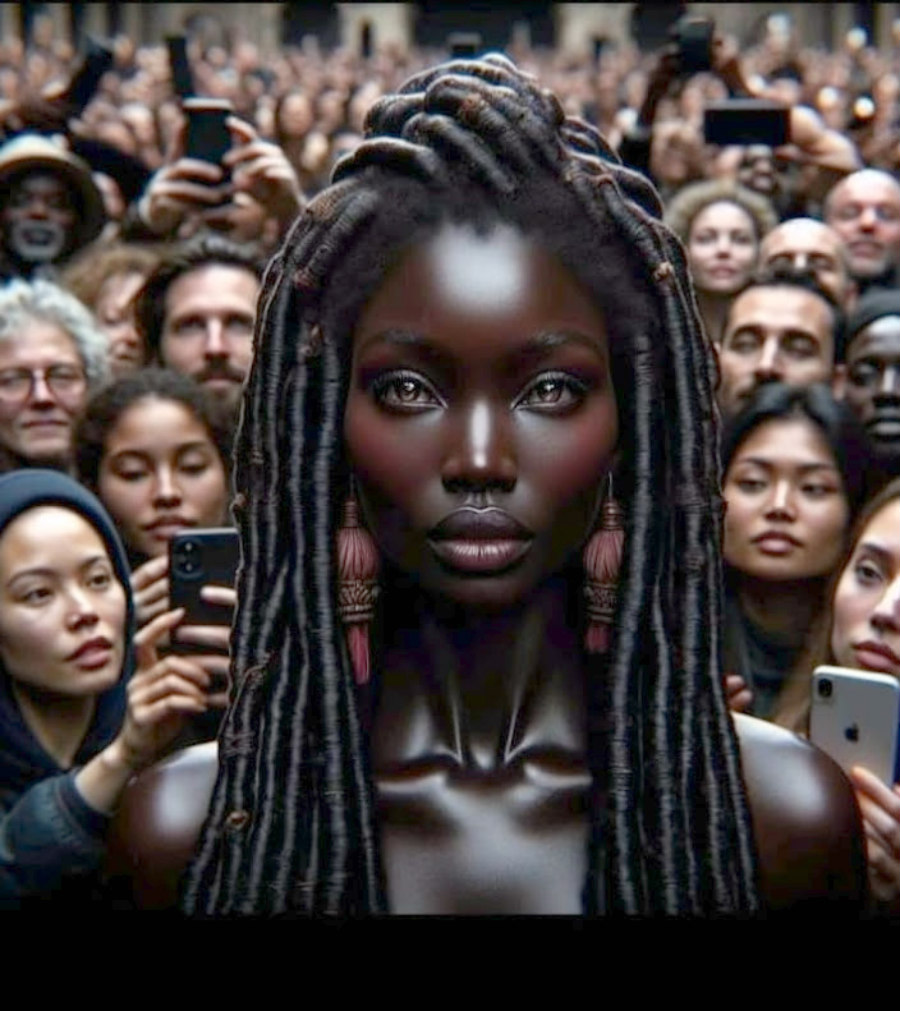
From a global perspective, various cultures have remarked on the luster and endurance of melanin-rich skin. In African traditions, dark brown skin has long been associated with vitality and spiritual energy. The Sudanese model Adut Akech, for example, has often been described as embodying “the future of beauty” (Vogue, 2019). Similarly, Naomi Campbell, one of the world’s most recognizable supermodels, has consistently shattered Eurocentric barriers while proudly showcasing her deep brown tone on international runways. Male icons such as Morris Chestnut have also carried the global representation of melanated male beauty, admired for the way his brown skin reflects strength and elegance.

Brown skin exists in a wide spectrum of shades—from caramel and honey to chestnut, mahogany, and ebony. Each variation tells a story of genetic heritage, adaptation to climates, and ancestral roots. The psychologists Kenneth and Mamie Clark, whose research included the “doll experiments,” highlighted how societal bias against darker tones led to internalized racism in Black children (Clark & Clark, 1947). Yet, in reversing this stigma, scholars and activists today highlight the aesthetic diversity of brown skin as an emblem of resilience and cultural pride.

The psychology of brown skin is complex. On one hand, melanin-rich individuals often face negative stereotyping, colorism, and systemic discrimination, leading to stress, anxiety, and internalized self-doubt (Russell et al., 1992). On the other hand, movements like “Black is Beautiful” have reclaimed brown skin as a symbol of empowerment and unity. This duality reflects the ongoing struggle between external societal oppression and internal affirmation of self-worth. When society praises Eurocentric beauty, brown skin becomes “the most hated,” not because of its lack, but because of its strength, history, and refusal to conform.

The Bible also affirms the beauty of dark, melanated skin. In the Song of Solomon 1:5 (KJV), the Shulamite woman declares: “I am black, but comely, O ye daughters of Jerusalem.” This scripture has often been used to affirm the dignity and divine beauty of those with darker complexions. Similarly, Jeremiah 13:23 states, “Can the Ethiopian change his skin, or the leopard his spots?” suggesting the unchangeable nature of one’s God-given melanin as both identity and blessing. In this sense, the biblical witness counters the cultural devaluation of darker skin tones by emphasizing their inherent worth.

Science further affirms the benefits of melanin beyond aesthetics. Research shows melanin absorbs and scatters ultraviolet radiation, protecting DNA from damage and reducing the risk of skin cancer (Palmer et al., 2015). This gives brown-skinned individuals a biological advantage in hotter climates, ensuring survival and adaptability across generations. The phrase “Black don’t crack” finds not only cultural but also scientific legitimacy in melanin’s role in maintaining youthful, resilient skin.

Around the world, observers have noted the unique radiance of brown skin. From poets in the Harlem Renaissance to African philosophers like Leopold Senghor, melanated skin has been described as “a mask of light,” reflecting dignity and endurance. Contemporary celebrities and models extend this legacy by asserting their natural hues as high fashion and cultural pride. Brown skin is not a burden but a crown, as seen in figures like Akech, Campbell, and Chestnut, who challenge the world to redefine beauty beyond Eurocentrism.

Ultimately, brown skin embodies both biological blessing and cultural battle. Its glow tells the story of survival, endurance, and divine design, yet its existence has been politicized and stigmatized. The solution lies in dismantling colorism, celebrating melanin’s biological and spiritual significance, and teaching young Black children the truth: their skin is not only beautiful but also powerful. As Amos Wilson (1998) reminded us, “Our self-perceptions must be liberated from alien definitions if we are to be truly free.” Brown skin is not merely pigment—it is history, resilience, and brilliance wrapped in flesh.


References

  • Clark, K. B., & Clark, M. P. (1947). Racial identification and preference in Negro children. Journal of Negro Education, 19(3), 341–350.
  • Palmer, R. A., et al. (2015). Melanin’s role in skin photoprotection. Journal of Photochemistry and Photobiology, 152, 28–39.
  • Russell, K. K., Wilson, M., & Hall, R. (1992). The Color Complex: The Politics of Skin Color among African Americans. Anchor.
  • Sherrow, V. (2006). Encyclopedia of Hair: A Cultural History. Greenwood.
  • The Holy Bible, King James Version. Song of Solomon 1:5; Jeremiah 13:23.
  • Vogue. (2019). “Adut Akech is the future of fashion.” Vogue Magazine.
  • Wilson, A. N. (1998). Blueprint for Black Power. Afrikan World InfoSystems.

The Moors: The Children of the Crescent and Cross.

Photo by Edson Habacuc Rafael on Pexels.com

The Untold Legacy of the Moors in World History.

The Moors were a people of profound cultural, scientific, and political influence whose legacy shaped Europe, North Africa, and beyond. While the term “Moor” historically referred to Muslim inhabitants of the Maghreb (Northwest Africa), Iberian Peninsula, Sicily, and parts of southern Europe during the Middle Ages, their identity and contributions have often been obscured or misrepresented in modern narratives. Many scholars agree that a significant portion of the Moors were of African descent, including Black and Berber populations (Van Sertima, 1991). They were not only warriors and rulers but also scholars, architects, scientists, and traders whose intellectual and cultural gifts transformed European civilization.


I. Origins and Identity

The word “Moor” derives from the Latin Maurus, meaning an inhabitant of Mauretania, a region of ancient North Africa. By the Middle Ages, European Christian writers used “Moor” as a broad term for Muslims of African origin—especially those who came from the Maghreb and crossed into Spain in 711 CE under the leadership of Tariq ibn Ziyad (Fletcher, 1992). Historical evidence, including contemporary accounts, reveals that many of these people had dark skin and African features, confirming their Black African heritage alongside Berber ancestry (Snowden, 1970).


II. Geographic Location

The Moors’ power base stretched across:

  • Northwest Africa: Present-day Morocco, Algeria, Tunisia, Mauritania.
  • Al-Andalus: Muslim-ruled areas of Spain and Portugal from 711 to 1492.
  • Sicily and Southern Italy during parts of the 9th–11th centuries.

From these centers, they controlled vital trade routes linking Africa, Europe, and the Middle East.


III. Contributions to Europe

The Moors’ eight-century presence in Europe—especially in Spain—sparked what some historians call the European Renaissance before the Renaissance. Key contributions included:

  1. Education and Libraries – Córdoba alone had over 70 libraries, with one housing 400,000–600,000 manuscripts at a time when much of Europe was illiterate (Menocal, 2002).
  2. Science and Medicine – Introduced advanced surgical techniques, optics, and pharmacology (Savage-Smith, 1996).
  3. Mathematics – Brought Arabic numerals, algebra (al-jabr), and astronomical instruments like the astrolabe.
  4. Architecture – Built intricate palaces and mosques such as the Alhambra in Granada, blending geometric design with lush gardens and waterworks.
  5. Agriculture – Introduced new crops (rice, citrus fruits, sugarcane) and advanced irrigation systems.
  6. Philosophy – Preserved and translated works of Aristotle, Plato, and other Greek scholars, influencing Christian theologians such as Thomas Aquinas.

IV. Daily Life and Culture

The Moors lived in cosmopolitan cities with paved streets, public baths, markets, and universities. Their society valued literacy, hygiene, and cultural refinement. Women in elite Moorish households could be educated, and the culture encouraged poetry, music, and scholarly debate. The Moors also engaged in international trade, linking African gold and ivory routes to European markets.


V. Were the Moors Bible Believers?

The majority of Moors were Muslim, following Islam after the Arab expansion into North Africa in the 7th century. However, historical records show that Christian and Jewish communities lived under Moorish rule with relative tolerance compared to medieval Christian kingdoms (Fletcher, 1992). While the Moors were not primarily biblical Israelites in faith practice, some modern Afrocentric and Hebraic Israelite scholars argue that among them were remnants of dispersed Israelites who had migrated into North Africa before and after the Roman destruction of Jerusalem in 70 CE (Ben-Jochannan, 1993).


VI. Decline and Fall

The Reconquista—a centuries-long Christian campaign—gradually reduced Moorish territories. In 1492, Granada, the last Moorish stronghold in Spain, fell to Ferdinand and Isabella. This marked the end of Moorish political power in Europe, followed by forced conversions, expulsions, and persecution.


VII. Legacy

The Moors left a transformative legacy in Europe:

  • They catalyzed intellectual revival in the West.
  • They demonstrated advanced urban planning centuries ahead of much of medieval Europe.
  • Their African heritage challenges the narrative that European advancement came without African influence.
    Today, Moorish architecture, scientific texts, and agricultural practices stand as monuments to their ingenuity.

Conclusion

The Moors were not merely conquerors; they were cultural transmitters whose African and Islamic heritage reshaped Europe’s intellectual and material world. Their presence in Spain and beyond proves that African-descended peoples played a central role in shaping global history. As Psalm 24:1 (KJV) reminds us, “The earth is the LORD’s, and the fulness thereof,”—a truth reflected in the Moors’ bridging of continents, cultures, and civilizations.


References

Ben-Jochannan, Y. (1993). African origins of major “Western” religions. Black Classic Press.
Fletcher, R. (1992). Moorish Spain. University of California Press.
Menocal, M. R. (2002). The ornament of the world: How Muslims, Jews, and Christians created a culture of tolerance in medieval Spain. Little, Brown, and Company.
Savage-Smith, E. (1996). Islamic culture and the medical arts. National Library of Medicine.
Snowden, F. M. (1970). Blacks in antiquity: Ethiopians in the Greco-Roman experience. Harvard University Press.
Van Sertima, I. (1991). Golden age of the Moor. Transaction Publishers.

The Secret of Melanin: Aging Beauty, and the Power of the Black Woman.

Photo by Adedamola Adetoyi on Pexels.com

The phrase “Black don’t crack” has echoed for generations in Black communities across the globe. It’s more than a catchy saying—it is a cultural truth backed by science, genetics, and ancestral wisdom. While the conversation around aging is often filled with fear and consumerist solutions, Black women have long been the embodiment of timeless beauty, grace, and strength. Their youthful appearance, particularly when compared to other racial groups, has raised both admiration and curiosity. But what’s the science—and the soul—behind it all?

Scientific Explanation: The Role of Melanin in Aging

The slower aging process in Black women is primarily rooted in biology—specifically in the amount and function of melanin in the skin.

1. Melanin as a Natural Sunblock

Melanin is a pigment produced by melanocytes in the skin. It exists in two main forms: eumelanin (dark brown/black) and pheomelanin (red/yellow). Black skin contains more eumelanin, which provides natural protection against ultraviolet (UV) radiation. UV exposure is the number one cause of premature skin aging, including wrinkles, sagging, and sunspots.

  • Scientific studies show that darker skin can have a natural SPF of up to 13, compared to SPF 3 for lighter skin tones (Taylor, 2002).
  • This means Black skin is less likely to develop sun-induced damage, which contributes heavily to early signs of aging in lighter-skinned populations.

2. Collagen Density and Structure

Black skin has been found to have a denser and more compact dermis layer (the middle layer of skin where collagen lives). Collagen provides the skin with structure and elasticity. Because of this:

  • Wrinkles form more slowly in Black skin.
  • The skin maintains firmness and tightness for longer periods.

3. Oil Production and Hydration

Sebaceous glands (which produce oil) are generally more active in darker skin, offering greater moisture retention. Dry skin leads to fine lines and faster aging. The higher oil content in Black skin helps keep the skin plump and hydrated over time.

4. Antioxidant Properties of Melanin

Melanin isn’t just protective—it’s biologically active. It has antioxidant and free-radical scavenging abilities that help the skin resist inflammation and oxidative stress—both of which contribute to aging (Welsing, 1991).


Biblical Explanation: Divine Design, Beauty, and the Glory of Melanin

The Bible affirms that all humanity was “fearfully and wonderfully made” (Psalm 139:14, KJV), but many scholars, including Hebraic thinkers, assert that melanated people—especially descendants of Shem and Ham—possess a unique divine signature. This isn’t about racial superiority, but about purposeful design and resilience.

1. Melanin and the Image of God

The concept of being made in the image of God (Genesis 1:26–27) speaks to divine intentionality and sacred identity. Melanin, in this sense, can be seen as a marker of divine resilience, power, and spiritual energy. As Dr. Frances Cress Welsing argued, melanin is not only biochemical but symbolic of deep cosmic intelligence and spiritual connectivity (Welsing, 1991).

In biblical thought, Blackness is not a curse but a blessing:

  • Song of Solomon 1:5“I am black and beautiful, O daughters of Jerusalem…”
  • The Hebrew word for “black” here is “shachor,” denoting richness, depth, and value.
  • Queen of Sheba (1 Kings 10) and Cushites (Jeremiah 13:23) are celebrated African figures in Scripture associated with wisdom, wealth, and prestige.

2. Preservation Through Affliction

Throughout biblical history, Israel endured suffering, slavery, and dispersion. Yet, as prophesied in Deuteronomy 28, the true Israelites—often identified by many Black scholars as melanated people scattered across the globe—would endure but not be erased. Their bodies, minds, and spirits would be preserved by divine strength.

  • “They shall be strong in the Lord and in the power of His might” (Ephesians 6:10)—this can be applied not just spiritually but physically, reflecting strength in endurance, health, and aging.

3. The Golden Fleece and Divine Worth

Dr. Welsing’s term “golden fleece” refers to melanin as a sacred covering, a biological inheritance that carries wisdom, spiritual insight, and physical protection. It connects the bearer to cosmic rhythms, ancestral memory, and divine purpose.

  • This mirrors Exodus 25, where gold symbolizes purity, power, and divine presence in the tabernacle. Similarly, melanated skin carries divine symbolism—a covering of dignity and glory.

Black women, through both science and Scripture, are shown to be resilient, radiant, and rare. Their aging process—graceful and glorious—is not merely aesthetic. It is testimony, evidence of a deeper mystery encoded in their very being.


Why Do Black Women Age Differently?

The primary factor lies in melanin, the pigment responsible for skin, hair, and eye color. Black skin, particularly rich in melanin, offers a built-in defense mechanism against the harmful effects of ultraviolet (UV) rays, which are known to accelerate skin aging. According to dermatological studies, darker skin contains more eumelanin, a type of melanin that acts as a natural sunscreen, blocking up to 80% of UV rays (Taylor, 2002). This means that Black skin is less prone to sunburns, photoaging, and the breakdown of collagen and elastin.

By contrast, lighter-skinned individuals, particularly those of Northern European descent, possess significantly less melanin, making their skin more vulnerable to sun damage, wrinkles, and early signs of aging.


Melanin: The Golden Fleece of Human Biology

In her groundbreaking work The Isis Papers: The Keys to the Colors (1991), Dr. Frances Cress Welsing described melanin as the “golden fleece”—a symbolic and biological treasure. Welsing, a psychiatrist and scholar, argued that melanin is not only a pigment but a biochemical force tied to intelligence, strength, spiritual consciousness, and resilience. To her, the global fascination with Blackness, from tanning trends to lip and body augmentation, speaks to an unspoken admiration for melanated aesthetics and vitality.

Melanin also functions as a powerful antioxidant and free-radical scavenger, protecting against environmental toxins, premature aging, and inflammation. It is no coincidence that melanin-rich individuals, particularly women, tend to retain elasticity and luminosity in their skin far longer than their non-melanated counterparts.


Healthy Foods for Radiant Skin

While genetics and melanin are powerful allies, diet plays a crucial role in preserving skin health and youthful appearance. Here is a list of foods that support glowing, ageless skin—especially for Black women:

  • Avocados – Rich in healthy fats and vitamin E, promoting elasticity.
  • Sweet Potatoes – High in beta-carotene, which converts to vitamin A for skin renewal.
  • Berries – Packed with antioxidants that fight oxidative stress.
  • Dark Leafy Greens – Contain chlorophyll, iron, and vitamins A and C.
  • Nuts and Seeds – Provide zinc, selenium, and omega-3 fatty acids for collagen support.
  • Turmeric – Anti-inflammatory properties help even skin tone.
  • Water – Essential for hydration and detoxification.

The Cultural Meaning Behind “Black Don’t Crack”

“Black don’t crack” is not just a biological fact; it is a cultural declaration. It celebrates the resilience, grace, and strength of Black women who have endured centuries of systemic oppression, stress, and racism—and yet remain regal and radiant. It’s an acknowledgment of the divine design that allows Black women to thrive and blossom, even in adversity.


Some of the Most Beautiful Black Women Over 50?

  • Angela Bassett (b. 1958) – A living testament to ageless beauty and strength.
  • Viola Davis (b. 1965) – Powerfully beautiful with deeply expressive features.
  • Halle Berry (b. 1966) – Consistently cited among the most beautiful women globally.
  • Michelle Obama (b. 1964) – Embodying poise, power, and purpose.
  • Regina King (b. 1971) – A luminous presence in Hollywood and beyond.
  • Sade Adu (b. 1959) – Her timeless beauty and voice defy age.

Which Races Age the Fastest?

Scientific research generally supports that individuals of African, Southeast Asian, and East Indian descent tend to age more slowly due to higher melanin content and thicker dermal layers. On the other hand, Caucasian skin tends to show signs of aging earliest due to its susceptibility to UV radiation and lower oil production (Rawlings, 2006). This doesn’t imply superiority or inferiority, but rather differences in biological resilience and environmental adaptation.


Are Black Women Desirable to Men?

Absolutely. Black women are deeply desirable—not merely because of physical attributes but because of their strength, intelligence, spirituality, and resilience. However, desirability is often shaped by societal standards and media representations, which historically marginalized or exoticized Black femininity. Thankfully, global perceptions are shifting. A 2020 Pew Research study revealed growing cross-cultural appreciation for Black women’s beauty, with social media platforms amplifying authentic narratives and redefining beauty standards.

Still, Black women’s desirability shouldn’t hinge on trends or external validation. Their power lies in their essence—unapologetically regal, innately divine, and eternally radiant.


Conclusion

To say that Black women age well is to understate a profound biological and spiritual phenomenon. Their melanin—the literal golden fleece—is not just pigment, but power. It preserves them, protects them, and showcases their divine blueprint. In a world obsessed with youth and beauty, Black women remain timeless. Their skin, their wisdom, and their legacy shine brighter with age. From a scientific standpoint, melanin is a natural superpower, slowing the visible effects of aging, protecting from sun damage, and promoting long-term skin health. From a biblical and Afrocentric perspective, melanin is a sacred inheritance—a visible marker of divine craftsmanship, cultural continuity, and ancestral survival.


References

  • Rawlings, A. V. (2006). Ethnic skin types: Are there differences in skin structure and function? International Journal of Cosmetic Science, 28(2), 79–93.
  • Taylor, S. C. (2002). Skin of color: Biology, structure, function, and implications for dermatologic disease. Journal of the American Academy of Dermatology, 46(2), S41–S62.
  • Welsing, F. C. (1991). The Isis Papers: The Keys to the Colors. Chicago: Third World Press.
  • Pew Research Center. (2020). Race in America: Public attitudes on race relations, racial inequality, and their personal experiences.
  • Taylor, S. C. (2002). Skin of color: Biology, structure, function, and implications for dermatologic disease. Journal of the American Academy of Dermatology, 46(2), S41–S62.
  • Rawlings, A. V. (2006). Ethnic skin types: Are there differences in skin structure and function? International Journal of Cosmetic Science, 28(2), 79–93.
  • Welsing, F. C. (1991). The Isis Papers: The Keys to the Colors. Chicago: Third World Press.
  • The Holy Bible, King James Version (KJV)

Melanin Magic: Brown Skin is Beautiful

Brown skin tells a story. It speaks of ancestry, resilience, and the divine artistry of creation. Yet for far too long, the beauty of melanin has been questioned, minimized, or ignored. Society often imposes narrow standards of beauty, privileging lighter skin and European features. But the truth remains: brown skin is radiant, powerful, and inherently beautiful. It is a gift, a legacy, and a symbol of identity that should never be hidden or diminished.

The journey toward embracing brown skin begins with recognition. Colorism, lookism, and societal bias have long forced Black and Brown communities to contend with internalized judgments about skin tone. Darker shades were often portrayed as less desirable, while lighter tones were celebrated. These messages are neither natural nor divine—they are the remnants of systemic oppression, colonial influence, and Eurocentric ideals of beauty (Hunter, 2007).

Yet brown skin is a living testament to strength and survival. Across generations, those with melanin-rich skin have endured slavery, colonization, and social marginalization, and yet they have thrived. The very pigment that has been criticized is also a shield, a protective gift, and a marker of identity. Melanin is scientifically proven to protect the skin from UV damage and contributes to overall skin health, but its significance is far more than biological—it is spiritual, cultural, and symbolic (Tharps, 2019).

Beauty cannot be confined to a single shade. The spectrum of brown is wide, ranging from the warmest cocoa to deep mahogany, each unique, each sacred. Every shade carries history, culture, and divine artistry. When brown-skinned women and men claim pride in their natural complexion, they are not simply celebrating appearance—they are affirming identity, lineage, and the image of God in which they were made (Genesis 1:27, KJV).

Embracing melanin is an act of courage. It challenges societal norms that have historically devalued Black and Brown bodies. It refuses to conform to light-skinned ideals of acceptability or desirability. It asserts that beauty is not limited by pigment, but is expansive, multifaceted, and inherently worthy of admiration. The movement toward melanin pride is therefore both personal and revolutionary, redefining standards and reclaiming dignity.

Brown skin is more than aesthetic—it carries cultural and historical significance. It reflects ancestral strength, intelligence, and creativity. From African kingdoms to Indigenous civilizations, from scholars to artists, brown skin has been a marker of excellence and resilience. Each individual with brown skin embodies a continuation of that legacy, a living bridge between past triumphs and future possibilities.

The psychological benefits of embracing melanin cannot be overstated. Self-love begins with self-recognition. Women and men who affirm their brownness often experience greater confidence, higher self-esteem, and a deeper sense of identity. In contrast, rejecting one’s natural skin tone can perpetuate cycles of self-doubt, shame, and internalized oppression (Hunter, 2007).

Celebrating brown skin also intersects with spirituality. Scripture acknowledges the beauty of God’s creation. Psalm 139:14 (KJV) declares, “I will praise thee; for I am fearfully and wonderfully made: marvellous are thy works.” Every shade of brown reflects divine intentionality. To love one’s skin is to honor the Creator, to see oneself as a masterpiece, and to walk boldly in the image of God.

Representation matters. For decades, media, film, and advertising have favored lighter-skinned actors, models, and public figures. This erasure perpetuates the myth that brown skin is less valuable. Yet the rise of influential Brown and Black artists, scholars, and leaders is reshaping perceptions, proving that beauty, talent, and excellence exist across the spectrum of melanin. Visibility validates identity and empowers future generations to embrace their own skin with pride.

Education plays a crucial role in melanin empowerment. Teaching children about the science of melanin, the beauty of their heritage, and the history of their people fosters pride from an early age. Understanding that brown skin is both beautiful and powerful cultivates resilience against societal pressures and internalized bias. Knowledge, after all, is liberation (Tharps, 2019).

Colorism and shadeism are challenges that persist within communities. Yet acknowledging these issues does not diminish the inherent beauty of brown skin—it amplifies the necessity of self-love and cultural pride. When communities celebrate every tone, from light cocoa to deep espresso, they honor the richness and diversity of human experience.

Brown skin is intersectional in its beauty. It is more than skin deep. It embodies culture, intellect, spirituality, and creativity. When a brown-skinned woman or man walks confidently into a room, she or he carries centuries of resilience, wisdom, and divine artistry. That presence alone challenges outdated narratives and sets a standard of authenticity.

Affirmation can be transformative. Phrases like “brown is beautiful,” “melanin magic,” and “love your skin” are not clichés—they are declarations of truth. They remind the world and the individual that beauty is inherent, and that identity should be celebrated, not hidden. Every mirror should reflect pride, not self-doubt.

Fashion, hair, and self-expression are powerful tools for embracing melanin. Natural hairstyles, vibrant clothing, and bold adornments showcase identity and heritage. The creative expression of brown-skinned individuals is both cultural reclamation and personal empowerment, turning visibility into art and confidence into activism.

Community support strengthens the embrace of melanin. When family, friends, and mentors affirm brownness, they reinforce self-worth and pride. Celebration within the community combats societal messages that may seek to devalue or erase. Affirmation, encouragement, and cultural education work hand in hand to nurture self-love.

Brown skin is a source of beauty, not a barrier. It is luminous, expressive, and powerful. In a world that often seeks to measure worth by lightness, claiming pride in melanin is revolutionary. It refuses to apologize for existence, refuses to conform, and insists on recognition, respect, and reverence.

Every shade of brown tells a story—of struggle, triumph, love, and legacy. To embrace that story is to claim one’s identity fully and unapologetically. Melanin is magic because it carries both history and potential, the beauty of ancestry, and the promise of the future.

Ultimately, embracing brown skin is an act of liberation. It is a refusal to internalize societal bias and an affirmation of self-worth. It is pride, beauty, and empowerment woven into the very essence of identity. Brown skin is radiant, sacred, and endlessly beautiful.

Let every mirror reflect this truth: Melanin magic is real, and brown skin is beautiful.


References

  • Hunter, M. (2007). The Persistent Problem of Colorism: Skin Tone, Status, and Inequality. Sociology Compass, 1(1), 237–254.
  • Tharps, L. L. (2019). Same Family, Different Colors: Confronting Colorism in the African American Community. Amistad.
  • hooks, b. (1992). Black Looks: Race and Representation. South End Press.
  • The Holy Bible, King James Version (KJV).

🌑 The Ebony Dolls: Introduction -The History of Melanated Beauty 🌑

The Ebony Dolls series celebrates the extraordinary beauty, brilliance, and timeless femininity of Black women across generations. This collection honors the women whose presence reshapes standards, whose elegance defies shallow stereotypes, and whose radiance reflects both royal ancestry and divine craftsmanship. Each profile explores not only physical beauty but the depth behind it — resilience, artistry, heritage, intellect, and the unique glow that only melanin can produce.

This series highlights the royalty, actresses, models, musicians, public figures, entrepreneurs, and cultural icons who embody the full spectrum of Black womanhood. From deep chocolate to light warm caramel, from soft curls to sculpted coils, from statuesque silhouettes to girl-next-door sweetness, The Ebony Dolls pays homage to the diversity and glory of Black feminine identity. Their lives tell stories of triumph, discipline, creativity, spiritual rootedness, and the unbreakable grace passed down from African queens to modern-day trailblazers.

With each installment, readers will encounter a stunning profile — a blend of biography, cultural commentary, beauty analysis, career achievements, and personal reflections. Every woman will be honored in her own right: her skin, her features, her accomplishments, her family, her growth, her legacy. The Ebony Dolls is more than a beauty series; it is a celebration of sacred womanhood, Black excellence, and the divine imprint upon every daughter of the diaspora.

The story of melanated beauty is one of power, grace, and divine design. Melanin, the pigment that gives skin its rich and radiant tone, is not merely biology — it is a cultural and spiritual emblem. The Bible captures this truth beautifully when the Shulamite woman proclaims, “I am black, but comely” (Song of Solomon 1:5, KJV). In this statement, dark skin is affirmed as beautiful and desirable, worthy of admiration and dignity.

🌑 What is Melanin and Why It Matters

Melanin is a complex polymer produced by melanocytes, responsible for the pigmentation of skin, hair, and eyes. People with higher levels of eumelanin (brown/black melanin) not only possess deeper skin tones but also benefit from natural UV protection, reduced visible aging, and a lower risk of sun-related skin cancers (Taylor, 2020). This unique biological gift is part of the reason why melanated women are often noted for their youthful glow well into middle and later life.

Beyond biology, melanin carries cultural symbolism. African traditions often link dark skin to vitality, fertility, and divine connection. Psychologists note that embracing skin tone can be an act of resistance against colorism, boosting self-esteem and promoting psychological resilience (Hunter, 2011).

🌑 The Beauty of Queen Nefertiti

Queen Nefertiti of Ancient Egypt is perhaps the earliest celebrated icon of melanated beauty. Her name literally means “the beautiful one has come,” and her iconic limestone bust — with its regal posture, almond-shaped eyes, and perfect symmetry — continues to mesmerize the world thousands of years later. Nefertiti was more than a queen; she was a leader who helped guide Egypt through a religious revolution alongside Pharaoh Akhenaten. Her image remains a symbol of grace, authority, and divine femininity.

🌑 Naomi Campbell: The Supermodel Pioneer

Naomi Campbell redefined fashion. Born in 1970 in London, she became the first Black model to appear on the covers of French Vogue and TIME magazine. Known for her fierce walk and striking cheekbones, Campbell’s career opened doors for future melanated models. She turned the runway into a global stage, proving that Black women’s beauty is universal.

🌑 Lupita Nyong’o: Dark Skin as Royalty

Oscar-winning actress Lupita Nyong’o uses her platform to uplift girls with dark skin, urging them to love themselves. Her natural hair, deep complexion, and regal red-carpet presence challenged industries that favored lighter-skinned women. Lupita is living proof that Blackness is not just beautiful — it is royal.

🌑 Skai Jackson: The New Generation

Young doll-like actress Skai Jackson has become a role model for Gen Z, using her voice against bullying and injustice. She represents a generation of melanated girls embracing natural hair, deep skin tones, and self-confidence at an early age. Her presence in the media encourages young girls to see their beauty reflected on screen.

🌑 Halle Berry: Hollywood’s Trailblazer

Halle Berry shattered barriers by becoming the first Black woman to win an Academy Award for Best Actress. Known for her delicate facial features, big eyes, and magnetic screen presence, Berry opened doors for other actresses of color in leading roles.

🌑 Yara Shahidi: Beauty Meets Brilliance

Actress and activist Yara Shahidi combines intelligence with elegance. Known for her curls, poise, and thoughtful activism, Yara exemplifies a new standard for melanated beauty — one that prizes intellect, social justice, and self-expression.

🌑 Josephine Baker: The Bronze Venus

Josephine Baker, born in 1906, became one of the most famous entertainers in the world during the Jazz Age. Known as the “Bronze Venus,” she captivated Paris with her performances, bringing African and African American beauty to international stages. She was not just a performer — she was also a spy for the French Resistance during World War II and a civil rights activist. Her elegance, short hair, and magnetic stage presence made her one of the first global Black beauty icons.

🌑 Diana Ross: The Supreme Star

Diana Ross, lead singer of The Supremes, defined glamour in the Motown era. Her big hair, dazzling gowns, and signature voice helped elevate Black beauty into mainstream America. Ross inspired generations with her confidence, proving that Black women could be both elegant and unapologetically bold in their style.

🌑 Eartha Kitt: The Catwoman of Class

Eartha Kitt, with her sultry voice and feline grace, became one of Hollywood’s most distinctive stars. Known for her role as Catwoman in the 1960s Batman series, she embodied mystery and sensuality. Kitt was also outspoken against injustice, famously criticizing the Vietnam War during a White House luncheon — a testament that beauty and courage often walk hand in hand.

🌑 Ebony Dolls of the Past: Fashion Pioneers

Donyale Luna, the first Black model on the cover of Vogue (1966), and Beverly Johnson, the first on American Vogue (1974), broke racial barriers in fashion. They made it possible for Naomi Campbell and countless others to dominate runways decades later.

🌑 African Queens: The Divine Legacy of Melanated Beauty

The history of melanated beauty is inseparable from the power, wisdom, and elegance of African queens and goddesses. These figures not only defined aesthetic standards but also embodied leadership, courage, and spiritual authority, reminding the world that beauty and power coexist.

Queen Makeda (The Queen of Sheba) — Celebrated in Ethiopian and biblical history, Makeda is renowned for her wisdom, diplomacy, and regal presence. According to tradition, she visited King Solomon in Jerusalem, bearing gifts and profound questions, demonstrating intellect matched by beauty (1 Kings 10:1–13, KJV). Makeda represents the archetype of the melanated queen whose beauty is inseparable from intelligence and influence.

Cleopatra VII — Perhaps the most famous African queen in Western history, Cleopatra combined political genius with striking beauty. Although her lineage was Macedonian, historical records suggest her Egyptian identity and cultural integration contributed to her iconic appearance and persona. Cleopatra’s charm, eloquence, and strategic acumen make her an enduring symbol of melanated allure and leadership.

Queen Nzinga Mbande — The 17th-century warrior queen of Ndongo and Matamba (modern-day Angola) fought Portuguese colonizers to protect her people. Nzinga’s beauty was legendary, but it was her courage, tactical brilliance, and diplomacy that cemented her legacy. She embodies the idea that melanated beauty is inseparable from power and resilience.

Queen Hatshepsut — One of Ancient Egypt’s most successful female pharaohs, Hatshepsut ruled with wisdom and stability. Often depicted in statues and reliefs with the regalia of kings, her beauty was paired with authority, showing that melanated women could command both respect and admiration in societies dominated by men.

🌑 Psychology of Beauty and the Melanated Woman

Research shows that symmetrical faces and certain waist-to-hip ratios are universally attractive, but culture plays a major role in determining beauty standards (Rhodes, 2006; Singh, 1993). In Western media, melanated women were historically excluded from beauty narratives, leading to internalized biases. The recent resurgence of celebrating natural hair, full lips, and dark skin has created a cultural shift that affirms mental wellness and positive identity development for Black girls (Awad et al., 2015).

🌑 Spiritual Dimensions of Melanated Beauty

Biblically, beauty is connected to character and purpose. 1 Peter 3:3–4 (KJV) reminds us that inner beauty — the “ornament of a meek and quiet spirit” — is of great value in God’s sight. Proverbs 31:30 (KJV) warns, “Favor is deceitful, and beauty is vain: but a woman that feareth the Lord, she shall be praised.” This frames melanated beauty not just as physical adornment but as spiritual power.

🌑 Legacy and Future

From Queen Nefertiti to Josephine Baker, from Naomi Campbell to Lupita Nyong’o, from Diana Ross to Yara Shahidi, melanated beauty has defined eras and inspired the world. These women — past and present — are more than muses. They are leaders, visionaries, and cultural architects. They remind us that Black beauty is not a passing trend but an eternal standard, a reflection of divine creativity and human brilliance.


References

  • Awad, G. H., Norwood, C., Taylor, D. S., et al. (2015). Beauty and body image concerns among African American college women. Journal of Black Psychology, 41(6), 540–564.
  • Hunter, M. (2011). Buying racial capital: Skin-bleaching and cosmetic surgery in a globalized world. The Journal of Pan African Studies, 4(4), 142–164.
  • Rhodes, G. (2006). The evolutionary psychology of facial beauty. Annual Review of Psychology, 57, 199–226.
  • Singh, D. (1993). Adaptive significance of waist-to-hip ratio and female physical attractiveness. Journal of Personality and Social Psychology, 65(2), 293–307.
  • Taylor, S. (2020). Advances in understanding of skin of color. Journal of the American Academy of Dermatology, 82(1), 157–166.
  • The Holy Bible, King James Version.