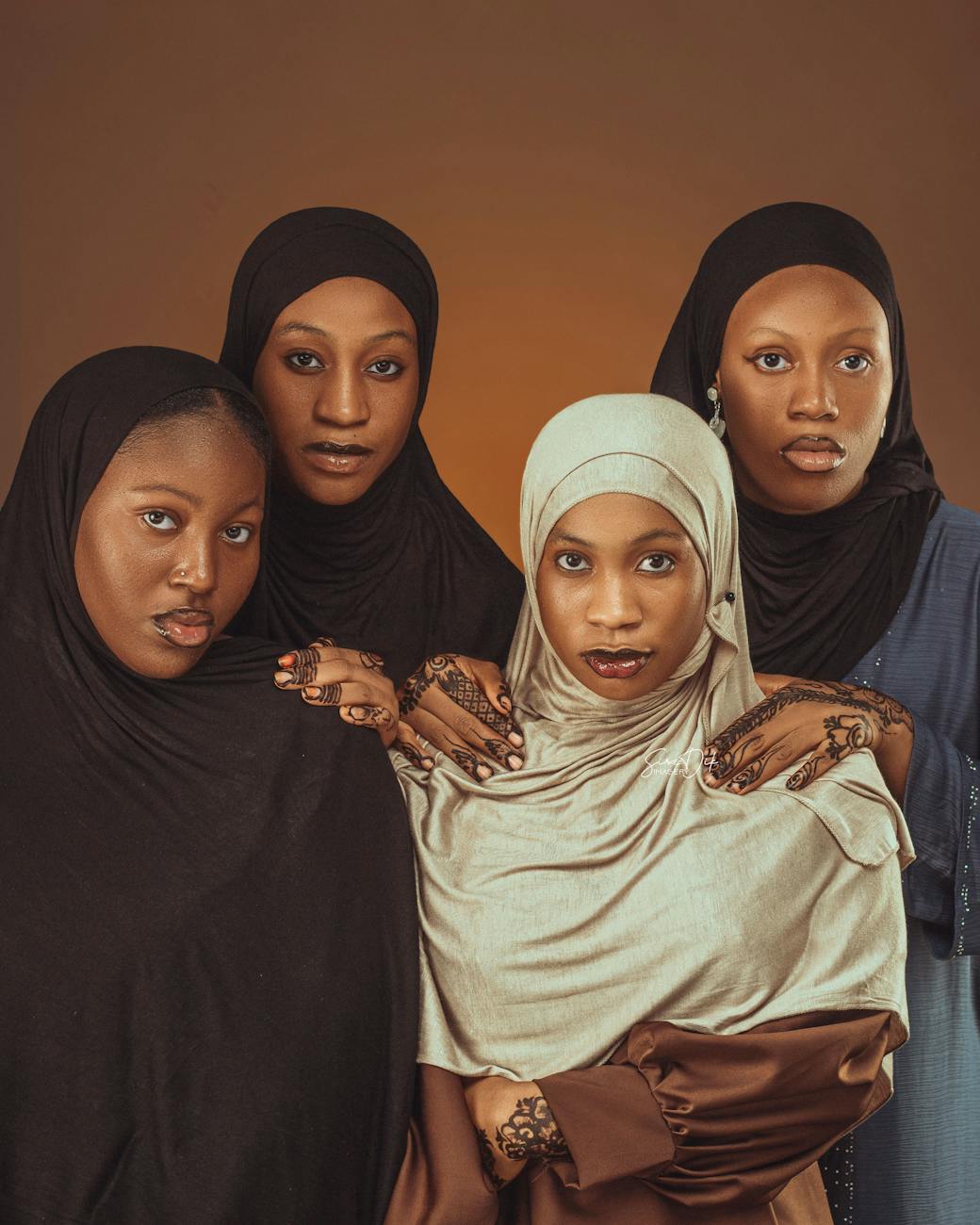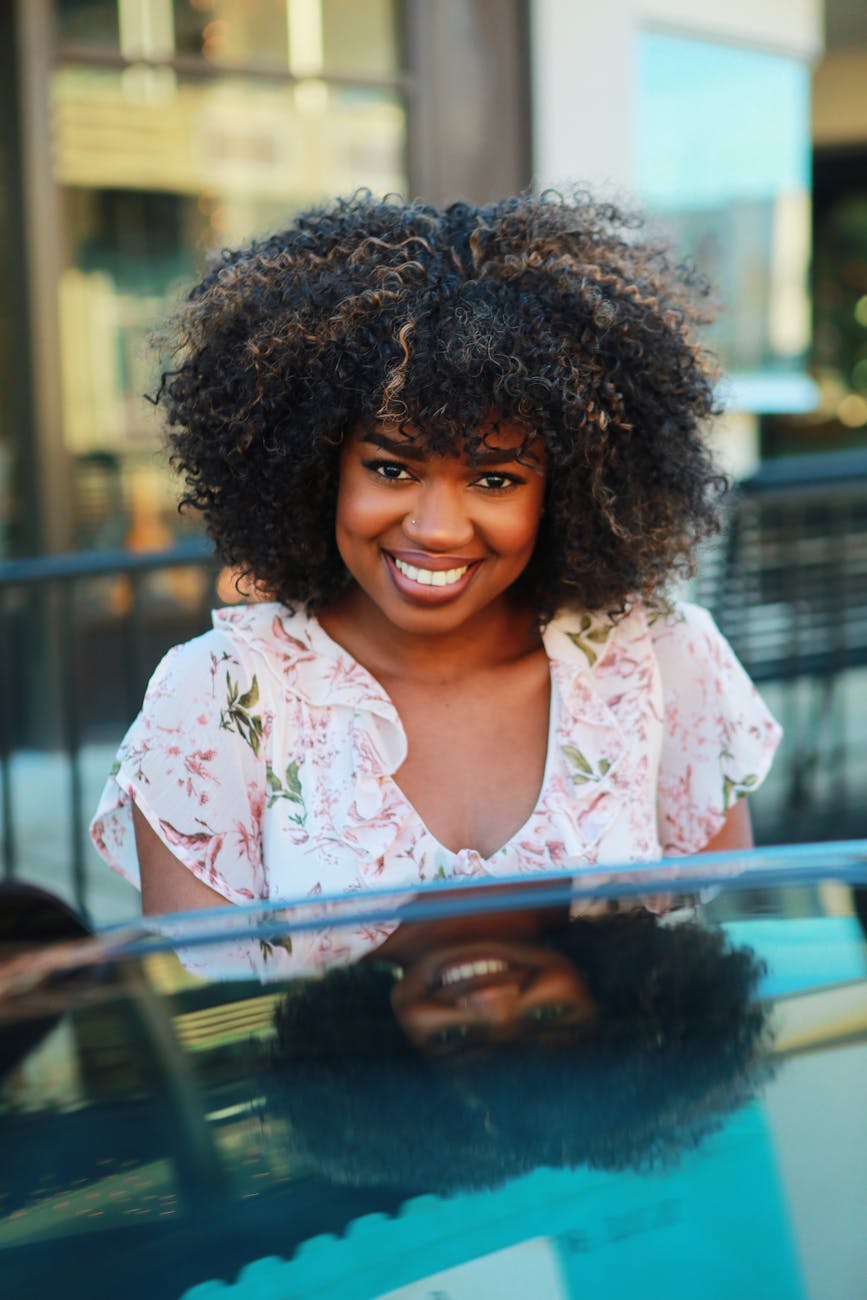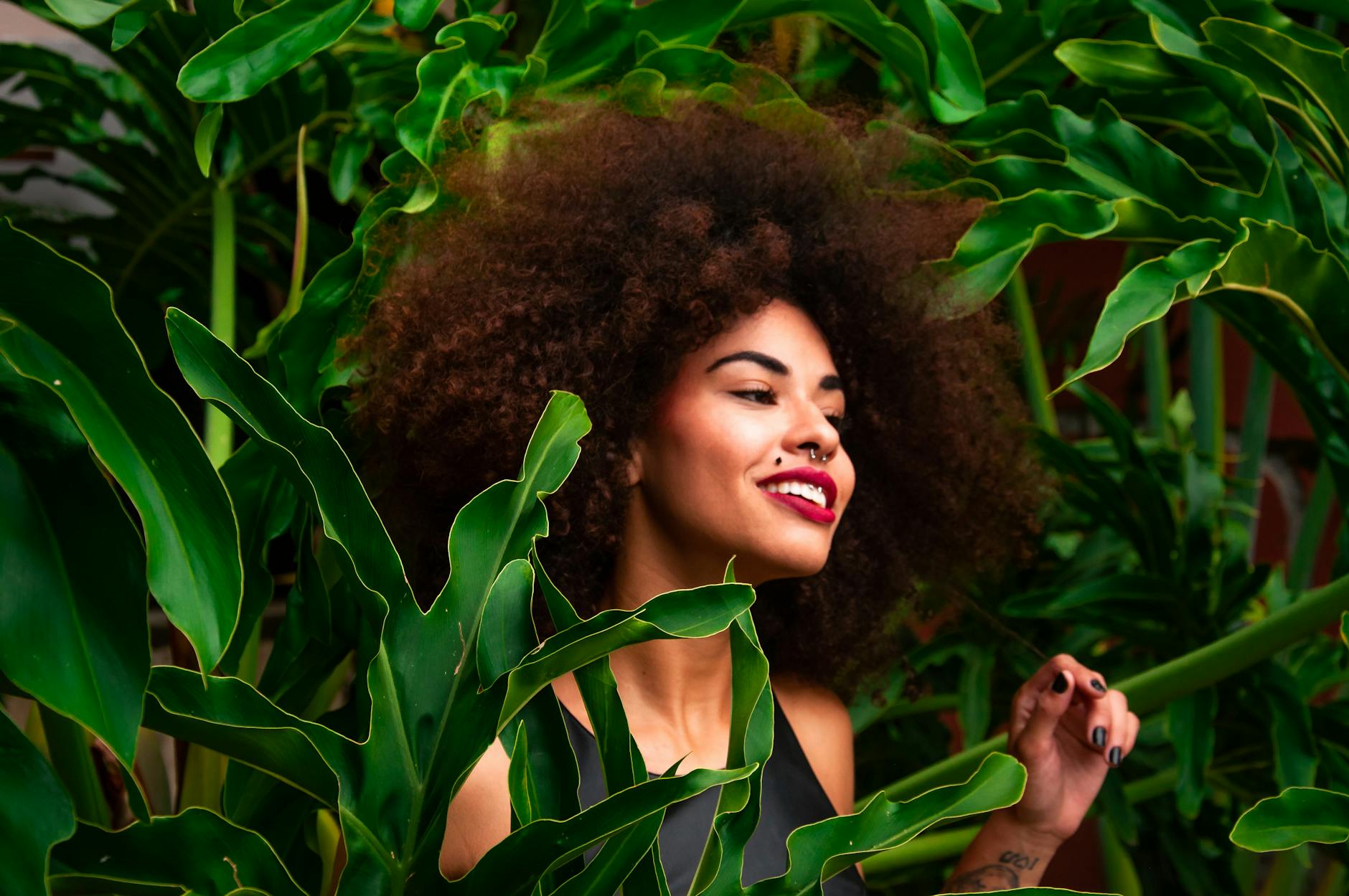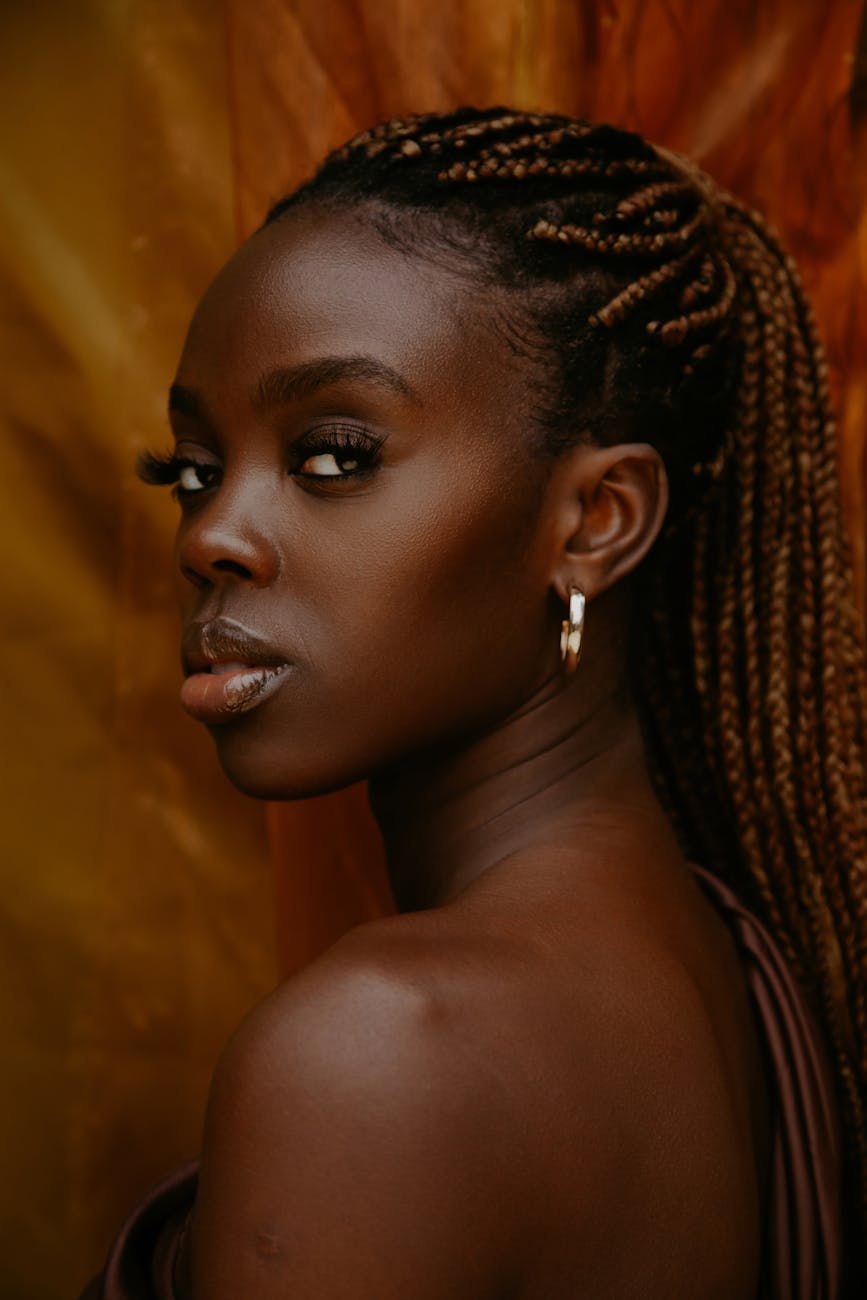
Category Archives: melanin

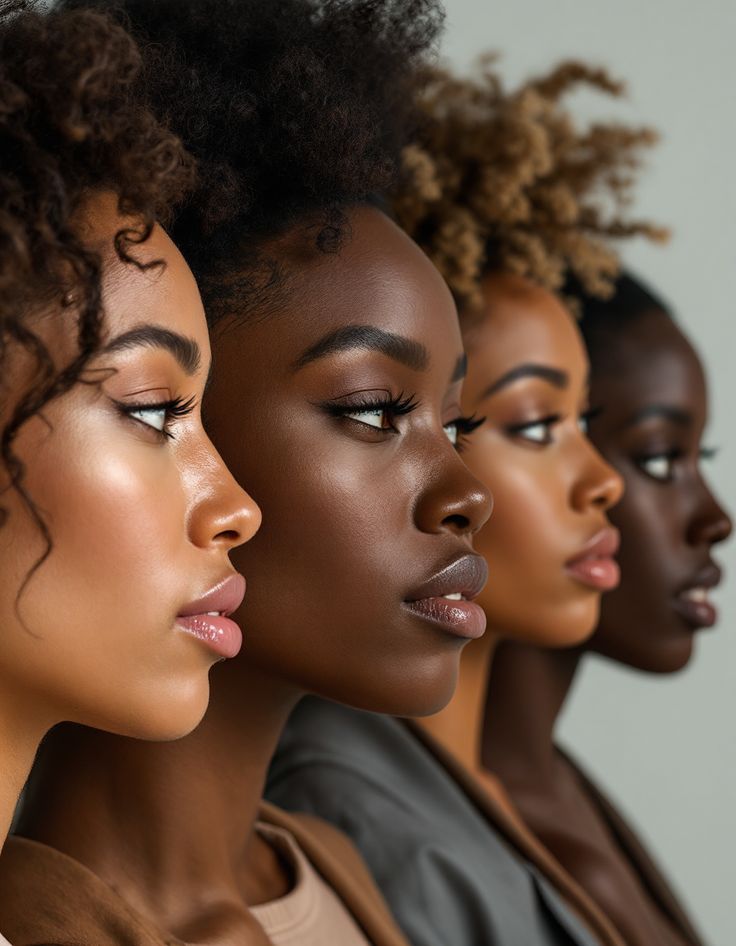
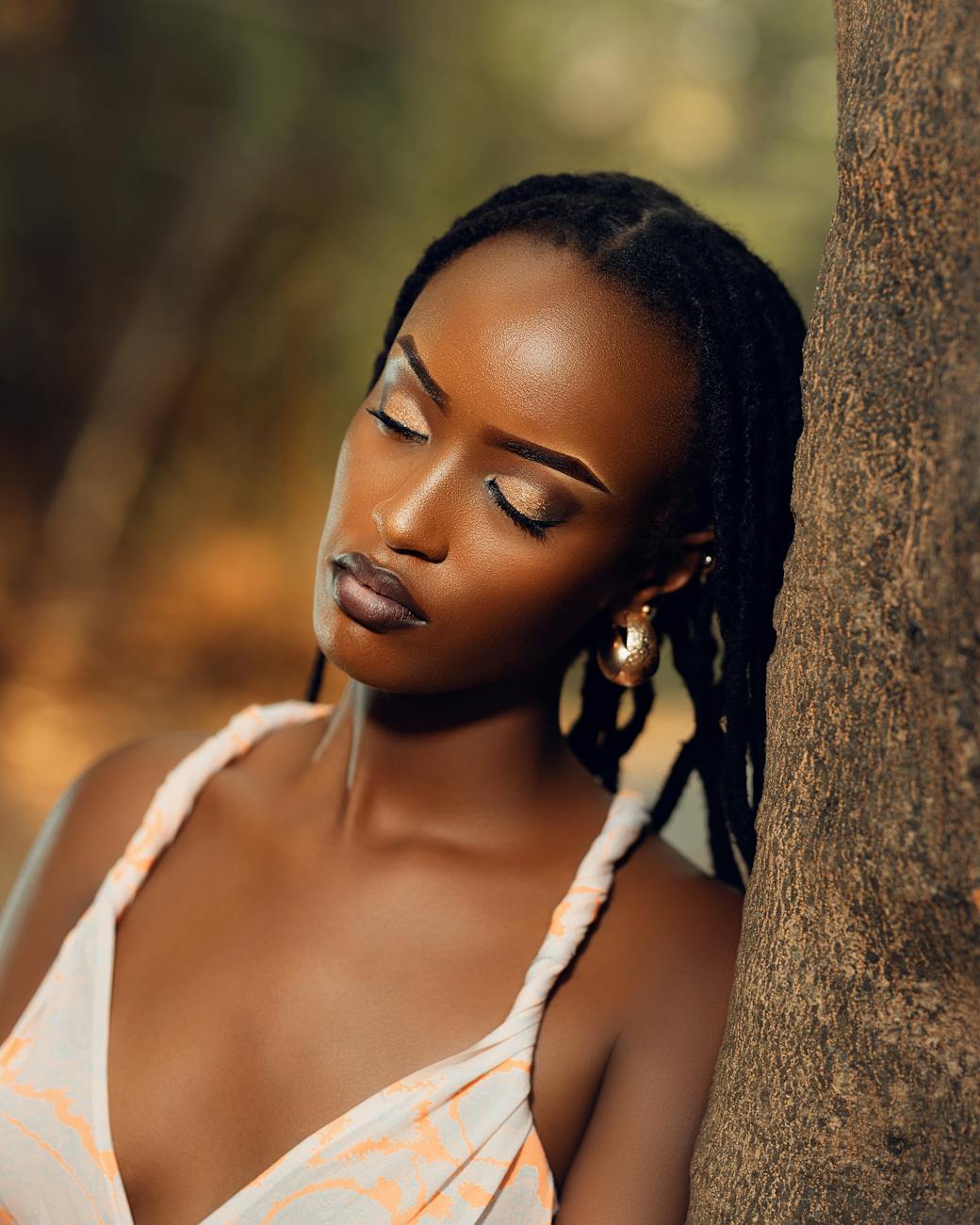
Whispers of Melanin: A Brown Girl Confession.

Photo by K Studios on Pexels.com

There is a quiet story that lives beneath my skin, one painted in shades of bronze and buried beneath years of misunderstanding. I have carried this melanin like both a crown and a curse—an inheritance too heavy to celebrate without apology. In the mirror, I see generations of women who learned to whisper their beauty instead of shouting it. This is my confession: that I am still learning to love the color I was told to hide.

I was born the color of dusk, where the day meets the night and light begins to soften. My mother’s hands, darker than mine, held both love and warning. “Stay out of the sun,” she would say, not out of vanity but survival. For her, color was protection and punishment, memory and mark. Her words carried the echo of centuries when darker skin meant harder labor and harsher judgment. She wanted me safe, even if it meant small.

As a girl, I envied light. The girls with honey skin and loose curls were called “pretty” before they even spoke. Teachers smiled longer at them. Boys looked longer too. I learned early that my reflection came with footnotes—beautiful for a dark girl, smart but intimidating. Compliments became backhanded blessings that taught me my worth depended on proximity to something else.

My skin, rich and warm, began to feel like an apology I never owed. I remember standing under fluorescent lights in a department store, trying on foundation shades that stopped two tones before me. I laughed to hide the sting. Beauty, it seemed, had a boundary, and I was standing just outside of it.

Colorism does not always scream; sometimes it sighs. It hides in the way cameras wash out brown tones, in casting calls that demand “racially ambiguous,” in the way a family photo subtly favors the fair. It’s in the whispered advice to “marry light,” to “improve the bloodline,” as if love were a ladder out of darkness.

But I have come to realize that my color is not a flaw in the palette of creation—it is the very hue of resilience. My skin remembers the sun of my ancestors, the soil of kingdoms before captivity. Within every cell of melanin lives a story of survival, brilliance, and divine intention. This brown is not burden; it is blueprint.

Still, confession means honesty, and honesty means I have wept over this skin. I have prayed for lighter mornings, wondered if the world would love me more if I were less of me. I have worn long sleeves in summer and smiled at jokes that bruised me. There were seasons I wanted invisibility more than visibility, peace more than pride.

There is a peculiar exhaustion that comes from constantly explaining your beauty. From having to convince the world that your darkness does not need redemption. From seeing your shade turned into a trend when it decorates others but remains a stigma when it clothes you.

Yet healing began in the mirror. The day I stopped comparing, stopped apologizing, stopped shrinking into palatable shades of brown, I met myself anew. I looked at my reflection not as something to correct but as a miracle. My melanin is the poetry of creation—God’s intentional brushstroke against the backdrop of existence.

In learning to love my skin, I began to reclaim language. I stopped calling it “dark” as if it were a warning. I began to call it sun-kissed, bronzed by divine fire, rooted in earth. Words matter. They shape the self before the world ever does.

There is also joy in being brown—a quiet, grounded joy. The way sunlight deepens into me, the way my skin gleams like copper and cocoa, the way strangers see strength in my stride. I have learned that this hue holds power: the power to absorb light and reflect it stronger.

Culturally, being brown is more than complexion; it is history embodied. It connects me to the diaspora, to women who carried water, wisdom, and worlds within them. It ties me to India’s spices, Africa’s soil, the Caribbean’s rhythm, and the American South’s sorrow songs. My melanin is global—it is the map of migration, memory, and majesty.

Yet colorism remains an unspoken war among sisters. We compare, compete, and sometimes wound each other with the same weapons used against us. The healing must begin within us—when we stop measuring worth by shade and start celebrating every tone as a note in our shared harmony.

Psychologically, loving brown skin in a world that profits from insecurity is rebellion. It means unlearning centuries of propaganda that sold bleach in bottles and shame in magazines. It means confronting the colonial ghosts that still whisper in beauty aisles and boardrooms. It is both radical and restorative to say, I am enough as I am.

Spiritually, my melanin feels sacred. It reminds me that I was formed from dust and destined for light. Scripture says, “I am fearfully and wonderfully made” (Psalm 139:14, KJV), and I believe that includes every shade of brown, every curl and kink, every feature the world once mocked. The divine does not make errors in pigment.

This confession is also a love letter—to every brown girl who has been told she was too dark to dream or too visible to belong. To the girls who hid from cameras or edited their photos until their skin forgot its truth. To the women who are rediscovering their beauty after years of silence. You are the color of endurance, the reflection of sun and soil, the embodiment of balance.

Brown is not less; it is more—more ancient, more layered, more luminous. It holds the past and the promise. It does not fade; it deepens. To be brown is to carry the world’s warmth in your skin and to shine even when unseen.

My confession ends where my healing begins: I no longer whisper my beauty. I let it echo. I let it speak in the language of confidence and softness, in the rhythm of self-acceptance. My melanin no longer hides—it radiates. I am the daughter of dusk and dawn, and I no longer apologize for the color of my becoming.

References

hooks, b. (1992). Black looks: Race and representation. South End Press.

Fanon, F. (1952). Black skin, white masks. Grove Press.

Hunter, M. (2007). The persistent problem of colorism: Skin tone, status, and inequality. Sociology Compass, 1(1), 237–254.

Russell, K., Wilson, M., & Hall, R. (1992). The color complex: The politics of skin color among African Americans. Anchor Books.

Tate, S. A. (2016). Black beauty: Aesthetics, stylization, politics. Routledge.
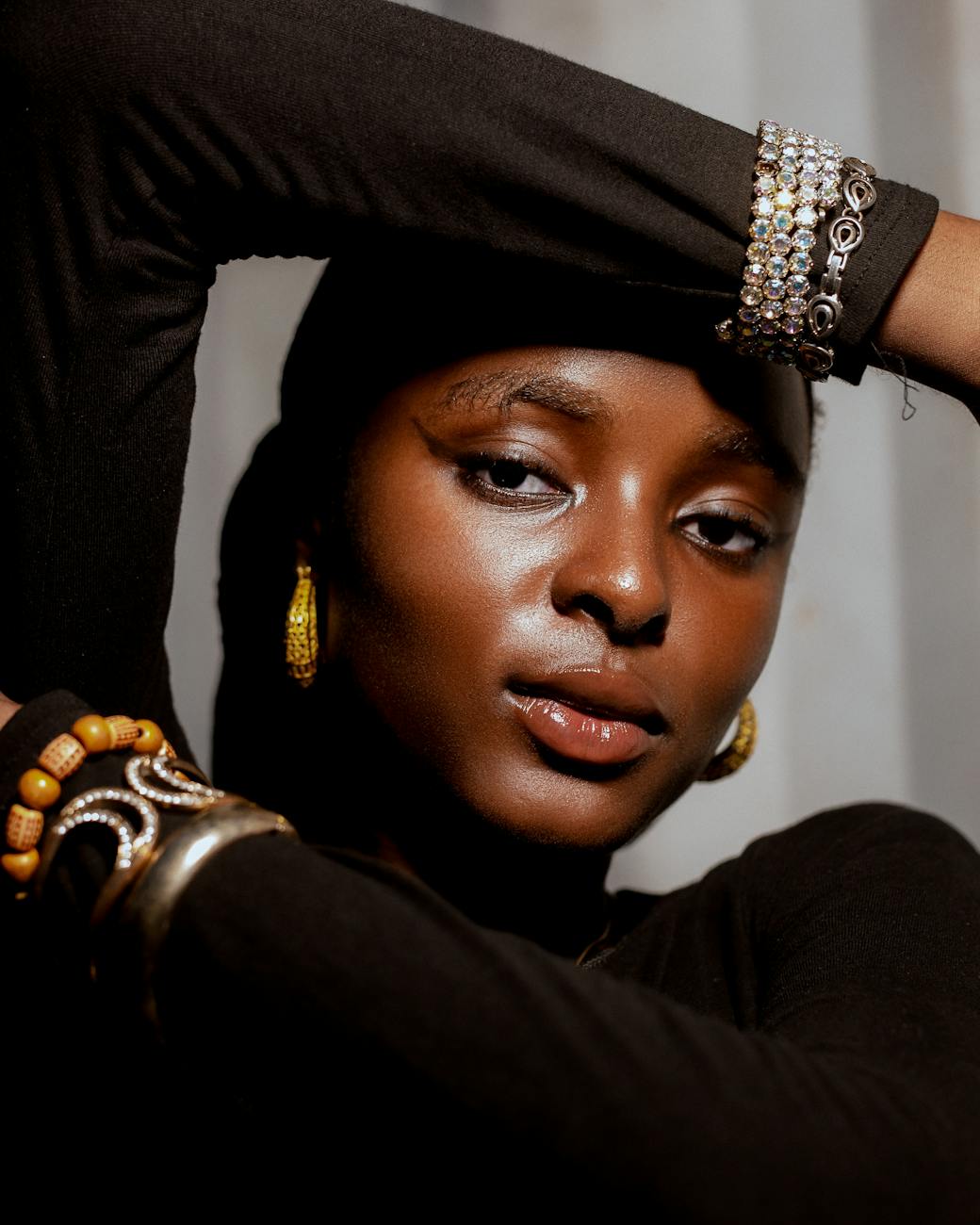
Melanin Memoirs: Confessions and Revelations.

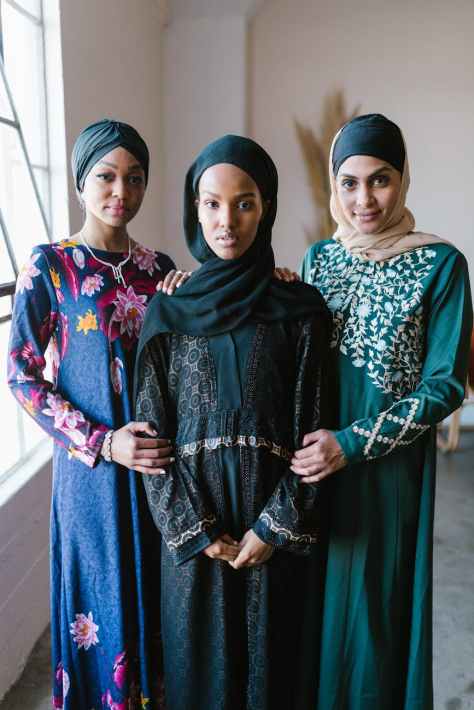
Photo by RDNE Stock project on Pexels.com

Judy, Sadia, and Shelia—three women whose stories weave together like strands of the same braid, bound by shared ancestry yet separated by shade. Each carries a different hue of experience, shaped by the silent social hierarchies that color their worlds. In their melanin lies both blessing and burden, truth and tension, confession and revelation.

Judy, the light-skinned woman, grew up praised for her complexion. Family and strangers alike told her she was “lucky,” as if her proximity to whiteness were an achievement. Yet beneath the compliments lived guilt and confusion. She felt both adored and resented, accepted yet alienated. Men desired her, women envied her, and she struggled to understand why her beauty caused division. In church, she prayed for humility, whispering the words of 1 Samuel 16:7—“for man looketh on the outward appearance, but the Lord looketh on the heart.” Her revelation came when she realized that lightness without love was still darkness.

Sadia’s story rests on the other side of the same mirror. Her dark skin was her inheritance—deep, rich, and radiant—but the world called it “too much.” She remembers being teased as a child, overlooked as a woman, and underestimated as a professional. Her reflection became a battlefield, and every insult left a scar. Yet God met her in the valley of rejection. Song of Solomon 1:5 echoed through her spirit: “I am black, but comely.” What once felt like a curse became her crown. Her revelation was that divine beauty is not subject to human approval—it is anchored in divine design.

Shelia, another light-skinned woman, experienced colorism differently. While her complexion opened doors, it also invited suspicion. She was often told she “wasn’t Black enough,” accused of privilege she didn’t seek and exclusion she didn’t deserve. She spent years trying to prove her authenticity, overcompensating in her speech, dress, and demeanor. The weight of identity politics exhausted her spirit. One night, she opened her Bible to Galatians 3:28—“There is neither Jew nor Greek… for ye are all one in Christ Jesus.” Her revelation was that belonging was never about performance; it was about purpose.

The confessions of these women expose the emotional complexity of color within the Black community. Their pain is not born from nature but from the historical distortion of beauty and worth. Colonialism planted the seed of colorism, teaching generations to measure themselves by how close they stood to whiteness. Yet in their honesty, Judy, Sadia, and Shelia began to uproot the lies that once divided them.

They met one evening for tea—three shades of sisterhood in a single circle. Judy confessed how she used to avoid dark-skinned friends out of fear of losing attention. Sadia admitted how bitterness had crept into her prayers. Shelia broke down, admitting she often felt invisible in her own family. The air grew heavy, yet healing hovered in their midst. Sadia reached out her hand, and the simple act of touch became sacred. “We are all His,” she whispered. It was no longer confession—it was communion.

The revelation that followed was collective: their differences were divine, not divisive. Each shade reflected a different aspect of God’s creativity. Genesis 1:27 came alive in them: “So God created man in His own image.” Their melanin was not a measure of value but a manifestation of His artistry. Together, they began to dismantle the emotional walls colorism had built.

Judy’s journey became one of advocacy. She started mentoring young girls, teaching them that beauty has no hierarchy. “True beauty begins where comparison ends,” she would say, quoting Proverbs 31:30: “Favour is deceitful, and beauty is vain: but a woman that feareth the Lord, she shall be praised.” She found purpose in using her influence to uplift, not outshine.

Sadia began journaling her experiences, turning pain into poetry. Her words spoke of triumph over trauma, and soon, women who once hid in shame found themselves reflected in her verses. Each stanza became a revelation of divine confidence. Her solution was not to retaliate against colorism but to rise above it through education, affirmation, and spiritual restoration.

Shelia dedicated herself to bridging the gap between light and dark women in her church. She organized “Sister Circles” where women shared testimonies, cried, and prayed together. There, unity was reborn—not through sameness, but through shared healing. Her work echoed Romans 12:5: “So we, being many, are one body in Christ, and every one members one of another.”

Together, the three women began leading workshops for young girls. Their message was clear—your worth is not in your tone but in your testimony. They taught that healing colorism requires confession, compassion, and Christ. The movement spread, reminding women everywhere that they were fearfully and wonderfully made (Psalm 139:14).

Through their journeys, the women learned that colorism could not survive in the presence of truth. When confronted by love, it withers. They realized that Satan thrives on division, but unity is the weapon that disarms him. Their revelations became their resistance.

Their community began to change. Mothers stopped comparing their daughters’ shades, and men learned to love without bias. The light-skinned woman no longer felt superior; the dark-skinned woman no longer felt unseen. Together, they reflected the full image of God—an infinite spectrum of grace and glory.

The confessions of Judy, Sadia, and Shelia are more than stories; they are scriptures in motion—modern parables of redemption. Each woman found her revelation in surrender, realizing that melanin was never meant to divide but to testify of divine diversity.

In the end, they stood side by side, no longer light or dark—just daughters. They looked in the mirror and finally saw what God always saw: beauty beyond measure, unity beyond color, and faith beyond fear. Their melanin was not just a pigment but a promise—a reminder that every shade of Blackness carries the fingerprint of Heaven.

References

  • The Holy Bible, King James Version. (1611).
  • Banks, T. A. (2019). Colorism and the politics of beauty. Journal of Black Studies, 50(3), 243–261.
  • Hunter, M. (2007). The persistent problem of colorism: Skin tone, status, and inequality. Sociology Compass, 1(1), 237–254.
  • Walker-Barnes, C. (2020). Too heavy a yoke: Black women and the burden of strength. Cascade Books.
  • West, C. (1993). Race matters. Beacon Press.

The Middle Shade Myth: When You’re Not Light Enough or Dark Enough.

This photograph is the property of its respective owner. No copyright infringement intended.

In the complex spectrum of Black identity, there exists an often-overlooked struggle—the experience of those who occupy the middle shades of brown. Neither deemed “light enough” to receive societal privilege nor “dark enough” to be fully embraced in the movement of color pride, these individuals often live in a liminal space of identity. This is the middle shade myth: the illusion that existing between extremes should grant acceptance, when in truth, it often yields invisibility.

Colorism, a byproduct of colonialism, created hierarchies that divided the Black community by hue. Historically, lightness was rewarded for its proximity to whiteness, while darkness was punished as the visual mark of servitude. Yet those in the middle—honey, chestnut, bronze, caramel—found themselves in a paradoxical position. Their skin became a canvas of contradiction: sometimes praised, sometimes overlooked, but rarely celebrated in full context.

On the plantation, skin tone determined labor and treatment. Light-skinned enslaved people were often placed in domestic roles, while darker-skinned ones toiled in the fields. Those in between were shifted as needed, their value determined by convenience rather than identity. This created generations of individuals who learned to navigate acceptance as a matter of adaptability, not authenticity.

Post-slavery, the same dynamics lingered within Black society. The “Blue Vein Societies” and other elite groups of the 19th and early 20th centuries enforced color hierarchies that excluded darker tones but also imposed unspoken boundaries on those in the middle. Middle-toned individuals could sometimes “pass” in certain spaces, but their belonging was conditional—always dependent on how others perceived them.

In modern times, the middle shade myth manifests through subtle biases in media, beauty, and relationships. Hollywood frequently casts actors of medium complexion as “safe Black”—palatable enough to appeal to white audiences, yet brown enough to signify diversity. From Halle Berry to Zendaya, these roles symbolize representation filtered through comfort, not authenticity. The middle shade becomes the compromise between extremes, rather than the celebration of self.

In the realm of beauty, those in the middle often face dual scrutiny. They are sometimes told they are “lucky” to have a certain tone—“not too light, not too dark”—as though their worth lies in being digestible. Yet within their own communities, they may be deemed “not dark enough” to fully relate to darker-skinned struggles or “not light enough” to benefit from privilege. This tension breeds quiet confusion and emotional isolation.

Psychologically, this middle-ground experience can lead to identity fatigue. Constantly being compared to others’ shades creates an environment of self-surveillance—an internal questioning of where one fits in the racial mosaic. The middle shade myth teaches that belonging must be earned, not inherent. Such conditioning perpetuates insecurity even among the most self-assured.

Social media has amplified these dynamics. Online debates about “color preference” often reduce complex experiences to competition, forcing individuals to defend their shade as either oppressed or advantaged. In these spaces, middle-shade individuals may find themselves without a clear narrative—too light to claim darkness, too dark to claim lightness. Their stories fall between hashtags and headlines.

Spiritually, this liminality echoes a biblical truth: that identity confusion is the enemy of divine purpose. The Bible says, “A double-minded man is unstable in all his ways” (James 1:8, KJV). The middle shade myth thrives on double-mindedness—it divides individuals internally before society can divide them externally. Healing, therefore, begins with reclaiming wholeness beyond complexion.

Historically, colonial and Eurocentric systems defined value through binary oppositions—good versus bad, light versus dark, pure versus impure. The middle shade defies these categories; it represents fluidity, nuance, and intersection. That is precisely why it was destabilized. Systems of control thrive on division, not complexity. The middle, by nature, threatens those systems with ambiguity—and ambiguity is power.

From a sociological lens, middle-shade individuals embody the crossroads of cultural expectation. In Latin America, the term “mestizo” became synonymous with mixed heritage and middle hue—celebrated for diversity but marginalized for impurity. Similarly, in the United States, terms like “redbone” or “high yellow” were used to rank people along a color ladder, turning the middle into a balancing act between privilege and prejudice.

Culturally, the music industry has reflected this tension. Many R&B and soul artists have had their images molded to appeal to both Black and white audiences—skin tone subtly curated through lighting, makeup, and album art. Their sound and look had to straddle the color line to remain profitable. In this way, the middle shade became commodified as crossover currency.

Emotionally, those who live in this in-between space often develop acute racial empathy. They understand privilege and prejudice simultaneously, embodying the contradictions of color politics. This duality, though heavy, grants a unique sensitivity—an awareness of how race and complexion operate in layered ways. The challenge is transforming that sensitivity from burden into bridge.

The middle shade myth also has gendered dimensions. Middle-toned women are often fetishized as “exotic,” a label rooted in colonial fantasies. Middle-toned men, meanwhile, are alternately praised as “ideal” or overlooked in favor of lighter or darker extremes. Both experiences reinforce that complexion, rather than character, continues to shape desirability.

Breaking free from the middle shade myth requires confronting internalized colorism. Healing starts when we stop measuring beauty through contrast and begin celebrating it through connection. Every shade of brown exists on the same spectrum of divine design. There is no hierarchy in hue—only harmony.

Education plays a crucial role. Teaching children the historical roots of color bias empowers them to resist its modern manifestations. When we show them that colonial structures created the shade divide, they learn that these myths can—and must—be dismantled. Understanding history liberates identity.

Culturally, artists are leading the way toward healing. Painters, filmmakers, and photographers are capturing the full spectrum of Blackness with intentional diversity. By illuminating middle shades with the same reverence as deep or light tones, they reclaim what the colonial lens distorted. The visual narrative becomes whole again.

Theologically, the Creator’s palette has no hierarchy. Genesis declares, “And God saw everything that He had made, and, behold, it was very good” (Genesis 1:31, KJV). Every shade of melanin is a divine brushstroke—intentional, sacred, complete. The middle is not a mistake; it is the meeting point of balance and beauty.

Ultimately, the middle shade myth reveals how deeply society fears ambiguity. Yet in that ambiguity lies freedom—the power to transcend categories designed to divide. To be “not light enough” or “not dark enough” is to stand in the place of transformation. The middle shade is not the absence of identity; it is the bridge between worlds, carrying the truth that every tone, from ivory to ebony, reflects the same eternal light.

References

  • The Holy Bible, King James Version (James 1:8; Genesis 1:31).
  • hooks, b. (1992). Black Looks: Race and Representation. South End Press.
  • Russell, K., Wilson, M., & Hall, R. (1992). The Color Complex: The Politics of Skin Color Among African Americans. Doubleday.
  • Tate, S. (2009). Black Beauty: Aesthetics, Stylization, Politics. Routledge.
  • Hunter, M. (2007). The Persistent Problem of Colorism: Skin Tone, Status, and Inequality. Sociology Compass, 1(1), 237–254.
  • Hall, S. (1997). Representation: Cultural Representations and Signifying Practices. Sage.
  • Craig, M. L. (2002). Ain’t I a Beauty Queen?: Black Women, Beauty, and the Politics of Race. Oxford University Press.
  • Morrison, T. (1992). Playing in the Dark: Whiteness and the Literary Imagination. Vintage.
  • Hill Collins, P. (2000). Black Feminist Thought. Routledge.
  • hooks, b. (2000). All About Love: New Visions. William Morrow.

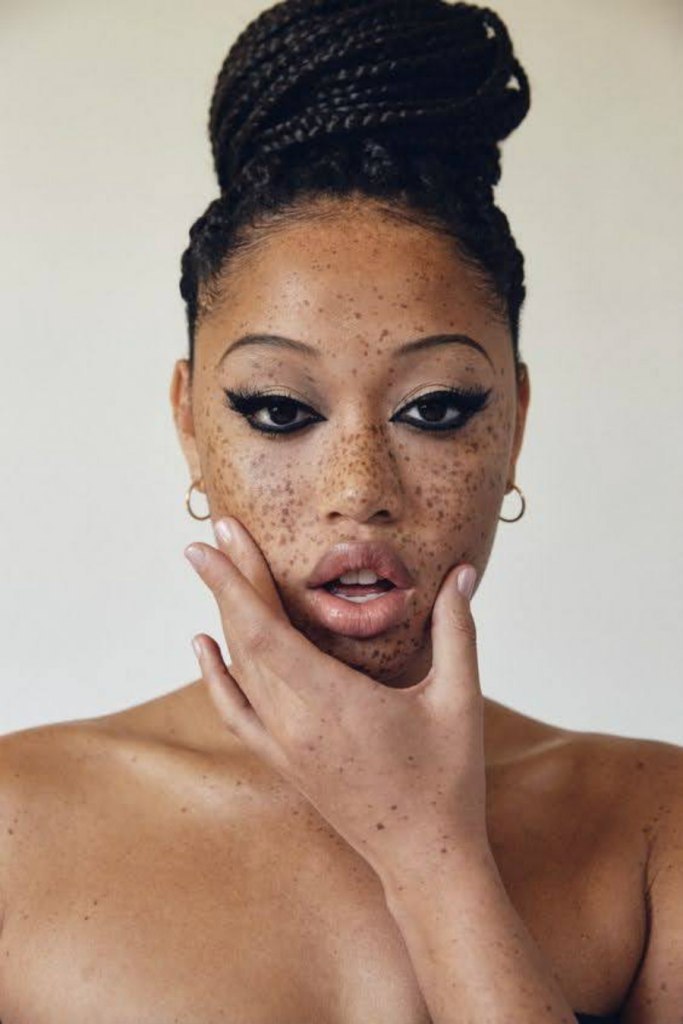
Post-Slavery Beauty: The Evolution of the Brown Woman’s Image.

Photo by Fotoboy on Pexels.com

The legacy of slavery in the Americas left an indelible mark not only on the socio-economic status of Black people but also on the perception of beauty within Black communities. For the brown-skinned woman, this history produced a complex interplay of identity, aesthetics, and social hierarchies that continues to influence modern conceptions of attractiveness, desirability, and self-worth. The post-slavery era, spanning Reconstruction, the Jim Crow period, and the civil rights movement, marked a profound shift in how brown women were represented and how they navigated the legacy of European beauty standards imposed during enslavement.

Historical Context and Color Hierarchies

During slavery, enslaved women were often valued primarily for labor or reproductive potential, yet even within these oppressive systems, colorism emerged as a potent force. Lighter-skinned women, often the offspring of European men and enslaved African women, were afforded relative privileges, such as domestic work instead of field labor, access to education, or social proximity to white families. This intra-community stratification created early foundations for a hierarchy of beauty based on skin tone and European features (Hunter, 2007).

The Post-Emancipation Image

After emancipation, brown women began asserting new forms of identity and beauty, yet they were constrained by persistent Eurocentric ideals in media, fashion, and literature. Images in magazines, film, and advertisements rarely celebrated the natural features of brown-skinned women. Instead, the cultural imagination valorized whiteness, straight hair, lighter eyes, and delicate features, leaving brown women in a liminal space of desirability—a spectrum neither fully embraced by white standards nor entirely centered within Black communities (Russell, 2012).

Colorism and Social Mobility

Post-slavery America saw colorism intensify as a social determinant. Brown women were often perceived as more “marketable” in professional and social arenas due to their proximity to whiteness, creating a duality of privilege and pressure. The “paper bag test,” prevalent in Black social institutions, reinforced the preference for lighter skin within African American society itself (Thompson, 2009). Consequently, beauty became both a site of opportunity and of internalized oppression, shaping the brown woman’s self-perception and her social navigation strategies.

Media Representations and the Entertainment Industry

The 20th century brought more public visibility to brown women, particularly in film, television, and music. Stars such as Dorothy Dandridge, Lena Horne, and later Vanessa Williams and Halle Berry, exemplified a brown beauty that was palatable to mainstream audiences. These women negotiated a delicate balance: embracing their Black identity while often conforming to Eurocentric standards of hair, makeup, and body shape (Coleman, 2014). The entertainment industry, though providing representation, also cemented narrow ideals of brown beauty—slender noses, smooth skin, and straightened hair—further complicating the evolution of self-image among brown women.

The Brown Woman and Resistance

Despite systemic pressures, brown women resisted marginalization by reclaiming their aesthetics. From the Harlem Renaissance to contemporary movements such as natural hair advocacy and the celebration of melanin-rich beauty, brown women have asserted agency over their representation. Artistic, literary, and political spaces became platforms to challenge stereotypes, celebrate diversity within the spectrum of brown skin, and redefine standards of beauty on their own terms (Banks, 2000).

Intersectionality and Modern Implications

Modern scholarship on the brown woman’s image underscores the intersectionality of race, gender, and class. Brown women continue to navigate a world that valorizes whiteness and lightness, yet the increasing visibility of diverse Black aesthetics in social media, fashion, and film challenges historical hierarchies. Movements such as #MelaninMagic and campaigns highlighting dark-skinned models broaden the public imagination of beauty and invite brown women to embrace the totality of their heritage and features (Patton, 2010).

Conclusion

The post-slavery evolution of the brown woman’s image reflects a narrative of resilience, adaptation, and reclamation. From the imposed hierarchies of slavery and colorism to the contemporary celebration of melanin and Afrocentric aesthetics, brown women have negotiated identity and beauty in ways that resist historical oppression while asserting pride and individuality. The journey of the brown woman is not merely about surviving imposed standards but transforming them—creating a legacy of empowerment and redefining what beauty means within and beyond the Black community.

References

  • Banks, I. (2000). Hair Matters: Beauty, Power, and Black Women’s Consciousness. New York: NYU Press.
  • Coleman, R. (2014). Fashioning Blackness: Clothing, Race, and Identity in American Culture. Routledge.
  • Hunter, M. (2007). The persistent problem of colorism: Skin tone, status, and inequality. Sociology Compass, 1(1), 237–254.
  • Patton, T. O. (2010). Beauty and Black Identity: African American Women’s Experiences and Aesthetics. Praeger.
  • Russell, K. (2012). Color Me Beautiful: African American Women and the Politics of Skin Color. University of North Carolina Press.
  • Thompson, M. (2009). Shades of Privilege: The Social Construction of Color and Identity in Black America. University of Illinois Press.

In the Middle: The Brown-Skinned Battle

This photograph is the property of its respective owners. No copyright infringement intended

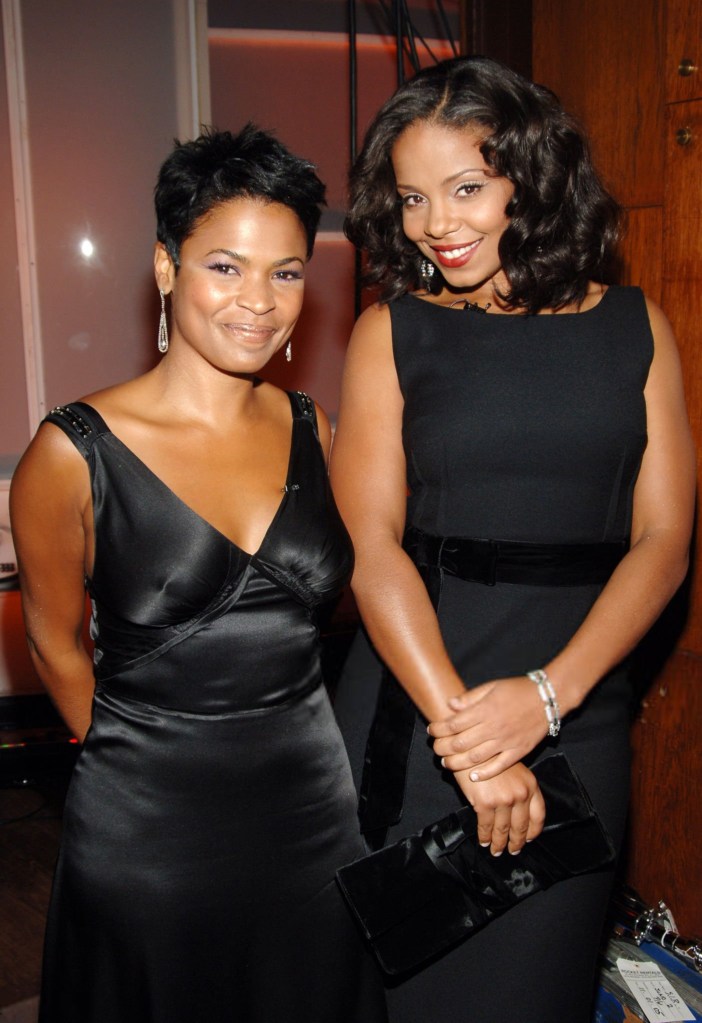
There are the light-skin and the dark-skin battles, but what about the beauties who stand in the middle? The brown-skinned woman often finds herself overlooked in discourses of colorism, as society tends to highlight either the lighter-skinned “acceptable” beauty or the darker-skinned woman who has become a symbol of resilience and resistance. Yet women like Nia Long, Sanaa Lathan, Regina Hall, Regina King, and Gabrielle Union embody a milk chocolate or dark caramel hue that represents a vast population of Black women whose struggles and triumphs within color politics deserve closer attention. These women symbolize the “in-between” battle, caught in a racialized beauty hierarchy that often denies them full recognition, even as they embody both elegance and resilience.

The politics of skin tone within the Black community are not new. Historically, slavery introduced a hierarchy in which lighter skin was associated with privilege, while darker skin was associated with field labor and hardship (Hunter, 2007). Brown-skinned women were often placed ambiguously within this dynamic, neither deemed “light enough” for preferential treatment nor “dark enough” to embody radical cultural pride. This liminal positioning has created a unique psychological and cultural battle for brown-skinned women, one that continues in modern media and social interaction.

The biblical record acknowledges the beauty of darker hues. In Song of Solomon 1:5 (KJV), the Shulamite woman declares, “I am black, but comely, O ye daughters of Jerusalem.” This passage not only affirms dark and brown skin as beautiful, but also challenges cultural stigmas that denigrate melanin-rich hues. For the brown-skinned woman, such scriptural validation becomes a source of strength when society questions her worth or diminishes her presence within the spectrum of desirability.

Psychology affirms that colorism can create deep wounds in identity formation. According to Hill (2002), intra-racial skin tone bias affects self-esteem, peer acceptance, and perceived attractiveness. Brown-skinned women often feel invisible, struggling with the pressure to compete against both lighter-skinned women who are elevated as “ideal” and darker-skinned women who are celebrated in the context of social justice movements. This sense of invisibility has been termed the “middle battle” of skin tone politics.

Celebrities like Gabrielle Union often use their platforms to articulate this struggle. Union has spoken candidly about her experiences navigating Hollywood, where casting directors sometimes overlook her for roles favoring lighter or darker actresses (Union, 2017). Similarly, Nia Long’s career has thrived, yet she is often remembered more for her relatability than as a cultural “standard of beauty,” highlighting how the brown-skinned woman is subtly typecast as “safe” but not necessarily the pinnacle of desirability.

This cultural coding connects to psychological theories of “relative deprivation,” where individuals perceive their worth not in isolation, but in relation to others (Runciman, 1966). Brown-skinned women often feel “stuck” in comparison, not fully celebrated in either camp. This phenomenon contributes to stress, anxiety, and strained self-concept, particularly in formative years of adolescence when appearance is tied to identity.

The issue also emerges in romantic preferences. Research shows that within Black dating patterns, lighter-skinned women are often perceived as more attractive or marriageable (Keith & Herring, 1991). Conversely, darker-skinned women are sometimes eroticized as exotic or “strong.” Brown-skinned women, positioned in between, may be stereotyped as “average” or overlooked. This contributes to feelings of displacement within the Black female collective.

Yet brown-skinned women embody a rich cultural beauty that cannot be ignored. Regina King’s award-winning acting, coupled with her political voice, reflects strength and poise. Sanaa Lathan’s roles often portray a relatable, girl-next-door character who bridges relatability with sensuality. These women serve as cultural icons of balance, occupying the middle ground between two extremes.

The “brown-skinned battle” is therefore not simply about aesthetics—it is also about identity, belonging, and representation. Psychology suggests that when individuals feel excluded from representation, their sense of social worth diminishes (Tajfel & Turner, 1986). Representation matters, and the under-discussion of brown-skinned women in colorism discourse perpetuates their invisibility.

The Bible continually affirms equality in God’s creation. Genesis 1:27 (KJV) proclaims, “So God created man in his own image.” This truth dismantles hierarchical thinking that places one hue above another. From a theological perspective, brown skin—like all shades—is a manifestation of divine artistry. The struggle of brown-skinned women, therefore, is not a reflection of God’s truth, but of man-made systems of prejudice.

Historically, the “brown battle” appeared in African American literature as well. Writers like Zora Neale Hurston and Alice Walker often explored nuances of complexion within Black womanhood. Hurston’s characters frequently embodied the brown-skin aesthetic, neither elevated to the pedestal of “light” privilege nor anchored fully in the rhetoric of “dark” pride. This reflects the long-standing ambiguity attached to brown hues in cultural imagination.

Hollywood has played a role in perpetuating the divide. Spike Lee’s School Daze (1988) illustrated colorism tensions between light- and dark-skinned women, but brown-skinned women were largely blended into the ensemble, rarely positioned as the central debate. This absence mirrors broader social silences surrounding their struggles.

Psychologically, such invisibility parallels the concept of “liminality,” where individuals exist on the threshold of categories but belong fully to neither (Turner, 1969). Brown-skinned women embody this liminality—caught between extremes, always present but rarely spotlighted.

The brown battle is also spiritual. In a society that continually asks brown-skinned women to define themselves in relation to others, the biblical call is to find identity in Christ. Romans 8:16-17 (KJV) affirms that believers are “heirs of God, and joint-heirs with Christ.” This inheritance transcends complexion hierarchies, grounding worth in divine kinship rather than human prejudice.

Nevertheless, practical strategies are necessary for healing. Psychology highlights the importance of “self-affirmation” practices, where individuals reframe narratives of exclusion by affirming intrinsic worth (Steele, 1988). For brown-skinned women, cultivating spaces of affirmation—whether through literature, sisterhood, or faith—becomes a radical act of self-preservation.

Cultural icons like Lauryn Hill, whose song “Brown Skin Lady” (1996) celebrated the richness of mid-tones, demonstrate the need for artistic affirmation. Such affirmations counter societal messages that overlook brown beauty, restoring dignity to the middle ground.

The generational impact of colorism must also be considered. Brown-skinned girls often inherit subtle messaging about their worth, sometimes hearing remarks that they are “not light enough” or “not dark enough.” These remarks shape their self-perception well into adulthood, underscoring the need for intentional cultural and spiritual interventions.

The brown-skinned battle, therefore, calls for both scholarly acknowledgment and spiritual restoration. It is not enough to focus only on light-skin privilege or dark-skin pride—brown-skinned women must be centered in the dialogue. Their beauty, resilience, and complexity embody a truth that society must embrace.

Ultimately, the middle ground is not a place of lack, but of balance. The milk chocolate and caramel hues reflect harmony, warmth, and depth. Brown-skinned women, from Nia Long to Regina King, remind us that beauty is not confined to extremes but flourishes most richly in the spectrum’s center. In affirming them, we affirm the fullness of Blackness and dismantle the false hierarchies that divide us.


References

  • Hill, M. E. (2002). Skin color and the perception of attractiveness among African Americans: Does gender make a difference? Social Psychology Quarterly, 65(1), 77–91.
  • Hunter, M. (2007). The persistent problem of colorism: Skin tone, status, and inequality. Sociology Compass, 1(1), 237–254.
  • Keith, V. M., & Herring, C. (1991). Skin tone and stratification in the Black community. American Journal of Sociology, 97(3), 760–778.
  • Runciman, W. G. (1966). Relative deprivation and social justice. University of California Press.
  • Steele, C. M. (1988). The psychology of self-affirmation: Sustaining the integrity of the self. Advances in Experimental Social Psychology, 21, 261–302.
  • Tajfel, H., & Turner, J. (1986). The social identity theory of intergroup behavior. In S. Worchel & L. W. Austin (Eds.), Psychology of intergroup relations (pp. 7–24). Nelson-Hall.
  • Turner, V. (1969). The ritual process: Structure and anti-structure. Aldine.
  • Union, G. (2017). We’re going to need more wine: Stories that are funny, complicated, and true. Dey Street Books.
  • The Holy Bible, King James Version.

When Melanin Becomes a Measure: The Psychology of Skin Tone.

This photograph is the property of its respective owner. No copyright infringement intended.

Melanin is more than pigment; it is a living testament of ancestry, survival, and culture. In societies shaped by slavery, colonialism, and systemic white supremacy, skin tone has been weaponized as a marker of value, beauty, and social mobility. For Black people, colorism — the preferential treatment of lighter skin over darker skin — is a persistent psychological burden that affects identity, self-esteem, and opportunities. Understanding this phenomenon requires examining its historical roots, psychological mechanisms, and strategies for healing.

During slavery, skin tone was a tool of division. Lighter-skinned enslaved individuals were often assigned domestic work inside the master’s house, while darker-skinned Africans labored in the fields. This hierarchy, dictated by proximity to whiteness, created a lasting psychological imprint of internalized oppression (Hunter, 2007). Being lighter was subtly equated with safety, status, and relative privilege.

Colorism persisted after emancipation. Institutions such as Black fraternities, churches, and social clubs sometimes implemented color-based exclusions, exemplified by the “brown paper bag test.” This internalized hierarchy caused a psychological rift within the Black community, as self-worth became linked to skin tone rather than character or talent.

Research confirms the mental health consequences of colorism. Darker-skinned individuals often report lower self-esteem, depressive symptoms, and higher anxiety compared to lighter-skinned peers (Monk, 2014). Early exposure to color preference, as demonstrated in Clark and Clark’s (1947) famous doll studies, showed that Black children internalized societal biases favoring lighter skin, demonstrating that colorism affects identity from childhood.

Media and popular culture continue to reinforce Eurocentric beauty standards. Lighter-skinned actors, models, and influencers are often celebrated, while darker-skinned individuals are marginalized or stereotyped. The underrepresentation of dark skin in media contributes to a sense of invisibility and inadequacy.

The psychology of colorism also affects interpersonal relationships. Studies have shown that lighter-skinned Black women often receive more favorable treatment in dating, employment, and social networks compared to darker-skinned women, a pattern that mirrors historical social hierarchies (Hunter, 2007). Men too experience bias, though differently, often being hypersexualized or criminalized based on skin tone.

The global skin-lightening industry illustrates how deep this issue runs. Products promising “fairer” skin are marketed as pathways to success, attractiveness, and social acceptance. Many consumers engage in dangerous bleaching practices, risking long-term health issues to conform to beauty norms imposed by colonial histories (Charles, 2011).

Colorism can also foster divisions within families and communities. Lighter-skinned individuals may be unconsciously favored, creating tension and jealousy. Psychological theories suggest that this intra-group discrimination exacerbates feelings of inadequacy among darker-skinned individuals (Hunter, 2007).

On a spiritual level, colorism challenges the understanding of divine design. Psalm 139:14 (KJV) declares, “I will praise thee; for I am fearfully and wonderfully made.” Every shade of melanin reflects intentionality and purpose. Internalizing this truth is crucial to healing identity wounds caused by centuries of bias.

Social identity theory offers insight into these dynamics. People categorize themselves and others into groups, which can lead to in-group favoritism and out-group bias. Within the Black community, lighter skin can create a perceived “in-group” of privilege, leaving darker-skinned members feeling marginalized (Tajfel & Turner, 1979).

Psychologists have identified the phenomenon of “colorism stress,” where individuals experience chronic stress due to color-based discrimination. This stress can manifest as anxiety, depression, or identity confusion, impacting academic performance, professional success, and interpersonal relationships (Monk, 2014).

Addressing colorism requires interventions at multiple levels. Psychologically, therapy and counseling can help individuals unpack internalized bias and reclaim self-worth. Group support programs, mentorship, and discussion circles provide safe spaces to challenge color hierarchies and affirm dark skin as beautiful.

Culturally, representation matters. Media, literature, and fashion should celebrate all shades of Blackness. Highlighting dark-skinned leaders, role models, and celebrities combats stereotypes and reinforces positive identity formation.

Educational interventions are also vital. Teaching children about the history of colorism, its roots in slavery and colonialism, and the value of all skin tones can prevent internalized bias from forming in the first place (Hunter, 2007).

Faith-based communities can play a transformative role. Scriptures that affirm God’s intentional creation (Genesis 1:27, Psalm 139:14, KJV) offer a theological counter-narrative to societal bias. Spiritual teaching and community reinforcement of dignity and worth can buffer the psychological impact of colorism.

Interpersonal strategies are also important. Black men and women can practice solidarity and advocacy within their communities, intentionally uplifting those who are darker-skinned. Proverbs 31:8-9 (KJV) reminds believers to speak up for the oppressed and defend the vulnerable.

Self-affirmation practices have psychological benefits. Encouraging young Black people to celebrate their natural skin tone, hairstyles, and features can mitigate the harmful effects of internalized bias. Social media campaigns that normalize dark skin and challenge Eurocentric beauty norms are proving effective.

Mentorship is key for breaking cycles of self-rejection. Older Black adults who embrace their identity can model confidence for younger generations, teaching pride in melanin and heritage. Titus 2:2,6 (KJV) emphasizes the importance of teaching younger members of the community to be sober, sound-minded, and grounded.

Public policy can help combat structural colorism. Anti-discrimination laws, equitable hiring practices, and inclusive beauty standards in advertising reduce systemic bias, giving all shades of Black individuals equal opportunities in professional and social spheres.

Intersectionality must also be considered. Colorism interacts with gender, class, and geography to shape experiences uniquely. Dark-skinned women often face compounded biases, whereas lighter-skinned men may experience complex privileges and burdens simultaneously.

The psychology of skin tone ultimately intersects with identity, opportunity, and spiritual well-being. Healing requires intentional cultural, psychological, and spiritual work to dismantle centuries-old hierarchies and affirm the worth of all Black people, regardless of shade.

In conclusion, melanin should never be a measure of value. Understanding the psychology of skin tone — its historical roots, mental health impacts, and spiritual implications — is essential for reclaiming identity and dignity. By combining therapy, mentorship, representation, spiritual guidance, and advocacy, the Black community can move toward unity, pride, and healing.


References (APA)

Charles, C. A. D. (2011). Skin bleaching, self-hate, and black identity in Jamaica. Journal of Black Studies, 42(1), 43–61. https://doi.org/10.1177/0021934710386749

Clark, K., & Clark, M. (1947). Racial identification and preference in Negro children. Journal of Negro Education, 16(3), 169–175.

Hunter, M. (2007). The persistent problem of colorism: Skin tone, status, and inequality. Sociology Compass, 1(1), 237–254. https://doi.org/10.1111/j.1751-9020.2007.00006.x

Monk, E. P. (2014). The color of punishment: African Americans, skin tone, and the criminal justice system. Sociological Inquiry, 84(3), 401–430. https://doi.org/10.1111/soin.12053

Tajfel, H., & Turner, J. C. (1979). An integrative theory of intergroup conflict. In W. G. Austin & S. Worchel (Eds.), The social psychology of intergroup relations (pp. 33–47). Brooks/Cole.

The Holy Bible, King James Version. (1611). Thomas Nelson.

Global Perspectives: How Different Cultures Value Brown Skin.

Photo by sirdik Imagery on Pexels.com

Skin color has long been a marker of identity, social status, and beauty across different societies. Brown skin, in particular, carries diverse meanings depending on cultural context, geography, and history. While some cultures celebrate it as a symbol of strength, resilience, and beauty, others have historically stigmatized it due to colonial legacies and colorism. Understanding how brown skin is valued globally requires examining the intersections of race, class, gender, and historical narratives.

Africa: A Celebration of Melanin

In many African cultures, brown and dark skin are celebrated as markers of ancestry, heritage, and vitality. Proverbs such as the Ghanaian saying, “The sun shines differently on every face, but melanin glows forever” highlight the cultural pride in darker skin tones. Within African aesthetics, melanin is associated with natural beauty, strength, and divine creation. Despite the presence of colorism influenced by colonialism, Pan-African movements and cultural pride campaigns—such as “Black is Beautiful”—have reaffirmed the inherent worth of brown skin.

South Asia: Colorism and Fairness Ideals

In South Asian cultures, particularly in India, Pakistan, and Bangladesh, colonialism and caste systems have contributed to a preference for lighter skin. Fair skin has often been associated with beauty, higher social class, and marriage prospects. The booming skin-lightening industry, led by products like “Fair & Lovely,” reflects these ideals. However, contemporary movements such as Dark Is Beautiful (renamed India’s Skin, I Am In) challenge these norms, reclaiming brown skin as beautiful and resisting Eurocentric standards.

The Middle East: Shades of Honor and Heritage

In the Middle East, skin tone has historically varied across regions due to trade, migration, and climate. Brown skin often signifies heritage connected to the desert sun and Bedouin ancestry. In Arab poetry and Islamic traditions, descriptions of “wheat-colored” or “bronze” skin are viewed as beautiful and natural. However, globalization has introduced Western media influences that sometimes favor lighter complexions, leading to similar struggles with colorism.

Latin America: Mestizaje and Identity

In Latin American societies, brown skin is linked to indigenous and African ancestry. The ideology of mestizaje (racial and cultural mixing) positions brownness as a common marker of national identity, yet also creates hierarchies privileging lighter mestizo or white-passing individuals. In countries like Brazil, where Afro-Brazilian identity is strong, movements such as Negra Linda and Orgulho Negro (Black Pride) celebrate brown and dark skin as symbols of cultural resistance and pride.

The Caribbean: Resistance and Reclamation

Caribbean cultures, shaped by African heritage and colonial histories, have a complex relationship with skin tone. Brown skin has often been viewed as the middle ground in colonial color hierarchies—lighter than African-descended slaves but darker than European colonizers. However, reggae music, Rastafarian culture, and Afro-Caribbean pride movements have redefined brown skin as a symbol of resistance against colonial oppression. Bob Marley’s global influence helped position brown and dark skin as powerful representations of dignity and freedom.

Western Societies: From Exoticism to Empowerment

In Western countries, particularly the United States and Europe, brown skin has historically been marginalized through racism and colorism. At the same time, tanned skin among white populations became fashionable in the 20th century, symbolizing leisure and wealth. This contradiction reveals the hypocrisy of valuing artificially darkened skin while discriminating against naturally brown and Black people. Today, cultural icons like Naomi Campbell, Lupita Nyong’o, and Adut Akech challenge Eurocentric beauty ideals by redefining global standards of beauty.

The Bible and Spiritual Perspectives

Biblical references also affirm brown and dark skin as part of divine creation. The Song of Solomon (1:5, KJV) declares: “I am black, but comely, O ye daughters of Jerusalem”—a verse that affirms the beauty of dark and brown skin. Throughout scripture, skin is not framed as a deficiency but as part of God’s diverse design of humanity, offering a spiritual affirmation against color-based discrimination.

Psychological Dimensions of Skin Tone

Psychologically, the way cultures perceive brown skin impacts self-esteem and social mobility. In societies where lighter skin is favored, individuals with brown skin often internalize feelings of inferiority, leading to skin-lightening practices and self-rejection. Conversely, in cultures where melanin is celebrated, brown skin fosters pride, resilience, and a sense of belonging. Scholars like Dr. Margaret Hunter (2007) argue that colorism operates as a “second-tier” form of racism, shaping opportunities based not just on race, but on gradations of skin tone.


References

  • Hunter, M. (2007). The persistent problem of colorism: Skin tone, status, and inequality. Sociology Compass, 1(1), 237–254.
  • Glenn, E. N. (2008). Yearning for lightness: Transnational circuits in the marketing and consumption of skin lighteners. Gender & Society, 22(3), 281–302.
  • Opie, T., & Phillips, K. W. (2015). Hair penalties: The negative influence of Afrocentric hair on ratings of Black women’s professionalism. Frontiers in Psychology, 6, 1311.
  • Rosette, A. S., & Dumas, T. L. (2007). The hair dilemma: Conform to mainstream expectations or emphasize racial identity? Duke Journal of Gender Law & Policy, 14(1), 407–421.
  • Song of Solomon 1:5, King James Version (KJV).
  • Telles, E. E. (2014). Race in another America: The significance of skin color in Brazil. Princeton University Press.

Melanin and Margins: How Brown Girls Navigate Identity #thebrowngirldilemma

Photo by Ogo Johnson on Pexels.com

To be a brown girl is to live at the intersection of visibility and marginalization. Melanin is both a marker of beauty and a marker of difference—something celebrated in cultural slogans like “Black don’t crack,” yet stigmatized in institutions that uphold Eurocentric standards. The margins become the lived space of brown girls: not fully erased, but rarely centered; present, but often tokenized. Navigating identity within these boundaries requires both resistance and reinvention.

Melanin is not merely pigment; it is history embedded in the body. It carries the legacy of Africa, of ancestors who endured enslavement, colonialism, and displacement. It symbolizes resilience, survival, and cultural inheritance. Yet, within a world dominated by whiteness, melanin has been treated as deficiency rather than dignity. This contradiction defines much of the brown girl dilemma. Identity becomes fractured—formed in pride for one’s roots but tested by social systems that punish proximity to Blackness.

Psychologically, this tension can manifest in identity confusion and internalized colorism. Studies show that young women of color often struggle with self-esteem when their physical features do not align with mainstream ideals (Walker, 1983; Thompson & Keith, 2001). Brown girls are too often told they are “too dark” to be beautiful, or conversely, exotified as “rare” when their features align with fetishized versions of “ethnic beauty.” Such conflicting messages leave them oscillating between invisibility and hyper-visibility, both of which deny the fullness of their humanity.

Yet, brown girls are not passive subjects of this narrative; they actively navigate and redefine it. Identity becomes a form of resistance. From natural hair movements to social media campaigns celebrating melanin, brown girls are reclaiming space in cultures that once excluded them. Digital platforms have become arenas of empowerment, where brown women showcase their beauty, talent, and intellect without waiting for validation from mainstream gatekeepers (Nash, 2019). This reclamation is not just aesthetic—it is political, dismantling centuries of imposed inferiority.

Faith and spirituality also provide a critical foundation in identity navigation. Scriptures like Genesis 1:27 remind brown girls that they are made in the image of God, a truth that affirms dignity beyond social constructs. The declaration of the Shulammite woman in Song of Solomon 1:5—“I am black, but comely”—resonates across centuries as a proclamation of self-acceptance and divine affirmation. In this light, melanin is not a margin but a manifestation of sacred design.

The margins, however, are not only spaces of oppression; they are also spaces of creativity and vision. As bell hooks (1984) reminds us, the margin can be a site of resistance, a place from which the oppressed can critique the center and reimagine new possibilities. Brown girls learn to turn marginalization into mastery—transforming the weight of stereotype into platforms of voice, scholarship, artistry, and activism.

Thus, the brown girl identity is not defined by deficit but by duality: the struggle of navigating marginalization and the strength of transforming it into power. Melanin, once used to exclude, becomes the very marker of pride and resistance. The brown girl dilemma is not an endpoint but a journey—a pilgrimage through bias, beauty, and belief that ultimately leads to the discovery of self.

Brown girls are not only surviving on the margins; they are redrawing the map.


References

  • hooks, b. (1984). Feminist theory: From margin to center. South End Press.
  • Nash, J. C. (2019). Black feminism reimagined: After intersectionality. Duke University Press.
  • Thompson, M. S., & Keith, V. M. (2001). The Blacker the berry: Gender, skin tone, self-esteem, and self-efficacy. Gender & Society, 15(3), 336–357.
  • Walker, A. (1983). In search of our mothers’ gardens: Womanist prose. Harcourt.
  • The Holy Bible, King James Version.

The Politics of Pretty and the Brown Girl #thescienceofblackbeauty

Photo by Giulia Freitas on Pexels.com

Beauty has never been a neutral concept. It has always been political, deeply intertwined with power, race, and identity. For the Brown girl, beauty is not simply a matter of style or preference—it is a site of negotiation, resistance, and survival. Living in a world where Eurocentric standards dominate, the Brown girl’s face, hair, and skin are often scrutinized, diminished, or exoticized. To be considered “pretty” in this context is not a simple compliment; it is a measure shaped by systemic bias, cultural narratives, and centuries of colonial influence.

The phrase “politics of pretty” captures the social and cultural forces that determine which bodies are valued and which are marginalized. For Brown girls—women of darker complexions, textured hair, and features often dismissed by dominant culture—beauty becomes less about personal choice and more about fitting into or rejecting the molds society constructs. Being told one is “pretty for a dark-skinned girl” is a backhanded compliment that reveals how beauty is still filtered through racial hierarchies. Such comments reinforce the notion that prettiness is not expected of the Brown girl but rather an exception to a biased rule.

Psychologically, these beauty politics can carry heavy consequences. Studies on colorism reveal how internalized bias leads to lower self-esteem, body image struggles, and even strained relationships among women of color (Hunter, 2007). The Brown girl may feel pressure to straighten her hair, lighten her skin, or alter her features to align more closely with accepted ideals. These acts are not merely aesthetic—they reflect deep systemic forces that punish authenticity while rewarding conformity. Yet, despite these pressures, many Brown girls have chosen reclamation over assimilation, celebrating melanin, curls, and natural features as radical acts of self-love.

Culture and media play central roles in shaping how the Brown girl is seen. Hollywood, fashion industries, and social media influencers often perpetuate narrow standards of beauty, elevating lighter skin, looser curls, and Eurocentric features. When Brown girls do appear, they are frequently cast as exotic, hypersexualized, or secondary characters. However, the rise of movements such as #MelaninMagic and #BlackGirlMagic has shifted this narrative, carving space for Brown girls to redefine “pretty” on their own terms. These campaigns celebrate diverse shades, textures, and features, challenging the idea that beauty must fit within Eurocentric boundaries.

Biblically, the politics of beauty are also addressed. Scripture reminds us that true worth is not measured by outward appearance but by the heart: “Whose adorning let it not be that outward adorning of plaiting the hair, and of wearing of gold, or of putting on of apparel; But let it be the hidden man of the heart” (1 Peter 3:3–4, KJV). For the Brown girl, this message affirms that while society may politicize her body and her beauty, her value in God’s eyes is rooted in character, wisdom, and faith. This spiritual truth provides a counterweight to cultural lies, offering grounding in divine affirmation.

The politics of pretty also extend into economics and social mobility. Research shows that lighter-skinned women often receive preferential treatment in hiring, salary, and even dating markets (Hersch, 2006). For Brown girls, this creates an additional layer of struggle: their looks can impact not only their social experiences but also their material opportunities. This demonstrates how beauty standards are not superficial but structurally impactful. They determine access, privilege, and even wealth distribution.

Yet within these struggles lies a profound resilience. Brown girls have historically been at the forefront of cultural innovation, from music and dance to style and language. What was once mocked or dismissed—from full lips to natural hairstyles—has often been appropriated and celebrated when adopted by others. This irony highlights the cultural hypocrisy of beauty politics, where features belonging to Brown girls are simultaneously devalued and commodified. Despite this, the Brown girl continues to set trends and reshape culture, forcing society to confront its contradictions.

The healing journey for the Brown girl involves unlearning toxic beauty scripts and embracing authenticity. Psychology emphasizes the importance of positive identity formation, affirmations, and community support (Cross, 1991). Spiritually, it involves resting in God’s truth rather than society’s approval. Culturally, it means celebrating diversity and rejecting monolithic beauty standards. When the Brown girl embraces her radiance, she not only heals herself but also challenges a system that has historically sought to erase her.

In the end, the politics of pretty reveals more about society than it does about the Brown girl. It exposes racialized hierarchies, systemic inequities, and cultural insecurities. Yet the Brown girl stands as a living testimony to resilience, creativity, and grace. She is not “pretty for a dark-skinned girl.” She is beautiful, period—because her beauty transcends comparison, rooted in history, faith, and the fullness of her identity.

The task for all of us is not to reshape the Brown girl to fit beauty politics, but to reshape politics to honor her as she is. When society expands its definition of beauty, it creates space for truth, healing, and justice. Until then, the Brown girl will continue to resist, radiate, and redefine what it means to be “pretty” on her own terms.


📖 References

Cross, W. E. (1991). Shades of Black: Diversity in African-American identity. Temple University Press.

Hersch, J. (2006). Skin tone effects among African Americans: Perceptions and reality. American Economic Review, 96(2), 251–255.

Hunter, M. L. (2007). The persistent problem of colorism: Skin tone, status, and inequality. Sociology Compass, 1(1), 237–254.

The Holy Bible, King James Version. (1769/2017). Cambridge University Press.

The Golden Fleece and Its Connection to Black Skin.

Beneath the sun, our skin ignites,
A molten glow of ancient lights.
From river, sea, or morning ray,
The gold within cannot decay.


Photo by Gifty Dzenyo on Pexels.com

The Golden Fleece, in classical mythology, was a symbol of ultimate power, wealth, and divine favor. While often imagined as a literal object in Greek legend, symbolically, it represents the sacred, coveted essence of life and vitality. In Afrocentric interpretations, the Golden Fleece parallels the natural golden undertones of melanated skin, celebrating the richness, resilience, and uniqueness of Black bodies.

When a Black man or woman emerges from water, sunlight reveals a golden glow, a phenomenon that occurs across the spectrum of dark skin tones. This luminous effect reflects the melanin-rich composition of the skin, which absorbs and diffuses light in ways that give a subtle, warm radiance. The glow has been described as a visual testament to the divine and ancestral heritage carried in every melanated body.

Frances Cress Welsing, in her seminal work The Isis Papers, addresses the psychology of melanated skin, emphasizing how white-dominant societies have historically envied the physical, intellectual, and spiritual capacities associated with Blackness. She posits that melanin is not merely pigment but a symbol of power, and the natural golden glow of the skin is a manifestation of life-force and genetic vitality, evoking both admiration and subconscious fear in societies conditioned to reject Black excellence.

The Golden Fleece, then, becomes a metaphor for the sacred value inherent in Black skin—a treasure of beauty, resilience, and divine design. It is a reminder that melanated bodies are not only aesthetically radiant but spiritually significant, carrying a legacy that cannot be replicated or diminished.

Biblical References (KJV)

  • Exodus 3:21-22. King James Version.
  • Deuteronomy 28:12. King James Version.
  • Psalm 139:14. King James Version.

Secondary Sources

Welsing, F. C. (1991). The Isis Papers: The Keys to the Colors. Third World Press.

Fanon, F. (1967). Black Skin, White Masks. Grove Press.

Grier, W. H., & Cobbs, P. M. (1968). Black Rage. Basic Books.

Harris, S. (2015). The Psychological Effects of Racism on African Americans. American Psychological Association.