Category Archives: Masculinity

Comparative Masculine Aesthetic Table (Genetics + Psychology + Cultural Archetypes)

Across civilizations, masculine aesthetics have served as visual language—signaling power, protection, fertility, discipline, nobility, and divine purpose. When examining masculine presentation through genetics, psychology, and cultural archetypes, we see not merely beauty standards but philosophies of manhood rooted in lineage, survival, and heritage. Masculinity becomes a relational ethic tied to duty, identity, and legacy.

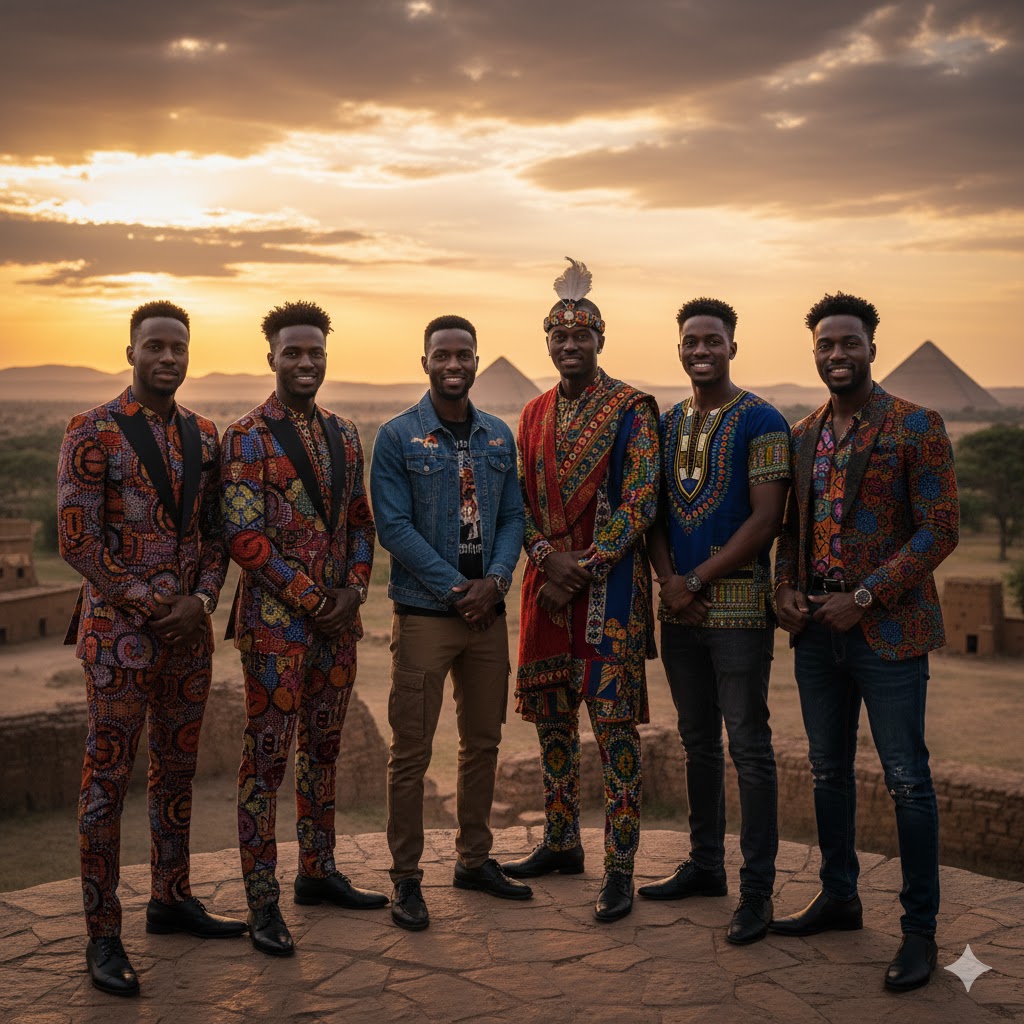
In African traditions, masculine aesthetics often centered on warrior strength and spiritual authority. Broad shoulders, strong jawlines, deep skin pigmentation, and robust bone structure—common phenotypes linked with ancestral African genetics—symbolized survival power in harsh environments. These features communicated readiness to defend the community and withstand adversity, aligning with warrior archetypes like the Zulu induna or Dahomey generals.

Psychologically, African masculine identity historically emphasized communal responsibility, courage, and divine leadership. Kings and warriors adorned themselves with symbolic emblems—leopard skins, spears, gold, spiritual markings—to visually display covenant identity and ancestral power. Beauty is intertwined with duty, where physical form expresses divine assignment and social purpose.

In Near Eastern and Hebraic traditions, masculine aesthetics blended priesthood and kingship. The biblical Israelite ideal combined moral purity, spiritual discipline, and prophetic authority. The archetype of David—warrior-poet, humble yet mighty—illustrates a masculinity where beauty flowed from righteousness, loyalty to God, and leadership rooted in covenant responsibility.

Ethiopian Solomonic imagery continued this sacred lineage, reinforcing that true masculine strength radiates from spiritual legitimacy. Royal garments, crowns, and lion symbolism communicated divine selection. The biblical statement, “Gird thy sword upon thy thigh, O most mighty… and in thy majesty ride prosperously” (Psalm 45:3–4, KJV), captured a fusion of warriorhood and holiness.

In West African Mali and Songhai empires, masculine aesthetics emphasized intellectual nobility and economic authority. Scholars, merchants, and rulers like Mansa Musa projected refinement through textiles, gold adornment, and dignified posture. Beauty symbolized abundance and wisdom—masculinity as provision and civilization-building rather than brute force alone.

Greco-Roman masculinity elevated proportion, symmetry, and muscularity, rooted in philosophical ideals of human perfection. Statues reflected ideal facial angles, balanced musculature, and calm expressions, tying genetics to aesthetic geometry. This classical archetype valued form as evidence of discipline, intellect, and civic virtue, merging beauty with philosophical excellence.

Psychologically, European masculinity later shifted toward aristocratic refinement—tailoring, grooming, posture—as symbols of social rank. The “gentleman” aesthetic emphasized controlled aggression, elite education, and strategic alliance-building. Strength was intellectual and diplomatic as much as physical, shaping modern Western masculine ideals.

In East Asian cultures, masculine aesthetics historically reflected stoicism, inner discipline, and harmony. Samurai traditions honored restrained expression, refined posture, and spiritual calm. Masculinity emphasized mastery over the self, duty to the collective, and quiet loyalty. Strength was inward strength—discipline over impulse, honor over dominance.

Genetically, masculine variation across populations emerges from evolutionary pressures. Warmer climates favored lean muscularity and melanin richness; colder environments selected for broader frames and lighter pigmentation. These genetic differences helped shape aesthetic ideals, but culture transformed biology into symbolic language—beauty expressing identity, not hierarchy.

The global archetype of the “Protector” appears universal—whether Zulu warrior, Hebrew king, Roman general, or Samurai swordsman. Yet, the expression differs: African masculinity externalized communal defense; Hebraic masculinity sanctified justice; Roman masculinity disciplined the body; Samurai masculinity disciplined the spirit.

Another shared archetype is the “Wise Leader.” African kings like Askia the Great, biblical figures like Solomon, and Chinese scholar-officials all projected masculine intelligence through regal composure, ceremonial attire, and calm authority. Beauty was not aggression but thoughtfulness, wisdom, and strategic leadership.

Modern Western culture often reduces masculinity to aesthetics of height, symmetry, muscularity, and dominance. Yet indigenous and ancient societies prioritized virtue, contribution, and communal stewardship. True masculine beauty historically flowed from service, reverence, and legacy—outward form reflecting inward purpose.

Psychologically, masculine confidence has always correlated with perceived social usefulness. Men valued for protection, knowledge, or provision developed stronger self-identity. Masculine beauty, therefore, is not vanity but affirmation of purpose—biology and psychology converging through cultural meaning.

Colonial distortions attempted to weaponize aesthetics by racializing features, privileging European symmetry standards, and devaluing African phenotype richness. Yet African features—broad noses, high cheekbones, rich melanin, coiled hair, full lips—carry evolutionary excellence and cultural depth. As consciousness rises, these traits are reclaimed as symbols of royal identity and ancestral power.

Diaspora psychology reflects a restoration journey: reclaiming Black masculine beauty as spiritual and historical truth. The modern resurgence of natural hair, African garments, sacred jewelry, and warrior postures echoes ancient aesthetics—rooted in memory and resilience.

Masculinity across cultures ultimately shares core values: courage, protection, provision, wisdom, self-mastery, and legacy. Aesthetics serve as visual prophecy—declaring who a man believes himself to be and what he is called to protect. Biology gives the canvas; culture paints its meaning; faith crowns it with divine identity.

Thus, comparative masculine aesthetics reveal not competition but diversity and sacred design. Each culture’s masculine expression illuminates a facet of creation’s purpose: the strong defender, the wise shepherd, the noble king, the disciplined warrior, the peaceful scholar. The truest masculine beauty is integrity lived in visible form.

As men embrace historically grounded identity, they move beyond performative masculinity into covenant masculinity—rooted in duty, love, excellence, and God-given dignity. Strength becomes service, beauty becomes symbolism of purpose, and the masculine form becomes a living temple of divine intention.


References

Akbar, N. (1996). Breaking the chains of psychological slavery. Mind Productions.
Blier, S. (2019). Royal arts of Africa: Majesty, power, and identity. Princeton University Press.
Dutton, E. (2021). The anthropology of beauty: What we like and why. Ulster Academic Press.
Wade, N. (2014). A troublesome inheritance: Genes, race, and human history. Penguin.
Wilson, A. N. (1999). Blueprint for Black power. Afrikan World InfoSystems.
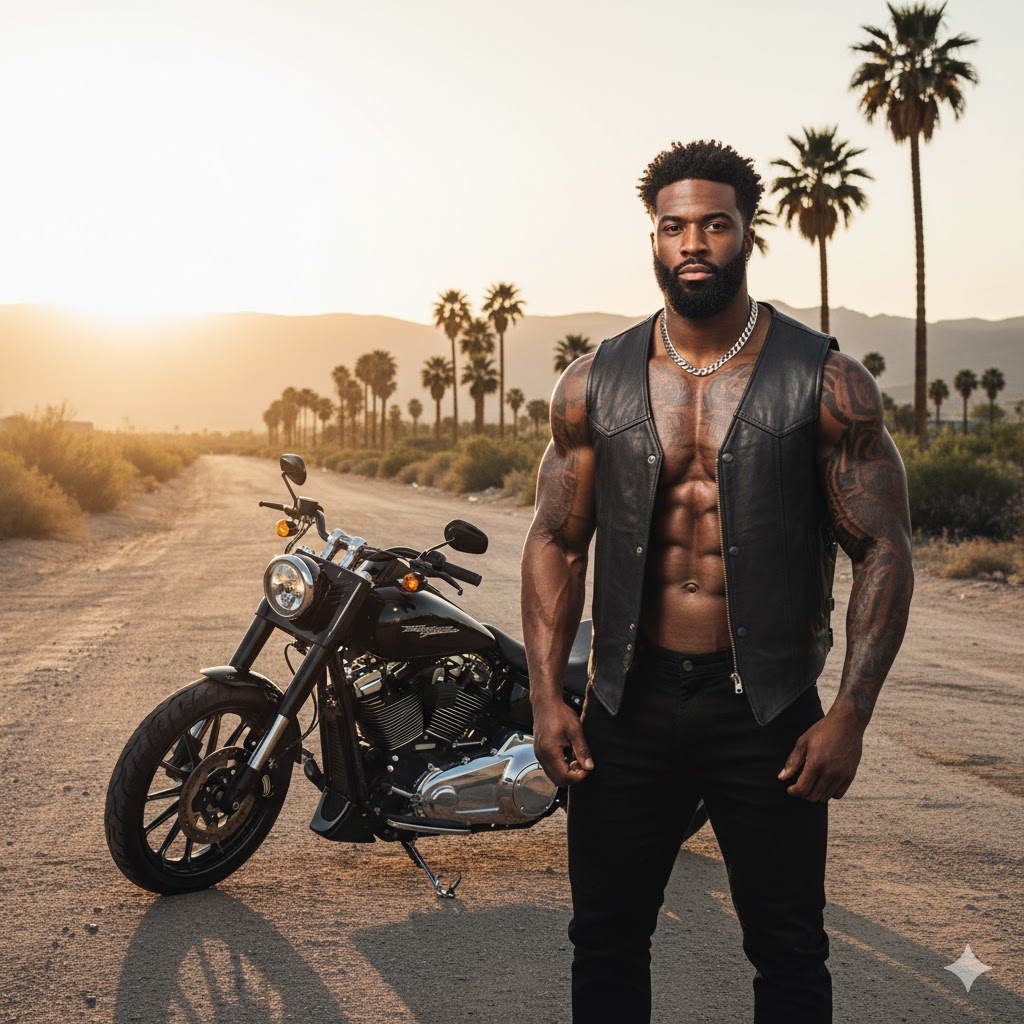
The Science of Black Masculinity — skull structure, melanin physiology, and ancestral power.

Black masculinity exists at the nexus of biology, psychology, and ancestral memory. While society often tries to flatten Black manhood into stereotypes—either hyper-aggressive or broken—scholarship and science reveal a far richer, dignified, and evolutionarily purposeful reality. Biological design, ancestral environments, and spiritual legacy together form a multidimensional model of strength, resilience, and divine identity.

Evolutionary anthropology demonstrates that ancestral African populations developed phenotypes shaped by millions of years in equatorial environments. Higher bone density, robust musculature, and facial structure associated with ancestral African lineages reflect adaptation to intense physical demands and climatic conditions. Powerful mandibles, pronounced zygomatic arches, broader nasal passages, and strong orbital rims supported survival in heat, physical exertion, and resistance to environmental pathogens (Boyd & Silk, 2021). These features, rather than being stigmatized, represent evolutionary excellence.

Facial structure in African-descended men often displays high cheekbones, deep-set eyes, defined brow ridges, and strong mandibles. These characteristics are associated in anthropology with warrior morphology: the ability to chew fibrous foods, protect facial structure under physical force, and maintain respiratory efficiency in hot climates (Lieberman, 2011). What media sometimes distorts as “threatening” is, in truth, evidence of ancestral adaptation and power.

Melanin physiology also plays a central role. Eumelanin, the dominant pigment in African populations, protects DNA from ultraviolet radiation, reduces oxidative stress, and enhances immune defense (Yamaguchi & Hearing, 2014). Beyond physical protection, melanin has been the subject of spiritual and symbolic interpretation in African and diasporic cultures, connecting biological function to metaphysical significance. While science acknowledges melanin’s biochemical role, cultural memory acknowledges it as a sign of divine selection and earthly royalty.

Neuromelanin—located in the brain’s substantia nigra—plays a role in cognitive processing, motor function, and stress response regulation. While all humans possess neuromelanin, research shows variability in distribution and concentration influenced by ancestry (Zecca et al., 2008). This has led some scholars and cultural thinkers to explore how neurological adaptation and stress resistance shaped African-descended populations’ resilience through historical trauma.

Black muscle composition often includes higher proportions of fast-twitch fibers, reflecting evolutionary specialization in explosive strength, sprinting, and physical stamina (Ama et al., 1986). These traits supported hunting, evasion, and battle—skills central to ancestral survival and tribal protection. Modern athletic excellence echoes ancient warrior lineage, though society frequently exploits this ability without honoring its roots in divine design and cultural stewardship.

Black masculinity also carries a spiritual archetype of protector and provider rooted in African kingdoms and biblical lineage. From Zulu impi warriors to West African empire generals to Hebrew patriarchs, masculine identity was defined by guardianship, leadership, and moral responsibility. Scripture reinforces this sacred authority, declaring, “Ye are gods; and all of you are children of the most High” (Psalm 82:6, KJV). Biological strength and divine calling intersect here—physical excellence as temple and instrument of God’s purpose.

Psychological research notes that masculinity in African-descended men frequently emphasizes community loyalty, emotional guardedness born from generational trauma, and profound spiritual grounding (Akbar, 1996). Black men often navigate a dual battle: the fight to embody ancestral strength and the struggle against systems that pathologize that strength. This creates unique resilience, endurance, and inner discipline.

Ancestral power—carried through epigenetic inheritance—reflects survival across slavery, colonization, and oppression. Epigenetic studies show trauma can encode resilience and biological adaptation across generations (Yehuda et al., 2016). Black masculinity thus embodies both inherited scars and inherited strength—evidence of God’s preservation and ancestral memory.

Cultural archetypes of Black kingship—Shaka, Menelik, Mansa Musa—establish aesthetics of leadership rather than dominance, honor rather than brutality. Biblical ancestry deepens this archetype: Davidic courage, Joseph-like purity, Boaz-like covering, and Christ-like sacrificial love become models for righteous Black manhood. True strength is not predatory—it is protective, disciplined, and spiritually anchored.

Modern media often attempts to weaponize biology against Black men, reducing warrior features into criminal suggestions. Yet when placed within evolutionary, historical, and theological context, these same features represent strength, intelligence, resilience, and chosen identity. Storytelling must reclaim—not just defend—Black masculine biology as evidence of divine craftsmanship.

In essence, the science of Black masculinity is a study in sacred design: bone that remembers battle, melanin that absorbs the sun like a blessing, muscles crafted for movement and survival, hearts forged through generational fire, and spirits anchored in ancient covenant. Black male embodiment is not simply genetic architecture—it is a living archive of God’s breath, ancestral warfare, and cosmic intention.

To honor Black masculine biology is to honor creation. To understand ancestral strength is to understand divine engineering. To embrace Black masculine identity fully is to reclaim a throne history attempted to topple—but God preserved through body, mind, and spirit.


References

Akbar, N. (1996). Breaking the chains of psychological slavery. Mind Productions.
Ama, P. F., Simoneau, J. A., Boulay, M. R., Serresse, O., Thériault, G., & Bouchard, C. (1986). Skeletal muscle characteristics in sedentary Black and Caucasian males. European Journal of Applied Physiology, 55(5), 389–395.
Boyd, R., & Silk, J. (2021). How humans evolved (9th ed.). W. W. Norton.
Lieberman, D. (2011). The evolution of the human head. Harvard University Press.
Yamaguchi, Y., & Hearing, V. J. (2014). Melanocytes and melanosomes: Physiology, pharmacology, and pathology. Annual Review of Pharmacology and Toxicology, 54, 297–323.
Yehuda, R. et al. (2016). Holocaust exposure induced intergenerational effects on FKBP5 methylation. Biological Psychiatry, 80(5), 372–380.
Zecca, L. et al. (2008). The role of iron and neuromelanin in Parkinson’s disease. Progress in Neurobiology, 84(3), 227–239.

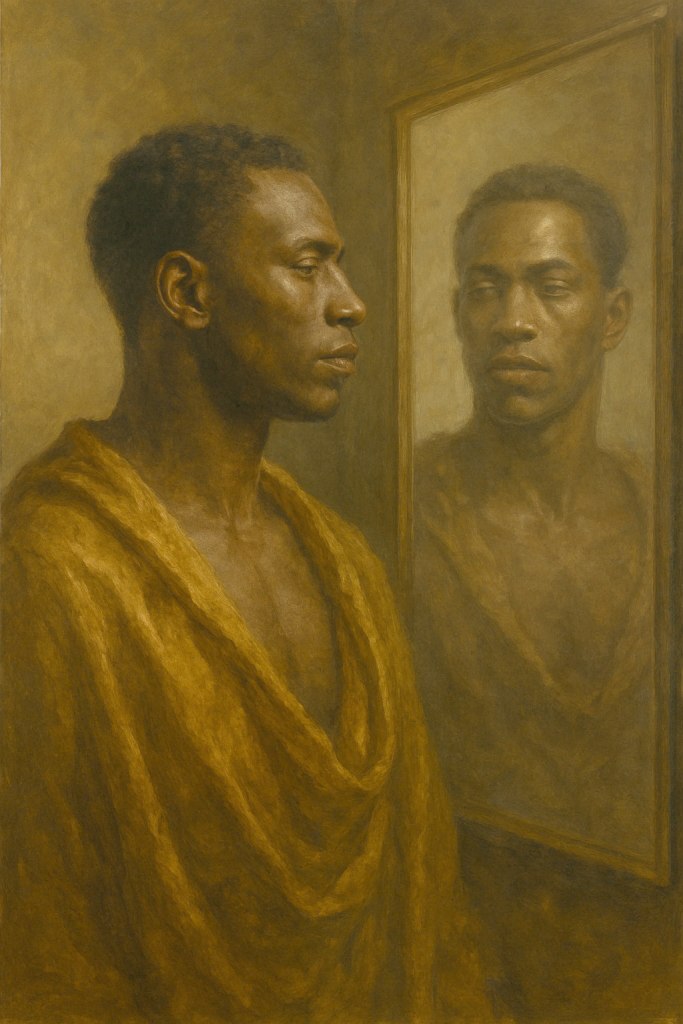
The Beauty of Strength: Black Masculinity in the Mirror of History.

The story of Black masculinity is one of both suffering and sublimity—of men whose beauty has been distorted by oppression yet refined by endurance. From the chains of slavery to the boardrooms of modern society, the image of the Black man has continually evolved, reflecting a history of resistance, resilience, and redemption. The beauty of his strength lies not in brute force but in the spiritual, intellectual, and emotional fortitude that has allowed him to survive centuries of dehumanization.

To understand Black masculinity, one must look into the mirror of history, where reflection becomes revelation. The first distortion appeared under colonialism, when European powers constructed false hierarchies of humanity. The Black man was cast as savage, incapable of reason or refinement, his physical strength seen as both his value and his curse (Fanon, 1952). Yet beneath these imposed identities existed a sacred masculinity shaped by ancient African civilizations—nations that valued wisdom, artistry, and spirituality as measures of true manhood.

In precolonial Africa, masculinity was integrative, not dominating. Kings, warriors, and priests carried the dual duty of protection and provision with humility before the divine. Empires like Mali and Kush celebrated male beauty as divine order, where strength was married to grace, and leadership to love. Such conceptions were violently disrupted by the slave trade, which turned the Black male body into an economic commodity rather than a sacred vessel (Gomez, 1998).

The transatlantic slave trade fractured identity and redefined manhood under bondage. The Black man’s physical strength was exploited for labor, while his emotional expression was suppressed to prevent rebellion. In these conditions, strength became survival. Yet even in the most brutal systems, enslaved men found ways to redefine masculinity—through song, brotherhood, and faith. Their resilience was a spiritual act of resistance, preserving fragments of humanity within an inhumane world (Franklin & Moss, 2000).

The Reconstruction era offered a fleeting glimpse of restored dignity. Freed Black men sought to build families, own land, and educate themselves, embodying the beauty of responsibility and renewal. But white supremacist backlash sought to reimpose dominance, inventing myths like the “Black brute” stereotype to criminalize strength and reassert racial hierarchy (Alexander, 2010). Even today, this narrative persists through media caricatures that equate Black masculinity with danger rather than discipline.

Yet throughout history, the Black man’s image has also been self-reclaimed. The Harlem Renaissance redefined masculine beauty through art, intellect, and poise. Figures like Langston Hughes, Duke Ellington, and Alain Locke offered new models of manhood that combined confidence with creativity. Their aesthetic grace challenged America’s obsession with fear-based masculinity, celebrating a balance of strength and sensitivity (Huggins, 2007).

The Civil Rights Movement further revealed the moral beauty of Black masculinity. Men like Martin Luther King Jr. and Malcolm X embodied courage rooted in conviction, using moral authority as a weapon stronger than any sword. Their leadership showed that real power flows not from domination but from disciplined love—a love that demands justice. Their public images, often demonized, actually reflected divine fortitude in human form.

In this mirror of history, one also sees the emotional cost of constant resilience. The Black man has often been denied the right to be vulnerable, to express pain without judgment. Society’s expectation of hypermasculinity has become both armor and prison. Yet, when he allows his authentic emotions to emerge, his humanity shines. This emotional transparency reclaims beauty from the battlefield of survival.

The modern Black man stands at a crossroads—torn between ancestral wisdom and contemporary pressure. While Western society continues to commodify and caricature his body, he is learning to define himself anew: as lover, father, thinker, and spiritual being. The rise of movements like “Black Men Heal” and “Brotherhood Circles” mark a cultural shift toward holistic manhood rooted in wellness and self-awareness (Akbar, 1996).

Physical beauty has always been central to the mythologizing of Black masculinity. From the statuesque athletes to the stoic revolutionaries, his physique evokes awe and envy. Yet, to reduce him to mere muscle is to miss the poetry in his posture—the story written in his skin. His form carries ancestral memory; his eyes hold a depth forged by generations of endurance. His beauty is not performance but persistence.

In the arts, new visual and literary movements seek to restore balance to the image of the Black man. Photographers like Gordon Parks and painters like Kehinde Wiley reimagine him with royal dignity—no longer subject but sovereign. These representations undo centuries of degradation and invite viewers to see what history tried to conceal: that the Black man is both warrior and work of art.

Spiritually, the Black man’s strength is mirrored in his faith journey. From the spirituals of the fields to the sermons of the pulpit, he has drawn divine power from affliction. His relationship with God has always been intimate, rooted in the belief that suffering births purpose. As scripture declares, “My strength is made perfect in weakness” (2 Corinthians 12:9, KJV). His beauty lies in this paradox—the capacity to endure without hardening his heart.

The legacy of fatherhood also reveals the beauty of strength. Despite systemic attempts to dismantle the Black family, many men have restored their lineage through love and guidance. Their nurturing presence redefines masculinity not as dominance but stewardship. To lead a household with patience and principle is one of the highest forms of strength.

The psychological struggle of the Black man cannot be separated from his social context. The trauma of racial profiling, economic exclusion, and intergenerational pain continues to shape self-image. Yet, healing begins when he sees himself not through the lens of oppression but reflection—when he recognizes his worth as created, not constructed. Therapy, faith, and community serve as mirrors that restore the vision blurred by history’s distortion.

Education and artistry have always been liberating forces for the Black man. The intellectual elegance of W. E. B. Du Bois, the musical mastery of Miles Davis, and the poetic boldness of Tupac Shakur represent beauty expressed through brilliance. Knowledge and creativity become new forms of strength—unseen but transformative.

Black masculinity today exists in many forms: the activist, the artist, the scholar, the father, the dreamer. Each expression expands the definition of beauty and strength. No longer confined to Eurocentric ideals or media stereotypes, these men reflect a truth as old as Africa itself—that strength is not oppression, but the ability to stand with grace under fire.

When the Black man looks in the mirror of history, he sees scars—but he also sees survival. He sees the reflection of kings, prophets, laborers, and poets. He sees divine design where others saw degradation. The mirror becomes a portal of remembrance, not regret.

The beauty of strength in Black masculinity, therefore, is both ancient and evolving. It is found in the quiet moments as much as in the heroic ones. It is not just a reflection of what was, but a prophecy of what will be: the restoration of dignity, the reconciliation of power and peace. In that reflection, the Black man finally beholds himself—not as the world has seen him, but as God has made him.


References (APA 7th Edition)

Akbar, N. (1996). Breaking the chains of psychological slavery. Mind Productions.
Alexander, M. (2010). The new Jim Crow: Mass incarceration in the age of colorblindness. The New Press.
Fanon, F. (1952). Black skin, white masks. Grove Press.
Franklin, J. H., & Moss, A. A. (2000). From slavery to freedom: A history of African Americans. McGraw-Hill.
Gomez, M. A. (1998). Exchanging our country marks: The transformation of African identities in the colonial and antebellum South. University of North Carolina Press.
Huggins, N. I. (2007). Harlem Renaissance. Oxford University Press.
The Holy Bible, King James Version. (1611/2017). King James Bible Online. https://www.kingjamesbibleonline.org/

The Brown Boy Dilemma: Identity, Masculinity, and the Burden of Perception.

This photograph is the property of its respective owner. No copyright infringement intended.

The struggle of the “Brown Boy” in contemporary society represents a complex intersection of race, colorism, masculinity, and identity. It is not merely a question of visibility but of valuation—how the world perceives darker-skinned men of African descent, and how they, in turn, perceive themselves. In a world that constantly dictates beauty, strength, and worth through Eurocentric ideals, the brown-skinned boy grows up negotiating his humanity in spaces that either fear or fetishize him. His story is both sociological and spiritual, a narrative woven through generations of marginalization and resilience.

From childhood, many brown boys encounter subtle yet persistent forms of rejection. Whether through teasing, biased praise toward lighter peers, or the absence of representation in media, they learn early that their skin tone shapes how others respond to them. Studies on colorism confirm that lighter skin is often associated with higher social status, attractiveness, and opportunity, while darker skin triggers stereotypes of aggression or inferiority (Hunter, 2007). These biases distort self-esteem, forcing brown boys to internalize shame before they even understand its source.

The media perpetuates these disparities through selective glorification. In film and advertising, lighter-skinned men are more likely to be portrayed as romantic leads, while darker men are typecast as villains or hypermasculine figures (Russell, Wilson, & Hall, 1992). This limited representation teaches brown boys that their value lies not in emotional intelligence or creativity, but in physical dominance or stoicism. Such portrayals strip away the complexity of Black and brown male identity, reducing humanity to stereotype.

Masculinity becomes a double-edged sword for the brown boy. On one hand, he is expected to embody strength, resilience, and control; on the other, these same traits are used to justify fear and criminalization. Society tells him to “man up” while simultaneously punishing him for appearing “too masculine.” This contradiction leaves little room for vulnerability—a key ingredient of emotional health. As bell hooks (2004) notes, patriarchal masculinity denies men access to their full humanity, trapping them behind masks of silence and anger.

The burden of perception extends beyond media and social norms into institutional life. In schools, brown boys are disproportionately disciplined compared to their lighter or white peers for the same behaviors (Ferguson, 2001). They are labeled “troublemakers” or “disruptive” rather than “leaders” or “gifted.” This early criminalization creates a psychological prison that follows them into adulthood, shaping their self-concept and limiting future possibilities. The result is an invisible cage built from others’ expectations.

Colorism also manifests within the Black community itself, where colonial hierarchies of complexion persist. Brown boys often find themselves “too dark” to be considered desirable in mainstream spaces yet “not dark enough” to be validated as authentically Black in others. This in-between identity can create deep internal conflict. It is a wound inherited from slavery, when lighter-skinned slaves were given preferential treatment as house servants while darker-skinned individuals labored in the fields (Hall, 1992). These divisions fractured unity and continue to echo through generations.

In romantic relationships, the brown boy’s dilemma is intensified. Studies have shown that women across many racial groups often rate lighter-skinned men as more attractive or “safe” partners (Harrison & Thomas, 2009). Meanwhile, darker men are either stigmatized as threatening or exotified as hypersexual. Both extremes deny them full personhood. Such experiences can breed insecurity and mistrust, complicating intimacy and self-acceptance.

Spiritually, the brown boy wrestles with a deeper question: “Who am I beyond what the world sees?” In a biblical sense, he is a reflection of divine creation, made in the image of God (Genesis 1:27). Yet societal conditioning distorts this truth, teaching him to equate his reflection with rejection. The book of Psalms reminds him that he is “fearfully and wonderfully made” (Psalm 139:14, KJV), but without affirmation, he struggles to believe it. His dilemma becomes not only social but spiritual—a battle for his soul’s self-worth.

The psychological toll of colorism on men is often overlooked. While much of the discourse on colorism focuses on women, men also endure its scars in silence. They are taught that emotions are weakness, so they suppress their pain. Over time, this repression manifests as anger, isolation, or detachment. As psychologists have found, unresolved racial trauma can lead to chronic stress and depressive symptoms among men of color (Williams & Mohammed, 2009). Healing thus requires both communal empathy and individual vulnerability.

In the realm of economics, the brown boy’s complexion can even influence professional advancement. Research indicates that darker-skinned men earn less on average than their lighter-skinned peers, even within the same racial group (Hersch, 2006). These disparities reveal that colorism is not just emotional but structural—a system that rewards proximity to whiteness. For many brown men, every professional achievement comes with the burden of overperformance to prove worthiness.

Culturally, however, the brown boy carries within him the strength of his ancestors. His melanin is a testament to resilience, survival, and divine design. African traditions often viewed dark skin as a sign of strength and connection to the earth—a physical manifestation of spiritual power. To reclaim that heritage is to undo centuries of colonial indoctrination. The brown boy must rediscover that his identity is sacred, not shameful.

The brown boy dilemma also reveals the fragility of Western beauty standards. Society’s preference for fair skin stems from colonialism, slavery, and white supremacy—systems designed to devalue darker bodies while exploiting their labor and culture. Undoing this mindset requires conscious re-education. Schools, churches, and families must affirm that beauty, intelligence, and virtue are not determined by shade but by spirit.

In art and literature, the reclamation of the brown male image has begun. Figures like Chadwick Boseman, Daniel Kaluuya, and John Boyega have challenged color hierarchies by embodying grace, intellect, and humanity in their performances. Their visibility offers young brown boys a mirror of possibility. Representation matters—not as tokenism, but as liberation from erasure.

Despite the obstacles, many brown men rise as leaders, scholars, and visionaries. They transform pain into purpose, channeling rejection into creativity and service. Their triumph is quiet yet profound: to love themselves in a world that taught them not to. This act of self-love is revolutionary. As Frantz Fanon (1952) wrote in Black Skin, White Masks, the oppressed must reclaim their identity through self-definition rather than external validation.

The journey of the brown boy is ultimately one toward wholeness. Healing begins when he confronts the lies that equate his worth with whiteness. It continues when he embraces his complexity—strong yet sensitive, dark yet luminous, masculine yet nurturing. His liberation is not the denial of his pain but the transformation of it.

Faith plays a central role in this restoration. In God’s eyes, there is no hierarchy of hue; the soul’s radiance transcends skin. The brown boy must learn to see himself through divine rather than colonial eyes. When he does, he becomes a vessel of light, a living rebuke to the systems that tried to dim him.

In conclusion, The Brown Boy Dilemma is not simply a racial or aesthetic issue—it is a moral one. It challenges humanity to dismantle the illusions of color-based worth and to restore dignity to all shades of creation. The brown boy’s struggle mirrors the world’s sickness, but his healing reflects its hope. His existence testifies that beauty, power, and divinity cannot be measured by tone—they are written in the soul, where no shadow can reach.


References

Fanon, F. (1952). Black Skin, White Masks. Grove Press.
Ferguson, A. A. (2001). Bad Boys: Public Schools in the Making of Black Masculinity. University of Michigan Press.
Hall, R. E. (1992). Bias among African Americans regarding skin color: Implications for social work practice. Research on Social Work Practice, 2(4), 479–486.
Harrison, M. S., & Thomas, K. M. (2009). The hidden prejudice in selection: A research agenda to examine color bias in organizations. Journal of Organizational Behavior, 30(8), 1031–1046.
Hersch, J. (2006). Skin tone effects among African Americans: Perceptions and reality. American Economic Review, 96(2), 251–255.
hooks, b. (2004). The Will to Change: Men, Masculinity, and Love. Atria Books.
Hunter, M. (2007). The persistent problem of colorism: Skin tone, status, and inequality. Sociology Compass, 1(1), 237–254.
Russell, K., Wilson, M., & Hall, R. (1992). The Color Complex: The Politics of Skin Color among African Americans. Harcourt Brace Jovanovich.
Williams, D. R., & Mohammed, S. A. (2009). Discrimination and racial disparities in health: Evidence and needed research. Journal of Behavioral Medicine, 32(1), 20–47.

Unmasking Masculinity: How Brown Girls Experience Men’s Shadows. #thebrowngirldilemma

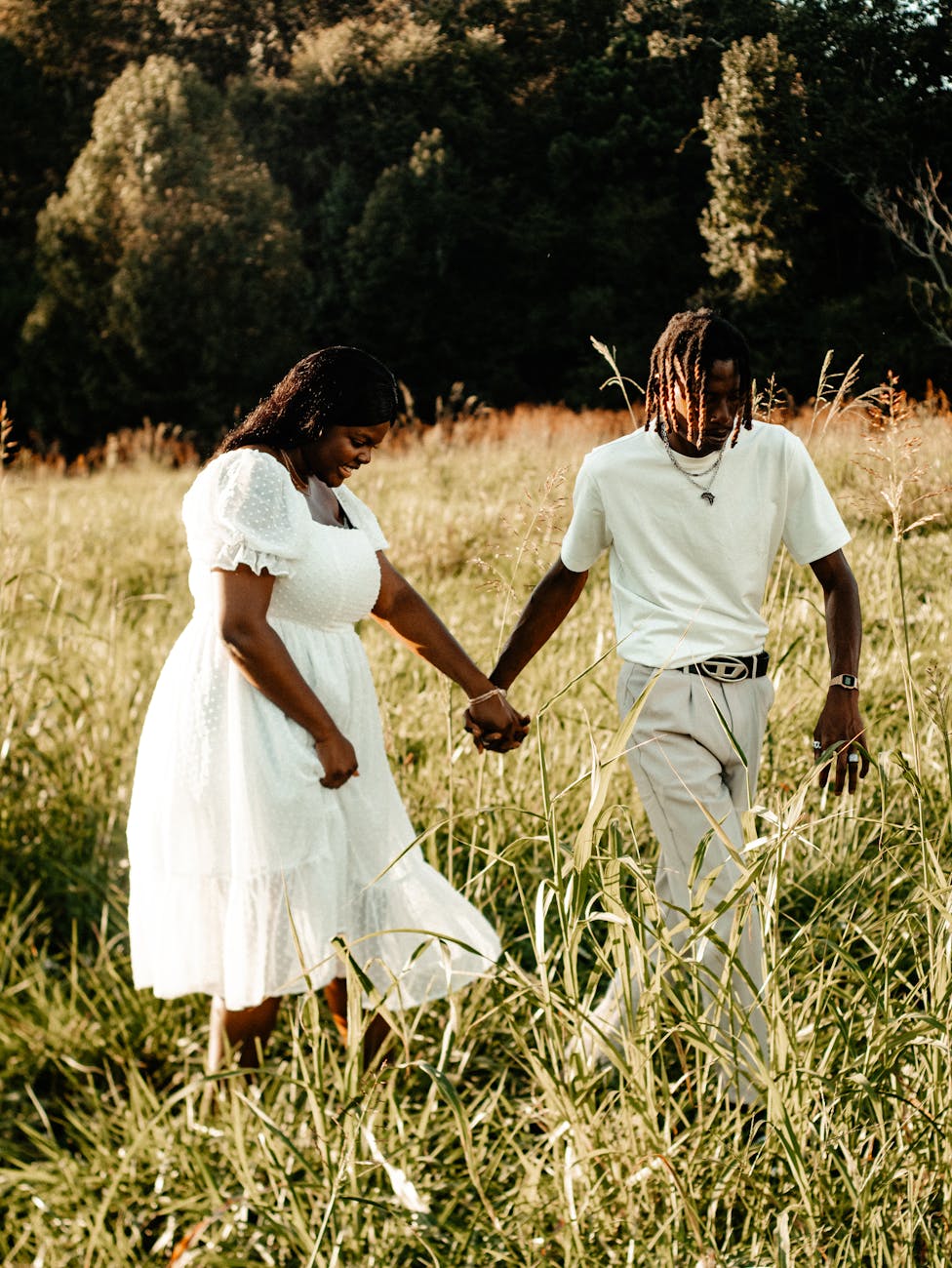
Photo by Sherman Trotz on Pexels.com

Masculinity has long been presented as a mask—one that hides as much as it reveals. For Brown girls navigating love, family, and community, this mask often comes with shadows that shape how they experience men. These shadows are not simply personal flaws; they are the weight of history, culture, and expectation bearing down on Black and Brown masculinity. To unmask masculinity, one must confront not only individual behaviors but also the systems that created them.

Historically, the Black man’s image has been distorted by slavery, colonialism, and systemic racism. Stripped of authority, criminalized, and often denied the ability to protect and provide, many men were forced to perform strength without vulnerability. This hardened exterior became both survival and performance—a mask of toughness that concealed pain. For Brown girls, growing up in households or relationships where men wore this mask meant facing emotional distance, unspoken wounds, and sometimes destructive behaviors that were legacies of historical trauma.

The Bible acknowledges the dangers of shadows in human character. Jesus warns in Luke 12:2 (KJV), “For there is nothing covered, that shall not be revealed; neither hid, that shall not be known.” Masculinity’s mask can hide insecurity, anger, or fear, but eventually, those hidden parts emerge in family dynamics and intimate relationships. For daughters, sisters, wives, or partners, these shadows may take the form of absent fathers, emotionally detached husbands, or men whose strength is defined only by dominance rather than gentleness.

From a psychological perspective, masculinity’s mask is closely tied to concepts of toxic masculinity and gender role strain. When men are socialized to equate manhood with power, stoicism, and control, they often repress vulnerability. This repression can lead to emotional unavailability, aggression, or difficulty forming healthy bonds (Mahalik et al., 2003). For Brown girls, the experience of these shadows may mean learning love through inconsistency, mistrust, or even cycles of harm. The shadow becomes a lens through which they interpret manhood—one shaped more by absence and contradiction than by presence and care.

Yet, it is important to recognize that not all shadows destroy. Sometimes they reveal the complexity of masculinity. Brown girls also witness men who resist stereotypes, who remove the mask, and who choose tenderness over domination. These men may be fathers who work long hours but still make time for bedtime stories, or partners who listen deeply instead of speaking loudly. In these moments, unmasking masculinity becomes an act of healing, where men step out of the shadows and into authenticity.

The struggle, however, lies in breaking the silence around these experiences. Many Brown girls are taught to endure, to normalize the shadows as part of loving men. This silence perpetuates generational cycles, where trauma is passed down without words. Yet the Bible calls for renewal: “And be not conformed to this world: but be ye transformed by the renewing of your mind” (Romans 12:2, KJV). For families and communities, transformation comes through naming the shadows, seeking counseling, and holding men accountable while also extending grace.

Healing requires a joint effort. For Brown girls, it may mean learning that love does not have to be earned through endurance. For men, it means daring to take off the mask and confront the parts of themselves shaped by oppression and expectation. Psychology suggests that spaces of vulnerability—therapy, mentorship, spiritual community—can help men dismantle unhealthy patterns and build new models of strength rooted in love rather than fear (hooks, 2004).

Ultimately, unmasking masculinity is not about demonizing men but about creating space for truth. When men step out of their shadows, and when Brown girls refuse to live silently within them, love becomes transformative. What emerges is a redefined masculinity—one that is protective without being oppressive, strong without being harsh, and vulnerable without being weak. In such authenticity, Brown girls and the men in their lives can move beyond shadows into a light where both healing and love are possible.


References

  • The Holy Bible, King James Version.
  • hooks, b. (2004). The will to change: Men, masculinity, and love. Atria Books.
  • Mahalik, J. R., et al. (2003). Masculinity and health-related behaviors. Journal of Men’s Studies, 11(2), 153–172.

Masculine Perfection Series: LL Cool J, Lamman Rucker, and Michael Jai White.

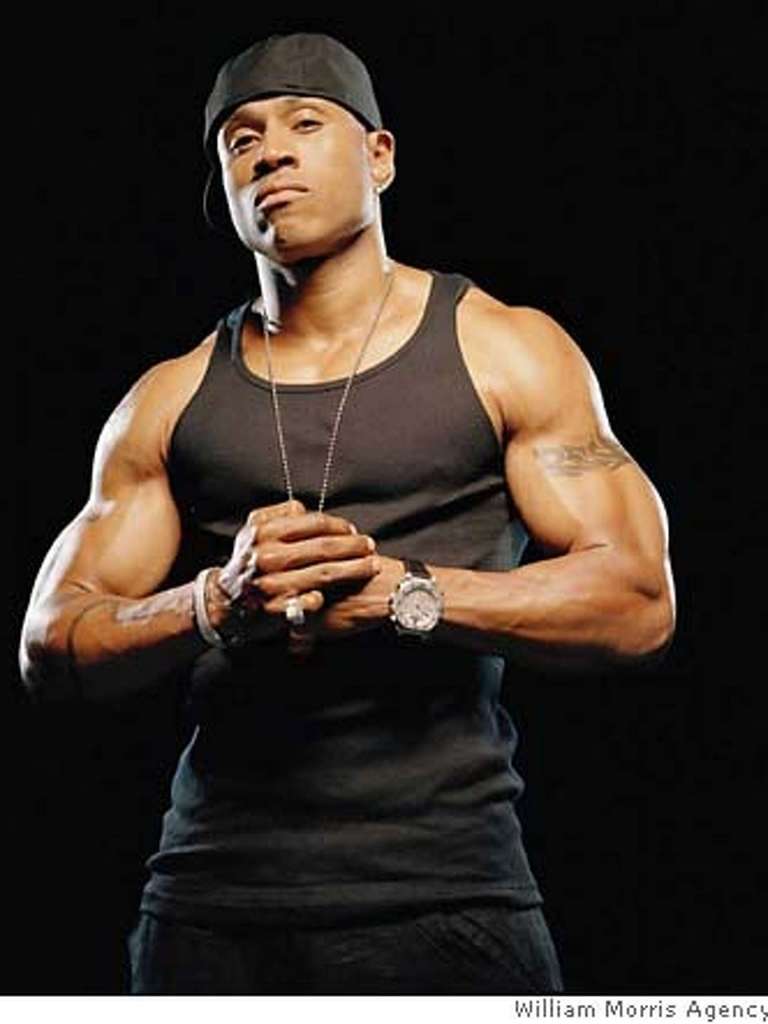
LL Cool J — The Rappin Adonis with Peanut-Butter Skin & Iconic Lips

LL Cool J, born James Todd Smith in 1968 in Bay Shore, New York, stands as one of the most influential figures in hip-hop and a multi-talented force in entertainment. With smooth peanut-butter skin, full sensual lips, and an athletic, sculpted physique, he has long been admired for his charm and striking appearance. His career began as a young teenager when he became one of Def Jam’s earliest and most successful artists. He quickly rose to fame with hits such as “I Can’t Live Without My Radio,” “Rock the Bells,” and the legendary “Mama Said Knock You Out,” earning multiple awards, including two Grammys.

LL Cool J extended his talent into acting, becoming a dynamic force in both film and television. His performances in Deep Blue Sea, In Too Deep, Any Given Sunday, and S.W.A.T. showcased his charisma, and his long-running role as Special Agent Sam Hanna on NCIS: Los Angeles solidified his status as a respected TV star.

In his personal life, LL has been married to Simone I. Smith since 1995, and together they share four children: Najee, Italia, Samaria, and Nina. His family life is known for its stability, closeness, and strong values, and LL has also embraced being a proud grandfather. Through discipline, loyalty, and an unwavering work ethic, he remains a powerful representation of Black masculine excellence.


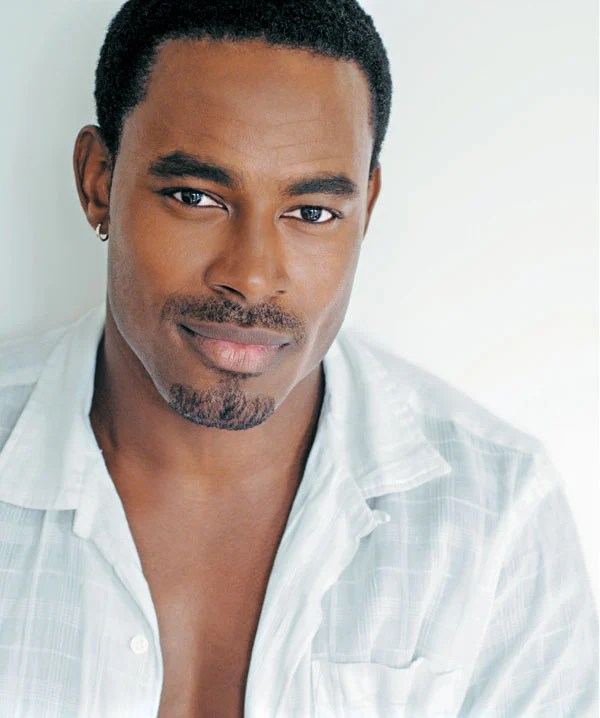
Lamman Rucker — The Adorable Boy-Next-Door

Lamman Rucker, born in 1971 in Pittsburgh, exudes warmth, gentleness, and a naturally disarming charm. With rich brown skin, soft expressive eyes, and a down-to-earth demeanor, he embodies the ideal “boy-next-door” look — approachable, comforting, and undeniably handsome. Before embracing acting full-time, Rucker studied business, education, and information technology, which equipped him with discipline and intellect that complement his artistic gifts.

His early roles in soap operas introduced him to audiences, but he became widely recognized for his roles in Tyler Perry’s Why Did I Get Married? and Why Did I Get Married Too? He later captivated viewers as Jacob Greenleaf in the acclaimed series Greenleaf, where he portrayed complexity, depth, and emotional authenticity. More recently, he joined the cast of The Black Hamptons, continuing to expand his presence in television drama.

Lamman is married to Kelly Davis Rucker and maintains a private and grounded family life. Beyond acting, he is known for his advocacy work within the community. In his youth and early adulthood, he participated in abstinence education, sexual-health advocacy, HIV awareness programs, and youth empowerment initiatives. His values, compassion, and moral grounding enhance his public image as a man of integrity.


Michael Jai White — Dangerously Handsome with Skills & Physique Out of This World

Michael Jai White, born in 1967 in Brooklyn, New York, carries a commanding, warrior-like presence. His chiseled features, intense gaze, powerful build, and disciplined aura contribute to a form of masculine beauty that is sharp, striking, and unforgettable. He is one of the most skilled and accomplished real martial artists in Hollywood, holding multiple black belts across several disciplines, including Shotokan, Kyokushin, Taekwondo, Tang Soo Do, Wushu, and Kobudō.

Beginning martial-arts training at the age of seven, Michael developed a mastery that set him apart from actors who merely perform choreographed fighting. His athleticism and precision translated naturally into an action-film career. He starred in productions such as Spawn, Blood and Bone, Undisputed II, Black Dynamite, and the Never Back Down franchise, where he brought both physical brilliance and emotional depth to the screen.

Away from his demanding screen roles, Michael is a dedicated family man. He is married to Gillian White, who also practices martial arts, creating a partnership grounded in discipline and shared purpose. His life reflects strength, structure, and authenticity, making him one of the most respected and admired Black action stars of his era.


References

  • “LL Cool J.” Wikipedia.
  • Parade Magazine. LL Cool J family and children features.
  • People Magazine. LL Cool J biography and family coverage.
  • “Lamman Rucker.” Wikipedia.
  • Interviews and press features on Lamman Rucker’s work in The Black Hamptons.
  • “Michael Jai White.” Wikipedia.
  • Martial Arts Entertainment: Michael Jai White martial-arts biography.
  • USAdojo: Michael Jai White training and black belt documentation.

Masculine Perfection Series: Introduction

The Masculine Perfection series is a curated celebration of Black male excellence — a tribute to the men whose presence, talent, and character embody strength, beauty, purpose, and divine craftsmanship. This collection goes beyond surface-level admiration. It explores the full essence of manhood: physical allure, emotional depth, artistic mastery, spiritual grounding, intellectual achievement, and the cultural impact each man leaves on the world.

At its core, the series highlights Black men who have become icons in film, music, athletics, literature, leadership, and entertainment. These men possess magnetic features, powerful physiques, regal bearing, and the kind of inner discipline that shapes greatness. Each profile honors not only their looks, but the stories, struggles, victories, and virtues that forged them.

Through richly written biographies, career retrospectives, personal-life insights, and social commentary, the Masculine Perfection series elevates these men as examples of Black masculine brilliance — men who inspire, protect, create, lead, and shine. Each installment is crafted to showcase the unique beauty of the Black man: his heritage, his endurance, his artistry, his fatherhood, his relationships, his impact, and his legacy.

Masculine Perfection is more than admiration.
It is a declaration:
Black men are powerful.
Black men are exceptional.
Black men are worthy of honor.
Black men are divine masterpieces.

Examples of some of the (Celebrities) from the series:

1. Billy Dee Williams (Actor & Cultural Icon)

  • Traits & Career: Charisma, elegance, confidence, grace, relational charm.
  • Looks & Appeal: Known as one of the most handsome men of his era, with smooth features, a commanding presence, and a style that exudes sophistication. His facial symmetry, warm smile, and refined demeanor made him instantly recognizable and admired.
  • Why masculine perfection: Blends style, poise, and gravitas with charm and professionalism.
  • Reference: IMDb, Williams, B. D. biography

2. Shemar Moore (Actor & Model)

  • Traits & Career: Charismatic, disciplined, hardworking, compassionate, philanthropic. Famous for Criminal Minds and S.W.A.T.
  • Looks & Appeal: Tall, athletic, and exceptionally handsome, with chiseled features, deep expressive eyes, and a warm, magnetic smile. His presence exudes confidence, strength, and charm, making him a modern heartthrob.
  • Why masculine perfection: Combines talent, discipline, charm, and physical appeal with a relatable, grounded personality.
  • Reference: IMDb, Biography.com

3. L.L. Cool J (Actor & Musician)

  • Traits & Career: Discipline, resilience, versatility, family devotion, mentorship.
  • Looks & Appeal: Athletic build, strong jawline, and magnetic presence. His combination of rugged masculinity and refined style—often in tailored suits or casual street-smart fashion—makes him visually striking and iconic.
  • Family: Has 4 children.
  • Why masculine perfection: Strength, charisma, and physical appeal complement his integrity and career success.
  • Reference: IMDb, Biography.com

4. Omari Hardwick (Actor & Philanthropist)

  • Traits & Career: Spiritual grounding, emotional intelligence, responsibility, leadership, mentorship.
  • Looks & Appeal: Tall, muscular, and statuesque with chiseled features and expressive eyes that convey depth and intensity. His presence is both commanding and approachable, combining strength with refinement.
  • Why masculine perfection: Physical prowess and striking appearance enhance his inner integrity and leadership qualities.
  • Reference: IMDb, Essence magazine interviews

5. Phillip Michael Thomas (Actor & Musician)

  • Traits & Career: Charisma, professionalism, cultural influence, vision.
  • Looks & Appeal: Handsome, smooth, and stylish with a classic 1980s charm. His expressive eyes, warm smile, and elegant posture made him a standout on screen and in public appearances.
  • Why masculine perfection: Blends charm, elegance, and talent with visual appeal that commands attention.
  • Reference: IMDb, Biography.com

6. Kenneth Okolie (Actor & Model)

  • Traits & Career: Discipline, elegance, resilience, cultural representation.
  • Looks & Appeal: Tall, well-built, and photogenic with strong facial symmetry and an elegant style. His modeling background amplifies his visual appeal, blending physical beauty with professionalism.
  • Why masculine perfection: Exemplifies modern African masculinity through talent, charm, and striking appearance.
  • Reference: IMDb, Nollywood archives