Category Archives: marriage

Dilemma: Soul Ties

The Spiritual, Psychological, and Relational Implications

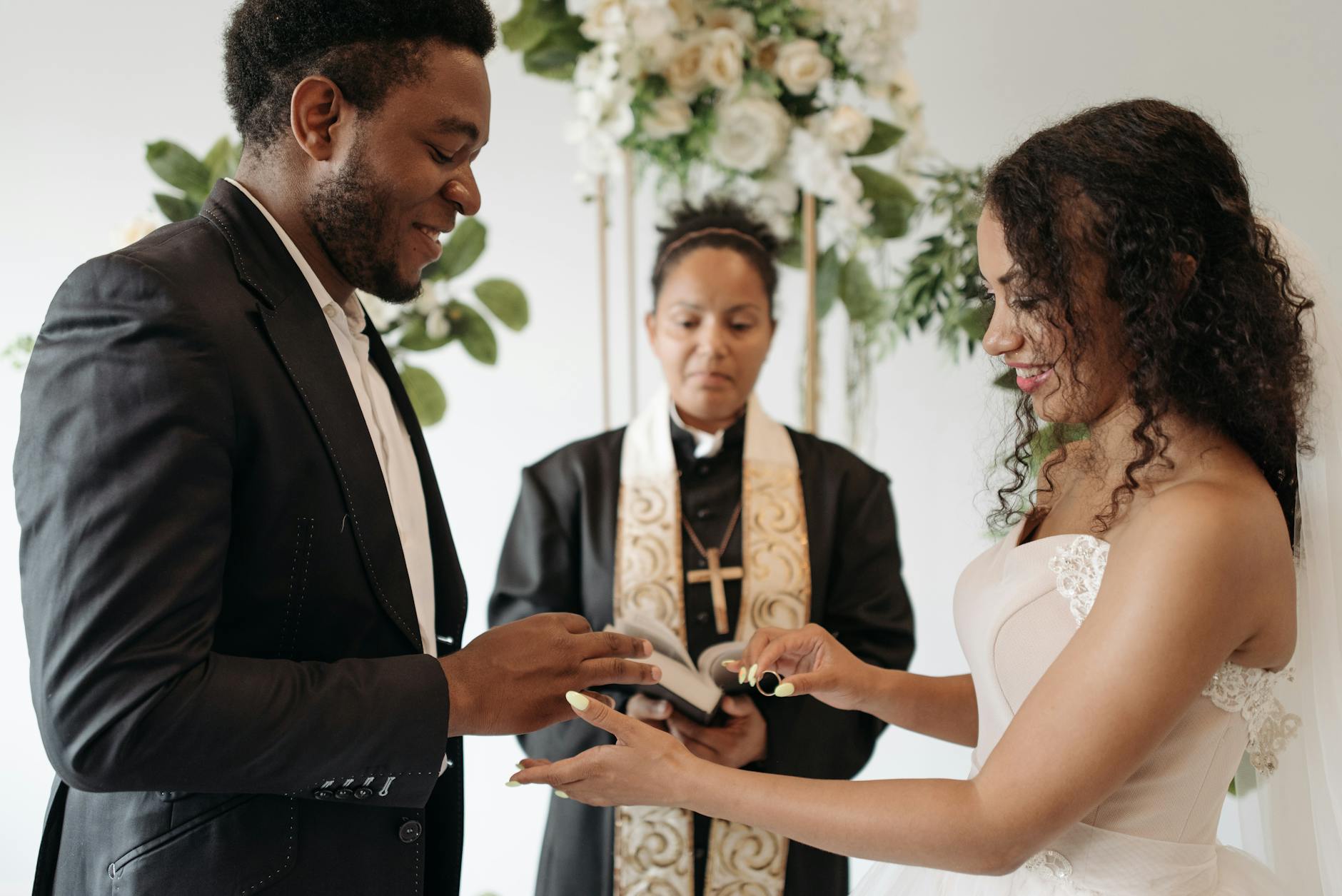
Photo by Mikhail Nilov on Pexels.com

“Marriage is the sacred union of two souls ordained by God; anything outside His covenant bears consequences.”


A “soul tie” refers to a deep, often invisible connection formed between individuals, binding their emotions, thoughts, and spirits together. These connections can be healthy or unhealthy, depending on their origin and context. While biblical marriage establishes a God-ordained tie between husband and wife (“Therefore shall a man leave his father and his mother, and shall cleave unto his wife: and they shall be one flesh” – Genesis 2:24, KJV), soul ties formed outside of marriage, particularly through fornication, can lead to spiritual, emotional, and psychological bondage. Understanding the nature, formation, consequences, and deliverance of soul ties is critical for relational and spiritual health.


Psychological and Scientific Perspective

From a psychological standpoint, soul ties are associated with attachment, emotional bonding, and neurochemical influences. Human brains release oxytocin and dopamine during sexual intimacy, attachment, and emotional closeness (Carter, 1998). Repeated sexual encounters or emotionally charged relationships strengthen these biochemical bonds, which explain why individuals feel “tied” to past partners. Psychologically, unhealthy soul ties can manifest as obsessive thoughts, emotional dependence, or repeated patterns of destructive relationships.


Biblical Perspective on Soul Ties

The Bible warns against forming intimate connections outside God’s ordained order:

  • “Flee fornication. Every sin that a man doeth is without the body; but he that committeth fornication sinneth against his own body” (1 Corinthians 6:18, KJV).
  • “Abstain from all appearance of evil” (1 Thessalonians 5:22, KJV).

Soul ties formed through fornication violate God’s design, creating spiritual bondage and relational consequences. These ties contrast with the biblical tie in marriage, which is a covenantal, holy, and enduring connection blessed by God.


Fornication: Definition and Consequences

Fornication refers to sexual immorality outside of marriage, including premarital sex, adultery, and casual sexual encounters. In the KJV Bible, it is consistently identified as a grave sin with both spiritual and bodily consequences: “But fornication, and all uncleanness, or covetousness, let it not be once named among you, as becometh saints” (Ephesians 5:3, KJV). The level of this sin is severe because it not only defiles the body but also creates attachments and soul ties that may hinder spiritual growth and relational fulfillment.


Attraction, Lust, and the Formation of Soul Ties

While attraction and sexual desire are natural, they can contribute to unhealthy soul ties when expressed outside the bounds of marriage. Lust-driven connections often prioritize physical gratification over spiritual alignment, creating strong emotional and psychological bonds with little regard for God’s purpose. These connections can lead to relational entanglements, recurring unhealthy patterns, and difficulty in establishing covenantal marital bonds.

Soul Tie Formation vs. Biblical Marriage Tie

                   GOD-CENTERED
          (Spiritual alignment in marriage)
                        │
             ┌──────────┴──────────┐
             │                     │
      BIBLICAL MARRIAGE TIE      SOUL TIE (UNHEALTHY)
             │                     │
   - Formed through covenant     - Formed through lust,
     (Genesis 2:24, KJV)         fornication, or emotional
   - Holy, enduring, blessed       entanglement (1 Corinthians 6:18, KJV)
   - Mutual respect and love      - Emotional obsession or
   - Spiritual, emotional,          dependence
     physical unity               - Often temporary
   - Supports spiritual growth    - Hinders spiritual growth
   - Security, trust, intimacy    - Creates insecurity and fear
   - Promotes procreation         - Pleasure-driven or self-serving
   - Guided by God’s will         - Not aligned with God’s will

Explanation:

  • Biblical Marriage Tie is covenantal and God-centered, fostering lifelong unity, spiritual growth, and relational fulfillment.
  • Soul Tie (Unhealthy) is often temporary, pleasure-driven, and spiritually harmful, forming through lust, fornication, or emotional entanglement outside God’s design.
  • The diagram emphasizes the importance of alignment with God in forming enduring, healthy relational bonds.

Signs and Judgment of Unhealthy Soul Ties

Unhealthy soul ties manifest in several ways:

  • Emotional dependence or obsessive thoughts about a past partner
  • Repeatedly choosing similar relational patterns or destructive partners
  • Spiritual heaviness or difficulty in prayer and intimacy with God
  • Feelings of guilt, shame, or fear in relational contexts

Biblically, soul ties formed through fornication are condemned, as they bind the spirit and hinder spiritual obedience: “Be not deceived: neither fornicators, nor idolaters, nor adulterers… shall inherit the kingdom of God” (1 Corinthians 6:9–10, KJV).


Deliverance from Unhealthy Soul Ties

Deliverance involves spiritual, emotional, and psychological steps:

  1. Confession and Repentance – Acknowledge the sin and seek forgiveness (1 John 1:9, KJV).
  2. Renunciation – Break the emotional and spiritual connection intentionally through prayer.
  3. Forgiveness – Release bitterness or resentment toward the individual.
  4. Counseling and Support – Engage pastoral guidance, accountability partners, or therapy.
  5. Replacement with Godly Focus – Redirect emotional and spiritual energy toward God and covenantal relationships.
  6. Establish Boundaries – Avoid situations that could reform unhealthy attachments.

Soul Tie vs. Biblical Marriage Tie

AspectSoul Tie (Unhealthy)Biblical Marriage Tie
FormationThrough lust, fornication, or emotional manipulationCovenantal union ordained by God (Genesis 2:24, KJV)
Spiritual StatusPotential bondage; hinders spiritual growthBlessed, holy, covenantal; promotes spiritual unity
Emotional ImpactObsession, insecurity, fear of lossEmotional intimacy, security, mutual growth
LongevityOften temporary; destructive patternsLifelong, enduring, sacrificial love
PurposeSelf-gratification, pleasure-drivenService, love, procreation, covenantal support

Conclusion

Soul ties represent powerful connections that can either bless or hinder one’s spiritual, emotional, and relational life. When birthed through fornication or lust, they carry spiritual bondage, psychological entanglement, and relational consequences. The Bible, KJV, clearly condemns sexual immorality and warns against forming ties outside God’s design. Deliverance requires repentance, prayer, forgiveness, and the cultivation of godly relationships. True intimacy, security, and fulfillment are reserved for the covenantal bond of marriage, where the union is holy, mutually supportive, and aligned with God’s purpose.


References

  • Bible, King James Version (KJV).
  • Apocrypha, KJV.
  • Carter, C. S. (1998). Neuroendocrine perspectives on social attachment and love. Psychoneuroendocrinology, 23(8), 779–818.
  • Worthington, E. L., Jr. (2006). Forgiveness and reconciliation: Theory and application. Routledge.
  • Jones, S. L., & Butman, R. E. (2006). Modern psychotherapies and spirituality: Integrating biblical principles. Baker Academic.
  • Greeley, A. (1991). Religion and intimate relationships. Journal of Marriage and Family, 53(1), 13–24.

  1. Bible, King James Version (KJV).
    • Genesis 2:24 – “Therefore shall a man leave his father and his mother, and shall cleave unto his wife: and they shall be one flesh.”
    • 1 Corinthians 6:18 – “Flee fornication. Every sin that a man doeth is without the body; but he that committeth fornication sinneth against his own body.”
  2. Apocrypha, KJV – Various passages on sexual purity and covenantal relationships.
  3. Carter, C. S. (1998). Neuroendocrine perspectives on social attachment and love. Psychoneuroendocrinology, 23(8), 779–818.
  4. Worthington, E. L., Jr. (2006). Forgiveness and reconciliation: Theory and application. Routledge.
  5. Jones, S. L., & Butman, R. E. (2006). Modern psychotherapies and spirituality: Integrating biblical principles. Baker Academic.
  6. Greeley, A. (1991). Religion and intimate relationships. Journal of Marriage and Family, 53(1), 13–24.


🖤🤎 Black Love in a Broken World 🤎🖤

How We Love Ourselves through Struggle.

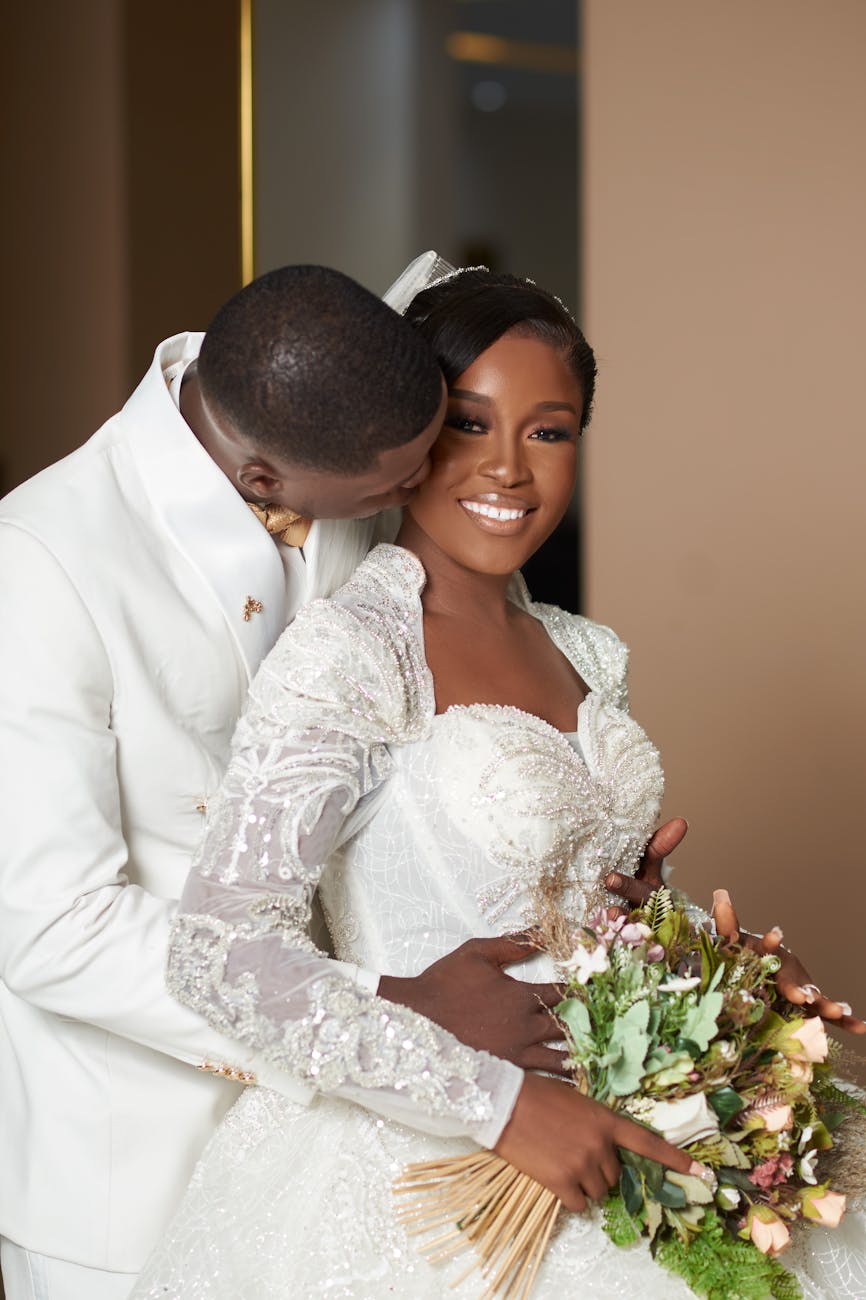
Photo by Vinu00edcius Vieira ft on Pexels.com

“Black love is a radical act of self-preservation and cultural continuity in a world designed to undermine it.” — Cornel West

“The most disrespected person in America is the Black woman. The most unprotected person in America is the Black woman. The most neglected person in America is the Black woman.” — Malcolm X


Black love is a powerful yet often misunderstood force, shaped by a history of systemic oppression, socio-economic challenges, and cultural marginalization. It exists not only between partners but also within the self, community, and family. In a world where societal structures and historical trauma challenge Black relationships, learning to love oneself and one another becomes a revolutionary act of resistance, resilience, and hope. Understanding Black love requires a multidimensional approach, integrating psychological insights, biblical principles, and historical and contemporary examples of enduring relationships.

This paper explores Black love through multiple lenses: historical trauma, contemporary examples of couples who have endured adversity, psychological frameworks for resilience, and spiritual guidance from the Bible (KJV). It examines both what is lacking and what is flourishing in Black love, offering insights into how individuals and communities can sustain relational integrity despite external pressures.


Historical Context of Black Love

Historically, Black love has existed under conditions of oppression, from slavery to Jim Crow, where couples were separated by systemic forces. Enslaved Africans often formed families and romantic bonds despite the threat of forced separation, abuse, and dehumanization. These historical conditions necessitated resilience, patience, and deep trust, forming the foundation for what contemporary scholars recognize as intergenerational emotional endurance in Black love (Collins, 2000).

The practice of forming families under slavery was itself an act of resistance. By creating bonds and transmitting cultural knowledge, enslaved Africans preserved a sense of identity and humanity. Relationships during this period were often precarious, yet the emotional and spiritual commitment that survived the brutality of slavery has informed contemporary understandings of endurance, loyalty, and partnership within Black love.


Examples of Couples’ Enduring Struggle

Modern Black couples continue to demonstrate the endurance of love through adversity. For example, Michelle and Barack Obama’s relationship illustrates partnership, shared vision, and mutual support amidst public scrutiny and professional pressures. Similarly, legendary soul musicians Marvin Gaye and Janis Hunter navigated personal and societal challenges while striving to maintain family and emotional bonds. Historically, couples like Mary McLeod Bethune and Albertus Bethune exemplified resilience as they balanced public activism, social barriers, and domestic responsibilities, demonstrating that love and commitment can coexist with external struggle.

These examples highlight that Black love often requires conscious commitment, mutual respect, and the courage to sustain relational integrity despite external pressures. In each case, the couple’s ability to communicate, empathize, and protect one another’s well-being reflects the enduring spiritual and emotional frameworks necessary to maintain love across generations.


Loving Ourselves through Struggle

Self-love is foundational for healthy Black love. Psychological research indicates that internalized oppression, low self-esteem, and societal marginalization can impede one’s capacity to form loving relationships (Hooks, 2000). Loving oneself through struggle involves recognizing personal worth, cultivating resilience, and maintaining mental and emotional health.

Practices such as meditation, journaling, counseling, and spiritual engagement empower individuals to navigate adversity while preserving their sense of identity, dignity, and relational capacity. Self-love also includes setting boundaries, prioritizing mental health, and cultivating community support. When individuals understand and appreciate their own worth, they are better equipped to contribute positively to intimate partnerships, family units, and communal networks.


Honoring Faithful Providers and Kind Fathers

Black women honoring faithful, present husbands and Black men appreciating nurturing fathers reinforces the values of commitment, accountability, and emotional presence. The Bible emphasizes the role of the husband as a provider and protector, stating in Ephesians 5:25 (KJV): “Husbands, love your wives, even as Christ also loved the church, and gave himself for it.” Similarly, Proverbs 22:6 (KJV) advises: “Train up a child in the way he should go: and when he is old, he will not depart from it.”

Recognizing and affirming these attributes strengthens family bonds and models healthy relational dynamics for children, fostering generational continuity of trust, care, and love. Fathers who engage emotionally and spiritually with their families challenge the historical stereotypes of absenteeism and disengagement, promoting resilience and positive relational modeling within the Black community.


Navigating Love through Hurt and Trying Times

Black couples must navigate trauma, socio-economic challenges, and societal bias, often simultaneously addressing personal and collective pain. Loving through hurt requires empathy, forgiveness, and open communication. Psychological frameworks suggest that emotionally attuned couples develop stronger bonds when addressing conflict constructively, validating feelings, and reinforcing mutual support (Gottman & Silver, 2015).

Biblical teachings, such as 1 Corinthians 13:4–7 (KJV), emphasize patience, kindness, and perseverance: “Charity suffereth long, and is kind; charity envieth not; charity vaunteth not itself, is not puffed up…” These spiritual principles complement psychological approaches, underscoring the importance of both emotional intelligence and moral integrity in sustaining relationships. Healing through relational struggle often requires acknowledging personal and intergenerational trauma, creating a foundation for mutual growth and understanding.


Impact of the Modern World on Black Love

The contemporary environment, characterized by systemic inequities, media misrepresentation, and economic pressures, poses unique challenges to Black love. Social media often projects unrealistic relational standards, while societal structures may undermine economic stability, increasing stress and relational tension. These conditions necessitate conscious intentionality in relationships, where partners actively cultivate trust, mutual respect, and emotional intimacy as shields against external destabilizing forces.

Economic pressures, gentrification, and systemic racism exacerbate stressors in Black relationships, yet cultural resilience, community networks, and shared faith often provide protective buffers. Recognizing the structural forces affecting Black love allows couples to contextualize challenges and engage in deliberate strategies to strengthen relational bonds despite societal obstacles.


Attributes of Real Love in Black Relationships

Real Black love is characterized by loyalty, empathy, mutual respect, accountability, and shared vision. It values communication, spiritual alignment, and emotional resilience. According to psychology, attachment security, emotional intelligence, and conflict resolution skills are crucial to sustaining relationships under stress (Johnson, 2013).

Biblically, 1 Corinthians 13 highlights qualities such as patience, kindness, humility, and endurance as hallmarks of enduring love. Black love thrives when both partners embody these attributes, balancing individual identity with collective commitment. A conscious awareness of cultural history, spiritual heritage, and psychological dynamics enhances relational stability and ensures that love is both deeply felt and actively maintained.


What Is Lacking and What Is Good in Black Love

While Black love exhibits resilience and creativity, systemic oppression and intergenerational trauma have introduced challenges, including mistrust, fragmented communication, and underrepresentation of positive relational models. Conversely, strengths include cultural pride, emotional endurance, adaptability, and a deep understanding of relational perseverance. Recognizing these strengths alongside areas for growth allows the Black community to intentionally cultivate loving relationships, grounded in self-awareness, shared history, and spiritual and emotional maturity.

Encouraging open dialogues about relational expectations, emotional literacy, and historical context helps Black couples navigate relational complexities while celebrating cultural continuity. Mentorship, communal support, and positive media representation also play vital roles in sustaining healthy Black love.


Conclusion

Black love in a broken world is both a reflection of struggle and a testament to resilience. It demands self-love, commitment, and conscious cultivation of relational virtues. By honoring faithful partners, nurturing emotional intelligence, and aligning practices with biblical and psychological principles, Black individuals can sustain love through adversity. Historical examples, modern couples, and scholarly research collectively demonstrate that Black love is not merely romantic; it is an act of resistance, cultural preservation, and generational empowerment.

Embracing these lessons enables individuals and communities to navigate hardship while celebrating the enduring power of love. In doing so, Black love becomes a transformative force that nurtures identity, fosters communal cohesion, and builds legacies of dignity, joy, and mutual respect for generations to come.


References

  • Collins, P. H. (2000). Black Feminist Thought: Knowledge, Consciousness, and the Politics of Empowerment. Routledge.
  • Gottman, J., & Silver, N. (2015). The Seven Principles for Making Marriage Work. Harmony Books.
  • Hooks, B. (2000). All About Love: New Visions. William Morrow & Company.
  • Johnson, S. M. (2013). Love Sense: The Revolutionary New Science of Romantic Relationships. Little, Brown and Company.
  • Wallace, M. (2016). On the Challenges of Black Love in America. Journal of African American Studies, 20(2), 153–172.
  • Hill, M. (2019). Endurance and Resilience in Black Relationships: A Sociocultural Perspective. Sage Publications.
  • Malcolm X. (1965). The Autobiography of Malcolm X. Ballantine Books.
  • Cornel West. (1993). Race Matters. Beacon Press.
  • The Holy Bible, King James Version.

❤️💓💞💗*LOVE Is….*❤️💓💞💗

A Biblical and Psychological Perspective

Photo by 10 Star on Pexels.com

❤️Love According to the Bible (KJV)❤️

In the King James Version of the Bible, love is presented not merely as a fleeting emotion but as a divine command and a reflection of God’s nature. 1 Corinthians 13:4–8 describes love (charity) as patient, kind, without envy, not proud, not easily provoked, and rejoicing in truth. The Bible asserts that “God is love” (1 John 4:8), indicating that love is both the essence and the expression of His being. Love in Scripture is sacrificial, enduring, and rooted in righteousness—calling believers to love God, themselves, and others (Matthew 22:37–39).

Love According to Psychology

Psychology views love as a complex set of emotions, behaviors, and cognitive processes involving intimacy, passion, and commitment (Sternberg, 1986). It encompasses attachment, care, trust, and empathy. Neuroscientifically, love activates the brain’s reward system, releasing dopamine, oxytocin, and serotonin—chemicals linked to pleasure, bonding, and happiness (Zeki, 2007). While psychology focuses on the human mechanisms of love, Scripture addresses its divine origin and moral responsibility.

The Three Greek Words for Love

  1. Agápē – Selfless, unconditional love; the type God has for humanity (John 3:16).
  2. Phileō – Brotherly or affectionate love; a warm friendship and deep connection (John 15:13).
  3. Éros – Romantic and passionate love; physical attraction and desire (Song of Solomon 1:2).

These distinctions help us understand love’s various expressions and contexts.

How We Show Love

Love is both a feeling and an action word. Biblically, love is demonstrated through kindness, service, forgiveness, generosity, and sacrifice (1 John 3:18). In everyday life, love is expressed through active listening, quality time, physical affection, encouragement, and meeting the needs of others.

10 Signs a Person Loves You (KJV & Practical Life)

  1. Selflessness – They put your needs before their own (Philippians 2:3–4).
  2. Kindness – Their actions are consistently gentle and uplifting (1 Corinthians 13:4).
  3. Patience – They wait and endure without frustration (1 Corinthians 13:4).
  4. Faithfulness – They remain loyal through challenges (Proverbs 17:17).
  5. Honesty – They speak truth in love (Ephesians 4:15).
  6. Forgiveness – They do not hold grudges (Colossians 3:13).
  7. Sacrifice – They are willing to give up something for your well-being (John 15:13).
  8. Encouragement – They lift you up in hard times (1 Thessalonians 5:11).
  9. Protection – They seek to guard your heart and safety (Psalm 91:14).
  10. Consistency – Their love does not change with circumstances (Romans 8:38–39).

The Author of Love

God Himself is the author and source of love. From creation to redemption, His nature demonstrates perfect love toward humanity (Jeremiah 31:3). Love flows from Him, enabling people to truly love others.

Hate vs. Love

Love builds, unites, and gives life; hate destroys, divides, and brings death (1 John 3:14–15). For example, Martin Luther King Jr. once said, “Hate cannot drive out hate; only love can do that.” Love heals wounds that hate deepens.


References

  • Holy Bible, King James Version.
  • Sternberg, R. J. (1986). A triangular theory of love. Psychological Review, 93(2), 119–135.
  • Zeki, S. (2007). The neurobiology of love. FEBS Letters, 581(14), 2575–2579.
  • King, M. L. Jr. (1963). Strength to Love. Harper & Row.

The 10 Reasons a Woman Should Not Pursue a Man.

Why a Woman Should Not Pursue a Man: Biblical, Psychological, and Practical Reasons

Photo by Maksim Goncharenok on Pexels.com

In a world where modern culture encourages women to take initiative in romance, the Word of God offers a countercultural standard rooted in wisdom, order, and divine design. The King James Bible repeatedly emphasizes that men are called to pursue, protect, and provide, while women are called to embody virtue, discernment, and patience. As Proverbs 18:22 (KJV) declares: “Whoso findeth a wife findeth a good thing, and obtaineth favour of the Lord.” The verse clearly positions the man as the seeker and initiator, while the woman is the treasure to be found.

The King James Version (KJV) consistently presents the man as the initiator in romantic pursuit. From Adam seeking Eve (Genesis 2:23–24) to Jacob laboring for Rachel (Genesis 29:18–20), Scripture illustrates a divine order in which a man takes responsibility for initiating and sustaining covenant relationships.

Proverbs 18:22 (KJV)“Whoso findeth a wife findeth a good thing, and obtaineth favour of the LORD.”
The word findeth (Hebrew: matsa) means to discover or secure through intentional seeking. This places the responsibility on the man, not the woman, to initiate.


10 Reasons a Woman Should Not Pursue a Man

  1. Biblical Design for Pursuit
    • God ordained men to be the seekers and leaders (Genesis 2:24). When a woman takes on this role, it reverses the biblical order.
  2. Preservation of Feminine Dignity
    • Proverbs 31 describes a virtuous woman as valuable and rare, not one who chases validation. Pursuing can diminish perceived value in the eyes of a man.
  3. Test of His Intentionality
    • Pursuit reveals a man’s investment level. If he will not take initiative to win you, he may not take initiative to keep you.
  4. Avoidance of Desperation Signals
    • Pursuing can signal insecurity, which can be exploited by manipulative or emotionally unavailable men.
  5. Alignment with God’s Timing
    • Forcing pursuit can rush relationships outside of God’s timing, leading to emotional or spiritual harm.
  6. Maintaining Proper Roles
    • Ephesians 5:23–25 presents the man as the head, mirroring Christ’s relationship with the church. If the woman leads the pursuit, it can set a precedent for role confusion in marriage.
  7. Self-Worth Rooted in God, Not Man
    • Isaiah 54:5 declares the Lord as our first husband. A woman confident in her divine worth does not need to chase earthly attention.
  8. Filtering Out Unworthy Suitors
    • A man who is truly interested will act on it. Pursuing him removes the natural filter that reveals who genuinely values you.
  9. Avoidance of One-Sided Relationships
    • Chasing sets the stage for imbalance—one gives effort while the other passively receives. Healthy relationships require mutual pursuit.
  10. Upholding the Mystery and Challenge
    • Song of Solomon presents romance as a dance of pursuit, longing, and timing. When the mystery is lost, interest can fade prematurely.

Modern Question: Is “If He Wants You, He Will Pursue” True?

In the majority of cases, yes—if a man values and desires a woman, he will initiate. Psychology affirms that human beings pursue what they value, invest in, and feel responsible for. If he does not, the lack of pursuit often reflects disinterest or misplaced priorities.

10 Ways Women Unintentionally Pursue Men in Modern Culture

1. Initiating Most or All Communication

  • Texting first every time, calling often, or always starting conversations removes the man’s responsibility to seek you out.
  • Proverbs 25:17 (KJV)“Withdraw thy foot from thy neighbour’s house; lest he be weary of thee, and so hate thee.” Overexposure without pursuit can breed disinterest.

2. Making Yourself Constantly Available

  • Always saying “yes” to meet-ups or rearranging your schedule for him sends the signal that your time has no boundaries.

3. Offering Relationship Benefits Without Commitment

  • Emotional support, gifts, acts of service, or even physical intimacy before he has shown covenant-level commitment can remove his incentive to pursue marriage.

4. Fishing for His Attention on Social Media

  • Liking all his posts, commenting often, or posting strategically just to get his attention is indirect pursuit.

5. Planning All the Dates or Outings

  • When a woman does all the initiating and planning, it tells him he doesn’t need to put in effort to see her.

6. Dropping Too Many “Availability Hints”

  • Overly broadcasting that you’re single, bored, or “in need of someone” can be a subtle form of chasing.

7. Going Out of Your Way to “Accidentally” Bump Into Him

  • Repeatedly showing up in his spaces or circles in hopes he’ll notice you.

8. Buying Him Gifts Without Reciprocity

  • Gifts before commitment can shift the balance, making her the provider instead of allowing him to give first.

9. Over-Sharing Personal Life Too Early

  • Pouring out your life story, struggles, and emotions quickly in hopes of bonding often results in emotional overinvestment before his pursuit begins.

10. Justifying His Lack of Pursuit

  • Making excuses like “He’s just busy” or “He’s shy” keeps you chasing a man who has shown no active interest.

Key Takeaway

The essence of not pursuing is not about arrogance—it’s about resting in your God-given worth and letting a man’s effort reveal his intentions. A man who values you will invest in you, and one who does not will fade away, which is a blessing in disguise.

Theological Reflection on Idolatry in Romance

Pursuing a man who has not been led by God to pursue you can, in itself, become a form of idolatry—placing his attention above God’s order and timing. Exodus 20:3 (KJV) commands: “Thou shalt have no other gods before me.” Any relationship in which the pursuit of a person overshadows obedience to the Most High risks replacing Him as the ultimate source of love, worth, and security.


Conclusion

Both Scripture and human psychology confirm this timeless truth: a man who truly values a woman will pursue her. Pursuit is not about playing games, but about honoring divine order. A woman who rests in her virtue and worth allows space for the right man—sent by God—to find her. Until then, she is called to guard her heart (Proverbs 4:23) and live a life that reflects her value in the eyes of the Most High. God’s divine order is not a cultural suggestion but a blueprint for lasting relationships. The Most High calls women to be receivers of pursuit, not initiators, guarding both dignity and spiritual alignment. As Proverbs 18:22 declares, the blessing lies in being found—not in chasing to be noticed.

Scriptural References (KJV)

  • Genesis 2:24“Therefore shall a man leave his father and his mother, and shall cleave unto his wife.”
  • Genesis 29:18–20 — Jacob’s pursuit of Rachel.
  • Proverbs 18:22“Whoso findeth a wife findeth a good thing, and obtaineth favour of the LORD.”
  • Ephesians 5:25–27 — Christ as the head and husband of the church.
  • Proverbs 31 — The virtuous woman.
  • Proverbs 25:17“Withdraw thy foot from thy neighbour’s house; lest he be weary of thee.”
  • Exodus 20:3“Thou shalt have no other gods before me.”
  • Proverbs 4:23“Keep thy heart with all diligence; for out of it are the issues of life.”
  • Ruth 3 — Ruth’s respectful positioning without chasing.
  • 1 Corinthians 11:3 — Spiritual headship order.
  • Matthew 6:24“No man can serve two masters.”
  • Romans 1:21–23 — Idolatry as rejection of God.

References

Briggs, R. (2015). Biblical principles of relationships: A theological overview. Zondervan.

De Silva, D. A. (2011). An introduction to the New Testament: Contexts, methods & ministry formation (2nd ed.). InterVarsity Press.

Fee, G. D., & Stuart, D. (2014). How to read the Bible for all its worth (4th ed.). Zondervan.

Foster, R. J. (2018). Celebration of discipline: The path to spiritual growth. HarperOne.

Goldberg, J. (2013). The power of the masculine and feminine: Biblical perspectives on gender roles. Crossway.

Gundry, R. H. (2003). A survey of the New Testament (4th ed.). Zondervan.

Keller, T. (2017). The meaning of marriage: Facing the complexities of commitment with the wisdom of God. Dutton.

Miller, W. R., & Rollnick, S. (2012). Motivational interviewing: Helping people change (3rd ed.). Guilford Press.

Moo, D. J. (2007). The epistle to the Romans (NIGTC). Eerdmans.

Nolland, J. (2005). The Gospel of Matthew: A commentary on the Greek text (NIGTC). Eerdmans.

Richards, L. O. (2017). The theology of the family. Baker Academic.

Roberts, T. (2016). Marriage and family in the Bible: A theological foundation. InterVarsity Press.

Schaeffer, F. A. (1990). The God who is there. Crossway.

Smith, C. (2010). Psychology and the Bible: Integrating biblical and psychological truths. Baker Academic.

Wright, N. T. (2012). Paul and the faithfulness of God. Fortress Press.

How to Be a Good and Godly Wife

A Biblical and Psychological Perspective

Photo by Agung Prakoso BayuAdi on Pexels.com

The institution of marriage is one of the earliest and most sacred covenants established by God (Genesis 2:24, KJV). The Bible’s model for a godly wife integrates reverence for the Lord, commitment to her husband, and the nurturing of the home. In contemporary psychology, these same virtues—mutual respect, emotional intelligence, and selflessness—are essential predictors of marital satisfaction and family stability (Gottman & Silver, 2015). Understanding how to live out these biblical principles with wisdom enables women to flourish in their roles as wives, mothers, and spiritual stewards of the household.


I. Biblical Foundation for a Godly Wife

Scripture outlines the qualities of a virtuous wife in detail. Proverbs 31 describes her as industrious, wise, compassionate, and devoted to her family. The apostle Paul emphasizes in Ephesians 5:22–24 (KJV) that wives should submit to their own husbands “as unto the Lord,” not as an act of inferiority, but as a reflection of divine order. Submission in biblical terms means honoring the leadership role of the husband while exercising her own God-given wisdom and gifts (Titus 2:4–5, KJV).


II. Psychological Perspective

From a psychological standpoint, marriage thrives when both partners display emotional regulation, mutual respect, and shared values (Stanley, Rhoades, & Whitton, 2010). Research on healthy relationships shows that a supportive wife fosters emotional stability in her spouse, which in turn strengthens the marital bond and provides a secure environment for children (Karney & Bradbury, 2005). Emotional intelligence—understanding and managing one’s own emotions while empathizing with others—is a key factor in being a loving and wise helpmeet (Goleman, 1995).


III. Ten Traits of a Good and Godly Wife

  1. Faithfulness – Remains loyal in heart, speech, and conduct (Proverbs 31:11, KJV).
  2. Respect for Her Husband – Honors his leadership (Ephesians 5:33, KJV).
  3. Wisdom and Discernment – Speaks with kindness and avoids foolish words (Proverbs 31:26, KJV).
  4. Diligence – Works hard to manage the home and contribute to its well-being (Proverbs 31:13, 27, KJV).
  5. Compassion – Cares for the poor and needy (Proverbs 31:20, KJV).
  6. Self-Control – Maintains godly behavior even under stress (1 Peter 3:4, KJV).
  7. Encouragement – Strengthens her husband with words of affirmation (Proverbs 12:4, KJV).
  8. Modesty – Dresses in a way that honors God and avoids immodesty (1 Timothy 2:9–10, KJV).
  9. Hospitality – Opens her home and heart to others (Hebrews 13:2, KJV).
  10. Prayerfulness – Covers her family in consistent intercession (Philippians 4:6, KJV).

IV. Behaviors to Avoid

A godly wife must guard against traits and behaviors that undermine love and respect:

  • Nagging and Quarreling (Proverbs 21:9, KJV)
  • Disrespect or Contempt (Ephesians 5:33, KJV)
  • Gossip and Slander (Proverbs 16:28, KJV)
  • Laziness (Proverbs 31:27, KJV)
  • Vanity and Pride (Proverbs 31:30, KJV)

Psychology confirms that contempt, criticism, and stonewalling are some of the most destructive patterns in marriage (Gottman & Silver, 2015).


V. Biblical Modesty and Dress

Modesty in dress is both an outward reflection of inward holiness and a safeguard against distraction or temptation. The Bible commands women to adorn themselves “in modest apparel, with shamefacedness and sobriety” (1 Timothy 2:9, KJV). Modesty is not about drabness but about self-respect, dignity, and honoring God with our appearance. Psychology supports the idea that clothing influences perception—modest dress fosters respect and communicates self-control (Adam & Galinsky, 2012).


VI. Becoming the Biblical Wife

To embody the biblical wife is to live in alignment with God’s Word, to respect her husband’s role without losing her own voice, and to cultivate an atmosphere of peace in the home. This requires daily spiritual discipline—prayer, study of Scripture, humility, and a heart set on service rather than self-promotion.


VII. Teaching Daughters to Be Godly Wives

Titus 2:3–5 (KJV) instructs older women to teach the younger women “to love their husbands, to love their children, to be discreet, chaste, keepers at home, good, obedient to their own husbands.” Mothers must model godly womanhood before their daughters, teaching:

  • The value of purity before marriage.
  • The strength found in gentleness and wisdom.
  • Skills for managing a household.
  • How to pray and read Scripture daily.

Psychologically, daughters who witness healthy marriages and loving motherly guidance are more likely to form strong, stable relationships themselves (Amato, 2000).


Conclusion

A good and godly wife is a woman who embodies biblical virtues, exercises emotional intelligence, and builds her home on a foundation of faith and love. She is not defined by cultural fads but by the eternal wisdom of God’s Word. By teaching these principles to daughters, mothers ensure that the legacy of godly womanhood is preserved for generations.


References

Adam, H., & Galinsky, A. D. (2012). Enclothed cognition. Journal of Experimental Social Psychology, 48(4), 918–925.
Amato, P. R. (2000). The consequences of divorce for adults and children. Journal of Marriage and the Family, 62(4), 1269–1287.
Goleman, D. (1995). Emotional intelligence. Bantam Books.
Gottman, J., & Silver, N. (2015). The seven principles for making marriage work. Harmony Books.
Karney, B. R., & Bradbury, T. N. (2005). Contextual influences on marriage. Current Directions in Psychological Science, 14(4), 171–174.
Stanley, S. M., Rhoades, G. K., & Whitton, S. W. (2010). Commitment: Functions, formation, and the securing of romantic attachment. Journal of Family Theory & Review, 2(4), 243–257.

Dilemma: Leveling Up as a Godly Wife

Biblical Principles, Intellectual Partnership, and the Role of Support in Marriage

Photo by Pavel Danilyuk on Pexels.com

In modern discourse, the phrase “leveling up” often describes personal growth, self-improvement, and the intentional pursuit of higher standards in one’s life. While secular definitions may focus on financial status, aesthetics, or social capital, within the biblical framework, “leveling up” as a wife is rooted in character, spiritual maturity, and the ability to nurture a godly and harmonious home. Proverbs 18:22 (KJV) declares, “Whoso findeth a wife findeth a good thing, and obtaineth favour of the Lord.” This statement highlights not only the blessing of marriage but also the intrinsic value of a godly wife to her husband’s life, mission, and spiritual walk.


The Meaning of “Leveling Up” in a Biblical Marriage

“Leveling up” in the context of biblical womanhood is the intentional act of aligning one’s actions, mindset, and spirit with God’s standards for marriage. This involves spiritual growth (2 Peter 3:18), emotional maturity (Proverbs 31:25), and the cultivation of virtues such as kindness, humility, and wisdom. It is not about material perfection but about embodying the qualities that make a wife a source of stability, inspiration, and strength.


Biblical Principles of Being a Wife

The Bible presents a multi-dimensional view of the role of a wife. Key passages include:

  • Submission and Respect: “Wives, submit yourselves unto your own husbands, as unto the Lord” (Ephesians 5:22, KJV). Biblical submission is not about oppression but about honoring the divine order and supporting the husband’s leadership.
  • Helper and Partner: Genesis 2:18 identifies the wife as a “help meet,” meaning a suitable helper, complementing her husband’s mission and vision.
  • Virtue and Diligence: Proverbs 31 describes a wife who is industrious, wise, and compassionate, managing her home well and caring for her household’s needs.
  • Faithfulness: Hebrews 13:4 emphasizes marital fidelity as a covenant before God.

Practical Ways to Level Up as a Wife

  1. Listening and Communication Skills – James 1:19 advises being “swift to hear, slow to speak.” Effective listening fosters trust, minimizes conflict, and helps a wife better understand her husband’s emotional and spiritual needs.
  2. Culinary and Home Management Skills – Providing healthy, well-prepared meals (Proverbs 31:15) and maintaining a clean, peaceful home environment demonstrate care and respect for the family.
  3. Supportive Partnership – A wife’s encouragement can uplift a man in moments of doubt (Ecclesiastes 4:9–10). She helps him focus on his calling by providing stability and reassurance.
  4. Emotional and Spiritual Encouragement – Praying together and for each other strengthens the spiritual bond (1 Thessalonians 5:11).

Choosing a Husband: Beyond Looks

The Bible warns against relying solely on appearances: “Favour is deceitful, and beauty is vain: but a woman that feareth the Lord, she shall be praised” (Proverbs 31:30). Compatibility, shared faith, integrity, and a man’s commitment to God’s purpose are more important than physical attraction alone.


What Godly Men Look For

Research and biblical teaching suggest that godly men often value:

  • Spiritual maturity (Proverbs 31:10–12)
  • Trustworthiness
  • Emotional support
  • Intellectual companionship
  • Respect and admiration

The Five Love Languages in Marriage

Dr. Gary Chapman (1992) identifies five primary ways people express and receive love:

  1. Words of Affirmation
  2. Acts of Service
  3. Receiving Gifts
  4. Quality Time
  5. Physical Touch

Understanding a husband’s primary love language allows a wife to meet his emotional needs more effectively, fostering deeper intimacy and connection.


Conclusion

Leveling up as a wife means committing to personal growth, aligning with biblical values, and becoming a partner who nurtures her husband’s well-being spiritually, emotionally, and physically. Proverbs 18:22 is not merely a poetic line but a reminder that a godly wife is both a blessing and a source of divine favor. By embracing biblical principles, practical skills, and emotional intelligence, a wife can create a marriage that reflects God’s design and thrives in love and unity.


References

  • Chapman, G. (1992). The five love languages: How to express heartfelt commitment to your mate. Northfield Publishing.
  • Holy Bible, King James Version.
  • Peters, R. (2020). Marriage God’s Way: A Biblical Recipe for Healthy, Joyful Relationships. Christian Focus Publications.
  • Thomas, G. (2015). Sacred marriage: What if God designed marriage to make us holy more than to make us happy? Zondervan.

Dilemma: I DON’T NEED A MAN!?

Photo by Tony Meyers on Pexels.com

The popular phrase “I don’t need a man” echoes through modern culture, often touted as a badge of strength, independence, and self-reliance. While independence has its virtues, the sentiment frequently masks deep cultural wounds, spiritual misalignment, and historical shifts that have led to the breakdown of the biblical model of love, marriage, and mutual support. From the Genesis account of Adam and Eve to the apostolic teachings of Christ and the Church, Scripture consistently affirms that it is not good for man—or woman—to be alone.


I Need a Man: To My Black Brother
By Paper Doll (with love and truth)

I need a man—
Not just any man, but my brother, my king,
A soul forged in the fire of trials,
A lion with purpose,
A priest of his home,
A warrior of the Most High.

I need a man—
Not to complete me, but to stand beside me,
To speak life into dry places,
To cover me in prayer when the night grows cold,
To hold my hand as we walk this narrow road,
Both flawed, but chosen.

I need a man—
Not to dominate, but to lead,
With love as his language and wisdom as his seed.
I need the thunder in your voice to silence fear,
The strength of your arms to draw me near.
I need your presence, your covering, your gaze,
Your commitment, not just your praise.

To my Black brother—
We need you.
Not the world’s version of you,
But the real you:
Head bowed in prayer,
Hands lifted in praise,
Feet firm in faith.

I want you—
Your mind, your spirit, your legacy.
I want your protection, your counsel,
Your vision that sees beyond the storm,
Your heart that beats in rhythm with heaven.

We were never meant to do this alone.
Even Eden knew no joy until Eve had Adam—
Flesh of his flesh, bone of his bone.
I am your rib, and you are my frame.
We are not enemies. We are flame.

I need a man—
One who will stand when others fall,
Who loves hard, forgives deep, and fears God above all.
A man who will teach sons how to be just,
And daughters how to trust.

I need a man—
To laugh with, pray with, build with, grow with,
To cry with, dream with, raise nations with.
To love me like Christ loves His bride—
Not as property, but in power.
Not as servant, but with honor.

To my Black king,
Come home.
We need you.
I need you.
And I will wait—not for perfection,
But for your return to purpose.

Genesis: God’s Blueprint for Companionship

In Genesis 2:18 (KJV), God declared, “It is not good that the man should be alone; I will make him an help meet for him.” This foundational statement affirms that man was never intended to live in isolation. The woman was not an afterthought, but a divine counterpart—a reflection of man’s need for relational, emotional, and spiritual partnership. Eve was taken from Adam’s side—not his head, to rule over him, nor his feet, to be trampled—but from his rib, to walk beside him in purpose and covenant (Genesis 2:21-24).

Marriage, in its purest form, is not just a social contract but a living testament of divine love. Ephesians 5:25 (KJV) declares, “Husbands, love your wives, even as Christ also loved the church, and gave himself for it.” Here, Paul equates the sacrificial love of Christ with the love a man must show his wife—protective, selfless, and enduring. This relationship is not built on domination or servitude but mutual honor and spiritual reflection.


The Dangers of Radical Independence and Isolation

While independence in women has its place—particularly in resilience, wisdom, and strength—it becomes spiritually and emotionally dangerous when it fosters isolation, pride, or rebellion against God’s order. Proverbs 14:12 reminds us, “There is a way which seemeth right unto a man, but the end thereof are the ways of death.” The idea that one does not need a man, often born out of trauma or disappointment, may seem empowering but ultimately undermines the divine need for interdependence.

In Ecclesiastes 4:9-10 (KJV), the Word declares: “Two are better than one… For if they fall, the one will lift up his fellow: but woe to him that is alone when he falleth.” Emotional, spiritual, and physical support is best found in companionship and community. When women believe they can “do it all,” they often face burnout, loneliness, and spiritual disconnection, especially if they are raising children or managing households without godly support.


Lesbianism: A Symptom of Rebellion and Woundedness

The rise of lesbianism in modern society is not just a cultural shift but a spiritual misalignment with God’s design for human relationships. Romans 1:26-27 (KJV) speaks directly to this: “For this cause God gave them up unto vile affections: for even their women did change the natural use into that which is against nature.” While society affirms same-sex unions, Scripture warns of the spiritual consequences of rejecting God’s established order.

In many cases, lesbianism arises from deep wounds—neglect, abuse, betrayal by men, or unresolved trauma. Instead of turning to God for healing, some women turn to one another in an effort to escape the hurt men have caused. Yet, counterfeit love cannot fill the void that only God’s truth can satisfy.


Black Love: A Sacred Partnership in Need of Restoration

In the Black community, centuries of slavery, systemic racism, and generational trauma have torn apart the image of strong, unified Black families. From being sold apart on plantations to the government policies of the 20th century that incentivized fatherless homes, the erosion of the Black family has been strategic. Now more than ever, Black men and women must reject the culture of division and embrace one another in truth, healing, and covenant love.

Ephesians 4:2-3 encourages believers to walk “with all lowliness and meekness, with longsuffering, forbearing one another in love; Endeavouring to keep the unity of the Spirit in the bond of peace.” Black love must not be based on transactional convenience but on godly servanthood and mutual respect.


The Working Woman vs. The Stay-at-Home Mother: Honoring Both Roles

A woman who works outside the home brings financial support, creativity, and independence to the family. Proverbs 31:16 describes the virtuous woman: “She considereth a field, and buyeth it.” However, the same passage also honors her role within the home: “She looketh well to the ways of her household” (v. 27). A stay-at-home mother nurtures, educates, and spiritually molds the next generation—a full-time calling that should not be belittled.

Both paths require balance, grace, and godly alignment, and neither is superior if done in submission to God’s will. The danger lies in comparison, pride, or the belief that motherhood or homemaking is lesser in value.


The Fall of Feminism and the Illusion of Superiority

Modern feminism, while originally rooted in the pursuit of equal rights, has gradually evolved into a movement of superiority, not equality. The second and third waves of feminism especially encouraged women to reject traditional gender roles, marriage, and male leadership, positioning men as inherently oppressive. This ideology has led to division, confusion, and a deep identity crisis in many women.

Isaiah 3:12 (KJV) warns, “As for my people, children are their oppressors, and women rule over them.” The breakdown of order, where men are devalued and women exalt themselves above them, creates societal instability. God’s order is not patriarchal oppression—it is divine harmony.


Conclusion: We Need Each Other

God never intended for men or women to be alone or independent from one another. We were created for covenant—for marriage, family, and divine partnership. Hebrews 13:4 (KJV) declares: “Marriage is honourable in all, and the bed undefiled: but whoremongers and adulterers God will judge.” Marriage mirrors the heart of God, His love for His people, and the unity of the body of Christ.

It is not weakness to need a man—it is wisdom. And for men, it is not weakness to need a woman—it is God’s design. As Black men and women, the healing of our community depends on us choosing love, honor, and unity over pride, pain, and division.


References

  • The Holy Bible, King James Version (KJV)
  • Ephesians 5:25
  • Genesis 2:18-24
  • Ecclesiastes 4:9-10
  • Romans 1:26-27
  • Proverbs 31
  • Isaiah 3:12
  • Hebrews 13:4

🤍A NEEDLE IN THE HAYSTACK🤍

The Measure of a Godly Man: Provider, Priest, and Protector


Photo by Luca Nardone on Pexels.com

A Needle in the Haystack: Honoring the Rare Man After God’s Own Heart

In a world of shifting values and shallow definitions of masculinity, the Godly man stands out—not for his noise, but for his depth. He is not easily found, nor is he loudly celebrated. He is rare—a needle in the haystack, a living testimony to what it means to be a man after God’s own heart.

The Quiet Strength of a Godly Man

He does not lead with arrogance or ego. His strength is measured in silence, in discipline, in the weight he bears for those he loves. He is not shaped by culture, but by covenant. He walks with quiet fire, with vision that reaches generations. This man lives beneath the surface of trends and hype, rooted instead in biblical truth and eternal values.

“A needle in the haystack’s maze,
A rare gem in a reckless age.”

A Lover of God, First and Foremost

Above all else, this man is devoted to God. His intimacy with the Father defines every other role he plays. He does not seek approval from men, but walks humbly before the throne of grace. Like King David, he is not perfect—but he is penitent, pursuing God with a whole heart.

“A lover of the Lord Most High,
With tear-stained prayers and lifted eyes.
He bends his knee before the throne,
Before he leads, he’s led alone.”

Priest, Provider, and Protector of the Home

He embraces his God-ordained role as priest of the home, standing in spiritual authority while washing his family in love and wisdom. He provides—not just materially, but emotionally, mentally, and spiritually. He is a safe place and a strong tower for his wife and children.

“He is a priest, he is a shield,
A man whose heart has been revealed.
Through trials fierce and battles deep,
He sows the Word, his children reap.”

“A provider, not by wealth alone,
But through the seeds of love he’s sown.
He leads with action, not with talk—
His life, a sermon when he walks.”

A Husband Who Honors and Cherishes

To his wife, he is gentle yet strong, a man who knows how to cover and nurture. His love is not performance-based; it is rooted in covenant. He honors her role, values her voice, and builds her up with his words and actions.

“He is a husband, strong yet kind,
Who cherishes his bride’s design.
Not just in touch, but in his tone—
He makes her feel safe, seen, and known.”

A Father Who Shapes Destiny

This man understands the weight of fatherhood. He doesn’t just father children—he fathers futures. He teaches, corrects, affirms, and protects. His children rise blessed because he walks in integrity (Proverbs 20:7, KJV).

“He is a father, wise and true,
Who builds with faith and labors too.
He trains his sons, he lifts his girls,
He guides with grace in a shaking world.”

A Man of Integrity, Not Image

Unlike the “dusty” man—who refuses to provide, demands 50/50, and dodges responsibility—this man shows his love through action. He doesn’t just speak of loyalty and vision—he lives it. He leads not to be served, but to serve. He chooses legacy over lust, and covenant over convenience.

“He doesn’t just command respect—he earns it.”

Conclusion: Blessed is She Who Finds Him

Men like this are not found every day. They are formed in fire, refined by grace, and led by Spirit. They are the exception, not the rule. For the woman who finds such a man, she has found more than a husband—she has found a reflection of God’s own heart.

“So rare he is, so few remain—
A remnant in a world profane.
A man of covenant, not charm—
Whose life is shelter, truth, and calm.”

“A needle in the haystack’s depth,
A holy flame, a living breath.
A Godly man, so few will find—
But blessed is she who calls him mine.”


A Godly man is not defined by charm, charisma, or credentials—but by his commitment to righteousness, his faithfulness to God’s Word, and his unwavering love for his family. He is the anchor of the home, the pillar of wisdom, and the guardian of legacy. He is a rare find—a needle in a haystack—whose presence reflects the strength and spirit of the Most High.


The Divine Duty: Man as Provider and Priest

God created man to lead, provide, and protect. From the beginning, Adam was placed in the garden to “dress it and keep it” (Genesis 2:15, KJV)—a calling of labor, stewardship, and responsibility. The New Testament echoes this eternal charge: “But if any provide not for his own, and specially for those of his own house, he hath denied the faith, and is worse than an infidel” (1 Timothy 5:8, KJV).

Provision is not merely financial. A Godly man provides security, vision, wisdom, and love. He covers his wife in prayer, counsels his children in truth, and builds a legacy rooted in faith. Like Joshua, he declares, “But as for me and my house, we will serve the Lord” (Joshua 24:15, KJV). He is the priest of the home, walking in integrity, standing in the gap, and leading his household in righteousness.


The Dusty Man: A Counterfeit Masculinity

In stark contrast stands the dusty man—a modern byword for the irresponsible, entitled, and unprincipled male. He is not just poor in finances—he is poor in character. He demands 50/50 from a woman while offering nothing in spiritual leadership, monetary, or covering. He wants partnership without sacrifice, intimacy without commitment, benefits without burden. He is like the man described in Proverbs: “As a bird that wandereth from her nest, so is a man that wandereth from his place” (Proverbs 27:8, KJV).

The dusty man wants a Proverbs 31 woman but fails to be an Ephesians 5 husband. He speaks of love but shows no action. Yet the Word is clear: “My little children, let us not love in word, neither in tongue; but in deed and in truth” (1 John 3:18, KJV). Love is an action word. It is not proven by gifts or words alone, but by consistent self-sacrifice and the pursuit of the other’s good.

He lies in wait for women to build with him, only to later abandon them. He fathers children but forsakes the role of fatherhood. The Word warns: “He that troubleth his own house shall inherit the wind” (Proverbs 11:29, KJV). This man builds nothing because he invests in nothing but himself.


Faithful Men vs. The Unfaithful: Fruit vs. Failure

A faithful man is not ruled by lust but led by love. He is a man who resists temptation and honors covenant. “The just man walketh in his integrity: his children are blessed after him” (Proverbs 20:7, KJV). He builds trust over time and leads his home with dignity and strength. His love is patient, long-suffering, kind, and consistent (1 Corinthians 13:4–7).

In contrast, the unfaithful man is unstable in all his ways. He may charm with his words, but his actions betray him. He leaves broken homes, broken hearts, and broken children behind. The Bible is clear that “A double minded man is unstable in all his ways” (James 1:8, KJV). A man that does not take care of his family, in heart or in hand, has rejected the very image of the Father—for our heavenly Father never abandons His children.


Strength Over the Flesh: Becoming a Man of Discipline

A strong man is not one who dominates others—but one who governs himself. “He that is slow to anger is better than the mighty; and he that ruleth his spirit than he that taketh a city” (Proverbs 16:32, KJV). Overcoming the flesh is not easy, but it is essential. The Godly man crucifies his desires daily (Galatians 5:24), submits his mind to Christ (Romans 12:2), and disciplines his eyes, thoughts, and body for the glory of God.

He knows the price of obedience, and he pays it—because eternity is more valuable than momentary pleasure.


What a Godly Man Looks for in a Godly Woman

A man of the Most High does not seek vanity but virtue. He desires a woman with modesty of heart, not just modesty of dress. A woman who fears the Lord (Proverbs 31:30), whose speech is seasoned with grace, and whose spirit is clothed in humility (1 Peter 3:4). She is not loud and clamorous, but wise and peaceable. She edifies, she uplifts, and she understands that submission is strength, not slavery.

He does not fear a strong woman—but he honors one who knows when to lead and when to follow. He seeks a helpmeet, not a hindrance—a partner in purpose, a warrior in prayer, and a queen who walks in the fear of the Lord.


The True Leader: A Man After God’s Own Heart

The Godly man is open-hearted, yet discerning. Open-minded, yet grounded in Scripture. He is a student of truth, a lover of wisdom, and a man who leads with clarity and conviction. He is faithful, generous, and honest—even when it costs him. He is a shepherd to his family, not a tyrant; a servant-leader who lays down his life, just as Christ did for the Church (Ephesians 5:25).

He doesn’t just command respect—he earns it.


Final Word: The Legacy of a Righteous Man

The Godly man is a rare jewel in a generation of dust and deceit. He builds, he prays, he stays. He doesn’t run from responsibility—he embraces it. He is a father to the fatherless, a husband of honor, and a man after God’s own heart (Acts 13:22).

Final Thoughts

In a time where masculinity is often misunderstood or misrepresented, the world desperately needs fathers, husbands, and leaders who reflect the love, discipline, and courage of Christ. These men may not trend online—but they will transform families, strengthen communities, and shake generations.

They are the few.
They are the faithful.
They are the rare

Let men rise to the calling. Let them walk as kings and priests in their homes (Revelation 1:6). Let them forsake childish ways, overcome the flesh, and love not in word only, but in deed and truth.

Because real men don’t just say they love—they show it.

The Marriage Series: The Sacred Roles of Husband and Wife.

Photo by Aj Collins Artistry on Pexels.com


The Sacred Role of a Husband: A Biblical Perspective

A Husband is the head and the foundation of the family, he ungirds the family. 

Marriage, as designed by the Most High, is a sacred covenant modeled after the divine relationship between Christ and His Church. Within this spiritual union, the husband bears a significant role—one of leadership, love, provision, and spiritual guidance. According to the Apostle Paul, “For the husband is the head of the wife, even as Christ is the head of the church: and He is the savior of the body” (Ephesians 5:23, KJV). This headship, however, is not a position of domination, but of sacrificial leadership—rooted in love, service, and humility.

Headship and Leadership

The concept of male headship is reaffirmed in Paul’s epistle to the Corinthians: “But I would have you know, that the head of every man is Christ; and the head of the woman is the man; and the head of Christ is God” (1 Corinthians 11:3, KJV). Here, divine order is established, not to elevate man in pride, but to empower him in responsibility. The role of the husband is not to control, abuse, or neglect his wife, but to guide her spiritually and emotionally. As Dr. Peters notes, the Most High places the spiritual weight of the home upon the shoulders of the man, calling him to be priest, provider, and protector—not an authoritarian figure, but a servant-leader modeled after Christ (Peters, 2023).

Loving as Christ Loves

The command for husbands to love their wives is not optional—it is foundational. “Husbands, love your wives, even as Christ also loved the church, and gave himself for it” (Ephesians 5:25, KJV). This is not mere affection but a love that sanctifies, edifies, and protects. As Christ sacrificed Himself to present the Church “without spot, or wrinkle,” so too must a husband nurture his wife in holiness and honor (Ephesians 5:26-27). Loving one’s wife as one’s own body means nourishing her emotionally, spiritually, and physically (Ephesians 5:28-29).

Dr. Peters stresses that a godly husband affirms his wife continually, seeks to meet her unspoken needs, and washes her with the Word of God—just as Christ did for His disciples (John 13:4-5). Through acts of service, listening, prayer, and biblical instruction, a husband builds up the heart and soul of his wife, fulfilling his divine duty.

The Biblical Blueprint of a Husband

To walk in divine alignment, a godly husband must embody six core principles:

  1. Leadership (Priesthood of the Home): Initiating spiritual guidance, prayer, and biblical instruction (Deuteronomy 6:6-7).

  2. Provision: Financial responsibility rests on the husband, as Scripture states: “If any provide not for his own… he hath denied the faith, and is worse than an infidel” (1 Timothy 5:8, KJV).

  3. Discipline and Self-Control: God placed man in Eden “to dress it and to keep it” (Genesis 2:15, KJV), symbolizing responsibility and diligence.

  4. Servanthood: True leadership imitates Christ’s humility. “He that is greatest among you shall be your servant” (Matthew 23:11, KJV).

  5. Spiritual Instruction: Teaching one’s wife and children the commandments and ways of the Most High (Proverbs 22:6).

  6. Emotional and Physical Protection: “Giving honor unto the wife, as unto the weaker vessel… that your prayers be not hindered” (1 Peter 3:7, KJV).

A Godly Legacy

A man is called to leave behind a righteous inheritance—not merely in material wealth, but in spiritual impact. “A good man leaveth an inheritance to his children’s children” (Proverbs 13:22, KJV). Prioritizing the wife over all other human relationships reflects the command to “leave his father and his mother, and shall cleave unto his wife: and they shall be one flesh” (Genesis 2:24, KJV). In so doing, the husband models Christ’s commitment and becomes the cornerstone of generational blessings.

Furthermore, as fathers, men are instructed to raise their children in “the nurture and admonition of the Lord” (Ephesians 6:4, KJV), avoiding harshness but promoting spiritual growth (Colossians 3:21).

Conclusion: A Reflection of Divine Love

To be a godly husband is to be a reflection of divine love on earth. It means to “accommodate your life to the life of the gift God has given you—your wife,” as Dr. Peters wisely expresses. At the judgment seat of Christ, may husbands be found faithful—having led, loved, and served their families with holiness and humility. Let every husband declare as Adam did, “This is now bone of my bones, and flesh of my flesh” (Genesis 2:23, KJV), acknowledging his wife not as property, but as a partner in purpose and faith.


The Role of a Godly Wife: A Biblical Blueprint

A godly wife is one who fears the Lord, seeking His will over the approval of others. Proverbs 31:30 declares, “Favour is deceitful, and beauty is vain: but a woman that feareth the Lord, she shall be praised.” Her reverence for the Most High compels her to walk in wisdom, avoiding decisions that compromise her future purpose in God’s plan. Her day begins with prayer and often fasting, aligning herself with the will of the Most High. Her body is a temple of the Holy Spirit (1 Corinthians 6:19-20), and she lives with the awareness that she was bought with a price. Therefore, she honors the Lord in her conduct, speech, and motives.

Luke 12:31 reminds her to “seek ye the kingdom of God; and all these things shall be added unto you.” She is a woman who understands order and calls her husband “lord” as Sarah did, showing reverence and respect (1 Peter 3:6). When her husband is faithful, provides, and protects, she understands she is blessed and expresses gratitude, knowing that such a man is rare and highly favored. A virtuous woman is a crown to her husband (Proverbs 12:4) and contributes to a peaceful and joyful home.

The Help Meet

Genesis 2:18 states, “And the Lord God said, It is not good that the man should be alone; I will make him a help meet for him.” The wife is not a background character; she is central to God’s plan, made to complete her husband. When she sees areas of weakness in him, she steps in as the helper God designed her to be. If her husband falls short, her role is to uplift and assist him—not to criticize, but to build. This is the divine assignment of a help-meet.

Submission to Her Husband

Ephesians 5:22-23 commands, “Wives, submit yourselves unto your own husbands, as unto the Lord. For the husband is the head of the wife.” Submission is not agreement on every issue, but recognition of her husband’s divine position. She submits as unto the Lord, understanding that obedience to God includes reverencing her husband (Ephesians 5:33). This posture of submission brings harmony, ensuring that her prayers are not hindered and her home functions according to God’s design.

Attributes of a Virtuous Wife

A virtuous wife does good to her husband all the days of her life (Proverbs 31:12). She supports his ministry, prays with him, anoints him, and speaks life over him. She never belittles or embarrasses him but treats him with the dignity due to a fellow heir of the Kingdom. Her compliments uplift his spirit: “You are a mighty man of valor,” “my provider,” “my king.” Her praise, like incense, builds him up and encourages godly confidence.

Modesty and Appearance

1 Timothy 2:9 instructs women to “adorn themselves in modest apparel.” Her clothing and demeanor reflect a meek and quiet spirit, which is of great value in God’s eyes (1 Peter 3:4). She dresses for her husband and not the world, maintaining her physical health and cleanliness. Her modesty is not repression, but reverence—honoring God and her spouse.

Housekeeping and Hospitality

The home is a reflection of her stewardship. “Godliness is next to cleanliness,” and her diligence in keeping the house in order shows respect for her husband’s labor. A clean home fosters peace, and she prioritizes this as an act of love and honor.

Parenting

Titus 2:4-5 and 1 Timothy 5:14 instruct wives to love their husbands and children, be keepers at home, and guide the household. She is deeply involved in raising the next generation, not outsourcing this duty to others. She supports her husband in parenting, contributing to a godly legacy.

Feeding the Household

Proverbs 31:15 shows that a virtuous wife “giveth meat to her household.” She learns to cook and provides meals with love and diligence. Her commitment extends to ensuring her family is nourished, not only physically but spiritually.

Conclusion

There is no perfect marriage, but when both spouses fulfill their divine roles, the Most High brings increase. A godly wife is a powerful force in her husband’s life and in her home. She fasts, prays, submits, and nurtures with grace. She exemplifies biblical womanhood and stands as a beacon of holiness, love, and wisdom to the world.

References

King James Bible. (n.d.). Authorized King James Version. Retrieved from https://www.kingjamesbibleonline.org/