Category Archives: leaders

Black Women in Leadership: Navigating Corporate America with Excellence

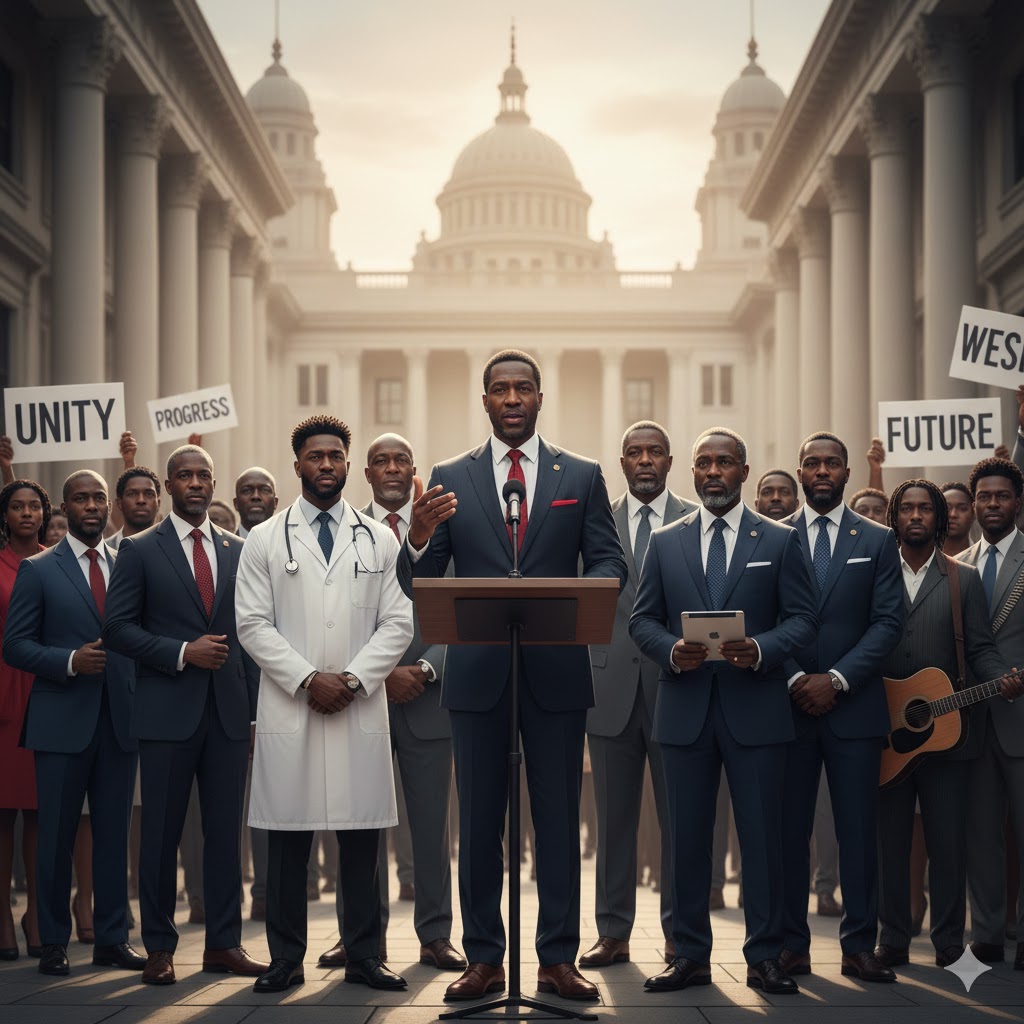
Black women in leadership occupy a unique position in corporate America, balancing professional responsibilities with societal expectations and systemic challenges. Their presence in executive roles is still disproportionately low, yet their impact is profound, influencing organizational culture, decision-making, and diversity initiatives. Understanding the nuances of effective leadership for Black women requires examining both personal development and structural navigation.

Effective leadership begins with self-awareness. Understanding one’s strengths, weaknesses, and leadership style allows Black women to lead authentically. Emotional intelligence, including the ability to empathize, communicate effectively, and manage interpersonal dynamics, is a cornerstone of effective leadership. Self-aware leaders inspire trust, credibility, and loyalty among colleagues and teams.

Mentorship and sponsorship are critical tools for advancement. Black women leaders benefit from relationships with mentors who provide guidance, feedback, and strategic advice. Sponsorship, in contrast, involves advocates who actively promote career growth and visibility within the organization. Building these networks creates pathways for recognition, promotion, and professional influence.

Strategic vision is another essential component. Leaders must articulate clear goals, communicate expectations, and inspire their teams to execute strategies effectively. Black women leaders who demonstrate clarity of vision often create alignment across departments, foster collaboration, and drive organizational success. This requires both analytical acumen and the ability to translate complex strategies into actionable initiatives.

Resilience is particularly important for Black women navigating corporate environments that may be implicitly or explicitly biased. Developing mental toughness, stress management skills, and adaptive coping strategies allows leaders to persevere despite obstacles. Resilient leaders model composure under pressure and create organizational cultures that value problem-solving and growth mindset approaches.

Communication skills are indispensable. Leaders must be able to present ideas persuasively, negotiate effectively, and manage conflict constructively. Public speaking, active listening, and storytelling are tools that enable Black women leaders to convey their vision, inspire teams, and advocate for themselves and others in executive spaces.

Cultural competence strengthens leadership efficacy. Black women leaders often serve as bridges across diverse teams, translating experiences and perspectives in ways that enhance inclusion. Understanding systemic inequities, microaggressions, and organizational dynamics enables leaders to create environments where diverse employees feel valued and empowered to contribute meaningfully.

Time management and delegation are practical strategies that elevate leadership effectiveness. Leaders who prioritize tasks, delegate responsibilities appropriately, and focus on high-impact activities maximize productivity while preventing burnout. This is especially critical for Black women who may face disproportionate scrutiny and pressure to excel continuously.

Confidence balanced with humility is another hallmark of effective leadership. Black women must advocate for themselves while maintaining openness to feedback and collaboration. Demonstrating confidence encourages respect and authority, while humility ensures approachability and fosters a team-oriented culture.

Decision-making skills are essential. Leaders must analyze complex data, anticipate potential outcomes, and make informed choices. Integrating input from diverse stakeholders while remaining decisive ensures that leadership decisions are strategic, ethical, and aligned with organizational goals.

Professional branding and visibility cannot be overlooked. Black women leaders must actively showcase their accomplishments, engage in professional networks, and maintain a presence in high-profile projects. Visibility not only enhances career advancement but also positions leaders as role models for aspiring professionals.

Continuous learning is vital in dynamic corporate landscapes. Engaging in professional development, leadership programs, and executive education helps Black women stay abreast of industry trends, technological innovations, and best practices. Lifelong learning enhances credibility, adaptability, and overall leadership impact.

Advocacy for equity and inclusion is integral. Black women leaders often champion policies and initiatives that create equitable opportunities for employees across racial, gender, and socioeconomic lines. Their leadership influences organizational culture and sets a precedent for accountability in diversity and inclusion efforts.

Networking beyond the organization amplifies influence. Participation in professional associations, conferences, and thought leadership initiatives creates access to resources, knowledge, and collaborative opportunities. Expanding networks strengthens leadership presence and facilitates the exchange of innovative ideas.

Ultimately, effective leadership for Black women requires a holistic approach: blending personal development, strategic vision, resilience, communication, cultural competence, and advocacy. By leveraging these skills and strategies, Black women can navigate corporate America successfully, break barriers, and leave lasting legacies that inspire future generations.


References

Catalyst. (2020). Women in leadership at S&P 500 companies. https://www.catalyst.org/research/women-in-sp-leadership/

Herring, C., & Henderson, L. (2019). Diversity in organizations: Current perspectives and future directions. Routledge.

Ibarra, H., Carter, N. M., & Silva, C. (2010). Why men still get more promotions than women. Harvard Business Review. https://hbr.org/2010/09/why-men-still-get-more-promotions-than-women

Sandberg, S. (2013). Lean in: Women, work, and the will to lead. Knopf.

Thomas, D. A., & Ely, R. J. (1996). Making differences matter: A new paradigm for managing diversity. Harvard Business Review, 74(5), 79–90.
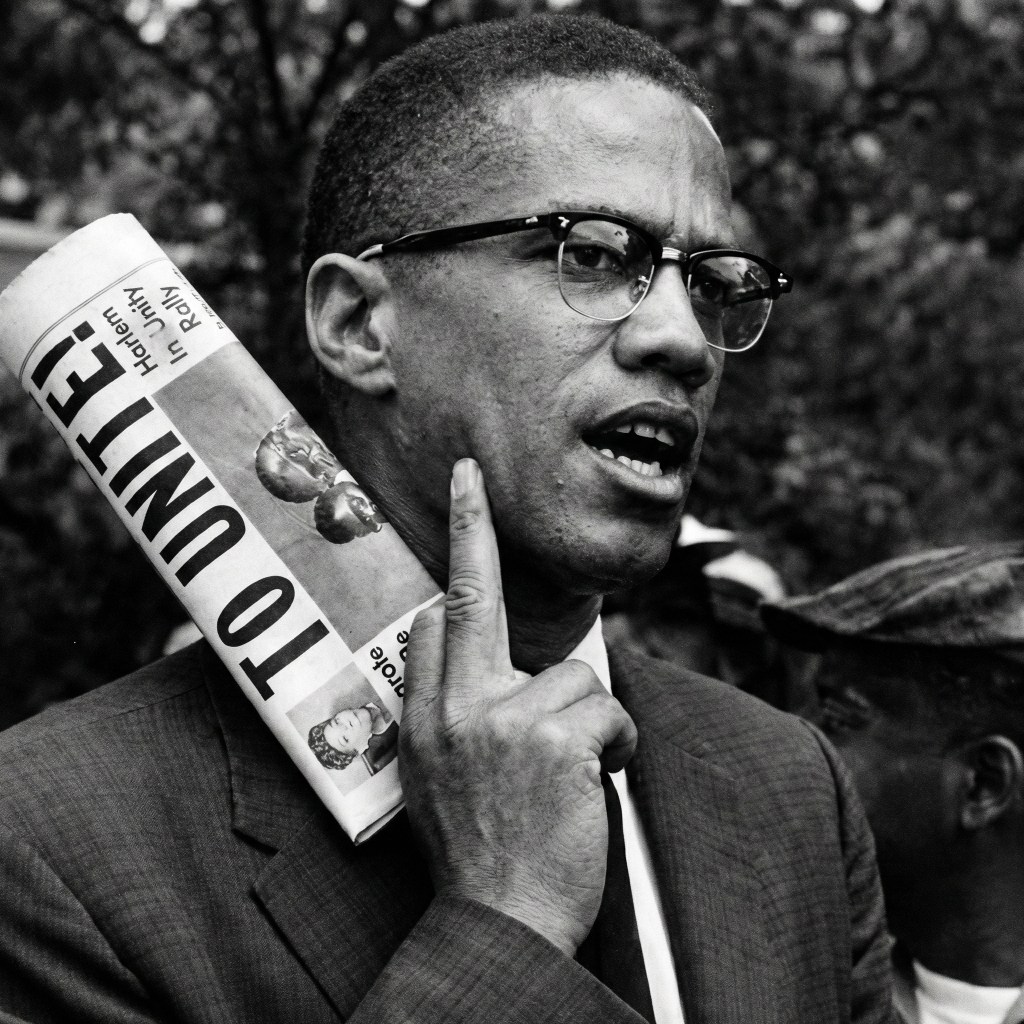

Black History Month: Malcolm X – Life, Legacy, and Impact.

This photograph is the property of its respective owner. No copyright infringement intended.

Malcolm X, born Malcolm Little on May 19, 1925, in Omaha, Nebraska, was one of the most influential African American leaders of the 20th century. His life journey—from a troubled youth to a prominent civil rights leader—reflects resilience, intellectual growth, and unwavering advocacy for Black empowerment. He died tragically on February 21, 1965, in New York City after being assassinated while preparing to address the Organization of Afro-American Unity.

Early Life: Malcolm was born to Earl Little, a Baptist minister and supporter of Black nationalist Marcus Garvey, and Louise Little, who was of Grenadian descent. Some sources suggest Malcolm may have had mixed ancestry, particularly through his mother’s Caribbean background, although he identified wholly with his African heritage (Marable, 2011). His early life was marked by hardship, including the death of his father under suspicious circumstances and his mother’s institutionalization, leaving Malcolm and his siblings in foster care.

Education and Youth: Malcolm was a bright student but faced systemic racism and personal challenges. Dropping out of school in eighth grade, he became involved in petty crime and was eventually imprisoned in 1946. His prison years became a turning point; he educated himself extensively, reading widely on history, philosophy, and religion, and converted to the Nation of Islam, adopting the surname “X” to symbolize the lost name of his African ancestry.

Nation of Islam and Activism: As a minister and national spokesperson for the Nation of Islam, Malcolm X advocated for Black self-determination, economic independence, and the rejection of racial integrationist strategies favored by other civil rights leaders like Martin Luther King Jr. He emphasized pride in Black identity and self-defense “by any means necessary” (Malcolm X, 1965).

Family Life: Malcolm married Betty Shabazz in 1958. Together they had six daughters: Attallah, Qubilah, Ilyasah, Gamilah, Malaak, and Kareema. His family played a critical role in preserving his legacy, with Betty Shabazz becoming a prominent educator and activist after his death.

Impact and Power: Malcolm X’s influence stemmed not from official awards or honors during his lifetime but from the power of his voice, intellect, and strategic activism. He inspired generations of African Americans to embrace self-respect, political engagement, and the pursuit of justice. His speeches, writings, and autobiography continue to serve as foundational texts for studies on civil rights, Black nationalism, and social justice (X & Haley, 1965).

Legacy: Malcolm X’s transformation after leaving the Nation of Islam in 1964 broadened his message to include global human rights and racial unity. His pilgrimage to Mecca, where he witnessed Muslims of all races praying together, influenced his belief in universal brotherhood while maintaining a focus on Black empowerment.

Awards and Recognition: While Malcolm X did not receive mainstream awards during his life, posthumously he has been honored extensively. He appears on lists of influential Americans, is commemorated through schools, streets, and cultural centers named in his honor, and his life story has been adapted in literature, documentaries, and films, notably the 1992 biographical film Malcolm X directed by Spike Lee and starring Denzel Washington.

Death: On February 21, 1965, Malcolm X was assassinated at the Audubon Ballroom in Manhattan. Three members of the Nation of Islam were convicted for his murder. His death marked a profound moment in the civil rights movement, and his ideas continued to shape Black empowerment movements, including the Black Power movement.

Nationality and Identity: Malcolm X identified as African American, fully embracing his Black heritage and ancestry. Although he may have had mixed ancestry through his mother, his philosophy and activism were rooted in reclaiming African identity and dignity in a racially oppressive society.

Power and Influence: Malcolm X’s power was intellectual, spiritual, and rhetorical. He wielded influence through his charisma, unflinching critique of systemic racism, and ability to mobilize people around principles of justice and self-determination. He challenged complacency, promoted self-education, and inspired activism that extended beyond the United States, connecting the struggle of African Americans to a global fight for human rights.

Conclusion: Malcolm X’s life is a testament to transformation, resilience, and the pursuit of justice. From troubled youth to revolutionary leader, he left an indelible mark on the civil rights movement and the consciousness of African Americans worldwide. His teachings on empowerment, pride, and self-determination remain deeply relevant in contemporary discussions of race, identity, and social justice.


References:

  • Marable, M. (2011). Malcolm X: A life of reinvention. New York: Viking.
  • X, M., & Haley, A. (1965). The autobiography of Malcolm X. New York: Grove Press.
  • Carson, C. (Ed.). (1998). The autobiography of Martin Luther King, Jr. includes comparative studies on civil rights leadership. New York: Warner Books.
  • Lincoln, C. E., & Mamiya, L. H. (1990). The Black church in the African American experience. Durham, NC: Duke University Press.

The Phenomenal Black Man

The Black man stands as one of the most complex and misunderstood figures in modern society—shaped by historical trauma, systemic barriers, and cultural misrepresentation, yet continually producing excellence, innovation, and leadership. His story is not one of deficiency, as dominant narratives often suggest, but of resilience: surviving institutions that were never designed for his success while still cultivating identity, dignity, and generational hope.

Historically, Black men were foundational to the construction of the modern world. From forced labor during enslavement to skilled craftsmanship, engineering, agriculture, and military service, Black men have contributed materially to global economies while being excluded from the political and financial rewards of their labor. This historical displacement from power did not erase their leadership capacity—it delayed its recognition.

In education, Black men face some of the most significant structural barriers of any demographic group, including school discipline disparities, underfunded institutions, and racialized tracking systems. Yet despite these obstacles, Black men continue to excel in higher education, producing scholars, scientists, theologians, engineers, physicians, and legal minds who challenge the myth of intellectual inferiority.

The intellectual legacy of Black men includes some of the most influential thinkers of modern history. Figures such as W.E.B. Du Bois, James Baldwin, Martin Luther King Jr., Malcolm X, Frantz Fanon, and Carter G. Woodson reshaped sociology, political theory, psychology, theology, and cultural studies. Their work remains foundational to understanding race, power, identity, and human liberation.

Economically, Black men are increasingly asserting entrepreneurial agency. From tech startups and financial services to fashion, real estate, sports management, and media production, Black men are building independent economic infrastructures. Entrepreneurship has become both a form of resistance to labor market discrimination and a strategy for generational wealth creation.

The Black man is also a cultural architect. Music, fashion, language, and global aesthetics have been profoundly shaped by Black male creativity—from jazz and blues to hip-hop, from streetwear to luxury fashion, from spoken word to film and digital media. Black men continuously produce cultural capital that fuels global industries.

Spiritually, the Black man has served as a prophet, preacher, teacher, and revolutionary theologian. The Black church, Islamic movements, and Afrocentric spiritual systems have provided Black men with frameworks for moral leadership, communal healing, and resistance to psychological colonization. Faith has often been a survival technology in a hostile world.

Psychologically, Black men navigate a unique terrain of racialized masculinity. They are frequently socialized to suppress vulnerability, emotional expression, and mental health needs in order to survive in environments that criminalize their bodies and silence their pain. Yet Black men are increasingly reclaiming emotional literacy, therapy, and self-awareness as tools of empowerment.

In family life, the narrative of the “absent Black father” has been one of the most damaging cultural myths. Research consistently shows that Black fathers are among the most involved fathers across racial groups when structural barriers such as incarceration and economic exclusion are accounted for. Black men actively participate in caregiving, emotional bonding, and moral instruction.

The Black man’s body has historically been framed as a site of fear and criminality. From slavery patrols to modern policing, Black male bodies have been surveilled, punished, and politicized. Yet the Black man continues to reclaim his body as sacred—through health, fitness, discipline, self-care, and spiritual grounding.

Politically, Black men have been central to liberation movements worldwide. From abolition and anti-colonial struggles to civil rights and Pan-Africanism, Black men have organized, theorized, and mobilized resistance against racial oppression. Their political consciousness has shaped democratic ideals globally.

The Black man’s relationship to labor has been one of both exploitation and mastery. Despite being overrepresented in physically demanding and dangerous occupations, Black men have also excelled in professional, technical, and intellectual fields, redefining what Black masculinity looks like beyond brute survival.

In relationships and intimacy, Black men are often burdened by stereotypes of emotional detachment, hypersexuality, or instability. Yet many Black men actively seek emotional depth, spiritual connection, and partnership grounded in respect and mutual growth. They are redefining masculinity beyond dominance toward responsibility and presence.

Culturally, Black men serve as intergenerational bridges. They carry ancestral memory, oral history, and survival strategies passed down through fathers, grandfathers, and community elders. Their identity is not isolated—it is collective, historical, and deeply rooted in lineage.

The modern Black man is increasingly invested in self-development. He studies financial literacy, mental health, spirituality, fitness, and purpose. He reads, builds, mentors, and heals. This shift represents a quiet revolution in Black male consciousness.

The Black man is also a mentor and protector. Whether through coaching, teaching, community organizing, or informal leadership, Black men invest in the next generation, offering guidance in environments where institutional support is often absent.

Despite structural violence, Black men continue to love—deeply, creatively, and spiritually. They love their families, their communities, their cultures, and their futures. Love becomes an act of resistance in a world that expects their emotional absence.

The phenomenal Black man is not defined by pathology but by possibility. He is a survivor of historical trauma and a carrier of ancestral wisdom. He is a thinker, a builder, a father, a lover, a leader, and a visionary.

An ode to the Black man is an ode to perseverance. He exists in the tension between vulnerability and strength, memory and future, pain and purpose. His presence is not accidental—it is historical, spiritual, and revolutionary.

The phenomenal Black man is not waiting to be redeemed by society—he is redeeming himself through consciousness, discipline, faith, and collective responsibility. He is not a problem to be solved, but a force to be understood, honored, and supported.


References

American Psychological Association. (2018). Boys and men of color: Implications for academic success. https://www.apa.org/monitor/2018/07/boys-men-color

Anderson, E. (1999). Code of the street: Decency, violence, and the moral life of the inner city. W. W. Norton.

Bonilla-Silva, E. (2014). Racism without racists: Color-blind racism and the persistence of racial inequality in America (4th ed.). Rowman & Littlefield.

Du Bois, W. E. B. (1903). The souls of Black folk. A.C. McClurg & Co.

Edin, K., Tach, L., & Mincy, R. (2009). Claiming fatherhood: Race and the dynamics of paternal involvement. The ANNALS of the American Academy of Political and Social Science, 621(1), 149–177. https://doi.org/10.1177/0002716208325548

Fanon, F. (1952). Black skin, white masks. Grove Press.

Harper, S. R. (2012). Black male student success in higher education. ASHE Higher Education Report, 38(3), 1–140. https://doi.org/10.1002/aehe.20002

National Center for Education Statistics. (2022). Status and trends in the education of racial and ethnic groups. https://nces.ed.gov/

Pew Research Center. (2018). Black fathers more involved than other dads. https://www.pewresearch.org/social-trends/2018/06/14/fathers-day-2018/

U.S. Department of Justice. (2021). Contacts between police and the public. https://bjs.ojp.gov/

U.S. Small Business Administration. (2023). Black-owned business statistics. https://www.sba.gov/

Woodson, C. G. (1933). The mis-education of the Negro. Associated Publishers.

World Economic Forum. (2020). The future of jobs report. https://www.weforum.org/reports/

Adulting in 2026

Adulting in 2026 has taken on a new meaning, shaped by rapid technological shifts, unpredictable economies, and changing cultural expectations. Today’s adults navigate a world far more complex than the generations before them, yet they carry a spirit of resilience that anchors them in times of uncertainty. As Scripture reminds us, “Wisdom is the principal thing; therefore get wisdom” (Proverbs 4:7, KJV), a truth that resonates deeply with the pressures of modern adulthood.

Financial literacy has become the foundation of survival in 2026. With rising costs of living, fluctuating real estate markets, and increased reliance on digital currencies, young adults must be intentional stewards of their resources. The Bible encourages this mindset: “Be thou diligent to know the state of thy flocks, and look well to thy herds” (Proverbs 27:23, KJV). Stewardship is not optional—it is essential.

The nature of work has transformed dramatically. Remote and hybrid workplaces have blurred the lines between home and employment, demanding new self-discipline, boundaries, and balance. Yet even in this shifting landscape, Scripture offers grounding: “And whatsoever ye do, do it heartily, as to the Lord, and not unto men” (Colossians 3:23, KJV). Excellence remains a universal calling.

Technology dominates nearly every aspect of adulthood. AI tools, automated workplaces, digital healthcare, and virtual relationships require constant adaptability. The modern adult must discern truth from noise, and the Bible teaches, “Prove all things; hold fast that which is good” (1 Thessalonians 5:21, KJV). Discernment is a spiritual skill that now functions as a practical necessity.

Mental health stands at the center of the adulting experience in 2026. Chronic stress, overwork, and constant connectivity push many to seek counseling, mindfulness, or spiritual grounding. Scripture speaks hope into these realities: “Come unto me, all ye that labour and are heavy laden, and I will give you rest” (Matthew 11:28, KJV). Rest is not weakness—it is divine wisdom.

Emotional well-being requires deliberate maintenance. Adults must manage anxiety, heal from childhood trauma, and build emotional intelligence to navigate relationships and responsibilities. Philippians 4:6–7 reassures, “Be careful for nothing… and the peace of God… shall keep your hearts and minds through Christ Jesus.” Emotional stability is fortified through both strategy and faith.

The meaning of community has evolved. Online networks, shared-interest groups, and digital support systems offer companionship in an isolating world. Yet Ecclesiastes 4:9–10 reminds us that real connection is powerful: “Two are better than one… if they fall, the one will lift up his fellow.” Adulting in 2026 requires both independence and interdependence.

Relationships are approached with increased intentionality. Adults value communication, boundaries, and emotional maturity more than surface-level attraction. Many seek love built on purpose, healing, and shared values. Such intentionality echoes Amos 3:3: “Can two walk together, except they be agreed?” Harmony requires alignment.

Lifelong learning has become the new normal. Careers change rapidly, requiring adults to constantly update their skills through online courses, certifications, or vocational training. This pursuit aligns with the biblical reverence for wisdom and continued growth. Knowledge is not only power—it is preservation.

Economic instability forces adults to diversify their income. Many combine side hustles, freelance work, and digital entrepreneurship. Creativity becomes a form of resilience, enabling survival in an ever-changing market. Scripture supports careful planning and diligence, encouraging believers to prepare wisely for the future.

Health and wellness have expanded beyond physical fitness. Adults now prioritize nutrition, sleep, therapy, exercise, and spiritual grounding as part of a holistic lifestyle. “Know ye not that your body is the temple of the Holy Ghost… therefore glorify God in your body” (1 Corinthians 6:19–20, KJV). Taking care of oneself becomes both practical and spiritual.

Spiritual purpose holds renewed importance for many. Adults search for meaning beyond material success, turning to Scripture, meditation, and community to anchor themselves. Romans 12:2 declares, “Be not conformed to this world… but be ye transformed by the renewing of your mind.” This is the heart of adulting—internal transformation.

Housing remains challenging. Many adults rely on rentals, co-living, multigenerational homes, or delayed homeownership. This requires humility and strategic planning, reminding adults that life unfolds in seasons. Stability is a process, not a moment.

Parenting in 2026 is intentional, delayed, or reimagined altogether. Adults choose timing carefully, often waiting until they are financially and emotionally prepared. Others build non-traditional family structures. The Bible supports thoughtful preparation: “Through wisdom is an house builded” (Proverbs 24:3, KJV).

Social consciousness is another dimension of adulthood today. Many advocate for justice, sustainability, and ethical living. Their values shape their spending, activism, and community engagement. They believe in leaving the world better than they found it—a deeply biblical principle.

Financial independence is being redefined. For some, it means freedom from debt; for others, building generational wealth. Adults are learning that money is a tool, not an identity. Proverbs 13:22 reinforces the value of planning: “A good man leaveth an inheritance to his children’s children.”

Time management stands as one of the greatest challenges. Digital distractions, flexible schedules, and the pressure to multitask require discipline. Adults in 2026 must guard their time as a sacred resource. Ephesians 5:15–16 reminds them to “walk circumspectly… redeeming the time.”

Adaptability is the new strength. The world changes quickly, and adults must adjust with grace rather than fear. Proverbs 3:5–6 offers comfort: “Trust in the Lord with all thine heart… and he shall direct thy paths.” For many, faith becomes the anchor in constant change.

Ultimately, adulting in 2026 is not about perfection but evolution. It is the freedom to grow, learn, fail, and rise again. Through faith, wisdom, community, and resilience, adults of this era redefine what it means to live with purpose and maturity. Their journey is ongoing, beautiful, and deeply transformative.


📚 References

American Psychological Association. (2024). Stress in America: The state of mental health. APA Press.

Bloom, N., & Davis, S. (2025). Remote work and the future of labor flexibility. Stanford University Press.

Centers for Disease Control and Prevention. (2024). Holistic wellness and adult health trends. U.S. Department of Health & Human Services.

Fry, R., & Parker, K. (2025). Young adults and shifting economic expectations. Pew Research Center.

International Labour Organization. (2024). The changing workforce: Hybrid models and digital transformation.

Pew Research Center. (2025). Marriage, family, and shifting timelines among Millennials and Gen Z adults.

Smith, J. L. (2025). Digital identity and the psychology of adulthood in the AI era. Journal of Modern Sociology, 48(2), 115–132.

United Nations. (2024). Global economic outlook: Youth, inflation, and the future workforce.

World Economic Forum. (2025). The future of jobs and skills: Adult learning in a technological age.

Leaders of the New School

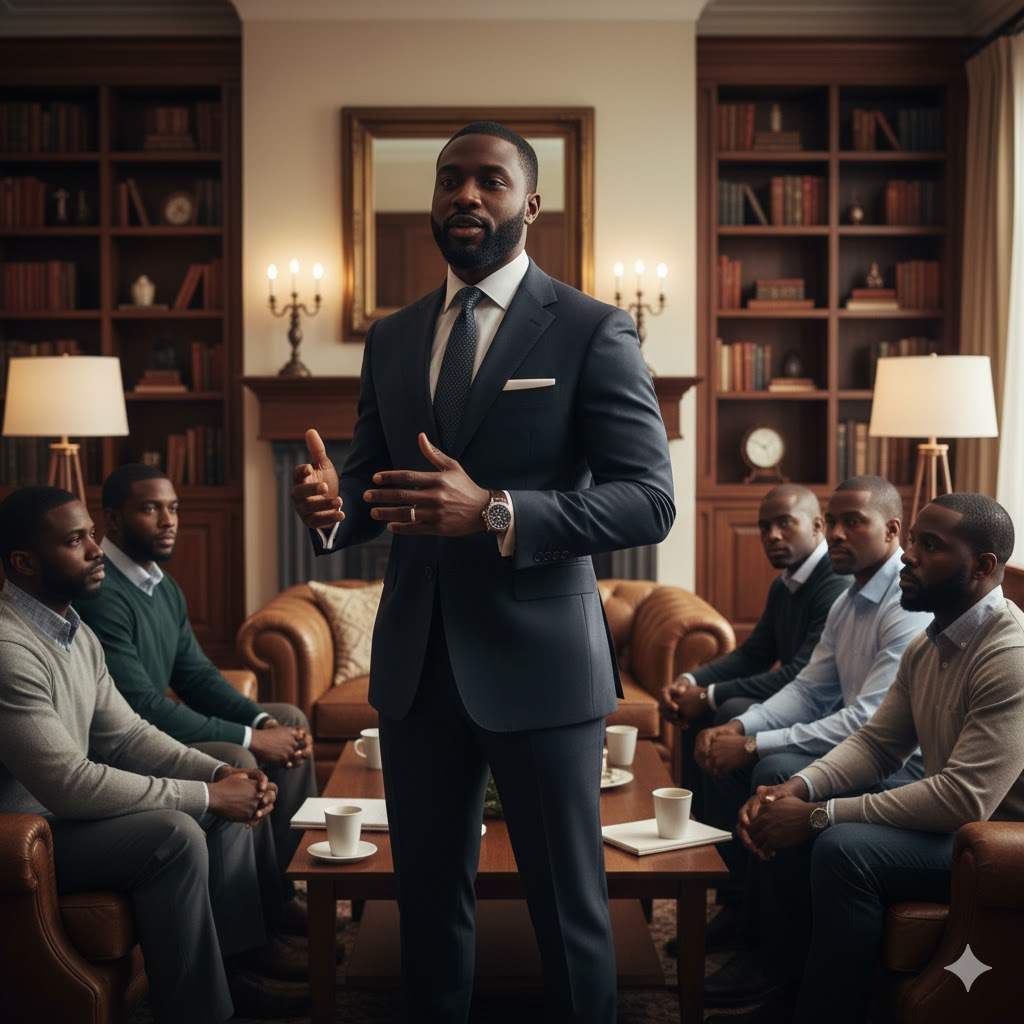
The world is entering a new era shaped by voices, visions, and values radically different from those that dominated previous generations. The phrase “Leaders of the New School” captures an emerging movement—not simply of age, but of mindset. These leaders represent a shift in consciousness, prioritizing justice, innovation, empathy, and authenticity in ways the old systems could not sustain.

The new school leader is defined not by traditional hierarchy but by influence, integrity, and impact. Leadership is no longer reserved for those with titles, degrees, or institutional approval. Today, it emerges from lived experience, digital presence, community organization, and an unwavering refusal to accept inherited inequities.

A significant hallmark of new school leadership is transparency. While old structures thrived on secrecy, guarded personas, and carefully crafted facades, modern leaders understand that vulnerability builds trust. Authenticity has become currency, and honesty has become the foundation for influence.

Technology plays a central role in this shift. Digital platforms have democratized leadership, allowing individuals once excluded from power—Black youth, women, activists, creators, and visionaries—to influence global conversations. A single voice can now spark movements, educate millions, or challenge injustice with unprecedented reach.

Leaders of the new school also value collaboration over competition. They reject the scarcity mindset that once pitted marginalized groups against each other. Instead, they embrace collective advancement, recognizing that progress is strongest when shared. Community-centered leadership is the new standard.

This new wave of leaders prioritizes mental wellness. They understand that burnout, generational trauma, and emotional suppression sabotage long-term impact. They advocate for therapy, self-care, rest, and spiritual grounding as essential components of sustainable leadership. Wholeness is no longer a luxury; it is a requirement.

Leaders of the new school challenge outdated systems with bold creativity. They imagine solutions beyond the constraints of tradition. Whether in business, education, activism, or faith, they innovate without fear—disrupting norms that have long harmed marginalized communities.

Empathy fuels their leadership. Rather than demanding people hide their struggles, modern leaders create environments where humanity is honored. They value emotional intelligence as much as technical skill, understanding that connection drives transformation.

These leaders also embrace cultural pride. Black leaders in particular carry the legacy of ancestors who fought, created, resisted, and rebuilt. Their leadership honors this lineage while forging new paths forward with confidence and strategic vision. Culture becomes both compass and catalyst.

Faith, for many new school leaders, remains a guiding light. But unlike rigid institutional models, their spirituality is expansive, personal, and justice-driven. They integrate biblical principles with social responsibility, advocating for compassion, liberation, and community healing.

In the realm of activism, new school leaders are fearless. They confront racism, colorism, injustice, and inequality with clarity and conviction. Their leadership is rooted in truth-telling, even when uncomfortable. They understand that silence sustains oppression.

Economically, leaders of the new school redefine success. They prioritize financial literacy, generational wealth, entrepreneurship, and collaborative economics. They resist exploitative systems and champion development that empowers entire communities, not just individuals.

Education is also being reimagined. New leaders challenge outdated curricula and advocate for teachings that reflect identity, history, and real-world relevance. They push for representation, equity, and critical thinking as foundational elements of modern learning.

These leaders recognize the power of storytelling. They wield narrative as a tool for healing, inspiration, and cultural correction. Through books, music, film, digital media, and public speaking, they reclaim space previously dominated by distorted perspectives.

The new school leader is comfortable evolving. They understand that leadership is not static but dynamic. They grow, adapt, and continuously refine themselves—embracing humility over ego. Their leadership is fluid, responsive, and rooted in lifelong learning.

In community spaces, new school leaders create safety. They foster environments where people feel seen, valued, and empowered. They use their platforms to uplift others, not overshadow them. Influence becomes a responsibility, not a pedestal.

These leaders also maintain global awareness. They connect struggles across borders—recognizing that freedom, justice, and dignity are universal pursuits. Their approach is intersectional, holistic, and informed by a global consciousness.

Perhaps the greatest strength of leaders in this new era is their courage. They are unafraid to defy tradition, confront injustice, or imagine alternatives. Their boldness is not arrogance but conviction—a refusal to settle for systems that no longer serve humanity.

Ultimately, “Leaders of the New School” reflects a new paradigm of purpose-driven leadership rooted in authenticity, justice, and empowerment. These leaders inherit the wisdom of the past while shaping the promise of the future. They are the bridge between yesterday’s struggles and tomorrow’s possibilities.

The world is shifting because of them. And as these leaders rise—creative, conscious, and courageous—they redefine what leadership looks like for generations to come.


References

Brown, B. (2018). Dare to lead: Brave work. Tough conversations. Whole hearts. Random House.

hooks, b. (2000). All about love: New visions. William Morrow.

Kendi, I. X. (2019). How to be an antiracist. One World.

Noble, S. U. (2018). Algorithms of oppression: How search engines reinforce racism. NYU Press.

Pew Research Center. (2022). Gen Z and the shifting landscape of leadership and activism.

Sinek, S. (2009). Start with why: How great leaders inspire everyone to take action. Penguin.

Twenge, J. M. (2017). iGen: Why today’s super-connected kids are growing up less rebellious, more tolerant—and completely unprepared for adulthood. Atria Books.

West, C. (2004). Democracy matters: Winning the fight against imperialism. Penguin Books.

Islands of Men: Loneliness, Leadership, and the Digital Search for Brotherhood

Modern men are increasingly becoming islands—connected by technology yet disconnected emotionally, spiritually, and socially. The phrase “Islands of Men” captures a deep truth about masculine loneliness in the digital era, and how many men turn to online spaces in search of brotherhood, guidance, and identity. As society shifts and family structures fracture, these digital shores become places where men seek belonging, meaning, and leadership.

Loneliness among men has reached historic levels. Studies show that contemporary men report fewer friendships, fewer intimate bonds, and less emotional support than previous generations. The cultural expectation that men remain stoic and self-sufficient often prevents them from forming meaningful connections. As a result, many men drift through adulthood without a consistent community.

The digital world becomes a substitute for real-life brotherhood. Forums, livestreams, and manosphere communities provide men a place to voice their frustrations, their fears, and their longing for guidance. While some of these spaces can promote emotional honesty, many others reinforce isolation by encouraging competition, cynicism, or ideological extremism.

Leadership is central to the male search for belonging. Historically, men derived identity from mentorship, apprenticeship, and communal rites of passage. Today, these traditional forms have eroded. Without stable mentors, many men turn to online personalities for direction. This shift has profound implications, as influencers often prioritize entertainment and monetization over genuine leadership.

The loneliness men experience is not just social—it is also spiritual. Scripture teaches that “it is not good that the man should be alone” (Genesis 2:18), highlighting both relational and communal design. Yet modern men often carry silent burdens with no spiritual accountability. For many, the search for brotherhood becomes a search for identity in a world that offers conflicting messages about masculinity.

Digital brotherhood can mimic the structure of community but often lacks its substance. Men bond over shared frustrations—about relationships, society, or the economy—yet remain emotionally isolated. They find connection without intimacy, conversation without healing. This paradox deepens their loneliness rather than alleviating it.

Men seek guidance on how to lead, but leadership without character becomes dangerous. Many online spaces teach leadership as dominance rather than service. True leadership requires humility, accountability, and emotional awareness—traits that digital communities often undervalue.

The crisis of male loneliness is tied to the absence of father figures and mentors. Generational wounds perpetuate cycles of emotional detachment. Without strong relational models, many men learn to suppress vulnerability. Digital communities often reinforce this suppression instead of addressing it.

In real-life communities, men once learned leadership by observing fathers, uncles, pastors, and elders. Now, the most influential male voices come from screens instead of households. This shift disconnects leadership from lived experience and turns masculinity into performance rather than practice.

Economically, men face pressures that amplify their sense of isolation. Job instability, financial insecurity, and societal expectations can make men feel inadequate. Digital brotherhood often reinforces survivalist mindsets instead of nurturing hope and collaboration.

Emotionally, men carry unspoken trauma. Many have never been given permission to grieve, to fear, or to doubt openly. Without emotional outlets, these feelings turn into frustration or apathy. Digital spaces allow anonymity, but anonymity rarely fosters genuine healing.

Relationships intensify men’s loneliness. Romantic rejection, marital stress, or divorce can leave men more isolated than women due to weaker social support systems. Instead of seeking counsel, many retreat into digital echo chambers that validate bitterness rather than growth.

Men long for legacy, yet legacy requires community. A man cannot build generational impact alone. He needs brotherhood, elders, younger men to mentor, and a purpose greater than his own survival. Digital isolation undermines this pursuit by convincing men that independence is strength.

Spiritually, men need accountability that digital communities cannot provide. Growth requires people who know one’s struggles, habits, and flaws—not anonymous usernames. Biblical brotherhood involves correction, compassion, and shared purpose. This cannot be replicated through algorithms.

Men also seek belonging through achievements—career success, wealth, physical strength—but these do not replace brotherhood. Achievements impress others but do not heal loneliness. Brotherhood offers what success cannot: connection, validation, and shared mission.

The search for brotherhood online is ultimately a search for meaning. Men yearn for battles worth fighting, relationships worth maintaining, and identities grounded in more than external validation. The manosphere often promises quick answers, but meaning requires depth, discipline, and authentic community.

A healthier form of digital brotherhood is possible—one based on emotional literacy, mentorship, accountability, and spiritual grounding. Some communities encourage men to heal their trauma, develop resilience, and walk in integrity. These spaces model a better masculinity rooted not in dominance but in character.

Real brotherhood must eventually move beyond screens. Men need in-person connection—shared meals, honest conversations, activities, and spiritual support. Brotherhood flourishes when men stand shoulder-to-shoulder with those they trust, not when they scroll through curated identities.

Ultimately, the islands of men can become bridges if men rediscover what it means to build community. Leadership grows in connection, not isolation. Loneliness fades when men learn to be vulnerable, supportive, and accountable. And the digital search for brotherhood can become a pathway to real-life transformation when guided by truth, wisdom, and love.


References

Brooks, D. (2020). The crisis of male loneliness in modern society. Journal of Social Psychology, 162(4), 415–428.

Connell, R. W. (2005). Masculinities (2nd ed.). University of California Press.

Ging, D. (2019). Alphas, betas, and incels: The manosphere as a transnational online masculinity ecosystem. Men and Masculinities, 22(4), 638–657.

Mahalik, J. R., & Rochlen, A. (2019). Men, loneliness, and digital communities: A psychological exploration. American Journal of Men’s Health, 13(1), 1–12.

Way, N. (2011). Deep secrets: Boys’ friendships and the crisis of connection. Harvard University Press.

Wilcox, W. B., & Kline, K. (2021). Father absence, male identity, and digital belonging. Journal of Family Studies, 27(3), 345–361.

✨ Built to Lead: The Spiritual Anatomy of a Godly Man ✨

A godly man is not merely born—he is shaped, chiseled, tested, and consecrated through a lifelong process of spiritual refinement. Leadership for him is not a title but a calling, a divine architecture woven into his character by God. Scripture affirms, “The steps of a good man are ordered by the Lord” (Psalm 37:23, KJV), revealing that true spiritual manhood is guided rather than self-defined.

The anatomy of a godly man begins with inner order. Before he can influence the world around him, he must first govern the world within. His spiritual discipline—prayer, obedience, and humility—becomes the framework that stabilizes his leadership. He understands that authority without alignment produces chaos.

Central to his design is moral integrity. A godly man lives transparently before God and honorably before people. His character is not situational but consistent, rooted in truth. Proverbs declares, “The integrity of the upright shall guide them” (Proverbs 11:3, KJV). His moral compass is not negotiable.

A godly man also embodies courage, not the absence of fear but the presence of conviction. His strength flows from the assurance that God stands with him. Like Joshua, he is commanded, “Be strong and of a good courage” (Joshua 1:9, KJV), for leadership requires spiritual bravery.

Within him lies a servant’s heart. He recognizes that biblical leadership is inseparable from service. Christ Himself taught, “He that is greatest among you shall be your servant” (Matthew 23:11, KJV). A godly man leads by lifting others, not by elevating himself.

Another essential component is wisdom. Not just intellectual ability, but divine direction. He seeks God’s insight above public opinion. James promises, “If any of you lack wisdom, let him ask of God… and it shall be given him” (James 1:5, KJV). Wisdom is his compass in a world of noise.

His anatomy includes emotional mastery. He feels deeply yet responds righteously. He refuses to let anger, ego, or insecurity govern his behavior. Proverbs warns, “He that hath no rule over his own spirit is like a city that is broken down” (Proverbs 25:28, KJV). Emotional discipline is a mark of his maturity.

The godly man is purpose-driven. He understands that his life is not random; it is intentional. He seeks to fulfill God’s assignment rather than chase worldly validation. Paul wrote, “This one thing I do…” (Philippians 3:13, KJV), revealing singular focus as a leader’s strength.

He is marked by faithfulness—to God, to his responsibilities, and to those entrusted to him. Reliability is his language. In a world of inconsistency, he stands as evidence that honor still exists.

A godly man is also endowed with vision. He sees beyond the natural into what is possible through God. Like Habakkuk, he writes the vision and walks in expectation (Habakkuk 2:2–3, KJV). Vision fuels his leadership and guides his decisions.

His spiritual anatomy includes discipline. He understands that leadership requires structure. Prayer becomes his anchor, study his nourishment, and obedience his strength. Discipline forms the muscles of his spiritual endurance.

A godly man practices accountability. He does not walk alone. He welcomes correction because he knows it prevents destruction. Proverbs teaches, “Iron sharpeneth iron” (Proverbs 27:17, KJV). Growth requires guidance.

He is defined by compassion. Strength is not cruelty; authority is not harshness. His heart remains tender enough to feel and strong enough to help. Compassion fuels his service.

His anatomy includes self-sacrifice. A godly man understands that love costs, leadership costs, and purpose costs. He follows Christ’s model of laying down His life for others (John 15:13, KJV). Sacrifice is not weakness—it is spiritual nobility.

He is a man of righteous authority. He leads his home with gentleness, firmness, and wisdom. He creates safety, structure, and spiritual covering. His presence brings order; his decisions bring stability.

A godly man values legacy. He builds beyond himself, investing in generations to come. His leadership is not temporary but eternal. Proverbs declares, “A good man leaveth an inheritance to his children’s children” (Proverbs 13:22, KJV). Legacy is the echo of his leadership.

The anatomy of a godly man also includes humility. He understands that leadership without humility becomes tyranny. Christ taught that greatness begins at the feet of service. Humility protects him from pride’s deception.

He demonstrates endurance. When adversity rises, he stands. When storms come, he endures. His resilience is spiritual, not fleshly. Paul’s words guide him: “Having done all, to stand” (Ephesians 6:13, KJV). Endurance is proof of spiritual maturity.

A godly man walks in love—the highest of all virtues. Love governs his leadership, purifies his intentions, and shapes his actions. Without love, leadership becomes empty performance. Love makes him safe, strong, and trustworthy.

Ultimately, the spiritual anatomy of a godly man is a divine masterpiece—crafted by the Holy Spirit, strengthened through trials, and refined through obedience. He is built to lead not by the world’s standards but by God’s blueprint. He is both a warrior and a servant, a protector and a nurturer, a visionary and a man of unwavering faith.

A godly man stands as evidence that God still raises leaders who carry heaven’s character on earth. His life becomes a testimony, a covering, and a legacy. He is built to lead because he is built by God.


📚 References

American Psychological Association. (2020). Publication manual of the American Psychological Association (7th ed.). APA.

Cloud, H., & Townsend, J. (2001). Boundaries: When to say yes, how to say no. Zondervan.

Eldredge, J. (2001). Wild at heart: Discovering the secret of a man’s soul. Thomas Nelson.

Evans, T. (2012). Kingdom man: Every man’s destiny, every woman’s dream. Tyndale House.

Keller, T. (2013). Every good endeavor: Connecting your work to God’s work. Dutton.

Lewis, C. S. (1952). Mere Christianity. HarperCollins.

Wilkins, M., & Moreland, J. P. (Eds.). (2010). Jesus in an age of controversy. Zondervan.

Wright, N. T. (2012). After you believe: Why Christian character matters. HarperOne.

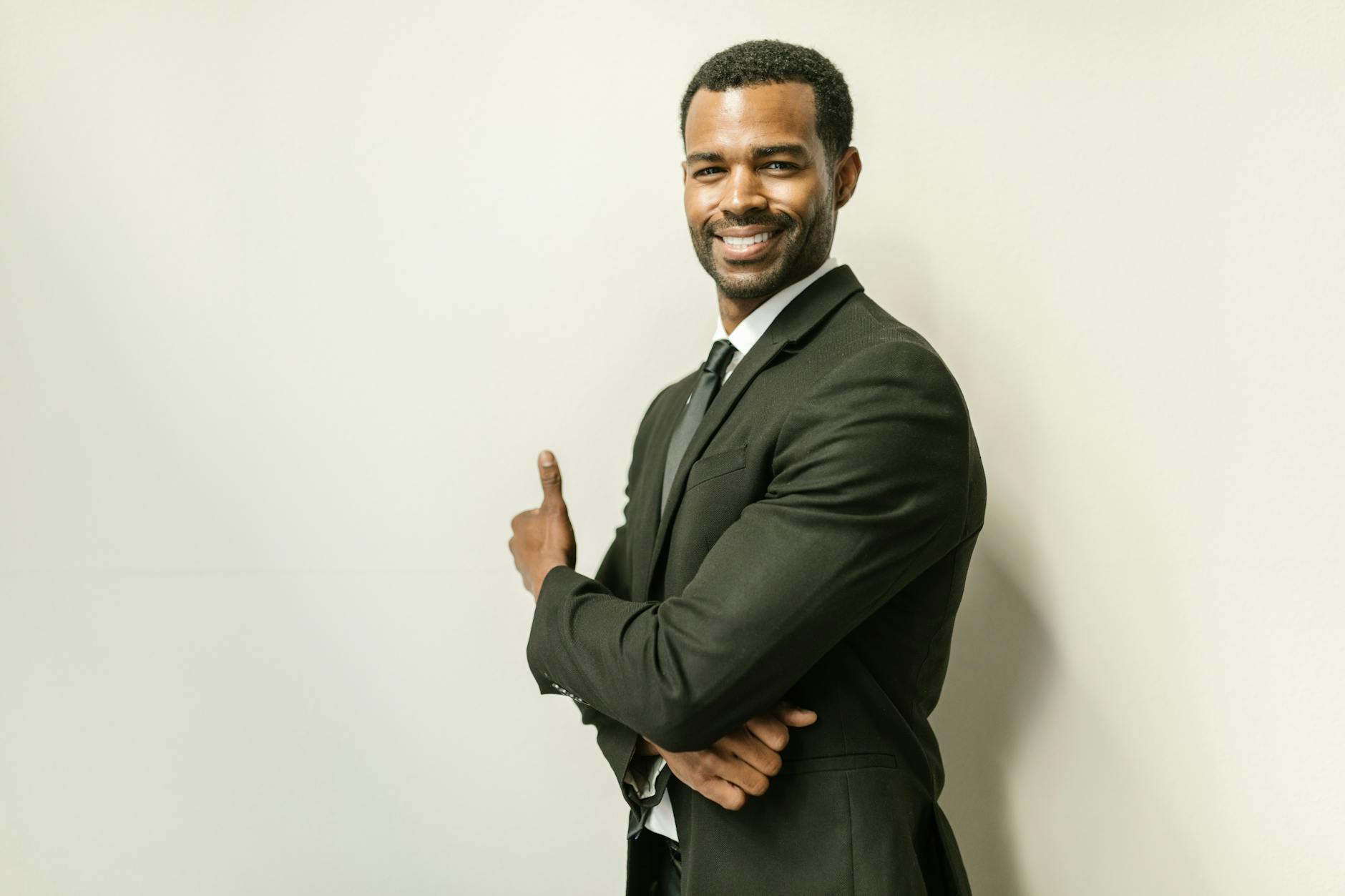
The Male Files: Built to Lead — The Spiritual Anatomy of a Godly Man.

Photo by RDNE Stock project on Pexels.com

In a world where manhood is often distorted by cultural confusion, the concept of a Godly man remains both timeless and revolutionary. To be “built to lead” is not a claim of dominance but a divine calling rooted in purpose, discipline, and integrity. The anatomy of such a man is not merely physical—it is spiritual, moral, and psychological, molded by divine principles rather than societal trends (Eldredge, 2001).

A Godly man’s leadership begins in the heart. Scripture teaches that “as he thinketh in his heart, so is he” (Proverbs 23:7, KJV). Leadership is not about external command but internal conviction. It is birthed through humility before God and strengthened through consistent alignment with divine truth. His strength flows not from ego but from surrender.

The anatomy of leadership is first spiritual. The Godly man leads by example, submitting himself to the ultimate authority—God. Like David, he may stumble, yet repentance restores his crown. His leadership is not infallible but accountable. He acknowledges weakness as the soil from which strength grows (2 Corinthians 12:9, KJV).

A Godly man’s mind is disciplined and discerning. He filters thoughts through the wisdom of Scripture, guarding against corruption and confusion. He understands that his greatest battle is not with others but within himself—between flesh and spirit (Galatians 5:17, KJV). Spiritual intelligence, not worldly cunning, defines his decision-making.

The emotional anatomy of a Godly man reveals balance. He feels deeply but governs wisely. He is not stoic nor fragile—his emotions serve purpose, not pride. Christ Himself wept (John 11:35, KJV), proving that divine strength includes compassion. Emotional maturity is a mark of true spiritual leadership.

His character serves as his armor. Honesty, patience, and faithfulness form the framework of his moral anatomy. When temptation comes, his integrity stands firm because it is anchored in the fear of the Lord, which is “the beginning of wisdom” (Proverbs 9:10, KJV). Such wisdom enables him to walk uprightly even when unseen.

The physical body, too, is a vessel of stewardship. The Godly man honors it as the temple of the Holy Spirit (1 Corinthians 6:19–20, KJV). He disciplines his body not for vanity, but for vitality—to serve his purpose with endurance. Health, strength, and self-control reflect spiritual order manifesting in physical form.

In his relationships, the Godly man exemplifies servant leadership. Like Christ washing the disciples’ feet, he leads through love, not domination (John 13:14–15, KJV). In marriage, he loves sacrificially; in friendship, he uplifts; in community, he protects. His leadership builds others rather than exalting himself.

A Godly man’s speech carries weight. His words heal, teach, and direct rather than destroy. “Death and life are in the power of the tongue” (Proverbs 18:21, KJV). Thus, his mouth becomes an instrument of life. What he declares aligns with God’s truth, shaping atmospheres and influencing destinies.

His purpose is divinely assigned, not socially constructed. Each Godly man carries a unique mantle—a divine task to fulfill within family, church, and society. Leadership is not a title he earns but a function he embodies. His confidence comes from knowing who sent him, not from who follows him.

Discipline is the skeleton of his character. Without it, even the strongest calling collapses. Prayer, fasting, study, and service sustain his spiritual frame. These habits forge endurance in seasons of testing. Like a tree rooted in living water, he thrives even when storms arise (Psalm 1:3, KJV).

Courage is the muscle of leadership. The Godly man stands for truth even when unpopular. He defends righteousness not out of pride but conviction. His courage is not reckless—it is refined by faith. He knows that fear cannot coexist with divine purpose (2 Timothy 1:7, KJV).

A Godly man’s vision extends beyond self. He builds legacy. His leadership plants seeds for generations, ensuring that those who follow him will inherit spiritual stability. Like Abraham, he fathers faith before he fathers nations (Genesis 18:19, KJV). His legacy is eternal, not material.

Wisdom is the nervous system of the Godly man—it connects thought to action. Through prayer and discernment, he receives divine instruction. He seeks counsel, studies Scripture, and listens to the Spirit. His choices reflect maturity, foresight, and an unwavering fear of God (James 1:5, KJV).

His faith is the lifeblood that flows through all aspects of his being. Without it, his spiritual anatomy cannot function. Faith empowers his leadership, fortifies his hope, and defines his destiny. It is not blind belief but active trust in divine providence (Hebrews 11:1, KJV).

The Godly man’s leadership is generative. He mentors others, multiplying what God has invested in him. Leadership that hoards is carnal; leadership that gives is divine. He trains others not to depend on him but to depend on God, ensuring the continuity of righteous influence (2 Timothy 2:2, KJV).

Temptation tests the architecture of his soul. The Godly man learns endurance through resistance. He flees immorality, avoids arrogance, and denies compromise. Each victory over sin strengthens his spiritual anatomy. His holiness is not perfection but progression toward divine likeness (Philippians 3:12–14, KJV).

The foundation of his leadership is love. Without love, authority becomes tyranny. Love tempers discipline, informs justice, and defines service. The Godly man mirrors Christ’s heart—firm yet forgiving, just yet merciful. His leadership brings light where there is confusion.

Ultimately, the anatomy of a Godly man reveals divine design. Every aspect—heart, mind, body, and spirit—works in harmony to fulfill God’s will. He is not self-made; he is Spirit-formed. Built to lead, he carries the architecture of heaven within his humanity. His leadership, then, is not performance—it is purpose incarnate.

The world needs such men: those who lead not by might, but by spiritual wisdom; who build homes, communities, and legacies upon divine truth. The Godly man stands as a living testimony that leadership, when rooted in God, restores order, peace, and purpose to the earth.


References (APA Style)

Eldredge, J. (2001). Wild at heart: Discovering the secret of a man’s soul. Thomas Nelson.
The Holy Bible, King James Version. (n.d.). Thomas Nelson.
Lewis, C. S. (1952). Mere Christianity. HarperCollins.
Piper, J. (2001). Desiring God: Meditations of a Christian hedonist. Multnomah.
Wright, N. T. (2010). After you believe: Why Christian character matters. HarperOne.
Wilkinson, B. (2000). The prayer of Jabez: Breaking through to the blessed life. Multnomah.
Voddie Baucham Jr. (2011). Family driven faith: Doing what it takes to raise sons and daughters who walk with God. Crossway.