

Category Archives: incest

Psychology Series: (Case Study) – Bianca’s Story: When Your Mother Sleeps with Your Husband

Bianca never imagined that betrayal could come from two directions at once. The discovery that her husband and her mother were involved shattered not only her marriage but her foundational sense of safety, identity, and trust. Psychologically, this type of betrayal is classified as dual betrayal trauma—harm inflicted simultaneously by two primary attachment figures—making it uniquely devastating.

The first psychological impact Bianca faced was shock and cognitive dissonance. The mind struggles to reconcile the image of “mother” as protector and “husband” as partner with behaviors that violently contradict those roles. This dissonance often results in numbness, dissociation, and delayed emotional processing as the psyche attempts to survive the emotional overload.

Betrayal trauma theory explains that when those we depend on violate us, the brain may suppress reality to preserve attachment. Bianca found herself questioning her own memory, intuition, and worth. This is not weakness—it is a survival response developed when safety is abruptly destroyed from within trusted bonds.

Grief followed swiftly. Bianca was not grieving one loss, but several: the loss of her marriage, the loss of her mother as she believed her to be, the loss of family structure, and the loss of innocence. This layered grief is often an ambiguous loss, because the people involved are still alive, yet psychologically “gone.”

Anger soon emerged, but it was complicated. Rage toward her husband felt socially understandable; rage toward her mother felt forbidden. Many adult children are unconsciously conditioned to protect parental images, even when those parents cause harm. This internal conflict can turn anger inward, manifesting as depression, shame, or self-blame.

A crucial step in Bianca’s healing was understanding that this betrayal was not about her inadequacy. Infidelity within families is not driven by the victim’s shortcomings, but by severe boundary violations and unresolved pathology in the offenders. No healthy mother competes sexually with her daughter.

From a psychological standpoint, a mother who engages in such behavior often exhibits traits associated with narcissistic, enmeshed, or emotionally incestuous parenting. These mothers may see their children not as separate individuals, but as extensions or rivals. Sexual betrayal is an extreme manifestation of boundary collapse.

In some cases, such mothers exhibit narcissistic entitlement—believing they deserve admiration, validation, or desire at any cost. Aging, insecurity, and fear of irrelevance can intensify this pathology, especially if the daughter’s life appears stable, youthful, or fulfilled.

Another psychological profile involves emotional enmeshment, where the parent lacks a clear sense of self apart from the child. In these dynamics, the mother may unconsciously compete with her daughter rather than support her, perceiving the daughter’s marriage as a threat rather than a milestone.

There are also cases rooted in unresolved trauma. A mother who has never healed her own sexual, relational, or abandonment wounds may reenact trauma through destructive behavior. Trauma does not excuse harm, but it does explain repetition. Hurt people sometimes harm in the most catastrophic ways.

For Bianca, healing required separating explanation from forgiveness. Psychology emphasizes that understanding why something happened does not require reconciling or maintaining access. Forgiveness, if it comes, is for the survivor’s peace—not for restoring unsafe relationships.

Therapeutically, Bianca’s recovery depended on reclaiming agency. Trauma strips victims of control, so healing must restore choice. This included setting firm boundaries, potentially severing contact, and refusing to participate in family narratives that minimized or rationalized the betrayal.

Another critical step was rebuilding self-trust. Betrayal often damages intuition—survivors question their judgment and perception. Trauma-informed therapy focuses on helping individuals reconnect with their inner voice, bodily signals, and emotional truth without self-judgment.

Community support played a vital role. Betrayals of this magnitude can be isolating due to shame and disbelief from others. Safe, validating spaces—whether therapy, support groups, or trusted friends—counteract the gaslighting that often follows family betrayal.

Bianca also had to grieve the mother she never truly had. Many survivors realize that the betrayal did not create dysfunction; it revealed it. This realization is painful but freeing, as it releases the survivor from chasing a version of the parent that never existed.

Psychologically, post-traumatic growth is possible. Survivors of extreme betrayal often develop heightened emotional intelligence, stronger boundaries, and a deeper commitment to authenticity. What was meant to destroy becomes a catalyst for transformation.

Reframing identity was essential. Bianca learned she was not “the daughter whose mother betrayed her,” but a woman who survived profound relational trauma. Identity reconstruction is a cornerstone of trauma recovery—it shifts the narrative from victimhood to resilience.

Trust, however, had to be rebuilt slowly and selectively. Therapy emphasizes earned trust—trust based on consistent behavior over time, not proximity or titles. Blood relation and marital vows no longer held automatic authority.

One of the hardest truths Bianca faced was that accountability matters more than apologies. Genuine remorse requires ownership, empathy, and changed behavior. Without those, reconciliation becomes re-traumatization.

Biblical References on Betrayal, Family Sin, and Boundaries (KJV)

Betrayal by those closest

  • “For it was not an enemy that reproached me… but it was thou, a man mine equal, my guide, and mine acquaintance.” — Psalm 55:12–14
  • “A man’s enemies are the men of his own house.” — Matthew 10:36

Parental failure and moral corruption

  • “The fathers have eaten sour grapes, and the children’s teeth are set on edge.” — Ezekiel 18:2
  • “Like mother, like daughter” (descriptive, not prescriptive) — Ezekiel 16:44
  • “Woe unto them that call evil good, and good evil.” — Isaiah 5:20

Sexual sin and violation

  • “Marriage is honourable in all, and the bed undefiled: but whoremongers and adulterers God will judge.” — Hebrews 13:4
  • “Know ye not that the unrighteous shall not inherit the kingdom of God?” — 1 Corinthians 6:9–10

God as defender when family fails

  • “When my father and my mother forsake me, then the Lord will take me up.” — Psalm 27:10
  • “The Lord is nigh unto them that are of a broken heart.” — Psalm 34:18

Boundaries and separation

  • “Remove thy way far from her, and come not nigh the door of her house.” — Proverbs 5:8
  • “Have no fellowship with the unfruitful works of darkness, but rather reprove them.” — Ephesians 5:11

Justice and accountability

  • “Be not deceived; God is not mocked.” — Galatians 6:7
  • “Vengeance is mine; I will repay, saith the Lord.” — Romans 12:19

Trauma-Informed Healing Framework (Psychology + Faith)

Stabilization (Safety First)
Healing begins with emotional and physical safety. This may require no-contact or strict boundaries. Biblically, this aligns with fleeing harm rather than tolerating it (Proverbs 22:3).

Truth Naming (No Minimization)
Survivors must name the betrayal honestly. Scripture affirms truth as healing: “Ye shall know the truth, and the truth shall make you free” (John 8:32).

Grief and Lament
God allows lament. Many Psalms validate anger, sorrow, and confusion without condemnation (Psalm 13; Psalm 55).

Identity Restoration
Trauma distorts identity. Healing involves reclaiming who you are in God, not in the betrayal (Isaiah 43:1).

Boundary Formation
Boundaries are biblical, not bitter. Jesus Himself withdrew from unsafe people (Luke 5:16).

Forgiveness (Optional, Not Forced)
Forgiveness is a process, not a demand. It does not require reconciliation. Even God separates forgiveness from access (Matthew 18:21–35).

Post-Traumatic Growth
God redeems suffering for purpose (Romans 8:28). Survivors often develop stronger discernment, compassion, and spiritual authority.


Devotional Reflection: God When Mothers Fail

Some wounds feel unspeakable because they violate sacred roles. A mother is meant to protect, not compete. When that role is broken, God does not ask the daughter to excuse the sin—He steps in as Father, Defender, and Healer.

God is not confused by family betrayal. He sees what others deny. He names what others minimize. And He restores what others destroy.

You are not cursed because your mother sinned. You are not rejected because your husband failed. You are not broken beyond repair.

You are seen.
You are believed.
You are upheld by a God who keeps covenant even when humans do not.

“The Lord shall judge the people… Give strength unto thy people, O Lord; bless thy people with peace.” — Psalm 29:11

Ultimately, Bianca learned that survival did not require understanding everything, forgiving everyone, or keeping the family intact. It required choosing herself—her safety, her sanity, and her future.

Her story stands as a sobering reminder that betrayal by a parent is not a reflection of the child’s worth, but of the parent’s brokenness. Healing is not forgetting what happened—it is refusing to let it define who you become.

References

Freyd, J. J. (1996). Betrayal trauma: The logic of forgetting childhood abuse. Harvard University Press.

Freyd, J. J., & Birrell, P. J. (2013). Blind to betrayal: Why we fool ourselves we aren’t being fooled. John Wiley & Sons.

Herman, J. L. (1992). Trauma and recovery: The aftermath of violence—from domestic abuse to political terror. Basic Books.

Bowlby, J. (1988). A secure base: Parent-child attachment and healthy human development. Basic Books.

Courtois, C. A., & Ford, J. D. (2013). Treatment of complex trauma: A sequenced, relationship-based approach. Guilford Press.

van der Kolk, B. A. (2014). The body keeps the score: Brain, mind, and body in the healing of trauma. Viking.

Minuchin, S. (1974). Families and family therapy. Harvard University Press.

Forward, S., & Buck, C. (2002). Toxic parents: Overcoming their hurtful legacy and reclaiming your life. Bantam.

Brown, B. (2012). Daring greatly: How the courage to be vulnerable transforms the way we live, love, parent, and lead. Gotham Books.

Janoff-Bulman, R. (1992). Shattered assumptions: Towards a new psychology of trauma. Free Press.

Glass, S. P. (2004). Not “just friends”: Rebuilding trust and recovering your sanity after infidelity. Free Press.

Johnson, S. M. (2004). The practice of emotionally focused couple therapy: Creating connection. Brunner-Routledge.

Karpman, S. (1968). Fairy tales and script drama analysis. Transactional Analysis Bulletin, 7(26), 39–43.

Tedeschi, R. G., & Calhoun, L. G. (2004). Posttraumatic growth: Conceptual foundations and empirical evidence. Psychological Inquiry, 15(1), 1–18.

Linehan, M. M. (1993). Cognitive-behavioral treatment of borderline personality disorder. Guilford Press.
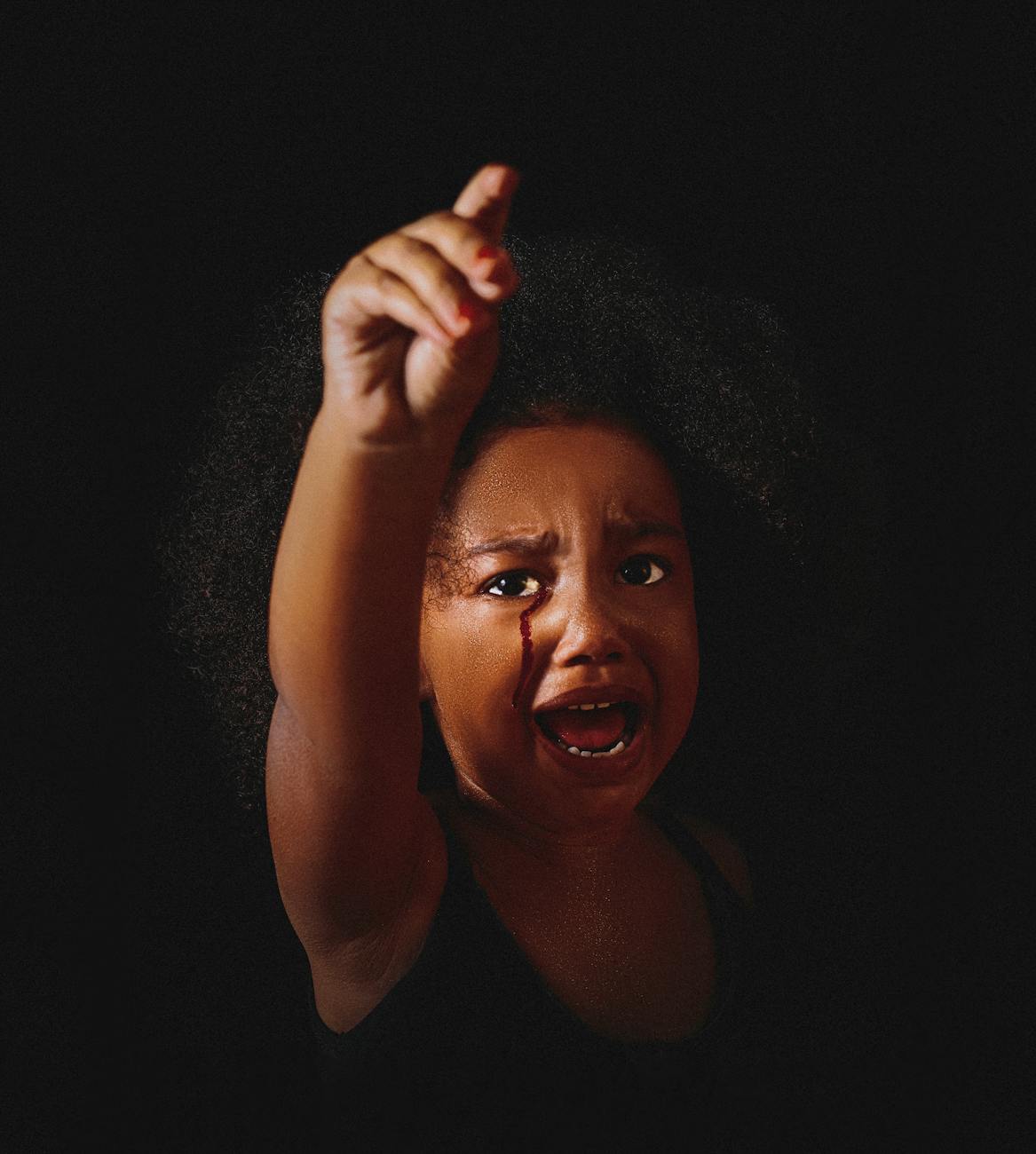
Dilemma: Incest

Photo by Mu00e1rcio Filho on Pexels.com

The Hidden Wounds of Incest: A Biblical, Psychological, and Cultural Examination

Incest—an act of sexual relations between close family members—has existed since ancient times, often cloaked in silence, shame, and generational trauma. The Bible itself does not shy away from exposing such sins, not to glorify them, but to warn against their devastating consequences. From the story of Tamar’s violation by her half-brother Amnon (2 Samuel 13), to the manipulation of Lot by his daughters (Genesis 19:30–38), Scripture records these acts as moral cautionary tales. Incest represents a corruption of familial love and trust, turning what should be protection into predation.

In 2 Samuel 13, Tamar, the daughter of King David, was raped by her half-brother Amnon under the guise of feigned illness. This act of incest shattered Tamar’s dignity and brought a spirit of division into David’s household. Afterward, Amnon’s “love” turned into hatred, illustrating how lust masquerading as affection quickly turns destructive (2 Samuel 13:15). The psychological trauma Tamar endured is reflective of what modern survivors face—shame, identity confusion, and lifelong emotional scars.

Similarly, in Genesis 19, after the destruction of Sodom and Gomorrah, Lot’s daughters, believing all men were gone, intoxicated their father and lay with him to preserve his lineage. Though their motives were rooted in fear and survival, the result was a lineage of conflict through the Moabites and Ammonites. The Bible shows that even when sin seems “rationalized,” its impact ripples through generations.

The law of Moses clearly forbids incest: “None of you shall approach to any that is near of kin to him, to uncover their nakedness: I am the Lord” (Leviticus 18:6, KJV). These laws served both moral and biological purposes, protecting families from genetic deformities and emotional destruction. Violating this boundary is a form of spiritual defilement that corrupts the divine structure of family and intimacy.

Psychologically, incest is one of the most damaging forms of sexual abuse. It creates what clinicians call trauma bonding, where the victim feels both affection and fear toward their abuser. According to the American Psychological Association (APA, 2020), survivors often experience post-traumatic stress disorder (PTSD), dissociation, sexual dysfunction, and self-blame. The confusion between love and abuse distorts their future relationships and trust in authority figures.

The case of R. Kelly, the R&B singer who revealed he was molested by his older sister, demonstrates how cycles of incestuous abuse can manifest in adulthood. Studies suggest that many perpetrators of sexual exploitation were once victims themselves (Lisak & Miller, 2002). Kelly’s later predatory behavior toward young girls can be seen as a tragic example of unhealed trauma turning into a weapon.

Likewise, Mackenzie Phillips, daughter of musician John Phillips of The Mamas & the Papas, publicly disclosed her ten-year incestuous relationship with her father. Her confession shocked the entertainment world but illuminated a dark truth about power, addiction, and denial in families of fame. Phillips described feeling both “trapped and brainwashed,” a psychological state akin to Stockholm Syndrome, where victims internalize the abuser’s control.

Such confessions highlight the need for trauma-informed intervention. According to Judith Herman (1992) in Trauma and Recovery, healing from incest requires breaking secrecy, reclaiming autonomy, and re-establishing safe connections. Silence protects the perpetrator; truth frees the survivor. Tamar’s cry, “And whither shall I cause my shame to go?” (2 Samuel 13:13, KJV), still echoes in the hearts of countless survivors seeking justice and restoration.

Incest destroys the foundation of trust within families. The parent, sibling, or relative—meant to shield the vulnerable—becomes the violator. The victim learns to associate intimacy with pain, affection with danger. Over time, this leads to emotional numbness or hypersexuality as coping mechanisms. Researchers Finkelhor and Browne (1985) identified four key dynamics of child sexual abuse—traumatic sexualization, betrayal, powerlessness, and stigmatization—all of which are intensified in incestuous situations.

Biblically, incest carries spiritual consequences beyond the physical act. When David’s son Amnon raped Tamar, it triggered a chain of revenge, hatred, and death in the royal household. Absalom, Tamar’s full brother, killed Amnon in retaliation, fulfilling the prophetic word that “the sword shall never depart from thy house” (2 Samuel 12:10). Sexual sin within the family invites generational turmoil and emotional dysfunction.

Even in modern times, incest remains a hidden epidemic. The World Health Organization (WHO, 2022) reports that one in five women and one in thirteen men worldwide experience sexual abuse during childhood—often by relatives. Shame, manipulation, and threats silence many victims, making it one of the least reported crimes. Religious and cultural pressures can compound the trauma when communities protect the abuser to avoid scandal.

From a spiritual warfare perspective, incest is a manifestation of demonic influence that targets the sanctity of the family. In the KJV Bible, sexual immorality is often linked to uncleanness and idolatry (1 Corinthians 6:18–20). When sexual sin enters a household, it opens spiritual doors to confusion, depression, and generational bondage. Deliverance requires repentance, confession, and God’s restoring power.

Celebrities and public figures who come forward about incest break the veil of secrecy that enables predators. Their transparency helps dismantle the cultural myth that wealth, beauty, or fame can shield one from abuse. When Mackenzie Phillips spoke, countless survivors found courage to share their own stories, echoing Revelation 12:11: “And they overcame him by the blood of the Lamb, and by the word of their testimony.”

Healing from incest involves rebuilding identity. Survivors must learn that their worth is not defined by what was done to them but by who they are in God. Psalm 147:3 promises, “He healeth the broken in heart, and bindeth up their wounds.” Therapy, prayer, and community support play vital roles in restoring emotional and spiritual wholeness.

The psychological impact extends into adulthood, often manifesting as depression, addiction, and difficulty in forming healthy sexual boundaries. Survivors may fear intimacy, struggle with guilt, or reenact trauma in their relationships. Psychologist Bessel van der Kolk (2014) notes in The Body Keeps the Score that trauma literally reshapes the brain, altering the way individuals process safety, love, and touch.

In the church and community, education and accountability are essential. Clergy and counselors must recognize signs of abuse and respond with compassion, not condemnation. Misinterpreting forgiveness as silence enables continued harm. Jesus said, “It must needs be that offences come; but woe to that man by whom the offence cometh!” (Matthew 18:7, KJV). Justice and mercy are not opposites—they are partners in healing.

The effects of incest are both personal and generational. Just as Lot’s descendants through Moab and Ammon became nations at odds with Israel, unresolved sexual trauma can produce cycles of dysfunction within families. Breaking the cycle requires truth-telling, therapy, spiritual deliverance, and community restoration.

In popular culture, we see a shift toward awareness and advocacy. Documentaries, survivor memoirs, and therapeutic ministries now give voice to the voiceless. What was once hidden in shame is now being confronted under the light of truth. As Ephesians 5:11 instructs, “And have no fellowship with the unfruitful works of darkness, but rather reprove them.”

Ultimately, incest is not merely a physical act but a spiritual and psychological wound that distorts God’s original design for family. It replaces love with control, safety with fear, and holiness with perversion. But healing is possible. Through repentance, therapy, and faith, survivors can rise from the ashes of their pain and reclaim their God-given identity.

Generational Trauma and Incest in the Black Community: Breaking the Cycle

Incest is not only a personal violation but also a social and generational wound, particularly within African American communities where historical trauma, systemic oppression, and cultural silence intersect. The legacy of slavery disrupted family structures, separating children from parents, and normalizing environments where abuse could flourish unnoticed. These historical ruptures set the stage for patterns of sexual abuse, including incest, that can persist across generations.

African American families often contend with the compounded effects of racism, poverty, and mass incarceration, which can exacerbate vulnerabilities to abuse. Research by Hill (2006) suggests that stressors such as parental absence, economic strain, and neighborhood instability increase the risk of intergenerational trauma, including sexual exploitation within families. When combined with cultural taboos around discussing sexuality and abuse, survivors are left isolated and silenced.

In the Bible, generational trauma is a recurring theme. The curse on Canaan after Ham’s transgression (Genesis 9:25) illustrates how the actions of one generation can shape the lives of descendants. Similarly, incestuous acts, like those of Lot’s daughters (Genesis 19), produced long-lasting consequences for their descendants. In African American communities, generational trauma often manifests in cycles of abuse, distrust, and distorted sexual norms.

Historically, the forced separation of enslaved families created environments where sexual abuse, often by those in power, became normalized. Enslaved children were vulnerable to predation by overseers, and familial bonds could be legally and violently disrupted. This normalization of sexual violation has parallels in modern incest cases, as survivors often struggle with internalized shame and confusion about boundaries.

Psychological research emphasizes the concept of intergenerational trauma, where the emotional scars of one generation influence parenting styles, attachment, and family dynamics in the next. According to Danieli (1998), unresolved trauma can be transmitted through behaviors, neglect, and emotional dysregulation, creating environments where incest or sexual abuse can recur.

Incest survivors within Black communities face unique barriers to disclosure. Fear of family shame, distrust of law enforcement, and cultural emphasis on protecting the family’s reputation often prevent victims from seeking help. This silence mirrors Tamar’s plight in 2 Samuel 13, where fear of dishonor constrained her ability to find justice. The shame imposed by community perception can compound the trauma.

Celebrity testimonies, like Mackenzie Phillips or R. Kelly, highlight how abuse can transcend social strata. Within the Black entertainment industry, the pattern is mirrored in cases where family or authority figures exploit young women under the guise of mentorship or protection. These examples underscore that incest is not limited by class, fame, or intellect—it is a societal and familial disease.

The psychological impact on African American incest survivors often includes PTSD, depression, anxiety, and difficulties with trust and intimacy. Bryant-Davis and Ocampo (2005) found that Black women survivors frequently report compounded trauma due to racialized oppression, systemic injustice, and community minimization of abuse. This intersectionality intensifies the effects of incest.

Sexual abuse within families can distort the perception of love and authority. Children learn to associate attachment with violation, leading to hypervigilance or emotional withdrawal. In the Black community, where extended family networks are often relied upon for support, betrayal by a trusted relative can have profound consequences for identity formation and emotional security.

Tamar’s story provides a biblical archetype for understanding these dynamics. Amnon’s abuse was both sexual and emotional, violating familial trust and creating a household torn by vengeance. Similarly, incest in African American families can destabilize relationships, erode trust, and create cycles of retaliation, neglect, or emotional estrangement.

Education and awareness are critical tools in prevention. Programs that teach children about boundaries, consent, and body autonomy are essential. The National Sexual Violence Resource Center (NSVRC, 2021) emphasizes culturally competent education, acknowledging historical trauma and the unique pressures faced by marginalized communities, including Black families.

Therapeutic intervention for survivors is multifaceted. Cognitive-behavioral therapy (CBT), trauma-focused therapy, and spiritually integrated counseling have proven effective in addressing both psychological and spiritual wounds. Psalm 34:18 reminds survivors, “The Lord is nigh unto them that are of a broken heart; and saveth such as be of a contrite spirit.” Healing requires a holistic approach addressing mind, body, and spirit.

Faith-based communities play a crucial role in either perpetuating silence or promoting healing. Clergy must be trained to respond appropriately to disclosures of incest, balancing spiritual guidance with trauma-informed care. Failure to act can reinforce cycles of secrecy and shame, while responsible pastoral intervention can model justice and restoration.

Breaking generational cycles also involves confronting the systemic factors that enable abuse. Poverty, lack of access to mental health care, and community neglect often exacerbate familial dysfunction. Advocates argue for increased funding for mental health services, child protection programs, and survivor-centered initiatives in historically marginalized communities.

Psychologically, survivors must reconstruct boundaries and redefine intimacy. Judith Herman (1992) emphasizes that recovery involves creating safe relational environments, processing trauma narratives, and reclaiming agency. For Black survivors, this may also involve addressing racialized trauma and intergenerational family expectations.

Family systems therapy is often effective in addressing incest, especially when generational patterns exist. By identifying roles, boundaries, and communication patterns, families can disrupt cycles of abuse and model healthier interactions. The goal is not only individual healing but systemic restoration.

Scripturally, God calls for protection of the vulnerable and accountability for transgressors. Ezekiel 22:12–13 condemns the oppression of the helpless and abuse of trust. African American faith communities can draw from these passages to affirm the rights of survivors and reject cultural norms that perpetuate silence.

Cultural acknowledgment of the problem is a first step. Public discourse, survivor advocacy, and media representation help dismantle stigma and normalize reporting. The openness of celebrities, combined with grassroots activism, provides a platform for generational healing and community education.

In conclusion, incest in the Black community is a multifaceted issue rooted in historical, psychological, and familial trauma. Breaking the cycle requires acknowledgment, education, faith-based and therapeutic intervention, and systemic reform. Tamar’s story, alongside modern survivors’ testimonies, serves as both a warning and a guidepost for healing.

Ultimately, restoration is possible. Through therapy, prayer, community support, and spiritual reflection, survivors can reclaim identity, trust, and relational health. Proverbs 22:6 reminds us, “Train up a child in the way he should go: and when he is old, he will not depart from it.” By addressing incest and generational trauma head-on, African American communities can protect future generations and honor God’s design for family.

In closing, the story of Tamar, and countless others like her, calls us to confront incest with both compassion and conviction. Silence is complicity. To protect the next generation, families and faith communities must dismantle secrecy and shame, allowing truth, justice, and divine healing to prevail.


References

  • American Psychological Association. (2020). APA Dictionary of Psychology. APA Publishing.
  • Finkelhor, D., & Browne, A. (1985). The traumatic impact of child sexual abuse: A conceptualization. American Journal of Orthopsychiatry, 55(4), 530–541.
  • Herman, J. L. (1992). Trauma and recovery. Basic Books.
  • Lisak, D., & Miller, P. M. (2002). Repeat rape and multiple offending among undetected rapists. Violence and Victims, 17(1), 73–84.
  • van der Kolk, B. A. (2014). The body keeps the score: Brain, mind, and body in the healing of trauma. Viking.
  • World Health Organization. (2022). Global status report on violence prevention. WHO.
  • The Holy Bible, King James Version (KJV).Bryant-Davis, T., & Ocampo, C. (2005). Racist-incident–based trauma. The Counseling Psychologist, 33(4), 479–500.
  • Danieli, Y. (1998). International handbook of multigenerational legacies of trauma. Springer.
  • Finkelhor, D., & Browne, A. (1985). The traumatic impact of child sexual abuse: A conceptualization. American Journal of Orthopsychiatry, 55(4), 530–541.
  • Hill, R. B. (2006). The strengths of African American families: Twenty-five years later. University Press of America.
  • Judith Herman, 1992. Trauma and Recovery: The Aftermath of Violence—From Domestic Abuse to Political Terror.
  • National Sexual Violence Resource Center (NSVRC). (2021). Child sexual abuse prevention: Cultural considerations.