Men are often stereotyped as emotionally detached or unwilling to communicate, but this is a narrow and misleading perception. Male emotions and communication styles are shaped by social expectations, cultural conditioning, and personal experience. The Bible reminds us that “as he thinketh in his heart, so is he” (Proverbs 23:7, KJV), meaning a man’s inner life and outward expression are deeply connected, even if he does not easily show it.
From an early age, many boys are taught to suppress emotions, hearing phrases like “man up” or “don’t cry.” This conditioning creates men who may feel deeply but struggle to articulate those feelings. Ecclesiastes 3:4 reminds us that there is “a time to weep, and a time to laugh; a time to mourn, and a time to dance” (KJV). Yet, men often wrestle with giving themselves permission to experience this full emotional spectrum.
Men often express emotions through actions rather than words. A man may not always verbalize affection, but he may demonstrate it by acts of service, provision, or protection. First John 3:18 teaches, “let us not love in word, neither in tongue; but in deed and in truth” (KJV). For many men, love is shown more consistently in doing than in speaking.
Anger is one of the emotions men most freely express, not because it is the only feeling they have, but because society has conditioned anger as the “acceptable” male emotion. However, Scripture cautions, “Be ye angry, and sin not” (Ephesians 4:26, KJV). Male anger often masks deeper emotions such as fear, grief, or insecurity.
When it comes to vulnerability, men may retreat into silence. This silence can be misinterpreted as indifference, but often it reflects processing or self-protection. Proverbs 17:27 states, “He that hath knowledge spareth his words: and a man of understanding is of an excellent spirit” (KJV). Silence in men can be wisdom, but it can also be a wall.
Men’s communication styles tend to be solution-focused. When a partner shares a problem, a man may rush to “fix it” rather than simply listening. This difference can create relational tension. James 1:19 reminds all believers to be “swift to hear, slow to speak” (KJV). Men must learn that listening is sometimes the greatest form of communication.
Affectionate communication often emerges in non-verbal ways. Touch, presence, or providing can be male expressions of love that do not always translate into words. Husbands are called to “love their wives as their own bodies” (Ephesians 5:28, KJV), meaning emotional and physical expressions are intertwined.
Men may also struggle with emotional language. Unlike women, who are often socialized to articulate feelings with detail, men may resort to simple phrases like “I’m fine” or “it’s okay.” This brevity does not mean lack of depth but reflects differences in verbal fluency around emotions.
Trust plays a major role in male emotional expression. Many men only open up fully when they feel secure and respected. Proverbs 31:11 affirms, “The heart of her husband doth safely trust in her” (KJV). A man who feels safe with his partner is more likely to communicate honestly and vulnerably.
Men often use humor as a mask for deeper emotions. Joking may deflect sadness, fear, or anxiety, allowing men to protect themselves from vulnerability. Ecclesiastes 7:6 warns against empty laughter, showing that not all humor reflects joy. Sometimes laughter hides pain.
Another challenge in male communication is pride. Many men hesitate to admit weakness or need, fearing it undermines their masculinity. Yet the Bible declares, “God resisteth the proud, but giveth grace unto the humble” (James 4:6, KJV). Genuine communication requires humility and honesty.
In conflict, men may prefer withdrawal rather than confrontation. This “stonewalling” behavior may frustrate partners, but it often reflects an avoidance of escalating emotions. Proverbs 15:1 notes, “A soft answer turneth away wrath: but grievous words stir up anger” (KJV). Withdrawal can either protect peace or damage intimacy depending on how it is used.
Men are often motivated by respect in their communication. Ephesians 5:33 instructs that a wife “see that she reverence her husband” (KJV). When a man feels respected, he is more likely to communicate openly; when he feels disrespected, he may shut down emotionally.
Spiritual grounding influences male emotions profoundly. A man rooted in prayer and Scripture develops self-control and peace. Galatians 5:22–23 teaches that the fruit of the Spirit includes love, gentleness, and temperance. Men who cultivate spiritual maturity become better communicators and more balanced emotionally.
Men may also compartmentalize emotions, separating work, relationships, and spiritual life. This coping mechanism helps men manage responsibilities but can create relational distance. Luke 12:34 reminds us, “For where your treasure is, there will your heart be also” (KJV). Compartmentalization must give way to integration for authentic communication.
The influence of culture cannot be ignored. Western culture prizes independence and strength in men, while other cultures value community and expression. Paul declared, “unto the Jews I became as a Jew…to them that are without law, as without law” (1 Corinthians 9:20–21, KJV). Understanding male communication requires sensitivity to cultural context.
Modern psychology notes that men may use avoidance communication, delaying difficult conversations. This mirrors Adam in Genesis 3, who hid from God after disobedience. God’s question, “Adam, where art thou?” (Genesis 3:9, KJV), shows that avoidance has always been a challenge in male communication.
Emotional literacy is a skill men can grow in. The ability to name and share feelings is not weakness but strength. David, Israel’s warrior-king, wept openly before God, saying, “I am troubled; I am bowed down greatly; I go mourning all the day long” (Psalm 38:6, KJV). His example shows that expressing emotion is part of true manhood.
Healthy male communication balances strength with vulnerability. Jesus Himself wept (John 11:35, KJV), demonstrating that masculinity is not the absence of emotion but the capacity to express it rightly. Men who follow Christ learn to speak truth in love and to live authentically.
In conclusion, understanding male emotions and communication styles requires both biblical wisdom and relational patience. Men often communicate through actions more than words, protect themselves with silence or humor, and reveal vulnerability only when trust is secure. Yet Scripture calls men to maturity, humility, and truth. As men learn to integrate faith, emotion, and communication, they reflect the image of Christ, who was both strong and tender, both truthful and compassionate.
References
The Holy Bible, King James Version.
Proverbs 23:7; Ecclesiastes 3:4; 1 John 3:18; Ephesians 4:26; Proverbs 17:27; James 1:19; Ephesians 5:28; Proverbs 31:11; Ecclesiastes 7:6; James 4:6; Proverbs 15:1; Ephesians 5:33; Galatians 5:22–23; Luke 12:34; 1 Corinthians 9:20–21; Genesis 3:9; Psalm 38:6; John 11:35.
God’s love is the highest form of love—the purest, most restorative, and most unconditional expression of devotion that exists. In a world filled with artificial affection, surface-level attraction, and self-centered relationships, understanding the nature of God’s love sets us free from counterfeit versions. His love is not based on feelings or convenience—it is rooted in covenant, sacrifice, truth, and eternal commitment (Jeremiah 31:3).
God’s love is agape—divine, sacrificial, unconditional. It is the kind of love that pursues us even when we fall short, forgives us when we repent, and sustains us when the world cannot (Romans 5:8). Human love wavers, but God’s love stays constant. His love is perfect (1 John 4:8).
Human love, at its best, mirrors God’s design—selfless, humble, and rooted in service. But at its worst, human love can become selfish, conditional, performative, and broken. Many people confuse intense emotions with love, but feelings alone are not love; actions, loyalty, and consistency are the true measure (1 Corinthians 13:4-8).
Infatuation masquerades as love but burns out quickly. It thrills the flesh but never feeds the soul. Infatuation is feelings-first; love is commitment-first. Proverbs 31:30 reminds us, “Favour is deceitful, and beauty is vain: but a woman that feareth the Lord, she shall be praised.” Infatuation fades when emotion fades. Love endures through trials.
Fake love flatters but fails when sacrifice is required. Fake love is conditional, selfish, and manipulative. It is often born from insecurity, lust, or desire for control. Scripture warns us of smooth words without integrity: “With flattering lips and with a double heart do they speak” (Psalm 12:2). God does not call us to cling to deception—He calls us to discernment and truth.
God’s love invites us into transformation. It refines us, molds us, and requires surrender. True love requires obedience to His commandments (John 14:15). The world promotes love without accountability, commitment without covenant, desire without discipline—but God’s love demands righteousness.
There are different forms of love in Scripture: Agape (God’s love), Philia (brotherly love), Storge (family love), and Eros (romantic love). Each has purpose, but agape governs them all. Without God, love becomes distorted. With Him, love becomes fruitful, honorable, and eternal.
Every relationship must be filtered through God’s character. Real love protects, builds, and purifies—not corrupts. “Let all your things be done with charity” (1 Corinthians 16:14). Love is not merely emotion; it is obedience to God’s design—rooted in patience, humility, faith, and truth.
God’s love corrects, not to harm but to refine. “For whom the Lord loveth he chasteneth” (Hebrews 12:6). Love does not ignore wrongdoing; it brings restoration through truth. Love is honest. Love holds accountable. Love leads to holiness.
A godly heart does not weaponize love, nor does it idolize people. When love is rooted in God first, we never lose ourselves trying to hold onto someone who is not meant to stay. When love becomes an idol, pain follows. When God remains the center, peace remains.
God’s love heals wounds humans cannot reach. It restores identity, dignity, and worth. He loved us before we ever knew Him (1 John 4:19). His love is not earned; it is given. And because of that, we learn how to love without losing ourselves.
In romantic relationships, love is a covenant, not a convenience. Marriage is designed to reflect Christ and the Church, a sacred union built on sacrifice, loyalty, and spiritual covering (Ephesians 5:25–28). Love is not lust, and covenant is not casual attachment.
How a Husband Should Love His Wife
Scripture commands: “Husbands, love your wives, even as Christ also loved the church, and gave himself for it” (Ephesians 5:25). A husband must lead with love, protect with strength, guide with wisdom, and sanctify through the Word. Real love provides, prays, guards, and honors.
A godly husband loves with patience, humility, provision, and righteous leadership. He does not dominate—he covers. He does not wound—he builds. His leadership reflects Christ’s tenderness and authority. “Likewise, ye husbands, dwell with them according to knowledge” (1 Peter 3:7).
A godly wife loves through respect, support, and virtue. She nurtures his vision, not competes with it. She brings peace, not chaos. But even this love is first unto God before spouse. Holiness shapes harmony.
The love God commands between husband and wife is sacrificial, serving, and sanctifying. It mirrors heaven on earth when aligned with Scripture. Marriage without God becomes survival; marriage with God becomes ministry.
God’s love forms loyalty. Loyalty is not blindness—it is commitment through truth. Love does not walk away at discomfort, but it walks away from destruction. God’s love honors peace. “God is not the author of confusion” (1 Corinthians 14:33).
To love God is to obey Him. To love others is to reflect Him. Love is proof of discipleship (John 13:35). Love without righteousness is lawlessness; righteousness without love is hardness. God calls us to both.
To love is to serve. To love is to sacrifice flesh for spirit. To love is to forgive while maintaining boundaries. To love is to see others with grace and truth. To love is to stand on God’s Word even when feelings shift.
God’s love is eternal. Human love is fragile without Him. Infatuation ends. Fake love collapses. Carnal love fades. But God’s love remains—the anchor to the soul, the healer of hearts, the standard of holiness, and the blueprint for covenant.
May we seek love that cleanses, not compromises. Love that builds, not breaks. Love that protects, not manipulates. Love rooted in Christ—not culture, not emotion, not ego. For God Himself is love.
“And now abideth faith, hope, charity, these three; but the greatest of these is charity.” — 1 Corinthians 13:13 (KJV)
The Divine Standard of Love: God’s Way vs The World ❤️💛
God’s love is the standard against which all love must be measured — sacred, selfless, covenant-centered, and rooted in truth. The world teaches a love that prioritizes convenience, emotion, and personal benefit, but God teaches a love grounded in sacrifice, obedience, and holiness. “For my thoughts are not your thoughts, neither are your ways my ways” (Isaiah 55:8). Where the world says “love is whatever feels good,” God says love is what purifies, protects, and transforms. True love isn’t just affectionate — it is accountable. It doesn’t just comfort — it corrects. It doesn’t just excite — it sanctifies. In a culture that glorifies lust and applauds selfishness, God calls His people to a holy, steadfast, righteous love that reflects His heart — the kind of love that never fails (1 Corinthians 13:8).
❤️💛 Real Love vs Fake Love — Understanding God’s Heart 💛❤️
Real love carries weight — covenant, consistency, sacrifice, and truth. Fake love flatters, but real love transforms. Fake love is loud in public but absent in private; real love is steady in silence and strong in struggle. Fake love demands attention; real love gives devotion. God’s love is the blueprint: “Let us not love in word, neither in tongue; but in deed and in truth” (1 John 3:18). Many have been fooled by emotional excitement, performative romance, and sweet words with no spirit behind them. But God reveals love through action — protection, covering, faithfulness, discipline, forgiveness, and spiritual leadership. Where fake love seeks to be served, real love seeks to serve. To know God is to know love — and to have His Spirit is to discern the counterfeits.
💛❤️ God’s Love, Human Love, and the Counterfeits ❤️💛
Human love, though powerful, is flawed without God — easily swayed by emotion, ego, insecurity, and desire. God’s love, however, is perfect, unchanging, and unconditional (1 John 4:8). When people try to love apart from Him, they often slip into attachment, dependency, idolization, or lust. Counterfeit love imitates affection but lacks the fruit of the Spirit — patience, sacrifice, faithfulness, humility, and self-control (Galatians 5:22-23). When we let God be the architect of our hearts, our love becomes purposed, healed, and rooted in truth. Without God, love becomes survival. With God, love becomes sanctification. His love doesn’t just feel good — it makes us good.
❤️💛 Agape Over Infatuation: What True Love Really Is 💛❤️
Infatuation is emotion-driven, flesh-driven, and fueled by excitement and fantasy — but agape love is spiritual, sacrificial, and enduring. Infatuation rushes; agape remains patient (1 Corinthians 13:4). Infatuation idolizes a person; agape honors God above all. Infatuation thrives on attention and thrill; agape thrives on truth, respect, loyalty, and purpose. Infatuation burns bright and dies fast; agape holds steady when feelings shift and seasons change. The world falls in love quickly and falls out just as fast, but God calls us into love that builds, covers, and commits. Agape love does not blur boundaries — it honors them. It is not fueled by ego or emotion — it is guided by the Spirit. That is why agape love lasts where infatuation collapses.
💛❤️ Love According to God — Not Culture, Not Flesh ❤️💛
Culture pushes a love that is impulsive, self-focused, sensual, and driven by appearance and instant gratification. But love, according to Go,d is patient, pure, intentional, and rooted in spiritual alignment. “Walk in the Spirit, and ye shall not fulfil the lust of the flesh” (Galatians 5:16). God’s love does not chase validation or vanity — it pursues purpose. It is not swayed by trends, emotions, or hormones — it is anchored in covenant, discipline, and truth. Culture celebrates temporary attraction; God honors eternal commitment. The flesh wants to feel good; the Spirit wants to grow strong. To love God’s way is to choose wisdom over impulse, righteousness over desire, and covenant over convenience. Love without God is emotional chaos; love with God is peace, fruit, and divine order.
The pulse of divine intentions beats beneath the surface of every life moment, whether joyful or sorrowful, clear or confusing. The Most High moves with purpose, and nothing He ordains is without meaning. When we learn to see beyond the natural and perceive the spiritual rhythm of His will, we realize we are never drifting. We are being directed (Jeremiah 29:11, KJV).
Divine intentions are not accidental; they are shaped by eternal wisdom. What may seem uncertain to us is fully known to Him, for He sees the end from the beginning and orders every step with precision (Isaiah 46:10, KJV). Even when life feels unpredictable, His plan remains steady and unshaken.
The pulse of divine intentions carries us through seasons. Some seasons stretch us, some prune us, and some elevate us. In each season, God is shaping character, purifying motives, and strengthening faith. Nothing is wasted when placed in His hands (Ecclesiastes 3:1, KJV).
Sometimes the Most High allows storms not to destroy, but to reveal. Storms strip away illusions, expose foundations, and push us toward deeper dependency on Him. Through pressure, faith is refined, and trust grows roots (1 Peter 1:6-7, KJV).
Divine intentions often unfold silently. God works behind the scenes, molding hearts and orchestrating connections long before His plan is visible. His timing is perfect, and His silence is never absence—only preparation (Habakkuk 2:3, KJV).
There are moments when divine intentions challenge our comfort. Growth seldom happens in softness alone. Trials and discipline draw us into maturity and obedience, proving His love rather than contradicting it (Hebrews 12:6, KJV).
The pulse of divine intentions invites surrender. We are not commanded to understand everything, but to trust in His wisdom above our own limited sight (Proverbs 3:5-6, KJV). Surrender is not weakness—it is alignment with divine authority.
God leads in ways that protect us, though sometimes we do not see the danger avoided. His denials are protections, His delays are mercies, and His redirections are deliverances. Divine purpose guides even closed doors (Psalm 84:11, KJV).
The pulse of divine intentions beats strongest in the hearts of those who seek Him. As we draw near, our desires transform, and we begin to want what He wants. Prayer becomes not just a request, but a synchronization of spirit and will (Psalm 37:4, KJV).
Divine intentions are rooted in love so deep that it cannot be measured. His love is not fragile or conditional—it is steadfast, patient, and eternal. Even discipline flows from love, not anger (1 John 4:9-10, KJV).
Sometimes divine intentions separate us from people, places, or habits that no longer align with His plan. These separations may hurt, yet they sanctify, protecting destiny from contamination (2 Corinthians 6:17, KJV).
God’s intentions for His children are always righteous. He does not lead into confusion or chaos; He leads into truth, peace, and clarity. When confusion arises, it is not from Him—He is not the author of disorder (1 Corinthians 14:33, KJV).
The pulse of divine intentions strengthens faith through obedience. When we align with His commands, blessings follow—not always material, but always spiritual and eternal (Deuteronomy 28:2, KJV).
Divine intentions shape identity. The world attempts to define us by flaws, failures, or achievements, but God calls us by purpose, destiny, and belovedness. Our identity is secure in Him (1 Peter 2:9, KJV).
Sometimes divine intentions unfold gradually, each step revealing enough light for the moment. Faith is walking when the path ahead is still forming, trusting that God never misguides those who follow Him (Psalm 119:105, KJV).
The pulse of divine intentions reminds us that pain has purpose. Brokenness becomes the soil where glory grows. What the enemy meant for harm, the Most High turns into testimony and triumph (Genesis 50:20, KJV).
Divine intentions call us to holiness. God’s desire is not only to bless us, but to sanctify us, refining our hearts and aligning our lives with His righteousness (1 Thessalonians 4:7, KJV).
The pulse of divine intentions draws us closer to His voice. The more we listen, the clearer His whisper becomes. His sheep know His voice, and they follow Him with confidence (John 10:27, KJV).
In the fulfillment of divine intentions, we witness His glory. When His plans unfold, they reflect His greatness, not ours. Miracles, breakthroughs, and answered prayers remind us that He alone is worthy of praise (Psalm 115:1, KJV).
Ultimately, the pulse of divine intentions leads to eternal hope. Every step in His will draws us closer to His kingdom, His presence, and His promise. The journey is guided, the purpose is sure, and the outcome is victory for those who trust Him (Romans 8:28, KJV).
References Holy Bible, King James Version. Ecclesiastes 3:1; Deuteronomy 28:2; Genesis 50:20; Habakkuk 2:3; Hebrews 12:6; Isaiah 46:10; Jeremiah 29:11; John 10:27; 1 Corinthians 14:33; 1 Corinthians 13:4-7; 1 John 4:9-10; 1 Peter 1:6-7; 1 Peter 2:9; 2 Corinthians 6:17; Proverbs 3:5-6; Psalm 37:4; Psalm 84:11; Psalm 115:1; Psalm 119:105; Romans 8:28.
Stereotypes of Black men have historically been used as powerful tools of oppression, rooted in slavery and colonial propaganda. Myths of hypersexuality, laziness, violence, and irresponsibility continue to frame perceptions, shaping public policy, media portrayals, and personal relationships. These stereotypes are not harmless—they carry devastating effects on how Black men are treated within society.
One of the most common stereotypes is that Black men are inherently violent or criminal. This image was popularized during the Jim Crow era and reinforced through biased media coverage and criminal justice policies such as “stop and frisk” and mass incarceration. In truth, studies show crime rates are linked more strongly to poverty and systemic inequality than to race.
Another destructive fallacy is that Black men are “deadbeat fathers.” This stereotype suggests Black men abandon their families at higher rates than other groups. However, research from the Centers for Disease Control reveals that Black fathers who live with their children are more involved in daily child-rearing than fathers of other racial groups. This finding challenges the myth and underscores the need to dismantle false narratives.
The marriage rate stereotype further complicates matters. Critics claim Black men are unwilling to marry, pointing to lower marriage rates in the African American community. While it is true that marriage rates are lower, this is not due to a lack of commitment but rather to economic instability, systemic barriers, and historical disruptions of family structures from slavery onward.
Divorce among Black men is also misrepresented. Statistics indicate higher divorce rates in Black communities, but these outcomes are often tied to financial stressors, unemployment, and discrimination that place strain on marriages. The stereotype that Black men are poor partners is misleading, as the root issue is societal and structural rather than individual.
Another stereotype is that Black men are uneducated or intellectually inferior. This belief has roots in pseudoscientific racism of the 19th century. Today, although disparities exist due to unequal access to quality education, Black men continue to excel academically in multiple disciplines, earning advanced degrees, contributing to STEM, and leading in arts, politics, and theology.
The hypersexualization of Black men is one of the most enduring myths. Dating back to slavery, enslaved Black men were portrayed as dangerous predators to justify lynchings and segregation. In modern times, this stereotype persists in media portrayals of athletes, entertainers, and even news coverage. This myth erases the humanity of Black men and devalues their roles as husbands, leaders, and fathers.
Employment stereotypes also persist, portraying Black men as lazy or dependent. This fallacy ignores the structural racism in hiring practices, wage disparities, and generational economic disadvantages. Despite barriers, Black men have historically shown resilience, from building thriving Black Wall Street communities to excelling in diverse professions.
Prejudice against Black men often takes subtle forms, known as microaggressions. Questions like “What are you mixed with?” or assumptions about aggression reveal ingrained stereotypes. These daily slights damage self-esteem, create stress, and perpetuate societal inequality.
Statistically, Black men face higher rates of unemployment and incarceration, not because of inherent flaws, but because of systemic racism, discriminatory laws, and biased policing. These statistics are often weaponized to reinforce negative stereotypes rather than addressing the true structural causes that produce these disparities.
Within family life, Black men often serve as strong anchors. Contrary to myths, studies show that many Black men take pride in fatherhood, mentorship, and marriage. This reality, however, is underreported, as negative narratives sell better in mainstream media.
Racism also creates distorted realities where the sins of a few are placed upon the many. When one Black man commits a crime, it becomes a commentary on the entire race, unlike in white communities where crimes are individualized. This collective stereotyping is an injustice that Black men bear daily.
The myth of emotional detachment further harms Black men. Society often portrays them as stoic, unfeeling, or emotionally unavailable. Yet, studies in psychology show Black men experience the same depth of love, grief, and vulnerability as anyone else but often mask emotions due to survival in a hostile society.
The biblical perspective contradicts these harmful stereotypes. The Bible affirms the value of men as providers, protectors, and leaders in righteousness. “Lo, children are an heritage of the Lord: and the fruit of the womb is his reward” (Psalm 127:3 KJV). Many Black men live faithfully to this calling despite societal barriers.
Scripture also challenges the stereotype of laziness. “In all labour there is profit: but the talk of the lips tendeth only to penury” (Proverbs 14:23 KJV). Black men, historically and presently, have labored tirelessly, from building the foundations of America under slavery to contributing to modern industries.
Racism in stereotypes is also exposed by the Bible’s teaching on justice and truth. “Judge not according to the appearance, but judge righteous judgment” (John 7:24 KJV). To judge an entire group of men based on appearance or isolated cases is unrighteous and perpetuates inequality.
Marriage and fatherhood stereotypes are dismantled by Scripture, which upholds the husband as the head of the home in love and sacrifice. “Husbands, love your wives, even as Christ also loved the church, and gave himself for it” (Ephesians 5:25 KJV). Many Black men embrace this calling, serving their families faithfully, even amid economic and social hardships.
The truth about Black men cannot be summarized in statistics alone. While challenges exist, they are not inherent flaws of character but reflections of centuries of systemic inequality. The resilience, faith, and brilliance of Black men defy the shallow narratives imposed upon them.
Moving forward requires challenging these stereotypes head-on. Education, community advocacy, and faith-based initiatives can help dismantle lies and build healthier narratives. Uplifting stories of Black men as leaders, scholars, and fathers must be centered more often.
Ultimately, the fallacies about Black men are not only harmful but false. The truth, supported by data and Scripture, is that Black men are human beings with complexity, resilience, and divine worth. Society must reject false labels and embrace the reality of Black men as image-bearers of God, capable of love, leadership, and greatness.
The stereotypes of Black women are deeply entrenched in historical racism, dating back to slavery, colonialism, and early media portrayals. These images have reduced Black women to caricatures, stripping them of individuality and humanity. Myths such as the “angry Black woman,” the “Jezebel,” the “Mammy,” and the “Strong Black Woman” continue to shape how society perceives and interacts with them.
One of the most damaging stereotypes is the “angry Black woman.” This trope portrays Black women as loud, irrational, and hostile, silencing their legitimate grievances against racism and sexism. In truth, Black women often express justified frustration in contexts where they face compounded injustices, yet society labels them unfairly to dismiss their concerns.
The “Jezebel” stereotype hypersexualizes Black women, framing them as promiscuous and immoral. This myth was created during slavery to justify the sexual exploitation of Black women by enslavers. Today, it is perpetuated in music videos, movies, and fashion narratives, often reducing Black women to sexual objects rather than recognizing their dignity.
The “Mammy” stereotype paints Black women as self-sacrificing caretakers whose sole purpose is to serve white families. While rooted in slavery and domestic servitude, this image still lingers in portrayals of Black women as “strong” and endlessly nurturing, often at the expense of their own well-being.
The “Strong Black Woman” stereotype seems positive on the surface but is equally harmful. It assumes Black women can endure limitless suffering without support, placing unfair expectations upon them. While resilience is a reality in Black women’s lives, it should not erase their right to vulnerability and care.
Marriage rates among Black women are often scrutinized in public debates, sometimes weaponized as evidence of broken families. While studies show Black women marry at lower rates than other groups, this is not due to unwillingness but to systemic factors like imbalanced gender ratios, economic instability, and incarceration rates among Black men.
Divorce rates for Black women are similarly inflated in stereotype discourse. While Black women experience higher divorce rates, much of this stems from the economic and racial pressures that strain marriages, rather than personal failings. To reduce this issue to a stereotype ignores structural inequities.
Another fallacy is that Black women do not value education. In reality, Black women are among the fastest-growing groups in higher education. According to the National Center for Education Statistics, Black women consistently enroll in and graduate from colleges and universities at higher rates than their male counterparts, often carrying their communities forward academically.
Motherhood stereotypes also distort reality. Society has painted the image of the “welfare queen,” a derogatory myth suggesting Black women exploit government systems. This stereotype was heavily pushed during the Reagan era, despite evidence that the majority of welfare recipients were white. Black mothers, in truth, often work tirelessly to support and nurture their children under difficult circumstances.
In terms of parenting, Black women are frequently cast as single mothers who cannot raise successful children. Yet statistics show many children of single Black mothers excel academically, professionally, and spiritually. This truth contradicts the stereotype of dysfunction and highlights resilience.
The stereotype of Black women as “loud” is another form of silencing. Their voices are often policed in professional, educational, and social spaces. Yet the assertiveness of Black women should be understood as confidence and strength rather than reduced to a negative trope.
The stereotype of Black women as less beautiful than other women is also pervasive, rooted in Eurocentric beauty standards. Media often privileges light skin, straight hair, and Eurocentric features, while devaluing darker skin and natural textures. Yet global movements toward natural beauty, melanin celebration, and cultural pride are dismantling these lies.
Biblically, beauty is not defined by Eurocentric features but by God’s creation. “I will praise thee; for I am fearfully and wonderfully made: marvellous are thy works; and that my soul knoweth right well” (Psalm 139:14 KJV). This verse affirms that Black women’s natural hair, skin, and features are divinely crafted.
The Jezebel stereotype is particularly contradicted by Scripture. The Bible honors women who walk in purity and dignity. “In like manner also, that women adorn themselves in modest apparel, with shamefacedness and sobriety” (1 Timothy 2:9 KJV). Black women are called to live in holiness, not to embody society’s sexualized caricatures.
The Mammy stereotype is equally unbiblical. While caregiving is noble, no woman’s worth should be reduced to servitude. The virtuous woman of Proverbs 31 demonstrates balance—she provides, nurtures, manages, and honors God, reflecting complexity rather than one-dimensionality.
The “angry Black woman” trope also crumbles under biblical truth. Anger in Scripture is not inherently wrong; it is righteous when directed against injustice. “Be ye angry, and sin not: let not the sun go down upon your wrath” (Ephesians 4:26 KJV). Black women’s anger at oppression is often righteous and should be respected as a call for justice.
Another truth that dispels stereotypes is the spiritual leadership of Black women. Historically, they have been the backbone of churches, movements, and families, carrying faith and culture forward. This reality contradicts the stereotype of weakness or dysfunction.
The truth about Black women cannot be defined by stereotypes, statistics alone, or media portrayals. Black women embody resilience, beauty, intellect, faith, and creativity. Their experiences cannot be reduced to tropes rooted in racism and sexism.
Ultimately, stereotypes of Black women are both false and harmful. They erase individuality, diminish worth, and perpetuate racism. Society must reject these lies and embrace the truth: Black women are fearfully and wonderfully made, image-bearers of God, and vital to the flourishing of family, church, and community.
References
Alexander, M. (2010). The New Jim Crow: Mass Incarceration in the Age of Colorblindness. The New Press. Centers for Disease Control and Prevention. (2013). Fathers’ Involvement With Their Children: United States, 2006–2010. Western, B., & Pettit, B. (2010). Incarceration & social inequality. Daedalus, 139(3), 8–19. Wilson, W. J. (2012). The Truly Disadvantaged: The Inner City, the Underclass, and Public Policy. University of Chicago Press. The Holy Bible, King James Version (KJV).Alexander, M. (2010). The New Jim Crow: Mass Incarceration in the Age of Colorblindness. The New Press. Collins, P. H. (2000). Black Feminist Thought: Knowledge, Consciousness, and the Politics of Empowerment. Routledge. Harris-Perry, M. (2011). Sister Citizen: Shame, Stereotypes, and Black Women in America. Yale University Press. National Center for Education Statistics. (2022). Digest of Education Statistics. The Holy Bible, King James Version (KJV).
In contemporary society, the role of men has become increasingly ambiguous. The pressures of modern life, economic instability, and shifting cultural norms have left many men searching for identity and purpose. Historically, men were seen as protectors, providers, and leaders within their households and communities. Today, however, these roles are often challenged or undervalued, leaving many men feeling powerless and disconnected.
The Bible provides a clear framework for understanding masculinity and the responsibilities of men. From Adam in the Garden of Eden to the patriarchs of Israel, men were called to lead with integrity, courage, and wisdom (Genesis 2:15-17). Leadership in the biblical sense is not about domination but about stewardship: caring for family, guiding with righteousness, and serving with humility.
One of the hallmarks of biblical manhood is responsibility. Men are called to provide for their families materially, emotionally, and spiritually. This provision is not limited to finances but extends to moral guidance and protection from harm. In Proverbs 27:23-24, the importance of knowing and caring for one’s household is emphasized, reinforcing the notion that true leadership requires active engagement.
Spiritual leadership is another core aspect of biblical manhood. Men are expected to guide their households in faith, ensuring that God’s principles shape family decisions and values (Ephesians 6:4). This leadership is rooted in humility and service rather than coercion, reflecting the example of Christ as a servant-leader (Mark 10:45).
Unfortunately, societal pressures have distorted men’s understanding of their roles. The rise of materialism, instant gratification, and shifting gender norms has led many men to equate masculinity with physical strength or financial success alone. This limited view ignores the deeper responsibilities of character, integrity, and spiritual leadership.
Modern men face identity crises exacerbated by media portrayals that often celebrate selfishness, irresponsibility, or emotional detachment as markers of “manliness.” These false narratives contrast sharply with biblical principles, which emphasize self-discipline, accountability, and the pursuit of righteousness (1 Timothy 4:12).
The absence of mentorship and father figures in many communities has compounded these challenges. Without examples of godly leadership, young men struggle to internalize what it means to be responsible, compassionate, and principled. Scriptural wisdom underscores the value of generational teaching, as seen in Deuteronomy 6:6-7, which encourages fathers to guide their children consistently in God’s ways.
Restoring the biblical role of men requires intentionality. Men must embrace their responsibility to lead by example, demonstrating integrity in speech, action, and decision-making. Leadership is cultivated through discipline, prayer, and a commitment to lifelong learning, reflecting the holistic approach to manhood outlined in the Scriptures.
Emotional intelligence is a key component of modern biblical manhood. The Bible portrays men expressing grief, joy, and compassion, suggesting that emotional awareness is not a weakness but a strength (Psalm 34:18; John 11:35). Men who understand and manage their emotions can better lead their families and communities with empathy and wisdom.
Accountability is central to restoring male leadership. Biblical men were often held accountable by peers, elders, or God Himself. Men today benefit from similar structures—mentorship, community, and spiritual fellowship—to ensure their actions align with moral and spiritual principles (Proverbs 27:17).
Service is a defining trait of biblical masculinity. Jesus’ model demonstrates that leadership is inseparable from service (John 13:14-15). Men who prioritize the needs of others, particularly their families and communities, embody the essence of godly leadership. Service fosters respect, trust, and spiritual authority rather than demanding it.
Character formation begins with self-discipline. The apostle Paul frequently exhorts men to control their impulses, pursue righteousness, and cultivate perseverance (1 Corinthians 9:24-27). Discipline in thought, speech, and behavior builds credibility and moral authority—qualities essential for any man seeking to fulfill his biblical role.
Integrity is another critical aspect. Biblical men are called to be honest, reliable, and trustworthy in all areas of life (Proverbs 10:9). Integrity ensures that leadership is not merely positional but earned through consistent demonstration of values, creating a legacy of respect and influence.
Courage, both moral and physical, remains a defining element of biblical manhood. From David confronting Goliath to Daniel standing firm in the lion’s den, courage involves facing fear while upholding truth and justice (Joshua 1:9; Daniel 6:10-23). Modern men must also confront cultural and personal challenges with the same steadfastness.
Men are not intended to operate in isolation. Community involvement, fellowship, and collaboration are integral to the biblical model of manhood. Ecclesiastes 4:9-12 highlights the strength derived from unity, emphasizing that men lead best when supported and accountable to others.
A renewed focus on mentorship can transform generations. Experienced men guiding younger men in faith, character, and practical life skills restore continuity in moral and spiritual leadership. Biblical narratives, including the relationship between Elijah and Elisha, exemplify the power of such mentorship (2 Kings 2:1-15).
Resisting cultural distortion requires discernment. Men must evaluate societal norms against scriptural truth, rejecting notions of masculinity that conflict with God’s design. Critical engagement with culture ensures that men lead with principles rather than conformity to fleeting trends (Romans 12:2).
The restoration of male leadership also entails a renewed understanding of fatherhood. Fathers are called not merely to produce offspring but to nurture, instruct, and exemplify godly living (Psalm 103:13; Proverbs 20:7). Active, loving fatherhood strengthens families and communities alike.
Marriage and partnership reflect the broader call to leadership. Husbands are to love their wives sacrificially, mirroring Christ’s love for the church (Ephesians 5:25-28). Such leadership fosters mutual respect, emotional intimacy, and spiritual growth, dispelling misconceptions that male authority equates to control or dominance.
Finally, the restoration of biblical manhood is a lifelong journey. Men are called to continuous self-examination, growth, and alignment with God’s purposes. By embracing responsibility, service, integrity, and faith, men can reclaim their rightful place as leaders, protectors, and spiritual anchors—kings without crowns, yet empowered to shape families, communities, and generations (Micah 6:8).
References (APA 7th edition)
Holy Bible, King James Version. (2000). Thomas Nelson.
The story of Black people is a story of survival, resilience, and faith. It is a narrative that begins long before the transatlantic slave trade, rooted in the ancient civilizations of Africa. From the Nile Valley kingdoms to the bustling empires of West Africa, Black history is marked by contributions to science, governance, art, and spirituality. The chronicles of Black people must be told with both historical precision and spiritual reverence, for this is not merely a sociological story but a testament to God’s providence.
The Dispersion of the Israelites: From Jerusalem to Africa to the Americas
The destruction of Jerusalem in 70 AD marked a decisive turning point in the history of the descendants of Abraham, Isaac, and Jacob. The city’s fall under the Roman general Titus was catastrophic, shattering the center of Jewish religious and cultural life. The event is well documented by the first-century historian Flavius Josephus in The Wars of the Jews, where he recounts the siege, famine, and mass slaughter that befell the city. Over a million Jews perished, and tens of thousands were taken captive and sold into slavery across the Roman Empire.
Jesus had foretold this tragedy decades earlier. In Luke 21:20–24 (KJV), He warned: “And when ye shall see Jerusalem compassed with armies, then know that the desolation thereof is nigh… and they shall fall by the edge of the sword, and shall be led away captive into all nations.” This prophecy described both the violent fall of Jerusalem and the global scattering of the Hebrew people.
While some captives were sold into Roman markets and forced into gladiatorial games, others fled southward to escape the bloodshed. Historical and anthropological evidence suggests that many of these refugees crossed into Egypt and migrated further into the African interior, seeking refuge in areas beyond Roman control. This migration connected them to pre-existing Jewish communities in Africa, some of which dated back to the Babylonian exile (Ben-Jochannan, 1974).
Egypt became one of the first major destinations for fleeing Israelites. It was geographically close, and Egypt already had a significant Jewish population dating back to the time of Jeremiah (Jeremiah 43:7, KJV). From there, many continued their journey into regions like Nubia, Ethiopia, and eventually West Africa. This southward migration is critical to understanding the later presence of Hebrew communities in West and Central Africa by the time of European colonization.
Scholars of African history have traced the presence of Israelite-descended tribes among groups such as the Yoruba, Igbo, and Ashanti, noting parallels in circumcision practices, dietary laws, and names of God similar to Hebrew (Williams, 1930). Oral traditions among the Igbo, for instance, claim descent from “Eri,” a name associated with a son of Gad, one of the twelve tribes of Israel (1 Chronicles 7:7, KJV).
Deuteronomy 28:64 (KJV) foretold that disobedience to God’s covenant would result in scattering “from the one end of the earth even unto the other.” This scattering, or diaspora, became visible not only in the Middle East but across Africa. By the late medieval period, sizable populations of Israelite-descended people were living along the West African coast — precisely the regions where the transatlantic slave trade would later strike the hardest.
The transatlantic slave trade, beginning in the 15th century, represented the fulfillment of another sobering prophecy: Deuteronomy 28:68 (KJV): “And the LORD shall bring thee into Egypt again with ships… and there ye shall be sold unto your enemies for bondmen and bondwomen, and no man shall buy you.” The reference to ships is striking because the original enslavement in Egypt required no sea voyage. This indicated a new, future captivity involving maritime transport — which history now recognizes as the Middle Passage.
The Middle Passage was one of the most brutal chapters in human history. Africans — including descendants of those Israelite migrants — were shackled, crammed into ships, and subjected to horrific conditions. Mortality rates were staggering. Yet even in this, biblical prophecy was echoed: “Thy sons and thy daughters shall be given unto another people, and thine eyes shall look, and fail with longing for them all the day long” (Deuteronomy 28:32, KJV).
Once in the Americas, enslaved Africans were stripped of language, culture, and names. The erasure of identity fulfilled Psalm 83:4 (KJV): “They have said, Come, and let us cut them off from being a nation; that the name of Israel may be no more in remembrance.” The loss of cultural memory was intentional, designed to sever the people from their heritage and prevent rebellion.
Despite the oppression, faith survived. Many Africans retained fragments of Hebrew traditions, which fused with Christianity under enslavement. Spirituals like “Go Down, Moses” reflected the enslaved people’s identification with Israel in Egypt and their hope for divine deliverance.
Modern genetics has added another layer to this chronicle. Y-DNA haplogroup E1B1A, dominant among West and Central African men, has been linked by geneticists to lineages that originated in the Levant and Northeast Africa thousands of years ago (Chiaroni et al., 2009). This genetic marker supports the idea that many African-descended people in the Americas share ancestry with ancient Hebrew populations.
Psychologically, this historical trajectory inflicted deep trauma. Dr. Joy DeGruy (2005) describes this as Post-Traumatic Slave Syndrome, noting how the legacy of slavery has shaped family structures, identity, and mental health among descendants. Yet she also highlights resilience — the capacity to endure and rebuild despite generational wounds.
Biblically, the oppression of God’s people has never been the end of their story. Prophets foretold a regathering of Israel. Isaiah 11:11–12 (KJV) declares: “And it shall come to pass in that day, that the Lord shall set his hand again the second time to recover the remnant of his people… from Egypt, and from Pathros, and from Cush.” This points to a future restoration of those scattered into Africa.
Many scholars and theologians believe that the present-day awakening of African-descended people to their Hebraic identity is part of this prophetic fulfillment. This rediscovery is not merely academic — it is spiritual, calling descendants back to covenant faithfulness.
The cultural memory of Africa also remains important. Reconnecting to African languages, music, and traditions is a form of healing. It reclaims what colonization attempted to erase and reaffirms the dignity of a people made in God’s image (Genesis 1:27, KJV).
The Black church has historically been a space where this restoration work could take place. It has served as a vessel for memory, a hub for civil rights activism, and a platform for preaching hope. The church kept alive the dream of liberation when society denied it.
Economically, the descendants of these scattered Israelites continue to face systemic inequalities. Yet building generational wealth, pursuing education, and reclaiming land ownership align with biblical principles of restoration (Leviticus 25:10, KJV).
This chronicle also has a global dimension. Descendants of the transatlantic slave trade exist not only in the United States but in Brazil, the Caribbean, Central America, and beyond. Each community preserves pieces of the ancestral puzzle that, when put together, reveal a shared heritage.
Spiritually, there is a call to return to the God of Abraham, Isaac, and Jacob — to seek Him with all the heart. Deuteronomy 30:3–4 (KJV) promises that if Israel returns, “the LORD thy God will turn thy captivity, and have compassion upon thee… and will return and gather thee from all the nations.”
The story is therefore not one of perpetual despair but of divine restoration. God has preserved a remnant through centuries of scattering and oppression. Today’s rediscovery of identity is a signpost that the prophetic timeline is moving toward completion.
In conclusion, the journey of the descendants of Abraham, Isaac, and Jacob from Jerusalem to Africa to the Americas is one of tragedy, endurance, and hope. It fulfills both biblical prophecy and historical record. The same God who allowed the scattering also promises the gathering. The chronicles of this people are not finished — they continue to unfold as a testimony of divine faithfulness.
Africa is widely regarded as the cradle of civilization. Archaeological and genetic evidence point to early human development on the African continent (Stringer, 2016). The great kingdoms of Egypt, Kush, Mali, Ghana, and Songhai demonstrate that Africa was not a passive participant in history but a leader in early advancements. The Bible itself situates Africa within the redemptive story. Egypt (Mizraim), Ethiopia (Cush), and Libya (Put) are mentioned throughout Scripture, affirming that Africa was never on the periphery of God’s plan (Genesis 10:6-7, KJV).
The Hebrew Scriptures frequently reference Cush and its people with honor. The prophet Amos asks, “Are ye not as children of the Ethiopians unto me, O children of Israel?” (Amos 9:7, KJV). This verse reminds us that Blackness was never a mark of inferiority in the biblical narrative but part of God’s diverse creation. Moses married a Cushite woman (Numbers 12:1, KJV), and when Miriam spoke against her, God punished Miriam with leprosy — a divine rebuke against prejudice.
Despite this rich heritage, the colonization of Africa disrupted cultural memory. European imperial powers divided Africa’s resources and enslaved millions of its people, initiating one of the most devastating forced migrations in history. The transatlantic slave trade ripped families apart and subjected African men, women, and children to centuries of dehumanization (Thornton, 1998). Yet even in the holds of slave ships, faith survived. Spiritual songs and oral traditions became a way to encode hope and resistance.
The Middle Passage was one of the most horrific chapters in human history. Enslaved Africans endured overcrowded, disease-ridden ships where death was common. Yet many sang songs to God, cried out for deliverance, and clung to ancestral prayers. Psalm 137:1-4 (KJV) captures this sentiment: “By the rivers of Babylon, there we sat down, yea, we wept, when we remembered Zion.” For many, Africa became their Zion — a lost homeland.
On the plantations of the Americas, Black people forged a theology of survival. They identified with Israel in Egypt, believing that God would one day send a Moses to deliver them. The spiritual “Go Down, Moses” was not merely a song but a coded declaration of faith and hope. This is the birth of the Black church — the first autonomous institution for African Americans and a cornerstone of cultural preservation and liberation theology (Raboteau, 2004).
The Black church became a center of education, community organizing, and political mobilization. It taught enslaved and freed people to read, often beginning with the Bible. It was here that enslaved Africans learned that the God of Scripture heard the cry of the oppressed (Exodus 3:7, KJV). This knowledge empowered them to resist oppression and to fight for freedom.
The Emancipation Proclamation of 1863 did not end the struggle but opened a new chapter. Reconstruction was a period of rebuilding, yet white supremacist terror sought to erase Black progress through lynchings, Jim Crow laws, and systemic disenfranchisement (Litwack, 1998). Despite this, Black people built schools, businesses, and thriving communities such as Tulsa’s Greenwood District — known as “Black Wall Street.”
The destruction of Black Wall Street in the 1921 Tulsa Massacre illustrates the lengths to which white supremacy would go to crush Black economic independence. But even after this devastation, the spirit of Black entrepreneurship persisted. The chronicles of Black people show that each time they were pushed down, they rose again.
The Harlem Renaissance of the 1920s and 1930s represented a cultural reawakening. Writers like Langston Hughes, Zora Neale Hurston, and Claude McKay celebrated Black life, art, and identity. Jazz and blues became global art forms, showcasing the genius of Black creativity. This was a time of reclaiming dignity and rewriting the narrative of Black existence.
Psychologists argue that this reclaiming of cultural pride is vital for collective healing (Cross, 1991). Internalized racism and generational trauma can only be countered by affirming the value and beauty of Black identity. This is why movements such as “Black is Beautiful” in the 1960s were so revolutionary — they directly challenged centuries of psychological conditioning that taught Black people to despise themselves.
The Civil Rights Movement of the 1950s and 1960s was a modern-day Exodus. Leaders such as Dr. Martin Luther King Jr. drew explicitly from Scripture, declaring that justice would “roll down like waters” (Amos 5:24, KJV). Rosa Parks’ quiet defiance sparked a movement that changed the course of American history. Freedom was not handed over — it was fought for with blood, sweat, and prayer.
Globally, the chronicles of Black people include the fight against apartheid in South Africa, led by Nelson Mandela and Desmond Tutu. Their vision of reconciliation reminds us that liberation is not just about political freedom but about healing the soul of a nation. This mirrors Christ’s teaching on forgiveness and peacemaking (Matthew 5:9, KJV).
Today, Black people continue to face systemic racism, police brutality, and economic inequality. Movements like Black Lives Matter have emerged as a modern prophetic voice, declaring that Black life is sacred and must be protected. These movements echo the biblical cry for justice: “Learn to do well; seek judgment, relieve the oppressed” (Isaiah 1:17, KJV).
The chronicles of Black people also celebrate contributions to science, medicine, and technology. Figures like Dr. Charles Drew (blood banking pioneer), Katherine Johnson (NASA mathematician), and George Washington Carver (agricultural innovator) remind the world that Black brilliance is boundless.
The psychological toll of oppression cannot be ignored. Intergenerational trauma affects mental health, creating cycles of poverty and pain (DeGruy, 2005). Yet faith remains a powerful coping mechanism. Prayer, church fellowship, and cultural rituals provide a framework for resilience and post-traumatic growth.
One of the most beautiful elements of the Black chronicle is the music. Spirituals, gospel, blues, hip-hop, and Afrobeats all carry a spiritual and cultural memory. These art forms express lament, hope, joy, and resistance — much like the Psalms of David. They remind us that joy is an act of defiance in the face of suffering (Psalm 30:5, KJV).
Another vital thread is the restoration of African history and genealogy. DNA testing has allowed many to trace their roots back to specific tribes and regions in Africa, reestablishing a sense of belonging. This mirrors the biblical importance of genealogy in affirming identity (Matthew 1:1-17, KJV).
Education remains a battleground. Efforts to suppress Black history in schools are attempts to silence the chronicles of Black people. But God commands His people to remember and teach future generations (Deuteronomy 6:7, KJV). Preserving history is an act of obedience and survival.
Economically, supporting Black businesses and practicing financial literacy are modern forms of resistance. Proverbs 13:22 (KJV) declares, “A good man leaveth an inheritance to his children’s children.” Building generational wealth is a way to break the cycles of systemic poverty.
Spiritually, the chronicle calls for faithfulness. It is not enough to remember the past; there must be a commitment to living in righteousness and seeking God’s kingdom (Matthew 6:33, KJV). Black people have always been a deeply spiritual people, and this must remain central to the path forward.
Ultimately, the chronicles of Black people testify to a God who sustains His children. Through slavery, segregation, and suffering, He has preserved a remnant who continue to sing, create, build, and resist. The story is not over — it is still being written by a new generation determined to walk in freedom.
The final chapter will be one of restoration. Revelation 7:9 (KJV) envisions a great multitude “of all nations, and kindreds, and people, and tongues” standing before the throne. In that day, Blackness will no longer be despised but celebrated as part of the redeemed tapestry of humanity.
References
Cross, W. E. (1991). Shades of Black: Diversity in African-American Identity. Temple University Press.
DeGruy, J. (2005). Post Traumatic Slave Syndrome: America’s Legacy of Enduring Injury and Healing. Joy DeGruy Publications.
Litwack, L. F. (1998). Trouble in Mind: Black Southerners in the Age of Jim Crow. Vintage.
Raboteau, A. J. (2004). Slave Religion: The “Invisible Institution” in the Antebellum South. Oxford University Press.
Stringer, C. (2016). The origin and evolution of Homo sapiens. Philosophical Transactions of the Royal Society B, 371(1698).
Thornton, J. (1998). Africa and Africans in the Making of the Atlantic World, 1400-1800. Cambridge University Press.
Ben-Jochannan, Y. A. A. (1974). Africa: Mother of Western Civilization. Alkebu-Lan Books.
Chiaroni, J., Underhill, P. A., & Cavalli-Sforza, L. L. (2009). Y chromosome diversity, human expansion, drift, and cultural evolution. PNAS, 106(48), 20174–20179.
Josephus, Flavius. (75 AD). The Wars of the Jews.
Williams, J. (1930). Hebrewisms of West Africa. Lushena Books.
This photograph is the property of its respective owner. No copyright infringement intended.
Kyrie Irving, born March 23, 1992, in Melbourne, Australia, is a professional basketball player widely regarded for his extraordinary skill, agility, and creativity on the court. Raised in the United States by parents Drederick Irving and Elizabeth Larson, Kyrie grew up with an early exposure to sports, particularly basketball, influenced by his father’s professional experience in the sport. His heritage traces to African-American roots, and he has consistently expressed pride in exploring the deeper dimensions of his cultural and ancestral identity.
These photographs are the property of their respective owners. No copyright infringement intended.
Kyrie’s basketball career is distinguished by numerous accolades. After a stellar tenure at Duke University, he was selected first overall by the Cleveland Cavaliers in the 2011 NBA Draft. He won the NBA Rookie of the Year (2012), was a six-time NBA All-Star, and earned the NBA Championship in 2016, famously hitting the series-clinching three-pointer in Game 7 of the Finals. Beyond his on-court excellence, Kyrie is known for his ball-handling wizardry and clutch performance in high-pressure games.
However, Kyrie has faced public controversy and backlash due to his exploration of truth about history, identity, and spirituality. He has spoken openly about the African roots of Native American and Hebrew people, highlighting suppressed histories that challenge mainstream narratives. This perspective has sparked tension in public discourse, as many media and institutional entities resist such revelations.
His experiences reflect a broader societal issue: the deliberate erasure or distortion of Black history. Acts of suppression, misinformation, and systemic racism have historically aimed to prevent Black people from understanding their true lineage. Deuteronomy 28:37 (KJV) warns, “And thou shalt become an astonishment, a proverb, and a byword among all nations whither the LORD shall lead thee.” This verse aligns with the reality that oppressed communities are often misrepresented to maintain control over knowledge and perception.
Kyrie’s journey also illuminates the psychological impact of discovering suppressed truths. Research in racial identity development shows that uncovering historical erasure can evoke both empowerment and conflict, as one reconciles mainstream narratives with ancestral reality (Cross, 1991). Kyrie’s courage in asserting his understanding of history demonstrates the tension between personal truth and public perception.
The family plays a central role in his narrative. Kyrie has credited his parents for instilling discipline, curiosity, and resilience. His father, Drederick Irving, introduced him to competitive basketball and emphasized understanding life beyond the court. His mother, Elizabeth Larson, provided support while emphasizing education and character development, teaching Kyrie to navigate fame with integrity.
Kyrie has also encountered cultural resistance. Those invested in maintaining a Eurocentric view of history often react negatively to revelations about African heritage, Hebrew ancestry, or spiritual identity. Proverbs 4:23 (KJV) instructs, “Keep thy heart with all diligence; for out of it are the issues of life.” Preserving knowledge and self-awareness is critical in resisting societal deception.
Despite challenges, Kyrie continues to use his platform to educate, inspire, and reclaim narratives for Black people. He emphasizes pride in African heritage, understanding of historical oppression, and the importance of seeking truth. His advocacy is not only cultural but also spiritual, encouraging youth to explore identity while remaining grounded in God’s word.
The hostility he faces reflects a broader pattern of suppression throughout history. Enemies of truth often sow confusion, hatred, and fear to maintain dominance. Psalm 83:1–3 (KJV) speaks to this spiritual reality: “Keep not thou silence, O God: hold not thy peace, and be not still, O God… they have taken crafty counsel against thy people, and consulted against thy hidden ones.” Those who seek to hide truth often target those courageous enough to reveal it.
In conclusion, Kyrie Irving embodies the intersection of extraordinary talent, personal exploration, and cultural revelation. His biography and career achievements are remarkable, but his journey into understanding identity underscores the systemic forces that obscure historical truth from Black people. Through faith, resilience, and public advocacy, Kyrie challenges false narratives, aligning with the biblical principle of walking in light and truth (John 8:32, KJV): “And ye shall know the truth, and the truth shall make you free.”
Older women, the charge begins with you. You are called by the Most High to lead the younger women with holiness, dignity, and reverence both for your husbands and for God Almighty. Your lives are to be living epistles, examples of faithfulness and godly character, instructing the next generation in the ways of righteousness. Your speech, your conduct, and even your silence should teach them how to love well, how to honor their covenant in marriage, how to walk in purity, and how to live in a way that magnifies the name of the Lord. The apostle Paul declares in Titus 2:3–5 (KJV) that you must be “in behaviour as becometh holiness,” not given to gossip or excess, but “teachers of good things.” The task before you is sacred — to guide the younger women in loving their husbands, raising their children in the fear of the Lord, and establishing homes that glorify Him.
The call for older women to teach younger women is not merely a cultural suggestion but a divine mandate rooted in Scripture. Titus 2:3–5 (KJV) states, “The aged women likewise, that they be in behaviour as becometh holiness, not false accusers, not given to much wine, teachers of good things; That they may teach the young women to be sober, to love their husbands, to love their children, To be discreet, chaste, keepers at home, good, obedient to their own husbands, that the word of God be not blasphemed.” This passage establishes an intergenerational covenant of wisdom, where mature women guide younger women in the art of godly living. Such teaching preserves family order, strengthens marriages, and nurtures communities rooted in faith.
The instruction to “love their husbands” begins with an understanding that love in marriage is not merely emotional but covenantal. Love is demonstrated through patience, respect, submission, and mutual care (Ephesians 5:22–25, KJV). Older women, having walked through seasons of difficulty, are equipped to counsel younger wives on perseverance during trials and to model forgiveness as a daily practice. This form of love reflects the love of Christ for the church, which is selfless and enduring (John 13:34–35, KJV).
Teaching younger women to love their children includes cultivating an atmosphere of nurture, discipline, and spiritual instruction. Proverbs 22:6 (KJV) commands, “Train up a child in the way he should go: and when he is old, he will not depart from it.” Older mothers can mentor younger mothers in balancing correction with compassion, avoiding harshness while maintaining consistent boundaries. They pass down practical wisdom in child-rearing that integrates spiritual guidance with daily life.
The call to sobriety is both literal and figurative. It points to living with a sound mind, exercising self-control, and avoiding extremes. Sobriety is essential in decision-making, in speech, and in emotional responses. Younger women, who may be more prone to impulsivity, benefit from mentorship that encourages spiritual discipline and emotional maturity (1 Peter 5:8, KJV). Older women can testify to the dangers of recklessness and model calmness even under pressure.
The biblical directive to dress modestly is another key area of mentorship. 1 Timothy 2:9–10 (KJV) admonishes women to adorn themselves “in modest apparel, with shamefacedness and sobriety; not with broided hair, or gold, or pearls, or costly array; But (which becometh women professing godliness) with good works.” Modesty does not negate beauty but places emphasis on inward character over outward display. Older women can guide younger women away from vanity and toward presenting themselves with dignity, reflecting holiness in their appearance.
Discretion is a virtue that requires training, as it is tied to wisdom and timing. To be discreet means to know when to speak and when to remain silent, to handle information responsibly, and to walk with humility (Proverbs 11:22, KJV). Younger women benefit from learning discretion, as it preserves marriages, friendships, and reputations. Older women have often learned through experience the dangers of gossip, rash speech, and indiscretion, making their counsel invaluable.
Being “keepers at home” is a command that affirms the value of homemaking and stewardship. This does not diminish a woman’s intelligence or worth but elevates her role as the heart of the household. Proverbs 31 (KJV) presents the virtuous woman as industrious, wise, and diligent in caring for her family. Older women can teach practical skills such as budgeting, meal preparation, and maintaining a peaceful environment, empowering younger women to see the home as a place of ministry.
Chastity, or sexual purity, remains a cornerstone of biblical womanhood. Hebrews 13:4 (KJV) declares, “Marriage is honourable in all, and the bed undefiled: but whoremongers and adulterers God will judge.” Older women help younger women uphold marital faithfulness, resist temptation, and maintain integrity in thought and action. In a culture that promotes promiscuity, mentorship provides accountability and reinforcement of godly values.
Pleasing one’s husband is not an act of servitude but an expression of love and respect. 1 Corinthians 7:3–4 (KJV) reminds couples that they have mutual obligations to one another, including physical intimacy and emotional support. Older women can demystify intimacy for younger wives, teaching them that sexuality in marriage is holy and designed by God for unity and delight (Song of Solomon 4:9–10, KJV).
Loving the Most High is the foundation upon which all other teachings rest. Deuteronomy 6:5 (KJV) commands, “And thou shalt love the LORD thy God with all thine heart, and with all thy soul, and with all thy might.” Without a strong relationship with God, efforts to love husband and children may falter. Older women can mentor younger women in prayer, fasting, Bible study, and worship, ensuring that their spiritual foundation remains firm.
In addition to these qualities, older women can teach the younger to cultivate patience. James 1:4 (KJV) exhorts believers, “But let patience have her perfect work, that ye may be perfect and entire, wanting nothing.” Marriage and motherhood often require waiting—waiting for growth, waiting for change, waiting for God to answer prayers. Mentorship provides encouragement during seasons of waiting.
Humility is another virtue critical to a woman’s spiritual development. 1 Peter 5:5 (KJV) says, “Yea, all of you be subject one to another, and be clothed with humility.” Older women, who have endured seasons of both pride and humiliation, are equipped to model what it means to submit to God’s will and to walk without arrogance. Humility preserves unity in the home and prevents contention.
Faithfulness must also be imparted to the next generation. Proverbs 20:6 (KJV) asks, “Most men will proclaim every one his own goodness: but a faithful man who can find?” Younger women must learn faithfulness not just in marriage but in their commitments, friendships, and service to God. Mentors demonstrate this faithfulness through consistency and reliability.
Hospitality is a trait encouraged in Scripture, and older women can guide younger women in opening their homes for fellowship, prayer meetings, and acts of kindness. Romans 12:13 (KJV) commands, “Distributing to the necessity of saints; given to hospitality.” Hospitality fosters community and creates an atmosphere where younger women can practice generosity and service.
Teaching younger women about stewardship is also vital. Luke 16:10 (KJV) reminds us that “He that is faithful in that which is least is faithful also in much.” Managing time, finances, and resources wisely prevents strife and promotes peace in the home. Older women can share practical insights from their own successes and mistakes.
Prayer is the lifeline of every believer, and younger women must be instructed to develop a vibrant prayer life. Philippians 4:6 (KJV) says, “Be careful for nothing; but in every thing by prayer and supplication with thanksgiving let your requests be made known unto God.” Mentorship in prayer strengthens faith and brings direction during times of confusion.
Older women also play a crucial role in teaching conflict resolution. Matthew 5:9 (KJV) declares, “Blessed are the peacemakers: for they shall be called the children of God.” Learning how to handle disagreements with gentleness and wisdom can preserve marriages and friendships. Seasoned women who have learned from years of relational challenges can impart strategies for reconciliation.
Another key area is teaching the younger to control their speech. Proverbs 18:21 (KJV) warns, “Death and life are in the power of the tongue.” Words can build or destroy, heal or wound. Mentorship trains younger women to use speech for edification and to avoid murmuring, complaining, and tearing others down.
Teaching gratitude is essential for contentment. 1 Thessalonians 5:18 (KJV) commands, “In every thing give thanks: for this is the will of God in Christ Jesus concerning you.” Gratitude transforms attitudes and fosters joy even in difficult seasons. Older women can lead by example, showing how thanksgiving invites God’s presence.
Mentoring younger women in courage is also necessary. Joshua 1:9 (KJV) exhorts believers to “be strong and of a good courage.” Life brings adversity, but courage allows a woman to endure hardships with faith and dignity. Mentors can inspire bravery through their testimonies of overcoming trials.
Another area often overlooked is teaching younger women financial prudence. Proverbs 31:16 (KJV) shows the virtuous woman engaging in wise investment and stewardship. Older women can guide younger ones on avoiding debt, living within their means, and preparing for the future without fear.
Mentorship must also address emotional regulation. Proverbs 16:32 (KJV) states, “He that is slow to anger is better than the mighty.” Older women can teach younger women how to manage anger, sadness, and anxiety through prayer, Scripture, and healthy coping strategies, thus avoiding destructive patterns.
Teaching forgiveness is central to healing and reconciliation. Colossians 3:13 (KJV) urges believers to forgive as Christ forgave. Older women who have practiced forgiveness can model this to younger women, preventing bitterness from taking root and destroying relationships.
Mentoring younger women in evangelism and service ensures that they fulfill the Great Commission (Matthew 28:19–20, KJV). Older women can encourage younger ones to witness through lifestyle and speech, bringing glory to God and expanding His Kingdom.
Finally, older women must teach the younger to endure persecution and remain steadfast in faith. 2 Timothy 3:12 (KJV) says, “Yea, and all that will live godly in Christ Jesus shall suffer persecution.” Encouragement from mature women strengthens younger women to hold fast to their convictions even in a culture hostile to biblical values.
When older women faithfully teach the younger women, entire households are fortified, and the Word of God is honored. This intergenerational mentorship fulfills God’s design for family, strengthens the church, and produces women who reflect Christ in every aspect of their lives.
References
The Holy Bible, King James Version (KJV): Titus 2:3–5; Ephesians 5:22–25; John 13:34–35; Proverbs 22:6; 1 Peter 5:8; 1 Timothy 2:9–10; Proverbs 11:22; Proverbs 31; Hebrews 13:4; 1 Corinthians 7:3–4; Song of Solomon 4:9–10; Deuteronomy 6:5; James 1:4; 1 Peter 5:5; Proverbs 20:6; Romans 12:13; Luke 16:10; Philippians 4:6; Matthew 5:9; Proverbs 18:21; 1 Thessalonians 5:18; Joshua 1:9; Proverbs 31:16; Proverbs 16:32; Colossians 3:13; Matthew 28:19–20; 2 Timothy 3:12.
Generational pain within Brown families is not simply a matter of personal hardship but a legacy of systemic oppression, historical trauma, and cultural survival. From slavery to segregation, from mass incarceration to economic inequities, the scars of history manifest themselves in the lives of today’s families. These trials are often carried silently, shaping parenting practices, emotional resilience, and the way love is expressed—or withheld—across generations.
The concept of intergenerational trauma explains how unresolved suffering can be transmitted through both behavior and biology. Research suggests that trauma alters stress responses, even at the genetic level, creating a predisposition for anxiety, depression, and distrust in future generations (Yehuda & McFarlane, 1995). Within Brown families, the history of displacement, forced labor, and social exclusion forms the backdrop against which children grow. The very DNA of the community has been marked by a cycle of survival strategies, sometimes appearing as toughness, guardedness, or silence.
Psychologically, these trials are reinforced by family narratives and coping mechanisms. For instance, parents who endured racial humiliation or poverty may teach their children to be cautious, mistrustful, or overachieving as a means of protection. While these strategies can build resilience, they can also reproduce fear and emotional distance. The Brown girl or boy raised in such an environment may feel simultaneously loved and constrained, nurtured but also burdened by the unspoken weight of their ancestors’ pain.
The Bible speaks directly to the persistence of generational struggles. Exodus 20:5 describes “the iniquity of the fathers upon the children unto the third and fourth generation” (KJV), acknowledging that sin, pain, and brokenness can ripple through family lines. Yet scripture also offers hope: Deuteronomy 7:9 reminds us that God shows mercy “unto a thousand generations of them that love him and keep his commandments.” Thus, while generational pain is real, it is not inescapable; faith and obedience can break cycles and transform legacies.
The dynamics of generational pain often show up in Brown families through fractured fatherhood, strained mother-daughter relationships, and sibling rivalries rooted in favoritism or colorism. These patterns are not simply personal failings but reflections of systemic pressures. Enslaved fathers were often separated from their children; mothers were forced to shield or even discipline harshly to keep children safe; siblings sometimes witnessed unequal treatment based on complexion or ability. Each of these realities planted seeds of conflict that continue to sprout today (Billingsley, 1992).
At the same time, the resilience of Brown families must not be overlooked. Despite centuries of generational trials, these families have cultivated strong kinship networks, spiritual faith, and cultural traditions that preserve identity and hope. Grandmothers who hold families together, fathers who mentor beyond their households, and mothers who instill spiritual strength embody the triumph of survival. This balance of pain and resilience defines the Brown family’s history and underscores its capacity for transformation.
Breaking cycles of generational pain requires intentional healing. Psychologists emphasize the need for therapy, open dialogue, and emotional literacy to dismantle inherited trauma (Danieli, 1998). Spiritually, healing requires surrendering to God’s restorative power, recognizing Him as the ultimate Father and healer. Psalm 147:3 affirms that God “healeth the broken in heart, and bindeth up their wounds” (KJV). Communities that integrate both psychological tools and biblical wisdom stand the greatest chance of fostering renewal.
Ultimately, the trials passed down in Brown families are both a burden and a call to action. They remind us of the deep costs of oppression but also of the resilience of a people who continue to rise. Each generation holds the power to either perpetuate cycles or break them, turning pain into purpose and trauma into testimony. The challenge, then, is to honor the past while refusing to be bound by it, so that future generations of Brown families inherit not just wounds, but wisdom.
References
Billingsley, A. (1992). Climbing Jacob’s ladder: The enduring legacy of African-American families. Touchstone.
Danieli, Y. (1998). International handbook of multigenerational legacies of trauma. Springer.
Yehuda, R., & McFarlane, A. C. (1995). Conflict between current knowledge about posttraumatic stress disorder and its original conceptual basis. American Journal of Psychiatry, 152(12), 1705–1713.
The psychology of the Black male cannot be fully understood without examining the intersection of historical oppression, systemic inequality, social conditioning, and cultural identity. From the trauma of slavery to the pressures of modern society, Black men navigate a world that has historically sought to define, limit, and dehumanize them. Understanding these psychological dynamics requires a multidimensional approach, including historical, social, and spiritual perspectives.
Historical and Structural Influences
Historically, Black men have been subjected to the dehumanizing effects of slavery, segregation, and systemic racism. Enslaved African men were stripped of autonomy, forced into labor, and often separated from family, disrupting traditional social and familial roles. Post-emancipation, Jim Crow laws, discriminatory policing, and economic exclusion continued to restrict mobility and opportunity, embedding systemic barriers that impact psychological development. These historical injustices contribute to collective trauma, influencing identity formation and social behavior across generations (Wilson, 2012).
Stereotypes of Black men as inherently violent, hypersexual, or aggressive are rooted in historical attempts to justify oppression. Such representations, perpetuated in media, literature, and law, have created social pressures that affect self-perception, interpersonal relationships, and community dynamics. The psychological impact of these stereotypes includes heightened stress, internalized stigma, and the burden of disproving society’s assumptions.
Identity and Socialization
Socialization plays a critical role in shaping the psychology of Black males. From childhood, boys are taught to navigate a world where race influences expectations, interactions, and opportunities. They often face dual pressures: conforming to societal stereotypes while striving to embrace authentic self-expression. This tension can lead to identity conflicts, self-doubt, and hypervigilance in social contexts (Cross, 1991).
Family and community environments also shape resilience and coping strategies. Mentorship, positive role models, and community engagement provide protective factors that support psychological well-being. Conversely, the absence of stable male figures or exposure to systemic marginalization can exacerbate feelings of isolation, anger, or hopelessness.
Mental Health and Emotional Expression
Black men face unique challenges regarding mental health and emotional expression. Cultural norms, historical trauma, and societal expectations often discourage vulnerability, creating a stigma around seeking help. Depression, anxiety, and stress may manifest in externalizing behaviors such as aggression or withdrawal. Encouraging healthy emotional expression, access to culturally competent counseling, and community-based support systems are essential for psychological wellness.
The chronic stress associated with systemic racism—termed “racial battle fatigue” (Smith, 2004)—has tangible physical and mental health consequences. Experiencing discrimination, microaggressions, or bias consistently triggers psychological and physiological stress responses, leading to increased risks of cardiovascular disease, depression, and other health disparities.
Cultural and Spiritual Dimensions
Culture and spirituality are powerful sources of resilience for Black males. Strong connections to heritage, community, and faith traditions provide coping mechanisms and affirm identity. Religious institutions, music, and cultural rituals serve as spaces for psychological restoration, social support, and personal growth. Scripture reinforces dignity and purpose: “Be strong and of a good courage, fear not, nor be afraid of them: for the LORD thy God, he it is that doth go with thee” (Deuteronomy 31:6, KJV).
Afrocentric psychological frameworks emphasize the importance of collective identity, cultural pride, and historical consciousness. Recognizing the legacy of resilience in African and diasporic traditions can buffer against internalized oppression and foster a sense of purpose and belonging.
Contemporary Pressures
Modern Black men navigate a complex landscape of social, economic, and cultural pressures. Media representations, systemic inequities, and community expectations intersect with personal aspirations, shaping behavior, self-esteem, and relational dynamics. Economic challenges, disproportionate incarceration rates, and educational disparities amplify stress and affect life trajectories. Simultaneously, positive representations of Black men in business, politics, arts, and sports offer aspirational models that reinforce psychological resilience.
Toward Healing and Empowerment
Addressing the psychological needs of Black males requires holistic interventions. Community-based programs, culturally competent therapy, mentorship initiatives, and educational empowerment can mitigate historical and systemic challenges. Encouraging emotional literacy, healthy coping strategies, and spiritual grounding fosters well-being. Importantly, societal transformation to dismantle systemic racism and challenge harmful stereotypes is essential for long-term psychological health.
Understanding the psychology of the Black male is not solely about identifying challenges but also highlighting resilience, creativity, and leadership. Black men have historically navigated oppression while cultivating cultural richness, intellectual achievement, and spiritual depth. By examining both the pressures and the strengths, society can support healthier identities, relationships, and life outcomes.
Historical-Political Lens
The psychology of the Black male is deeply influenced by historical and political contexts. From the transatlantic slave trade to modern systemic oppression, Black men have faced dehumanization, exploitation, and marginalization. Enslaved African men were forcibly removed from their families, denied autonomy, and subjected to brutal labor, disrupting traditional social and familial roles. These historical conditions created intergenerational trauma, shaping the collective psychological experience of Black men in the diaspora (Wilson, 2012).
Colonialism and slavery were codified through political structures, laws, and economic systems designed to maintain control over Black populations. Jim Crow laws, segregation, and discriminatory policing limited opportunities for education, economic advancement, and social mobility. These systems not only constrained material success but also imposed psychological burdens, reinforcing feelings of inferiority and social invisibility.
Stereotypes of Black men as violent, hypersexual, or aggressive have roots in these historical systems. Such depictions served to justify oppression and criminalization while shaping public perception and policy. The internalization of these stereotypes has had lasting effects on self-identity, behavior, and community dynamics.
Despite these structural challenges, Black men have demonstrated resilience. Historically, they built communities, nurtured families under oppressive conditions, and preserved cultural heritage. The persistence of survival and creativity amid systemic adversity illustrates a psychological strength that transcends historical trauma.
Psychological-Social Lens
The psychological impact of systemic oppression manifests in identity formation, socialization, and mental health. Black males often navigate dual pressures: resisting stereotypes while striving to assert authentic selfhood. Internalized racism and societal expectations can create tension, self-doubt, and hypervigilance in both social and professional contexts (Cross, 1991).
Colorism compounds these pressures, influencing social hierarchies within Black communities. Darker-skinned men may experience marginalization, while lighter-skinned men might face pressure to conform to Eurocentric ideals. These dynamics affect self-esteem, social mobility, and relational patterns.
Mental health challenges among Black men are shaped by cultural and systemic factors. Stigma around vulnerability often discourages seeking therapy or support. Depression, anxiety, and stress may manifest in externalizing behaviors such as anger or withdrawal. Addressing these challenges requires culturally competent mental health care that acknowledges historical trauma and systemic inequities.
Peer, family, and community relationships serve as protective factors. Positive mentorship, role modeling, and social support help mitigate the negative effects of external and internalized pressures, fostering resilience, self-confidence, and a sense of belonging.
Faith-Based Lens
Spirituality has historically been central to the psychological well-being of Black men. Faith offers a framework for understanding suffering, resilience, and purpose. Biblical teachings affirm intrinsic worth and provide guidance for navigating oppression: “Be strong and of a good courage, fear not, nor be afraid of them: for the LORD thy God, he it is that doth go with thee” (Deuteronomy 31:6, KJV).
The church has historically functioned as both sanctuary and community center. Religious institutions provided education, mentorship, and leadership opportunities, serving as critical spaces for psychological and social development. Through faith, Black men cultivated hope, moral grounding, and resilience despite systemic marginalization.
Scripture emphasizes the importance of character over societal labels: “Ye are not in the flesh, but in the Spirit, if so be that the Spirit of God dwell in you” (Romans 8:9, KJV). By grounding identity in spiritual truths rather than external stereotypes, Black men can reclaim self-worth and purpose.
Faith also offers mechanisms for coping with historical trauma. Prayer, meditation, and community worship provide emotional regulation, social support, and affirmation of personal value, reinforcing psychological resilience and cultural continuity.
Contemporary Lens
Modern Black men navigate a landscape shaped by systemic inequities, social media, and cultural pressures. Disproportionate incarceration rates, educational disparities, and employment discrimination perpetuate historical patterns of oppression, impacting mental health and self-concept.
Media representations continue to shape public perception and internalized identity. Stereotypical depictions of Black men as criminals or hypermasculine reinforce societal bias, creating pressure to conform to or resist these narrow narratives. Conversely, positive portrayals in sports, business, arts, and media provide aspirational models that affirm identity and potential.
Social media is both empowering and challenging. Platforms can amplify voices, create networks of support, and promote cultural pride, yet they also perpetuate unrealistic standards of masculinity and success. The pressure to perform, achieve, or project a curated image can exacerbate stress, self-doubt, and competition.
Contemporary capitalism further complicates psychological experiences. Material success is often conflated with personal value, creating additional pressure to achieve in a system historically designed to limit access. The intersection of race, economics, and social perception remains a critical factor in understanding the modern psychology of Black men.
Restorative Lens
Healing and empowerment require holistic strategies that address historical, social, and personal dimensions. Community-based programs, mentorship initiatives, and culturally competent therapy are essential for fostering resilience and self-efficacy among Black men.
Education is a vital tool for liberation. Understanding the historical roots of oppression allows Black men to contextualize challenges, resist internalized narratives, and reclaim agency over identity. Knowledge of African heritage, diasporic history, and cultural contributions strengthens pride and belonging.
Spiritual grounding and faith-based support remain critical. By affirming intrinsic value and providing coping strategies for trauma, spirituality reinforces psychological health and resilience. Faith communities can serve as anchors for identity, leadership, and collective empowerment.
Restoration also involves confronting societal inequities. Advocacy, policy reform, and community mobilization address structural barriers, creating environments where Black men can thrive. Holistic approaches combine mental health, cultural affirmation, spiritual grounding, and social reform to nurture empowered, resilient individuals.
Ultimately, understanding the psychology of the Black male requires balancing acknowledgment of systemic oppression with recognition of resilience, creativity, and leadership. Black men have historically navigated adversity while cultivating cultural richness, moral depth, and personal strength. Supporting psychological well-being involves honoring this legacy, addressing contemporary challenges, and promoting environments that affirm identity, purpose, and potential.
📖 References
Cross, W. E. (1991). Shades of Black: Diversity in African-American identity. Temple University Press.
Smith, W. A. (2004). Racial battle fatigue: Psychology and the Black male experience. Journal of Negro Education, 73(3), 266–278.
Wilson, W. J. (2012). The truly disadvantaged: The inner city, the underclass, and public policy. University of Chicago Press.
Cross, W. E. (1991). Shades of Black: Diversity in African-American identity. Temple University Press.
Smith, W. A. (2004). Racial battle fatigue: Psychology and the Black male experience. Journal of Negro Education, 73(3), 266–278.
Wilson, W. J. (2012). The truly disadvantaged: The inner city, the underclass, and public policy. University of Chicago Press.
Holy Bible, King James Version.
Where faith, history, and truth illuminate the Black experience.





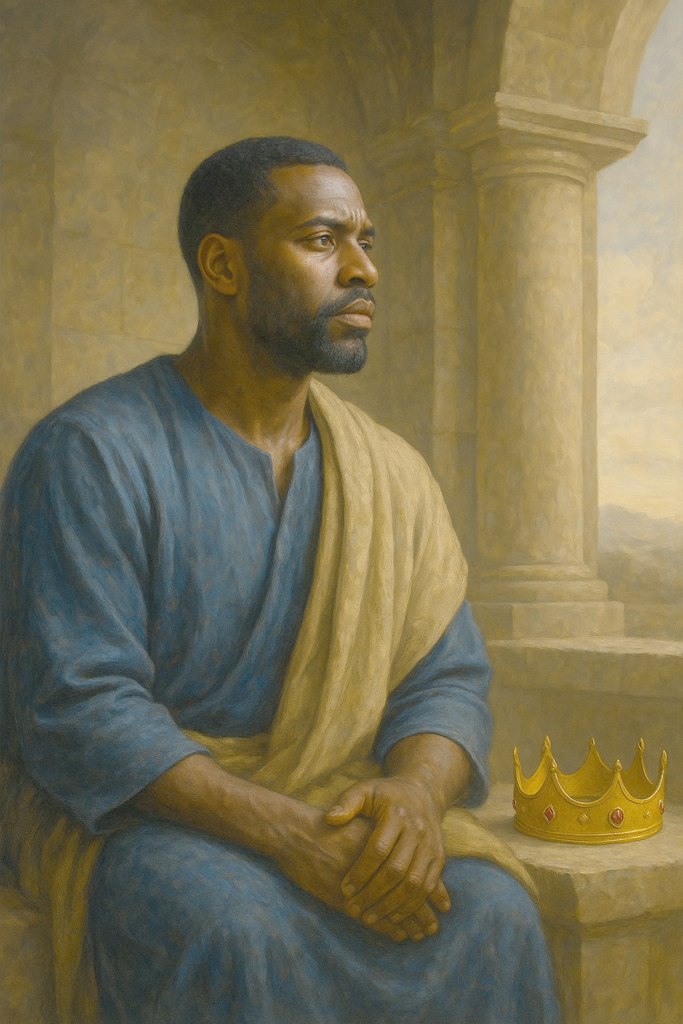
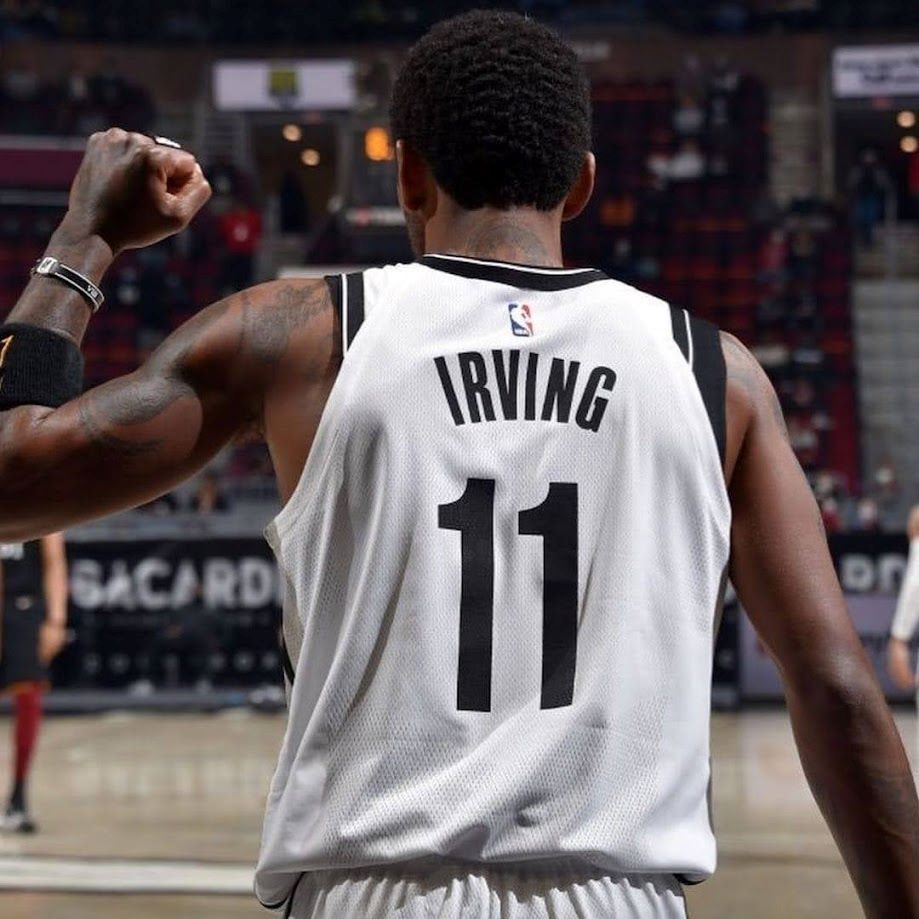




 THE BROWN GIRL DILEMMA