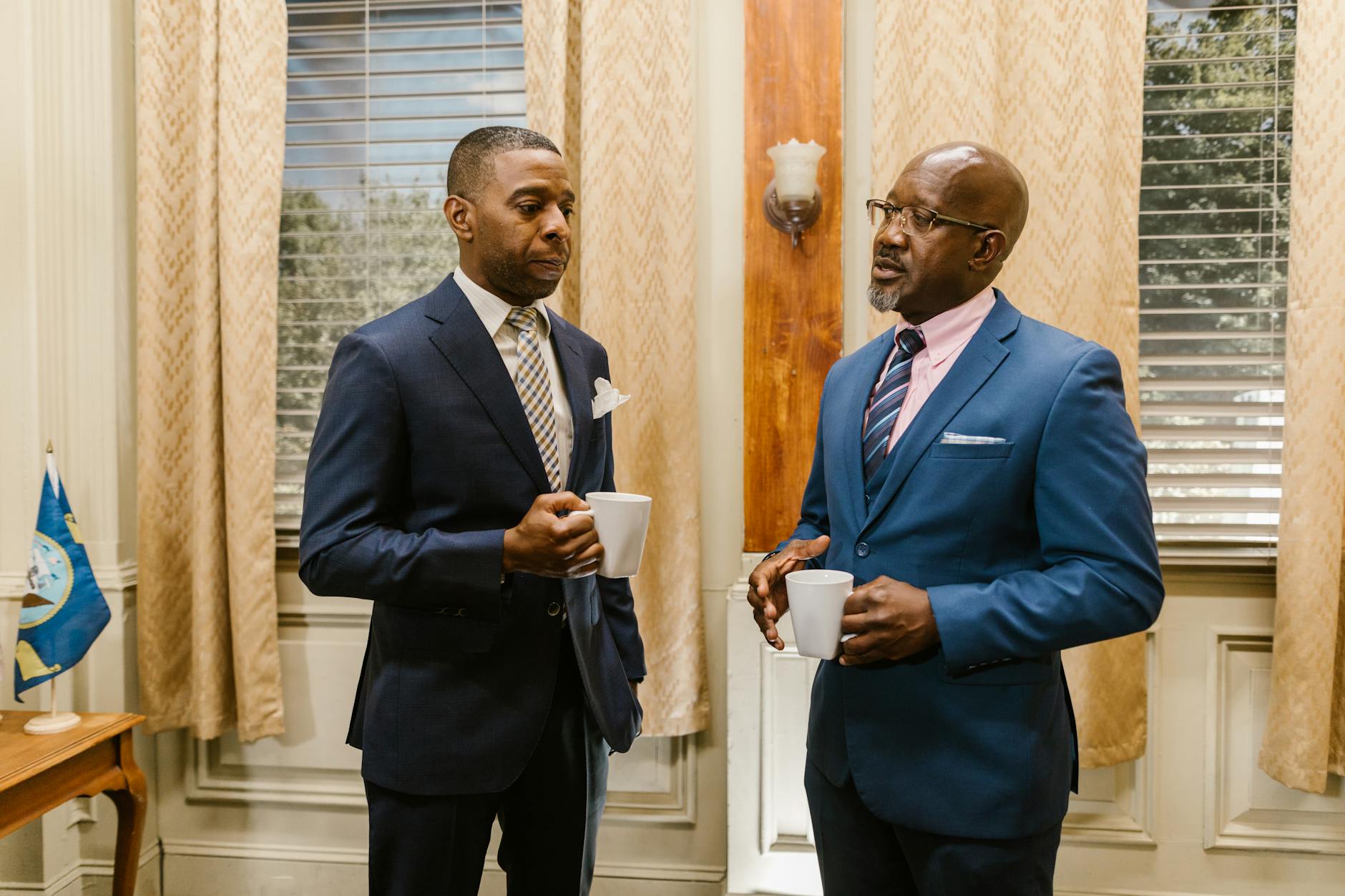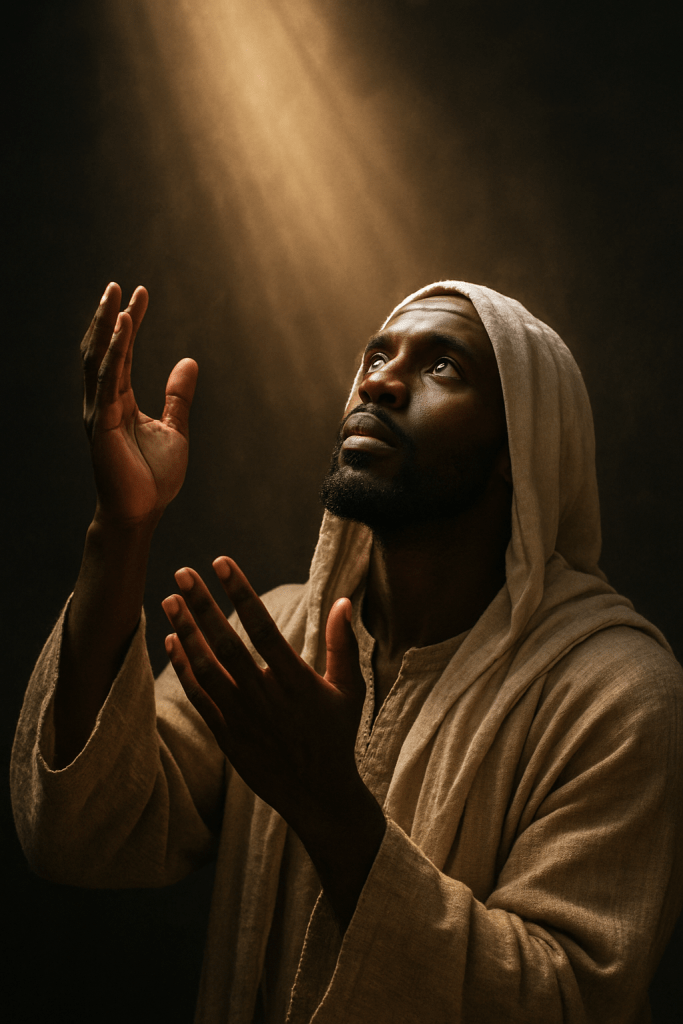
Category Archives: Godly Man

The Man God Built

The man God builds is not shaped by the world but by divine purpose. He is called to reflect God’s nature through character, faith, and steadfastness. As Scripture declares, God desires a man after His own heart, one who seeks righteousness above worldly gain (Acts 13:22). This type of man recognizes that true strength is measured in obedience to God, not in personal acclaim.

A man built by God is anchored in integrity. Integrity is the framework that aligns his actions with God’s Word. Proverbs 10:9 says, “He that walketh uprightly walketh surely: but he that perverteth his ways shall be known.” The godly man’s decisions are consistent, whether seen by many or by none, for he knows that God’s eyes are upon him.

Such a man is humble, understanding that authority is stewardship, not entitlement. Humility allows him to submit to God’s guidance while leading others with wisdom and compassion. James 4:10 affirms, “Humble yourselves in the sight of the Lord, and he shall lift you up.” Humility is thus both a shield and a crown in a godly man’s life.

Faith is the foundation of his life. A man after God’s own heart walks in trust, even when circumstances appear daunting. Hebrews 11:6 reminds us, “But without faith it is impossible to please him: for he that cometh to God must believe that he is, and that he is a rewarder of them that diligently seek him.” Faith propels him to act rightly, not merely to believe passively.

The man God builds pursues wisdom above all earthly knowledge. Wisdom distinguishes the temporary from the eternal, guiding him in decision-making and leadership. Proverbs 4:7 declares, “Wisdom is the principal thing; therefore get wisdom: and with all thy getting get understanding.” In every choice, a godly man seeks God’s discernment.

Courage marks the man God constructs. He does not shrink from moral challenges or spiritual battles. Joshua 1:9 commands, “Be strong and of a good courage; be not afraid, neither be thou dismayed: for the Lord thy God is with thee whithersoever thou goest.” Courage is born of trust in God’s presence and promises.

Responsibility defines his every endeavor. A man built by God does not shirk duty but embraces accountability in family, work, and community. Luke 16:10 teaches, “He that is faithful in that which is least is faithful also in much.” Faithfulness in small matters reflects readiness for greater responsibilities.

A man after God’s own heart is prayerful, maintaining constant communion with his Creator. Prayer is the lifeline that sustains his soul and informs his actions. Philippians 4:6 exhorts, “Be careful for nothing; but in every thing by prayer and supplication with thanksgiving let your requests be made known unto God.” Through prayer, he aligns his will with God’s.

Compassion flows naturally from the man God shapes. He bears the burdens of others and acts justly, especially toward the vulnerable. Micah 6:8 instructs, “He hath shewed thee, O man, what is good; and what doth the Lord require of thee, but to do justly, and to love mercy, and to walk humbly with thy God?” Mercy strengthens his relationships and his testimony.

The man God builds practices self-control. His emotions, desires, and impulses are tempered by the Spirit. Proverbs 25:28 warns, “He that hath no rule over his own spirit is like a city that is broken down, and without walls.” Self-discipline ensures his influence is constructive, not destructive.

Vision defines his journey. A man after God’s own heart has clarity of purpose rooted in divine calling. Proverbs 29:18 affirms, “Where there is no vision, the people perish: but he that keepeth the law, happy is he.” His foresight guides his family, community, and spiritual legacy.

The godly man demonstrates resilience, standing firm amidst trials. Job exemplifies this, maintaining faith under suffering. James 1:12 reminds, “Blessed is the man that endureth temptation: for when he is tried, he shall receive the crown of life, which the Lord hath promised to them that love him.” Resilience is nurtured through unwavering trust in God.

A man God builds is honest in all dealings. Truthfulness strengthens his credibility and honors God. Proverbs 12:22 declares, “Lying lips are abomination to the Lord: but they that deal truly are his delight.” His words align with reality and righteousness.

Generosity marks his interactions. He gives willingly to meet needs, reflecting God’s providence. Acts 20:35 notes, “It is more blessed to give than to receive.” The godly man’s generosity is not performative but a reflection of divine love.

He is discerning, understanding that appearances may deceive. 1 Thessalonians 5:21 instructs, “Prove all things; hold fast that which is good.” Discernment protects him from manipulation and allows him to shepherd others wisely.

The man God shapes values family and nurtures those entrusted to him. Ephesians 5:25 commands, “Husbands, love your wives, even as Christ also loved the church, and gave himself for it.” He protects, provides, and models godly leadership in the home.

A man after God’s own heart is a servant-leader, not seeking dominance but service. Mark 10:45 reminds, “For even the Son of man came not to be ministered unto, but to minister, and to give his life a ransom for many.” Leadership is defined by humility and sacrifice.

He cultivates patience, understanding that growth is gradual and challenges are refining. Romans 5:3-4 teaches, “…we glory in tribulations also: knowing that tribulation worketh patience; And patience, experience; and experience, hope.” Patience strengthens character and faith.

A man God builds maintains purity of thought and action, avoiding moral compromise. Philippians 4:8 instructs, “Whatsoever things are true, whatsoever things are honest, whatsoever things are just…think on these things.” Purity ensures his life is a testimony of righteousness.

Finally, the man God builds lives with eternal perspective. Colossians 3:2 advises, “Set your affection on things above, not on things on the earth.” His priorities, decisions, and ambitions are aligned with God’s kingdom, leaving a legacy that honors heaven more than man.

References

Acts 13:22 – “And when he had removed him, he raised up unto them David to be their king; to whom also he gave testimony, and said, I have found David the son of Jesse, a man after mine own heart, which shall fulfil all my will.”

Proverbs 10:9 – “He that walketh uprightly walketh surely: but he that perverteth his ways shall be known.”

James 4:10 – “Humble yourselves in the sight of the Lord, and he shall lift you up.”

Hebrews 11:6 – “But without faith it is impossible to please him: for he that cometh to God must believe that he is, and that he is a rewarder of them that diligently seek him.”

Proverbs 4:7 – “Wisdom is the principal thing; therefore get wisdom: and with all thy getting get understanding.”

Joshua 1:9 – “Have not I commanded thee? Be strong and of a good courage; be not afraid, neither be thou dismayed: for the Lord thy God is with thee whithersoever thou goest.”

Luke 16:10 – “He that is faithful in that which is least is faithful also in much: and he that is unjust in the least is unjust also in much.”

Philippians 4:6 – “Be careful for nothing; but in every thing by prayer and supplication with thanksgiving let your requests be made known unto God.”

Micah 6:8 – “He hath shewed thee, O man, what is good; and what doth the Lord require of thee, but to do justly, and to love mercy, and to walk humbly with thy God?”

Proverbs 25:28 – “He that hath no rule over his own spirit is like a city that is broken down, and without walls.”

Proverbs 29:18 – “Where there is no vision, the people perish: but he that keepeth the law, happy is he.”

James 1:12 – “Blessed is the man that endureth temptation: for when he is tried, he shall receive the crown of life, which the Lord hath promised to them that love him.”

Proverbs 12:22 – “Lying lips are abomination to the Lord: but they that deal truly are his delight.”

Acts 20:35 – “I have shewed you all things, how that so labouring ye ought to support the weak, and to remember the words of the Lord Jesus, how he said, It is more blessed to give than to receive.”

1 Thessalonians 5:21 – “Prove all things; hold fast that which is good.”

Ephesians 5:25 – “Husbands, love your wives, even as Christ also loved the church, and gave himself for it.”

Mark 10:45 – “For even the Son of man came not to be ministered unto, but to minister, and to give his life a ransom for many.”

Romans 5:3-4 – “And not only so, but we glory in tribulations also: knowing that tribulation worketh patience; And patience, experience; and experience, hope.”

Philippians 4:8 – “Finally, brethren, whatsoever things are true, whatsoever things are honest, whatsoever things are just, whatsoever things are pure, whatsoever things are lovely, whatsoever things are of good report; if there be any virtue, and if there be any praise, think on these things.”

Colossians 3:2 – “Set your affection on things above, not on things on the earth.”

✨ Built to Lead: The Spiritual Anatomy of a Godly Man ✨

A godly man is not merely born—he is shaped, chiseled, tested, and consecrated through a lifelong process of spiritual refinement. Leadership for him is not a title but a calling, a divine architecture woven into his character by God. Scripture affirms, “The steps of a good man are ordered by the Lord” (Psalm 37:23, KJV), revealing that true spiritual manhood is guided rather than self-defined.

The anatomy of a godly man begins with inner order. Before he can influence the world around him, he must first govern the world within. His spiritual discipline—prayer, obedience, and humility—becomes the framework that stabilizes his leadership. He understands that authority without alignment produces chaos.

Central to his design is moral integrity. A godly man lives transparently before God and honorably before people. His character is not situational but consistent, rooted in truth. Proverbs declares, “The integrity of the upright shall guide them” (Proverbs 11:3, KJV). His moral compass is not negotiable.

A godly man also embodies courage, not the absence of fear but the presence of conviction. His strength flows from the assurance that God stands with him. Like Joshua, he is commanded, “Be strong and of a good courage” (Joshua 1:9, KJV), for leadership requires spiritual bravery.

Within him lies a servant’s heart. He recognizes that biblical leadership is inseparable from service. Christ Himself taught, “He that is greatest among you shall be your servant” (Matthew 23:11, KJV). A godly man leads by lifting others, not by elevating himself.

Another essential component is wisdom. Not just intellectual ability, but divine direction. He seeks God’s insight above public opinion. James promises, “If any of you lack wisdom, let him ask of God… and it shall be given him” (James 1:5, KJV). Wisdom is his compass in a world of noise.

His anatomy includes emotional mastery. He feels deeply yet responds righteously. He refuses to let anger, ego, or insecurity govern his behavior. Proverbs warns, “He that hath no rule over his own spirit is like a city that is broken down” (Proverbs 25:28, KJV). Emotional discipline is a mark of his maturity.

The godly man is purpose-driven. He understands that his life is not random; it is intentional. He seeks to fulfill God’s assignment rather than chase worldly validation. Paul wrote, “This one thing I do…” (Philippians 3:13, KJV), revealing singular focus as a leader’s strength.

He is marked by faithfulness—to God, to his responsibilities, and to those entrusted to him. Reliability is his language. In a world of inconsistency, he stands as evidence that honor still exists.

A godly man is also endowed with vision. He sees beyond the natural into what is possible through God. Like Habakkuk, he writes the vision and walks in expectation (Habakkuk 2:2–3, KJV). Vision fuels his leadership and guides his decisions.

His spiritual anatomy includes discipline. He understands that leadership requires structure. Prayer becomes his anchor, study his nourishment, and obedience his strength. Discipline forms the muscles of his spiritual endurance.

A godly man practices accountability. He does not walk alone. He welcomes correction because he knows it prevents destruction. Proverbs teaches, “Iron sharpeneth iron” (Proverbs 27:17, KJV). Growth requires guidance.

He is defined by compassion. Strength is not cruelty; authority is not harshness. His heart remains tender enough to feel and strong enough to help. Compassion fuels his service.

His anatomy includes self-sacrifice. A godly man understands that love costs, leadership costs, and purpose costs. He follows Christ’s model of laying down His life for others (John 15:13, KJV). Sacrifice is not weakness—it is spiritual nobility.

He is a man of righteous authority. He leads his home with gentleness, firmness, and wisdom. He creates safety, structure, and spiritual covering. His presence brings order; his decisions bring stability.

A godly man values legacy. He builds beyond himself, investing in generations to come. His leadership is not temporary but eternal. Proverbs declares, “A good man leaveth an inheritance to his children’s children” (Proverbs 13:22, KJV). Legacy is the echo of his leadership.

The anatomy of a godly man also includes humility. He understands that leadership without humility becomes tyranny. Christ taught that greatness begins at the feet of service. Humility protects him from pride’s deception.

He demonstrates endurance. When adversity rises, he stands. When storms come, he endures. His resilience is spiritual, not fleshly. Paul’s words guide him: “Having done all, to stand” (Ephesians 6:13, KJV). Endurance is proof of spiritual maturity.

A godly man walks in love—the highest of all virtues. Love governs his leadership, purifies his intentions, and shapes his actions. Without love, leadership becomes empty performance. Love makes him safe, strong, and trustworthy.

Ultimately, the spiritual anatomy of a godly man is a divine masterpiece—crafted by the Holy Spirit, strengthened through trials, and refined through obedience. He is built to lead not by the world’s standards but by God’s blueprint. He is both a warrior and a servant, a protector and a nurturer, a visionary and a man of unwavering faith.

A godly man stands as evidence that God still raises leaders who carry heaven’s character on earth. His life becomes a testimony, a covering, and a legacy. He is built to lead because he is built by God.


📚 References

American Psychological Association. (2020). Publication manual of the American Psychological Association (7th ed.). APA.

Cloud, H., & Townsend, J. (2001). Boundaries: When to say yes, how to say no. Zondervan.

Eldredge, J. (2001). Wild at heart: Discovering the secret of a man’s soul. Thomas Nelson.

Evans, T. (2012). Kingdom man: Every man’s destiny, every woman’s dream. Tyndale House.

Keller, T. (2013). Every good endeavor: Connecting your work to God’s work. Dutton.

Lewis, C. S. (1952). Mere Christianity. HarperCollins.

Wilkins, M., & Moreland, J. P. (Eds.). (2010). Jesus in an age of controversy. Zondervan.

Wright, N. T. (2012). After you believe: Why Christian character matters. HarperOne.

Girl Talk Series: The True Beauty of a Man

This photograph is the property of its respective owner. No copyright infringement intended.

The true beauty of a man is not found in the symmetry of his face, the cut of his jawline, the strength of his biceps, or the smoothness of his skin. While society may magnify physical attraction, Scripture and wisdom teach us that a man’s deepest beauty rests in his character, integrity, and the condition of his heart. What shines the most is not what can be seen in the mirror, but what is revealed through how he lives, speaks, leads, and loves.

Sisters, we live in a culture where masculinity is often reduced to appearance and bravado—or the ability to attract attention, wealth, or admiration. Yet outward beauty is fleeting and shallow when not supported by righteousness. True beauty is internal; it is spiritual; it is rooted in godly discipline and a submitted heart (1 Samuel 16:7, KJV).

A beautiful man is one who walks in humility, not arrogance. He does not need to boast of his accomplishments nor flex his strength to feel valued. Instead, he leans on the Most High, understanding that real power comes from wisdom, not ego (Proverbs 22:4, KJV). His humility allows him to serve, not demand; to uplift, not dominate.

Beauty in a man is found in his faithfulness—both to the Most High and to the people entrusted to him. His loyalty is not situational, nor does he waver when convenience calls. Faithfulness is a fruit of the Spirit and a mark of genuine righteousness (Galatians 5:22-23, KJV).

The beauty of a man is revealed in his self-control. A man who can rule his spirit is more powerful than one who conquers a city (Proverbs 16:32, KJV). His temper is governed, his mouth is disciplined, and his impulses are mastered. He knows how to pause before reacting; peace is his pursuit.

A beautiful man protects, not from a place of pride, but from a posture of love. He defends without aggression and shelters without suffocating. He understands that leadership is not tyranny, but stewardship; not privilege, but accountability (Ephesians 5:25, KJV).

A truly beautiful man carries wisdom. His decisions are not reckless or emotionally driven; they are thoughtful, prayerful, and guided by discernment. His counsel brings clarity, peace, and direction. Wisdom is his adornment, and it causes him to stand apart (Proverbs 4:5-8, KJV).

A beautiful man builds, not destroys. His words edify; his actions strengthen. He encourages growth in those around him and seeks to uplift others, knowing that insecurity tears down while confidence builds up (1 Thessalonians 5:11, KJV).

A man’s beauty is seen in his work ethic. He does not pursue laziness or shortcuts; he pursues excellence. Whether in his career, ministry, or family responsibilities, he commits himself wholeheartedly, honoring the Most High through his diligence (Colossians 3:23, KJV).

A beautiful man takes accountability. He does not shift blame or justify wrongdoing. Instead, he owns his mistakes, repents, and grows. Accountability is maturity, and maturity is attractive to the spirit and soul (Proverbs 28:13, KJV).

Compassion is a mark of a truly beautiful man. His heart is tender toward the suffering, the weak, and the overlooked. He does not harden himself to protect his ego; he remains gentle in strength, showing mercy and grace (Colossians 3:12, KJV).

A beautiful man is emotionally stable. He is not tossed by mood swings or consumed by prideful silence. Instead, he understands his emotions, processes them with wisdom, and communicates with patience and clarity (James 1:19, KJV).

Honesty clothes a beautiful man like fine linen. His words are true, and his intentions are pure. He does not deceive to gain advantage nor manipulate to preserve image. Truth is his foundation (Proverbs 12:22, KJV).

A beautiful man honors women—not for their beauty alone but for their spirit, purpose, and divine worth. He respects boundaries, protects purity, and recognizes that a woman is a precious daughter of the Most High (1 Peter 3:7, KJV).

His beauty is evident in his leadership. He leads with vision and purpose, not domination. He guides with love and example, not intimidation or fear (Joshua 1:9, KJV). Leadership to him means sacrifice, courage, and service.

A beautiful man knows how to love. His love is patient, gentle, and sacrificial. He mirrors Christ’s love—long-suffering, pure, and enduring (1 Corinthians 13:4-7, KJV). His love is not lust-driven or emotionally conditional; it is anchored in truth.

Prayer and relationship with God beautify a man beyond physical measure. A man who seeks the face of the Most High, who bows his head in humility and lifts his heart in worship, radiates a glory that surpasses physical attraction (Psalm 1:1-3, KJV).

The beauty of a man is shown in his purpose. He lives intentionally, understands his calling, and walks in divine direction. He is not swayed by trends or applause; his assignment is sacred, and he honors it (Proverbs 19:21, KJV).

A beautiful man is consistent. His loyalty does not shift with emotion or convenience. He remains steady—spiritually, emotionally, and morally. This steadiness provides safety and peace.

Finally, a beautiful man fears God. This holy reverence guides his decisions, shapes his values, and forms his identity (Proverbs 9:10, KJV). His fear of God is not bondage—it is wisdom, protection, and purity.

Dear sisters, the world may praise handsome faces, sculpted bodies, and charm, but heaven values purity, humility, discipline, and righteousness. When seeking connection, partnership, or admiration, do not settle for the superficial. Seek the beauty that lasts, that blesses, that leads to peace and purpose—a man whose heart is shaped by the Most High.


References

Holy Bible, King James Version.
Colossians 3:12; Colossians 3:23; Ephesians 5:25; Galatians 5:22-23; James 1:19; Joshua 1:9; 1 Peter 3:7; 1 Samuel 16:7; 1 Thessalonians 5:11; Proverbs 4:5-8; Proverbs 9:10; Proverbs 12:22; Proverbs 16:32; Proverbs 19:21; Proverbs 22:4; Proverbs 28:13; Psalm 1:1-3; 1 Corinthians 13:4-7.

The Male Files: Built to Lead — The Spiritual Anatomy of a Godly Man.

Photo by RDNE Stock project on Pexels.com

In a world where manhood is often distorted by cultural confusion, the concept of a Godly man remains both timeless and revolutionary. To be “built to lead” is not a claim of dominance but a divine calling rooted in purpose, discipline, and integrity. The anatomy of such a man is not merely physical—it is spiritual, moral, and psychological, molded by divine principles rather than societal trends (Eldredge, 2001).

A Godly man’s leadership begins in the heart. Scripture teaches that “as he thinketh in his heart, so is he” (Proverbs 23:7, KJV). Leadership is not about external command but internal conviction. It is birthed through humility before God and strengthened through consistent alignment with divine truth. His strength flows not from ego but from surrender.

The anatomy of leadership is first spiritual. The Godly man leads by example, submitting himself to the ultimate authority—God. Like David, he may stumble, yet repentance restores his crown. His leadership is not infallible but accountable. He acknowledges weakness as the soil from which strength grows (2 Corinthians 12:9, KJV).

A Godly man’s mind is disciplined and discerning. He filters thoughts through the wisdom of Scripture, guarding against corruption and confusion. He understands that his greatest battle is not with others but within himself—between flesh and spirit (Galatians 5:17, KJV). Spiritual intelligence, not worldly cunning, defines his decision-making.

The emotional anatomy of a Godly man reveals balance. He feels deeply but governs wisely. He is not stoic nor fragile—his emotions serve purpose, not pride. Christ Himself wept (John 11:35, KJV), proving that divine strength includes compassion. Emotional maturity is a mark of true spiritual leadership.

His character serves as his armor. Honesty, patience, and faithfulness form the framework of his moral anatomy. When temptation comes, his integrity stands firm because it is anchored in the fear of the Lord, which is “the beginning of wisdom” (Proverbs 9:10, KJV). Such wisdom enables him to walk uprightly even when unseen.

The physical body, too, is a vessel of stewardship. The Godly man honors it as the temple of the Holy Spirit (1 Corinthians 6:19–20, KJV). He disciplines his body not for vanity, but for vitality—to serve his purpose with endurance. Health, strength, and self-control reflect spiritual order manifesting in physical form.

In his relationships, the Godly man exemplifies servant leadership. Like Christ washing the disciples’ feet, he leads through love, not domination (John 13:14–15, KJV). In marriage, he loves sacrificially; in friendship, he uplifts; in community, he protects. His leadership builds others rather than exalting himself.

A Godly man’s speech carries weight. His words heal, teach, and direct rather than destroy. “Death and life are in the power of the tongue” (Proverbs 18:21, KJV). Thus, his mouth becomes an instrument of life. What he declares aligns with God’s truth, shaping atmospheres and influencing destinies.

His purpose is divinely assigned, not socially constructed. Each Godly man carries a unique mantle—a divine task to fulfill within family, church, and society. Leadership is not a title he earns but a function he embodies. His confidence comes from knowing who sent him, not from who follows him.

Discipline is the skeleton of his character. Without it, even the strongest calling collapses. Prayer, fasting, study, and service sustain his spiritual frame. These habits forge endurance in seasons of testing. Like a tree rooted in living water, he thrives even when storms arise (Psalm 1:3, KJV).

Courage is the muscle of leadership. The Godly man stands for truth even when unpopular. He defends righteousness not out of pride but conviction. His courage is not reckless—it is refined by faith. He knows that fear cannot coexist with divine purpose (2 Timothy 1:7, KJV).

A Godly man’s vision extends beyond self. He builds legacy. His leadership plants seeds for generations, ensuring that those who follow him will inherit spiritual stability. Like Abraham, he fathers faith before he fathers nations (Genesis 18:19, KJV). His legacy is eternal, not material.

Wisdom is the nervous system of the Godly man—it connects thought to action. Through prayer and discernment, he receives divine instruction. He seeks counsel, studies Scripture, and listens to the Spirit. His choices reflect maturity, foresight, and an unwavering fear of God (James 1:5, KJV).

His faith is the lifeblood that flows through all aspects of his being. Without it, his spiritual anatomy cannot function. Faith empowers his leadership, fortifies his hope, and defines his destiny. It is not blind belief but active trust in divine providence (Hebrews 11:1, KJV).

The Godly man’s leadership is generative. He mentors others, multiplying what God has invested in him. Leadership that hoards is carnal; leadership that gives is divine. He trains others not to depend on him but to depend on God, ensuring the continuity of righteous influence (2 Timothy 2:2, KJV).

Temptation tests the architecture of his soul. The Godly man learns endurance through resistance. He flees immorality, avoids arrogance, and denies compromise. Each victory over sin strengthens his spiritual anatomy. His holiness is not perfection but progression toward divine likeness (Philippians 3:12–14, KJV).

The foundation of his leadership is love. Without love, authority becomes tyranny. Love tempers discipline, informs justice, and defines service. The Godly man mirrors Christ’s heart—firm yet forgiving, just yet merciful. His leadership brings light where there is confusion.

Ultimately, the anatomy of a Godly man reveals divine design. Every aspect—heart, mind, body, and spirit—works in harmony to fulfill God’s will. He is not self-made; he is Spirit-formed. Built to lead, he carries the architecture of heaven within his humanity. His leadership, then, is not performance—it is purpose incarnate.

The world needs such men: those who lead not by might, but by spiritual wisdom; who build homes, communities, and legacies upon divine truth. The Godly man stands as a living testimony that leadership, when rooted in God, restores order, peace, and purpose to the earth.


References (APA Style)

Eldredge, J. (2001). Wild at heart: Discovering the secret of a man’s soul. Thomas Nelson.
The Holy Bible, King James Version. (n.d.). Thomas Nelson.
Lewis, C. S. (1952). Mere Christianity. HarperCollins.
Piper, J. (2001). Desiring God: Meditations of a Christian hedonist. Multnomah.
Wright, N. T. (2010). After you believe: Why Christian character matters. HarperOne.
Wilkinson, B. (2000). The prayer of Jabez: Breaking through to the blessed life. Multnomah.
Voddie Baucham Jr. (2011). Family driven faith: Doing what it takes to raise sons and daughters who walk with God. Crossway.

What are High Value, High Quality Men?

Photo by RDNE Stock project on Pexels.com

In today’s culture, the term “high-value man” has become popular, often tied to wealth, status, or influence. Yet, from a biblical perspective, true high-value and high-quality men are defined not only by external achievements but by internal virtues rooted in God’s Word. Proverbs 22:1 declares, “A good name is rather to be chosen than great riches, and loving favour rather than silver and gold” (KJV). A man’s true worth comes not from what he possesses but from his character, his faith, and his commitment to his God-given responsibilities.

The first mark of a high-value man is godliness. Scripture affirms that “the steps of a good man are ordered by the LORD: and he delighteth in his way” (Psalm 37:23, KJV). High-quality men live in alignment with God’s will, seeking His guidance before making decisions. Their spiritual leadership is not only personal but extends to their families and communities (Keller, 2011).

High-value men are providers. This principle is emphasized in 1 Timothy 5:8: “But if any provide not for his own, and specially for those of his own house, he hath denied the faith, and is worse than an infidel” (KJV). Biblical provision goes beyond money—it encompasses emotional support, spiritual guidance, protection, and stability. A man who provides these ensures that his household flourishes (Ramsey, 2011).

High-quality men are also protectors. As Christ laid down His life for the Church, so must men protect their families. Ephesians 5:25 teaches, “Husbands, love your wives, even as Christ also loved the church, and gave himself for it” (KJV). This sacrificial love is a marker of great value. Such men are courageous, ready to shield their loved ones from harm while leading with gentleness (Lewis, 2018).

Integrity is another key quality. Proverbs 20:7 says, “The just man walketh in his integrity: his children are blessed after him” (KJV). Integrity is the bedrock of trust, and a high-value man’s reputation is tied to his ability to keep his word. Without integrity, no amount of success can sustain a man’s worth (Cloud, 2009).

A high-quality man masters self-control. Proverbs 16:32 teaches, “He that is slow to anger is better than the mighty; and he that ruleth his spirit than he that taketh a city” (KJV). Emotional regulation shows strength greater than physical power. Such men handle conflicts with wisdom and do not allow rage, lust, or pride to rule them (Gottman & Silver, 2015).

Faithfulness defines a man’s value. Proverbs 31:11 highlights the trust of a faithful husband: “The heart of her husband doth safely trust in him, so that he shall have no need of spoil” (KJV). High-value men honor their commitments, remain loyal in relationships, and resist temptations that could destroy their homes (Larson & Holman, 2013).

A true marker of quality is humility. James 4:6 teaches, “God resisteth the proud, but giveth grace unto the humble” (KJV). High-value men are not arrogant but recognize their need for God and others. They admit faults, seek accountability, and grow in wisdom through correction (Ortberg, 2014).

High-value men are wise decision-makers. Proverbs 24:3–4 states, “Through wisdom is an house builded; and by understanding it is established: And by knowledge shall the chambers be filled with all precious and pleasant riches” (KJV). They weigh choices carefully, seek godly counsel, and consider long-term consequences (Stanley, 2008).

Leadership is also a defining trait. Biblical leadership is not about domination but about service. Jesus taught, “But he that is greatest among you shall be your servant” (Matthew 23:11, KJV). High-quality men lead by example, guiding with love, discipline, and vision for their families and communities (Greenleaf, 2002).

Stewardship is another measure of value. Luke 16:10 affirms, “He that is faithful in that which is least is faithful also in much” (KJV). High-value men manage finances wisely, avoid wastefulness, and invest in things that build future stability. They understand that money is a tool for provision and service, not self-indulgence (Ramsey, 2011).

Great men also master patience. Proverbs 14:29 declares, “He that is slow to wrath is of great understanding: but he that is hasty of spirit exalteth folly” (KJV). Patience enables men to endure trials without compromising integrity. It helps them guide their households with calmness rather than reactionary impulses (Schnitker & Emmons, 2013).

High-value men cultivate discipline in speech. Proverbs 18:21 teaches, “Death and life are in the power of the tongue” (KJV). Quality men do not speak carelessly but choose words that edify, guide, and strengthen others. Their speech reflects maturity and wisdom (Tannen, 1990).

Compassion is another sign of value. Colossians 3:12 urges, “Put on therefore, as the elect of God… bowels of mercies, kindness, humbleness of mind, meekness, longsuffering” (KJV). High-quality men extend kindness not only to their families but also to strangers, reflecting Christ’s heart (Gilligan, 1993).

Vision separates high-value men from the rest. Proverbs 29:18 reminds, “Where there is no vision, the people perish” (KJV). Men of value pursue goals that align with God’s purposes. Their vision provides direction for their families and inspires communities to aim higher (Eldredge, 2001).

High-quality men are also resilient. They endure challenges without giving up, modeling perseverance for others. Romans 5:3–4 declares, “Tribulation worketh patience; And patience, experience; and experience, hope” (KJV). Resilient men see hardships as opportunities for growth, not reasons for retreat (Bonanno, 2004).

They also embody accountability. Proverbs 27:17 affirms, “Iron sharpeneth iron; so a man sharpeneth the countenance of his friend” (KJV). High-value men welcome correction, build with other men of integrity, and avoid isolation. Their accountability makes them trustworthy leaders (Cloud & Townsend, 2010).

Generosity marks a high-quality man. Proverbs 11:25 states, “The liberal soul shall be made fat: and he that watereth shall be watered also himself” (KJV). A man’s willingness to give—whether time, money, or service—reveals his heart and increases his value in the eyes of God and others (Keller & Keller, 2015).

Ultimately, high-value, high-quality men are those who reflect Christ in their living. Their worth is measured not in fleeting status but in eternal fruit. Galatians 5:22–23 reminds us of the fruit of the Spirit—love, joy, peace, patience, gentleness, goodness, faith, meekness, and temperance. These qualities, embodied in a man, make him truly invaluable to God, his family, and his community.

In conclusion, a high-value man is not defined by the world’s standards of wealth or fame but by God’s standards of faith, integrity, provision, protection, wisdom, humility, and service. “Whoso findeth a wife findeth a good thing, and obtaineth favour of the LORD” (Proverbs 18:22, KJV). A man who embodies these qualities not only finds favor but becomes a blessing to all who are connected to him.


References

  • Bonanno, G. A. (2004). Loss, trauma, and human resilience. American Psychologist, 59(1), 20–28.
  • Cloud, H. (2009). Integrity: The courage to meet the demands of reality. HarperCollins.
  • Cloud, H., & Townsend, J. (2010). Boundaries in dating. Zondervan.
  • Eldredge, J. (2001). Wild at heart: Discovering the secret of a man’s soul. Thomas Nelson.
  • Gilligan, C. (1993). In a different voice: Psychological theory and women’s development. Harvard University Press.
  • Gottman, J., & Silver, N. (2015). The seven principles for making marriage work. Harmony Books.
  • Greenleaf, R. K. (2002). Servant leadership: A journey into the nature of legitimate power and greatness. Paulist Press.
  • Keller, T. (2011). The meaning of marriage. Dutton.
  • Keller, T., & Keller, K. (2015). God’s wisdom for navigating life. Viking.
  • Larson, J. H., & Holman, T. B. (2013). Premarital predictors of marital quality and stability. Routledge.
  • Lewis, R. (2018). Real men don’t read romance. Harvest House.
  • Ortberg, J. (2014). The life you’ve always wanted: Spiritual disciplines for ordinary people. Zondervan.
  • Ramsey, D. (2011). The total money makeover. Thomas Nelson.
  • Schnitker, S. A., & Emmons, R. A. (2013). Patience as a virtue. Journal of Positive Psychology, 8(4), 247–256.
  • Stanley, C. (2008). Living the extraordinary life: Nine principles to discover it. Thomas Nelson.
  • Tannen, D. (1990). You just don’t understand: Women and men in conversation. Ballantine.

Preparing for Healthier Relationships: What to Look for in a Godly Man.

Photo by Ralph Rabago on Pexels.com

When preparing for a healthy relationship, the most important step is first preparing yourself. A woman who knows her worth, guards her heart, and walks in wisdom will be better able to discern the character of the man pursuing her. Proverbs 4:23 reminds us to “Keep thy heart with all diligence; for out of it are the issues of life.” Your heart is precious, and whoever seeks to share it must meet a high standard of love and maturity.

Ephesians 5:25 provides one of the clearest standards for a godly man: “Husbands, love your wives, even as Christ also loved the church, and gave himself for it.” This verse sets the expectation that true love is sacrificial, selfless, and steadfast. A man who aspires to this standard will not merely profess love with words but demonstrate it through action, patience, and commitment.

A godly man is not perfect, but he is growing. Look for evidence of a relationship with God that is active and sincere. This means he is a man of prayer, a man who studies Scripture, and a man willing to be corrected and transformed by the Word. Psalm 1:2–3 describes the righteous man as one who delights in the law of the Lord and flourishes like a tree planted by rivers of water.

One of the most important traits to look for is accountability. A mature man owns his actions and words, even when they are wrong. He does not blame-shift, make excuses, or manipulate. Proverbs 28:13 states, “He that covereth his sins shall not prosper: but whoso confesseth and forsaketh them shall have mercy.” This means he can acknowledge when he has hurt you and seek reconciliation with humility.

Another key trait is consistency. Healthy love is steady, not chaotic. A man who is serious about you will not have you questioning his intentions or feeling anxious about his next move. James 1:8 warns that a double-minded man is unstable in all his ways. Look for someone who keeps his word, shows up when he says he will, and demonstrates integrity over time.

Empathy is essential for emotional connection. A godly man should be able to see your heart, feel your pain, and celebrate your victories as if they were his own. Romans 12:15 exhorts believers to “Rejoice with them that do rejoice, and weep with them that weep.” A man who lacks empathy may ignore your feelings or dismiss your concerns, leaving you emotionally starved.

A man’s respect for women in general can also reveal his character. Does he honor his mother? Speak kindly about women? Treat others with dignity? Ephesians 5:33 teaches, “Nevertheless let every one of you in particular so love his wife even as himself.” A man who honors women before he is married is more likely to honor his wife after he is married.

Look for emotional stability. Emotional maturity does not mean he never feels anger or sadness, but it does mean he can regulate his emotions in a healthy way. Proverbs 16:32 says, “He that is slow to anger is better than the mighty.” A man who lashes out, withdraws in punishment, or uses manipulation is not ready to love you in a Christlike way.

A godly man also seeks wise counsel and is willing to grow under authority. Proverbs 11:14 teaches that “in the multitude of counsellors there is safety.” A man who refuses accountability from pastors, mentors, or elders may struggle to provide spiritual leadership.

Another sign of readiness is financial and practical responsibility. This does not mean he has to be wealthy, but he should show discipline and stewardship. Luke 16:10 reminds us that “He that is faithful in that which is least is faithful also in much.” His approach to money, work, and resources will reflect his ability to provide stability for a future family.

Pay attention to his communication skills. Does he listen to understand or only to respond? Proverbs 18:13 warns that “He that answereth a matter before he heareth it, it is folly and shame unto him.” A man who listens deeply and communicates respectfully is demonstrating the capacity for healthy conflict resolution.

Spiritual leadership is also key. This does not mean controlling or dominating, but leading by example. Joshua 24:15 declares, “As for me and my house, we will serve the Lord.” A godly man invites you to grow closer to God, not away from Him.

Humility is another critical trait. Pride is one of the greatest destroyers of relationships. James 4:6 reminds us that “God resisteth the proud, but giveth grace unto the humble.” A humble man admits when he is wrong, apologizes sincerely, and seeks to learn from mistakes.

A man’s friendships can reveal his true character. 1 Corinthians 15:33 warns that “evil communications corrupt good manners.” If his closest friends encourage foolishness, infidelity, or irresponsibility, he may struggle to resist negative influence. A man who surrounds himself with wise, godly friends is more likely to remain steadfast.

Look for patience and self-control. Galatians 5:22–23 calls these the fruit of the Spirit. A man who cannot delay gratification or who constantly acts impulsively may not be ready for the long-term commitment a healthy relationship requires.

Most importantly, look for a man who encourages your spiritual growth. He should be your partner in prayer, your encourager in faith, and someone who challenges you to pursue Christ more deeply. Ecclesiastes 4:9–10 says, “Two are better than one… for if they fall, the one will lift up his fellow.”

Remember that preparation for a godly relationship is also preparation of your own heart. Becoming the woman who can receive this kind of man means growing in your own faith, emotional maturity, and discernment. Healthy relationships are built when both partners are seeking to honor God.

Red Flags in Men to Avoid: A Biblical and Psychological Guide

When seeking a healthy relationship, knowing what to avoid is just as important as knowing what to look for. Many women find themselves in painful situations not because they lack discernment but because they ignored early warning signs. This guide is written to empower you, dear sister, to recognize red flags before your heart is entangled, so that you can guard your spirit and pursue the love God intended for you.

One of the first red flags is spiritual apathy. A man who has no desire to pursue God, attend church, pray, or grow in faith is not prepared to lead you spiritually. 2 Corinthians 6:14 warns believers not to be unequally yoked with unbelievers, because darkness and light cannot walk in agreement. A man who resists God’s authority will likely resist accountability in the relationship.

Inconsistent behavior is another major red flag. If his words say one thing but his actions say another, pay attention to the pattern. James 1:8 calls a double-minded man unstable in all his ways. Early dating should reveal reliability, not constant confusion.

Lack of accountability is a warning sign of immaturity. A man who never admits fault, blames others for his problems, or becomes defensive when corrected is unlikely to build a healthy partnership. Proverbs 12:15 reminds us that “the way of a fool is right in his own eyes: but he that hearkeneth unto counsel is wise.”

Be wary of anger issues. Proverbs 22:24–25 warns, “Make no friendship with an angry man… lest thou learn his ways.” If he frequently explodes, uses threats, or punishes you with silence, this is a form of emotional abuse and should not be excused.

Another red flag is disrespect toward women in general. Notice how he treats his mother, sisters, or other women in his life. Misogynistic attitudes, crude jokes, or controlling behavior reveal a heart that does not honor women as God commands (Ephesians 5:33).

Dishonesty is a serious warning sign. Lies, half-truths, and secretive behavior will destroy trust over time. John 8:44 calls Satan the father of lies, so a man who habitually lies is walking in a spirit that does not reflect Christ. Truthfulness is non-negotiable for a godly relationship.

Watch out for manipulation and gaslighting. If he twists your words, denies obvious facts, or makes you question your own perception of reality, this is emotional abuse. Isaiah 5:20 condemns those who call evil good and good evil. A healthy man should bring clarity, not confusion.

Another common red flag is sexual pressure. A man who pressures you into fornication or disrespects your boundaries is disqualifying himself from a godly partnership. 1 Thessalonians 4:3–4 calls believers to abstain from fornication and to possess their vessels in sanctification and honor.

Pay attention to financial irresponsibility. A man who is reckless with money, refuses to work, or lives in constant debt without seeking change will create instability for the future. Proverbs 13:11 teaches that wealth gained hastily dwindles, but the one who gathers little by little increases it.

Emotional unavailability is another sign to avoid. If he refuses to talk about feelings, shuts down during conflict, or cannot be vulnerable, he is not ready for a deep relationship. Emotional intimacy is essential for a thriving partnership (Ecclesiastes 4:9–10).

Be cautious of narcissistic tendencies such as grandiosity, entitlement, and lack of empathy. Psychology shows that narcissistic men struggle to maintain healthy relationships because they view others as tools to meet their needs (Campbell & Miller, 2011). Philippians 2:3 commands humility and putting others first — the opposite of narcissism.

Jealousy and control are also red flags. While some jealousy can be normal, possessiveness, monitoring your movements, or isolating you from friends and family are signs of potential abuse. Galatians 5:20 lists jealousy and fits of rage as works of the flesh, not the Spirit.

Look out for addictions — whether to alcohol, drugs, pornography, or gambling. These behaviors will eventually compete with the relationship and may bring chaos and pain. 1 Corinthians 6:12 warns against being mastered by anything. A man unwilling to seek help is not ready for partnership.

Beware of future faking — talking about marriage, children, or shared goals to keep you emotionally invested, but never taking steps toward real commitment. Proverbs 25:14 compares such a person to clouds and wind without rain.

Another major red flag is mockery of your concerns. If he belittles your emotions, calls you dramatic, or refuses to take your worries seriously, he is undermining your sense of safety. 1 Peter 3:7 commands men to dwell with women according to knowledge and honor them.

Isolation from godly counsel is a subtle but dangerous sign. If he tries to separate you from family, friends, or church mentors, it may be to avoid accountability. Wise men welcome community and spiritual oversight (Proverbs 27:17).

Watch for a lack of repentance. Everyone sins, but a man who refuses to confess, change, or seek forgiveness is not walking in step with Christ. 1 John 1:9 says that if we confess our sins, He is faithful and just to forgive and cleanse us. A man who cannot repent before God will not repent before you.

Recognizing these red flags early will protect your heart from unnecessary pain. Trust your discernment, seek the Lord in prayer, and remember that you are worth waiting for a man who meets God’s standard of love and maturity.

Finally, trust God with the process. Psalm 37:4–5 instructs, “Delight thyself also in the Lord: and he shall give thee the desires of thine heart. Commit thy way unto the Lord; trust also in him; and he shall bring it to pass.” As you wait, do not settle for less than God’s best.


References

  • Holy Bible, King James Version (KJV).
  • Cloud, H., & Townsend, J. (2017). Boundaries in Dating: How Healthy Choices Grow Healthy Relationships. Zondervan.
  • Campbell, W. K., & Miller, J. D. (2011). The Handbook of Narcissism and Narcissistic Personality Disorder. Wiley.
  • American Psychological Association. (2020). APA Dictionary of Psychology.

Girl Talk Series: 👑 Choosing a King 👑

Photo by Oscar Rockr on Pexels.com

“Listen, ladies: first and foremost, the Word of God says, ‘Whoso findeth a wife findeth a good thing, and obtaineth favour of the Lord’ (Proverbs 18:22, KJV). That means a man is the one who finds you. Your responsibility is not to chase, but to choose wisely—with the guidance of the Most High.”

👑👑👑👑👑👑👑

Choosing a King (man) is one of the most important decisions you will ever make, because the man you join yourself to will not only shape your life but also your legacy. Too many women chase after men, ignoring the warning signs of their intuition, hoping that they can change him later. Yet the Word of God teaches us that it is better to wait on the Lord than to rush into the arms of the wrong man (Psalm 27:14, KJV). Purity, discernment, and patience are your strongest weapons. Never forget: you are the prize, and the right man will recognize your worth without you having to prove it.

👑 The Three Types of Men 👑

Type of ManTraitsPsychologyBiblical Lens (KJV)Result in a Relationship
Pimp / MisogynistLustful, controlling, manipulative, self-centeredNarcissistic, exploitative, uses women as objects“For all that is in the world, the lust of the flesh… is not of the Father” (1 John 2:16)Leaves you drained, broken, and dishonored
Simp / Weak ManPassive, insecure, lacks leadership, easily controlledCodependent, low self-esteem, avoids responsibility“A double minded man is unstable in all his ways” (James 1:8)Forces you to carry the weight he should bear, no covering
King / Godly ManFaithful, provider, protector, purposeful, pursues you with honorEmotionally intelligent, disciplined, secure, servant-leader“Husbands, love your wives, even as Christ also loved the church” (Ephesians 5:25)Brings peace, growth, and godly love — a true partner and covering

Takeaway: Only a King pursues with covenant, not conquest. Only a King provides covering that leads you closer to the Most High.

The Bible makes it clear that a woman should not chase a man but rather allow herself to be found. Proverbs 18:22 (KJV) declares, “Whoso findeth a wife findeth a good thing, and obtaineth favour of the Lord.” A godly man is the one who seeks, pursues, and wins you. He is not intimidated by the pursuit because he sees value in you. A woman lowering her standards to chase a man is settling for crumbs when the Lord desires to give her a banquet.

When considering what kind of man you should choose, remember that not all men are created equal in character. There are three types of men who will cross your path: the misogynist, the simp, and the king. Each reveals his nature through his actions, values, and treatment of women. Psychology teaches us that behavior speaks louder than words, and Scripture reminds us that “by their fruits ye shall know them” (Matthew 7:16, KJV).

The misogynist, or the pimp, is driven by lust, power, and control. He rules with his flesh, using women as objects for his pleasure rather than as partners to honor and cherish. This man thrives on conquest without covenant. He may charm you, but his heart is far from God. Psychology identifies such men as displaying narcissistic or exploitative tendencies—always taking, never giving. Choosing such a man will rob you of peace and dignity.

Then there is the simp, the weak man. This man may appear kind, but he lacks vision, leadership, and the ability to stand firm. He allows others to run over him, including women who use him, because he is desperate for acceptance. Though he is not abusive, he is not capable of being the covering God has called a husband to be (Ephesians 5:23, KJV). A woman yoked to a simp will end up carrying burdens that were meant for the man to shoulder.

Lastly, there is the king—the man after God’s own heart. This man is not perfect, but he seeks to please the Lord in his actions, words, and responsibilities. He is a provider, a protector, and a man who desires a wife, not a girlfriend. He does not want to be chased, because he understands that his role is to pursue. He values queens, not flings. Kings are not superficial; they look for substance, faith, and character. This is the man who will draw you closer to the Most High and love you as Christ loved the Church (Ephesians 5:25, KJV).

🌟 Top Qualities to Look for in a Man 🌟

Biblical Standards (KJV):

  • God-fearing – “The fear of the Lord is the beginning of wisdom” (Proverbs 9:10).
  • Provider – “If any provide not for his own… he hath denied the faith” (1 Timothy 5:8).
  • Protector – “Husbands, love your wives, even as Christ also loved the church” (Ephesians 5:25).
  • Faithful – “A faithful man shall abound with blessings” (Proverbs 28:20).
  • Self-controlled – “He that is slow to anger is better than the mighty” (Proverbs 16:32).
  • Truthful – “Lie not one to another, seeing that ye have put off the old man” (Colossians 3:9).
  • Leader – “For the husband is the head of the wife, even as Christ is the head of the church” (Ephesians 5:23).
  • Righteous in conduct – “By their fruits ye shall know them” (Matthew 7:16).

Psychological Standards:

  • Emotional intelligence – shows empathy, communicates effectively, and manages emotions well.
  • Consistency – reliable in words and actions; not hot and cold.
  • Integrity – honest and trustworthy; keeps commitments.
  • Discipline – able to delay gratification, make wise decisions.
  • Vision and purpose – has goals, direction, and plans for the future.
  • Respectful – honors boundaries, listens, and values your worth.
  • Secure masculinity – not intimidated by your strength, but confident in his role.
  • Supportive – encourages growth spiritually, emotionally, and mentally.

✨ In short: Choose a man after God’s own heart, who not only says he loves you, but proves it through protection, provision, and purpose.

Too often, women confuse attention with intention. Just because a man notices you does not mean he values you. Psychology calls this “confirmation bias”—when you only see what you hope to see, instead of the truth in front of you. Never confuse lust with love. Lust is temporary, but love is eternal, rooted in commitment and sacrifice.

Do not use sex as dating currency. The world teaches that intimacy can buy affection, but Scripture warns that fornication defiles both body and spirit (1 Corinthians 6:18-20, KJV). If a man’s interest depends on your willingness to give your body outside of covenant, he is not the one God has sent. A true king values purity and respects boundaries because he knows your worth.

Style should never outweigh substance. A man may look successful, handsome, and well-dressed, but appearances can deceive. Proverbs 31:30 (KJV) reminds us, “Favour is deceitful, and beauty is vain: but a woman that feareth the Lord, she shall be praised.” The same applies to men: what truly matters is not his style but his character, consistency, and his relationship with God.

The classical man—the faithful man who is husband material—does not want women to chase him. His masculinity is secure; he does not measure his worth by conquests but by covenant. Only pimps desire women to pursue them because they thrive on ego. A king, on the other hand, seeks to conquer not through seduction but through responsibility, love, and sacrifice.

When looking for a man, measure him by what Scripture and psychology affirm. A good man is disciplined, slow to anger, hardworking, and spiritually grounded (Proverbs 16:32; 1 Timothy 5:8, KJV). Psychologists highlight that good men demonstrate emotional intelligence, the ability to regulate emotions, communicate effectively, and show empathy. A man without these qualities may cause more harm than good.

Never ignore your intuition. The Holy Spirit gives discernment, and psychology confirms that gut feelings often stem from subconscious recognition of red flags. If something feels off, it probably is. Do not let loneliness silence the alarms within your spirit.

A godly man is also a provider. This does not mean you cannot work or contribute, but rather that he takes responsibility for the home. 1 Timothy 5:8 (KJV) says, “But if any provide not for his own… he hath denied the faith, and is worse than an infidel.” Provision is not only financial but emotional, spiritual, and physical.

Women must also guard against the temptation to compromise standards. Many women remain with men they know are pimps or simps because they fear being alone. But Scripture teaches that it is better to dwell alone with peace than in a house with strife (Proverbs 21:9, KJV). Waiting for a king requires patience and faith.

The top things you should look for in a man, both biblically and psychologically, include faith, consistency, integrity, discipline, leadership, empathy, and provision. A man with these traits will elevate you, not drain you. He will be your partner, not your project.

Choosing a man is ultimately choosing a covering. Who he is spiritually will directly affect your household, your children, and your destiny. You cannot afford to marry recklessly. Your choice should reflect your worth in God, not your fear of being overlooked.

A woman of God must remember that her value is not in her chase but in her presence. The right man will see your worth without you lowering yourself. He will pursue you with honor, not pressure you with lust. He will lead you closer to Christ, not further into sin.

Therefore, wait patiently for the king God has for you. Trust that the Lord is able to bring the right man in the right season. Until then, keep yourself pure, guard your heart, and never settle for less than God’s best.

Your destiny is too great, your calling too precious, and your soul too valuable to waste on a man who cannot cover, protect, and love you as Christ intended. You deserve a king, not a counterfeit. Let him win you, and never forget—you are the prize.


References

  • The Holy Bible, King James Version (KJV)
  • Gottman, J. M., & Silver, N. (2015). The Seven Principles for Making Marriage Work. Harmony Books.
  • Chapman, G. (2015). The Five Love Languages: The Secret to Love That Lasts. Northfield Publishing.
  • Cloud, H., & Townsend, J. (2017). Boundaries in Dating. Zondervan.
  • Goleman, D. (2006). Emotional Intelligence. Bantam.