
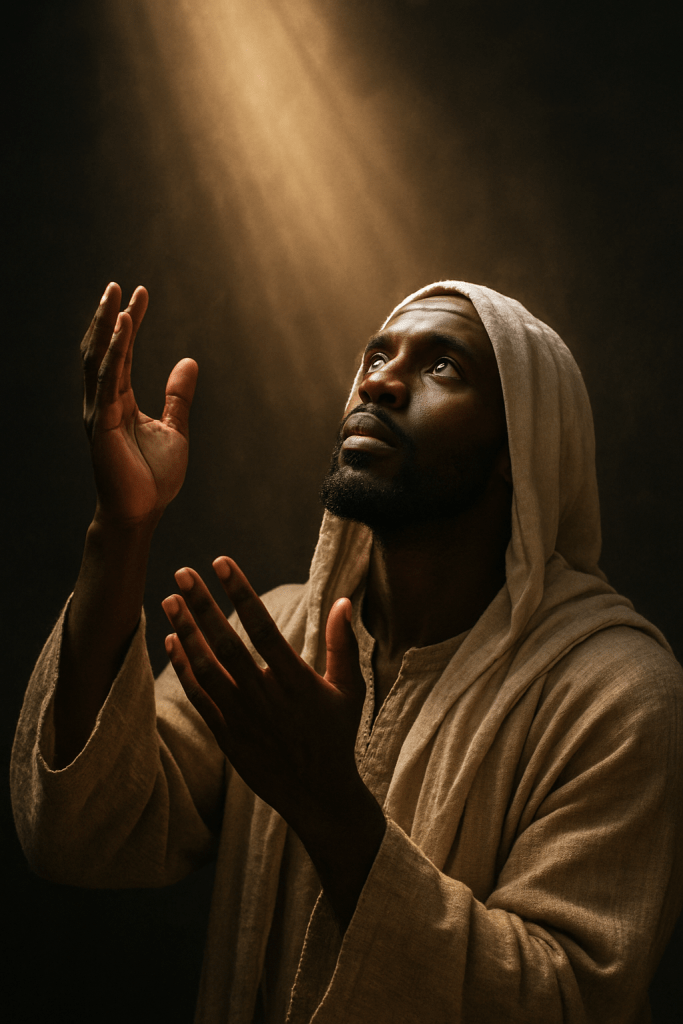
The man God builds is not shaped by the world but by divine purpose. He is called to reflect God’s nature through character, faith, and steadfastness. As Scripture declares, God desires a man after His own heart, one who seeks righteousness above worldly gain (Acts 13:22). This type of man recognizes that true strength is measured in obedience to God, not in personal acclaim.
A man built by God is anchored in integrity. Integrity is the framework that aligns his actions with God’s Word. Proverbs 10:9 says, “He that walketh uprightly walketh surely: but he that perverteth his ways shall be known.” The godly man’s decisions are consistent, whether seen by many or by none, for he knows that God’s eyes are upon him.
Such a man is humble, understanding that authority is stewardship, not entitlement. Humility allows him to submit to God’s guidance while leading others with wisdom and compassion. James 4:10 affirms, “Humble yourselves in the sight of the Lord, and he shall lift you up.” Humility is thus both a shield and a crown in a godly man’s life.
Faith is the foundation of his life. A man after God’s own heart walks in trust, even when circumstances appear daunting. Hebrews 11:6 reminds us, “But without faith it is impossible to please him: for he that cometh to God must believe that he is, and that he is a rewarder of them that diligently seek him.” Faith propels him to act rightly, not merely to believe passively.
The man God builds pursues wisdom above all earthly knowledge. Wisdom distinguishes the temporary from the eternal, guiding him in decision-making and leadership. Proverbs 4:7 declares, “Wisdom is the principal thing; therefore get wisdom: and with all thy getting get understanding.” In every choice, a godly man seeks God’s discernment.
Courage marks the man God constructs. He does not shrink from moral challenges or spiritual battles. Joshua 1:9 commands, “Be strong and of a good courage; be not afraid, neither be thou dismayed: for the Lord thy God is with thee whithersoever thou goest.” Courage is born of trust in God’s presence and promises.
Responsibility defines his every endeavor. A man built by God does not shirk duty but embraces accountability in family, work, and community. Luke 16:10 teaches, “He that is faithful in that which is least is faithful also in much.” Faithfulness in small matters reflects readiness for greater responsibilities.
A man after God’s own heart is prayerful, maintaining constant communion with his Creator. Prayer is the lifeline that sustains his soul and informs his actions. Philippians 4:6 exhorts, “Be careful for nothing; but in every thing by prayer and supplication with thanksgiving let your requests be made known unto God.” Through prayer, he aligns his will with God’s.
Compassion flows naturally from the man God shapes. He bears the burdens of others and acts justly, especially toward the vulnerable. Micah 6:8 instructs, “He hath shewed thee, O man, what is good; and what doth the Lord require of thee, but to do justly, and to love mercy, and to walk humbly with thy God?” Mercy strengthens his relationships and his testimony.
The man God builds practices self-control. His emotions, desires, and impulses are tempered by the Spirit. Proverbs 25:28 warns, “He that hath no rule over his own spirit is like a city that is broken down, and without walls.” Self-discipline ensures his influence is constructive, not destructive.
Vision defines his journey. A man after God’s own heart has clarity of purpose rooted in divine calling. Proverbs 29:18 affirms, “Where there is no vision, the people perish: but he that keepeth the law, happy is he.” His foresight guides his family, community, and spiritual legacy.
The godly man demonstrates resilience, standing firm amidst trials. Job exemplifies this, maintaining faith under suffering. James 1:12 reminds, “Blessed is the man that endureth temptation: for when he is tried, he shall receive the crown of life, which the Lord hath promised to them that love him.” Resilience is nurtured through unwavering trust in God.
A man God builds is honest in all dealings. Truthfulness strengthens his credibility and honors God. Proverbs 12:22 declares, “Lying lips are abomination to the Lord: but they that deal truly are his delight.” His words align with reality and righteousness.
Generosity marks his interactions. He gives willingly to meet needs, reflecting God’s providence. Acts 20:35 notes, “It is more blessed to give than to receive.” The godly man’s generosity is not performative but a reflection of divine love.
He is discerning, understanding that appearances may deceive. 1 Thessalonians 5:21 instructs, “Prove all things; hold fast that which is good.” Discernment protects him from manipulation and allows him to shepherd others wisely.
The man God shapes values family and nurtures those entrusted to him. Ephesians 5:25 commands, “Husbands, love your wives, even as Christ also loved the church, and gave himself for it.” He protects, provides, and models godly leadership in the home.
A man after God’s own heart is a servant-leader, not seeking dominance but service. Mark 10:45 reminds, “For even the Son of man came not to be ministered unto, but to minister, and to give his life a ransom for many.” Leadership is defined by humility and sacrifice.
He cultivates patience, understanding that growth is gradual and challenges are refining. Romans 5:3-4 teaches, “…we glory in tribulations also: knowing that tribulation worketh patience; And patience, experience; and experience, hope.” Patience strengthens character and faith.
A man God builds maintains purity of thought and action, avoiding moral compromise. Philippians 4:8 instructs, “Whatsoever things are true, whatsoever things are honest, whatsoever things are just…think on these things.” Purity ensures his life is a testimony of righteousness.
Finally, the man God builds lives with eternal perspective. Colossians 3:2 advises, “Set your affection on things above, not on things on the earth.” His priorities, decisions, and ambitions are aligned with God’s kingdom, leaving a legacy that honors heaven more than man.
References
Acts 13:22 – “And when he had removed him, he raised up unto them David to be their king; to whom also he gave testimony, and said, I have found David the son of Jesse, a man after mine own heart, which shall fulfil all my will.”
Proverbs 10:9 – “He that walketh uprightly walketh surely: but he that perverteth his ways shall be known.”
James 4:10 – “Humble yourselves in the sight of the Lord, and he shall lift you up.”
Hebrews 11:6 – “But without faith it is impossible to please him: for he that cometh to God must believe that he is, and that he is a rewarder of them that diligently seek him.”
Proverbs 4:7 – “Wisdom is the principal thing; therefore get wisdom: and with all thy getting get understanding.”
Joshua 1:9 – “Have not I commanded thee? Be strong and of a good courage; be not afraid, neither be thou dismayed: for the Lord thy God is with thee whithersoever thou goest.”
Luke 16:10 – “He that is faithful in that which is least is faithful also in much: and he that is unjust in the least is unjust also in much.”
Philippians 4:6 – “Be careful for nothing; but in every thing by prayer and supplication with thanksgiving let your requests be made known unto God.”
Micah 6:8 – “He hath shewed thee, O man, what is good; and what doth the Lord require of thee, but to do justly, and to love mercy, and to walk humbly with thy God?”
Proverbs 25:28 – “He that hath no rule over his own spirit is like a city that is broken down, and without walls.”
Proverbs 29:18 – “Where there is no vision, the people perish: but he that keepeth the law, happy is he.”
James 1:12 – “Blessed is the man that endureth temptation: for when he is tried, he shall receive the crown of life, which the Lord hath promised to them that love him.”
Proverbs 12:22 – “Lying lips are abomination to the Lord: but they that deal truly are his delight.”
Acts 20:35 – “I have shewed you all things, how that so labouring ye ought to support the weak, and to remember the words of the Lord Jesus, how he said, It is more blessed to give than to receive.”
1 Thessalonians 5:21 – “Prove all things; hold fast that which is good.”
Ephesians 5:25 – “Husbands, love your wives, even as Christ also loved the church, and gave himself for it.”
Mark 10:45 – “For even the Son of man came not to be ministered unto, but to minister, and to give his life a ransom for many.”
Romans 5:3-4 – “And not only so, but we glory in tribulations also: knowing that tribulation worketh patience; And patience, experience; and experience, hope.”
Philippians 4:8 – “Finally, brethren, whatsoever things are true, whatsoever things are honest, whatsoever things are just, whatsoever things are pure, whatsoever things are lovely, whatsoever things are of good report; if there be any virtue, and if there be any praise, think on these things.”
Colossians 3:2 – “Set your affection on things above, not on things on the earth.”

 THE BROWN GIRL DILEMMA