
Category Archives: Entreprenuer

The Ebony Dolls: Iman

Somali Queen of Fashion and Global Beauty Icon
This photograph is the property of its respective owner. No copyright infringement intended.

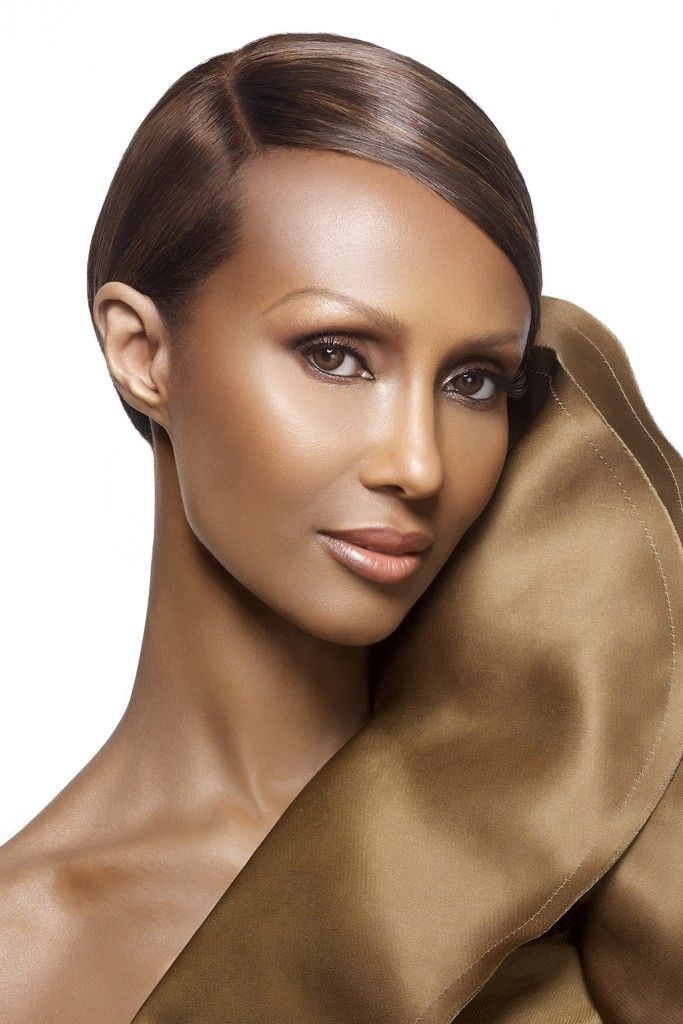
Iman Abdulmajid is a Somali supermodel, entrepreneur, and humanitarian whose career fundamentally reshaped global standards of beauty, race, and representation. Born on July 25, 1955, in Mogadishu, Somalia, Iman emerged as one of the first African supermodels to achieve worldwide fame, becoming the embodiment of high fashion elegance and later the architect of one of the most influential Black-owned beauty empires in history.

Iman’s early life was intellectually and culturally rich. Her father was a diplomat and former Somali ambassador, and her mother was a gynecologist. She was educated in Somalia, Egypt, and Kenya, and spoke several languages fluently before ever entering the fashion world. Contrary to common myth, Iman did not aspire to be a model; she was studying political science at the University of Nairobi when she was discovered.

She was discovered in 1975 by legendary American photographer Peter Beard, who encountered her while she was walking in Nairobi. Beard photographed her and presented her as an exotic African muse to the fashion world, launching her career internationally. Within months, Iman appeared on the cover of Vogue, marking one of the first times a dark-skinned African woman graced the magazine.
This photograph is the property of its respective owner. No copyright infringement intended.

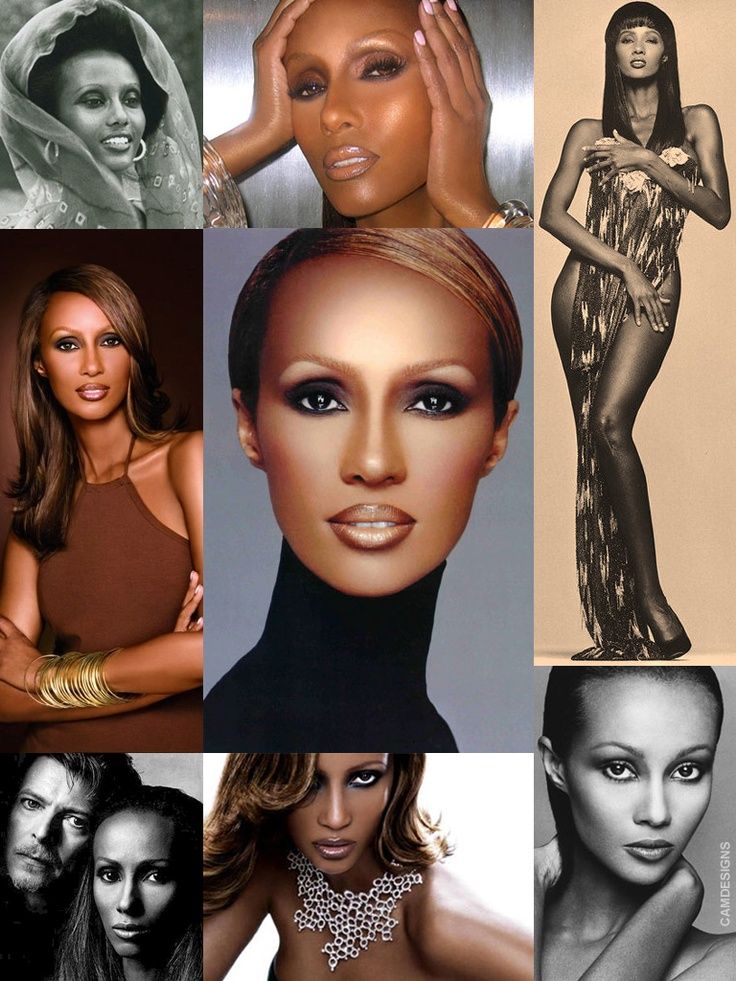
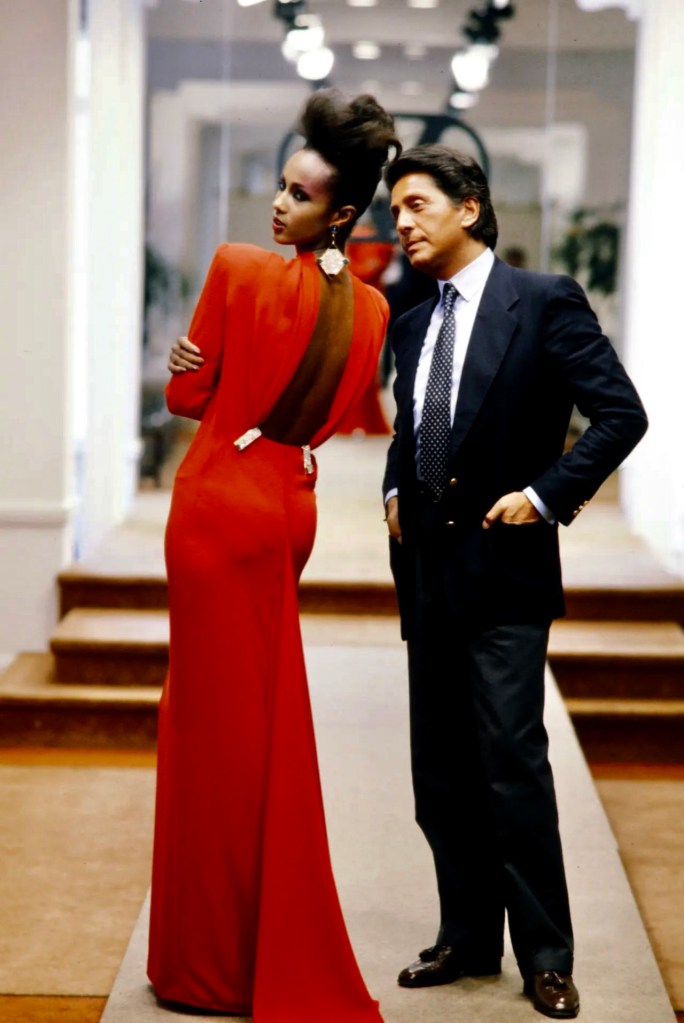
Iman’s rise was meteoric. She quickly became the muse of fashion icons such as Yves Saint Laurent, Gianni Versace, Calvin Klein, Halston, Issey Miyake, and Thierry Mugler. Yves Saint Laurent famously stated that he could not have designed his iconic “African Collection” without Iman, declaring that she represented his ideal woman.

Her runway and editorial career spanned two decades, during which she became one of the most in-demand models in the world. She appeared on the covers of Vogue, Harper’s Bazaar, Elle, Allure, and Time, and worked with elite photographers such as Richard Avedon, Helmut Newton, Irving Penn, and Steven Meisel.
This photograph is the property of its respective owner. No copyright infringement intended.

Iman’s beauty became legendary. She is celebrated for her luminous, deep brown skin, regal height, sculpted cheekbones, elongated neck, almond-shaped eyes, and symmetrical facial structure. Her Somali features reflect classical East African Nilotic aesthetics, often compared to ancient Nubian and Pharaonic beauty ideals.

In fashion theory, Iman is often described as the epitome of “model beauty” because her appearance combines proportion, bone structure, posture, and presence. She possesses what scholars call architectural beauty—features that translate powerfully across photography, film, and live runway.

Iman did not simply succeed within Eurocentric systems—she redefined them. At a time when Black models were rare and often marginalized, she became the standard rather than the exception. She normalized African beauty within luxury spaces that had historically excluded it.

In her personal life, Iman married iconic musician David Bowie in 1992. Their marriage became one of the most admired interracial celebrity unions in modern history, lasting until Bowie died in 2016. Together, they had one daughter, Alexandria Zahra Jones, born in 2000. Iman also has a daughter, Zulekha Haywood, from her previous marriage to basketball player Spencer Haywood.

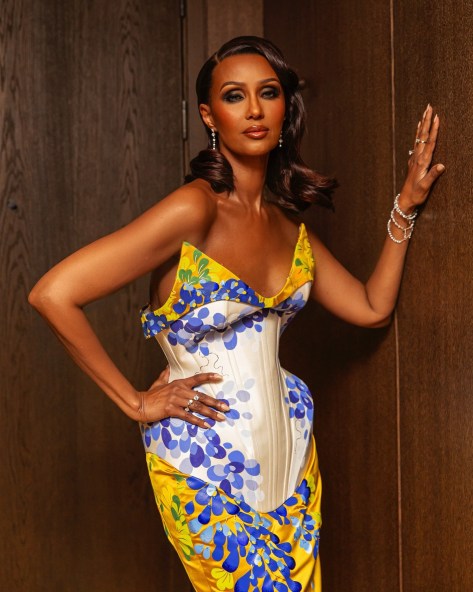
Beyond modeling, Iman made history as a beauty entrepreneur. In 1994, she founded IMAN Cosmetics, one of the first global beauty brands created specifically for women of color. The brand addressed a massive gap in the cosmetics industry, which had long ignored deeper skin tones.

IMAN Cosmetics became a revolutionary force, offering foundation, skincare, and makeup products for a wide range of melanin-rich complexions. Iman famously stated that she created the brand because “women of color were invisible in beauty.” Her company is now regarded as a blueprint for inclusive beauty, preceding brands like Fenty by decades.
This photograph is the property of its respective owner. No copyright infringement intended.

Her entrepreneurial success transformed her from model to mogul. Iman became one of the wealthiest self-made Black women in fashion, proving that Black beauty could generate not only cultural value but economic sovereignty.

Iman’s impact extends into humanitarian and political advocacy. She has worked extensively with organizations such as CARE, Keep a Child Alive, and the UN Refugee Agency, focusing on African development, famine relief, and global health.

She has received numerous honors, including the Fashion Icon Award from the Council of Fashion Designers of America (CFDA), TIME Magazine Icon Award, BET Lifetime Achievement Award, and multiple humanitarian recognitions.

As an “Ebony Doll,” Iman represents the highest archetype of Black feminine beauty—regal, dignified, and timeless. The term here signifies symbolic elevation: she is not decorative, but iconic; not consumable, but monumental.

Her Somali beauty challenged colonial narratives that framed African features as primitive or undesirable. Instead, she presented African aesthetics as classical, royal, and divine—comparable to ancient queens, goddesses, and empresses.

Unlike hypersexualized representations of Black women, Iman’s beauty has always been associated with intellect, grace, and power. She embodies what cultural theorists describe as sovereign femininity—beauty aligned with authority rather than submission.

In sociological terms, Iman converted beauty into symbolic, cultural, and economic capital. She did not merely model luxury—she became luxury itself, reshaping global visual culture.

Iman’s legacy paved the way for generations of Black models, including Naomi Campbell, Alek Wek, Liya Kebede, Jourdan Dunn, Adut Akech, and Anok Yai. Without Iman, the contemporary presence of African beauty in fashion would be unimaginable.

Ultimately, Iman is not simply a model—she is a civilizational figure. She represents the re-entry of African beauty into global consciousness after centuries of erasure.

She is the Ebony Doll, not as fantasy, but as truth: the living standard by which model beauty itself is measured.


References

Iman. (2001). I Am Iman. HarperCollins.

Iman Cosmetics. (2020). Brand history and founder biography. IMAN Global.

Council of Fashion Designers of America. (2010). Fashion Icon Award: Iman.

Beard, P. (1975). Discovery of Iman photographic series.

TIME Magazine. (2018). Iman: Global fashion icon and entrepreneur.

Entwistle, J. (2009). The aesthetic economy of fashion: Models and symbolic capital. Berg.

Hunter, M. (2011). Buying racial capital: Skin bleaching and cosmetic surgery in a globalized world. The Journal of Pan African Studies, 4(4), 142–164.

Bourdieu, P. (1986). The forms of capital. In J. Richardson (Ed.), Handbook of theory and research for the sociology of education (pp. 241–258). Greenwood.

Banks, I. (2015). Black bodies in fashion: Representation and resistance. Fashion Theory, 19(3), 267–289.

Crenshaw, K. (1991). Mapping the margins: Intersectionality and identity politics. Stanford Law Review, 43(6), 1241–1299.

The Phenomenal Black Woman

The Black woman stands as one of the most powerful and resilient figures in modern society—an embodiment of endurance, brilliance, and sacred strength. Her story is not merely one of survival, but of transformation: turning adversity into innovation, pain into purpose, and marginalization into leadership. Across history and into the present, the Black woman continues to rise as a cultural architect, economic force, spiritual anchor, and intellectual pioneer.

Statistically and socially, Black women are among the most educated demographic groups in the United States. They consistently enroll in and complete higher education at rates surpassing many of their counterparts, often while balancing work, family, and community responsibilities. This pursuit of education is not simply for individual advancement but reflects a collective ethos—education as liberation, as legacy, as resistance against systems that once forbade their literacy.

Beyond education, Black women are also the most entrepreneurial group in America. They are starting businesses at unprecedented rates, creating brands, services, and institutions that respond directly to the needs of their communities. From beauty and wellness to finance, tech, education, and real estate, Black women are building economic ecosystems that circulate wealth and opportunity where it was historically denied.

This entrepreneurial spirit is deeply rooted in historical memory. Enslaved Black women were traders, healers, midwives, and market women long before modern capitalism recognized them as business owners. In the face of legal exclusion from wealth-building systems, they created informal economies, mutual aid societies, and cooperative networks that sustained entire communities through segregation and poverty.

The strength of the Black woman is not performative—it is structural. She is often the backbone of the family, holding emotional, financial, and spiritual labor simultaneously. She raises children, supports elders, nurtures partners, and still finds space to cultivate her own dreams. Her strength is not the absence of vulnerability, but the discipline of carrying love even while burdened.

Black women have long served as cultural carriers. Through language, food, music, fashion, and spirituality, they preserve ancestral knowledge and translate it into modern expression. From gospel hymns to hip-hop aesthetics, from soul food to wellness rituals, Black women shape culture while rarely being credited as its original architects.

Spiritually, the Black woman has been a priestess of survival. Whether through church leadership, ancestral traditions, or personal faith practices, she has held communities together through prayer, prophecy, and healing. She is often the intercessor—the one who believes when others lose faith, the one who remembers God when the world forgets her humanity.

Psychologically, Black women navigate a unique intersection of racial and gendered stress, yet they exhibit extraordinary emotional intelligence and adaptability. They master the art of code-switching, resilience, and strategic silence, often carrying invisible labor in professional and social spaces that demand excellence without offering protection.

Intellectually, Black women have been architects of major political, social, and academic movements. From abolition and civil rights to feminism, education reform, and digital activism, Black women have consistently led revolutions that they were later written out of. Their intellectual labor has reshaped law, sociology, literature, theology, and psychology.

The Black woman’s body itself has been a site of political struggle and cultural projection. Historically exoticized, commodified, hypersexualized, and criticized, her body has also been reclaimed as a symbol of beauty, fertility, creativity, and divine design. Today, Black women redefine beauty standards, celebrating melanin, natural hair, full features, and diverse body types as sacred rather than marginal.

In motherhood, Black women often mother not only their own children but entire communities. They become teachers, counselors, protectors, and advocates. Even in systems that criminalize their sons and overlook their daughters, Black women remain the primary architects of emotional and moral development.

In love and relationships, Black women are frequently expected to be endlessly loyal, patient, and forgiving, even when reciprocity is absent. Yet they continue to choose love, family, and connection, often while healing generational wounds of abandonment, instability, and emotional labor imbalance.

Economically, Black women stretch limited resources into abundance. They are financial strategists by necessity—managing households, building credit, launching side businesses, and creating generational pathways where none previously existed. They practice wealth-building not as luxury, but as survival and stewardship.

Politically, Black women are the most reliable voting bloc and one of the most influential forces in democratic movements. They organize, mobilize, educate, and protect civil rights, often without institutional power or public recognition. When social justice shifts, it is usually because Black women moved first.

Culturally, Black women shape global aesthetics. From hairstyles and slang to fashion, dance, and social media trends, Black women generate cultural capital that fuels entire industries. Yet their influence is frequently extracted, rebranded, and monetized without fair compensation or acknowledgment.

Emotionally, the Black woman is a healer. She holds space for grief, trauma, and transformation—not only her own, but others’. She listens, nurtures, advises, and absorbs emotional pain while rarely being given the same care in return.

Historically, the Black woman has been both invisible and indispensable. She built America’s domestic, agricultural, and caregiving infrastructure while being excluded from its rewards. Yet she continues to rise, not waiting for permission to thrive.

The modern Black woman is redefining femininity itself. She is soft and strong, spiritual and strategic, nurturing and ambitious. She refuses false binaries between vulnerability and power, choosing instead to embody both with grace.

An ode to the Black woman is an ode to life itself. She is the womb of culture, the memory of nations, the architect of futures not yet seen. Her existence is not an accident of history—it is a divine intervention in a world that tried to erase her.

The phenomenal Black woman is not exceptional because she overcame suffering—she is exceptional because she transformed suffering into legacy. She is the most educated, the most entrepreneurial, the most spiritually resilient, and one of the most culturally influential forces on earth. She is not just surviving history—she is writing it.

References

American Association of University Women. (2023). Fast facts: Women of color in higher education. https://www.aauw.org/resources/article/fast-facts-woc-higher-ed/

Anderson, M., & Perrin, A. (2018). Black women and technology adoption. Pew Research Center. https://www.pewresearch.org/internet/2018/01/25/blacks-and-technology-adoption/

Collins, P. H. (2000). Black feminist thought: Knowledge, consciousness, and the politics of empowerment (2nd ed.). Routledge.

Crenshaw, K. (1991). Mapping the margins: Intersectionality, identity politics, and violence against women of color. Stanford Law Review, 43(6), 1241–1299. https://doi.org/10.2307/1229039

Federal Reserve Bank of Kansas City. (2021). The state of women-owned businesses. https://www.kansascityfed.org/research/economic-review/women-owned-businesses/

Georgetown University Center on Education and the Workforce. (2020). A profile of Black women in the labor market. https://cew.georgetown.edu/cew-reports/black-women/

Giddings, P. (1984). When and where I enter: The impact of Black women on race and sex in America. HarperCollins.

McKinsey & Company. (2022). Black women are ambitious. But they’re held back at work. https://www.mckinsey.com/featured-insights/diversity-and-inclusion/black-women-are-ambitious-but-theyre-held-back-at-work

National Women’s Business Council. (2023). Black women entrepreneurs: Driving innovation and economic growth. https://nwbc.gov/

Pew Research Center. (2021). Black Americans are more likely than others to say family is central to their identity. https://www.pewresearch.org/social-trends/2021/03/25/

Smith, J. A., & Patton, L. D. (2016). Postracial rhetoric and the Black female student. Journal of College Student Development, 57(6), 645–661. https://doi.org/10.1353/csd.2016.0064

U.S. Census Bureau. (2022). Women-owned businesses by race and ethnicity. https://www.census.gov/programs-surveys/sbo.html

U.S. Department of Labor. (2023). Women in the labor force: A databook. https://www.dol.gov/agencies/wb/data

Walker, A. (1983). In search of our mothers’ gardens: Womanist prose. Harcourt Brace Jovanovich.

World Economic Forum. (2020). The power of Black women in the U.S. economy. https://www.weforum.org/reports/

The Phenomenal Black Man

The Black man stands as one of the most complex and misunderstood figures in modern society—shaped by historical trauma, systemic barriers, and cultural misrepresentation, yet continually producing excellence, innovation, and leadership. His story is not one of deficiency, as dominant narratives often suggest, but of resilience: surviving institutions that were never designed for his success while still cultivating identity, dignity, and generational hope.

Historically, Black men were foundational to the construction of the modern world. From forced labor during enslavement to skilled craftsmanship, engineering, agriculture, and military service, Black men have contributed materially to global economies while being excluded from the political and financial rewards of their labor. This historical displacement from power did not erase their leadership capacity—it delayed its recognition.

In education, Black men face some of the most significant structural barriers of any demographic group, including school discipline disparities, underfunded institutions, and racialized tracking systems. Yet despite these obstacles, Black men continue to excel in higher education, producing scholars, scientists, theologians, engineers, physicians, and legal minds who challenge the myth of intellectual inferiority.

The intellectual legacy of Black men includes some of the most influential thinkers of modern history. Figures such as W.E.B. Du Bois, James Baldwin, Martin Luther King Jr., Malcolm X, Frantz Fanon, and Carter G. Woodson reshaped sociology, political theory, psychology, theology, and cultural studies. Their work remains foundational to understanding race, power, identity, and human liberation.

Economically, Black men are increasingly asserting entrepreneurial agency. From tech startups and financial services to fashion, real estate, sports management, and media production, Black men are building independent economic infrastructures. Entrepreneurship has become both a form of resistance to labor market discrimination and a strategy for generational wealth creation.

The Black man is also a cultural architect. Music, fashion, language, and global aesthetics have been profoundly shaped by Black male creativity—from jazz and blues to hip-hop, from streetwear to luxury fashion, from spoken word to film and digital media. Black men continuously produce cultural capital that fuels global industries.

Spiritually, the Black man has served as a prophet, preacher, teacher, and revolutionary theologian. The Black church, Islamic movements, and Afrocentric spiritual systems have provided Black men with frameworks for moral leadership, communal healing, and resistance to psychological colonization. Faith has often been a survival technology in a hostile world.

Psychologically, Black men navigate a unique terrain of racialized masculinity. They are frequently socialized to suppress vulnerability, emotional expression, and mental health needs in order to survive in environments that criminalize their bodies and silence their pain. Yet Black men are increasingly reclaiming emotional literacy, therapy, and self-awareness as tools of empowerment.

In family life, the narrative of the “absent Black father” has been one of the most damaging cultural myths. Research consistently shows that Black fathers are among the most involved fathers across racial groups when structural barriers such as incarceration and economic exclusion are accounted for. Black men actively participate in caregiving, emotional bonding, and moral instruction.

The Black man’s body has historically been framed as a site of fear and criminality. From slavery patrols to modern policing, Black male bodies have been surveilled, punished, and politicized. Yet the Black man continues to reclaim his body as sacred—through health, fitness, discipline, self-care, and spiritual grounding.

Politically, Black men have been central to liberation movements worldwide. From abolition and anti-colonial struggles to civil rights and Pan-Africanism, Black men have organized, theorized, and mobilized resistance against racial oppression. Their political consciousness has shaped democratic ideals globally.

The Black man’s relationship to labor has been one of both exploitation and mastery. Despite being overrepresented in physically demanding and dangerous occupations, Black men have also excelled in professional, technical, and intellectual fields, redefining what Black masculinity looks like beyond brute survival.

In relationships and intimacy, Black men are often burdened by stereotypes of emotional detachment, hypersexuality, or instability. Yet many Black men actively seek emotional depth, spiritual connection, and partnership grounded in respect and mutual growth. They are redefining masculinity beyond dominance toward responsibility and presence.

Culturally, Black men serve as intergenerational bridges. They carry ancestral memory, oral history, and survival strategies passed down through fathers, grandfathers, and community elders. Their identity is not isolated—it is collective, historical, and deeply rooted in lineage.

The modern Black man is increasingly invested in self-development. He studies financial literacy, mental health, spirituality, fitness, and purpose. He reads, builds, mentors, and heals. This shift represents a quiet revolution in Black male consciousness.

The Black man is also a mentor and protector. Whether through coaching, teaching, community organizing, or informal leadership, Black men invest in the next generation, offering guidance in environments where institutional support is often absent.

Despite structural violence, Black men continue to love—deeply, creatively, and spiritually. They love their families, their communities, their cultures, and their futures. Love becomes an act of resistance in a world that expects their emotional absence.

The phenomenal Black man is not defined by pathology but by possibility. He is a survivor of historical trauma and a carrier of ancestral wisdom. He is a thinker, a builder, a father, a lover, a leader, and a visionary.

An ode to the Black man is an ode to perseverance. He exists in the tension between vulnerability and strength, memory and future, pain and purpose. His presence is not accidental—it is historical, spiritual, and revolutionary.

The phenomenal Black man is not waiting to be redeemed by society—he is redeeming himself through consciousness, discipline, faith, and collective responsibility. He is not a problem to be solved, but a force to be understood, honored, and supported.


References

American Psychological Association. (2018). Boys and men of color: Implications for academic success. https://www.apa.org/monitor/2018/07/boys-men-color

Anderson, E. (1999). Code of the street: Decency, violence, and the moral life of the inner city. W. W. Norton.

Bonilla-Silva, E. (2014). Racism without racists: Color-blind racism and the persistence of racial inequality in America (4th ed.). Rowman & Littlefield.

Du Bois, W. E. B. (1903). The souls of Black folk. A.C. McClurg & Co.

Edin, K., Tach, L., & Mincy, R. (2009). Claiming fatherhood: Race and the dynamics of paternal involvement. The ANNALS of the American Academy of Political and Social Science, 621(1), 149–177. https://doi.org/10.1177/0002716208325548

Fanon, F. (1952). Black skin, white masks. Grove Press.

Harper, S. R. (2012). Black male student success in higher education. ASHE Higher Education Report, 38(3), 1–140. https://doi.org/10.1002/aehe.20002

National Center for Education Statistics. (2022). Status and trends in the education of racial and ethnic groups. https://nces.ed.gov/

Pew Research Center. (2018). Black fathers more involved than other dads. https://www.pewresearch.org/social-trends/2018/06/14/fathers-day-2018/

U.S. Department of Justice. (2021). Contacts between police and the public. https://bjs.ojp.gov/

U.S. Small Business Administration. (2023). Black-owned business statistics. https://www.sba.gov/

Woodson, C. G. (1933). The mis-education of the Negro. Associated Publishers.

World Economic Forum. (2020). The future of jobs report. https://www.weforum.org/reports/

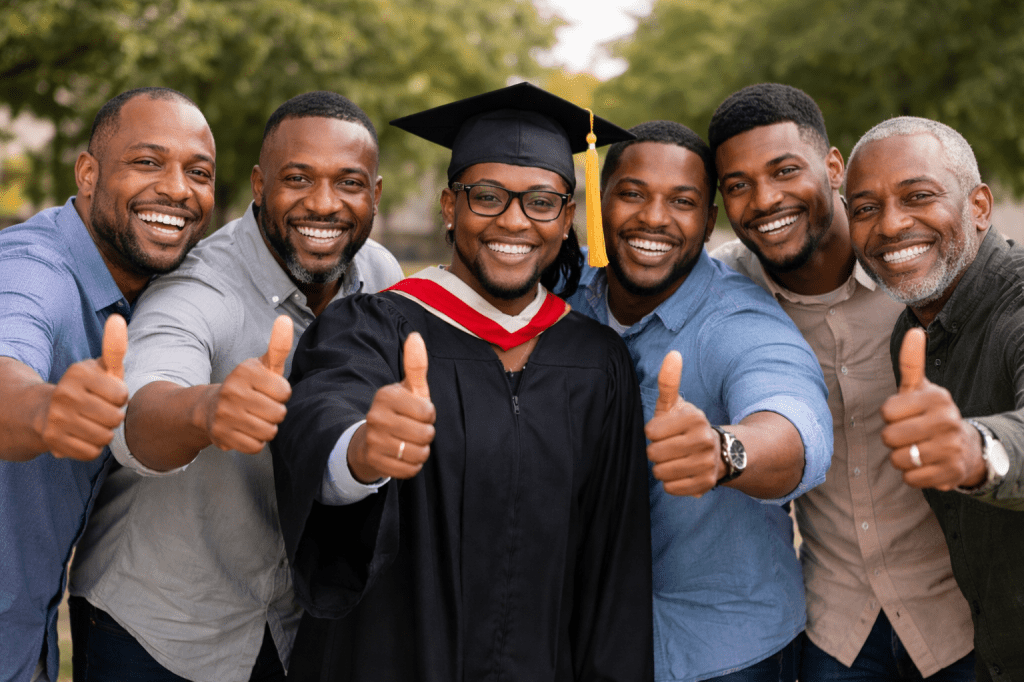
Mentorship and Networking for Career Success.

Photo by nappy on Pexels.com

Career success is rarely achieved in isolation. Behind most accomplished professionals are networks of mentors, advisors, and peers who provide guidance, encouragement, and opportunities. For Black women navigating systemic barriers, mentorship and networking are particularly crucial for building visibility, credibility, and professional growth. These tools not only facilitate skill development but also foster confidence, resilience, and strategic decision-making.

Mentorship offers a unique space for learning from the experience of others. A mentor provides not only technical guidance but also emotional support and perspective, helping mentees navigate complex workplace dynamics. Psychologically, mentorship aligns with social learning theory, which suggests that individuals learn behaviors, strategies, and problem-solving techniques by observing and interacting with experienced role models (Bandura, 1977). In practice, a mentor can help identify strengths and weaknesses, provide constructive feedback, and encourage goal-setting aligned with long-term career objectives.

Networking, on the other hand, broadens access to opportunities. Building professional relationships allows individuals to connect with peers, industry leaders, and potential collaborators. Networking is more than social interaction—it is a strategic tool for knowledge sharing, opportunity discovery, and professional advocacy. Research demonstrates that professionals with robust networks are more likely to receive promotions, gain leadership roles, and access career-enhancing opportunities (Burt, 1992).

🌟 Mentorship & Networking Toolkit for Career Success

1. Finding and Choosing Mentors

  • Look for multiple mentors: Seek mentors in your field, outside your organization, and even cross-industry to gain diverse perspectives.
  • Align with values and goals: Choose mentors whose experience and principles resonate with your career aspirations.
  • Observe and learn: Identify mentors whose behaviors, leadership style, and communication you admire.

Questions to ask potential mentors:

  • “What skills were most critical for your success?”
  • “What mistakes did you make early in your career that I can avoid?”
  • “How did you navigate challenges in a male- or Eurocentric-dominated workplace?”

2. Building and Maintaining Networks

  • Attend events: Conferences, webinars, and professional workshops are ideal spaces to connect with peers and leaders.
  • Join affinity groups: Professional organizations like National Black MBA Association, Black Women in Science & Engineering, or Lean In Circles provide structured networking.
  • Engage online: LinkedIn and professional forums are excellent platforms to maintain visibility and relationships.

Networking tips:

  • Offer value: Share resources, knowledge, or support to strengthen connections.
  • Follow up consistently: Send thank-you notes or check-ins after meetings.
  • Be authentic: Let relationships grow naturally without forced agendas.

3. Maximizing Mentorship Relationships

  • Set clear goals: Define what you hope to achieve through mentorship (skills, promotions, leadership development).
  • Be open to feedback: Accept constructive criticism as a tool for growth.
  • Act on guidance: Demonstrate initiative and follow through on mentor suggestions.

Questions to ask during mentorship sessions:

  • “How can I position myself for leadership roles in my field?”
  • “Which skills should I develop in the next 6–12 months?”
  • “Can you recommend opportunities to expand my professional visibility?”

4. Reverse Mentoring

  • Offer your expertise: Teach senior colleagues about technology trends, diversity issues, or cultural insights.
  • Create mutual learning: Both mentor and mentee benefit, fostering respect and collaboration.

5. Leveraging Community Support

  • Seek accountability partners: Peers can provide encouragement, motivation, and constructive challenge.
  • Celebrate successes: Share milestones within your network to inspire and build credibility.
  • Mentor others: Pay it forward to create a cycle of empowerment.

6. Faith and Psychological Principles

  • Proverbs 27:17 (KJV): “Iron sharpeneth iron; so a man sharpeneth the countenance of his friend.”
  • 2 Timothy 2:2: Mentorship ensures skills and leadership pass to the next generation.
  • Psychological research: Strong social support increases self-efficacy, resilience, and career satisfaction (Cohen & Wills, 1985).

7. Key Takeaways

  • Mentorship and networking are interlinked tools for career growth.
  • Seek mentors strategically, maintain authentic relationships, and engage in reciprocal learning.
  • Communities, both professional and faith-based, strengthen resilience and provide long-term support.
  • Your network is a source of opportunity, guidance, and generational impact.

For Black women, mentorship and networking take on added significance. Structural inequities, implicit bias, and underrepresentation in leadership roles create barriers that mentorship can help navigate. Organizations such as National Black MBA Association, Black Women in Science & Engineering, and Lean In Circles provide structured networks and mentorship programs that empower Black women to thrive professionally.

Biblical principles also support the value of mentorship and networking. Proverbs 27:17 (KJV) states: “Iron sharpeneth iron; so a man sharpeneth the countenance of his friend.” This illustrates that growth is amplified through relationships, accountability, and guidance. Likewise, the Apostle Paul’s relationship with Timothy (2 Timothy 2:2) demonstrates the power of intentional mentorship in fostering skills, leadership, and faith-driven purpose.

Practical strategies for leveraging mentorship and networking include: seeking mentors both within and outside one’s organization, attending professional conferences, joining affinity groups, and maintaining consistent communication with professional contacts. Active listening, offering value in relationships, and demonstrating reliability strengthen networks and build mutual trust. Mentors are most effective when there is clarity about goals, openness to feedback, and a willingness to act on advice.

Moreover, mentees should embrace the concept of reverse mentoring, where emerging professionals offer insights to senior colleagues, particularly on evolving technologies, cultural trends, or social perspectives. This approach creates a reciprocal, dynamic mentorship ecosystem, fostering intergenerational learning and respect.

Ultimately, mentorship and networking cultivate not only career success but also confidence, resilience, and strategic insight. They provide a support system, amplify visibility, and create pathways for leadership. By actively seeking and nurturing professional relationships, Black women and other underrepresented professionals can overcome barriers, maximize potential, and leave a lasting impact in their industries.


References

  • Bandura, A. (1977). Social Learning Theory. Prentice Hall.
  • Burt, R. S. (1992). Structural Holes: The Social Structure of Competition. Harvard University Press.
  • Bible (KJV). Proverbs 27:17; 2 Timothy 2:2.
  • Ibarra, H., Carter, N. M., & Silva, C. (2010). Why men still get more promotions than women. Harvard Business Review.