
Category Archives: domestic violence

Unlearning Machismo: Redefining Power Without Violence.

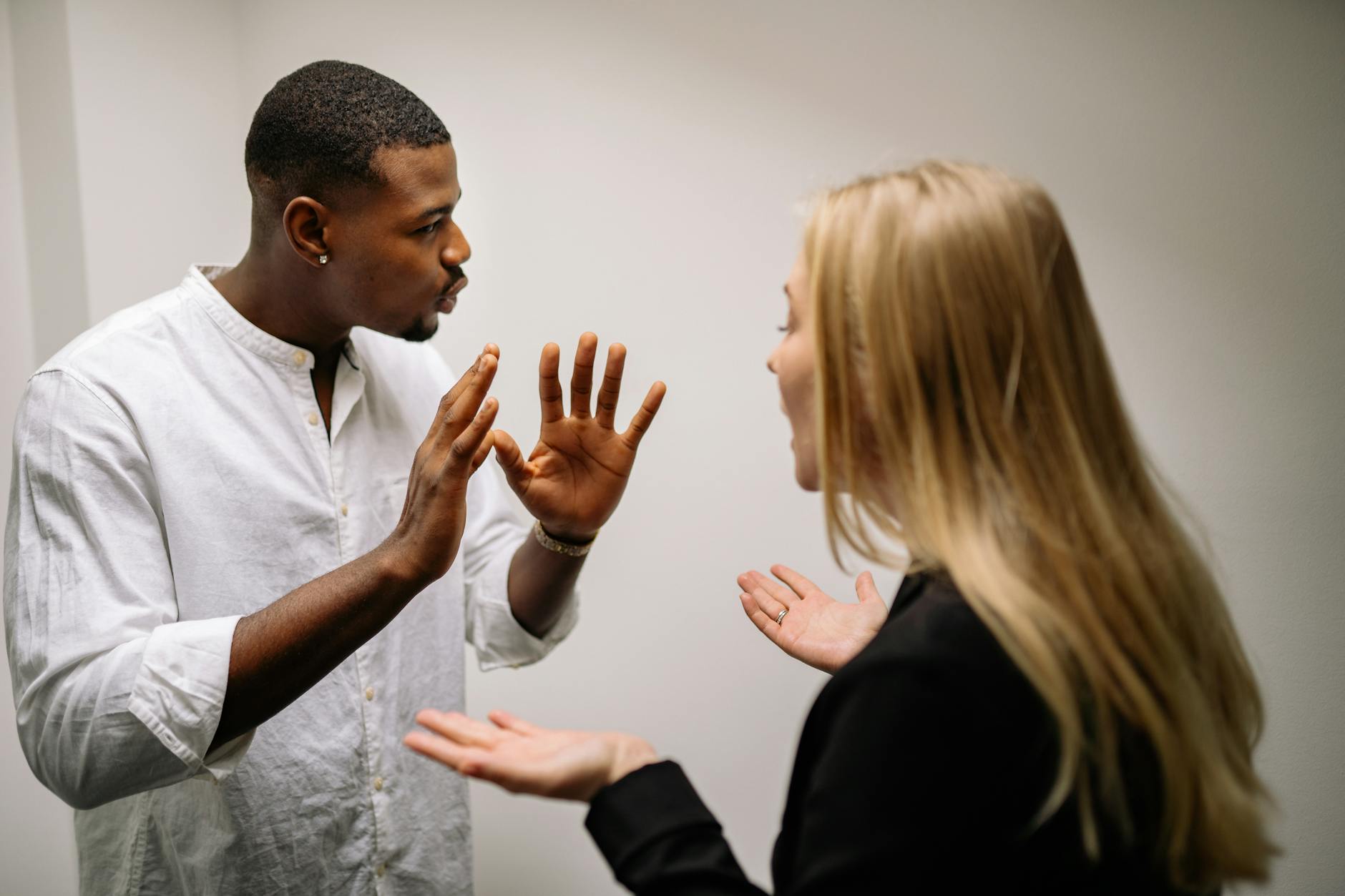
Photo by Yan Krukau on Pexels.com

Machismo, a deeply ingrained cultural phenomenon, has long shaped the identities and behaviors of men within patriarchal societies. Rooted in colonial, religious, and socio-political systems, machismo perpetuates ideals of dominance, aggression, and control as hallmarks of masculinity. Yet, as modern societies increasingly embrace gender equity and emotional intelligence, men are being challenged to reexamine these inherited scripts. Unlearning machismo is not merely an act of rebellion—it is an act of liberation and restoration, both for men and for the communities affected by patriarchal harm.

At its core, machismo promotes a distorted view of power. It teaches men that control over others equates to strength, and that vulnerability is a form of weakness. This mindset has historically justified violence—both physical and emotional—as a means of asserting dominance. Such power, however, is built on fear and fragility. When a man’s self-worth depends on dominance, his humanity becomes compromised. The process of unlearning this ideology requires redefining what it means to be powerful without harming others.

The origins of machismo can be traced back to colonial interactions where European patriarchal systems fused with indigenous and African traditions, forming a hybrid model of masculinity centered on hierarchy. Scholars such as Connell (2005) have noted that “hegemonic masculinity” sustains social inequality by legitimizing male dominance over women and other men perceived as weaker. This dynamic fosters cycles of violence that extend beyond gender, influencing political, economic, and familial relationships.

In many cultures, boys are taught from a young age that emotional suppression equals maturity. Tears, tenderness, and empathy are often labeled “feminine,” creating an internal war within the psyche of men. The denial of emotional expression becomes a breeding ground for rage and resentment. bell hooks (2004) emphasized that this emotional strangulation robs men of their full humanity, turning them into “wounded warriors” who mistake silence for strength.

The unlearning process begins with acknowledging that vulnerability and power can coexist. Men who practice introspection—who can confront their pain and insecurities—discover that true authority comes not from control but from compassion. The biblical text in Proverbs 16:32 declares, “He that is slow to anger is better than the mighty; and he that ruleth his spirit than he that taketh a city” (KJV). This ancient wisdom captures the essence of emotional mastery as the highest form of power.

Cultural and media representations have long glorified violent masculinity. Films, music, and even sports often reward aggression and dominance as markers of male worth. Yet, contemporary artists and activists are rewriting this narrative by portraying gentleness as revolutionary. The emergence of men’s healing circles, mental health advocacy, and fatherhood programs are evidence of a shifting paradigm. These movements invite men to redefine power as the ability to nurture rather than destroy.

In family dynamics, unlearning machismo transforms generational legacies. Fathers who model emotional intelligence teach their sons that real men can apologize, express love, and seek peace. This redefinition of manhood reshapes relationships with women as well—moving away from ownership and toward partnership. Such transformation heals the intergenerational wounds of dominance and silence.

Faith traditions also offer tools for this redefinition. In Christianity, Christ himself exemplified strength through humility, leadership through service, and love through sacrifice. His model of manhood stands in direct opposition to machismo. Similarly, other spiritual traditions teach that mastery over self is the truest form of power. Reconnecting with these principles can help men find balance between assertiveness and compassion.

Psychologically, the unlearning of machismo involves confronting internalized shame. Many men equate failure with emasculation, fearing judgment if they deviate from traditional roles. Therapy, community dialogue, and accountability spaces become vital in dismantling these patterns. Healing begins when men give themselves permission to be fully human—strong, yet soft; courageous, yet kind.

Sociologically, the persistence of machismo is tied to systemic inequality. Patriarchal power structures depend on men’s adherence to dominance for their survival. To dismantle these systems, men must engage in collective accountability—challenging sexism in workplaces, families, and communities. Unlearning machismo is not an individual endeavor but a societal necessity.

Intersectionality complicates the experience of machismo. For Black and Brown men, the performance of hypermasculinity often becomes a shield against racial emasculation. Society portrays them as threats yet denies their vulnerability. Thus, the unlearning process must consider racialized trauma. As Dr. Kevin Cokley (2015) notes, reclaiming emotional wholeness in men of color requires both resistance to racism and rejection of patriarchal conditioning.

Education plays a transformative role. When boys learn empathy and cooperation early in life, they are less likely to resort to violence as adults. Curriculums that integrate emotional literacy, social justice, and gender equality cultivate balanced identities. These educational reforms not only prevent harm but nurture healthier generations.

The media’s participation in this transformation is essential. Representation matters—not only in showing diverse masculinities but also in dismantling stereotypes of male stoicism and aggression. Men who publicly model tenderness—whether through art, fatherhood, or activism—expand the cultural imagination of what manhood can be.

Unlearning machismo also redefines relationships between men themselves. Brotherhood shifts from competition to camaraderie, from dominance to mutual support. Healthy male friendships grounded in honesty and emotional openness counteract isolation and toxic independence. Community healing requires these forms of male solidarity.

In romantic relationships, abandoning machismo opens space for mutual respect and partnership. Instead of control, love becomes a shared act of growth. Studies show that emotionally intelligent men experience greater relationship satisfaction and stability (Gottman, 2011). Emotional maturity, therefore, becomes an asset rather than a liability.

Economically, machismo has shaped labor and leadership models that prize control over collaboration. Workplaces that reward empathy, inclusivity, and collective intelligence are not only more equitable but also more productive. The redefinition of power thus benefits both individuals and institutions.

Redefining power without violence means learning to wield influence through integrity rather than intimidation. Leadership rooted in compassion inspires rather than coerces. History remembers not the loudest or most forceful, but those whose power uplifted others.

The process of unlearning machismo requires patience and humility. It demands that men confront generational pain and unlearn centuries of cultural conditioning. Yet, the reward is immense: freedom from the prison of performative masculinity and the birth of a balanced, peaceful identity.

Ultimately, the new definition of power is not about domination but transformation. It is the courage to lead with love, to heal with honesty, and to build communities rooted in justice and care. The redefined man is no less powerful—he is more complete.

Unlearning machismo is a revolutionary act of love. It liberates both men and those around them. When power is redefined as service, and masculinity is measured by peace rather than pride, humanity takes one step closer to wholeness.


References

Connell, R. W. (2005). Masculinities (2nd ed.). University of California Press.

Cokley, K. (2015). The myth of Black anti-intellectualism: A true psychology of African American students. Praeger.

Gottman, J. (2011). The science of trust: Emotional attunement for couples. W.W. Norton & Company.

hooks, b. (2004). The will to change: Men, masculinity, and love. Washington Square Press.

Kimmel, M. (2017). Angry white men: American masculinity at the end of an era. Nation Books.

Proverbs 16:32 (King James Bible). (n.d.). King James Bible Online. https://www.kingjamesbibleonline.org

Ward, J. (2015). Not gay: Sex between straight white men. NYU Press.

Zimbardo, P. G., & Coulombe, N. D. (2015). Man interrupted: Why young men are struggling and what we can do about it. Conari Press.
The Male Files: Beating Women — Understanding Abuse, Seeking Help, and Finding Hope

The Silent Epidemic

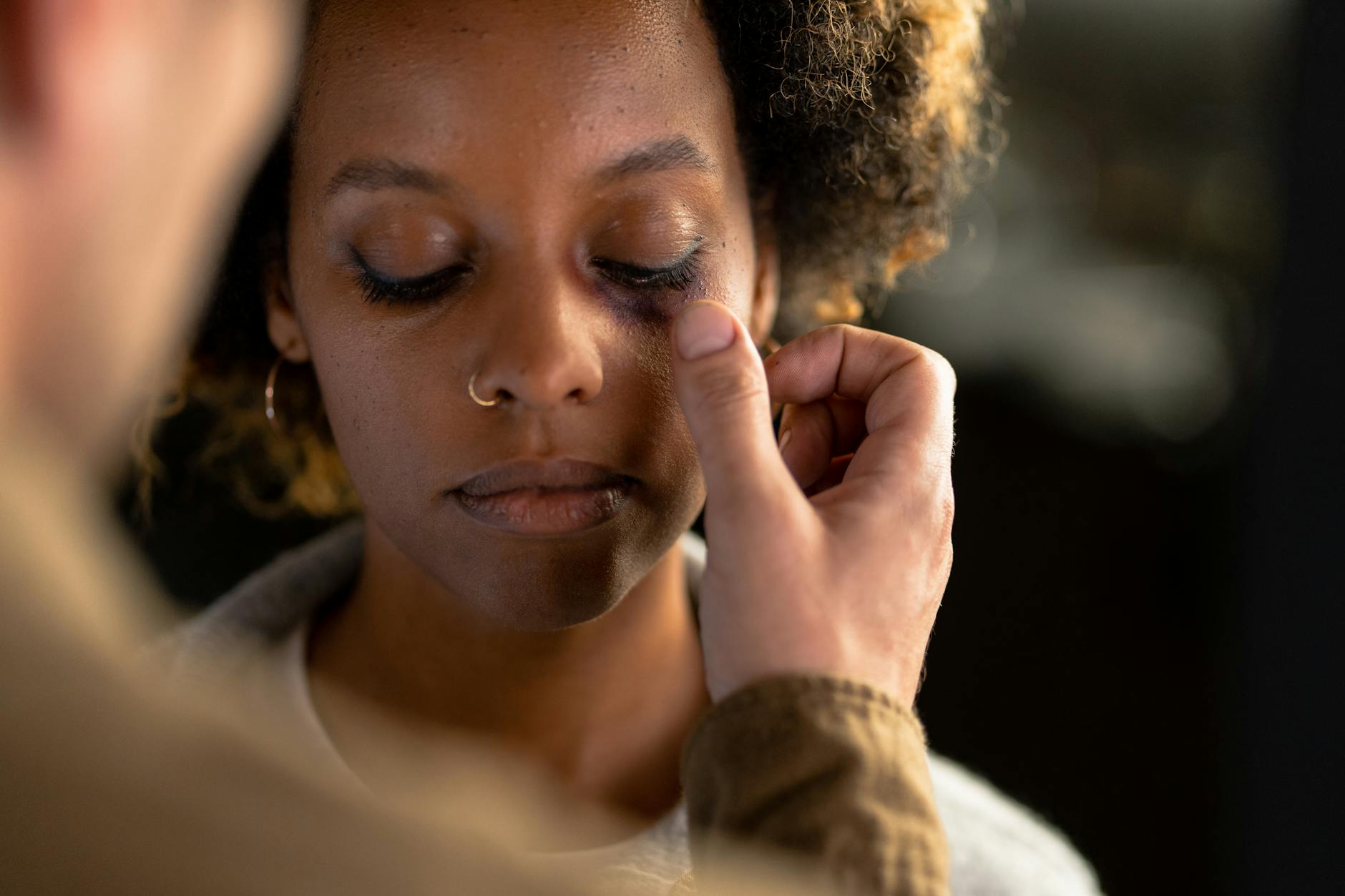
Photo by cottonbro studio on Pexels.com

Domestic violence is a pervasive issue that affects millions of women worldwide. In the United States alone, nearly 5.3 million incidents of intimate partner violence (IPV) occur annually among women aged 18 and older Emory School of Medicine. This violence manifests in various forms, including physical, emotional, and psychological abuse, often leading to severe consequences for the victims.


Why Does Domestic Violence Happen?

The reasons behind domestic violence are complex and multifaceted. Factors contributing to abusive behavior include:

  • Power and Control: Abusers often seek to dominate their partners, using violence as a means to maintain control.
  • Psychological Factors: Some individuals may have witnessed or experienced abuse in their own childhoods, perpetuating a cycle of violence.
  • Cultural Norms: Societal attitudes that condone aggression or view women as subordinates can foster environments where abuse is tolerated.
  • Substance Abuse: Alcohol and drugs can exacerbate violent tendencies, though they do not cause abuse CAWC.

The Psychology of Abusers

Abusers often exhibit certain psychological traits and behaviors:

  • Narcissism: A sense of entitlement and lack of empathy for others.
  • Jealousy and Possessiveness: Viewing partners as property rather than equals.
  • Manipulation: Using guilt, threats, or gaslighting to control the victim.
  • Emotional Instability: Rapid mood swings that can escalate into violence Psychology Today.

Understanding these traits can help in identifying abusive patterns and seeking appropriate interventions.


The Devastating Impact on Women

Domestic violence has profound effects on women, including:

  • Physical Injuries: Bruises, broken bones, and in severe cases, death.
  • Mental Health Issues: Depression, anxiety, and post-traumatic stress disorder (PTSD).
  • Social Isolation: Abusers often cut off victims from friends and family, making it difficult to seek help.
  • Economic Hardship: Victims may be financially dependent on their abusers, limiting their ability to escape Emory School of Medicine.

Age Groups Most Affected

While domestic violence can affect women of all ages, certain groups are at higher risk:

  • Young Women (18–24): This age group experiences the highest rates of intimate partner violence.
  • Older Women (Over 70): Increasingly, older women are becoming victims of domestic abuse, often facing unique challenges in seeking help The Guardian.

Global Statistics on Femicide

Femicide—the killing of women because of their gender—is a tragic outcome of domestic violence. In 2023, an average of 140 women and girls were killed daily by an intimate partner or family member, totaling approximately 51,100 deaths globally AP News.


Understanding the Cycle of Abuse

Domestic violence often follows a predictable pattern:

  • Tension Building: Minor incidents escalate.
  • Incident: The abuser lashes out.
  • Reconciliation: The abuser apologizes, promising change.
  • Calm: A period of peace before the cycle repeats GotQuestions.org.

Recognizing this cycle is crucial for victims and those supporting them.


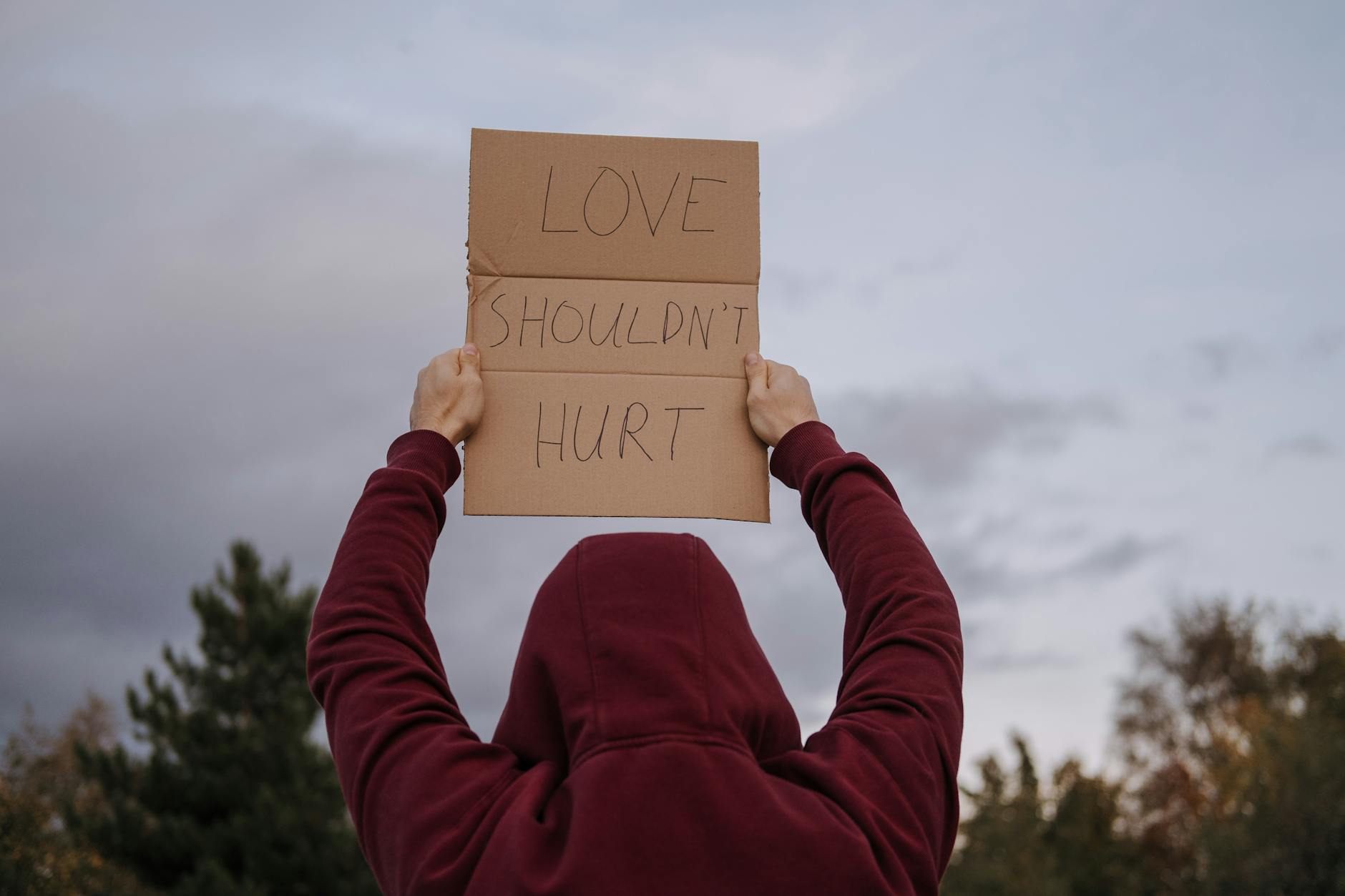
The Question: Why Does Love Hurt?

Victims often grapple with conflicting emotions. They may love their abuser and hope for change, but love should never cause pain. Abuse is not a manifestation of love but a distortion of it, rooted in control and manipulation.


Biblical Perspective on Domestic Violence

The Bible condemns violence and oppression. Scriptures such as Malachi 2:16 and Psalm 11:5 affirm that God despises injustice and calls for the protection of the vulnerable. While the Bible does not explicitly address modern domestic violence, it upholds principles of love, respect, and justice Anglican Families & Culture Commission.


What Should a Woman Do?

If you are experiencing domestic violence:

  • Acknowledge the Abuse: Recognize that you deserve respect and safety.
  • Seek Support: Reach out to trusted friends, family, or professionals.
  • Create a Safety Plan: Know where to go and who to contact in case of emergency.
  • Contact Authorities: Report the abuse to law enforcement and seek legal protection.

Where Can a Battered Woman Go for Help?

Numerous resources are available for victims of domestic violence:

  • National Domestic Violence Hotline: Call 1-800-799-SAFE (7233) for confidential support.
  • Local Shelters: Many communities offer safe housing and services.
  • Legal Aid: Seek assistance for restraining orders and custody issues.
  • Counseling Services: Professional therapy can aid in recovery.

The Role of the Church

Faith communities can play a pivotal role in supporting victims:

  • Provide Safe Spaces: Offer counseling and refuge.
  • Educate Congregations: Raise awareness about domestic violence.
  • Advocate for Justice: Stand against abuse and support legal reforms Assemblies of God.

Breaking the Cycle

Ending domestic violence requires:

  • Education: Teaching about healthy relationships and respect.
  • Intervention: Addressing abusive behavior early.
  • Support Systems: Providing resources for victims and rehabilitation for abusers.

The Importance of Empowerment

Empowering women involves:

  • Building Self-Esteem: Encouraging confidence and independence.
  • Providing Resources: Access to education, employment, and legal aid.
  • Creating Support Networks: Connecting with others who understand and support.

Legal Protections

Laws exist to protect victims:

  • Restraining Orders: Legal orders that prevent abusers from contacting victims.
  • Domestic Violence Laws: Legislation that criminalizes abuse and provides penalties.
  • Custody Laws: Protecting children from exposure to violence.

The Role of Men

Men can be allies by:

  • Challenging Misogyny: Rejecting attitudes that condone abuse.
  • Supporting Victims: Listening and offering assistance.
  • Educating Peers: Promoting respect and equality in relationships.

The Impact on Children

Children who witness domestic violence may experience:

  • Emotional Distress: Anxiety, depression, and behavioral issues.
  • Risk of Abuse: Increased likelihood of becoming victims or perpetrators in the future.
  • Disrupted Development: Challenges in forming healthy relationships.

The Need for Societal Change

Addressing domestic violence requires:

  • Cultural Shifts: Changing attitudes that tolerate abuse.
  • Community Engagement: Involving all sectors in prevention and support.
  • Policy Reforms: Strengthening laws and services for victims.

The Path to Healing

Healing from domestic violence involves:

  • Acknowledgment: Recognizing the trauma and its effects.
  • Therapy: Engaging in counseling to process experiences.
  • Support: Building a network of trusted individuals and resources.

20. Conclusion

Domestic violence is a serious issue that requires collective action. By understanding the causes, recognizing the signs, and providing support, we can work towards a society where women are safe and valued. Remember, no one deserves to be abused, and help is always available.


References

Dilemma: Domestic Violence

Photo by Anete Lusina on Pexels.com

My dear friend Jacqueline, who tragically lost her life in 2011 at the hands of her husband, was a remarkable woman—a loving friend, devoted wife, and an exceptional mother. She carried herself with grace, always putting the needs of others before her own, and her warmth and kindness touched everyone who knew her. Behind closed doors, however, she suffered at the hands of a man who abused and controlled her. Her husband repeatedly beat her, and one day he went too far, taking her life. Jacqueline’s story is a stark and heartbreaking reminder that abuse can escalate quickly, and no one should stay in a relationship where fear and violence exist. I share her story to warn women everywhere: pay attention to warning signs, trust your instincts, and seek help immediately. No act of love or loyalty should ever cost you your life.

Domestic violence is a pattern of behavior in which one person seeks to gain power and control over another in an intimate relationship. It can include:

  • Physical abuse: hitting, slapping, choking, or any form of violence.
  • Emotional abuse: humiliation, intimidation, or verbal attacks.
  • Sexual abuse: coercion or assault.
  • Financial abuse: controlling money, preventing independence.
  • Psychological manipulation: gaslighting, threats, or isolation.

Domestic violence is not about anger alone; it is about control and dominance. Many abusers exhibit traits of narcissism, entitlement, or learned behavior from past trauma. Their actions escalate over time, often starting with verbal intimidation, emotional manipulation, and gradually moving to physical abuse.

Prevalence of Domestic Violence

Domestic violence is a pervasive issue affecting individuals worldwide. In the United States, approximately 1 in 3 women and 1 in 4 men have experienced rape, physical violence, or stalking by an intimate partner in their lifetime . Globally, the situation is equally alarming, with an estimated 140 women or girls killed every day by someone in their own family .


Psychology Behind Abusive Behavior

Understanding the psychology of abusers is crucial in addressing domestic violence. Abusers often exhibit behaviors rooted in a desire for control and power over their victims. Factors contributing to abusive behavior include:

  • Past Trauma: Many abusers have experienced abuse or neglect during childhood, which can influence their behavior in adulthood.
  • Cultural Norms: Societal beliefs about traditional gender roles and masculinity can perpetuate abusive behaviors.
  • Personality Disorders: Certain personality traits, such as narcissism or antisocial behavior, may be prevalent among abusers .

It’s important to note that these factors do not excuse abusive behavior but can provide insight into its origins.


How Does Domestic Violence Start?

  • Early warning signs: jealousy, controlling behavior, verbal insults, monitoring, isolation from friends or family.
  • Cycle of abuse: psychologists identify a recurring pattern—tension-building, incident of abuse, reconciliation or “honeymoon” phase, then calm before the cycle repeats.
  • Root causes: abuse can stem from a combination of social conditioning (to assert dominance), learned behaviors from family or culture, and personal psychological issues.

Important: No one “deserves” abuse. Responsibility always lies with the abuser.


Statistics show that leaving is the most dangerous time for victims. Many homicides occur when the victim attempts to leave.

Challenges in Leaving Abusive Relationships

Leaving an abusive relationship is often more complex than it appears. Survivors may face numerous barriers, including:

  • Fear of Retaliation: Abusers may threaten harm to the victim or their loved ones if they attempt to leave.
  • Financial Dependence: Victims may rely on their abuser for financial support, making independence challenging.
  • Emotional Manipulation: Abusers often use tactics like gaslighting or trauma bonding to maintain control over the victim.
  • Lack of Support: Victims may feel isolated or fear not being believed by friends, family, or authoriti

When Family and Law Enforcement Don’t Help

It can feel terrifying if authorities or family fail to act. However, there are options:

  • National Hotlines and Support Services:
    • U.S.: National Domestic Violence Hotline — 1-800-799-SAFE (7233) | Text “START” to 88788
    • International: Locate local domestic violence shelters or NGOs.
  • Safe Houses/Shelters: Many organizations provide emergency housing and resources for victims.
  • Legal Options: Protective orders, restraining orders, and reporting the abuser. In some cases, private legal advocacy services may assist if local police are unresponsive.
  • Community Support: Trusted neighbors, clergy, or friends can create safety plans, check in regularly, and provide escape routes.
  • If you or someone you know is experiencing domestic violence, it’s essential to seek help. In the United States, the National Domestic Violence Hotline provides confidential support 24/7. You can reach them at:
  • Phone: 1-800-799-SAFE (7233)
  • Text: Text “START” to 88788
  • Website: https://www.thehotline.org
  • For those outside the U.S., local shelters, community organizations, and law enforcement agencies can offer assistance.

Practical Steps to Help Yourself or a Friend

  1. Document everything: Keep records of threats, injuries, or abusive texts.
  2. Create a safety plan: Identify a safe place, pack essentials, and have emergency contacts ready.
  3. Reach out to professionals: Hotlines, shelters, and counselors can provide guidance.
  4. Build a support network: Friends, family, and community members can intervene when needed.
  5. Plan for the dangerous moments: If violence escalates, know how to exit safely and call for help immediately.

Safety Guide for Women Facing Domestic Violence

1. Recognize the Warning Signs

Early recognition is critical. Watch for patterns like:

  • Controlling behavior (who you see, where you go, what you wear)
  • Isolation from friends and family
  • Verbal or emotional abuse (insults, humiliation, threats)
  • Escalating anger or violent behavior
  • Financial control

Psychology insight: Abusers often use fear, intimidation, and manipulation to maintain control. Understanding this helps victims realize abuse is about power, not personal fault.


2. Create a Personal Safety Plan

Plan for both immediate danger and long-term escape. Include:

  • Safe locations: Identify a trusted friend’s home, shelter, or public place.
  • Escape route: Know exits in your home, workplace, or neighborhood.
  • Emergency kit: Pack essentials—ID, cash, keys, medication, and important documents.
  • Communication plan: Have a phone ready, consider a hidden or secondary phone. Memorize important numbers.

3. Document Abuse

Keep detailed records to protect yourself legally and emotionally:

  • Photos of injuries
  • Screenshots of abusive texts or messages
  • Written records of incidents (dates, times, witnesses)

This documentation can support legal action or protective orders.


4. Reach Out for Professional Help

  • Hotlines & Shelters:
  • Legal Advocacy: Seek attorneys or nonprofit organizations specializing in domestic violence cases.
  • Counseling & Support Groups: Therapy can provide emotional resilience and help break the trauma bond.

Global Resources: Local women’s shelters, NGOs, and consulates often provide assistance for non-U.S. residents.


5. Build a Trusted Support Network

  • Confide in friends, neighbors, or family you can trust.
  • Ask them to check in regularly or help you escape if necessary.
  • Consider connecting with faith-based organizations or community groups.

6. Know Your Rights

  • Protective Orders: Can legally prevent the abuser from approaching you.
  • Child Custody Considerations: Prioritize safety of children in all decisions.
  • Police Reporting: Even if initial responses are weak, repeated reporting and documentation are crucial.

7. Plan for High-Risk Situations

  • Most danger occurs when victims attempt to leave.
  • Always have an escape plan ready before confronting or leaving the abuser.
  • Keep essential items accessible and consider temporary relocation to a safe shelter.

8. Psychological Preparation

  • Understand that fear, guilt, or shame are natural but do not justify staying.
  • Trauma bonding may make leaving emotionally difficult; counseling can help.
  • Affirm your self-worth daily; you are not to blame for the abuse.

9. Learn from Survivors

  • Francine Hughes (“The Burning Bed”): Escaped years of abuse and became an advocate.
  • Kiranjit Ahluwalia: Survived decades of abuse; her story raised global awareness about domestic violence.

Lesson: Escape is possible, and no one should face abuse alone.


10. If No One Listens

  • Persist with legal and advocacy channels.
  • Reach out to multiple shelters, advocacy groups, or hotlines.
  • Consider media or faith-based organizations to amplify your case safely.

Biblical Encouragement

  • Proverbs 31:25 (KJV) – “Strength and honour are her clothing; and she shall rejoice in time to come.”
  • Psalm 34:18 (KJV) – “The Lord is nigh unto them that are of a broken heart; and saveth such as be of a contrite spirit.”

God values and protects the vulnerable; you are never alone in seeking safety.


How We Can Help Prevent Tragedies

  • Education and awareness: Recognize early signs of abuse.
  • Listen and believe survivors: Never blame the victim.
  • Advocate for accountability: Push for law enforcement and legal systems to respond to domestic violence reports.
  • Support policies and shelters: Funding and awareness campaigns save lives.
  • Be proactive in your community: Encourage neighbors, friends, and colleagues to check in with those who may be isolated.

Inspirational Stories of Survival

Francine Hughes (The Burning Bed):
In 1977, after enduring years of abuse, Francine Hughes set her husband’s bed on fire while he was asleep, resulting in his death. She was acquitted using the “battered woman syndrome” defense, a landmark case in domestic violence law.

Kiranjit Ahluwalia:
An Indian woman who suffered abuse for over a decade. After killing her husband in self-defense, she was initially convicted but later released after a successful appeal highlighted the severity of her abuse.

Jacqueline Davidson:
In 2020, Jacqueline Davidson died during a kayaking trip in Queensland, Australia. Initially ruled an accident, her husband’s subsequent actions and attempts to claim a large life insurance payout led to charges of murder and fraud against him.

Biblical Perspective

Scripture calls for justice and protection for the vulnerable. Proverbs 31:8–9 (KJV) says:
“Open thy mouth for the dumb in the cause of all such as are appointed to destruction. Open thy mouth, judge righteously, and plead the cause of the poor and needy.” From a follower of Christ’s viewpoint, the Bible emphasizes the inherent worth and dignity of every individual. Scriptures such as Proverbs 31:25 highlight the strength and honor of women, while Ephesians 5:25 calls for husbands to love their wives as Christ loves the church. These teachings advocate for mutual respect and love in relationships, condemning any form of abuse.

Conclusion

Domestic violence is a multifaceted issue requiring a comprehensive approach that includes understanding the psychology of abusers, recognizing the challenges victims face, and providing accessible support resources. By fostering awareness and compassion, society can work towards eradicating domestic violence and supporting survivors on their journey to healing and empowerment.