
Category Archives: Demonic Spirits

Narcissism Series: The Demonic Spirits Behind Narcissism. 

Photo by Heber Vazquez on Pexels.com

There is a darkness that does not announce itself with thunderclaps or grotesque faces, but with charm and subtlety. It does not roar or hiss; it smiles. It flatters. It whispers words designed to pierce the soul, destabilize the mind, and erode one’s sense of worth and reality. This darkness hides in plain sight, often wearing the mask of charisma, intelligence, or even spirituality. Many have encountered it and bear the scars of its manipulation. Narcissism, far from being a mere personality quirk, reveals itself in pride, control, seduction, and a calculated absence of empathy. Scripture unveils that behind such behaviors lie spiritual forces—what the Bible calls “principalities and powers” (Ephesians 6:12, KJV). These include the Jezebel Spirit, which thrives on control, manipulation, and seduction (1 Kings 21:5–16, KJV); the Spirit of Leviathan, which twists truth, deceives, and sows division (Job 41:34, KJV); the Spirit of Antichrist, which embodies rebellion and self-glorification (1 John 4:3, KJV); the Spirit of Delusion, which blinds and masks reality (2 Thessalonians 2:10–11, KJV); the Spirit of Python, which suffocates and seeks to control prayer and spiritual vitality (Acts 16:16–18, KJV); and the Spirit of Haughty Eyes, marked by arrogance and superiority (Proverbs 6:16–17, KJV). These forces, cloaked in human behavior, reveal narcissism not merely as a psychological issue but as a deeply spiritual battle requiring discernment, prayer, and the authority of Christ.

Narcissism, as defined in modern psychology, often centers on self-absorption, lack of empathy, and an insatiable hunger for validation. Yet when observed through the lens of Scripture, it becomes evident that this is not merely a human weakness but a manifestation of spiritual corruption. The Bible warns that “in the last days perilous times shall come. For men shall be lovers of their own selves, covetous, boasters, proud…” (2 Timothy 3:1–2, KJV). This description aligns directly with the traits of narcissism, illustrating how self-worship is at its root demonic in origin.

The Jezebel Spirit is perhaps the most notorious spirit associated with narcissism. Jezebel, wife of King Ahab, epitomized manipulation, seduction, and control. She usurped authority, silenced truth-tellers, and schemed to obtain power at any cost (1 Kings 21:5–16, KJV). Like the narcissist, the Jezebel Spirit flatters to gain influence, manipulates to maintain control, and seduces to ensnare the vulnerable. This spirit is deeply rooted in rebellion against God’s order, seeking to dominate rather than submit.

The Spirit of Leviathan, often described metaphorically in Job 41, represents twisting and distortion. Scripture states, “He beholdeth all high things: he is a king over all the children of pride” (Job 41:34, KJV). Narcissists, under this influence, twist conversations, rewrite history, and manipulate narratives to ensure they remain superior. This constant distortion mirrors Leviathan’s ability to coil and twist, leaving victims confused and divided.

The Spirit of Antichrist embodies rebellion and self-exaltation. The Apostle John warned that “every spirit that confesseth not that Jesus Christ is come in the flesh is not of God: and this is that spirit of antichrist” (1 John 4:3, KJV). Narcissism mirrors this defiance, placing self on the throne where Christ belongs. The narcissist becomes their own god, craving worship, admiration, and unquestioned obedience. This rebellion is not simply human pride but an echo of Lucifer’s original fall when he declared, “I will exalt my throne above the stars of God” (Isaiah 14:13–14, KJV).

The Spirit of Delusion is another layer of narcissism’s deception. Paul warned that God would send “strong delusion, that they should believe a lie” (2 Thessalonians 2:11, KJV). Narcissists live within self-created illusions, projecting an image of superiority while concealing deep insecurity and moral corruption. They delude themselves into believing they are always right, while simultaneously deluding others into questioning their own sanity. Gaslighting—a common tactic of narcissists—is a clear fruit of this spirit.

The Spirit of Python, mentioned in Acts 16, sought to hinder the Apostle Paul’s ministry through a woman possessed with a spirit of divination (Acts 16:16–18, KJV). Python suffocates prayer, drains spiritual vitality, and manipulates divine authority. Similarly, narcissists seek to choke out the spiritual life of those around them by belittling faith, mocking prayer, or attempting to control one’s access to God. This suffocating influence is designed to make believers weary, silenced, and disconnected from their spiritual lifeline.

The Spirit of Haughty Eyes, condemned in Proverbs 6:16–17, represents arrogance and superiority. God declares that He hates “a proud look.” The narcissist embodies this spirit through condescension, entitlement, and disdain for others. This arrogance is not merely self-confidence but a demonic disdain for humility and servanthood, both of which are marks of Christ.

Narcissism also thrives on rebellion against divine authority. Samuel declared, “rebellion is as the sin of witchcraft, and stubbornness is as iniquity and idolatry” (1 Samuel 15:23, KJV). Just as Saul’s rebellion cost him the kingdom, the narcissist’s rejection of accountability aligns them with witchcraft—control, manipulation, and the elevation of self-will above God’s will.

The insidious nature of narcissism is its ability to masquerade as light. Paul warns that “Satan himself is transformed into an angel of light” (2 Corinthians 11:14, KJV). Narcissists often present themselves as charming, gifted, and even godly. They can appear generous in public while being cruel in private. This duality creates confusion, as victims struggle to reconcile the public persona with the private torment.

The biblical picture of pride consistently reveals its destructive power. “Pride goeth before destruction, and a haughty spirit before a fall” (Proverbs 16:18, KJV). Narcissism is simply pride on display—dressed in manipulation, adorned in deception, and fueled by spiritual darkness. God’s judgment against pride is severe, for it directly opposes His nature.

At the root of narcissism lies idolatry—the worship of self. Romans 1:25 declares that men “worshipped and served the creature more than the Creator.” This self-idolatry fuels every demonic spirit behind narcissism, for once self is enthroned, God is dethroned in the heart. The narcissist makes themselves an object of worship, reflecting the spirit of Antichrist.

Victims of narcissism often experience spiritual bondage. Jesus came “to preach deliverance to the captives” (Luke 4:18, KJV), and this includes those held in psychological and spiritual captivity by narcissistic abuse. The confusion, self-doubt, and isolation victims endure are not merely emotional struggles but manifestations of spiritual warfare.

Deliverance from these spirits requires discernment. John admonishes believers to “try the spirits whether they are of God” (1 John 4:1, KJV). Spiritual discernment allows one to identify when flattery is actually manipulation, when confidence is really arrogance, and when charisma masks rebellion. Without discernment, victims remain vulnerable to deception.

Prayer and fasting remain essential weapons against narcissistic spirits. Jesus taught that certain kinds of demons “goeth not out but by prayer and fasting” (Matthew 17:21, KJV). Because narcissism is empowered by spiritual forces, it cannot be dismantled by mere logic or confrontation. It must be resisted in the Spirit through prayerful warfare.

The authority of Christ is the believer’s ultimate defense. Jesus promised His disciples, “Behold, I give unto you power to tread on serpents and scorpions, and over all the power of the enemy” (Luke 10:19, KJV). Narcissistic spirits may intimidate and oppress, but they bow to the name of Jesus Christ. Freedom comes not through self-help but through spiritual authority.

Forgiveness also plays a crucial role in healing from narcissistic abuse. While forgiveness does not excuse the behavior, it releases the victim from bitterness. Jesus warned that unforgiveness gives Satan an advantage (2 Corinthians 2:11, KJV). By forgiving, believers close the door to ongoing torment and invite Christ’s peace.

The followers of Christ must also awaken to the presence of narcissism within its ranks. Paul warned of “false apostles, deceitful workers, transforming themselves into the apostles of Christ” (2 Corinthians 11:13, KJV). Many spiritual leaders, operating under Jezebel or Leviathan spirits, have used pulpits to manipulate, control, and exalt themselves rather than serve. Discernment is critical within the body of Christ.

Narcissism’s end is destruction if unrepented. Nebuchadnezzar, in his pride, declared, “Is not this great Babylon, that I have built…by the might of my power?” (Daniel 4:30, KJV). Immediately, God humbled him, proving that pride leads to downfall. Narcissists who refuse to repent will eventually face divine judgment, for God “resisteth the proud, but giveth grace unto the humble” (James 4:6, KJV).

The solution to narcissism is transformation through Christ. Paul declared, “if any man be in Christ, he is a new creature” (2 Corinthians 5:17, KJV). Even the most hardened narcissist can be delivered, but only through surrender to Christ and renunciation of pride. The blood of Jesus is sufficient to cleanse and heal even the darkest heart.

Believers must guard their hearts against the seeds of narcissism. Paul instructed, “let nothing be done through strife or vainglory; but in lowliness of mind let each esteem other better than themselves” (Philippians 2:3, KJV). Humility, servanthood, and Christlike love are the antidotes to narcissistic pride.

The spiritual war against narcissism is ongoing, but the victory is assured in Christ. “For the weapons of our warfare are not carnal, but mighty through God to the pulling down of strong holds” (2 Corinthians 10:4, KJV). Strongholds of manipulation, delusion, and arrogance are broken when believers walk in the Spirit and wield the Word of God.

Ultimately, narcissism is not defeated by human wisdom but by divine truth. Jesus declared, “Ye shall know the truth, and the truth shall make you free” (John 8:32, KJV). Truth exposes lies, unmasks spirits, and liberates souls from the grip of darkness.

The followers of Christ must teach, warn, and equip believers to recognize and resist the demonic roots of narcissism. Silence or ignorance leaves many vulnerable. Paul urged Timothy to “reprove, rebuke, exhort with all longsuffering and doctrine” (2 Timothy 4:2, KJV). Sound teaching equips the saints to stand firm against deception.

In conclusion, narcissism is far more than a psychological diagnosis. It is a spiritual battle involving Jezebel, Leviathan, Antichrist, Delusion, Python, and Haughty Eyes—each representing demonic strategies designed to exalt self above God and enslave others. Yet the Word of God assures us that through Christ we have victory. By prayer, discernment, humility, and the power of the Holy Spirit, believers can overcome and expose these spirits, walking in the freedom that only Jesus Christ provides.
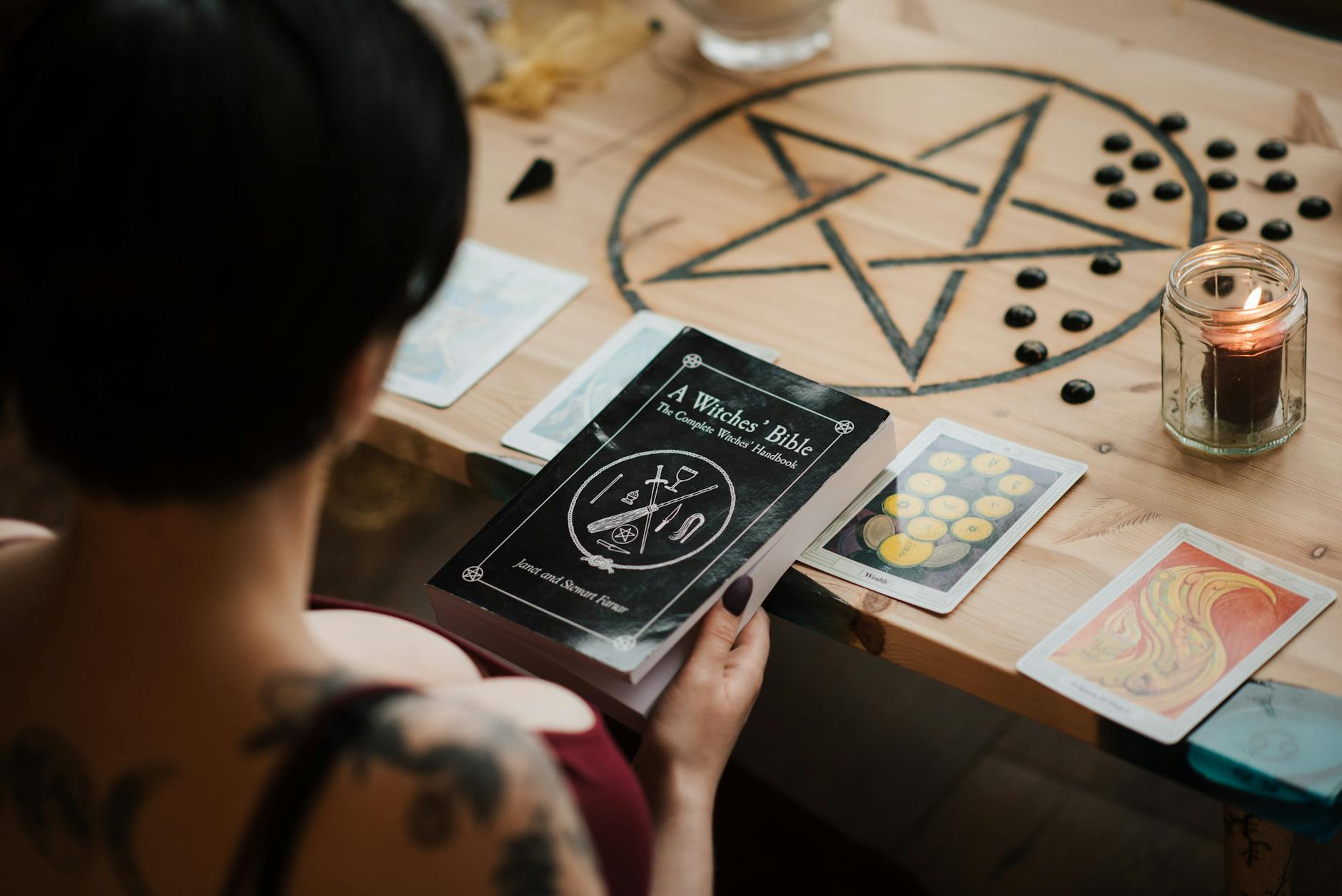

Esoteric Rituals: The Hidden Dangers of Demonic Energy.

Photo by Anete Lusina on Pexels.com

Esoteric rituals have long been shrouded in mystery, often cloaked in the language of “spiritual enlightenment” and “hidden knowledge.” Yet beneath this mystical façade lies a darker truth—one rooted in rebellion against the Most High. Throughout Scripture, God consistently warns His people against seeking knowledge and power from sources outside of His divine will (Deuteronomy 18:10–12, KJV). These secret practices, often disguised as paths to wisdom or spiritual elevation, lead instead to deception and destruction.

The word esoteric refers to knowledge intended for a select few, supposedly capable of understanding deeper truths. This notion reflects the very temptation presented to Eve in the Garden of Eden. The serpent promised secret wisdom apart from God, declaring, “Ye shall be as gods, knowing good and evil” (Genesis 3:5, KJV). Humanity has since been seduced by that same desire—to attain hidden power without submission to divine authority.

Modern esoteric rituals often involve symbols, chants, sigils, or invocations that claim to manipulate spiritual energies. Though practitioners describe these forces as “cosmic” or “universal,” the Bible reveals that such powers originate not from heaven but from the kingdom of darkness. The apostle Paul teaches that believers wrestle “not against flesh and blood, but against principalities, against powers, against the rulers of the darkness of this world” (Ephesians 6:12, KJV). To engage with these unseen energies is to open the door to demonic influence.

Many people mistakenly assume that occult or esoteric practices are harmless forms of self-discovery or artistic expression. Yet Paul warned that pagan sacrifices and rituals were offerings “to devils, and not to God” (1 Corinthians 10:20, KJV). Whether through astrology, numerology, divination, or modern “energy healing,” these acts represent attempts to access spiritual authority outside of the Creator’s ordained structure.

One of the greatest dangers of esoteric rituals is the deception of light. The enemy rarely appears as darkness; instead, he disguises himself “as an angel of light” (2 Corinthians 11:14, KJV). Satan’s strategy is to present evil as enlightenment, convincing seekers that they are gaining divine insight when they are, in truth, drifting further from God’s presence. This illusion is powerful, for it appeals to pride, curiosity, and the desire for control.

Some esoteric rituals even involve symbolic or literal blood sacrifices. Whether ancient or modern, the misuse of blood in any spiritual practice is forbidden by God, who declared, “For the life of the flesh is in the blood” (Leviticus 17:11, KJV). Such practices echo the detestable offerings made to false gods in the Old Testament, which provoked God’s wrath. Even rituals masked as “art” or “tradition” can carry the same demonic undertones if they mimic idolatrous customs.

Practices like astral projection, chanting, or invoking “spirit guides” may seem meditative or harmless but can lead to spiritual bondage. Biblical meditation focuses on the Word of God—“Thou shalt meditate therein day and night” (Joshua 1:8, KJV)—not on empty mantras or mystical journeys. When one’s mind becomes open to the spirit realm without divine covering, it becomes vulnerable to demonic intrusion.

The infiltration of esoteric philosophy into modern culture is subtle yet pervasive. Terms like “manifestation,” “vibrational energy,” and “universal consciousness” echo ancient pagan mysticism. These concepts promise empowerment but deny the sovereignty of the Almighty. Scripture states that “the wisdom of this world is foolishness with God” (1 Corinthians 3:19, KJV), reminding believers that true enlightenment comes only through His Spirit, not through mystical manipulation.

Symbols of the occult—such as pentagrams, all-seeing eyes, and serpentine imagery—are now glorified in music, fashion, and media. These symbols desensitize the public to demonic realities, normalizing rebellion under the guise of art. The prophet Isaiah warned, “Woe unto them that call evil good, and good evil” (Isaiah 5:20, KJV). What society celebrates as creativity often conceals spiritual corruption.

Astrological charts, moon rituals, and numerological predictions also constitute modern forms of divination. Such acts attempt to interpret or influence destiny without consulting God. Yet the Lord alone determines times and seasons (Acts 1:7, KJV). Every attempt to seize control of the future through mystical means mirrors Lucifer’s rebellion—the desire to exalt one’s will above God’s.

The heart of all esoteric practice is self-worship. Lucifer’s fall was driven by his ambition to be like the Most High (Isaiah 14:12–14, KJV). Similarly, modern esoteric movements promote the idea of becoming one’s own god, awakening “divine potential,” or mastering personal reality. This ideology directly opposes the humility and surrender that define biblical faith.

True illumination is not found through secret rites or hidden wisdom but through Christ, “the mystery which hath been hid from ages… which is Christ in you, the hope of glory” (Colossians 1:26–27, KJV). The believer’s access to divine truth does not require rituals, symbols, or incantations; it flows freely through the Holy Spirit and the Word of God.

While esoteric rituals may produce sensations, visions, or feelings of empowerment, these experiences are deceptive imitations. Just as Pharaoh’s magicians mimicked Moses’ miracles (Exodus 7:11–12, KJV), the devil can produce counterfeit spiritual manifestations. What feels like revelation may, in reality, be seduction.

Those who engage in occult or esoteric practices often suffer spiritual consequences—nightmares, anxiety, confusion, and depression. These are signs of spiritual bondage, not enlightenment. Deliverance comes only through repentance, prayer, and faith in Jesus Christ. The Lord promised that in His name, believers “shall cast out devils” (Mark 16:17, KJV).

Scripture commands believers to “abstain from all appearance of evil” (1 Thessalonians 5:22, KJV). Even indirect participation—through entertainment, fashion, or curiosity—can give the enemy a foothold. Spiritual warfare requires vigilance and discernment, for the enemy’s influence often hides beneath appealing aesthetics.

Paul urges believers to “put on the whole armour of God” (Ephesians 6:11, KJV). This includes the helmet of salvation, the sword of the Spirit, and the shield of faith—spiritual defenses against demonic deception. Esoteric ideologies may seem intellectual or empowering, but they are crafted to draw humanity away from divine truth.

True freedom cannot be found in rituals or symbols but only in Christ, who declared, “Ye shall know the truth, and the truth shall make you free” (John 8:32, KJV). Freedom in Christ liberates the soul from the need for hidden knowledge, revealing that all power and wisdom belong to God alone.

Those who have participated in esoteric rituals can find forgiveness and restoration through repentance. The blood of Jesus is sufficient to cleanse every sin and break every spiritual chain. “Submit yourselves therefore to God. Resist the devil, and he will flee from you” (James 4:7, KJV).

The Word of God warns that in the last days, many will turn to “seducing spirits, and doctrines of devils” (1 Timothy 4:1, KJV). The growing fascination with esoteric practices is a sign of this prophecy unfolding. Believers must therefore stand firm in truth, discerning light from darkness through the lens of Scripture.

Ultimately, esoteric rituals are not gateways to enlightenment but pathways to spiritual destruction. What the world calls “illumination” is, in reality, a counterfeit light that leads to darkness. The believer’s calling is to expose these works and walk in the true light of Christ, as the Scripture commands: “Have no fellowship with the unfruitful works of darkness, but rather reprove them” (Ephesians 5:11, KJV).


References
The Holy Bible, King James Version (KJV)
Deuteronomy 18:10–12
Genesis 3:5
Ephesians 6:12
1 Corinthians 10:20
2 Corinthians 11:14
Leviticus 17:11
Joshua 1:8
1 Corinthians 3:19
Isaiah 5:20; 14:12–14
Acts 1:7
Colossians 1:26–27
Exodus 7:11–12
Mark 16:17
1 Thessalonians 5:22
Ephesians 6:11
John 8:32
James 4:7
1 Timothy 4:1
Ephesians 5:11

🏠 Be Careful Who You Let into Your Home.🏠 #Spiritual Warefare

Photo by Sebastian Su00f8rensen on Pexels.com

The home is meant to be a place of peace, rest, and protection. Yet, many homes are spiritually and emotionally invaded when the wrong people are welcomed inside. Scripture reminds us that “by wisdom is an house builded; and by understanding it is established” (Proverbs 24:3, KJV). This means the people we allow into our home can either contribute to its stability or bring chaos. A person’s energy, habits, and spiritual state can impact the atmosphere of your dwelling. Just as we lock our doors at night to keep out intruders, we must guard the spiritual and emotional entry points of our home.

One of the greatest threats to a peaceful home is the spirit of rebellion. Rebellion rejects order and resists authority, creating strife and confusion. Psychology notes that rebellious personalities often bring conflict and stress into group environments, as they resist boundaries and social norms (American Psychological Association, 2023). The Bible warns that “rebellion is as the sin of witchcraft” (1 Samuel 15:23, KJV). Allowing rebellious individuals to constantly speak against righteousness in your home can sow seeds of discord and turn your sanctuary into a battleground.

Gossip and slander are equally dangerous. Words have the power to build or destroy, and when your home becomes a place where gossip thrives, trust is broken, and relationships suffer. Proverbs 16:28 warns that “a froward man soweth strife: and a whisperer separateth chief friends.” Psychologists recognize that gossip increases anxiety and lowers overall well-being within social groups (Robbins & Karan, 2022). It is wise to set boundaries that protect your household from becoming a breeding ground for toxic conversation.

There are also spiritual battles tied to sexual immorality, including the spirit of homosexuality and habitual sexual sin. While the world normalizes many forms of sexual expression, the Bible calls believers to holiness: “Flee fornication” (1 Corinthians 6:18, KJV). Sexual spirits bring confusion, shame, and brokenness. Psychology confirms that sexual boundary violations can destabilize mental health and family dynamics (Levine, 2018). Guarding your home includes not allowing pornography, inappropriate relationships, or influences that undermine purity.

The spirit of witchcraft and manipulation is another intruder. Witchcraft in Scripture refers not just to sorcery but to controlling others through ungodly means. Galatians 5:20 lists witchcraft among the “works of the flesh.” Psychologically, manipulative people can gaslight, control, and exploit, which erodes trust and security in the home (Simon, 2010). Your home should be a place where free will is honored and no one uses intimidation, spells, or fear to dominate others.

Violence and murder may sound extreme, but the spirit behind them manifests in anger, rage, and hatred. Jesus equates hatred with murder in Matthew 5:21–22, reminding us that violence begins in the heart. Chronic anger increases stress hormones, damages relationships, and can escalate into abuse (APA, 2023). Refuse to allow your home to be a place where yelling, intimidation, or violent entertainment creates a climate of fear.

Lust, the Jezebel spirit, and scoffers all represent unholy influences that defile a space. Jezebel was manipulative, seductive, and sought to destroy God’s prophets (1 Kings 21). Scoffers mock righteousness, making light of holiness (2 Peter 3:3). Habitually immoral individuals normalize sin and tempt others to join them. Homes that permit such spirits often struggle with division, addiction, and spiritual dryness.

Another major threat is covetousness, idolatry, and addiction. Covetousness is an insatiable desire for what others have, and it can create envy and discontent in the home. Colossians 3:5 warns that “covetousness… is idolatry,” showing that putting possessions, money, or status above God leads to spiritual bondage. Idolatry can take the form of celebrity worship, materialism, or even obsession with technology. Psychology notes that addictions—whether to substances, pornography, gambling, or social media—rewire the brain’s reward system and destabilize family harmony (Volkow et al., 2021). Protecting your home means breaking cycles of addiction, refusing to let idols take priority over God, and cultivating gratitude for what you have.

Protecting your home begins with discernment and prayer. Walk through your home and dedicate it to God, asking Him to cleanse it from unholy influences. Set clear boundaries for visitors and media, teach children biblical values, and anoint your doors with oil if led by the Spirit. Philippians 4:8 gives a blueprint for what should be allowed into your home: things that are true, honest, just, pure, lovely, and of good report.

Practical Steps to Break Idolatry and Addiction in the Home

1. Spiritual Cleansing of the Home

  • Pray through every room, asking God to expose and remove any unholy objects, influences, or entertainment that open the door to sin (Deuteronomy 7:26).
  • Remove music, books, movies, or décor that promote rebellion, lust, witchcraft, or ungodly values.
  • Anoint the doorposts with oil and declare Scriptures such as Joshua 24:15 — “As for me and my house, we will serve the Lord.”

2. Daily Prayer and Scripture Declaration

  • Establish a family altar or prayer time where the Word is read and declared aloud (Psalm 119:11).
  • Speak promises of freedom over your household — for example, John 8:36 — “If the Son therefore shall make you free, ye shall be free indeed.”

3. Identify and Renounce Idols

  • Make a written list of anything in your life or home that takes priority over God (money, celebrity culture, phone usage, career, substances).
  • Verbally renounce them in prayer, giving God back His rightful place as Lord over your home (Exodus 20:3).

4. Build Gratitude and Contentment

  • Teach yourself and your family to thank God daily for what you have. Gratitude rewires the brain toward positivity and reduces cravings for excess (Emmons & McCullough, 2003).
  • Keep a family gratitude journal where everyone writes something they are thankful for each day.

5. Seek Accountability and Support

  • For serious addictions (alcohol, drugs, pornography), seek pastoral counseling, a Christian support group, or a licensed therapist who understands addiction.
  • Create accountability systems: filters for internet use, trusted mentors for personal struggles, and open family conversations about temptations.

6. Replace Addictions with Healthy Habits

  • Replace hours spent on addictive behaviors with Bible study, exercise, service to others, and meaningful hobbies.
  • Psychologically, habit replacement is more effective than mere suppression (Clear, 2018).

7. Strengthen Family Bonds

  • Have regular family meals, game nights, and quality time that promote connection and reduce isolation (which can feed addiction).
  • Encourage honest conversations so that struggles are addressed early rather than hidden.

8. Control the Home Environment

  • Limit TV, music, and social media exposure that glorify sin or stir up covetousness.
  • Keep visual reminders of faith (Scripture art, prayer boards) to redirect focus toward God.

9. Continual Vigilance and Renewal

  • Remember spiritual warfare is ongoing. Re-dedicate your home regularly and keep watch for anything that tries to creep back in (1 Peter 5:8).
  • Celebrate small victories and give God praise as your home becomes a sanctuary of peace.

Ultimately, guarding your home is both spiritual and practical. Pray daily over your household (Joshua 24:15), speak Scripture aloud, and keep the Word of God central in family life. Psychologically, create an environment where everyone feels safe, heard, and respected. By taking these steps, your home becomes a fortress of peace, resistant to demonic manipulation and emotional chaos.

References
American Psychological Association. (2023). Personality and social behavior. APA Dictionary of Psychology.
Levine, J. (2018). The impact of sexual boundaries on mental health. Journal of Sex Research, 55(3), 245–256.
Robbins, M. L., & Karan, A. (2022). Gossip, stress, and emotional health: A social psychology perspective. Current Opinion in Psychology, 43, 35–40.
Simon, G. K. (2010). In sheep’s clothing: Understanding and dealing with manipulative people. Parkhurst Brothers Publishers.
Volkow, N. D., Koob, G. F., & McLellan, A. T. (2021). Neurobiologic advances from the brain disease model of addiction. New England Journal of Medicine, 384, 363–371.
The Holy Bible, King James Version.

Second-Hand Objects to never bring into your home. (spiritual)

Photo by Elina Sazonova on Pexels.com

Our homes are meant to be places of peace, rest, and safety — both physically and spiritually. However, the Bible warns against bringing cursed or spiritually defiled items into our homes. Deuteronomy 7:26 (KJV) says, “Neither shalt thou bring an abomination into thine house, lest thou be a cursed thing like it: but thou shalt utterly detest it, and thou shalt utterly abhor it; for it is a cursed thing.” This verse highlights a timeless principle: certain objects can carry negative spiritual influences, and if we bring them into our homes, they can affect the atmosphere and our mental well-being.

One of the most common examples is dolls and figurines. Many cultures use dolls, idols, or figurines in rituals, and they can be spiritually charged objects. Even if purchased innocently, they may have been dedicated to other gods or used in occult practices. From a psychological perspective, dolls and figurines can trigger fear or discomfort in children due to the “uncanny valley” effect — where human-like figures evoke unease. Spiritually, believers are warned against idols in 1 John 5:21 (KJV): “Little children, keep yourselves from idols.”

Second-hand furniture and mirrors can also carry a spiritual weight. Items from estate sales, thrift stores, or antique shops may come with emotional residue or even spiritual attachments from their previous owners. Psychology refers to this as “object contagion” — the belief that objects retain the essence of those who owned them (Nemeroff & Rozin, 1994). Spiritually, we are told to cleanse and dedicate everything we own to the Lord (Joshua 24:15, KJV). Anointing furniture and praying over new items can restore peace in the home.

Jewelry, clothing, and accessories are other items that can carry a spiritual charge. Some jewelry is engraved with occult symbols or has been used in ungodly rituals. Clothing from second-hand shops may have been worn during traumatic events, witchcraft practices, or simply by those with heavy spiritual burdens. The Bible warns in Isaiah 52:11 (KJV): “Depart ye, depart ye, go ye out from thence, touch no unclean thing; go ye out of the midst of her; be ye clean.” Praying over clothing before wearing it can cleanse it from unseen attachments.

Many people also bring crystals, stones, books, statues, figurines, scrolls, or spiritual trinkets into their homes because they look beautiful or promise “good energy.” However, crystals are frequently used in New Age and occult practices to channel spiritual power apart from God. Deuteronomy 18:10-12 (KJV) forbids divination, enchantments, and consulting with familiar spirits. Followers of Christ are to rely on the Holy Spirit for guidance, not objects believed to carry magical power.

Old toys and masks are sometimes overlooked but can be spiritually dangerous. Masks often represent spirits, ancestors, or deities in various cultures, and bringing them into the home can invite the same spiritual presence they were created to honor. Toys can also be spiritually contaminated if they are themed after witchcraft, sorcery, or violent, demonic characters. Proverbs 4:23 (KJV) says, “Keep thy heart with all diligence; for out of it are the issues of life.” The same diligence should apply to what we allow children to play with.

Even gifts from people can carry spiritual burdens. If the giver has negative intentions, envy, or has cursed the item, it can affect your household. Spiritually sensitive people often feel a heaviness or unrest when such gifts are present. 1 Thessalonians 5:21-22 (KJV) advises: “Prove all things; hold fast that which is good. Abstain from all appearance of evil.” It is wise to pray over every gift and even discard it if you sense spiritual oppression.

Prayer is essential when bringing anything new or second-hand into the home. 1 Timothy 4:4-5 (KJV) reminds us: “For every creature of God is good, and nothing to be refused, if it be received with thanksgiving: For it is sanctified by the word of God and prayer.” Praying over objects breaks any curse, dedicates them to God, and invites His presence into your home. Doing so not only protects the spiritual atmosphere but also brings psychological peace, reducing anxiety and creating a home that truly feels like a refuge.


📋 List of Objects to Be Cautious About

  • Dolls, figurines, and statues
  • Second-hand furniture (beds, chairs, dressers)
  • Mirrors (especially antique or ornate ones)
  • Jewelry (rings, necklaces with unknown symbols)
  • Crystals, stones, or spiritual trinkets
  • Old toys or toys depicting witchcraft/demonic characters
  • Cultural or ritual masks
  • Second-hand clothing and accessories
  • Scrolls, occult books, or ritual objects
  • Gifts from people with questionable motives

🙏 Cleansing Prayer Guide for Your Home & Objects

🕊️ Step 1: Prepare Spiritually

Before you begin, invite the Holy Spirit to guide you. Spend a moment in worship or read scripture aloud to set the spiritual tone.

  • Scripture: “But thou art holy, O thou that inhabitest the praises of Israel.” (Psalm 22:3, KJV)

✝️ Step 2: Cover your Home

Ask for covering over your home, family, and possessions through Christ.

  • Prayer:

“Heavenly Father, I ask you to cover and cleanse our home and every object in this house. Sanctify this space. I declare that no weapon formed against me shall prosper (Isaiah 54:17).”


🛢️ Step 3: Anoint with Oil

Use olive oil (or any pure oil) and dedicate it to God in prayer, then touch it to doors, windows, furniture, and objects.

  • Scripture: “And thou shalt take the anointing oil, and anoint the tabernacle, and all that is therein, and shalt hallow it, and all the vessels thereof: and it shall be holy.” (Exodus 40:9, KJV)

🗑️ Step 4: Remove Defiled Objects

If the Holy Spirit convicts you of any object that carries darkness or oppression, remove it from your home.

  • Scripture: “Neither shalt thou bring an abomination into thine house, lest thou be a cursed thing like it.” (Deuteronomy 7:26, KJV)
  • Practical Tip: Discard, destroy, or donate objects — but pray first that any curse is broken before disposal.

🔥 Step 5: Renounce Spiritual Attachments

Break any ties that these objects may have had to the enemy.

  • Prayer:

“In the name of Jesus, I renounce every spirit or curse connected to this object. I break every legal right of the enemy to operate in my home. I command every unclean spirit to leave now.”


📖 Step 6: Dedicate Your Home

Speak blessings over your house and possessions.

  • Scripture: “As for me and my house, we will serve the Lord.” (Joshua 24:15, KJV)
  • Prayer:

“Lord, I dedicate this home to You. May it be a place of peace, prayer, and Your presence. Let Your angels encamp round about this house and protect all who dwell here (Psalm 34:7).”


🌿 Step 7: Invite God’s Presence

Read scripture aloud and worship, filling the atmosphere with God’s Word.

  • Scripture: “Submit yourselves therefore to God. Resist the devil, and he will flee from you.” (James 4:7, KJV)
  • Play worship music or read Psalms to cleanse the spiritual environment.

Step 8: Maintain Spiritual Vigilance

Continue to pray over new items before they enter your home and stay spiritually alert.

  • Scripture: “Watch ye and pray, lest ye enter into temptation.” (Mark 14:38, KJV)

📋 Psychological & Spiritual Insights

  • Object Contagion: Studies show people subconsciously feel objects carry the essence of their previous owners, which can affect emotions and sense of safety (Nemeroff & Rozin, 1994).
  • Ritual Cleansing Effects: Research indicates that ritual actions (like cleansing, blessing) reduce anxiety and promote psychological well-being by providing a sense of control and renewal (Hobson et al., 2017).
  • Prayer & Mental Health: Prayer and spiritual practices lower stress, improve emotional stability, and enhance a sense of safety (Koenig, 2012).

📚 References

Biblical References (KJV):

  • Deuteronomy 7:26; Exodus 40:9; Joshua 24:15; Psalm 22:3; Psalm 34:7; Isaiah 54:17; 1 John 5:21; 1 Thessalonians 5:21-22; 1 Timothy 4:4-5; James 4:7

Psychological & Scholarly Sources:

  • Nemeroff, C., & Rozin, P. (1994). The contagion concept in adult thinking in the United States: Transmission of germs and of interpersonal attitudes. Ethos, 22(2), 158–186.
  • Hobson, N. M., Schroeder, J., Risen, J. L., Xygalatas, D., & Inzlicht, M. (2017). The psychology of rituals: An integrative review and process-based framework. Personality and Social Psychology Review, 22(3), 260–284. https://doi.org/10.1177/1088868317734944
  • Koenig, H. G. (2012). Religion, spirituality, and health: The research and clinical implications. ISRN Psychiatry, 2012, 278730. https://doi.org/10.5402/2012/278730

The Demonic Spirits Behind Narcissism: Biblical Wisdom on the War in the Unseen Realm.

Photo by Diva Plavalaguna on Pexels.com

Narcissism is more than a personality trait; in biblical terms, it reflects a spiritual reality — the kingdom of darkness seeking to exalt self above God. Scripture teaches that the battle believers face is not merely psychological or relational but spiritual: “For we wrestle not against flesh and blood, but against principalities, against powers, against the rulers of the darkness of this world, against spiritual wickedness in high places” (Ephesians 6:12, KJV). When we examine narcissism through a biblical lens, we uncover not just prideful behavior but demonic patterns rooted in rebellion against God.

The Root of Pride — The Spirit of Lucifer
Lucifer’s rebellion is the prototype for narcissism. Isaiah 14:12–15 describes Satan’s fall, emphasizing his obsession with self-exaltation: “I will ascend…I will exalt…I will be like the most High.” Narcissism mirrors this desire for supremacy, seeking worship, control, and validation. In psychology, narcissistic personality disorder involves grandiosity, lack of empathy, and entitlement, all of which parallel Lucifer’s rebellion. The spirit of pride blinds individuals to correction (Proverbs 16:18), leading to broken relationships and spiritual ruin.

The Spirit of Jezebel — Manipulation and Seduction
In 1 Kings 21, Queen Jezebel manipulates events to seize Naboth’s vineyard, using charm, deceit, and coercion. Narcissists often display Jezebel-like traits — charming on the surface but manipulative underneath. This spirit fosters control through emotional seduction, gaslighting, and intimidation. Revelation 2:20 warns believers about tolerating Jezebel’s influence within the church, reminding Christians that spiritual discernment is crucial to resist subtle manipulation.

The Spirit of Leviathan — Twisting and Division
Job 41 describes Leviathan as a powerful, twisting serpent-like creature. In deliverance teaching, the Leviathan spirit is associated with pride, miscommunication, and relational division. Narcissists often twist words, distort reality, and turn others against one another — sowing confusion. This spirit thrives in conflict, making reconciliation difficult unless exposed and resisted through prayer, humility, and truth-speaking (James 4:7).

The Spirit of Antichrist — Opposition to God’s Order
The apostle John warned: “Even now are there many antichrists” (1 John 2:18). The spirit of antichrist opposes Christ’s lordship and promotes self-rule. Narcissists often reject accountability and despise authority, creating their own moral code. This rebellious nature mirrors Satan’s desire to dethrone God’s authority. Standing against this spirit requires allegiance to biblical truth, even when culture normalizes self-worship.

The Spirit of Delusion — Reprobate Mind
2 Thessalonians 2:10–11 warns that God allows a “strong delusion” on those who reject truth. Narcissists may live in a fantasy world, rewriting history to protect their ego. Psychology calls this cognitive distortion; biblically, it is a spiritual blindness that prevents repentance. Breaking free requires prayer for God’s light to pierce deception (2 Corinthians 4:4).

The Spirit of Python — Choking and Control
Acts 16:16 describes a slave girl possessed with a “spirit of divination” (Greek: python). This spirit constricts, drains, and attempts to suffocate spiritual life. Narcissists often exhaust those around them, draining emotional energy like spiritual “energy vampires.” Breaking this oppression requires spiritual warfare, persistent prayer, and declaring freedom through Christ (Luke 10:19).

The Spirit of Haughtiness — Narcissistic Arrogance
Proverbs 16:5 declares, “Every one that is proud in heart is an abomination to the Lord.” A haughty spirit resists humility, leading to destruction. Narcissists embody this spirit through arrogance and self-idolatry. The antidote is cultivating the mind of Christ: “Let this mind be in you, which was also in Christ Jesus…who humbled himself” (Philippians 2:5–8).

Engaging in Spiritual Warfare
Believers must recognize that narcissistic behavior is not merely personality-driven but spiritually influenced. Ephesians 6 calls Christians to put on the whole armor of God — truth, righteousness, faith, the Word, and prayer — to withstand the schemes of the enemy. Deliverance, forgiveness, and healthy boundaries are critical to breaking the power of narcissistic oppression.


Conclusion
Narcissism is a visible expression of an invisible war — a clash between the kingdom of God and the kingdom of darkness. Its roots lie in the spirit of Lucifer, its strategies mirror Jezebel and Leviathan, and its fruit leads to division, delusion, and destruction. Psychology helps us name and understand narcissistic patterns, but only Scripture reveals their spiritual origin and offers lasting victory through Christ. The believer’s task is to resist these spirits with prayer, Scripture, and humility, trusting that “the weapons of our warfare are not carnal, but mighty through God to the pulling down of strong holds” (2 Corinthians 10:4).


References (APA Style)

  • American Psychiatric Association. (2022). Diagnostic and Statistical Manual of Mental Disorders (5th ed., text rev.).
  • Cloud, H., & Townsend, J. (2017). Boundaries: When to Say Yes, How to Say No to Take Control of Your Life. Zondervan.
  • Hammond, F. (1996). Pigs in the Parlor: A Practical Guide to Deliverance. Impact Christian Books.
  • The Holy Bible, King James Version. (1769/2023). (Isaiah 14:12–15; Proverbs 16:5, 16:18; 1 Kings 21; Revelation 2:20; Job 41; 1 John 2:18; 2 Thessalonians 2:10–11; Acts 16:16; 2 Corinthians 4:4, 10:4; Ephesians 6:12).