Category Archives: Covenant

A Godly Marriage that will last.

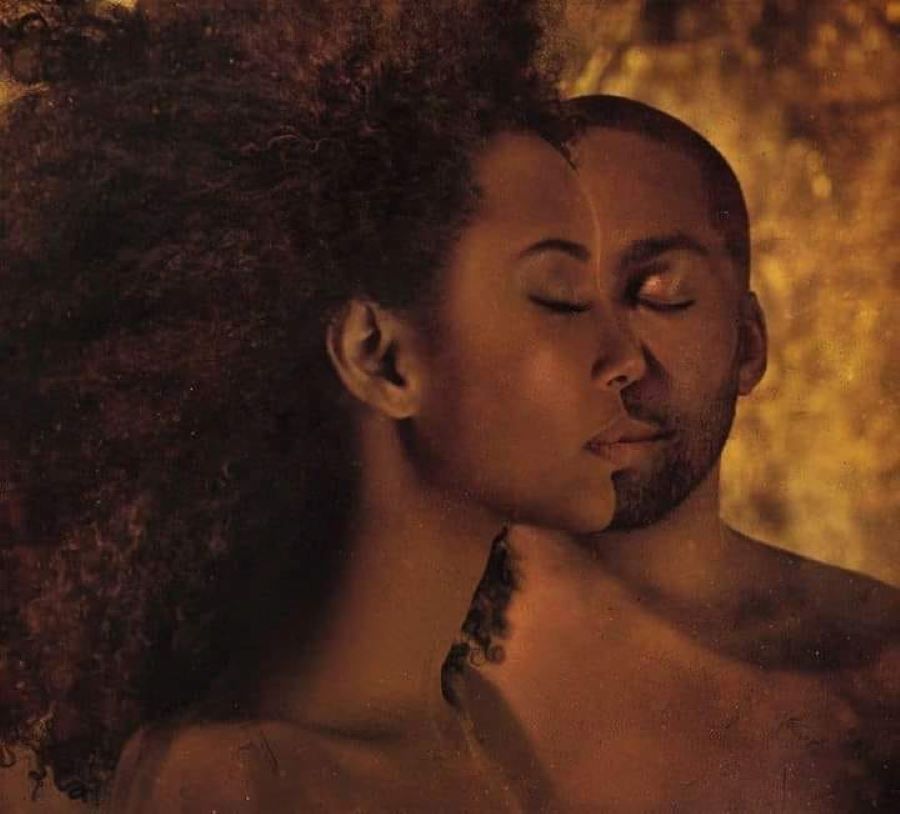
This artwork is the property of its respective owner. No copyright infringement intended.

Marriage is one of the oldest and most sacred institutions, established by God Himself in the Garden of Eden. Unlike modern society, which often treats marriage as a contract subject to cancellation, Scripture presents marriage as a covenant—a holy and binding promise before God. A contract can be broken when terms are not met, but a covenant calls for faithfulness even when feelings change or circumstances shift. Malachi 2:14 (KJV) reminds us that God is a witness to the covenant between husband and wife, emphasizing that this union is spiritual as well as relational.

The first marriage was officiated by God in Eden. Genesis 2:22-24 (KJV) records that God made a woman from Adam’s rib, brought her to him, and declared that “a man shall leave his father and his mother, and shall cleave unto his wife: and they shall be one flesh.” This act not only created Eve but also instituted the divine blueprint for marriage: one man, one woman, under the authority of one God. This was a covenantal union meant to reflect God’s relationship with His people.

Marriage is not merely a social construct or legal agreement—it is a reflection of divine unity. Ephesians 5:31-32 (KJV) connects marriage to the mystery of Christ and the church, showing that the marital bond symbolizes the relationship between the Bridegroom (Christ) and His bride (the Church). This means that marriage is more than companionship or procreation; it is a living parable of redemption, forgiveness, and sacrificial love.

Psychologically, marriage plays a crucial role in human development and emotional stability. Research in family psychology demonstrates that healthy marriages contribute to better physical health, increased life satisfaction, and stronger mental well-being (Waite & Gallagher, 2000). When a couple is emotionally attuned, they create a secure attachment that lowers stress and fosters resilience. This echoes God’s intention for marriage to be a place of safety and mutual support.

Leaving father and mother is a vital step toward a successful marriage. This does not mean dishonoring parents, but rather reprioritizing one’s loyalty. When a husband and wife become one flesh, they form a new family unit. Failure to “leave and cleave” can create emotional dependency, boundary issues, and conflict. Psychology affirms this principle, teaching that individuation from one’s family of origin is necessary for mature intimacy (Bowen, 1978).

Marriage, then, can be defined as a covenantal union between a man and a woman, joined by God, to live in loving faithfulness and pursue His purposes together. It is a relationship based on commitment rather than convenience, requiring intentional effort to nurture trust, communication, and mutual respect. Unlike a contractual arrangement, marriage calls for grace and forgiveness when either spouse falls short.

One of the most inspiring biblical examples of love is the story of Jacob and Rachel. Genesis 29 reveals Jacob’s willingness to labor seven years for Rachel’s hand in marriage, a period which “seemed unto him but a few days, for the love he had to her” (Genesis 29:20, KJV). This narrative shows that true love is patient and sacrificial, willing to endure hardship for the sake of the beloved. A joyful marriage is built on such love—one that perseveres through trials.

Another important element in a lasting marriage is emotional intimacy. Psychological research shows that couples who regularly share their thoughts and feelings experience greater marital satisfaction (Gottman & Silver, 1999). Scripture encourages this type of open communication: “Be kindly affectioned one to another with brotherly love; in honour preferring one another” (Romans 12:10, KJV). Emotional intimacy fosters trust and prevents resentment from festering.

Mutual respect is the backbone of marital joy. Husbands are called to love their wives as Christ loved the church, and wives are instructed to respect their husbands (Ephesians 5:25, 33, KJV). This reciprocal honor creates a healthy cycle of love and respect that sustains emotional closeness. When either spouse fails to show respect, contempt and criticism can erode the marriage over time.

Conflict is inevitable, but how a couple handles conflict determines whether it will draw them closer or push them apart. Psychology teaches that constructive conflict resolution involves listening, empathy, and collaborative problem-solving rather than blame-shifting (Gottman, 2015). The Bible agrees, instructing us to be “swift to hear, slow to speak, slow to wrath” (James 1:19, KJV). Couples who master this principle grow stronger through disagreements.

Forgiveness is essential for marital longevity. No marriage can survive without grace, as both spouses are imperfect. Colossians 3:13 (KJV) commands believers to forgive “even as Christ forgave you.” Forgiveness releases bitterness and allows healing to take place. Couples who forgive one another quickly tend to have higher satisfaction and lower divorce rates (Fincham et al., 2002).

Spiritual intimacy is just as important as emotional and physical intimacy. Couples who pray together, worship together, and read Scripture together build a spiritual foundation that keeps them united even in adversity. Ecclesiastes 4:12 (KJV) teaches, “A threefold cord is not quickly broken.” God must remain at the center of the marriage to ensure lasting joy.

Trust is another pillar of a joyful marriage. Trust is built through honesty, faithfulness, and consistency over time. Betrayal of trust—through infidelity, deception, or broken promises—deeply wounds the relationship. Psychology teaches that rebuilding trust requires transparency and accountability (Glass, 2003). The Bible likewise commands integrity and truthfulness (Ephesians 4:25, KJV).

Physical intimacy is a God-given gift designed to strengthen the marital bond. 1 Corinthians 7:3-5 (KJV) encourages spouses not to withhold themselves from one another, as intimacy nurtures unity. A healthy sex life promotes emotional closeness and guards against temptation (Hebrews 13:4, KJV).

Shared purpose is another factor that contributes to lasting joy in marriage. Couples who pursue common goals—whether raising godly children, serving in ministry, or building a business—experience a sense of partnership that deepens their bond. Amos 3:3 (KJV) asks, “Can two walk together, except they be agreed?” Shared vision keeps couples moving in the same direction.

Financial stewardship is also critical. Money disputes are one of the top causes of divorce (Stanley et al., 2002). Couples who align their financial priorities and practice generosity experience less tension. The Bible provides guidance: “Owe no man any thing, but to love one another” (Romans 13:8, KJV). Wise financial management helps a marriage thrive.

Another secret to a joyful marriage is laughter and playfulness. Couples who share joy and humor build emotional resilience (Bachorowski & Owren, 2001). Proverbs 17:22 (KJV) says, “A merry heart doeth good like a medicine.” Playful moments keep a marriage light-hearted and protect against monotony.

Healthy boundaries are also essential. A couple must protect their marriage from outside interference—whether from toxic friends, meddling relatives, or workaholic tendencies. Genesis 2:24 reminds us to “leave and cleave.” Boundaries guard intimacy and prevent division.

Couples must also nurture friendship. Marriage is not just romance but companionship. Song of Solomon 5:16 (KJV) describes the beloved as both lover and friend. Friendship in marriage provides a solid foundation when passionate feelings fluctuate.

Serving one another sacrificially is a mark of Christlike love. Philippians 2:3-4 (KJV) exhorts believers to esteem others better than themselves. When both spouses adopt a servant-hearted attitude, selfishness diminishes, and unity grows.

Consistency in communication is vital. Couples should schedule regular check-ins to discuss their dreams, struggles, and gratitude. This intentional practice prevents emotional drift and deepens connection.

Another key is perseverance. Marriage is not always easy, but endurance produces maturity and blessing. James 1:4 (KJV) teaches that patience produces perfection and completeness. Couples who stay committed through trials often experience greater intimacy afterward.

Mentorship can also be valuable. Younger couples benefit from the wisdom of older, godly couples who can offer guidance, prayer, and accountability (Titus 2:3-5, KJV).

Lastly, gratitude transforms marriage. Couples who regularly express appreciation build a culture of honor and joy. 1 Thessalonians 5:18 (KJV) commands, “In every thing give thanks.” Gratitude turns the ordinary into the sacred.

In conclusion, a joyful marriage that lasts is not an accident but the result of covenant commitment, spiritual grounding, and intentional nurturing of love and respect. By following the biblical blueprint—leaving and cleaving, forgiving, praying, and persevering—couples can experience a marriage that reflects the beauty of Christ and His church.


Practical Tips for a Joyful, Lasting Marriage

  • Pray Together: Make prayer a daily habit to invite God into your union (Ecclesiastes 4:12).
  • Communicate Openly: Practice honest, compassionate dialogue to avoid resentment.
  • Forgive Quickly: Release grudges and extend grace as Christ forgives (Colossians 3:13).
  • Honor Each Other’s Roles: Respect and love according to Ephesians 5:25, 33.
  • Protect Your Marriage: Set healthy boundaries with family, work, and social media.
  • Keep the Romance Alive: Date regularly and invest in shared experiences.
  • Laugh Often: Create joyful memories that strengthen emotional bonds (Proverbs 17:22).
  • Agree on Finances: Budget together and steward resources wisely (Romans 13:8).
  • Build Friendship: Spend quality time simply enjoying one another’s company.
  • Pursue Shared Purpose: Serve God together and chase common dreams.

References

Bachorowski, J. A., & Owren, M. J. (2001). Not all laughs are alike: Voiced but not unvoiced laughter readily elicits positive affect. Psychological Science, 12(3), 252–257. https://doi.org/10.1111/1467-9280.00346

Bowen, M. (1978). Family therapy in clinical practice. New York: Jason Aronson.

Fincham, F. D., Beach, S. R. H., & Davila, J. (2002). Forgiveness and conflict resolution in marriage. Journal of Family Psychology, 16(1), 72–81. https://doi.org/10.1037/0893-3200.16.1.72

Glass, S. P. (2003). Not “Just Friends”: Rebuilding trust and recovering your sanity after infidelity. New York: Free Press.

Gottman, J. M., & Silver, N. (1999). The seven principles for making marriage work. New York: Crown.

Gottman, J. M. (2015). Principia Amoris: The new science of love. New York: Routledge.

Stanley, S. M., Markman, H. J., & Whitton, S. W. (2002). Communication, conflict, and commitment: Insights on the foundations of relationship success from a national survey. Family Process, 41(4), 659–675. https://doi.org/10.1111/j.1545-5300.2002.00659.x

Waite, L. J., & Gallagher, M. (2000). The case for marriage: Why married people are happier, healthier, and better off financially. New York: Broadway Books.

The Holy Bible, King James Version. (1769/2017). Cambridge University Press.

The Dynasty of Two: A Hebraic Journey into Love and Covenant.

Marriage in the Hebraic understanding is more than companionship, romance, or emotional fulfillment—it is a covenant assignment, crafted by the Most High to reflect His relationship with His chosen people. When a man and woman come together under God’s order, they do not merely form a household; they establish a dynasty, a spiritual lineage built on faith, honor, and divine purpose. A dynasty is not created overnight— it is cultivated through obedience, unity, and submission to God’s will.

In the beginning, the Most High formed marriage with intention. Scripture declares, “It is not good that the man should be alone” (Genesis 2:18, KJV). From this truth came the divine union of Adam and Eve—a partnership marked by purpose, not convenience. In Hebraic thought, husband and wife are not adversaries but allies. They are two halves of a covenant equation, designed to reflect God’s glory through their oneness.

A “Dynasty of Two” begins with identity. A man must understand his role as a king, priest, and protector. A woman must know her value as a queen, nurturer, and wise counselor. Together, they mirror the relationship between Yah and Israel—order, love, responsibility, and faithfulness. “For thy Maker is thine husband” (Isaiah 54:5, KJV) reveals the covenant nature of divine love, which earthly marriage is meant to emulate.

Unity is the foundation of a dynasty. Scripture teaches, “Can two walk together, except they be agreed?” (Amos 3:3, KJV). Agreement is not uniformity; it is alignment. It requires intentional communication, shared values, mutual respect, and spiritual agreement. A dynasty cannot flourish where division reigns. A house divided will fall, but a couple united in God’s purpose will withstand every storm.

In Hebraic culture, a covenant is sealed not just in words but in deeds. Love is action. Faithfulness is action. Commitment is action. “Let us not love in word…but in deed and in truth” (1 John 3:18, KJV). A dynasty requires consistent choices—choosing forgiveness, choosing patience, choosing humility, even when emotions fluctuate.

The wife, as the crown of her husband, brings honor, dignity, and wisdom into the home. “A virtuous woman is a crown to her husband” (Proverbs 12:4, KJV). Her presence stabilizes the household. She governs with discernment, intercedes in prayer, and carries a grace that builds the spiritual climate of the home. She is not secondary—she is essential.

The husband, as the head, carries divine responsibility. Headship is not domination; it is sacrificial leadership. “The husband is the head of the wife, even as Christ is the head of the church” (Ephesians 5:23, KJV). A Hebraic man protects, provides, and shepherds. He leads by example, not by force. His love cultivates security.

A dynasty requires purity and holiness. The Most High calls His people to sanctified love. “Be ye holy; for I am holy” (1 Peter 1:16, KJV). Marriage thrives in an atmosphere where the fear of God governs actions. Couples who guard their hearts from temptation, maintain honor, and walk in righteousness build a legacy that the enemy cannot easily corrupt.

Forgiveness is a critical pillar. No union thrives without it. “Charity shall cover the multitude of sins” (1 Peter 4:8, KJV). In a dynasty of two, grace flows freely. Mistakes become lessons. Conflicts become opportunities for deeper unity. Forgiveness keeps the covenant from breaking under pressure.

Spiritual intimacy is the glue of a Hebraic marriage. Prayer, study, and worship strengthen emotional and physical connection. A couple that seeks God together invites divine presence into their home. “Except the LORD build the house, they labour in vain that build it” (Psalm 127:1, KJV). When God builds, the foundation never cracks.

Accountability protects the dynasty. Elders, mentors, and righteous community provide wisdom and guidance. The Hebraic tradition emphasizes community responsibility—marriage is not hidden but supported. Wise counsel shields couples from isolation, misunderstanding, and spiritual attack.

Generational vision is at the heart of dynasty-building. Children are a heritage and a legacy. “Children are an heritage of the LORD” (Psalm 127:3, KJV). A dynasty is not built for the present alone but for future generations—sons who will become kings and daughters who will become queens. Every decision becomes an investment in lineage.

Financial stewardship strengthens the dynasty. The Most High calls His people to order, diligence, and discipline. When couples manage resources with unity and wisdom, their dynasty becomes stable and prosperous. “Through wisdom is an house builded; and by understanding it is established” (Proverbs 24:3, KJV).

Emotional maturity is essential. Unhealed wounds sabotage unity. But the Most High promises healing. “He bindeth up their wounds” (Psalm 147:3, KJV). A dynasty thrives when both partners pursue inner wholeness, communicate with emotional intelligence, and respond with grace rather than reactivity.

Celebration strengthens love. A Hebraic marriage rejoices in each partner’s growth, achievements, and character. Honor flows freely. Kings uplift their queens. Queens exalt their kings. Joy becomes a weapon against discouragement.

Service is a covenant requirement. As Christ served, so must we. Serving one another builds humility, trust, and intimacy. “By love serve one another” (Galatians 5:13, KJV). A dynasty thrives where love is demonstrated through daily acts of kindness and care.

Boundaries protect the marriage. Royalty does not allow everyone access to their inner courts. Couples must guard their relationship from gossip, outside interference, and unhealthy influences. What God has joined together must be shielded with intentionality.

A dynasty of two is a ministry. It is a living testimony of God’s faithfulness and order. The union itself becomes an example to the community, a reflection of Christ-like love, and a source of wisdom for future generations.

Ultimately, a Hebraic marriage is a covenant rooted in divine purpose, strengthened by righteousness, and sustained by the Most High. It is not simply two people choosing each other—it is God choosing them for each other. When two become one under His hand, their love becomes eternal, powerful, and unbreakable.

This is the Dynasty of Two: a royal lineage forged through covenant, faith, unity, and unwavering devotion to the Most High. A dynasty built not by human strength but by divine design.


References (KJV):
Genesis 2:18; Isaiah 54:5; Amos 3:3; 1 John 3:18; Proverbs 12:4; Ephesians 5:23; 1 Peter 1:16; 1 Peter 4:8; Psalm 127:1; Psalm 127:3; Proverbs 24:3; Psalm 147:3; Galatians 5:13.

The Awakening: Brown Children of the Covenant.

The awakening of the Brown children of the covenant represents both a spiritual and historical restoration. For centuries, the truth about a chosen lineage scattered across the earth has been obscured by deception, colonialism, and false doctrine. Yet, as prophesied, there comes a time when the dry bones would rise, knowledge would increase, and identity would be restored (Ezekiel 37:1–10, KJV). This awakening is not a movement of race but of revelation—an unveiling of divine truth hidden within the pages of Scripture and the annals of history.

The Brown children of the covenant are not awakening to arrogance but to alignment. Their story begins in the covenantal promise God made with Abraham: “In thy seed shall all the nations of the earth be blessed” (Genesis 22:18, KJV). That seed endured captivity, exile, and dispersion, yet the promise remained intact. Though scattered by ships and oppression, they would one day remember who they were (Deuteronomy 28:64; Baruch 2:30–32, Apocrypha).

This awakening is a spiritual resurrection. It transcends skin tone, calling instead for the recognition of divine purpose. The covenant was never about superiority but about responsibility—to keep God’s laws, statutes, and commandments and to serve as a light to the nations (Isaiah 49:6, KJV). The awakening restores not only historical truth but also spiritual accountability.

The awakening also challenges the lies of miseducation. For centuries, the Brown child has been taught that their history began in slavery, when in truth it began in royalty. Ancient civilizations such as Kush, Nubia, and Israel were led by melanated people who built temples, governed nations, and communed with the divine. The prophets, priests, and kings of the Bible were not European but descendants of the very soil that birthed the first human life.

The enemy’s greatest weapon has always been ignorance. By erasing the identity of the covenant people, oppression could continue unchallenged. But as knowledge returns, chains of mental captivity are broken. The Brown child learns that being chosen is not a privilege to boast in but a covenant to uphold—a divine duty to walk in righteousness and truth (Amos 3:2, KJV).

Scripture foretold that the true Israelites would suffer captivity, poverty, and ridicule among all nations until their appointed time of awakening (Deuteronomy 28:37). The transatlantic slave trade and global diaspora align with these prophecies, marking not just a historical tragedy but a prophetic fulfillment. Yet, through it all, God preserved a remnant—a people who would rise again in truth and spirit.

The awakening calls for repentance, not revenge. “If my people, which are called by my name, shall humble themselves, and pray…then will I hear from heaven” (2 Chronicles 7:14, KJV). The restoration of the Brown nation begins with returning to God, not the systems of man. Holiness, discipline, and obedience become the new revolution.

The Brown girl, awakened, sees herself as a daughter of Zion. She rejects societal beauty standards that demean her and embraces the divine craftsmanship of her melanin and features. Her hair, her hue, and her heritage become sacred symbols of covenant identity. She is not a product of colonization but a vessel of divine creativity (Song of Solomon 1:5, KJV).

The Brown boy, awakened, stands as a son of kings and prophets. No longer enslaved by self-hatred or false narratives, he reclaims his authority as protector, builder, and leader. His strength is spiritual before it is physical; his kingship is rooted in humility before the Most High (Psalm 82:6, KJV).

In this awakening, family restoration becomes crucial. The enemy once targeted the Brown household to destroy generational strength. But as men return to priesthood and women to virtue, the household mirrors divine order once again. Marriage, parenting, and community are redefined through faith and covenant.

Education becomes liberation when truth is integrated. The Brown child studies Scripture alongside history and science, discovering the harmony between them. Archaeological evidence, genetic studies, and linguistic traces all confirm the ancient presence of melanated peoples in biblical lands. The awakening bridges faith and fact, revelation and research.

The arts, too, become a prophetic instrument. Music, poetry, and visual storytelling carry ancestral memory and divine messages. The cries, songs, and dances of the Brown people become a sacred liturgy, echoing the Psalms of David and the songs of Moses—melodies of deliverance.

As prophecy unfolds, nations begin to reckon with their histories. The awakening confronts global systems built on deceit and exploitation. It calls for restitution, not only in material form but in truth. For the Scripture declares, “The truth shall make you free” (John 8:32, KJV).

The covenant is also awakening through global unity. Brown communities across the world—whether in Africa, the Americas, or the Caribbean—are rediscovering shared roots and faith. This unity transcends borders and tribal divisions, fulfilling Christ’s prayer that His people be one (John 17:21, KJV).

Spiritual warfare intensifies as awakening spreads. The powers of darkness thrive on ignorance and division, but as light increases, deception weakens. The Brown child learns that their battle is “not against flesh and blood” but against spiritual forces (Ephesians 6:12, KJV). Prayer, fasting, and study become their weapons of victory.

The awakening also redefines wealth. True prosperity is not in luxury but in wisdom, faith, and community strength. The early Israelites prospered not because of greed but because they obeyed divine order. Likewise, modern Brown believers must embrace biblical stewardship and collective empowerment (Deuteronomy 8:18, KJV).

In the diaspora, this awakening manifests as a cultural renaissance. The return to natural living, modesty, and scriptural alignment signifies a break from Western materialism. The Brown woman’s modesty becomes her armor; the Brown man’s wisdom becomes his weapon.

Leadership among the Brown community must now evolve. Prophets, teachers, and scholars are being raised to guide the people with truth, not tradition. This new generation of leaders values character over charisma, scripture over superstition. They restore knowledge once hidden in colonial archives and theological distortions.

The awakening is also intergenerational. Elders serve as keepers of wisdom, while youth become torchbearers of revival. The Brown child learns to see history as inheritance, not trauma. Through education and mentorship, they rise beyond the limitations imposed by systemic oppression.

The covenant people’s return to their Creator is the climax of the awakening. It is the restoration of relationship—the realization that identity without obedience is incomplete. To know who you are is powerful; to walk in that truth with holiness is divine.

The awakening stirs not only identity but justice. God’s promise of vindication and restoration remains steadfast: “I will bring again the captivity of my people Israel” (Jeremiah 30:3, KJV). The Brown children of the covenant stand at the threshold of fulfillment, witnessing prophecy come alive in their generation.

This divine awakening is contagious. As the Brown child awakens, so too do others across nations—seeing the beauty in diversity and the unity of divine creation. The world begins to recognize that God’s covenant extends not through bloodline alone but through faith, obedience, and truth (Galatians 3:29, KJV).

The awakening is not rebellion; it is remembrance. It calls a people back to purpose, integrity, and divine love. The Brown child realizes that to be chosen means to serve—to heal, teach, and lead in righteousness.

This movement toward truth will not be televised but spiritualized. It unfolds in quiet moments of revelation, in study, in prayer, and in the whisper of the Spirit calling hearts back to covenant. It is a revolution of the soul.

As knowledge spreads, the once-forgotten people rise with wisdom that cannot be colonized. Their language, art, and theology are resurrected as they breathe life into a history long buried. They are the fulfillment of God’s promise that the last shall be first (Matthew 19:30, KJV).

In the end, the awakening leads to restoration and redemption. “And they shall be my people, and I will be their God” (Ezekiel 37:27, KJV). The Brown children of the covenant, long despised and scattered, now stand radiant with purpose—chosen not for privilege but for divine service.

Their tears have turned to triumph, their sorrow into song. They are the living testimony of God’s enduring faithfulness. The awakening has begun—and it will not be silenced.

References (KJV Bible):

  • Genesis 22:18
  • Deuteronomy 8:18; 28:37; 28:64
  • 2 Chronicles 7:14
  • Psalm 82:6
  • Song of Solomon 1:5
  • Isaiah 49:6
  • Jeremiah 30:3
  • Ezekiel 37:1–10; 37:27
  • Amos 3:2
  • Matthew 19:30
  • John 8:32; 17:21
  • Ephesians 6:12
  • Galatians 3:29

Is Divorce Always a Sin?

Photo by Alex Green on Pexels.com

From the beginning, God designed marriage as a holy covenant, not a temporary arrangement. When He brought Adam and Eve together, the union reflected His perfect plan: “Therefore shall a man leave his father and his mother, and shall cleave unto his wife: and they shall be one flesh” (Genesis 2:24, KJV). Marriage is not just a contract between two people but a covenant before God. This is why Scripture declares, “What therefore God hath joined together, let not man put asunder” (Matthew 19:6, KJV). Divorce was never part of the original design, for God intended marriage to be a lifelong bond of love, unity, and faithfulness.

When Jesus was asked about divorce, He pointed back to this original design. The Pharisees questioned Him, saying, “Is it lawful for a man to put away his wife for every cause?” (Matthew 19:3, KJV). Jesus responded by reminding them of God’s creation order: “From the beginning it was not so” (Matthew 19:8, KJV). He explained that Moses allowed divorce because of the hardness of people’s hearts, but this was a concession—not God’s perfect will. Jesus emphasized that whoever divorces and remarries, except for fornication, commits adultery (Matthew 19:9, KJV). His answer shows that while divorce is permitted in certain circumstances, it is never celebrated nor considered God’s best.

Divorce brings real consequences, even when it may be biblically permitted. After divorce, both spouses often struggle with shame, guilt, financial hardship, and loneliness. Some find it difficult to trust again or rebuild their lives. The covenant bond, once broken, leaves scars that are not easily healed. Malachi 2:16 (KJV) says, “For the LORD, the God of Israel, saith that he hateth putting away.” This verse does not mean God hates divorced people; rather, He hates the destruction that divorce causes in lives, families, and communities.

The effects of divorce extend to children as well. Psychology reveals that children of divorce are at greater risk of anxiety, depression, academic struggles, and relational difficulties in adulthood (Amato, 2000). Many children feel torn between parents, blame themselves, or struggle with insecurity. The Bible acknowledges the importance of stable family life, teaching fathers to “provoke not your children to wrath: but bring them up in the nurture and admonition of the Lord” (Ephesians 6:4, KJV). Divorce often disrupts this nurture, creating wounds that only God’s grace can heal.

God’s original design for marriage was rooted in love, companionship, and unity. Eve was formed from Adam’s rib to show equality, closeness, and oneness (Genesis 2:21–22, KJV). Marriage was never meant to be based on lust, selfishness, or temporary convenience but on covenant love that mirrors Christ’s love for the Church (Ephesians 5:25, KJV). When we understand this divine blueprint, we realize why divorce brings such pain—it tears apart what God intended to remain whole.

The covenant of marriage is sacred. A covenant is more than a promise; it is a binding, spiritual agreement sealed before God. Just as God is faithful to His covenant with His people, He desires faithfulness between husband and wife. Breaking this covenant grieves His heart, but He also extends forgiveness and redemption to those who repent. Psalm 34:18 (KJV) reminds us, “The LORD is nigh unto them that are of a broken heart.” Even after divorce, God’s love does not abandon His children.

Jesus explained that Moses permitted divorce because of hardened hearts (Matthew 19:8, KJV). Hardness of heart represents stubbornness, pride, unforgiveness, and rebellion against God’s ways. When hearts become hard, marriages break down, and divorce becomes the tragic outcome. Jesus, however, came to heal hardened hearts, calling His followers to forgiveness, restoration, and reconciliation whenever possible. His correction of Moses’ concession reaffirms God’s perfect plan: marriage is meant to be lifelong, but He acknowledges the brokenness of humanity.

So, is divorce always a sin? Divorce itself is not always sinful when permitted for biblical reasons such as sexual immorality (Matthew 19:9, KJV). However, divorces based on selfish desires or convenience fall outside God’s will and may lead to further sin, such as adultery. The key lies in discerning whether the choice is rooted in obedience to God’s Word or in hardness of heart. God does not abandon those who have experienced divorce; instead, He calls them to healing, repentance, and renewed faith.

In conclusion, God’s original design for marriage is a lifelong covenant of love, unity, and faithfulness. Divorce was allowed because of human sinfulness, but it is not His perfect will. The aftermath of divorce leaves deep scars, especially on children, but God remains near to the brokenhearted. Ultimately, divorce should never be taken lightly, for it is not just a separation of two people but a tearing apart of what God joined together. Yet even in brokenness, His mercy prevails, offering hope, healing, and restoration to those who turn to Him.

Healing Steps After Divorce

Divorce may end a marriage, but it does not end God’s plan for your life. Though the covenant was broken, the Lord is still able to restore, renew, and redeem. Healing after divorce requires intentional steps rooted in faith and wisdom.

1. Seek God’s Presence First
The Bible promises, “The LORD is nigh unto them that are of a broken heart” (Psalm 34:18, KJV). Begin your healing by drawing closer to Him in prayer, fasting, and worship. God becomes your refuge and strength when you feel abandoned. Psychology also shows that spiritual practices such as prayer and meditation reduce stress and promote emotional healing.

2. Allow Yourself to Grieve
Grief is a natural response to loss. Even if divorce was necessary, it still represents the death of a relationship. Ecclesiastes 3:4 (KJV) reminds us there is “a time to weep, and a time to laugh; a time to mourn, and a time to dance.” Counseling, journaling, or support groups can help you process these emotions in healthy ways.

3. Guard Your Identity
Do not allow divorce to define you. You are not a failure; you are still God’s beloved child. Isaiah 43:1 (KJV) declares, “Fear not: for I have redeemed thee, I have called thee by thy name; thou art mine.” Psychologists note that redefining personal identity after divorce helps restore confidence and prevents cycles of shame.

4. Protect the Children
If children are involved, prioritize their stability and well-being. Proverbs 22:6 (KJV) says, “Train up a child in the way he should go.” Reassure them they are loved by both parents and by God. Studies show that children of divorced parents thrive when they feel secure, loved, and shielded from parental conflict.

5. Rebuild with Wisdom
Healing does not mean rushing into another relationship. Take time to rediscover yourself and learn from past mistakes. Proverbs 24:3 (KJV) teaches, “Through wisdom is an house builded; and by understanding it is established.” Counseling, accountability, and prayer partners can help you grow stronger for the future.

6. Embrace Forgiveness
Bitterness keeps the wound open, but forgiveness brings freedom. Ephesians 4:31–32 (KJV) calls us to “let all bitterness… be put away from you… and be ye kind one to another, tenderhearted, forgiving one another, even as God for Christ’s sake hath forgiven you.” Psychology confirms that forgiveness reduces stress, improves health, and fosters emotional well-being.


Encouragement: Divorce may feel like the end, but in Christ, it can become a new beginning. Healing is possible, restoration is available, and God’s love will never fail you.


References

  • The Holy Bible, King James Version.
  • Amato, P. R. (2000). The consequences of divorce for adults and children. Journal of Marriage and Family, 62(4), 1269–1287.