
Category Archives: Color Bias

The Psychology of Colorism: The Light vs Dark Skin.

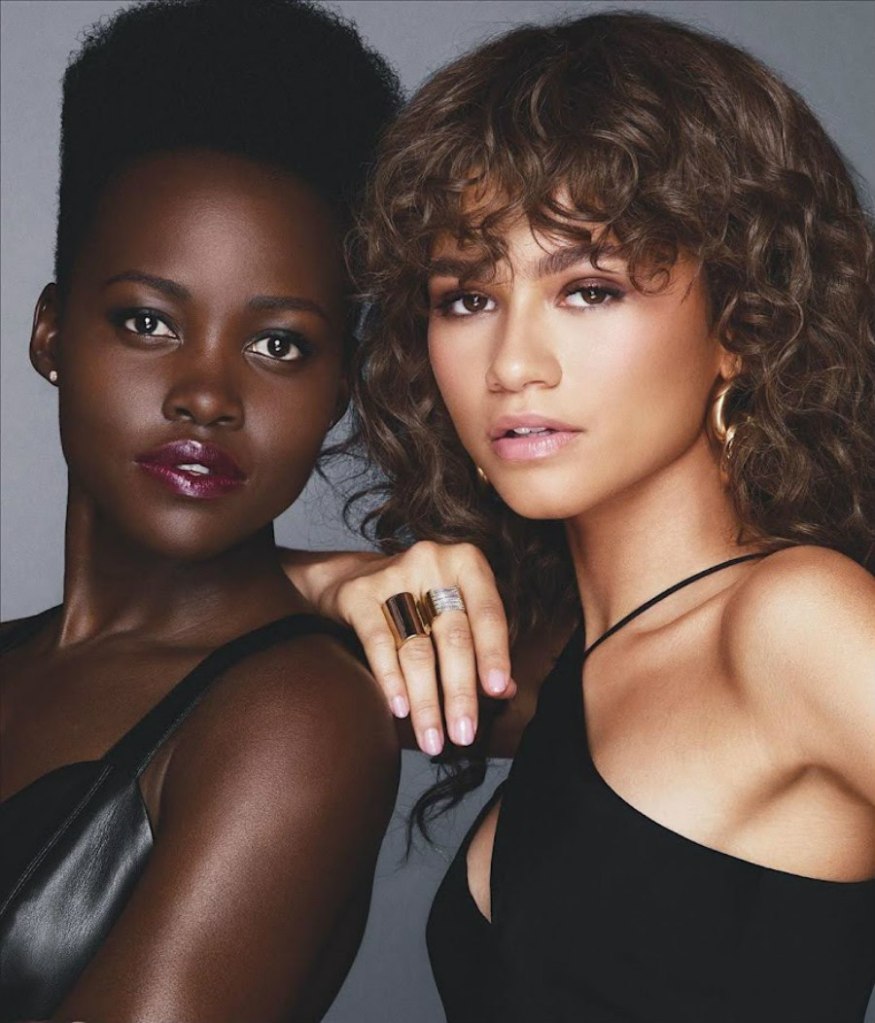
This photograph is the property of its respective owner. No copyright infringement intended.

Colorism is the prejudice or preferential treatment based on skin tone, typically favoring lighter skin over darker skin within the same racial or ethnic group. Unlike racism, which discriminates across different races, colorism operates within a racial or ethnic community, creating hierarchies based on proximity to Eurocentric features. The term was first popularized by Alice Walker in 1983, though the phenomenon has existed for centuries.

Within the Black community, colorism has deep historical roots. It emerged during slavery, when lighter-skinned enslaved individuals—often the children of white slave owners—were given preferential treatment, such as working inside the house rather than laboring in the fields. These house slaves often had access to better food, clothing, and education, whereas field slaves endured harsher conditions (Hunter, 2007). The social stratification created lasting intergenerational psychological effects.

Psychologically, colorism affects self-esteem, identity, and social mobility. Studies show that darker-skinned Black individuals often experience lower self-worth, fewer professional opportunities, and heightened internalized racism compared to lighter-skinned peers (Hunter, 2007; Keith & Herring, 1991). The preference for lighter skin is associated with societal ideals of beauty and success that are tied to European features.

The influence of colorism extends beyond the Black community. In India, the caste system and historical colonization reinforced the belief that lighter skin denotes higher social status, leading to widespread use of skin-lightening products (Tajfel & Turner, 1979). Among Hispanic and Latinx populations, mestizo identity and European ancestry are often valorized over Indigenous or Afro-descendant heritage. Similarly, in East and Southeast Asia, lighter skin has been historically associated with wealth, nobility, and refinement, while darker skin has been linked to laboring in the sun.

Colorism also intersects with gender, disproportionately affecting women. In the Black community, lighter-skinned women have historically been deemed more attractive, more marriageable, and more socially desirable, both by men within and outside the community (Hunter, 2007). This preference can exacerbate divisions and reinforce patriarchal hierarchies, leaving darker-skinned women marginalized and undervalued.

The psychological effects are compounded by media and cultural representation. Hollywood and Western media often present lighter-skinned Black women in leading roles while marginalizing dark-skinned women to background or stereotypical roles. This reinforces internalized colorism, creating a cycle of self-devaluation and desire for features associated with whiteness (Russell-Cole et al., 2013).

Biblically, the issue of valuing outward appearance over inward worth is cautioned against. 1 Samuel 16:7 (KJV) states, “For the LORD seeth not as man seeth; for man looketh on the outward appearance, but the LORD looketh on the heart.” Colorism, in this light, reflects human fallibility in valuing skin tone over character, faith, and spiritual depth.

Historical slavery significantly entrenched colorism in the United States. House slaves—usually lighter-skinned—were sometimes granted privileges unavailable to darker-skinned field slaves, leading to internal hierarchies and divisions within the enslaved community. Lighter-skinned children born to slave owners often had ambiguous status, creating both resentment and survival strategies that persist across generations.

During slavery, lighter-skinned Black women were often sexualized by white men, a tragic legacy that has influenced modern perceptions of beauty and desirability. This history contributes to the psychological phenomenon where Black men may consciously or unconsciously favor lighter-skinned women, associating them with beauty, status, or social capital (Hunter, 2007; Keith & Herring, 1991).

Psychology explains this as a combination of social learning, internalized bias, and reinforcement. Preferences for lighter-skinned partners may reflect both historical conditioning and the influence of media and society. Social Identity Theory (Tajfel & Turner, 1979) suggests that individuals derive self-esteem by favoring traits aligned with dominant societal standards, even within their own ethnic group.

Colorism contributes to intragroup discrimination, where darker-skinned individuals face bias not just from society but from within their own communities. This can manifest in reduced dating prospects, employment bias, or social exclusion. Studies indicate that darker-skinned women are often less likely to marry lighter-skinned men, and darker-skinned men may experience similar disadvantages in partner selection (Russell-Cole et al., 2013).

Globally, colorism intersects with class, wealth, and cultural capital. In India, lighter-skinned individuals are more likely to receive better job offers and marriage prospects. Among Latinx and Asian communities, skin tone can influence perceptions of intelligence, civility, and social mobility. These dynamics show that colorism is a global phenomenon, shaped by historical, economic, and cultural forces.

Changing colorism requires both individual and collective action. Education about the historical roots of skin-based hierarchies is essential. Communities can promote media representation that celebrates all skin tones, and religious or cultural teachings can emphasize inner worth over outward appearance. 1 Samuel 16:7 (KJV) reminds communities to value heart and character above skin tone.

In the Black community, self-affirmation and visibility of darker-skinned leaders, celebrities, and role models can counteract internalized bias. Campaigns that celebrate melanin-rich skin, such as #UnfairAndLovely or #DarkIsBeautiful, provide psychological reinforcement of worth and beauty beyond lightness.

Within family structures, parents can raise children to value character, intelligence, and faith rather than skin tone. Proverbs 22:6 (KJV) states, “Train up a child in the way he should go: and when he is old, he will not depart from it.” By instilling these values early, communities can challenge intergenerational colorist beliefs.

Colorism also intersects with religion and spirituality. Black women who embrace their natural skin often find empowerment in biblical teachings that emphasize inner beauty and God-given identity. 1 Peter 3:3–4 (KJV) instructs, “Whose adorning let it not be that outward adorning of plaiting the hair… but the hidden man of the heart, in that which is not corruptible, even the ornament of a meek and quiet spirit, which is in the sight of God of great price.”

Psychologists emphasize that internalized colorism can be mitigated through cognitive restructuring, affirmations, and representation. Therapy, mentorship, and community engagement can help individuals recognize their inherent value, countering messages from media and historical oppression.

For Black men, confronting preferences that favor lighter-skinned women requires self-reflection and awareness of historical conditioning. Biblical teachings on equality and righteousness, coupled with psychological education, can foster appreciation for all women regardless of skin tone. Galatians 3:28 (KJV) reminds us, “There is neither Jew nor Greek, there is neither bond nor free, there is neither male nor female: for ye are all one in Christ Jesus.”

Ultimately, colorism is not simply a matter of preference; it is a systemic, historical, and psychological issue that affects self-esteem, relationships, and social cohesion. Addressing it requires education, representation, cultural affirmation, and spiritual guidance. Communities must recognize the divisive impact of skin-tone hierarchies and actively work to celebrate all shades of beauty and worth.

The Psychology of Colorism

Title: Colorism: Light vs Dark Skin – History, Psychology, and Social Impact

1. Historical Origins (Slavery & Colonization)

  • House Slaves (Lighter Skin): Privileged treatment, access to education, better food, and closer to slave owners.
  • Field Slaves (Darker Skin): Hard labor, harsher conditions, social marginalization.
  • Impact: Created an intra-racial hierarchy based on skin tone.

2. Psychological Effects

  • Internalized Colorism: Lower self-esteem for darker-skinned individuals.
  • Identity & Self-Worth: Lighter skin associated with beauty, success, and desirability.
  • Behavioral Consequences: Preference for lighter-skinned partners, social mobility advantages.

3. Cultural & Global Impact

  • Black Community: Preference for light-skinned women; media representation reinforces bias.
  • India: Fair skin linked to social status; widespread use of skin-lightening products.
  • Hispanic/Latinx Communities: European ancestry valorized over Indigenous/Afro-descendant heritage.
  • East/Southeast Asia: Lighter skin historically linked to nobility and social class.

4. Gender Dynamics

  • Women: Most affected; lighter-skinned women often deemed more attractive and marriageable.
  • Men: Preferences shaped by history, culture, and media influence; some favor lighter-skinned partners.

5. Biblical & Moral Perspective

  • 1 Samuel 16:7 (KJV): God values the heart, not outward appearance.
  • Galatians 3:28 (KJV): Equality in Christ; skin tone irrelevant in spiritual worth.

6. Solutions & Interventions

  • Education: Teach history and psychological impact of colorism.
  • Media Representation: Highlight darker-skinned individuals in positive roles.
  • Community Affirmation: Encourage pride in melanin-rich skin.
  • Spiritual Guidance: Emphasize biblical truths about inner worth and godly character.
  • Parental Guidance: Raise children to value character and faith over skin tone.

The legacy of slavery, colonialism, and Eurocentric beauty standards continues to shape colorist perceptions today. By acknowledging history, valuing inner character, and promoting inclusivity, communities can gradually dismantle the hierarchy of light versus dark skin. Psychology, cultural studies, and biblical principles converge in emphasizing that true value lies not in complexion but in character, faith, and actions.


References

  • Hunter, M. (2007). The Persistent Problem of Colorism: Skin Tone, Status, and Inequality. Sociology Compass, 1(1), 237–254.
  • Keith, V., & Herring, C. (1991). Skin Tone and Stratification in the Black Community. American Journal of Sociology, 97(3), 760–778.
  • Russell-Cole, K., Wilson, M., & Hall, R. (2013). The Color Complex: The Politics of Skin Color in a New Millennium. HarperCollins.
  • Tajfel, H., & Turner, J. (1979). An Integrative Theory of Intergroup Conflict. In W. Austin & S. Worchel (Eds.), The Social Psychology of Intergroup Relations. Brooks/Cole.
  • The Holy Bible, King James Version (KJV).
Not Light Enough, Not Dark Enough

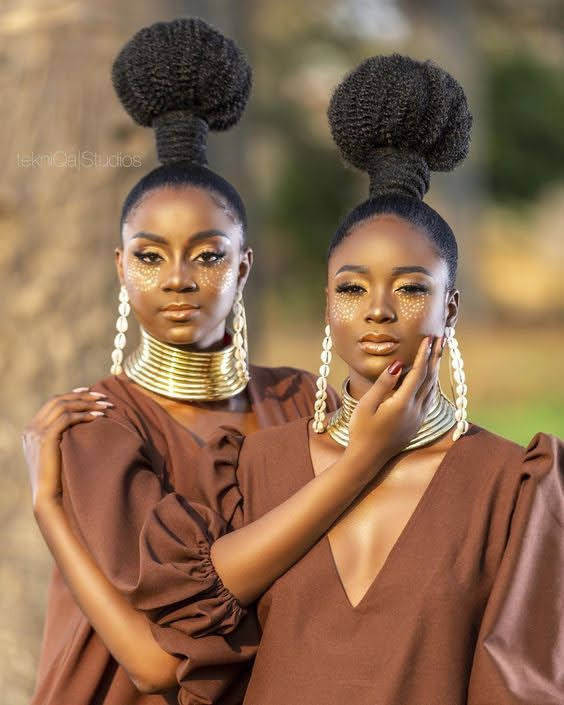
This photograph is the property of its respective owners. No copyright infringement intended.

The struggle of identity within the Black community is a painful and persistent issue. One of the most overlooked dimensions of racial identity is the tension that exists between light skin and dark skin among people of African descent. While white supremacy has historically grouped all Black people together as one inferior category, within the Black community itself, a separate hierarchy has emerged—one that privileges certain shades of Blackness while marginalizing others. This creates the paradoxical reality of being “not light enough, not dark enough.”

For centuries, white colonial powers and enslavers classified Black people according to skin shade, hair texture, and physical features. Terms like “mulatto,” “quadroon,” and “octoroon” were not only derogatory but used as social markers to divide people of African descent. The “paper bag test” and other discriminatory practices reinforced the belief that lighter skin granted access to privilege, while darker skin meant rejection and hardship. White society, however, saw no nuance: regardless of tone, Blackness was stigmatized.

From the perspective of white supremacy, “all Black is Black.” The infamous “one-drop rule” in American history defined anyone with any African ancestry as Black. This erasure of diversity among Black people was designed to maintain control and strip away individuality. White America, by and large, treated Black people as a monolithic group—criminalized, marginalized, and dehumanized. Thus, while colorism was weaponized within the Black community, the larger society did not care whether a person was caramel, mahogany, or ebony—they were all subject to racism.

Within the Black community, however, a more complicated story unfolds. Here, color became not just a descriptor but a social currency. Lighter-skinned individuals often received preferential treatment in employment, education, entertainment, and even in dating. Darker-skinned individuals were unfairly stereotyped as more aggressive, less attractive, or less intelligent. This has led to deep wounds of mistrust, resentment, and division that persist to this day.

The painful truth is that Black people, who should be united in solidarity against systemic oppression, sometimes internalize the very biases created by white supremacy. This is evident in beauty standards that favor European features, in families where children of different shades are treated unequally, and in media portrayals that elevate lighter-skinned actors, singers, and models. The oppression from without has been compounded by discrimination from within.

At the heart of the dilemma lies the question: Who gets to define beauty, worth, and identity? The Bible reminds us that true value comes not from outward appearance but from the inward spirit. “But the LORD said unto Samuel, Look not on his countenance, or on the height of his stature; because I have refused him: for the LORD seeth not as man seeth; for man looketh on the outward appearance, but the LORD looketh on the heart” (1 Samuel 16:7, KJV). This verse reminds us that the very measuring sticks of color, shade, and tone are human constructions, not divine truths.

However, despite this spiritual truth, the earthly reality of colorism causes tangible pain. Many brown-skinned women, for example, express feeling invisible—too dark to be considered exotic or glamorous, yet not dark enough to be celebrated for “deep melanin beauty.” Men in similar positions may find themselves caught between stereotypes, never fitting cleanly into societal expectations of attractiveness or masculinity.

This sense of being “in between” breeds confusion in identity formation. Adolescents and young adults often internalize these messages, leading to low self-esteem, identity crises, and even depression. Social psychology research shows that constant invalidation of one’s identity leads to both intrapersonal and interpersonal struggles (Hunter, 2007). Thus, the “not light enough, not dark enough” paradox becomes not just a matter of aesthetics, but of psychological survival.

From the white gaze, Black people are subjected to stereotypes that lump them together: lazy, criminal, hypersexual, or less intelligent. These false narratives have been historically perpetuated through pseudo-science, racist media, and discriminatory policies. From the Black gaze, however, the nuances of complexion become battlegrounds of belonging. This dual oppression creates a unique burden where one can feel simultaneously over-visible to white society and under-valued within their own community.

One of the most tragic consequences of colorism is its impact on family dynamics. In many Black households, siblings of varying shades may be treated differently. A lighter child may be praised for “good hair” while a darker child may be chastised or teased. Such wounds cut deeply and last for generations. This dysfunction reflects the scripture: “Every kingdom divided against itself is brought to desolation; and every city or house divided against itself shall not stand” (Matthew 12:25, KJV). The Black community’s division over shade is one of the tools the enemy uses to weaken unity.

Another issue that arises is how Black men and women perceive each other through the lens of colorism. Research has shown that men often demonstrate preference toward lighter-skinned women in dating and marriage, while women may assume lighter-skinned men are more successful or less threatening (Burke, 2008). These biases play into centuries of social conditioning. Yet, these preferences reinforce division, leaving many feeling unloved and unwanted simply because of their shade.

The entertainment industry has perpetuated these biases. From the casting of actresses in leading roles to the glorification of certain musicians, there is a noticeable pattern: lighter skin is often framed as more marketable. This has left countless talented darker-skinned artists struggling to gain recognition, despite their abilities. Brown-skinned individuals find themselves marginalized as well, rarely fitting the archetype of “beautiful enough” or “authentic enough.”

Education and economics also reflect color bias. Studies have shown that darker-skinned individuals often receive harsher sentences in the criminal justice system, fewer job opportunities, and less pay than their lighter-skinned counterparts (Villarreal, 2010). Brown-skinned individuals again fall into the paradox of invisibility, overlooked in favor of those deemed closer to whiteness or those visibly marked as “other.”

In addition to external discrimination, there are internal struggles of self-love. Many people spend years unlearning negative messages about their hair, their nose, their lips, or their skin. Products like bleaching creams and hair straighteners continue to profit from these insecurities. The Bible warns against this self-hatred: “Thou art all fair, my love; there is no spot in thee” (Song of Solomon 4:7, KJV). To deny one’s natural beauty is to deny the Creator’s design.

Colorism also intersects with class. Historically, lighter-skinned Black people were more likely to be freed from slavery, receive education, or own property. This created a lasting generational wealth gap even within the Black community. Today, economic mobility is still influenced by shade in subtle ways, compounding the cycle of inequality.

Spiritual solutions are necessary to heal these wounds. The Church should play a leading role in dismantling colorism, teaching that all shades of Black are fearfully and wonderfully made (Psalm 139:14, KJV). Yet, churches have not always been free from these biases. It is vital for Christian communities to confront these divisions openly and to re-center identity in Christ rather than complexion.

Another issue worth mentioning is representation in relationships and family. Children raised in homes where one parent is lighter and the other darker may internalize confusion about their own identity. If not guided with love and affirmation, these children can grow up feeling as though they do not belong fully to either side. The danger is raising another generation caught in the cycle of shade hierarchy.

Healing begins with awareness. To break free from the “not light enough, not dark enough” dilemma, the Black community must address the historical roots of colorism and confront the ways it manifests today. This requires honest conversations, re-education, and intentional celebration of all shades of Blackness.

It also requires rejecting the false narratives imposed by white supremacy. The fact remains: whether light, brown, or dark, Black people share the same struggles under systemic racism. Police brutality, mass incarceration, voter suppression, and economic disenfranchisement do not discriminate by shade. To the oppressor, all are Black. Therefore, unity is essential.

At the same time, individuals must commit to personal healing. This means rejecting colorist preferences, affirming the beauty of all shades, and speaking life rather than perpetuating stereotypes. “Death and life are in the power of the tongue: and they that love it shall eat the fruit thereof” (Proverbs 18:21, KJV). Words spoken in families, schools, and communities can either heal or harm.

Ultimately, the dilemma of being “not light enough, not dark enough” is one born out of oppression and sustained by division. Yet, the truth of God’s Word offers freedom: “And ye shall know the truth, and the truth shall make you free” (John 8:32, KJV). The truth is that all shades of melanin are gifts from the Creator, carrying history, resilience, and beauty.

In order for Black people to thrive, there must be a rejection of hierarchies that serve no purpose but to divide. Healing requires a commitment to love, unity, and equality, rooted in both cultural pride and biblical truth. Only then can the scars of colorism begin to fade.


References

  • Burke, M. (2008). Colorism and African American women in the United States. Journal of Black Studies, 39(3), 348–367.
  • Hunter, M. (2007). The persistent problem of colorism: Skin tone, status, and inequality. Sociology Compass, 1(1), 237–254.
  • Villarreal, A. (2010). Stratification by skin color in contemporary Mexico. American Sociological Review, 75(5), 652–678.
  • The Holy Bible, King James Version (KJV).

Dilemma: Color Bias

Photo by Nicole Berro on Pexels.com

Color bias, often called colorism, is the social preference for lighter skin tones within racial or ethnic groups. Unlike racism, which functions across different races, color bias operates within a community, shaping hierarchies of privilege, beauty, and worthiness according to complexion. Rooted in slavery, colonialism, and Eurocentric ideals, color bias has lasting effects on how people are valued and treated. It creates divisions among those who share the same ancestry, undermining unity and reinforcing oppression from within (Hunter, 2007).

Historically, color bias took root during the transatlantic slave trade and colonial rule. Lighter-skinned enslaved Africans, often born of European masters, were given positions as house servants, while darker-skinned individuals were confined to harsher field labor (Keith & Herring, 1991). This division fostered the perception that lighter skin represented refinement, intelligence, and proximity to whiteness, while darker skin was stigmatized as less desirable. These beliefs were passed through generations, embedding shade hierarchies into social and cultural structures long after the abolition of slavery.

In modern contexts, color bias continues to shape opportunity and representation. Lighter-skinned individuals are often favored in entertainment, media, and professional spaces. Globally, skin-lightening industries thrive, promising upward mobility and beauty to those who conform to lighter ideals (Glenn, 2008). Within families, children with lighter complexions may be praised as “beautiful” or “lucky,” while darker-skinned children face teasing or stigma, creating internalized wounds. Even in casual language, terms like “high yellow” or “redbone” highlight how complexion is tied to perceived social value.

Color bias also significantly impacts relationships, marriage, and family dynamics. Research shows that lighter-skinned women are often perceived as more desirable for marriage, while darker-skinned women face higher levels of rejection, bias, and stereotypes (Hunter, 1998). Men with darker skin may also be labeled as more threatening or less “respectable,” influencing dating choices and family expectations. These biases affect mate selection, with some families encouraging unions with lighter-skinned partners to “improve” the family lineage. Such practices reflect not only internalized racism but also the lingering scars of slavery and colonialism.

The Bible challenges such distortions of human worth. Song of Solomon 1:5 (KJV) declares: “I am black, but comely, O ye daughters of Jerusalem.” This verse affirms the beauty of dark skin, countering cultural stigmas. Furthermore, 1 Samuel 16:7 (KJV) reminds believers that God judges by the heart, not appearance. Favoritism in love, marriage, or family based on complexion stands against the divine standard of equality. Acts 17:26 (KJV) further emphasizes that God “hath made of one blood all nations of men,” revealing that complexion-based hierarchies are human inventions, not divine truths.

Psychologically, color bias is sustained through internalized racism and implicit bias. Internalized racism leads individuals to adopt the belief that lighter features are more attractive or valuable, even when such beliefs harm their own identity (Speight, 2007). Implicit bias operates unconsciously, shaping decisions about who is considered attractive, professional, or marriage-worthy. These biases infiltrate dating preferences, hiring choices, and even parental expectations, perpetuating cycles of inequality. Addressing these issues requires intentional reflection, awareness, and healing.

Ultimately, overcoming color bias demands both spiritual and psychological renewal. Spiritually, believers are called to “be not conformed to this world: but be ye transformed by the renewing of your mind” (Romans 12:2, KJV). Psychologically, education, representation, and open dialogue are necessary to dismantle implicit biases and heal generational wounds. Communities must affirm that every shade of melanin is a reflection of God’s creativity, equally worthy of love, respect, and dignity. By uniting faith and knowledge, families and societies can break the grip of color bias and build relationships rooted in genuine character rather than complexion.


References

  • Glenn, E. N. (2008). Yearning for lightness: Transnational circuits in the marketing and consumption of skin lighteners. Gender & Society, 22(3), 281–302.
  • Hunter, M. (1998). Colorstruck: Skin color stratification in the lives of African American women. Sociological Inquiry, 68(4), 517–535.
  • Hunter, M. (2007). The persistent problem of colorism: Skin tone, status, and inequality. Sociology Compass, 1(1), 237-254.
  • Keith, V. M., & Herring, C. (1991). Skin tone and stratification in the Black community. American Journal of Sociology, 97(3), 760–778.
  • Speight, S. L. (2007). Internalized racism: One more piece of the puzzle. The Counseling Psychologist, 35(1), 126–134.
  • The Holy Bible, King James Version.