Category Archives: celebrity

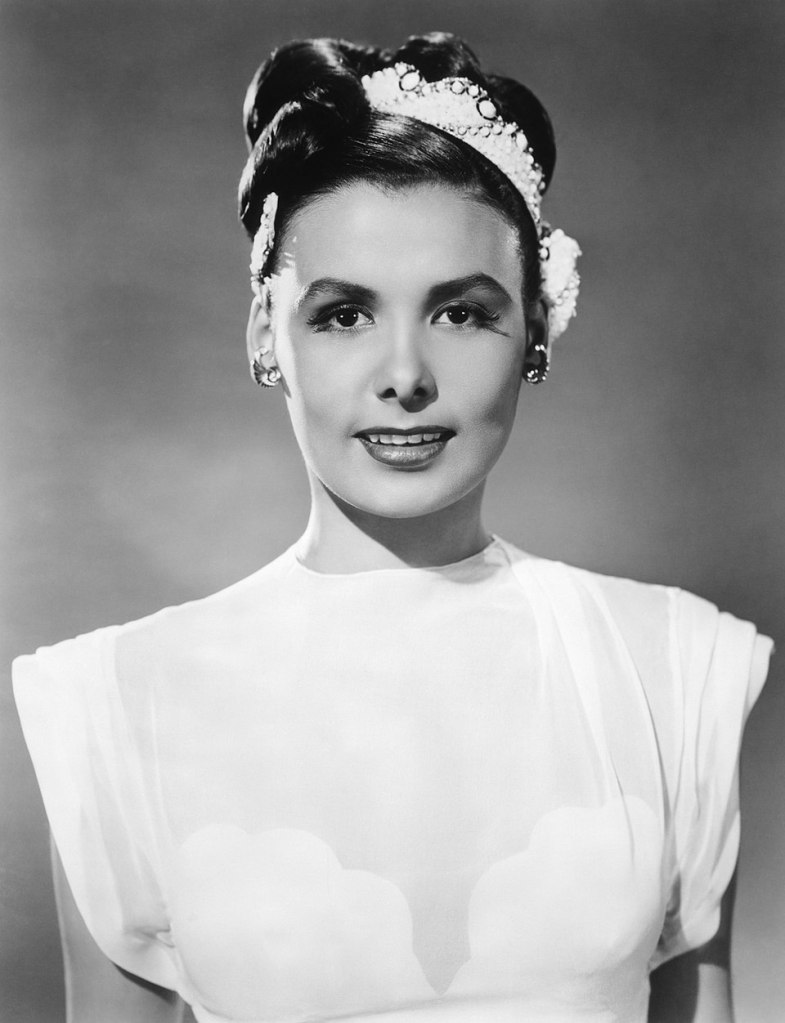
The Ebony Dolls: Lena Horne

The remarkable, Ms Lena…
This photograph is the property of its respective owner. No copyright infringement intended.

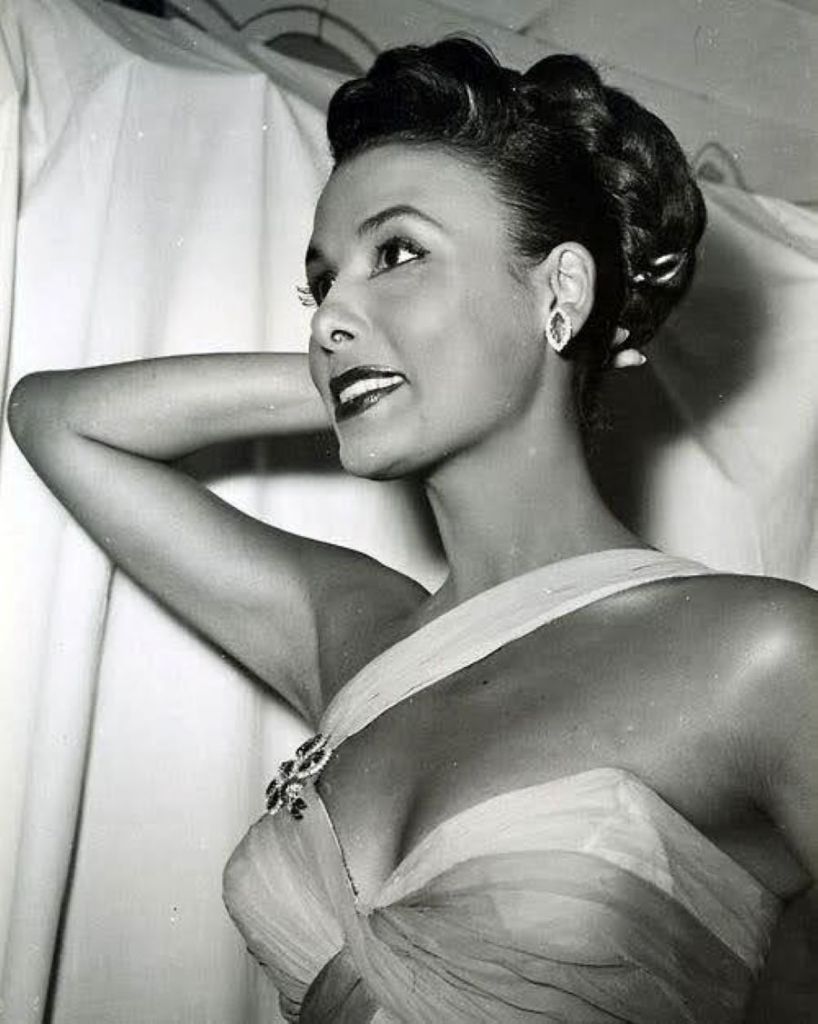
Lena Horne was a vision of elegance, beauty, and poise whose presence captivated audiences worldwide. Her light complexion, radiant smile, and graceful demeanor made her a striking figure in Hollywood during a time when Black women were often denied visibility. Many described her as stunningly beautiful, a woman whose allure went beyond physicality—her voice, intelligence, and stage presence added layers of magnetism that commanded respect and admiration. Even in the racially segregated entertainment industry, Lena’s appearance and talent allowed her to transcend barriers, though not without confronting the challenges of colorism and systemic discrimination (Horne, 1983).

Lena Mary Calhoun Horne was born on June 30, 1917, in Brooklyn, New York, into a family that carried both African American and European ancestry. Her heritage was complex: she was light-skinned, a trait that shaped both opportunities and challenges in her career and personal identity. Growing up, Lena was conscious of her appearance in a society that valued lighter skin, often granting her advantages in access to roles that darker-skinned Black women were denied. Yet, she remained critical of colorism, speaking openly about the ways society’s standards created division and unequal treatment within the Black community (Horne, 1983).

Lena’s career began at a young age. She joined the chorus line at the Cotton Club in Harlem as a teenager, performing alongside some of the era’s greatest Black entertainers. Her talent quickly set her apart, and she was discovered by Hollywood talent scouts, leading to a contract with MGM in the late 1930s. Despite her abilities, Lena often faced typecasting: she was one of the few Black actresses who could portray roles of sophistication and glamour, yet she was restricted from starring opposite white actors in romantic roles due to prevailing racial taboos (Haskins, 1995).
This photograph is the property of its respective owner. No copyright infringement intended.

Horne’s film career included appearances in landmark movies such as Cabin in the Sky (1943) and Stormy Weather (1943), the latter becoming a signature work that showcased both her acting and her legendary singing voice. She was celebrated not only for her performances but also for her groundbreaking contributions to integrating Black artists into mainstream entertainment. Despite her beauty and talent, Lena often had to fight for roles and recognition in an industry rife with discrimination and restrictive casting practices.

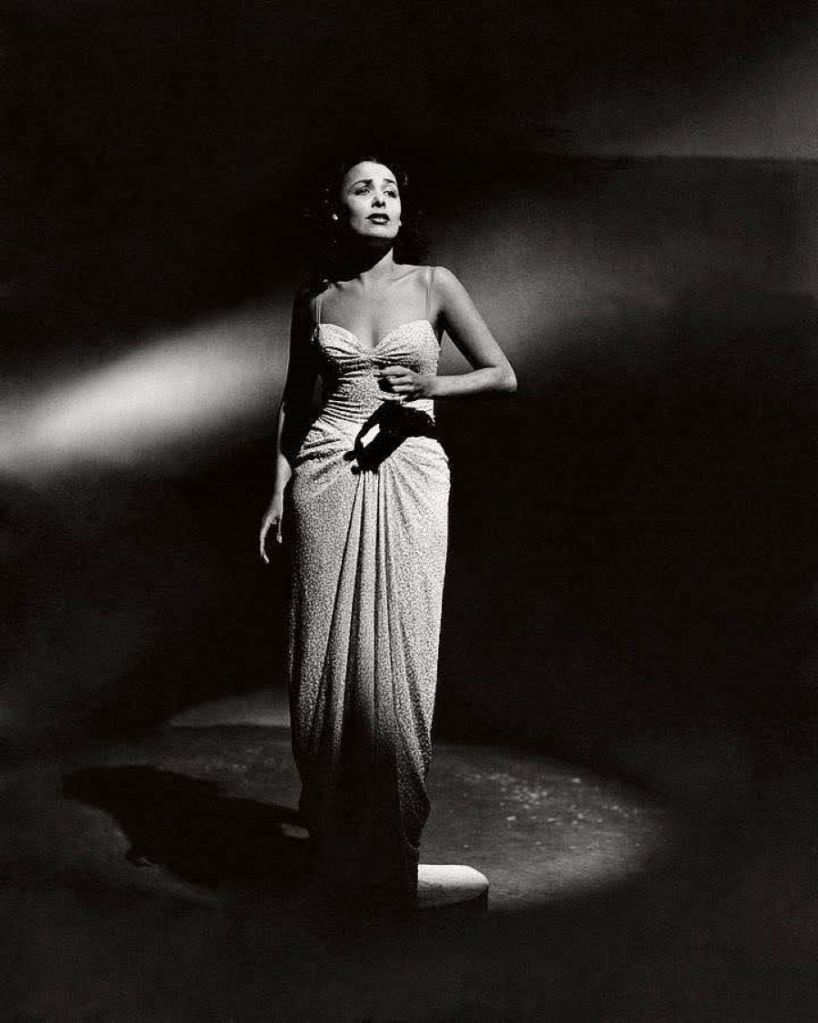
Her music career was equally remarkable. Lena Horne became one of the most iconic jazz and popular singers of her time, known for songs such as Stormy Weather and The Lady is a Tramp. She performed in nightclubs, theaters, and on television, captivating audiences with her sultry voice, elegance, and impeccable stage presence. Horne broke barriers in live performance, becoming one of the first Black women to headline at major venues previously reserved for white entertainers (Erenberg, 2008).

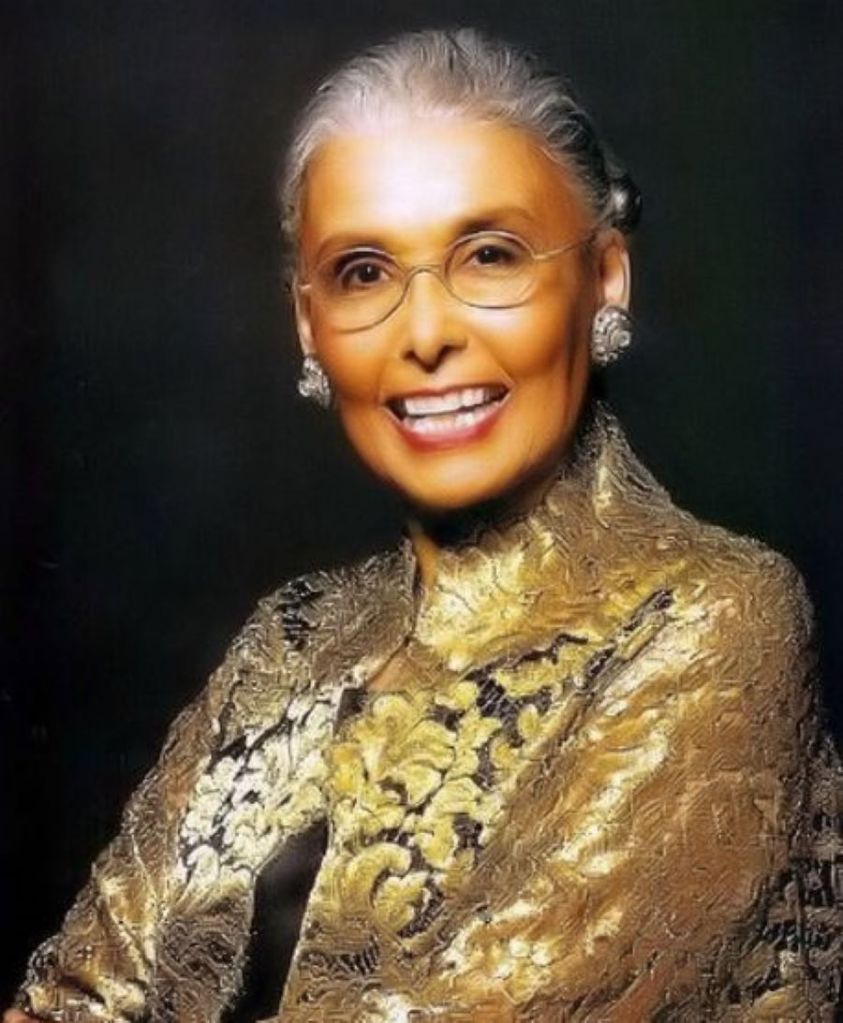
Horne was acutely aware of the role her skin tone played in her opportunities. While lighter skin occasionally afforded her access, she spoke out about the injustice of colorism within Hollywood and society at large. She recognized that talented darker-skinned Black performers were often overlooked, and she used her platform to advocate for equality, fair treatment, and representation. In interviews, she reflected on the complexity of her position—benefiting from colorism while resisting complicity in perpetuating its harm (Horne, 1983).
This photograph is the property of its respective owner. No copyright infringement intended.

Her activism extended beyond colorism. Lena Horne was deeply involved in civil rights work, participating in the March on Washington in 1963 and supporting organizations that fought for racial equality and social justice. She refused to perform in venues that practiced segregation, and she openly challenged discriminatory practices within the entertainment industry. Her courage and advocacy made her not just an icon of beauty and talent but also a model of principled resistance (Haskins, 1995).

Lena Horne received numerous accolades throughout her career. While she was not always recognized by Hollywood with major awards during her peak years, she earned several nominations and honors later in life, including a Special Academy Award in 1981, recognizing her contributions to the film industry and the struggle for racial equality. She was also the recipient of Grammy Awards and Lifetime Achievement honors, reflecting her enduring influence as a performer and cultural icon.
This photograph is the property of its respective owner. No copyright infringement intended.

Her experiences as a light-skinned Black woman navigating race, colorism, and sexism provided Lena with a unique perspective. She often discussed the privileges and burdens of her appearance, advocating for the recognition of beauty across the spectrum of skin tones. Lena’s grace, intelligence, and forthrightness helped reshape societal perceptions of Black women, challenging stereotypes while embodying sophistication, talent, and dignity (Erenberg, 2008).

Horne’s influence continues to resonate. She inspired generations of Black performers to embrace their identity, challenge inequity, and pursue excellence despite systemic barriers. Lena Horne’s legacy is a blend of artistry, activism, and advocacy—her beauty complemented by her unwavering commitment to justice, equality, and representation. She remains a quintessential figure in Black cultural history, a shining example of elegance, resilience, and purpose.


References

  • Erenberg, L. A. (2008). Swingin’ the Dream: Big Band Jazz and the Rebirth of American Culture. University of Chicago Press.
  • Haskins, J. (1995). Lena Horne: A Life of Music and Activism. Black Scholar Press.
  • Horne, L. (1983). Lena: My Story. New York: G.P. Putnam’s Sons.
  • IMDb. (n.d.). Lena Horne Filmography. Retrieved from https://www.imdb.com/name/nm0001351/
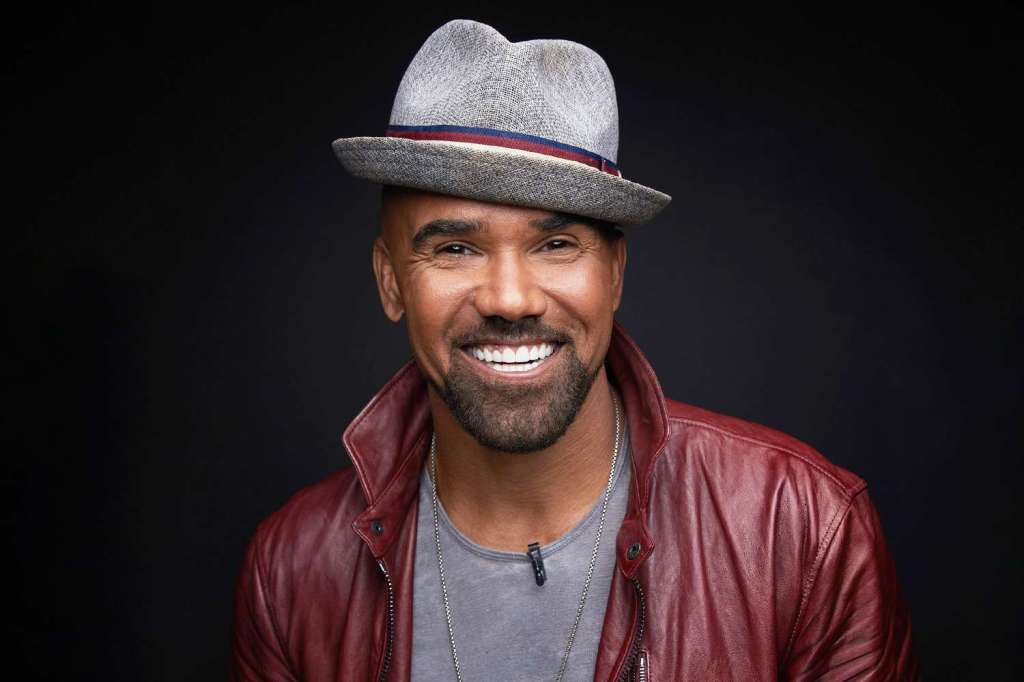
Masculine Perfection Series: Shemar Moore, Morris Chestnut, and Travis Cure

In the shimmering constellation of Hollywood’s most handsome and talented men, few stars shine as brightly as Shemar Moore, Morris Chestnut, and Travis Cure. These men represent a rare fusion of strength, style, and sophistication — the embodiment of masculine perfection. With chiseled physiques, radiant skin tones that range from golden bronze to deep mahogany, and charisma that commands the screen, each of them has carved a distinct path in the entertainment industry. Beyond their striking looks, they possess the discipline, intelligence, and heart that make them more than just leading men — they are icons of modern Black excellence and representations of divine craftsmanship in human form.


Shemar Moore: The Golden Standard of Handsome

This photograph is the property of its respective owner. No copyright infringement intended.

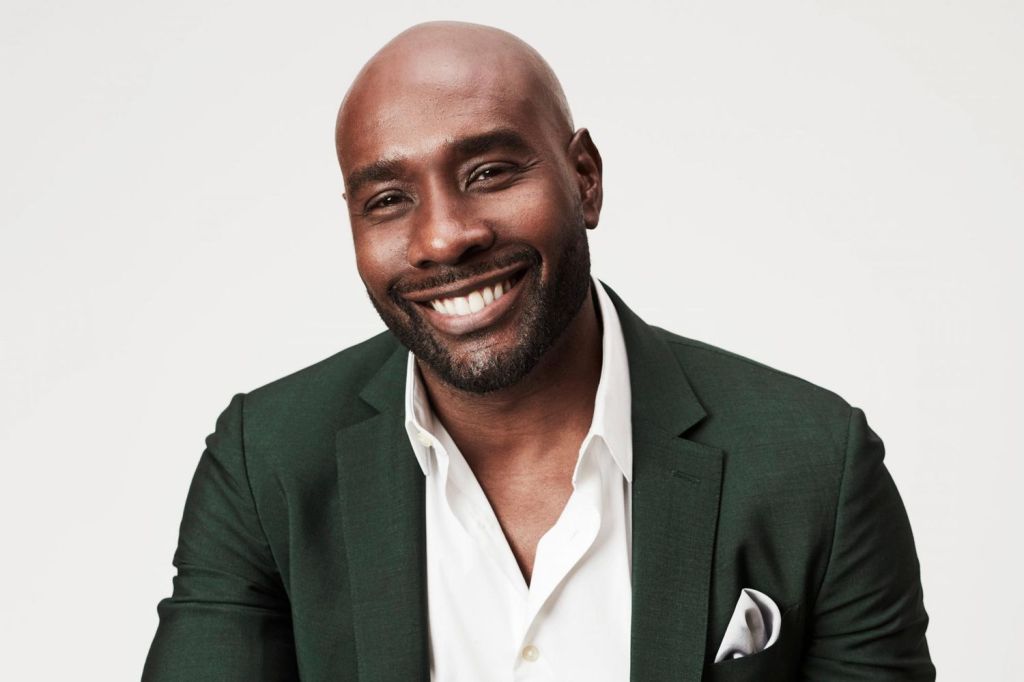
Shemar Franklin Moore, born April 20, 1970, in Oakland, California, is the epitome of Hollywood charm and physical perfection. With his golden-brown complexion, sculpted physique, and infectious smile, Moore has long been celebrated as one of the most handsome men in the entertainment world. A model-turned-actor, he began his career in the early 1990s, quickly rising to fame for his role as Malcolm Winters on The Young and the Restless (1994–2005). His portrayal earned him a Daytime Emmy Award and solidified his reputation as a heartthrob.

Moore’s magnetism extended beyond daytime television when he joined the cast of the hit crime drama Criminal Minds (2005–2016) as Derek Morgan, a role that highlighted his toughness, empathy, and leadership. He currently stars as Sergeant Daniel “Hondo” Harrelson in the CBS action drama S.W.A.T., where his commanding presence and flawless physique continue to capture audiences.

Off-screen, Moore’s life mirrors his confidence and charisma. He is also the founder of Baby Girl LLC, a clothing line that raises awareness for multiple sclerosis in honor of his late mother. Despite being one of Hollywood’s most desired bachelors for years, Moore welcomed his first child with model Jesiree Dizon in 2023, marking a new chapter in his life. His career is a testament to endurance, talent, and timeless allure — Shemar Moore remains a perfect 10 in every sense.


Morris Chestnut: The Definition of Majestic “Hot Chocolate”

This photograph is the property of its respective owner. No copyright infringement intended.

Morris Lamont Chestnut, born January 1, 1969, in Cerritos, California, has long reigned as the cinematic archetype of the ideal man. With his deep, chocolate-brown skin and mesmerizing eyes, Chestnut embodies what many describe as “Black handsomeness in motion.” His film debut in John Singleton’s Boyz n the Hood (1991) as Ricky Baker launched him into stardom, and since then, he has maintained a reputation as one of the most attractive and respected actors in Hollywood.

Throughout his illustrious career, Chestnut has starred in classics such as The Best Man (1999), The Brothers (2001), Think Like a Man (2012), and The Perfect Guy (2015). His performances are distinguished not only by his physical presence but also by his emotional depth and versatility. In 2015, he received a NAACP Image Award for Outstanding Actor for his role in The Best Man Holiday (2013).

Known for his grace, humility, and commitment to family, Morris Chestnut has been married to Pam Byse since 1995, proving that real love still thrives in Hollywood. His success in film and television, coupled with his flawless physique and gentlemanly demeanor, makes him every woman’s dream man and a living symbol of enduring Black masculinity. For decades, he has been the poster child of male perfection — handsome, intelligent, and irresistibly charming.


Travis Cure: The Rising Star of Modern Masculinity

This photograph is the property of its respective owners. No copyright infringement intended

Travis Cure is one of Hollywood’s most captivating new faces — a blend of classic good looks and raw, emerging talent. With a physique that seems sculpted by divine hands and features that exude confidence and power, Cure is the personification of modern Black male beauty. Born and raised in Miami, Florida, Cure’s journey to stardom began through modeling and fitness. His perfectly symmetrical face, commanding frame, and piercing gaze quickly caught the attention of industry professionals, propelling him into acting.

He gained recognition for his roles in Tyler Perry’s The Oval, where he showcased not only his physical appeal but also his natural acting ability. Cure has also appeared in the film Deadly Sexy (2018), and his career continues to ascend as he takes on more dynamic and challenging roles.

Known for his discipline, fitness lifestyle, and strong work ethic, Travis Cure has become a symbol of determination and masculine beauty. His flawless complexion, toned body, and calm confidence make him one of the most striking men in entertainment today. Though he is still rising, Cure has already earned a devoted fanbase and the admiration of audiences worldwide. He represents the new generation of Black Hollywood — powerful, polished, and purpose-driven.


Conclusion

Shemar Moore, Morris Chestnut, and Travis Cure stand as embodiments of the artistry of masculine beauty — golden, rich, and radiant in their own ways. Their presence on and off the screen redefines what it means to be both strong and graceful, handsome and humble. Each has carved his legacy through talent, discipline, and divine design, representing the finest aspects of Black excellence. In the ever-evolving landscape of Hollywood, they remain timeless — men whose beauty and brilliance will forever be celebrated.


References

Masculine Perfection Series: Kenneth Okolie, Van Vicker, and Ramsey Nouah

In the grand gallery of African excellence and cinematic artistry, few men embody the essence of masculine perfection as profoundly as Kenneth Okolie, Van Vicker, and Ramsey Nouah. These leading men of Nollywood and Ghanaian cinema epitomize refinement, beauty, and brilliance. Their presence transcends borders — commanding screens across Africa and the diaspora with magnetic performances, striking physiques, and elegant confidence. They are not only talented actors but cultural ambassadors, proving that African men are among the most captivating and multidimensional figures in global entertainment.


Kenneth Okolie: The Regal Gentleman of Nollywood

This photograph is the property of its respective owners. No copyright infringement intended

Kenneth Okolie, born February 21, 1984, in Nigeria, stands as one of Nollywood’s most polished and admired figures. A man of regal stature, broad shoulders, and a perfectly sculpted jawline, Okolie embodies the image of African royalty. His deep-brown complexion, calm confidence, and eloquence have made him one of the most desirable actors in the industry.

Before becoming a celebrated actor, Kenneth began his career as a model, winning Mr. Nigeria 2010, a title that catapulted him into fame and opened doors in film and television. His transition from modeling to acting came naturally, as his charm and on-screen poise quickly captivated audiences.

He gained recognition through roles in acclaimed films such as The Royal Hibiscus Hotel (2017), Desperate Housewives Africa, and Fifty the Series. His performances balance intensity and tenderness, often portraying characters who exude leadership and integrity.

Off-screen, Kenneth Okolie is admired for his humility and devotion to family. He married his longtime partner Jessica Nwakah in 2017, and together they represent a picture of grace and grounded success. His awards include Best Supporting Actor at the Nollywood Movies Awards and Best Actor in a Leading Role at the African Magic Viewers’ Choice Awards (AMVCA). Handsome, intelligent, and sophisticated, Kenneth Okolie is truly the modern African gentleman — a symbol of both royal elegance and divine masculinity.


Van Vicker: The Golden Charmer of Ghanaian Cinema

This photograph is the property of its respective owners. No copyright infringement intended

Joseph Van Vicker, born August 1, 1977, in Accra, Ghana, is one of the most recognizable and beloved faces in African entertainment. With his golden skin tone, captivating smile, and soft yet commanding eyes, Van Vicker exudes an effortless charm that has made him a fan favorite across the continent.

He began his career as a radio and television personality, working as a DJ and presenter before transitioning into acting. His rise to fame came with his breakout roles in Divine Love (2004) and Beyoncé: The President’s Daughter (2006), which showcased his romantic charisma and screen presence. Since then, he has starred in over 200 films, often portraying the handsome lover or noble hero.

Van Vicker’s talent has earned him numerous accolades, including the AAMA Best Actor Award and the Pan African Film Festival Award for Achievement. Beyond acting, he is a director, producer, and humanitarian, with a deep passion for empowering youth and supporting education in Ghana.

Married to his high school sweetheart, Adjoa Vicker, since 2003, Van Vicker embodies loyalty and family devotion — a rare quality in the entertainment world. His combination of charm, humility, and artistic excellence makes him one of the most admired men in African cinema. To many, he represents the “golden boy” of Ghana — radiant, talented, and timelessly handsome.


Ramsey Nouah: The Prince of Nollywood

This photograph is the property of its respective owners. No copyright infringement intended

Ramsey Tokunbo Nouah Jr., born December 19, 1970, in Lagos, Nigeria, is the very definition of timeless beauty and cinematic mastery. With his smooth golden light caramel complexion, soulful eyes, and sophisticated demeanor, Ramsey Nouah has been affectionately called “Nollywood’s Lover Boy” — a title he has worn gracefully for over two decades.

His acting career began in the early 1990s with the television soap opera Fortunes, but it was his roles in romantic films such as Silent Night (1996), Dangerous Twins (2004), and Figurine (2009) that established him as one of the most talented and handsome actors in Africa.

Nouah has since evolved into a respected director and producer, making his directorial debut with the blockbuster Living in Bondage: Breaking Free (2019), which won multiple Africa Magic Viewers’ Choice Awards, including Best Overall Movie. His ability to seamlessly move between acting, directing, and producing shows his artistic brilliance and leadership in Nollywood.

Married to Emelia Phillips-Nouah, Ramsey is a devoted husband and father. His calm confidence, refined beauty, and professionalism have made him a mentor and role model to younger actors. His accolades include Best Actor in a Leading Role at the African Movie Academy Awards (AMAA) and multiple recognitions from the AMVCA. Ramsey Nouah is not just a handsome face — he is the embodiment of African cinematic evolution, blending legacy, artistry, and elegance.


Conclusion

Kenneth Okolie, Van Vicker, and Ramsey Nouah stand as three pillars of African masculinity — distinguished, disciplined, and devastatingly handsome. Each of them brings a unique light to the African film industry: Okolie with his regal grace, Vicker with his golden warmth, and Nouah with his timeless sophistication. Together, they redefine what it means to be both powerful and tender, proving that Black excellence radiates across borders and generations. Their artistry reminds the world that Africa not only births talent — it births kings.


References

  • Africa Magic Viewers’ Choice Awards. (2024). Award winners archive. MultiChoice Africa.
  • IMDb. (2024). Kenneth Okolie biography. https://www.imdb.com/name/nm5022442/
  • IMDb. (2024). Van Vicker biography. https://www.imdb.com/name/nm1951509/
  • IMDb. (2024). Ramsey Nouah biography. https://www.imdb.com/name/nm1528046/
  • Nollywood Movies Awards. (2023). Kenneth Okolie: Best Supporting Actor.
  • Pan African Film Festival. (2022). Lifetime Achievement Honorees.
  • Netflix. (2019). Living in Bondage: Breaking Free [Film]. Play Network Studios.
  • Ghanaian Times. (2023). Van Vicker: From actor to filmmaker and philanthropist.

Masculine Perfection Series: The British Invasion – Idris Elba, Aaron Pierre, and Regé‑Jean Page.

The British Invasion of Male Aesthetics, Talent, and Global Impact

In recent years, British actors of African and Afro-diasporic descent have taken the world stage with unprecedented impact, redefining standards of beauty, charisma, and screen presence. Leading this movement are Idris Elba, Aaron Pierre, and Regé‑Jean Page—each possessing a striking combination of physical allure, magnetic charm, and extraordinary talent. Elba’s commanding height, chiseled features, and deep expressive eyes have made him an icon of rugged sophistication; Pierre’s athletic build, symmetrical face, and intense gaze convey both vulnerability and heroism; while Page’s near-perfect facial symmetry, photogenic features, and refined presence have cemented him as a global standard of romantic lead. Together, they represent a new era in which Black British actors are celebrated not only for their artistic skill but also for the distinct aesthetic and cultural richness they bring to international film and television. Their rise signals a powerful shift in representation, challenging stereotypes, and opening doors for future generations of Black talent in the entertainment industry.

1. Idris Elba

This photograph is the property of its respective owner. No copyright infringement intended.

Idris Elba is widely regarded as one of the most handsome and charismatic actors of his generation, combining rugged masculinity with refined elegance. Standing around 6’2” with a strong, athletic build, he possesses chiseled facial features, deep brown expressive eyes, and a warm, engaging smile. His smooth dark skin, combined with his salt‑and‑pepper beard and commanding posture, exudes both authority and charm. Elba’s presence is magnetic, making him naturally captivating on screen, whether portraying intense drama or heroic roles. His physicality and aesthetic appeal have contributed significantly to his image as a quintessential leading man.

Early Life & Background

Idrissa Akuna Elba OBE was born on 6 September 1972 in Hackney, London, England, to a father from Sierra Leone and a mother from Ghana (Biography.com). He grew up in East London (Canning Town area) and left school around age sixteen to pursue acting, winning a place in the National Youth Music Theatre via a Prince’s Trust grant (IMDb).

Career Start

Elba began with small UK television roles and DJ work before his major breakthrough portraying Russell “Stringer” Bell in HBO’s The Wire (2002‑2004) (Wikipedia). His portrayal of DCI John Luther in the BBC series Luther (2010‑2019) further cemented his international star status (Britannica). He has also starred in films such as Mandela: Long Walk to Freedom (2013) and Marvel/Thor installments.

Key Roles & Achievements

  • Stringer Bell in The Wire – breakout role.
  • DCI John Luther in Luther – Golden Globe Award for Best Actor (Miniseries/TV).
  • Mandela: Long Walk to Freedom – major biopic role.
  • Beasts of No Nation (2015) – Screen Actors Guild Award, BAFTA & Golden Globe nominations.

Awards & Recognition

Elba has received a Golden Globe, multiple Primetime Emmy nominations, and BAFTA nominations. Named to Time 100 Most Influential People in the World in 2016.

Personal Life & Marriage

Elba married Sabrina Dhowre in April 2019 in Marrakech, Morocco. He has two children from prior relationships: daughter Isan and son Winston (People.com).

Significance

Elba’s combination of physical presence, aesthetic appeal, and talent has made him a global symbol of Black British excellence, bridging UK and American television and film with remarkable ease.


2. Aaron Pierre

This photograph is the property of its respective owner. No copyright infringement intended.

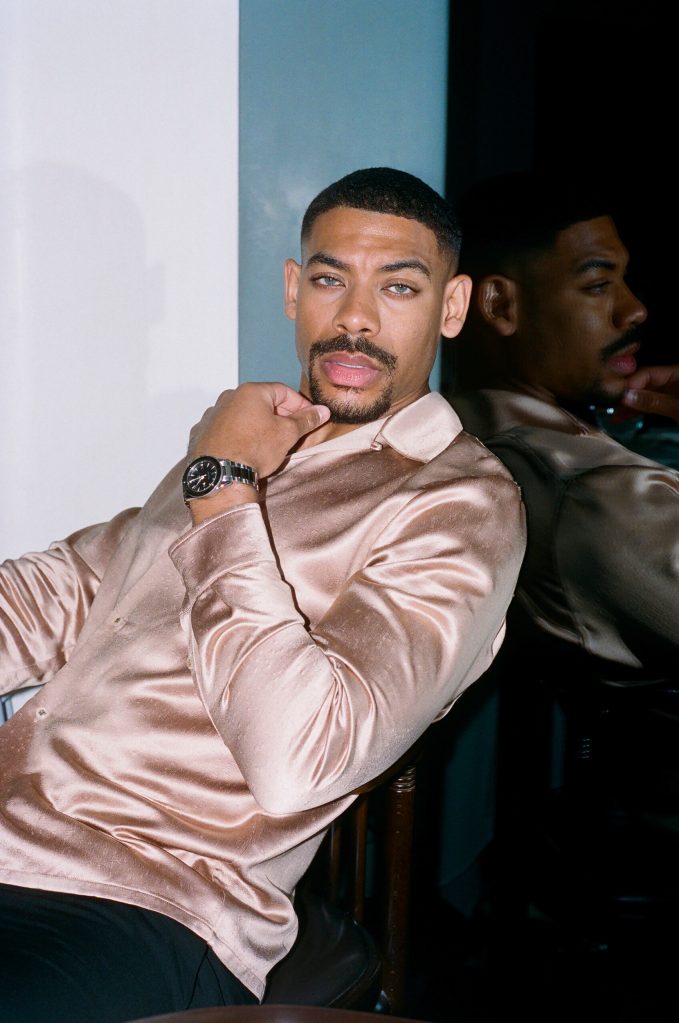
Aaron Pierre is a strikingly attractive actor, known for his tall, athletic build, smooth dark skin, and commanding presence. His symmetrical facial features, strong jawline, and expressive light eyes convey intensity, sensitivity, and screen charisma. His natural elegance, combined with a confident posture and versatile features, allows him to portray both heroic and vulnerable characters convincingly. Pierre’s physicality and photogenic appeal make him stand out as a rising figure in film and television.

Early Life & Background

Aaron Stone Pierre was born on 7 June 1994 in London, England, of Jamaican, Curaçaoan, and Sierra‑Leonean descent (Wikipedia). He participated in athletics in his youth and later developed an interest in acting, training at the London Academy of Music and Dramatic Art (LAMDA), graduating around 2016 (Wikipedia).

Career Start

Pierre’s early stage work included Cassio in Shakespeare’s Othello at the Globe Theatre, earning commendation in the Ian Charleson Awards (IMDb). Screen recognition followed with his role as Dev‑Em in the sci‑fi series Krypton (2018‑2019), and he later starred in Amazon’s The Underground Railroad (2021) and the thriller film Old (2021).

Key Roles & Achievements

  • Dev‑Em in Krypton – early screen role.
  • Caesar in The Underground Railroad – critically acclaimed period drama role.
  • Lead in Rebel Ridge (2024).
  • Voicing Mufasa in Mufasa: The Lion King.

Awards & Recognition

Pierre received an Ian Charleson Award nomination (2018) and won the Canadian Screen Award for Best Supporting Performance (Brother) and an NAACP Image Award for Outstanding Actor (Rebel Ridge).

Personal Life & Marriage

Aaron Pierre is currently not publicly married; as of mid‑2025, actor Aaron Pierre is publicly dating singer‑actress Teyana Taylor.

Significance

Pierre represents the new wave of Black British talent blending rigorous stage training with screen charisma. His aesthetic appeal, athletic build, and symmetrical features make him a striking presence on screen, enhancing his versatile acting repertoire.


3. Regé‑Jean Page

These photographs are the property of their respective owners. No copyright infringement intended.

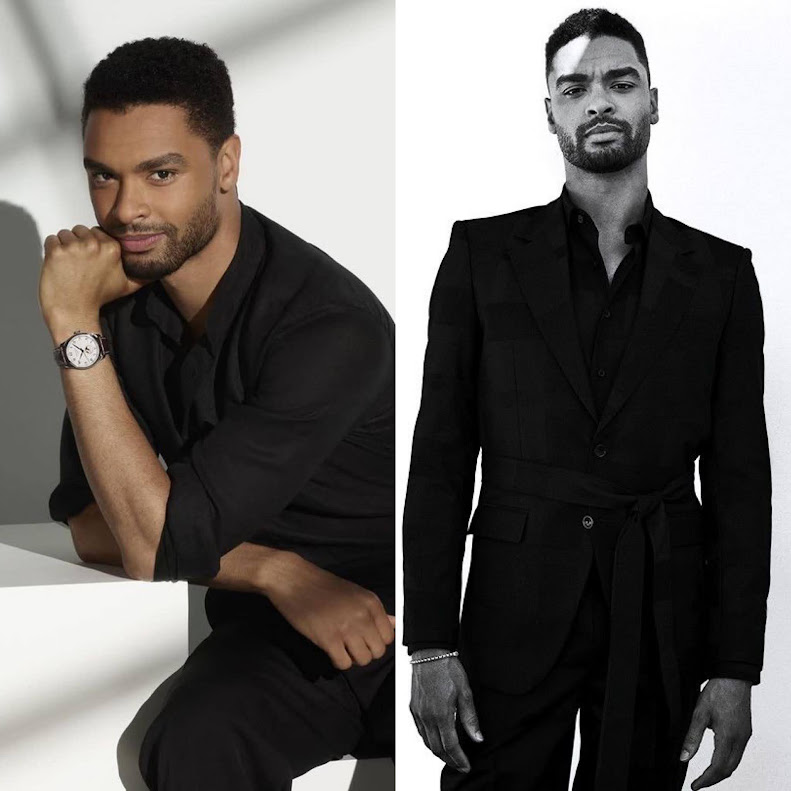
Regé‑Jean Page possesses a striking combination of classical good looks, symmetry, and magnetic charm. Often cited in studies and media analyses as having one of the most perfectly symmetrical faces among contemporary actors, his features are exceptionally balanced and proportionate. Standing around 6’1” with a tall, lean, athletic build, he has smooth dark skin, deep-set brown eyes, and a captivating smile. His presence exudes both refinement and sensuality, making him an ideal romantic lead. His mixed British-Zimbabwean heritage further enhances his distinctive and photogenic features, giving him a unique screen presence that is both compelling and timeless.

Early Life & Background

Born in London to an English father (a preacher) and a Zimbabwean mother (a nurse), Page spent part of his childhood in Harare, Zimbabwe, before returning to London (Wikipedia). He studied sound engineering before entering Drama Centre London, graduating in 2013 (Fandango.com).

Career Start

Page’s early roles included a short film (Troublemaker, 2004) and guest appearances on BBC’s Casualty (2005) and Waterloo Road (2015). He gained global recognition as Simon Basset, the Duke of Hastings, in Netflix’s Bridgerton (2020).

Key Roles & Achievements

  • Simon Basset in Bridgerton – worldwide breakout role.
  • Films: The Gray Man (2022), Dungeons & Dragons: Honor Among Thieves (2023).
  • NAACP Image Award winner for Outstanding Actor in a Drama Series.
  • Screen Actors Guild Award nomination.

Personal Life & Relationship

Page is not married publicly but has been in a relationship with Emily Brown since around 2019 (People.com).

Significance

Page exemplifies modern standards of facial beauty and symmetry, combined with talent and charisma. His aesthetic perfection, along with acting skill, redefines the Black British male romantic lead for global audiences and makes him a symbol of representation in period dramas and blockbuster cinema.


References

Celebrity Worship.

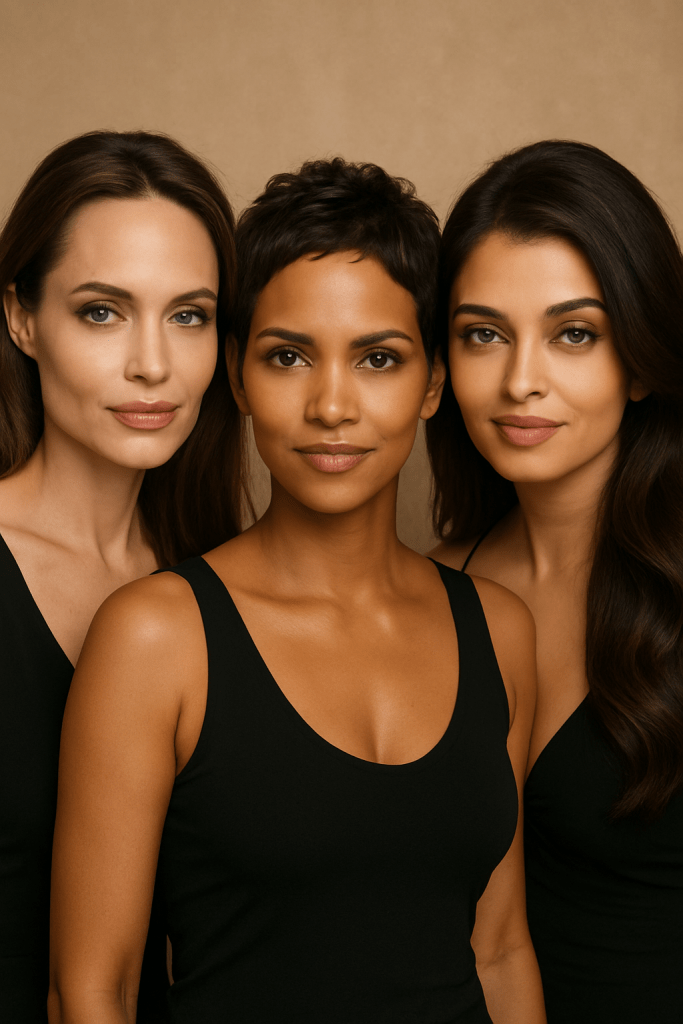
Celebrity culture captivates the modern imagination, offering a vision of beauty, power, and wealth that seems unattainable yet intensely desirable. Icons such as Angelina Jolie, Halle Berry, and Aishwarya Rai Bachchan exemplify global fame: Jolie for her humanitarian work and Hollywood stardom, Berry for breaking racial barriers in the American film industry, and Rai Bachchan for her dominance in Indian cinema. While society often idolizes physical beauty, charisma, and material success, the Scriptures caution against the desire for worldly admiration: “For what is a man profited, if he shall gain the whole world, and lose his own soul?” (Mark 8:36, KJV). Fame and recognition, when pursued or idolized, risk displacing spiritual focus and inner contentment.

Celebrity worship extends beyond admiration into imitation, shaping fashion, lifestyle, and even morality. The Bible warns that human fascination with outward appearances can mislead: “For all that is in the world, the lust of the flesh, and the lust of the eyes, and the pride of life, is not of the Father, but is of the world” (1 John 2:16, KJV). Angelina Jolie’s striking features and humanitarian image, Halle Berry’s elegant beauty and barrier-breaking career, and Aishwarya Rai Bachchan’s poise and glamour are lauded worldwide, yet their fame is often envied rather than emulated with discernment. The spiritual danger lies in valuing fame itself over personal righteousness.

Celebrity worship is a modern form of idolatry, where human admiration replaces devotion to God. The KJV reminds: “Thou shalt have no other gods before me” (Exodus 20:3, KJV). In contemporary society, the idolization of celebrities parallels the biblical warning against false gods, as admiration shifts from virtues to appearance, wealth, and notoriety. Individuals often seek validation through celebrity culture, prioritizing worldly ideals over spiritual formation.

The psychology of celebrity worship reflects self-worship and insecurity, where individuals project idealized images onto public figures. Aishwarya Rai Bachchan’s elegance, Halle Berry’s stunning looks, and Angelina Jolie’s beauty and humanitarian persona become benchmarks that reinforce dissatisfaction and desire. Scripture counters this: “Trust in the Lord with all thine heart; and lean not unto thine own understanding” (Proverbs 3:5, KJV), encouraging reliance on divine guidance rather than societal idols.

Media and social platforms amplify the temptation of celebrity culture, often equating beauty with moral or social value. Angelina Jolie’s humanitarian recognition, Halle Berry’s Academy Award, and Aishwarya Rai Bachchan’s global brand endorsements illustrate how fame creates a narrative of worth. Yet, the Bible teaches humility: “Let nothing be done through strife or vainglory; but in lowliness of mind let each esteem other better than themselves” (Philippians 2:3, KJV).

Celebrity culture also drives aspiration through comparison, encouraging individuals to measure personal success against the lives of the famous. This mirrors the biblical admonition against covetousness: “Thou shalt not covet thy neighbour’s house, thou shalt not covet thy neighbour’s wife, nor his manservant, nor his maidservant, nor his ox, nor his ass, nor any thing that is thy neighbour’s” (Exodus 20:17, KJV). The pursuit of fame and admiration, if unbridled, fosters envy, self-loathing, and spiritual distraction.

The allure of celebrity beauty is particularly powerful in reinforcing colorism and Eurocentric standards. Halle Berry’s light-brown complexion, Angelina Jolie’s fair-skinned glamour, and Aishwarya Rai Bachchan’s fair-toned aesthetic are frequently valorized, influencing global beauty norms. Scripture, however, emphasizes the intrinsic value of all humans: “So God created man in his own image, in the image of God created he him; male and female created he them” (Genesis 1:27, KJV), countering societal bias.

Celebrity worship encourages a materialistic mindset, equating clothing, jewelry, and lifestyle with success. Red-carpet appearances, luxury endorsements, and cinematic opulence feed desire. The KJV warns: “Lay not up for yourselves treasures upon earth, where moth and rust doth corrupt, and where thieves break through and steal” (Matthew 6:19, KJV). Iconic stars exemplify human achievement, yet they should not distract from eternal priorities.

Social media has magnified the intimacy illusion, creating accessibility to celebrity lives that fosters obsessive admiration. Fans scrutinize every appearance, purchase, or gesture of stars like Jolie, Berry, or Rai Bachchan. The Apocrypha similarly cautions against vanity: “For the pride of the man is the disgrace of his own life” (Wisdom of Solomon 14:12, Apocrypha), reflecting the spiritual risks of elevating humans above God.

Celebrity worship can also distort moral values, idolizing fame regardless of virtue. Angelina Jolie’s humanitarian work, though laudable, can be idealized superficially; Halle Berry’s roles may be admired for glamour over artistry; Aishwarya Rai Bachchan’s fame sometimes eclipses recognition of her charity work. Scripture reminds believers: “The fear of the Lord is the beginning of wisdom: and the knowledge of the holy is understanding” (Proverbs 9:10, KJV), prioritizing godly discernment above celebrity acclaim.

The transference of value from spiritual to worldly admiration undermines character development. Individuals who seek celebrity validation often adopt external markers of success rather than cultivating inner virtue. “But he that is greatest among you shall be your servant” (Matthew 23:11, KJV) emphasizes humility and service, contrasting society’s glorification of fame and wealth.

Celebrity worship influences gender norms and body image, particularly for women. Aishwarya Rai Bachchan’s celebrated eyes, Halle Berry’s facial beauty and physique, and Jolie’s facial symmetry and lips create unrealistic standards. Scripture counters societal pressures with affirmation of divine worth: “I will praise thee; for I am fearfully and wonderfully made: marvellous are thy works; and that my soul knoweth right well” (Psalm 139:14, KJV).

The idolization of celebrities reinforces interpersonal envy and social comparison, increasing mental health challenges. The Apocrypha notes: “The heart of man is deceitful above all things, and desperately wicked” (Jeremiah 17:9, KJV), highlighting the spiritual and psychological peril of valuing human admiration over divine guidance.

Celebrity culture perpetuates algorithmic bias in digital spaces, privileging light-skinned, conventionally attractive individuals. Just as Hollywood and African cinema often cast lighter-skinned actors, social media platforms amplify similar hierarchies, reflecting historical colorism. “There is no respect of persons with God” (Romans 2:11, KJV) reminds believers that divine judgment is impartial.

Despite their achievements, celebrities remain mortal and fallible, underscoring the biblical teaching on humility. The fame of Jolie, Berry, or Rai Bachchan should be admired within context, not worshiped: “Boast not thyself of tomorrow; for thou knowest not what a day may bring forth” (Proverbs 27:1, KJV). Worldly recognition is temporary, while spiritual integrity endures.

Celebrity culture also fosters false security, implying that visibility equals worth. KJV scripture warns: “They that trust in their wealth shall fall” (Proverbs 11:28, KJV), reminding us that external success is transient and not a measure of true value.

Generational influence of celebrity admiration perpetuates cycles of envy and aspiration, particularly among youth who emulate public figures as role models. Spiritual formation requires discernment: “Train up a child in the way he should go: and when he is old, he will not depart from it” (Proverbs 22:6, KJV), emphasizing values over admiration of fame.

Celebrity worship often diverts attention from service and responsibility, as society idolizes spectacle over substance. The Apocrypha notes: “The heart of the wise man is as a city that is in a strong place” (Sirach 21:29, Apocrypha), symbolizing stability rooted in virtue, not public adoration.

In conclusion, while celebrities like Angelina Jolie, Halle Berry, and Aishwarya Rai Bachchan offer inspiration through talent, beauty, and humanitarian work, the desire for fame itself is spiritually perilous. The Bible cautions against placing admiration for humans above reverence for God and self-integrity. Believers are called to cultivate humility, discernment, and spiritual focus, recognizing that external allure and worldly acclaim are fleeting, while godliness is eternal.

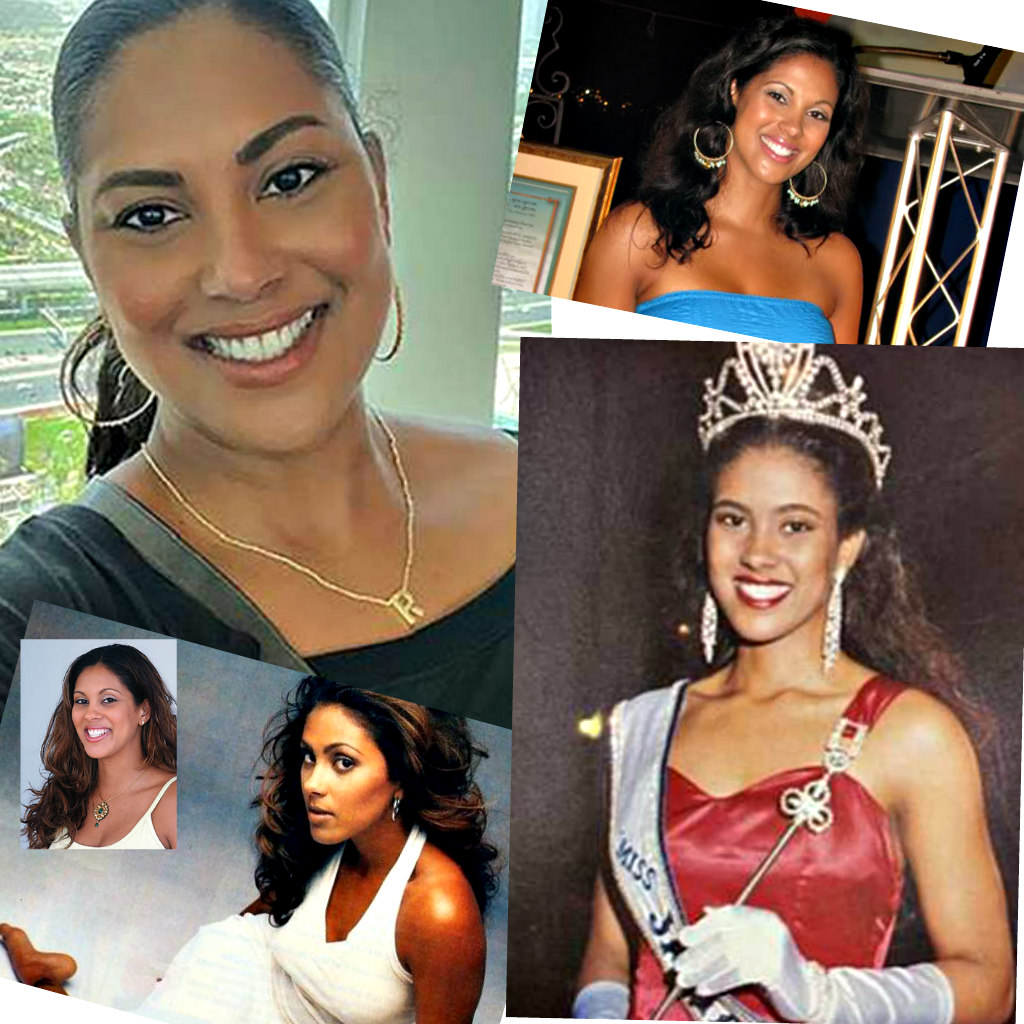
The Ebony Dolls: Rachel Stuart Baker

The Face of Island Stylee

These photographs are the property of their respective owners. No copyright infringement intended.

Born in the early 1970s, Rachel Stuart was born in Kingston, Jamaica. Rachel’s early life unfolded amidst vibrant island rhythms and a cross-cultural upbringing. She spent a portion of her childhood years in Canada before returning to Jamaica for her high school education, attending Stella Maris Preparatory School and Immaculate Conception High School. Jamaica Observer+1 Later, Mohawk College in Canada. As a young woman, she embraced both modelling and academic pursuits, eventually studying television broadcasting in Canada. Jamaica Observer

Rachel Stuart Baker stands as one of the most beloved television personalities of the 1990s, celebrated for her beauty, charisma, and cultural pride. Before she became the radiant face of BET, Rachel served in the Canadian Armed Forces—a little-known fact that highlights her strength, discipline, and patriotism. Her time in the military gave her a sense of order and confidence that later translated effortlessly onto television screens. It was this rare combination of elegance and resilience that made Rachel a standout figure in both media and life.

Her beauty and poise were recognized early on. In 1993, she claimed the title of Miss Jamaica Universe and represented her country at the 42nd Miss Universe pageant in Mexico. Jamaica Observer+1 Before that, she also won the Miss Caraïbes pageant, showcasing her regional prominence in Caribbean beauty competitions. Jamaica Observer+1

Transitioning from pageantry to media, Rachel brought her charm and credibility to the U.S. cable-television stage through BET (Black Entertainment Television). She became the host of Caribbean Rhythms, a pioneering program that spotlighted musicians and musical culture from across the Caribbean. Our Today+1 Her role on the show made her a cultural bridge—bringing Caribbean reggae, dance-hall, and soca artists into the American media consciousness.

Following her success on Caribbean Rhythms, Rachel also hosted BET’s Planet Groove, a show that leaned into music-video culture across R&B, soul, and urban genres. Our Today, these television roles leveraged both her polished on-screen presence and her deep connection to Caribbean heritage, making her a memorable personality in 1990s music television.

Rachel’s background as a Jamaican-Canadian model and actress further enriched her on-screen persona. She used her pageant experience, modelling background, and television training to navigate the entertainment industry with grace. Wikipedia+1 Her success underscored how beauty and brains can combine to create influence, especially as a woman of Caribbean descent on a major network.

Her impact on Caribbean music’s exposure to U.S. audiences cannot be understated. As one profile observed, via Caribbean Rhythms, she helped bring artists like Buju Banton and Beenie Man into greater visibility, contributing to the broader global recognition of Caribbean music. Our Today, this cultural-curation role positioned her as more than a host—she became an ambassador of Caribbean entertainment.

In the 1990s, Rachel became synonymous with Black Entertainment Television (BET), emerging as one of the network’s most iconic hosts. She first gained recognition as the host of Caribbean Rhythms, a vibrant program that spotlighted the beauty and beats of the Caribbean diaspora. With her smooth voice, radiant smile, and island flair, she brought reggae, soca, and dancehall into millions of American homes. Rachel wasn’t just a host—she was a cultural ambassador, connecting Caribbean talent to the world stage.

Her presence on Caribbean Rhythms made her the heartbeat of Caribbean representation in American television. Men across the United States and the Caribbean often called her their “#1 crush,” captivated by her exotic beauty, warm energy, and natural charm. She embodied the ideal of feminine confidence—never forced, never pretentious, but authentically radiant. Whether she was interviewing Shabba Ranks, Buju Banton, or Beenie Man, Rachel exuded joy and pride in showcasing the rhythms of her heritage.

As her popularity soared, Rachel expanded her reach within BET. She hosted Planet Groove, Live from LA, and appeared on BET Soundstage and Video Vibrations, each show adding to her dynamic portfolio. With every role, she left an indelible mark—her laughter, elegance, and Caribbean cadence became part of the network’s golden era. Fans tuned in not only for the music but for Rachel herself, whose magnetic personality brought warmth and authenticity to every broadcast.

Beyond her television career, Rachel’s background as a Jamaican-born, Canadian-raised woman gave her a unique cultural identity. Her journey from Kingston, Jamaica, to Canada, and then to American television reflected the vibrant intersection of cultures that shaped her worldview. She had already made history in 1993 as Miss Jamaica Universe, proudly representing her island on the global stage. Her military experience in Canada only deepened her resilience and discipline, traits that served her well in the competitive entertainment industry.

Rachel’s beauty was never merely external—it was a reflection of her confidence and spirit. With her caramel complexion, radiant smile, and captivating presence, she redefined what it meant to be a Caribbean woman in mainstream media. She embodied both sophistication and island fire, inspiring young women to embrace their cultural roots while pursuing global excellence.

Off-screen, Rachel found love and marriage with Paxton Baker, a respected and prominent executive at BET who served as President of BET Event Productions and other leadership roles within the network. Their union symbolized not only romance but also shared purpose, as both were instrumental in elevating Black entertainment and music television. Together, they have three children and have built a family rooted in faith, creativity, and service. The family has maintained a connection to Rachel’s Jamaican roots, as Rachel continues to visit Jamaica and participate in cultural engagements. Jamaica Observer+1 Rachel later chose to step away from the spotlight to focus on motherhood and community work, demonstrating that fulfillment goes beyond fame.

Even after leaving BET, her legacy endures. Fans from across the diaspora still recall her laughter, her energy, and her trailblazing presence that opened doors for future Caribbean hosts and artists. In interviews, Rachel has expressed gratitude for her years on BET, calling them some of the most exciting times of her life. Her voice and influence continue to echo across generations of Black entertainment and Caribbean pride.

Today, Rachel Stuart Baker remains a symbol of timeless beauty, poise, and authenticity. Her journey—from a disciplined Canadian soldier to a beloved Caribbean media star—is one of resilience, grace, and purpose. She proved that a woman could be beautiful, bold, and brilliant all at once, without compromising her values or cultural identity.

Rachel’s name evokes nostalgia for an era when BET was a cultural hub for music, pride, and Black excellence. She remains, to many, the unforgettable face of that time—the Caribbean queen who lit up screens and hearts alike, with a smile that still defines an entire generation of television magic.

In recent years, Rachel has shifted from high-profile television hosting to focus more on her family, charitable work, and cultural advocacy. According to interviews, she left BET to “grow my family” and has since been involved with theatre programs, food banks, orphanages, and school fundraising. Jamaica Observer Despite stepping back from daily television, her past work remains influential among Caribbean and urban media audiences.

Her legacy is one of beauty, substance, and cultural connectivity—a woman who moved from pageant queen to media host to family advocate, all while maintaining authenticity and pride in her heritage. Rachel Stuart Baker remains a symbol of how Caribbean-born talent has impacted mainstream U.S. entertainment, especially in amplifying the voices of Caribbean artists and culture.

References

  • “Rachel Stuart Baker: 30 years after Miss Jamaica Universe.” Jamaica Observer, March 12, 2023. Jamaica Observer
  • “Whatever happened to Rachel? … former Caribbean Rhythms host enjoying family life.” Our.Today, October 15, 2025. Our Today
  • “Rachel Stuart – Wikipedia.” Wikipedia
  • “Catchin’ Up With BET Alumnus Rachel Stuart-Baker of ‘Caribbean Rhythms’.” WHUR, date unspecified. whur.com
  • BET Archives: Caribbean Rhythms, Planet Groove, Live from LA, BET Soundstage (1993–2000).

Dilemma: Celebrity Worship

In the modern world, celebrity worship has evolved into a cultural phenomenon that often mirrors religious devotion. From the adoration of musical icons like Michael Jackson and Elvis Presley to the idolization of figures such as Beyoncé and Denzel Washington, society has elevated entertainers to near-divine status. This fascination exposes a deep psychological and spiritual dilemma: humanity’s innate need to worship something greater than itself, redirected toward mortal figures rather than the Creator. As Scripture warns, “Thou shalt have no other gods before me” (Exodus 20:3, KJV).

Celebrity worship taps into an ancient human instinct—the desire to admire, imitate, and find meaning through others. Psychologically, this drive originates from the human need for connection and validation. According to Horton and Wohl (1956), the concept of “parasocial relationships” explains how individuals form one-sided emotional bonds with public figures. These attachments often fill voids of loneliness or inadequacy, creating the illusion of intimacy with someone who represents perfection or success.

The rise of celebrity culture can be traced to the intersection of media, capitalism, and human psychology. The entertainment industry capitalizes on this psychological vulnerability by marketing celebrities as products of aspiration and fantasy. In essence, fans are sold the illusion that by adoring the star, they too participate in their glamour and power. As the Apostle Paul cautioned, “They changed the glory of the incorruptible God into an image made like to corruptible man” (Romans 1:23, KJV).

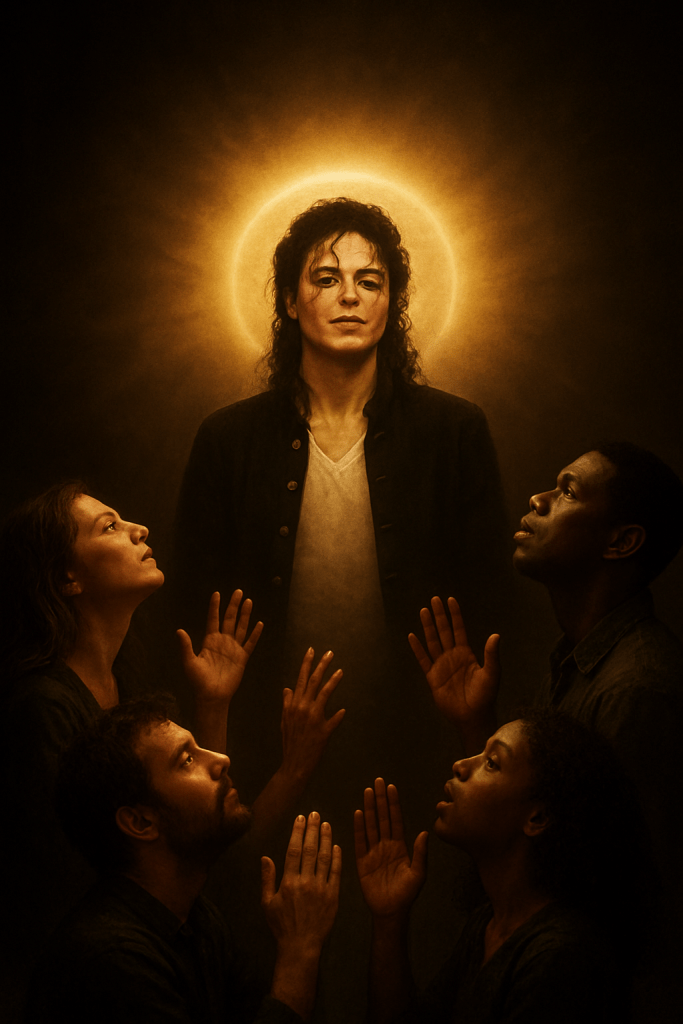
Michael Jackson’s global fame illustrates the height of this phenomenon. Often referred to as the “King of Pop,” Jackson’s fans displayed forms of devotion that blurred the line between admiration and worship. His death in 2009 triggered worldwide mourning akin to the passing of a religious leader. Sociologists argue that this reflects a transfer of spiritual energy from traditional religion to popular culture. The stage, once symbolic of performance, becomes a modern altar where fame replaces faith.

Elvis Presley, famously dubbed the “King of Rock and Roll,” experienced similar deification. Even decades after his death, Graceland functions as a pilgrimage site for millions. His image—reproduced endlessly on posters, candles, and memorabilia—represents a form of secular sainthood. This reflects what psychologist Raymond Cattell termed “idolized leadership,” where figures of influence become substitutes for spiritual or moral authority. Scripture warns of such misplaced adoration: “Little children, keep yourselves from idols” (1 John 5:21, KJV).

Beyoncé’s cultural influence demonstrates how celebrity worship has adapted in the digital age. Her fan base, famously called the “BeyHive,” exhibits behaviors paralleling religious devotion—defending her reputation online, memorizing her words, and attending concerts with reverence akin to worship. Critics note how her persona blends empowerment with divinity, often portraying herself in celestial imagery. The line between art and idolatry becomes dangerously thin when admiration turns to veneration.

Even actors like Denzel Washington, admired for his talent and faith-driven discipline, are not immune to idolization. While Washington himself frequently credits God for his success, audiences often elevate him to symbolic perfection—confusing his roles and virtues with divine attributes. This conflation reflects humanity’s tendency to worship the image of excellence rather than its Creator. As Jesus stated, “No man can serve two masters” (Matthew 6:24, KJV).

Psychologically, celebrity worship satisfies deep emotional and cognitive needs. The “celebrity worship syndrome,” described by McCutcheon et al. (2002), suggests that excessive admiration can lead to dependency, obsession, and delusion. Individuals begin to integrate the celebrity into their identity, blurring reality with fantasy. In such cases, worship is not merely admiration—it becomes a coping mechanism for self-esteem, loneliness, or unmet purpose.

The entertainment industry exploits this vulnerability by sustaining constant exposure through social media, interviews, and marketing. Algorithms feed audiences with curated perfection, reinforcing parasocial attachments. Psychologist Erich Fromm’s theory of “escape from freedom” posits that individuals seek to lose themselves in something greater when overwhelmed by anxiety or isolation. For many, celebrities become the modern substitute for gods—flawed but glorified beings who embody power, beauty, and control.

From a biblical perspective, celebrity worship represents a form of idolatry that endangers the soul. The Book of Exodus makes this clear: “Thou shalt not make unto thee any graven image” (Exodus 20:4, KJV). In the ancient world, idols were statues of wood and stone; today, they are screens and stages. Whether through music videos, award shows, or social media, modern culture has recreated the temple of Baal in the form of entertainment.

The moral dilemma lies not in appreciation but in obsession. God allows the admiration of human talent, yet He forbids replacing Him with it. When fans attribute salvific power to their favorite artists—believing they “saved” or “completed” them—they cross into spiritual deception. As Paul warned the Galatians, “How turn ye again to the weak and beggarly elements, whereunto ye desire again to be in bondage?” (Galatians 4:9, KJV).

Furthermore, celebrity worship reflects a crisis of identity. In a culture saturated with media, individuals define themselves by association rather than authenticity. The image of a celebrity becomes a mirror reflecting what fans wish to be—beautiful, successful, and adored. Yet such imitation breeds dissatisfaction, as comparison inevitably produces envy and inadequacy. This aligns with the biblical warning: “For where envying and strife is, there is confusion and every evil work” (James 3:16, KJV).

The phenomenon also exposes society’s spiritual hunger. As traditional faith declines, many turn to celebrities for meaning and inspiration. Concerts resemble revivals, red carpets replace temples, and award speeches echo sermons of self-worship. Psychologically, this reveals humanity’s persistent need for transcendence—an emptiness that only divine relationship can fill. Augustine’s words remain timeless: “Our hearts are restless until they find rest in Thee.”

For Christians, the challenge is to navigate admiration without idolatry. Scripture instructs believers to honor human excellence while maintaining perspective: “Cease ye from man, whose breath is in his nostrils” (Isaiah 2:22, KJV). Recognizing talent should lead to thanksgiving, not worship. True reverence belongs only to God, who grants every gift and ability.

Celebrities themselves often struggle under the weight of their own idolization. The psychological pressure of maintaining perfection leads to mental health crises, addiction, and isolation. Michael Jackson’s tragic decline exemplifies how fame, when equated with godhood, destroys the human spirit. His life became a cautionary tale—a mirror reflecting society’s unholy obsession with image and perfection.

Elvis’s death similarly revealed the emptiness of worldly adoration. Surrounded by fans who worshiped him as divine, he died lonely and medicated. The idol becomes both the object and victim of the worship it commands. As Psalm 115:8 warns, “They that make them are like unto them; so is every one that trusteth in them.”

The Church must reclaim the narrative of worship, teaching discernment in a celebrity-driven age. Believers are called to honor God through the lens of humility, not through obsession with fame. Jesus Himself rejected worldly glory, declaring, “My kingdom is not of this world” (John 18:36, KJV). When society replaces spiritual devotion with celebrity fascination, it bows to a false kingdom built on vanity and illusion.

Ultimately, the psychological roots of celebrity worship reveal humanity’s spiritual need. In seeking perfection, belonging, and hope, people look toward stars instead of the Creator of stars. This misplaced devotion perpetuates the illusion that salvation lies in fame and beauty. Yet true deliverance comes only from the One who created both.

Celebrity worship, therefore, is not simply a cultural fad—it is a spiritual crisis. It reveals the human heart’s hunger for transcendence, love, and significance. When these longings are misdirected toward entertainers, the result is emptiness. The remedy lies in realigning the object of worship: from the stage to the sanctuary, from the mortal to the eternal.


References

Fromm, E. (1941). Escape from Freedom. Farrar & Rinehart.
Horton, D., & Wohl, R. R. (1956). Mass communication and para-social interaction. Psychiatry, 19(3), 215–229.
McCutcheon, L. E., Lange, R., & Houran, J. (2002). Conceptualization and measurement of celebrity worship. British Journal of Psychology, 93(1), 67–87.
Cattell, R. B. (1950). Personality: A systematic theoretical and factual study. McGraw-Hill.
Holy Bible, King James Version. (1611). Cambridge University Press.
Augustine. (398 CE). Confessions. Translated by R.S. Pine-Coffin. Penguin Classics.
Twenge, J. M. (2013). The Narcissism Epidemic: Living in the Age of Entitlement. Free Press.
Ward, S. J. (2011). Idol worship: The psychology of celebrity worship. Journal of Media Psychology, 23(1), 15–25.

The “It Girl” Series: Jennifer Freeman

The sitcom sweetheart who grew into grace, resilience, and grown-woman reinvention.

This photograph is the property of its respective owner.

Jennifer Freeman represents a distinctive era of early 2000s Black television—where youthful beauty, comedic timing, and cultural relatability converged. With her soft features, almond-shaped eyes, and girl-next-door charm, Freeman quickly became one of the most recognizable young faces on prime-time Black sitcom television. Yet her story, like many child-to-adult stars, reflects both the glow of early fame and the complexities of personal growth under public scrutiny.

Born October 20, 1985, in Los Angeles, California, Freeman began acting at a young age, appearing in television series such as 7th Heaven and Even Stevens before landing her breakout role. Her defining career moment came in 2001 when she was cast as Claire Kyle on My Wife and Kids, starring opposite Damon Wayans and Tisha Campbell. As the stylish and often mischievous teenage daughter in the Kyle household, Freeman embodied the modern Black teen navigating family, identity, and humor. Her performance blended sass with innocence, making her a fan favorite and helping solidify the show’s place in early-2000s sitcom history.

After My Wife and Kids, Freeman transitioned into film and independent projects, including roles in You Got Served and Johnson Family Vacation. Though her mainstream visibility fluctuated, she remained active in television movies and urban cinema, gradually reintroducing herself to audiences as an adult actress.

This photograph is the property of its respective owner.

In 2022, Freeman joined the cast of The Black Hamptons, a drama series created by Carl Weber and streamed on BET+. The series explores generational wealth, class tension, and power struggles within an affluent Black coastal community. Freeman’s involvement marked a significant return to ensemble television, aligning her with contemporary narratives centered on Black prosperity and elite social circles. The show situates her within a more mature, dramatic space, contrasting sharply with her teenage sitcom origins.

Freeman’s personal life has also intersected with her public narrative. In 2009, she married former NBA player Earl Watson. The marriage ended in 2010 amid publicized allegations of domestic conflict, leading to a highly scrutinized divorce. Freeman later spoke about the emotional challenges of the relationship and her spiritual journey toward healing and self-restoration. The experience reframed her public image—from youthful sitcom star to a woman navigating trauma, faith, and personal rebuilding. Her openness about growth and accountability contributed to a broader cultural conversation about domestic relationships and emotional resilience.

While Freeman has not amassed a large collection of mainstream awards, her cultural recognition stems from generational impact. My Wife and Kids remains syndicated and streamed, continuously introducing her to new audiences. Within Black pop culture, she is often remembered as one of the quintessential “It Girls” of the early 2000s—an era when Black family sitcoms were central to network programming.

Jennifer Freeman’s legacy rests in evolution. She transitioned from teen star to adult actress, from public marital controversy to spiritual transparency, from sitcom daughter to dramatic ensemble player. Her story reflects not simply fame, but endurance—an arc familiar to many women in Hollywood who must reinvent themselves while the world watches.


References

BET+. (2022). The Black Hamptons series information.

IMDb. (n.d.). Jennifer Freeman filmography. Retrieved from https://www.imdb.com

People Magazine. (2010). Coverage of Jennifer Freeman and Earl Watson divorce.

Wayans, D. (Producer). (2001–2005). My Wife and Kids [TV series]. ABC.

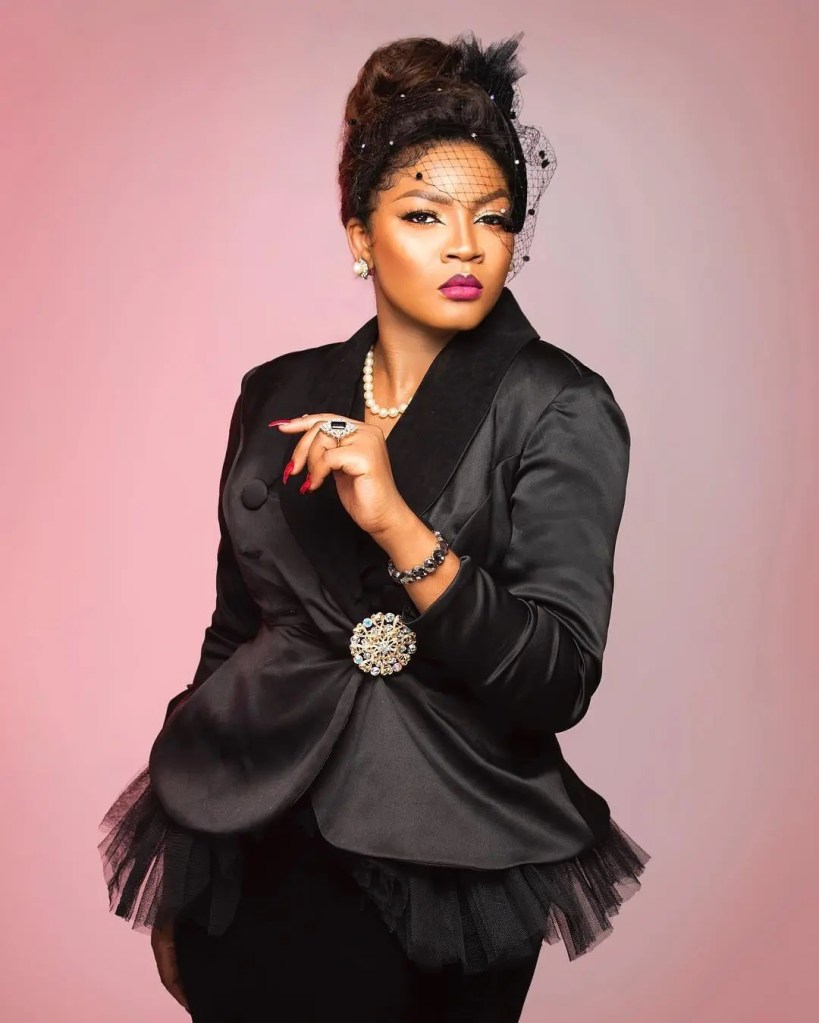
Celebrity Spotlight: Omotola Jalade Ekeinde #Nollywood

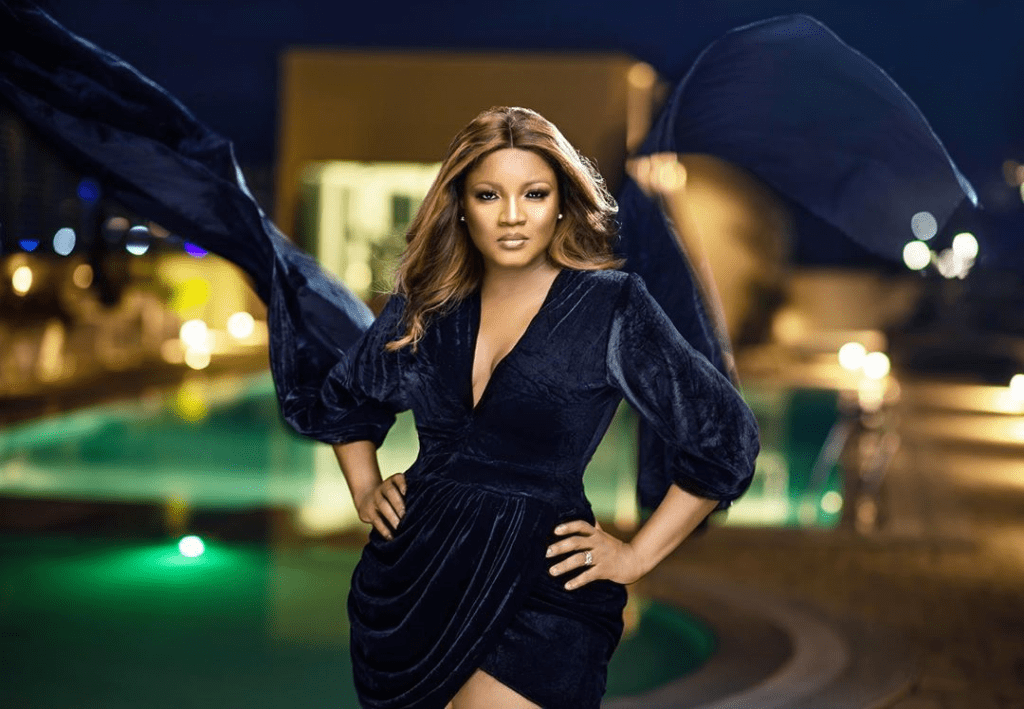
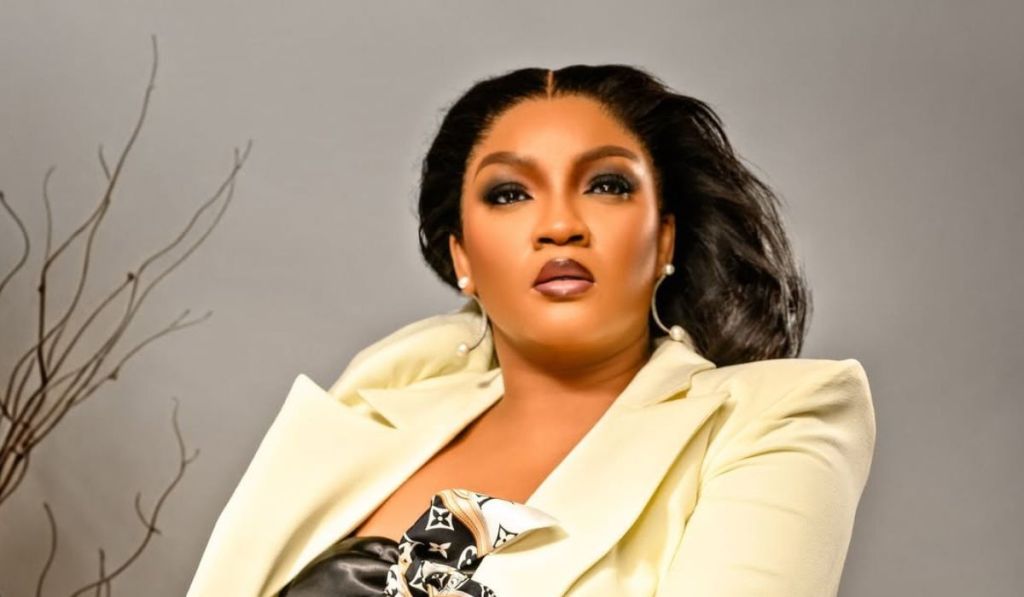
There are women whose presence commands admiration before they even speak — and Omotola Jalade Ekeinde, fondly called “Omosexy,” is one of them. With her radiant light caramel complexion, captivating almond eyes, and statuesque physique, she embodies a perfect fusion of African grace, sensuality, and sophistication. Her beauty is not only physical but regal — the kind that glows from confidence, faith, and purpose. She is not merely a Nollywood actress; she is a global phenomenon, humanitarian, wife, and mother whose impact extends far beyond the screen.


Early Life and Family Background

Omotola Jalade Ekeinde was born on February 7, 1978, in Lagos, Nigeria, to Oluwashola Jalade, a manager with the Lagos Country Club, and Oluwatoyin Jalade, a businesswoman. Raised in a disciplined Christian household, Omotola grew up with strong moral values, a sense of independence, and an early appreciation for education and service. She attended Chrisland School, Opebi, Oxford Children School, and Command Secondary School, Kaduna, before studying Estate Management at Yaba College of Technology.

At the age of 18, Omotola married her long-time partner, Captain Matthew Ekeinde, a respected Nigerian airline pilot, in a union that has become one of the most admired and enduring celebrity marriages in Africa. Together, they have four beautiful children, and their family stands as a symbol of stability, love, and faith within the entertainment industry.


Journey into Nollywood and Rise to Stardom

Omotola’s path to stardom began unexpectedly. Initially aspiring to a career in business management, she accompanied a friend to a movie audition and was encouraged to try out for a role herself. This spontaneous decision became destiny. Her acting debut came in 1995 with the film Venom of Justice, but it was her performance in Mortal Inheritance (1995) that catapulted her to fame. The film, which explored interracial marriage and sickle-cell anemia, showcased her emotional depth and established her as one of Nollywood’s most gifted talents.

Since then, Omotola has appeared in over 300 films, portraying complex characters that explore themes of love, justice, and womanhood. Her commanding performances have made her a household name, not only in Nigeria but across Africa and the diaspora.


Awards, Honors, and Global Recognition

Omotola’s contributions to film and society have earned her an impressive array of awards and distinctions. She received the Africa Movie Academy Award (AMAA) for Best Actress in a Leading Role and has won numerous Africa Magic Viewers’ Choice Awards (AMVCA) honors for her outstanding acting.

In 2013, Time Magazine named her one of the “100 Most Influential People in the World”, alongside Michelle Obama, Beyoncé, and Kate Middleton — an honor that solidified her status as a global icon. She was also recognized by the Nigerian government with the Member of the Order of the Federal Republic (MFR) for her contributions to Nigerian cinema.

Her film Alter Ego (2017) earned widespread critical acclaim for tackling issues of trauma and justice, further demonstrating her evolution as an actress of depth and conviction.


Endorsements and Humanitarian Work

Beyond the screen, Omotola is a dedicated humanitarian. She is a long-time UN World Food Programme Ambassador, advocating for the rights of women and children across Africa. She also works with the Amnesty International campaign on human rights awareness. Her commitment to social justice has earned her the nickname “The Real Life African Superwoman.”

Her beauty, intelligence, and authenticity have also made her one of the most sought-after brand ambassadors in Africa. She has partnered with major brands including Knorr, Ghandour Cosmetics, and BO16 Hair Care, using her platform to promote empowerment and self-confidence among African women.


Personal Life and Legacy

Despite her global fame, Omotola’s humility and devotion to her family remain at the heart of her identity. She often speaks openly about the importance of faith, balance, and maintaining one’s integrity in the entertainment industry. Her marriage to Captain Ekeinde remains one of the longest and most respected in Nollywood, defying the stereotype of fleeting celebrity unions.

Affectionately called “Omosexy” by fans, she redefines sensuality with grace — not as a tool of vanity, but as an expression of confidence and self-love. Her legacy is not only in film but also in her example of womanhood: strong, intelligent, nurturing, and unapologetically powerful.


Is Omotola the Highest-Paid Nollywood Actress?

For years, Omotola has ranked among the highest-paid actresses in Nollywood, often commanding premium fees per film. Alongside Genevieve Nnaji, she helped elevate the professional standards of pay and production quality in the Nigerian film industry. Her business acumen and professionalism have set new precedents for African actors, helping Nollywood evolve into a billion-dollar global industry.


Impact and Cultural Influence

Omotola Jalade Ekeinde’s influence reaches far beyond cinema. She represents the evolution of African womanhood — bold yet humble, beautiful yet principled, powerful yet nurturing. Her presence has inspired countless women to pursue their dreams without compromise. She is not only admired for her radiant ebony beauty but for her substance, discipline, and heart.

Her life is a living parable of excellence — proof that true beauty radiates from purpose and character. Omotola’s journey from a young Lagos girl to a world-renowned icon embodies the strength, resilience, and divine elegance of the modern African woman.


Conclusion

Omotola Jalade Ekeinde remains an enduring symbol of Black femininity and excellence. With her gleaming brown skin, sculpted face, and regal aura, she is a masterpiece of nature and nurture — a woman who moves with both grace and authority. As an actress, wife, and humanitarian, she continues to inspire a generation to dream boldly and love deeply. In every sense, she is carved by destiny, refined by faith, and crowned by legacy.


References

Amnesty International. (2015). Omotola Jalade Ekeinde joins campaign for human rights in Africa. Amnesty International. https://www.amnesty.org

BBC News. (2013, April 18). Time 100: Omotola Jalade Ekeinde among world’s most influential people. BBC. https://www.bbc.com/news

IMDb. (n.d.). Omotola Jalade Ekeinde biography. IMDb. https://www.imdb.com/name/nm1069989/

Nigerian Government Gazette. (2011). National honors list: Member of the Order of the Federal Republic (MFR). Federal Republic of Nigeria.

Pulse Nigeria. (2022, September 6). Omotola Jalade Ekeinde: Biography, family, and career success. Pulse Nigeria. https://www.pulse.ng

Time Magazine. (2013, April). The 100 Most Influential People in the World: Omotola Jalade Ekeinde. TIME Magazine. https://time.com

Vanguard Nigeria. (2021, August 12). Omotola Jalade Ekeinde: The timeless beauty of Nollywood. Vanguard Nigeria. https://www.vanguardngr.com

The “It Girl” Series: Kim Fields

From Tootie to Television Royalty

This photograph is the property of its respective owner.

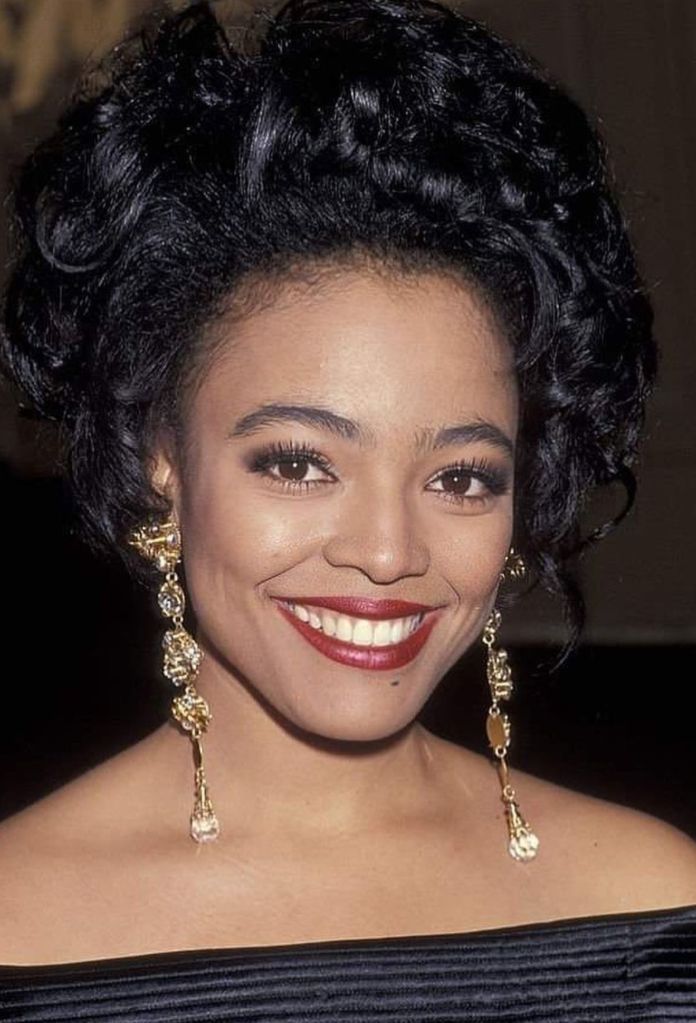
Few actresses in American television have grown up before the public with as much grace, talent, and longevity as Kim Fields. Known for her radiant smile, expressive eyes, and confident presence, Fields became a beloved figure in popular culture during the late twentieth century. Her statuesque beauty, warm personality, and sharp comedic timing made her one of television’s most recognizable young stars. Over the decades, she has successfully transitioned from child star to accomplished actress, director, producer, and author. Through her perseverance and professionalism, Kim Fields has earned her place among the women who embody the timeless cultural allure of an “It Girl.”

Kim Victoria Fields was born on May 12, 1969, in New York City. She was born into an entertainment family, as her mother, Chip Fields, was an accomplished actress and singer who appeared in numerous television shows and stage productions. Growing up in a creative environment exposed Fields to acting at a very early age. Her mother’s guidance and experience helped her navigate the demanding world of television while maintaining a strong sense of identity and discipline.

Fields spent much of her childhood in California, where the entertainment industry offered abundant opportunities for young performers. Even as a child, she demonstrated natural charisma and confidence before the camera. Her bright personality and expressive features made her a standout during auditions, and she quickly began appearing in commercials and small television roles.

This photograph is the property of its respective owner.

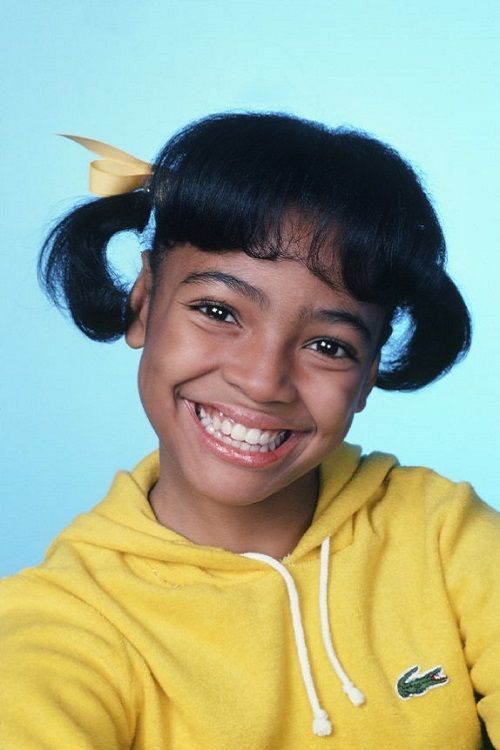
Her breakthrough came when she was cast as Dorothy “Tootie” Ramsey on the hit sitcom The Facts of Life. Debuting in 1979, the series followed a group of girls attending a boarding school and navigating adolescence together. Tootie, known for her roller skates and witty observations, quickly became one of the show’s most beloved characters. Fields’ youthful charm and comedic delivery endeared her to audiences across the United States.

During the show’s nine-season run, Fields matured both personally and professionally. Viewers watched her grow from a playful child into a confident young woman. This rare opportunity allowed audiences to witness a genuine coming-of-age journey on television, strengthening her connection with fans and solidifying her place in pop culture history.

Beyond acting, Fields also pursued music during the 1980s. She released several pop and R&B songs, including the single “He Loves Me He Loves Me Not,” which showcased her singing ability. Although music did not become the central focus of her career, it demonstrated her versatility and artistic curiosity.

After The Facts of Life concluded in 1988, Fields continued her education and expanded her career goals. She attended Pepperdine University, where she studied communications and film. Her academic pursuits reflected a desire to understand the entertainment industry from multiple perspectives, including directing and producing.

In the early 1990s, Fields returned to television with another memorable role on the hit sitcom Living Single. She portrayed Regine Hunter, a fashionable, witty, and glamorous socialite living in Brooklyn. The role allowed Fields to showcase a more mature comedic style and impeccable timing. Regine’s sharp humor and stylish personality made her one of the show’s most iconic characters.

This photograph is the property of its respective owner.

Living Single became an important cultural milestone in television history. The series portrayed successful Black professionals navigating friendship, romance, and careers in New York City. Fields’ performance contributed to the show’s enduring popularity and cultural significance.

The Upshaws is a popular family sitcom that premiered on Netflix in 2021. The series follows the working-class Upshaw family in Indianapolis as they navigate everyday struggles, relationships, and personal growth with humor and heart. Kim Fields plays Regina Upshaw, the intelligent, strong-willed wife who works as a nurse and often serves as the moral and emotional center of the household. The show blends classic sitcom comedy with realistic themes about marriage, parenting, financial challenges, and resilience, making it both relatable and culturally meaningful for modern audiences.

While continuing to act, Fields also developed a successful career behind the camera. She became a respected television director, working on episodes of popular sitcoms such as Kenan & Kel and Tyler Perry’s House of Payne. Her transition into directing demonstrated both leadership and creative insight, allowing her to shape stories from a new perspective.

Fields’ directing work also reflected her dedication to mentoring younger performers. Having grown up in the industry herself, she understood the challenges faced by young actors and often provided guidance and encouragement on set.

Her career continued to evolve as she appeared in numerous television films and reality programs. Fields competed on the popular dance competition series Dancing with the Stars, where audiences were reminded of her vibrant personality and determination. Her participation revealed a playful and adventurous side that fans appreciated.

In addition to her entertainment career, Fields is also an author. Her memoir, Blessed Life: My Surprising Journey of Joy, Tears, and Tales from Harlem to Hollywood, offers a personal reflection on her experiences in the entertainment industry and her faith. The book explores the lessons she learned while growing up in the spotlight.

This photograph is the property of its respective owner.

Fields’ beauty has always been characterized by elegance and authenticity. With warm brown eyes, glowing skin, and a poised demeanor, she embodies a natural charm that transcends fashion trends. Her style combines classic sophistication with a welcoming, approachable presence.

Throughout her life, Fields has also emphasized the importance of faith, family, and personal integrity. She has spoken openly about the value of maintaining spiritual grounding while navigating the pressures of Hollywood. This balance has contributed to her reputation as both a talented performer and a respected individual.

Today, Kim Fields continues to act, direct, and produce television projects while participating in speaking engagements and community initiatives. Her experience and wisdom have made her a mentor for younger performers entering the industry.

What makes Kim Fields an “It Girl” is not merely her early fame but her enduring relevance. She successfully reinvented herself across multiple decades, transitioning from child star to accomplished creative professional without losing the warmth and authenticity that audiences admire.

Her legacy also reflects the importance of representation in television history. Through roles like Tootie Ramsey and Regine Hunter, Fields helped shape the portrayal of intelligent, complex Black women on screen.

Longevity in entertainment is rare, especially for child actors. Yet Fields managed to sustain her career with grace, intelligence, and strategic reinvention. Her journey demonstrates resilience, adaptability, and unwavering dedication to her craft.

This photograph is the property of its respective owner.

For many viewers, Kim Fields represents a comforting familiarity—a performer who has accompanied them through different stages of life. Her presence evokes nostalgia while continuing to inspire new audiences.

Ultimately, Kim Fields stands as a testament to perseverance and talent. From a young girl skating through the halls of Eastland School to a respected director and actress, she has consistently demonstrated professionalism and grace.

In every sense, Kim Fields remains an “It Girl”—a woman whose charm, beauty, intelligence, and cultural impact continue to resonate across generations.


References

Britannica. (2026). Kim Fields. Encyclopaedia Britannica.

Fields, K. (2017). Blessed Life: My Surprising Journey of Joy, Tears, and Tales from Harlem to Hollywood. Howard Books.

IMDb. (2026). Kim Fields Filmography. IMDb Database.

Smith, S. (2018). Black Women in Television: A Cultural History. New York University Press.