
Category Archives: Black Stereotype Series

Beyond Stereotypes: The Social and Structural Challenges Affecting Black Women.

“The biggest problem with Black women” is extremely broad, and scholars caution against framing issues in a way that blames an entire group. Most research instead examines systemic challenges and social pressures that disproportionately affect Black women in the United States. These issues are rooted in historical inequalities, structural racism, gender bias, and economic disparities.
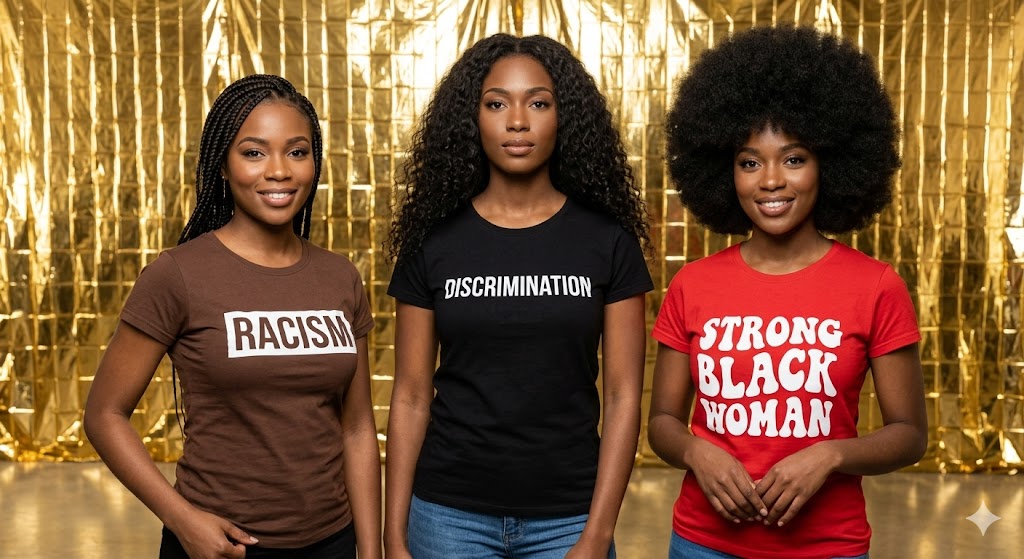
Intersectional Discrimination

One of the most widely discussed issues is intersectional discrimination, a concept introduced by legal scholar Kimberlé Crenshaw. Intersectionality explains how Black women often face discrimination that combines both racism and sexism simultaneously. This dual burden can affect employment opportunities, healthcare experiences, legal protections, and social perceptions.


The “Strong Black Woman” Stereotype

Another major concern is the cultural expectation often described as the “Strong Black Woman” stereotype. While strength and resilience are positive qualities, scholars note that this stereotype can pressure Black women to suppress vulnerability, emotional needs, or mental health struggles. The expectation to remain strong in the face of adversity sometimes leads to untreated stress and burnout.


Economic Inequality

Black women are also disproportionately affected by economic inequality. According to data from the U.S. Bureau of Labor Statistics, Black women historically earn less than both white men and white women in the United States. This wage gap reflects broader systemic issues such as occupational segregation, hiring discrimination, and unequal access to high-paying industries.


Health Disparities

Public health research shows significant disparities affecting Black women’s health outcomes. For example, maternal mortality rates among Black women are significantly higher than those of other racial groups. Studies by the Centers for Disease Control and Prevention attribute this disparity to factors including unequal healthcare access, medical bias, and chronic stress related to systemic racism.


Colorism and Beauty Standards

Colorism—the preferential treatment of lighter skin tones within communities of color—also impacts Black women socially and professionally. Darker-skinned women often report facing bias in media representation, employment opportunities, and dating dynamics. These issues are widely examined within sociology and cultural studies.


Media Representation

Black women have historically been portrayed through limited stereotypes in film and television, including tropes such as the “mammy,” the “angry Black woman,” or hypersexualized depictions. Media scholars argue that these portrayals influence public perception and contribute to bias in social institutions.


Educational and Professional Barriers

Despite significant educational achievements—Black women are among the fastest-growing groups earning college degrees—many still face barriers to leadership positions in corporate and political spaces. Structural inequality and workplace bias often limit advancement opportunities.


Relationship and Family Dynamics

Sociologists also examine how historical factors such as mass incarceration, economic inequality, and employment instability affect family structures within Black communities. These broader systemic issues influence relationship dynamics, marriage rates, and household stability.


Mental Health Stigma

Mental health stigma within many communities can discourage individuals from seeking professional help. Black women may feel pressure to maintain emotional strength while dealing with racism, sexism, and economic stressors. This can delay treatment for anxiety, depression, or trauma-related conditions.


Structural Inequality

Ultimately, many scholars argue that the biggest challenges facing Black women are not individual flaws but structural inequalities embedded within social systems. These include disparities in housing, healthcare, employment, and education that developed over centuries of discrimination.


Resilience and Leadership

Despite these challenges, Black women have historically demonstrated remarkable resilience and leadership. Figures such as Harriet Tubman, Ida B. Wells, and Shirley Chisholm played critical roles in social justice movements, civil rights advocacy, and political progress in the United States.


Conclusion

Rather than identifying a single “problem” with Black women, most scholars emphasize examining the structural conditions that shape their experiences. Addressing disparities in healthcare, economic opportunity, education, and representation can help reduce inequalities and support the well-being of Black women in society.


References

Crenshaw, K. (1989). Demarginalizing the intersection of race and sex. University of Chicago Legal Forum.

Collins, P. H. (2000). Black feminist thought: Knowledge, consciousness, and the politics of empowerment. Routledge.

Centers for Disease Control and Prevention. Maternal mortality and racial disparities in the United States.

Jones, C. P. (2000). Levels of racism: A theoretical framework. American Journal of Public Health.

U.S. Bureau of Labor Statistics. (2023). Labor force statistics by race and gender.
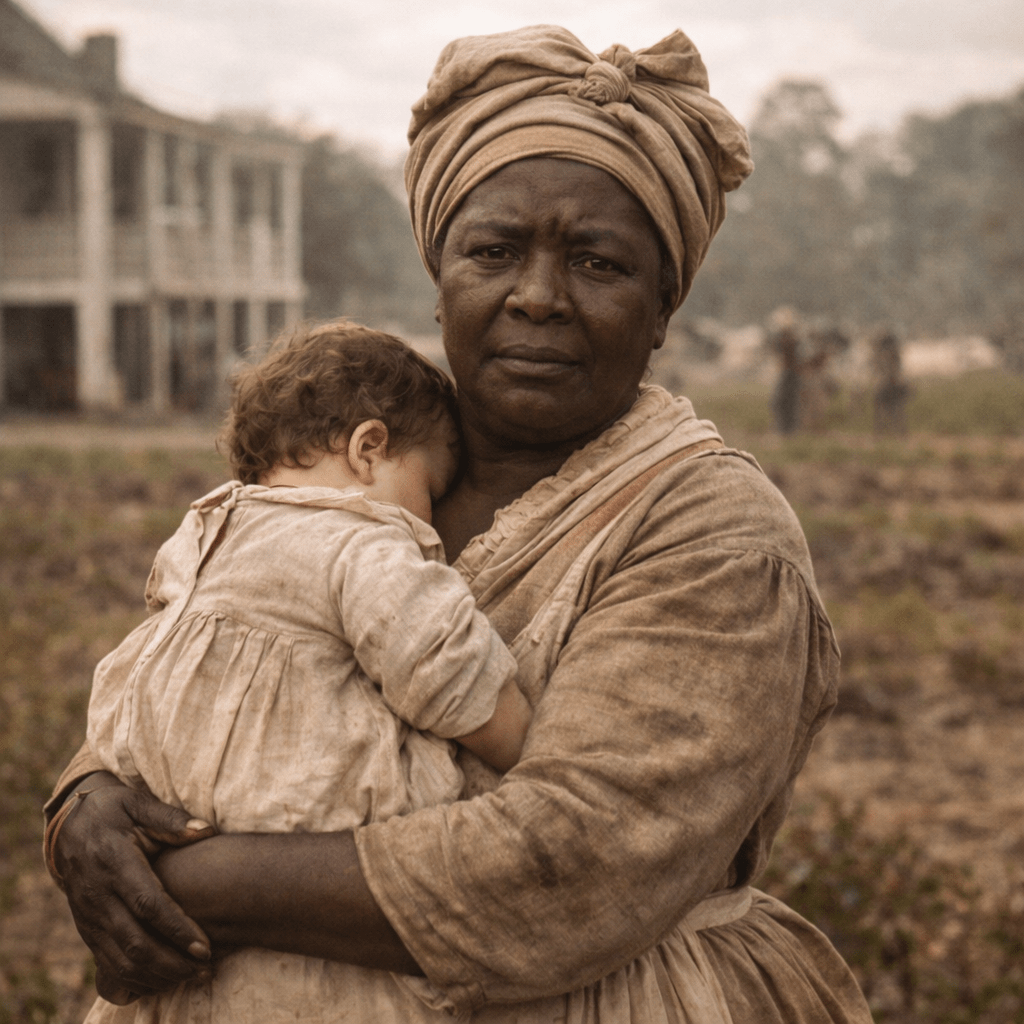
Black Stereotype Series: Mammy – The Origins and Legacy of a Controlling Image.

The “Mammy” stereotype is one of the most enduring and harmful caricatures in American culture, representing Black women as loyal, nurturing, and subservient caretakers of white families. This stereotype has its roots in the era of slavery, evolving into a pervasive image in popular media, advertising, and literature that distorted the realities of Black womanhood.

Historically, a mammy was a Black woman employed by a white household, often enslaved, responsible for raising white children, cooking, cleaning, and managing domestic labor. The role required complete obedience, selflessness, and emotional labor while denying the woman autonomy over her own life.

During slavery, the mammy’s existence was shaped by oppression and survival. While she was sometimes positioned as a maternal figure for white children, she was denied motherhood of her own children, who might be sold, abused, or neglected. This forced nurturing role was a form of psychological control that reinforced white supremacy.

Physical characteristics were often exaggerated in the Mammy stereotype. Popular culture depicted mammies as overweight, dark-skinned, elderly women with wide noses, large eyes, and hair tied in a scarf or kerchief. These features were contrasted against ideals of European beauty to emphasize their “otherness” and justify subservience.

The image of the mammy was not simply descriptive—it was prescriptive. It suggested that Black women were naturally suited for servitude, domestic labor, and caretaking, thereby legitimizing both slavery and racial hierarchies. The mammy became a comforting figure for white society, masking the brutality of slavery behind the illusion of loyalty and affection.

In the post-slavery era, the mammy stereotype persisted in media and advertising. The most famous example is Aunt Jemima, a brand that used a smiling, maternal Black woman as its mascot for pancake syrup and other products. The character reinforced notions that Black women existed to serve white households, normalizing racial subordination for generations.

The creation of the mammy stereotype had multiple causes. It served to ease white guilt over the horrors of slavery, rationalize the economic dependence on enslaved labor, and infantilize Black women as harmless, loyal, and nonthreatening. It also reinforced gendered expectations of women as domestic nurturers, but only within a racialized hierarchy.

Slavery itself created conditions for the mammy figure. Enslaved Black women were separated from their families, forced to work in domestic settings, and denied personal agency. These social realities became simplified and romanticized in cultural narratives, which erased the violence and coercion underlying their labor.

The mammy stereotype also had a visual codification in film and literature. Characters such as Hattie McDaniel in Gone with the Wind epitomized the trope, showing Black women as loyal, jolly, and devoted entirely to white families while remaining sexually desexualized. This image became a template for portrayals of Black women for decades.

Treatment of real-life mammies varied, but it was often harsh and exploitative. While some might have had close bonds with children they cared for, their labor was uncompensated or minimally compensated, and they were frequently subjected to physical punishment, verbal abuse, and systemic neglect.

The stereotype persists in subtle ways in modern culture. Contemporary media still sometimes portrays Black women in caregiving or service-oriented roles, emphasizing nurturing or subservient qualities while neglecting complexity, independence, and agency. These echoes of the mammy reinforce racialized expectations.

A defining aspect of the mammy figure is the emotional labor expected of her. She was imagined as endlessly patient, self-sacrificing, and cheerful regardless of mistreatment or abuse. In reality, enslaved and working Black women often carried immense emotional and physical burdens with no recognition or reward.

The mammy’s image was also carefully codified through dress and posture. Headscarves, aprons, and loose-fitting clothing became shorthand for subservience, domesticity, and age, creating a visual language that signaled loyalty to white households while denying Black women individuality or beauty.

Racist ideologies reinforced the stereotype. By presenting Black women as content in servitude, white society justified ongoing racial hierarchies and minimized the brutality of slavery. The mammy figure served as propaganda, comforting white audiences while erasing Black women’s struggles and resistance.

Advertising and branding further entrenched the mammy stereotype. From Aunt Jemima to various domestic product mascots, corporations leveraged the image of a smiling, motherly Black woman to sell products, perpetuating a reductive and exploitative representation for profit.

The mammy stereotype also intersects with gender oppression. By portraying Black women as caretakers first and individuals second, society denied them sexual, economic, and social autonomy. Their identity was flattened into a role that served white households, leaving little space for recognition of personal aspirations or desires.

Efforts to challenge and dismantle the mammy stereotype have increased in contemporary scholarship and activism. Scholars and cultural critics highlight the harm of these images and advocate for nuanced representations that honor the complexity, strength, and humanity of Black women.

In literature, cinema, and history, Black women’s voices reveal a different narrative than the mammy trope suggests. Enslaved and free women resisted domination in countless ways, asserting their dignity, creating cultural expressions, and protecting families despite systemic oppression.

The mammy stereotype exemplifies how race, gender, and labor intersected under slavery and beyond. It illustrates how visual and cultural symbols can enforce social hierarchies while shaping perceptions of entire communities. Understanding this history is critical to dismantling persistent racial stereotypes.

Ultimately, the mammy figure is not a reflection of reality but a tool of control and propaganda. Recognizing its origins, effects, and ongoing influence helps to contextualize contemporary struggles for representation, equity, and the reclamation of Black women’s narratives and beauty.


References

Giddings, P. (1984). When and Where I Enter: The Impact of Black Women on Race and Sex in America. HarperCollins.

Pilgrim, D. (2012). The Mammy Caricature. Jim Crow Museum of Racist Memorabilia, Ferris State University. Retrieved from https://www.ferris.edu/HTMLS/news/jimcrow/mammies/

Wallace-Sanders, K. (2008). Mammy: A Century of Race, Gender, and Southern Memory. University of Michigan Press.

Hine, D. C., Hine, W. C., & Harrold, S. (2009). The African American Odyssey. Pearson Higher Ed.

Pilgrim, D. (2000). Aunt Jemima and the Mammy Figure. Retrieved from https://www.ferris.edu/HTMLS/news/jimcrow/mammies/

West, C. M. (1995). Mammy, Jezebel, Sapphire, and Their Homegirls: Developing an “Oppositional Gaze” Toward the Images of Black Women. In Black Women in America (pp. 28–42). Indiana University Press.

Hall, K. (1992). Hair as Power: Cultural Identity and Resistance in African American History. Journal of American History, 79(3), 921–939.