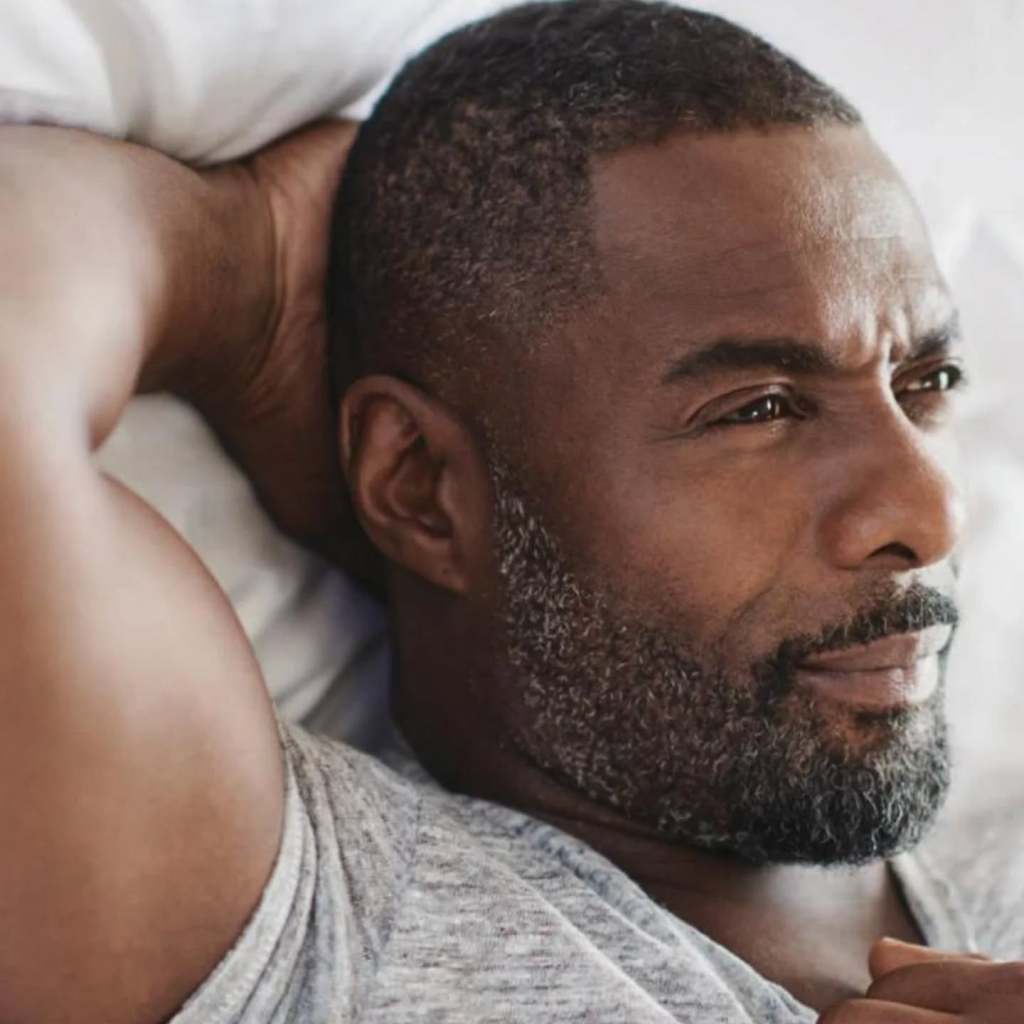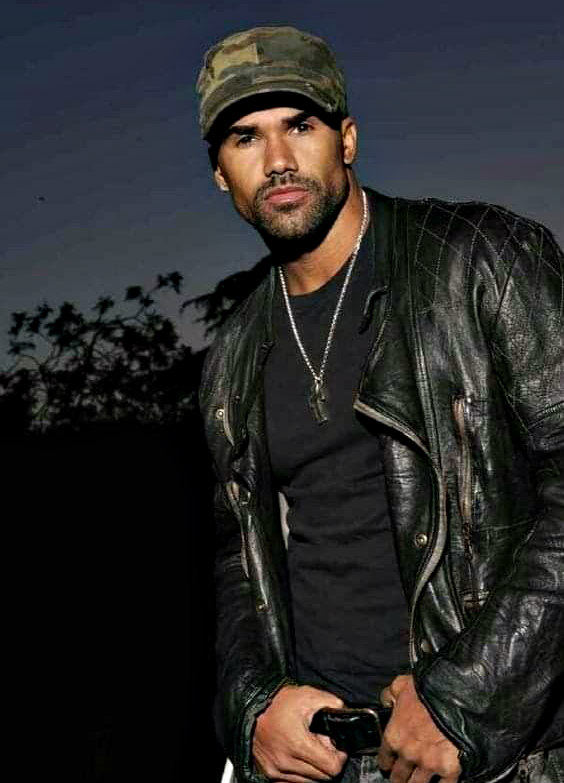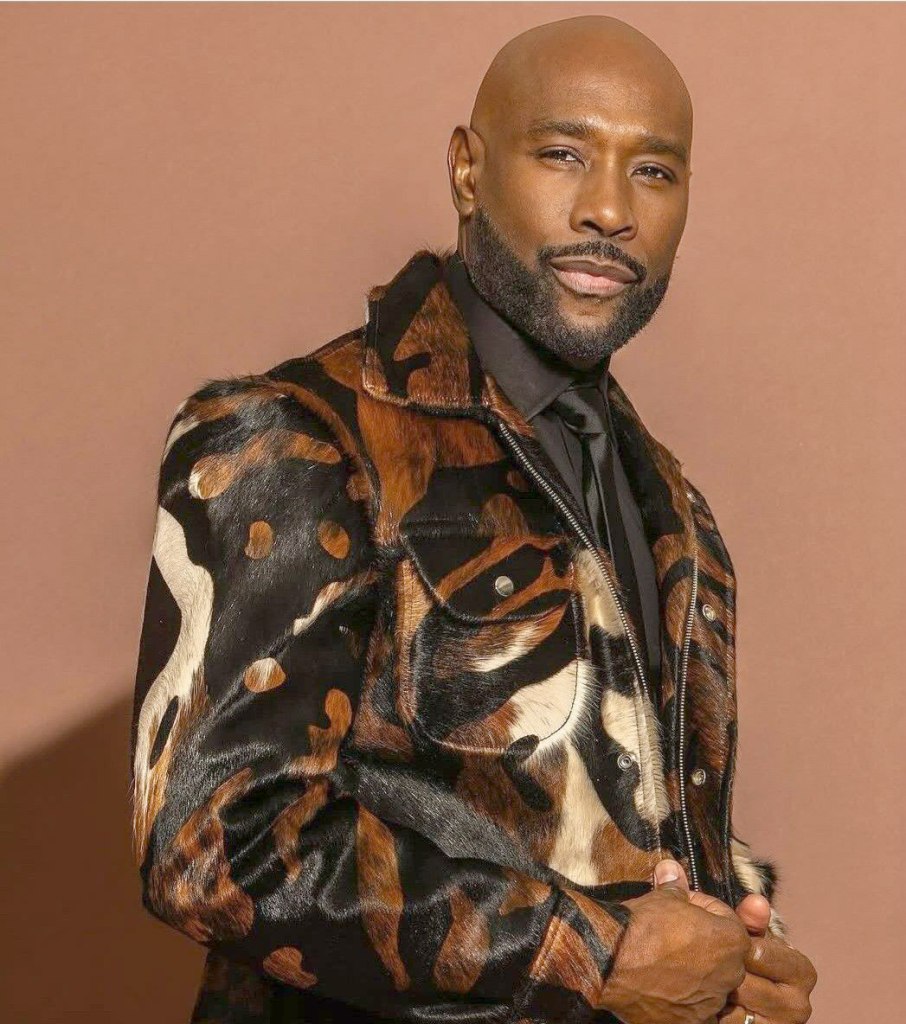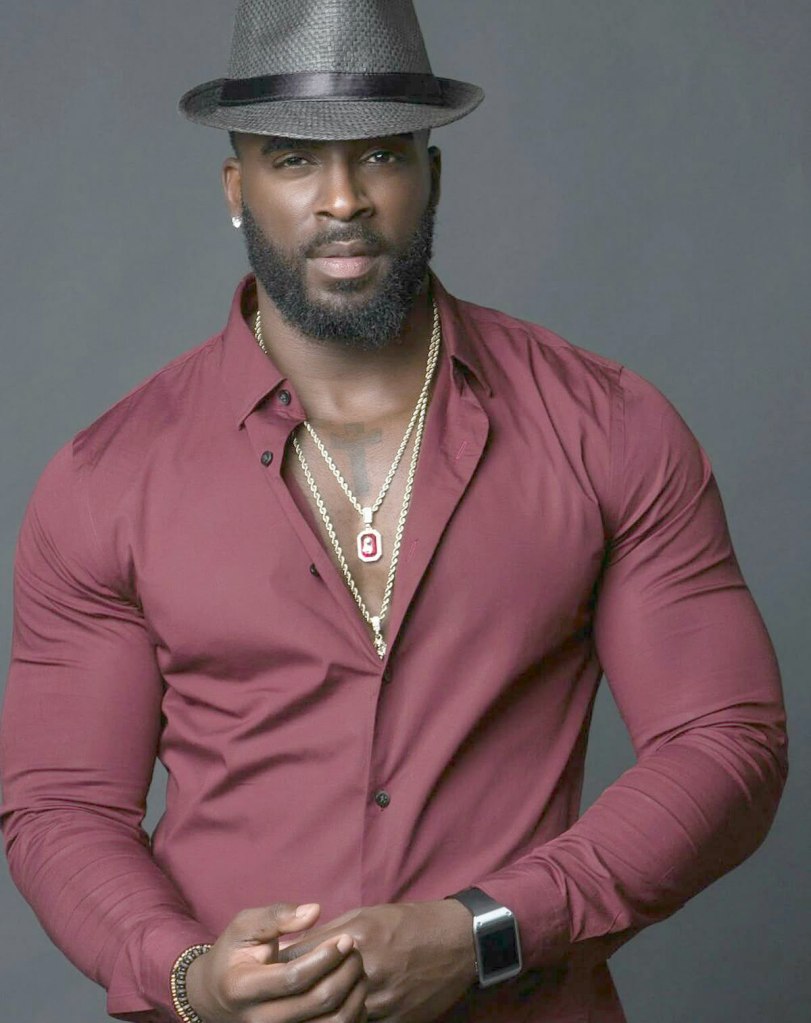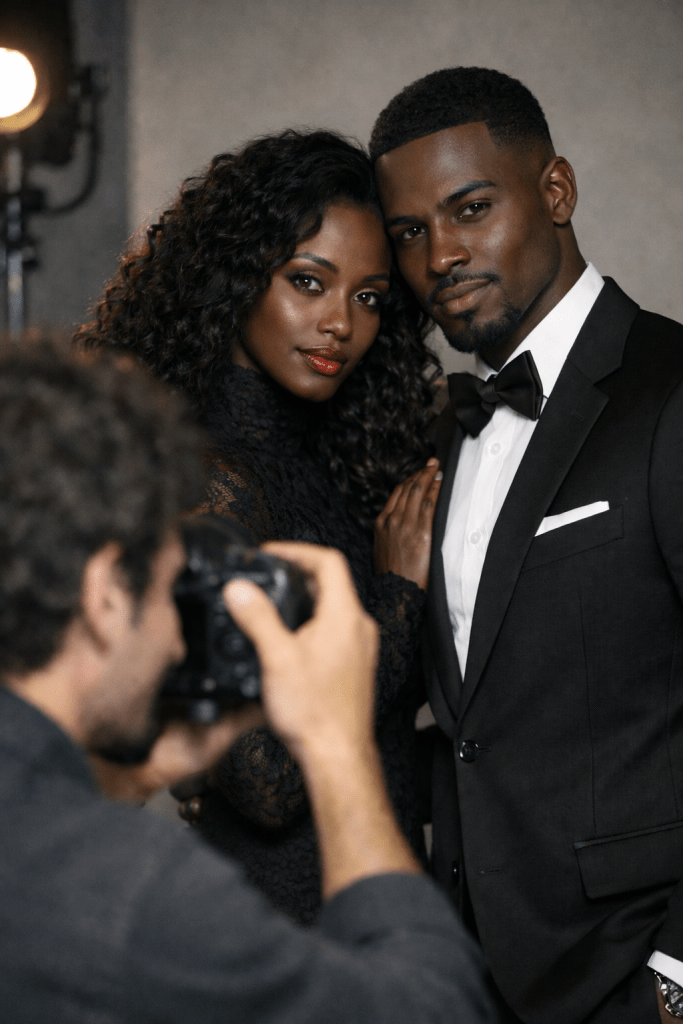
Category Archives: Black Male Aesthetics

Epistemologies of the Black Aesthetic and Phenomenology of the Black Woman and Man.

The epistemologies of the Black aesthetic begin with the recognition that knowledge itself is not neutral but socially and historically constructed. Epistemology, as the study of how knowledge is produced and legitimized, reveals that Western systems of knowing have long excluded Black experiences from the category of universal truth. Within this framework, Black aesthetics emerge not merely as artistic expressions but as alternative ways of knowing, rooted in embodied history, cultural memory, and collective survival.

The Black aesthetic operates as a counter-epistemology, challenging dominant paradigms that privilege Eurocentric modes of perception. Rather than separating reason from emotion, or mind from body, Black aesthetic traditions often integrate feeling, rhythm, spirituality, and storytelling as legitimate sources of knowledge. Music, dance, oral tradition, fashion, and visual art function as epistemic practices—ways of interpreting reality and transmitting meaning across generations.

Phenomenology, the philosophical study of lived experience, provides a powerful lens for understanding the Black woman and man as subjects rather than objects of knowledge. Phenomenology asks how individuals experience the world from within their own consciousness. Applied to Black existence, it shifts attention from how Black people are represented to how Black people perceive, feel, and inhabit social reality.

The phenomenology of the Black subject is inseparable from history. Slavery, colonialism, segregation, and systemic racism have shaped not only material conditions but also modes of perception. Black embodiment carries historical memory within it, producing what Frantz Fanon described as a “racial epidermal schema,” where the body is experienced through the gaze of others before it is experienced as self.

For the Black woman, phenomenology is marked by intersectionality—the simultaneous experience of racialized and gendered embodiment. Her body is not only racialized but sexualized, politicized, and surveilled. She is often forced to see herself through external projections that define her as laborer, caretaker, object of desire, or symbol of strength. These imposed meanings distort self-perception and fracture subjectivity.

Yet Black women also generate epistemologies of resistance. Through intellectual traditions such as Black feminism, womanism, and Africana philosophy, Black women reclaim authority over their own experiences. Knowledge emerges from lived reality, testimony, and embodied wisdom. The Black woman becomes not an object of study but a producer of theory.

The phenomenology of the Black man is shaped by a different but equally complex symbolic structure. Black masculinity has historically been framed through stereotypes of hyperphysicality, aggression, criminality, or emotional absence. These representations shape how Black men experience their own bodies in public space—often as sites of threat rather than humanity.

Black male subjectivity is therefore marked by hypervisibility and invisibility at once. The Black man is seen as a body but not recognized as a mind. His presence is often interpreted through fear rather than empathy. This produces what phenomenologists describe as alienation—the feeling of being estranged from one’s own existence.

Despite these constraints, Black men also produce alternative epistemologies of selfhood. Through music, literature, spirituality, and political consciousness, Black men articulate modes of being that resist dehumanization. Hip-hop, blues, jazz, and spoken word become philosophical forms—ways of narrating reality and reclaiming interior life.

The Black aesthetic unites these experiences through symbolic form. It functions as a visual, sonic, and cultural language through which Black people encode knowledge. Aesthetic practices become epistemic tools—mechanisms for understanding suffering, joy, memory, and hope. Art becomes theory in motion.

Unlike Western aesthetics, which often prioritize abstraction and detachment, the Black aesthetic emphasizes embodiment and relationality. Meaning is not discovered through distance but through participation. Knowledge emerges from the body in motion, from rhythm, from ritual, from collective experience. The aesthetic becomes a site of epistemological authority.

Memory plays a central role in this framework. The Black body functions as an archive, carrying ancestral trauma and resilience within its gestures, postures, and expressions. Cultural memory is transmitted not only through texts but through performance, language, and social practice. Knowledge lives in movement and sound.

Spirituality also operates as an epistemic dimension of Black life. In many African and diasporic traditions, knowledge is inseparable from divine order. Truth is not merely rational but spiritual, intuitive, and communal. The sacred becomes a way of knowing that resists Western secular epistemology.

The Black aesthetic thus collapses the boundary between art and life. Fashion becomes philosophy. Music becomes metaphysics. Beauty becomes political theory. These practices are not decorative but constitutive of reality. They shape how Black people understand themselves and the world.

From an epistemological standpoint, the Black woman and man exist within what philosopher Sylvia Wynter calls a struggle over the definition of the human. Western modernity constructs a narrow model of humanity based on whiteness, rationality, and individualism. Black existence challenges this model by revealing its exclusions.

Phenomenologically, Black existence is defined by what it means to live in a world that questions one’s humanity. The everyday experience of navigating institutions, media, and social space becomes a philosophical problem. The Black subject lives philosophy before studying it.

The Black aesthetic offers a new grammar of being. It allows Black people to name themselves, see themselves, and know themselves outside of imposed frameworks. This is not merely cultural expression but epistemic sovereignty—the right to define reality from within one’s own experience.

Knowledge, in this context, becomes relational rather than hierarchical. Truth is produced through dialogue, community, and shared struggle. The Black aesthetic rejects the idea of detached objectivity in favor of situated knowledge grounded in lived experience.

Both the Black woman and man embody what can be called epistemic resistance. Their existence disrupts dominant systems of meaning by revealing contradictions within Western claims to universality. Their bodies become sites where philosophy, history, and politics intersect.

The phenomenology of Black life ultimately reveals that subjectivity itself is political. To exist as Black in a racialized world is to experience reality through layers of meaning imposed from outside and reclaimed from within. Consciousness becomes a space of struggle and creativity.

The Black aesthetic, therefore, operates as both epistemology and ontology. It does not simply describe how Black people know the world; it reveals how Black people are in the world. Being and knowing collapse into each other, producing a distinct philosophical tradition.

In this sense, the Black woman and man are not marginal figures within philosophy but central figures in redefining what philosophy can be. Their experiences generate new questions about knowledge, reality, beauty, and humanity itself.

Ultimately, epistemologies of the Black aesthetic and the phenomenology of Black existence assert a radical claim: that Black life is not an object of analysis but a source of knowledge. Black being becomes Black knowing, and Black knowing becomes a new foundation for understanding the human condition.


References

Fanon, F. (1967). Black skin, white masks. Grove Press.

hooks, b. (1990). Yearning: Race, gender, and cultural politics. South End Press.

Collins, P. H. (2000). Black feminist thought: Knowledge, consciousness, and the politics of empowerment. Routledge.

Wynter, S. (2003). Unsettling the coloniality of being/power/truth/freedom. The New Centennial Review, 3(3), 257–337.

Gordon, L. R. (1995). Bad faith and antiblack racism. Humanity Books.

Du Bois, W. E. B. (1903). The souls of Black folk. A. C. McClurg.

Weheliye, A. G. (2014). Habeas viscus: Racializing assemblages, biopolitics, and Black feminist theories of the human. Duke University Press.

Hall, S. (1997). Representation: Cultural representations and signifying practices. Sage.

Tate, S. A. (2015). Black beauty: Aesthetics, stylization, politics. Routledge.

Merleau-Ponty, M. (2012). Phenomenology of perception. Routledge.
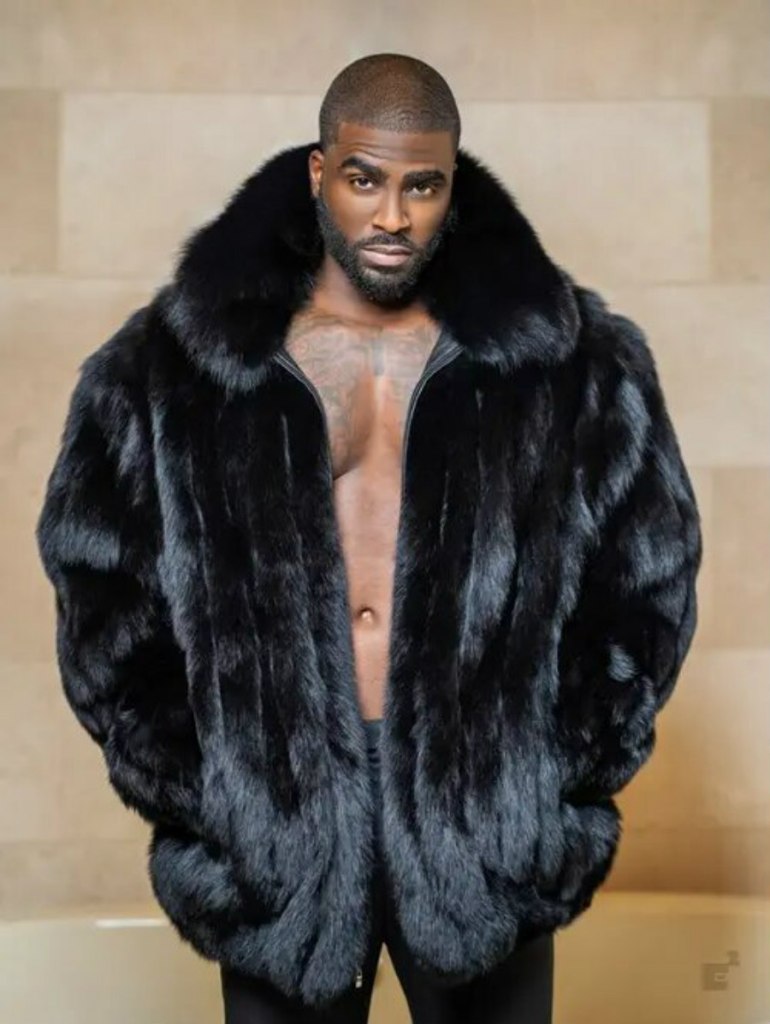
Beauty and the Beast Within: Reconciling Image and Identity in Men.

Photo Credit: Monte Ellis

Beauty and strength have long been seen as incompatible virtues in men. The “beautiful man” must walk a fine line between confidence and perceived vanity, while the “beast” within him—the primal, instinctive, and unrefined—lurks beneath the polished surface. The tension between these two forces—image and identity—defines the modern masculine experience. To be both admired and authentic, powerful yet tender, is the paradox at the heart of every man who strives to reconcile the external image with the internal truth.

In ancient times, beauty in men was not merely aesthetic—it was moral. The Greeks saw physical beauty (kalos) as a reflection of inner goodness (agathos). A well-formed body symbolized discipline, virtue, and harmony. Yet even then, the line between admiration and arrogance was thin. Narcissus, the mythic figure who fell in love with his reflection, serves as a cautionary tale about self-obsession. His beauty became his undoing, revealing the beast within: the hunger for validation that consumes self-awareness.

As centuries passed, ideals of male beauty shifted from divine symmetry to rugged endurance. The warrior replaced the sculpted god, and the ability to endure pain became more valued than aesthetic grace. The male body was no longer for worship but for labor and war. Yet even in these transformations, beauty persisted as a haunting standard—an invisible expectation shaping how men perceived themselves and were perceived by others.

The Renaissance revived the aesthetic fascination with male form, yet this time, beauty was imbued with humanity. Michelangelo’s David and da Vinci’s anatomical sketches suggested that beauty and intellect could coexist. Man was both beast and divine architect—a thinking creature whose body told the story of his soul. But beneath this artistic idealization lay a profound anxiety: if beauty could be measured, then so could worth.

In modernity, this anxiety has intensified under the gaze of media. The rise of Hollywood, fashion, and digital culture has sculpted men as living statues once more—objects of gaze and desire. The “beast” within now manifests not as savagery, but as silent insecurity. The beautiful man must constantly perform his image—maintaining fitness, style, and charisma—to remain relevant. His mirror becomes a battleground between authenticity and perfection.

Social media magnifies this struggle, transforming self-presentation into survival. The male influencer or actor curates his “brand” as carefully as a sculptor polishes marble. He is expected to appear both approachable and ideal, masculine yet emotionally intelligent. This duality—half human, half projection—echoes the myth of the beast: a creature misunderstood, craving connection but hidden behind his own exterior.

Psychologists have noted that this phenomenon contributes to rising rates of male body dysmorphia and emotional suppression. Men are socialized to deny vulnerability even as they chase unattainable ideals (Bordo, 1999). The more they sculpt the external, the more the internal self fractures. Beauty becomes armor, and the beast within grows restless—yearning to be seen, not just looked at.

The reconciliation of image and identity requires the courage to confront the beast—to acknowledge imperfection as integral to manhood. True transformation begins when the man ceases to perform and begins to reveal. Like the fairytale of Beauty and the Beast, redemption occurs not through the destruction of the beast but through the acceptance of his humanity. It is the gaze of compassion, not criticism, that restores his true form.

This metaphor extends to race as well. The Black man’s beauty, for instance, has historically been framed through lenses of hypermasculinity or exoticism. Western culture often commodifies his physique while silencing his emotions. To be both beautiful and Black is to wrestle with the distortion of gaze—where admiration often coexists with fear and fetishization (hooks, 2004). The reconciliation of image and identity here becomes both personal and political: to reclaim the right to define beauty on one’s own terms.

Faith offers another dimension to this reconciliation. Scripture reminds us that man was “fearfully and wonderfully made” (Psalm 139:14, KJV), not as an aesthetic boast but as a declaration of divine intention. The true image of manhood lies not in muscular perfection but in moral reflection—the ability to mirror the Creator through love, integrity, and purpose. Beauty without righteousness is vanity; strength without compassion is beastliness.

Philosopher Alexander Nehamas (2007) wrote that beauty is “a promise of happiness.” Yet that promise often deceives, leading men to chase admiration rather than wholeness. The modern man’s liberation begins when he breaks the mirror and uses the shards to see himself from multiple angles—not as a flawless image, but as a complete being.

Art and psychology converge on this truth: the beast within is not evil but exiled. It is the raw self, stripped of performance, that hungers for authenticity. When integrated, it restores balance between the physical and spiritual, the admired and the authentic.

Thus, the reconciliation of image and identity is not a process of destruction but integration. To embrace both beauty and beast is to acknowledge that the chisel that shapes us also wounds us. The scars, the imperfections, and the humanity beneath the surface are not flaws—they are fingerprints of experience.

The beautiful man who makes peace with his inner beast ceases to live for the camera or the crowd. He becomes art in motion—a living testament that beauty is not the absence of struggle but the mastery of it. His reflection no longer enslaves him; it testifies of his becoming.

In a world obsessed with surfaces, to be real is revolutionary. To be beautiful and broken, seen and sincere, is divine. The man who reconciles his image with his identity becomes more than a face or physique—he becomes whole. And in his wholeness, he reflects not the ideal, but the eternal.

References

Bordo, S. (1999). The male body: A new look at men in public and in private. Farrar, Straus and Giroux.

hooks, b. (2004). We real cool: Black men and masculinity. Routledge.

Kimmel, M. (2017). Angry white men: American masculinity at the end of an era. Nation Books.

Mulvey, L. (1975). Visual pleasure and narrative cinema. Screen, 16(3), 6–18.

Nehamas, A. (2007). Only a promise of happiness: The place of beauty in a world of art. Princeton University Press.

The Black Archetypes of Male Beauty: The Most Handsome Black Male Celebrities.

Black male beauty has long existed at the intersection of visibility and erasure—celebrated within Black communities yet historically marginalized by mainstream media that privileged Eurocentric standards of masculinity. Today, the rise of Black leading men in film, television, fashion, and culture represents not merely aesthetic recognition but a cultural re-centering of what male beauty truly looks like. Black male attractiveness is not singular or monolithic; it spans a spectrum of shades, facial structures, energies, and archetypes—from regal authority to gentle vulnerability, from warrior strength to romantic softness. These men embody more than physical appeal; they reflect history, resilience, and ancestral aesthetics that reclaim African features as symbols of global desirability. In honoring the most handsome Black male celebrities, we are also honoring a larger truth: Black male beauty is diverse, powerful, and divinely designed, standing as both a visual standard and a cultural restoration.

This photograph is the property of its respective owner. No copyright infringement intended.

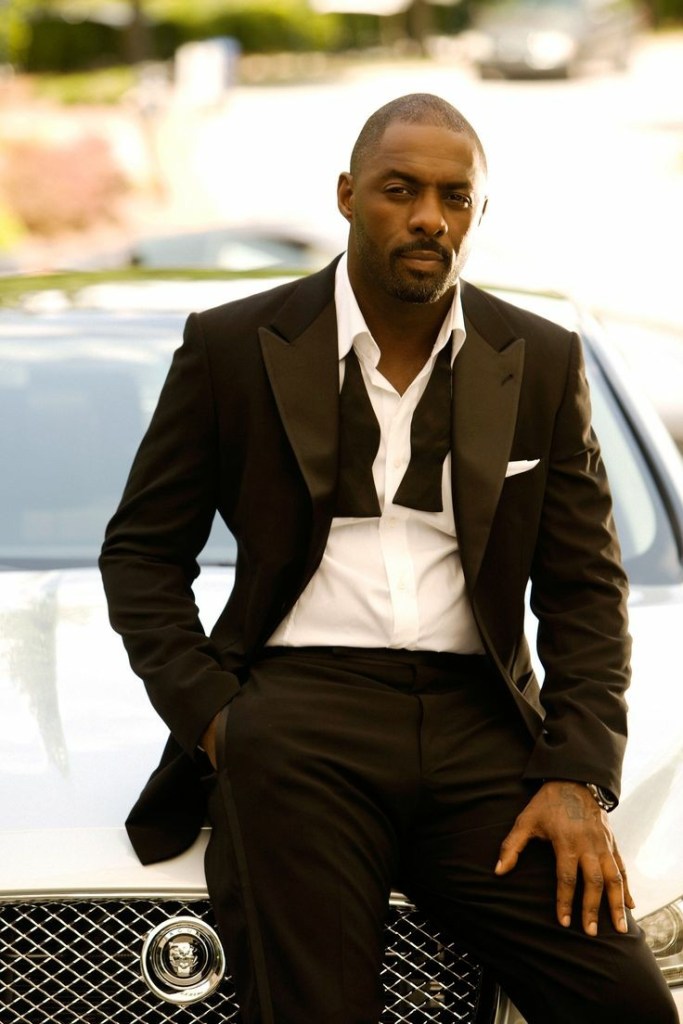
Idris Elba
Idris Elba embodies the classic “tall, dark, and handsome” archetype through his imposing height, deep complexion, resonant voice, and commanding presence, which together signal what evolutionary psychology associates with protective and authoritative masculinity—strength, genetic fitness, and emotional depth (Rhodes, 2006; Puts et al., 2012). He is the epitome of handsomeness, the complete package, with his broad facial structure, piercing soulful eyes, strong jawline, and calm demeanor. This projection of kingly gravitas feels both powerful and grounding, making his beauty not only physical but also symbolic of dignified Black male authority in a global cultural landscape.

This photograph is the property of its respective owner. No copyright infringement intended.

Shemar Moore
Shemar Moore represents a “golden” or “light cafe au lait” masculinity rooted in warmth, symmetry, and relational charm, with his light honeyed skin tone, expressive marbles like eyes, and radiant smile activating perceptions of approachability, joy, and emotional safety (Maddox & Gray, 2002; Gangestad & Simpson, 2000). He is the complete package in terms of beauty. His muscular build, combined with playful charisma, reflects a form of soft dominance—strength without threat—making his beauty feel intimate, affectionate, astonishing, and emotionally inviting rather than distant or intimidating.

This photograph is the property of its respective owner. No copyright infringement intended.

Morris Chestnut
Morris Chestnut has been the heartthrob for decades, representing black masculinity and black male beauty. He embodies a form of “classic gentleman masculinity” rooted in symmetry, emotional steadiness, and timeless appeal. The epitome of fineness. His medium-brown complexion, described as chocolate heaven, refined facial proportions, calm eyes that convey a great deal, and consistently polished presentation signal what evolutionary psychology describes as stable attractiveness—beauty associated with trust, long-term partnership, and reliability, rather than fleeting sexual novelty (Rhodes, 2006; Gangestad & Simpson, 2000). Chestnut’s appeal is not loud or hyper-sexualized; it is dignified, mature, and romantic, making him the archetype of the dependable Black leading man whose beauty feels safe, rooted, and enduring across generations.

This photograph is the property of its respective owner. No copyright infringement intended.

Travis Cure
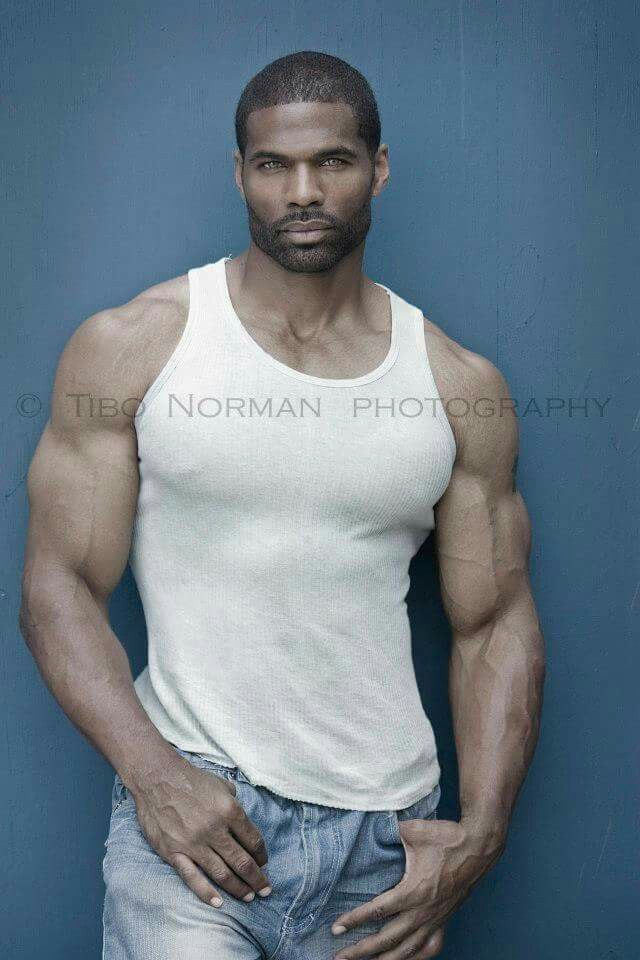
Travis Cure represents a modern “aesthetic masculinity” shaped by fitness culture, facial harmony, and digital-era visual standards. His lean, muscular build, sharp jawline, clear skin, come-hither good looks, and balanced facial symmetry align closely with contemporary metrics of physical attractiveness, where visual clarity, body sculpting, and high grooming standards dominate desirability frameworks (Frederick & Haselton, 2007). Cure’s beauty reflects a post-Instagram masculinity—where the male body is curated, disciplined, and displayed as both art and aspiration, signaling self-mastery, health, and high social capital.

Photo Credit: Tibo Norman Photography

Louis Allen III
Louis Allen III embodies “intellectual masculinity”—a beauty rooted not only in physical features but in cognitive presence, articulation, and cultural depth. His refined facial structure, physique, piercing green-hazel eyes, like a piece of art found in a museum, and composed demeanor project what social psychology identifies as competence-based attractiveness, where intelligence, emotional regulation, and verbal confidence significantly enhance perceived desirability (Fiske et al., 2007). Allen’s appeal operates in the realm of gravitas and mental authority; his beauty feels thoughtful, elevated, and spiritually grounded, representing a form of Black male attractiveness where the mind becomes the primary aesthetic asset.

This photograph is the property of its respective owner. No copyright infringement intended.

Broderick Hunter
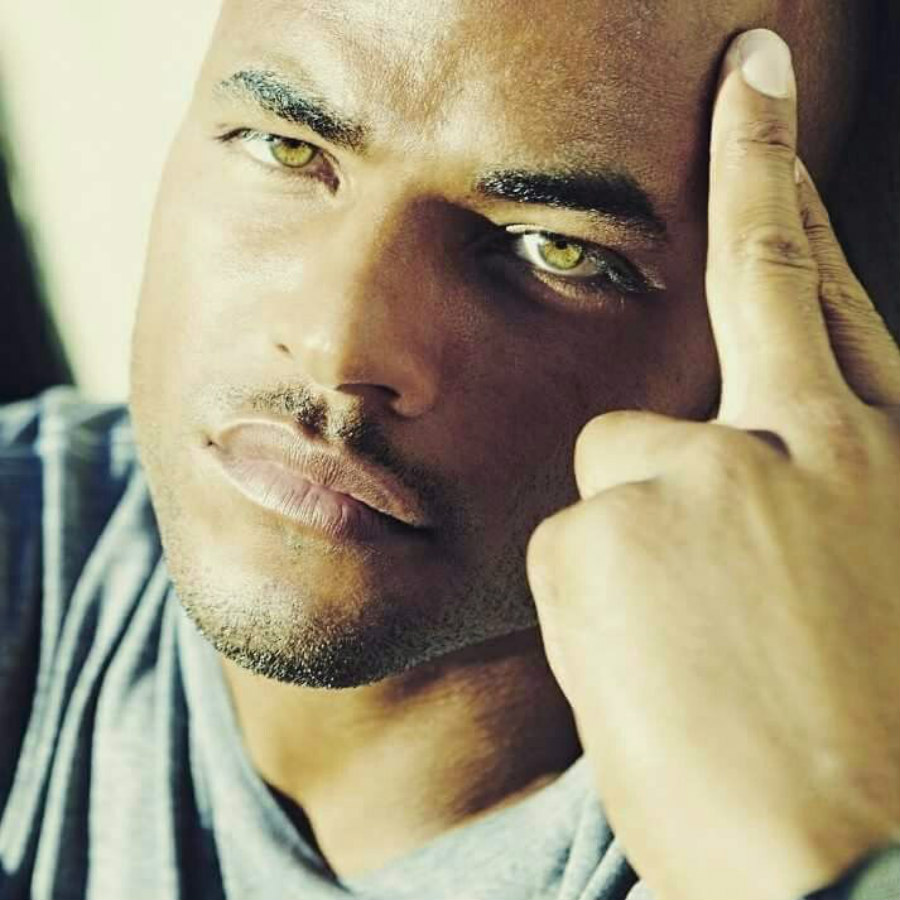
Broderick Hunter represents “sculptural masculinity”—a form of beauty that feels almost architectural in its precision and physical harmony. His tall, model-good-looks, bewitching mirrored eyes, athletic frame, sharply defined cheekbones, full lips, and symmetrical facial structure align closely with classical standards of male attractiveness rooted in proportion, balance, and visual impact (Rhodes, 2006). Hunter’s appeal is highly aesthetic and cinematic; he embodies the archetype of the living statue, where Black male beauty is experienced as fine art—polished, striking, and immediately captivating, reflecting a modern luxury ideal of masculine form.

This photograph is the property of its respective owner. No copyright infringement intended.

Redriac Williams
Redriac Williams represents a form of “regal masculinity” rooted in stature, symmetry, and aristocratic bearing. His athletic frame, mesmerizing green-hazel eyes, sculpted features, and composed posture align with what social psychologists describe as status-based attractiveness—beauty associated with leadership, high rank, and social authority (Fiske et al., 2007). Williams’ appeal feels noble and elevated, evoking the image of a modern Black prince whose beauty communicates command, discipline, and quiet confidence.

This photograph is the property of its respective owner. No copyright infringement intended.

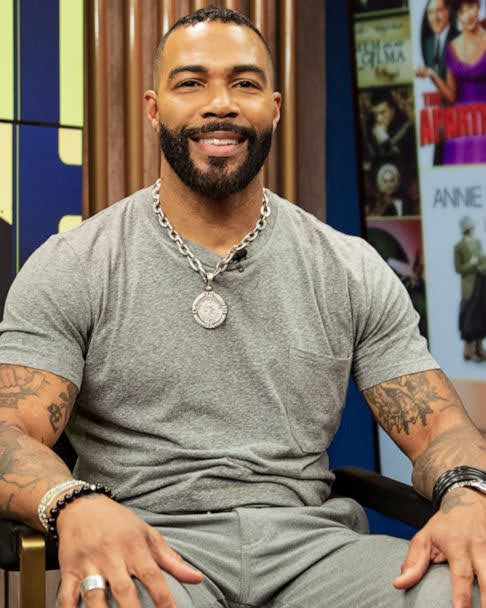
Omari Hardwick
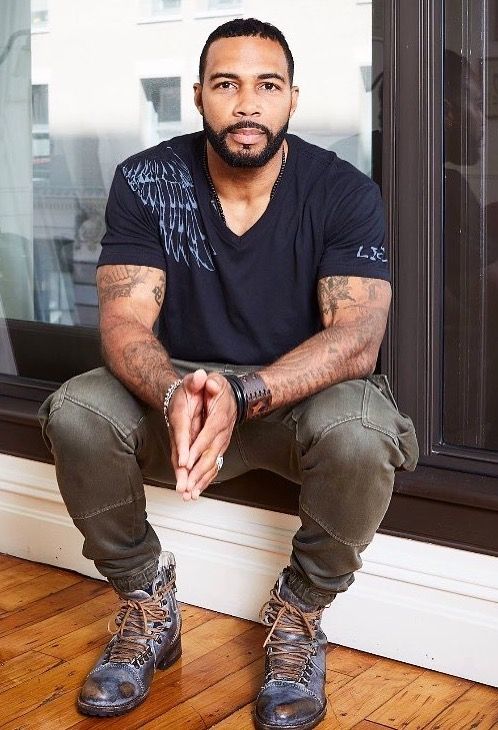
Omari Hardwick represents “warrior-poet masculinity”—a fusion of physical intensity and emotional complexity. His muscular build, pretty eyes with an intense gaze, and textured facial features project what psychology defines as dominance-based attractiveness, while his artistic sensibility and introspective demeanor soften that dominance into depth (Frederick & Haselton, 2007). Hardwick’s beauty feels charged and cinematic; he embodies the archetype of the brooding protector whose appeal lies in both power and inner struggle.

This photograph is the property of its respective owner. No copyright infringement intended.

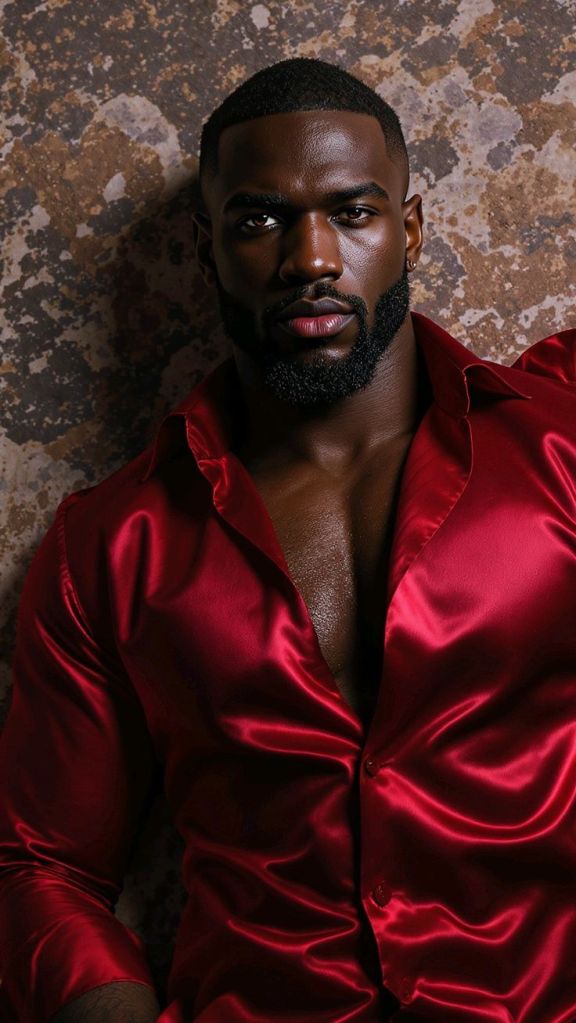
Kenneth Okolie
Kenneth Okolie embodies “continental masculinity”—a deeply Afrocentric beauty marked by strong bone structure, dark luminous skin, and ancestral presence. His broad facial planes, deep-set eyes, and princely demeanor associate with royalty. Dignified stillness aligns with evolutionary cues of genetic robustness and masculine stability (Rhodes, 2006). Okolie’s attractiveness feels primal and rooted, reflecting a lineage-based aesthetic where Black male beauty is directly tied to heritage, earthiness, and spiritual depth rather than Western grooming standards.

This photograph is the property of its respective owner. No copyright infringement intended.

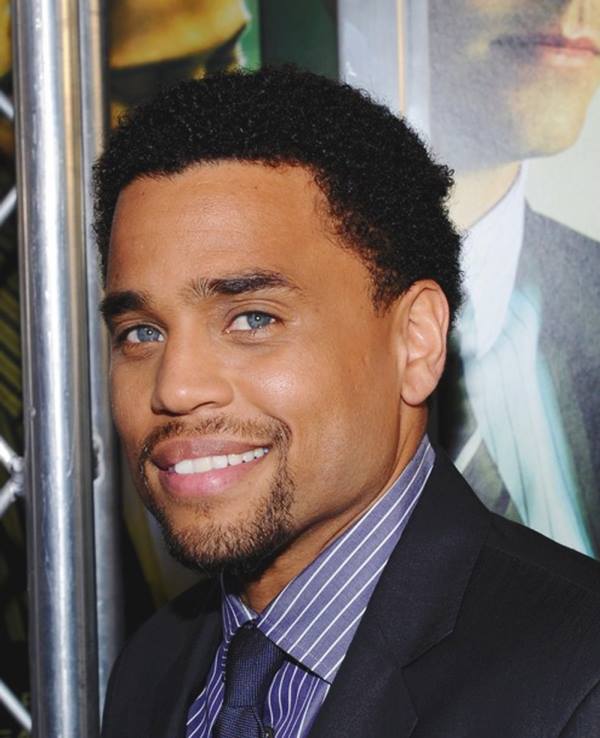
Michael Ealy
Michael Ealy embodies “ethereal masculinity”—a rare form of beauty defined by softness, luminosity, and emotional transparency. His light complexion, piercing blue eyes, gentle facial contours, and expressive gaze activate what psychologists describe as neotenous attractiveness, where youthful features and vulnerability increase perceptions of trust, emotional safety, and romantic desirability (Fiske et al., 2007; Rhodes, 2006). Ealy’s beauty feels tender, positioning him as the archetype of the sensitive romantic—where Black male attractiveness is associated not with dominance, but with intimacy, empathy, and emotional depth.

*Honorary Mention*

This photograph is the property of its respective owner. No copyright infringement intended.

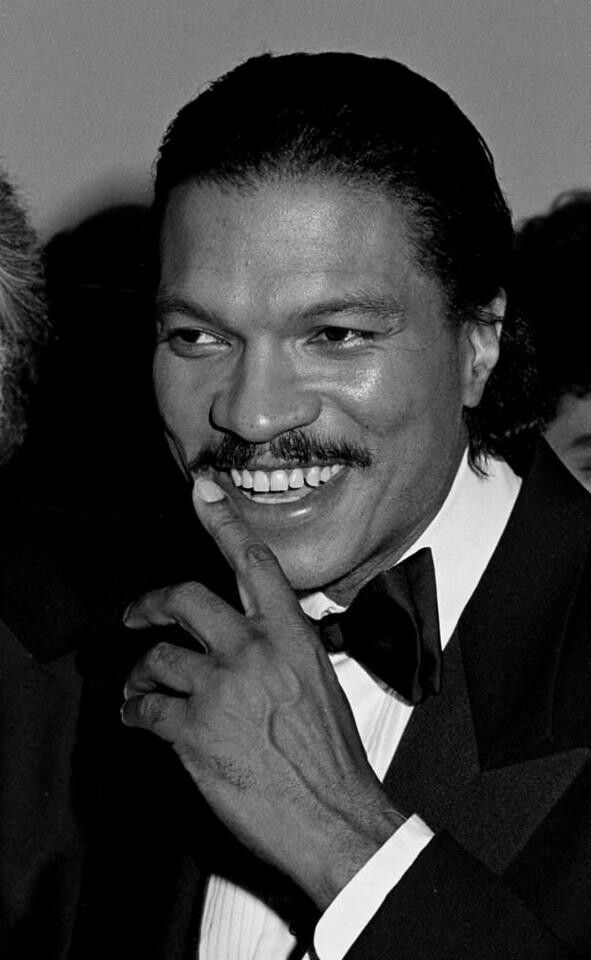
Billy Dee Williams
Billy Dee Williams embodies “legendary gentleman masculinity”—a timeless elegance defined by smooth features, a come-hither smile, relaxed confidence, and effortless charm. His appeal aligns with what sociologists describe as charisma-based attractiveness, where confidence, voice, and social ease outweigh raw physicality (Fiske et al., 2007). Williams’ beauty is not about youth but about aging gracefully—he represents the archetype of the black male celebrity beauty – cool, demure, unique, sophisticated, and romantic icon whose sophistication and grace transcend generations.

References

Gangestad, S. W., & Simpson, J. A. (2000). The evolution of human mating: Trade-offs and strategic pluralism. Behavioral and Brain Sciences, 23(4), 573–587.
Maddox, K. B., & Gray, S. A. (2002). Cognitive representations of Black Americans: Reexploring the role of skin tone. Personality and Social Psychology Bulletin, 28(2), 250–259.
Puts, D. A., et al. (2012). Sexual selection on male vocal fundamental frequency in humans. Proceedings of the Royal Society B, 279(1743), 1–7.
Rhodes, G. (2006). The evolutionary psychology of facial beauty. Annual Review of Psychology, 57, 199–226.

Frederick, D. A., & Haselton, M. G. (2007). Why is muscularity sexy? Tests of the fitness indicator hypothesis. Personality and Social Psychology Bulletin, 33(8), 1167–1183.
Fiske, S. T., Cuddy, A. J. C., & Glick, P. (2007). Universal dimensions of social cognition: Warmth and competence. Trends in Cognitive Sciences, 11(2), 77–83.
Gangestad, S. W., & Simpson, J. A. (2000). The evolution of human mating: Trade-offs and strategic pluralism. Behavioral and Brain Sciences, 23(4), 573–587.
Rhodes, G. (2006). The evolutionary psychology of facial beauty. Annual Review of Psychology, 57, 199–226.

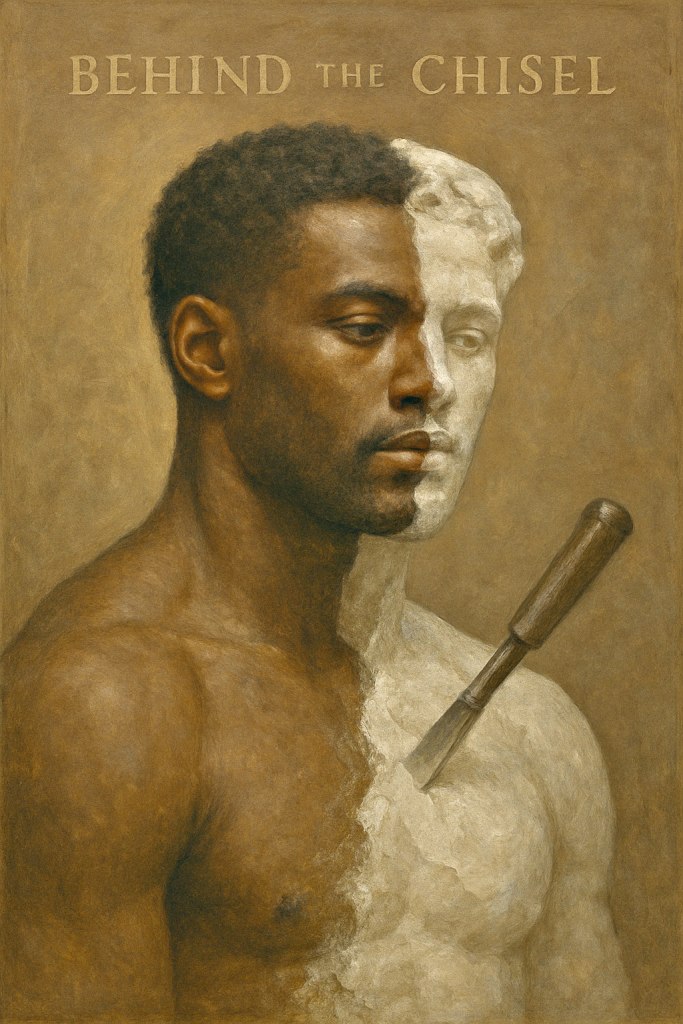
Behind the Chisel: The Vulnerability of the Beautiful Man.

Beauty, when embodied by a man, is both a gift and a burden. It grants social privilege, admiration, and power, yet it also confines him within the rigid expectations of visual perfection. The beautiful man becomes both subject and object, celebrated for his form but often alienated from his soul. In a society that prizes physical allure, his beauty becomes a mask—a chiseled shield hiding the delicate reality of human vulnerability beneath.

Historically, the male form was idealized not merely for attraction but as a symbol of strength, divinity, and order. In classical Greece and Rome, sculptors such as Polykleitos and Praxiteles established proportions that became the gold standard of masculine beauty, where symmetry reflected moral and cosmic harmony. The male nude in marble was not erotic but sacred, representing the balance between spirit and flesh. Yet even in this idealization, beauty was a double-edged sword. The hero’s perfect form was both admired and envied, his body a site of reverence and scrutiny alike.

The Renaissance revived this fascination with masculine perfection. Michelangelo’s David stands as the archetype—a beautiful man poised between youth and destiny. His body radiates strength, but his eyes betray contemplation, even fear. The chisel that shaped his muscles also exposed his soul. David’s tension between beauty and purpose mirrors the existential weight of the beautiful man throughout time: the pressure to embody power while concealing fragility.

In modernity, beauty became democratized yet commodified. With the advent of photography, cinema, and advertising, male beauty entered the realm of mass consumption. Icons like Paul Newman, Sidney Poitier, and Denzel Washington were admired not only for their talent but for their faces—faces that carried racial, social, and moral narratives. The beautiful man became a product of gaze and market, sculpted by expectation rather than stone.

The rise of digital media has intensified this commodification. Social media, with its relentless curation of images, has made beauty a measurable currency. Men are now expected to maintain a “natural perfection,” performing effortless attractiveness through fitness regimens, fashion, and self-branding. Yet behind the filtered glow and crafted angles lies the silent weight of performance anxiety—the fear of losing the audience’s gaze.

Psychologically, this creates a tension between identity and image. As Susan Bordo (1999) notes, men have increasingly internalized the gaze once reserved for women, becoming self-conscious objects of visual consumption. The male body is now a spectacle, and its owner becomes a curator of his own desirability. Beauty thus shifts from being a trait to being a task, an endless project of maintenance and validation.

The burden of male beauty also manifests in emotional suppression. Society rarely permits beautiful men to express vulnerability without undermining their masculine image. Strength, stoicism, and confidence are the expected traits—yet beneath them often lies loneliness. The beautiful man may find himself admired but not known, desired but not loved for his depth. His beauty becomes a barrier to intimacy, a mirror reflecting only surface light.

This paradox is magnified for Black men in particular, whose beauty often carries both hypervisibility and erasure. As scholars like bell hooks (2004) observe, the Black male body is simultaneously fetishized and feared, admired for its physicality yet denied full humanity. When beauty is filtered through racialized lenses, it becomes both a resistance and a burden. The Black beautiful man, then, is not only contending with aesthetics but with history—with centuries of objectification and survival inscribed into his skin.

The entertainment industry further distills this complexity. The camera loves the handsome man, yet it traps him in archetypes—the hero, the lover, the rebel. Hollywood celebrates his face while scripting his silence. Even within this admiration lies exploitation: beauty is marketable only when it conforms to prevailing ideals. As Laura Mulvey (1975) articulated in her theory of the “male gaze,” visual culture conditions viewers to consume bodies, not comprehend souls.

Behind this consumption lies a subtle cruelty: beauty fades. Time, the ultimate sculptor, erodes even the most flawless face. The beautiful man thus lives with an awareness of impermanence, of the day when admiration turns to nostalgia. His identity, if built on physical perfection, risks collapsing when youth departs. To age beautifully, therefore, becomes an act of rebellion—of reclaiming substance over surface.

Yet the vulnerability of beauty is not purely tragic. It invites empathy, forcing us to confront the shared fragility of all human ideals. The beautiful man who acknowledges his imperfections dismantles the myth of invincibility and reveals a more sacred kind of strength—the courage to be seen fully. His cracks become the proof of life, the evidence that marble can breathe.

Cultural critic Alexander Nehamas (2007) argues that beauty is “a promise of happiness,” not its guarantee. For the beautiful man, this promise often proves deceptive. The attention beauty attracts can isolate rather than fulfill, reducing complexity to aesthetics. Yet in that tension lies an opportunity: the chance to transform admiration into introspection, and image into meaning.

Spiritual traditions echo this truth. The Bible reminds humanity that “man looketh on the outward appearance, but the Lord looketh on the heart” (1 Samuel 16:7, KJV). True beauty, then, is not carved into flesh but cultivated in character. When a man understands that his worth transcends his reflection, he begins to live from the inside out—reclaiming the divine balance once symbolized in stone.

In art and life alike, the chisel’s purpose is revelation, not concealment. Every strike that shapes the figure also exposes the form beneath. Likewise, every trial that humbles the beautiful man reveals his essence. Vulnerability becomes the ultimate aesthetic—the invisible beauty of the soul.

This reclamation is vital in a world obsessed with surfaces. To be beautiful and human is to accept both admiration and misunderstanding, to find freedom not in perfection but in authenticity. Beauty ceases to be performance when it becomes truth. The man who dares to be imperfect redefines strength itself.

The modern beautiful man stands, like David, at the threshold between image and destiny. He learns that behind the chisel—the cuts of scrutiny, aging, and expectation—lies the deeper sculpture of spirit. His vulnerability is not his downfall but his masterpiece.

References

Bordo, S. (1999). The male body: A new look at men in public and in private. Farrar, Straus and Giroux.

Gilmore, D. D. (1990). Manhood in the making: Cultural concepts of masculinity. Yale University Press.

hooks, b. (2004). We real cool: Black men and masculinity. Routledge.

Kimmel, M. (2017). Angry white men: American masculinity at the end of an era. Nation Books.

Mulvey, L. (1975). Visual pleasure and narrative cinema. Screen, 16(3), 6–18.

Nehamas, A. (2007). Only a promise of happiness: The place of beauty in a world of art. Princeton University Press.

The Aesthetics of Manhood: Redefining Male Beauty in a Changing World

This photograph is the property of its respective owner. No copyright infringement intended.

In today’s evolving society, the concept of male beauty is undergoing a profound transformation. The traditional standards that once confined masculinity to stoicism, strength, and physical dominance are now being challenged by broader, more inclusive interpretations. The aesthetics of manhood are no longer limited to muscle and might—they now encompass vulnerability, intellect, emotional expression, and cultural authenticity.

Historically, male beauty was measured through physical power and ruggedness. In ancient Greece and Rome, statues of warriors and athletes represented the ideal male form—strong, symmetrical, and disciplined. The male body symbolized order and control, reflecting societal values of dominance and reason. However, these classical ideals excluded diverse expressions of masculinity, especially those from non-Western cultures that viewed beauty through community, spirit, and moral integrity (Bordo, 1999).

In African traditions, beauty in men has long been associated with wisdom, dignity, and spiritual strength. Among the Yoruba, for instance, the concept of iwa pele (good character) was considered more beautiful than mere physical appearance. Similarly, in ancient Kemet (Egypt), male beauty was symbolized by balance—between the body, mind, and soul. These ancestral philosophies remind us that beauty is not just seen; it is lived, embodied, and spiritually aligned (Asante, 2000).

The modern era, shaped by colonialism and Western media, disrupted these holistic views. Eurocentric standards elevated certain physical traits—light skin, straight hair, narrow noses—as superior, marginalizing men of African descent and redefining attractiveness through whiteness. The media portrayed Black men as hypermasculine or dangerous, stripping them of softness and sensitivity. This distortion created a false binary between strength and beauty (hooks, 2004).

Today, a cultural rebirth is reclaiming the aesthetics of Black manhood. The modern Black man is redefining beauty through authenticity—embracing his natural hair, his melanin, his heritage, and his emotions. Public figures like Idris Elba, Regé-Jean Page, and Chadwick Boseman have become global icons not merely because of their looks but because they embody elegance, confidence, and grace grounded in cultural pride.

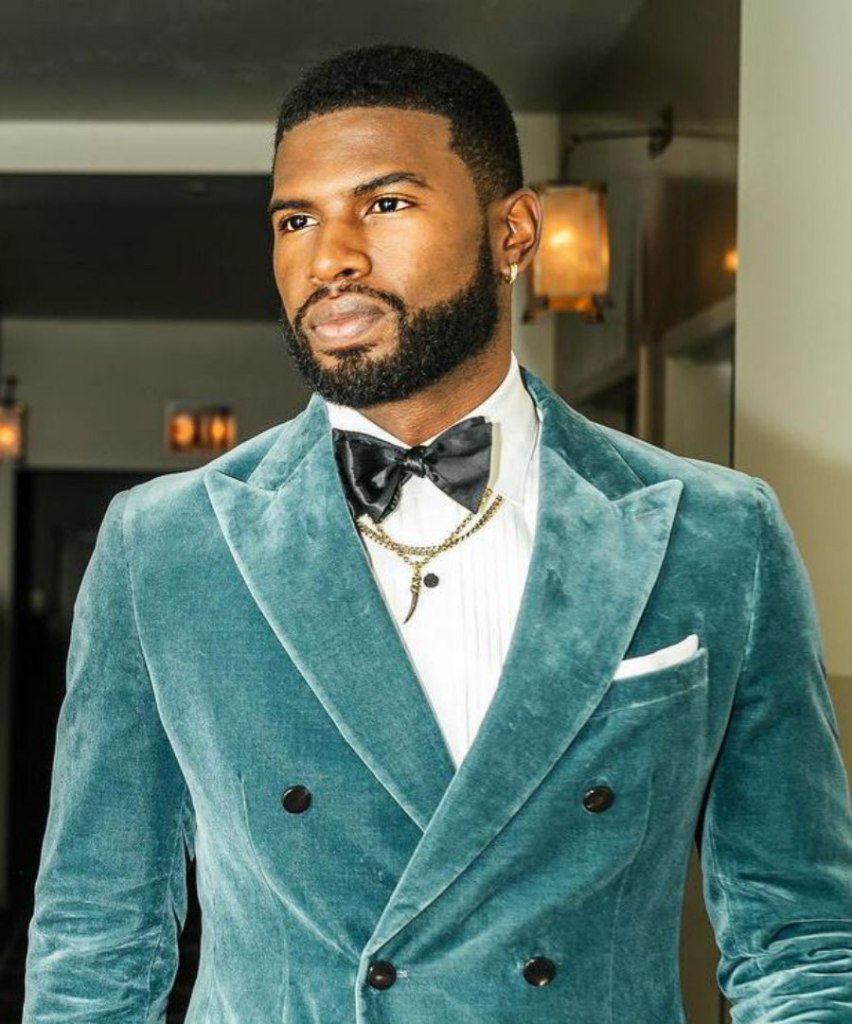
Fashion has also become a vehicle for redefining masculinity. Once considered effeminate, self-expression through style now represents power and individuality. From tailored suits to traditional African attire, men are reclaiming the right to adorn themselves without judgment. The black corduroy suit, for instance—timeless, textured, and dignified—evokes a man grounded in intellect and self-respect, exuding quiet power rather than overt aggression.

Social media has democratized beauty, allowing diverse images of manhood to flourish. Influencers, models, and thinkers challenge the old norms by presenting vulnerability as strength and intellect as attraction. The male gaze is no longer just about how men look at women—it’s about how men perceive themselves. Self-love and self-definition are becoming acts of resistance against a society that once denied men the right to feel (Gill, 2008).

The aesthetics of manhood also intersect with mental health. For centuries, men were taught to hide pain and equate emotion with weakness. Today, redefining beauty includes emotional transparency—the courage to cry, to heal, to grow. This shift honors the humanity of men, not just their physicality. It teaches that inner peace radiates outward as a form of beauty.

In the world of art and photography, representations of male beauty are expanding. Portraits of Black men in fine suits, natural light, or ancestral settings highlight a sacred duality: strength intertwined with serenity. These images humanize the Black male body, reclaiming it from stereotypes of violence and hypersexualization. Beauty becomes political—a declaration of worth and wholeness.

Moreover, the redefinition of male beauty challenges capitalism’s grip on self-image. The beauty industry, long targeted toward women, now markets grooming, skincare, and fashion to men. While this opens new expressions, it also risks commodifying masculinity. The true aesthetics of manhood should arise from authenticity, not consumerism.

Education and media literacy are crucial in shaping new ideals. Young boys must be taught that their value extends beyond appearance or aggression. They must learn that empathy, faith, and integrity are beautiful traits. The aesthetics of manhood, when rooted in moral excellence, contribute to healthier relationships and stronger communities.

Faith and spirituality play an essential role as well. The biblical model of manhood—courage balanced with compassion—reminds us that beauty is divine when aligned with purpose. Scriptures like Proverbs 20:29 (“The glory of young men is their strength: and the beauty of old men is the gray head”) affirm that beauty evolves with age, wisdom, and moral refinement.

Culturally, we are witnessing a renaissance of manhood through art, film, and literature. Black filmmakers and writers depict complex male characters who cry, love, and lead with purpose. From the dignity of T’Challa in Black Panther to the introspection of Colman Domingo’s roles, beauty is reimagined as multifaceted and deeply human.

The aesthetics of manhood are also shifting across gender and sexuality lines. Men who defy conventional masculinity—whether through fashion, identity, or expression—expand the conversation. Their courage dismantles toxic ideals and allows a richer, more inclusive understanding of male beauty to emerge (Connell, 2005).

Intergenerational dialogue is vital in this redefinition. Elders must teach young men that beauty is not vanity but virtue. Meanwhile, younger generations must model new versions of manhood that blend tradition with transformation. Together, they can create a balanced vision where manhood is not confined by fear or dominance but liberated through authenticity.

The dilemma remains: society still pressures men to conform to outdated ideals of toughness. Yet, a new paradigm is rising—one that celebrates quiet strength, cultural pride, and spiritual wholeness. The true aesthetics of manhood are not found in perfection but in purpose, not in control but in connection.

Ultimately, redefining male beauty is about healing. It is about freeing men from centuries of repression and allowing them to see themselves as reflections of divine artistry. Every wrinkle, scar, and gray hair tells a story of endurance. Every expression of gentleness and courage reveals the image of God within.

The world is learning that beauty and masculinity are not opposites—they are allies in the making of a complete man. As this understanding deepens, society will no longer fear men who are beautiful in spirit, intellect, and soul. The aesthetics of manhood, then, become a universal call to redefine what it means to be human.


References

Asante, M. K. (2000). The African Philosophy of African Culture: Toward a Theory of Communication. Routledge.
Bordo, S. (1999). The Male Body: A New Look at Men in Public and in Private. Farrar, Straus and Giroux.
Connell, R. W. (2005). Masculinities (2nd ed.). University of California Press.
Gill, R. (2008). Empowerment/Sexism: Figuring Female Sexual Agency in Contemporary Advertising. Feminism & Psychology, 18(1), 35–60.
hooks, b. (2004). We Real Cool: Black Men and Masculinity. Routledge.

Masculine Perfection Series: The British Invasion – Idris Elba, Aaron Pierre, and Regé‑Jean Page.

The British Invasion of Male Aesthetics, Talent, and Global Impact

In recent years, British actors of African and Afro-diasporic descent have taken the world stage with unprecedented impact, redefining standards of beauty, charisma, and screen presence. Leading this movement are Idris Elba, Aaron Pierre, and Regé‑Jean Page—each possessing a striking combination of physical allure, magnetic charm, and extraordinary talent. Elba’s commanding height, chiseled features, and deep expressive eyes have made him an icon of rugged sophistication; Pierre’s athletic build, symmetrical face, and intense gaze convey both vulnerability and heroism; while Page’s near-perfect facial symmetry, photogenic features, and refined presence have cemented him as a global standard of romantic lead. Together, they represent a new era in which Black British actors are celebrated not only for their artistic skill but also for the distinct aesthetic and cultural richness they bring to international film and television. Their rise signals a powerful shift in representation, challenging stereotypes, and opening doors for future generations of Black talent in the entertainment industry.

1. Idris Elba

This photograph is the property of its respective owner. No copyright infringement intended.

Idris Elba is widely regarded as one of the most handsome and charismatic actors of his generation, combining rugged masculinity with refined elegance. Standing around 6’2” with a strong, athletic build, he possesses chiseled facial features, deep brown expressive eyes, and a warm, engaging smile. His smooth dark skin, combined with his salt‑and‑pepper beard and commanding posture, exudes both authority and charm. Elba’s presence is magnetic, making him naturally captivating on screen, whether portraying intense drama or heroic roles. His physicality and aesthetic appeal have contributed significantly to his image as a quintessential leading man.

Early Life & Background

Idrissa Akuna Elba OBE was born on 6 September 1972 in Hackney, London, England, to a father from Sierra Leone and a mother from Ghana (Biography.com). He grew up in East London (Canning Town area) and left school around age sixteen to pursue acting, winning a place in the National Youth Music Theatre via a Prince’s Trust grant (IMDb).

Career Start

Elba began with small UK television roles and DJ work before his major breakthrough portraying Russell “Stringer” Bell in HBO’s The Wire (2002‑2004) (Wikipedia). His portrayal of DCI John Luther in the BBC series Luther (2010‑2019) further cemented his international star status (Britannica). He has also starred in films such as Mandela: Long Walk to Freedom (2013) and Marvel/Thor installments.

Key Roles & Achievements

  • Stringer Bell in The Wire – breakout role.
  • DCI John Luther in Luther – Golden Globe Award for Best Actor (Miniseries/TV).
  • Mandela: Long Walk to Freedom – major biopic role.
  • Beasts of No Nation (2015) – Screen Actors Guild Award, BAFTA & Golden Globe nominations.

Awards & Recognition

Elba has received a Golden Globe, multiple Primetime Emmy nominations, and BAFTA nominations. Named to Time 100 Most Influential People in the World in 2016.

Personal Life & Marriage

Elba married Sabrina Dhowre in April 2019 in Marrakech, Morocco. He has two children from prior relationships: daughter Isan and son Winston (People.com).

Significance

Elba’s combination of physical presence, aesthetic appeal, and talent has made him a global symbol of Black British excellence, bridging UK and American television and film with remarkable ease.


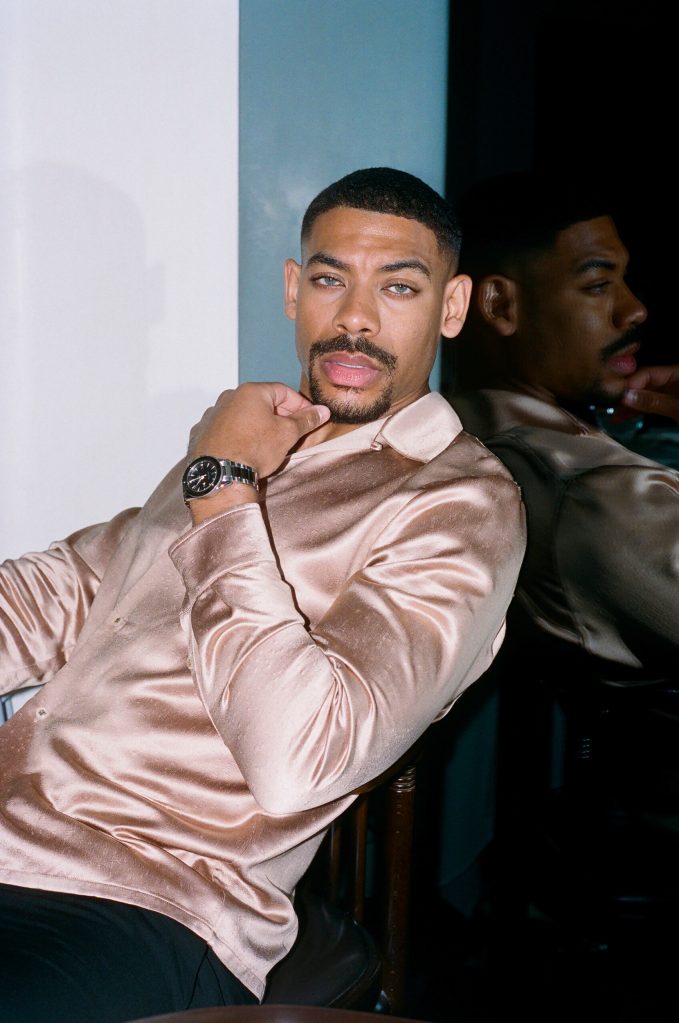
2. Aaron Pierre

This photograph is the property of its respective owner. No copyright infringement intended.

Aaron Pierre is a strikingly attractive actor, known for his tall, athletic build, smooth dark skin, and commanding presence. His symmetrical facial features, strong jawline, and expressive light eyes convey intensity, sensitivity, and screen charisma. His natural elegance, combined with a confident posture and versatile features, allows him to portray both heroic and vulnerable characters convincingly. Pierre’s physicality and photogenic appeal make him stand out as a rising figure in film and television.

Early Life & Background

Aaron Stone Pierre was born on 7 June 1994 in London, England, of Jamaican, Curaçaoan, and Sierra‑Leonean descent (Wikipedia). He participated in athletics in his youth and later developed an interest in acting, training at the London Academy of Music and Dramatic Art (LAMDA), graduating around 2016 (Wikipedia).

Career Start

Pierre’s early stage work included Cassio in Shakespeare’s Othello at the Globe Theatre, earning commendation in the Ian Charleson Awards (IMDb). Screen recognition followed with his role as Dev‑Em in the sci‑fi series Krypton (2018‑2019), and he later starred in Amazon’s The Underground Railroad (2021) and the thriller film Old (2021).

Key Roles & Achievements

  • Dev‑Em in Krypton – early screen role.
  • Caesar in The Underground Railroad – critically acclaimed period drama role.
  • Lead in Rebel Ridge (2024).
  • Voicing Mufasa in Mufasa: The Lion King.

Awards & Recognition

Pierre received an Ian Charleson Award nomination (2018) and won the Canadian Screen Award for Best Supporting Performance (Brother) and an NAACP Image Award for Outstanding Actor (Rebel Ridge).

Personal Life & Marriage

Aaron Pierre is currently not publicly married; as of mid‑2025, actor Aaron Pierre is publicly dating singer‑actress Teyana Taylor.

Significance

Pierre represents the new wave of Black British talent blending rigorous stage training with screen charisma. His aesthetic appeal, athletic build, and symmetrical features make him a striking presence on screen, enhancing his versatile acting repertoire.


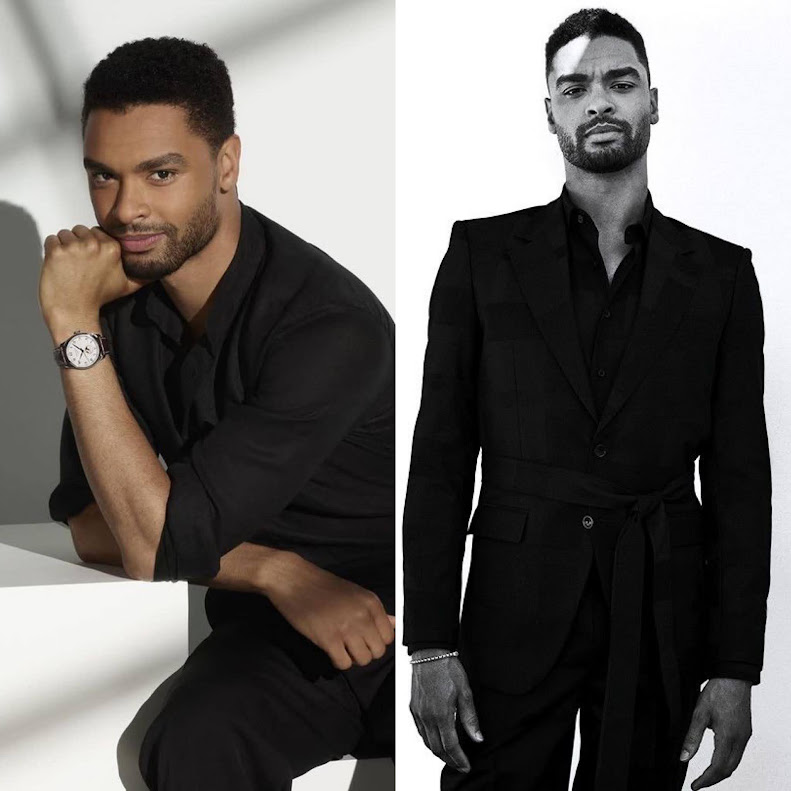
3. Regé‑Jean Page

These photographs are the property of their respective owners. No copyright infringement intended.

Regé‑Jean Page possesses a striking combination of classical good looks, symmetry, and magnetic charm. Often cited in studies and media analyses as having one of the most perfectly symmetrical faces among contemporary actors, his features are exceptionally balanced and proportionate. Standing around 6’1” with a tall, lean, athletic build, he has smooth dark skin, deep-set brown eyes, and a captivating smile. His presence exudes both refinement and sensuality, making him an ideal romantic lead. His mixed British-Zimbabwean heritage further enhances his distinctive and photogenic features, giving him a unique screen presence that is both compelling and timeless.

Early Life & Background

Born in London to an English father (a preacher) and a Zimbabwean mother (a nurse), Page spent part of his childhood in Harare, Zimbabwe, before returning to London (Wikipedia). He studied sound engineering before entering Drama Centre London, graduating in 2013 (Fandango.com).

Career Start

Page’s early roles included a short film (Troublemaker, 2004) and guest appearances on BBC’s Casualty (2005) and Waterloo Road (2015). He gained global recognition as Simon Basset, the Duke of Hastings, in Netflix’s Bridgerton (2020).

Key Roles & Achievements

  • Simon Basset in Bridgerton – worldwide breakout role.
  • Films: The Gray Man (2022), Dungeons & Dragons: Honor Among Thieves (2023).
  • NAACP Image Award winner for Outstanding Actor in a Drama Series.
  • Screen Actors Guild Award nomination.

Personal Life & Relationship

Page is not married publicly but has been in a relationship with Emily Brown since around 2019 (People.com).

Significance

Page exemplifies modern standards of facial beauty and symmetry, combined with talent and charisma. His aesthetic perfection, along with acting skill, redefines the Black British male romantic lead for global audiences and makes him a symbol of representation in period dramas and blockbuster cinema.


References

Made in His Image: The Divine Reflection of a Man’s Beauty.

The Bible teaches that humanity is made in the image of God: “So God created man in his own image, in the image of God created he him; male and female created he them” (Genesis 1:27, KJV). This divine imprint reflects not only moral and spiritual qualities but also the inherent dignity and beauty of a man. True beauty in a man transcends physical appearance; it manifests in character, wisdom, integrity, and alignment with God’s will.

Physical beauty is a reflection of divine creativity. Just as God crafted nature with intricacy and balance, He has designed the human body with proportions, symmetry, and features that convey strength, harmony, and vitality. Yet, Scripture warns against idolizing outward appearance at the expense of inner character: “For the Lord seeth not as man seeth; for man looketh on the outward appearance, but the Lord looketh on the heart” (1 Samuel 16:7, KJV).

A man’s beauty is also expressed through strength tempered with humility. True masculinity honors God, protects the vulnerable, and nurtures relationships. Strength without virtue can become destructive, but strength rooted in divine guidance radiates beauty that captivates without superficiality. “A wise man is strong; yea, a man of knowledge increaseth strength” (Proverbs 24:5, KJV).

Wisdom is a cornerstone of divine beauty. The manner in which a man speaks, reasons, and governs his actions reflects God’s image. Eloquence, discernment, and prudence enhance his presence, making him admirable beyond mere physicality. “Let the wise hear, and increase in learning, and the man of understanding obtain guidance” (Proverbs 1:5, KJV).

Faithfulness and integrity also shape the reflection of God in a man. Honesty, loyalty, and moral steadfastness demonstrate an alignment with divine principles, creating a beauty that endures through trials and challenges. “He that walketh uprightly walketh surely: but he that perverteth his ways shall be known” (Proverbs 10:9, KJV).

A man’s beauty is seen in how he treats others. Gentleness, compassion, and respect for life mirror God’s character. Scripture elevates the heart’s posture over superficial appearance: “A soft answer turneth away wrath: but grievous words stir up anger” (Proverbs 15:1, KJV). True beauty lies in kindness and ethical conduct.

Discipline and self-control further reflect divine order. Physical fitness, grooming, and personal presentation demonstrate respect for the body, God’s temple: “Know ye not that your body is the temple of the Holy Ghost which is in you, which ye have of God, and ye are not your own?” (1 Corinthians 6:19, KJV). Attention to health and appearance is not vanity; it is stewardship.

Emotional intelligence enhances divine beauty. A man capable of empathy, understanding, and patience embodies a Christlike presence. Emotional stability and the ability to manage conflict are aspects of a beauty rooted in spiritual maturity. “He that is slow to anger is better than the mighty; and he that ruleth his spirit than he that taketh a city” (Proverbs 16:32, KJV).

Leadership and responsibility are part of God’s design. Men who serve as protectors, providers, and guides in families, communities, and workplaces reflect the image of God through purposeful action. Authority exercised with justice and mercy amplifies their attractiveness. “Where no counsel is, the people fall: but in the multitude of counsellors there is safety” (Proverbs 11:14, KJV).

A man’s beauty is enhanced by spiritual devotion. Prayer, worship, and obedience cultivate an inner radiance that transcends physical aesthetics. Holiness, humility, and reverence for God create a presence that commands respect and admiration. “But the path of the just is as the shining light, that shineth more and more unto the perfect day” (Proverbs 4:18, KJV).

Courage and perseverance reflect divine imprint. A man who faces adversity with faith and resilience mirrors God’s steadfastness. Enduring trials without compromising principles radiates a beauty that is both rare and compelling. “Be strong and of a good courage, fear not, nor be afraid of them: for the Lord thy God, he it is that doth go with thee” (Deuteronomy 31:6, KJV).

Humility grounds beauty in authenticity. Pride distorts perception, but humility aligns a man with divine intent. Recognizing dependence on God and valuing others’ worth enhances moral and social appeal. “Humble yourselves in the sight of the Lord, and he shall lift you up” (James 4:10, KJV).

A man’s beauty is reflected in faithful stewardship of talents. Creativity, skills, and gifts honed in service to God and community demonstrate purpose, discipline, and excellence. Such stewardship amplifies influence and inspires others. “As every man hath received the gift, even so minister the same one to another, as good stewards of the manifold grace of God” (1 Peter 4:10, KJV).

Integrity in relationships manifests divine beauty. Treating partners, family, and colleagues with respect, honesty, and honor reveals the man’s alignment with God’s image. “He that walketh uprightly walketh surely: but he that perverteth his ways shall be known” (Proverbs 10:9, KJV).

Gratitude and contentment further radiate beauty. A man who recognizes blessings and expresses thankfulness conveys joy, peace, and humility—qualities that reflect God’s goodness. “In every thing give thanks: for this is the will of God in Christ Jesus concerning you” (1 Thessalonians 5:18, KJV).

A man’s beauty is holistic, integrating body, mind, spirit, and character. Physical attractiveness may draw attention, but virtue, intelligence, and faith sustain admiration over a lifetime. “Let your light so shine before men, that they may see your good works, and glorify your Father which is in heaven” (Matthew 5:16, KJV).

Mentorship and guidance express beauty through legacy. Men who uplift others, model integrity, and teach godly principles reflect God’s image in society, passing on a standard of excellence and righteousness.

Patience and self-discipline in desires reflect divine reflection. By controlling impulses, avoiding lust, and living honorably, a man demonstrates obedience to God and moral beauty. “Flee fornication. Every sin that a man doeth is without the body; but he that committeth fornication sinneth against his own body” (1 Corinthians 6:18, KJV).

Ultimately, beauty is inseparable from purpose. Men created in God’s image are called to reflect His character, exercise wisdom, and honor Him in every facet of life. The combination of physical presence, moral excellence, spiritual devotion, and relational integrity forms a divine reflection that captivates both God and man.

A man who embraces his identity in Christ, cultivates virtue, and expresses love, humility, and strength, embodies true beauty, fulfilling the intent of being made in God’s image. This holistic expression reminds the world that man’s beauty is not superficial—it is sacred, purposeful, and eternal.

Evolution of Black Male Beauty in Media — From Tokenism to Sovereign Representation.

This photograph is the property of its respective owners. No copyright infringement intended.

The portrayal of Black men in media has evolved significantly over the past century, moving from marginalization and tokenism to a recognition of multifaceted beauty and sovereignty. Historically, Black male bodies and faces were often framed through stereotypes—hypermasculine, criminal, or subservient—reflecting societal prejudices rather than authentic representation. These depictions perpetuated colorism, limited opportunities, and constrained cultural narratives.

This photograph is the property of its respective owner. No copyright infringement intended.

Actor Omari Hardwick (above) represents the affirmation of Black male sovereignty and diversity in beauty, showing that talent, style, and charisma can redefine mainstream perceptions of attractiveness. He exemplifies the visibility of lighter skin tones in an industry historically favoring lighter-complexioned men. His inclusion emphasizes that Black male beauty is multidimensional, encompassing physical attractiveness, style, charisma, and cultural presence, not just Eurocentric ideals.By highlighting Hardwick alongside other figures like Idris Elba and Shemar Moore, the essay underscores that modern Black men in media are recognized for elegance, desirability, and complex masculinity, rather than being confined to stereotypes.

In early Hollywood, Black men were largely confined to supporting roles or caricatures. Figures such as Stepin Fetchit embodied the submissive, comical trope, reinforcing racial hierarchies. Meanwhile, the broader public rarely saw Black male actors as romantic leads or symbols of aesthetic excellence. This tokenistic inclusion maintained visibility but denied depth and agency.

The civil rights era catalyzed change, with the media beginning to experiment with more complex portrayals. Actors like Sidney Poitier disrupted stereotypes by embodying dignity, intelligence, and emotional nuance. Poitier’s presence on screen challenged audiences to reimagine Black masculinity beyond previously imposed constraints.

Television also played a transformative role. Shows like The Cosby Show introduced Black men as family-oriented, professional, and attractive, highlighting intelligence and charisma alongside physical appeal. These portrayals marked a gradual shift from tokenism toward broader representation.

Yet, media’s obsession with Eurocentric beauty standards continued to influence perceptions of Black male attractiveness. Lighter skin tones and facial features resembling Western ideals were often celebrated, leaving darker-skinned men and features such as broad noses or full lips marginalized in mainstream beauty discourse. Colorism intersected with media representation to restrict the spectrum of Black male beauty.

The 1980s and 1990s introduced a new era of Black male icons who combined talent with compelling aesthetics. Figures like Denzel Washington, Will Smith, and Laurence Fishburne embodied power, charisma, and physical appeal, demonstrating that Black male beauty could coexist with authority and cultural respectability. Their images began to counteract negative tropes while expanding aspirational representations.

Fashion and music further amplified the visibility of Black male beauty. Hip-hop culture, R&B, and modeling brought Black men into global spotlight, emphasizing style, grooming, and physique. Media coverage increasingly showcased not only professional success but also aesthetic excellence as part of a holistic public persona.

Digital media has accelerated this transformation. Social platforms allow Black men to curate their image, exercise creative autonomy, and reach global audiences without gatekeeping by traditional Hollywood institutions. The rise of influencers, athletes, and entertainers has democratized visibility and diversified representations of beauty.

Contemporary Black male actors such as Michael B. Jordan, John Boyega, Regé-Jean Page, and Yahya Abdul-Mateen II exemplify sovereign representation. They are celebrated not only for talent but for embodying multidimensional attractiveness—combining physicality, style, intellect, and emotional depth. Their visibility reflects a shift from objectified or tokenized roles toward empowered self-definition.

Media representation also intersects with social consciousness. Campaigns featuring Black men in advertising, luxury fashion, and cultural storytelling challenge lingering stereotypes and celebrate a spectrum of masculinity. This shift fosters both industry accountability and audience awareness, redefining what Black male beauty signifies in contemporary culture.

Film and television narratives increasingly explore vulnerability, romance, and intellectual depth, further humanizing Black men and challenging historical hypermasculine caricatures. Audiences are exposed to characters whose attractiveness is as much about personality, integrity, and emotional intelligence as it is about physical features.

Colorism within the Black community also continues to influence perception. Media now faces the responsibility to showcase diverse skin tones and facial features, ensuring that representation does not perpetuate internalized biases. Actors like Idris Elba, Shemar Moore, and Omari Hardwick highlight the beauty of dark-skinned men in mainstream media.

Global cinema has contributed to redefining Black male beauty. Nollywood and Afrocentric storytelling celebrate Black men in roles that blend cultural authenticity with universal appeal, expanding the narrative beyond Western-centric standards. Representation now includes historical figures, romantic leads, and heroes, all framed through indigenous aesthetics and values.

The fashion industry has embraced Black male models as symbols of elegance and refinement. Campaigns by brands such as Gucci, Louis Vuitton, and Tom Ford feature Black men prominently, not merely as diversifying elements but as central figures embodying luxury, style, and desirability.

Music videos, particularly in hip-hop and R&B, have cultivated visibility for Black male style, physique, and grooming. Artists craft images that emphasize individuality and sovereignty, challenging prior notions that Black male beauty must adhere to Eurocentric ideals.

Social commentary and academic discourse have also emerged, analyzing Black male beauty in media and its cultural impact. Scholars emphasize the importance of self-representation, challenging historical narratives of objectification, and highlighting how visibility influences societal perceptions of masculinity and worth.

The evolution from tokenism to sovereignty reflects not only industry changes but broader societal shifts. As audiences demand authenticity, diversity, and multidimensionality, the media have responded by celebrating Black men as complex, desirable, and culturally significant figures.

Current trends suggest that Black male beauty in media will continue to expand, integrating fashion, performance, activism, and digital presence. Sovereign representation allows Black men to define their own aesthetic narrative, blending traditional ideals with innovative expressions of identity.

In conclusion, the evolution of Black male beauty is a journey from marginalization to empowerment. From tokenized early roles to contemporary portrayals that celebrate diversity, intellect, style, and emotional depth, Black men in media have claimed agency over their image. Sovereign representation affirms their value, reshapes cultural standards, and inspires future generations.


References

  1. Coleman, R. (2013). Say it loud: African Americans, media, and the politics of representation. Routledge.
  2. hooks, b. (2004). We real cool: Black men and masculinity. Routledge.
  3. Smith-Shomade, B. E. (2002). Shaded lives: African-American women and television. Rutgers University Press.
  4. Nama, A. (2015). Race on the QT: Blackness and the films of Quentin Tarantino. University of Texas Press.
  5. Warner, K. J. (2015). The cultural politics of colorblind TV casting. Routledge.

Beyond Muscles and Masculinity: The Psychology of Male Beauty.

This photograph is the property of its respective owner. No copyright infringement intended

Beauty has long been regarded as a feminine domain, while masculinity has been associated with power, dominance, and stoicism. Yet, as societal norms evolve, the concept of male beauty is emerging as a subject worthy of both admiration and analysis. The psychology of male beauty extends beyond the physical—it encompasses identity, confidence, self-worth, and cultural conditioning. To understand male beauty is to examine not only what the eye sees but what the mind perceives and the heart internalizes.

Historically, male beauty was revered in ancient civilizations. In classical Greece, statues such as the Doryphoros by Polykleitos celebrated the harmony between physical strength and aesthetic symmetry. The male body was seen as a vessel of divine proportion—a reflection of moral and physical perfection. However, in modern Western culture, this balance has shifted. The muscular ideal has overtaken the spiritual and intellectual aspects of beauty, reducing masculinity to performance rather than essence.

The modern man faces a paradox. He is told to be confident yet humble, strong yet sensitive, rugged yet refined. This psychological tension creates a quiet identity crisis, forcing men to constantly negotiate their worth through external validation. Studies have shown that men increasingly suffer from body image dissatisfaction, influenced by unrealistic media portrayals and fitness culture (Leit, Pope, & Gray, 2001). What was once considered natural masculinity has become a carefully constructed performance.

Social media has intensified this struggle. Platforms like Instagram promote curated images of muscular men with chiseled abs, perfect lighting, and designer wardrobes. These depictions reinforce narrow ideals of attractiveness, mirroring the same pressures once imposed on women. The male body, once celebrated for strength and functionality, is now commodified as spectacle. This shift reveals that beauty standards are not gender-exclusive—they are societal instruments of control.

The psychology behind male beauty is deeply tied to perception. Men, like women, internalize beauty expectations through social learning and cultural conditioning. Psychologist Albert Bandura’s theory of observational learning (1977) suggests that individuals model behaviors and self-concepts after what they repeatedly see rewarded or admired. When beauty is equated with muscularity or status, men subconsciously adopt these measures as prerequisites for self-worth.

However, physical appearance is only one layer of male beauty. True attraction and presence stem from confidence, integrity, and emotional intelligence. Research in evolutionary psychology indicates that while symmetry and strength play roles in attractiveness, traits such as kindness, humor, and authenticity hold equal if not greater weight in long-term relational appeal (Buss, 1989). Thus, male beauty should be understood as both an aesthetic and moral construct—an integration of outer form and inner character.

The danger of equating beauty solely with physique is that it narrows the definition of manhood. Many men who do not fit the stereotypical ideal—those who are thinner, shorter, or softer in demeanor—are made to feel invisible. This invisibility often leads to psychological distress, including depression and low self-esteem. In this way, patriarchy harms men as much as it controls women, enforcing emotional suppression and unattainable ideals.

To move beyond muscles, men must redefine masculinity in holistic terms. True masculine beauty is not found in dominance but in discipline, not in stoicism but in spiritual strength. Christ Himself embodied perfect manhood—not through physique or aggression but through humility, compassion, and sacrifice. Isaiah 53:2 (KJV) notes that there was “no beauty that we should desire him,” yet His spiritual beauty redeemed humanity. This suggests that divine beauty transcends the physical—it is rooted in purpose and love.

The cultural redefinition of male beauty also demands that society make room for diversity. Men of different races, body types, and aesthetics must be affirmed. The Western ideal often glorifies whiteness, angular features, and specific body types, while men of color are either fetishized or ignored. To celebrate the full range of male beauty is to challenge Eurocentric standards and affirm that grace, style, and strength manifest in every hue.

For Black and brown men, this journey of redefinition carries extra weight. They must navigate not only the pressure to appear strong but also the historical dehumanization that cast their bodies as threatening rather than beautiful. The dark-skinned man’s physique has been both hypersexualized and criminalized, stripping him of vulnerability and complexity. Reclaiming his beauty, therefore, is an act of resistance—a reassertion of his humanity and divine reflection.

In psychological terms, male beauty involves harmony between the ideal self and the real self. Carl Rogers’ theory of self-congruence explains that mental health flourishes when individuals accept themselves authentically rather than conforming to imposed ideals (Rogers, 1951). When a man embraces his unique appearance—his scars, his aging, his imperfections—he experiences liberation from comparison. Beauty, in this sense, becomes acceptance rather than aspiration.

This acceptance must also extend to aging. Society celebrates youth as the pinnacle of attractiveness, yet wisdom and maturity carry their own allure. The silver-haired man, marked by time and experience, embodies a different beauty—one defined by endurance and self-assurance. Proverbs 20:29 (KJV) reminds us, “The glory of young men is their strength: and the beauty of old men is the gray head.” Age, therefore, is not decline but refinement.

The psychological power of self-image also affects behavior and social success. Men who view themselves as attractive often exude more confidence, which in turn influences how others perceive them (Langlois et al., 2000). Yet, this confidence should not be mistaken for arrogance; it is the quiet assurance of a man who understands his worth beyond aesthetics. When inner confidence aligns with external presentation, a man becomes magnetic—not because of perfection, but because of authenticity.

Faith and spirituality further expand the definition of male beauty. The Psalms describe men of faith as “trees planted by rivers of water” (Psalm 1:3, KJV)—strong, rooted, and fruitful. This metaphor captures the essence of divine masculinity: grounded, life-giving, and steadfast. A man’s beauty is not fleeting like a muscle’s tone but enduring like his moral character and spiritual depth.

The relationship between beauty and ego must also be examined. In a culture obsessed with self-presentation, beauty can easily become vanity. Yet, there is a fine line between self-care and self-worship. When beauty becomes a means to glorify self rather than serve others, it loses sacredness. True masculine beauty reflects humility—the awareness that one’s gifts are divine, not self-made.

Emotional vulnerability enhances male beauty. A man unafraid to express love, to admit pain, or to cry demonstrates depth. Society often conditions men to suppress emotion, equating stoicism with strength. Yet, psychological studies affirm that emotional intelligence correlates with relational satisfaction and mental well-being (Salovey & Mayer, 1990). Vulnerability, therefore, is not weakness but wisdom—the courage to be fully human.

In modern times, the fashion and wellness industries are beginning to embrace this broader narrative. Campaigns that feature men of various sizes, ethnicities, and styles are helping dismantle rigid beauty standards. This inclusivity redefines attractiveness not as conformity to a mold but as confidence in authenticity. Male beauty is no longer the privilege of the few—it is the inheritance of all.

Beyond muscles and masculinity lies the truth that beauty is energy. It is how a man carries himself, how he treats others, and how he reflects purpose in his walk. His laughter, intellect, empathy, and faith radiate attractiveness more profoundly than any aesthetic standard. In the end, the most beautiful man is one who knows who he is and whom he serves.

In conclusion, the psychology of male beauty is a journey of self-acceptance, emotional liberation, and spiritual awakening. The truly beautiful man is not enslaved by mirrors or measurements; he is guided by balance and inner peace. When he transcends external validation and embraces authenticity, he redefines what it means to be a man in every sense—body, mind, and soul. Beyond muscles and masculinity, there exists a quiet power: the beauty of a heart aligned with purpose and a spirit anchored in truth.


References

Bandura, A. (1977). Social Learning Theory. Prentice Hall.
Buss, D. M. (1989). Sex differences in human mate preferences: Evolutionary hypotheses tested in 37 cultures. Behavioral and Brain Sciences, 12(1), 1–49.
Langlois, J. H., et al. (2000). Maxims or myths of beauty? A meta-analytic and theoretical review. Psychological Bulletin, 126(3), 390–423.
Leit, R. A., Pope, H. G., & Gray, J. J. (2001). Cultural expectations of muscularity in men: The evolution of body image. International Journal of Eating Disorders, 29(4), 442–448.
Rogers, C. R. (1951). Client-Centered Therapy. Houghton Mifflin.
Salovey, P., & Mayer, J. D. (1990). Emotional intelligence. Imagination, Cognition and Personality, 9(3), 185–211.*
Biblical references: Isaiah 53:2 (KJV); Proverbs 20:29 (KJV); Psalm 1:3 (KJV).

Curves, Coils, and Culture: Redefining Black Female Aesthetics.

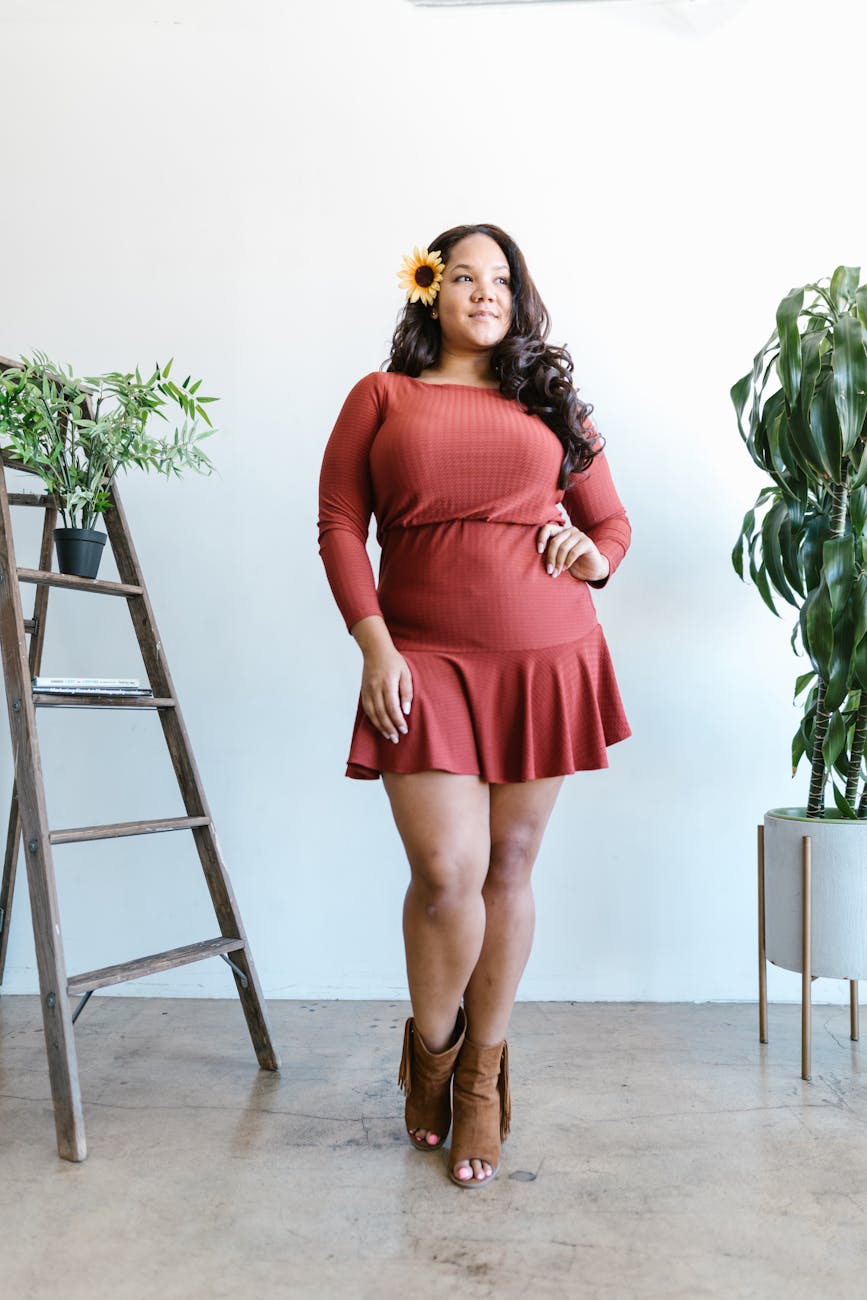
Photo by RDNE Stock project on Pexels.com

The beauty of Black women has historically been contested, critiqued, and commodified through the lens of Eurocentric standards. Features such as full lips, natural hair textures, and curvaceous bodies have often been marginalized, while lighter skin, straighter hair, and slender bodies were celebrated. This has created a complex cultural tension where Black women must navigate self-perception, societal validation, and internalized bias. Redefining Black female aesthetics involves reclaiming cultural pride, challenging narrow standards, and celebrating the diversity inherent in African-descended bodies.

Curves and body shape have long been markers of both cultural identity and contested beauty ideals. Anthropological research shows that in many African societies, curvaceous bodies were historically associated with fertility, strength, and social desirability (Gravlee, 2009). In contrast, Westernized media often valorized thinness, creating a dissonance for Black women who were expected to conform to ideals that excluded natural forms. Recognizing the cultural significance of curves restores aesthetic legitimacy to bodies that have been devalued by colonial and media narratives.

Hair texture, or “coils,” has similarly been politicized. Natural Black hair—whether tightly coiled, kinky, or wavy—has historically been stigmatized in professional, educational, and social contexts (Byrd & Tharps, 2014). Recent movements such as #NaturalHair and #BlackGirlMagic have reframed natural hair as a symbol of cultural pride, personal identity, and resilience. Embracing natural textures not only challenges Eurocentric beauty standards but also asserts agency over self-expression and self-acceptance.

Facial features also play a significant role in redefining aesthetics. Full lips, broad noses, and high cheekbones are often celebrated within African-descended communities for their unique beauty, yet historically devalued by mainstream culture. By centering these features in media representation, campaigns, and artistic expression, Black women reclaim visual narratives that affirm their inherent beauty (Hunter, 2007). These traits, coupled with the natural diversity of eye shapes and skin tones, create a holistic framework for appreciating Black female aesthetics beyond reductive stereotypes.

Psychologically, embracing curves, coils, and distinct features strengthens self-esteem and identity formation. Social comparison theory explains that repeated exposure to media portraying a narrow standard of beauty can lower self-worth (Festinger, 1954). Conversely, visibility of diverse Black beauty—through celebrities, social media influencers, and community representation—promotes positive self-concept, resilience, and empowerment. Testimonials from public figures like Lupita Nyong’o, Tracee Ellis Ross, and Janelle Monáe highlight the transformative power of celebrating authentic features in shaping confidence and cultural pride.

Spiritual insight further enriches this conversation. Proverbs 31:30 (KJV) emphasizes, “Favour is deceitful, and beauty is vain: but a woman that feareth the LORD, she shall be praised.” While aesthetics hold social and psychological significance, ultimate value is anchored in character, faith, and virtue. Redefining Black female beauty involves harmonizing cultural pride with spiritual grounding, recognizing that divine design surpasses societal metrics of attractiveness.

In conclusion, the aesthetics of Black women—curves, coils, and unique facial features—represent both cultural heritage and individual empowerment. Challenging Eurocentric norms, reclaiming natural textures and body forms, and celebrating authentic features allow Black women to define beauty on their own terms. This redefinition intersects psychology, culture, and spirituality, providing a holistic framework that affirms identity, fosters confidence, and celebrates the divine artistry inherent in every woman of African descent.


References

Byrd, A. D., & Tharps, L. L. (2014). Hair Story: Untangling the Roots of Black Hair in America. New York, NY: St. Martin’s Press.

Festinger, L. (1954). A theory of social comparison processes. Human Relations, 7(2), 117–140.

Gravlee, C. C. (2009). How race becomes biology: Embodiment of social inequality. American Journal of Physical Anthropology, 139(1), 47–57.

Hunter, M. (2007). The persistent problem of colorism: Skin tone, status, and inequality. Sociology Compass, 1(1), 237–254.