Category Archives: black identity

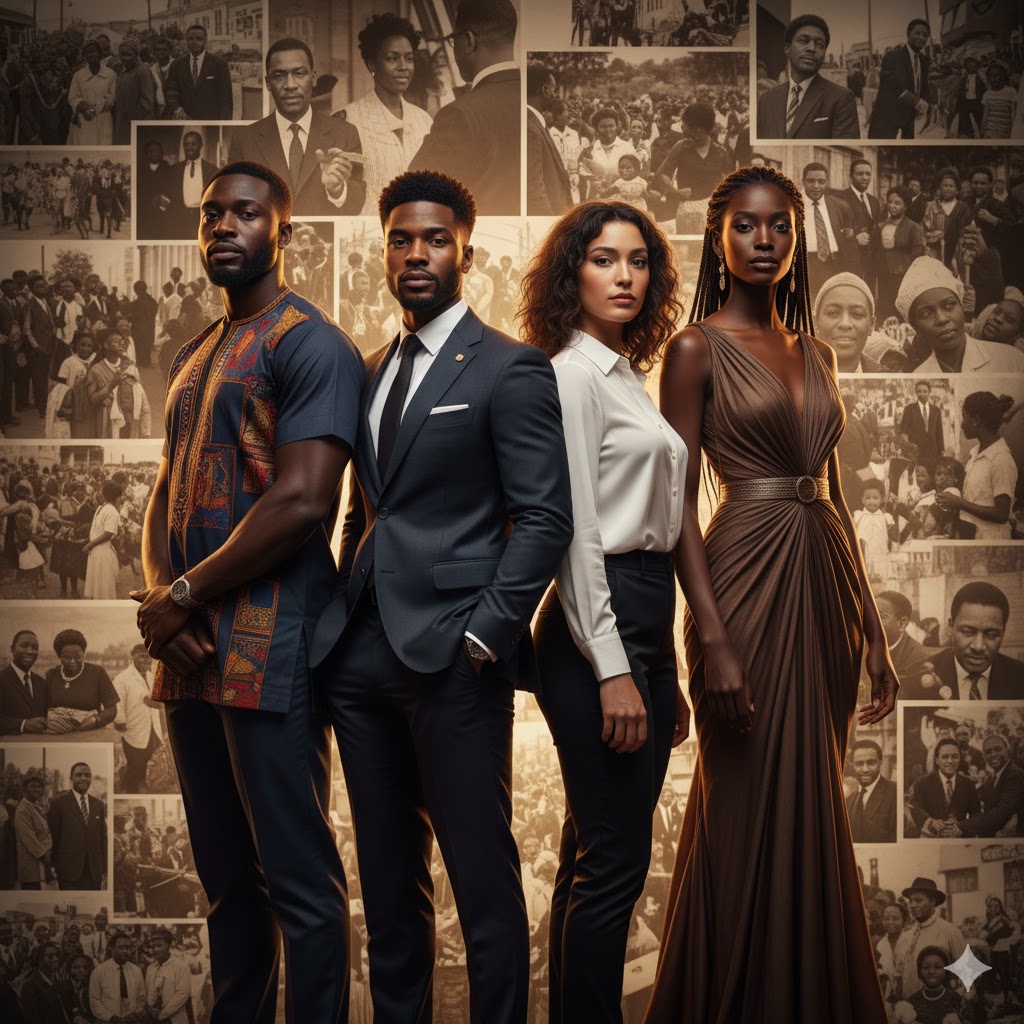
Forged in Fire: The Resilience and Identity of the Black Man in America.

The identity of the Black man in America has been shaped by a historical crucible of oppression, resistance, and transformation. From the earliest days of forced migration during the Transatlantic Slave Trade to contemporary struggles with systemic inequality, the Black man’s journey reflects both the brutality of racial subjugation and the enduring strength of cultural and spiritual resilience. His story is not merely one of survival, but of continual redefinition in the face of adversity.

The institution of chattel slavery stripped Black men of autonomy, identity, and familial authority. Enslaved African men were commodified, their labor exploited to build the economic infrastructure of a nation that simultaneously denied their humanity. This paradox—being essential yet devalued—formed the foundation of a fractured identity that would echo across generations.

Following the formal abolition of slavery, Black men entered a period marked by false promises and systemic betrayal. Reconstruction briefly offered hope, but the rise of Jim Crow Laws reinstated a rigid racial hierarchy. Black men were systematically disenfranchised, criminalized, and excluded from civic participation, reinforcing narratives of inferiority and danger.

The criminalization of Black masculinity became a central tool of social control. Stereotypes portraying Black men as inherently violent or hypersexual were propagated through media, politics, and pseudo-scientific discourse. These narratives justified discriminatory practices and contributed to the disproportionate targeting of Black men within the criminal justice system.

The emergence of the Civil Rights Movement marked a pivotal moment in redefining Black male identity. Leaders such as Martin Luther King Jr. advocated for nonviolent resistance, while Malcolm X emphasized self-defense and Black empowerment. Together, these figures embodied the complexity and diversity of Black masculinity.

Despite legislative victories, including the Civil Rights Act and Voting Rights Act, structural inequalities persisted. Black men continued to face barriers in employment, education, and housing, limiting opportunities for upward mobility. The promise of equality remained elusive, as systemic racism adapted to new social and political contexts.

The concept of “the Black male crisis” gained prominence in sociological discourse, often focusing on issues such as unemployment, incarceration, and educational disparities. However, this framing frequently overlooks the systemic roots of these challenges, placing undue responsibility on individuals rather than institutions.

Mass incarceration has emerged as one of the most significant threats to Black male identity in the modern era. Policies such as the War on Drugs disproportionately impacted Black communities, leading to the overrepresentation of Black men in prisons. Scholars like Michelle Alexander have described this phenomenon as a contemporary system of racial control.

Economic disenfranchisement further compounds these challenges. The decline of industrial jobs and the persistence of wage gaps have limited economic opportunities for many Black men. Without access to stable employment, the ability to fulfill traditional roles associated with masculinity—provider, protector, leader—becomes increasingly constrained.

Education systems also reflect and reinforce inequality. Black boys are more likely to face disciplinary action, be placed in special education programs, or attend underfunded schools. These disparities contribute to lower graduation rates and reduced access to higher education, perpetuating cycles of disadvantage.

Media representations play a critical role in shaping public perceptions of Black men. Often depicted through narrow and negative stereotypes, Black men are rarely afforded the complexity and humanity granted to other groups. These portrayals influence societal attitudes and inform policy decisions.

Yet, amidst these challenges, the resilience of Black men remains evident. Cultural expressions—music, art, literature—serve as powerful tools of resistance and identity formation. From hip-hop to spoken word poetry, Black men have used creative platforms to articulate their experiences and assert their humanity.

Family and community structures provide additional sources of strength. Despite systemic pressures, many Black men continue to prioritize fatherhood, mentorship, and communal responsibility. These roles challenge dominant narratives and highlight the importance of relational identity.

Faith and spirituality have historically been central to the Black male experience. The church has functioned as both a refuge and a site of resistance, offering moral guidance and collective empowerment. Biblical narratives of suffering and redemption resonate deeply within this context.

The intersection of race and masculinity creates unique psychological pressures. Black men must navigate a society that simultaneously fears and marginalizes them, leading to heightened stress and mental health challenges. Yet, stigma surrounding mental health often prevents open dialogue and access to care.

Contemporary movements have sought to reclaim and redefine Black male identity. Initiatives focused on mentorship, education, and entrepreneurship aim to empower Black men and address systemic barriers. These efforts reflect a broader commitment to self-determination and community uplift.

The role of allyship and policy reform cannot be overlooked. Addressing systemic inequality requires collective action, including equitable legislation, institutional accountability, and cultural change. Without these measures, progress remains limited.

The narrative of the Black man in America is not monolithic. It encompasses a wide range of experiences, identities, and perspectives. Recognizing this diversity is essential to understanding the full scope of Black masculinity.

Resilience, while often celebrated, should not be romanticized as a substitute for justice. The ability of Black men to endure hardship does not absolve society of its responsibility to address the root causes of inequality.

Ultimately, the identity of the Black man in America is forged not only through struggle but through resistance, creativity, and hope. His story is a testament to the enduring human spirit and a call to reimagine a society grounded in equity and dignity.


References

Alexander, M. (2010). The New Jim Crow: Mass incarceration in the age of colorblindness. The New Press.

Anderson, E. (1999). Code of the street: Decency, violence, and the moral life of the inner city. W.W. Norton.

Du Bois, W. E. B. (1903). The souls of Black folk. A.C. McClurg & Co.

Foner, E. (2014). Reconstruction: America’s unfinished revolution, 1863–1877. Harper & Row.

hooks, b. (2004). We real cool: Black men and masculinity. Routledge.

Kendi, I. X. (2016). Stamped from the beginning: The definitive history of racist ideas in America. Nation Books.

Massey, D. S., & Denton, N. A. (1993). American apartheid: Segregation and the making of the underclass. Harvard University Press.

Muhammad, K. G. (2010). The condemnation of Blackness: Race, crime, and the making of modern urban America. Harvard University Press.

Staples, R. (1982). Black masculinity: The Black male’s role in American society. Black Scholar Press.
Dilemma: Double Consciousness

The Psychological Struggle of Identity in Black America

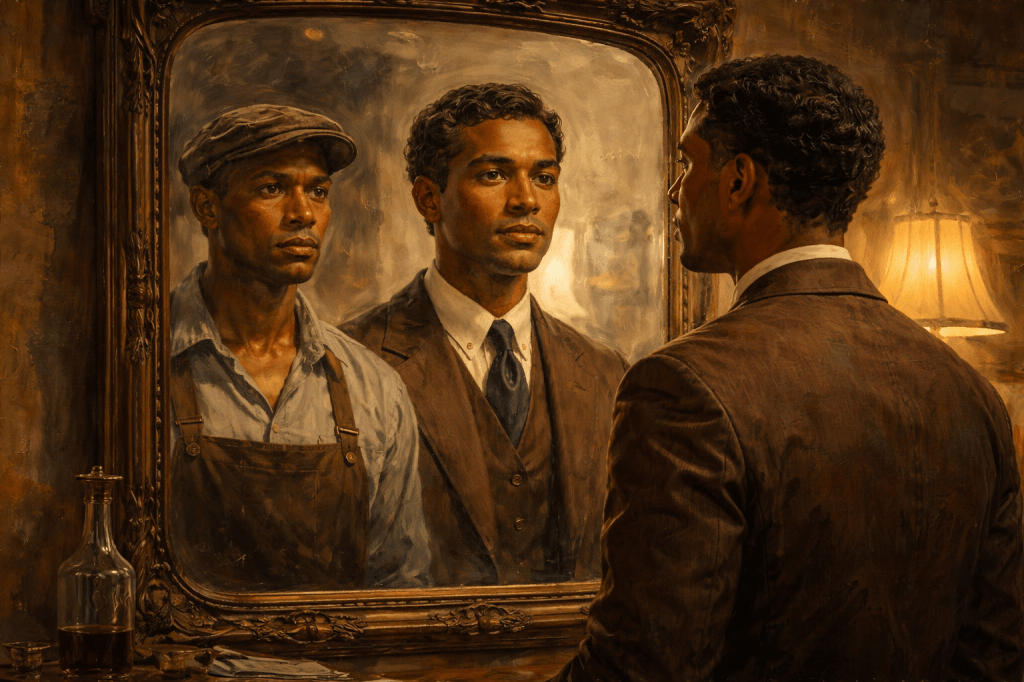
Double consciousness is a sociological and psychological concept describing the internal conflict experienced by African Americans who must navigate their identity within a society shaped by racial inequality. The term was first introduced by W. E. B. Du Bois in his groundbreaking book The Souls of Black Folk. Du Bois used the concept to explain how Black Americans often feel divided between their own sense of self and the identity imposed upon them by a racially prejudiced society.

Du Bois famously described double consciousness as a feeling of “two-ness.” According to his explanation, African Americans exist as both Black and American simultaneously, yet these identities are often placed in conflict by social structures that marginalize Blackness. This duality creates a constant awareness of how one is perceived by the dominant culture.

The origins of double consciousness can be traced to the historical conditions created by slavery and racial hierarchy in the United States. From the seventeenth century onward, Black people were legally and socially defined as inferior within a system designed to maintain white supremacy. These conditions forced African Americans to constantly interpret their lives through the lens of both their own experiences and the expectations of a racially stratified society.

During the era of slavery, African Americans were denied basic human rights and subjected to brutal labor systems that treated them as property. Although enslaved people maintained rich cultural traditions and strong communal bonds, they were forced to exist within a social order that rejected their humanity. This contradiction laid the foundation for the psychological tension that Du Bois later described as double consciousness.

Following the American Civil War and the abolition of slavery, African Americans entered a new phase of struggle during Reconstruction. Although freedom brought hope for equality, the reality of discrimination, violence, and political backlash quickly became evident. Black Americans were technically citizens but continued to face widespread exclusion from economic and political power.

The development of Jim Crow laws further intensified the experience of double consciousness. These laws enforced racial segregation and reinforced the idea that Black Americans were second-class citizens. In everyday life, African Americans had to constantly navigate spaces where their presence was restricted or stigmatized.

Double consciousness affected nearly every aspect of social life. Black individuals often felt compelled to monitor their speech, behavior, and appearance in order to avoid reinforcing negative stereotypes. This heightened awareness created a psychological burden that required constant self-regulation.

Education was one area where the tension of double consciousness became particularly visible. African Americans pursued education as a pathway to advancement and empowerment, yet many educational institutions were structured around Eurocentric values that marginalized Black history and culture. Students often learned to succeed within systems that did not fully acknowledge their identity.

The workplace also reflected the pressures of double consciousness. Many Black professionals found themselves navigating predominantly white environments where they felt compelled to prove their competence repeatedly. This experience sometimes required balancing cultural authenticity with professional expectations shaped by white norms.

Cultural expression became one way that African Americans resisted the limitations imposed by double consciousness. Literature, music, art, and religion provided spaces where Black identity could be affirmed and celebrated. Movements such as the Harlem Renaissance allowed Black artists and intellectuals to explore and redefine cultural identity.

The concept of double consciousness also influenced political activism. African American leaders recognized that achieving equality required challenging both external discrimination and internalized perceptions shaped by racism. Activists worked to redefine Black identity in ways that emphasized dignity, strength, and intellectual achievement.

The civil rights movement of the twentieth century further highlighted the tensions of double consciousness. Leaders such as Martin Luther King Jr. encouraged African Americans to demand full citizenship and equality while maintaining moral and cultural integrity. Their efforts helped dismantle many legal forms of segregation.

Despite these advancements, the psychological impact of double consciousness did not disappear. Many African Americans continued to experience subtle forms of discrimination, social bias, and unequal opportunities. As a result, the awareness of being viewed through the lens of race remained a persistent reality.

In modern society, double consciousness often appears in conversations about representation and identity. African Americans frequently navigate expectations from both their own communities and broader society. Balancing these expectations can create complex questions about authenticity and belonging.

Media representation has also influenced the experience of double consciousness. For many years, portrayals of Black people in film, television, and literature were shaped by stereotypes that reinforced negative perceptions. These images contributed to the external gaze that Du Bois described.

Social mobility sometimes intensifies the experience of double consciousness. As African Americans enter professional fields historically dominated by whites, they may find themselves negotiating cultural differences between their personal backgrounds and workplace environments.

At the same time, double consciousness has also fostered resilience and creativity within the Black community. The ability to understand multiple perspectives has contributed to rich intellectual traditions, artistic innovation, and social leadership.

Many scholars argue that the concept remains relevant for understanding race relations today. Issues such as systemic inequality, representation, and cultural identity continue to shape how African Americans navigate society.

Importantly, Du Bois did not view double consciousness solely as a burden. He believed that the ability to see the world from multiple perspectives could also offer unique insight and moral clarity. This dual awareness could empower African Americans to challenge injustice and imagine new possibilities for society.

Ultimately, double consciousness reflects the broader struggle for dignity and equality in a nation built on racial divisions. It captures the psychological complexity of living within a society that simultaneously claims ideals of freedom while historically denying them to many of its citizens.

Understanding double consciousness helps illuminate the historical and contemporary experiences of African Americans. By examining the origins and impact of this concept, scholars and citizens alike can better appreciate the resilience, creativity, and determination that have shaped the Black American journey.


References

Du Bois, W. E. B. (1903). The Souls of Black Folk. A.C. McClurg & Co.

Franklin, J. H., & Moss, A. A. (2000). From Slavery to Freedom: A History of African Americans. McGraw-Hill.

Hine, D. C., Hine, W. C., & Harrold, S. (2014). The African American Odyssey. Pearson.

Gates, H. L., & McKay, N. Y. (2004). The Norton Anthology of African American Literature. W.W. Norton.

Appiah, K. A. (1992). In My Father’s House: Africa in the Philosophy of Culture. Oxford University Press.

Library of Congress. African American history and culture collections.

Smithsonian National Museum of African American History and Culture. Historical resources on race and identity in the United States.

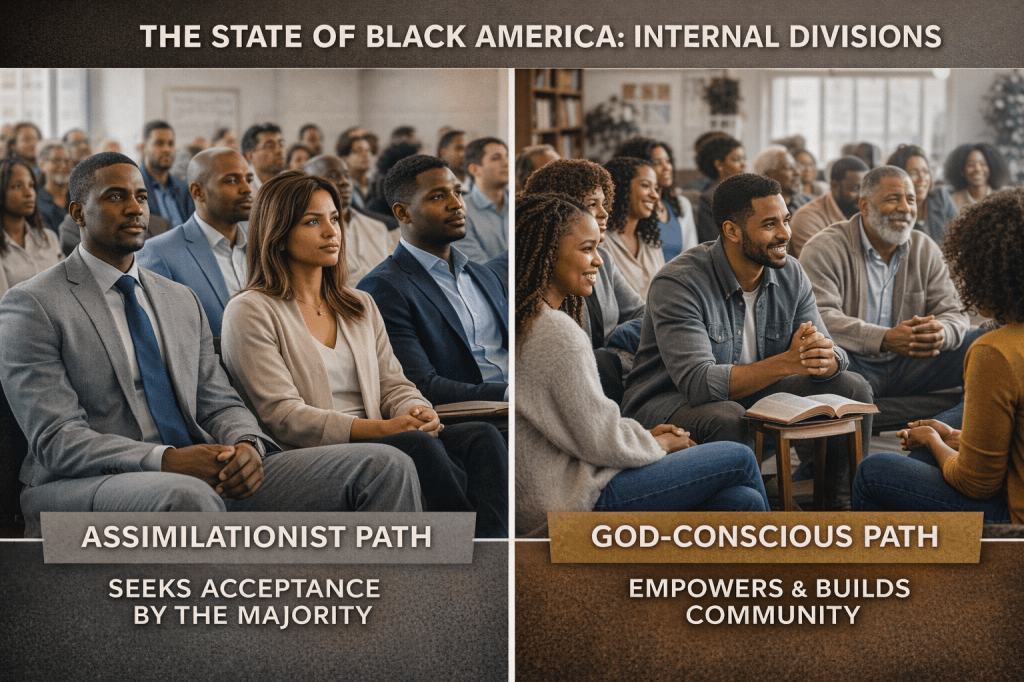
2 Paths Within the Black Community: Assimilation, Identity, and God-Conscious Restoration

Throughout history, oppressed communities have wrestled with two primary survival responses: assimilation into the dominant power structure or resistance through identity preservation and collective empowerment. Within the African American experience in the United States, this tension has manifested in visible ideological and behavioral distinctions shaped by slavery, segregation, systemic racism, and theological interpretation.

The legacy of American chattel slavery created not only economic devastation but psychological fractures. Scholars such as Frantz Fanon (1967) argued that colonized people often internalize the worldview of the colonizer as a survival mechanism. This internalization can result in identification with the dominant culture as a means of perceived safety or advancement.

In the American context, the character “Uncle Tom,” from Harriet Beecher Stowe’s novel Uncle Tom’s Cabin, became a cultural symbol—though often misinterpreted—of perceived submission to white authority. Over time, the term evolved into a pejorative label describing individuals believed to prioritize white approval over communal solidarity.

Assimilation, however, must be examined sociologically rather than emotionally. Sociologist W.E.B. Du Bois described “double consciousness” as the tension Black Americans feel between their African heritage and American citizenship (Du Bois, 1903). For some, minimizing racial conflict or denying systemic racism is not necessarily ignorance but an adaptation strategy shaped by generational trauma.

Research in racial identity development theory, particularly by William E. Cross Jr., shows that Black identity formation progresses through stages. Some individuals remain in earlier phases characterized by assimilationist leanings or a preference for proximity to dominant culture standards.

Internalized racism, defined as the acceptance of societal beliefs about Black inferiority, has been documented extensively in psychological literature (Pyke, 2010). These dynamics often manifest in beauty standards, speech patterns, cultural preferences, and political alignments.

At the same time, it is overly simplistic to categorize individuals as entirely unaware of racism. Many who emphasize cross-racial harmony may genuinely believe that integration and meritocracy are viable pathways toward equality.

Conversely, there exists another path rooted in cultural preservation, spiritual consciousness, and collective empowerment. This path emphasizes group solidarity, historical awareness, and theological identity.

The Black church historically functioned as the epicenter of resistance and social organization. Leaders such as Martin Luther King Jr. articulated liberation through Christian ethics grounded in agape love and justice.

Similarly, figures like Malcolm X emphasized self-respect, self-defense, and psychological decolonization. Though their methods differed, both leaders promoted dignity and communal uplift.

Theologically, many Black faith traditions interpret biblical narratives as parallel to the African American experience. The Exodus story and passages like Deuteronomy 28 have been understood as frameworks for interpreting suffering and covenant identity.

God-conscious empowerment emphasizes spiritual rebirth alongside cultural restoration. It teaches that liberation is not merely political but moral and spiritual.

Community builders focus on economic cooperation, educational advancement, and intergenerational teaching. The philosophy echoes the principles of collective economics articulated by Marcus Garvey and the Universal Negro Improvement Association.

Intra-community conflict, however, often undermines these efforts. Social dominance theory suggests marginalized groups can replicate hierarchical thinking internally (Sidanius & Pratto, 1999).

The call for unity does not mean uniformity. It requires shared goals centered on dignity, spiritual awareness, and structural progress.

Teaching children cultural literacy and historical truth is central to empowerment. Scholars like Carter G. Woodson argued that miseducation perpetuates subjugation.

Spiritual formation also plays a role. Biblical anthropology emphasizes identity in both flesh and spirit, reinforcing inherent worth beyond societal labels.

God-conscious frameworks encourage reconciliation within the community before external transformation.

This perspective rejects self-hatred while also avoiding racial supremacism. It affirms dignity without dehumanizing others.

Economic empowerment initiatives, cooperative models, and entrepreneurship align with this restorative vision.

Psychologically, collective pride correlates with higher resilience and well-being among marginalized populations (Neblett et al., 2012).

Faith-based empowerment movements often stress repentance from destructive behaviors such as internal violence, colorism, and fragmentation.

The metaphor of “needles in a haystack” captures the rarity of individuals fully committed to spiritual discipline and communal sacrifice.

Such builders prioritize generational legacy over short-term validation.

They recognize racism as structural rather than merely interpersonal, supported by scholarship from Michelle Alexander in The New Jim Crow.

At the same time, they resist fatalism. Faith sustains hope amid systemic obstacles.

Christ-centered identity reframes suffering through redemptive theology rather than victimhood.

Recognizing oneself as chosen does not imply superiority but covenant responsibility.

The call to stop fighting one another echoes both biblical admonition and sociological necessity.

Group progress historically required strategic unity, as evidenced during the Civil Rights Movement.

Yet even within movements, ideological differences persisted, illustrating the complexity of Black thought.

Ultimately, these two paths are not fixed identities but developmental positions shaped by history, psychology, and theology.

Healing requires compassion, education, and spiritual maturity.

Rather than condemnation, transformation must be the goal.

The future of Black empowerment lies not in caricatures but in consciousness, character, and Christ-centered community building.


References

Alexander, M. (2010). The New Jim Crow.

Cross, W. E. (1991). Shades of Black: Diversity in African-American Identity.

Du Bois, W. E. B. (1903). The Souls of Black Folk.

Fanon, F. (1967). Black Skin, White Masks.

Neblett, E. W., et al. (2012). Racial identity and psychological health.

Pyke, K. (2010). What is internalized racial oppression? Sociological Perspectives, 53(4), 551–572.

Sidanius, J., & Pratto, F. (1999). Social Dominance: An Intergroup Theory of Social Hierarchy and Oppression.

Woodson, C. G. (1933). The Mis-Education of the Negro.

The Beauty and Complexity of Black Identity

Black identity is a tapestry woven from centuries of history, culture, and resilience. It is not reducible to skin color; it is a multidimensional phenomenon encompassing heritage, creativity, spirituality, and self-definition.

The beauty of Black identity lies in its endurance. Despite centuries of enslavement, colonization, and systemic oppression, Black people preserved cultural knowledge, language, and traditions that continue to thrive today.

Historically, African kingdoms cultivated rich civilizations marked by art, scholarship, and governance. Figures such as Mansa Musa of Mali exemplify the wealth, intellect, and sophistication that were the foundation of Black cultural identity long before European interference.

The transatlantic slave trade attempted to erase identity, but Black people transformed oppression into cultural preservation. Spirituals, folktales, and oral histories became vessels for memory and hope, connecting generations across oceans and centuries.

Black identity expresses itself through art. From the Harlem Renaissance to contemporary visual arts, Black creativity reflects both struggle and triumph. Pain and resilience coexist in these works, creating a unique aesthetic language.

Music has been a cornerstone of Black identity. Jazz, blues, gospel, hip-hop, and R&B articulate joy, sorrow, and social critique. Each genre serves as a historical record and a tool of spiritual survival.

Language is a powerful marker of identity. African American Vernacular English (AAVE), Creole languages, and preserved African languages carry cultural meaning, community solidarity, and resistance to assimilation.

Fashion and style are also expressions of Black identity. From Kente cloth and African-inspired garments to modern streetwear, Black people assert individuality, creativity, and pride through dress and adornment.

Black identity is spiritual as well as cultural. Enslaved Africans integrated Christianity with African traditions, creating vibrant spiritual practices. Churches became spaces of education, community organizing, and cultural preservation.

Physical beauty is an integral part of Black identity. Hair, skin, and features have historically been politicized, yet Black people have reclaimed and celebrated these traits as symbols of pride and self-love.

Black identity is intellectual. Thinkers, scientists, and writers such as W.E.B. Du Bois, Zora Neale Hurston, and Katherine Johnson illustrate the intellectual legacy of Black communities that has challenged stereotypes and contributed globally.

Colorism complicates Black identity. The preference for lighter skin in certain societies stems from colonial hierarchies, but Black communities continue to resist these constructs, emphasizing that identity is spiritual, cultural, and personal, not merely visual.

Black identity is resilient in the face of systemic oppression. Black communities have developed institutions, businesses, and networks that sustain culture, foster economic empowerment, and create spaces for artistic and intellectual flourishing.

Family and community are central to Black identity. Extended families, churches, and community networks provide support, mentoring, and intergenerational transmission of cultural knowledge and values.

Black identity is global. The African diaspora connects Black communities across the Americas, Europe, and Africa. Shared histories of struggle and triumph create solidarity that transcends borders.

Black identity is expressed in literature. Writers like James Baldwin, Toni Morrison, and Chimamanda Ngozi Adichie explore the nuances of race, culture, and personal identity, revealing the complexity and richness of Black experience.

The intersection of Blackness and spirituality adds depth to identity. Faith traditions provide frameworks for ethics, social justice, and personal resilience, shaping both individual character and communal life.

Black identity is dynamic. Migration, globalization, and digital communication continue to expand its forms of expression, allowing younger generations to engage with heritage while innovating culturally and socially.

The beauty of Black identity also lies in joy. Music, dance, storytelling, and celebrations manifest resilience, hope, and communal connection, showing that Blackness encompasses both survival and flourishing.

Ultimately, Black identity is complex, multifaceted, and sacred. It embodies history, art, spirituality, intellect, and resilience. To honor Black identity is to recognize the profound contributions, enduring struggles, and eternal beauty of a people who have persevered against every attempt at erasure.


References

Diop, C. A. (1989). The African origin of civilization: Myth or reality. Lawrence Hill Books.

Gates, H. L. (2011). In search of our roots: How 19 extraordinary African Americans reclaimed their past. Crown.

Graves, J. L. (2017). The emperor’s new clothes: Biological theories of race at the millennium. Rutgers University Press.

Hine, D. C., McCluskey, A. T., & McDaniel, A. (2012). The African American odyssey. Pearson.

Woodson, C. G. (2021). The mis-education of the Negro. Dover.

Tutu, D., & Tutu, M. (2014). The book of forgiving: The fourfold path for healing ourselves and our world. HarperOne.