Category Archives: black history

Dilemma: Lynching

Strange Fruit: The Lingering Shadow of Lynching.

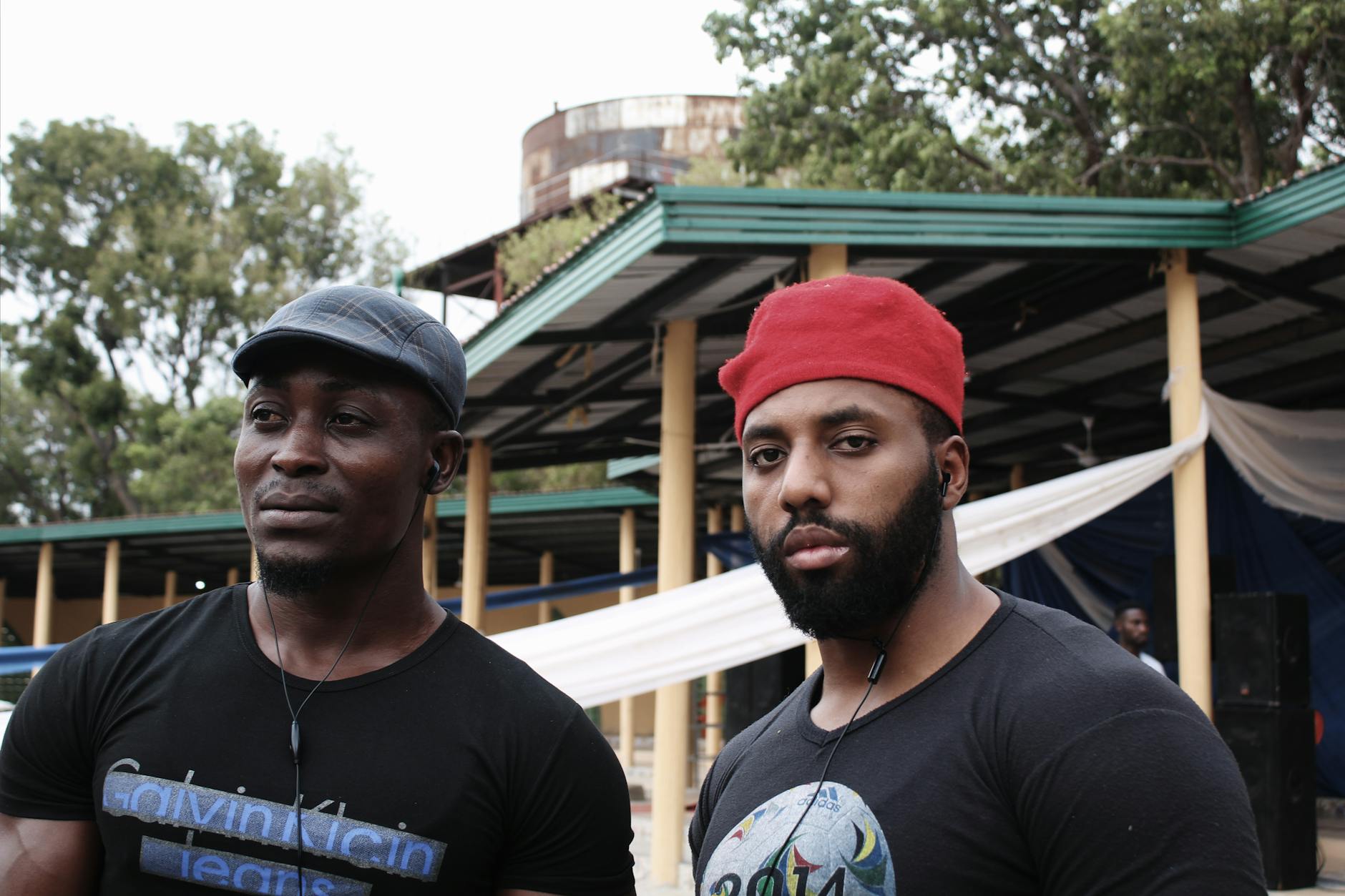
Photo by Alexey Demidov on Pexels.com

Lynching, a brutal form of extrajudicial killing, has left an indelible mark on American history. While its most notorious period occurred during the late 19th and early 20th centuries, the echoes of this violence have persisted into more recent times. This narrative delves into the story of Trey Reed, a fictional character whose life and death mirror the tragic realities faced by Black individuals subjected to racial terror. Lynching refers to the act of a mob executing an individual without legal authority, often in a public setting, and typically motivated by racial hatred. Historically, these acts were used to enforce white supremacy and instill fear within Black communities.

The Case of Trey Reed

In the summer of 1975, Trey Reed, a 22-year-old Black man from Georgia, was found hanging from a tree in a rural area. Authorities quickly labeled his death a suicide, but inconsistencies in the investigation raised suspicions. Reed had been outspoken about racial injustices in his community, leading many to believe his death was a targeted act of violence.

Community Response

Reed’s death sparked outrage among local civil rights groups. Protests and vigils were held, demanding a thorough investigation and accountability. Despite the public outcry, the case remained officially closed, with no charges filed.

The Role of Media

National media coverage of Reed’s death brought attention to the ongoing issue of racial violence in America. Journalists uncovered patterns of similar incidents in the region, suggesting a broader, systemic problem.

Legal Challenges

In 1980, the Reed family filed a civil lawsuit against local law enforcement, alleging misconduct and negligence. The case drew attention to the lack of legal recourse available to families of lynching victims.

The Legacy of Trey Reed

Although no one was ever convicted in Reed’s death, his story became a symbol of the fight against racial injustice. Memorials and scholarships were established in his name, ensuring that his legacy would continue to inspire future generations.

Comparative Cases: The Lynching of Mack Charles Parker

In 1959, Mack Charles Parker, a Black man in Mississippi, was accused of raping a white woman. Before he could stand trial, a mob abducted him from jail, beat him, and shot him dead. Despite confessions from the perpetrators, no one was ever indicted, highlighting the impunity often afforded to those committing such acts.

The Murder of Mary Turner

In 1918, Mary Turner, a pregnant Black woman in Georgia, was lynched after protesting the killing of her husband. Her brutal death underscored the extreme lengths to which white supremacists would go to silence dissent and maintain control.

The Case of George Armwood

George Armwood was lynched in Maryland in 1933 after being accused of assaulting a white woman. His death marked the last recorded lynching in the state, reflecting the persistence of racial violence even in the mid-20th century.

The Impact of the Civil Rights Movement

The Civil Rights Movement of the 1950s and 1960s brought national attention to the issue of lynching. Activists like Rosa Parks and Martin Luther King Jr. highlighted these atrocities, pushing for legal reforms and greater societal awareness.

The Emmett Till Case

In 1955, 14-year-old Emmett Till was lynched in Mississippi after allegedly offending a white woman. His open-casket funeral and the subsequent trial brought international attention to the brutality of racial violence in America.

The Role of Photography

Photographs of lynching victims, such as the iconic image of Till’s disfigured body, played a crucial role in galvanizing public opinion and spurring the civil rights movement.

The Decline of Lynching

Following increased activism and legal challenges, the frequency of lynchings declined in the latter half of the 20th century. However, the legacy of these acts continues to affect communities today.

The Importance of Memorialization

Institutions like the Equal Justice Initiative have worked to document and memorialize the victims of lynching, ensuring that their stories are not forgotten.

The Role of Education

Educating the public about the history of lynching is essential for fostering understanding and reconciliation. Programs and curricula have been developed to teach about this dark chapter in American history.

Ongoing Racial Injustice

While lynching may no longer be as prevalent, racial violence and discrimination persist in various forms. Addressing these issues requires continued vigilance and activism.

The Need for Legal Reform

Advocates continue to push for legal reforms to address hate crimes and ensure justice for victims of racial violence. This includes efforts to strengthen laws and improve the accountability of law enforcement agencies.

The Role of Community Engagement

Community involvement is crucial in combating racial injustice. Local organizations and leaders play a vital role in advocating for change and supporting affected individuals and families.

Conclusion: Remembering the Past, Shaping the Future

The story of Trey Reed serves as a poignant reminder of the enduring impact of lynching and racial violence in America. By remembering these atrocities and honoring the victims, society can work towards healing and ensuring that such injustices are never repeated.

References

Brown Girl/Brown Boy: Reshaping History

The story of the Brown girl and Brown boy is not merely one of color, but of divine inheritance, resilience, and reawakening. For centuries, the identity and narrative of melanated people have been distorted by colonial forces that sought to erase their divine origin and replace it with inferiority. Yet the truth remains inscribed in the sacred pages of Scripture, where the lineage of a chosen people, kissed by the sun, is both hidden and revealed to those who seek knowledge with a spiritual lens (Deuteronomy 28:64–68, KJV).

The Brown girl and Brown boy descend from a royal priesthood whose identity has been fragmented by the chains of enslavement and systemic deception. Their story begins not on the shores of the Atlantic but in the cradle of civilization—Africa and the Near East—where the first man was formed from the dust of the ground (Genesis 2:7, KJV). That dust, rich in melanin, was symbolic of divine craftsmanship, representing both the beauty and the burden of being created in the image of the Most High (Genesis 1:27, KJV).

The reshaping of history begins with truth-telling. Truth, as Christ declared, is what sets humanity free (John 8:32, KJV). For too long, the Brown child has been taught to see his reflection through the distorted mirror of colonial narratives. History textbooks have exalted the conqueror while silencing the conquered, rewriting the legacy of Egypt, Cush, and Sheba as mere myth instead of reality (Psalm 68:31, KJV).

When we examine Scripture closely, we find that the presence of melanated nations is consistent and prophetic. Ham, the father of Cush, Mizraim, Phut, and Canaan, became the progenitor of nations across Africa and the ancient Near East (Genesis 10:6, KJV). These nations were not cursed as popular misinterpretations claim but were builders of empires, mathematicians, and theologians—carriers of divine knowledge that later civilizations borrowed yet failed to acknowledge.

The Brown girl stands as a living monument to divine beauty and strength. In the Song of Solomon, the Shulamite woman boldly proclaims, “I am black, but comely” (Song of Solomon 1:5, KJV). Her statement was not an apology but an affirmation—an early declaration of self-love and divine worth. It is a message the Brown girl must reclaim in a world that still struggles to honor her hue.

The Brown boy, too, must rediscover his kingship. In an age where masculinity has been criminalized and misrepresented, the restoration of the Hebrew man’s dignity is both prophetic and necessary. The Scripture reminds him that he is “fearfully and wonderfully made” (Psalm 139:14, KJV) and called to walk in righteousness, not rebellion. His existence is a testimony of survival—descended from those who endured whips, ships, and chains yet never lost their soul.

Reshaping history requires unlearning colonial theology that justified slavery and segregation. Many churches were complicit in weaponizing the Bible against the very people who lived its prophecies. The curse of Ham was mistranslated, misapplied, and misused to perpetuate systemic oppression. Yet, when read with spiritual discernment, Scripture reveals not a curse but a covenant—one that God promised would be restored in the last days (Isaiah 60:14–16, KJV).

The reawakening of the Brown mind begins in the renewing of thought (Romans 12:2, KJV). Colonization did not simply steal land; it colonized the mind, convincing the oppressed to accept a lesser narrative. But when knowledge returns, the chains of deception fall. To reshape history, the Brown community must become both scholar and scribe, documenting their truth through faith, research, and revelation.

Education becomes a tool of liberation. The Brown girl who studies the Scriptures alongside anthropology and genetics discovers that her story predates enslavement. The Y-DNA haplogroups and mitochondrial lines trace back to Africa’s earliest civilizations—proof of divine design and prophetic continuity. The Bible, archaeology, and science converge to affirm what has long been hidden in plain sight.

Spiritual warfare accompanies this awakening. The adversary seeks to keep the Brown man and woman divided—through colorism, classism, and confusion. But unity in truth breaks every chain. Christ’s message of love and righteousness was not colorless; it was covenantal, directed toward restoring a lost and scattered people to their rightful identity (Matthew 15:24, KJV).

Reshaping history also means healing from internal wounds. The trauma of slavery and colonization fractured self-image, leading to generational cycles of pain. But through prayer, knowledge, and repentance, the Brown soul finds restoration. “He healeth the broken in heart, and bindeth up their wounds” (Psalm 147:3, KJV).

Art, music, and literature become instruments of remembrance. The rhythm of drums, the harmonies of gospel, and the verses of poets carry the ancestral memory that slavery could not destroy. The Brown artist becomes a modern psalmist, retelling the story of deliverance in every song and stroke.

In the home, mothers and fathers must teach their children truth before the world teaches them lies. “Train up a child in the way he should go” (Proverbs 22:6, KJV) is not merely moral advice—it is cultural preservation. The Brown child must know that their melanin is not a curse but a covenantal signature of divine creation.

As the Brown boy grows into a man, he must see himself not as the product of oppression but as the seed of kings. The lineage of David, Solomon, and the prophets flows through his veins. This understanding transforms his posture—from survival to sovereignty, from oppression to ordained purpose.

The Brown girl’s crown must also be restored. Too long has she been told that her beauty must be altered to be accepted. But Scripture and science agree: her natural features—the coiled hair, full lips, and radiant skin—speak of divine artistry. Her reflection is both ancient and eternal, echoing the wisdom of the earth from which humanity came.

Reshaping history also requires accountability. The institutions that profited from slavery and miseducation must acknowledge their sins and participate in reparative justice. Yet even without apology, the Brown people rise through divine strength, echoing Joseph’s testimony: “Ye thought evil against me; but God meant it unto good” (Genesis 50:20, KJV).

In scholarship, the Brown intellectual stands as a modern-day prophet—using data, theology, and discernment to reconstruct erased timelines. Each discovery restores fragments of a story long buried beneath European revisionism. Truth becomes a weapon of light.

The Brown community’s economic power must also be reclaimed. Biblical stewardship and communal economics were the foundation of ancient Israel’s success. The early believers in Acts shared resources equitably, creating systems that honored justice and compassion (Acts 4:32–35, KJV). Economic restoration follows spiritual restoration.

In the realm of relationships, the Brown man and woman must also heal from division. The colonial system strategically divided the family unit to weaken generational strength. But when both align under God’s order—mutual respect, love, and holiness—their union becomes prophetic, reflecting the covenant between Christ and His church (Ephesians 5:25–27, KJV).

Media and modern education must be challenged to reflect truth. Representation matters because imagery shapes identity. The continual portrayal of Brown faces in subservient or criminal roles is psychological warfare. Thus, storytelling becomes an act of revolution, reclaiming the lens through which the world sees Blackness.

Reshaping history is also a spiritual awakening. The prophecy of dry bones in Ezekiel 37 mirrors the revival of a scattered, sleeping people. “Son of man, can these bones live?” God asked. And through breath—through Spirit—they rose as “an exceeding great army” (Ezekiel 37:10, KJV). This vision symbolizes the reawakening of the Brown nation.

The modern Hebrew awakening among descendants of the transatlantic slave trade signals that prophecy is being fulfilled. The rediscovery of identity, Sabbath, and covenant law represents the beginning of national restoration. It is not racial pride—it is biblical alignment.

The Brown girl and boy of today must walk with royal humility. Knowing their origin in divine covenant should lead not to arrogance but to service. They are chosen not to dominate but to illuminate the world with righteousness, justice, and mercy (Micah 6:8, KJV).

Cultural restoration must coincide with moral discipline. True liberation is not achieved through vengeance but through obedience to God’s law. “If ye continue in my word, then are ye my disciples indeed” (John 8:31, KJV). The Brown community’s return to holiness will bring collective elevation.

As history reshapes, so does destiny. The global recognition of Africa’s role in human origin and civilization challenges centuries of lies. But more importantly, it restores spiritual equilibrium—affirming that God’s people have always been diverse, and His covenant has always been rooted in justice.

In this generation, the Brown girl writes, the Brown boy builds, and together they restore. They no longer ask permission to exist—they walk in divine appointment. Their art, scholarship, and faith converge into a renaissance of revelation.

The reshaping of history is not just about uncovering facts; it is about restoring faith. For every Brown child who opens the Bible and sees themselves in its pages, the chains of mental slavery are broken. The truth lives, breathes, and reigns.

The final chapter belongs to God, who declares, “Behold, I make all things new” (Revelation 21:5, KJV). In that renewal, the Brown girl and Brown boy find their place—not as forgotten victims of history, but as chosen vessels of divine purpose, rising again with wisdom, beauty, and power.

References (KJV Bible):

  • Genesis 1:27; 2:7; 10:6
  • Exodus 3:7–10
  • Deuteronomy 28:64–68
  • Psalm 68:31; 139:14; 147:3
  • Proverbs 22:6
  • Song of Solomon 1:5
  • Isaiah 60:14–16
  • Ezekiel 37:10
  • Matthew 15:24
  • John 8:31–32
  • Romans 12:2
  • Acts 4:32–35
  • Ephesians 5:25–27
  • Micah 6:8
  • Revelation 21:5

Stereotypes of Black Men: Fallacies, Facts, and Faith + Stereotypes of Black Women: Myths, Misrepresentations, and the Truth

Photo by Muhammad-Taha Ibrahim on Pexels.com

BLACK MEN:

Stereotypes of Black men have historically been used as powerful tools of oppression, rooted in slavery and colonial propaganda. Myths of hypersexuality, laziness, violence, and irresponsibility continue to frame perceptions, shaping public policy, media portrayals, and personal relationships. These stereotypes are not harmless—they carry devastating effects on how Black men are treated within society.

One of the most common stereotypes is that Black men are inherently violent or criminal. This image was popularized during the Jim Crow era and reinforced through biased media coverage and criminal justice policies such as “stop and frisk” and mass incarceration. In truth, studies show crime rates are linked more strongly to poverty and systemic inequality than to race.

Another destructive fallacy is that Black men are “deadbeat fathers.” This stereotype suggests Black men abandon their families at higher rates than other groups. However, research from the Centers for Disease Control reveals that Black fathers who live with their children are more involved in daily child-rearing than fathers of other racial groups. This finding challenges the myth and underscores the need to dismantle false narratives.

The marriage rate stereotype further complicates matters. Critics claim Black men are unwilling to marry, pointing to lower marriage rates in the African American community. While it is true that marriage rates are lower, this is not due to a lack of commitment but rather to economic instability, systemic barriers, and historical disruptions of family structures from slavery onward.

Divorce among Black men is also misrepresented. Statistics indicate higher divorce rates in Black communities, but these outcomes are often tied to financial stressors, unemployment, and discrimination that place strain on marriages. The stereotype that Black men are poor partners is misleading, as the root issue is societal and structural rather than individual.

Another stereotype is that Black men are uneducated or intellectually inferior. This belief has roots in pseudoscientific racism of the 19th century. Today, although disparities exist due to unequal access to quality education, Black men continue to excel academically in multiple disciplines, earning advanced degrees, contributing to STEM, and leading in arts, politics, and theology.

The hypersexualization of Black men is one of the most enduring myths. Dating back to slavery, enslaved Black men were portrayed as dangerous predators to justify lynchings and segregation. In modern times, this stereotype persists in media portrayals of athletes, entertainers, and even news coverage. This myth erases the humanity of Black men and devalues their roles as husbands, leaders, and fathers.

Employment stereotypes also persist, portraying Black men as lazy or dependent. This fallacy ignores the structural racism in hiring practices, wage disparities, and generational economic disadvantages. Despite barriers, Black men have historically shown resilience, from building thriving Black Wall Street communities to excelling in diverse professions.

Prejudice against Black men often takes subtle forms, known as microaggressions. Questions like “What are you mixed with?” or assumptions about aggression reveal ingrained stereotypes. These daily slights damage self-esteem, create stress, and perpetuate societal inequality.

Statistically, Black men face higher rates of unemployment and incarceration, not because of inherent flaws, but because of systemic racism, discriminatory laws, and biased policing. These statistics are often weaponized to reinforce negative stereotypes rather than addressing the true structural causes that produce these disparities.

Within family life, Black men often serve as strong anchors. Contrary to myths, studies show that many Black men take pride in fatherhood, mentorship, and marriage. This reality, however, is underreported, as negative narratives sell better in mainstream media.

Racism also creates distorted realities where the sins of a few are placed upon the many. When one Black man commits a crime, it becomes a commentary on the entire race, unlike in white communities where crimes are individualized. This collective stereotyping is an injustice that Black men bear daily.

The myth of emotional detachment further harms Black men. Society often portrays them as stoic, unfeeling, or emotionally unavailable. Yet, studies in psychology show Black men experience the same depth of love, grief, and vulnerability as anyone else but often mask emotions due to survival in a hostile society.

The biblical perspective contradicts these harmful stereotypes. The Bible affirms the value of men as providers, protectors, and leaders in righteousness. “Lo, children are an heritage of the Lord: and the fruit of the womb is his reward” (Psalm 127:3 KJV). Many Black men live faithfully to this calling despite societal barriers.

Scripture also challenges the stereotype of laziness. “In all labour there is profit: but the talk of the lips tendeth only to penury” (Proverbs 14:23 KJV). Black men, historically and presently, have labored tirelessly, from building the foundations of America under slavery to contributing to modern industries.

Racism in stereotypes is also exposed by the Bible’s teaching on justice and truth. “Judge not according to the appearance, but judge righteous judgment” (John 7:24 KJV). To judge an entire group of men based on appearance or isolated cases is unrighteous and perpetuates inequality.

Marriage and fatherhood stereotypes are dismantled by Scripture, which upholds the husband as the head of the home in love and sacrifice. “Husbands, love your wives, even as Christ also loved the church, and gave himself for it” (Ephesians 5:25 KJV). Many Black men embrace this calling, serving their families faithfully, even amid economic and social hardships.

The truth about Black men cannot be summarized in statistics alone. While challenges exist, they are not inherent flaws of character but reflections of centuries of systemic inequality. The resilience, faith, and brilliance of Black men defy the shallow narratives imposed upon them.

Moving forward requires challenging these stereotypes head-on. Education, community advocacy, and faith-based initiatives can help dismantle lies and build healthier narratives. Uplifting stories of Black men as leaders, scholars, and fathers must be centered more often.

Ultimately, the fallacies about Black men are not only harmful but false. The truth, supported by data and Scripture, is that Black men are human beings with complexity, resilience, and divine worth. Society must reject false labels and embrace the reality of Black men as image-bearers of God, capable of love, leadership, and greatness.

Photo by Mwabonje Ringa on Pexels.com

BLACK WOMEN:

The stereotypes of Black women are deeply entrenched in historical racism, dating back to slavery, colonialism, and early media portrayals. These images have reduced Black women to caricatures, stripping them of individuality and humanity. Myths such as the “angry Black woman,” the “Jezebel,” the “Mammy,” and the “Strong Black Woman” continue to shape how society perceives and interacts with them.

One of the most damaging stereotypes is the “angry Black woman.” This trope portrays Black women as loud, irrational, and hostile, silencing their legitimate grievances against racism and sexism. In truth, Black women often express justified frustration in contexts where they face compounded injustices, yet society labels them unfairly to dismiss their concerns.

The “Jezebel” stereotype hypersexualizes Black women, framing them as promiscuous and immoral. This myth was created during slavery to justify the sexual exploitation of Black women by enslavers. Today, it is perpetuated in music videos, movies, and fashion narratives, often reducing Black women to sexual objects rather than recognizing their dignity.

The “Mammy” stereotype paints Black women as self-sacrificing caretakers whose sole purpose is to serve white families. While rooted in slavery and domestic servitude, this image still lingers in portrayals of Black women as “strong” and endlessly nurturing, often at the expense of their own well-being.

The “Strong Black Woman” stereotype seems positive on the surface but is equally harmful. It assumes Black women can endure limitless suffering without support, placing unfair expectations upon them. While resilience is a reality in Black women’s lives, it should not erase their right to vulnerability and care.

Marriage rates among Black women are often scrutinized in public debates, sometimes weaponized as evidence of broken families. While studies show Black women marry at lower rates than other groups, this is not due to unwillingness but to systemic factors like imbalanced gender ratios, economic instability, and incarceration rates among Black men.

Divorce rates for Black women are similarly inflated in stereotype discourse. While Black women experience higher divorce rates, much of this stems from the economic and racial pressures that strain marriages, rather than personal failings. To reduce this issue to a stereotype ignores structural inequities.

Another fallacy is that Black women do not value education. In reality, Black women are among the fastest-growing groups in higher education. According to the National Center for Education Statistics, Black women consistently enroll in and graduate from colleges and universities at higher rates than their male counterparts, often carrying their communities forward academically.

Motherhood stereotypes also distort reality. Society has painted the image of the “welfare queen,” a derogatory myth suggesting Black women exploit government systems. This stereotype was heavily pushed during the Reagan era, despite evidence that the majority of welfare recipients were white. Black mothers, in truth, often work tirelessly to support and nurture their children under difficult circumstances.

In terms of parenting, Black women are frequently cast as single mothers who cannot raise successful children. Yet statistics show many children of single Black mothers excel academically, professionally, and spiritually. This truth contradicts the stereotype of dysfunction and highlights resilience.

The stereotype of Black women as “loud” is another form of silencing. Their voices are often policed in professional, educational, and social spaces. Yet the assertiveness of Black women should be understood as confidence and strength rather than reduced to a negative trope.

The stereotype of Black women as less beautiful than other women is also pervasive, rooted in Eurocentric beauty standards. Media often privileges light skin, straight hair, and Eurocentric features, while devaluing darker skin and natural textures. Yet global movements toward natural beauty, melanin celebration, and cultural pride are dismantling these lies.

Biblically, beauty is not defined by Eurocentric features but by God’s creation. “I will praise thee; for I am fearfully and wonderfully made: marvellous are thy works; and that my soul knoweth right well” (Psalm 139:14 KJV). This verse affirms that Black women’s natural hair, skin, and features are divinely crafted.

The Jezebel stereotype is particularly contradicted by Scripture. The Bible honors women who walk in purity and dignity. “In like manner also, that women adorn themselves in modest apparel, with shamefacedness and sobriety” (1 Timothy 2:9 KJV). Black women are called to live in holiness, not to embody society’s sexualized caricatures.

The Mammy stereotype is equally unbiblical. While caregiving is noble, no woman’s worth should be reduced to servitude. The virtuous woman of Proverbs 31 demonstrates balance—she provides, nurtures, manages, and honors God, reflecting complexity rather than one-dimensionality.

The “angry Black woman” trope also crumbles under biblical truth. Anger in Scripture is not inherently wrong; it is righteous when directed against injustice. “Be ye angry, and sin not: let not the sun go down upon your wrath” (Ephesians 4:26 KJV). Black women’s anger at oppression is often righteous and should be respected as a call for justice.

Another truth that dispels stereotypes is the spiritual leadership of Black women. Historically, they have been the backbone of churches, movements, and families, carrying faith and culture forward. This reality contradicts the stereotype of weakness or dysfunction.

The truth about Black women cannot be defined by stereotypes, statistics alone, or media portrayals. Black women embody resilience, beauty, intellect, faith, and creativity. Their experiences cannot be reduced to tropes rooted in racism and sexism.

Ultimately, stereotypes of Black women are both false and harmful. They erase individuality, diminish worth, and perpetuate racism. Society must reject these lies and embrace the truth: Black women are fearfully and wonderfully made, image-bearers of God, and vital to the flourishing of family, church, and community.

References

Alexander, M. (2010). The New Jim Crow: Mass Incarceration in the Age of Colorblindness. The New Press.
Centers for Disease Control and Prevention. (2013). Fathers’ Involvement With Their Children: United States, 2006–2010.
Western, B., & Pettit, B. (2010). Incarceration & social inequality. Daedalus, 139(3), 8–19.
Wilson, W. J. (2012). The Truly Disadvantaged: The Inner City, the Underclass, and Public Policy. University of Chicago Press.
The Holy Bible, King James Version (KJV).Alexander, M. (2010). The New Jim Crow: Mass Incarceration in the Age of Colorblindness. The New Press.
Collins, P. H. (2000). Black Feminist Thought: Knowledge, Consciousness, and the Politics of Empowerment. Routledge.
Harris-Perry, M. (2011). Sister Citizen: Shame, Stereotypes, and Black Women in America. Yale University Press.
National Center for Education Statistics. (2022). Digest of Education Statistics.
The Holy Bible, King James Version (KJV).


Dilemma: Hate Crimes

A Scholarly Examination of Systemic Violence and Racial Terror

These photographs are the property of their respective owners. No copyright infringement intended.

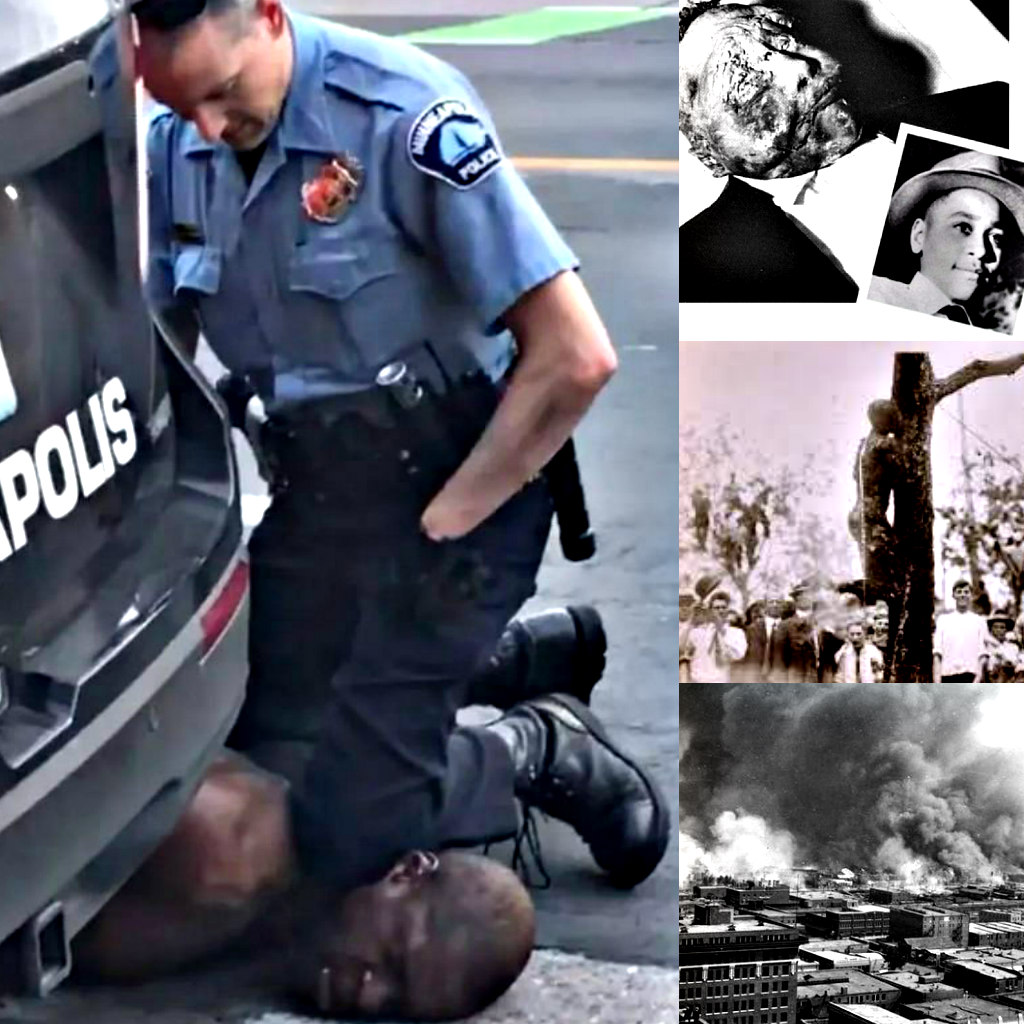
The history of Black people in America is tragically punctuated by acts of racial terror, lynching, and systemic injustice. Hate crimes against African Americans have not only taken individual lives but also reinforced centuries of inequality and fear. This essay highlights ten of the most significant hate crimes in American history, revealing a consistent pattern of racialized violence that continues to reverberate in the present day.

The lynching of Emmett Till in 1955 stands as one of the most notorious hate crimes in U.S. history. At only fourteen years old, Till was brutally murdered in Mississippi for allegedly whistling at a white woman. His mutilated body, displayed publicly by his mother, Mamie Till-Mobley, exposed the horror of racial hatred to the world. The acquittal of his murderers by an all-white jury demonstrated the deep complicity of the justice system in racial violence (Whitfield, 1988).

The 1921 Tulsa Race Massacre remains one of the most devastating racial attacks on Black prosperity. White mobs destroyed the prosperous Greenwood District, known as “Black Wall Street,” killing an estimated 300 people and displacing thousands. The massacre wiped out decades of economic progress and reinforced the racial hierarchy that dominated early 20th-century America (Ellsworth, 1992).

Another brutal episode occurred during the Rosewood Massacre of 1923 in Florida, where a false accusation against a Black man led to the burning of an entire Black town. Dozens were killed, and survivors fled into swamps to escape white mobs. The incident was later recognized by the state of Florida, which awarded reparations to survivors decades later (D’Orso, 1996).

The Birmingham Church Bombing of 1963, which killed four young girls—Addie Mae Collins, Denise McNair, Carole Robertson, and Cynthia Wesley—shocked the conscience of the nation. The bombing, carried out by Ku Klux Klan members, occurred during the height of the civil rights movement and symbolized white resistance to desegregation and Black empowerment (McWhorter, 2001).

The murder of Medgar Evers in 1963, a civil rights leader and NAACP field secretary in Mississippi, represented another targeted act of racial terrorism. Evers was assassinated in his driveway for his efforts to secure voting rights and challenge segregation. His death galvanized the civil rights movement and intensified national awareness of southern racism (Marable, 1984).

The lynching of Jesse Washington in 1916 in Waco, Texas, was one of the most barbaric acts of mob violence ever recorded. A crowd of thousands gathered to watch as Washington was tortured and burned alive. The atrocity highlighted the normalization of public lynching as entertainment and a tool of white supremacy (Dray, 2002).

The Central Park Five case (1989) exposed how systemic racism can manifest within the criminal justice system without physical lynching. Five Black and Latino teenagers were wrongfully convicted of raping a white woman in Central Park. Media bias, coerced confessions, and racial profiling led to years of imprisonment before their exoneration. The case illustrated how racial fear could replace evidence in shaping narratives (Burns, 2011).

The Charleston Church Massacre in 2015 further proved that racial hatred still thrives in modern America. Dylann Roof entered the historic Emanuel AME Church and murdered nine Black worshipers during Bible study. This act of terror targeted a sacred space and echoed the domestic terrorism once carried out by the Ku Klux Klan (Thompson, 2016).

The murder of James Byrd Jr. in 1998 in Jasper, Texas, was a gruesome reminder that lynching never truly ended. Byrd was chained to the back of a truck and dragged for miles by three white supremacists. His death prompted national outrage and led to the 2009 Matthew Shepard and James Byrd Jr. Hate Crimes Prevention Act, expanding federal hate crime laws (Coleman, 2010).

The killing of George Floyd in 2020 reignited the global fight against racial injustice. Floyd’s death, captured on video as a white police officer knelt on his neck for over nine minutes, symbolized centuries of institutionalized violence against Black bodies. His dying words, “I can’t breathe,” became a rallying cry for the Black Lives Matter movement, leading to one of the largest civil rights protests in modern history (Clayton, 2020).

Each of these incidents illustrates how racism in America transcends time, geography, and form—manifesting in lynchings, massacres, police brutality, and judicial bias. The persistence of hate crimes underscores that racial violence is not an aberration but a fundamental feature of the American racial order.

Historically, these acts were often justified or ignored by law enforcement and political institutions, revealing systemic complicity. The failure to hold perpetrators accountable reinforced cycles of violence and mistrust within the Black community (Alexander, 2010).

Modern hate crimes, including the murders of Trayvon Martin, Ahmaud Arbery, and Breonna Taylor, continue this legacy. Each incident reflects a continuum of racialized fear and control rooted in America’s original sin—slavery and white supremacy (Taylor, 2016).

Sociologists argue that hate crimes against Black Americans are not merely individual acts but collective expressions of dominance intended to maintain racial hierarchy (Feagin, 2013). The violence communicates that Black progress and autonomy are met with punishment.

Media framing has often contributed to victim-blaming and the criminalization of Black identity. From Emmett Till to George Floyd, victims are frequently portrayed as threatening or non-compliant, a tactic that subtly absolves perpetrators (Entman & Rojecki, 2000).

Education about these events remains essential for dismantling ignorance and denial. Erasing or minimizing racial atrocities fosters a dangerous cultural amnesia that perpetuates prejudice (Loewen, 1995).

The psychological impact on Black Americans—manifested in generational trauma, mistrust of institutions, and internalized fear—continues to affect community health and cohesion (Comas-Díaz et al., 2019).

Despite this painful history, Black resilience endures. The collective response to racial violence has birthed justice movements, from civil rights to Black Lives Matter, reaffirming the enduring spirit of a people determined to live free and equal.

Ultimately, these ten hate crimes are not isolated tragedies but interconnected chapters in the story of America’s racial conscience. Understanding them demands not only remembrance but transformation—a collective moral reckoning that ensures such hatred never again defines the nation’s soul.


References

Alexander, M. (2010). The New Jim Crow: Mass Incarceration in the Age of Colorblindness. New Press.
Burns, S. (2011). The Central Park Five: The Untold Story Behind One of New York City’s Most Infamous Crimes. Knopf.
Clayton, J. (2020). George Floyd and the Rebirth of the Movement for Black Lives. Journal of Race and Social Justice, 5(2), 45–58.
Coleman, W. (2010). Hate Crimes in America: James Byrd Jr. and Beyond. Oxford University Press.
Comas-Díaz, L., Hall, G. N., & Neville, H. A. (2019). Racial trauma: Theory, research, and healing. American Psychologist, 74(1), 1–12.
D’Orso, M. (1996). Like Judgment Day: The Ruin and Redemption of a Town Called Rosewood. Perennial.
Dray, P. (2002). At the Hands of Persons Unknown: The Lynching of Black America. Random House.
Ellsworth, S. (1992). Death in a Promised Land: The Tulsa Race Riot of 1921. LSU Press.
Entman, R. M., & Rojecki, A. (2000). The Black Image in the White Mind: Media and Race in America. University of Chicago Press.
Feagin, J. R. (2013). Racist America: Roots, Current Realities, and Future Reparations. Routledge.
Loewen, J. W. (1995). Lies My Teacher Told Me: Everything Your American History Textbook Got Wrong. New Press.
Marable, M. (1984). Race, Reform, and Rebellion: The Second Reconstruction in Black America. University Press of Mississippi.
McWhorter, D. (2001). Carry Me Home: Birmingham, Alabama, the Climactic Battle of the Civil Rights Revolution. Simon & Schuster.
Taylor, K.-Y. (2016). From #BlackLivesMatter to Black Liberation. Haymarket Books.
Thompson, E. (2016). Charleston shooting: White supremacy, religion, and the politics of forgiveness. Journal of American Culture, 39(4), 385–392.
Whitfield, S. J. (1988). A Death in the Delta: The Story of Emmett Till. Johns Hopkins University Press.

ChatGPT can make mistakes. Check important info.

The Male Files: Black Men of the Past, History, and Values.

The legacy of Black men throughout history is a chronicle of courage, intellect, and moral strength. Too often, mainstream narratives reduce their contributions to fragments—overlooking the deep values that guided their endurance and brilliance. From the kingdoms of Africa to the modern struggles of identity in America, the Black man has been a central figure in the construction of civilization and the preservation of humanity’s conscience. His story is not just one of survival but of purpose, rooted in ancestral wisdom and spiritual discipline.

The image of the Black man before colonialism was one of leadership and sacred duty. In empires such as Mali, Songhai, and Kemet (Egypt), men were not only warriors and rulers but also philosophers, astronomers, and spiritual guides. Their sense of manhood was inseparable from service to community and reverence for the divine. Mansa Musa of Mali, for instance, exemplified how wealth and faith could coexist under moral responsibility, making him one of history’s most revered kings (Gomez, 1998).

Colonialism, however, disrupted this equilibrium. European imperialists imposed false hierarchies that redefined the African man as primitive, stripping him of dignity and rewriting his identity through the lens of conquest. The transatlantic slave trade transformed men once viewed as protectors and visionaries into property. Yet, even in bondage, the enslaved man retained an inner compass of values—courage, faith, and brotherhood—that sustained his humanity against systematic dehumanization (Franklin & Moss, 2000).

Black men of the antebellum era carried an unspoken theology of resistance. Their faith was both shield and sword, as seen in the spirituals sung under the stars and the coded messages of liberation woven into song. The story of men like Denmark Vesey and Nat Turner reflects the moral paradox of faith and rebellion—where violence was not a lust for power but a cry for freedom born from divine conviction (Aptheker, 1943).

With emancipation came new challenges. The Reconstruction period presented opportunities for leadership and literacy, yet the rise of Jim Crow laws swiftly sought to crush these gains. Black men responded not by despair but by constructing values-based institutions—churches, schools, and fraternal orders—that instilled discipline and dignity. Leaders like Booker T. Washington and W. E. B. Du Bois embodied contrasting yet complementary visions of manhood: one rooted in practical labor and self-reliance, the other in intellectual excellence and cultural pride (Harlan, 1983).

Throughout the 20th century, the Black man became both the conscience and catalyst of social change. The Civil Rights era revealed men whose moral fortitude transcended fear. Martin Luther King Jr. wielded nonviolence as a weapon of divine justice, while Malcolm X called for self-defense and cultural awakening. Despite their differences, both shared the same masculine integrity—the conviction that manhood is not about dominance but discipline, not ego but service (Marable, 2011).

The strength of these men was not limited to their activism; it extended to their private lives as fathers, mentors, and builders. The Black father figure, though often attacked by policy and stereotype, has remained a vital symbol of stability and love. The presence of a guiding father or mentor—whether biological or spiritual—represents a foundational value in the Black male experience: accountability through legacy.

Black artistry has also served as a mirror of male evolution. Jazz, blues, and hip-hop became outlets for emotional expression in a world that often silenced the Black man’s voice. From Louis Armstrong’s trumpet to Kendrick Lamar’s lyrical introspection, these men have embodied vulnerability as strength, challenging toxic models of masculinity. Their art carries ethical messages of perseverance, faith, and cultural self-knowledge (Dyson, 2001).

The value system of the Black man has always been rooted in communal consciousness. In African and diasporic traditions, the concept of “Ubuntu”—I am because we are—captures the essence of his worldview. Manhood is measured not by isolation but by contribution. Even in the face of racism, this communal ethos has survived, inspiring social movements and mentorship programs that uphold integrity, responsibility, and respect as cornerstones of Black male identity.

In academia and philosophy, the Black man has reclaimed intellectual space once denied to him. Thinkers like Cornel West and Molefi Kete Asante have redefined masculinity through Afrocentric and moral frameworks, asserting that to be a man is to be morally awake. This intellectual tradition resists Western individualism by grounding value in collective elevation rather than competition (Asante, 2007).

Spiritually, the Black man’s faith remains one of his most defining values. The pulpit has long been his platform of leadership, where preachers like Richard Allen and T. D. Jakes have spoken truth to power. Even outside the church, his spiritual strength manifests in prayer, meditation, and ancestral reverence. The KJV Bible’s portrayal of righteous men—David, Joseph, Moses—resonates deeply within his cultural narrative, reinforcing the belief that godly character is the highest expression of manhood (Proverbs 20:7, KJV).

The challenges of modernity have not erased these values but tested them. Systemic racism, mass incarceration, and economic disenfranchisement continue to threaten the moral fabric of Black manhood. Yet, new generations of men are reclaiming purpose through mentorship, entrepreneurship, and fatherhood. The rebirth of the “modern griot”—the storyteller who teaches through wisdom—is proof that the value of knowledge endures.

Masculine values within the Black community emphasize balance—strength tempered with humility, courage coupled with compassion. The ideal man is both protector and nurturer, reflecting divine duality. His power is not to control but to sustain, his authority not to dominate but to serve. This ethical framework echoes the ancient African principle of Ma’at, representing truth, justice, and harmony (Karenga, 2004).

In examining historical figures like Frederick Douglass, we see a prototype of moral masculinity—an intellect sharpened by suffering, a leader shaped by conviction. His life embodies a recurring theme: that the Black man’s greatness lies not in what he possesses, but in what he perseveres through. The same can be said for countless unnamed men who labored, prayed, and built legacies under the weight of oppression.

Values such as loyalty, integrity, and faith are not abstract ideals for the Black man—they are survival mechanisms. To navigate a world that questions his humanity, he must cultivate inner peace and moral consistency. In every era, from slavery to the digital age, these values have anchored him, ensuring that his reflection in history’s mirror is not defined by pain alone, but by principle.

The psychological and emotional wellness of the Black man has become a vital modern conversation. Healing from generational trauma requires returning to ancestral values—brotherhood, spiritual grounding, and emotional intelligence. These are not signs of weakness but pathways to restoration. As Proverbs 27:17 teaches, “Iron sharpeneth iron; so a man sharpeneth the countenance of his friend.” Brotherhood remains a sacred practice of renewal.

Education has always been both shield and sword for the Black man. The pursuit of knowledge represents not assimilation but liberation—a means to reclaim narrative and redefine identity. The value of education, both formal and spiritual, transforms oppression into opportunity and silence into strategy.

As history continues to unfold, the story of Black men remains unfinished but unbroken. From ancient kings to modern visionaries, they are the living embodiment of endurance shaped by ethics. The “Male Files” of history reveal not just a pattern of survival, but a symphony of values—faith, resilience, honor, and love—that continue to define their collective soul.

In the mirror of time, the Black man sees more than scars—he sees structure. His reflection is not one of victimhood but vision, not despair but determination. The values that were carried his ancestors now sustain his sons. The beauty of his story is not only in his strength, but in the moral code that gives that strength purpose.


References

Aptheker, H. (1943). American Negro slave revolts. Columbia University Press.
Asante, M. K. (2007). Afrocentricity: The theory of social change. African American Images.
Dyson, M. E. (2001). Holler if you hear me: Searching for Tupac Shakur. Basic Civitas Books.
Franklin, J. H., & Moss, A. A. (2000). From slavery to freedom: A history of African Americans. McGraw-Hill.
Gomez, M. A. (1998). Exchanging our country marks: The transformation of African identities in the colonial and antebellum South. University of North Carolina Press.
Harlan, L. R. (1983). Booker T. Washington: The wizard of Tuskegee, 1901–1915. Oxford University Press.
Karenga, M. (2004). Maat, the moral ideal in ancient Egypt: A study in classical African ethics. Routledge.
Marable, M. (2011). Malcolm X: A life of reinvention. Viking.
The Holy Bible, King James Version. (1611/2017). King James Bible Online. https://www.kingjamesbibleonline.org/

The Beauty of Strength: Black Masculinity in the Mirror of History.

The story of Black masculinity is one of both suffering and sublimity—of men whose beauty has been distorted by oppression yet refined by endurance. From the chains of slavery to the boardrooms of modern society, the image of the Black man has continually evolved, reflecting a history of resistance, resilience, and redemption. The beauty of his strength lies not in brute force but in the spiritual, intellectual, and emotional fortitude that has allowed him to survive centuries of dehumanization.

To understand Black masculinity, one must look into the mirror of history, where reflection becomes revelation. The first distortion appeared under colonialism, when European powers constructed false hierarchies of humanity. The Black man was cast as savage, incapable of reason or refinement, his physical strength seen as both his value and his curse (Fanon, 1952). Yet beneath these imposed identities existed a sacred masculinity shaped by ancient African civilizations—nations that valued wisdom, artistry, and spirituality as measures of true manhood.

In precolonial Africa, masculinity was integrative, not dominating. Kings, warriors, and priests carried the dual duty of protection and provision with humility before the divine. Empires like Mali and Kush celebrated male beauty as divine order, where strength was married to grace, and leadership to love. Such conceptions were violently disrupted by the slave trade, which turned the Black male body into an economic commodity rather than a sacred vessel (Gomez, 1998).

The transatlantic slave trade fractured identity and redefined manhood under bondage. The Black man’s physical strength was exploited for labor, while his emotional expression was suppressed to prevent rebellion. In these conditions, strength became survival. Yet even in the most brutal systems, enslaved men found ways to redefine masculinity—through song, brotherhood, and faith. Their resilience was a spiritual act of resistance, preserving fragments of humanity within an inhumane world (Franklin & Moss, 2000).

The Reconstruction era offered a fleeting glimpse of restored dignity. Freed Black men sought to build families, own land, and educate themselves, embodying the beauty of responsibility and renewal. But white supremacist backlash sought to reimpose dominance, inventing myths like the “Black brute” stereotype to criminalize strength and reassert racial hierarchy (Alexander, 2010). Even today, this narrative persists through media caricatures that equate Black masculinity with danger rather than discipline.

Yet throughout history, the Black man’s image has also been self-reclaimed. The Harlem Renaissance redefined masculine beauty through art, intellect, and poise. Figures like Langston Hughes, Duke Ellington, and Alain Locke offered new models of manhood that combined confidence with creativity. Their aesthetic grace challenged America’s obsession with fear-based masculinity, celebrating a balance of strength and sensitivity (Huggins, 2007).

The Civil Rights Movement further revealed the moral beauty of Black masculinity. Men like Martin Luther King Jr. and Malcolm X embodied courage rooted in conviction, using moral authority as a weapon stronger than any sword. Their leadership showed that real power flows not from domination but from disciplined love—a love that demands justice. Their public images, often demonized, actually reflected divine fortitude in human form.

In this mirror of history, one also sees the emotional cost of constant resilience. The Black man has often been denied the right to be vulnerable, to express pain without judgment. Society’s expectation of hypermasculinity has become both armor and prison. Yet, when he allows his authentic emotions to emerge, his humanity shines. This emotional transparency reclaims beauty from the battlefield of survival.

The modern Black man stands at a crossroads—torn between ancestral wisdom and contemporary pressure. While Western society continues to commodify and caricature his body, he is learning to define himself anew: as lover, father, thinker, and spiritual being. The rise of movements like “Black Men Heal” and “Brotherhood Circles” mark a cultural shift toward holistic manhood rooted in wellness and self-awareness (Akbar, 1996).

Physical beauty has always been central to the mythologizing of Black masculinity. From the statuesque athletes to the stoic revolutionaries, his physique evokes awe and envy. Yet, to reduce him to mere muscle is to miss the poetry in his posture—the story written in his skin. His form carries ancestral memory; his eyes hold a depth forged by generations of endurance. His beauty is not performance but persistence.

In the arts, new visual and literary movements seek to restore balance to the image of the Black man. Photographers like Gordon Parks and painters like Kehinde Wiley reimagine him with royal dignity—no longer subject but sovereign. These representations undo centuries of degradation and invite viewers to see what history tried to conceal: that the Black man is both warrior and work of art.

Spiritually, the Black man’s strength is mirrored in his faith journey. From the spirituals of the fields to the sermons of the pulpit, he has drawn divine power from affliction. His relationship with God has always been intimate, rooted in the belief that suffering births purpose. As scripture declares, “My strength is made perfect in weakness” (2 Corinthians 12:9, KJV). His beauty lies in this paradox—the capacity to endure without hardening his heart.

The legacy of fatherhood also reveals the beauty of strength. Despite systemic attempts to dismantle the Black family, many men have restored their lineage through love and guidance. Their nurturing presence redefines masculinity not as dominance but stewardship. To lead a household with patience and principle is one of the highest forms of strength.

The psychological struggle of the Black man cannot be separated from his social context. The trauma of racial profiling, economic exclusion, and intergenerational pain continues to shape self-image. Yet, healing begins when he sees himself not through the lens of oppression but reflection—when he recognizes his worth as created, not constructed. Therapy, faith, and community serve as mirrors that restore the vision blurred by history’s distortion.

Education and artistry have always been liberating forces for the Black man. The intellectual elegance of W. E. B. Du Bois, the musical mastery of Miles Davis, and the poetic boldness of Tupac Shakur represent beauty expressed through brilliance. Knowledge and creativity become new forms of strength—unseen but transformative.

Black masculinity today exists in many forms: the activist, the artist, the scholar, the father, the dreamer. Each expression expands the definition of beauty and strength. No longer confined to Eurocentric ideals or media stereotypes, these men reflect a truth as old as Africa itself—that strength is not oppression, but the ability to stand with grace under fire.

When the Black man looks in the mirror of history, he sees scars—but he also sees survival. He sees the reflection of kings, prophets, laborers, and poets. He sees divine design where others saw degradation. The mirror becomes a portal of remembrance, not regret.

The beauty of strength in Black masculinity, therefore, is both ancient and evolving. It is found in the quiet moments as much as in the heroic ones. It is not just a reflection of what was, but a prophecy of what will be: the restoration of dignity, the reconciliation of power and peace. In that reflection, the Black man finally beholds himself—not as the world has seen him, but as God has made him.


References (APA 7th Edition)

Akbar, N. (1996). Breaking the chains of psychological slavery. Mind Productions.
Alexander, M. (2010). The new Jim Crow: Mass incarceration in the age of colorblindness. The New Press.
Fanon, F. (1952). Black skin, white masks. Grove Press.
Franklin, J. H., & Moss, A. A. (2000). From slavery to freedom: A history of African Americans. McGraw-Hill.
Gomez, M. A. (1998). Exchanging our country marks: The transformation of African identities in the colonial and antebellum South. University of North Carolina Press.
Huggins, N. I. (2007). Harlem Renaissance. Oxford University Press.
The Holy Bible, King James Version. (1611/2017). King James Bible Online. https://www.kingjamesbibleonline.org/

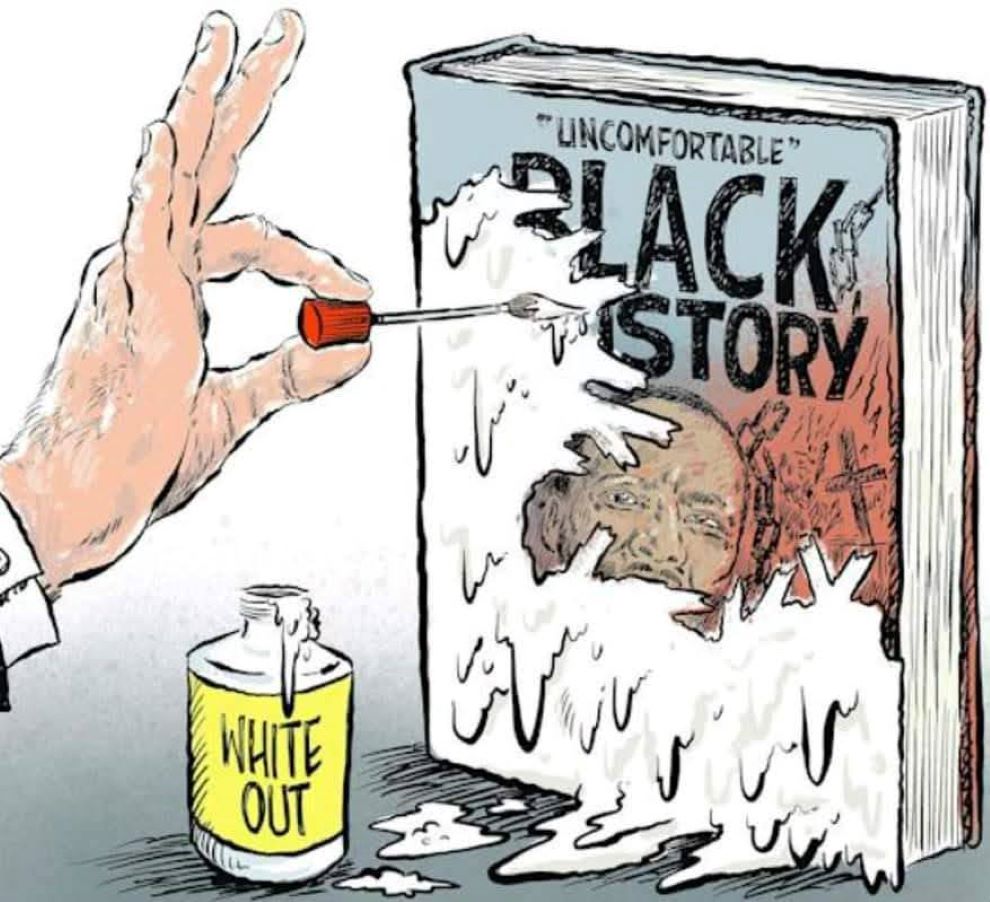
Black History, Has It Been Whitewashed?

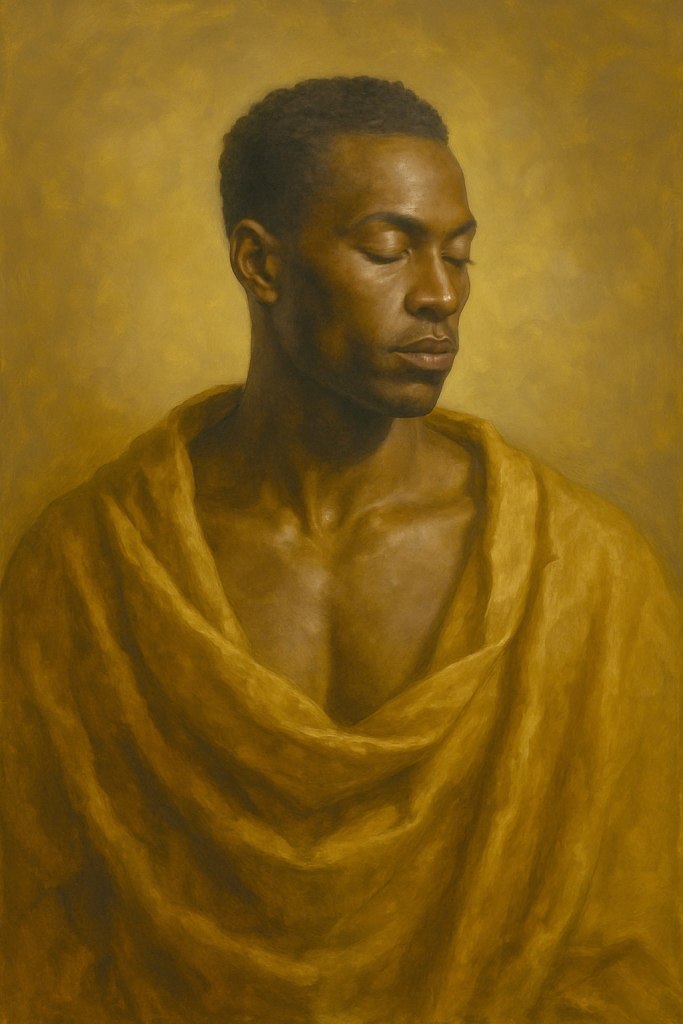
This artwork is the property of its respective owner. No copyright infringement intended.

Black history is more than a subject taught in February; it is the story of humanity itself, tracing the contributions, struggles, and triumphs of people of African descent from antiquity to the present. Yet for centuries, much of this history has been systematically erased, misrepresented, or “whitewashed.” Whitewashing refers to the deliberate alteration of historical narratives to favor Eurocentric perspectives, minimizing or excluding Black presence, contributions, and identity. This erasure is not merely academic—it shapes the psychology of Black people and the collective consciousness of society.

Hollywood has played a major role in this process. Biblical movies, for instance, have often depicted Hebrews, Egyptians, and early Christians as European in appearance, despite the geographical and anthropological evidence pointing to their African and Semitic roots. Films like The Ten Commandments (1956) portrayed Pharaoh and Moses as white men, subtly reinforcing the idea that leadership, divinity, and chosenness are synonymous with whiteness. This not only distorts biblical truth but also conditions audiences to associate Blackness with servitude rather than divine purpose.

The Bible itself points to a different narrative. Many key figures—Moses, Joseph, and even Christ—spent time in Africa. Christ was hidden in Egypt as a child (Matthew 2:13-15, KJV), which would not have been a safe hiding place if He were a pale-skinned foreigner who stood out among the population. The Song of Solomon 1:5 (KJV) proclaims, “I am black, but comely,” affirming that dark skin was celebrated in ancient texts. The erasure of this truth diminishes the representation of Black identity in the biblical narrative.

Black history, in its truest sense, includes the kingdoms of Mali, Ghana, and Songhai; the libraries of Timbuktu; the inventions, music, and philosophies of African civilizations. It also includes the Middle Passage, slavery, and systemic oppression that followed. To study Black history is to study resilience, creativity, and faith. It is the acknowledgment of a people who survived one of the greatest crimes in human history and still found ways to bless the nations with culture, innovation, and spiritual depth.

The whitewashing of slavery is one of the most dangerous forms of historical erasure. Some school systems now refer to enslaved people as “workers” or claim that slavery was “beneficial” because it taught Africans “skills.” This revisionist narrative strips away the brutality of chattel slavery—the whippings, the family separations, the psychological warfare. Exodus 1:13-14 (KJV) describes how the Egyptians “made the children of Israel to serve with rigour,” which mirrors the forced labor and oppression endured by Africans in the Americas.

From a psychological standpoint, erasing or minimizing slavery has generational effects. Theories of intergenerational trauma suggest that the pain of slavery has been passed down genetically and emotionally (DeGruy, 2005). When history is hidden, Black communities are denied the opportunity to heal, grieve, and demand justice. It is psychologically disorienting to live in a world that denies the truth of your ancestors’ suffering while expecting you to “move on.”

The question arises: why would white society want to keep slavery hidden? The answer is multifaceted. To confront slavery honestly would require acknowledging that the wealth of nations like the United States, Britain, and France was built on Black suffering. It would also raise moral questions about reparations, justice, and restitution. Psychologically, some white individuals experience “white guilt” and prefer to avoid discomfort by sanitizing history (Spanierman & Cabrera, 2015).

The color of Black people has also been a point of erasure. In many educational and media portrayals, African Americans are depicted as a monolith, ignoring the diversity of skin tones, cultures, and histories. Colorism, which privileges lighter skin, has further complicated the narrative. Media representation often favors light-skinned actors to portray Black historical figures, which subtly communicates that lighter Blackness is more palatable to mainstream audiences.

Social media, while a tool for education, has also perpetuated whitewashing. Algorithms tend to amplify Eurocentric beauty standards and reward creators who fit into those ideals, often sidelining darker-skinned voices. Memes, viral trends, and TikTok dances created by Black users are frequently appropriated by non-Black influencers who gain more recognition and profit, leaving the originators invisible.

Whitewashing in education is particularly concerning. In some states, curriculum reforms have sought to limit or remove discussions of systemic racism and slavery from classrooms. This deprives young students—both Black and white—of a truthful understanding of history. Hosea 4:6 (KJV) warns, “My people are destroyed for lack of knowledge.” When history is withheld, it becomes easier to repeat cycles of oppression.

Psychologically, representation matters because it shapes identity. Social identity theory suggests that people derive part of their self-esteem from the groups to which they belong (Tajfel & Turner, 1986). When Black people see their history erased or distorted, it sends a message that they are insignificant or inferior. This can create internalized racism, self-hate, and low collective esteem.

The whitewashing of Black biblical history also has spiritual consequences. If Black people are taught that they have no place in sacred history, they may view Christianity as a “white man’s religion,” leading to spiritual disillusionment. Yet Acts 8:27-39 recounts the Ethiopian eunuch’s conversion and baptism, showing that Africans were among the first Christians. Reclaiming this narrative restores dignity and belonging.

The Bible takes place in Africa and the Middle East — regions where people historically had darker skin tones. The Hebrews, Egyptians, Ethiopians, and early Christians were not Northern Europeans. Yet, for centuries, European artists, church leaders, and later Hollywood filmmakers deliberately depicted them as white. This was not an accident — it was part of a larger project to make Christianity look “Western” and to align holiness, divinity, and authority with whiteness.

Here are a few key points you might find powerful:

  • Geography matters: The Bible’s events took place in regions like Egypt, Canaan, Babylon, and Jerusalem — all hot, sun-drenched places where people would have been brown-skinned or Black. Even Jesus’ family fled to Egypt (Matthew 2:13–15, KJV), a place where He would not have stood out if He were pale.
  • Biblical descriptions: Song of Solomon 1:5 (KJV) says, “I am black, but comely.” Lamentations 5:10 describes skin “black like an oven” from famine. Jeremiah 8:21 says, “I am black; astonishment hath taken hold on me.” These passages suggest that many biblical people were visibly dark-skinned.
  • Historical evidence: Ancient Israelite art, Egyptian tomb paintings, and archaeological records show people with brown to black skin tones, curly or woolly hair, and features common in African and Afro-Asiatic populations.
  • Whitewashing as control: When Europeans colonized Africa and enslaved Africans, they spread images of a white Jesus and white saints to justify slavery and teach that salvation came through European culture. This psychological tactic convinced many enslaved people that whiteness was divine and blackness was cursed — a lie that still shapes perceptions today.
  • Psychological effects: Seeing only white biblical figures can make Black and Brown believers feel disconnected from Scripture or think that God does not look like them. This is why representation matters — it shapes self-esteem, spiritual confidence, and cultural pride.

Slavery itself was justified using twisted theology, with slaveholders quoting Ephesians 6:5 (“Servants, be obedient to them that are your masters”) out of context, while ignoring the liberating themes of Scripture. This manipulation of the Word was an early form of whitewashing, reframing oppression as divine will rather than sin.

In popular culture, the whitewashing of Black music, dance, and language continues. Jazz, blues, and hip-hop—all birthed in Black communities—have been monetized by corporations while excluding the originators from full benefit. This economic exploitation mirrors historical patterns of taking from Black bodies and minds without acknowledgment.

The erasure of Black heroes is another tactic of whitewashing. Figures like Crispus Attucks, Ida B. Wells, and Garrett Morgan are rarely celebrated alongside Washington or Lincoln, despite their crucial roles in shaping American history. When they are mentioned, their Blackness is often downplayed, making them “race-neutral” heroes rather than distinctly Black ones.

This whitewashing creates a false sense of racial harmony by pretending racism never existed. It allows society to maintain systemic inequities while claiming progress. Proverbs 17:15 (KJV) warns against justifying the wicked, stating, “He that justifieth the wicked, and he that condemneth the just, even they both are abomination to the Lord.” To whitewash history is to justify wickedness and silence the righteous.

Psychologists argue that confronting historical injustice is essential for collective healing. Truth-telling initiatives, such as truth and reconciliation commissions, have been used in countries like South Africa to address systemic oppression. The United States has yet to fully reckon with its history of slavery, which is why racial tensions remain unresolved.

Social media activism has become one of the most powerful tools in combating whitewashing. Hashtags like #BlackLivesMatter and #BlackHistory365 have brought hidden stories to light, challenging mainstream narratives. This democratization of information gives Black people a voice that was long suppressed.

In conclusion, Black history has been whitewashed through media, education, religion, and social systems, but the truth continues to resurface. The erasure of slavery, Black biblical history, and cultural contributions has psychological and spiritual consequences that affect generations. Reclaiming Black history is not just an academic exercise but an act of resistance, healing, and restoration. To know Black history is to know the full story of humanity—and to resist the forces that seek to erase God’s image in Black bodies.


References

  • DeGruy, J. (2005). Post Traumatic Slave Syndrome: America’s Legacy of Enduring Injury and Healing. Joy DeGruy Publications.
  • Spanierman, L. B., & Cabrera, N. L. (2015). The emotions of White racism. Educational Psychologist, 50(3), 187–203.
  • Tajfel, H., & Turner, J. C. (1986). The social identity theory of intergroup behavior. In S. Worchel & W. Austin (Eds.), Psychology of intergroup relations (pp. 7–24). Nelson-Hall.

Key KJV Scriptures: Matthew 2:13-15; Song of Solomon 1:5; Exodus 1:13-14; Hosea 4:6; Acts 8:27-39; Proverbs 17:15; 1 Samuel 16:7; Proverbs 29:25.

ALLIGATOR BAIT: A Hidden Atrocity in the History of American Racism

Throughout American history, the dehumanization of African people has taken on many horrific forms, some of which are so cruel and grotesque that they are hard to believe. One of the most chilling accounts in the archive of American racial violence is the claim that Black infants were used as “alligator bait” in the American South during and after slavery. While some have debated the extent or literal truth of these claims, the imagery, language, and cultural legacy surrounding this horror are well-documented and speak to a broader system of anti-Black racism, objectification, and commodification of Black bodies.


The Practice of Using Black Children as “Alligator Bait”

The term “alligator bait” refers to the horrific allegation that enslaved African babies—or Black children during the Jim Crow era—were used as live bait to lure alligators from swamps and rivers. In this grotesque practice, babies were supposedly placed in cages or allowed to cry on the riverbank while hunters waited for the animals to approach. Once an alligator surfaced, it was killed for its hide, which was highly valued in the leather trade.

Although there is limited physical documentation of widespread, organized baby-baiting in the historical record, oral histories, newspaper clippings, and racist memorabilia (such as postcards and advertisements) provide disturbing clues that such acts were either practiced or imagined as symbolic of white supremacy’s cruelty. For instance, a 1908 article from the Washington Times referred to Black children being used in Florida to capture alligators, and similar stories appeared in newspapers in Arkansas and Louisiana in the early 20th century (Pilgrim, 2000).

The pervasive use of “alligator bait” imagery—from cartoons to toys and minstrel shows—suggests not just cruelty, but the widespread normalization of anti-Black violence and the portrayal of Black children as sub-human.


Why Did They Do This?

This disturbing practice—whether literal or metaphorical—was rooted in the ideology of white supremacy. Black bodies were viewed as property, as tools, or as lesser beings. The use of children as bait demonstrates a complete erasure of Black humanity. Several key motivations underpinned this:

  1. Profit and Commodification: Alligator hides were extremely profitable. If the stories are true, using children as bait may have been viewed as an expedient, if horrific, means to a profitable end.
  2. Dehumanization and Entertainment: During the height of Jim Crow, Black suffering was not only ignored—it was spectacle. White America consumed images of Black children in dangerous, humiliating, or deadly situations as entertainment or jokes.
  3. Racial Terror and Social Control: These narratives were also psychological warfare, teaching Black people that their lives—and even their children—were disposable in the eyes of white society.

Where Did This Happen?

Accounts and stories of this atrocity are most frequently tied to southern states such as Florida, Louisiana, and Arkansas, regions where both alligator hunting and anti-Black violence were common. Florida, in particular, is frequently cited in newspaper reports and oral traditions surrounding this practice. Additionally, racist ephemera from the early 1900s—postcards, advertisements, and figurines—originated in southern states and were sold throughout the country, indicating widespread social acceptance of this dehumanizing myth.


Slavery and the Lingering Effects on Black People

The legacy of American slavery is not only about labor and property, but about the psychological and physical destruction of Black life. Enslaved Africans were denied their humanity from birth to death. The concept of Black children being used as alligator bait reflects this legacy—a society so steeped in white supremacy that even Black babies were fair game for profit or sport.

The aftershocks of slavery—psychological trauma, economic deprivation, family fragmentation, and institutional racism—still affect Black communities today. The trope of “alligator bait” lives on as a symbol of historical trauma, reminding us that Black childhood was never truly protected in a white supremacist society.


Cultural Legacy and Racial Memory

While some historians argue that the practice may have been exaggerated or symbolic, its cultural impact is undeniable. Racist postcards from the early 20th century depicting Black babies as “alligator bait” were widespread, sold in drugstores, and mailed across the nation. These images reinforced the belief that Black people were animals, suitable for violent and demeaning treatment.

As late as the 1950s and 60s, older generations of Black families passed down oral histories warning of this cruel practice—not merely as folklore, but as a cautionary tale about white violence. These stories served as survival knowledge, designed to protect Black children from wandering near rivers or swamps alone.


Conclusion: Remembering to Heal

The story of “alligator bait” is one of the darkest chapters in America’s long history of racism, reflecting the utter devaluation of Black life. Whether taken literally or understood as symbolic of systemic dehumanization, it is a reminder of the brutality that white supremacy inflicted not just on adults, but on the most innocent—Black children.

Understanding these atrocities is not about dwelling in the past, but about acknowledging the pain and truth that many Black families have carried for generations. Only by facing these horrors head-on can we begin to repair the wounds and reclaim our stolen humanity.


References

  • Pilgrim, D. (2000). The Picaninny Caricature: Jim Crow Museum of Racist Memorabilia. Ferris State University. Retrieved from: https://www.ferris.edu/jimcrow/picaninny/
  • Washington Times (1908). “Bait Alligators With Pickaninnies”, Washington Times Archives.
  • Welsing, F. C. (1991). The Isis Papers: The Keys to the Colors. Third World Press.
  • Wood, M. (1997). Slavery, Race and American History. University Press of Virginia.
  • Hartman, S. (2007). Lose Your Mother: A Journey Along the Atlantic Slave Route. Farrar, Straus and Giroux.

Dilemma: Loss of Identity

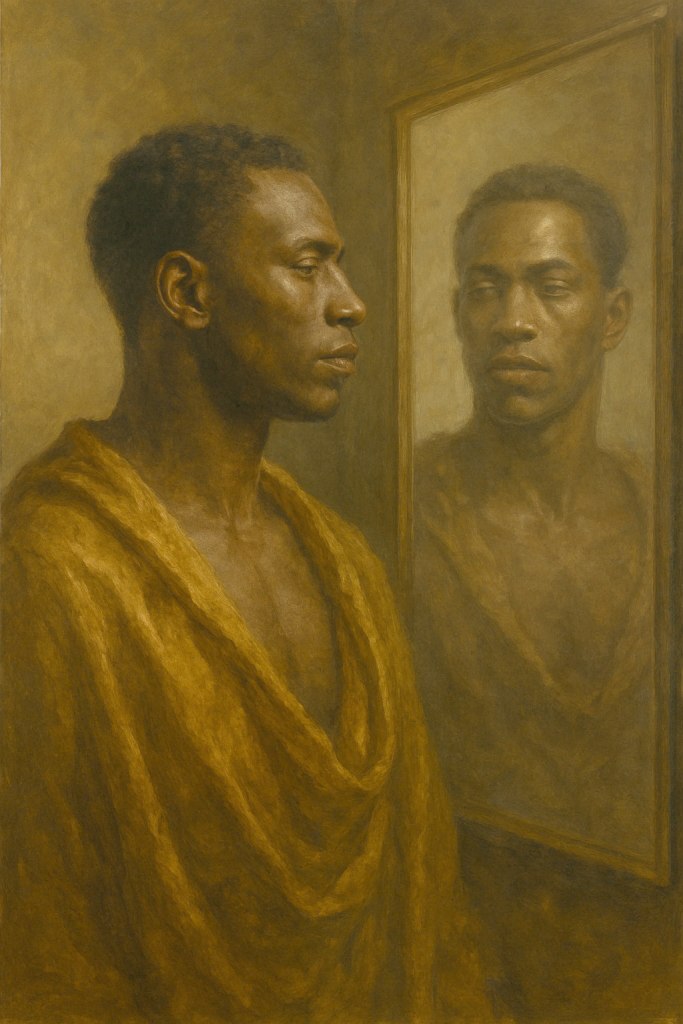
This artwork is the property of its respective owner. No copyright infringement intended.

Chains rattled with the tide,
Names stolen, tongues tied.
On waters wide, hope sank deep,
Captivity carried—memories we keep.

The loss of identity is one of the most profound dilemmas endured by humanity, particularly among oppressed peoples. For African descendants in the Americas, this dilemma is not abstract but lived—a consequence of slavery, colonization, and systemic erasure. This struggle to know oneself is both a personal and collective burden, rooted in history yet carried into the present.

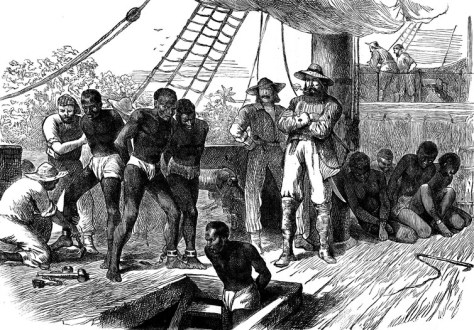
Slave Ships as Sites of Erasure

The transatlantic slave ships were more than vessels of transport; they were tools of identity annihilation. Families were torn apart, languages silenced, and cultural memories suppressed. Olaudah Equiano (1789/2001) described the Middle Passage as a space where people were treated as “commodities” rather than human beings. In this forced displacement, African men and women were stripped of their names, rituals, and belonging.

Captivity and Biblical Parallels

The Bible offers parallels to this historical tragedy. Deuteronomy 28:68 (KJV) prophesies, “And the LORD shall bring thee into Egypt again with ships… and there ye shall be sold unto your enemies for bondmen and bondwomen, and no man shall buy you.” This verse echoes the reality of Africans transported into captivity, linking the loss of identity to a spiritual dimension of exile and prophecy.

Identity as a Human Anchor

Psychologically, identity functions as an anchor. Erikson’s (1968) stages of psychosocial development emphasize identity formation as crucial to mental stability. When individuals are robbed of cultural markers, such as name, language, and ancestry, they experience fragmentation. Enslaved Africans and their descendants inherited this psychological wound across generations.

The Mask of Survival

In order to survive, many enslaved people were forced to adopt the identity of their oppressors. Names were replaced with European ones, religions were imposed, and cultural practices were punished. This masking of the true self aligns with W.E.B. Du Bois’s (1903/1994) concept of “double consciousness,” where African Americans lived with the tension of their authentic self and the imposed gaze of white society.

Spiritual Disconnection

Another dimension of identity loss was spiritual. Many Africans brought rich religious traditions, yet these were suppressed and replaced with distorted forms of Christianity that justified slavery. While the true liberating message of the Gospel offered hope, its manipulation by oppressors contributed to spiritual confusion, making faith itself a site of identity struggle (Raboteau, 2004).

The Generational Silence

The dilemma did not end with emancipation. Generations inherited silence rather than memory. Families often lacked knowledge of their origins beyond slavery, leading to fractured identities. This loss of ancestral connection created cultural amnesia, leaving African descendants vulnerable to assimilation and shame.

The Psychological Cost

Research shows that historical trauma can have intergenerational effects. Danieli (1998) observed how unresolved trauma in one generation transmits to the next, manifesting in depression, anxiety, or internalized oppression. For Black communities, the unresolved trauma of slavery contributed to identity confusion, cycles of poverty, and weakened family structures.

Identity and Racism

The external world reinforced this loss through systemic racism. Stereotypes, laws, and discriminatory practices labeled Black people as inferior, perpetuating the identity imposed during slavery. This external misrepresentation created internal conflict, where individuals wrestled with the lies of society versus the truth of their humanity.

The Role of Education

Carter G. Woodson (1933/2006) argued in The Mis-Education of the Negro that systemic erasure within education reinforced identity loss. Black history was omitted or distorted, causing generations to believe they had no legacy worth preserving. Education became a battleground for identity reclamation.

The Dilemma of Assimilation

In pursuit of acceptance, many African Americans adopted European standards of beauty, speech, and culture. While assimilation provided opportunities for survival, it deepened the dilemma of identity: to belong outwardly meant to deny inwardly. This paradox remains visible today in debates about hair, skin tone, and language.

The Bible as Restoration

Despite misuse by oppressors, Scripture also became a source of restoration. Psalms 137:1 (KJV) captures the lament of displaced people: “By the rivers of Babylon, there we sat down, yea, we wept, when we remembered Zion.” The cry of exiles resonates with African descendants longing for identity, showing that biblical narratives of captivity also carry promises of restoration.

Community as Healer

Identity is not rebuilt in isolation but in community. Black churches, cultural movements, and grassroots organizations became centers of identity reclamation. Through music, worship, and storytelling, fragments of identity were pieced back together, restoring dignity and hope.

The Role of Memory

Remembering is itself an act of resistance. By preserving oral histories, traditions, and genealogies, communities resist erasure. Isaiah 58:12 (KJV) promises, “And they that shall be of thee shall build the old waste places… thou shalt be called, The repairer of the breach.” Remembering builds bridges between past and future.

Cultural Reclamation Movements

The Harlem Renaissance, Black Power, and Pan-African movements sought to reclaim lost identity. By celebrating African heritage, art, and pride, these movements countered centuries of imposed inferiority. They demonstrated that cultural expression is not merely art but a tool of identity restoration.

Psychological Healing

Healing identity loss requires psychological and spiritual renewal. Romans 12:2 (KJV) urges believers to “be transformed by the renewing of your mind.” Therapy, cultural education, and spiritual grounding all contribute to rebuilding fragmented identities, offering freedom from internalized lies.

Modern Identity Struggles

Even today, Black communities wrestle with dilemmas of identity. From debates over African versus African American identity to struggles with colorism and beauty standards, the search for self continues. The legacy of slavery’s identity theft lingers in these ongoing struggles.

Toward Restoration

Restoration comes when individuals and communities reclaim their heritage, affirm their worth, and embrace their divine purpose. Identity is not only about ancestry but also about destiny. Recognizing oneself as created in the image of God (Genesis 1:27, KJV) provides the ultimate foundation for restored dignity.

Conclusion

The dilemma of loss of identity is both a wound and a call to healing. Though chains, ships, and systems sought to erase, the memory of a people endures. Through history, faith, and collective resilience, identity can be reclaimed. What was lost in captivity can be restored in truth, for identity rooted in God and heritage cannot be permanently destroyed.


References

  • Danieli, Y. (1998). International handbook of multigenerational legacies of trauma. Springer.
  • Du Bois, W. E. B. (1994). The souls of Black folk. Dover. (Original work published 1903)
  • Equiano, O. (2001). The interesting narrative of the life of Olaudah Equiano. Bedford/St. Martin’s. (Original work published 1789)
  • Erikson, E. H. (1968). Identity: Youth and crisis. Norton.
  • Raboteau, A. (2004). Slave religion: The “invisible institution” in the antebellum South. Oxford University Press.
  • Woodson, C. G. (2006). The mis-education of the Negro. Book Tree. (Original work published 1933)
  • The Holy Bible, King James Version.

Creoles of Louisiana: History, Identity, and Culture.

This photograph is the property of its respective owners. No infringement intended.

The Creoles of Louisiana are a unique cultural group whose roots go back to the French and Spanish colonial periods of the 18th century. The word “Creole” originally referred to people born in the colonies rather than in Europe, but over time, it came to describe a population of mixed European, African, and Native American ancestry that developed a distinct identity in Louisiana (Domínguez, 1994). The Creole community was shaped by colonial rule, the transatlantic slave trade, and the blending of cultures in the Gulf Coast region.

The racial and cultural mixture of Louisiana Creoles is complex. Many Creoles were of French and Spanish descent, intermarrying with Africans and Native Americans, which created a population with diverse skin tones, languages, and traditions (Hall, 1992). This blending produced a rich cultural heritage that included Catholicism, French or Creole French language, and a strong emphasis on music, cuisine, and family traditions. Creoles of color, in particular, played a unique role in Louisiana society, forming a class that was socially distinct from both enslaved Africans and white European settlers.

The origins of Louisiana Creoles can be traced to the early 1700s, when Louisiana was a French colony. By the mid-18th century, enslaved Africans from West Africa were brought into the colony, contributing not only labor but also culture, language, and traditions. Spanish rule, which lasted from 1763 to 1800, added another layer of influence. After the Louisiana Purchase in 1803, Creoles resisted assimilation into Anglo-American culture and worked to preserve their distinct identity (Hirsch & Logsdon, 1992).

An example of a well-known Creole is the famous writer and folklorist George Washington Cable, who documented Creole life in New Orleans, or more recently, singer Beyoncé Knowles, whose mother, Tina Knowles, is of Louisiana Creole heritage. Creoles can range widely in appearance, from very fair-skinned individuals with European features to darker-skinned individuals with African features, reflecting their mixed ancestry. This diversity in appearance often confounded simplistic racial categories in America’s history (Domínguez, 1994).

Historical Creoles of Louisiana

The historical Creoles of Louisiana were a culturally rich and socially complex community who emerged during the French and Spanish colonial periods in the 18th and 19th centuries. The word “Creole” originally meant “born in the colony” and applied to both Europeans and Africans born in Louisiana rather than in their ancestral homelands (Hall, 1992). Over time, it came to describe a distinctive class of people who were shaped by the blending of French, Spanish, African, and Native American influences.

One prominent group was the Creoles of color (gens de couleur libres), free people of mixed African and European ancestry who occupied a unique social position. They were neither enslaved nor fully accepted into white society, but they developed their own communities with strong traditions in music, art, education, and business (Hirsch & Logsdon, 1992). Many were educated in France, owned property, and even owned businesses or plantations.

Among the most famous historical Creoles was Marie Laveau (1801–1881), the legendary Voodoo priestess of New Orleans. She was a free woman of color who gained great influence in both the Black and white communities of the city. Her legacy blends religion, mysticism, and Creole culture, making her one of the most enduring symbols of Louisiana Creole identity (Long, 2006).

Another notable Creole figure was Homer Plessy (1862–1925), the plaintiff in the landmark Supreme Court case Plessy v. Ferguson (1896). Plessy, a Creole of color, challenged segregation laws by refusing to leave a whites-only train car, leading to the infamous “separate but equal” ruling. His activism reflects the long history of Creoles advocating for civil rights.

Creoles also made major contributions in the arts. Louis Moreau Gottschalk (1829–1869), a world-renowned pianist and composer, was of Creole descent. He brought Louisiana musical traditions to the international stage, blending European classical music with Afro-Caribbean and Creole rhythms (Saffle, 1995).

Visually, historical Creoles varied greatly in appearance. Some had light skin and European features, while others had darker complexions reflecting African ancestry. This diversity often blurred rigid racial categories in America’s history, making Creoles a community that challenged the black-and-white binary system of racial identity (Domínguez, 1994).

Socially, Creoles were also known for their traditions, such as Creole society balls, especially the “quadroon balls,” which introduced mixed-race women into elite circles. These gatherings reflected both the elegance and the racial complexities of Creole society in New Orleans.

By the late 19th and early 20th centuries, Creole identity began to shift due to segregation laws and Americanization after the Louisiana Purchase. Yet, historical Creoles left an enduring mark on Louisiana through music, food, religion, and resistance to cultural erasure. Their legacy is still celebrated today in New Orleans festivals, Creole cuisine, and the preservation of the Creole French language.

A key distinction exists between Creoles and Cajuns in Louisiana. Cajuns are descendants of French-speaking Acadians who were expelled from Canada (Nova Scotia) in the mid-1700s and settled in rural southern Louisiana. They developed their own culture, marked by Catholicism, French dialects, and rural traditions (Ancelet, 1991). In contrast, Creoles were often urban, tied to New Orleans and plantation life, and represented a broader racial and cultural mix. While both groups share French roots, their histories and identities are distinct.

Social life for Creoles in the 18th and 19th centuries included elaborate traditions such as Creole balls, which were formal gatherings that showcased music, fashion, and dance. These events often served as opportunities for members of the Creole community to preserve cultural identity and reinforce social ties. One particularly notable tradition was the “quadroon balls” in New Orleans, where women of mixed African and European ancestry were introduced into society, often leading to complex social arrangements within the racial caste system (Hirsch & Logsdon, 1992).

Creole culture is also deeply tied to music, food, and religion. Catholicism played a central role, influencing festivals such as Mardi Gras, which was celebrated with both sacred and secular dimensions. Creole cuisine, blending French, African, Spanish, and Caribbean flavors, produced iconic dishes like gumbo, jambalaya, and étouffée. Musically, Creoles contributed to jazz, zydeco, and other genres that are now central to Louisiana’s cultural identity.

Today, Louisiana Creoles continue to preserve their heritage while also navigating questions of racial and cultural identity in modern America. Their history of resilience, creativity, and adaptation has made them one of the most distinct cultural groups in the United States. Through language, food, music, and traditions, the Creoles of Louisiana embody the complexity of American history and the richness of cultural fusion.


References

  • Ancelet, B. J. (1991). Cajun Music and Zydeco. University Press of Mississippi.
  • Domínguez, V. R. (1994). White by Definition: Social Classification in Creole Louisiana. Rutgers University Press.
  • Hall, G. M. (1992). Africans in Colonial Louisiana: The Development of Afro-Creole Culture in the Eighteenth Century. LSU Press.
  • Hirsch, A. R., & Logsdon, J. (1992). Creole New Orleans: Race and Americanization. LSU Press.
  • Hirsch, A. R., & Logsdon, J. (1992). Creole New Orleans: Race and Americanization. LSU Press.
  • Long, C. (2006). A New Orleans Voudou Priestess: The Legend and Reality of Marie Laveau. University Press of Florida.
  • Saffle, M. (1995). Louis Moreau Gottschalk: Selected Studies in Nineteenth-Century American Music. Garland Publishing.