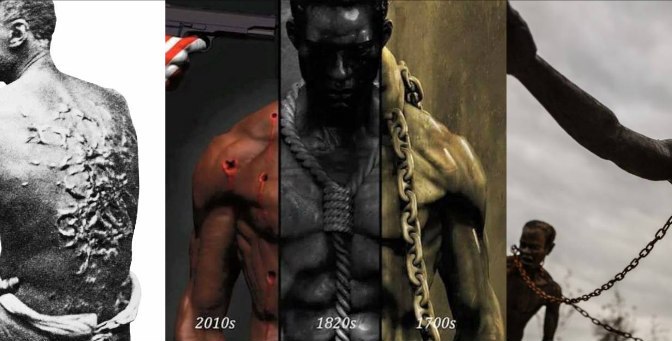
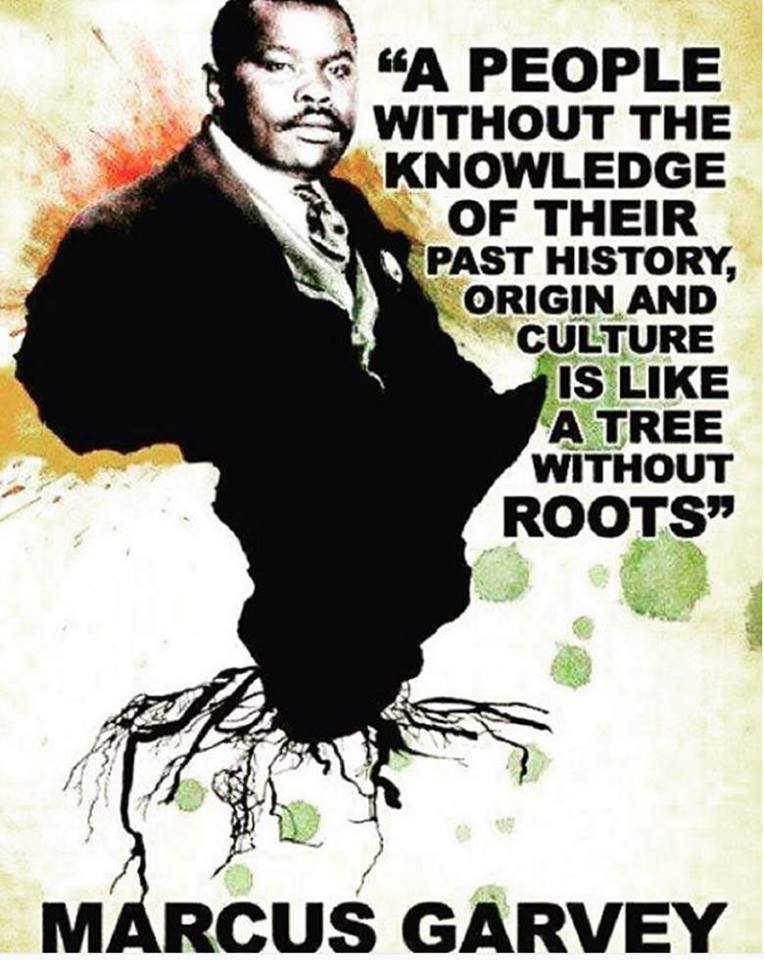
Category Archives: black history

Black History: Emmett Louis Till

“Let the world see what they did to my boy.”
Mamie Till-Mobley, mother of Emmett Till
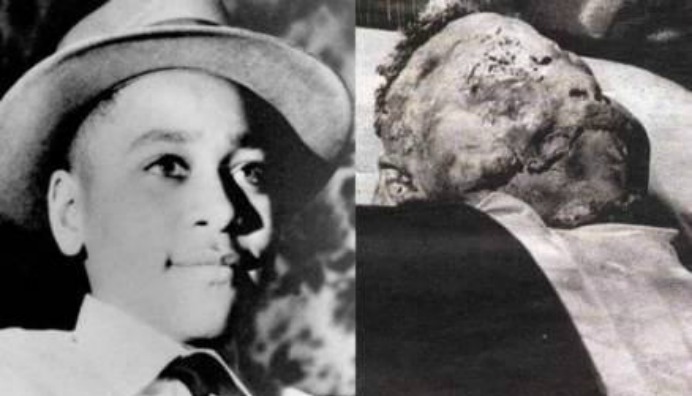
These photographs are the property of their respective owners.


The Face of Deception: Revisiting the Lynching of Emmett Till and the Lie That Cost a Life

In one of the most chilling and defining moments of the American civil rights movement, 14-year-old Emmett Louis Till became a symbol of racial injustice, brutality, and the deadly consequences of false accusations. In 1955, a white woman, Carolyn Bryant Donham, falsely accused the teenager of making inappropriate advances toward her—a lie that ultimately led to his abduction, torture, and lynching at the hands of her husband and his half-brother.

The truth behind that lie would not fully surface for more than six decades.


A Lie That Cost a Life

In the summer of 1955, Emmett Till traveled from his hometown of Chicago, Illinois to Money, Mississippi, to visit relatives. While there, he entered Bryant’s Grocery and Meat Market, where he encountered Carolyn Bryant, a 21-year-old white woman and the wife of store owner Roy Bryant.

What happened next has been the subject of myth, outrage, and decades of distortion. Carolyn Bryant initially claimed that Till had made lewd remarks, grabbed her hand, and whistled at her—an unthinkable offense in the Jim Crow South, where racial segregation and white supremacy ruled.

Three nights later, Roy Bryant and his half-brother, J.W. Milam, forcibly entered the home of Till’s great-uncle, Mose Wright, and abducted Emmett at gunpoint. Till was brutally beaten, tortured, shot in the head, and his mutilated body was tied with barbed wire to a 75-pound cotton gin fan and dumped in the Tallahatchie River. His corpse was discovered three days later.

When Emmett’s body was returned to Chicago, his mother, Mamie Till-Mobley, made the courageous decision to hold an open-casket funeral, stating, “I wanted the world to see what they did to my boy.

Photos of Till’s disfigured face, published in Jet Magazine, shocked the nation and galvanized the growing civil rights movement.


Decades Later: The Confession of a Lie

In 2007, author Timothy B. Tyson, while researching for his book The Blood of Emmett Till (Simon & Schuster, 2017), interviewed Carolyn Bryant Donham, who for the first time admitted that parts of her original story were untrue. She confessed that Emmett Till never physically touched or threatened her. Tyson wrote:

She said, ‘Nothing that boy did could ever justify what happened to him.’

This admission came more than 50 years too late. Neither Roy Bryant nor J.W. Milam ever faced justice; in fact, they openly confessed to the murder in a paid interview with Look Magazine in 1956, after being acquitted by an all-white jury. Double jeopardy laws protected them from being retried.

Donham’s late-life admission confirms what Black Americans had long known—that a white woman’s false testimony could mean a Black boy’s death, with impunity. The tragic irony is that justice was not delayed—it was denied.


A Pattern Still Seen Today

While Emmett Till’s story occurred nearly 70 years ago, it echoes in the modern era. The pattern of young Black men being killed due to suspicion, fear, or false accusation remains tragically relevant. From Trayvon Martin to Ahmaud Arbery, the legacy of racialized violence continues.

False accusations from white women have had lasting, deadly consequences—not just in the 20th century, but throughout American history. The archetype of the “dangerous Black man” and the “damsel in distress” has been weaponized to justify lynchings, wrongful imprisonments, and systemic injustice.

Even today, we are reminded that accountability for racial violence is rare, and white supremacy often wears a deceptively polite face.


The Historical Significance

The murder of Emmett Till became a catalyst for the civil rights movement. Just 100 days after his death, Rosa Parks refused to give up her seat on a segregated bus in Montgomery, Alabama, later saying:

“I thought of Emmett Till, and I couldn’t go back.”

His story is not just a tale of brutality; it is a reminder of the importance of truth, memory, and resistance. Carolyn Bryant Donham died in 2023, never having faced charges, but the truth she tried to suppress lives on—and so does the movement Emmett inspired.


Conclusion: A Legacy That Demands Remembrance

To forget Emmett Till is to repeat the sins of the past. His death was not merely a result of racism, but of a deliberate lie—a lie told by a woman whose conscience may have long been seared by guilt, yet who lived free while his mother buried her only son.

As Mamie Till-Mobley urged, “Let the world see.” We must continue to see, to remember, and to demand justice not only for Emmett, but for every victim of racial injustice past and present.


References:

  • Tyson, Timothy B. The Blood of Emmett Till. Simon & Schuster, 2017.
  • Devery S. Anderson. Emmett Till: The Murder That Shocked the World and Propelled the Civil Rights Movement. University Press of Mississippi, 2015.
  • Jet Magazine, Sept. 15, 1955 – Funeral photos.
  • Look Magazine, January 1956 – Interview with Milam and Bryant.
  • Vanity Fair. “The Woman Who Killed Emmett Till.” Jan 26, 2017.
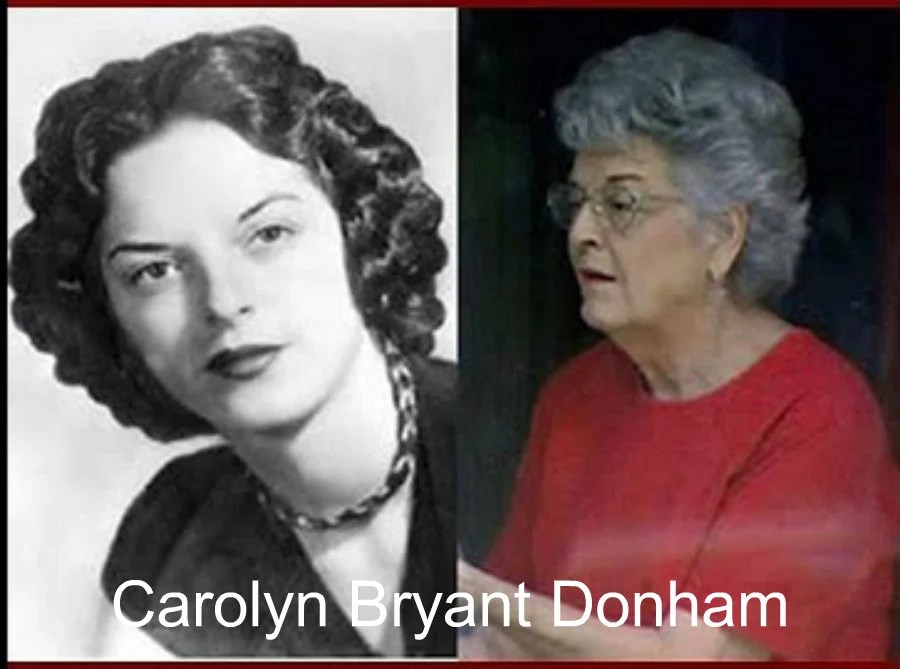
Carolyn Donham accused Emmet Till of flirting with her in 1955 revealing for the first time that those claims were fabricated.  


r
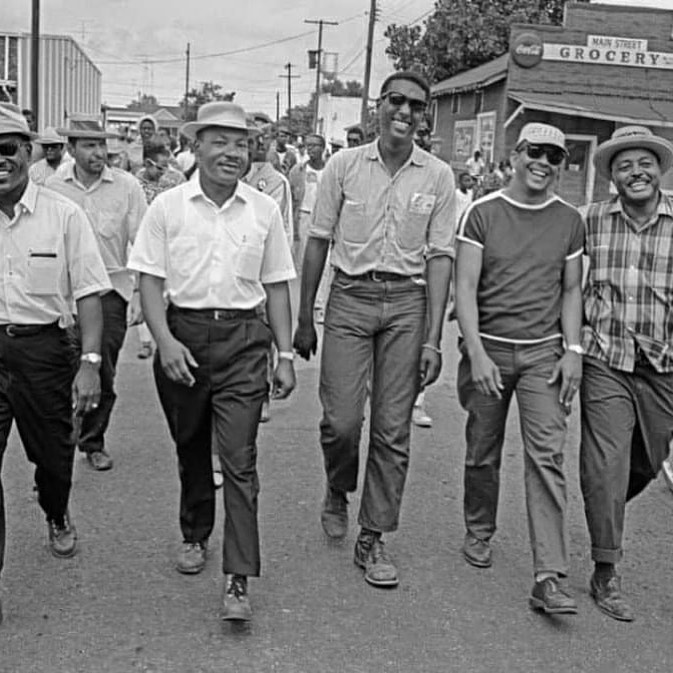
The Male Files: The Civil Rights Movement and Its Effect on the Male Psyche years later. #thebrownboydilemma

This photograph is the property of its respective owners. No copyright infringement intended

The Civil Rights Movement was more than a social revolution—it was a psychological awakening. For Black men in America, it reshaped not only how they were seen but also how they saw themselves. Decades of racial oppression, legal segregation, and economic disenfranchisement had fractured the male identity of many African American men, forcing them to exist between strength and survival. The fight for equality became a fight for restoration of dignity and manhood.

Before the movement, systemic racism and Jim Crow laws limited Black men’s ability to fulfill the traditional male role as provider and protector. Economic exclusion, racial terror, and criminalization created barriers to employment, education, and mobility. Sociologist E. Franklin Frazier (1939) wrote that the Black family was under “continuous economic and psychological assault.” These forces stripped Black men of the power to lead in their own homes and communities.

The male psyche under oppression developed a dual consciousness—what W. E. B. Du Bois (1903) called “two-ness.” Black men were forced to measure themselves by the white gaze while yearning to live authentically. They navigated a society that demanded compliance yet punished ambition. This internal tension bred both resilience and rage—a quiet storm of masculinity seeking meaning in a hostile world.

When the Civil Rights Movement emerged in the 1950s and 1960s, it reawakened something deeply spiritual within the Black male psyche. Marching, protesting, and organizing became acts of reclaiming agency. Leaders like Martin Luther King Jr., Malcolm X, and Medgar Evers embodied new models of manhood rooted in courage, discipline, and purpose. Their visibility and sacrifice redefined masculinity—not through dominance, but through moral strength and communal love.

Martin Luther King Jr. offered a model of nonviolent strength. His philosophy of love and moral courage required enormous self-control—a distinctly masculine restraint that challenged stereotypes of Black men as angry or animalistic. In contrast, Malcolm X represented the righteous fire of self-defense and Black pride. Together, they symbolized the balance between peace and power, intellect and instinct—two halves of the same wounded but rising psyche.

The televised brutality of the movement—the beatings, dogs, and police violence—also traumatized the male psyche. While the world saw Black men demanding justice, those same men carried unseen emotional scars. Psychologists today might recognize symptoms of racial trauma, including hypervigilance, anger, and internalized shame. The Civil Rights Movement both healed and hurt: it empowered men to stand tall, yet exposed them to violence that often lingered in their minds and bodies.

For many men, activism replaced silence with purpose. Protesting became therapy. The collective struggle provided identity, community, and pride that counteracted centuries of emasculation. The image of Black men marching in unity—dressed sharply, singing freedom songs—restored the psychological dignity that slavery and segregation had long denied. This was not just political; it was existential.

Yet, the post-movement era brought new challenges. The assassination of key leaders fractured the psyche again, creating a void in leadership and trust. The promised economic gains of civil rights legislation did not always reach Black men equally, and systemic barriers persisted through mass incarceration and job discrimination. Sociologist William Julius Wilson (1987) later argued that structural economic changes left many urban Black men in “social isolation,” fueling frustration and identity confusion.

This disillusionment led to a psychological shift. The same men who once marched for justice watched as drugs, unemployment, and violence eroded their communities in the 1970s and 1980s. The masculine pride awakened during the movement was now tested by a new kind of oppression—economic rather than legal, psychological rather than physical.

Still, the legacy of the Civil Rights Movement continued to shape Black male identity. It instilled a sense of purpose, pride, and intellectualism. Movements like Black Power and later Black Lives Matter drew from that foundation, redefining manhood yet again for new generations. Today’s Black men inherit both the pain and the pride of that era.

Psychologically, the Civil Rights Movement demonstrated that masculinity could coexist with compassion. It taught that being a man was not about control or dominance, but about courage, moral integrity, and service to one’s people. It showed that liberation was not only external but internal—a renewal of the mind.

Spirituality also played a central role in restoring the Black male psyche. Churches became safe spaces for leadership and self-expression. Men preached, organized, sang, and strategized under the belief that God was on their side. This faith-centered masculinity anchored many during times of despair and humiliation.

At the same time, the movement’s gender dynamics revealed tension. While men were often in leadership roles, women were the backbone of the struggle. This imbalance sometimes reinforced patriarchal norms, shaping how Black men viewed leadership and emotional vulnerability. Healing the male psyche also meant confronting these inherited notions of power.

The Civil Rights Movement thus reshaped the psychology of Black manhood into something complex and evolving. It created space for vulnerability, empathy, and collective identity—qualities once dismissed as weakness. It also forced men to reckon with their trauma, to define strength beyond stoicism.

In today’s society, echoes of that psychological transformation remain. The modern Black man carries both the strength of his ancestors and the scars of their struggles. He is a product of resilience—a living testament to survival against systems designed to destroy his mind, spirit, and masculinity.

Ultimately, the Civil Rights Movement did more than change laws—it changed men. It birthed a new consciousness that redefined what it means to be a man under oppression. The movement proved that liberation begins first in the mind, then in the world. The fight for civil rights was—and remains—a fight for psychological freedom.


References

Du Bois, W. E. B. (1903). The Souls of Black Folk. Chicago: A. C. McClurg & Co.

Frazier, E. F. (1939). The Negro Family in the United States. Chicago: University of Chicago Press.

King, M. L. Jr. (1963). Strength to Love. New York: Harper & Row.

Wilson, W. J. (1987). The Truly Disadvantaged: The Inner City, the Underclass, and Public Policy. Chicago: University of Chicago Press.

Watkins, W. H. (2005). The Assault on Public Education: Confronting the Politics of Corporate School Reform. New York: Teachers College Press.

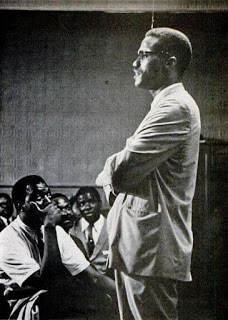
Malcolm X delivers…

Excerpt from a speech given by Malcolm X at the University of Ghana, 13 May 1964.

“I don’t feel that I am a visitor in Ghana or in any part of Africa. I feel that I am at home. I’ve been away for four hundred years, [Laughter] but not of my own volition, not of my own will. Our people didn’t go to America on the Queen Mary, we didn’t go by Pan American, and we didn’t go to America on the Mayflower. We went in slave ships, we went in chains. We weren’t immigrants to America, we were cargo for purposes of a system that was bent upon making a profit. So this is the category or level of which I speak. I may not speak it in the language many of you would use, but I think you will understand the meaning of my terms.

When I was in Ibadan [in Nigeria] at the University of Ibadan last Friday night, the students there gave me a new name, which I go for—meaning I like it. [Laughter] Omowale, which they say means in Yoruba—if I am pronouncing that correctly, and if I am not pronouncing it correctly it’s because I haven’t had a chance to pronounce it for four hundred years [Laughter]—which means in that dialect, The child has returned. It was an honor for me to be referred to as a child who had sense enough to return to the land of his forefathers—to his fatherland and to his motherland. Not sent back here by the State Department, [Laughter] but come back here of my own free will.” [Applause]

— Malcolm X

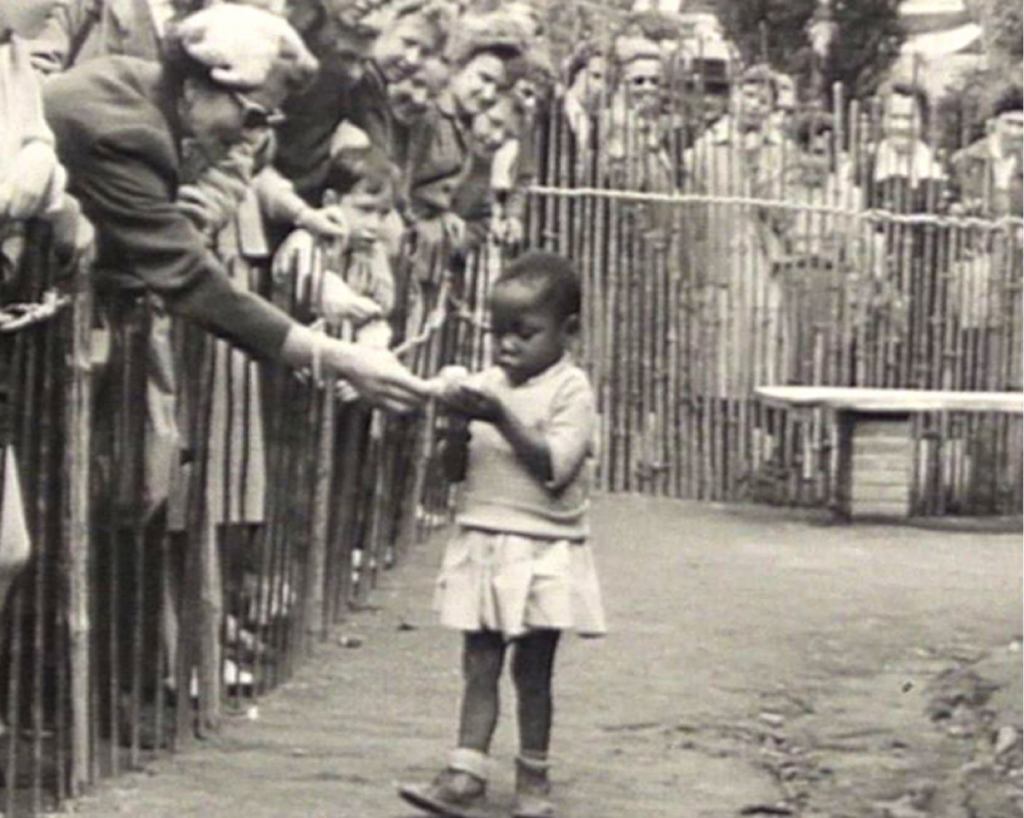
Black/African History: The Human Zoos

This photograph is the property of its respective owners.


Human Zoos: Colonial Spectacle and the Dehumanization of Black Bodies

In the late 19th and early 20th centuries, Europe and the United States hosted infamous exhibitions known as “human zoos”—or ethnological expositions—in cities such as Paris, London, Antwerp, Hamburg, Milan, Barcelona, and New York. These public displays featured Black Africans, Indigenous peoples, and other non‑European groups in staged “native villages” or zoo-like settings for mass spectatorship. Visiting audiences, numbering in the tens or even hundreds of thousands per event, were encouraged to gawk at foreigners presented as “primitive” or “savage” (Blanchard et al., 2011; Westin, 2020).

Purpose and Origins

Human zoos were born from colonial ambition and scientific racism. European imperial powers used these displays to validate their civilizing missions and assert racial hierarchies, equating whiteness with civilization and darkness with primitiveness (Qureshi, 2011). At the 1895 African Exhibition in London’s Crystal Palace, for example, Somalis were brought from Somaliland to perform daily rituals, war dances, and village routines in artificial huts—reinforcing notions of racial inferiority to European culture (Wikipedia, 2025) Wikipedia+1Foreign Affairs Forum+1Wikipedia.

Scientific Racism and Eugenics

Figures such as Carl Hagenbeck, Madison Grant, William Temple Hornaday, and Henry Fairfield Osborn played central roles in the popularization of human zoos. They argued, using social Darwinist reasoning, that certain races were biologically superior—thus justifying colonial domination through pseudo‑scientific authority (Brepols, 2025; Osborn & Grant writings) The New Yorker+5brepolsonline.net+5The Hill+5.

Ota Benga and the Bronx Zoo Exhibit

One of the most infamous cases was that of Ota Benga, a Congolese man exhibited in 1904 at the St. Louis World’s Fair and again in 1906 in the Bronx Zoo’s “Monkey House,” where he was caged alongside apes. This spectacle drew nearly 250,000 visitors in just a few days. Prominent figures such as Madison Grant and Hornaday defended the exhibition as scientific and educational, while African American ministers condemned it as profoundly degrading (New Yorker, 2022; Guardian, 2015; CNN, 2015) Wikipedia+12The New Yorker+12The Bronx Daily | Bronx.com+12.

Public outcry by Black clergy led to Benga’s temporary release, and decades later (2020), the Bronx Zoo formally apologized for its “unconscionable racial intolerance” (NBC, 2020) Wikipedia+13NBC New York+13The Hill+13.

Wider European Exhibits

Across Europe, nations hosted dozens of human zoos. In Brussels (1897), a Congolese “village” with more than 250 individuals was displayed; at least seven reportedly died during the exhibit (Foreign Affairs Forum, 2025) CNN+5Nofi Media+5Foreign Affairs Forum+5. Spain hosted Algerians, Filipinos, and Fang people in exhibitions that lasted into the 1940s (Wikipedia, 2025) WikipediaNofi Media.

Why European Societies Exhibited Black People

The motives were several:

  1. Imperialist Propaganda: To glorify colonial rule and justify exploitation of “inferior” peoples.
  2. Scientific Legitimization: Ethnologists used live exhibits to “prove” racial hierarchies and evolutionary differences (Blanchard et al., 2011) The Washington Post+9Foreign Affairs Forum+9understandingslavery.com+9Wikipedia+10Wikipedia+10The Bronx Daily | Bronx.com+10.
  3. Mass Entertainment: These exhibitions attracted millions, reinforcing racist stereotypes through spectacle (Foreigh Affairs Forum, 2025) Foreign Affairs Forum.

Legacy and Psychological Impact

These dehumanizing exhibitions inflicted trauma on those displayed and reinforced widespread racism. Between 1870 and 1940, over 1.4 billion people attended such exhibitions, conditioning generations to perceive Black bodies as exotic curiosities rather than equal humans (Foreign Affairs Forum, 2025) Foreign Affairs Forum.

Moreover, these spectacles shaped advertising, postcards, academic narratives, and politics—embedding a distorted racial gaze that persisted long after the exhibitions ended (Humanzoos.net) Human Zoos+3Nofi Media+3Wikipedia+3.

Conclusion

Human zoos were not innocent curiosities but instruments of oppression. They brought colonial logic into popular culture, weaponizing display as a means of asserting hierarchies and denying humanity. By analyzing these exhibitions through historical, scientific, and ethical lenses, we confront the roots of modern racism and articulate why Europeans treated Black people with such systemic cruelty. Understanding this history is essential to dismantling lingering racial bias and reaffirming the dignity of every human being.


References

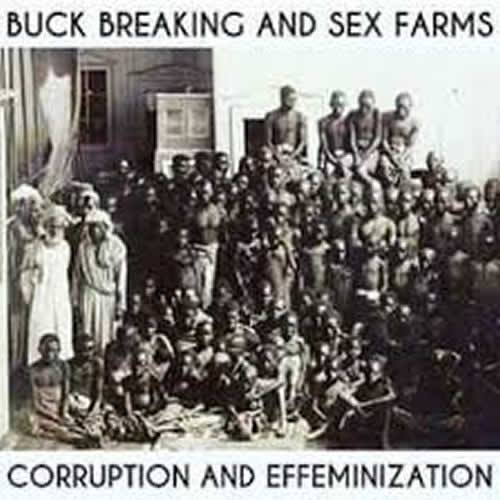
Black History: Buck Breaking/Breaking the Buck and Sex Farms.

This photograph is the property of its respective owner.


Buck-Breaking: A Historical Analysis of Sexual Violence, Power, and Psychological Warfare During American Slavery

“Buck-breaking” was a term associated with one of the most heinous and dehumanizing practices employed during the transatlantic slavery era, particularly in the Caribbean and parts of the American South. This form of sexual violence was a deliberate tool of psychological and social control, weaponized by white slaveholders to emasculate enslaved Black men, traumatize enslaved families, and dismantle any sense of resistance within the Black community.

Definition and Origins

The term buck-breaking refers to the forced sexual violation of enslaved Black men—referred to derogatorily as “bucks” by slaveholders—typically by white male enslavers. Though not widely discussed in mainstream historical texts, references to such acts are found in historical accounts, oral traditions, and emerging scholarship on slavery and sexual violence. The practice is believed to have been most rampant in the Caribbean, particularly in Jamaica and Barbados, but was also used in the American South to suppress rebellion and instill fear (Fanon, 2008; Patterson, 1982).

Purpose of Buck-Breaking

The purpose of buck-breaking was multifaceted. First, it served as a method of breaking the spirit of enslaved Black men who displayed signs of resistance or insubordination. By publicly humiliating them through sexual violence, slave owners sought to destroy their masculinity and assert total dominance. Secondly, it psychologically devastated enslaved women and children who were forced to witness the violation of their husbands, fathers, and sons. The psychological terror inflicted served as a preventive mechanism against organized rebellion (Hine, 1994).

Moreover, by using sexual violence as a spectacle, white enslavers aimed to invert traditional gender roles and strip Black men of agency, pride, and familial authority. This public act of dehumanization sent a clear message: resistance would be met with degradation, not just punishment.

Psychological Impact and Legacy

The psychological impact of such acts cannot be overstated. Enslaved families who witnessed these violations were left traumatized, with long-term implications for self-worth, masculinity, and kinship bonds. As psychiatrist Frantz Fanon (2008) noted in Black Skin, White Masks, the colonial project was not merely about physical domination but also psychological fragmentation—an internalized sense of inferiority reinforced through brutality and humiliation.

In the post-slavery era, the trauma of buck-breaking has been theorized to contribute to various sociocultural dynamics within the African American community, including distrust, the suppression of vulnerability in men, and familial disintegration.

Modern Symbolism and Myths

One controversial claim connects the modern trend of “sagging pants” to buck-breaking, arguing that it originated as a marker of sexual violation during slavery. While this claim is popular in some Afrocentric and activist circles, it is not widely supported by mainstream historical scholarship. Most academic sources trace sagging to 20th-century prison culture, where belts were often confiscated (Alexander, 2010).

Nevertheless, such narratives—true or symbolic—reflect ongoing struggles to interpret and reclaim historical trauma in a modern context.

The Caste System and Sexual Politics of Slavery

Buck-breaking fits within a broader racial caste system that valorized whiteness and weaponized Blackness. Enslaved Black men were commodified based on perceived physical strength and virility, which made their bodies both a source of economic productivity and sexual threat in the eyes of the white supremacist regime. This further justified acts of violence to control, neuter, and dehumanize them. Scholar Saidiya Hartman (1997) has written extensively on how the Black body, particularly during slavery, was the site of spectacular violence and commodified suffering.

The practice was employed as a strategic tool to:

  • Emasculate enslaved men and negate any sense of masculine authority or defiance, thus neutralizing potential rebellion.
  • Instill terror among enslaved communities by forcing families and peers to witness the sexual shame of defiance (Urban Dictionary; Face2Face Africa) Wyatt O’Brian Evans.
  • Reinforce power dynamics, making clear that black bodies were commodities to be abused and controlled.

According to emerging scholarship, “sex farms” were plantations or compound-like areas maintained for the systematic sexual exploitation of enslaved men. Slaveholders allegedly transported enslaved males from plantation to plantation for group sexual assaults, creating a traveling circuit—a grotesque and institutionalized practice (RasTafari TV) rastafari.tv.

The trauma of buck-breaking became a weapon of psychological subjugation. Witnessing a father or brother publicly violated aimed to:

  • Undermine self-worth and family cohesion.
  • Criminalize resistance internally: enslaved men who survived this abuse often left trauma not addressed and seldom spoken of (Jennings & White, via Project MUSE; TalkAfricana) Reddit+13Project MUSE+13TalkAfricana+13.

Scholars argue the degradation of masculinity under slavery contributed to long-term disruptions in identity, familial protective roles, and community cohesion (Jennings et al.; Fanon’s frameworks) Project MUSETalkAfricana.

Slaveholders also operated breeding farms where enslaved women—and sometimes men—were forcibly impregnated to increase the enslaved labor force. While breeding farms chiefly targeted women, male exploitation was part of the broader system of sexual commodification (Wikipedia; Sublette) rastafari.tv+5Wikipedia+5Wikipedia+5.

Due to stigma and silencing, rape of male slaves was rarely documented in legal records. Most evidence appears in slave narratives and case studies—making direct quantification difficult, yet multiple historians affirm these abuses occurred (Project MUSE; TalkAfricana) Wikipedia+15Project MUSE+15TalkAfricana+15.

Deuteronomy 28:68 (KJV)

“And the Lord shall bring thee into Egypt again with ships, by the way whereof I spake unto thee, Thou shalt see it no more again: and there ye shall be sold unto your enemies for bondmen and bondwomen, and no man shall buy you.”

This verse is part of the curses listed in Deuteronomy 28 for Israel’s disobedience, and many in the African American and Hebrew communities interpret it as a prophetic reference to the transatlantic slave trade, including the horrific abuses such as buck-breaking. It reflects divine foresight into the suffering of a people taken into captivity by ships, sold into slavery, and dehumanized.


Lamentations 5:11–13 (KJV)

“They ravished the women in Zion, and the maids in the cities of Judah. Princes are hanged up by their hand: the faces of elders were not honoured. They took the young men to grind, and the children fell under the wood.”

This passage mourns the violent humiliation and abuse of both men and women in the time of Judah’s destruction. The word “ravished” refers to rape and sexual abuse, and “took the young men to grind” is understood by many biblical scholars to imply forced labor and sexual humiliation.


Isaiah 3:9 (KJV)

“The shew of their countenance doth witness against them; and they declare their sin as Sodom, they hide it not. Woe unto their soul! for they have rewarded evil unto themselves.”

While originally a rebuke to the people of Judah, this verse indicts all who, like the men of Sodom, openly commit abominable acts—such as sexual assault or humiliation—and refuse to repent. It reflects God’s judgment against those who violate others.

Conclusion and Theological Reflections

The atrocity of buck-breaking is not merely a historical footnote—it is a wound in the collective memory of the African diaspora. Understanding it is crucial to unpacking the complex intersection of race, sexuality, power, and trauma. For believers, it is also a call to lament, to pursue justice, and to reclaim dignity lost through centuries of dehumanization. Scripture reminds us that every person is made in the image of God (Genesis 1:27), and that the destruction of one’s dignity—especially through acts of sexual violence—is an affront to the Creator Himself. Deliverance from such trauma involves truth-telling, communal healing, and a return to a biblical vision of wholeness, where no one’s humanity is reduced to their body, race, or utility.

References:

Alexander, M. (2010). The New Jim Crow: Mass Incarceration in the Age of Colorblindness. The New Press.

Fanon, F. (2008). Black Skin, White Masks (R. Philcox, Trans.). Grove Press.

Hartman, S. (1997). Scenes of Subjection: Terror, Slavery, and Self-Making in Nineteenth-Century America. Oxford University Press.

Hine, D. C. (1994). Hine Sight: Black Women and the Re-construction of American History. Indiana University Press.

Patterson, O. (1982). Slavery and Social Death: A Comparative Study. Harvard University Press.

Face2Face Africa. (2019). 5 horrifying ways enslaved African men were sexually exploited and abused by their white masters 3CHICSPOLITICO+1Wyatt O’Brian Evans+1.


Jennings, T. A., et al. (2024). Sexual abuse of Black men under American slavery. Project MUSE Journal. Project MUSE


TalkAfricana. (2023, May 30). Buck Breaking: How slave masters used rape to emasculate enslaved African men. TalkAfricana


RasTafari TV. (2024). Sex farms during slavery & the effeminization of Black Men. Wikipedia+13rastafari.tv+13Project MUSE+13

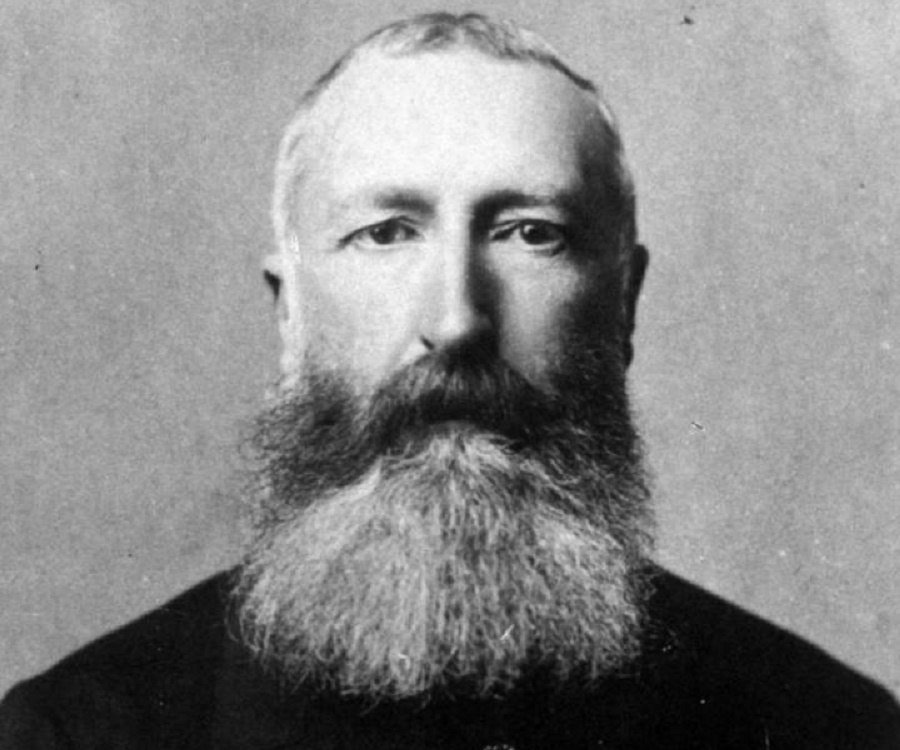
Black History: Leopold II of Belgium

Leopold II of Belgium AKA The Devil Leopold


He skinned my people
Castrated my brothers
Raped my sisters
And brutally murdered my people
All in the name of the Devil
He is the Devil incarnate


King Leopold II of Belgium: Lineage, Tyranny, and the Congo Atrocities

King Leopold II (born Leopold Louis Philip Marie Victor; 1835–1909) reigned as King of the Belgians from 1865 until his death, succeeding Leopold I (Britannica, 2025). He belonged to the House of Saxe-Coburg and Gotha and was a first cousin to Queen Victoria of Britain. In 1853, he married Marie-Henriette of Austria, and together they had several children, though none of his sons survived to adulthood (Wikipedia, 2025). His rule over Belgium was constitutional, but he became infamous for personally owning and exploiting the vast territory known as the Congo Free State (Wikipedia, 2025; Britannica, 2025).

The Congo Free State: Private Empire and Devastation

In 1885, at the Berlin Conference, European powers granted Leopold jurisdiction over the Congo Basin, under the guise of humanitarian mission and civilization. However, he administered the territory as his private enterprise, exploiting its natural wealth—particularly ivory and rubber—through coercive labor, forced quotas, and extreme violence enforced by the Force Publique, his mercenary army (Wikipedia, 2025; Britannica, 2025).

The consequences were catastrophic. Adam Hochschild described Leopold’s project as a “genocidal plundering” that caused the deaths of approximately 10 million Congolese people, through brutal violence, starvation, and disease (Wikipedia, 2025; New Yorker, 2015). Population-loss estimates range from 5 million to 13 million, with the most widely accepted figure around 10 million (Wikipedia, 2025).

Leopold’s Ideology and Racial Violence

Leopold’s colonial ideology was deeply grounded in scientific racism and Eurocentric paternalism. He justified his rule in the Congo as a civilizing mission, though in reality it facilitated systematic terror, mutilation, rape, and forced labor (Casement Report, 1904). A 1904 investigation by Roger Casement, commissioned by the British government, exposed widespread atrocities committed under Leopold’s authority—including cutting off hands for missed rubber quotas, castration, and mass violence (Casement Report, 1904; Wikipedia, 2025).

Why Did Leopold Target Black People So Harshly?

Leopold’s racial hostility was institutional rather than personal. Africans were treated as subhuman labor to be exploited for personal wealth. Violence was a tool to suppress resistance, ensure compliance, and perpetuate a racial hierarchy that dehumanized native populations (Hochschild, 1999). The global popularity of eugenics and social-Darwinian thought in Europe and America validated these acts, enabling them under the cloak of colonial legitimacy.

Legacy and Comparison to Other Tyrants

Historians often place Leopold alongside Hitler and Stalin in terms of absolute cruelty, yet his actions remain less recognized internationally. Leopold’s reign precipitated one of history’s most extensive humanitarian disasters—yet his atrocities were shrouded under euphemistic justifications until international activists, missionaries, and journalists exposed the truth (Hochschild, 1999; New Yorker, 2015).

Conclusion

King Leopold II’s personal ambition created a private colonial state defined by terror. Between 1885 and 1908, his rule in the Congo wrought famine, mutilation, and mass death on an unimaginable scale. This genocide—the greatest in African colonial history—reflects how unchecked power, racial supremacism, and capitalist greed can combine to produce catastrophic violence.


📚 References

  • Adam Hochschild. (1999). King Leopold’s Ghost: A Story of Greed, Terror, and Heroism in Colonial Africa.
  • Britannica. (2025). King Leopold II. Encyclopedia Britannica.
  • Casement, R. (1904). Report on the Congo Atrocities. British Parliamentary Papers.
  • Wikipedia. (2025). King Leopold II of Belgium; Atrocities in the Congo Free State.
  • New Yorker. (2015). The Elephant in the Courtroom.

Dilemma: Slavery

As indicated by the didactic systems of this world, the Negroes were brought to the Americas by slave ships in 1619 were beaten, raped, murdered and forced to work as slaves on plantations for 400 + years with poor living conditions, no rights or pay. They cried. They prayed. They obeyed. The cries of the slaves were heard by our God so he raised up – President Abraham Lincoln – who signed the Emancipation Proclamation in 1863 which freed the slaves. This action pissed off the white nationalists that felt compelled to ensure that we were still enslaved to the system. They passed the Jim Crow laws for segregation. Then later that was demolished by the civil rights movement in the sixties. We became “Black and Proud” Then in 2008, a black senator from Chicago “Barack Obama” became the first black president of the United States. Did anything really change?

This photograph is the property of its respective owner.
WHO DO THEY SAY WE ARE?

And thou shalt become an astonishment, a proverb, and a byword, among all nations whither the Lord shall lead thee. Deuteronomy 28:37 KJV

NIGGERS * SPICS *COONS * DARKIES * BLACK * UGLY * MULATTOS *FEEBLE MINDED * UNFIT * IMBECILES * IMMORAL * CRIMINAL * CATTLE * SLAVES NEGROES * AFRO THIS OR THAT *MONKIES * SAVAGES * COLORED *JUNGLE BUNNIES * DIRT *JIGABOOS * ANIMALS *WET BACKS * SPOOKS *SAMBOO * ASIATIC BLACK MIXED * BIRACIAL* MULTIRACIAL * BURNT And so forth… Code words used to establish slavery.

1619-1834 Slaves

1834-1892 Coons/Colored

1892-1934 Niggers/Niggas

1934-1970 Boy/Africans

1970-1983 Afro Americans

1983-2002 Black Americans

2002-2016 African Americans

We exist under the myriad complexities of slavery even today

🌐 Slavery: Origins, Transformations & Enduring Legacy

🌍 1. The Global Scope of Slavery

Key nations involved in transatlantic slavery included 🇵🇹 Portugal, 🇪🇸 Spain, 🇬🇧 Great Britain, 🇫🇷 France, 🇳🇱 Netherlands, 🇩🇰 Denmark, 🇺🇸 the United States, and 🇧🇷 Brazil. These nations forcibly transported over 12.5 million Africans to the Americas between the 16th and 19th centuries; approximately 1.8 million perished during the Middle Passage due to disease, starvation, or abuse (Transatlantic Slave Trade database; Colonialism background) Wikipedia.

🚢 2. The Middle Passage & Auction Blocks

Enslaved Africans were chained in unsanitary, overcrowded ships; an estimated 15–20% died en route. Survivors endured auctions in which families were torn apart, inspected like livestock, and sold to plantation owners (Guardian report on slave ship excavation) .

📜 3. The “Why” Behind Slavery

Slavery emerged from the economic imperative of colonial powers seeking cheap labor for labor-intensive industries like sugar, cotton, tobacco, and mining. Race-based justification was fabricated through “scientific racism” and mythologies of White supremacist hierarchy. Slavery offered enormous profits, shaping the economic foundations of Western empires (UN, ILO, and colonial histories) .

📚 4. Multigenerational Impact on Black Communities

Slavery’s lasting effects include systemic inequality across wealth, health, education, and incarceration:

  • Wealth: Black households in the U.S. have approximately 10–12× less median wealth than White households, a disparity rooted in generations of discriminatory policies and denied opportunities (NumberAnalytics; Pew) Wikipedia+9Number Analytics+9Monthly Review+9.

  • Health: Counties with formerly high slave populations now have lower life expectancy for Black residents, even when controlling for current health access and behaviors (Reece, 2022) cola.utexas.edu.

  • Incarceration and Justice: Black individuals are heavily overrepresented in prison, and disproportionately subject to police violence (National Council of Churches; Pew data) nationalcouncilofchurches.us.

🧬 5. Colorism, the Willie Lynch Myth & Internal Division

  • Enslavers often favored lighter‑skinned individuals as house staff, while darker‑skinned people were relegated to labor in the fields.

  • The widely-circulated Willie Lynch Letter—which outlines racial division tactics—is considered a forgery, but it reflects how colorism was used to divide enslaved populations. Modern studies confirm that lighter-skinned Black individuals are often afforded social and economic privilege (Hochschild & Weaver, 2007) Number Analytics+14SpringerOpen+14National Alliance to End Homelessness+14.

😱 6. Physical and Psychological Terror

Public torture methods—such as chaining Black men behind horses, sexual violence, and humiliation—were tools of terror. Infants born of rape were frequently killed or sold; mythic accounts claim some were fed to alligators in captivity in the Deep South (historical anecdotal reports).

📜 7. Slavery and Scripture

Slavery within biblical prophecy is referenced in Deuteronomy 28 and Baruch 4:6 (Apocrypha)—warnings that disobedience can result in exile and bondage. These texts have been interpreted to parallel the exile and forced dispersal of Africans during the transatlantic slave trade .


🕊️ 8. Emancipation & Its Limits

In 1863, President Abraham Lincoln’s Emancipation Proclamation declared freedom for enslaved people in Confederate-held territories. While symbolic, it did not end slavery in Union border states nor guarantee civil rights—these required the 13th, 14th, and 15th Amendments and persistent activism .

🔄 9. Evolution into Modern Slavery

Although chattel slavery was abolished globally, modern slavery persists in the form of human trafficking, debt bondage, forced labor, and sexual exploitation. Today there are an estimated 27.6 million forced laborers globally, with forced labor generating $236 billion in illicit profits annually (ILO, modern slavery reports) AP News+1BBC+1.

🚔 10. Racism in Policing & Public Violence

Systemic racial bias continues in policing. The murder of George Floyd in 2020—and similar cases involving Breonna Taylor, Ahmaud Arbery, and others—reflect a long lineage of state-sanctioned violence. In 2021, Black Americans accounted for 27% of police killings despite being 13% of the population (police violence datasets) .

🧠 11. Psychological & Social Ramifications

Historians and sociologists posit that enduring trauma from slavery has negatively impacted self-perception, psychological health, and community identity among Black people. As stated in Post-Traumatic Slave Syndrome by Dr. Joy DeGruy, the intergenerational effects must be addressed holistically nationalcouncilofchurches.us.


🖋️ Quote to Frame the Discussion:

“Race is not a biological reality but a social creation—a powerful illusion that has justified the enslavement and marginalization of generations.”
Audrey Smedley & Brian Smedley, 2007


📌 Summary Table

Theme Key Points
Origins of Slavery Economic incentives, colonial expansion, racial hierarchy
Psychological Legacy Trauma, colorism, internalized inferiority
Structural Continuation Income gap, health disparities, policing and incarceration
Modern Manifestations Human trafficking, forced labor, systemic racism

🧪 Why It Matters for Today

Understanding slavery and its modern permutations is essential to recognizing and dismantling systemic racism. Its legacy remains deeply embedded in global institutions, justice systems, economic outcomes, and cultural perceptions. Only through unmasking the roots of these structures—including race as illusion—can meaningful progress toward equity be possible.

🌍 Global Scope of Slavery & Racism

🇵🇹 Portugal, 🇬🇧 Britain, 🇫🇷 France, 🇪🇸 Spain, 🇳🇱 Netherlands, 🇩🇰 Denmark, 🇺🇸 United States, 🇧🇷 Brazil — these nations transported approximately 12.5 million Africans across the Atlantic from the 16th to the 19th century, with around 1.8 million perishing en route Let Africa Speak+2Wikipedia+2Wikipedia+2.


🚢 The Middle Passage & Mortality

At auctions, enslaved families were separated, stripped of identity, inspected as livestock, and sold to the highest bidder, cementing their status as property.


💡 Defining Race and Racism

“Race is a social tool—an illusion crafted to categorize, divide, and suppress.”

The biological concept of race has no scientific basis—traits like melanin vary independently of behavior or intelligence. Racism is the ideology stemming from this illusion, elevating one “race” while oppressing others. It thrives because people unaware of their heritage often believe and perpetuate its false narratives.


⚖️ Biblical Context: Deuteronomy 28

Scripture warns that disobedience to the Most High can lead to national punishment and exile—“Ye were sold to the nations… delivered unto the enemies” (Baruch 4:6). In Christian thought, some interpret this as linking Israelite exile to the African diaspora.


🧬 Colorism & Internal Hierarchies

  • Lighter-skinned Black individuals were often given “privileged” roles—house servants vs. field workers.

  • The purported Willie Lynch Letter describes how slaveowners sought to exploit color and age divisions—though historians widely agree it is a forgery Jim Crow Museum+7Wikipedia+7Academia+7.

  • Today, colorism continues to impact self-esteem and social mobility within communities Academia+4Academia+4Jim Crow Museum+4.


👶 Interracial Births & Infant Cruelty

  • Enslaved women who were raped often bore mixed-race children—many killed or sold off early to conceal lineage.

  • Reports persist—though scarce—of atrocities including feeding infants to alligators, a testament to dehumanization.


🐎 Violence & Torture By Enslavers

  • Black men were publicly tortured—pulled behind horses, castrated, or subjected to rape and humiliation—to maintain white dominance .


🧬 Early Slavery Origins & Geographies

  • Chattel slavery dates as far back as ancient Mesopotamia but became global with Muslim North African and Ottoman enslavement of Europeans and Africans.

  • Transatlantic slavery began in the 1400s, with Portugal leading, followed by Spain, Britain, France, and the Netherlands .


🇺🇸 The Emancipation Proclamation

On January 1, 1863, President Lincoln declared all enslaved people in Confederate territories “forever free.” However, the proclamation didn’t end slavery in Union states or guarantee full civil rights—those came later with the 13th, 14th, and 15th Amendments.


⚠️ Fallacies About Slavery & Social Media’s Role

  • Fallacies: Claims that slavery was not brutal or that Black people benefited economically are misleading.

  • Social media often spreads revisionist narratives, minimizing atrocities or asserting false equivalencies.


🧪 Modern Echoes: Police Violence

The racist roots of slavery persist today in police brutality. The murder of George Floyd in 2020, where an officer kneeled on his neck for nearly nine minutes, captured global attention. Black Americans accounted for about 27% of fatal police shootings in 2021 Let Africa Speak+1Academia+1—highlighting systemic racism.


📝 What Is Slavery?

Slavery: chattel bondage where humans are owned as property. It began in organized societies seeking labor (e.g., Mesopotamia, Africa) and evolved into a global race-based exploitation system in the Atlantic world.


📚 References


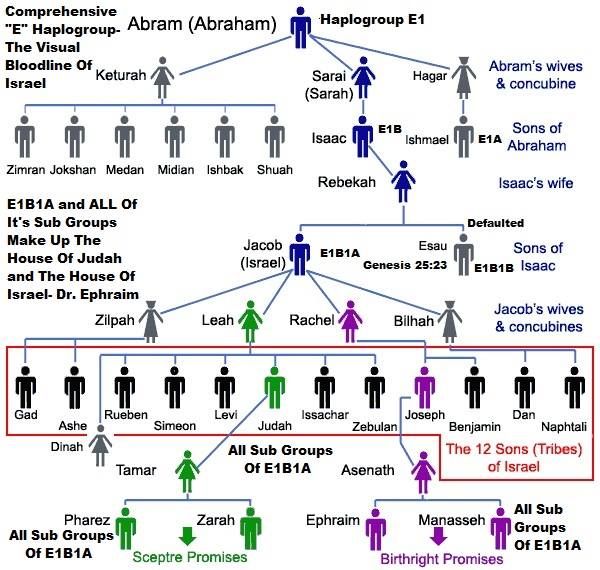
E1B1A (Genetic Code of the Chosen)

E1B1A, also known as E-M2, is a Y-DNA (Y-chromosome) haplogroup—a genetic lineage passed exclusively from father to son. It is one of the most common paternal lineages among men of West and Central African descent, especially among the Yoruba, Igbo, Ewe, Fula, and other Bantu-speaking peoples. It is also prevalent among African Americans, Afro-Caribbeans, and Afro-Brazilians—largely because of the transatlantic slave trade.


🔬 Scientific Overview of E1B1A

  • Haplogroup Name: E1b1a (formerly known as E3a)
  • Current Label in Genetics: E-M2 (E1b1a1)
  • Region of Origin: Sub-Saharan Africa
  • Estimated Age: ~20,000 to 30,000 years ago
  • Genetic Trait: Passed only through the male line (father to son via the Y chromosome)

🌍 Where E1B1A is Found

  • High frequency in West Africa: Nigeria, Ghana, Benin, Cameroon
  • Caribbean & Americas: Especially among descendants of the transatlantic slave trade
  • African Americans: Around 60–70% of African-American men belong to E1B1A

🔁 Why It Matters

  1. Ancestral Tracking: E1B1A helps trace paternal ancestry directly to West Africa.
  2. Diaspora Connection: Found heavily among descendants of enslaved Africans, especially in the U.S., Caribbean, and Latin America.
  3. Tribal Links: Often linked with the Yoruba, Igbo, and Bantu tribes, who were among those captured during the slave trade.

📖 Biblical & Cultural Interpretations

Many researchers and Hebrew Israelite scholars believe E1B1A may correspond with the patrilineal line of the ancient Israelites, especially in light of:

  • Deuteronomy 28:68, which describes being taken into slavery by ships.
  • The historical pattern of curses and captivity matching the transatlantic slave trade.
  • Baruch 4:6 (KJV): “Ye were sold to the nations, not for your destruction: but because ye moved God to wrath, ye were delivered unto the enemies.”

This has led some to identify the E1B1A lineage as belonging to the descendants of Jacob (Israel) and believe it is the genetic marker of the lost tribes of Israel—specifically the tribe of Judah.


⚠️ Common Misconceptions

  • Not all Africans have E1B1A. Some have E1B1B, A, B, or other lineages.
  • E1B1B is often associated with North Africa, the Middle East, and sometimes Esau’s lineage (biblically speaking, the twin brother of Jacob).
  • Y-DNA only traces the male line, so a person’s complete ancestry includes many other lines not captured by Y-DNA.

🧬 Exploring Haplogroup E1b1a: Genetics, Identity & Heritage

Interview with interview with Dr. Yehoshua Ben Ephraim from my book “The Brown Girl Dilemma” 2017

1. Background & Identity

I am originally from Charleston, South Carolina. My intellectual formation is both traditional and autodidactic: I hold an Associate’s, Bachelor’s, and Master’s degree from accredited universities, complemented by an honorary doctorate for substantial contributions to theology and genetics. My expertise spans theology, philosophy, psychology, human behavior, and genetics, sustained by lifelong reading and interdisciplinary inquiry.


2. Origins of the Research

My investigation into lineage and identity was driven by the need to reclaim a lost heritage. Unlike other communities whose ancestral origins in Africa are preserved through tribal or national identity (e.g., Egyptian, Ethiopian), many Black Americans lack this clarity. Genetic research revealed that a significant number of African-descended individuals in the Americas carry Y‑DNA Haplogroup E1b1a, predominantly among the Yoruba and Igbo of Nigeria. This discovery prompted an exploration into how this genetic signature intersects with historical lineage, particularly the prophetic narratives in Deuteronomy 28.


3. The Y‑DNA Haplogroup of the Twelve Tribes of Israel

Through ancestral genetic and scriptural analysis, I concluded that the lineage of Jacob (the Patriarch of Israel) corresponds with Haplogroup E1b1a. The biblical reference in Deuteronomy 28:68, which mentions future enslavement “by ships,” appears prophetic when aligned with the transatlantic slave trade and the predominance of E1b1a among enslaved Africans. Y‑chromosome inheritance is paternally transmitted and unchanged, allowing us to trace a direct male line from Jacob to present-day descendants of the twelve tribes.


4. Genetic Comparison: Ashkenazi Jews & E1b1b

Genesis 25:23 declares that the nations of Jacob and Esau would diverge. Genetically, Esau’s descendants align with Haplogroup E1b1b, which is prevalent in certain Middle Eastern and North African populations. Many Ashkenazi Jews display E1b1b or haplogroup J—distinct from E1b1a, which supports a separate ancestral line. Misattributions linking E1b1b to Black Israelites are thus historically and scientifically flawed.


5. African Tribes & Mixed Lineage

Several African ethnic groups—such as the Lemba, Ashanti, and Igbo—carry both E1b1a and E1b1b haplogroups, reflecting historical admixture. Modern diaspora communities (e.g., in Brazil, the Caribbean, and the United States) also reflect this genetic diversity, consistent with historical migration and intermarriage patterns.


6. The Debate on Black Hebrew Israelites

DNA makes lineage claims far more objective. Since E1b1a is exclusive to the male line of Jacob, any claimant to Israelite identity must test positive for E1b1a. Others may have spiritual, cultural, or chosen affiliation but lack genetic continuity. This clarity undercuts ambiguous identity claims by non-E1b1a lineages.


7. Biracial Identity & Patriarchal Lineage

Y‑DNA is strictly paternal, affecting male descendants. However, cultural and genetic heritage in biracial individuals is influenced by both parents. Thus, while only biological fathers transmit Y‑DNA, biracial Israelite identity can be recognized through maternal collateral lines but requires genetic evidence for formal claim.


8. How DNA Defines National Lineage

Beyond identifying immediate relations, subgroups within E1b1a trace the fourteen branches of Jacob’s descendants (including Joseph’s sons, Ephraim and Manasseh). Genetic markers may eventually assist in mapping modern individuals to specific tribes.


9. Deuteronomy 28 in Context

Deuteronomy 28 outlines blessings and curses tied to Israel’s fidelity. Subsequent exile and dispersal—interpreted as the African diaspora—mirror the conditions described. This scriptural prophecy frames the historical and genetic narrative of descendants of Jacob (the Negroid lineage).


10. Present State & Path Forward

In 2017, many descendants remain disconnected from authentic identity, often identifying broadly as “African American.” This lack of specificity perpetuates cultural dislocation. Romans 9:27 suggests only a remnant attains covenantal alignment—highlighting the need for genealogical clarity and spiritual awakening. My role is to provide empirical—and scriptural—evidence. Change begins when we reconnect with identity and commit to obeying divine statutes.


🔍 Conclusion

  • E1b1a marks the paternal lineage of Jacob (Israel).
  • It is the definitive tool to distinguish genetic Israelites from others.
  • Recognizing this genetic truth is essential to rightful identity.
  • Following identity restoration comes moral and spiritual responsibility.

References:

Jobling, M. A., Hurles, M. E., & Tyler-Smith, C. (2013). Human Evolutionary Genetics. Garland Science.

Kittles, R. A., & Weiss, K. M. (2003). Race, ancestry, and genes: Implications for defining disease risk. Annual Review of Genomics and Human Genetics, 4(1), 33–67. https://doi.org/10.1146/annurev.genom.4.070802.110300

Underhill, P. A., et al. (2000). The phylogeography of Y chromosome binary haplotypes and the origins of modern human populations. Annals of Human Genetics, 64(Pt 3), 223–241. https://doi.org/10.1046/j.1529-8817.2000.00085.x

U.S. National Library of Medicine. (n.d.). Y chromosome haplogroups. Genetics Home Reference. https://ghr.nlm.nih.gov/primer/genomicresearch/ychromosome

Akbar, N. (1996). Breaking the Chains of Psychological Slavery. Mind Productions.

hooks, b. (1992). Black Looks: Race and Representation. South End Press.

Fanon, F. (1967). Black Skin, White Masks. Grove Press.

Russell-Cole, K., Wilson, M., & Hall, R. E. (2013). The Color Complex: The Politics of Skin Color in a New Millennium. Anchor Books.

American Psychological Association. (2019). Ethnic and Racial Disparities in Mental Health Care.