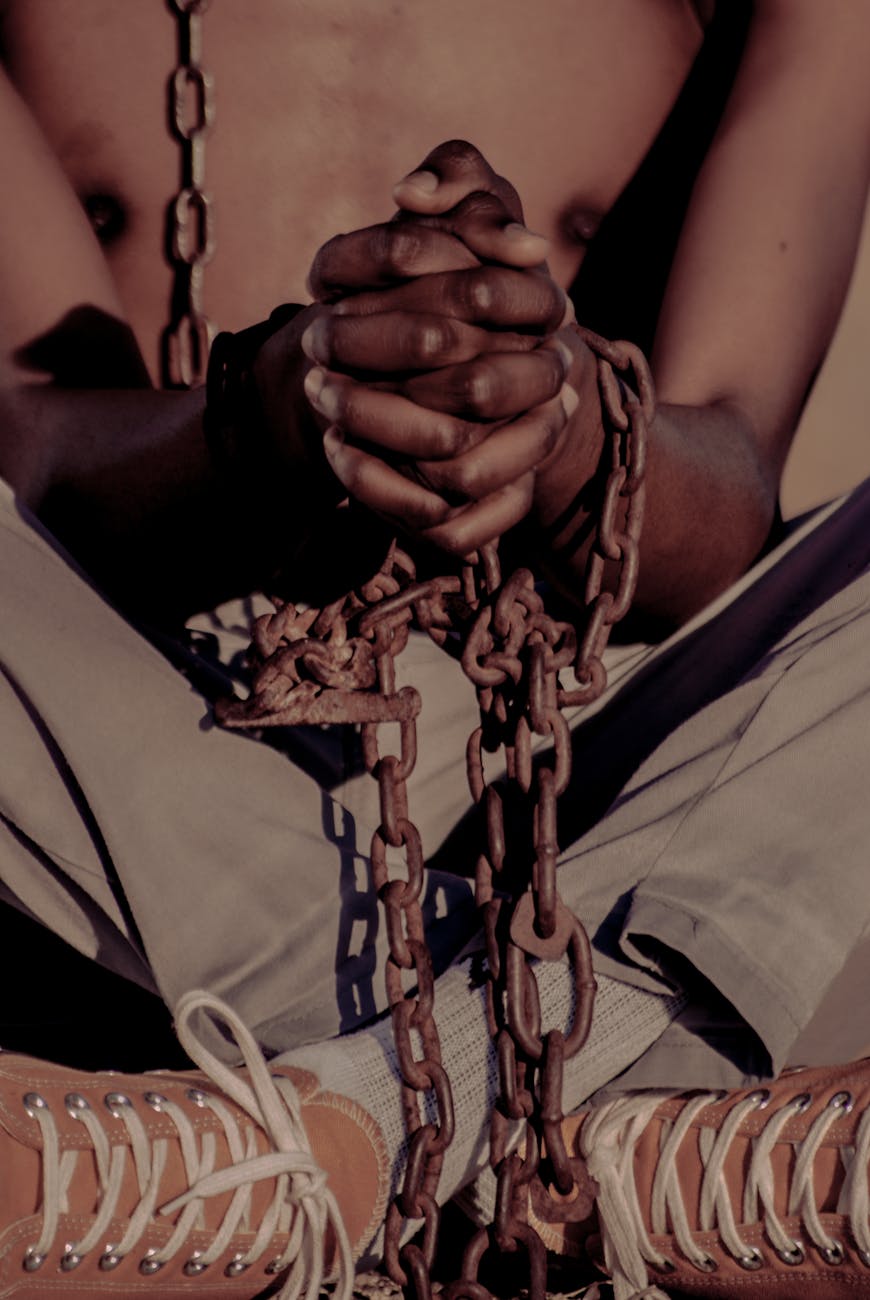
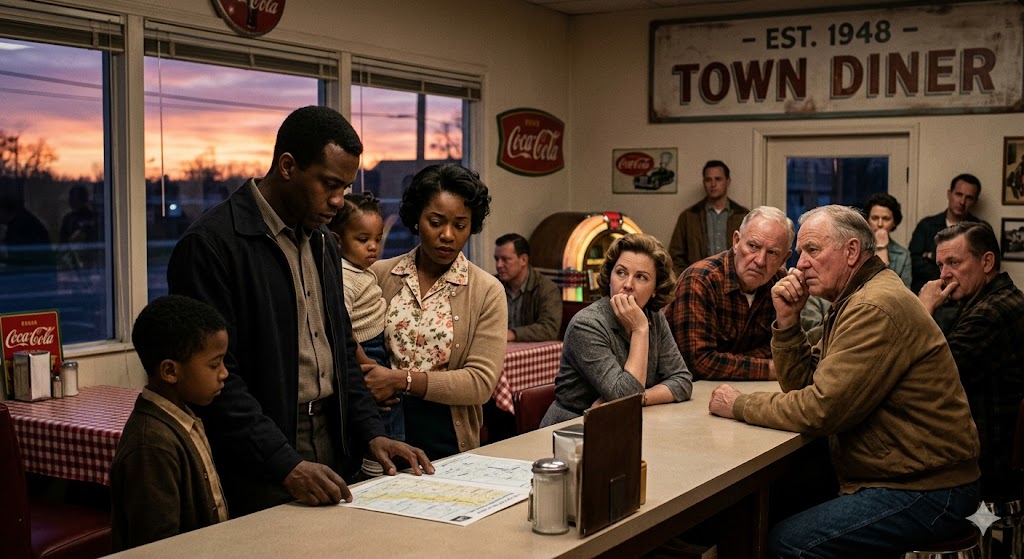
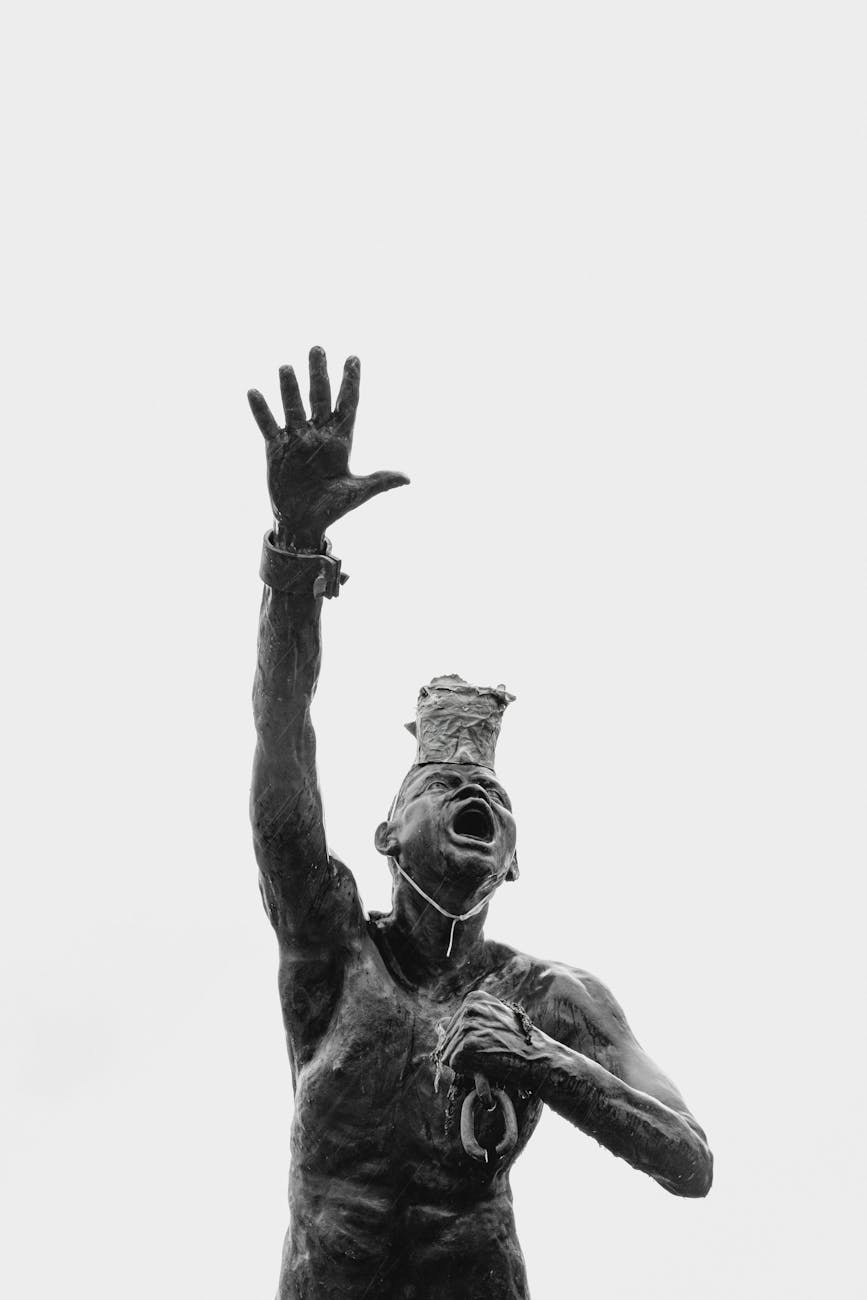
Category Archives: black history

BOOK REVIEW: The Souls of Black Folk by W.E.B. Du Bois

W. E. B. Du Bois (1868–1963) was a pioneering African American scholar, sociologist, historian, author, and civil rights activist whose work transformed the intellectual and political landscape of the 20th century. Born in Great Barrington, Massachusetts, Du Bois was one of the first Black Americans to grow up in a predominantly white community with access to integrated schools. He went on to become the first Black person to earn a Ph.D. from Harvard University, later studying at the University of Berlin. A tireless advocate for racial equality, Du Bois challenged systemic racism through groundbreaking scholarship and bold public advocacy. His landmark 1903 work, The Souls of Black Folk, introduced the concept of double consciousness and called for the political, educational, and social uplift of African Americans. Du Bois co-founded the NAACP and used the power of the pen and protest to fight lynching, segregation, and disenfranchisement. His light skin, though sometimes noted by others, never distracted from his unwavering commitment to Black liberation; he used his voice, platform, and brilliance not for personal elevation but to awaken the conscience of a nation and demand justice for his people. Throughout his life, Du Bois remained a fierce critic of racism and an uncompromising advocate for the dignity, intellect, and future of Black humanity worldwide.

Version 1.0.0

📚 Book Review — The Souls of Black Folk by W. E. B. Du Bois

Rating: ⭐⭐⭐⭐⭐
Published: 1903

Premise & Overview

A foundational collection of essays introducing his theory of double consciousness—the enduring inner conflict experienced by Black Americans: “two souls, two thoughts… two warring ideals in one dark body” Owlcation+15Encyclopedia Britannica+15Biography+15. Du Bois rejects the philosophy of accommodation promoted by Booker T. Washington and calls for full civil rights, higher education, and leadership from the Black “Talented Tenth” Wikipedia+14Encyclopedia Britannica+14PBS+14.

Key Themes and Impact

  • Double Consciousness: The psychological toll of seeing oneself through white society’s contempt, leading to internal division Encyclopedia Britannica.
  • Critique of Washington’s Strategy: Du Bois charged that Washington “practicably accepts the alleged inferiority of the Negro races,” arguing that his approach would perpetuate submission The New Yorker+15Encyclopedia Britannica+15Wikipedia+15.
  • Higher Education & Political Rights: He championed classical education and equal voting rights to produce leaders who could uplift the race Biography+2Reddit+2Reddit+2.
  • Pan-African Vision: Du Bois writes about a global color line and anticipated colonial revolutions and Pan-African unity Wikipedia.

How It Changed Black Lives

  • Served as the intellectual bedrock of the NAACP and the civil rights movement, providing theoretical clarity and radical urgency Encyclopedia BritannicaPBS.
  • Spurred the rise of the Black middle class via legitimizing higher education and civic activism Wikipedia.
  • Became a founding text of Black protest literature, galvanizing generations of activists and scholar-intellectuals Reddit+2Reddit+2Reddit+2.

Celebration & Reception

Awards and Honors

  • The book itself did not win contemporary awards, but it has been honored as a cornerstone of Black literature and thought.
  • The two-volume biography of Du Bois by David Levering Lewis won Pulitzer Prizes in 1993 and 2000 AP News+1TIME+1.


🔑 What Did Du Bois Advocate?

  • Political agitation and protest—not silence or submission.
  • Development of the Talented Tenth—educated Black leaders to guide the masses and achieve justice WikipediaWikipedia+2PBS+2Reddit+2.
  • A refusal to “put further dependence on the help of the whites” and a call for self-reliant organization and nationalist thinking Wikipedia.

🌍 Historical Legacy

  • Du Bois changed American history by legitimizing Black intellectual power, clarifying racial injustice as a national crisis, and fueling the NAACP’s civil rights agenda.
  • His concept of double consciousness is foundational to race and identity studies today.
  • His insistence on education, political rights, and fuller participation transformed prospects for generations of Black Americans.

Conclusion

The Souls of Black Folk is a masterwork—part sociological insight, part moral manifesto, part spiritual meditation. It demanded dignity, equality, and intellectual excellence. W. E. B. Du Bois stood as the voice of Black reason and rebellion. His legacy continues to inspire those who believe in the power of truth, education, and uncompromising justice.

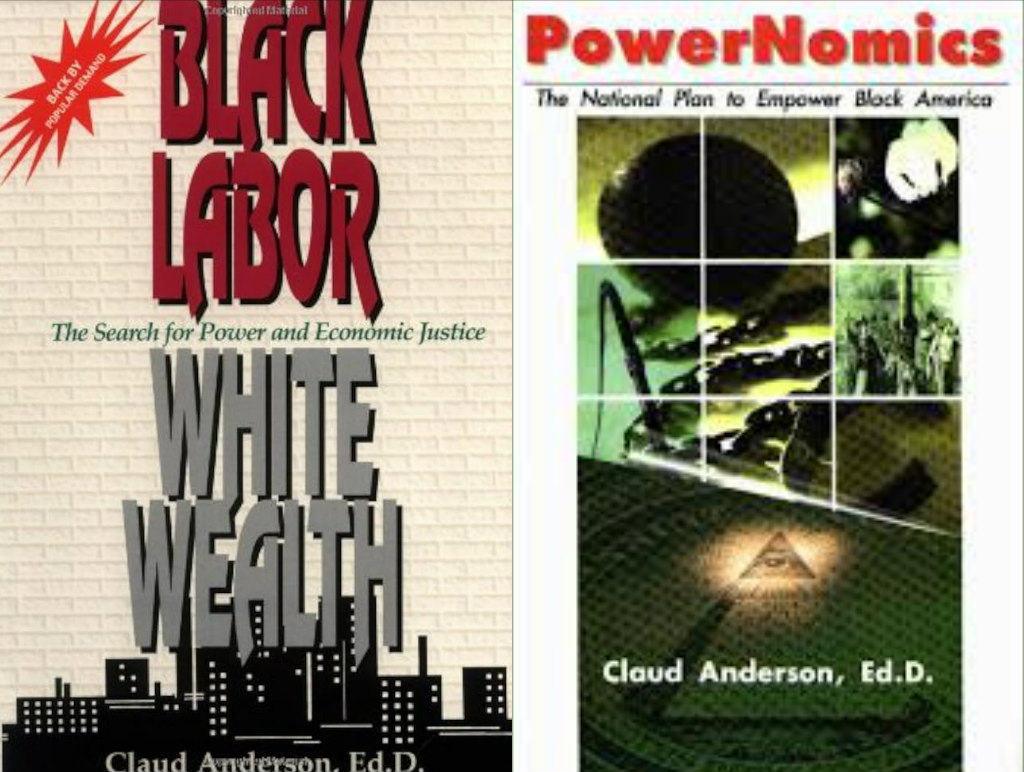
DOUBLE BOOK REVIEW: Black Labor, White Wealth and PowerNomics by Dr. Claud Anderson

5-Star Review of Black Labor, White Wealth and PowerNomics by Dr. Claud Anderson


📚 About the Books

1. Black Labor, White Wealth (1994)
Dr. Claud Anderson’s Black Labor, White Wealth is a masterfully researched chronicle that traces the historical exploitation of Black labor in America. It unearths the foundational truth that the economic engine of the United States was built largely on the backs of enslaved Africans—whose forced labor produced immense wealth for white elites. Anderson outlines how systemic racism, codified in law and reinforced by social customs, created a permanent underclass of African Americans. The book details how wealth was redistributed from Black to white hands through legalized oppression, disenfranchisement, Jim Crow laws, and economic exclusion.

2. PowerNomics: The National Plan to Empower Black America (2001)
As a follow-up, PowerNomics is not merely a critique of the status quo but a blueprint for economic self-empowerment. This work lays out a five-part strategy for Black Americans to become competitive in the 21st-century global economy. Anderson emphasizes building group economics, owning media outlets, creating independent education systems, and establishing a political infrastructure that serves Black interests. This book is revolutionary in that it pushes beyond protest—it advocates for practical solutions rooted in group solidarity and economic literacy.


🧠 Central Themes and Insights

💰 Finance and Black Empowerment
Both books place economic power at the center of liberation. Anderson argues that wealth—not mere income—is what sustains families, communities, and influence. Black Americans, though a trillion-dollar consumer market, own less than 2% of the nation’s wealth. He promotes asset accumulation, business development, and cooperative economics as tools to repair the generational damage of slavery and economic marginalization.

“If you don’t have money, you don’t have power. If you don’t have power, you don’t have justice.”Dr. Claud Anderson

💡 Making Things Better
Anderson’s solution-oriented approach is rooted in practical realism:

  • Pool resources to support Black-owned businesses.
  • Develop industries that circulate the Black dollar within the community.
  • Teach financial literacy from a young age.
  • Lobby for policies that directly benefit Black economic interests.
  • Control the institutions (schools, media, banks) that shape thought and opportunity.

🔍 The Truth About White Exploitation of Black Labor

Dr. Anderson meticulously documents how white elites created and maintained systems designed to exploit Black labor without reward:

  • Slavery (1619–1865) provided free labor that built white wealth.
  • The Homestead Act gave white settlers millions of acres of land—none to freed slaves.
  • Jim Crow laws ensured that Black people were second-class citizens economically and socially.
  • After the Civil Rights era, economic gains were stifled by mass incarceration, redlining, and predatory capitalism.

These acts were not random; they were strategic, multigenerational, and deeply embedded in American law and culture.


⚖️ Similarities and Differences Between the Two Books

AspectBlack Labor, White WealthPowerNomics
ToneHistorical, analytical, foundationalStrategic, solution-focused, motivational
FocusPast injustices and economic theftFuture action plans and systemic empowerment
PurposeTo expose the mechanisms of Black economic suppressionTo provide a plan for Black economic and political power
AudienceScholars, historians, activistsEntrepreneurs, educators, policy makers, community leaders
Key MessageAmerica owes a historical debt to Black peopleBlack America must build parallel economic infrastructure

👤 Who Is Dr. Claud Anderson?

Dr. Claud Anderson is a respected author, economist, political strategist, and entrepreneur. He holds several advanced degrees including a doctorate in education and is a former assistant secretary in the U.S. Department of Commerce under President Jimmy Carter. He also served as State Coordinator of Education under Governor Reubin Askew of Florida.

Dr. Anderson founded the Harvest Institute, a think tank dedicated to research, policy development, and advocacy for Black economic empowerment. His mission has been to awaken Black America to the necessity of controlling its own economy and institutions, rather than relying on integration alone.

He is married to Joan Anderson, and though his family life remains mostly private, his legacy as a thought leader and economic pioneer is cemented in his tireless advocacy for systemic Black advancement.


🌍 His Global and Community Impact

Dr. Anderson’s works are used in classrooms, community centers, and business forums across the United States. He is widely regarded as a pioneer of Black economic nationalism and a bold voice in a field too often marked by assimilationist strategies. His ideas have influenced a generation of Black entrepreneurs, educators, and activists.


🖋️ Final Thoughts – 5-Star Rating

⭐⭐⭐⭐⭐

Both Black Labor, White Wealth and PowerNomics are indispensable for anyone serious about understanding the economic roots of systemic racism and how to uproot them. Dr. Anderson gives Black America not just a mirror to reflect on the past, but a map to navigate the future. His scholarship is unflinching, his voice prophetic, and his vision urgent.

To read these books is to be informed, convicted, and empowered. They are not just books—they are weapons of liberation.


📚 References

Anderson, C. (1994). Black labor, white wealth: The search for power and economic justice. PowerNomics Corporation of America.
Anderson, C. (2001). PowerNomics: The national plan to empower Black America. PowerNomics Corporation of America.

✊🏾 The Black is Beautiful Movement: Origins, Influence, and Legacy ✊🏾

Photo by AOG PIXELS on Pexels.com

The Black is Beautiful movement emerged in the United States during the mid-1960s as a cultural and political affirmation of Black identity, aesthetics, and heritage. While the phrase became widely popularized through the work of the Black Arts Movement and fashion photography, its roots can be traced to the activism of figures such as Kwame Brathwaite and the African Jazz-Art Society & Studios (AJASS) in Harlem. Brathwaite and AJASS launched the Naturally ’62 fashion show in 1962, which celebrated natural hair, darker skin tones, and African-inspired clothing, directly challenging Eurocentric beauty standards (Ford, 2015).

The slogan Black is Beautiful was also closely aligned with the broader Civil Rights and Pan-Africanist movements, reflecting the ideological influence of leaders like Marcus Garvey, whose earlier campaigns emphasized racial pride and self-love. The movement gained visibility in magazines such as Ebony, Jet, and Essence, which featured darker-skinned models and natural hairstyles. Advertising agencies and brands—particularly those serving the African American market—began to incorporate Black beauty ideals into their campaigns. Companies such as Johnson Products (with its Afro Sheen brand) and Soft Sheen made direct use of the slogan and imagery in print and television ads during the 1970s (Taylor, 2016).

The world’s reaction to the movement varied. In the Black community, it fostered a collective sense of dignity and cultural pride, encouraging African Americans to reject skin bleaching, hair straightening, and other practices that reflected internalized racism. Globally, the movement resonated with African liberation struggles, influencing artists and activists in the Caribbean, Africa, and the United Kingdom. Internationally, the concept intersected with anti-colonial sentiment, with publications and cultural festivals abroad adopting similar affirmations of Black beauty and identity (Cummings, 2018).

The Black is Beautiful movement had a profound psychological impact on African Americans. Research in social psychology has shown that positive in-group representation can improve self-esteem and counteract internalized oppression (Cross, 1991). By redefining beauty standards, the movement helped dismantle the harmful association between whiteness and attractiveness, replacing it with an appreciation for African features such as full lips, broad noses, tightly coiled hair, and deep skin tones.

Celebrities played a significant role in popularizing the movement. Figures like Cicely Tyson, Nina Simone, and Kathleen Cleaver wore natural hairstyles and spoke openly about embracing their African heritage. Tyson rejected roles that required her to straighten her hair, stating in interviews that her natural style was a statement of self-respect. Nina Simone famously declared, “You’ve got to learn to leave the table when love’s no longer being served”—a statement tied to the larger ethos of self-worth and pride. In the sports world, Muhammad Ali’s unapologetic proclamation, “I’m Black and I’m proud” echoed the movement’s core message. In music, James Brown’s 1968 hit Say It Loud – I’m Black and I’m Proud became an anthem that galvanized support across generations.

The movement’s era was primarily the 1960s through the 1970s, coinciding with the Civil Rights Movement, the Black Power Movement, and the rise of Black cultural nationalism. Its legacy continues in contemporary movements such as Black Girl Magic and Melanin Poppin’, which similarly celebrate African-descended beauty and identity in the face of ongoing colorism and Eurocentric media dominance.

In sum, the Black is Beautiful movement was not merely a fashion statement but a political and psychological revolution. It empowered generations of African Americans to embrace their identity, reject assimilationist beauty norms, and inspire a global dialogue on race, aesthetics, and cultural pride.


References

Cross, W. E. (1991). Shades of Black: Diversity in African-American identity. Temple University Press.

Cummings, M. J. (2018). We will shoot back: Armed resistance in the Mississippi freedom movement. NYU Press.

Ford, Tanisha C. (2015). Liberated threads: Black women, style, and the global politics of soul. University of North Carolina Press.

Taylor, Ula Y. (2016). The promise of patriarchy: Women and the nation of Islam. University of North Carolina Press.

MALCOLM X vs MARTIN LUTHER KING JR.

✊🏽 Two Prophets, One Struggle for Black Liberation

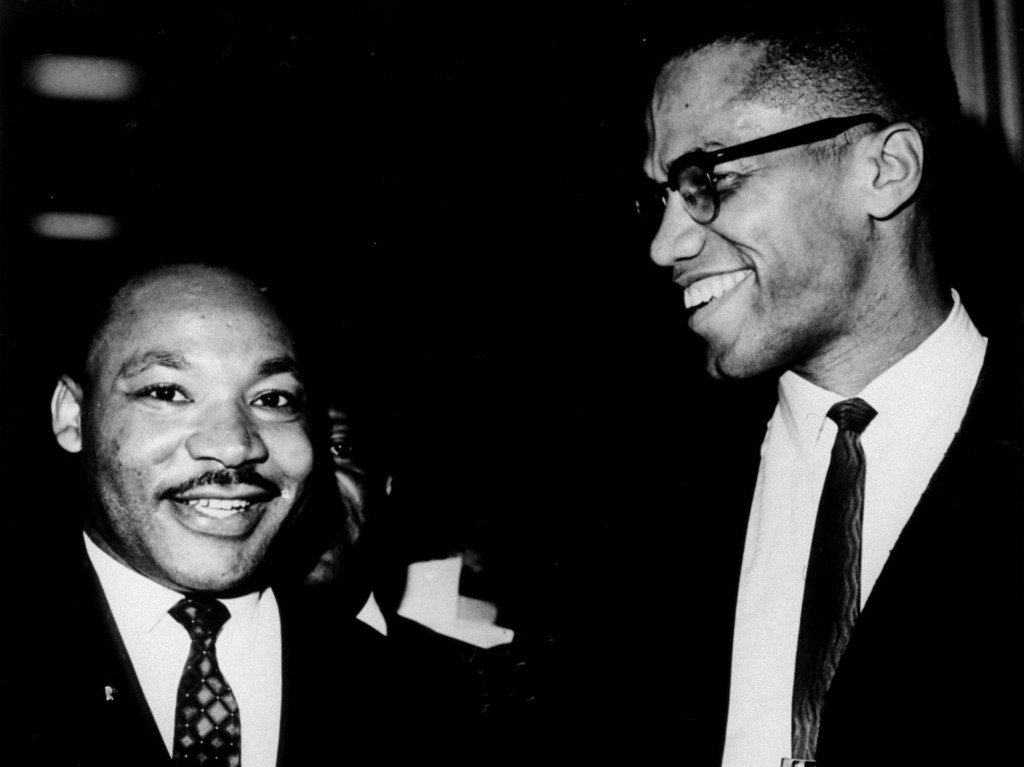
(AP Photo/Henry Griffin)

In the pantheon of American civil rights icons, two names shine with unrelenting brilliance: Malcolm X and Dr. Martin Luther King Jr. Though often cast as ideological opposites—one the militant voice of self-determination, the other the peaceful champion of integration—both men were fearless visionaries who dedicated their lives to the liberation and dignity of African Americans. Despite their differences in theology, rhetoric, and strategy, both stood at the frontline of a nation grappling with racism, injustice, and the unfulfilled promise of democracy.


🕋 Malcolm X: The Firebrand of Black Nationalism

Malcolm X was born Malcolm Little on May 19, 1925, in Omaha, Nebraska. The son of a Baptist preacher and Garveyite activist, Malcolm was introduced early to the power of Black pride. However, after the tragic death of his father and institutionalization of his mother, Malcolm’s youth spiraled into crime and incarceration. While in prison, he encountered the teachings of the Nation of Islam (NOI), a Black nationalist and religious movement led by Elijah Muhammad. Renouncing his surname—“Little”—as a slave name, Malcolm adopted “X” to represent his lost African ancestry.

Through the NOI, Malcolm preached racial pride, economic self-reliance, and Black separation from white society. He famously called for Black liberation “by any means necessary”, advocating self-defense rather than passive resistance. At a time when police brutality and lynchings plagued Black communities, Malcolm X’s unapologetic stance resonated deeply.

Malcolm X’s views were complex and evolving. While he initially condemned interracial relationships, later in life, after breaking with the Nation of Islam and making a pilgrimage to Mecca in 1964, he saw Muslims of all races united in faith. This broadened his worldview and led him to embrace Pan-Africanism and human rights advocacy, softening his stance toward whites.

On Black women, Malcolm once declared:

“The most disrespected person in America is the Black woman. The most unprotected person in America is the Black woman.” (Malcolm X, 1962)

This powerful quote reflected his growing recognition of Black women’s roles in the liberation struggle.

He was married to Betty Shabazz, with whom he had six daughters. Tragically, Malcolm X was assassinated on February 21, 1965, in Harlem’s Audubon Ballroom, just as he was forming the Organization of Afro-American Unity, a non-religious group focused on global Black solidarity.


✝️ Dr. Martin Luther King Jr.: The Apostle of Peace and Justice

Born Michael Luther King Jr. on January 15, 1929, in Atlanta, Georgia, he later changed his name to Martin in honor of the German Protestant reformer. Raised in the heart of the Black church, Martin became a Baptist minister and theologian steeped in the Christian doctrine of love, peace, and redemption.

King earned his doctorate in theology from Boston University and emerged as the leader of the Montgomery Bus Boycott in 1955 after Rosa Parks’ arrest. He founded the Southern Christian Leadership Conference (SCLC) and promoted nonviolent civil disobedience inspired by the teachings of Jesus Christ and Mahatma Gandhi.

He once wrote:

“Darkness cannot drive out darkness; only light can do that. Hate cannot drive out hate; only love can do that.” (King, Strength to Love, 1963)

King’s message appealed to the moral conscience of America. He led monumental events like the March on Washington in 1963, where he delivered his iconic “I Have a Dream” speech.

King was married to Coretta Scott King, and they had four children. While widely revered today, King was labeled a radical in his time. After his death in 1968, newly released FBI files alleged moral failings and adultery, but these accusations remain controversial and heavily debated for their lack of verifiable evidence and the FBI’s notorious attempts to discredit him (Garrow, 1986).


⚖️ Christianity vs. Nation of Islam

The theological differences between the men mirrored the ideological divides of their movements:

  • Christianity, as King practiced, preached forgiveness, integration, and universal brotherhood.
  • The Nation of Islam, as Malcolm embraced in his early years, preached Black supremacy, self-sufficiency, and a theological rejection of white society as inherently evil.

While King saw America as a nation to be redeemed, Malcolm often saw it as irredeemable.


🤝🏿 Did They Respect Each Other?

Though they met only once briefly in 1964, both Malcolm and Martin acknowledged the other’s sincerity and impact. Initially, Malcolm criticized King’s nonviolence as submissive. However, toward the end of his life, Malcolm expressed admiration for King’s commitment and bravery. After Malcolm’s assassination, King said:

“Malcolm X was a brilliant man who had great insight and was an eloquent spokesman for his point of view…I think he had a great ability to analyze the problem.”


👑 What Did They Do for Black People?

  • Malcolm X gave voice to the voiceless, empowering Black people to see themselves as valuable, independent, and sovereign. He introduced terms like “Afro-American” and made “Black is Beautiful” a political statement.
  • Martin Luther King Jr. was instrumental in achieving civil rights legislation, including the Civil Rights Act of 1964 and the Voting Rights Act of 1965, transforming American society through legal and moral change.

🌍 Views on America, Racism, and Africa

  • Malcolm X denounced America’s hypocrisy, calling it a “prison of the oppressed.” After his hajj to Mecca, he embraced a broader global view, saying, “I am not a racist. I am against every form of racism and segregation.”
  • King believed America could live up to its promise if it was held accountable. He said, “I have a dream that one day this nation will rise up and live out the true meaning of its creed.”

Both men viewed Africa as central to Black identity and liberation. Malcolm made alliances with African leaders, while King supported African independence movements.


👶🏾 Wives and Children

  • Malcolm X and Betty Shabazz had six daughters, including the late activist Malikah Shabazz.
  • Martin Luther King Jr. and Coretta Scott King had four children, including Bernice King, a prominent speaker and activist.

🏁 Final Thought: Who Had the Better Message?

This question defies easy answers. Malcolm X gave us the courage to stand tall. Martin Luther King Jr. taught us the power of enduring love. Together, they represented two wings of the same freedom bird. One cried out in righteous anger; the other marched with patient hope. But both demanded that Black people be seen, respected, and free.


📚 References

  • Garrow, D. J. (1986). Bearing the Cross: Martin Luther King, Jr., and the Southern Christian Leadership Conference. William Morrow & Co.
  • Malcolm X & Haley, A. (1965). The Autobiography of Malcolm X. Grove Press.
  • King, M. L. Jr. (1963). Strength to Love. Harper & Row.
  • Marable, M. (2011). Malcolm X: A Life of Reinvention. Viking.
  • Cone, J. H. (1991). Martin & Malcolm & America: A Dream or a Nightmare. Orbis Books.
  • Nation of Islam. (n.d.). Official Website. http://www.noi.org
  • The King Center. (n.d.). Biography of Dr. Martin Luther King Jr. http://www.thekingcenter.org

Beyond the Textbooks: The Erased Histories of Black Excellence

“A people without the knowledge of their past history, origin, and culture is like a tree without roots.” — Marcus Garvey


Photo by Oladimeji Ajegbile on Pexels.com

The history of Black excellence is far older, richer, and more complex than the version most people encounter in school curricula. The conventional narratives presented in textbooks are often incomplete, diluted, or intentionally altered to support dominant cultural and political agendas. From ancient African civilizations that pioneered mathematics, medicine, and architecture, to intellectual, artistic, and scientific contributions during and after slavery, much of Black history has been systematically erased or reframed. The erasure is not accidental—it is part of an ongoing strategy by those in power to control the collective memory of oppressed peoples, thereby shaping identity, opportunity, and self-worth.


What Has Been Erased from History

Mainstream history often omits or minimizes Africa’s role as the cradle of civilization. The advanced societies of Kemet (ancient Egypt), Kush, Mali, and Songhai are rarely presented as African achievements in the West, despite evidence of their innovations in astronomy, irrigation, architecture, and governance. Figures like Imhotep, the world’s first recorded multi-genius and physician, are seldom highlighted alongside Greek and Roman thinkers, even though his work predated them by millennia. The erasure extends to the transatlantic slave trade narrative, which is often oversimplified into dates and numbers, glossing over the complex political, spiritual, and cultural identities enslaved Africans brought with them. In modern times, the contributions of Black inventors, such as Garrett Morgan (traffic signal, gas mask) or Granville T. Woods (electrical railway improvements), have been under-credited or misattributed.


How People in Power Erase and Dilute History

Erasure occurs through multiple mechanisms:

  1. Textbook Censorship – School boards and publishers often frame slavery as a “migration” or “labor system” rather than a brutal institution rooted in racial terror.
  2. Selective Storytelling – Historical figures are stripped of their radical politics; for example, Martin Luther King Jr. is remembered primarily for “I Have a Dream” while his critiques of capitalism and militarism are ignored.
  3. Eurocentric Framing – Achievements of African civilizations are either ignored or attributed to outside influences, denying African agency.
  4. Modern Digital Manipulation – Social media algorithms and biased search results bury scholarship that challenges dominant narratives.

This dilution serves the purpose of cultural control. If oppressed groups are denied their true history, they may more easily internalize inferiority and accept their place in a manufactured social order. This aligns with George Orwell’s warning in 1984: “Who controls the past controls the future: who controls the present controls the past.”


Credible Sources to Learn Our History

To reclaim erased histories, credible sources are essential. These include:

  • Primary Sources: Archival documents, oral histories, and African artifacts preserved in institutions like the Schomburg Center for Research in Black Culture.
  • Scholarly Works: Ivan Van Sertima’s They Came Before Columbus, Cheikh Anta Diop’s The African Origin of Civilization, and Chancellor Williams’ The Destruction of Black Civilization.
  • Community Historians: Black churches, grassroots historians, and African cultural organizations often safeguard truths omitted from academic spaces.
  • Credible Textbooks: From Slavery to Freedom by John Hope Franklin, Before the Mayflower by Lerone Bennett Jr., and The Mis-Education of the Negro by Carter G. Woodson.

These sources resist the revisionism found in standard education systems and offer counter-narratives rooted in fact.


Biblical Insight into Historical Erasure

The Bible acknowledges the importance of remembering history and warns against its distortion. Deuteronomy 32:7 (KJV) commands, “Remember the days of old, consider the years of many generations: ask thy father, and he will shew thee; thy elders, and they will tell thee.” This mirrors the African oral tradition of passing down wisdom and identity. Psalm 78:4 (KJV) declares, “We will not hide them from their children, shewing to the generation to come the praises of the Lord, and his strength, and his wonderful works that he hath done.” The suppression of history is therefore not only an academic injustice but also a spiritual violation, cutting people off from divine instruction embedded in their collective story.


How the Past Has Been Watered Down

From the 19th century onward, Western historical scholarship often diminished African agency. Textbooks in the early 20th century described slavery as a “civilizing” process for Africans, ignoring the violence, cultural erasure, and systemic exploitation involved. Even today, school curricula often reduce the Civil Rights Movement to a few key events, ignoring the global anti-colonial solidarity movements it inspired. The erasure of radical Black political thought—such as the Pan-Africanism of Marcus Garvey or the anti-imperialism of Malcolm X—waters down the revolutionary potential of these legacies.


Modern-Day Erasure

In the 21st century, the erasure of Black history continues through legislative bans on “critical race theory,” the removal of books from school libraries, and the underfunding of African American studies programs. The cultural sanitization of slavery—framing it as “shared history” rather than a system of racialized terror—is a political act intended to protect dominant narratives and prevent structural change. Additionally, media often elevates stories of Black struggle over Black achievement, perpetuating a one-dimensional view of the Black experience.


Keeping Our History Alive

To keep our history alive, we must be proactive and communal in preservation:

  1. Intergenerational Storytelling: Families should pass down ancestral narratives without dilution.
  2. Independent Institutions: Support Black-owned publishing houses, museums, and schools that tell the full story.
  3. Curriculum Reform: Advocate for comprehensive African and African American history in public education.
  4. Digital Archives: Create accessible online repositories of oral histories, photographs, and documents.
  5. Spiritual Restoration: Reaffirm the biblical call to remember and honor the legacy of our ancestors as part of our divine inheritance.

Conclusion

The erasure of Black excellence is not simply an omission—it is an intentional act of power designed to weaken identity and unity. But knowledge is a form of liberation. By seeking out credible sources, rejecting diluted narratives, and actively preserving our history, we ensure that future generations stand rooted in truth. Marcus Garvey’s words remind us that without historical consciousness, we are like trees without roots—unable to stand tall or bear fruit. History is not a passive memory; it is a living inheritance, and we must guard it with vigilance, truth, and pride.


References

  • Bennett, L., Jr. (1993). Before the Mayflower: A History of the Negro in America, 1619–1992. Penguin Books.
  • Diop, C. A. (1974). The African Origin of Civilization: Myth or Reality. Chicago Review Press.
  • Franklin, J. H., & Moss, A. A. (2000). From Slavery to Freedom: A History of African Americans (8th ed.). McGraw-Hill.
  • Garvey, M. (1920). Philosophy and Opinions of Marcus Garvey. Universal Negro Improvement Association.
  • Van Sertima, I. (1976). They Came Before Columbus: The African Presence in Ancient America. Random House.
  • Williams, C. (1987). The Destruction of Black Civilization. Third World Press.
  • Woodson, C. G. (1933). The Mis-Education of the Negro. Associated Publishers.
  • The Holy Bible, King James Version.

Bloodlines and Bondage: The Untold Biblical Genealogy of the Black Diaspora

Photo by nappy on Pexels.com

The genealogy of the Black diaspora is a tapestry woven from millennia of movement, resilience, and divine purpose. For centuries, African people have been misrepresented, with their histories erased or distorted, obscuring their identity as part of the biblical lineage of the “chosen people.” The Hebrew Scriptures, in conjunction with modern genetic research, provide compelling evidence that many Black communities are descendants of the ancient Israelites. This paper traces the genealogy of the Black diaspora, exploring bloodlines, the E1B1A haplogroup, the diaspora’s origins, and the biblical connections to Jerusalem, while contextualizing the historical impact of slavery and migration.


Biblical Genealogy of the Black Chosen People

The Bible records that the descendants of Ham, specifically through Cush (Genesis 10:6–8, KJV), were settled in Africa. These descendants include the ancient kingdoms of Kush, Egypt, and parts of Sub-Saharan Africa, establishing a biblical precedent for African peoples as integral to the lineage of Israel. Deuteronomy 28 details blessings and curses, many of which scholars argue correspond with the historical experiences of the African diaspora. The scriptures provide a genealogical framework that links Africans to the broader story of the Israelites, emphasizing their role in God’s covenantal plan.


The Black Diaspora and Historical Context

The Black diaspora refers to the global dispersion of African peoples through migration, trade, conquest, and slavery. Starting with the transatlantic slave trade, millions of Africans were forcibly removed from their homelands, scattering the descendants of biblical Cush and Ham across the Americas, Europe, and the Caribbean. This diaspora disrupted the natural genealogical continuity, creating a legacy of bondage but also resilience. Historical records, oral traditions, and archaeology show that African civilizations prior to slavery had complex social, political, and religious structures, underscoring the depth of lineage that preceded forced displacement.


Genetics and the E1B1A Haplogroup

Modern genetic studies provide an additional layer of evidence for tracing African genealogies. The E1B1A Y-chromosome haplogroup is prevalent among West and Central African populations and is strongly associated with descendants of the African diaspora. This haplogroup traces paternal lineage and corroborates historical accounts of migrations from Northeast Africa toward the Nile Valley and across the continent. By linking genetics to biblical and historical records, researchers can identify patterns of descent consistent with the movements of Cushite and Hamitic peoples, reinforcing the continuity of Black Israelite lineage.


Tracing the Lineage Back to Jerusalem

Several biblical passages suggest that African peoples had connections to the Holy Land long before slavery. Psalm 87:4 (KJV) notes, “I will make mention of Rahab and Babylon to them that know me,” which scholars interpret as recognizing the inclusion of Cush and other African nations in God’s covenantal history. Historical interactions, including trade, migration, and the establishment of Jewish communities in Africa, provide evidence that Africans had religious and genealogical ties to Jerusalem and the Israelite tradition long before forced dispersal. The Ethiopian eunuch in Acts 8:27–39 further illustrates the integration of Africans into the biblical story of faith and covenant.


Legacy, Continuity, and Resilience

Despite centuries of enslavement, colonization, and cultural erasure, the genealogical and spiritual identity of African peoples as descendants of the biblical Israelites endures. The diaspora’s bloodlines, preserved through genetics and oral tradition, testify to resilience and divine continuity. Recognizing these connections empowers African descendants to reclaim identity, history, and purpose. The Bible consistently underscores the importance of remembering and honoring one’s lineage: “Remember the days of old, consider the years of many generations: ask thy father, and he will shew thee; thy elders, and they will tell thee” (Deuteronomy 32:7, KJV).


Conclusion

The biblical genealogy of the Black diaspora reveals a profound and often overlooked truth: African peoples are deeply intertwined with the history of Israel. From the descendants of Cush and Ham to the modern African diaspora, bloodlines and genetics such as E1B1A corroborate biblical and historical narratives. By tracing these lineages, scholars and communities alike can reclaim their rightful place in history, affirm spiritual identity, and honor the enduring legacy of the chosen people. Understanding the genealogy of the Black diaspora is both an act of scholarship and a restoration of truth.


References

  • De Gruy, J. (2005). Post Traumatic Slave Syndrome: America’s Legacy of Enduring Injury and Healing. Uptone Press.
  • Diop, C. A. (1974). The African Origin of Civilization: Myth or Reality. Chicago Review Press.
  • Franklin, J. H., & Moss, A. A. (2000). From Slavery to Freedom: A History of African Americans (8th ed.). McGraw-Hill.
  • Hammer, M. F., et al. (2001). Hierarchical patterns of global human Y-chromosome diversity. Molecular Biology and Evolution, 18(7), 1189–1203. https://doi.org/10.1093/oxfordjournals.molbev.a003906
  • Van Sertima, I. (1976). They Came Before Columbus: The African Presence in Ancient America. Random House.
  • The Holy Bible, King James Version.

America’s Ten Unpaid Debts to Black Citizens.

A Historical and Moral Reckoning

Photo by Alfo Medeiros on Pexels.com

The history of the United States is marked by both the rhetoric of liberty and the reality of systemic exclusion. From slavery to present-day racial inequities, the nation has accumulated what Dr. Martin Luther King Jr. famously described as a “promissory note” to Black Americans—an unfulfilled promise of equality, justice, and opportunity (King, 1963). These unpaid debts are not merely metaphorical; they are tangible, measurable, and rooted in centuries of institutionalized oppression. This essay examines ten of the most significant debts owed to Black citizens, explaining their historical origins and ongoing impact.


1. Reparations for Slavery

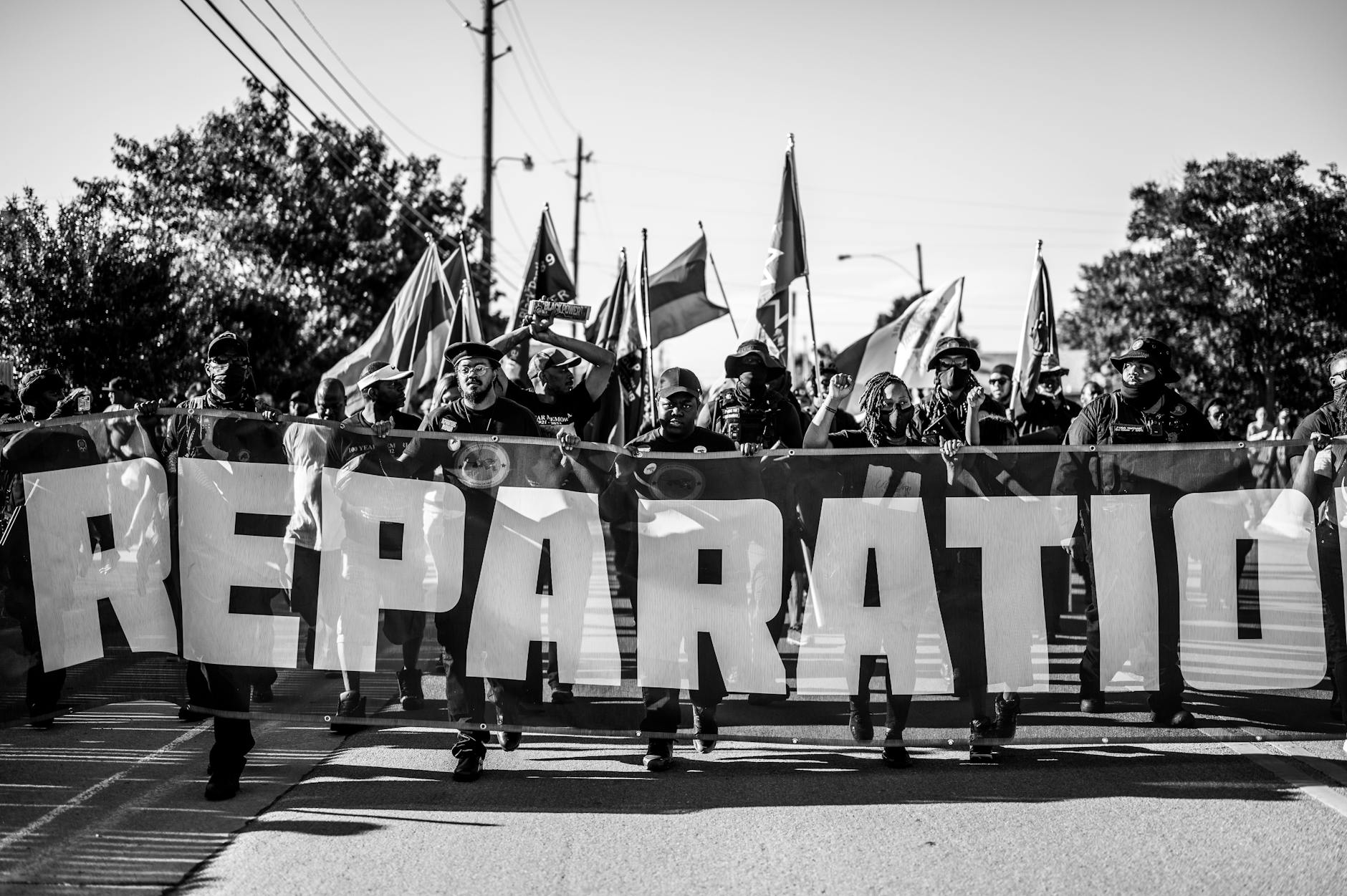
From 1619 to 1865, millions of African people were enslaved, generating immense wealth for the United States without receiving wages, property, or restitution (Baptist, 2014). The labor of enslaved Africans built the economic foundation of the nation, particularly in agriculture and trade. The failure to provide “forty acres and a mule” after emancipation represents a broken promise (Foner, 1988). Today, the racial wealth gap is a direct legacy of this uncompensated labor.


2. Unpaid Wages of Sharecropping and Convict Leasing

After slavery, sharecropping and convict leasing perpetuated forced labor under exploitative contracts, often leaving Black workers in perpetual debt (Blackmon, 2008). This system enriched landowners, railroads, and industrialists while trapping Black families in generational poverty. Psychological trauma from this economic exploitation remains embedded in communities.


3. Land Theft and Dispossession

Throughout the late 19th and early 20th centuries, Black farmers lost millions of acres through discriminatory lending practices, violence, and fraudulent legal tactics (Mitchell, 2005). Entire Black towns—such as Rosewood, Florida, and Tulsa’s Greenwood District—were destroyed by white mobs, erasing economic gains and property inheritance.


4. Denial of GI Bill Benefits

Following World War II, the GI Bill offered veterans home loans, education, and business assistance. However, discriminatory administration by banks and colleges meant Black veterans were largely excluded (Katznelson, 2005). This hindered upward mobility and the ability to pass wealth to future generations.


5. Housing Discrimination and Redlining

From the 1930s through the 1970s, the federal government sanctioned redlining—refusing mortgages in Black neighborhoods—which restricted home ownership and property value appreciation (Rothstein, 2017). This structural exclusion solidified racial segregation and the wealth divide.


6. Unequal Education

For centuries, Black children were denied equal education, from the prohibition of literacy under slavery to segregated and underfunded schools after Brown v. Board of Education (1954). Even today, predominantly Black school districts receive significantly less funding, perpetuating educational inequities (Darling-Hammond, 2010).


7. Mass Incarceration

The disproportionate policing, arrest, and imprisonment of Black Americans—especially since the 1970s “War on Drugs”—represents another unpaid debt. Mass incarceration has stripped millions of voting rights, broken families, and drained economic potential (Alexander, 2010). Biblically, this parallels unjust imprisonment condemned in Isaiah 10:1–2 (KJV).


8. Healthcare Inequities

Black Americans have historically faced medical neglect, from the Tuskegee Syphilis Study to present disparities in maternal mortality and access to care (Washington, 2006). Structural racism in healthcare has cost countless lives, a debt measured in both mortality and moral failure.


9. Cultural Appropriation without Compensation

Black creativity has been a driving force in American music, fashion, sports, and art. Yet, cultural appropriation often strips Black innovators of credit and financial benefit, enriching corporations and others while leaving the originators marginalized (Love, 2019).


10. Political Disenfranchisement

From poll taxes and literacy tests to modern voter ID laws and gerrymandering, Black citizens have been systematically denied full political participation (Anderson, 2018). This exclusion undermines the democratic promise of equal representation and self-determination.


Conclusion

These ten unpaid debts—spanning economic, political, social, and cultural domains—reveal that the promise of America remains partially unfulfilled for Black citizens. Addressing them is not merely about restitution but about moral accountability and the biblical imperative to “do justly, and to love mercy” (Micah 6:8, KJV). Until these debts are acknowledged and addressed, the dream of a truly equal America will remain deferred.


References

Alexander, M. (2010). The new Jim Crow: Mass incarceration in the age of colorblindness. The New Press.
Anderson, C. (2018). One person, no vote: How voter suppression is destroying our democracy. Bloomsbury Publishing.
Baptist, E. E. (2014). The half has never been told: Slavery and the making of American capitalism. Basic Books.
Blackmon, D. A. (2008). Slavery by another name: The re-enslavement of Black Americans from the Civil War to World War II. Anchor Books.
Darling-Hammond, L. (2010). The flat world and education. Teachers College Press.
Foner, E. (1988). Reconstruction: America’s unfinished revolution, 1863–1877. Harper & Row.
Katznelson, I. (2005). When affirmative action was white: An untold history of racial inequality in twentieth-century America. W.W. Norton & Company.
Love, B. L. (2019). We want to do more than survive: Abolitionist teaching and the pursuit of educational freedom. Beacon Press.
Mitchell, T. (2005). From reconstruction to deconstruction: Undermining black landownership, political independence, and community through partition sales of tenancies in common. Northwestern University Law Review, 95(2), 505–580.
Rothstein, R. (2017). The color of law: A forgotten history of how our government segregated America. Liveright Publishing.
Washington, H. A. (2006). Medical apartheid: The dark history of medical experimentation on Black Americans from colonial times to the present. Doubleday.

Dilemma: Deuteronomy 28

The Black Experience: Prophecy or History Repeating?

Photo by Thato Moiketsi on Pexels.com


The twenty-eighth chapter of Deuteronomy in the King James Version (KJV) is one of the most striking passages in the Bible because of its detailed account of blessings for obedience and curses for disobedience. For centuries, many have read this chapter as a prophetic warning to ancient Israel. However, within the Black community—particularly among African Americans and the African diaspora—Deuteronomy 28 has been seen as more than distant history. Its descriptions of exile, suffering, and generational struggle resonate deeply with the legacy of slavery, systemic oppression, and the enduring trials faced by Black people today.


What Deuteronomy 28 Means (KJV Context)

Deuteronomy 28 outlines two distinct paths:

  • Verses 1–14 – Blessings for obedience to God’s commandments: prosperity, victory over enemies, fruitful land, and respect among nations.
  • Verses 15–68 – Curses for disobedience: poverty, disease, oppression, exile, enslavement, and a loss of identity.

For example:

“The LORD shall cause thee to be smitten before thine enemies… thou shalt be removed into all the kingdoms of the earth.” (Deut. 28:25, KJV)
“And the LORD shall bring thee into Egypt again with ships… and there ye shall be sold unto your enemies for bondmen and bondwomen, and no man shall buy you.” (Deut. 28:68, KJV)

In biblical times, “Egypt” symbolized bondage. The reference to ships in verse 68 has been interpreted by many in the African diaspora as a prophetic mirror to the transatlantic slave trade.


How It Affects Black People Today

For many descendants of the transatlantic slave trade, Deuteronomy 28 feels eerily personal:

  • Loss of Homeland & Identity – The scattering of Israelites into foreign nations parallels the forced removal of Africans from their native lands, stripping away language, culture, and heritage.
  • Generational Oppression – The curses describe cycles of poverty and violence that continue to plague Black communities worldwide.
  • Cultural Disconnection – Enslavement replaced ancestral traditions with foreign religions, names, and lifestyles, creating a fractured sense of self.

This sense of displacement—spiritual, cultural, and physical—has left an imprint that still affects Black people’s self-perception, unity, and empowerment.


Is History Repeating Itself?

While the transatlantic slave trade has ended, its legacy persists in new forms:

  • Mass Incarceration – A modern system echoing the chains of the past.
  • Police Brutality – Public killings and abuse as an extension of historical racial violence.
  • Economic Inequality – Wealth gaps between Black communities and white counterparts remain rooted in systemic barriers from slavery and Jim Crow.
  • Global Displacement – Migration crises and gentrification uproot Black families from established communities.

These parallels suggest that although the methods have changed, the core patterns of oppression remain. In this sense, history is not merely repeating—it is evolving in ways that still reflect the curses described in Deuteronomy 28.


Trials and Tribulations of the Black Experience

From enslavement to present-day systemic injustice, Black people have endured:

  • Enslavement & Forced Labor – Centuries of physical bondage and exploitation.
  • Lynchings & Racial Terrorism – The use of fear to maintain racial hierarchies.
  • Educational Barriers – Underfunded schools and restricted access to higher learning.
  • Cultural Appropriation – The theft and monetization of Black creativity without proper recognition or benefit.
  • Health Disparities – Higher rates of preventable diseases due to unequal access to care.

These struggles align with the “yoke of iron” (Deut. 28:48) that speaks not just to physical chains, but to social, economic, and psychological oppression.


Why Are We Going Through This?

From a biblical perspective, the trials faced by Black people can be seen through the lens of covenant relationship. In the Hebrew Scriptures, disobedience to God brought consequences upon Israel. Theologically, some interpret the suffering of the African diaspora as part of a divine chastisement that calls for repentance, unity, and a return to God’s commandments.

From a historical lens, the reason lies in systemic exploitation and white supremacy, which have sought to control, divide, and profit from Black labor and culture for centuries. Both spiritual and political explanations reveal that our suffering has roots deeper than mere coincidence.


Why Did This Separate Us?

Deuteronomy 28 speaks of being “scattered among all people” (v. 64). The scattering of African peoples through slavery physically separated families and tribes. Colonialism and forced assimilation further divided communities, creating:

  • Fragmented Identity – Different surnames, languages, and religions within the same bloodline.
  • Division by Colorism – A lingering byproduct of slavery’s “divide and rule” tactics.
  • Cultural Amnesia – Loss of collective memory about African kingdoms, traditions, and biblical heritage.

This separation weakens unity, making it harder for Black communities to mobilize for collective liberation.


Conclusion: Prophecy and Purpose

Whether one views Deuteronomy 28 as ancient prophecy directly describing the African diaspora or as an allegorical warning, the parallels are undeniable. The chapter reads like both a historical account and a prophetic mirror reflecting the Black experience—past and present.

Yet within the same chapter lies hope: the blessings that come with obedience, unity, and spiritual restoration. If the curses came to pass, so too can the promises of restoration, prosperity, and freedom. Our history may feel like it’s repeating, but prophecy also offers the possibility of breaking the cycle.

“And the LORD thy God will turn thy captivity, and have compassion upon thee, and will return and gather thee from all the nations…” (Deut. 30:3, KJV)

The call, then, is not only to recognize the pattern but to rise above it—spiritually, culturally, and collectively—so history’s repetition ends with us.

Dilemma: SUNDOWN TOWNS

Shadows After Sunset: The Enduring Legacy of “SUNDOWN TOWNS” in the United States

THEY STILL EXIST TODAY

In the collective American memory, racism is often geographically assigned to the Jim Crow South. Yet, beneath the surface of Northern progressivism and Midwestern hospitality lies a sinister historical truth: sundown towns—white-only communities where African Americans were prohibited from residing, working, or even being present after sunset. These towns, scattered across the U.S. from the late 19th century through the 20th century, enforced their exclusionary practices through violence, intimidation, and local ordinances. Their existence challenges the notion that racism was solely a Southern enterprise and forces a national reckoning with the institutionalization of racial segregation across the country.

The Origins and Practices of Sundown Towns

The term was popularized by sociologist James W. Loewen, whose research documented thousands of towns that historically excluded African Americans. His book Sundown Towns: A Hidden Dimension of American Racism explains that these communities used violence, restrictive covenants, and intimidation to maintain racial homogeneity well into the 20th century.

Many towns did not have written laws but relied on informal enforcement, including harassment by police or residents, discriminatory housing policies, and economic exclusion.


Examples of Towns Often Discussed in Research

Scholars and historical records frequently cite several communities that historically operated as sundown towns and are still sometimes discussed today in conversations about racial exclusion. These include:

  • Anna, Illinois – Historically notorious; the town’s name has often been interpreted as shorthand for “Ain’t No Negroes Allowed.”
  • Forsyth County, Georgia – Black residents were violently expelled in 1912 and the county remained almost entirely white for decades.
  • Harrison, Arkansas – Known historically for exclusionary practices and later controversies involving white supremacist groups.
  • Vidor, Texas – Historically associated with hostility toward Black residents and integration.
  • Dearborn, Michigan – Historically restrictive toward Black residents during the 20th century under Mayor Orville L. Hubbard, though the city is now more diverse.
  • Levittown, New York – One of several suburban developments created by William Levitt that used racially restrictive housing covenants.

Researchers stress that many places have changed significantly, while others still show patterns of exclusion through demographics and housing access.


Why Some Places Still Function Like Sundown Towns

Even without explicit racial rules, several structural factors allow these communities to maintain exclusionary patterns:

1. Housing Segregation

Historically, practices like redlining and racially restrictive covenants prevented Black families from purchasing homes in certain neighborhoods. Although outlawed by the Fair Housing Act of 1968, the legacy of those policies continues to shape demographics.

2. Economic Barriers

High housing costs, zoning restrictions, and limited affordable housing can function as modern gatekeeping mechanisms that maintain racial and class segregation.

3. Social Intimidation

In some communities, minorities report subtle or overt hostility—ranging from surveillance to harassment—which discourages long-term residency.

4. Political and Institutional Culture

Local policing, school zoning, and political leadership may reinforce social boundaries even without explicit racial language.

5. Demographic Momentum

If a town was historically all-white for generations, that demographic pattern often continues simply because new residents tend to resemble the existing population.


Are Sundown Towns Still Legal?

Explicit sundown policies are illegal today due to federal civil rights protections, including the Civil Rights Act of 1964 and the Fair Housing Act of 1968. However, historians argue that informal exclusion can still occur through social pressure, economic barriers, and residential patterns.


How Many Existed Historically?

Research suggests there were thousands of sundown towns across the United States during the late 19th and early 20th centuries, particularly in the Midwest, West, and parts of the South. According to Loewen’s work, entire counties sometimes functioned as sundown areas.


In short: Modern America rarely has official sundown laws, but the legacy of racial exclusion, housing policy, and social norms means that some communities still operate in ways that resemble the old system.

The rise of sundown towns occurred primarily between the 1890s and 1960s, during a period of intense racial backlash following Reconstruction and the emergence of Black mobility. White residents in many towns, especially in the Midwest and North, adopted racial exclusion as a method of preserving “racial purity” and economic control. These towns often placed signs at their borders warning African Americans to leave by sundown, and many used violence, threats, or discriminatory ordinances to enforce this racial terror.

According to Loewen, these towns existed in at least 30 states, with especially high concentrations in Illinois, Indiana, Ohio, Oregon, and California. The practice was not just tolerated but reinforced by realtors, police, local businesses, and sometimes even churches.

Case Study: Anna, Illinois – “Ain’t No Negroes Allowed”

Perhaps the most infamous example is the town of Anna, Illinois, which has been widely believed to be an acronym for “Ain’t No N*s Allowed.” Located in Southern Illinois, Anna became a sundown town following a series of racial expulsions in the early 1900s, including the violent lynching of William “Froggie” James in nearby Cairo, Illinois, in 1909. Afterward, Black residents were systematically forced out of surrounding towns, including Anna.

Though no formal “sundown” signs are currently visible, the town’s demographic patterns and cultural memory have maintained its legacy of exclusion. As recently as 2019, Anna’s population was reported as over 95% white, and Black visitors have reported ongoing hostility and suspicion, particularly after dark. The Southern Poverty Law Center has cited Anna as a contemporary example of how the legacy of racial exclusion continues in subtle yet persistent ways (Southern Poverty Law Center, 2018).

A striking account came from journalist Logan Jaffe, who spent months in Anna documenting the ongoing racial tension. In her reporting for ProPublica, she found that many residents denied the sundown label while simultaneously acknowledging the town’s racial homogeneity. One resident told her, “We’re not racist—we just don’t have any Black people here,” demonstrating the quiet normalization of segregation in everyday speech and consciousness (Jaffe, 2019).

Why Are These Practices Allowed?

The persistence of sundown towns—and the lack of legal accountability—can be attributed to several factors. First, many of the practices were unwritten policies, enforced through vigilante violence rather than legislation, making them difficult to litigate or challenge in court. Second, law enforcement and local governments often collaborated with or turned a blind eye to these actions, ensuring no one was held responsible. Third, the federal government did little to intervene before the Civil Rights Act of 1964, and even afterward, lacked enforcement power in many rural and suburban areas.

The psychology of white fear and racial entitlement also played a significant role. Whites in these towns often justified their actions through tropes of protecting women, property values, and “community harmony,” reinforcing the notion that Black presence was inherently threatening. These deeply embedded beliefs were supported by media portrayals, educational institutions, and local traditions that dehumanized Black people and erased Black contributions to American life.

The Legacy Today

Although formal sundown policies have mostly disappeared, their cultural residue remains potent. Many towns still maintain racially homogenous populations and unwelcoming reputations. In places like Vidor, Texas, Forsyth County, Georgia, and Elwood, Indiana, Black travelers are still warned to proceed with caution. These areas may not have signs anymore, but their histories are well known—passed down by both white residents and African Americans who experienced or heard of the dangers firsthand.

Moreover, the economic impact of these exclusionary practices lingers. By keeping Black families out of thriving towns, African Americans were denied access to housing, education, healthcare, and business opportunities. This has directly contributed to the racial wealth gap and the geographic concentration of poverty among Black Americans. It also means that generational trauma and spatial segregation are not accidents—they are the result of deliberate policies and practices.

Historical Map and Geographic Patterns

Research by historian James W. Loewen, author of Sundown Towns: A Hidden Dimension of American Racism, found that thousands of communities across the United States operated as sundown towns during the late nineteenth and twentieth centuries.

Contrary to popular belief, sundown towns were not only a Southern phenomenon. They were especially common in the Midwest, West, and border states, where Black populations were often driven out entirely.

States with particularly high concentrations historically included:

  • Illinois
  • Indiana
  • Ohio
  • Oregon
  • Missouri
  • California

Many of these towns became almost completely white because African Americans were forced out through intimidation, violence, or discriminatory laws.


Examples of Historically Documented Sundown Towns

Several communities are often discussed in academic and historical research:

  • Anna, Illinois – Historically infamous; the town name was often interpreted as shorthand for “Ain’t No Negroes Allowed.”
  • Harrison, Arkansas – Long associated with white supremacist activity and exclusionary practices.
  • Vidor, Texas – Historically hostile toward Black residents, particularly during school integration.
  • Forsyth County, Georgia – In 1912, Black residents were violently expelled, leaving the county overwhelmingly white for decades.
  • Dearborn, Michigan – Historically exclusionary during the tenure of Mayor Orville L. Hubbard, though the city has since become more diverse.

Some entire counties and suburbs developed reputations for exclusion through housing practices rather than explicit ordinances.


How Black Travelers Navigated These Areas

During the segregation era, Black travelers relied on a guidebook known as the The Negro Motorist Green Book, created by Victor Hugo Green in 1936.

The Green Book listed:

  • Hotels that accepted Black guests
  • Restaurants and gas stations that were safe
  • Cities where Black travelers could stay overnight

This guide helped families avoid towns where they might face harassment or violence.


Why Some Places Still Appear Similar Today

Although explicit sundown policies are illegal under laws such as the Civil Rights Act of 1964 and the Fair Housing Act of 1968, several factors allow patterns of exclusion to persist.

1. Housing Segregation

Historical redlining and racially restrictive covenants shaped where families could buy homes. Even after these policies were outlawed, their effects remain visible in many neighborhoods.

2. Economic Barriers

High housing costs, zoning restrictions, and limited affordable housing often function as modern barriers that indirectly limit demographic diversity.

3. Social Culture

In some communities, minorities report subtle forms of intimidation or unwelcoming social climates that discourage settlement.

4. Demographic Momentum

If a town remained overwhelmingly white for generations, new residents often come from similar social networks, reinforcing the same demographic patterns.


Sundown Towns in the Southeast

In the Southeast, several areas gained reputations for exclusion during the twentieth century. For example:

  • Forsyth County, Georgia, near Atlanta, was historically notorious for expelling Black residents in 1912.
  • Certain small towns in Alabama, Mississippi, and Tennessee also developed reputations for racial exclusion during the Jim Crow era.

Many of these communities have changed significantly since the late twentieth century, though the history remains an important part of understanding regional demographics.


The Broader Historical Impact

Historians estimate that thousands of towns across the United States were once sundown communities. These policies contributed significantly to the racial segregation of American suburbs and small towns, shaping patterns of wealth, education, and opportunity that persist today.

Understanding this history helps explain why some regions remain less diverse and why discussions about housing equity and community inclusion continue today.

Conclusion

The history of sundown towns reveals a disturbing truth: systemic racism in America has always been national in scope, deeply embedded in urban planning, real estate, law enforcement, and local governance. These towns are not relics of the past—they are active reminders of how geography was weaponized to maintain white supremacy. By naming towns like Anna, Vidor, Forsyth County, and Elwood and documenting their histories, we begin to dismantle the myth of Northern innocence and challenge the narrative of post-racial progress.

It is only through public acknowledgment, educational reform, and community reconciliation that the shadows of sundown towns can be dispelled. The question is not just “why were they allowed to do this?”—but “why are we still allowing the consequences to persist?”


References

Jaffe, L. (2019). In a town called Anna. ProPublica. Retrieved from https://www.propublica.org/article/in-a-town-called-anna

Loewen, J. W. (2005). Sundown towns: A hidden dimension of American racism. The New Press.

Southern Poverty Law Center. (2018). The unfinished business of the Civil Rights Movement: Sundown towns and racial exclusion. Retrieved from https://www.splcenter.org

Getting2theRoots.com. (2023). What are sundown towns? Retrieved from https://getting2theroots.com/sundown-towns

Sundown Towns: A Hidden Dimension of American Racism – James W. Loewen. New York, NY: The New Press, 2005.

Equal Justice Initiative. (2017). Lynching in America: Confronting the Legacy of Racial Terror. Montgomery, AL.

The Color of Law: A Forgotten History of How Our Government Segregated America – Richard Rothstein. New York, NY: Liveright Publishing, 2017.

The Warmth of Other Suns: The Epic Story of America’s Great Migration – Isabel Wilkerson. New York, NY: Random House, 2010.

The Negro Motorist Green Book – Victor Hugo Green. New York: Victor H. Green & Co., various editions (1936–1967).

Civil Rights Act of 1964. U.S. Congress.

Fair Housing Act of 1968. U.S. Congress.

National Museum of African American History and Culture. (n.d.). The Green Book and Travel in the Jim Crow Era.

Mapping Inequality Project. (University of Richmond, Virginia Tech, University of Maryland). Redlining Maps and Racial Segregation in the United States.

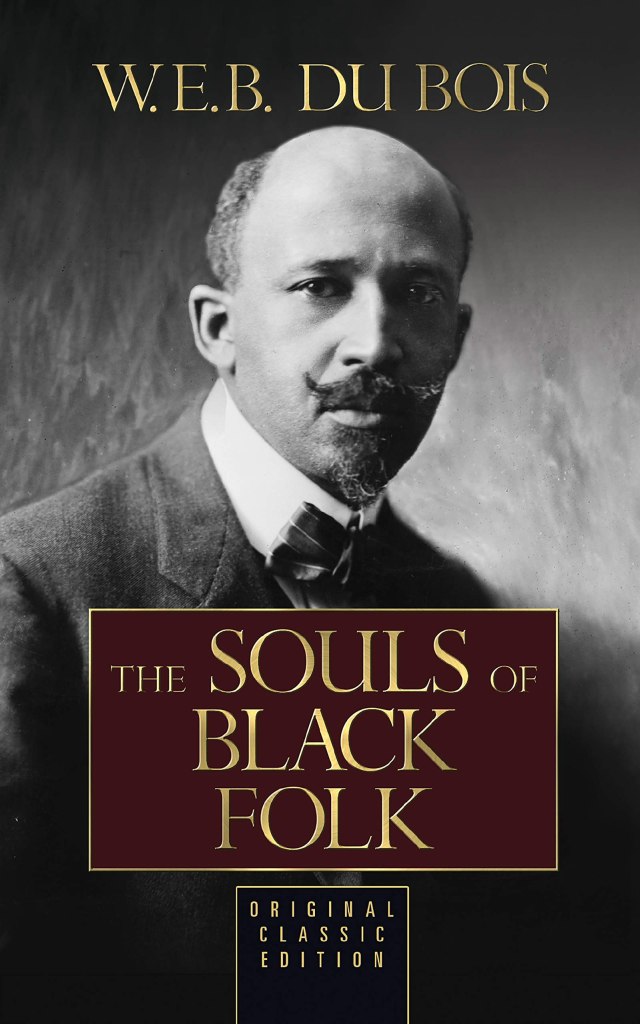
    The Devil’s Punchbowl: A Hidden Atrocity of Black Suffering in Post-Civil War America.


    Photo by Marcio Skull on Pexels.com

    Introduction

    In the aftermath of the American Civil War, freedom for Black Americans was not met with liberty, but with continued suffering, racial violence, and systemic neglect. One of the most haunting examples of this is the Devil’s Punchbowl, a natural pit located in Natchez, Mississippi, that became a makeshift concentration camp for thousands of freed Black people. Though omitted from many historical narratives, the Devil’s Punchbowl serves as a dark symbol of post-emancipation cruelty and the ongoing oppression of African Americans in the Reconstruction era.


    What and Where Is the Devil’s Punchbowl?

    The Devil’s Punchbowl is a deep, forested ravine located near the Mississippi River in Natchez. During the Civil War, it was a strategic military site. However, in 1865, after the Confederate surrender, it became the site of one of the largest internment camps for freed slaves, organized under the oversight of the Union Army.

    As tens of thousands of Black men, women, and children fled plantations and moved toward Union-occupied areas in search of safety and freedom, the Union Army confined over 20,000 freed African Americans into this secluded area (Taylor, 2019). High bluffs and ravines made escape nearly impossible, and the terrain lent the site its ominous name.


    The Origin and Conditions of the Camp

    Rather than being treated as citizens or refugees, the freedmen were corralled into this makeshift camp under military control. The rationale was partly based on fears that the sudden influx of Black people into Natchez would disrupt the local economy and social order. Under the Freedmen’s Bureau, the government established controlled settlements—but conditions were horrifying.

    According to local records and oral testimonies:

    • Inmates were not allowed to leave
    • Diseases like smallpox and dysentery spread rapidly
    • Food and clean water were scarce
    • Women were reportedly raped and abused
    • Thousands of people died from starvation, exposure, or disease
    • The Union Army forced men to perform hard labor in nearby orchards and fields, in a system reminiscent of slavery

    Estimates suggest over 10,000 freed slaves died in the Devil’s Punchbowl between 1865–1867. The bodies were often dumped in mass graves or left to decay in the ravine (Durham, 2020).


    Who Was Responsible?

    Ironically, the Union—heralded for “freeing the slaves”—was responsible for the establishment and maintenance of this camp. This points to the harsh truth that freedom from slavery did not mean freedom from white supremacy, even in the North.

    Major General Thomas J. Wood, a Union officer, supervised the camp in Natchez. The Freedmen’s Bureau, while well-intentioned in parts of the South, often collaborated with military forces to contain Black populations. Local white residents, many of whom feared a loss of economic control and racial hierarchy, supported these efforts either actively or silently.


    The Role of Racism and Dehumanization

    The atrocities at the Devil’s Punchbowl highlight how anti-Black racism was deeply embedded even in institutions that were ostensibly committed to emancipation. African Americans were often viewed not as humans deserving of dignity, but as problems to be managed, even by Union officers. Racism persisted through language, policy, and military enforcement. A system of “containment camps” was designed to prevent formerly enslaved people from fully integrating into American society.

    This wasn’t an isolated incident. Similar “contraband camps” existed across the South, but the Devil’s Punchbowl remains among the most horrific.


    Voices and Testimonies

    While few written first-hand slave narratives mention the Devil’s Punchbowl specifically, descendants and locals have preserved its memory. As one resident told historian Kelby Ouchley:

    “My grandmother said they wouldn’t even let them out to bury the dead. Just left them where they dropped.”

    The stories passed down suggest that the area remains haunted by the souls of those who suffered. Many locals claim the land is cursed and refuse to plant or harvest from the area where mass graves are believed to exist (Ouchley, 2011).


    A Cover-Up of History

    For decades, the Devil’s Punchbowl was excluded from textbooks, documentaries, and academic discourse. Even today, the site is unmarked, with no official memorial to honor those who died. This erasure reflects a broader pattern of silencing Black suffering in American history, especially when it complicates the “heroic” narrative of Union forces.


    What Was the Solution?

    Unfortunately, there was no immediate solution or justice for the victims. The camp was eventually abandoned by 1867, as death and disease made it unsustainable. The remaining survivors were either integrated into the broader labor economy or fled further north. The United States never officially investigated or held anyone accountable for the atrocities.

    The long-term solution has been in the hands of activists and historians who continue to expose the truth. Black historians, in particular, have called for recognition, memorialization, and reparations for sites like the Devil’s Punchbowl.


    Modern Implications and Historical Reckoning

    The Devil’s Punchbowl stands as a sobering reminder that slavery’s horrors did not end with emancipation, and that post-war America substituted slavery with other forms of oppression and genocide. Today, as conversations about reparations, racial justice, and historical truth deepen, sites like this must be acknowledged, taught, and honored.


    Conclusion

    The Devil’s Punchbowl is a testament to the cruel aftermath of slavery, where promises of freedom gave way to systemic containment and death. A true reckoning with American history demands that this site, and others like it, be brought into the light—not as isolated incidents, but as part of the long and brutal continuum of anti-Black violence in the United States.


    Quote and Book Reference

    “The Devil’s Punchbowl is not merely a natural formation—it is a scar in the earth, and a scar in our collective memory.”
    Kelby Ouchley, author of “Flora and Fauna of the Civil War: An Environmental Reference Guide”


    References

    • Durham, L. (2020). Devil’s Punchbowl and the Forgotten Holocaust of Black Americans. Journal of Southern History, 86(2), 341–356.
    • Ouchley, K. (2011). Flora and Fauna of the Civil War: An Environmental Reference Guide. LSU Press.
    • Taylor, Q. (2019). In Search of the Racial Past: Slavery, Reconstruction, and the Devil’s Punchbowl. Black Past.org.
    • United States Freedmen’s Bureau. (1865–1872). Records of the Bureau of Refugees, Freedmen, and Abandoned Lands.