
Category Archives: beloved

20 Practical Principles for Godly Dating

Godly dating is a relationship approach rooted in spiritual principles, prioritizing character, faith, and long-term compatibility over fleeting attraction or personal convenience. It involves intentionally seeking a partner who shares core values, a commitment to moral integrity, and a desire to honor God in their actions, decisions, and interactions. Unlike casual dating, godly dating emphasizes emotional and physical boundaries, open communication, and mutual respect, fostering growth and accountability for both individuals. The purpose is not merely companionship or romantic pleasure but preparation for a covenantal, lifelong partnership—often marriage—that reflects God’s design for love, unity, and shared purpose.

Godly dating is about more than attraction—it’s a journey of intentional love guided by faith and values. It’s choosing partners who share your principles, honor God in their actions, and prioritize character over convenience. Boundaries, honesty, and mutual respect are the foundation, while prayer and discernment guide decisions. This approach teaches patience, emotional maturity, and alignment of life goals, preparing individuals for a healthy, lasting, and spiritually grounded relationship.

In a world of fleeting connections, godly dating reminds us that love is best nurtured with intention, integrity, and divine guidance. By dating with purpose, you not only find a partner but build a relationship that grows in harmony, trust, and shared faith—a love that honors God and enriches both lives.

In godly dating, prayer, spiritual guidance, and discernment play key roles. Decisions are made thoughtfully, avoiding impulsive choices driven by societal pressures or superficial attraction. Partners are encouraged to cultivate patience, grace, and understanding, recognizing that true compatibility emerges from aligned character, vision, and values rather than chemistry alone. Financial responsibility, emotional maturity, and honesty are also essential, as godly dating seeks to build a foundation for sustainable, stable relationships that honor both individuals and God’s principles.

  1. Prioritize spiritual alignment – date someone who shares your faith and core values. Flee fornication, stay holy and pure.
  2. Practice patience – wait for the right person rather than settling for convenience.
  3. Set healthy boundaries – emotional, physical, and financial boundaries protect both partners.
  4. Communicate openly – honesty and transparency are essential from the start.
  5. Seek mutual respect – honor your partner’s dignity, opinions, and differences.
  6. Engage in prayer together – invite God’s guidance into your dating journey.
  7. Observe character – watch actions more than words; integrity matters most.
  8. Avoid rushed intimacy – physical or emotional closeness should develop gradually.
  9. Evaluate shared vision – discuss life goals, family planning, and career aspirations early.
  10. Practice forgiveness – misunderstandings will arise; grace fosters growth and trust.
  11. Involve accountability – trusted mentors or leaders can offer guidance and perspective.
  12. Build emotional intelligence – understand your feelings and empathize with your partner.
  13. Maintain financial wisdom – discuss money habits and stewardship before commitment.
  14. Identify red flags early – dishonesty, abuse, or disrespect should never be ignored.
  15. Avoid distractions – social media or peer pressure should not dictate dating decisions.
  16. Focus on long-term growth – choose relationships that edify both partners spiritually and emotionally.
  17. Celebrate individuality – maintain personal goals, hobbies, and friendships.
  18. Learn from past relationships – reflect on lessons without letting past hurt dictate choices.
  19. Keep accountability in conflicts – disagreements should be resolved with respect and humility.
  20. Seek covenantal commitment – date with the intention of discerning marriage or lifelong partnership.

Godly dating transforms the pursuit of love into a disciplined, intentional, and spiritually guided journey. It teaches that meaningful relationships are cultivated through respect, patience, and shared faith, not convenience or impulsivity. By prioritizing character, values, and long-term purpose, godly dating prepares individuals for healthy, fulfilling, and enduring partnerships. Ultimately, it emphasizes that love guided by divine principles is not only emotionally rewarding but also spiritually enriching, shaping individuals to grow together in harmony, integrity, and mutual devotion.

References
Holy Bible, King James Version. (2017). Hendrickson Publishers. (Original work published 1611).
Cloud, H., & Townsend, J. (2018). Boundaries in dating. Zondervan.
Chapman, G. (2015). The five love languages: How to express heartfelt commitment to your mate. Northfield Publishing.
Keller, T. (2017). The meaning of marriage: Facing the complexities of commitment with the wisdom of God. Dutton.
Fowler, J. W. (2019). Stages of faith: The psychology of human development and the quest for meaning. HarperOne.

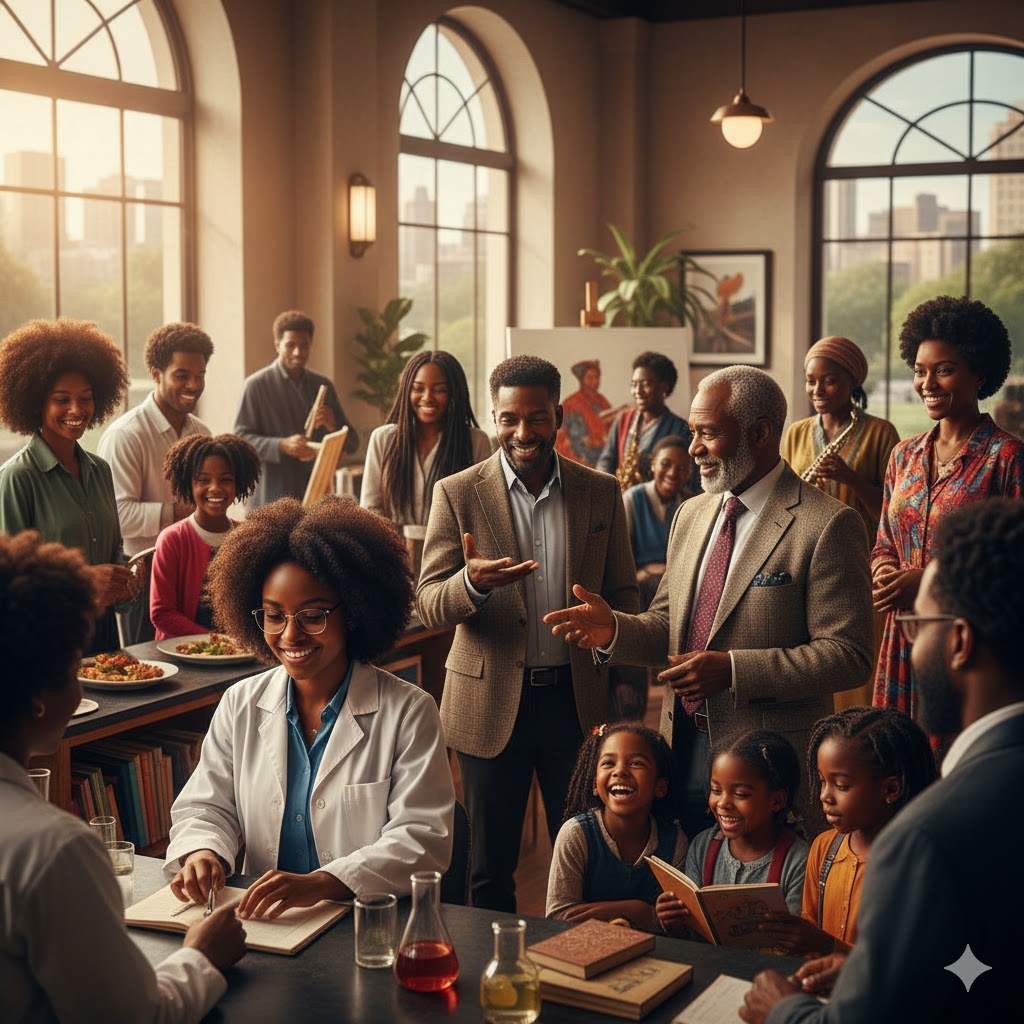
AfroLove: Dating in Our Rhythm

Dating is more than a transactional interaction; it is a cultural, emotional, and spiritual practice shaped by heritage, rhythm, and relational values. AfroLove emphasizes the importance of understanding love, attraction, and partnership through the lens of African and diasporic cultural norms while integrating biblical principles of morality, respect, and self-discipline.

Physical attraction is a natural aspect of human relationships. Symmetry, health, and personal grooming are often subconscious indicators of genetic fitness and well-being (Rhodes, 2006). In Afrocentric dating, features such as natural hair, skin tone, and body shape are celebrated and valued, reflecting a rejection of Eurocentric beauty standards and an embrace of cultural identity (Hunter, 2007).

Psychologically, attraction is influenced by both familiarity and similarity. Individuals tend to be drawn to those who share values, cultural practices, and interests, as these similarities facilitate trust, comfort, and relational stability (Byrne, 1971). Music, dance, and cultural rituals further reinforce attraction by creating shared experiences and emotional resonance.

Cultural expression plays a pivotal role in AfroLove. From traditional courtship songs to contemporary Afrobeat and spoken word, rhythm and artistic expression guide relational dynamics, allowing couples to communicate, connect, and understand one another in ways that transcend verbal language. These cultural markers help shape attraction and relational alignment.

Biblically, dating should honor God’s design and timing. Physical attraction and emotional connection are not sinful in themselves, but yielding to sexual activity outside of marriage is discouraged (1 Corinthians 6:18-20, KJV). Proverbs 6:25 (KJV) cautions against lusting after beauty alone: “Lust not after her beauty in thine heart; neither let her take thee with her eyelids.” This encourages intentionality and moral discernment in relationships.

Emotional intelligence is essential in AfroLove. Recognizing one’s own feelings, understanding the emotional cues of a partner, and fostering empathy create strong relational foundations. Respect, communication, and accountability are culturally and biblically endorsed components of healthy dating (Eagly et al., 1991).

The psychology of attraction emphasizes reciprocity, where mutual interest and admiration strengthen relational bonds (Aron et al., 1992). In AfroLove, shared values such as community orientation, familial respect, and spiritual alignment amplify these effects, making compatibility deeper than mere physical or superficial attraction.

Colorism and internalized beauty hierarchies remain challenges within Afro-diasporic communities. Lighter-skinned individuals may receive disproportionate social validation, while darker-skinned individuals may encounter marginalization (Hunter, 2007). AfroLove seeks to celebrate all forms of Black beauty, emphasizing worth, dignity, and divine design.

Music and rhythm play unique roles in shaping relational connection. Dance and communal cultural events create spaces for natural interaction and attraction to emerge organically, reinforcing compatibility and shared cultural understanding. These elements act as both social and psychological catalysts for partnership formation.

In practical terms, AfroLove encourages couples to date with purpose, establishing boundaries that protect emotional and spiritual well-being. Avoiding lustful fixation, premature sexual activity, or superficial valuation of partners ensures that relationships honor both God and cultural integrity (Matthew 5:28, KJV).

Spiritual discernment complements cultural awareness. Prayer, reflection, and mentorship provide guidance in evaluating potential partners beyond aesthetic appeal, fostering relational decisions aligned with moral and spiritual standards.

Psychologically, long-term attraction is more sustained by emotional connection, shared values, and intellectual compatibility than by physical beauty alone (Montoya & Horton, 2004). AfroLove emphasizes holistic evaluation, integrating cultural, emotional, and spiritual dimensions in partner selection.

Community engagement also shapes relational experiences. Participating in family gatherings, cultural events, and spiritual activities allows individuals to observe character, relational skills, and social alignment, reinforcing informed and intentional dating choices.

Digital culture presents both opportunities and challenges in AfroLove. Social media can facilitate connection across distances but can also amplify superficial assessment and appearance-based judgment. Discernment is essential to ensure that attraction is rooted in substance rather than digital facades (Marwick, 2017).

Cultural rituals, such as gift-giving, storytelling, and dance, serve as relational expressions that deepen attachment and provide insight into values, character, and mutual respect. These culturally grounded practices complement spiritual teachings on courtship and relational integrity.

Dating in rhythm also involves patience and emotional regulation. Understanding the importance of timing, personal growth, and relational readiness aligns with biblical instruction to pursue holiness and avoid premature sexual engagement (1 Thessalonians 4:3-5, KJV).

Self-expression, through style, hair, and personality, communicates individuality and cultural identity. Observing how a partner maintains self-respect, presentation, and cultural connection provides insight into relational compatibility without succumbing to superficial judgment.

AfroLove emphasizes joy, mutual respect, and shared cultural pride. Romantic connection is not solely a physical or emotional experience but a celebration of heritage, identity, and community values, allowing attraction to flourish in alignment with spiritual principles.

In conclusion, AfroLove: Dating in Our Rhythm integrates cultural heritage, psychological understanding, and biblical wisdom to guide Black individuals in forming healthy, respectful, and spiritually grounded relationships. True attraction arises from the heart, cultural alignment, and moral discernment, ensuring that love is both authentic and honoring to God.

References

Aron, A., Melinat, E., Aron, E. N., Vallone, R. D., & Bator, R. J. (1992). The experimental generation of interpersonal closeness: A procedure and some preliminary findings. Personality and Social Psychology Bulletin, 23(4), 363–377.

Buss, D. M. (1994). The evolution of desire: Strategies of human mating. Basic Books.

Byrne, D. (1971). The attraction paradigm. Academic Press.

Eagly, A. H., Ashmore, R. D., Makhijani, M. G., & Longo, L. C. (1991). What is beautiful is good, but…: A meta-analytic review of research on the physical attractiveness stereotype. Psychological Bulletin, 110(1), 109–128.

Hunter, M. (2007). The persistent problem of colorism: Skin tone, status, and inequality. Sociology Compass, 1(1), 237–254.

Langlois, J. H., Kalakanis, L., Rubenstein, A. J., Larson, A., Hallam, M., & Smoot, M. (2000). Maxims or myths of beauty? A meta-analytic and theoretical review. Psychological Bulletin, 126(3), 390–423.

Marwick, A. (2017). Status update: Celebrity, publicity, and branding in the social media age. Yale University Press.

Montoya, R. M., & Horton, R. S. (2004). A meta-analytic investigation of the processes underlying the similarity–attraction effect. Journal of Social and Personal Relationships, 21(3), 289–308.

Rhodes, G. (2006). The evolutionary psychology of facial beauty. Annual Review of Psychology, 57, 199–226.

Wolf, N. (1991). The beauty myth: How images of beauty are used against women. HarperCollins.

Holy Bible, King James Version (KJV). Proverbs 6:25; Matthew 5:28; 1 Corinthians 6:18-20; 1 Thessalonians 4:3-5; 1 Samuel 16:7.

Brown. Brilliant. Beloved

Brown skin tells a story written in melanin, history, and resilience. It is a tapestry of ancestors who survived oppression, fought for freedom, and cultivated culture. To be brown is to carry that legacy, to stand on the shoulders of those who came before, and to embrace identity with pride and consciousness.

Brilliance is inherent in the brown experience. Historically, African civilizations such as Mali, Kush, and Songhai produced scholars, leaders, and innovators whose contributions shaped the world. This intellect is not only historical but living, manifesting in contemporary achievements across academia, arts, and leadership (Asante, 2007).

Belovedness is divine. Psalm 139:14 (KJV) reminds us, “I will praise thee; for I am fearfully and wonderfully made: marvellous are thy works; and that my soul knoweth right well.” This scripture affirms that every brown life is crafted with intention, valued, and worthy of love.

To embrace brownness fully is to resist colorism and societal bias. Hunter (2007) emphasizes the psychological impact of colorism on self-esteem. Rejecting internalized messages of inferiority allows the brown individual to celebrate their heritage and cultivate self-respect.

Brilliance extends beyond natural intelligence; it encompasses creativity, innovation, and strategic thinking. Brown people have continuously contributed to literature, science, music, and politics, demonstrating a multidimensional brilliance that defies stereotypical limitations.

Belovedness requires self-love and acceptance. 1 John 4:19 (KJV) declares, “We love him, because he first loved us.” Recognizing God’s love allows brown individuals to extend that grace inward, affirming their worth and embracing their identity.

The intersection of brownness and brilliance challenges societal narratives. By excelling academically, professionally, and creatively, brown people rewrite misrepresentations and assert visibility, demonstrating the intellectual and cultural wealth of their communities.

Being beloved is also relational. Proverbs 27:17 (KJV) teaches, “Iron sharpeneth iron; so a man sharpeneth the countenance of his friend.” Through supportive networks, mentorship, and community engagement, brown individuals cultivate love, trust, and mutual growth.

Brownness carries historical memory. Awareness of ancestral struggles—from slavery to colonization—anchors identity in resilience. This awareness transforms inherited trauma into motivation, perseverance, and empowerment.

Brilliance flourishes when nurtured. Education, curiosity, and mentorship are tools that enable brown individuals to cultivate gifts and achieve their full potential. The celebration of intellect becomes a radical act of self-determination.

Belovedness involves forgiveness and compassion. Colossians 3:13 (KJV) urges, “Forbearing one another, and forgiving one another, if any man have a quarrel against any: even as Christ forgave you, so also do ye.” Embracing love for self and others strengthens relational bonds and reinforces emotional wellbeing.

Brown bodies are sites of beauty, power, and representation. From the elegance of historical leaders to contemporary icons, physicality is intertwined with identity, affirming dignity and aesthetic pride.

Brilliance is also moral and spiritual. Proverbs 4:7 (KJV) states, “Wisdom is the principal thing; therefore get wisdom: and with all thy getting get understanding.” Ethical and spiritual wisdom enhances intellectual brilliance, guiding decisions and character.

Being beloved requires self-protection and boundary setting. Recognizing one’s value means refusing environments or relationships that diminish self-worth, while cultivating spaces that nurture growth and affirmation.

Brown identity intersects with culture. Music, literature, and traditions are vessels of storytelling and creativity. By engaging with these cultural expressions, brown people celebrate heritage, history, and collective brilliance.

Brilliance persists in adversity. Overcoming systemic oppression, prejudice, and marginalization demonstrates resilience, strategic thinking, and emotional intelligence, all facets of true genius.

Belovedness demands gratitude. Psalm 118:24 (KJV) reminds, “This is the day which the LORD hath made; we will rejoice and be glad in it.” Recognizing daily blessings reinforces joy, self-worth, and connection to divine purpose.

Brownness is revolutionary. Simply existing with pride, intellect, and authenticity challenges narratives of inferiority and inspires future generations to embrace their identity fully.

Brilliance is communal as well as personal. By mentoring, teaching, and uplifting others, brown individuals multiply the impact of knowledge, wisdom, and creativity within their communities.

To be beloved is to affirm life, celebrate achievements, and honor one’s journey. It is a holistic recognition of self, integrating history, intellect, emotion, and spirituality into an empowered existence.

Brown. Brilliant. Beloved. It is an identity, a declaration, and a daily choice. It is the integration of ancestry, intellect, and divine affirmation—a continuous act of living fully, resisting oppression, and embodying purpose.


References

Psalm 139:14, KJV.
1 John 4:19, KJV.
Proverbs 27:17, KJV.
Colossians 3:13, KJV.
Proverbs 4:7, KJV.
Psalm 118:24, KJV.
Asante, M. K. (2007). The History of Africa: The Quest for Eternal Harmony. Routledge.
Hunter, M. L. (2007). The Persistent Problem of Colorism: Skin Tone, Status, and Inequality. Sociology Compass, 1(1), 237–254.
Gates, H. L. (2019). The Black Experience in America: Identity, Culture, and Achievement. New York: Vintage Press.
Du Bois, W. E. B. (2007). The Souls of Black Folk. Oxford University Press.

The Dynasty of Two: A Hebraic Journey into Love and Covenant.

Marriage in the Hebraic understanding is more than companionship, romance, or emotional fulfillment—it is a covenant assignment, crafted by the Most High to reflect His relationship with His chosen people. When a man and woman come together under God’s order, they do not merely form a household; they establish a dynasty, a spiritual lineage built on faith, honor, and divine purpose. A dynasty is not created overnight— it is cultivated through obedience, unity, and submission to God’s will.

In the beginning, the Most High formed marriage with intention. Scripture declares, “It is not good that the man should be alone” (Genesis 2:18, KJV). From this truth came the divine union of Adam and Eve—a partnership marked by purpose, not convenience. In Hebraic thought, husband and wife are not adversaries but allies. They are two halves of a covenant equation, designed to reflect God’s glory through their oneness.

A “Dynasty of Two” begins with identity. A man must understand his role as a king, priest, and protector. A woman must know her value as a queen, nurturer, and wise counselor. Together, they mirror the relationship between Yah and Israel—order, love, responsibility, and faithfulness. “For thy Maker is thine husband” (Isaiah 54:5, KJV) reveals the covenant nature of divine love, which earthly marriage is meant to emulate.

Unity is the foundation of a dynasty. Scripture teaches, “Can two walk together, except they be agreed?” (Amos 3:3, KJV). Agreement is not uniformity; it is alignment. It requires intentional communication, shared values, mutual respect, and spiritual agreement. A dynasty cannot flourish where division reigns. A house divided will fall, but a couple united in God’s purpose will withstand every storm.

In Hebraic culture, a covenant is sealed not just in words but in deeds. Love is action. Faithfulness is action. Commitment is action. “Let us not love in word…but in deed and in truth” (1 John 3:18, KJV). A dynasty requires consistent choices—choosing forgiveness, choosing patience, choosing humility, even when emotions fluctuate.

The wife, as the crown of her husband, brings honor, dignity, and wisdom into the home. “A virtuous woman is a crown to her husband” (Proverbs 12:4, KJV). Her presence stabilizes the household. She governs with discernment, intercedes in prayer, and carries a grace that builds the spiritual climate of the home. She is not secondary—she is essential.

The husband, as the head, carries divine responsibility. Headship is not domination; it is sacrificial leadership. “The husband is the head of the wife, even as Christ is the head of the church” (Ephesians 5:23, KJV). A Hebraic man protects, provides, and shepherds. He leads by example, not by force. His love cultivates security.

A dynasty requires purity and holiness. The Most High calls His people to sanctified love. “Be ye holy; for I am holy” (1 Peter 1:16, KJV). Marriage thrives in an atmosphere where the fear of God governs actions. Couples who guard their hearts from temptation, maintain honor, and walk in righteousness build a legacy that the enemy cannot easily corrupt.

Forgiveness is a critical pillar. No union thrives without it. “Charity shall cover the multitude of sins” (1 Peter 4:8, KJV). In a dynasty of two, grace flows freely. Mistakes become lessons. Conflicts become opportunities for deeper unity. Forgiveness keeps the covenant from breaking under pressure.

Spiritual intimacy is the glue of a Hebraic marriage. Prayer, study, and worship strengthen emotional and physical connection. A couple that seeks God together invites divine presence into their home. “Except the LORD build the house, they labour in vain that build it” (Psalm 127:1, KJV). When God builds, the foundation never cracks.

Accountability protects the dynasty. Elders, mentors, and righteous community provide wisdom and guidance. The Hebraic tradition emphasizes community responsibility—marriage is not hidden but supported. Wise counsel shields couples from isolation, misunderstanding, and spiritual attack.

Generational vision is at the heart of dynasty-building. Children are a heritage and a legacy. “Children are an heritage of the LORD” (Psalm 127:3, KJV). A dynasty is not built for the present alone but for future generations—sons who will become kings and daughters who will become queens. Every decision becomes an investment in lineage.

Financial stewardship strengthens the dynasty. The Most High calls His people to order, diligence, and discipline. When couples manage resources with unity and wisdom, their dynasty becomes stable and prosperous. “Through wisdom is an house builded; and by understanding it is established” (Proverbs 24:3, KJV).

Emotional maturity is essential. Unhealed wounds sabotage unity. But the Most High promises healing. “He bindeth up their wounds” (Psalm 147:3, KJV). A dynasty thrives when both partners pursue inner wholeness, communicate with emotional intelligence, and respond with grace rather than reactivity.

Celebration strengthens love. A Hebraic marriage rejoices in each partner’s growth, achievements, and character. Honor flows freely. Kings uplift their queens. Queens exalt their kings. Joy becomes a weapon against discouragement.

Service is a covenant requirement. As Christ served, so must we. Serving one another builds humility, trust, and intimacy. “By love serve one another” (Galatians 5:13, KJV). A dynasty thrives where love is demonstrated through daily acts of kindness and care.

Boundaries protect the marriage. Royalty does not allow everyone access to their inner courts. Couples must guard their relationship from gossip, outside interference, and unhealthy influences. What God has joined together must be shielded with intentionality.

A dynasty of two is a ministry. It is a living testimony of God’s faithfulness and order. The union itself becomes an example to the community, a reflection of Christ-like love, and a source of wisdom for future generations.

Ultimately, a Hebraic marriage is a covenant rooted in divine purpose, strengthened by righteousness, and sustained by the Most High. It is not simply two people choosing each other—it is God choosing them for each other. When two become one under His hand, their love becomes eternal, powerful, and unbreakable.

This is the Dynasty of Two: a royal lineage forged through covenant, faith, unity, and unwavering devotion to the Most High. A dynasty built not by human strength but by divine design.


References (KJV):
Genesis 2:18; Isaiah 54:5; Amos 3:3; 1 John 3:18; Proverbs 12:4; Ephesians 5:23; 1 Peter 1:16; 1 Peter 4:8; Psalm 127:1; Psalm 127:3; Proverbs 24:3; Psalm 147:3; Galatians 5:13.

Beloved, Bloom

Beloved, you were never meant to wither beneath the weight of the world’s expectations. You were designed to bloom — to rise in divine timing, nourished by the light of God’s love. Too often, women hide their radiance, comparing their growth to another’s garden. But the Creator plants each of us with purpose and grace. The same God who paints sunsets and commands the ocean waves has written your name in His garden of glory. Bloom where you are, with what you have, and let your fragrance fill the earth with faith, strength, and softness. You are not behind; you are becoming. 🌿✨

Beloved, you were never meant to fade in the shadows of comparison or shrink beneath the expectations of the world. You were created in divine brilliance, hand-sculpted by the Master Gardener who saw beauty and purpose in your becoming. Every woman has a season of blooming — a sacred time when God allows her roots to deepen before her petals unfold. It is not a race of perfection but a journey of transformation, where faith waters the soul and patience strengthens the stem of character.

The Bible says, “To every thing there is a season, and a time to every purpose under the heaven” (Ecclesiastes 3:1, KJV). Your season of bloom may not look like another woman’s, and that’s by design. The Lord orchestrates the timing of your growth so that when you rise, your light cannot be dimmed. Even in your waiting season, you are growing in unseen places — the soil of prayer, humility, and surrender.

To bloom, beloved, is to trust God with your process. Flowers do not open in one day; they unfold gradually under the warmth of the sun. Likewise, God gently unfolds your purpose as you abide in Him. Jesus declared, “I am the vine, ye are the branches… without me ye can do nothing” (John 15:5, KJV). Your bloom is sustained only when your heart remains connected to the true Vine. In a world that praises independence and self-made glory, divine femininity calls you to a higher posture — dependence on God, where strength is wrapped in softness and confidence flows from spiritual intimacy.

There will be pruning seasons, times when God removes what no longer serves your growth. The pruning may hurt, but it is holy. Just as a gardener trims to promote new life, God removes relationships, habits, and mindsets that block your flourishing. “Every branch that beareth fruit, he purgeth it, that it may bring forth more fruit” (John 15:2, KJV). Don’t resist His hands — they are shaping you for greater beauty.

Blooming also means embracing your divine identity. You are not defined by what you have lost or by who walked away. You are the daughter of a King who clothes you in grace and adorns you with wisdom. The world may value outward beauty, but God treasures the inward glow — the gentle and quiet spirit that reflects His presence. “Favour is deceitful, and beauty is vain: but a woman that feareth the Lord, she shall be praised” (Proverbs 31:30, KJV).

As you bloom, remember that your petals are meant to bless others. The fragrance of your faith, the kindness in your speech, and the strength of your love can inspire those still in their seed stage. Every trial you’ve endured, every tear you’ve sown, becomes nourishment for another woman’s growth. You are both the flower and the gardener — growing while helping others rise.

Beloved, do not rush your season. The Lord is perfecting you in His timing. When you surrender your fears and doubts to Him, He makes beauty out of brokenness and turns delay into destiny. “The Lord will perfect that which concerneth me” (Psalm 138:8, KJV). Your bloom will come, radiant and purposeful, testifying to the faithfulness of the One who planted you.

So, lift your face to the Son. Stand tall in your faith. Spread your petals of purpose and let your life be the proof of God’s goodness. You were never meant to blend into the background; you were created to bloom beautifully, boldly, and belovedly — in Him. 🌷