Category Archives: beautyism

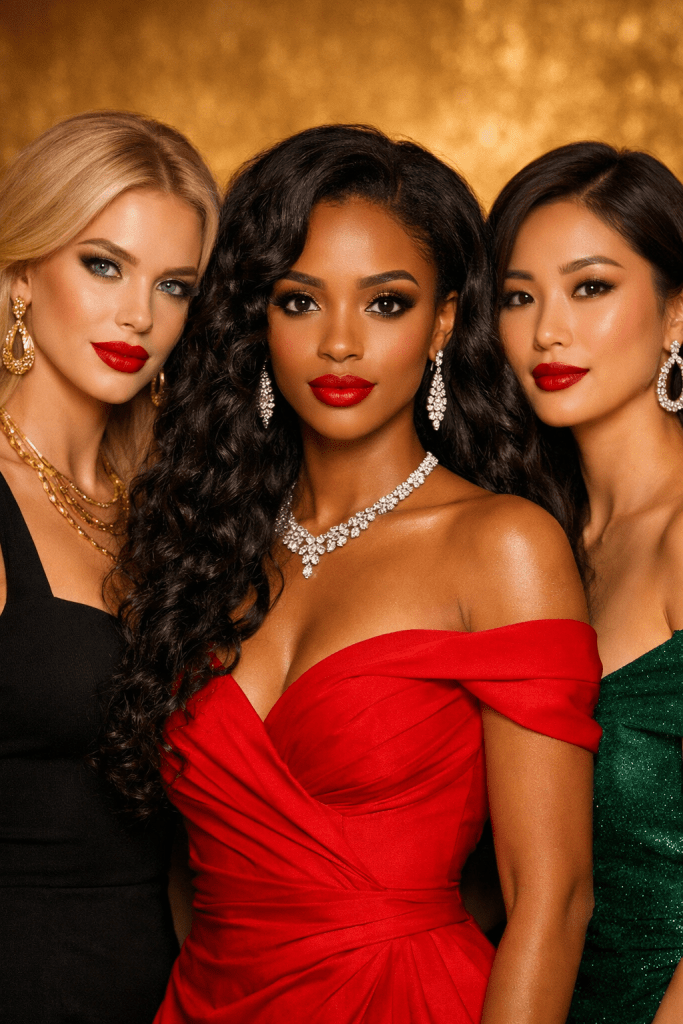
Ethereal Beauty of Brownness

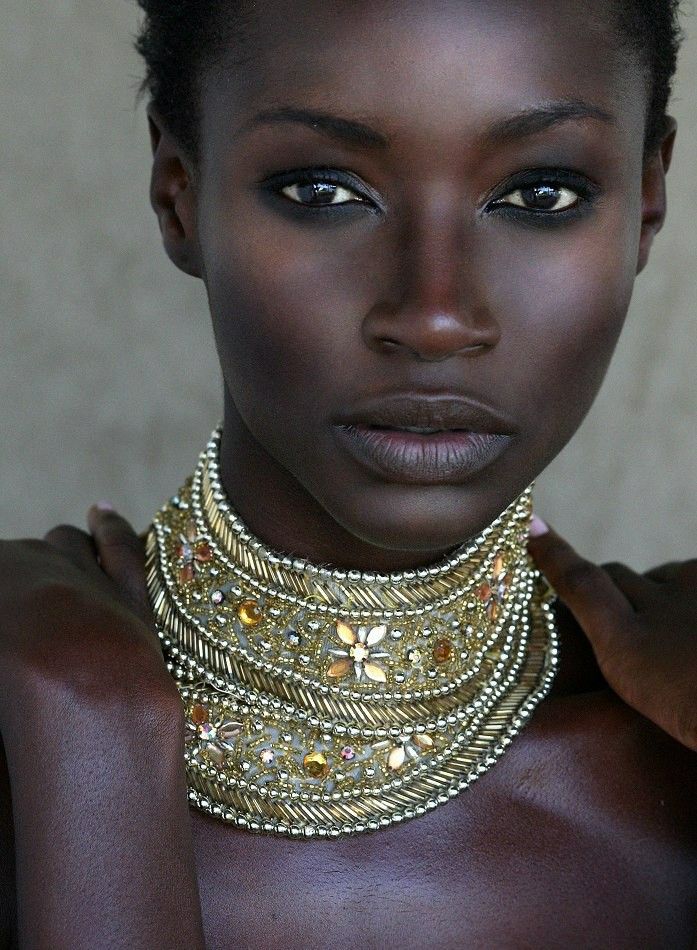
This photograph is the property of its respective owner. No copyright infringement intended.

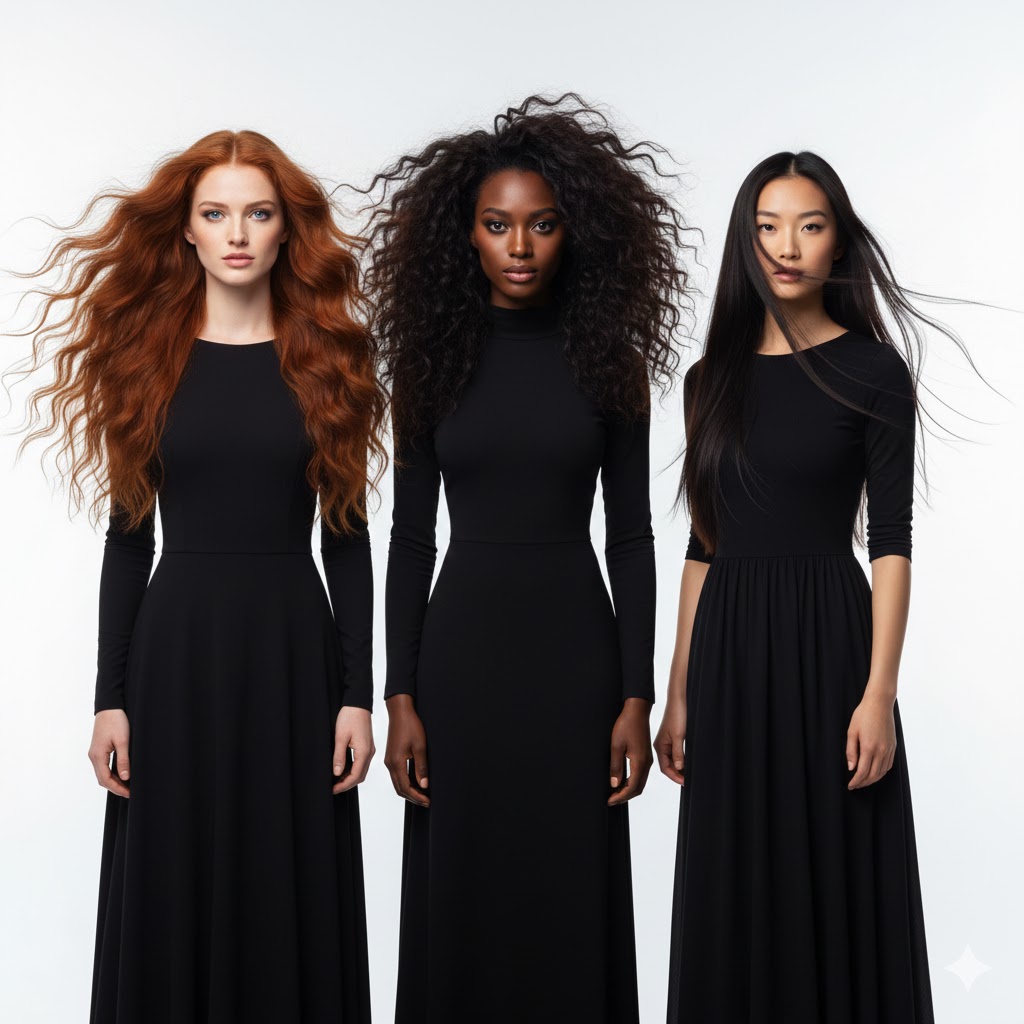
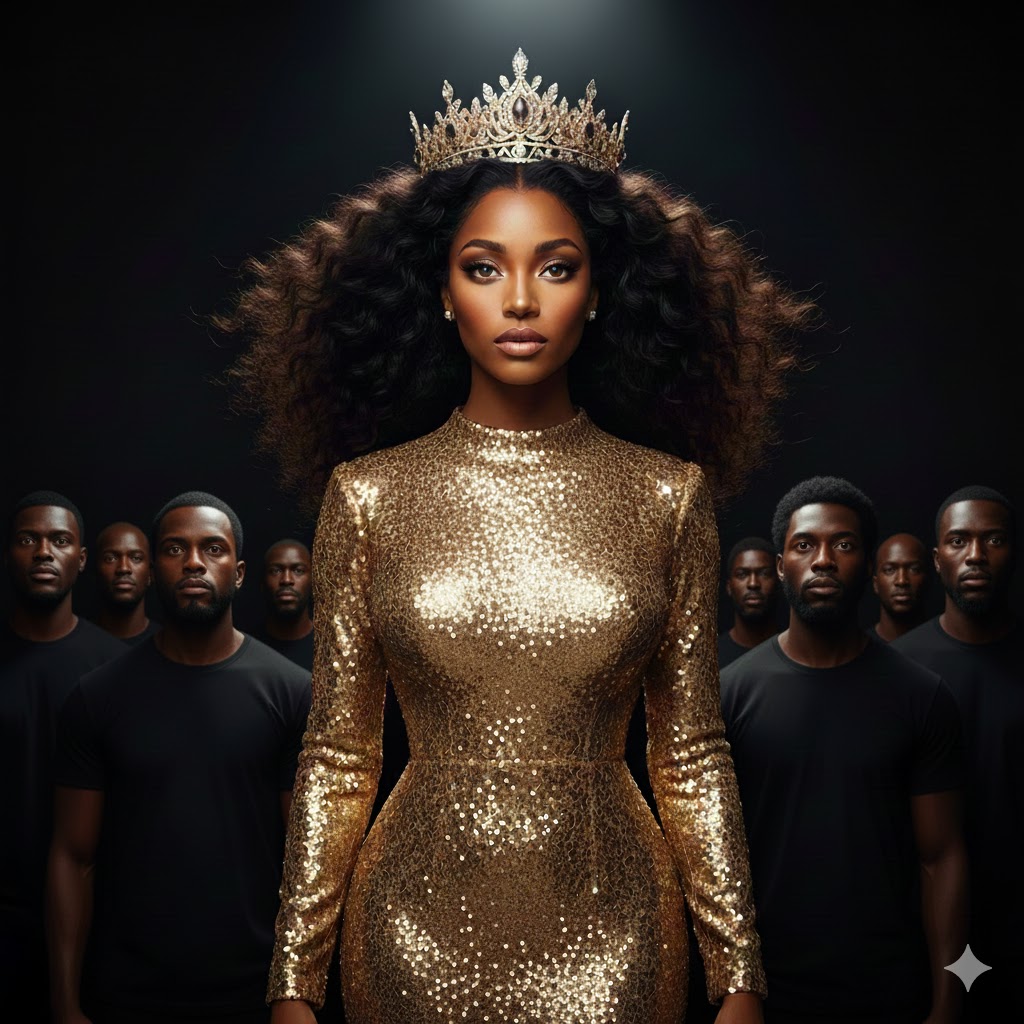
The concept of “brownness” as beauty transcends mere pigmentation; it reflects a complex interplay of history, biology, culture, and aesthetic perception. Brown skin, whether light caramel, golden bronze, deep chestnut, or rich ebony, embodies a spectrum of human variation that has been historically undervalued yet remains one of the most genetically adaptive and visually striking expressions of humanity. In contemporary discourse, browness is increasingly recognized not as a deviation from a Eurocentric standard but as a distinct and ethereal form of beauty rooted in both science and lived experience.

Outer beauty, though often dismissed as superficial, plays a powerful role in social identity and self-concept. Physical appearance shapes how individuals are perceived and how they navigate social spaces, including employment, romance, and media representation. For brown women and men, beauty has historically been filtered through systems of colorism and racial hierarchy, yet despite these barriers, brownness continues to produce some of the most globally celebrated faces, bodies, and aesthetic ideals.

From a genetic standpoint, brown skin is the result of higher concentrations of melanin, a natural pigment produced by melanocytes. Melanin is not only visually significant but biologically protective, shielding the skin from ultraviolet radiation and reducing the risk of skin cancers and premature aging (Jablonski & Chaplin, 2010). Thus, what society often labels as “darkness” is, in scientific terms, a sophisticated evolutionary advantage.

Melanin also contributes to what many describe as the “glow” of brown skin. This glow is not mystical but physiological—melanin reflects light differently, creating depth, warmth, and luminosity across the skin’s surface. Photographers and visual artists have long noted that brown skin captures light with a richness and dimensionality that lighter skin often cannot, making it especially striking in portraiture and cinema (Banks, 2015).

For women, brown beauty has historically been framed through contradiction—simultaneously exoticized and marginalized. Yet brown women possess a unique aesthetic versatility: their skin complements a wide range of colors, fabrics, and textures, from bold jewel tones to soft pastels. This chromatic harmony enhances the visual impact of brown femininity, making it both adaptable and visually powerful in the fashion and beauty industries.

Brown male beauty similarly reflects a blend of strength and softness. High melanin levels often correlate with strong bone density, facial symmetry, and robust physical features shaped by evolutionary adaptation (Jablonski, 2012). These traits contribute to widespread perceptions of brown men as physically striking, athletic, and visually commanding across global cultures.

Facial structure also plays a role in the aesthetics of browness. Many populations with brown skin display prominent cheekbones, fuller lips, broader nasal bridges, and almond-shaped eyes—features increasingly celebrated in contemporary beauty standards. Ironically, these traits were once stigmatized but are now widely emulated through cosmetic surgery and digital filters, revealing how brown features have been culturally appropriated while brown bodies themselves were marginalized (Hunter, 2007).

Hair texture further amplifies the ethereal quality of brown beauty. Coily, curly, wavy, and kinky hair patterns represent a vast genetic spectrum that allows for artistic expression, volume, and sculptural aesthetics. Afro-textured hair, in particular, is biologically engineered for heat regulation and protection, yet culturally functions as a powerful symbol of identity, creativity, and visual presence (Byrd & Tharps, 2014).

The eyes of brown individuals also carry unique aesthetic significance. Higher melanin often produces deep brown or near-black irises that convey intensity, emotional depth, and warmth. The most beautiful eyes are the large, dark, mirrored eyes. Psychologically, darker eyes are associated with perceptions of trustworthiness, strength, and emotional richness, beauty, adding another layer to the perceived beauty of brown populations (Swami & Furnham, 2008).

From an evolutionary psychology perspective, humans are naturally drawn to traits that signal health, fertility, and resilience. Brown skin, protected by melanin, resists environmental stressors more effectively, often maintaining elasticity and smoothness well into older age. This contributes to the common observation that brown individuals “age more slowly,” a phenomenon supported by dermatological research (Taylor, 2002).

Historically, civilizations across Africa, Asia, the Middle East, and the Americas celebrated brown bodies as divine, royal, and sacred. Ancient Egyptian art, for instance, consistently depicted deities and royalty with brown or bronze skin, associating these tones with power, fertility, and cosmic balance (Assmann, 2001). Thus, browness was once the default aesthetic of divinity itself.

Colonialism disrupted these perceptions by imposing Eurocentric standards that privileged paleness as a marker of status and beauty. Colorism emerged within non-white communities, creating internal hierarchies based on skin shade rather than shared humanity. Yet modern scholarship increasingly frames brownness not as a deficiency but as a site of resistance, resilience, and aesthetic sovereignty (Hill, 2009).

In media and popular culture, brown beauty is now reclaiming space. Models, actors, and influencers of brown complexion dominate global fashion campaigns, redefining desirability through representation. Figures such as Lupita Nyong’o, Idris Elba, Naomi Campbell, and Zendaya exemplify how brown skin commands visual attention without needing to conform to Eurocentric norms.

The term “ethereal” is often reserved for lightness and delicacy, yet brown beauty embodies an alternative ethereality—one rooted in warmth, depth, and radiance rather than fragility. This form of beauty feels grounded yet transcendent, earthly yet luminous, reflecting what many describe as a soulful presence rather than a sterile aesthetic.

Genetically, all humans originated from melanated populations in Africa, meaning browness is not an anomaly but the ancestral template of humanity itself (Stringer, 2016). In this sense, brown beauty is not a minority aesthetic but the original human aesthetic, from which all other variations emerged.

Psychologically, embracing brown beauty fosters healthier self-concept among brown individuals, countering internalized racism and color-based shame. Studies show that positive racial and physical identity correlate with higher self-esteem, emotional resilience, and mental well-being (Neblett et al., 2012).

Outer beauty also shapes romantic and social desirability. Despite systemic bias, research indicates growing cross-cultural attraction toward brown features, especially in globalized societies where beauty standards are becoming more diverse and less racially rigid (Rhodes, 2006). This shift reflects a broader cultural awakening to the richness of human variation.

Brown beauty is also dynamic rather than static. Skin tones shift with seasons, lighting, health, and emotional states, creating a living canvas that responds to life itself. This fluidity gives brown skin an organic, almost poetic quality—beauty that moves, adapts, and evolves.

For both women and men, brown beauty challenges the notion that attractiveness must align with narrow ideals. Instead, it affirms that beauty is plural, genetic, and culturally constructed, shaped by biology but interpreted through social meaning. Brownness stands as evidence that diversity itself is aesthetically superior to uniformity.

Ultimately, the ethereal beauty of browness lies not only in its visual qualities but in its symbolic power. Black people with brown skin carry ancestral memory, evolutionary brilliance, and cultural depth. It reflects humanity in its most original form—resilient, radiant, and irreducibly beautiful.


References

Assmann, J. (2001). The search for God in ancient Egypt. Cornell University Press.

Banks, T. L. (2015). Colorism: A darker shade of pale. UCLA Law Review, 47(6), 1705–1745.

Byrd, A. D., & Tharps, L. L. (2014). Hair story: Untangling the roots of Black hair in America. St. Martin’s Press.

Hill, M. E. (2009). Skin color and the perception of attractiveness among African Americans. Journal of Black Psychology, 35(3), 358–374.

Hunter, M. (2007). The persistent problem of colorism: Skin tone, status, and inequality. Sociology Compass, 1(1), 237–254.

Jablonski, N. G. (2012). Living color: The biological and social meaning of skin color. University of California Press.

Jablonski, N. G., & Chaplin, G. (2010). Human skin pigmentation as an adaptation to UV radiation. Proceedings of the National Academy of Sciences, 107(Supplement 2), 8962–8968.

Neblett, E. W., Rivas-Drake, D., & Umaña-Taylor, A. J. (2012). The promise of racial and ethnic protective factors in promoting ethnic minority youth development. Child Development Perspectives, 6(3), 295–303.

Rhodes, G. (2006). The evolutionary psychology of facial beauty. Annual Review of Psychology, 57, 199–226.

Stringer, C. (2016). The origin of our species. Penguin Books.

Swami, V., & Furnham, A. (2008). The psychology of physical attraction. In V. Swami & A. Furnham (Eds.), The body beautiful: Evolutionary and sociocultural perspectives (pp. 3–18). Palgrave Macmillan.

Taylor, S. C. (2002). Skin of color: Biology, structure, function, and implications for dermatologic disease. Journal of the American Academy of Dermatology, 46(2), S41–S62.
Beautyism and the Inheritance of Colonial Aesthetics.

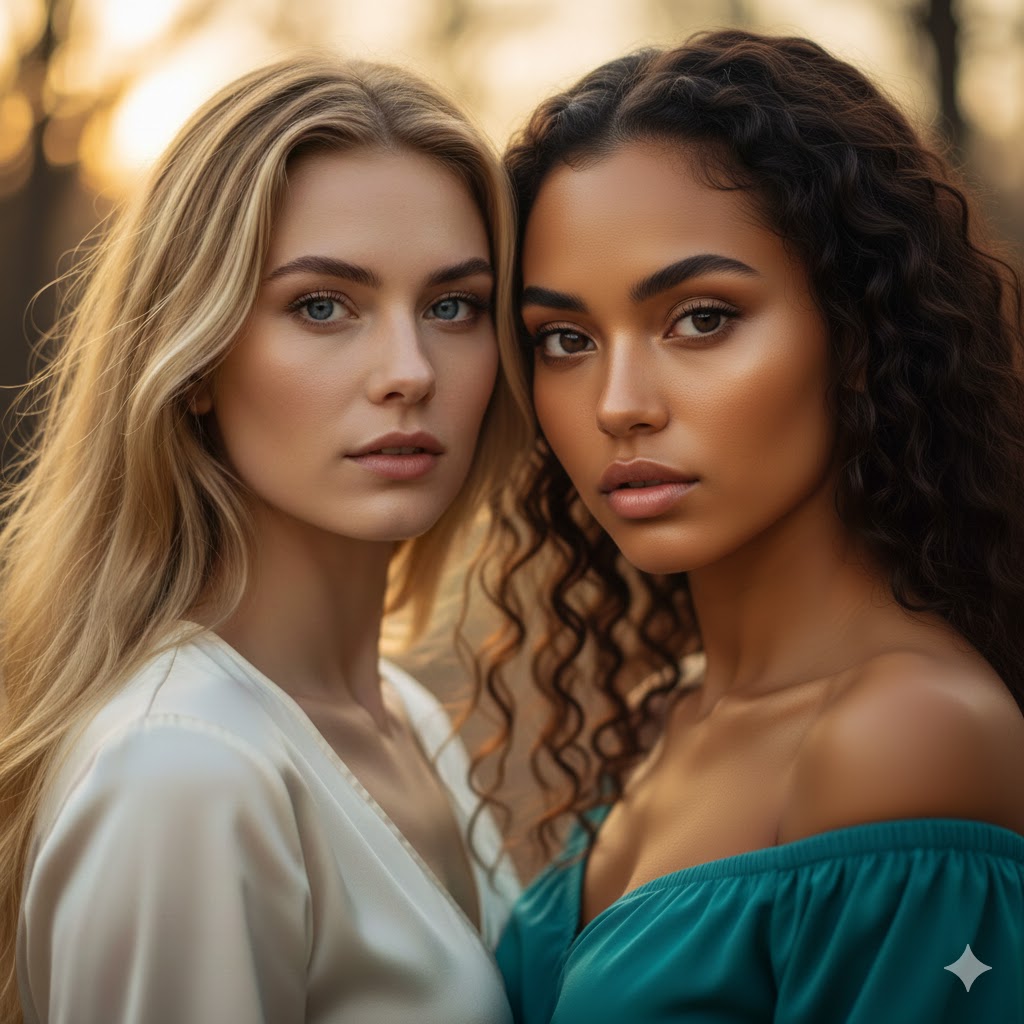
Beauty, often perceived as an individual trait, is deeply social, political, and historically constructed. “Beautyism” refers to the systemic privileging of individuals who conform to dominant aesthetic standards, and the inheritance of colonial aesthetics highlights how these standards are racialized, gendered, and embedded in structures of power. For communities of color, particularly Black and brown populations, these standards are not neutral; they are a legacy of colonialism, slavery, and European dominance, which continue to shape perceptions of worth, social mobility, and cultural acceptance.

Colonial powers imposed Eurocentric standards of beauty on colonized populations, privileging light skin, straight hair, narrow noses, and European facial features. As Fanon (1967) argues, these imposed ideals created internalized hierarchies of appearance, teaching oppressed populations to equate proximity to European aesthetics with social value, intelligence, and morality. Over generations, these beauty norms became cultural inheritance, producing what is now widely referred to as colorism—a preference for lighter skin and Eurocentric features within communities of color (Hunter, 2007).

Colorism manifests in multiple ways: social visibility, economic opportunity, media representation, and interpersonal desirability. Light-skinned individuals frequently receive more favorable treatment in employment, education, and romantic contexts, reflecting the lingering impact of colonial aesthetics (Anderson, Grunert, Katz, & Lovascio, 2010; Hamermesh, 2011). Conversely, darker-skinned individuals, despite possessing features celebrated in ancestral or cultural contexts, often face marginalization, invisibility, and devaluation, highlighting how colonial beauty norms persist as systemic bias.

Hair has been one of the most conspicuous battlegrounds of colonial influence. European standards historically stigmatized curly, coily, or wooly hair textures, pressuring Black women and men to straighten or chemically alter their hair to fit “acceptable” ideals (Banks, 2000). Such practices extend beyond aesthetics—they reinforce internalized notions of inferiority and perpetuate the belief that natural features are undesirable. Resistance to these pressures, such as embracing natural hair and protective styling, has become an act of cultural reclamation and defiance against inherited colonial aesthetics.

Facial features and skin tone remain central to the perpetuation of beautyism. Big eyes, full lips, broad noses, and melanin-rich skin, historically undervalued under colonial influence, are increasingly celebrated in movements reclaiming Black and brown beauty (Craig, 2002). These movements challenge the internalized notion that beauty is synonymous with European features, insisting that aesthetic value is culturally situated and historically contingent.

Media representation plays a crucial role in reinforcing or challenging beautyism. For decades, Eurocentric standards dominated television, film, and advertising, marginalizing Black and brown bodies. Contemporary efforts to highlight diverse skin tones, natural hair textures, and a variety of facial features counteract these historical biases, providing visibility and affirming that inherited colonial aesthetics are neither universal nor inherently desirable (Rhode, 2010).

Psychologically, the inheritance of colonial aesthetics contributes to internalized bias and self-perception challenges. Individuals who deviate from Eurocentric ideals may experience diminished self-esteem, feelings of inadequacy, and a constant pressure to conform (Eagly, Ashmore, Makhijani, & Longo, 1991). Conversely, embracing features that align with ancestral or culturally grounded standards fosters self-confidence, pride, and cultural continuity.

Beautyism also intersects with gender. Women, particularly in Black and brown communities, are disproportionately affected by the pressure to conform to colonial aesthetics. Their features, hair textures, and skin tones are policed in professional, social, and romantic contexts. Men, though often less scrutinized in terms of aesthetics, are still influenced by preferences for lighter skin and Eurocentric traits, reflecting broader societal biases (Langlois et al., 2000).

Colorism and beautyism are not merely personal issues; they are structural. The inheritance of colonial aesthetics influences hiring practices, media representation, and social networking opportunities, reinforcing systems of inequality. Recognition of this legacy is essential to dismantling discriminatory practices and cultivating inclusive standards of beauty that honor diversity, ancestry, and cultural heritage (Hunter & Davis, 1992).

Resistance and reclamation are central to the contemporary response to beautyism. Movements such as natural hair advocacy, Afrocentric beauty campaigns, and media platforms centering melanin-rich aesthetics demonstrate that beauty is culturally constructed and that inherited colonial standards can be challenged. By embracing diverse features—full lips, broad noses, textured hair, and rich skin tones—communities affirm identity, resilience, and historical continuity.

The spiritual dimension of beauty further contextualizes resistance. Biblical principles remind us that worth is not measured by external appearance but by character, virtue, and alignment with divine purpose (1 Samuel 16:7). Celebrating ancestral aesthetics aligns with this principle, affirming that beauty, when rooted in heritage and authenticity, reflects God’s design rather than imposed societal preference.

Education is pivotal in addressing beautyism. Teaching the historical origins of Eurocentric aesthetics, colorism, and colonial beauty standards empowers individuals to recognize internalized biases and make informed choices regarding self-perception, presentation, and cultural alignment. Cultural literacy fosters pride in ancestral features and counters centuries of devaluation.

Economically, beautyism affects access to opportunities. Hamermesh (2011) notes that perceptions of attractiveness influence hiring, wages, and promotion. Since colonial aesthetics continue to inform societal standards, individuals whose appearance aligns with Eurocentric norms often enjoy systemic advantages, while those embracing ancestral features may face barriers. Recognizing and challenging this inequity is a critical step toward social justice.

The inheritance of colonial aesthetics also impacts interpersonal relationships. Preferences for lighter skin and European features shape dating dynamics, friendship hierarchies, and social inclusion, often privileging proximity to Eurocentric ideals. Such dynamics reflect broader societal biases rather than objective measures of attractiveness or compatibility.

By redefining beauty standards to honor ancestral traits, communities challenge entrenched hierarchies. Features once devalued under colonial influence—full lips, broad noses, textured hair, and melanin-rich skin—are now celebrated, affirming identity, pride, and historical continuity. This reclamation disrupts beautyism and repositions cultural aesthetics as a source of empowerment rather than limitation.

Media, fashion, and entertainment industries play a transformative role by presenting diverse representations of Black and brown beauty. Featuring a range of skin tones, natural hair textures, and varied facial features shifts public perception, challenges internalized biases, and promotes equitable valuation of appearance.

Ultimately, beautyism and the inheritance of colonial aesthetics illustrate how historical oppression continues to shape contemporary standards of appearance. Recognizing this legacy is crucial for personal empowerment, cultural reclamation, and societal equity. By embracing diverse features and ancestral aesthetics, communities resist Eurocentric dominance and affirm the dignity, worth, and beauty inherent in melanin-rich bodies.

In conclusion, understanding beautyism requires acknowledging the colonial origins of aesthetic hierarchies and their ongoing impact on perception, opportunity, and self-worth. Reclaiming ancestral beauty—through features, hair, and skin tone—resists the internalization of colonial standards, celebrates diversity, and affirms cultural pride. True beauty emerges not from conformity to inherited Eurocentric ideals but from embracing the richness, history, and authenticity of Black and brown aesthetics.


References

Anderson, T. L., Grunert, C., Katz, A., & Lovascio, S. (2010). Aesthetic capital: A research review on beauty perks and penalties. Sociology Compass, 4(8), 564–575. https://doi.org/10.1111/j.1751-9020.2010.00312.x

Banks, I. (2000). Hair matters: Beauty, power, and Black women’s consciousness. New York University Press.

Bourdieu, P. (1986). The forms of capital. In J. Richardson (Ed.), Handbook of theory and research for the sociology of education (pp. 241–258). Greenwood Press.

Craig, M. L. (2002). Ain’t I a beauty queen? Black women, beauty, and the politics of race. Oxford University Press.

Eagly, A. H., Ashmore, R. D., Makhijani, M. G., & Longo, L. C. (1991). What is beautiful is good, but… A meta-analytic review. Psychological Bulletin, 110(1), 109–128.

Fanon, F. (1967). Black skin, white masks. Grove Press.

Feingold, A. (1992). Good-looking people are not what we think. Psychological Bulletin, 111(2), 304–341.

Hamermesh, D. S. (2011). Beauty pays: Why attractive people are more successful. Princeton University Press.

Hunter, M. (2007). The persistent problem of colorism: Skin tone, status, and inequality. Sociology Compass, 1(1), 237–254. https://doi.org/10.1111/j.1751-9020.2007.00006.x

Hunter, M., & Davis, A. (1992). Colorism: A new perspective. Cultural Diversity and Mental Health, 4(2), 25–35.

Langlois, J. H., et al. (2000). Maxims or myths of beauty? Psychological Bulletin, 126(3), 390–423.

Rhode, D. L. (2010). The beauty bias: The injustice of appearance in life and law. Oxford University Press.

Wilson, T. D. (2002). Strangers to ourselves: Discovering the adaptive unconscious. Harvard University Press.

Gafney, W. (2017). Womanist midrash: A reintroduction to the women of the Torah and the Throne. Westminster John Knox Press.

Beauty Sins

Beauty, while not inherently sinful, becomes destructive when it is misused, idolized, or weaponized. “Beauty sins” refer to the moral, psychological, and social distortions that arise when physical appearance is elevated above character, humility, and righteousness. These sins are not limited to those considered attractive; they are produced by cultures that reward appearance over integrity and encourage self-worship rather than self-governance.

One of the primary beauty sins is pride. When beauty becomes the foundation of identity, it fosters superiority, entitlement, and disdain for others. Scripture warns that pride precedes destruction, yet beauty-based pride often goes unnoticed because it is socially rewarded rather than corrected.

Another beauty sin is partiality—the way people treat others based on appearance. Favoring the attractive while dismissing or devaluing those deemed unattractive reinforces injustice and cruelty. Psychological research confirms that beauty bias influences hiring, education, and even legal outcomes, creating systemic inequality rooted in aesthetics.

Vanity is closely related to pride. Excessive preoccupation with appearance consumes time, resources, and mental energy, often at the expense of spiritual growth, empathy, and purpose. Vanity turns the mirror into an altar, requiring constant sacrifice to maintain approval.

Idolatry occurs when beauty becomes a source of worth, security, or power. In this state, beauty replaces God, morality, or truth as the ultimate reference point. The fear of losing beauty often leads to anxiety, desperation, and moral compromise.

Plastic surgery, while sometimes medically necessary or personally justified, can become a beauty sin when driven by self-hatred, social pressure, or obsession. Research links excessive cosmetic procedures to body dysmorphic disorder and chronic dissatisfaction, revealing that altering the body rarely heals the soul.

Another beauty sin is manipulation—using appearance to lure men for money, status, or access. When beauty becomes a transactional tool, relationships are reduced to exchange rather than connection. This dynamic dehumanizes both parties and reinforces exploitative gender norms.

Narcissism thrives in beauty-centered cultures. When admiration becomes addictive, individuals may develop grandiose self-importance, lack empathy, and require constant validation. Studies link social media-driven beauty performance to increased narcissistic traits and decreased relational depth.

Objectification is both a sin committed and endured. Treating oneself or others as objects for visual consumption strips people of dignity. Self-objectification, in particular, leads individuals to police their bodies rather than develop their minds, ethics, or gifts.

Deception is another beauty sin. Filters, false presentation, and performative perfection create illusions that distort reality. While presentation is natural, deliberate misrepresentation fosters insecurity and mistrust, particularly in romantic and social relationships.

Envy and comparison flourish where beauty is ranked. Constant measurement against others breeds resentment, competition, and self-loathing. Social comparison theory shows that repeated exposure to idealized images increases depression and dissatisfaction.

Beauty sins also affect how people are treated. Attractive individuals may be excused for harmful behavior, while unattractive individuals are punished more harshly. This moral distortion undermines justice and accountability.

The commodification of beauty turns the body into a product. Likes, followers, brand deals, and sexual capital monetize appearance, encouraging people to market themselves rather than cultivate substance. This economic system profits from insecurity.

Overcoming beauty sins begins with reordering values. Grounding identity in character, faith, intellect, and service weakens beauty’s false authority. Psychological research consistently shows that purpose-driven identity promotes greater well-being than appearance-based self-worth.

Humility is essential. Recognizing beauty as temporary and unearned disrupts pride. Aging, illness, and time reveal the fragility of appearance, reminding individuals that dignity must rest on deeper foundations.

Self-discipline counters vanity. Limiting mirror-checking, social media consumption, and comparison behaviors reduces obsession. Developing skills, knowledge, and spiritual practices shifts focus from display to development.

Integrity in relationships is another remedy. Refusing to use beauty as leverage fosters authentic connection. Relationships rooted in honesty, mutual respect, and shared values endure longer and heal deeper.

Accountability matters. Trusted community, faith leaders, or mental health professionals can help confront unhealthy patterns such as narcissism, cosmetic addiction, or manipulation before they harden into identity.

Compassion dismantles beauty bias. Treating all people with dignity regardless of appearance challenges societal hierarchies and restores moral clarity. This practice humanizes both the giver and the receiver.

Finally, beauty must be properly ordered, not erased. Beauty can be enjoyed without being worshiped, appreciated without being exploited. When beauty becomes expression rather than identity, it loses its power to enslave.

True freedom comes when people are valued for who they are, not how they look. Overcoming beauty sins is not about rejecting beauty, but about reclaiming humanity in a culture that too often confuses appearance with worth.

References

Fredrickson, B. L., & Roberts, T. A. (1997). Objectification theory: Toward understanding women’s lived experiences and mental health risks. Psychology of Women Quarterly, 21(2), 173–206.

Eagly, A. H., Ashmore, R. D., Makhijani, M. G., & Longo, L. C. (1991). What is beautiful is good, but… A meta-analytic review of research on the physical attractiveness stereotype. Psychological Bulletin, 110(1), 109–128.

Calogero, R. M., Tantleff-Dunn, S., & Thompson, J. K. (2011). Self-objectification in women: Causes, consequences, and counteractions. American Psychological Association.

Twenge, J. M., & Campbell, W. K. (2009). The narcissism epidemic: Living in the age of entitlement. Free Press.

American Psychiatric Association. (2013). Diagnostic and statistical manual of mental disorders (5th ed.).

Hunter, M. (2007). The persistent problem of colorism: Skin tone, status, and inequality. Sociology Compass, 1(1), 237–254.

Aesthetics as Inequality: The Rise of Beautyism.

Beautyism, the systematic bias based on physical appearance, functions as a social and economic hierarchy that privileges certain aesthetic traits while marginalizing others. Unlike racism or sexism, beautyism often operates under the guise of “preference” or “merit,” making it less visible yet no less damaging. Cultural norms, media representation, and historical hierarchies have transformed beauty into a form of currency that dictates opportunity, influence, and social value.

The origins of beautyism are deeply entwined with colonialism and European imperialism. Eurocentric standards of beauty were exported globally, creating benchmarks for skin tone, facial features, and body proportions. These norms were framed as universal ideals, elevating certain traits while devaluing others. In effect, beauty became a marker of social hierarchy (Hamermesh & Biddle, 1994).

In professional environments, beautyism manifests as differential treatment in hiring, promotions, and salary. Research demonstrates that attractive individuals are more likely to be hired, perceived as competent, and receive higher wages. These advantages often operate unconsciously, reinforcing inequality in ostensibly meritocratic systems (Hosoda, Stone-Romero, & Coats, 2003).

Beautyism intersects with race, gender, and class, compounding advantage for those whose appearance aligns with dominant cultural norms. Lighter skin, Eurocentric facial features, and specific body types are disproportionately rewarded, while darker skin and Afrocentric features are often penalized. The result is an embedded social hierarchy that favors appearance in ways that mirror historical oppression (Hunter, 2007).

In social interactions, beautyism shapes perceived personality and character. The “halo effect” demonstrates that people attribute positive traits such as intelligence, kindness, and reliability to those deemed attractive. Conversely, individuals judged less attractive are more likely to face skepticism, distrust, or diminished respect (Eagly et al., 1991).

Romantic and relational dynamics are also shaped by beautyism. Culturally preferred features increase desirability, creating inequitable distribution of attention, marriage proposals, and social affirmation. Those outside the beauty hierarchy are frequently marginalized, fetishized, or objectified, reproducing social inequality.

Within families, beautyism can exacerbate favoritism. Children deemed more attractive may receive greater encouragement, resources, and protection, while those judged less appealing experience neglect or lower expectations. These early disparities influence self-esteem, ambition, and life outcomes.

Women face disproportionate consequences of beautyism due to gendered expectations. Societal pressure to conform to beauty norms imposes emotional, financial, and social labor. Women are more harshly judged for aging, body shape, and skin tone, making appearance a persistent determinant of perceived worth.

Media and culture perpetuate beautyism by normalizing narrow aesthetic ideals. Television, film, advertising, and social media consistently privilege certain body types, facial features, and skin tones, while underrepresenting or misrepresenting others. Repetition reinforces internalized bias and shapes public perception (Frisby, 2004).

Psychologically, beautyism contributes to low self-esteem, anxiety, and body dysmorphia. Internalized preference for certain appearances fosters shame and self-policing, disproportionately affecting marginalized groups whose natural features diverge from dominant standards.

Education systems also reflect beauty-based inequities. Attractive students are often perceived as more capable or motivated, receiving more encouragement and leniency. Less attractive students face higher scrutiny and lower expectations, which can impact long-term academic trajectories.

Economic impact of beautyism is measurable. Attractive individuals receive higher compensation, more promotions, and broader social networks. Beauty operates as a form of social and cultural capital, granting opportunities inaccessible to those outside the aesthetic norm (Hamermesh, 2011).

Beautyism functions as social mobility currency. Conformity to idealized aesthetics facilitates entry into elite spaces, mentorship networks, and influential social circles, while deviation can hinder progress, access, and visibility. Appearance thus becomes a gatekeeper for success.

Theologically, beautyism contradicts the principle that worth is determined by the heart rather than outward appearance. Scripture instructs, “Man looketh on the outward appearance, but the Lord looketh on the heart” (1 Samuel 16:7, KJV). Favoritism based on looks violates this divine standard.

Faith communities are not immune. Even where racial or socioeconomic partiality is rejected, appearance-based favoritism subtly influences leadership selection, visibility, and social validation. Spiritual integrity demands that beauty hierarchies be challenged.

Overcoming beautyism requires conscious awareness of bias and its structural implications. Individuals must interrogate personal preferences, institutions must audit policies, and media must diversify representation. Recognition of privilege tied to appearance is crucial for reform.

Internalized beautyism must be addressed to heal its psychological effects. Self-worth should be disentangled from societal standards, and programs emphasizing character, talent, and virtue over appearance can mitigate the impact of bias.

Collective action involves creating equitable environments where appearance does not dictate value or opportunity. Policies and practices must be scrutinized to prevent subtle favoritism based on looks, just as society addresses racial and gender inequities.

Beautyism is a social construct that entrenches inequality. Its dismantling requires intentional cultural, institutional, and personal reform, prioritizing character, skill, and virtue over conformity to aesthetic norms.

Ultimately, addressing beautyism affirms the inherent dignity and worth of all individuals. When societies reject hierarchical valuation based on appearance, they foster environments of justice, inclusion, and human flourishing.


References

The Holy Bible, King James Version. (1611). Various passages.

Hamermesh, D. S., & Biddle, J. E. (1994). Beauty and the labor market. American Economic Review, 84(5), 1174–1194.

Hosoda, M., Stone-Romero, E. F., & Coats, G. (2003). The effects of physical attractiveness on job-related outcomes: A meta-analysis of experimental studies. Personnel Psychology, 56(2), 431–462.

Hunter, M. (2007). The persistent problem of colorism: Skin tone, status, and inequality. Sociology Compass, 1(1), 237–254.

Eagly, A. H., Ashmore, R. D., Makhijani, M. G., & Longo, L. C. (1991). What is beautiful is good, but…: A meta-analytic review of research on the physical attractiveness stereotype. Psychological Bulletin, 110(1), 109–128.

Frisby, C. M. (2004). Does race or gender matter? Effects of media images on self-perception. Journal of Broadcasting & Electronic Media, 48(2), 301–317.

Hamermesh, D. S. (2011). Beauty pays: Why attractive people are more successful. Princeton University Press.

Beautyism: The Social Hierarchy of Appearance.

Beautyism is a pervasive form of bias in which physical attractiveness becomes a determinant of social, economic, and professional value. Unlike racism or sexism, which are widely recognized, beautyism often operates invisibly, normalized as preference or merit. Yet its consequences are tangible, affecting employment, compensation, social treatment, and interpersonal relationships. Appearance, particularly facial symmetry, skin tone, and adherence to cultural beauty norms, functions as an unspoken gatekeeper of opportunity.

Historically, beautyism has roots in class and colonial systems that equated aesthetic traits with worth. Eurocentric standards of beauty were imposed globally, privileging lighter skin, narrow noses, specific body shapes, and “refined” facial features. This legacy persists in contemporary media, professional expectations, and social judgment, reinforcing hierarchies based on appearance (Hamermesh & Biddle, 1994).

In the workplace, beautyism manifests in hiring, promotions, and wage disparities. Attractive individuals are often perceived as more competent, intelligent, and socially skilled, regardless of actual ability. Research indicates that more physically appealing candidates are statistically more likely to be hired, receive higher salaries, and attain leadership roles (Hosoda, Stone-Romero, & Coats, 2003).

Beautyism intersects with race and colorism, amplifying advantage for those whose features align with dominant aesthetic ideals. Lighter-skinned, Eurocentric features are often rewarded, while darker skin or features associated with non-European ancestry are penalized. This creates a compounded effect where racial bias and beauty bias reinforce each other (Hunter, 2007).

Socially, beautyism shapes relational dynamics. Attractive individuals receive more attention, favor, and trust in interpersonal interactions. Studies on the “halo effect” demonstrate that perceived beauty leads observers to attribute positive personality traits, competence, and moral character to an individual solely based on appearance (Eagly et al., 1991).

Within romantic and social spheres, beautyism dictates desirability and perceived worth. Partners with culturally valued features are more likely to receive attention, admiration, and romantic interest, while those outside these norms are often marginalized, fetishized, or overlooked. This hierarchy reinforces societal inequities and internalized self-judgment.

In families and communities, beautyism can exacerbate favoritism and differential treatment. Children with features perceived as attractive may receive more encouragement, praise, and social capital, while less “beautiful” children may experience neglect or lower expectations. Such disparities impact self-esteem, social development, and life trajectories.

Beautyism also intersects with gender, disproportionately affecting women. Societal pressure for women to maintain attractiveness translates into emotional, financial, and professional labor. Women are judged more harshly by appearance than men, facing scrutiny for aging, body size, skin tone, and facial symmetry.

Media and popular culture are key vehicles for perpetuating beautyism. Films, television, advertisements, and social media frequently elevate a narrow standard of beauty, often white-centered, while marginalizing diverse representation. Repetition trains collective perception, normalizing hierarchy and preference (Frisby, 2004).

Psychologically, beautyism contributes to anxiety, body dysmorphia, and low self-esteem. Internalized societal preference for certain features causes individuals to view themselves and others through biased lenses. This internal policing perpetuates inequality even in private or informal spaces.

Education is not immune to beautyism. Teachers’ perceptions of attractiveness influence grading, disciplinary decisions, and expectations. Attractive students are often seen as more capable or disciplined, while those judged less attractive may face harsher critique or reduced encouragement.

Economically, beautyism translates into measurable disparity. Attractive individuals command higher salaries, receive more bonuses, and have access to greater professional networks. Studies show a wage premium for attractive people across industries, indicating structural reinforcement of appearance-based advantage (Hamermesh, 2011).

Beautyism is also intertwined with social mobility. Individuals who conform to aesthetic norms are more likely to navigate elite spaces, gain mentorship, and access resources unavailable to those outside dominant beauty standards. This creates a cycle where beauty functions as currency.

Biblically, beautyism contradicts the principle that God evaluates by heart rather than outward appearance. Scripture warns, “Man looketh on the outward appearance, but the Lord looketh on the heart” (1 Samuel 16:7, KJV). Favoritism based on looks is therefore morally and spiritually flawed.

Churches and faith communities are not exempt. While congregations may reject racial or economic partiality, appearance-based favoritism often persists subtly through leadership selection, social visibility, and interpersonal validation. Spiritual integrity demands confrontation of this bias.

Overcoming beautyism requires intentional awareness and disruption of these hierarchies. Individuals and institutions must examine unconscious bias, challenge media narratives, and affirm diverse forms of beauty. Recognition of privilege tied to appearance is necessary for systemic and personal reform.

Intervention must also address internalized belief systems. Self-worth must be disentangled from aesthetic validation. Educational programs, counseling, and mentorship that prioritize character, talent, and virtue over looks can mitigate the psychological burden of beautyism.

Collective resistance involves creating inclusive environments where appearance does not dictate access or value. Policy, culture, and leadership structures must actively counteract favoritism based on looks, just as they address racial, gender, and class discrimination.

Ultimately, beautyism is a social construct that both reflects and reinforces inequality. Addressing it is not about denying aesthetics, but refusing hierarchy rooted in appearance. Justice, fairness, and human dignity demand that value be measured by character and action rather than physical conformity to cultural standards.

The dismantling of beautyism is a moral, cultural, and spiritual imperative. When societies cease rewarding superficial conformity, they open space for equitable recognition of talent, intelligence, and virtue, affirming the inherent worth of every individual.


References

The Holy Bible, King James Version. (1611). Various passages.

Hamermesh, D. S., & Biddle, J. E. (1994). Beauty and the labor market. American Economic Review, 84(5), 1174–1194.

Hosoda, M., Stone-Romero, E. F., & Coats, G. (2003). The effects of physical attractiveness on job-related outcomes: A meta-analysis of experimental studies. Personnel Psychology, 56(2), 431–462.

Hunter, M. (2007). The persistent problem of colorism: Skin tone, status, and inequality. Sociology Compass, 1(1), 237–254.

Eagly, A. H., Ashmore, R. D., Makhijani, M. G., & Longo, L. C. (1991). What is beautiful is good, but…: A meta-analytic review of research on the physical attractiveness stereotype. Psychological Bulletin, 110(1), 109–128.

Frisby, C. M. (2004). Does race or gender matter? Effects of media images on self-perception. Journal of Broadcasting & Electronic Media, 48(2), 301–317.

Hamermesh, D. S. (2011). Beauty pays: Why attractive people are more successful. Princeton University Press.