Latin beauty (Spanish) in Hollywood has often been filtered through stereotype, exoticism, or erasure. Yet a small lineage of Spanish-speaking actresses has emerged whose careers, faces, voices, and family lives embody not caricature—but culture, femininity, and dimensional storytelling. When we speak of “Latin Dolls,” we refer not to manufactured plastic representations, but to living women whose features resemble artistry: sculpted faces, expressive eyes, natural warmth, beauty that feels both aspirational and familiar. Salma Hayek is a genetic marvel who has earned her a reputation as a “perfect 10.” Penelope Cruz’s hypnotic eyes carry emotional gravity, and Roselyn Sánchez radiates an approachable glow—effortless skin, super cute face, and the relatable charm of the girl-next-door. Together, these women reflect the spectrum of Hispanic/Latin/Spanish womanhood, and this range is exactly why they stand as powerful representations of the idea of the Latin/Spanish dolls: intricate, timeless, diverse, and real.
Salma Hayek — The Face of Beauty, Luxury, and Hollywood Power
This photograph is the property of its respective owner. No copyright infringement intended.
Where she is from
Salma Hayek was born in Coatzacoalcos, Veracruz, Mexico. She was raised in a prominent and financially stable household—something rare among Latina actresses breaking into mainstream Hollywood during the 1990s.
Race & background
Her heritage is Mexican and Middle Eastern:
Her father, Sami Hayek, is Lebanese-Mexican and of Arab descent.
Her mother, Diana Jiménez Medina, is Mexican of Spanish ancestry. Salma identifies strongly with her Mexican roots while also honoring her Lebanese lineage.
Family, Marriage, & Children
Salma married François-Henri Pinault, a French billionaire businessman and CEO of the luxury group Kering (owner of Gucci, Balenciaga, and others). They have one daughter, Valentina Paloma Pinault (born 2007).
Career: how it started
She began acting in Mexican telenovelas, specifically Teresa (1989), where she gained national fame.
She moved to Los Angeles, struggled with English early on, and studied acting under Stella Adler.
Director Robert Rodriguez cast her in Desperado (1995), her Hollywood breakout role beside Antonio Banderas.
Notable roles & career expansion
She became a producer and starred in passion-driven projects, most famously:
Frida (2002), where she played Mexican artist Frida Kahlo and also produced the film despite industry resistance.
Awards & Accomplishments
Academy Award nomination for Best Actress (Frida)
Golden Globe, SAG, and BAFTA nominations
Daytime Emmy Award win for The Maldonado Miracle (Producer, 2004)
Time 100 honoree, activist in Latin representation and women’s rights
Beauty marker referenced
Salma is a perfect ten in terms of overall beauty, often referred to as a genetic marvel.
Penelope Cruz — The Eyes that Changed the Narrative for Spanish Talent
This photograph is the property of its respective owner. No copyright infringement intended.
Where she is from
Penelope was born in Alcobendas, Madrid, Spain.
Race & ethnicity
She is Spanish/Castilian, of European Iberian descent. Her career introduced Spain as a serious force in Hollywood’s cinematic landscape.
Family, Marriage, & Children
Married to Spanish actor Javier Bardem (2010–present)
Two children:
Leonardo Encinas Bardem (born 2011)
Luna Encinas Bardem (born 2013)
Career beginnings
Studied Classical Ballet for 9 years at Spain’s National Conservatory
Acting start through Spanish TV and music videos
Starred in Jamón Jamón (1992), launching her film career in Spain
How she entered Hollywood
Director Pedro Almodóvar helped shape her career in Spanish cinema
Hollywood breakthrough roles:
Vanilla Sky (2001) alongside Tom Cruise
Blow (2001) with Johnny Depp
Awards & career peak
Academy Award win for Best Supporting Actress (Vicky Cristina Barcelona, 2008)
First Spanish actress to win an Oscar
Multiple awards including:
2 Goya Awards
Berlin Film Festival Award
César Honorary Award
Walk of Fame Star (2011)
Venice Film Festival Best Actress Award (2021, Parallel Mothers)
Beauty marker referenced
Penelope is known for her stunning, expressive, almond-shaped eyes, often highlighted in global beauty studies as emotionally and aesthetically striking.
Roselyn Sánchez — The Warm, Natural Beauty of Puerto Rico Gifted the Screen
This photograph is the property of its respective owner. No copyright infringement intended.
Where she is from
Born in San Juan, Puerto Rico.
Race & ethnicity
Afro-Caribbean and Spanish-Caribbean ancestry, identifying as Puerto Rican Latina. She represents the more approachable side of Latina beauty in media—not distant glamour, but familiar warmth.
Family, Marriage, & Children
Married to actor Eric Winter (2008–present). They have two children:
Sebella Rose Winter (born 2012)
Dylan Gabriel Winter (born 2017)
Career beginnings
Started as a dancer and model
Won:
Miss Puerto Rico Petite (1993)
Miss American Petite (1994)
TV debut in Puerto Rico before transitioning to U.S. programming
Hollywood career
Notable roles:
Rush Hour 2 (2001) — film debut to wide audiences
Without a Trace (2005–2009) — CBS drama series
Devious Maids, Fantasy Island reboot, Act of Valor
Awards
ALMA Award
Imagen Awards
Recognized for music as well—released Latin pop albums and scored Billboard chart appearances
Beauty representation referenced
Roselyn is celebrated for naturally glowing skin, girl-next-door charm, and a versatility that blends class, relatability, and polished glamour.
Why They Are a Good Representation of “Spanish Dolls”
These women represent different pillars of Hispanic identity:
Actress
Doll Archetype Represented
What She Brings to Representation
Salma Hayek
Couture, regal, sculpted, luxurious beauty
Mixed heritage Latina success + producer power
Penelope Cruz
Dramatic, evocative, emotional eye-driven beauty
First Spanish Oscar winner + range of depth
Roselyn Sánchez
Natural, warm, approachable everyday beauty
Afro-Latina visibility + multi-career talent
Cultural and social representation value
They honor Hispanic family life (marriage, motherhood, long-term partnerships)
They broke into Hollywood without abandoning their origins
They represent beauty types not limited to one “Latina mold.”
They brought Spanish language, Spanish cinema prestige, and Latina production influence to global media
Their faces, careers, and identities reflect what makes dolls compelling in the cultural imagination: beauty, narrative possibility, symbolism, and variations of identity. But unlike plastic dolls, they make a human, historical, and inspirational.
References
Hayek, S. (2020). Frida: The production battle and cultural impact. Journal of Latin American Cinema.
Pitt, R. (2018). Race and representation among Latina actresses in Hollywood. Media Psychology Review.
Berg, M. (2017). Beauty, celebrity culture and racial symbolism. Cultural Aesthetics Press.
IMDB Academy Records. (2011). Penelope Cruz career and award documentation.
Torres, L. (2022). Afro-Latina visibility in American television. Hispanic Cultural Studies Quarterly.
These photographs are the property of their respective owners.
Hair is more than an aesthetic expression; it is an emblem of identity, culture, power, and resistance. In racialized societies, however, the natural hair textures of African-descended peoples have long been devalued and stigmatized. One of the most insidious manifestations of this stigma is texturism—a form of discrimination based on hair texture that prioritizes looser, straighter, or more “manageable” hair over tightly coiled, kinkier hair. Closely linked to hairism, which broadly encompasses prejudice based on hair type and style, texturism reflects internalized racism and the lingering colonial legacies that shape beauty standards globally. This essay explores the roots, meanings, and consequences of texturism and hairism, tracing their origins through enslavement, Eurocentric aesthetics, and media representation, while also examining pathways toward hair acceptance and reclamation.
Defining Texturism and Hairism
Texturism is the preferential treatment of individuals with loosely curled or straight hair textures over those with tightly coiled or kinky hair. The term was coined by natural hair advocate Chassity Jones in the early 2010s, though the concept existed long before. Hairism, a broader term, refers to discrimination based on hair—whether through texture, length, or perceived neatness. Both terms expose a hierarchy that privileges proximity to Eurocentric beauty ideals, reflecting deeply entrenched social and racial structures.
Historically, hairism and texturism are legacies of colonialism and slavery. Enslaved Africans in the Americas were mocked and punished for their hair, which was seen as wild, untamed, or inferior to the smooth, straight hair of Europeans. Over time, this bias became internalized within Black communities, creating harmful classifications like “good hair” (straight or loosely curled) and “bad hair” (kinky or tightly coiled). These distinctions perpetuated social divisions, reinforcing white supremacist ideologies under the guise of grooming and professionalism.
Hair Texture Types and Their Racial Associations
Hair texture is commonly categorized using the Andre Walker Hair Typing System, developed by Oprah Winfrey’s stylist in the 1990s. It breaks down hair types into four major categories:
Type 1: Straight hair (most commonly found among East Asians and Europeans).
Type 2: Wavy hair
2A-2C: Light waves to coarse, frizzy waves (found in some Latinx, Middle Eastern, and European populations).
Type 3: Curly hair
3A-3C: Loose, springy curls to tight corkscrews (common among mixed-race individuals and some Black and Latinx people).
Type 4: Coily or kinky hair
4A-4C: Soft, tight coils to densely packed Z-shaped kinks (predominantly found in people of African descent).
Type 4 hair, particularly 4B and 4C, is often mislabeled as “nappy,” “unkempt,” or “unprofessional,” despite its remarkable versatility and strength. This classification system, while useful in describing curl patterns, has also unintentionally contributed to a hierarchy in which looser curls are perceived as more attractive and acceptable than tighter coils.
“Good Hair” vs. “Bad Hair”: Origins and Impact
The phrase “good hair” emerged during the antebellum era in the United States, when lighter-skinned enslaved people with straighter hair—often the children of white slave owners—were granted preferential treatment. “Good hair” was hair that mimicked the European aesthetic: straight, smooth, and easily tamed. Conversely, “bad hair” referred to the coarser, kinkier textures of African people, which were labeled undesirable.
The legacy of these terms endures today. Black children still experience discrimination in schools for wearing their natural hair. Black professionals are pressured to straighten their hair or wear wigs and weaves to conform to Eurocentric corporate standards. The CROWN Act (Creating a Respectful and Open World for Natural Hair), first passed in California in 2019, had to be introduced precisely because hair-based discrimination remains legal in many parts of the U.S.
“I had to learn that my hair is not the problem—the world’s refusal to see my beauty is.” —Lupita Nyong’o
“Our hair is political, spiritual, historical, and beautiful. It tells the story of who we are.” —Dr. Yaba Blay
These quotes reflect a growing cultural movement toward reclaiming natural hair and affirming Black identity on its own terms, rather than through the gaze of whiteness.
The Origins of the Term “Nappy”
The term “nappy” is believed to have originated during slavery, used derogatorily to describe the tightly coiled hair of Africans, likening it to the coarse texture of cotton or the naps in sheep’s wool. Its use was designed to dehumanize and shame enslaved Africans, stripping their hair—and by extension, their identity—of any value or beauty. While some have sought to reclaim “nappy” as a term of empowerment, its historical weight continues to stir deep emotions and debate within Black communities.
Kinky Hair / Tightly Coiled Hair
Kinky or coily hair refers to hair textures that form tight curls or zig-zag patterns, often classified as Type 4. This hair type is rich in cultural and genetic heritage, yet is frequently misunderstood. Contrary to myths of unmanageability, kinky hair is incredibly versatile and can be styled in braids, locs, afros, twists, and bantu knots. However, due to its tendency to shrink and its fragility, it requires specific care and moisture retention.
Why is this hair type stigmatized? The answer lies in colonial aesthetics: beauty standards were built around whiteness. Kinky hair was demonized as evidence of racial inferiority and disorder—ideas perpetuated by pseudo-scientific racism. As a result, even within Black communities, looser curls or silkier textures have been idealized, creating a painful hierarchy of desirability.
Why Do Some Black People Struggle to Love Their Hair?
Centuries of anti-Blackness have conditioned many Black individuals to see their natural hair as burdensome or ugly. The media, education, and even family dynamics have reinforced these messages. Hair relaxers, hot combs, and weaves became tools of survival—ways to assimilate and escape ridicule. These practices, while empowering for some, also reflect a historical pressure to conform.
This struggle is not due to self-hate in isolation but to systemic programming. As author Chimamanda Ngozi Adichie once said:
“The problem with stereotypes is not that they are untrue, but that they are incomplete. They make one story become the only story.”
The dominant story about Black hair has been one of shame. It is time to replace that narrative with one of pride, knowledge, and celebration.
Toward Hair Liberation: Learning to Appreciate All Hair
Appreciating all hair types begins with education, representation, and liberation from Eurocentric norms. Schools and workplaces must eliminate discriminatory policies and embrace cultural diversity. Media outlets should highlight a broader spectrum of beauty. Families must unlearn generational biases and uplift natural beauty from early childhood.
Hair appreciation means understanding that no one texture is inherently better than another. Each type has unique needs, characteristics, and histories. Straight hair is not superior—just different. Looser curls are not more professional—just more familiar to a colonized eye.
When we affirm all hair textures, we affirm the humanity, dignity, and worth of all people.
Conclusion
Texturism and hairism are not simply issues of personal preference—they are extensions of colonial legacies, white supremacy, and internalized racism. They operate through language, beauty standards, school policies, and job opportunities, creating tiers of acceptance based on proximity to whiteness. But within this struggle lies opportunity: to reclaim, redefine, and rejoice in the beauty of all textures. Black hair is not “bad hair”; it is cultural memory made visible, it is resistance in every coil, it is ancestral glory written in strands. The journey to dismantle texturism begins not with hair products, but with truth—and with a collective commitment to healing.
References
Blay, Y. (2021). One Drop: Shifting the Lens on Race. Beacon Press.
Byrd, A. D., & Tharps, L. L. (2014). Hair Story: Untangling the Roots of Black Hair in America (Revised Edition). St. Martin’s Press.
Craig, M. L. (2002). Ain’t I a Beauty Queen? Black Women, Beauty, and the Politics of Race. Oxford University Press.
Hunter, M. (2011). Buying racial capital: Skin-bleaching and cosmetic surgery in a globalized world. The Journal of Pan African Studies, 4(4), 142–164.
Opie, T. (2019). The CROWN Act and the fight against hair discrimination. Harvard Business Review. Retrieved from https://hbr.org
Featurism is a form of discrimination based on the preference for certain facial features over others, often rooted in Eurocentric beauty standards. Coined by author and scholar Dr. Chika Okeke-Agulu, featurism refers specifically to how people—especially within racially marginalized communities—are treated based on how closely their features align with dominant ideals of attractiveness. In the context of the Black community, this means that features like smaller noses, lighter eyes, finer bone structures, and looser hair textures are often favored over broader noses, tightly coiled hair, and darker skin tones.
Featurism overlaps with colorism and texturism, but it is distinct in its focus on facial characteristics. This discrimination often occurs intraracially, meaning that Black people themselves may prefer, praise, or uplift individuals who embody more “European” features while subtly or overtly devaluing others who possess typically African traits.
How Featurism Affects the Black Community
Featurism reinforces internalized racism and perpetuates low self-esteem, especially in Black children and women. The media, family, school, and even dating preferences often communicate the message that “certain Black looks” are more desirable than others. For example, a Black woman with a slim nose and curly, looser-textured hair may be seen as more attractive or “marketable” than one with a wide nose, fuller cheeks, or tightly coiled hair.
This hierarchical valuing of features can:
Impact mental health, leading to anxiety, shame, and body dysmorphia.
Influence economic opportunities, especially in entertainment, modeling, and corporate environments.
Undermine community solidarity, creating divisions between those who “look more African” and those who are perceived as “closer to white.”
The Universal Standard of Beauty
Historically, the so-called universal standard of beauty has been built on Eurocentric ideals: light skin, straight or loosely curled hair, small noses, large eyes, and symmetrical facial structure. This standard was exported globally through colonialism, media imperialism, and Western consumerism.
As a result, features such as:
Big eyes
Small or narrow noses
Full but controlled lips
Smooth, light or olive-toned skin
…have become globally preferred. Even in non-European cultures, beauty standards have been shaped to reflect these traits. For example, in Asia and Latin America, skin-lightening and nose-narrowing are multi-billion-dollar industries.
Quotes on Featurism and Beauty
Audre Lorde: “If I didn’t define myself for myself, I would be crunched into other people’s fantasies for me and eaten alive.”
Lupita Nyong’o: “I remember a time when I too felt unbeautiful. I put on the TV and only saw pale skin. I got teased and taunted about my night-shaded skin… And my one prayer to God was that I would wake up lighter-skinned.”
Dr. Yaba Blay: “We have internalized these standards of beauty to the point that we police each other and ourselves. That’s the tragedy of featurism and colorism.”
When Was the Term Featurism Introduced?
The term featurism gained popularity through cultural critics and writers in the early 2000s, although it had been discussed implicitly in literature and sociology for decades. Scholar Chika Okeke-Agulu and writer Michaela Angela Davis were among the early voices to articulate it explicitly in relation to Black identity and intraracial discrimination. More recently, featurism has been analyzed alongside terms like “texturism” and “colorism” as part of a broader critique of anti-Black beauty hierarchies.
Are Wider Noses and Fuller Lips Undesirable?
While wider noses and fuller lips are traditionally African features and should be celebrated, they have been historically stigmatized in Western and colonial societies. Black people were often caricatured in minstrel shows, cartoons, and racist scientific journals as having “animalistic” or “primitive” traits, particularly wide noses and big lips.
Yet, ironically, in the modern beauty market, these features have been appropriated and commercialized. Full lips, for instance, are now in high demand—thanks in part to cosmetic enhancements and social media trends. However, when these features appear on Black people, they are still frequently subjected to ridicule, while the same traits on non-Black individuals are praised.
This double standard further illustrates the power dynamics of race and beauty: it’s not the feature itself, but who is wearing it.
How Were Black People Conditioned to Think White Features Are Superior?
The belief in the superiority of white features is a byproduct of colonialism, slavery, and white supremacy. Enslaved Africans were taught—through violence, religion, and visual culture—that whiteness was synonymous with purity, intelligence, and power, while Blackness symbolized sin, ugliness, and inferiority.
In post-slavery society, these beliefs were perpetuated by:
European beauty ads and magazines
Hollywood and media portrayals of beauty
Intergenerational trauma and colorist family dynamics
Colonial education systems that promoted Eurocentric aesthetics and erased African identities
Conclusion: Toward a Reclamation of African Beauty
Featurism is not just about beauty—it’s about power. The ability to define what is “beautiful” is inseparable from cultural dominance. As the Black community continues to reclaim its voice, hair, skin, and heritage, it must also decolonize its ideas about what features are beautiful. African features are not a curse to be erased, but a legacy to be honored.
Celebrating broad noses, full lips, tightly coiled hair, and rich melanin is not just an act of self-love—it is an act of resistance against a system that once tried to erase us.
References
Blay, Y. (2011). (1)ne Drop: Shifting the Lens on Race. BLACKprint Press.
Lorde, A. (1984). Sister Outsider: Essays and Speeches. Crossing Press.
Nyong’o, L. (2014). Speech at the Essence Black Women in Hollywood Luncheon.
Pilgrim, D. (2012). The Brute Caricature. Jim Crow Museum of Racist Memorabilia. Ferris State University.
Tate, S. A. (2009). Black Beauty: Aesthetics, Stylization, Politics. Ashgate.
Okeke-Agulu, C. (2005). Postcolonial Modernism: Art and Decolonization in Twentieth-Century Nigeria. Duke University Press.
Photo courtesy of Steve Landis, the photographer used with his permission.
“When you’re empty on the inside, it doesn’t matter how beautiful you are on the outside.” – Denise Matthews (Vanity)
Introduction: Beauty, Fame, and the Battle Within
Denise Katrina Matthews—widely known by her stage name Vanity—was a striking beauty, a singer, actress, and model who captivated the world in the 1980s. With an exotic allure and a voice that blended sensuality and soul, Vanity became a pop culture icon during the height of Prince’s musical empire. Yet, beneath the surface of stardom and seduction, Denise battled addiction, identity confusion, and spiritual emptiness. Her journey from sex symbol to servant of Christ is one of profound transformation and testimony.
All photographs are the property of their respective owners. No infringement intended.
Early Life and Mixed Heritage
Denise Matthews was born on January 4, 1959, in Niagara Falls, Ontario, Canada. Of African-American, German-Jewish, and Polynesian descent, her mixed-race heritage contributed to her “exotic” beauty that would later become her ticket to the entertainment industry—and, paradoxically, her curse. Standing at about 5’6”, she was admired for her radiant skin, bone structure, and seductive onstage presence. Her early experiences, however, were not glamorous; Denise came from a turbulent household marked by abuse and instability. These early wounds left deep scars that influenced many of her later choices.
Rise to Fame: Vanity 6 and Prince
In the early 1980s, Denise moved to the United States to pursue a career in modeling and acting. She participated in beauty pageants and was even crowned Miss Niagara Hospitality. Her path shifted dramatically when she met Prince, the enigmatic musical genius. He renamed her “Vanity,” claiming she was the female version of himself—a reflection of his own vanity.
Together, they created the girl group Vanity 6, which became famous for their hit “Nasty Girl” in 1982. Clad in lingerie, the group embodied Prince’s provocative style, and Vanity became the face of erotic empowerment in pop culture. Though their chemistry was palpable, Vanity and Prince’s relationship was tumultuous, complicated by control issues and emotional turmoil. Vanity once said:
“Prince and I lived together. We were in love. But I had to walk away to find myself.”
Their relationship ended before the release of Purple Rain, a role Prince had initially written for her but gave to Apollonia Kotero after Vanity’s departure. Many fans speculated rivalry between Vanity and Apollonia, but Vanity later denied ill will, stating that she had outgrown that world.
Hollywood Fame and Drug Addiction
Vanity transitioned to acting, starring in films such as The Last Dragon (1985), Action Jackson (1988), and 52 Pick-Up (1986). Her sultry image became her brand, and she was often featured on “Most Beautiful Women” lists in magazines. She dated Rick James, a fellow icon of funk and excess, whose wild lifestyle mirrored her own. Their relationship was destructive, filled with drugs, sex, and volatility. Rick James later admitted that their bond was fueled by cocaine and chaos.
Fame, however, could not fill the void Denise felt. By the late 1980s, her drug use escalated, and her health began to decline. She overdosed in 1994, suffering near-fatal kidney failure. Doctors gave her three days to live.
A Radical Transformation: From Vanity to Denise Matthews
Facing death, Denise cried out to God. That moment of desperation became her spiritual awakening. She renounced her stage name and identity as Vanity and gave her life to Jesus Christ. Her conversion was not superficial; she walked away from Hollywood, cut ties with former friends and lovers, and devoted herself fully to evangelism. She once declared:
“Vanity is dead. Denise lives for Christ now.”
Denise became a preacher, Christian speaker, and evangelist, traveling across the U.S. and Canada to share her testimony of deliverance from drugs, sexual sin, and vanity. She described her fame as a form of idolatry and warned others about the traps of fame and seduction.
Her Book: Blame It On Vanity
In 2010, Denise published her memoir “Blame It On Vanity”, a raw, honest, and spiritual account of her life. The book detailed her early trauma, rise to stardom, abuse, overdose, and spiritual rebirth. She was vulnerable about her failures, yet triumphant in describing how God saved her. She emphasized the emptiness of fame, saying:
“Fame is like a drug—it makes you feel high, important, untouchable. But it’s all a lie.”
Personal Life: Marriage and Ministry
In 1995, Denise married former NFL player Anthony Smith, though the marriage ended in divorce. She had no children but often referred to the youth and young women she mentored as her spiritual children. She battled with kidney issues for the rest of her life and was on dialysis.
Despite her physical decline, Denise remained bold in her faith, never compromising her beliefs. She lived modestly and refused to return to the entertainment industry, despite offers.
Death and Tributes
Denise Matthews passed away on February 15, 2016, at age 57, from kidney failure caused by years of drug abuse. Just two months later, Prince also died. Upon hearing of her death, Prince paid tribute to her during a concert in Australia, dedicating “Little Red Corvette” to her and reportedly mourning deeply. He stated:
“She loved the Lord, and now she’s home.”
Other celebrities also expressed admiration and sadness. Apollonia Kotero wrote on social media:
“You were my sister. Your light will never dim.”
Conclusion: Beauty Redeemed by Grace
Denise Matthews’ life is a modern parable—a stunning woman who had it all in the world’s eyes but found true life in surrendering to Christ. Her journey from Vanity to virtuous womanhood serves as a powerful reminder that external beauty, fame, and riches are fleeting. The only glory that lasts is the one rooted in the eternal.
References
Matthews, D. (2010). Blame It On Vanity. CreateSpace Independent Publishing.
James, R. (2007). Memoirs of a Super Freak. Amber Books.
Holy Bible. (1611). King James Version.
George, N. (2004). The Life and Times of Prince. Da Capo Press.
Kotero, A. (2016). [Social Media Tribute]. Twitter.
The phrase “Black don’t crack” has echoed for generations in Black communities across the globe. It’s more than a catchy saying—it is a cultural truth backed by science, genetics, and ancestral wisdom. While the conversation around aging is often filled with fear and consumerist solutions, Black women have long been the embodiment of timeless beauty, grace, and strength. Their youthful appearance, particularly when compared to other racial groups, has raised both admiration and curiosity. But what’s the science—and the soul—behind it all?
Scientific Explanation: The Role of Melanin in Aging
The slower aging process in Black women is primarily rooted in biology—specifically in the amount and function of melanin in the skin.
1. Melanin as a Natural Sunblock
Melanin is a pigment produced by melanocytes in the skin. It exists in two main forms: eumelanin (dark brown/black) and pheomelanin (red/yellow). Black skin contains more eumelanin, which provides natural protection against ultraviolet (UV) radiation. UV exposure is the number one cause of premature skin aging, including wrinkles, sagging, and sunspots.
Scientific studies show that darker skin can have a natural SPF of up to 13, compared to SPF 3 for lighter skin tones (Taylor, 2002).
This means Black skin is less likely to develop sun-induced damage, which contributes heavily to early signs of aging in lighter-skinned populations.
2. Collagen Density and Structure
Black skin has been found to have a denser and more compact dermis layer (the middle layer of skin where collagen lives). Collagen provides the skin with structure and elasticity. Because of this:
Wrinkles form more slowly in Black skin.
The skin maintains firmness and tightness for longer periods.
3. Oil Production and Hydration
Sebaceous glands (which produce oil) are generally more active in darker skin, offering greater moisture retention. Dry skin leads to fine lines and faster aging. The higher oil content in Black skin helps keep the skin plump and hydrated over time.
4. Antioxidant Properties of Melanin
Melanin isn’t just protective—it’s biologically active. It has antioxidant and free-radical scavenging abilities that help the skin resist inflammation and oxidative stress—both of which contribute to aging (Welsing, 1991).
Biblical Explanation: Divine Design, Beauty, and the Glory of Melanin
The Bible affirms that all humanity was “fearfully and wonderfully made” (Psalm 139:14, KJV), but many scholars, including Hebraic thinkers, assert that melanated people—especially descendants of Shem and Ham—possess a unique divine signature. This isn’t about racial superiority, but about purposeful design and resilience.
1. Melanin and the Image of God
The concept of being made in the image of God (Genesis 1:26–27) speaks to divine intentionality and sacred identity. Melanin, in this sense, can be seen as a marker of divine resilience, power, and spiritual energy. As Dr. Frances Cress Welsing argued, melanin is not only biochemical but symbolic of deep cosmic intelligence and spiritual connectivity (Welsing, 1991).
In biblical thought, Blackness is not a curse but a blessing:
Song of Solomon 1:5 – “I am black and beautiful, O daughters of Jerusalem…”
The Hebrew word for “black” here is “shachor,” denoting richness, depth, and value.
Queen of Sheba (1 Kings 10) and Cushites (Jeremiah 13:23) are celebrated African figures in Scripture associated with wisdom, wealth, and prestige.
2. Preservation Through Affliction
Throughout biblical history, Israel endured suffering, slavery, and dispersion. Yet, as prophesied in Deuteronomy 28, the true Israelites—often identified by many Black scholars as melanated people scattered across the globe—would endure but not be erased. Their bodies, minds, and spirits would be preserved by divine strength.
“They shall be strong in the Lord and in the power of His might” (Ephesians 6:10)—this can be applied not just spiritually but physically, reflecting strength in endurance, health, and aging.
3. The Golden Fleece and Divine Worth
Dr. Welsing’s term “golden fleece” refers to melanin as a sacred covering, a biological inheritance that carries wisdom, spiritual insight, and physical protection. It connects the bearer to cosmic rhythms, ancestral memory, and divine purpose.
This mirrors Exodus 25, where gold symbolizes purity, power, and divine presence in the tabernacle. Similarly, melanated skin carries divine symbolism—a covering of dignity and glory.
Black women, through both science and Scripture, are shown to be resilient, radiant, and rare. Their aging process—graceful and glorious—is not merely aesthetic. It is testimony, evidence of a deeper mystery encoded in their very being.
Why Do Black Women Age Differently?
The primary factor lies in melanin, the pigment responsible for skin, hair, and eye color. Black skin, particularly rich in melanin, offers a built-in defense mechanism against the harmful effects of ultraviolet (UV) rays, which are known to accelerate skin aging. According to dermatological studies, darker skin contains more eumelanin, a type of melanin that acts as a natural sunscreen, blocking up to 80% of UV rays (Taylor, 2002). This means that Black skin is less prone to sunburns, photoaging, and the breakdown of collagen and elastin.
By contrast, lighter-skinned individuals, particularly those of Northern European descent, possess significantly less melanin, making their skin more vulnerable to sun damage, wrinkles, and early signs of aging.
Melanin: The Golden Fleece of Human Biology
In her groundbreaking work The Isis Papers: The Keys to the Colors (1991), Dr. Frances Cress Welsing described melanin as the “golden fleece”—a symbolic and biological treasure. Welsing, a psychiatrist and scholar, argued that melanin is not only a pigment but a biochemical force tied to intelligence, strength, spiritual consciousness, and resilience. To her, the global fascination with Blackness, from tanning trends to lip and body augmentation, speaks to an unspoken admiration for melanated aesthetics and vitality.
Melanin also functions as a powerful antioxidant and free-radical scavenger, protecting against environmental toxins, premature aging, and inflammation. It is no coincidence that melanin-rich individuals, particularly women, tend to retain elasticity and luminosity in their skin far longer than their non-melanated counterparts.
Healthy Foods for Radiant Skin
While genetics and melanin are powerful allies, diet plays a crucial role in preserving skin health and youthful appearance. Here is a list of foods that support glowing, ageless skin—especially for Black women:
Avocados – Rich in healthy fats and vitamin E, promoting elasticity.
Sweet Potatoes – High in beta-carotene, which converts to vitamin A for skin renewal.
Berries – Packed with antioxidants that fight oxidative stress.
Dark Leafy Greens – Contain chlorophyll, iron, and vitamins A and C.
Nuts and Seeds – Provide zinc, selenium, and omega-3 fatty acids for collagen support.
Turmeric – Anti-inflammatory properties help even skin tone.
Water – Essential for hydration and detoxification.
The Cultural Meaning Behind “Black Don’t Crack”
“Black don’t crack” is not just a biological fact; it is a cultural declaration. It celebrates the resilience, grace, and strength of Black women who have endured centuries of systemic oppression, stress, and racism—and yet remain regal and radiant. It’s an acknowledgment of the divine design that allows Black women to thrive and blossom, even in adversity.
Some of the Most Beautiful Black Women Over 50?
Angela Bassett (b. 1958) – A living testament to ageless beauty and strength.
Viola Davis (b. 1965) – Powerfully beautiful with deeply expressive features.
Halle Berry (b. 1966) – Consistently cited among the most beautiful women globally.
Michelle Obama (b. 1964) – Embodying poise, power, and purpose.
Regina King (b. 1971) – A luminous presence in Hollywood and beyond.
Sade Adu (b. 1959) – Her timeless beauty and voice defy age.
Which Races Age the Fastest?
Scientific research generally supports that individuals of African, Southeast Asian, and East Indian descent tend to age more slowly due to higher melanin content and thicker dermal layers. On the other hand, Caucasian skin tends to show signs of aging earliest due to its susceptibility to UV radiation and lower oil production (Rawlings, 2006). This doesn’t imply superiority or inferiority, but rather differences in biological resilience and environmental adaptation.
Are Black Women Desirable to Men?
Absolutely. Black women are deeply desirable—not merely because of physical attributes but because of their strength, intelligence, spirituality, and resilience. However, desirability is often shaped by societal standards and media representations, which historically marginalized or exoticized Black femininity. Thankfully, global perceptions are shifting. A 2020 Pew Research study revealed growing cross-cultural appreciation for Black women’s beauty, with social media platforms amplifying authentic narratives and redefining beauty standards.
Still, Black women’s desirability shouldn’t hinge on trends or external validation. Their power lies in their essence—unapologetically regal, innately divine, and eternally radiant.
Conclusion
To say that Black women age well is to understate a profound biological and spiritual phenomenon. Their melanin—the literal golden fleece—is not just pigment, but power. It preserves them, protects them, and showcases their divine blueprint. In a world obsessed with youth and beauty, Black women remain timeless. Their skin, their wisdom, and their legacy shine brighter with age. From a scientific standpoint, melanin is a natural superpower, slowing the visible effects of aging, protecting from sun damage, and promoting long-term skin health. From a biblical and Afrocentric perspective, melanin is a sacred inheritance—a visible marker of divine craftsmanship, cultural continuity, and ancestral survival.
References
Rawlings, A. V. (2006). Ethnic skin types: Are there differences in skin structure and function? International Journal of Cosmetic Science, 28(2), 79–93.
Taylor, S. C. (2002). Skin of color: Biology, structure, function, and implications for dermatologic disease. Journal of the American Academy of Dermatology, 46(2), S41–S62.
Welsing, F. C. (1991). The Isis Papers: The Keys to the Colors. Chicago: Third World Press.
Pew Research Center. (2020). Race in America: Public attitudes on race relations, racial inequality, and their personal experiences.
Taylor, S. C. (2002). Skin of color: Biology, structure, function, and implications for dermatologic disease. Journal of the American Academy of Dermatology, 46(2), S41–S62.
Rawlings, A. V. (2006). Ethnic skin types: Are there differences in skin structure and function? International Journal of Cosmetic Science, 28(2), 79–93.
Welsing, F. C. (1991). The Isis Papers: The Keys to the Colors. Chicago: Third World Press.
The Complexion Divide: A Critical Examination of Colorism, Beauty, and Identity.
Colorism, a term coined by Pulitzer Prize–winning author Alice Walker in 1982, refers to the “prejudicial or preferential treatment of same-race people based solely on their color” (Walker, 1983). Unlike racism, which is structured around differences between racial groups, colorism operates within racial and ethnic communities, privileging lighter skin tones while marginalizing those with darker complexions. It is a form of internalized oppression born from the intersection of white supremacy and colonial ideology.
This photograph is the property of its respective owner.
While racism categorizes people by race, colorism creates a hierarchy within that categorization, wherein lighter skin becomes a form of social capital. The effects are deeply psychological, affecting self-worth, community relationships, beauty standards, and life opportunities. It is most deeply felt in communities historically subjected to colonial rule, enslavement, and media misrepresentation—including the Black diaspora.
Colorism privileges individuals with lighter skin, Eurocentric features, and straighter hair textures, often at the expense of darker-skinned individuals, particularly women. It is a global phenomenon—seen in the popularity of skin-lightening creams in Africa and Asia, the media underrepresentation of dark-skinned women, and internalized inferiority within Black and brown communities.
The Beauty Hierarchy and Eurocentric Standards
The universal standard of beauty, reinforced by colonialism, mass media, and white supremacy, promotes a Eurocentric ideal—fair skin, narrow noses, thin lips, and a slim yet curvaceous figure. These characteristics are often seen as aspirational, while Afrocentric features—broad noses, full lips, tightly coiled hair—are marginalized. Scientific racism and eugenics in the 19th and 20th centuries played critical roles in establishing this false standard of human aesthetics (Painter, 2010).
This beauty hierarchy persists today in the form of Hollywood casting, magazine covers, beauty pageants, and advertising, where lighter-skinned Black women (e.g., Beyoncé, Zendaya, Halle Berry, and Yara Shahidi) are more prominently featured than their darker-skinned peers, such as Lupita Nyong’o or Viola Davis—though the latter have also achieved visibility through activism and counter-cultural movements.
Psychological and Biblical Implications
Psychologically, colorism fosters internalized oppression, body dysmorphia, low self-esteem, and even disordered eating. Women and girls not deemed “beautiful” by Eurocentric standards often feel invisible or undesirable. Society trains them, through media propaganda, to seek validation through external approval—what psychologists call externalized locus of control.
Biblically, this phenomenon contradicts the teachings of Scripture, which affirms that “man looks at the outward appearance, but the Lord looks at the heart” (1 Samuel 16:7, NKJV). The Bible consistently emphasizes inner character over physical beauty (Proverbs 31:30). Moreover, the elevation of one group over another due to appearance or social class mirrors the sin of partiality, which Scripture condemns (James 2:1-9).
Beauty and the Racial Caste: From Nazi Aryanism to American Colorism
The Nazi Aryan ideal, rooted in pseudoscientific racial theories, promoted the concept of the Nordic master race. This racial doctrine, advanced by figures like Alfred Rosenberg, claimed that Aryans (Northern Europeans) were biologically and morally superior. Such ideologies influenced not only Germany but also global race and beauty perceptions, legitimizing discrimination against people of color and reinforcing whiteness as the pinnacle of humanity.
These ideologies helped shape a global racial beauty hierarchy, where the following order often dominates:
White (European, Aryan)
East Asian (with fair skin)
South Asian (light-skinned)
Latinx (light mestizo)
Middle Eastern (light Arab)
Black (light-skinned)
Black (dark-skinned)
This hierarchy is evident in fashion industries, marriage markets, and social media algorithms that favor Eurocentric features and lighter complexions.
The Science of Dark Skin and Its Strength
Biologically, melanin—the pigment that gives skin its dark color—offers natural protection against UV radiation and decreases the risk of skin cancer (Jablonski & Chaplin, 2000). Far from being a disadvantage, dark skin is an adaptive advantage in equatorial climates. Despite this, it has been wrongly associated with inferiority, laziness, or criminality—myths perpetuated by colonial narratives and media biases.
In the Black community, colorism fosters division, resentment, and competition. It informs dating preferences, hiring decisions, and self-worth. Lighter-skinned individuals may receive more opportunities, while darker-skinned individuals report higher instances of discrimination—even within their own racial group (Keith & Herring, 1991).
This reality is a byproduct of slavery, where enslaved Africans were divided and assigned labor based on color. Today, this manifests in preferences for lighter-skinned partners, the rejection of natural hair, and increased rates of skin bleaching.
Solutions: Psychological and Spiritual Healing
To overcome colorism and its caste-based roots, several interventions are necessary:
Psychological: Encourage media literacy, affirm diverse representations of beauty, promote healing spaces for racial identity development, and reject comparison culture.
Spiritual: Reconnect with Scripture, which affirms that all are “fearfully and wonderfully made” (Psalm 139:14). Reject the idolatry of beauty and uphold justice and equality.
The Church, educators, and media gatekeepers must challenge false narratives and elevate voices and images that reflect the full spectrum of human dignity.
Colorism and the racial caste system are global cancers rooted in historical oppression and perpetuated through beauty myths and social structures. They distort how people see themselves and others, particularly within communities of color. To rise above the “isms”, we must engage in intentional truth-telling, healing, and cultural reformation that affirms all people—regardless of hue—as made in the image of God.
Historical Origins of Colorism and the Colonial Legacy
Colorism has deep roots in the transatlantic slave trade and European colonization. During American slavery, enslaved Africans were divided by complexion: lighter-skinned individuals—often the result of forced sexual relations between slave owners and enslaved women—were frequently assigned domestic duties in the “Big House,” while darker-skinned individuals labored in the fields under harsher conditions. This division reinforced the idea that proximity to whiteness equated to privilege and desirability.
These divisions sowed seeds of internal conflict, jealousy, and disunity within the Black community—a legacy that remains today. Light skin became associated with intelligence, civility, and beauty, while dark skin was linked to ignorance, brutishness, and unattractiveness. These narratives were not just social—they were weaponized tools of control under the umbrella of white supremacy.
Colorism vs. Racism: A Distinct Yet Interrelated Dynamic
While racism is discrimination based on perceived racial identity—often institutional and systemic—colorism is intra-racial and operates at a more intimate, psychological level. It reflects an acceptance of racial hierarchies within one’s own group, often unknowingly perpetuated by those subjected to racial subjugation themselves.
he concept of a racial caste system reflects a deeply entrenched global hierarchy that privileges certain racial and phenotypic features—especially those associated with whiteness—while marginalizing others. This system, particularly within the realms of beauty and social value, historically elevates the white woman as the apex of aesthetic ideals. Her image—fair skin, narrow features, and light hair—has become the global prototype of beauty, reinforced relentlessly through media, colonial legacies, and socio-political structures.
Defining the Caste System and Its Color-Based Foundations
The caste system, originally associated with South Asia, particularly India, is a rigid social stratification structure that historically defined individuals by their birth status, often linked to ritual purity and occupation. During the collapse of the Mughal Empire and under British colonial rule, caste identities were hardened and institutionalized. The British Raj, from 1860–1920, codified caste divisions through their administration, privileging upper-caste elites with education and jobs while relegating the lower castes to subjugated roles. This stratification aligned with skin tone hierarchies, where lighter skin tones were associated with higher caste status and moral superiority (Deshpande, 2010).
This Indian model of caste-based discrimination found parallels across the globe. During American slavery, enslaved Africans were divided by shade: light-skinned Blacks, often children of slave masters, were assigned more favorable tasks (such as domestic work), while dark-skinned Africans were confined to harsh field labor. This intra-racial division sowed seeds of colorism that persist today (Hunter, 2007).
Colorism privileges individuals with lighter skin, Eurocentric features, and straighter hair textures, often at the expense of darker-skinned individuals, particularly women. It is a global phenomenon—seen in the popularity of skin-lightening creams in Africa and Asia, the media underrepresentation of dark-skinned women, and internalized inferiority within Black and brown communities.
The Beauty Hierarchy and Eurocentric Standards
The universal standard of beauty, reinforced by colonialism, mass media, and white supremacy, promotes a Eurocentric ideal—fair skin, narrow noses, thin lips, and a slim yet curvaceous figure. These characteristics are often seen as aspirational, while Afrocentric features—broad noses, full lips, tightly coiled hair—are marginalized. Scientific racism and eugenics in the 19th and 20th centuries played critical roles in establishing this false standard of human aesthetics (Painter, 2010).
This beauty hierarchy persists today in the form of Hollywood casting, magazine covers, beauty pageants, and advertising, where lighter-skinned Black women (e.g., Beyoncé, Zendaya, Halle Bailey, Yara Shahidi) are more prominently featured than their darker-skinned peers, such as Lupita Nyong’o or Viola Davis—though the latter have also achieved visibility through activism and counter-cultural movements.
Beauty and the Racial Caste: From Nazi Aryanism to American Colorism
The Nazi Aryan ideal, rooted in pseudoscientific racial theories, promoted the concept of the Nordic master race. This racial doctrine, advanced by figures like Alfred Rosenberg, claimed that Aryans (Northern Europeans) were biologically and morally superior. Such ideologies influenced not only Germany but also global race and beauty perceptions, legitimizing discrimination against people of color and reinforcing whiteness as the pinnacle of humanity.
These ideologies helped shape a global racial beauty hierarchy, where the following order often dominates:
White (European, Aryan)
East Asian (with fair skin)
South Asian (light-skinned)
Latinx (light mestizo)
Middle Eastern (light Arab)
Black (light-skinned)
Black (dark-skinned)
This hierarchy is evident in fashion industries, marriage markets, and social media algorithms that favor Eurocentric features and lighter complexions.
The Science of Dark Skin and Its Strength
Biologically, melanin—the pigment that gives skin its dark color—offers natural protection against UV radiation and decreases the risk of skin cancer (Jablonski & Chaplin, 2000). Far from being a disadvantage, dark skin is an adaptive advantage in equatorial climates. Despite this, it has been wrongly associated with inferiority, laziness, or criminality—myths perpetuated by colonial narratives and media biases.
Impact on the Black Community
In the Black community, colorism fosters division, resentment, and competition. It informs dating preferences, hiring decisions, and self-worth. Lighter-skinned individuals may receive more opportunities, while darker-skinned individuals report higher instances of discrimination—even within their own racial group (Keith & Herring, 1991).
This reality is a byproduct of slavery, where enslaved Africans were divided and assigned labor based on color. Today, this manifests in preferences for lighter-skinned partners, the rejection of natural hair, and increased rates of skin bleaching.
Solutions: Psychological and Spiritual Healing
To overcome colorism and its caste-based roots, several interventions are necessary:
Psychological: Encourage media literacy, affirm diverse representations of beauty, promote healing spaces for racial identity development, and reject comparison culture.
Spiritual: Reconnect with Scripture, which affirms that all are “fearfully and wonderfully made” (Psalm 139:14). Reject the idolatry of beauty and uphold justice and equality.
The Church, educators, and media gatekeepers must challenge false narratives and elevate voices and images that reflect the full spectrum of human dignity.
Colorism and the racial caste system are global cancers rooted in historical oppression and perpetuated through beauty myths and social structures. They distort how people see themselves and others, particularly within communities of color. To rise above the “isms”, we must engage in intentional truth-telling, healing, and cultural reformation that affirms all people—regardless of hue—as made in the image of God.
Why Is Light Skin Viewed as More Attractive? The Colonial Beauty Ideal
The elevation of light skin is a product of a Eurocentric beauty paradigm established through colonial education, media, and social norms. Historically, European features—fair skin, straight hair, slender noses, and light eyes—have been projected as the universal standard of beauty. This construct is reinforced in fashion, television, film, and social media, creating a globalized aesthetic ideal.
Black women and girls across the world are pressured to conform to this standard—often resulting in skin lightening, hair straightening, cosmetic surgery, and disordered eating. These are not merely beauty preferences; they are survival strategies in a world where desirability often equates to social and economic access.
The Psychological and Spiritual Toll of Colorism
The psychological damage caused by colorism includes:
Low self-esteem and body image issues
Internalized self-hatred
Disrupted identity formation in youth
Color-based bullying, often beginning in childhood
Discrimination in dating, employment, and education
From a biblical perspective, colorism contradicts the foundational truth that all people are made in the image of God (Genesis 1:27). The Bible affirms diversity in creation, and nowhere does it prescribe skin tone as a standard of righteousness, beauty, or worth. Proverbs 31:30 reminds us:
“Charm is deceitful and beauty is vain, but a woman who fears the Lord is to be praised.”
Media and the “Invisible” Woman: The Silencing of Darker Beauty
The media has long perpetuated the myth that beauty is white, slim, and symmetrical. Women who do not meet this standard—especially dark-skinned Black women—often face erasure. Who sees “the woman that nobody sees”? The one ignored in public, overlooked in dating, absent from billboards? This invisibility is one of the most painful consequences of colorism.
Black Beauty and Global Icons
Despite centuries of marginalization, many Black figures have shattered conventional beauty standards and redefined what it means to be beautiful:
Lupita Nyong’o – Oscar-winning actress and vocal advocate against colorism
Viola Davis – Emmy and Oscar winner, known for her powerful presence and authenticity
Gabrielle Union – Actress and author who has challenged Hollywood’s narrow beauty ideals
Naomi Campbell – One of the first Black supermodels to dominate high fashion
Kelly Rowland – Often overshadowed in her early career, she has embraced and celebrated her dark complexion
Jodie Turner-Smith, Michaela Coel, Danai Gurira, and Teyonah Parris – All represent a bold, proud, and deeply Black beauty that confronts Eurocentric norms
These women are not only physically stunning—they reflect strength, intelligence, and spiritual depth.
The Science Behind Dark Skin: A Gift Misunderstood
Scientifically, melanin—the pigment responsible for darker skin—provides protection against ultraviolet radiation. It reduces the risk of sunburn, skin cancer, and slows the aging process. Far from being a deficiency, dark skin is a biological adaptation of excellence, rooted in the geography and climate of ancestral homelands.
✨ Mark Twain on Dark Skin and Zulu Beauty
In Following the Equator (1897), Mark Twain offers a striking meditation on the appearance of South African Zulu tribesmen:
Twain continues with a vivid contrast of white and dark complexions:
“Nearly all black and brown skins are beautiful, but a beautiful white skin is rare.… The advantage is with the Zulu… he starts with a beautiful complexion, and it will last him through.”Full Text Archive+7TheOriginalBlackWoman+7Learning India+7
These passages reveal Twain’s admiration for deeply melanin-rich skin tones and his critique of pale complexions, which, he argues, require constant artificial maintenance.
📖 Contextual Significance
Twain’s reflections emerge from his global travels, where he observed beauty in cultures often marginalized by Western standards. He contrasted the effortless radiance of dark-skinned individuals with the fragile, impermanent beauty of many white complexions, noting how the latter often appear unhealthy or artificial in contrast to naturally rich melanin hues. Mark Twain Classic LiteratureFull Text ArchiveTheOriginalBlackWoman
🧪 Insights and Implications
Theme
Explanation
Beauty & Hierarchy
Twain challenges Eurocentric beauty ideals by elevating darker skin as naturally durable and aesthetically superior.
Cultural Critique
He implicitly critiques a global beauty infrastructure reliant on cosmetics, bleaching, and artificial enhancements.
Psychological Affirmation
His language affirms the inherent dignity, grace, and resilience of dark-skinned individuals—a rare stance in his era.
Recognize each human as fearfully and wonderfully made (Psalm 139:14)
Dismantle idols of beauty and embrace godly character as the true mark of worth
Celebrate diversity as God’s creative intention, not as a flaw to be corrected
Psychological and Community Solutions:
Media representation: Promote diverse portrayals of Blackness in media and advertising
Education: Teach children the beauty of melanin, natural hair, and African features early
Therapy and support groups: Address color-based trauma in safe, healing environments
Parenting practices: Encourage affirmation in families, especially for dark-skinned children
Conclusion: From Shame to Sovereignty
Colorism is a byproduct of colonial violence and white supremacy that has taken root in the hearts and minds of oppressed peoples. But it is not unbreakable. Through truth, education, and faith, the lies about Blackness—especially dark-skinned Black womanhood—can be uprooted.
The question remains: Is light skin better than dark skin? No. It is a false dichotomy—a deception. Beauty is not found in hue, but in the harmony of soul, spirit, and strength. When we rise above the shade-based lies that divide us, we rediscover the inherent power of being beautifully, unapologetically Black.
REFERENCES:
Deshpande, A. (2010). The Grammar of Caste: Economic Discrimination in Contemporary India. Oxford University Press.
Hunter, M. (2007). The Persistent Problem of Colorism: Skin Tone, Status, and Inequality. Sociology Compass, 1(1), 237–254.
Jablonski, N. G., & Chaplin, G. (2000). The evolution of human skin coloration. Journal of Human Evolution, 39(1), 57–106.
Keith, V. M., & Herring, C. (1991). Skin Tone and Stratification in the Black Community. American Journal of Sociology, 97(3), 760–778.
Walker, A. (1982). In Search of Our Mothers’ Gardens: Womanist Prose.
Hunter, M. (2005). Race, Gender, and the Politics of Skin Tone. Routledge.
Russell, K., Wilson, M., & Hall, R. (1992). The Color Complex: The Politics of Skin Color Among African Americans. Anchor Books.
Thompson, C. (2009). Black Women, Beauty, and Hair as a Matter of Being. Women’s Studies.
The Holy Bible, KJV. Genesis 1:27; Psalm 139:14; Proverbs 31:30.
Twain, M. (1894). Following the Equator: A Journey Around the World.
Despite widespread awareness of the toxic ingredients—especially mercury and hydroquinone—in many skin whitening creams, millions continue to use these products globally. This practice raises the question: What is the real obsession with light skin? To answer this, one must revisit history, colonial influence, media representation, and socioeconomic power structures that have long equated whiteness with beauty, status, and success.
A Historical and Colonial Inheritance
The global preference for lighter skin is not innate, but rather deeply rooted in colonialism and Eurocentric ideals. During the European colonization of Africa, Asia, and the Americas, white Europeans imposed their language, culture, and beauty standards on the colonized populations. Skin color became a social marker of class and power: the lighter one’s skin, the closer they were perceived to be to the colonizer—and thus, to power.
During the Renaissance period in Europe, white skin was also considered a marker of nobility and purity. Aristocratic women often powdered their skin to appear pale, using lead-based cosmetics that were toxic but symbolized high status and delicacy. These ideals were immortalized through art, literature, and sculpture, and later exported globally through colonization.
📖 Fanon, Frantz (1952). Black Skin, White Masks – Discusses the psychological effects of colonialism on Black identity, especially the internalized desire to emulate the colonizer’s physical traits.
Media and Modern-Day Messaging
In the 20th and 21st centuries, this historical legacy was amplified by global media, advertising, and entertainment. From magazine covers and beauty campaigns to social media influencers and K-pop stars, light-skinned models and celebrities dominate the beauty landscape. This repetitive imagery reinforces the idea that “fair is beautiful,” leaving darker-skinned individuals feeling invisible or unattractive.
📖 Hunter, M. (2007). “The Persistent Problem of Colorism: Skin Tone, Status, and Inequality.” Sociology Compass – Explains how lighter skin is often associated with higher economic and social mobility in non-white communities.
Skin Lightening: Practices and Products
Skin whitening, lightening, or bleaching refers to the use of chemical substances—such as mercury, hydroquinone, corticosteroids, and glutathione—to reduce melanin production and achieve a lighter skin tone. These products are often sold as creams, pills, injections, and even IV drips in some countries.
⚠️ Health Effects:
Kidney damage and neurological disorders from mercury exposure
Skin thinning, acne, and permanent discoloration from corticosteroids
Ochronosis (bluish-black skin patches) from long-term hydroquinone use
Increased risk of skin cancer due to the removal of natural melanin protection
📖 World Health Organization (WHO, 2011): “Mercury in Skin Lightening Products” – Describes the toxic effects and global regulations related to mercury use in cosmetics.
Global Prevalence and Economic Scale
Skin lightening is most prevalent in parts of:
Africa – Countries like Nigeria, Ghana, South Africa, and Kenya report high usage.
Asia – India, Pakistan, the Philippines, Thailand, South Korea, and China have massive markets for skin whitening.
The Caribbean and Latin America – Where lighter skin is often tied to colonial legacies and social mobility.
Middle East – Light skin is frequently idealized in beauty culture.
According to a report by Global Industry Analysts Inc., the global skin lightening market was valued at USD $8.6 billion in 2020, and is projected to reach over $12.3 billion by 2027.
📖 Statista (2022): “Skin Whitening Products Market Value Worldwide” 📖 WHO, 2019: Up to 77% of Nigerian women use skin lightening products, one of the highest rates globally.
The Psychology Behind Skin Lightening: Internalized Colorism
Skin bleaching is not merely a cosmetic choice; it reflects a deep-seated psychological and social dilemma. The practice is fueled by internalized racism and colorism, where individuals believe lighter skin increases their chances of being perceived as beautiful, professional, or worthy.
📖 Apiah, K. A. (1992). In My Father’s House: Africa in the Philosophy of Culture – Discusses identity struggles among Africans and the influence of European ideals.
📖 Jones, T. (2000). “Shades of Brown: The Law of Skin Color.” Duke Law Journal – Explores how colorism affects legal and social outcomes.
Conclusion: A Call for Change
The global obsession with light skin is a socially constructed preference that traces back to colonial domination, cultural imperialism, and modern capitalism. It is sustained by global beauty industries and media that glorify whiteness while marginalizing darker tones.
Combating this phenomenon requires:
Media reform that embraces diversity in all shades
Education about the dangers of skin bleaching
Cultural movements that redefine beauty standards from within communities
Policy enforcement to ban harmful chemicals in cosmetics
It is time to unlearn inherited biases and recognize the beauty, dignity, and health risks tied to this often-destructive pursuit of light skin.
References
Fanon, F. (1952). Black Skin, White Masks. Grove Press.
Hunter, M. (2007). “The Persistent Problem of Colorism.” Sociology Compass, 1(1), 237-254.
World Health Organization (2011). “Mercury in Skin Lightening Products.” WHO.int
Statista (2022). “Market value of skin whitening products worldwide.”
Global Industry Analysts Inc. (2021). “Global Skin Lighteners Market Report.”
Jones, T. (2000). “Shades of Brown.” Duke Law Journal.
Apiah, K. A. (1992). In My Father’s House: Africa in the Philosophy of Culture.
The Global Obsession with Light Skin: A The Global Obsession with Light Skin: A Legacy of Colonialism, Media, and Market Forces
Despite widespread awareness of the toxic ingredients—especially mercury and hydroquinone—in many skin whitening creams, millions continue to use these products globally. This practice raises the question: What is the real obsession with light skin? To answer this, one must revisit history, colonial influence, media representation, and socioeconomic power structures that have long equated whiteness with beauty, status, and success.
A Historical and Colonial Inheritance
The global preference for lighter skin is not innate, but rather deeply rooted in colonialism and Eurocentric ideals. During the European colonization of Africa, Asia, and the Americas, white Europeans imposed their language, culture, and beauty standards on the colonized populations. Skin color became a social marker of class and power: the lighter one’s skin, the closer they were perceived to be to the colonizer—and thus, to power.
During the Renaissance period in Europe, white skin was also considered a marker of nobility and purity. Aristocratic women often powdered their skin to appear pale, using lead-based cosmetics that were toxic but symbolized high status and delicacy. These ideals were immortalized through art, literature, and sculpture, and later exported globally through colonization.
📖 Fanon, Frantz (1952). Black Skin, White Masks – Discusses the psychological effects of colonialism on Black identity, especially the internalized desire to emulate the colonizer’s physical traits.
Media and Modern-Day Messaging
In the 20th and 21st centuries, this historical legacy was amplified by global media, advertising, and entertainment. From magazine covers and beauty campaigns to social media influencers and K-pop stars, light-skinned models and celebrities dominate the beauty landscape. This repetitive imagery reinforces the idea that “fair is beautiful,” leaving darker-skinned individuals feeling invisible or unattractive.
📖 Hunter, M. (2007). “The Persistent Problem of Colorism: Skin Tone, Status, and Inequality.” Sociology Compass – Explains how lighter skin is often associated with higher economic and social mobility in non-white communities.
Skin Lightening: Practices and Products
Skin whitening, lightening, or bleaching refers to the use of chemical substances—such as mercury, hydroquinone, corticosteroids, and glutathione—to reduce melanin production and achieve a lighter skin tone. These products are often sold as creams, pills, injections, and even IV drips in some countries.
⚠️ Health Effects:
Kidney damage and neurological disorders from mercury exposure
Skin thinning, acne, and permanent discoloration from corticosteroids
Ochronosis (bluish-black skin patches) from long-term hydroquinone use
Increased risk of skin cancer due to the removal of natural melanin protection
📖 World Health Organization (WHO, 2011): “Mercury in Skin Lightening Products” – Describes the toxic effects and global regulations related to mercury use in cosmetics.
Global Prevalence and Economic Scale
Skin lightening is most prevalent in parts of:
Africa – Countries like Nigeria, Ghana, South Africa, and Kenya report high usage.
Asia – India, Pakistan, the Philippines, Thailand, South Korea, and China have massive markets for skin whitening.
The Caribbean and Latin America – Where lighter skin is often tied to colonial legacies and social mobility.
Middle East – Light skin is frequently idealized in beauty culture.
According to a report by Global Industry Analysts Inc., the global skin lightening market was valued at USD $8.6 billion in 2020, and is projected to reach over $12.3 billion by 2027.
📖 Statista (2022): “Skin Whitening Products Market Value Worldwide” 📖 WHO, 2019: Up to 77% of Nigerian women use skin lightening products, one of the highest rates globally.
The Psychology Behind Skin Lightening: Internalized Colorism
Skin bleaching is not merely a cosmetic choice; it reflects a deep-seated psychological and social dilemma. The practice is fueled by internalized racism and colorism, where individuals believe lighter skin increases their chances of being perceived as beautiful, professional, or worthy.
📖 Apiah, K. A. (1992). In My Father’s House: Africa in the Philosophy of Culture – Discusses identity struggles among Africans and the influence of European ideals.
📖 Jones, T. (2000). “Shades of Brown: The Law of Skin Color.” Duke Law Journal – Explores how colorism affects legal and social outcomes.
Conclusion: A Call for Change
The global obsession with light skin is a socially constructed preference that traces back to colonial domination, cultural imperialism, and modern capitalism. It is sustained by global beauty industries and media that glorify whiteness while marginalizing darker tones.
Combating this phenomenon requires:
Media reform that embraces diversity in all shades
Education about the dangers of skin bleaching
Cultural movements that redefine beauty standards from within communities
Policy enforcement to ban harmful chemicals in cosmetics
It is time to unlearn inherited biases and recognize the beauty, dignity, and health risks tied to this often-destructive pursuit of light skin.
References
Apiah, K. A. (1992). In My Father’s House: Africa in the Philosophy of Culture.
Fanon, F. (1952). Black Skin, White Masks. Grove Press.
Hunter, M. (2007). “The Persistent Problem of Colorism.” Sociology Compass, 1(1), 237-254.
World Health Organization (2011). “Mercury in Skin Lightening Products.” WHO.int
Statista (2022). “Market value of skin whitening products worldwide.”
Global Industry Analysts Inc. (2021). “Global Skin Lighteners Market Report.”
Jones, T. (2000). “Shades of Brown.” Duke Law Journal.
Despite widespread awareness of the toxic ingredients—especially mercury and hydroquinone—in many skin whitening creams, millions continue to use these products globally. This practice raises the question: What is the real obsession with light skin? To answer this, one must revisit history, colonial influence, media representation, and socioeconomic power structures that have long equated whiteness with beauty, status, and success.
A Historical and Colonial Inheritance
The global preference for lighter skin is not innate, but rather deeply rooted in colonialism and Eurocentric ideals. During the European colonization of Africa, Asia, and the Americas, white Europeans imposed their language, culture, and beauty standards on the colonized populations. Skin color became a social marker of class and power: the lighter one’s skin, the closer they were perceived to be to the colonizer—and thus, to power.
During the Renaissance period in Europe, white skin was also considered a marker of nobility and purity. Aristocratic women often powdered their skin to appear pale, using lead-based cosmetics that were toxic but symbolized high status and delicacy. These ideals were immortalized through art, literature, and sculpture, and later exported globally through colonization.
📖 Fanon, Frantz (1952). Black Skin, White Masks – Discusses the psychological effects of colonialism on Black identity, especially the internalized desire to emulate the colonizer’s physical traits.
Media and Modern-Day Messaging
In the 20th and 21st centuries, this historical legacy was amplified by global media, advertising, and entertainment. From magazine covers and beauty campaigns to social media influencers and K-pop stars, light-skinned models and celebrities dominate the beauty landscape. This repetitive imagery reinforces the idea that “fair is beautiful,” leaving darker-skinned individuals feeling invisible or unattractive.
📖 Hunter, M. (2007). “The Persistent Problem of Colorism: Skin Tone, Status, and Inequality.” Sociology Compass – Explains how lighter skin is often associated with higher economic and social mobility in non-white communities.
Skin Lightening: Practices and Products
Skin whitening, lightening, or bleaching refers to the use of chemical substances—such as mercury, hydroquinone, corticosteroids, and glutathione—to reduce melanin production and achieve a lighter skin tone. These products are often sold as creams, pills, injections, and even IV drips in some countries.
⚠️ Health Effects:
Kidney damage and neurological disorders from mercury exposure
Skin thinning, acne, and permanent discoloration from corticosteroids
Ochronosis (bluish-black skin patches) from long-term hydroquinone use
Increased risk of skin cancer due to the removal of natural melanin protection
📖 World Health Organization (WHO, 2011): “Mercury in Skin Lightening Products” – Describes the toxic effects and global regulations related to mercury use in cosmetics.
Global Prevalence and Economic Scale
Skin lightening is most prevalent in parts of:
Africa – Countries like Nigeria, Ghana, South Africa, and Kenya report high usage.
Asia – India, Pakistan, the Philippines, Thailand, South Korea, and China have massive markets for skin whitening.
The Caribbean and Latin America – Where lighter skin is often tied to colonial legacies and social mobility.
Middle East – Light skin is frequently idealized in beauty culture.
According to a report by Global Industry Analysts Inc., the global skin lightening market was valued at USD $8.6 billion in 2020, and is projected to reach over $12.3 billion by 2027.
📖 Statista (2022): “Skin Whitening Products Market Value Worldwide” 📖 WHO, 2019: Up to 77% of Nigerian women use skin lightening products, one of the highest rates globally.
The Psychology Behind Skin Lightening: Internalized Colorism
Skin bleaching is not merely a cosmetic choice; it reflects a deep-seated psychological and social dilemma. The practice is fueled by internalized racism and colorism, where individuals believe lighter skin increases their chances of being perceived as beautiful, professional, or worthy.
📖 Apiah, K. A. (1992). In My Father’s House: Africa in the Philosophy of Culture – Discusses identity struggles among Africans and the influence of European ideals.
📖 Jones, T. (2000). “Shades of Brown: The Law of Skin Color.” Duke Law Journal – Explores how colorism affects legal and social outcomes.
Conclusion: A Call for Change
The global obsession with light skin is a socially constructed preference that traces back to colonial domination, cultural imperialism, and modern capitalism. It is sustained by global beauty industries and media that glorify whiteness while marginalizing darker tones.
Combating this phenomenon requires:
Media reform that embraces diversity in all shades
Education about the dangers of skin bleaching
Cultural movements that redefine beauty standards from within communities
Policy enforcement to ban harmful chemicals in cosmetics
It is time to unlearn inherited biases and recognize the beauty, dignity, and health risks tied to this often-destructive pursuit of light skin.
References
Fanon, F. (1952). Black Skin, White Masks. Grove Press.
Hunter, M. (2007). “The Persistent Problem of Colorism.” Sociology Compass, 1(1), 237-254.
World Health Organization (2011). “Mercury in Skin Lightening Products.” WHO.int
Statista (2022). “Market value of skin whitening products worldwide.”
Global Industry Analysts Inc. (2021). “Global Skin Lighteners Market Report.”
Jones, T. (2000). “Shades of Brown.” Duke Law Journal.
Apiah, K. A. (1992). In My Father’s House: Africa in the Philosophy of Culture.
Pretty privilege refers to the societal advantage given to people who are considered conventionally attractive. Those who benefit from this unspoken bias are often treated more favorably in areas such as employment, dating, customer service, and social interaction, simply because of their appearance.
This form of privilege stems from what psychologists call the “halo effect”—a cognitive bias where we assume that attractive people possess other positive traits like intelligence, kindness, or competence (Dion, Berscheid & Walster, 1972). In essence, beauty becomes a currency that opens doors.
Where Does Pretty Privilege Come From?
The roots of pretty privilege are deeply embedded in Western beauty standards, often tied to Eurocentric features: light skin, thinness, symmetry, straight hair, and youth. These standards have been exported globally through colonialism, media, advertising, and Hollywood.
In many cultures—including communities of color—these ideals have been internalized. As a result, light skin, certain facial features, and body types are often associated with higher status, desirability, and even intelligence, reinforcing colorism and body shaming (Russell et al., 1992; Craig, 2002).
Pretty Privilege in Culture and Work
Workplace: Attractive people tend to earn more money and are perceived as more capable. A study by Hamermesh & Biddle (1994) found that better-looking people earn 5% to 10% more than their average-looking peers. Attractive candidates are more likely to be hired, promoted, and trusted in leadership roles—even when qualifications are equal.
Culture: In media, “pretty” people dominate film, television, and social platforms. The more attractive you are by mainstream standards, the more likely you are to gain followers, brand deals, and admiration. This is especially prominent on platforms like Instagram and TikTok.
Dating: In online dating, attractiveness determines initial contact, and women deemed attractive receive up to 4x more messages than average (Finkel et al., 2012). Men, too, benefit, but to a lesser degree.
Social Treatment: Studies show that attractive people are judged less harshly, receive better customer service, and are more likely to be believed or forgiven (Langlois et al., 2000).
Does Pretty Privilege Apply Equally Across Cultures?
Not exactly. While attractiveness is valued globally, what is considered beautiful differs across cultures. However, colonialism and globalization have caused a dominant Western beauty standard to permeate much of the world, leading to widespread issues like skin bleaching (Africa, Asia, the Caribbean), cosmetic surgery, and eating disorders.
In Black and brown communities, pretty privilege is deeply tied to colorism, texturism (hair bias), and facial feature hierarchies. Lighter-skinned women with Eurocentric features often receive more attention, professional opportunities, and romantic interest—even within their own racial groups.
Is It Better to Be Beautiful or Smart?
This depends on the context:
In the long run, intelligence and competence often lead to more sustainable success.
In the short term, beauty may offer faster access to opportunities—but they may be more superficial.
📊 Statistics: Beauty vs. Intelligence
IQ vs. Income: According to the American Psychological Association, IQ correlates with income (~0.23 correlation), meaning intelligence has a consistent but moderate impact on earnings (Strenze, 2007).
Beauty vs. Income: Hamermesh (2011) found that people rated as attractive earn $230,000 more over a lifetime than unattractive peers.
Job Performance: Intelligence is one of the strongest predictors of job performance across professions (Schmidt & Hunter, 1998), while beauty is more relevant in jobs requiring visibility (e.g., sales, entertainment).
Marriage: Men with higher education are more likely to marry, but for women, appearance still heavily influences marital outcomes (Qian, 2017).
Criticisms and Limitations of Pretty Privilege
It’s unstable: Beauty fades or changes with age, weight, or health.
It reinforces harmful standards: Societies that idolize beauty often marginalize those who are disabled, older, or outside the norm.
It can mask incompetence: Attractive people may be overestimated in roles requiring skill or leadership, leading to flawed decisions.
It often ignores intersectionality: Beauty is racialized, gendered, and classed. A light-skinned woman may benefit from beauty privilege, while a dark-skinned woman may be penalized—even if equally attractive by objective measures.
Can We Change It?
We can’t eliminate pretty privilege overnight, but we can:
Broaden definitions of beauty to be more inclusive across races, body types, ages, and genders.
Value merit and integrity over superficial qualities in hiring and leadership.
Teach media literacy to help young people understand how beauty standards are constructed and weaponized.
Challenge ourselves: Ask whether our preferences in dating, hiring, or friendships are shaped by bias or real connection.
Conclusion
Pretty privilege is real, and it influences everything from careers to courtships. While being beautiful may open doors, intelligence, character, and resilience determine how long you stay in the room. We must recognize the power of both beauty and brains—but work to ensure that value isn’t limited to the surface.
References
Dion, K. K., Berscheid, E., & Walster, E. (1972). “What is beautiful is good.” Journal of Personality and Social Psychology, 24(3), 285–290.
Hamermesh, D. S., & Biddle, J. E. (1994). “Beauty and the Labor Market.” The American Economic Review, 84(5), 1174–1194.
Hamermesh, D. S. (2011). Beauty Pays: Why Attractive People Are More Successful. Princeton University Press.
Langlois, J. H., et al. (2000). “Maxims or Myths of Beauty? A Meta-Analytic and Theoretical Review.” Psychological Bulletin, 126(3), 390–423.
Finkel, E. J., et al. (2012). “Online Dating: A Critical Analysis from the Perspective of Psychological Science.” Psychological Science in the Public Interest, 13(1), 3–66.
Strenze, T. (2007). “Intelligence and socioeconomic success: A meta-analytic review of longitudinal research.” Intelligence, 35(5), 401–426.
Russell, K., Wilson, M., & Hall, R. (1992). The Color Complex. Anchor Books.
Craig, M. L. (2002). Ain’t I a Beauty Queen? Oxford University Press.
Schmidt, F. L., & Hunter, J. E. (1998). “The Validity and Utility of Selection Methods in Personnel Psychology.” Psychological Bulletin, 124(2), 262–274.
Qian, Y. (2017). “Gender Asymmetry in Educational and Income Assortative Marriage.” Journal of Marriage and Family, 79(2), 318–336
Colorism — the prejudicial or preferential treatment of individuals based on the lightness or darkness of their skin — is a deeply rooted issue within the Black community and American society at large. Unlike racism, which operates between races, colorism functions within them, favoring lighter-skinned individuals while marginalizing those with darker complexions. This systemic bias has been perpetuated through media, beauty standards, and cultural practices dating back to slavery and colonialism. The lingering impact affects identity, self-worth, relationships, and social mobility.
A Historical Foundation: Slavery and Post-Emancipation Color Hierarchies
The origins of colorism within the Black community can be traced to slavery in the Americas. Enslaved Africans were categorized based on skin tone. Lighter-skinned Black people—often the offspring of white slave owners and Black women—were sometimes given preferential treatment. Many were allowed to work indoors as house slaves, while darker-skinned individuals were relegated to harsher labor in the fields (Hunter, 2007).
After emancipation, colorism continued to shape social stratification. The “paper bag test” and “blue vein societies” were social clubs that only accepted Black individuals with lighter complexions, illustrating internalized standards of proximity to whiteness (Russell, Wilson, & Hall, 1992).
“Good Hair”: Textures, Tensions, and Eurocentric Norms
“Good hair” is a term that emerged in the Black community to describe hair that is straight, wavy, or loosely curled—textured more like European hair. It implied that natural Black hair, especially tightly coiled or “kinky” textures, was inferior or unkempt (Byrd & Tharps, 2001).
This notion has led to generations of Black women chemically straightening their hair or wearing weaves and wigs to conform to mainstream beauty ideals. While these choices can be empowering when made freely, they have historically been rooted in survival, assimilation, or professional advancement.
Beauty Stereotypes and the Black Male Gaze
Black men have not been immune to the influence of Eurocentric beauty standards. Due to internalized racism and media influence, many have historically preferred women who align with mainstream ideals—lighter skin, softer features, and straighter hair.
This preference is evident in music videos, movies, and celebrity culture, where the women often cast as “ideal” are those who fit this mold. Sociologist Patricia Hill Collins (2000) calls this the “controlling image” that reinforces narrow definitions of beauty.
Icons of Acceptability: Halle Berry, Jayne Kennedy, and the Politics of Representation
Halle Berry and Jayne Kennedy are often celebrated as trailblazing Black beauties in mainstream entertainment. However, their widespread acceptance is tied to their lighter skin tones, Eurocentric features, and “good hair.” Their success raises questions: Were they embraced for their talent, or because their looks were less threatening to white beauty norms?
Their rise parallels a pattern in which Black women who more closely resemble white women are more likely to be praised, while darker-skinned actresses with Afrocentric features struggle for visibility or are typecast (Craig, 2002).
Modern Manifestations: Social Media, Dating Apps, and Internalized Bias
Colorism remains prevalent in the digital age. Studies show that lighter-skinned individuals are more likely to be perceived as attractive on dating apps (Monk, 2014). In rap lyrics, phrases like “redbone” or “yellow bone” celebrate light skin, reinforcing outdated hierarchies.
Young Black girls often internalize these messages, leading to lower self-esteem and body image issues. The documentary “Dark Girls” (2011) highlights the pain and psychological trauma many Black women experience due to colorism.
Breaking the Cycle: What Is the Answer?
Addressing colorism requires both personal and systemic efforts:
Education & Awareness: Teaching the history of colorism and its effects through schools, media, and community organizations can help change perceptions.
Representation: Amplifying the beauty of darker-skinned Black individuals with natural hair and diverse features in media, fashion, and advertising helps normalize all expressions of Black beauty.
Challenging Preferences: Black men and women must reflect on how their dating and beauty preferences may be shaped by internalized racism.
Legislation & Policy: Laws like the CROWN Act, which bans discrimination against natural hairstyles, are a step toward dismantling systemic bias in schools and workplaces.
Cultural Healing: Embracing African ancestry, traditions, and aesthetics can help foster a more inclusive understanding of beauty and identity.
Conclusion
Colorism is not just about skin tone—it’s about power, privilege, and proximity to whiteness. Its influence pervades the way Black people view themselves and each other. From the plantation fields to Instagram feeds, the legacy of colorism continues to shape the Black experience. But through conscious effort, self-love, and collective activism, the community can redefine beauty on its own terms.
References
Byrd, A., & Tharps, L. (2001). Hair Story: Untangling the Roots of Black Hair in America. St. Martin’s Press.
Collins, P. H. (2000). Black Feminist Thought: Knowledge, Consciousness, and the Politics of Empowerment. Routledge.
Craig, M. L. (2002). Ain’t I a Beauty Queen? Black Women, Beauty, and the Politics of Race. Oxford University Press.
Hunter, M. (2007). “The Persistent Problem of Colorism: Skin Tone, Status, and Inequality.” Sociology Compass, 1(1), 237-254.
Monk, E. P. Jr. (2014). “Skin Tone Stratification among Black Americans, 2001–2003.” Social Forces, 92(4), 1313–1337.
Russell, K., Wilson, M., & Hall, R. (1992). The Color Complex: The Politics of Skin Color Among African Americans. Anchor Books.
Dark Girls (2011). Directed by D. Thomas and B. Duke. OWN Network.
With luminous eyes and fearless range, Meagan Good is the It Girl who grew up before our eyes — and never stopped evolving.
This photograph is the property of its respective owner.
Meagan Good has been a visible presence in Hollywood for more than three decades — a rare feat for a woman who began as a child actor and matured into a leading lady without losing cultural relevance. From precocious talent to romantic lead, from cult-classic ingénue to executive producer, Good’s career reflects longevity, reinvention, and enduring fascination within the Black community.
Early Life & Hollywood Beginnings
Born August 8, 1981, in Panorama City, California, Meagan Monique Good began acting at the age of four, appearing in commercials before transitioning into television. Raised in a supportive household with a mother who served as a manager, Good navigated child stardom with unusual stability.
Her early television credits included appearances on Doogie Howser, M.D., Amen, and Moesha. However, her breakthrough came with the critically acclaimed Southern Gothic drama Eve’s Bayou, directed by Kasi Lemmons. As Cisely Batiste, Good delivered a haunting, emotionally layered performance that showcased maturity beyond her teenage years. The film has since become a staple in Black cinema studies, frequently cited for its exploration of memory, colorism, and generational trauma.
Transition to Leading Lady
The early 2000s positioned Good as one of Hollywood’s emerging Black ingénues. She appeared in films such as Deliver Us from Eva (2003) and later in Stomp the Yard, where she played April Palmer, the poised love interest opposite Columbus Short. The film was commercially successful and cemented her place in mainstream Black romantic drama.
She also appeared in genre films like The Unborn (2009) and action projects such as Think Like a Man (2012), expanding her audience beyond primarily Black cinema. This crossover ability — balancing culturally rooted films with broader commercial projects — contributed to her sustained popularity.
This photograph is the property of its respective owner.
Exotic Beauty & Public Perception
Within the Black community, Meagan Good is often described as possessing “exotic beauty” — a term historically layered with complexity. Of African American and Puerto Rican descent, her light brown complexion, almond-shaped eyes, and soft yet striking features have frequently positioned her within conversations about Hollywood colorism and desirability politics.
Yet Good has spoken openly about embracing her natural identity without conforming to industry pressures. Her beauty is often paired with vulnerability and spiritual openness — qualities that resonate strongly with Black female audiences who have watched her mature publicly.
Critics and fans alike often describe her as:
Magnetic
Sultry yet soft-spoken
Spiritually grounded
Emotionally transparent
Her image balances sensual confidence with girl-next-door relatability — a rare duality that has sustained her “It Girl” appeal.
Marriage, Faith & Public Evolution
In 2012, Good married producer and pastor DeVon Franklin. Their marriage was highly visible within Christian and Black entertainment circles, symbolizing a union of faith and Hollywood ambition. They co-authored, held public discussions about their relationship, and were often regarded as a modern faith-based power couple.
However, in 2021, the couple announced their divorce. Good addressed the separation with grace, emphasizing personal growth rather than scandal. The public response within the Black community was mixed — some mourned the symbolic loss, while others applauded her transparency and resilience.
In 2023, she married actor Jonathan Majors in a private ceremony. Their relationship drew media attention due to the Majors’ legal controversies, again placing Good under intense public scrutiny. Through it all, she has maintained composure, choosing loyalty and privacy over public commentary.
As of 2026, Good does not have biological children but has expressed openness to motherhood and family expansion.
Awards & Recognition
While not an Academy Award recipient, Good has received several nominations and wins, including:
NAACP Image Award nominations
Teen Choice Award recognition
YoungStar Award (early career)
Her influence, however, extends beyond trophies. She represents a generation of Black actresses who sustained careers through transitional industry eras — from the 1990s Black cinema resurgence to modern streaming dominance.
Recent & Latest Projects
Good has remained active in both film and television. She starred in the Amazon Prime series Harlem (2021–2025), portraying Camille Parks, an ambitious anthropology professor navigating love and career in New York City. The show became culturally resonant for its portrayal of modern Black female friendship and professional life.
She also appeared in Shazam! Fury of the Gods, expanding her presence within blockbuster franchises.
Additionally, she has ventured into producing, signaling a strategic shift toward creative control — a hallmark of actresses who intend to build a legacy, not just visibility.
This photograph is the property of its respective owner.
Why She Is an “It Girl”
Meagan Good is an It Girl because audiences have grown up with her. She is not a fleeting trend — she is a familiar presence woven into multiple eras of Black popular culture.
She represents:
Early Black millennial stardom
Romantic drama nostalgia
Spiritual transparency
Beauty conversations within the Black community
Longevity without disappearance
Her popularity persists because she feels accessible. Fans see her as talented but human — glamorous but spiritually searching.
In a Hollywood ecosystem that often discards young actresses once novelty fades, Meagan Good reinvented herself repeatedly. She matured publicly, navigated marriage and divorce under scrutiny, and maintained consistent employment in an industry notorious for instability.
Her It Girl status is not based solely on fashion or virality. It rests on endurance.
She is the girl from Eve’s Bayou. The love interest from Stomp the Yard. The professor in Harlem. The woman who kept evolving.
And in the gallery of It Girls, Meagan Good stands as proof that beauty may open doors — but resilience keeps them open.
References
Franklin, D., & Good, M. (2016). The wait: A powerful practice for finding the love of your life and the life you love. Howard Books.

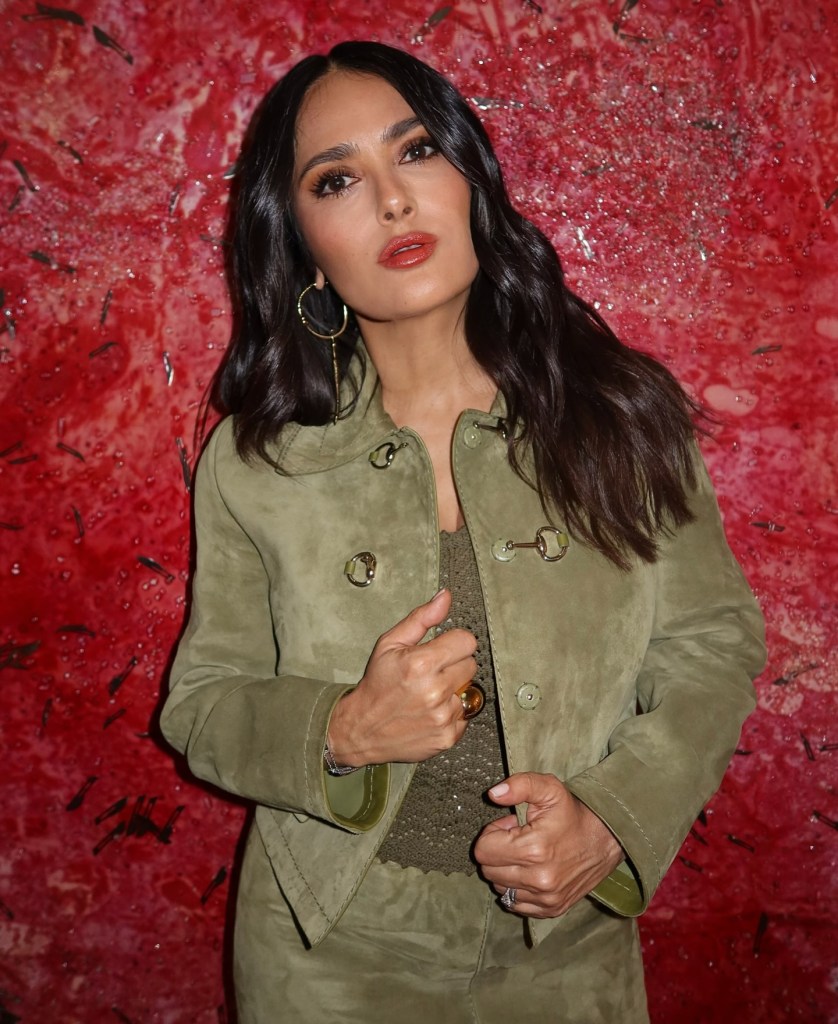
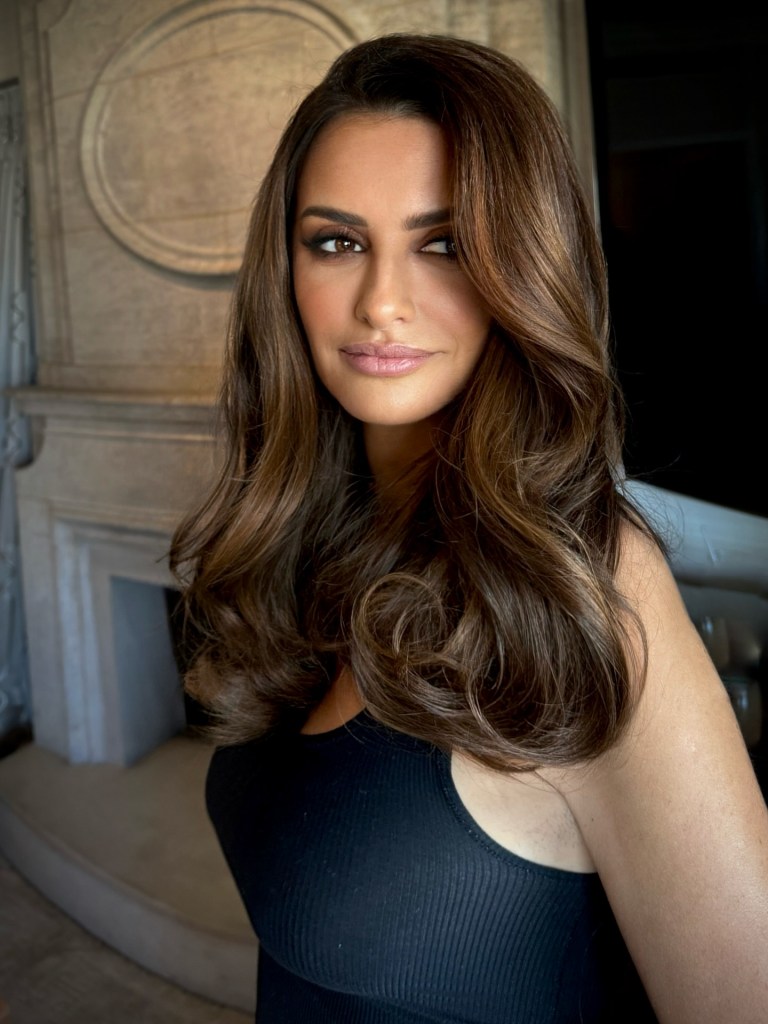

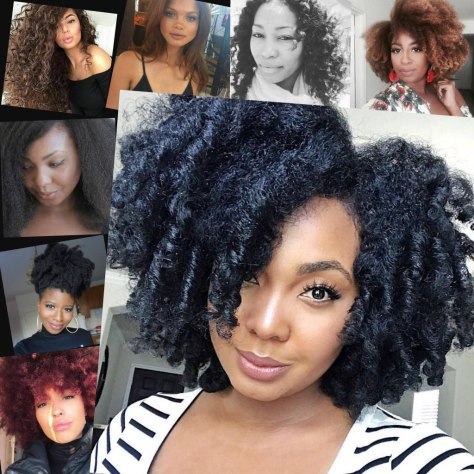
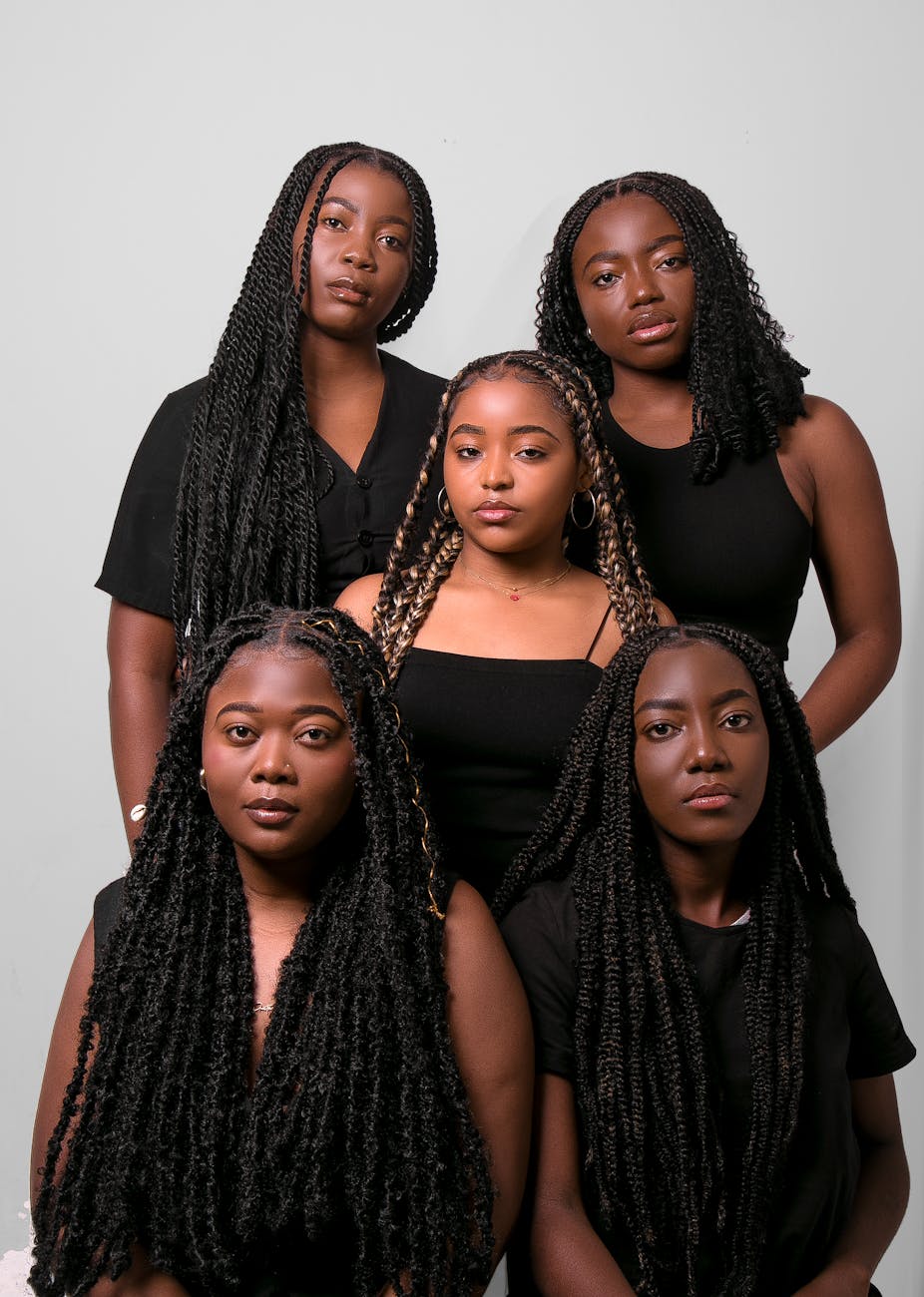
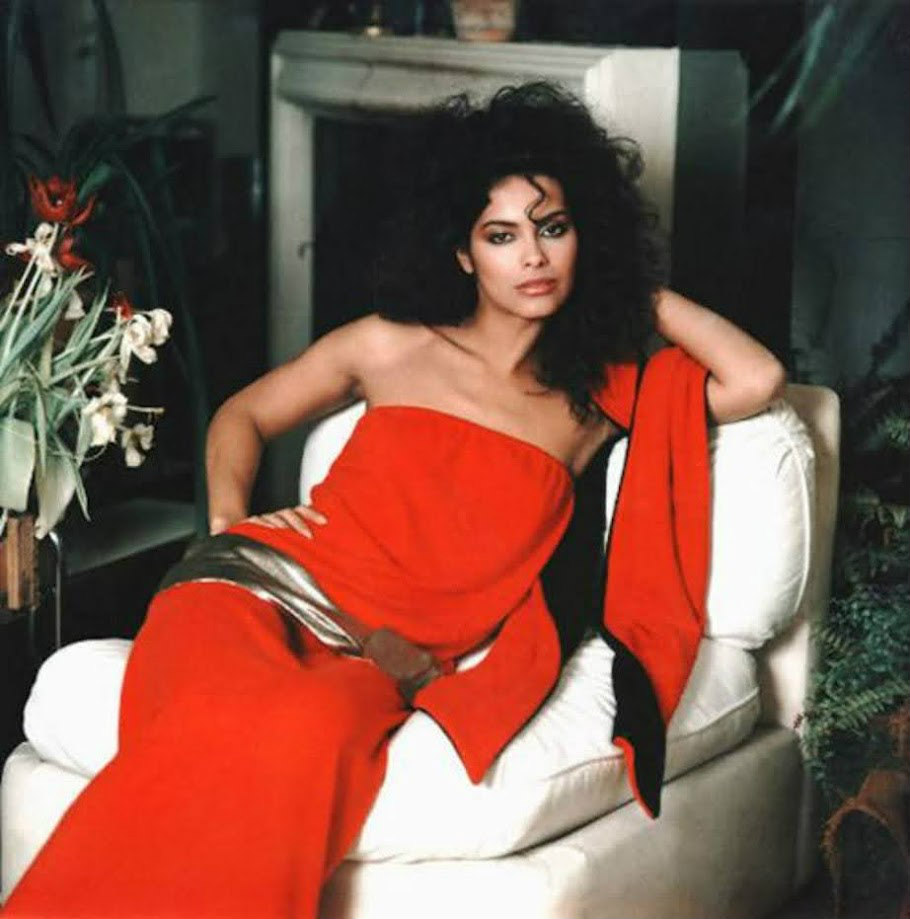
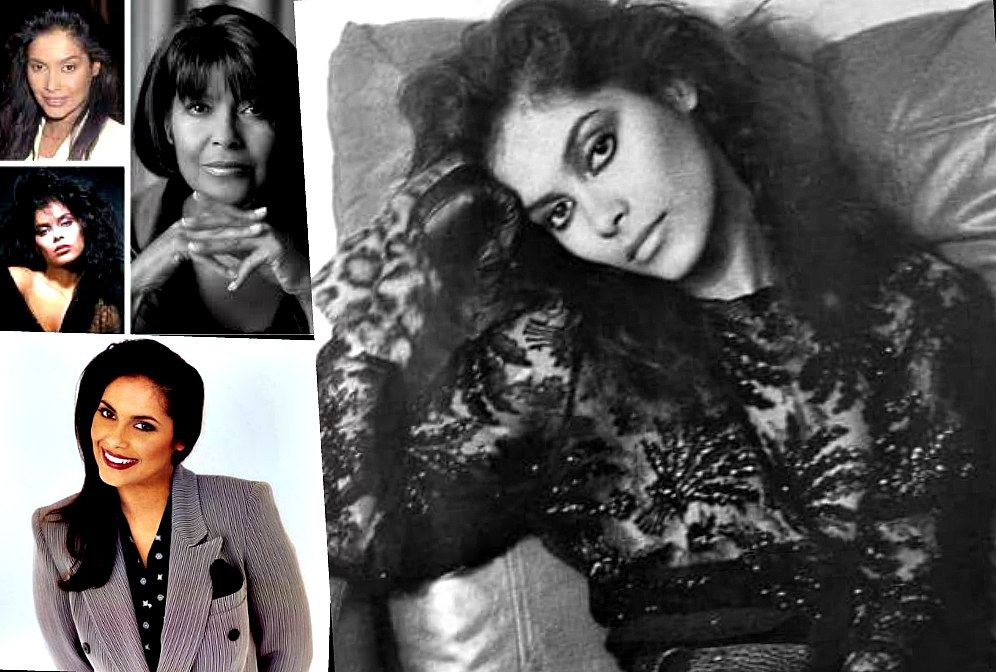
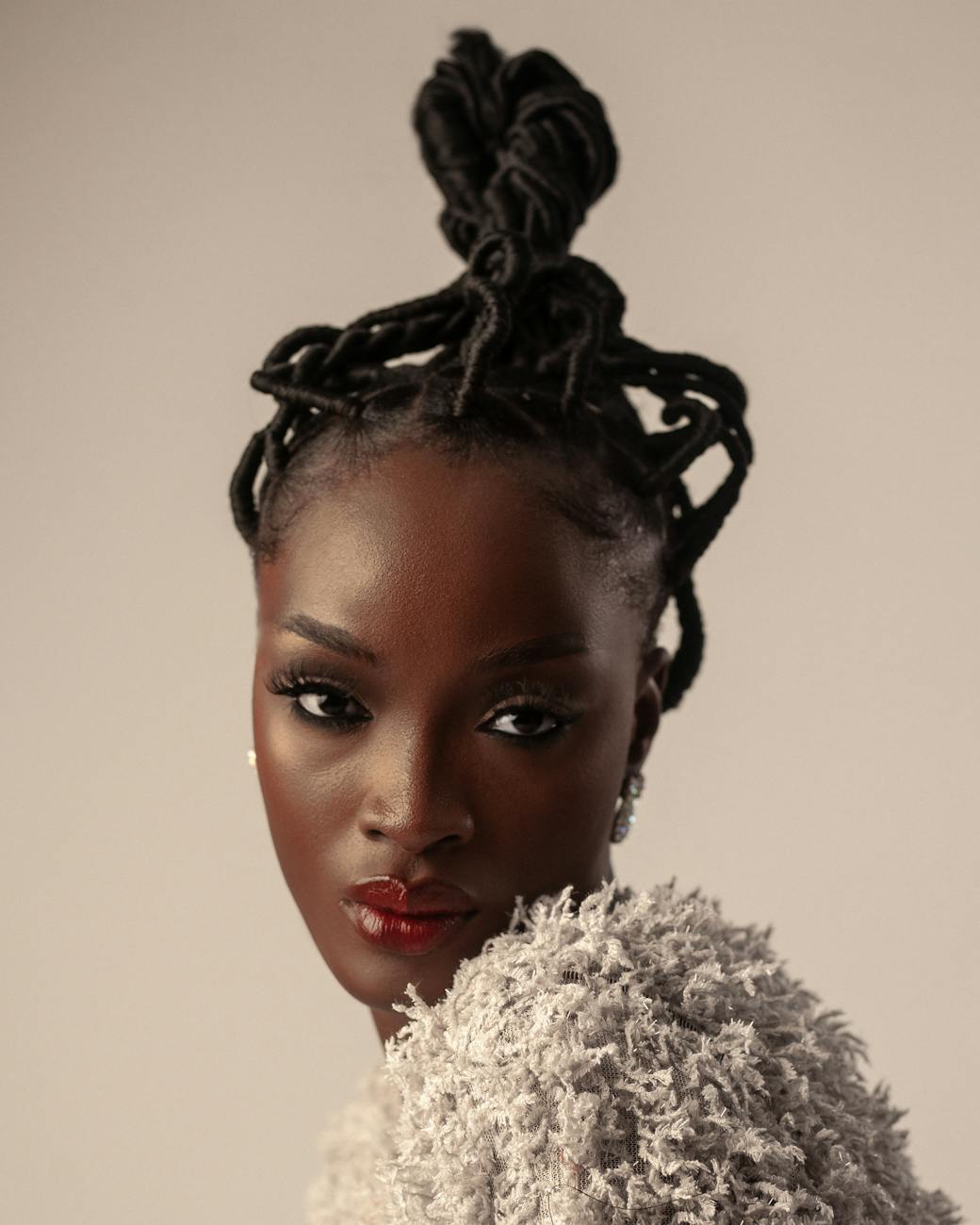
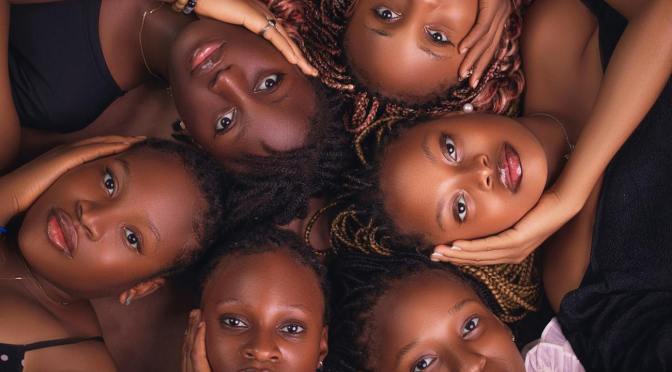
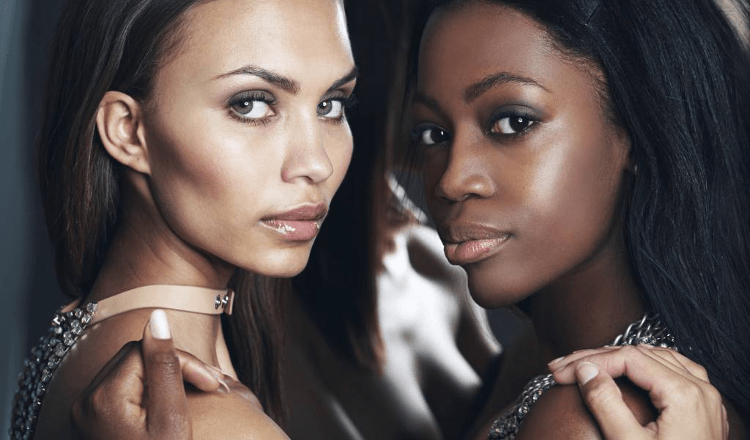
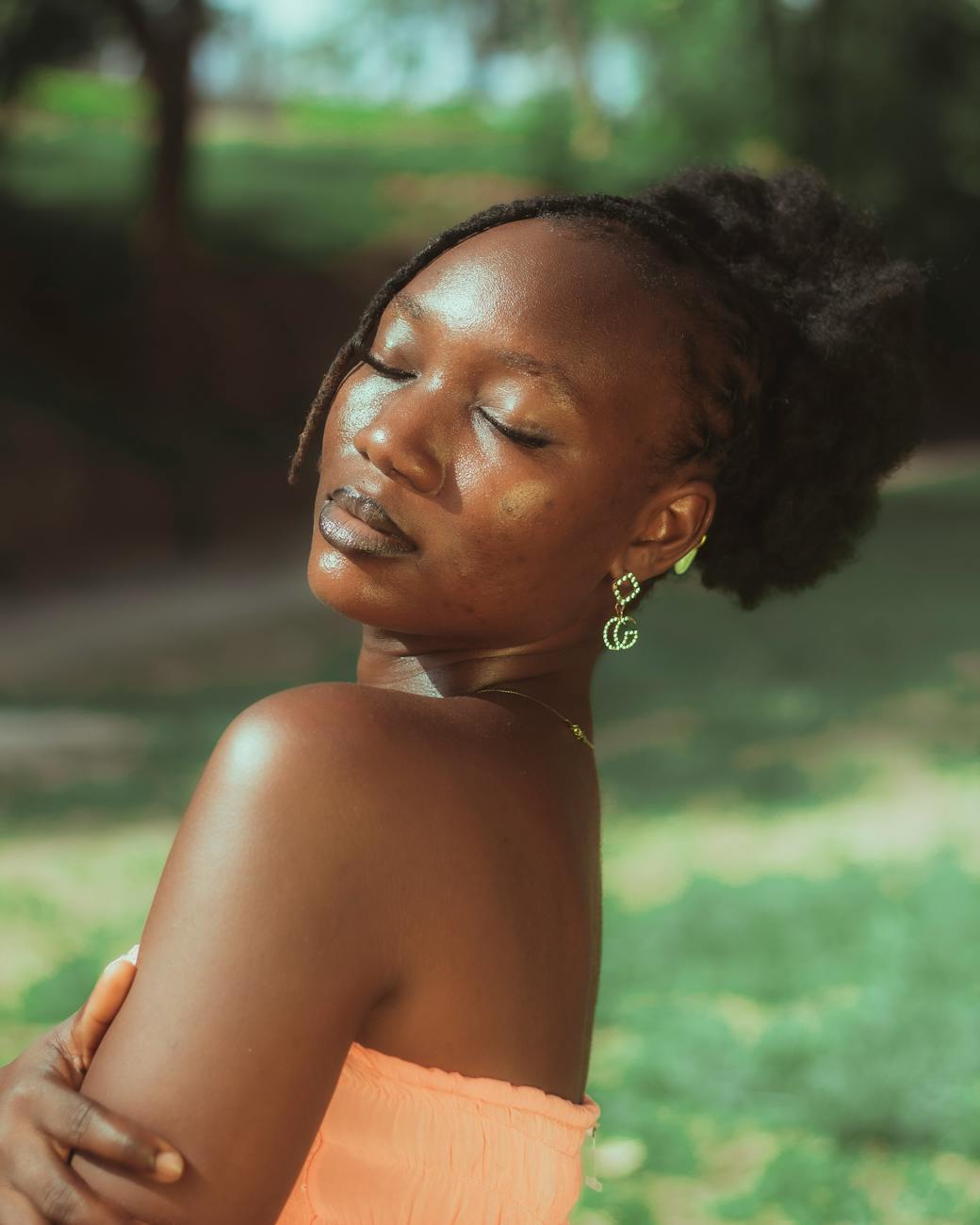
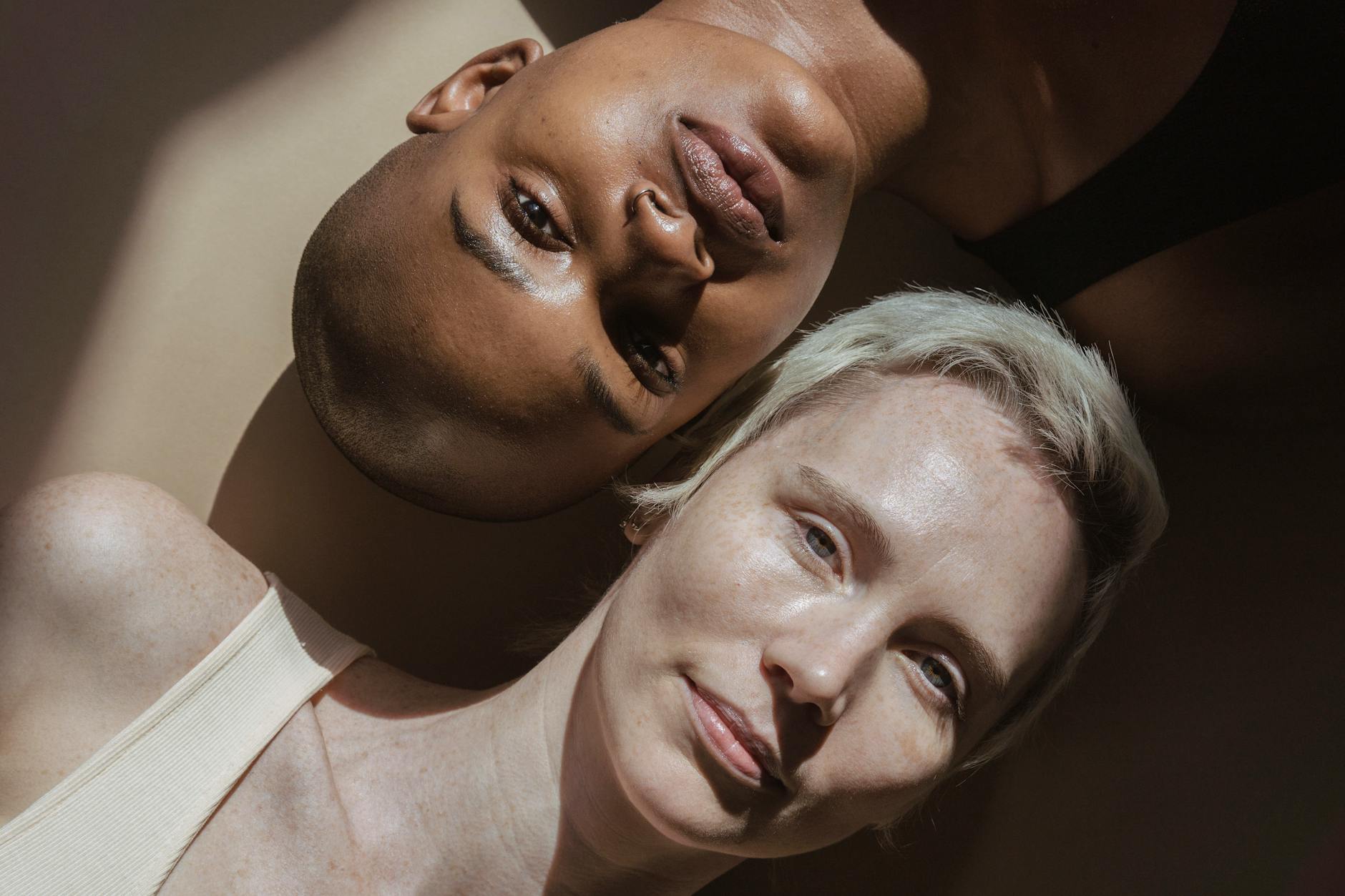
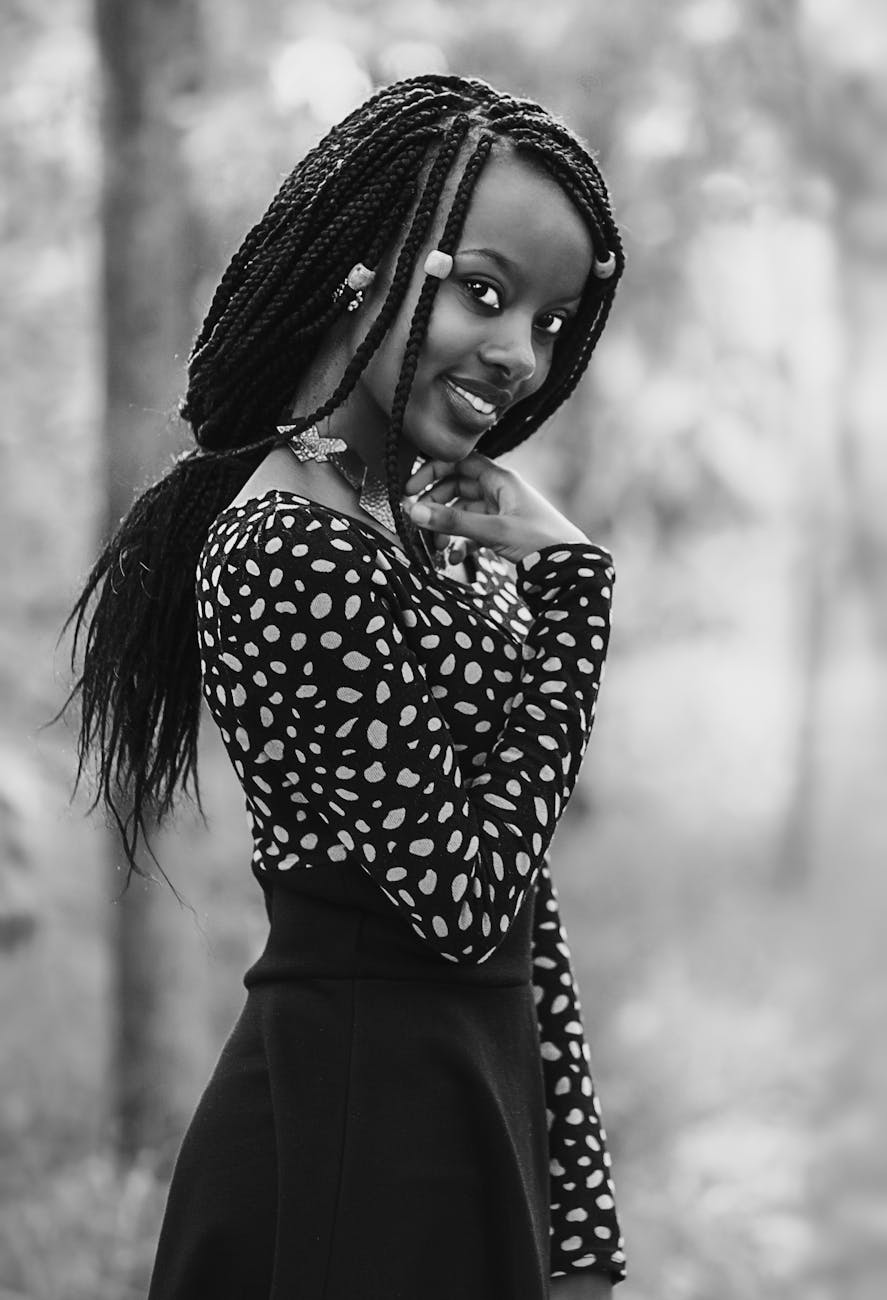
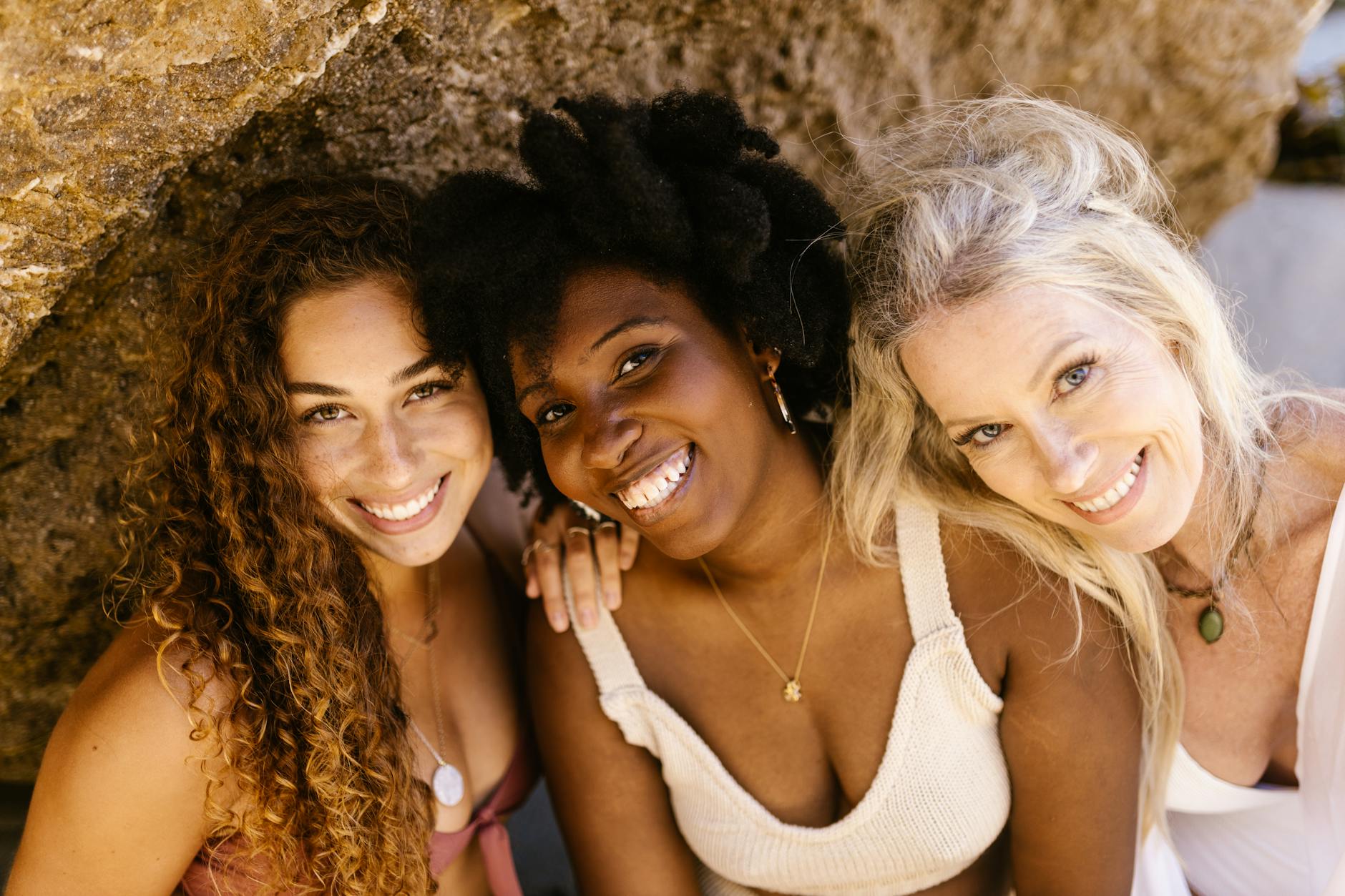
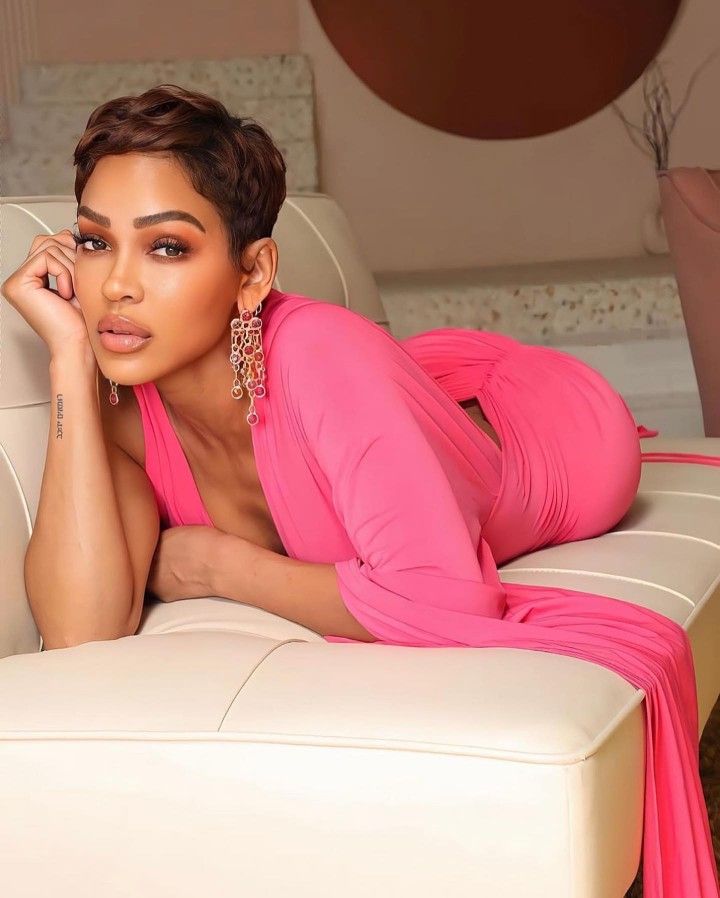
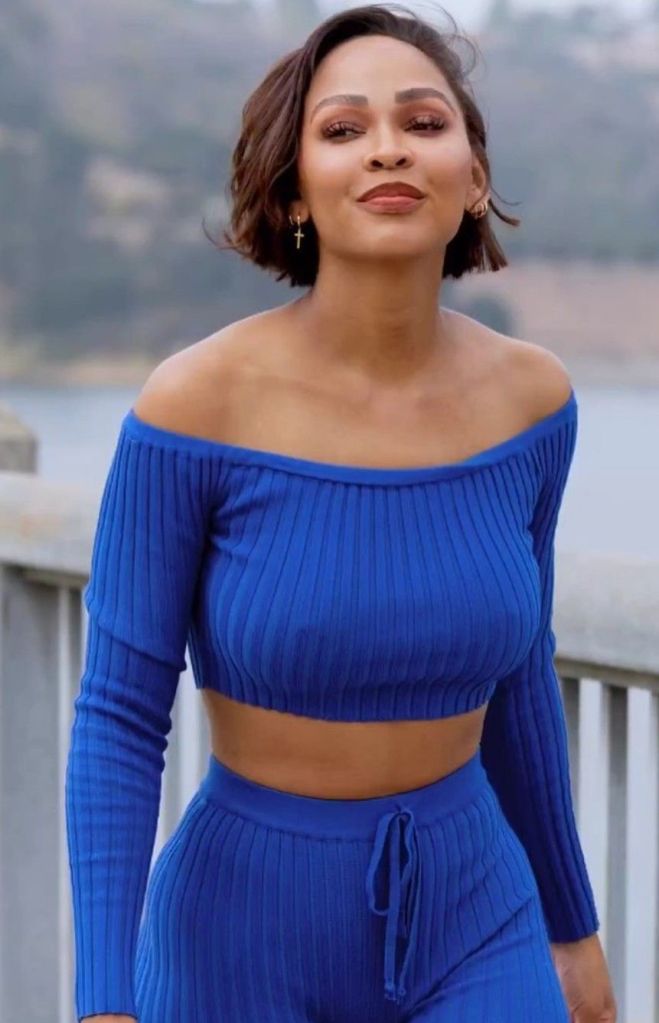
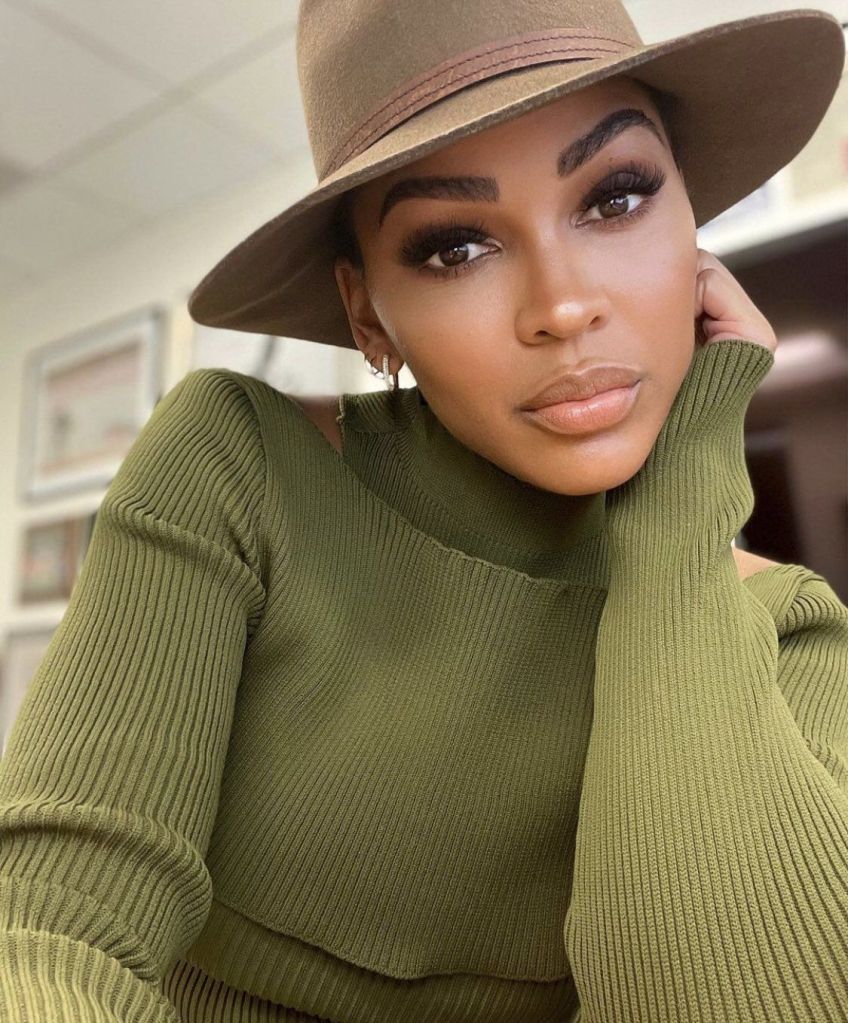
 THE BROWN GIRL DILEMMA