Category Archives: Beauty

From Kinky to Crown: The Politics and Pride of Black Hair

“Black hair is beautiful, but society has often told us otherwise. It is a statement of identity, resistance, and pride.” — Dr. Ayana Byrd, author of Hair Story

“My hair is my crown, and I wear it with pride. Every curl tells a story.” — Lupita Nyong’o


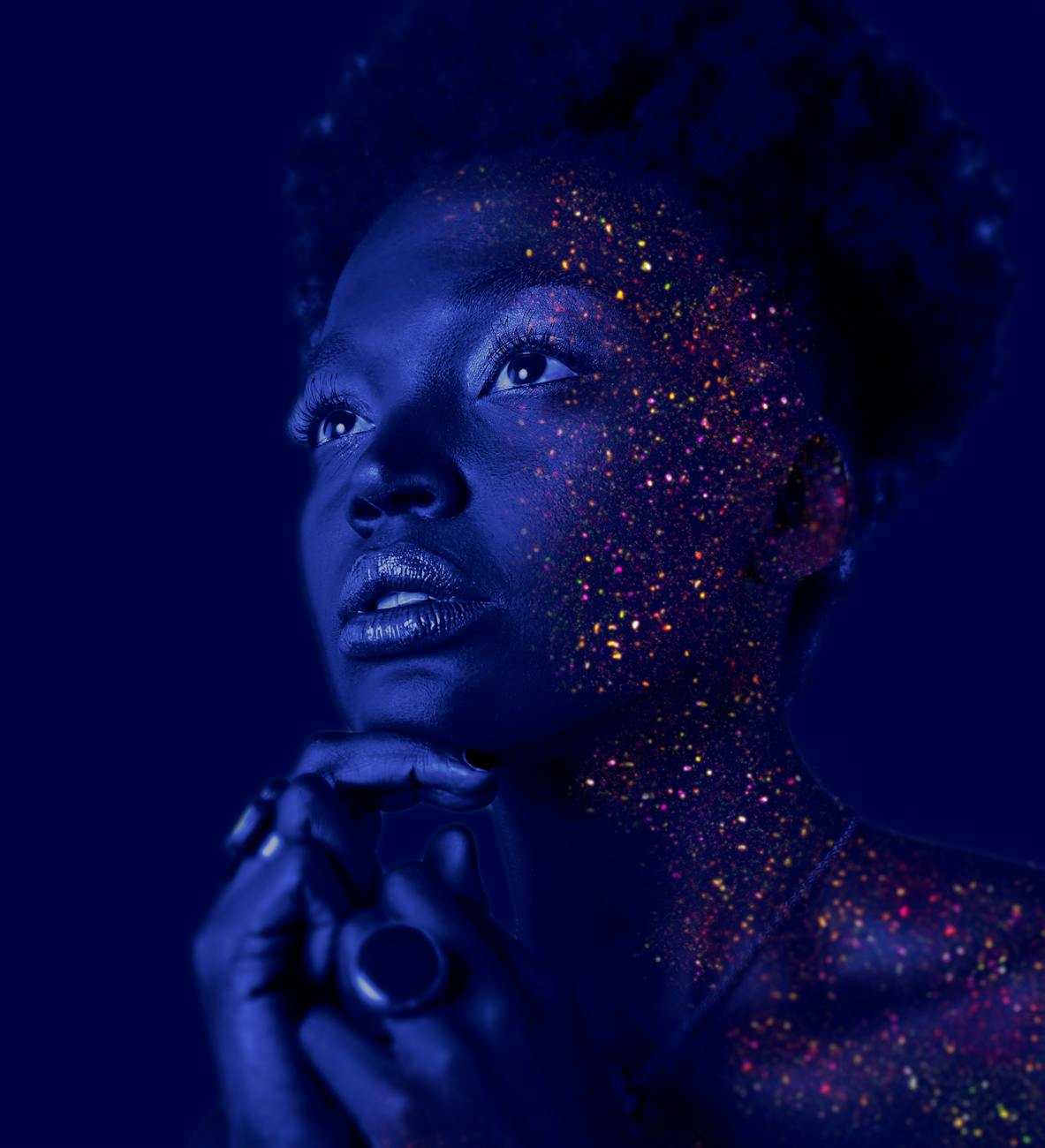
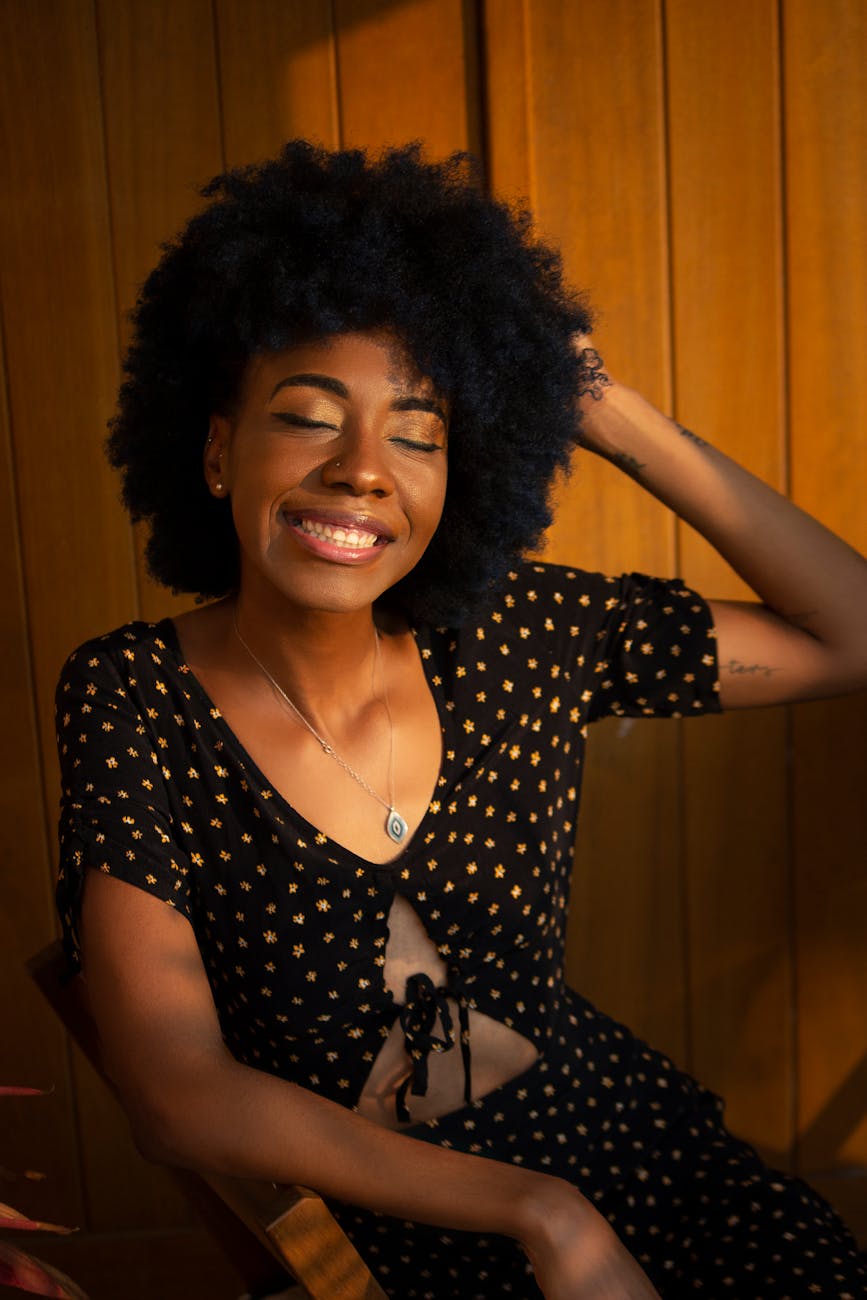
Photo by TUBARONES PHOTOGRAPHY on Pexels.com

Black hair has long been a symbol of identity, heritage, and culture. The textures range from tightly coiled kinks to soft waves, each reflecting the rich diversity of African ancestry. However, the politics surrounding Black hair are deeply tied to historical and social power structures. Eurocentric standards of beauty have positioned straight hair as the “universal standard,” often marginalizing naturally textured hair. This has created a spectrum of discrimination, from overt workplace bias to subtler societal messaging about what constitutes “good” versus “bad” hair. Understanding the textures, cultural history, and politics of Black hair is essential to fostering pride, resilience, and self-acceptance within the Black community.


The Textures and Cultural Significance

Black hair textures vary widely, commonly classified into four types (1–4), with subcategories (A–C) based on curl tightness and pattern. Type 1 is straight hair, which is rare among people of African descent. Type 2 is wavy, Type 3 is curly, and Type 4 is coily/kinky, characterized by tightly packed curls. Each texture carries cultural significance: in African societies, hairstyles represented social status, tribal affiliation, and spiritual beliefs. The Bible also references hair as a sign of strength and identity; for example, Samson’s hair was a symbol of his God-given strength (Judges 16:17, KJV). These textures have been politicized in modern society, where natural hair has often been stigmatized in favor of straightened, chemically relaxed styles.


The Impact of Media and Societal Standards

Media representations reinforce the notion that straight hair is the universal standard of beauty, creating a pervasive hierarchy of hair textures. “Good hair,” often described as straight or loosely curled, is historically linked to proximity to whiteness, while kinky or coily hair has been labeled “bad” or unprofessional (Byrd & Tharps, 2001). These messages have psychological and emotional impacts, influencing self-esteem, identity formation, and social mobility. Mothers, aware of societal bias, often teach children to view their natural hair as needing taming or improvement, inadvertently perpetuating internalized bias. Celebrities and public figures like Lupita Nyong’o challenge this narrative, celebrating natural hair as a crown of heritage and a statement of self-worth.


Care, Products, and Community Perspectives

Caring for Black hair requires attention to moisture, protective styling, and gentle handling to prevent breakage. Recommended products include shea butter, coconut oil, jojoba oil, and sulfate-free shampoos and conditioners. Popular protective styles include braids, twists, locs, and cornrows. Black men have expressed diverse opinions on Black hair, ranging from appreciation of natural textures to preferences shaped by societal norms. These perspectives highlight the ongoing negotiation of identity, beauty, and social perception within the community. Scholars emphasize that reclaiming pride in natural hair fosters empowerment and combats internalized oppression (Banks, 2016).


Conclusion

Black hair is more than aesthetic; it is a political and cultural statement that reflects history, identity, and resilience. From kinky coils to loose curls, hair embodies a legacy of survival, pride, and spiritual significance. By understanding hair textures, rejecting media-imposed hierarchies, and embracing culturally affirming care practices, the Black community can reclaim the crown of natural beauty. As Lupita Nyong’o asserts, each curl tells a story, and through this recognition, Black hair can be celebrated rather than stigmatized. Embracing the politics and pride of Black hair is a step toward self-love, cultural affirmation, and generational healing.


References

  • Banks, I. (2016). Hair Matters: Beauty, Power, and Black Women’s Consciousness. NYU Press.
  • Byrd, A., & Tharps, L. (2001). Hair Story: Untangling the Roots of Black Hair in America. St. Martin’s Press.
  • Lupita Nyong’o. (2014). Personal Interview: Celebrating Natural Hair. Essence Magazine.
  • Roberts, D. (2010). Shaping Beauty, Shaping Race: African American Women and Hair Politics. Duke University Press.
  • The Holy Bible, King James Version.

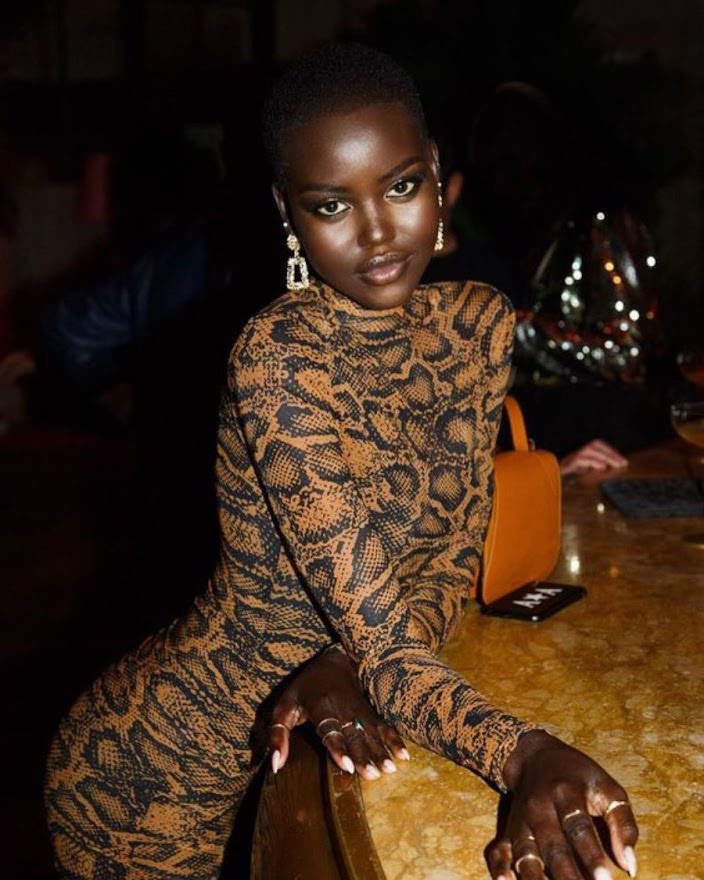
The Ebony Dolls: Adut Akech

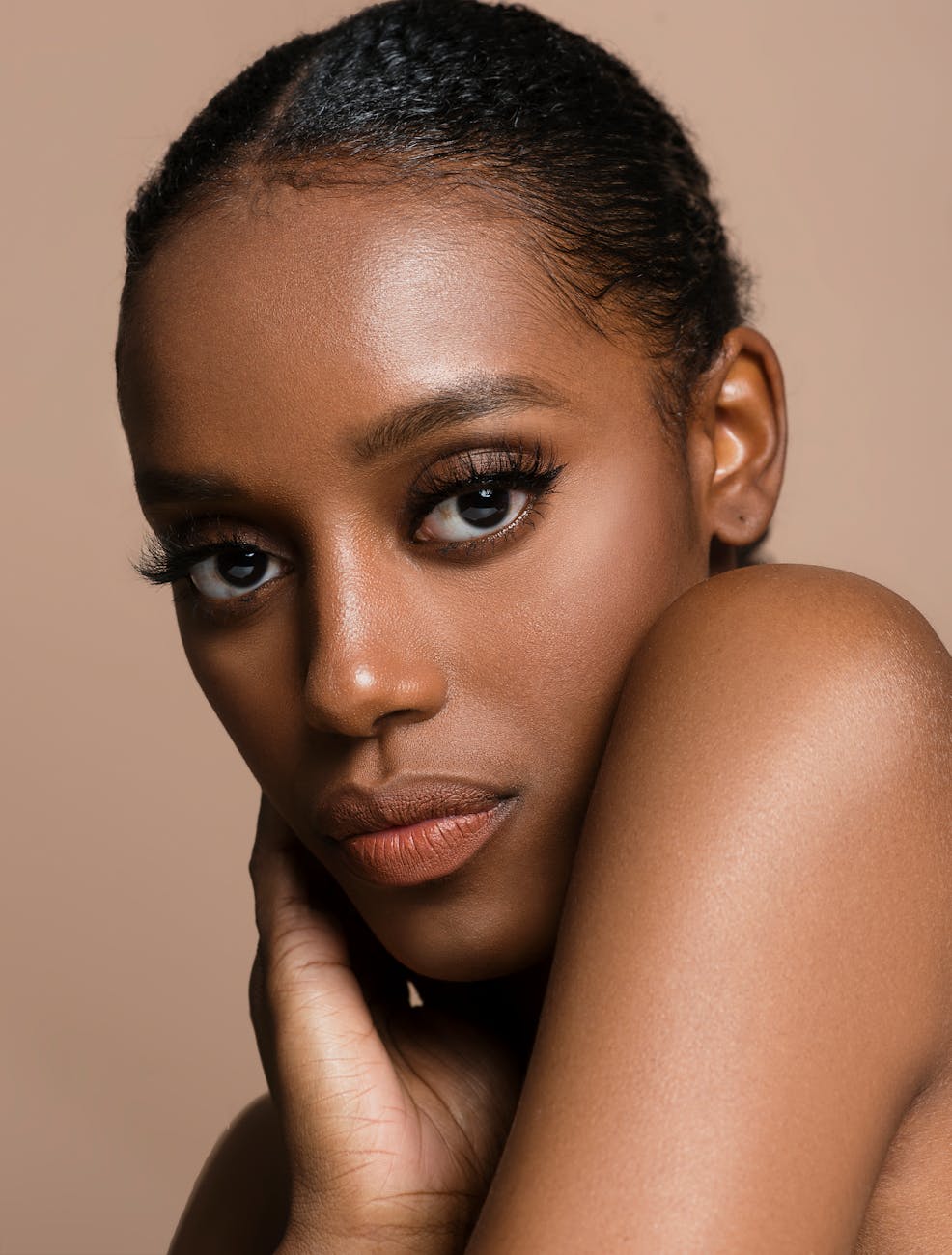
The face of high fashion, illuminated by otherworldly black beauty.


This photograph is the property of its respective owner. No copyright infringement intended.

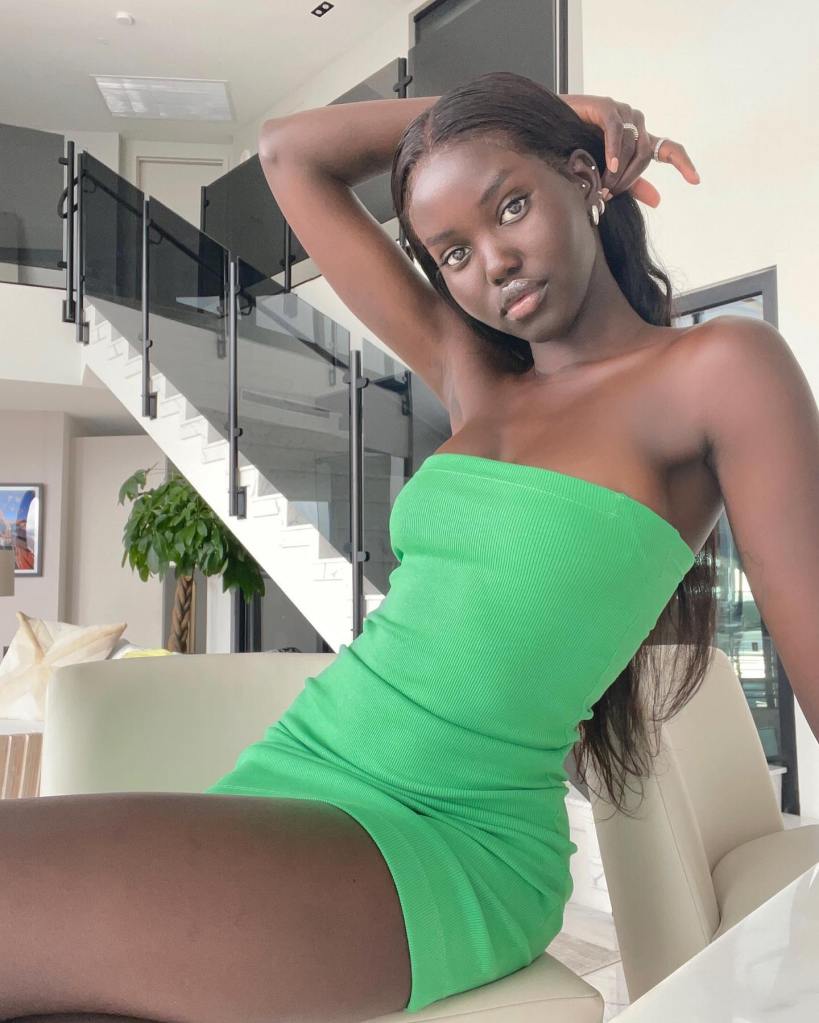
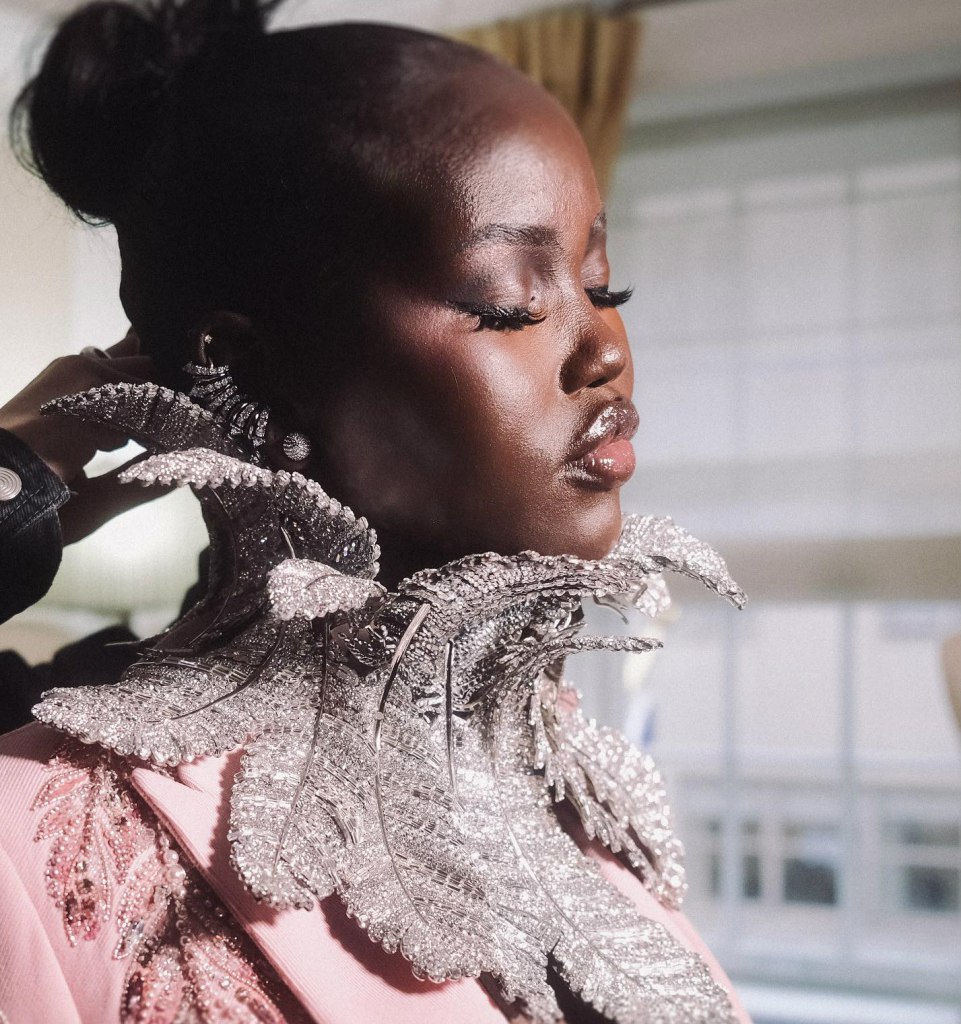
Adut Akech’s beauty is a fusion of deep, luminous melanin, sculpted bone structure, and regal African features that command attention. She embodies a rare elegance where strength meets softness, making her presence feel both ancestral and otherworldly, as if her face were designed to redefine global standards of beauty.

Adut Akech Bior was born on December 25, 1999, in South Sudan and raised in a Kenyan refugee camp before relocating to Adelaide, Australia, at the age of 7. Her story is one of survival and transcendence—from displacement to becoming one of the world’s most recognizable fashion faces.

Discovered at 16, Adut was signed to Chadwick Models in Sydney and later joined Elite Models in Paris. Her big break came when Saint Laurent cast her as an exclusive in 2016. Since then, she has walked for Valentino, Dior, Versace, Prada, and Chanel, and graced the covers of Vogue, including the historic Vogue Italia and British Vogue issues. Her radiant melanated skin, striking facial features, and luminous smile have made her one of the most recognizable and influential faces in contemporary high fashion. Adut’s beauty is often described as regal, sculptural, and otherworldly. Her deep ebony complexion, almond-shaped eyes, symmetrical bone structure, and radiant smile create a look that is both modern and ancestral. She embodies a visual narrative that challenges Eurocentric ideals and restores dark-skinned African beauty to its rightful prominence in global media. Her presence represents a powerful shift in global beauty standards, placing dark-skinned Black women at the center of luxury and editorial fashion.

This photograph is the property of its respective owner. No copyright infringement intended.

With her deep, rich skin tone, short natural hair, and commanding runway presence, Adut redefined what mainstream beauty could look like. “My skin is not a trend,” she told Allure, challenging the tokenism and fetishization often placed on dark-skinned models. Her look is both regal and authentic, earning her a global following and editorial acclaim.

Adut’s international breakthrough came when she was selected as an exclusive model for Saint Laurent’s Spring/Summer 2017 show in Paris, an extraordinary debut that immediately elevated her status within the fashion world. Since then, she has walked for nearly every major luxury house, including Valentino, Dior, Givenchy, Versace, Fendi, Prada, Moschino, and Balenciaga.

She has appeared in major global campaigns and graced the covers of American Vogue, British Vogue, Vogue Italia, and many other international fashion publications, working with some of the most influential designers and photographers in the industry.

In 2018, she was named Model of the Year by Models.com and honored again in 2019 by the British Fashion Council, with Naomi Campbell presenting her award. Adut Akech’s achievements place her among the elite in fashion history. She won Model of the Year at the British Fashion Awards in 2019, one of the most prestigious honors in the industry. That same year, she was selected for the iconic September 2019 cover of British Vogue, curated by Meghan, Duchess of Sussex—cementing her as a cultural symbol beyond fashion alone.

Personal Life:
Adut is married to Samuel Elkhier. In 2024, she announced her pregnancy and later gave birth to their daughter, Kiki, entering motherhood while continuing to work at the highest levels of fashion. She has spoken openly about balancing family life with career, and about representing Black women with dignity, visibility, and grace.

Adut Akech qualifies as an Ebony Doll not only because of her exceptional physical beauty, but because she represents Black excellence, African resilience, and the elevation of melanated femininity in a global arena that once excluded women who looked like her. She is living proof that dark skin, African features, and Black womanhood are not trends—but timeless symbols of elegance, power, and divine design


References

  • Adut Akech profile and biography.
  • Adut Akech early career and Model of the Year coverage.
  • Basic biographical details including age and early life.
  • Modeling career highlights and campaigns.
  • Additional accolades and fashion influence.
  • Personal life and motherhood.
  • Adut Akech. Wikipedia. https://en.wikipedia.org/wiki/Adut_Akech

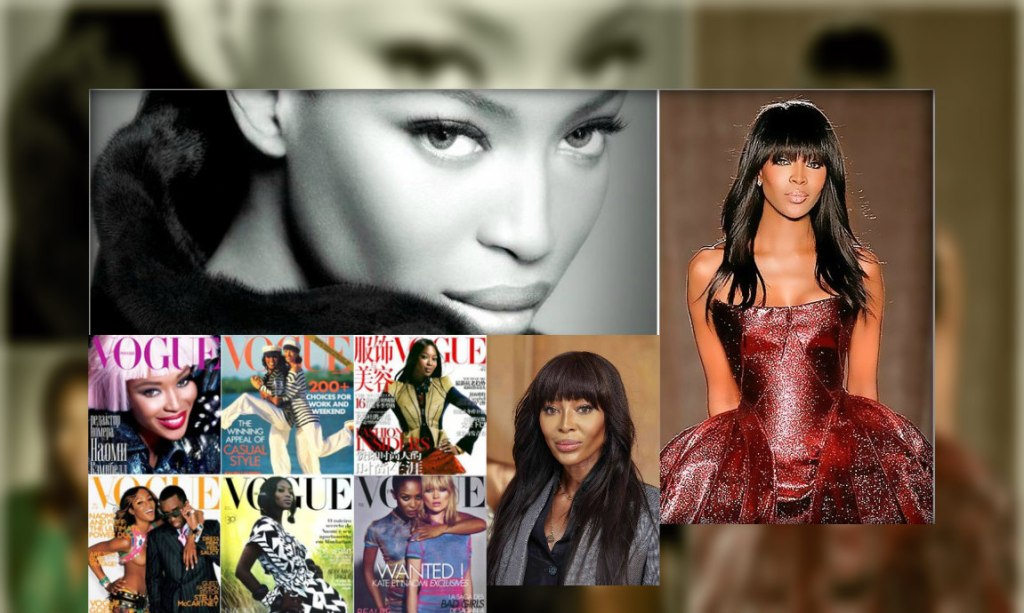
The Ebony Dolls: Naomi Campbell

The Unrivaled Supermodel and Queen of the Catwalk

With her statuesque frame, chiseled cheekbones, an unmistakable feline grace, with the best runway walk known to man, Naomi Campbell reigns as one of the most iconic supermodels in history—a living embodiment of timeless beauty, discipline, and global influence. Her deep mocha complexion, commanding runway presence, and captivating gaze revolutionized the fashion world, breaking barriers for Black women in an industry once reluctant to embrace diversity. Discovered at just 15 years old, Campbell became the first Black model to grace the covers of French Vogue and Time magazine, solidifying her place among the elite. Beyond modeling, she has evolved into a philanthropist, actress, businesswoman, and cultural ambassador, using her platform to advocate for racial equality and representation in fashion. Naomi Campbell is not merely a model—she is an institution, a symbol of power, poise, and perseverance whose name defines excellence itself.

Few names in fashion history command the same reverence as Naomi Campbell, whose presence on the runway is often described as both thunderous and divine. With a walk that is the benchmark of high fashion, Naomi did not simply model clothes—she embodied power, elegance, and revolution. As one of the original “supermodels,” she shattered racial barriers, redefined global beauty standards, and remains an enduring force in fashion decades after her debut.


Early Life and Modeling Beginnings

Naomi Elaine Campbell was born on May 22, 1970, in London, England, to a Jamaican-born mother, Valerie Morris, a professional dancer. Naomi never knew her father, who left before her birth, and she took her mother’s surname. Of Afro-Jamaican and Chinese-Jamaican descent, Naomi grew up between London and Rome, where she studied ballet and performing arts.

Her modeling journey began serendipitously. At just 15 years old, while shopping in Covent Garden, Naomi was discovered by Beth Boldt, head of the Synchro Model Agency. By age 16, she was already gracing the cover of British Elle—a signal that fashion’s next phenomenon had arrived.


Rise to Supermodel Status and the “Big Five”

In the late 1980s and early 1990s, Naomi became one of the original five supermodels, a term Gianni Versace helped popularize. The group—Naomi Campbell, Linda Evangelista, Christy Turlington, Cindy Crawford, and Claudia Schiffer—dominated catwalks and campaigns, crossing over into pop culture with unprecedented fame. These women weren’t just faces of brands; they were personalities, businesswomen, and icons.

Naomi’s defining moment came in 1991, when Versace sent all five supermodels down the runway together, lip-syncing George Michael’s “Freedom! ’90,” immortalizing the era and solidifying Naomi’s place in fashion history.


A Trailblazer in Fashion

Naomi Campbell broke racial barriers in an industry that long upheld Eurocentric beauty standards. She was the first Black model to appear on the covers of French Vogue (1988) and Time Magazine, and the first Black British model to cover British Vogue in decades. Her presence signaled a tectonic shift, yet she has repeatedly spoken about how much of her career was earned through persistence in the face of racism.

In an interview with The Guardian (2020), Campbell stated, “I had to fight for myself because nobody else was going to fight for me. Racism is still very much alive in this industry.”

Despite being a supermodel, Naomi was often excluded from certain magazine covers and beauty campaigns. She has been candid about being booked last, paid less, or overlooked—until designers like Azzedine Alaïa, Yves Saint Laurent, and Gianni Versace personally advocated for her inclusion.


The Walk That Changed the Runway

Naomi’s runway walk is widely regarded as the most iconic in fashion history. Fluid yet powerful, rhythmic yet effortless—her strut became a signature, studied by generations of aspiring models. No one, past or present, walks quite like Naomi Campbell. Designer Marc Jacobs once said, “Naomi doesn’t walk the runway. She owns it.”

Fashion commentator Tim Blanks described it as “the physical expression of regality.” Her ability to command space—whether in couture or ready-to-wear—transcended the clothes and elevated fashion shows into full theatrical displays.


Longevity and Current Influence

Remarkably, Naomi remains one of the few models from her era still working at the top tier of the industry. Well into her 50s, she continues to headline major runway shows—Fendi, Balmain, and Valentino among them—and serves as a mentor and judge on modeling competitions, including The Face. She’s also walked for Rihanna’s Fenty, bridging generations and staying relevant with younger audiences.

Edward Enninful, editor-in-chief of British Vogue, called her “a legend, and a living link between fashion’s past, present, and future.”


Rivalry with Tyra Banks

Naomi’s long-publicized feud with Tyra Banks cast a shadow over both of their careers. In early interviews, Banks described being ostracized by Naomi in the 1990s when she entered the industry. Though both women have since reconciled, Tyra admitted in a 2019 interview that Naomi’s treatment made her question her place in fashion.

Naomi, in turn, claimed the media pitted them against each other, fostering competition between the only two prominent Black models of their time—another consequence of fashion’s limited diversity.


Comparisons: Naomi Campbell vs. Cindy Crawford

Both Naomi Campbell and Cindy Crawford were pioneers of the supermodel era, but they took slightly different paths. Cindy, often seen as the “All-American beauty,” became the face of numerous beauty campaigns and focused more on commercial modeling and business ventures. Naomi, by contrast, was a runway thoroughbred, closely aligned with haute couture and high fashion.

Where Cindy brought relatable beauty to the masses, Naomi brought otherworldly presence and regal glamour to elite runways. Both earned their spots through talent, but Naomi’s path was arguably more difficult due to systemic racism and underrepresentation.


Praise from Industry Icons and Her Own Words

Gianni Versace once said, “Naomi is not just a model—she is fashion.”
Vivienne Westwood called her “the goddess of the runway.”
Donatella Versace, after Naomi walked in her tribute show for Gianni in 2017, said: “She is a symbol of strength and resilience.”

On Christy Turlington, Naomi once said: “Christy is the most beautiful woman in the world—inside and out. Her face is like a Renaissance painting.” This rare public compliment reveals Naomi’s respect for her fellow supermodels, despite often being cast as the competitive one.


Personal Life

Naomi Campbell has never married but has had high-profile relationships, including with U2’s Adam Clayton, Russian billionaire Vladislav Doronin, and, more recently, she has welcomed two children, announcing the births quietly in 2021 and 2023. She maintains a level of privacy around her family life, choosing instead to highlight her philanthropic efforts and modeling career.


Conclusion

Naomi Campbell is not merely a supermodel—she is a cultural icon, a fashion revolutionary, and a living legend. With a walk that has never been matched, a legacy that spans generations, and a resilience forged in adversity, she has become more than the sum of her catwalks and covers. She is a force—still walking, still stunning, still Naomi.


References

  • Enninful, E. (2021). British Vogue Interviews
  • Banks, T. (2019). Tyra Banks Show Interview with Naomi Campbell
  • Versace, G. (1991). Freedom! Runway Show Commentary
  • Blanks, T. (2018). Business of Fashion: The Naomi Effect
  • Campbell, N. (2020). The Guardian Interview
  • Vogue Archives. (1988–2024). Covers and Editorials featuring Naomi Campbell

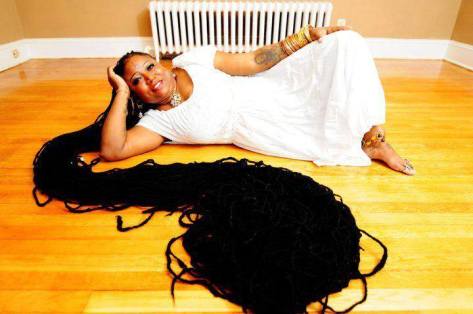
Crowning Glory: The Record-Breaking Hair Journey of Asha Mandela and the Global Narrative of Black Women’s Hair.

This photograph is the property of its respective owner.

Asha Mandela, widely recognized as “The Black Rapunzel,” has captivated the world with her extraordinary crown—locs that measure over 110 feet long. As the Guinness World Record holder for the longest dreadlocks on a living person, her story is not merely about length but about patience, pride, and the spiritual and cultural journey of Black womanhood. In a world where Black hair has often been politicized, exoticized, or misunderstood, Asha Mandela’s story reclaims agency, celebrates heritage, and offers insight into the sacred beauty of natural hair care. This essay explores Mandela’s biography, hair routine, the science of Black hair growth, societal views on Afro-textured hair, and the rising global fascination—particularly in Asia—with natural Black hairstyles.


Asha Mandela: A Biography of Beauty and Resilience

Born in Trinidad and Tobago and raised in the Caribbean before relocating to the United States, Asha Mandela began her loc journey in her early 20s, over 40 years ago. At the time, she was experiencing serious health issues and believed that growing her locs was part of a spiritual calling—a holistic lifestyle decision meant to connect her to her roots and protect her energy. She credits her locs not only as a beauty statement but as an extension of her identity and strength.

According to the Guinness World Records (2021), her longest lock measures over 110 feet (33.5 meters)—longer than a London double-decker bus. Maintaining and growing her hair to such incredible lengths has been a labor of love, discipline, and faith.


The Art and Ritual of Hair Care

Asha Mandela’s hair is styled in traditional locs, a natural hairstyle created by allowing textured hair to mat and lock over time. She has stated in interviews that caring for her hair can take up to two full days, especially during washing and drying. She uses homemade essential oil blends, nutrient-rich shampoos, and organic treatments. Because of the weight and length of her locs, which can exceed 25 pounds when wet, she sleeps with them wrapped and often carries them in a scarf or pouch to avoid strain on her spine.

Mandela emphasizes that growing hair to such lengths requires spiritual intention, patience, and internal harmony. “It’s a part of me,” she says. “They’re my life force and my connection to the universe” (Essence Magazine, 2014).


Understanding Black Women’s Hair: Texture, Growth, and Myths

Black women’s hair is genetically diverse and uniquely structured. Afro-textured hair typically falls under the Type 3 (curly) and Type 4 (coily/kinky) hair classification. These strands grow in tight spirals or coils, giving the appearance of less length due to shrinkage, even though the hair continues to grow like any other hair type.

Contrary to stereotypes, Black hair grows at the same average rate—about 0.5 inches per month—as other ethnicities, but its coily nature and fragility make length retention more difficult. Frequent breakage, excessive manipulation, or chemical treatments can hinder growth. However, with protective styling, moisture-rich routines, and low-manipulation methods such as locs or braids, Black hair can grow very long, as demonstrated by Asha Mandela.


The World’s Gaze: Black Hair in Global Culture

Historically, Black hair has been burdened by social stigma. In many Western societies, Afro-textured hair has been labeled “unprofessional” or “unkempt,” leading to discriminatory practices in schools and workplaces (Byrd & Tharps, 2014). Yet simultaneously, Black hair has also become a site of global fascination and cultural admiration.

In recent years, a trend known as the “Fro Craze” has taken root in parts of Asia, particularly Japan and South Korea. Young people in these countries have embraced Afro wigs, dreadlocks, and cornrows as symbols of rebellion or high fashion. Some even undergo perms to create the look of a natural Afro. While some view this as cultural appreciation, others critique it as cultural appropriation—enjoying the aesthetics of Blackness without the lived realities that come with it.

Nonetheless, the interest reveals a broader shift: Black hair is no longer being hidden—it is being celebrated globally as a symbol of boldness, authenticity, and ancestral pride.


Public Reactions to Asha Mandela’s Hair

Public responses to Mandela’s hair are as layered as her locs themselves. Many see her as a living legend and a symbol of natural beauty. Others question the practicality or even the health of such extreme hair lengths. Some have unfairly labeled her hair “unclean” or “eccentric,” which speaks more to societal discomfort with Black hair that does not conform.

Yet Mandela remains unfazed. “My hair has never been a burden to me,” she said. “It’s been a blessing. It’s who I am.” (Guinness World Records, 2021).


Spirituality and Black Hair

For many women of African descent, hair is not merely fashion—it is spiritual. In African cosmologies, hair is considered a conduit for divine energy. In the Bible, Samson’s strength was in his hair (Judges 16:17), and many Rastafarians, like Mandela, view dreadlocks as a holy connection to Jah (God), resisting Babylon (oppression).


Conclusion

Asha Mandela’s record-breaking locs symbolize far more than a Guinness certificate. Her hair tells a story of resilience, cultural pride, self-acceptance, and sacred beauty. In a world where Black hair has been misunderstood, criminalized, or commodified, Mandela offers a bold reminder that natural hair is a crown—not to be tamed, but to be revered. Her journey also invites a deeper understanding of Black women’s hair, its science, cultural depth, and global influence. Ultimately, Asha Mandela’s story is a testament to the power of patience, pride, and authenticity in a society that often demands conformity.


References

Born Beautiful: The Science, Perception, and Power of Beauty

Photo by Adrienne Andersen on Pexels.com

Beauty has fascinated philosophers, scientists, artists, and theologians for centuries. Across cultures, it is both a subjective experience and an objective set of measurable traits, shaped by biology, culture, and history. The word beauty takes different forms across languages: in German, Schönheit; in Italian, Bellezza; in French, Beauté; and in Hebrew, יֹפִי (Yofi). Although the term varies linguistically, the concept is universally recognized and often linked to status, desirability, and social capital.

From evolutionary theory to biblical scripture, beauty carries implications for survival, reproduction, and morality. For Black individuals, the perception and valuation of beauty are shaped not only by universal human psychology but also by historical systems of racism and Eurocentric standards that privilege whiteness (Hunter, 2011).


Defining Beauty: Science and Subjectivity

Biologically, beauty often aligns with symmetry, sexual dimorphism, skin clarity, and adherence to cultural averages (Rhodes, 2006; Little et al., 2011). Symmetry is thought to signal genetic health, while features near the population average (the “averageness hypothesis”) are often rated as more attractive because they may indicate genetic diversity (Perrett et al., 1999).

Culturally, beauty is not purely universal. Preferences vary by region, era, and ideology. While one society might favor lighter skin or smaller noses, another might value fuller figures or darker skin tones. The aphorism “beauty is in the eye of the beholder” captures the subjectivity, yet research shows consistent cross-cultural agreement on certain features — suggesting that beauty is both subjective and partly objective (Langlois et al., 2000).

Elizabeth Taylor and Lena Horne: A Comparative Analysis of Beauty Across Race and Culture

Beauty, while often described as subjective, is shaped by cultural, historical, and biological influences. Two of the most celebrated women of the 20th century—Elizabeth Taylor and Lena Horne—exemplify distinct yet overlapping paradigms of feminine beauty. While Taylor’s features have been canonized within Eurocentric beauty standards, Horne’s beauty embodied the elegance, poise, and resilience of African-American womanhood during a time when Black women were systematically excluded from mainstream beauty recognition.

Physical Aesthetics and Genetic Markers

Elizabeth Taylor (1932–2011) possessed what many beauty scientists and historians consider near-classical facial proportions, with high cheekbones, a defined jawline, symmetrical features, and an extremely rare genetic trait: violet eyes caused by a unique melanin distribution in the iris. Her bone structure conformed closely to the neoclassical canons of beauty documented in Renaissance art, and her face demonstrated a high degree of symmetry—an attribute frequently linked to perceived attractiveness in evolutionary psychology (Little, Jones, & DeBruine, 2011). Taylor’s skin tone, luminous under Hollywood lighting, also benefited from color contrast theory, making her eyes appear even more striking.

Lena Horne (1917–2010) exhibited a different but equally powerful beauty, shaped by African, Native American, and European ancestry. Her facial structure combined almond-shaped eyes, high cheekbones, and a soft yet defined jawline. Her golden-brown complexion and natural grace challenged the prevailing stereotypes of Black women in mid-20th-century America, where lighter skin often provided more access to mainstream platforms (Hunter, 2007). Yet Horne’s beauty was not just genetic—it was amplified by her regal posture, distinctive smile, and the way she carried herself with understated elegance, which aligned with what psychologists call “aesthetic charisma” (Etcoff, 1999).

Cultural and Media Representation

In Hollywood’s Golden Age, Elizabeth Taylor was groomed for stardom in a system that celebrated and exported white feminine ideals globally. She was cast in romantic leads, her image plastered across magazines, and her beauty positioned as both timeless and universal. Taylor’s roles often reinforced a “classic Western beauty archetype”, allowing her to become a symbol of luxury, glamour, and desirability.

By contrast, Lena Horne faced a segregated entertainment industry that limited the roles available to Black actresses. Even with her extraordinary beauty, she was often typecast as a nightclub singer or exotic beauty, with her speaking roles heavily censored in films shown in the American South. Still, Horne became a trailblazer—one of the first Black women to secure a Hollywood contract—and her beauty took on symbolic meaning, representing Black dignity, resilience, and sophistication during the Civil Rights era.

Psychological and Social Impact of Beauty

Research indicates that beauty can yield tangible advantages—higher earning potential, greater social mobility, and preferential treatment (Hamermesh & Biddle, 1994). Both Taylor and Horne benefited from this to some extent, but within very different racial contexts. Taylor’s beauty translated into major film contracts, media control over her public image, and the freedom to navigate high society without racial barriers. Horne’s beauty, while granting her visibility and influence, was constantly negotiated against the backdrop of racism, where beauty could not shield her from discrimination but could amplify her role as a cultural icon and activist.

Biblical and Philosophical Dimensions of Beauty

From a biblical perspective, beauty is acknowledged as a divine gift yet accompanied by the caution that it is fleeting and secondary to character (Proverbs 31:30, KJV). While Taylor’s beauty was often framed in terms of physical perfection, Horne’s public image intertwined beauty with moral substance, dignity, and perseverance—attributes more aligned with scriptural ideals of beauty that transcend physical form.

Elizabeth Taylor’s beauty represented the pinnacle of mid-century Eurocentric standards—symmetry, rarity, and glamour—while Lena Horne’s beauty redefined the visibility and elegance of Black womanhood in a racially exclusive industry. Both women captivated audiences, but their experiences underscore how race shapes the reception, representation, and social capital of beauty. Taylor’s beauty was universally marketed; Horne’s was both celebrated and politicized, making her an enduring figure in conversations about beauty, representation, and equality.


Beauty and Life Outcomes

Numerous studies have shown that physical attractiveness correlates with higher earnings, more favorable job evaluations, and perceived competence (Hamermesh & Biddle, 1994). Attractive individuals are more likely to be hired, earn higher salaries, and are perceived as more persuasive in leadership roles (Judge et al., 2009).

Marriage outcomes are also affected: physically attractive women are more likely to marry and to marry men with higher socioeconomic status, though beauty does not necessarily guarantee marital stability (Rosenfeld, 2014). For men, handsomeness may boost dating and early relationship opportunities but appears to have a smaller effect on marriage duration compared to women (Udry & Eckland, 1984).


Race and Beauty in a Global Context

In a world where Eurocentric beauty standards dominate global media, white women often receive disproportionate exposure and are perceived as the “default” beauty in Western societies (Craig, 2006). This media bias means that, historically, white actresses such as Angelina Jolie have enjoyed greater international visibility compared to Black actresses like Jayne Kennedy, despite Kennedy’s extraordinary beauty and talent.

Similarly, men like Brad Pitt benefit from globalized ideals of male beauty, while Black male icons like Billy Dee Williams are celebrated but often within more limited cultural frames. The imbalance reflects systemic bias in casting, advertising, and fashion industries.

For Black women, beauty is often filtered through both racialized and gendered stereotypes. The cultural fetishization of certain features (e.g., full lips, curvaceous bodies) has been appropriated and celebrated when exhibited by white women, while historically devalued when associated with Black women (Patton, 2006).


Psychological Factors and Perception

Psychologically, beauty influences first impressions, social status, and interpersonal trust. The “halo effect” describes how people assume that attractive individuals also possess other positive traits, such as intelligence or kindness (Dion et al., 1972). Beauty can boost self-esteem and social mobility, but it may also lead to objectification or jealousy, particularly for women.

For men, attractiveness can yield similar advantages in social and professional settings, though the emphasis in male beauty tends to favor indicators of strength, symmetry, and social dominance rather than youthfulness (Grammer et al., 2003). Comparisons between attractive men and women show that while both benefit from the halo effect, women’s beauty tends to be more heavily sexualized and tied to reproductive-age cues, whereas male beauty is linked more to status and resource acquisition (Puts, 2010).


Biblical Perspective on Beauty

The KJV Bible recognizes beauty but warns against its fleeting nature:

  • Proverbs 31:30 — “Favour is deceitful, and beauty is vain: but a woman that feareth the LORD, she shall be praised.”
  • 1 Peter 3:3-4 — Beauty should not be merely outward adornment but the inner character of a “meek and quiet spirit.”
  • Song of Solomon celebrates beauty poetically, showing that physical attraction has a rightful place in love and marriage.

The biblical approach balances the appreciation of beauty with the reminder that moral character outweighs physical appearance in eternal value.


Beauty Markers in Science and Culture

Beauty markers are features consistently associated with attractiveness across studies:

  • Facial symmetry
  • Clear, even-toned skin
  • Facial averageness
  • Youthful appearance
  • Proportionate facial features (e.g., adherence to the golden ratio)
  • Cultural grooming and adornment practices

In some cultures, markers include skin tone, hair texture, body shape, and even ritual scars or tattoos, showing the cultural plasticity of beauty ideals (Etcoff, 1999).


Beauty: Advantage or Double-Edged Sword?

While beauty can bring social advantages, it is also double-edged. Attractive individuals may face greater scrutiny, unwanted attention, or assumptions about vanity. For Black individuals, beauty may sometimes be exoticized or tokenized, reducing their identity to aesthetics rather than holistic humanity.

Ultimately, science suggests that beauty is neither fully in the beholder’s eye nor fully fixed by biology. It is a dynamic interplay of innate human preferences, cultural conditioning, and personal expression.


References

Craig, M. L. (2006). Race, beauty, and the tangled knot of a guilty pleasure. Feminist Theory, 7(2), 159–177. https://doi.org/10.1177/1464700106064412

Dion, K., Berscheid, E., & Walster, E. (1972). What is beautiful is good. Journal of Personality and Social Psychology, 24(3), 285–290. https://doi.org/10.1037/h0033731

Etcoff, N. (1999). Survival of the prettiest: The science of beauty. Anchor Books.

Grammer, K., Fink, B., Møller, A. P., & Thornhill, R. (2003). Darwinian aesthetics: Sexual selection and the biology of beauty. Biological Reviews, 78(3), 385–407. https://doi.org/10.1017/S1464793102006085

Hamermesh, D. S., & Biddle, J. E. (1994). Beauty and the labor market. American Economic Review, 84(5), 1174–1194.

Hunter, M. (2011). Buying racial capital: Skin-bleaching and cosmetic surgery in a globalized world. The Journal of Pan African Studies, 4(4), 142–164.

Judge, T. A., Hurst, C., & Simon, L. S. (2009). Does it pay to be smart, attractive, or confident? Psychological Science, 20(10), 1225–1233. https://doi.org/10.1111/j.1467-9280.2009.02423.x

Langlois, J. H., et al. (2000). Maxims or myths of beauty? A meta-analytic and theoretical review. Psychological Bulletin, 126(3), 390–423. https://doi.org/10.1037/0033-2909.126.3.390

Little, A. C., Jones, B. C., & DeBruine, L. M. (2011). Facial attractiveness: Evolutionary based research. Philosophical Transactions of the Royal Society B, 366(1571), 1638–1659. https://doi.org/10.1098/rstb.2010.0404

Patton, T. O. (2006). Hey girl, am I more than my hair?: African American women and their struggles with beauty, body image, and hair. NWSA Journal, 18(2), 24–51.

Perrett, D. I., et al. (1999). Symmetry and human facial attractiveness. Evolution and Human Behavior, 20(5), 295–307. https://doi.org/10.1016/S1090-5138(99)00014-8

Puts, D. A. (2010). Beauty and the beast: Mechanisms of sexual selection in humans. Evolution and Human Behavior, 31(3), 157–175. https://doi.org/10.1016/j.evolhumbehav.2010.02.005

Rhodes, G. (2006). The evolutionary psychology of facial beauty. Annual Review of Psychology, 57, 199–226. https://doi.org/10.1146/annurev.psych.57.102904.190208

Rosenfeld, M. J. (2014). Couple longevity in the era of same-sex marriage in the United States. Journal of Marriage and Family, 76(5), 905–918. https://doi.org/10.1111/jomf.12141

Udry, J. R., & Eckland, B. K. (1984). Benefits of being attractive: Differential payoffs for men and women. Psychological Reports, 54(1), 47–56. https://doi.org/10.2466/pr0.1984.54.1.47

The Science and Psychology of Physical Beauty: An In-Depth Exploration of Attraction, Perception, and Cultural Bias

BEAUTY


I. The Mirror
A face so fair, it steals the light,
Symmetry carved from stars at night.
Lips like dawn, eyes deep as flame,
The world bends softly to her name.


II. The Gaze
He saw her once, and time stood still,
Desire danced against his will.
Yet beauty fades, as roses do—
Does love survive what once was new?


III. The Soul
But kindness lingers where gloss may go,
A light the skin can never show.
For beauty starts and ends in grace—
A gentle heart, a sacred face.

Photo by 3Motional Studio on Pexels.com

Introduction: The Allure of Physical Beauty

Physical beauty is one of the most deeply studied, universally recognized, and yet culturally complicated phenomena in human psychology. It influences attraction, social standing, professional opportunities, and even mental health. But what is beauty, really? Is it merely symmetry and smooth skin, or is it tied to power, status, race, and bias? Why are men said to be visual, and does beauty actually predict happiness—or only illusion?


1. The Science of Physical Beauty

From a biological standpoint, physical beauty often correlates with indicators of health, youth, and fertility:

  • Facial symmetry, clear skin, bright eyes, and proportional features are universally considered attractive (Rhodes, 2006).
  • These features signal genetic fitness and reproductive viability—an evolutionary principle supported by Darwinian sexual selection theory.
  • Studies using fMRI scans show our brains experience a “pleasure response” when viewing symmetrical or “beautiful” faces (Aharon et al., 2001).

Are We Born to Recognize Beauty?

Yes. Research shows that infants as young as 3 months prefer to look at faces considered attractive by adults (Langlois et al., 1991). Babies gazed longer at more symmetrical and aesthetically pleasing faces, suggesting a biological wiring for visual appeal.


2. Are Men More Visual? Beauty, Sex, and Gendered Perception

According to evolutionary psychology:

  • Men are typically more visually stimulated and often rate physical appearance higher in mate selection than women do.
  • Women may prioritize status, stability, and personality traits like empathy, confidence, and humor.

“Men fall in love with their eyes, women fall in love with their ears.” — Anonymous proverb

This doesn’t mean women don’t care about looks—but evolutionarily, men’s visual preferences tie to fertility cues, whereas women look for protection and provision.


3. Beauty’s Real-Life Consequences: Jobs, Marriage, and Privilege

Beauty can serve as a social currency:

  • Attractive people often earn more, are perceived as more competent, and are more likely to be hired (Hamermesh & Biddle, 1994).
  • Studies suggest that beautiful women are more likely to marry wealthier or higher-status men, a phenomenon dubbed the “beauty-status exchange.”

However, this isn’t without drawbacks—objectification, jealousy, and narcissistic abuse often follow.


4. Beauty and Narcissism: The Myth of Narcissus

In Greek mythology, Narcissus was a man so enamored with his own beauty that he stared at his reflection until he died.

“Narcissism is the love of self taken to an extreme—dangerous when unchecked, tragic when unreciprocated.” — Dr. Craig Malkin, Harvard psychologist

Today, social media reinforces narcissistic tendencies, especially in those praised primarily for their looks.


5. Quotes on Physical Beauty

  • Cindy Crawford: “Even I don’t wake up looking like Cindy Crawford.” (A commentary on how beauty is often curated and artificial.)
  • Halle Berry: “Beauty is not just physical—it’s the light in your heart and how you make people feel.”
  • Aishwarya Rai Bachchan: “Elegance and grace go hand in hand with beauty. It’s not just about looking good but feeling good and being kind.”

These quotes highlight the multidimensional nature of beauty.


6. What Makes a Person Physically Attractive?

Common physical attributes rated as attractive include:

  • For women: clear skin, symmetrical face, full lips, hourglass shape, long hair
  • For men: broad shoulders, strong jawline, symmetrical face, height, confidence

But what truly attracts people goes beyond looks:

  • Kindness, confidence, sense of humor, intelligence, and emotional safety rank high in long-term relationships.

7. Racial Bias in Beauty Standards

Beauty standards have been heavily influenced by Eurocentric ideals, privileging:

  • Fair skin
  • Straight hair
  • Narrow noses
  • Slim figures

This has led to colorism and fetishization of certain races.

The Psychology Today Controversy

In a 2011 Psychology Today article, evolutionary psychologist Satoshi Kanazawa claimed that Black women were “objectively less attractive”—an assertion met with global outrage. The article was removed, and Kanazawa was widely condemned. Notably, many Black men were criticized for not defending Black women, exposing internalized racism and fractured solidarity in Black communities.


8. Hierarchy of Beauty and the Blonde Ideal

In Euro-American cultures, blonde-haired, blue-eyed women often sit at the top of the beauty hierarchy—thanks to media, Hollywood, and colonial ideals.

  • Women like Grace Kelly, Marilyn Monroe, and Scarlett Johansson are often listed among the “most beautiful” globally.
  • Rankings of “The Most Beautiful Women” almost always feature celebrities, showcasing how media visibility—rather than true global consensus—drives beauty recognition.

9. Does Race Influence Attractiveness?

Research suggests racial biases do exist in dating preferences and beauty perceptions (Fisman et al., 2008). However:

  • Attraction is heavily influenced by environment, exposure, and culture, not just biology.
  • In Africa, Asia, and Latin America, local beauty standards vary greatly, favoring darker skin, fuller bodies, or other features not typically idealized in the West.

10. What Is Most Attractive Beyond Beauty?

When beauty fades (and it inevitably will), people are drawn to:

  • Character
  • Integrity
  • Spiritual connection
  • Emotional intelligence
  • Purpose and passion

As Maya Angelou once said:

“People will forget what you said, people will forget what you did, but people will never forget how you made them feel.”


Conclusion

Beauty is both biological and constructed—wired into our brains but also shaped by media, race, and societal norms. While it can open doors, true connection, emotional safety, and character keep them open. In a world obsessed with appearance, the most radical act might be to see—and love—beyond the surface.


References

  • Aharon, I., Etcoff, N., Ariely, D., Chabris, C., O’Connor, E., & Breiter, H. (2001). Beautiful faces have variable reward value: fMRI and behavioral evidence. Neuron, 32(3), 537-551.
  • Fisman, R., Iyengar, S., Kamenica, E., & Simonson, I. (2008). Racial Preferences in Dating. Review of Economic Studies, 75(1), 117–132.
  • Hamermesh, D., & Biddle, J. (1994). Beauty and the Labor Market. American Economic Review, 84(5), 1174–1194.
  • Langlois, J. H., Roggman, L. A., Casey, R. J., et al. (1991). Infant preferences for attractive faces: Rudiments of a stereotype? Developmental Psychology, 27(4), 640–649.
  • Rhodes, G. (2006). The Evolutionary Psychology of Facial Beauty. Annual Review of Psychology, 57, 199–226.
  • Malkin, C. (2015). Rethinking Narcissism: The Bad—and Surprising Good—About Feeling Special. HarperWave.

Celebrity Spotlight: Nadia Buari

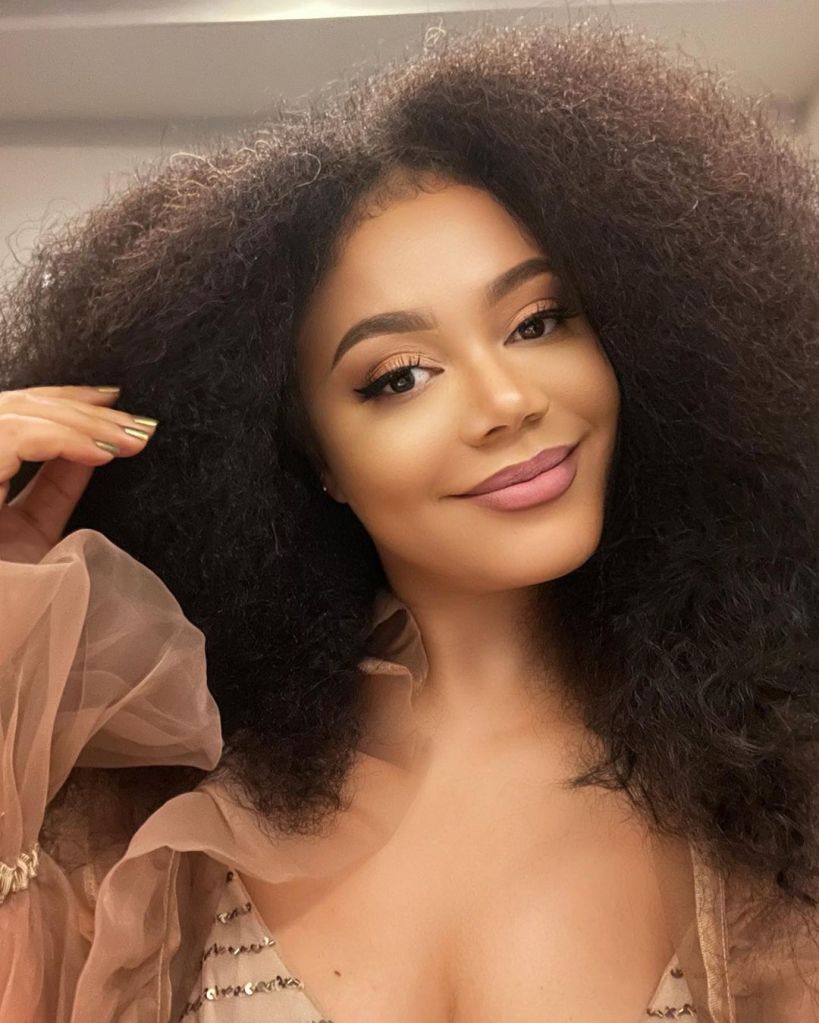
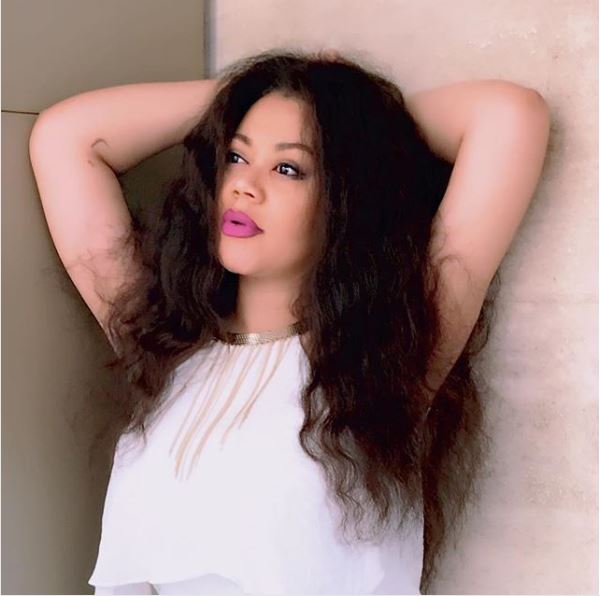
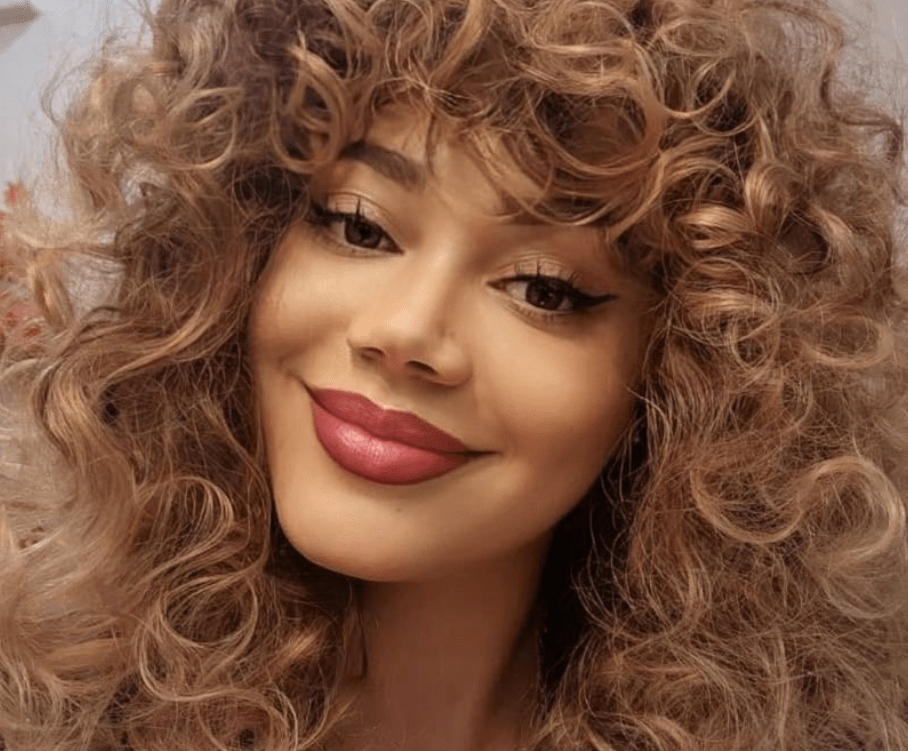
This photograph is the property of its respective owners. No copyright infringement intended

In the radiant world of African cinema, few figures embody ethereal beauty and grace like Nadia Buari, the Ghanaian actress often celebrated for her doll-like features, glowing light complexion, and soft, expressive eyes that speak volumes on screen. Her radiant skin tone exudes both elegance and mystery, earning her admiration as one of the most stunning women in African entertainment. With her exquisite beauty, poised demeanor, and remarkable acting talent, Nadia Buari represents a rare blend of femininity, intellect, and star power.

Born on November 21, 1982, in Sekondi-Takoradi, Ghana, Nadia Buari comes from a richly diverse heritage. Her mother is a Ghanaian woman of African descent, while her father, Alhaji Sidiku Buari, is a Ghanaian of Lebanese descent, a renowned musician, producer, and former president of the Musicians Union of Ghana. This mixed heritage contributes to her uniquely captivating look—her almond-shaped eyes, smooth complexion, and deep expressive eyes have made her one of the most photographed faces in West African cinema. Raised in a creative and disciplined household, Nadia’s multicultural background shaped her artistic identity and global appeal.

She attended Mfantsiman Girls’ Secondary School and later graduated from the University of Ghana, Legon, with a Bachelor of Fine Arts degree. Her academic training, coupled with her father’s musical influence, gave her a solid artistic foundation and an appreciation for performance from a young age.

This photograph is the property of its respective owners. No copyright infringement intended

Nadia’s acting career began in the early 2000s when she appeared in the Ghanaian television series Games People Play (2005). Her natural charm and emotional expressiveness immediately drew attention. Her breakout role came with Mummy’s Daughter (2006), but it was her appearance in the Nollywood hit Beyoncé: The President’s Daughter (2006), co-starring Van Vicker and Jackie Appiah, that catapulted her into pan-African fame. The film’s success made her a household name across Ghana and Nigeria, with fans praising her ability to embody both vulnerability and strength with authenticity.

Known for her soft-spoken grace and timeless style, Nadia Buari quickly became one of the most sought-after actresses in Nollywood and Ghallywood. She went on to star in several acclaimed films such as The Return of Beyoncé, Beauty and the Beast, Rough Rider, Secret Lie, and Single and Married. Her screen presence—a fusion of quiet sensuality and emotional depth—set her apart in a competitive industry often dominated by louder personalities.

Her beauty and charisma also made her an ideal ambassador for top brands. Buari has represented numerous African and international companies, endorsing beauty and lifestyle products that align with her image of sophistication. Beyond acting, she is also an entrepreneur, having launched her own clothing line and perfume brand—further proof of her creativity and influence.

In her personal life, Nadia Buari is known for her elegance, privacy, and devotion to family. She is the proud mother of four daughters, often expressing in interviews that motherhood has brought her profound joy and balance. Despite the demands of fame, she remains grounded, valuing her children and family life above all.

This photograph is the property of its respective owners. No copyright infringement intended

Throughout her career, Buari has earned several awards and nominations, including recognition from the Africa Movie Academy Awards (AMAA), Ghana Movie Awards, and Africa Magic Viewers’ Choice Awards (AMVCA). In 2013, she received a Special Recognition Award at the Pan African Film Festival for her contribution to the growth of African cinema.

Today, Nadia Buari is recognized as one of the highest-paid actresses in Nollywood and Ghana, a testament to her enduring appeal and professional excellence. Her success has helped bridge Ghanaian and Nigerian cinema, inspiring a new generation of West African actresses.

Ultimately, Nadia Buari’s legacy lies not just in her films but in the image of refined Black beauty and cultural pride she represents. With her mixed heritage, rich melanin glow, and gentle confidence, she continues to enchant audiences around the world—proving that true beauty is both divine and diverse.


References

  • Africa Magic. (2022). Nadia Buari Biography and Career Highlights. MultiChoice Africa.
  • Ghana Web. (2021). Nadia Buari: From Mummy’s Daughter to Nollywood Royalty.
  • Pulse Ghana. (2023). Top 10 Highest-Paid Actresses in Ghana and Nollywood.
  • The Guardian Nigeria. (2022). Nadia Buari: A Decade of Excellence in African Cinema.
  • IMDb. (2024). Nadia Buari Filmography and Awards.
  • Modern Ghana. (2023). Nadia Buari: Lebanese-Ghanaian Beauty Who Redefined Nollywood Stardom.

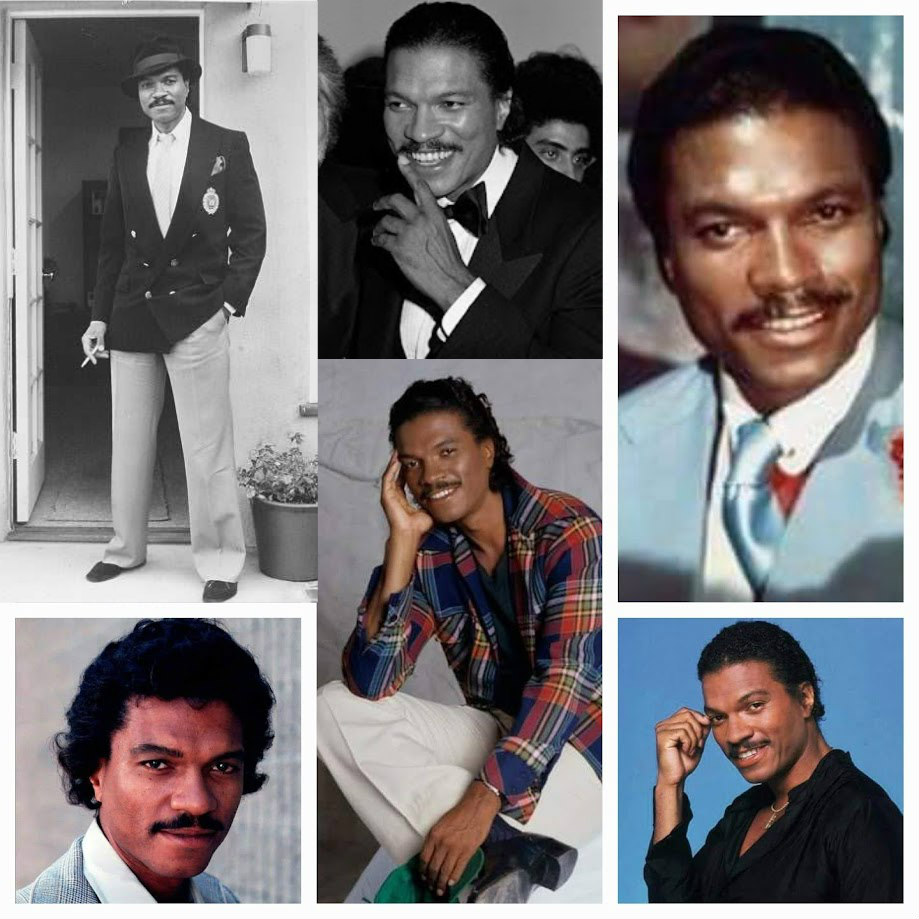
Masculine Perfection Series: Billy Dee Williams

The Most Handsome, Suave, Cool, and Charismatic Black Actor to ever grace the Silver Screen.

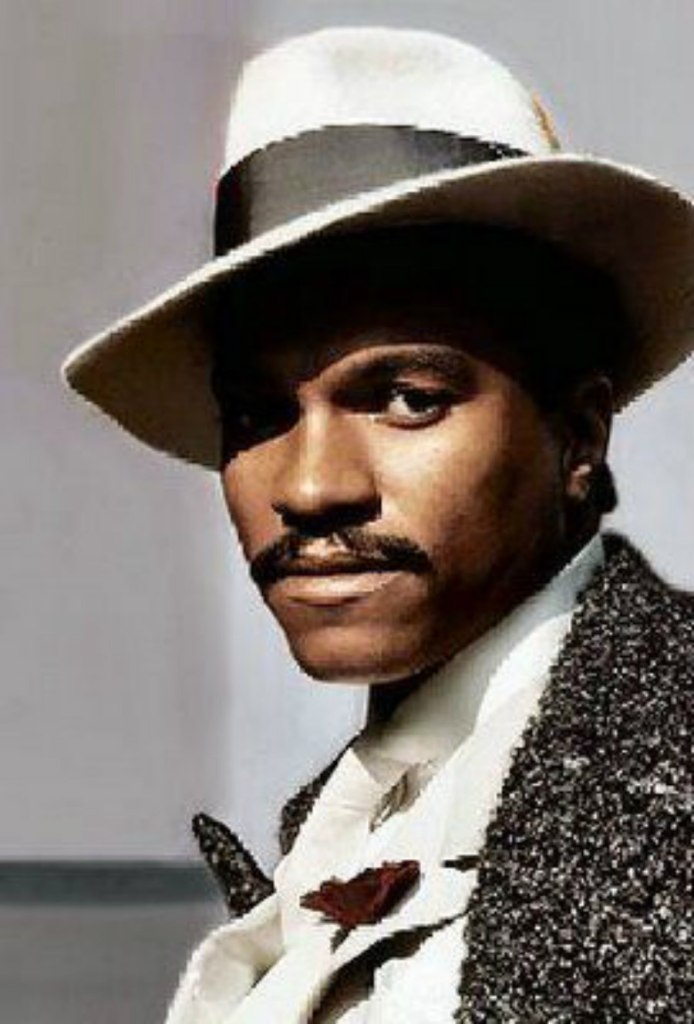
This photograph is the property of its respective owner.

“Suave was redefined the moment he walked into a room. That voice, that smile, that presence—Billy Dee wasn’t just a heartthrob, he was a whole genre of cool.”


Introduction: The Gentleman of Desire

Before the era of social media heartthrobs, abs-driven selfies, and designer drip, there was Billy Dee Williams—an actor whose very presence on screen sent pulses racing and redefined Black masculinity for generations. With his caramel-hued velvety skin, deep-set almond eyes, and that now-legendary “come hither” smile, Billy Dee was more than handsome—he was hypnotic. His voice? A smooth, seductive baritone dipped in brown liquor and jazz smoke, as unforgettable as his on-screen swagger.

With his caramel-toned skin, bedroom eyes, and a voice as smooth as jazz, Billy Dee Williams was more than just a handsome face—he was an icon of sophistication. Possessing a magnetic screen presence, his roles blended elegance and edge, charm and command. Whether donning a finely tailored suit or delivering lines with velvety poise, Williams captivated audiences with a rare combination of classic Hollywood glamour and unapologetic Black excellence. From romantic dramas to intergalactic adventures, he brought style, strength, and seduction to every frame he graced. A trailblazer for generations of Black leading men, Billy Dee made being suave look effortless—and unforgettable.

He was the epitome of elegance—a handsome devil, as fans and critics often called him, whose sensual restraint made desire simmer rather than explode. His style, grace, and natural charm gave the leading men of the 1970s and ’80s a run for their money—and would still outshine many of today’s stars.

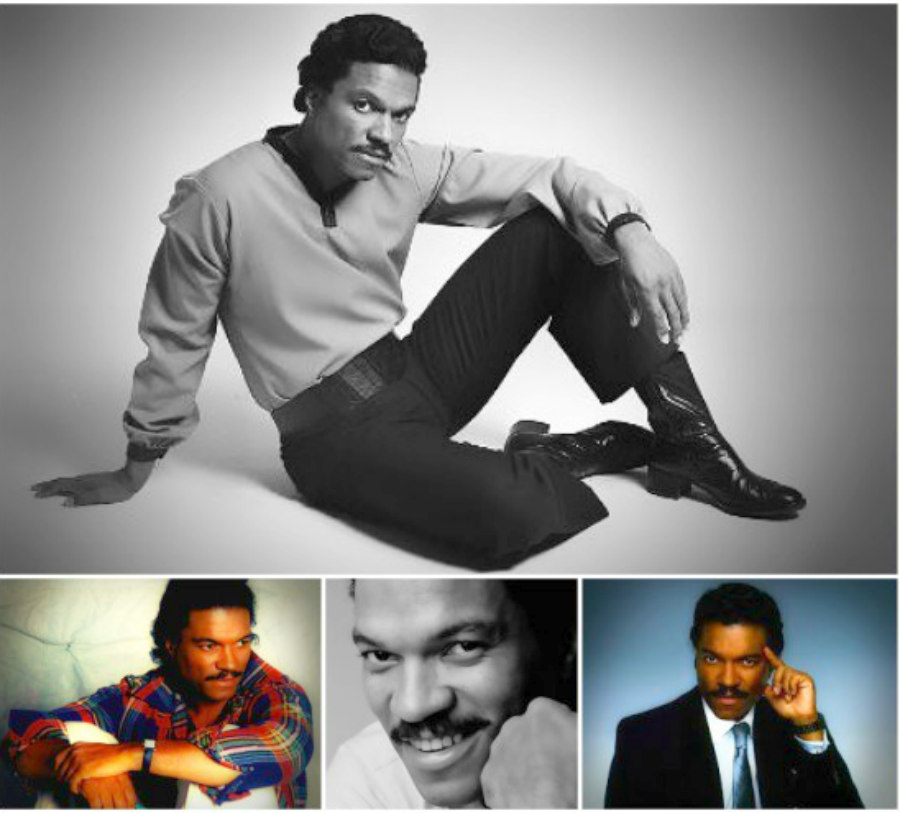
These photographs are the property of their respective owners.

Quotes from Admirers

  • “There was Denzel, there was Sidney… but there was only one Billy Dee.” – Quincy Jones
  • “His voice alone could seduce a nation.” – Angela Bassett
  • “He made us believe in love on screen. Real, grown, complicated love.” – Diana Ross

Early Life and Beginnings

William December “Billy Dee” Williams Jr. was born (has a twin sister) on April 6, 1937, in Harlem, New York, to Loretta Anne, an elevator operator at the Schubert Theatre, and William Sr., a caretaker and aspiring musician. With roots in African-American, West Indian, and Native American ancestry, Billy Dee’s rich cultural heritage imbued him with both classic beauty and a regal air.

He graduated from LaGuardia High School of Music & Art and studied at the prestigious National Academy of Fine Arts and Design, originally pursuing a career in visual arts before making a pivot to the stage and screen.


Rise to Stardom and Breakout Roles

Billy Dee’s breakthrough came with the 1971 television movie “Brian’s Song,” in which he portrayed NFL star Gale Sayers alongside James Caan. The role earned him a Primetime Emmy nomination and established him as a serious actor with emotional depth and romantic appeal.

But it was in “Lady Sings the Blues” (1972), opposite Diana Ross, that Billy Dee became a certified sex symbol. Playing the smooth-talking Louis McKay, he delivered the now-iconic line to Ross, “Do you want my arm to fall off?”—a moment that oozed suave seduction. That line—and the way he said it—became cinematic shorthand for Black male romantic allure.


The Aesthetic of Desire: His Iconic Look

Billy Dee’s beauty wasn’t just physical—it was dimensional.

These photographs are the property of their respective owners.
  • Skin: A warm, glowing brown, reminiscent of sunlit caramel, always perfectly lit by the camera.
  • Smile: Disarming, confident, and suggestive—a “come hither” look that made audiences lean in.
  • Voice: Silky, deep, and debonair. That “d’o-demere” voice (as one fan affectionately mispronounced “debonair”) added to his mystique.
  • Style: Whether in a tuxedo, a cape (as Lando Calrissian), or a simple three-piece suit, his fashion sense exuded classic Hollywood elegance with unapologetic Black pride.

Women swooned, men imitated, and Hollywood finally had a Black male romantic lead who didn’t have to be aggressive, comedic, or stereotyped to hold the screen.


Celebrated Roles and Legacy


Billy Dee Williams has appeared in over 90 film and television projects across his career, including iconic roles in “Lady Sings the Blues” (1972) and as Lando Calrissian in the Star Wars franchise.

Some of Billy Dee’s most iconic roles include:

  • Louis McKay in Lady Sings the Blues (1972)
  • Brian’s Song (1971) – A tender, groundbreaking portrayal of interracial friendship
  • Gale Sayers in the TV movie Brian’s Song
  • Lando Calrissian in Star Wars: The Empire Strikes Back (1980) and Return of the Jedi (1983)
  • Berry Gordy’s Mahogany (1975) – Again paired with Diana Ross
  • Nighthawks (1981) with Sylvester Stallone

He is particularly remembered for Lando Calrissian, the cape-wearing, galaxy-hopping smooth-talker who brought charm and charisma to the Star Wars universe—a role he reprised in The Rise of Skywalker (2019), proving his ageless appeal.

His favorite performance? Billy Dee has often said that Brian’s Song and Lady Sings the Blues held deep personal meaning—stories about love, loss, and dignity.


Awards and Recognition

  • NAACP Image Award (multiple wins)
  • Hollywood Walk of Fame Star (1985)
  • Primetime Emmy Nomination for Brian’s Song
  • Honored by Ebony, Jet, and Essence throughout the 1970s and ’80s as one of the “Most Beautiful Black Men in America.”

Ebony Magazine once called him “The Face of Black Sophistication.” Diana Ross described him as “so smooth, he made the screen melt.”


Racism, Respect, and Representation

Billy Dee was a leading Black man in an era that rarely allowed for them. He once shared, “There weren’t many roles where a Black man could be dignified, romantic, and powerful without being stereotyped. I fought for that image.”

He challenged Hollywood’s limited narrative—presenting the Black man as a lover, a hero, and a gentleman.


Love Life, Family, and Legacy

Billy Dee has been married three times, most famously to Teruko Nakagami, a Japanese-American actress and model. They have one daughter, Hanako, and he has a son, Corey Dee Williams, from a previous relationship.

While not publicly known for romantic scandals, he’s long been admired for his respectful relationships, discretion, and dignified image.

Who did he have a crush on? Rumors swirled about his admiration for Lena Horne, whom he called “the epitome of grace and allure.”


Commercials and Endorsements

In the 1980s, Billy Dee became the face of Colt 45 Malt Liquor, delivering the famously smooth tagline:
“It works every time.”

While the ad campaign was commercially successful, it also drew criticism for its alignment with alcohol marketing. Nevertheless, it further cemented his image as the “coolest man alive.”

He also endorsed products for Mennen, Schick razors, and fashion brands who wanted to capture his stylish persona.


Where Is He Now?

Now in his late 80s, Billy Dee Williams remains active in voice acting, public appearances, and conventions. He reprised his Lando role in Star Wars: The Rise of Skywalker (2019) and voiced characters in animated series.

In 2019, he caused a stir by referring to himself as using “he/him and she/her pronouns” to describe his emotional duality—sparking conversations about identity, masculinity, and expression. He later clarified he was referring to his balance of energies, not gender fluidity, but praised the younger generation’s openness.


Conclusion: A Living Monument of Black Elegance

Billy Dee Williams wasn’t just beautiful—he was cinematic alchemy. The type of man who made time pause, who made women blush and men reassess their approach. He showed us that Black men could be more than what the world limited them to. He was a lover, a thinker, a prince of style and sensuality.

As Ebony once put it:
“Billy Dee didn’t just change the screen—he changed the way Black men were seen.”

References

Bassett, A. (2016). Interview with Angela Bassett on Black icons in Hollywood. Essence Magazine.
https://www.essence.com

Ebony Magazine. (1972, October). Hollywood’s smoothest Black leading man: Billy Dee Williams lights up the screen. Ebony, 27(12), 72–76.

IMDb. (n.d.). Billy Dee Williams – Biography. IMDb. Retrieved August 4, 2025, from https://www.imdb.com/name/nm0001850/

Jet Magazine. (1980, April 7). Billy Dee Williams: The man, the myth, the mustache. Jet, 59(15), 20–23.

Jones, Q. (1994). Q: The Autobiography of Quincy Jones. New York: Doubleday.

Ross, D. (1993). Secrets of a diva: Diana Ross on life, love, and legends. Interview by Ebony, reprinted in Classic Soul Interviews. Johnson Publishing.

Smith, J. (2020). The elegance of Black masculinity: Billy Dee Williams and the politics of suave. Journal of Black Cinema and Culture, 12(1), 35–48.

Star Wars Archives. (n.d.). Lando Calrissian: Character Profile and Actor History. Lucasfilm. https://www.starwars.com/databank/lando-calrissian

Vanity Fair. (2019, November 27). Billy Dee Williams discusses gender fluidity, love, and his return to Star Wars. Retrieved from https://www.vanityfair.com

Williams, B. D. (2016). Lights, Camera, Legacy: A Conversation with Billy Dee Williams. NPR Interviews. Retrieved from https://www.npr.org

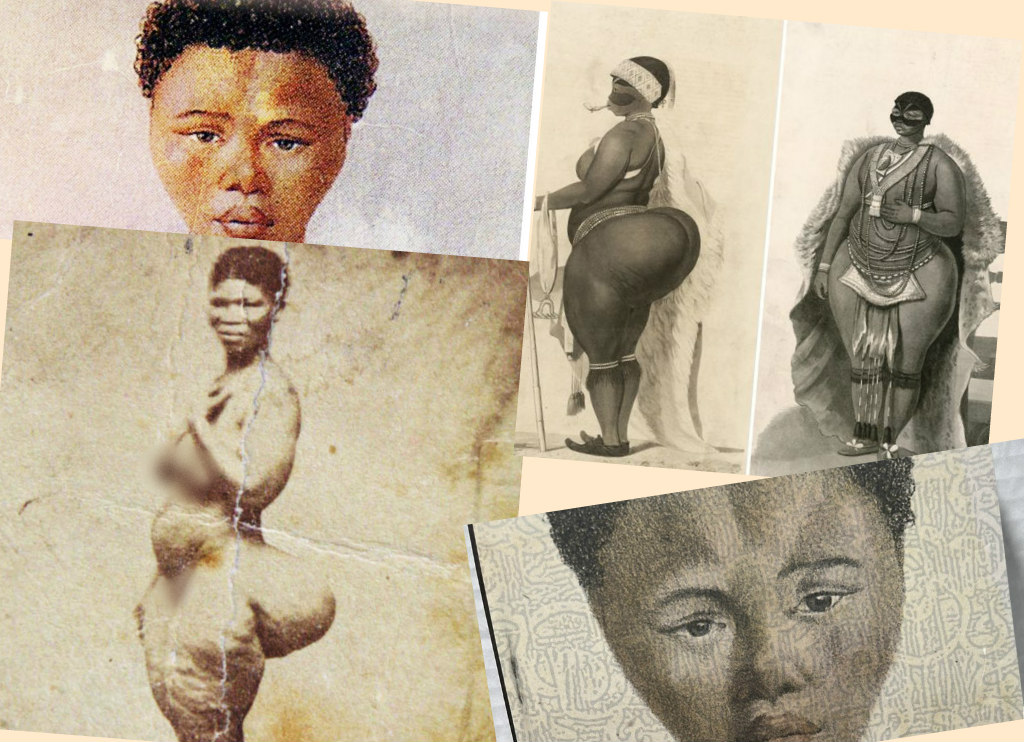
“The Tragic Beauty of Sarah Baartman: Colonial Spectacle, Black Female Bodies, and the Legacy of the Hottentot Venus”

All photographs are the property of their respective owners. No infringement intended.

Introduction

Sarah Baartman, widely known by the derogatory nickname “The Hottentot Venus,” was a South African Khoikhoi woman who became one of the most exploited and objectified figures in colonial history. Her life is emblematic of the intersection between racism, colonialism, misogyny, and pseudoscience. Displayed as a curiosity in 19th-century Europe, Baartman’s body was fetishized and dehumanized, even in death. Her story foreshadows the modern commodification of Black women’s bodies and raises critical questions about beauty standards, cultural appropriation, and racialized misogyny.


Early Life and Origins

Sarah Baartman was born around 1789 in the Gamtoos Valley of the Eastern Cape of South Africa. She belonged to the Khoikhoi people, an indigenous group known pejoratively as “Hottentots” by European colonists. Little is known about her early family life, but historical accounts suggest she was orphaned at a young age during colonial conflicts between the Dutch settlers and native Africans. She later became a domestic servant and was exposed to European culture and oppression early in life (Fausto-Sterling, 1995).


Her Exploitation and Display in Europe

In 1810, Sarah was taken to England by a British military surgeon, William Dunlop, under the pretense that she would gain wealth by exhibiting her body. She was soon placed on public display in London and later in Paris, exhibited nearly naked in circuses, saloons, and theaters. Advertised as the “Hottentot Venus,” her steatopygia—a natural genetic feature of prominent buttocks common among Khoisan women—became the central focus of her public spectacle.

European audiences viewed her body as both exotic and grotesque, sexualized and ridiculed. Scientists like Georges Cuvier subjected her to invasive examinations, believing she was proof of the “missing link” between animals and humans. Baartman became a living subject for racist pseudoscience that sought to validate white supremacy through physical anthropology (Gould, 1981).


Why Her Beauty Was Under Scrutiny

Baartman’s physical features—broad hips, dark skin, full lips, and pronounced buttocks—stood in stark contrast to Eurocentric ideals of beauty. Rather than being celebrated, her natural body became a site of scorn, desire, and “scientific” scrutiny. In essence, her Black femininity was hypersexualized and pathologized. Her beauty was never seen as worthy of admiration; instead, it was dissected to reinforce the colonial gaze and racist theories of human difference (Collins, 2000).


Her Death and Posthumous Humiliation

Sarah Baartman died on December 29, 1815, at just 26 years old, likely from pneumonia or syphilis, in Paris. Even in death, she was denied dignity. Her body was dissected by Cuvier, and her skeleton, genitals, and brain were preserved and displayed at the Musée de l’Homme in Paris for over 150 years.

Her remains were finally returned to South Africa in 2002, after a long legal and diplomatic battle. Then-President Nelson Mandela had requested their return as a matter of national and cultural healing. Sarah Baartman was buried on August 9, 2002, in the Eastern Cape, and her story became a symbol of the abuse of Black women under colonial regimes (Qureshi, 2004).


Personal Life: Family, Children, and Survival

Historical documentation does not confirm whether Sarah Baartman had a husband or children. Her personal agency during her time in Europe remains a matter of debate. Some accounts suggest she may have engaged in sex work out of economic desperation and lack of options. Her descent into prostitution, if it occurred, must be understood within the context of extreme exploitation, racism, and the absence of human rights for women of color in Europe.


Scientific Racism and Her Genetic Body Makeup

Baartman’s body became a site for scientific racism. European naturalists used her as a specimen to support racial hierarchies, claiming her physique was evidence of primitiveness. Her steatopygia, which is genetically normal among Khoisan women, was falsely framed as an aberration. The grotesque display of her genitalia by scientists such as Cuvier reinforced colonial myths about African sexuality and physiology (Gilman, 1985).


Modern Reflections: The BBL Craze and Baartman’s Legacy

Today, the Brazilian Butt Lift (BBL) craze—especially among women of all racial backgrounds—ironically mirrors the very body type for which Sarah Baartman was ridiculed. Her natural curves are now commodified, celebrated, and monetized in fashion, social media, and cosmetic surgery industries. Figures like Kim Kardashian, Nicki Minaj, and Cardi B have become modern icons of curvaceous beauty, appropriating features once vilified in Black women.

Yet, this popularity does not signal racial progress. Black women with natural bodies like Baartman’s still face colorism, fatphobia, and hypersexualization. The paradox remains: the Black body is envied, mimicked, and monetized, yet often despised and marginalized in its authentic form.


Why Some Women Use Their Bodies for Fame and Fortune

In a society that frequently commodifies women—especially Black women—many are compelled to capitalize on their physical appearance as a survival strategy. This is not new. Sarah Baartman’s coerced exhibitionism finds echoes in the lives of modern women who use their bodies in music, entertainment, and social media. The global beauty economy profits from features long stigmatized in Black women, reinforcing the painful legacy of objectification and exploitation.


Contemporary Symbolism and Social Commentary

Sarah Baartman represents both historical trauma and modern relevance. Her legacy forces a reckoning with how Black women’s bodies have been treated—as property, as curiosities, as sexual objects—and how they are still commercialized today.

While there are no precise contemporary equivalents, the symbolism of Sarah Baartman can be found in debates around beauty standards, the body positivity movement, and critiques of cultural appropriation. Figures like Serena Williams, Lizzo, and Megan Thee Stallion—who boldly embrace their bodies and identities—offer both resistance and reclamation in a world still shaped by the gaze that dehumanized Baartman.


Conclusion

Sarah Baartman’s life and death tell a harrowing story of racism, exploitation, and the violent colonial gaze. Yet, her story is not just one of suffering—it is also a story of endurance and symbolism. Her legacy compels us to confront uncomfortable truths about how Black femininity is perceived, appropriated, and controlled. From the grotesque science of the 19th century to the filtered perfection of social media today, Baartman’s body still haunts the Western imagination. We owe it to her and to all women like her to remember, reckon, and restore dignity to bodies once denied it.

  • In the 1990s, after the fall of apartheid and the establishment of a democratic government in South Africa, Nelson Mandela, as President (1994–1999), called for the return of Sarah Baartman’s remains as part of a broader effort to restore dignity to the victims of colonialism and racism.
  • Her remains, including her skeleton, brain, and genitalia, had been on display at the Muséum national d’Histoire naturelle in Paris for over 150 years following her death in 1815.
  • In 1994, shortly after Mandela became President, the South African government made an official request to the French government for the return of her remains.
  • The process faced legal and bureaucratic hurdles in France, where some institutions initially resisted the request, claiming her remains were part of the national scientific collection.
  • It was not until January 2002, after years of negotiation, that France passed special legislation allowing the return of Baartman’s remains to South Africa.
  • Her remains were repatriated on May 3, 2002, and she was finally laid to rest on August 9, 2002, in Hankey, Eastern Cape, near the area of her birth.
  • The burial date was symbolic—it coincided with South Africa’s National Women’s Day, commemorating the 1956 anti-pass laws march by women, making it a national tribute to Baartman as a historical symbol of the abuse and dignity of Black women.

While Nelson Mandela did not personally oversee the return (he had left the presidency by 1999), he was instrumental in beginning the political and moral campaign for her repatriation. His government’s efforts, supported by later administrations, ensured that Sarah Baartman could finally return home and be buried with the honor and humanity she had been denied in life.

Her story remains a profound symbol of the colonial exploitation of Black women and a call to honor those who suffered under imperial systems.

References

  • Collins, P. H. (2000). Black Feminist Thought: Knowledge, Consciousness, and the Politics of Empowerment. Routledge.
  • Fausto-Sterling, A. (1995). Myths of Gender: Biological Theories about Women and Men. Basic Books.
  • Gilman, S. L. (1985). Difference and Pathology: Stereotypes of Sexuality, Race, and Madness. Cornell University Press.
  • Gould, S. J. (1981). The Mismeasure of Man. W.W. Norton.
  • Qureshi, S. (2004). Displaying Sara Baartman, the ‘Hottentot Venus’. History of Science, 42(2), 233–257.
  • Scully, P. (2015). Sara Baartman and the Hottentot Venus: A Ghost Story and a Biography. Princeton University Press.

Dilemma: BBL (Brazilian Butt Lift)

The Rise and Risks of the BBL: Beauty, Body Image, and the Search for Acceptance

Photo by Ron Lach on Pexels.com

I. What Is a BBL?

BBL stands for Brazilian Butt Lift, a cosmetic surgical procedure that involves the transfer of fat from one area of the body—typically the abdomen, flanks, or thighs—to the buttocks to enhance volume and contour. The full name of the procedure is gluteal fat grafting or autologous fat transfer to the buttocks.

The modern technique became widely recognized in the early 2000s, although fat grafting itself has existed since the late 19th century. The popularized version, known as the Brazilian Butt Lift, was refined and promoted by Dr. Ivo Pitanguy, a Brazilian plastic surgeon who made significant advancements in aesthetic surgery.


II. Origins and Surge in Popularity

BBLs gained global attention in the 2010s, primarily due to celebrity culture and social media. Curvier body types with pronounced hips and buttocks became glamorized in Western beauty standards, a significant shift from the waif-like ideal of the 1990s. This trend coincided with the rise of Instagram, which visually favored hourglass figures that emphasized curves.

Celebrity influence has played a major role. While many have speculated that Kim Kardashian helped spark the BBL craze, her sister Khloé Kardashian, rapper Nicki Minaj, and influencers like Blac Chyna and Amber Rose further popularized the aesthetic. Their visibility on reality television and social media normalized the exaggerated figure and, in some cases, indirectly encouraged surgical enhancement.


III. Medical Dangers and Public Warnings

Despite its popularity, the Brazilian Butt Lift is considered one of the most dangerous cosmetic surgeries available. According to a 2017 report from the American Society for Aesthetic Plastic Surgery, the procedure has a higher mortality rate than any other aesthetic surgery due to the risk of fat embolism, where fat accidentally enters the bloodstream and blocks a vital artery, often in the lungs or heart.

Risks and Complications Include:

  • Fat embolism syndrome (potentially fatal)
  • Infection
  • Necrosis (tissue death)
  • Blood clots
  • Asymmetry
  • Long recovery times and complications from anesthesia

Notable Deaths:

Numerous cases of death have occurred in the United States, particularly in Miami, Florida, which became known for high-volume, low-cost cosmetic clinics. Between 2011 and 2021, over 25 women died from BBL-related complications in Florida alone.

In 2023, Jacky Oh, the partner of comedian DC Young Fly, died from complications reportedly linked to a cosmetic procedure that many speculate was a BBL. Her death sparked renewed criticism and calls for regulation and public education around elective surgery risks.


IV. Psychological and Societal Pressures

The pursuit of a BBL is often driven by psychological, cultural, and social pressures, particularly around the need for external validation.

According to body image psychology, many women seek plastic surgery due to low self-esteem, social comparison, or perceived inadequacy reinforced by media and patriarchal beauty standards. The objectification theory in psychology suggests that when women internalize society’s sexualized gaze, they begin to see their own bodies through that same lens, leading to dissatisfaction and modification efforts.

Women may undergo drastic changes to fit an idealized version of beauty primarily for male attention or social acceptance, which fosters a damaging message: that one must change to be worthy of love or success.


V. The Bible on Self-Love and Contentment

The King James Version (KJV) of the Bible provides profound encouragement on the subject of self-worth, divine creation, and resisting conformity to worldly standards.

  • Psalm 139:14“I will praise thee; for I am fearfully and wonderfully made: marvellous are thy works; and that my soul knoweth right well.”
    This verse highlights the uniqueness and divine craftsmanship of every individual, reminding us that our bodies are sacred creations.
  • Romans 12:2“And be not conformed to this world: but be ye transformed by the renewing of your mind…”
    This encourages believers to resist the pressures of worldly norms and instead seek inner renewal through spiritual values.
  • 1 Peter 3:3-4“Whose adorning let it not be that outward adorning… but let it be the hidden man of the heart…”
    This passage warns against excessive focus on external beauty and promotes inner virtue and self-respect.
  • 1 Corinthians 6:19-20“What? know ye not that your body is the temple of the Holy Ghost…”
    The body is a vessel for spiritual purpose and should not be mutilated for the sake of trends.

Biblically, true beauty comes from character, modesty, and reverence toward God, not cosmetic alteration. Women are encouraged to love themselves as God created them, not as society demands them to be.


VI. Other Popular Cosmetic Procedures

In addition to the BBL, several other procedures have grown in popularity, often for similar reasons:

  • Liposuction (fat removal)
  • Rhinoplasty (nose reshaping)
  • Breast augmentation or reduction
  • Botox and dermal fillers (to reduce aging)
  • Veneers and cosmetic dentistry
  • Facial contouring (jaw, cheek, and chin reshaping)

These are often marketed as “enhancements” but carry physical and psychological risks, especially when pursued repeatedly.


VII. Final Reflection: Toward Wholeness and Inner Beauty

The rising normalization of invasive cosmetic surgery like the BBL is a symptom of deeper societal discontent—especially among women—fueled by media standards, celebrity influence, and cultural hypersexualization. While aesthetic desires are not inherently wrong, the compulsive need to surgically alter one’s body to gain validation reflects a spiritual and emotional void.

Instead of conforming to an ever-shifting beauty ideal, individuals—especially women—are called to embrace self-love, seek healing from within, and honor their bodies as sacred vessels.


Selected References

  • American Society for Aesthetic Plastic Surgery (2017). Gluteal Fat Grafting Mortality Study.
  • BBC News (2023). Jacky Oh death and cosmetic surgery dangers.
  • Tiggemann, M. (2015). The objectification of women’s bodies and the internalization of the observer’s perspective. Psychology of Women Quarterly.
  • The Holy Bible, King James Version.