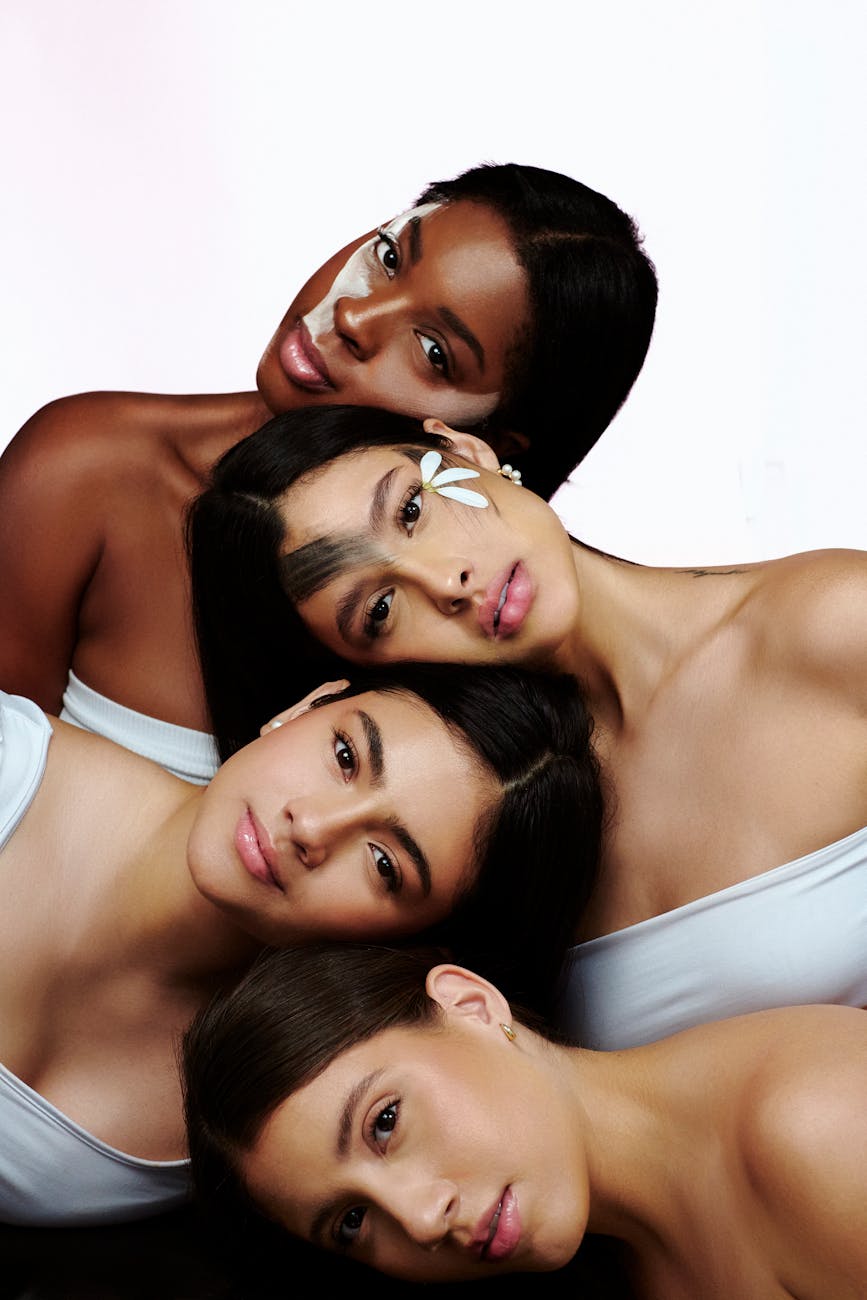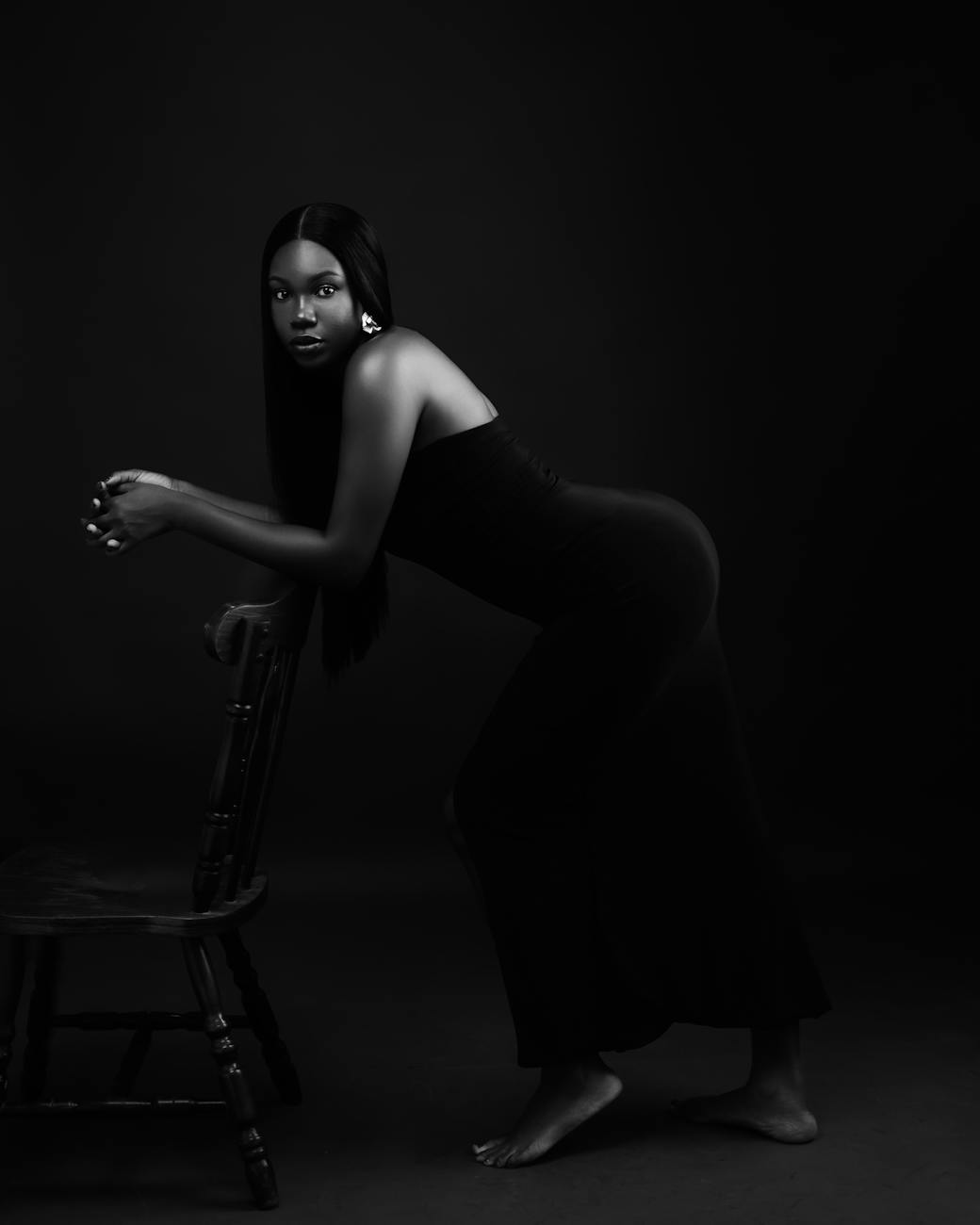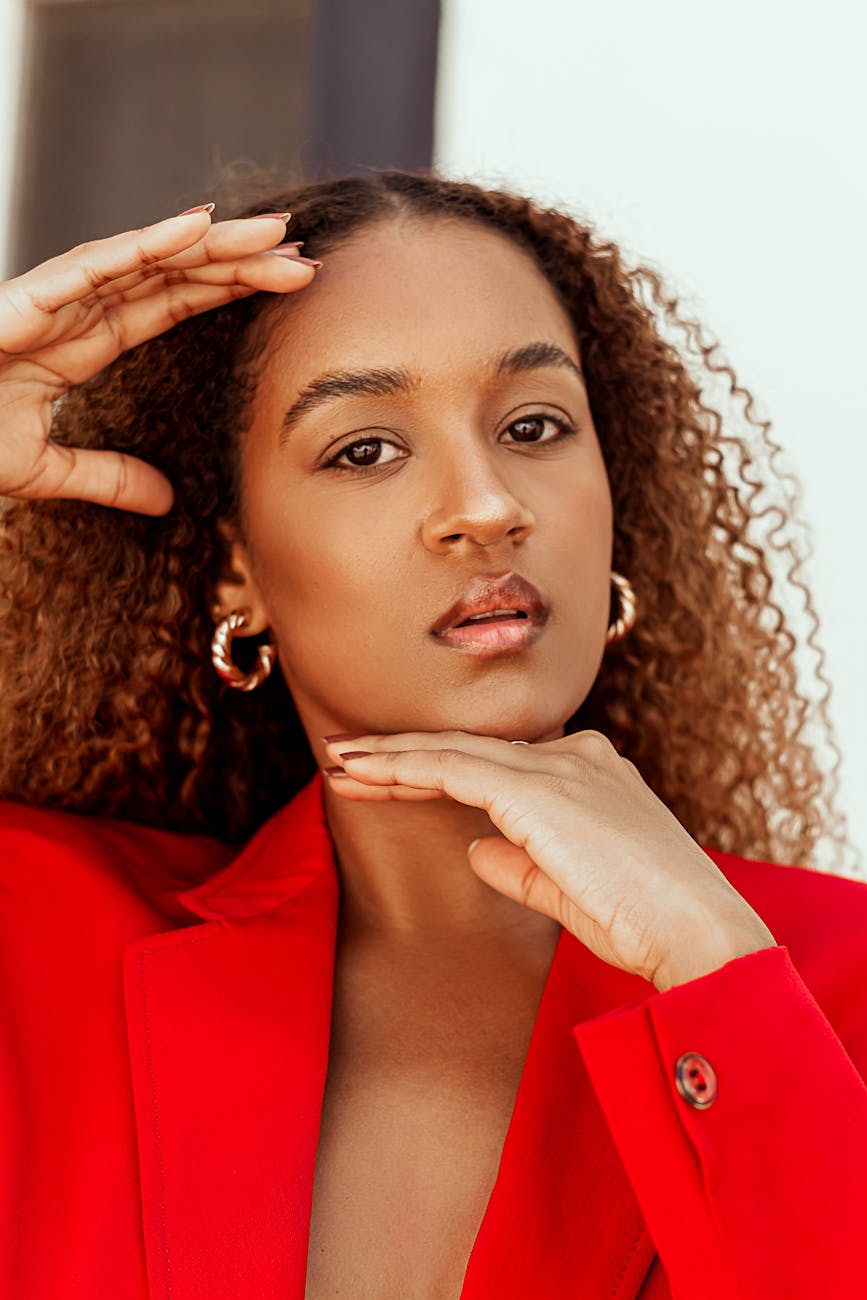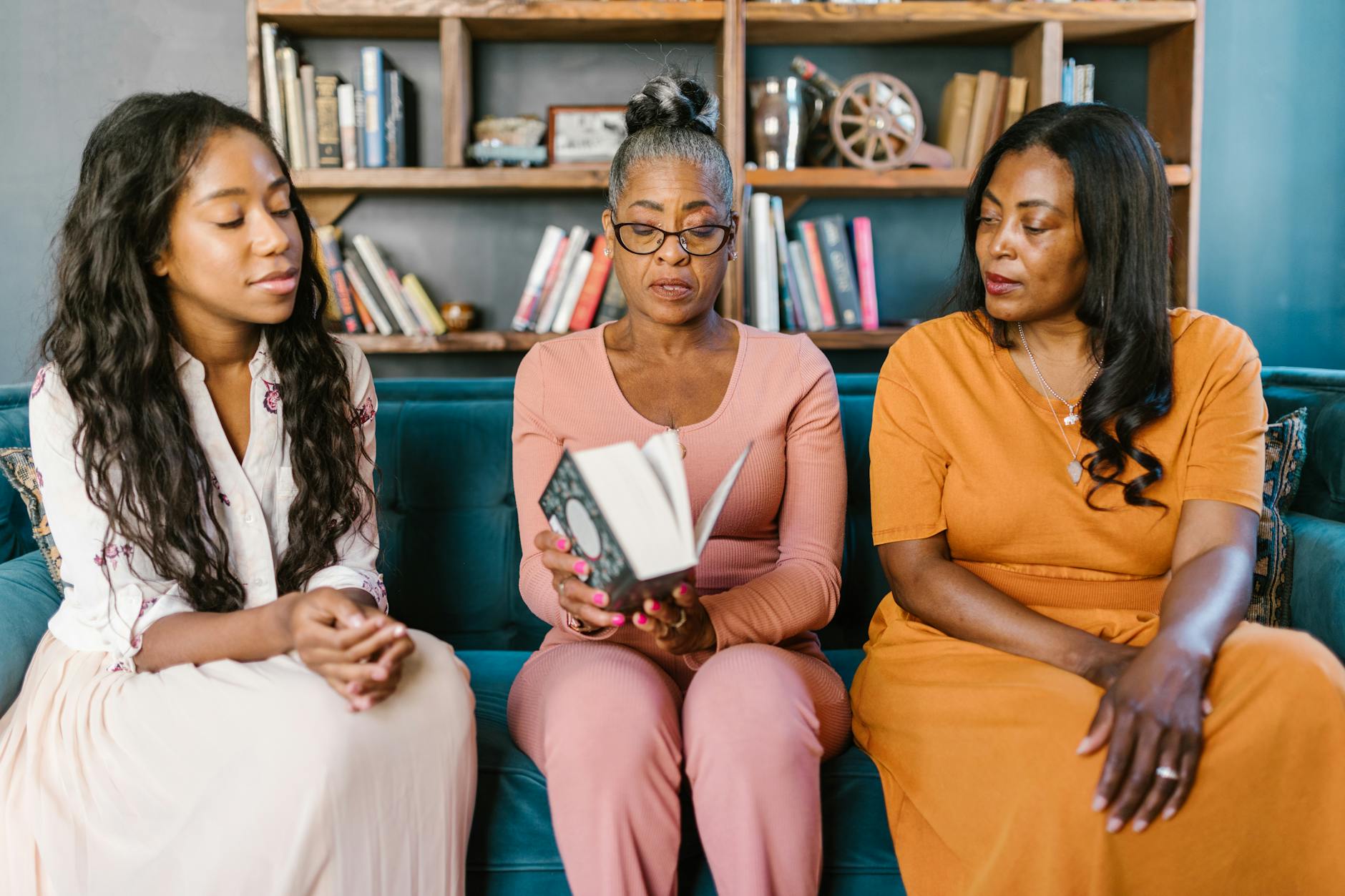
Category Archives: Beauty

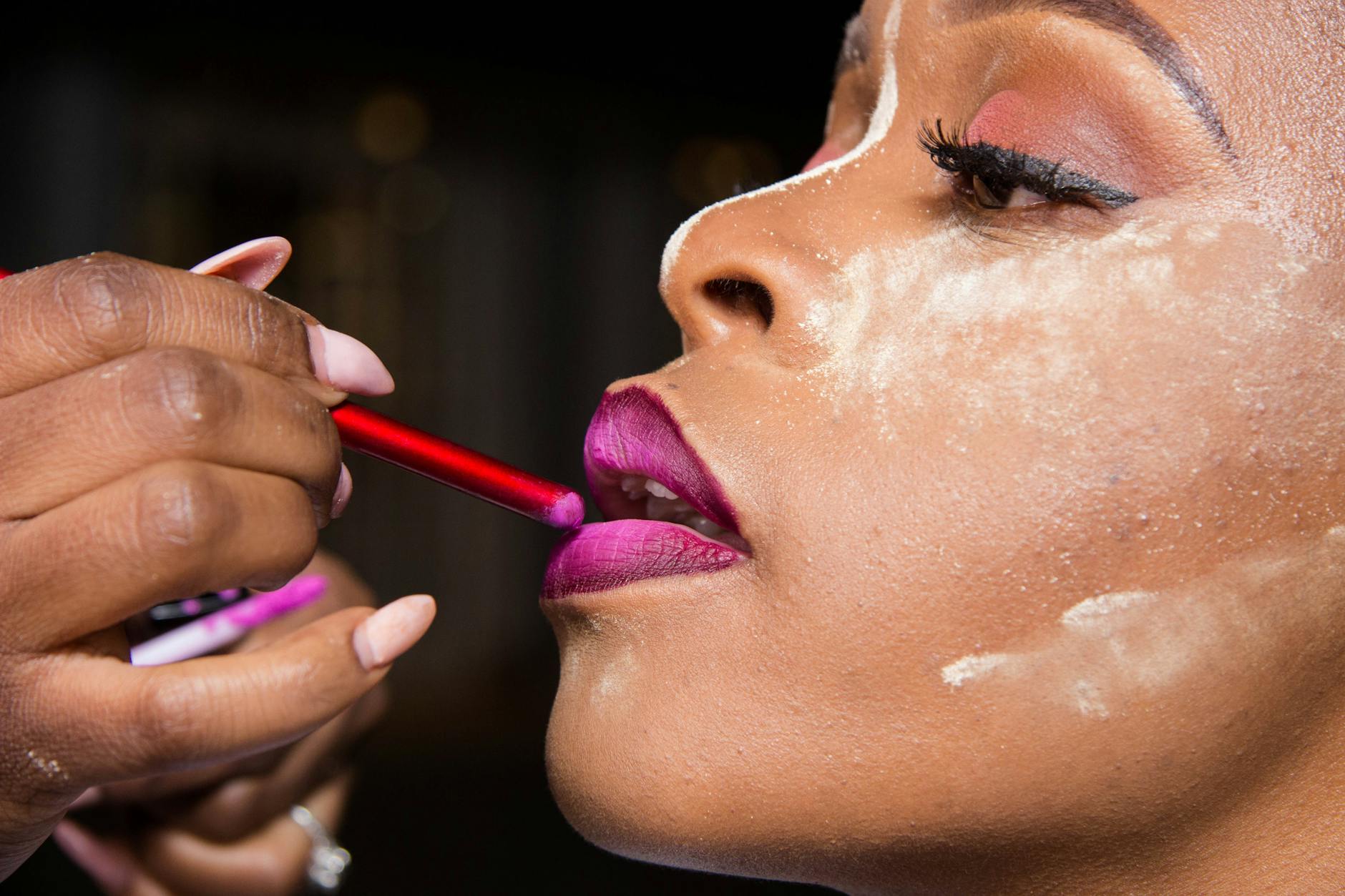
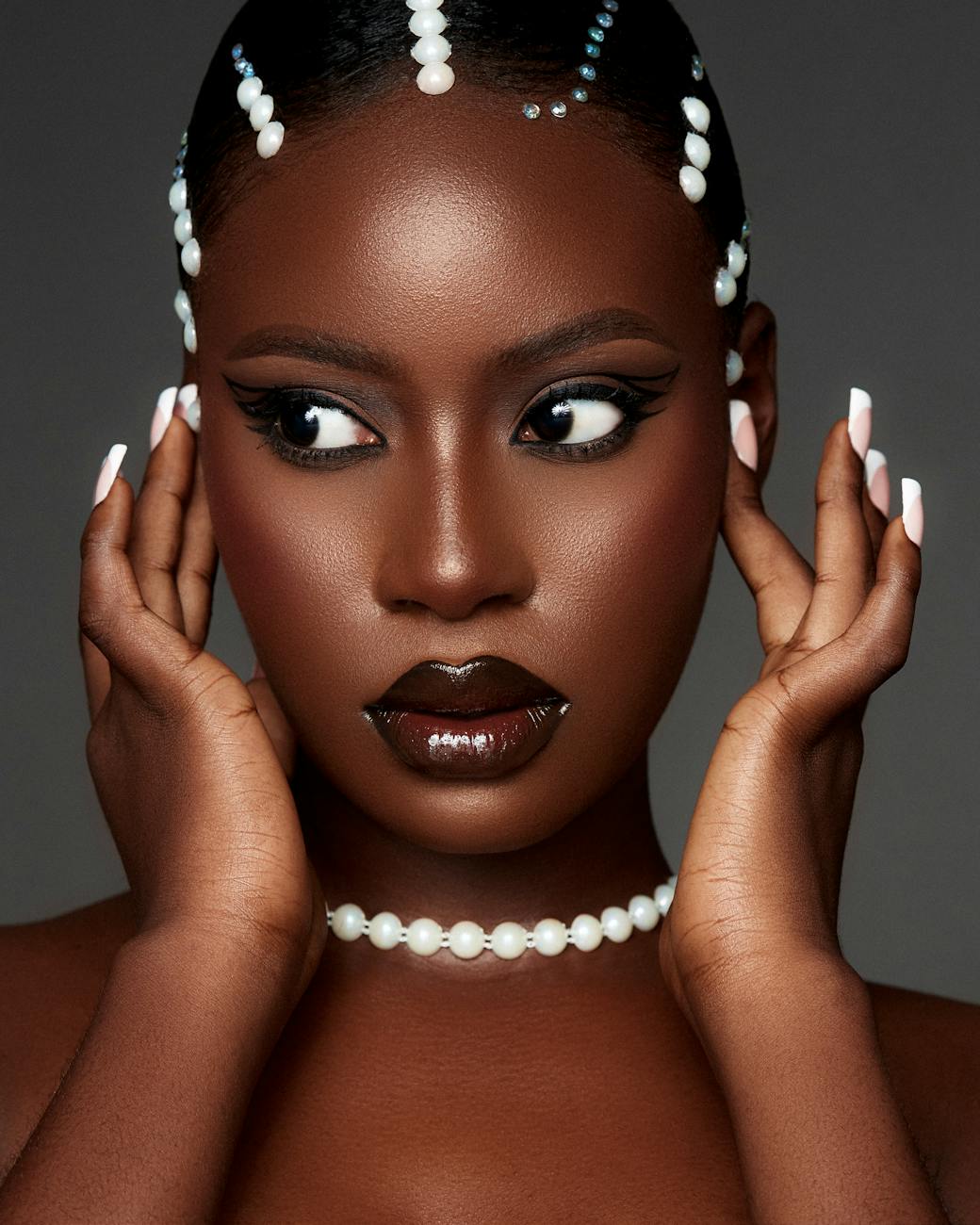
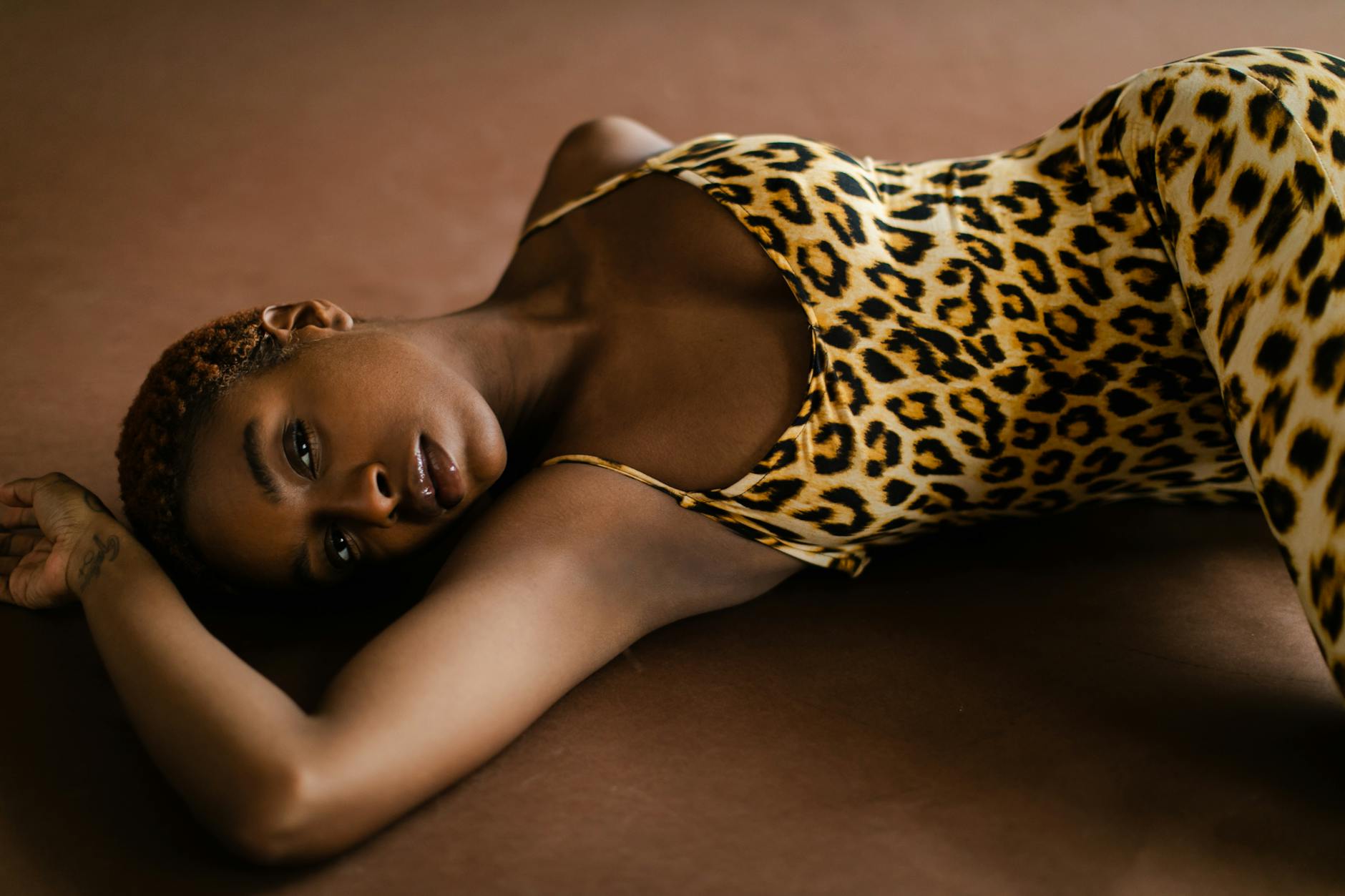
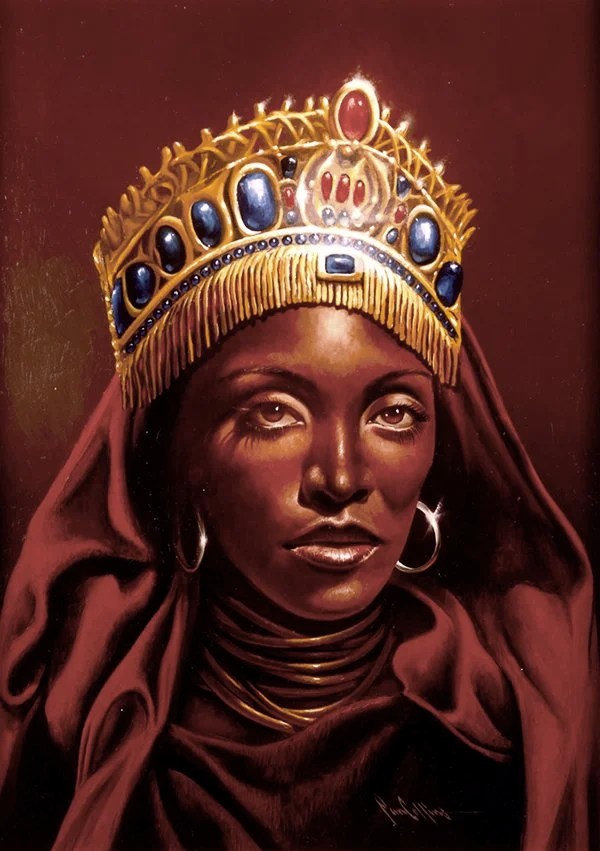
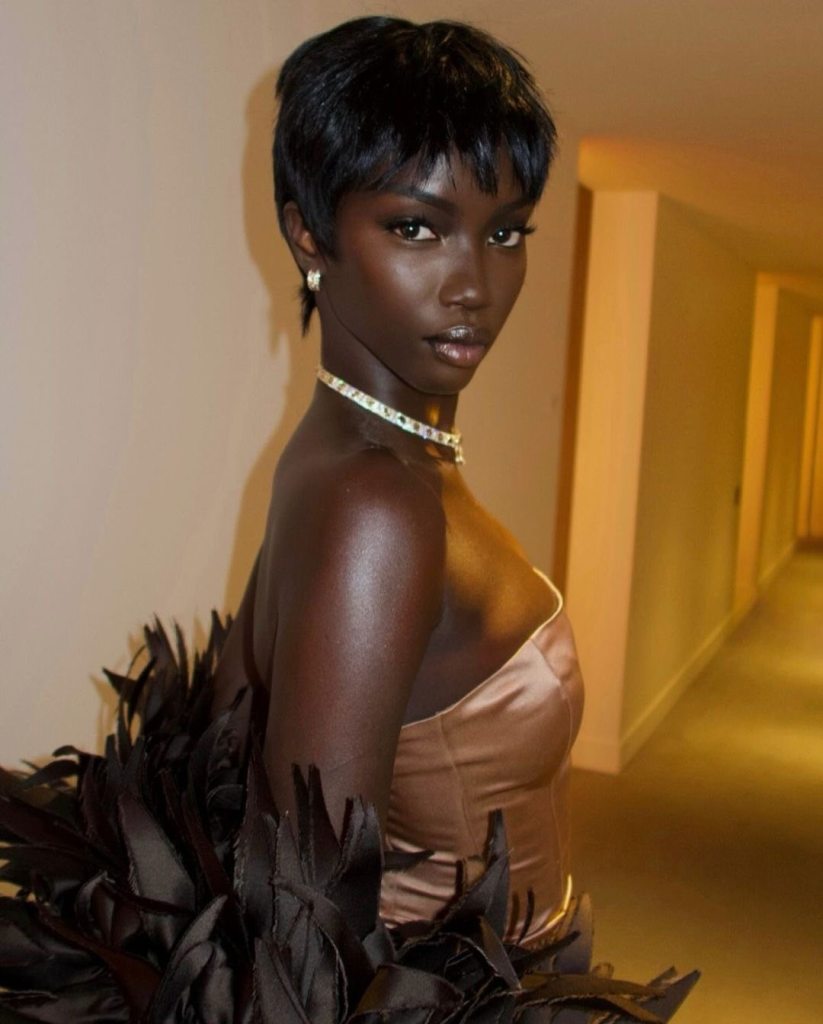
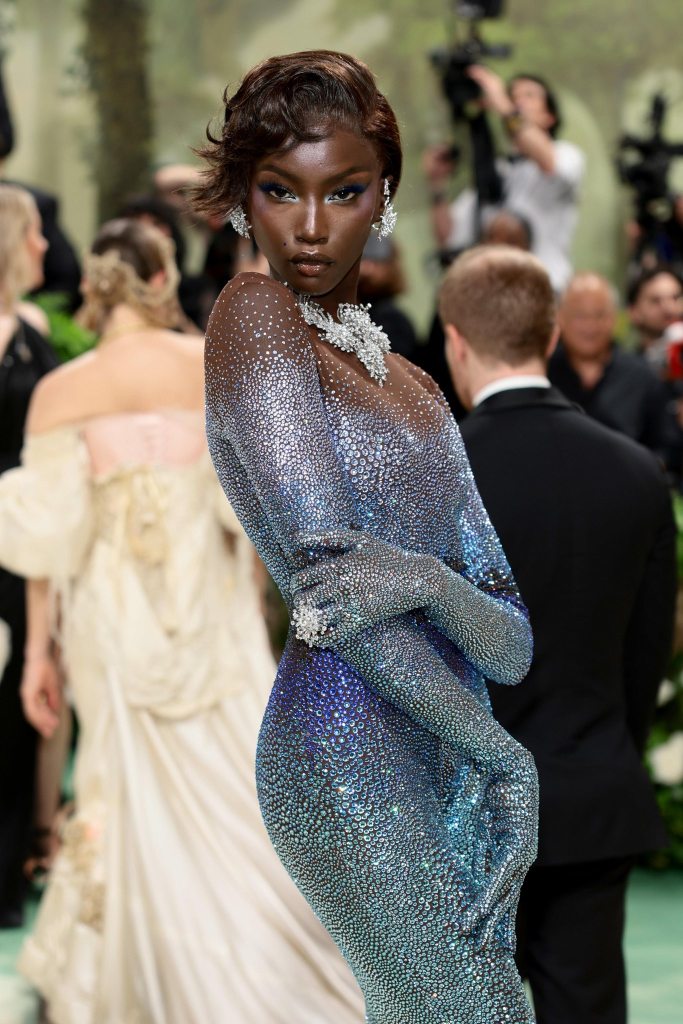
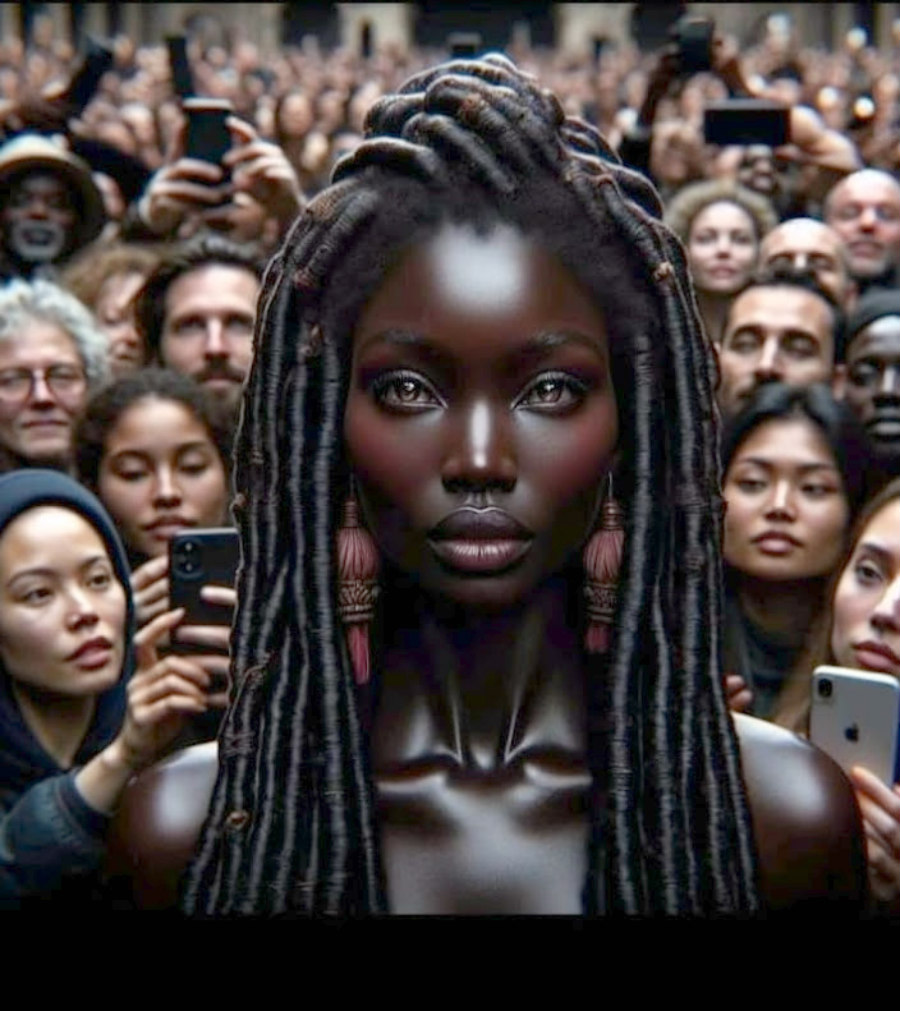
Eternal Bronze: The Science, Spirit, and Psychology of Brown Skin.

This photograph is the property of its respective owner. No copyright infringement intended.

The beauty and resilience of brown skin have been celebrated across centuries and cultures, even as it has also been marginalized and stigmatized under the weight of colonialism and white supremacy. The defining characteristic of this richness is melanin, the natural pigment that gives skin its brown and black hues. Melanin not only provides aesthetic brilliance but also serves as a biological shield, protecting the skin from harmful ultraviolet rays and slowing visible signs of aging. This scientific advantage underlies the well-known saying, “Black don’t crack,” a phrase affirming the ageless quality of melanated skin (Sherrow, 2006).

From a global perspective, various cultures have remarked on the luster and endurance of melanin-rich skin. In African traditions, dark brown skin has long been associated with vitality and spiritual energy. The Sudanese model Adut Akech, for example, has often been described as embodying “the future of beauty” (Vogue, 2019). Similarly, Naomi Campbell, one of the world’s most recognizable supermodels, has consistently shattered Eurocentric barriers while proudly showcasing her deep brown tone on international runways. Male icons such as Morris Chestnut have also carried the global representation of melanated male beauty, admired for the way his brown skin reflects strength and elegance.

Brown skin exists in a wide spectrum of shades—from caramel and honey to chestnut, mahogany, and ebony. Each variation tells a story of genetic heritage, adaptation to climates, and ancestral roots. The psychologists Kenneth and Mamie Clark, whose research included the “doll experiments,” highlighted how societal bias against darker tones led to internalized racism in Black children (Clark & Clark, 1947). Yet, in reversing this stigma, scholars and activists today highlight the aesthetic diversity of brown skin as an emblem of resilience and cultural pride.
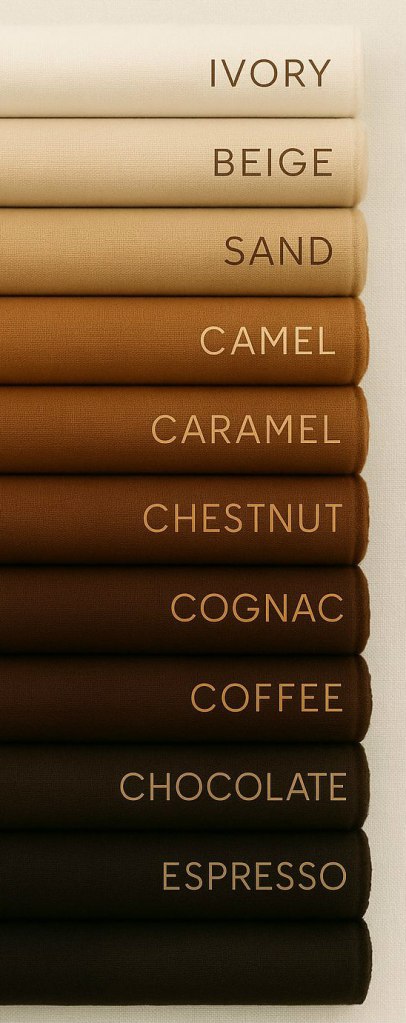
The psychology of brown skin is complex. On one hand, melanin-rich individuals often face negative stereotyping, colorism, and systemic discrimination, leading to stress, anxiety, and internalized self-doubt (Russell et al., 1992). On the other hand, movements like “Black is Beautiful” have reclaimed brown skin as a symbol of empowerment and unity. This duality reflects the ongoing struggle between external societal oppression and internal affirmation of self-worth. When society praises Eurocentric beauty, brown skin becomes “the most hated,” not because of its lack, but because of its strength, history, and refusal to conform.

The Bible also affirms the beauty of dark, melanated skin. In the Song of Solomon 1:5 (KJV), the Shulamite woman declares: “I am black, but comely, O ye daughters of Jerusalem.” This scripture has often been used to affirm the dignity and divine beauty of those with darker complexions. Similarly, Jeremiah 13:23 states, “Can the Ethiopian change his skin, or the leopard his spots?” suggesting the unchangeable nature of one’s God-given melanin as both identity and blessing. In this sense, the biblical witness counters the cultural devaluation of darker skin tones by emphasizing their inherent worth.

Science further affirms the benefits of melanin beyond aesthetics. Research shows melanin absorbs and scatters ultraviolet radiation, protecting DNA from damage and reducing the risk of skin cancer (Palmer et al., 2015). This gives brown-skinned individuals a biological advantage in hotter climates, ensuring survival and adaptability across generations. The phrase “Black don’t crack” finds not only cultural but also scientific legitimacy in melanin’s role in maintaining youthful, resilient skin.

Around the world, observers have noted the unique radiance of brown skin. From poets in the Harlem Renaissance to African philosophers like Leopold Senghor, melanated skin has been described as “a mask of light,” reflecting dignity and endurance. Contemporary celebrities and models extend this legacy by asserting their natural hues as high fashion and cultural pride. Brown skin is not a burden but a crown, as seen in figures like Akech, Campbell, and Chestnut, who challenge the world to redefine beauty beyond Eurocentrism.

Ultimately, brown skin embodies both biological blessing and cultural battle. Its glow tells the story of survival, endurance, and divine design, yet its existence has been politicized and stigmatized. The solution lies in dismantling colorism, celebrating melanin’s biological and spiritual significance, and teaching young Black children the truth: their skin is not only beautiful but also powerful. As Amos Wilson (1998) reminded us, “Our self-perceptions must be liberated from alien definitions if we are to be truly free.” Brown skin is not merely pigment—it is history, resilience, and brilliance wrapped in flesh.


References

  • Clark, K. B., & Clark, M. P. (1947). Racial identification and preference in Negro children. Journal of Negro Education, 19(3), 341–350.
  • Palmer, R. A., et al. (2015). Melanin’s role in skin photoprotection. Journal of Photochemistry and Photobiology, 152, 28–39.
  • Russell, K. K., Wilson, M., & Hall, R. (1992). The Color Complex: The Politics of Skin Color among African Americans. Anchor.
  • Sherrow, V. (2006). Encyclopedia of Hair: A Cultural History. Greenwood.
  • The Holy Bible, King James Version. Song of Solomon 1:5; Jeremiah 13:23.
  • Vogue. (2019). “Adut Akech is the future of fashion.” Vogue Magazine.
  • Wilson, A. N. (1998). Blueprint for Black Power. Afrikan World InfoSystems.
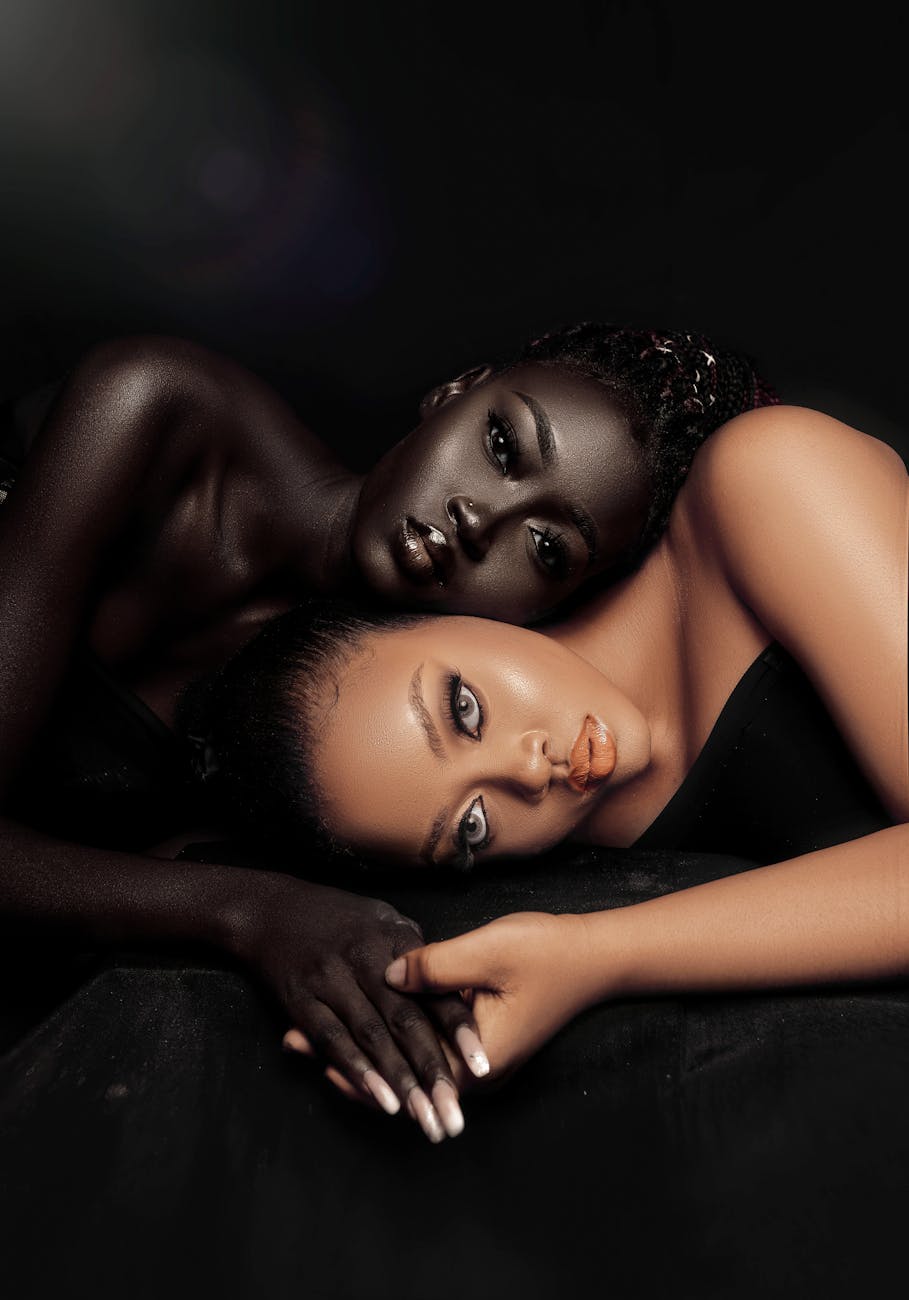
✨ The Dark Side of Pretty: Colorism, Eurocentrism, and Beauty Hierarchies ✨

Photo by kings ent shot on Pexels.com

Beauty, often seen as a source of admiration and power, has a dark side when filtered through systems of racial hierarchy. For Black women in particular, beauty is not just about personal appearance but about social acceptance, economic opportunity, and psychological well-being. Within this context, colorism—preferential treatment based on skin tone—and Eurocentrism—the elevation of European features as the standard of attractiveness—create a rigid beauty hierarchy that disadvantages those with darker complexions. This dynamic reflects centuries of colonialism and slavery, where proximity to whiteness became a marker of value (Hunter, 2007).

Colorism emerged as a direct byproduct of slavery and colonial rule. During enslavement, lighter-skinned Black people, often the mixed-race children of enslaved women and white masters, were sometimes given preferential treatment, lighter work, or even opportunities for education. This fostered a social divide that persists today, manifesting in stereotypes that depict lighter skin as more refined or desirable while darker skin is associated with inferiority (Glenn, 2008). This artificial hierarchy continues to influence perceptions of beauty, love, and even employment opportunities in contemporary society.

Eurocentrism deepens the wound by setting white or European features—straight hair, thin noses, light eyes, and pale skin—as the “universal” ideal. Media, advertising, and Hollywood have historically reinforced these ideals, casting white women as leading symbols of femininity and beauty while relegating Black women to marginal or exotic roles. The outcome is a systematic erasure of African aesthetics and a psychological pressure for Black women to conform through skin-lightening, hair-straightening, or even surgical alteration (Russell, Wilson, & Hall, 2013).

The consequences of this hierarchy are profound. Studies show that darker-skinned Black women are more likely to face hiring discrimination, receive harsher prison sentences, and are less likely to be married than lighter-skinned Black women (Maddox & Gray, 2002). These outcomes demonstrate that beauty bias is not superficial but deeply intertwined with structural racism and sexism. In this sense, beauty becomes political—a mechanism through which inequality is reproduced.

Psychologically, colorism and Eurocentrism damage self-esteem, body image, and mental health. Internalized racism leads many Black women to devalue their natural features, creating a cycle of insecurity and shame. The “hierarchy of pretty” conditions individuals to associate lighter skin with worthiness and darker skin with deficiency, echoing the “doll tests” of the 1940s, in which Black children often chose white dolls as “pretty” and “good” while rejecting dolls that looked like themselves (Clark & Clark, 1947). This internalized bias demonstrates how deeply beauty hierarchies infiltrate self-perception.

Resistance, however, is emerging through movements like #BlackGirlMagic, the natural hair movement, and broader global calls for inclusivity in fashion and media. By celebrating diverse representations of Blackness—dark skin, natural hair, African facial features—these movements seek to dismantle Eurocentric beauty norms. Social media has amplified these efforts, giving Black women a platform to assert their own narratives and aesthetics, counteracting centuries of erasure.

Biblically, worth is not found in skin tone or physical beauty but in the character and spirit of an individual. Scripture reminds us that “man looketh on the outward appearance, but the Lord looketh on the heart” (1 Samuel 16:7, KJV). This teaching directly challenges the superficial hierarchies of society, encouraging a return to valuing substance over appearance. When understood in this light, overcoming colorism requires both spiritual reorientation and social change—rejecting man-made hierarchies for divine truth.

Ultimately, the dark side of “pretty” exposes how beauty standards are neither innocent nor universal but constructed tools of power. Colorism and Eurocentrism have entrenched damaging hierarchies that oppress Black women, especially those with darker skin. The way forward lies in cultural resistance, psychological healing, and a biblical reclaiming of worth beyond appearances. True beauty, when stripped of colonial and racial distortions, is diverse, multifaceted, and rooted in the dignity of every human being created in the image of God.


📚 References

  • Clark, K. B., & Clark, M. P. (1947). Racial identification and preference in Negro children. Readings in Social Psychology.
  • Glenn, E. N. (2008). Yearning for lightness: Transnational circuits in the marketing and consumption of skin lighteners. Gender & Society, 22(3), 281–302.
  • Hunter, M. (2007). The persistent problem of colorism: Skin tone, status, and inequality. Sociology Compass, 1(1), 237–254.
  • Maddox, K. B., & Gray, S. A. (2002). Cognitive representations of Black Americans: Reexploring the role of skin tone. Personality and Social Psychology Bulletin, 28(2), 250–259.
  • Russell, K., Wilson, M., & Hall, R. (2013). The color complex: The politics of skin color among African Americans. Anchor Books.

Ancient Beauty Secrets: Anti-Aging and Timeless Practices for Skin and Health.

Photo by Boat Ntswaneng on Pexels.com

Throughout history, beauty has been closely tied to health, wellness, and natural remedies. Ancient civilizations cultivated rituals that not only enhanced appearance but also preserved vitality. From the milk baths of Cleopatra to the turmeric masks of India, these practices reveal the ingenuity of traditional medicine and the importance of nature in self-care. Many of these secrets have endured for thousands of years, demonstrating that the foundation of beauty often lies in holistic wellness.

🌿 DIY Ancient-Inspired Facial Mask (Best for Glow and Detox)

Ingredients:

  • 1 tablespoon raw honey (antibacterial, moisturizing)
  • 1 teaspoon turmeric powder (anti-inflammatory, brightening)
  • 2 tablespoons plain yogurt (exfoliating, lactic acid)
  • A few drops of olive oil (hydration)

Instructions: Mix all ingredients into a paste, apply evenly to face, leave for 15–20 minutes, rinse with lukewarm water.


🌱 Best Herbs and Remedies for Skin Health

  • Turmeric – anti-inflammatory, brightens skin.
  • Aloe Vera – soothes burns, hydrates.
  • Neem – antibacterial, clears acne.
  • Rose Water – toner, reduces redness.
  • Green Tea – antioxidant, fights aging.
  • Chamomile – calms sensitive skin.
  • Shea Butter – deep moisturizer, skin barrier repair.

The ancient Egyptians were pioneers in skincare. Cleopatra, the last queen of Egypt, was renowned for bathing in milk infused with honey, a treatment rich in lactic acid, which gently exfoliates and softens the skin (James, 2015). Egyptians also used olive oil for hydration and aloe vera for healing burns and blemishes. In Africa, particularly West Africa, shea butter was prized for moisturizing and protecting the skin against harsh climates, a tradition still widely practiced today (Agyare et al., 2016). Similarly, in ancient China, women used rice water rinses for the skin and hair, enhancing brightness and strengthening hair strands (Zhang, 2013).

Anti-Aging Tips: Herbal, Nutritional, and Skincare Strategies for Youthful Skin

Aging is a natural process, but modern science and traditional herbal wisdom provide tools to slow visible signs of skin aging. Aging skin is characterized by the breakdown of collagen and elastin, loss of hydration, fine lines, wrinkles, hyperpigmentation, and reduced cell turnover. Strategies for maintaining youthful skin involve topical treatments, dietary habits, lifestyle choices, and herbal interventions.

1. Herbal & Natural Anti-Aging Remedies

  • Green Tea (Camellia sinensis): Rich in polyphenols, green tea reduces oxidative stress, improves elasticity, and protects against UV damage (Weber et al., 2018).
  • Turmeric (Curcuma longa): Contains curcumin, an anti-inflammatory and antioxidant compound that can help prevent collagen degradation and pigmentation (Huang et al., 2019).
  • Aloe Vera: Promotes hydration, reduces inflammation, and stimulates collagen production (Choi et al., 2009).
  • Rosehip Oil: High in vitamin C and essential fatty acids; supports skin regeneration and reduces fine lines.
  • Licorice Root: Brightens skin and reduces hyperpigmentation due to its glabridin content.
  • Gotu Kola (Centella asiatica): Stimulates collagen synthesis and enhances skin elasticity.

2. Topical Anti-Aging Skincare

  • Retinoids (Retinol, Retin-A/Tretinoin): Stimulate collagen production, increase cell turnover, and reduce fine lines (Mukherjee et al., 2006). Retinol is milder and suitable for over-the-counter use; tretinoin is prescription-strength.
  • Antioxidants: Vitamin C, E, and coenzyme Q10 neutralize free radicals, protect skin from environmental damage, and improve firmness (Pullar et al., 2017).
  • Hyaluronic Acid: Hydrates and plumps skin, reducing the appearance of fine lines.
  • Sunscreen (Broad Spectrum SPF 30+): Daily UV protection is critical to prevent photoaging.

3. Nutrition for Youthful Skin

  • Antioxidant-rich foods: Berries, leafy greens, nuts, and seeds combat oxidative stress.
  • Healthy fats: Omega-3 fatty acids from salmon, flaxseed, and walnuts maintain skin barrier integrity and hydration.
  • Hydration: Adequate water intake ensures proper skin moisture and elasticity.
  • Protein: Collagen synthesis depends on amino acids from lean meats, eggs, and legumes.
  • Limit sugar and processed foods: Advanced glycation end products (AGEs) from high sugar diets damage collagen and elastin (Vlassara & Uribarri, 2014).

4. Lifestyle and Physical Practices

  • Regular facial exercises (“face yoga”): Strengthen facial muscles, improve circulation, and promote firmness.
  • Ice facials: Constrict capillaries, reduce puffiness, and stimulate collagen production.
  • Stress management: Chronic stress accelerates skin aging; meditation, yoga, and deep breathing help maintain youthfulness.
  • Sleep: Adequate sleep enables repair and regeneration of skin cells.
  • Avoid smoking and excessive alcohol: Both accelerate collagen breakdown and oxidative damage.

In India, the Ayurvedic tradition developed powerful remedies still used in modern wellness. Turmeric facials, often mixed with yogurt or honey, provided anti-inflammatory and antibacterial benefits, giving the skin a natural glow (Mukherjee et al., 2011). Steam facials infused with herbs were also common, opening pores and detoxifying the skin. Ancient Greeks and Romans emphasized nutrition for beauty, encouraging the consumption of fresh fruits, vegetables, and abundant water, while also practicing olive oil massages to promote circulation and skin elasticity (Liversidge, 2017).

Culture / RegionBeauty Practice / SecretKey Ingredients / ToolsPurpose / Benefits
Ancient EgyptMilk bathsMilk, honeyGentle exfoliation, softening skin, hydration
Olive oil massageOlive oilMoisturization, improved circulation
Aloe vera applicationAloe veraHealing burns, soothing skin
West AfricaShea butter applicationShea butterDeep moisturization, skin barrier protection
Black soap cleansingPlant ash, palm oilDetoxifies, gentle exfoliation
India (Ayurveda)Turmeric facial maskTurmeric, yogurt, honeyBrightening, anti-inflammatory, antibacterial
Herbal steam facialsNeem, tulsi, chamomileOpens pores, detoxifies, soothes skin
Ancient ChinaRice water rinseRice waterBrightens skin, strengthens hair
Green tea masksGreen tea, honeyAntioxidant, anti-aging, soothes skin
Greece & RomeOlive oil massagesOlive oilHydration, circulation, elasticity
Wine or honey masksRed wine, honeyAntioxidant, softening skin
Middle EastRose water tonerRose waterSoothes irritation, balances pH
Sandalwood pasteSandalwood, milk or waterCooling, anti-inflammatory
JapanGeisha skincare ritualCamellia oil, rice branHydration, brightening, anti-aging
Indigenous AmericasCornmeal scrubCornmeal, honeyExfoliation, skin softening
Herbal infusionsCalendula, chamomileSoothing, healing minor skin issues

Insights from the Chart:

  • Hydration & moisturization were universally emphasized (milk, honey, shea butter, oils).
  • Exfoliation & brightening came from natural acids or abrasives (milk, rice water, cornmeal).
  • Healing & anti-inflammatory herbs were central in most traditions (turmeric, aloe, neem, chamomile).
  • Ritual & consistency mattered; daily or weekly treatments were part of lifestyle, not just cosmetic.

Other global practices further highlight the universality of natural skincare. Japanese geishas employed green tea extracts for their antioxidant properties. Indigenous peoples of the Americas used cornmeal scrubs for exfoliation, while Middle Eastern traditions included rose water to soothe and tone the skin. Across cultures, beauty was intertwined with rituals of self-preservation and respect for the natural environment. These ancient practices underscore the fact that wellness and beauty are inseparable, rooted in mindful living and harmony with nature.

An overview of the skincare routines and beauty secrets of three renowned celebrities: Salma Hayek, Halle Berry, and Lupita Nyong’o. Each of these stars has shared insights into their beauty regimens, highlighting both luxurious and accessible products, as well as natural approaches to skincare.


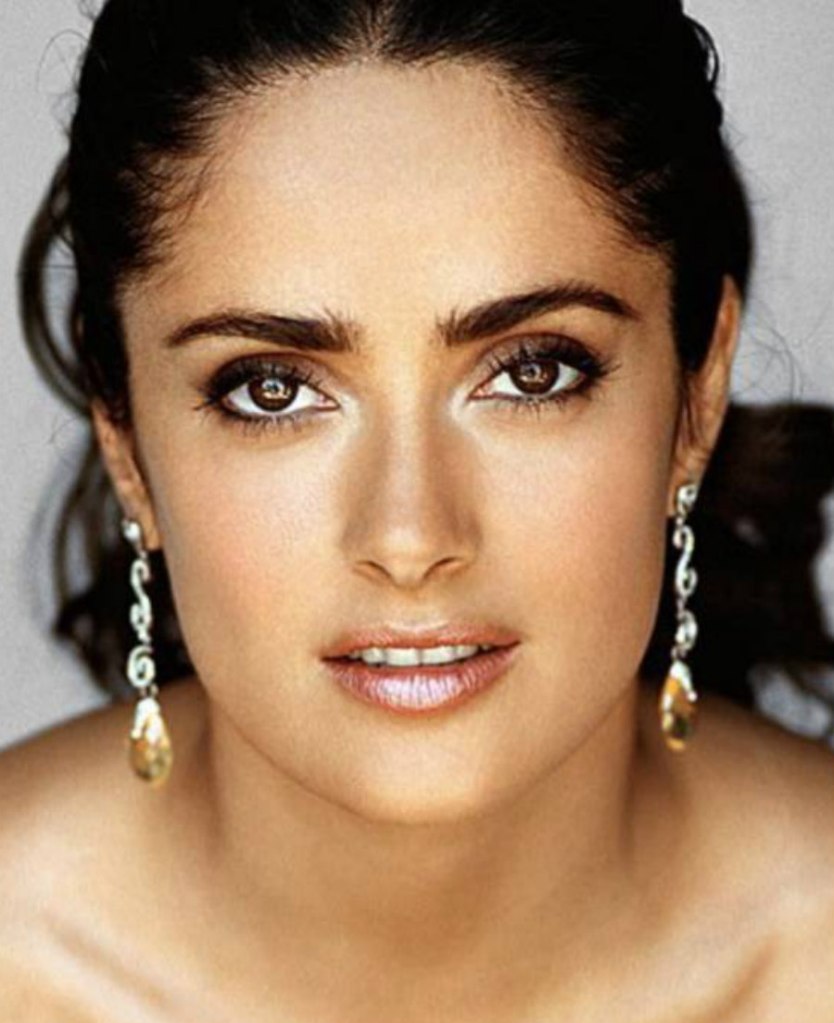
🌟 Salma Hayek

This photograph is the property of its respective owners. No infringement intended.

Salma Hayek emphasizes a flexible skincare routine that adapts to her skin’s needs. She often starts her day with rose water, a practice inspired by her grandmother’s use of aloe vera and papaya in homemade creams. Hayek incorporates high-end products like Augustinus Bader’s Rich Cream and Forest Essentials’ Advanced Eternal Youth Formula Anti-Aging Night Cream into her regimen. She also swears by Patchology Rejuvenating Eye Gels, which she finds both effective and affordable. Her approach combines luxury with simplicity, focusing on hydration and nourishment. ByrdieGood Housekeeping+1Page Six+1


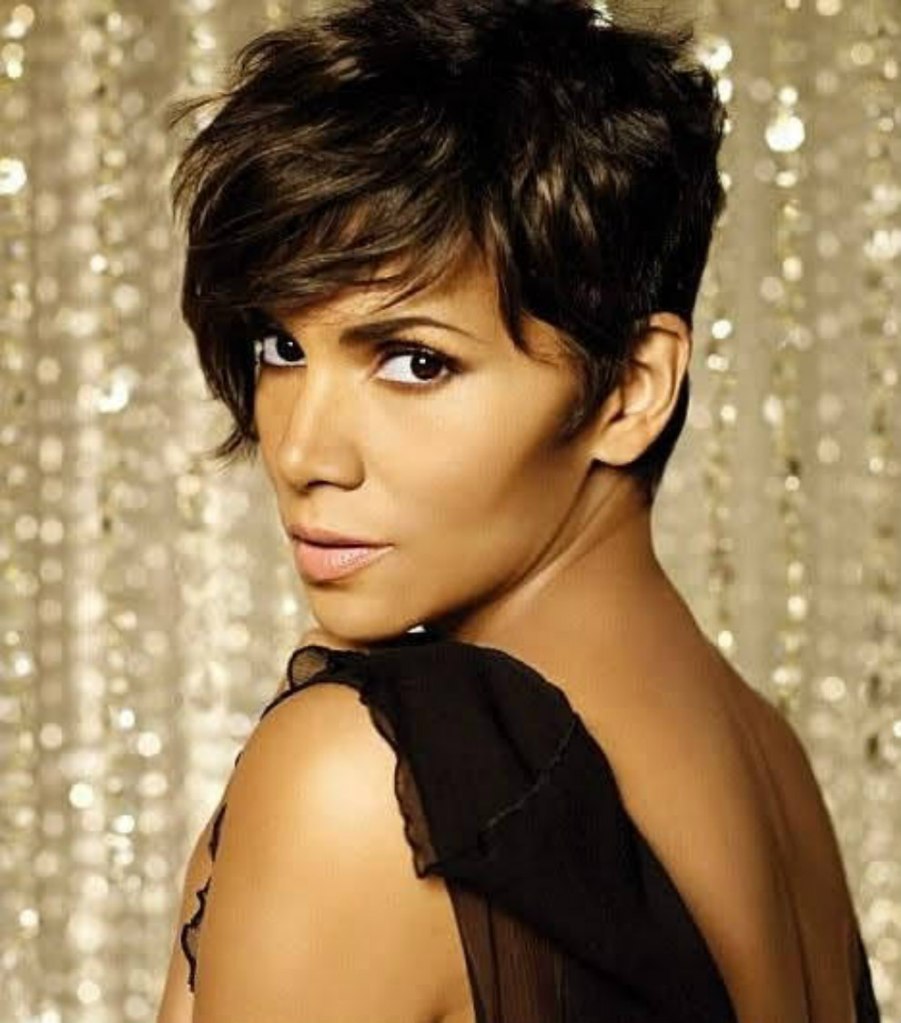
🌟 Halle Berry

This photograph is the property of its respective owners. No infringement intended.

Halle Berry maintains a consistent skincare routine that includes cleansing, exfoliating, masking, and moisturizing. She uses products like the Olga Lorencin Lactic Acid Hydrating Serum and the Knesko Gold Repair Collagen Face Mask. Berry also incorporates facial massage tools, such as the Flawless Cleanse Hydro-Vibrating Facial Cleanser, to enhance her skincare regimen. Her routine reflects a commitment to maintaining youthful skin through consistent care and the use of high-quality products. eCosmeticsOlga Lorencin Skincare+3The Sun+3Entertainment Tonight+3PreventionEntertainment Tonight


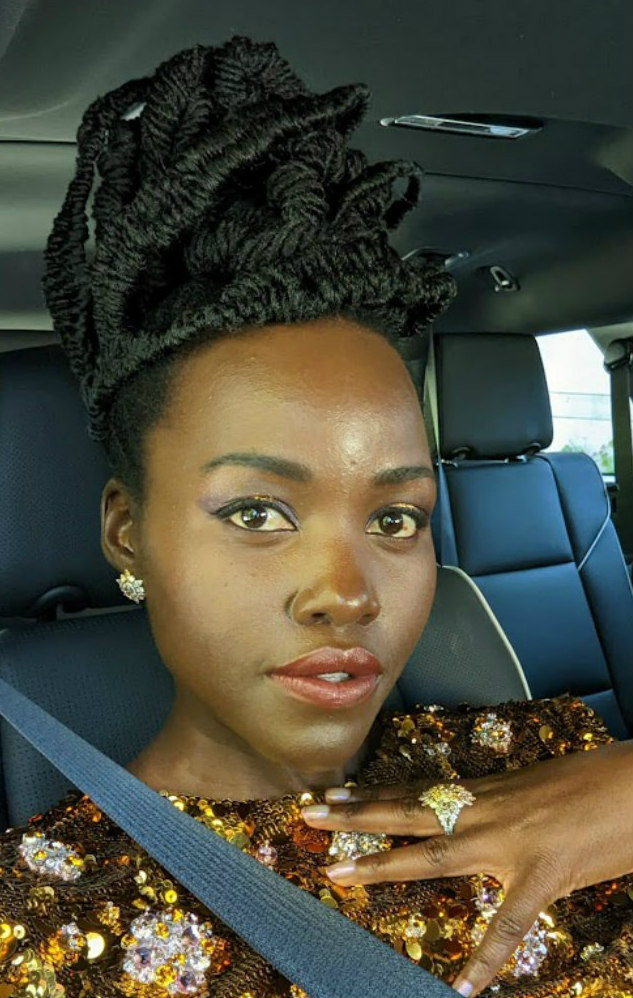
🌟 Lupita Nyong’o

This photograph is the property of its respective owners. No infringement intended.

Lupita Nyong’o is renowned for her radiant complexion and commitment to natural beauty. Her skincare routine emphasizes simplicity, hydration, and the use of natural oils. She often incorporates products like Honest Beauty’s Hydrogel Cream, which contains jojoba, squalane, and hyaluronic acid, to achieve a plump, dewy glow. Additionally, she utilizes avocado oil and Hawaiian kukui oil for moisturizing and makeup removal, appreciating their effectiveness and versatility. Allure+3Vanity Fair+3bombshellbybleu.com+3InStyle+1Momtastic+1


Summary:

  • Salma Hayek: Combines luxurious products with natural ingredients, focusing on hydration and nourishment.
  • Halle Berry: Maintains a consistent skincare routine with high-quality products and tools for youthful skin.
  • Lupita Nyong’o: values the healing properties of calendula ointment, which she carries during travels to address skin issues like burns and scars. This natural remedy reflects her preference for clean beauty products.
CelebritySkincare Products / ToolsNatural Ingredients / RemediesRoutine Highlights / Rituals
Lupita Nyong’oHonest Beauty Hydrogel Cream, calendula ointmentAvocado oil, Hawaiian kukui oil, calendulaEmphasizes hydration, dewy glow; uses natural oils for moisturizing and makeup removal; carries healing ointments while traveling; consistent cleansing, toning, and moisturizing; stress management through meditation & exercise
Salma HayekAugustinus Bader Rich Cream, Forest Essentials Advanced Eternal Youth Night Cream, Patchology Rejuvenating Eye GelsRose water, aloe vera, papaya (inspired by grandmother)Focuses on hydration and nourishment; combines luxury with simple remedies; under-eye gels for puffiness and rejuvenation; flexible routine based on skin needs
Halle BerryOlga Lorencin Lactic Acid Hydrating Serum, Knesko Gold Repair Collagen Face Mask, Flawless Cleanse Hydro-Vibrating Facial CleanserNoted use of masks with natural extractsMaintains youthful skin through consistent cleansing, exfoliation, masking, and moisturizing; incorporates facial massage tools; committed to high-quality products and structured regimen

Key Takeaways:

  1. Hydration is a core focus for all three celebrities—whether through creams, oils, or serums.
  2. Natural ingredients (like rose water, avocado oil, aloe vera, kukui oil) are incorporated alongside high-end products.
  3. Consistency and ritual matter: cleansing, moisturizing, masking, and stress management are prioritized.
  4. Luxury products are often combined with simple, natural remedies for maximum effect.

Each of these celebrities showcases a unique approach to skincare, blending luxury, consistency, and natural ingredients to maintain their radiant complexions.

Layer antioxidants in the morning and retinoids at night for maximal effect.

Combine herbal masks (turmeric, aloe, rosehip) with gentle exfoliation once or twice weekly.

Incorporate adaptogenic herbs like ashwagandha and holy basil to combat stress-related aging.

Modern science has validated many of these traditions. For example, ice facials constrict blood vessels, reduce puffiness, and stimulate circulation, leaving the skin firmer and refreshed. Facial exercises, sometimes called “face yoga,” strengthen underlying muscles, promoting firmness and slowing the appearance of wrinkles. Combined with herbal remedies and nutrient-rich diets, these timeless methods reveal that ancient beauty was less about vanity and more about cultivating balance, resilience, and natural radiance.

📚 References

  • Agyare, C., Boakye, Y. D., Bekoe, E. O., Hensel, A., Dapaah, S. O., & Appiah, T. (2016). African medicinal plants with skin healing properties. Journal of Ethnopharmacology, 177, 85–100.
  • James, T. G. H. (2015). The British Museum Concise Introduction to Ancient Egypt. Thames & Hudson.
  • Liversidge, J. (2017). Everyday Life in the Roman Empire. Routledge.
  • Mukherjee, P. K., Maity, N., Nema, N. K., & Sarkar, B. K. (2011). Bioactive compounds from natural resources against skin aging. Phytomedicine, 19(1), 64–73.
  • Zhang, X. (2013). Beauty Secrets of Ancient China. Beijing Press.

Choi, S., Chung, M. H., & Lee, H. (2009). Effects of Aloe Vera on skin collagen and hydration. Journal of Ethnopharmacology, 124(1), 104–108.

Huang, W., et al. (2019). Curcumin and skin health: A review. Phytotherapy Research, 33(2), 351–366.

Mukherjee, S., Date, A., Patravale, V., Korting, H. C., Roeder, A., & Weindl, G. (2006). Retinoids in the treatment of skin aging: An overview. Indian Journal of Dermatology, 51(4), 255–261.

Pullar, J., Carr, A., & Vissers, M. (2017). The roles of vitamin C in skin health. Nutrients, 9(8), 866.

Vlassara, H., & Uribarri, J. (2014). Advanced glycation end products (AGEs) and skin aging. Journal of Cosmetic Dermatology, 13(4), 288–292.

Weber, C., et al. (2018). Green tea polyphenols and skin protection. Dermato-Endocrinology, 10(1), e1465713.

ET Online. (n.d.). Halle Berry’s skincare routine is the ultimate at-home facial. Retrieved from https://www.etonline.com/halle-berrys-skincare-routine-is-the-ultimate-at-home-facial-shop-the-stars-favorite-beauty

Colorism and Beauty Hierarchies: Skin Tone as a Social Currency.

Photo by Jonatan Galvis on Pexels.com

Colorism—the preferential treatment of lighter-skinned individuals over those with darker complexions—represents one of the most enduring legacies of colonialism, slavery, and global white supremacy. Unlike racism, which is discrimination across races, colorism functions within racial and ethnic groups, ranking people based on proximity to whiteness. Beauty becomes the battleground where skin tone acts as a form of social currency, shaping opportunities, desirability, and identity. The title Colorism and Beauty Hierarchies: Skin Tone as a Social Currency underscores how complexion functions not merely as aesthetic variation but as a deeply entrenched system of value that structures societies worldwide.

Understanding “Beauty Hierarchies”

A hierarchy implies an order—some features are placed above others, with privilege and prestige awarded to those who align most closely with the dominant ideal. Within communities of African, Latin American, Asian, and South Asian descent, this hierarchy is evident in the differential treatment of light- and dark-skinned individuals. These beauty hierarchies operate silently yet powerfully, dictating access to media representation, romantic desirability, economic mobility, and even political leadership.

The Social Currency of Skin Tone

The concept of “social currency” refers to intangible assets—respect, desirability, access, and visibility—that an individual gains through certain traits. In societies shaped by colonialism, light skin is often equated with refinement, education, and beauty, while darker skin is stigmatized as less desirable, less intelligent, or even “dangerous” (Hunter, 2007). Thus, complexion is not neutral—it functions as a form of symbolic capital that either opens or restricts doors.

Hierarchies of Skin Tone

Light Skin Privilege

  • Media Representation: Light-skinned women are often cast as the romantic lead or beauty ideal, while dark-skinned women are portrayed as side characters or villains.
  • Perceived Femininity: Light skin is associated with “delicacy” and “purity,” especially in patriarchal cultures.
  • Marriage Prospects: Studies show lighter-skinned women are often considered more “marriageable” due to cultural perceptions linking them to higher social status.
  • Economic Advantage: Lighter-skinned individuals within the same racial group statistically earn more than their darker counterparts (Keith & Herring, 1991).
  • Global Beauty Market: Billions are spent on skin-lightening creams in Africa, Asia, and the Caribbean, reflecting how light skin is commodified as a marker of beauty and advancement.

Medium/Brown Skin

  • Conditional Acceptance: Medium-toned individuals may experience partial privilege depending on cultural context. In some communities, they are “acceptable” if their features lean toward Eurocentric ideals (narrow noses, straighter hair).
  • In-Between Status: They may face pressure to either “pass” as lighter through cosmetic means or defend their proximity to darker identities.
  • Representation: Often celebrated as “exotic” or “ambiguous” in media, commodified for their perceived versatility.

Dark Skin Marginalization

  • Stereotyping: Dark-skinned women are often cast as aggressive, hypersexual, or undesirable in media and social narratives (Wilder, 2015).
  • Romantic Disadvantage: Dark-skinned women report lower rates of being approached for serious relationships, often fetishized rather than appreciated for their full humanity.
  • Economic Exclusion: Darker-skinned individuals face higher unemployment rates and lower wages, even when qualifications are equal.
  • Policing and Violence: Dark-skinned individuals are disproportionately criminalized, reflecting the dangerous intersection of colorism and systemic racism.
  • Psychological Toll: Internalized colorism leads to lower self-esteem, increased anxiety, and generational trauma.

Explaining the Title: “Skin Tone as a Social Currency”

The phrase skin tone as a social currency captures how complexion functions much like wealth—it can be traded, leveraged, and inherited, but it also reflects unequal distribution. Light skin operates as a form of privilege that generates unearned benefits, while dark skin becomes a social “debt” that individuals must constantly negotiate. Unlike financial capital, however, this currency is inscribed onto the body—it cannot be easily discarded or changed. Thus, navigating society means contending with how much “value” one’s skin tone holds within a given cultural and historical context.

Global Contexts of Colorism

  • Africa & the Caribbean: Legacies of colonialism foster the association of lighter skin with elite status. Skin-lightening remains a booming industry.
  • South Asia: Bollywood and matrimonial ads explicitly valorize “fair brides,” perpetuating caste and complexion bias.
  • East Asia: In countries like China and Korea, pale skin is linked with class (indoor labor vs. outdoor labor).
  • United States: Within Black communities, the “paper bag test” historically excluded darker-skinned individuals from certain schools, jobs, and organizations.

Resistance and Reclamation

Movements such as #MelaninMagic, #BlackGirlMagic, and campaigns like “Dark Is Beautiful” in India have sought to dismantle these hierarchies by affirming the beauty of darker skin tones. Increasing representation of dark-skinned women in media—from Lupita Nyong’o to Viola Davis—signals a cultural shift, though systemic hierarchies remain.

Conclusion

Colorism and Beauty Hierarchies: Skin Tone as a Social Currency speaks to the way complexion is not just surface-level—it is a passport or barrier, a burden or advantage, depending on where one falls in the hierarchy. To dismantle these structures, societies must not only broaden beauty standards but also confront the historical systems that created skin tone hierarchies in the first place. Until then, beauty will continue to function as social currency, unequally distributed along the color line.


References

  • Hunter, M. (2007). The persistent problem of colorism: Skin tone, status, and inequality. Sociology Compass, 1(1), 237–254.
  • Keith, V. M., & Herring, C. (1991). Skin tone and stratification in the Black community. American Journal of Sociology, 97(3), 760–778.
  • Wilder, J. (2015). Color stories: Black women and colorism in the 21st century. Praeger.

Faces of Resilience: Black Women, Genetics, and the Global Beauty Standard

Photo by Ante Emmanuel on Pexels.com

Beauty has always been more than appearance; it is a cultural, genetic, and historical narrative that reflects the dynamics of power, resilience, and identity. For Black women, beauty is not only inherited in their features but also shaped by the resistance against imposed ideals. While global beauty standards have often been defined through Eurocentric frameworks, Black women embody a resilient beauty that transcends cultural erasure and genetic marginalization. Their faces, marked by distinct phenotypic traits, carry histories of ancestry, struggle, and triumph.

Genetics and the Foundations of Black Beauty

Black women’s beauty is deeply rooted in genetics. Phenotypic traits such as fuller lips, broader noses, higher melanin levels, and diverse hair textures are the result of evolutionary adaptations to Africa’s climate and geography. Melanin, for example, not only provides skin richness but also serves as a biological shield against UV radiation, signifying health and resilience (Jablonski & Chaplin, 2010). These genetic traits—once denigrated under colonial ideologies—are increasingly celebrated in global beauty industries, though often commodified without acknowledgment of their origins.

Historical Erasure and Eurocentric Standards

From enslavement to the twentieth century, Eurocentric standards of beauty dominated global narratives. Straight hair, narrow noses, and lighter skin tones were positioned as the “ideal,” relegating Black women’s natural features to stereotypes of “savagery” or “unfemininity” (Hooks, 1992). This erasure was psychological as well as cultural, creating generational struggles with self-perception and identity. The global beauty market reinforced this hierarchy, with skin-lightening products, hair relaxers, and cosmetic surgeries marketed heavily to women of African descent.

The Resilience of Representation

Despite these challenges, Black women have redefined beauty on their own terms. Figures such as Naomi Campbell, Lupita Nyong’o, and Alek Wek have challenged the narrow global beauty standard by celebrating features historically deemed undesirable. Wek’s presence in the fashion industry in the 1990s, for instance, disrupted ideals of European symmetry and championed the elegance of dark skin and Sudanese features. Their influence shows that representation matters: it not only validates natural features but also reshapes cultural perceptions of what is beautiful.

The Globalization of Black Beauty

The twenty-first century has seen a gradual shift in how beauty is defined globally. Social media platforms amplify diverse aesthetics, and Black women are at the forefront of these movements. Hashtags such as #BlackGirlMagic and #MelaninPoppin serve as cultural affirmations, celebrating resilience through self-love and visibility. However, this global recognition exists in tension with appropriation. Features such as fuller lips, curvier body shapes, and braided hairstyles—once stigmatized on Black women—are now monetized when worn by non-Black influencers and celebrities, highlighting ongoing inequities.

Psychological Dimensions of Beauty and Identity

The resilience of Black women’s beauty also has a psychological dimension. Studies in racial identity show that positive self-perception among Black women correlates with higher levels of resilience, community engagement, and well-being (Thomas et al., 2008). In resisting harmful stereotypes, embracing natural hair movements, and reclaiming African aesthetics, Black women enact resilience not just in appearance but in spirit. This process becomes both personal and collective: a refusal to be confined by imposed ideals and a reaffirmation of ancestral pride.

Beauty as a Site of Power and Liberation

Beauty, for Black women, is inseparable from power. Wearing natural hairstyles, rejecting skin-lightening practices, or embracing African-inspired fashion becomes an act of resistance. These choices challenge colonial legacies and affirm that beauty is not a universal standard but a cultural expression rooted in history. In this sense, beauty becomes liberation—a way of reclaiming agency and dignity in a world that has historically denied it.

Toward an Inclusive Beauty Standard

The conversation around global beauty standards is slowly shifting from exclusivity to inclusivity. However, true progress requires more than token representation. It demands structural changes within the fashion, film, and cosmetic industries to honor Black women’s contributions and dismantle systemic biases. Only then can the global beauty standard reflect the true diversity of human genetics and cultural expression.

Conclusion

The faces of Black women tell stories of resilience, genetics, and beauty that defy narrow definitions. Their features are not deviations from a standard but reflections of humanity’s diversity and adaptability. In embracing their heritage and reclaiming their beauty, Black women continue to reshape global narratives. Ultimately, their resilience demonstrates that beauty is not imposed—it is lived, embodied, and celebrated across generations.


References

  • Hooks, B. (1992). Black looks: Race and representation. South End Press.
  • Jablonski, N. G., & Chaplin, G. (2010). Human skin pigmentation as an adaptation to UV radiation. Proceedings of the National Academy of Sciences, 107(Supplement 2), 8962–8968.
  • Thomas, A. J., Hacker, J. D., & Hoxha, D. (2008). Gendered racial identity of Black young women. Sex Roles, 59(5-6), 417–428.

Girl Talk Series: What Is Beauty? 🌹Speaking to Women About True Worth.

Photo by Vitu00f3ria Santos on Pexels.com

Sisters, let us have a real conversation about beauty. From the moment we are born, society places us under a microscope: how we look, how we dress, the color of our skin, the shape of our bodies. Beauty is celebrated, envied, and even worshiped. Yet beauty can also be misunderstood, manipulated, and turned into a burden. So what is beauty really? Where does it come from, and what makes a woman truly beautiful—inside and out?


The Origin of Physical Beauty: Genetics and Inheritance

On a physical level, beauty has roots in genetics. Features such as symmetrical faces, clear skin, and healthy hair are linked to indicators of health and fertility (Rhodes, 2006). Science shows that facial symmetry and proportional features are often unconsciously perceived as “beautiful” because they reflect genetic stability. Our physical features—skin tone, hair texture, body type—are part of the inheritance of our ancestors. Black women, for example, carry unique genetic traits that the world both fetishizes and envies: melanin-rich skin, full lips, and natural curves that defy Western beauty ideals.

But while genetics play a role in shaping appearance, they do not define the fullness of beauty.


The Burden and Blessing of Beauty

Beauty can be both a blessing and a curse. It opens doors, captures attention, and even inspires admiration. Yet, it also provokes envy, jealousy, and objectification. Many women have learned that being considered beautiful can draw not only favor but also unwanted advances, superficial friendships, and false assumptions about character. Proverbs 31:30 reminds us: “Favour is deceitful, and beauty is vain: but a woman that feareth the Lord, she shall be praised” (KJV).


Why Men Worship Beauty

Across cultures and time, men have idolized beauty. In many cases, this “worship” is less about love and more about desire. Psychology calls this mate selection bias—men are often drawn to visible markers of health and fertility (Buss, 2019). Yet, when beauty is elevated above substance, it creates shallow relationships built on attraction rather than covenant.


Why Women Alter Themselves for Beauty

We live in an age where women feel pressured to modify themselves to fit an unattainable ideal. Cosmetic surgery, BBLs (Brazilian Butt Lifts), and fillers have grown into a multi-billion-dollar industry fueled by insecurity and comparison (American Society of Plastic Surgeons, 2023). Social media intensifies this pressure, showcasing airbrushed, filtered images that create unrealistic standards. Instead of celebrating natural uniqueness, society rewards conformity to artificial perfection.


Beauty According to the Bible

Scripture redirects our focus from the external to the eternal:

  • “Whose adorning let it not be that outward adorning of plaiting the hair, and of wearing of gold, or of putting on of apparel; But let it be the hidden man of the heart, in that which is not corruptible, even the ornament of a meek and quiet spirit, which is in the sight of God of great price” (1 Peter 3:3–4, KJV).
  • “Favour is deceitful, and beauty is vain: but a woman that feareth the Lord, she shall be praised” (Proverbs 31:30, KJV).
  • “Strength and honour are her clothing; and she shall rejoice in time to come” (Proverbs 31:25, KJV).

According to the Bible, true beauty is found in:

  1. A meek and quiet spirit (1 Peter 3:4).
  2. The fear of the Lord (Proverbs 31:30).
  3. Strength and honor (Proverbs 31:25).
  4. Wisdom and kindness (Proverbs 31:26).

🌸 Sarah: Beauty That Endured Through Age

Sarah, the wife of Abraham, is the first woman in Scripture described for her beauty. The Bible records that even in her old age, her beauty was so remarkable that Abraham feared men would kill him to take her.

  • Genesis 12:11–15 (KJV): “Behold now, I know that thou art a fair woman to look upon… the Egyptians beheld the woman that she was very fair.”
  • Genesis 20:2 (KJV): King Abimelech desired Sarah because of her beauty.

Her story reveals both the blessing and danger of physical attractiveness. Though admired, her beauty also placed her in vulnerable situations. Yet, Sarah’s true legacy was not her outward beauty but her faith—she became the mother of nations and is celebrated in Hebrews 11:11 for her belief in God’s promise.


🌸 Rachel: A Woman of Lovely Form and Countenance

Rachel, the beloved wife of Jacob, is described as both beautiful in form and face. Her beauty stirred deep love and devotion in Jacob, who labored 14 years to marry her.

  • Genesis 29:17 (KJV): “Leah was tender eyed; but Rachel was beautiful and well favoured.”
  • Genesis 29:20 (KJV): Jacob served seven years for Rachel, which “seemed unto him but a few days, for the love he had to her.”

Rachel’s beauty was undeniable, yet her story also shows that beauty alone does not protect from hardship. She endured barrenness, jealousy with her sister Leah, and eventually died giving birth to Benjamin (Genesis 35:16–19). Her beauty attracted love, but her life demonstrates that beauty cannot shield us from trials.


🌸 Judith: Beauty as a Weapon of Deliverance

Judith, from the Apocrypha (Book of Judith), is perhaps one of the most powerful examples of beauty being used by God for deliverance. She was a widow, known for her righteousness, wisdom, and striking appearance.

  • Judith 8:7 (KJV, Apocrypha): “Now Judith was a fair woman to look upon, and her husband left her gold, and silver, and menservants, and maidservants, and cattle, and lands: and she remained upon them.”
  • Judith 10:4 (KJV, Apocrypha): She adorned herself to appear even more beautiful before entering the Assyrian camp.
  • Judith 10:23 (KJV, Apocrypha): The Assyrian soldiers marveled, saying, “Who can despise this people, that have among them such women? Surely it is not good to leave one man of them alive, for if they be let go, they shall deceive the whole earth.”

Judith’s beauty captivated General Holofernes, but it was her courage, faith, and wisdom that saved Israel. She used beauty not for vanity but as a tool of deliverance ordained by God.


✨ Lessons from Their Beauty

  • Sarah shows us that beauty may endure across time, but faith leaves the truest legacy.
  • Rachel reminds us that beauty can inspire devotion, but it cannot prevent suffering.
  • Judith demonstrates that beauty coupled with faith and wisdom can be a powerful weapon for God’s purposes.

The Spiritual Dangers of Beauty

As much as beauty can be a gift, it can also be a snare when it leads to vanity, pride, or self-worship. Ezekiel 28 describes the downfall of Lucifer, who was corrupted by his own beauty and pride. Likewise, women today can fall into the trap of placing identity solely in appearance, chasing validation from men or social media instead of God.

  • Vanity: “Charm is deceitful” (Proverbs 31:30)—physical beauty fades, but women who idolize their looks risk losing focus on eternal values.
  • Pride: Excessive obsession with appearance breeds arrogance and comparison.
  • Idolatry of Self: When beauty becomes an idol, it replaces God with the worship of self, fame, or fleshly validation.

This is why Paul warned in Romans 1:25 about those who “worshipped and served the creature more than the Creator.” Beauty must never become a throne we sit on to exalt ourselves.


What Makes a Woman Truly Beautiful?

While the world elevates physical features, what endures is a woman’s mind, character, and spirit. Intelligence, kindness, resilience, and humility shine brighter than any physical trait. A beautiful woman is one who uplifts others, walks in purpose, and carries dignity. Her confidence is not rooted in her reflection but in her values.


The Most Beautiful Black Women and Their Reflections on Beauty

Throughout history, women like Cicely Tyson, Naomi Campbell, Halle Berry, and Lupita Nyong’o have redefined beauty. Lupita Nyong’o has spoken openly about overcoming colorism and learning to embrace her dark skin, calling beauty “something you have to cultivate yourself.” Cicely Tyson emphasized that beauty without purpose is shallow, while Halle Berry highlighted that true beauty is tied to kindness and authenticity.

These women remind us that Black beauty is not only physical—it is cultural, spiritual, and intellectual.


The Social Media Effect: Insecurity and Comparison

Platforms like Instagram and TikTok magnify beauty pressures. The constant stream of curated images fosters comparison, leading many women to feel inadequate. Studies show that excessive social media use is directly linked to body dissatisfaction and low self-esteem (Fardouly et al., 2018). Beauty has become performance-based, tied to likes, follows, and validation rather than authenticity.


Traits Greater Than Physical Beauty

A woman’s lasting legacy is not her looks but her personality traits and virtues:

  • Wisdom: Offering guidance rooted in truth.
  • Compassion: Seeing and serving others.
  • Integrity: Living with honesty and strength.
  • Resilience: Standing firm in trials.
  • Faith: Trusting God above all else.

These traits inspire respect and love that physical appearance alone can never secure.


Conclusion

Sisters, beauty is complex. It is part genetic, part cultural, and often a double-edged sword. While men may worship it, and while industries profit from our insecurities, the truth remains: beauty without character is empty. The Bible reminds us to seek the kind of beauty that cannot fade—the beauty of a God-fearing, wise, compassionate, and dignified spirit.

Let us not waste our energy chasing the world’s temporary standards but instead cultivate the eternal virtues that make us radiant in the sight of God.

“Strength and honour are her clothing; and she shall rejoice in time to come” (Proverbs 31:25, KJV).


References

  • American Society of Plastic Surgeons. (2023). Plastic surgery statistics report. https://www.plasticsurgery.org/
  • Buss, D. M. (2019). Evolutionary psychology: The new science of the mind. Routledge.
  • Fardouly, J., Diedrichs, P. C., Vartanian, L. R., & Halliwell, E. (2018). Social comparisons on social media: The impact of Facebook on young women’s body image concerns and mood. Body Image, 13, 38–45.
  • Rhodes, G. (2006). The evolutionary psychology of facial beauty. Annual Review of Psychology, 57, 199–226.

Timeless Virtues: Lessons from Women of the Bible and Their Relevance Today

Photo by RDNE Stock project on Pexels.com

Daughters of Zion

Daughters of Zion, clothed in grace,
Wisdom and courage shine on each face.
Faithful and gentle, yet strong in mind,
With hearts of gold and spirits kind.

Guardians of home, and seekers of truth,
Their beauty endures from age to youth.
In prayer and in purpose, they rise above,
A crown of virtue, a mantle of love.

Throughout biblical and Apocryphal texts, women have been portrayed as agents of faith, wisdom, courage, and beauty. From matriarchs to prophets, queens to devoted followers, their lives reflect a multidimensional character that blends spiritual devotion, strategic intelligence, and familial contribution. This paper examines selected women—Sarah, Judith, Rebecca, Mary Magdalene, the Virgin Mary, Susanna, Leah, Rachel, Abigail, and the Queen of Sheba—highlighting their individual attributes, beauty, missions, and legacies. It also draws a comparison to modern women navigating the workforce and home life.


Sarah: Faith and Patience

Sarah, the wife of Abraham, is a model of patience and faith. Though initially barren, she trusted in God’s promise and bore Isaac in her old age (Genesis 17:15–19; 21:1–3, KJV). Her beauty is noted both physically and spiritually; she was called “a woman of surpassing excellence” (Genesis 12:11, KJV). Sarah’s mission centered on nurturing the covenant lineage, demonstrating the enduring value of faith and resilience in marriage and motherhood.


Judith: Courage and Strategic Wisdom

Judith, from the Apocrypha (Book of Judith), embodies courage and strategic acumen. She risked her life to save Israel from enemy oppression, deceiving Holofernes and thereby delivering her people. Her beauty was a tool of divine purpose, highlighting that God can use attractiveness for righteous ends (Judith 8:7–9). Judith’s mission was protective and sacrificial, illustrating the power of courage and intellect in leadership roles.


Rebecca: Loyalty and Discernment

Rebecca, Isaac’s wife, displayed loyalty and spiritual discernment (Genesis 24:12–20, KJV). Her kindness and decisiveness in guiding Jacob’s future showed foresight and devotion to God’s plan. Rebecca’s contribution was ensuring the continuity of God’s covenant, balancing domestic responsibilities with influence in shaping Israel’s patriarchal lineage.


Mary Magdalene: Devotion and Witness

Mary Magdalene was a devoted follower of Yahawashi, witnessing His crucifixion and resurrection (Luke 8:2; John 20:1–18, KJV). Her spiritual beauty—faithful love and unwavering courage—made her a key messenger of salvation. She exemplifies the impact of women in spiritual leadership, even in societies where their voices were often marginalized.


The Virgin Mary: Obedience and Purity

Mary, mother of Yahawashi, is the epitome of humility, obedience, and purity (Luke 1:26–38, KJV). Her acceptance of God’s plan demonstrates profound faith and submission, making her a model for both religious and familial devotion. She contributed immeasurably to God’s mission through motherhood, demonstrating strength in silence and service.


Susanna: Righteousness and Integrity

In the Apocryphal Book of Daniel, Susanna exemplifies moral integrity, facing false accusations with steadfast trust in God (Daniel 13:1–64). Her courage to maintain virtue despite threats illustrates a commitment to righteousness above personal safety, serving as a moral exemplar for all generations.


Leah and Rachel: Sacrifice and Devotion

Leah and Rachel, wives of Jacob, reflect differing dimensions of love, sacrifice, and maternal influence (Genesis 29:16–30, KJV). Leah, often overlooked, demonstrated patience and loyalty, bearing several of Israel’s tribes. Rachel, admired for her beauty (Genesis 29:17, KJV), showed deep devotion to her husband. Both women’s contributions were foundational in shaping the nation of Israel.


Abigail: Wisdom and Peacemaking

Abigail’s intelligence and diplomacy prevented bloodshed in 1 Samuel 25:18–35 (KJV). She combined beauty, prudence, and assertiveness to protect her household and serve justice. Her story demonstrates the importance of discernment, negotiation, and active participation in family and societal matters.


Queen of Sheba: Leadership and Curiosity

The Queen of Sheba, though not in the canonical Hebrew Bible, appears in 1 Kings 10:1–13 (KJV) as a symbol of wisdom, leadership, and admiration for God’s wisdom. Her visit to Solomon reflects a proactive pursuit of knowledge, diplomacy, and strategic leadership. Her contribution lies in bridging nations and cultures, exemplifying influence beyond domestic boundaries.


Comparative Analysis: Biblical Women vs. Modern Women

Biblical women navigated complex societal roles, balancing obedience, wisdom, and personal influence. Modern women—whether in the workforce or as stay-at-home mothers—face similar challenges: balancing family, career, and spiritual or personal integrity. Biblical examples encourage women to exercise discernment, leadership, and virtue in contemporary life, demonstrating that spiritual character and practical wisdom are timeless.


Who Was the Most Beautiful Woman?

Beauty in the Bible is not merely physical but encompasses character, virtue, and influence. Among these women, Rachel is often celebrated for her physical beauty (Genesis 29:17, KJV), while Mary, the mother of Yahawashi, embodies spiritual beauty—purity, obedience, and grace. True beauty, the Scriptures suggest, combines virtue with purpose, impacting both family and society.


Conclusion

The women of the Bible, whether Sarah’s faith, Judith’s courage, or Mary’s devotion, demonstrate that beauty, intelligence, virtue, and leadership are deeply intertwined. Their lives offer timeless lessons for modern women: pursue wisdom, cultivate integrity, and fulfill God-given missions, whether at home or in the public sphere. As Psalm 112:1 (KJV) states: “Blessed is the man that feareth the LORD, that delighteth greatly in his commandments.” The same applies to women—blessing comes through reverence, obedience, and righteous living.


References (KJV and Apocrypha)

  • Genesis 12:11–20; 17:15–19; 21:1–3; 24:12–20; 29:16–30
  • 1 Samuel 25:18–35
  • 1 Kings 10:1–13
  • Luke 1:26–38; 8:2; John 20:1–18
  • Daniel 13:1–64 (Apocrypha)
  • Judith 8:7–9 (Apocrypha)
  • Psalm 112:1

✊🏾 The Black is Beautiful Movement: Origins, Influence, and Legacy ✊🏾

Photo by AOG PIXELS on Pexels.com

The Black is Beautiful movement emerged in the United States during the mid-1960s as a cultural and political affirmation of Black identity, aesthetics, and heritage. While the phrase became widely popularized through the work of the Black Arts Movement and fashion photography, its roots can be traced to the activism of figures such as Kwame Brathwaite and the African Jazz-Art Society & Studios (AJASS) in Harlem. Brathwaite and AJASS launched the Naturally ’62 fashion show in 1962, which celebrated natural hair, darker skin tones, and African-inspired clothing, directly challenging Eurocentric beauty standards (Ford, 2015).

The slogan Black is Beautiful was also closely aligned with the broader Civil Rights and Pan-Africanist movements, reflecting the ideological influence of leaders like Marcus Garvey, whose earlier campaigns emphasized racial pride and self-love. The movement gained visibility in magazines such as Ebony, Jet, and Essence, which featured darker-skinned models and natural hairstyles. Advertising agencies and brands—particularly those serving the African American market—began to incorporate Black beauty ideals into their campaigns. Companies such as Johnson Products (with its Afro Sheen brand) and Soft Sheen made direct use of the slogan and imagery in print and television ads during the 1970s (Taylor, 2016).

The world’s reaction to the movement varied. In the Black community, it fostered a collective sense of dignity and cultural pride, encouraging African Americans to reject skin bleaching, hair straightening, and other practices that reflected internalized racism. Globally, the movement resonated with African liberation struggles, influencing artists and activists in the Caribbean, Africa, and the United Kingdom. Internationally, the concept intersected with anti-colonial sentiment, with publications and cultural festivals abroad adopting similar affirmations of Black beauty and identity (Cummings, 2018).

The Black is Beautiful movement had a profound psychological impact on African Americans. Research in social psychology has shown that positive in-group representation can improve self-esteem and counteract internalized oppression (Cross, 1991). By redefining beauty standards, the movement helped dismantle the harmful association between whiteness and attractiveness, replacing it with an appreciation for African features such as full lips, broad noses, tightly coiled hair, and deep skin tones.

Celebrities played a significant role in popularizing the movement. Figures like Cicely Tyson, Nina Simone, and Kathleen Cleaver wore natural hairstyles and spoke openly about embracing their African heritage. Tyson rejected roles that required her to straighten her hair, stating in interviews that her natural style was a statement of self-respect. Nina Simone famously declared, “You’ve got to learn to leave the table when love’s no longer being served”—a statement tied to the larger ethos of self-worth and pride. In the sports world, Muhammad Ali’s unapologetic proclamation, “I’m Black and I’m proud” echoed the movement’s core message. In music, James Brown’s 1968 hit Say It Loud – I’m Black and I’m Proud became an anthem that galvanized support across generations.

The movement’s era was primarily the 1960s through the 1970s, coinciding with the Civil Rights Movement, the Black Power Movement, and the rise of Black cultural nationalism. Its legacy continues in contemporary movements such as Black Girl Magic and Melanin Poppin’, which similarly celebrate African-descended beauty and identity in the face of ongoing colorism and Eurocentric media dominance.

In sum, the Black is Beautiful movement was not merely a fashion statement but a political and psychological revolution. It empowered generations of African Americans to embrace their identity, reject assimilationist beauty norms, and inspire a global dialogue on race, aesthetics, and cultural pride.


References

Cross, W. E. (1991). Shades of Black: Diversity in African-American identity. Temple University Press.

Cummings, M. J. (2018). We will shoot back: Armed resistance in the Mississippi freedom movement. NYU Press.

Ford, Tanisha C. (2015). Liberated threads: Black women, style, and the global politics of soul. University of North Carolina Press.

Taylor, Ula Y. (2016). The promise of patriarchy: Women and the nation of Islam. University of North Carolina Press.

👑🤎 Reclaiming the Crown 🤎👑

Photo by Arianna Jadu00e9 on Pexels.com

The Evolution of Black Beauty Standards

Beauty has always been more than skin deep—it is a social and political weapon, a cultural compass, and a reflection of power. For centuries, white beauty standards have dominated global narratives, shaping how attractiveness is measured, marketed, and internalized. This dominance was not accidental; it was a strategic result of colonization, slavery, media influence, and Eurocentric propaganda. Understanding the history of white beauty standards is essential to dismantling them, reclaiming our rightful place, and restoring the global recognition of Black beauty as a standard in itself.


The History of White Beauty Standards

White beauty standards emerged in the context of European imperial expansion. During the transatlantic slave trade and colonial periods, physical features such as pale skin, straight hair, narrow noses, and thin lips were elevated as the “ideal” in contrast to African features, which were dehumanized and stigmatized (Craig, 2002). Pseudoscience such as scientific racism and eugenics reinforced these ideals by associating Eurocentric features with intelligence, morality, and civility, while labeling African features as primitive. The Victorian era further cemented whiteness as a marker of social class and purity, with literature, paintings, and later Hollywood films perpetuating the image of the delicate, fair-skinned woman as the ultimate beauty.


Why This History Matters

Knowing this history is critical because beauty standards shape economies, mental health, and identity. Eurocentric ideals have historically limited economic opportunities for Black individuals through discriminatory hiring practices based on hair texture and skin tone (Hunter, 2007). They have influenced self-esteem, especially in children, leading to colorism, self-hate, and harmful practices like skin bleaching and hair straightening (Russell, Wilson, & Hall, 2013). Without an understanding of how these standards were weaponized, efforts to redefine beauty risk becoming superficial trends rather than a deep cultural revolution.


The Resilience and Evolution of Black Beauty

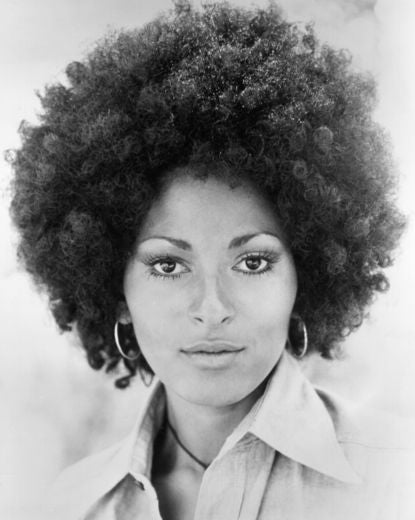
Despite centuries of erasure, Black beauty has survived through cultural pride, artistic expression, and resistance movements. The Harlem Renaissance celebrated dark skin and African aesthetics in the 1920s. The Black Power Movement of the 1960s popularized natural hair as a political statement, encapsulated in the slogan “Black is Beautiful.” Today, the natural hair movement, increased representation in media, and global celebration of melanin-rich skin continue the fight against Eurocentric definitions of beauty (Byrd & Tharps, 2014).

https://as1.ftcdn.net/jpg/01/74/54/64/1000_F_174546417_vxqxs3GKGjFHIDnNpkxrMwh0ceHPMaK8.jpg
This photograph is the property of its respective owner.
https://www.essence.com/wp-content/uploads/2010/03/images/2010/03/376521-pam_grier.jpg
This photograph is the property of its respective owner.
https://the-brown-girl-dilemma.com/wp-content/uploads/2025/08/7d6d7-12bqueen2bof2bsheba2bby2bpaul2bcollins.webp
This photograph/artwork is the property of its respective owner.
https://i.pinimg.com/1200x/ab/62/95/ab62959d7fee3669efd67362c838da82.jpg
This photograph is the property of its respective owner.

Here’s a richly diverse edge image carousel capturing the elegance and allure that embody celebrated Black beauty—portraits evoke radiance, Afrocentric grace, and timeless poise.


The World’s Most Beautiful Black Women in Entertainment.

Contemporary Global Icons:

  • Halle Berry – Arguably the most beautiful woman in the world. A timeless beauty who has mesmerized men since the 1990s, known for her short-cropped hair.
  • Nathalie Emmanuel – Known for her radiant smile and pretty face.
  • Rihanna – Her girlish charm, cafe au lait complexion, and a cosmetic company to boot, she redefines what is considered beautiful.
  • Lupita Nyong’o – Her resplendent skin and captivating natural beauty make her a standout in film.

African Royalty & Beauty Queens:

  • Anok Yai – A South Sudanese-born model whose groundbreaking achievements include opening Prada’s runway and advocating against colorism, making her one of fashion’s most influential figures. oceanonlinenews.comBeauty News
  • Zozibini Tunzi – Miss Universe 2019 from South Africa, celebrated for redefining beauty standards and representing African elegance on the global stage. Wikipedia
  • Chidinma Adetshina – Crowned Miss Universe Nigeria and first runner-up at Miss Universe 2024, her beauty and resilience inspire. Beauty News
  • Tshego Gaelae – Mrs. World 2025 winner from South Africa, blending legal expertise with beauty and leadership in her community. Wikipedia
  • Nomzamo Mbatha – South African actress and humanitarian whose radiant presence and advocacy work have made her an international beauty and cultural ambassador. top 10 on 10

Other Admirable Talents:

  • Gabrielle Union – Renowned for her consistency in beauty, charisma, and advocacy for inclusivity. Lifestyle Net Worth
  • Megalyn Echikunwoke – An actress whose elegance and authentic presence make her stand out both on-screen and off. Lifestyle Net Worth
  • Paige Hurd – Young, radiant, and charismatic, this rising star is making her mark through both talent and beauty. Lifestyle Net Worth
  • Jourdan Dunn – A groundbreaking British model recognized for her fierce runway presence and landmark modeling achievements. The Trend Spotter
  • Viola Davis – A beauty rooted in strength, emotion, and integrity, rising to monumental acclaim through soulful performances. The Trend SpotterVanity Fair

What Black Actors Say About Beauty

While direct quotes from Black actors about other Black women may not always circulate widely, the spirit of admiration is evident through actions and commendations:

  • Kenya Moore, former Miss USA, shared with students that her win helped challenge beauty norms, teaching kids the importance of intelligence, confidence, and Black beauty beyond appearance. People.com
  • Though not celebrity quotes, Leslie Jones delivered powerful commentary on Saturday Night Live, using humor to confront painful truths around Black beauty and stereotypes, highlighting the need for recognition and empathy. TIME

Summary Table: A Snapshot of Celebrated Black Beauty

NameNotability
Halle BerryIconic actress and timeless beauty
Nathalie EmmanuelRadiant presence from Game of Thrones
RihannaBeauty-plus-influence through her brands
Keke PalmerYouthful energy and natural charisma
Anok YaiRunway game-changer and inclusivity advocate
Zozibini TunziMiss Universe who redefined beauty standards
Chidinma AdetshinaNigerian queen rising beyond pageantry
Tshego GaelaeMrs. World merging beauty with accomplishment
Nomzamo MbathaActress & humanitarian with global impact
Gabrielle UnionRadiant advocate for representation
Megalyn EchikunwokeElegant and authentic on-screen presence
Paige HurdYouthful rising beauty
Jourdan DunnLegendary British model and industry trailblazer
Viola DavisDepth, beauty, and emotional authenticity

How We Reclaim Our Position as the World’s Beauty Standard

Reclaiming the crown requires three steps: cultural ownership, global visibility, and systemic change.

  1. Cultural Ownership – Embracing African features as desirable, not “different,” and rejecting beauty practices that harm natural attributes.
  2. Global Visibility – Amplifying Black beauty through fashion, film, art, and social media on a worldwide scale, without apology or dilution.
  3. Systemic Change – Fighting for anti-discrimination laws (such as the CROWN Act) that protect natural hair and skin tone diversity in schools and workplaces.

When we redefine beauty for ourselves and project it unapologetically, the world must adjust its gaze.


Conclusion

The reclamation of Black beauty is not a passing aesthetic trend—it is a restoration of historical truth. Before colonialism, African beauty standards shaped much of the ancient world, from Nubian queens to Ethiopian royalty admired for their dark skin, elaborate hairstyles, and regal presence. By understanding the origins of white beauty standards and actively rejecting them, Black people can once again stand at the center of the world’s definition of beauty—not as imitators of an imposed ideal, but as the original blueprint.

References

  • Byrd, A., & Tharps, L. L. (2014). Hair Story: Untangling the Roots of Black Hair in America. St. Martin’s Press.
  • Craig, M. L. (2002). Ain’t I a Beauty Queen? Black Women, Beauty, and the Politics of Race. Oxford University Press.
  • Hunter, M. L. (2007). The Persistent Problem of Colorism: Skin Tone, Status, and Inequality. Sociology Compass, 1(1), 237–254.
  • Russell, K., Wilson, M., & Hall, R. E. (2013). The Color Complex: The Politics of Skin Color in a New Millennium. Anchor Books.

The Ebony Dolls: Anok Yai

This photograph is the property of its respective owner. No copyright infringement intended.

Anok Yai is one of the most striking and influential models of her generation, celebrated for her regal presence, flawless dark skin, and sculptural beauty that has reshaped global fashion standards. She represents a new era in modeling where African features, deep melanin, and unapologetic Blackness are not only accepted but exalted.

Born on December 20, 1997, Anok Yai is of South Sudanese descent and was raised in the United States after her family migrated from Egypt. Her upbringing was deeply rooted in cultural pride and academic excellence, as she initially pursued higher education before entering the fashion world. Modeling was never her original plan, which makes her rise even more remarkable.

Anok was discovered in 2017 after a photo of her attending Howard University’s homecoming went viral on social media. The image, captured by a photographer and shared online, spread rapidly and caught the attention of major modeling agencies. Almost overnight, Anok became a global sensation, proving the power of organic Black beauty and digital visibility.

Shortly after being discovered, Anok signed with Next Management and made history as the second Black woman ever to open a Prada runway show, following Naomi Campbell. This debut instantly placed her among the elite ranks of high fashion and established her as a symbol of progress in an industry long criticized for racial exclusion.

Anok is known for her celestial facial symmetry, radiant ebony complexion, almond-shaped eyes, and statuesque height, which give her a goddess-like appearance both on the runway and in editorial work. Her beauty is often described as futuristic, otherworldly, and divine, embodying a visual language that feels ancestral and modern at the same time.

This photograph is the property of its respective owner. No copyright infringement intended.

Throughout her career, she has walked for and appeared in campaigns for some of the world’s most prestigious fashion houses, including Prada, Dior, Versace, Saint Laurent, Burberry, Fendi, and Givenchy. She has also graced the covers of Vogue, Harper’s Bazaar, and other major fashion publications, becoming a muse for top designers and photographers.

Anok has spoken openly about the challenges she has faced in the modeling industry, including colorism, tokenism, and mental health struggles. She has used her platform to advocate for greater representation, honesty, and protection for young Black models navigating spaces that often lack emotional support and cultural understanding.

Beyond fashion, Anok is admired for her intelligence and activism. She has expressed interest in public service and international development, once stating that she aspired to work with the United Nations before modeling. This intellectual depth adds another layer to her public image, positioning her as more than a face—she is a voice and a symbol.

Anok Yai has received widespread recognition for her impact, including being named Model of the Year by models.com and receiving multiple fashion industry honors. She is consistently ranked among the top models in the world and is considered one of the most important figures in redefining modern beauty. Anok’s impact culminated in her being named Model of the Year at the 2025 Fashion Awards held at London’s Royal Albert Hall, one of the most prestigious honors in fashion today. The accolade acknowledged not only her creative achievements but also her role in shaping the industry’s evolving identity and inclusivity.

Anok qualifies as an Ebony Doll because she embodies the highest expression of melanated Black femininity—royal, luminous, and unapologetically African. Her presence restores visibility to dark-skinned women who were historically marginalized, and her success stands as a testament to the power, elegance, and divine design of African beauty.


References

Anok Yai. Wikipedia. https://en.wikipedia.org/wiki/Anok_Yai

Euronews profile on Anok Yai career and influence.

“Anok Yai Wins Model Of The Year At The Fashion Awards.” FashionABC.org.

AOL lifestyle article on Anok Yai’s British Fashion Council Model of the Year award.

Raandoom profile of Anok Yai’s campaigns and magazine work.