Category Archives: Beauty

The Science of Black Beauty: From Biology to Cultural Expression. #thescienceofblackbeauty

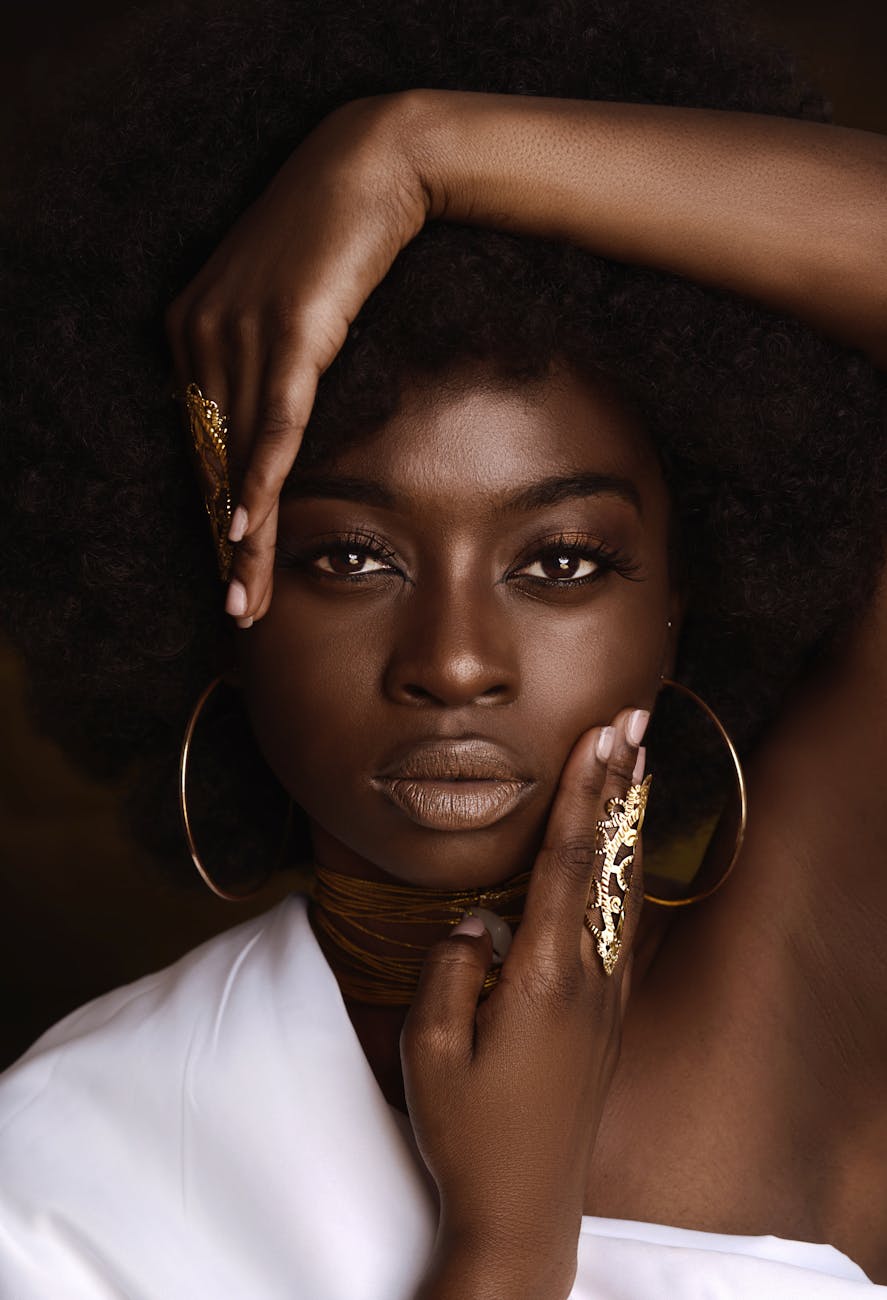
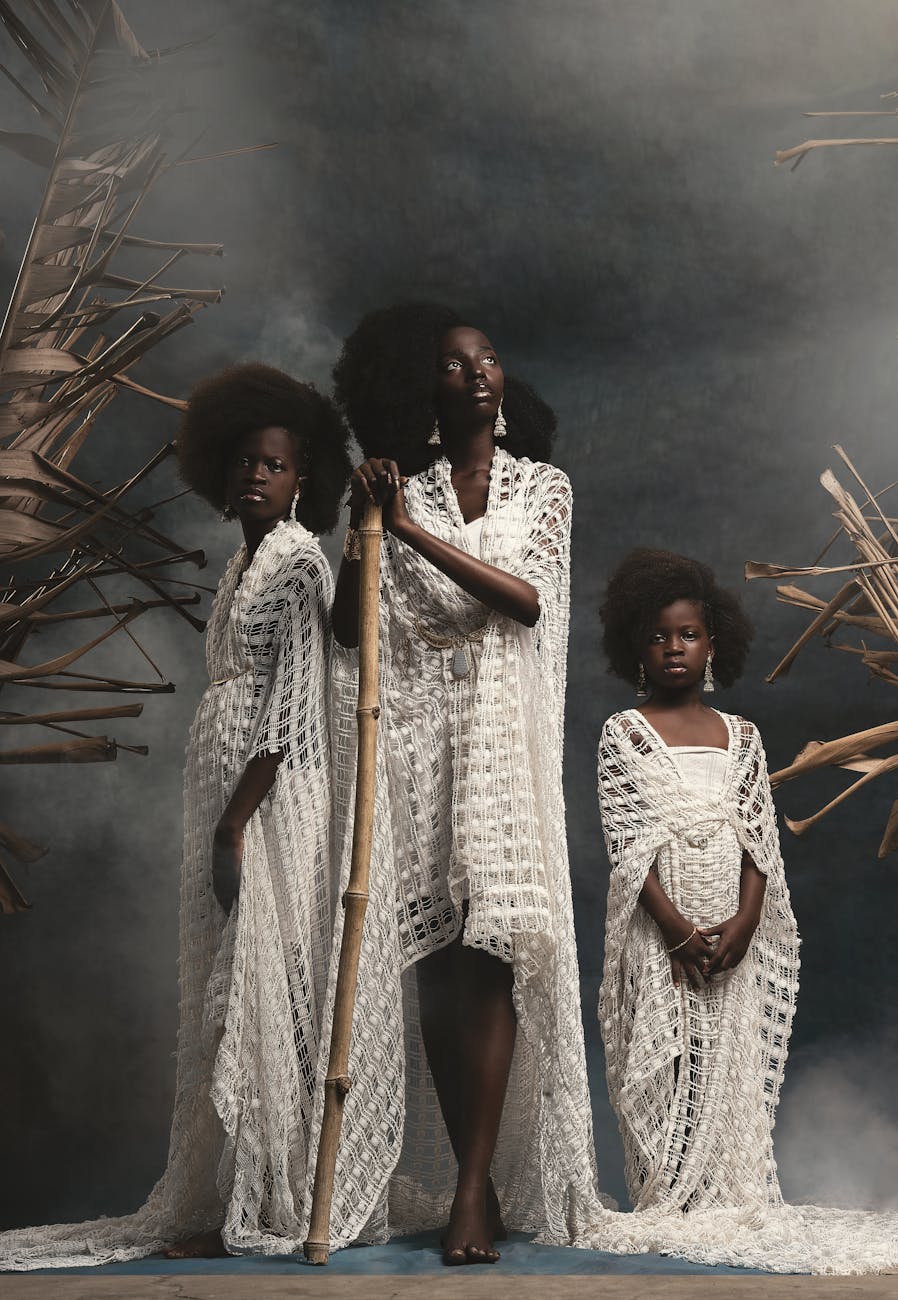
Photo by snazzy Photography on Pexels.com

Black beauty is a multifaceted phenomenon shaped by evolution, history, psychology, and cultural representation. It is both a biological inheritance and a cultural expression, a story of resilience inscribed in the body and articulated through identity and artistry. To examine the science of Black beauty is to recognize how biology and culture work together to produce a radiance that has endured despite systemic erasure and oppression.

From a biological standpoint, the features associated with African ancestry are the products of adaptation and survival. Melanin-rich skin evolved to protect against harmful ultraviolet rays, preserving essential nutrients like folate while allowing for sufficient vitamin D synthesis (Jablonski & Chaplin, 2010). Similarly, tightly coiled hair acts as a natural regulator, shielding the scalp from heat while allowing airflow for cooling (Robins, 2009). These traits, often marginalized in Western standards, reflect evolutionary brilliance and resilience.

Facial diversity within African-descended populations further illustrates this complexity. Broader nasal passages facilitate air regulation in warmer climates, while fuller lips and diverse bone structures reveal the genetic depth of African populations, which are the most genetically varied in the world (Tishkoff et al., 2009). This diversity highlights that Black beauty cannot be confined to a single standard, but instead exists as a spectrum of biological expressions foundational to humanity itself.

Psychology, however, reveals how beauty is experienced and judged in society. For centuries, Eurocentric standards have distorted perceptions of beauty, leading to colorism, hair discrimination, and internalized racism within Black communities (Hunter, 2007). Such biases caused lasting psychological harm, shaping how individuals viewed themselves. Yet movements such as “Black is Beautiful” and the natural hair renaissance have countered these narratives, reframing beauty as pride in melanin, hair texture, and African aesthetics (Byrd & Tharps, 2014).

Cultural representation plays a powerful role in this redefinition. Historically, Black people were excluded from mainstream beauty imagery or depicted through degrading stereotypes. Icons like Cicely Tyson and Angela Davis challenged these norms by embracing natural hair and Afrocentric styles that carried political meaning. In the 21st century, Lupita Nyong’o and Rihanna’s Fenty Beauty expanded global beauty standards, affirming darker skin tones and inclusive cosmetics as worthy of admiration (Tate, 2009). Representation thus shifts beauty from marginalization to empowerment.

Historically, beauty within Black communities has also functioned as survival and resistance. Enslaved Africans braided hair not only as an aesthetic practice but also as a means of preserving cultural memory and transmitting coded messages for liberation (Byrd & Tharps, 2014). In these contexts, beauty was never superficial but deeply tied to resilience, dignity, and the struggle for freedom. This historical reality underscores how Black beauty is inseparable from cultural expression and survival.

Spiritually, beauty is defined by values deeper than the physical. Biblical scripture emphasizes inner beauty: “Whose adorning let it not be that outward adorning… but the hidden man of the heart” (1 Peter 3:3–4, KJV). For Black people, whose beauty was historically devalued, spiritual strength and inner radiance provided a foundation for self-worth and endurance. Thus, Black beauty extends beyond the surface, embodying faith, character, and the divine imprint of creation.

In conclusion, the science of Black beauty reveals it as both biological and cultural. Evolution crafted traits that ensured survival, while cultural expression transformed those traits into symbols of pride, identity, and resistance. From biology to psychology, from history to spirituality, Black beauty reflects resilience and radiance. It is a testimony not only to adaptation but also to the enduring power of a people who continue to shape global definitions of what it means to be beautiful.


References

  • Byrd, A., & Tharps, L. (2014). Hair story: Untangling the roots of Black hair in America. St. Martin’s Press.
  • Hunter, M. (2007). The persistent problem of colorism: Skin tone, status, and inequality. Sociology Compass, 1(1), 237–254.
  • Jablonski, N. G., & Chaplin, G. (2010). Human skin pigmentation as an adaptation to UV radiation. Proceedings of the National Academy of Sciences, 107(Suppl 2), 8962–8968.
  • Robins, A. H. (2009). Biological perspectives on human pigmentation. Cambridge University Press.
  • Tate, S. A. (2009). Black beauty: Aesthetics, stylization, politics. Ashgate.
  • Tishkoff, S. A., et al. (2009). The genetic structure and history of Africans and African Americans. Science, 324(5930), 1035–1044.
The Cost of Beauty in a Brown Body. #TheBrownGirlDilemma

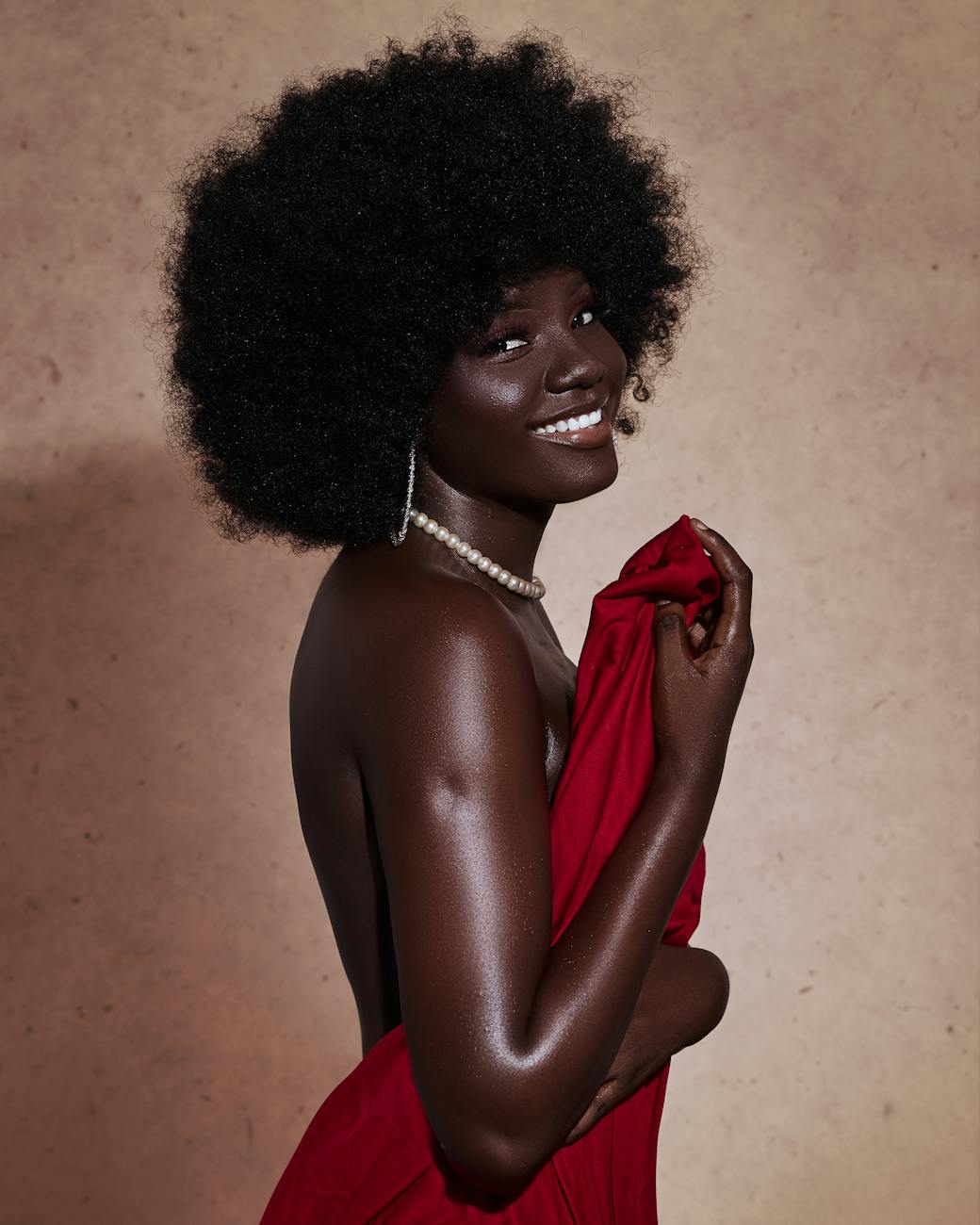
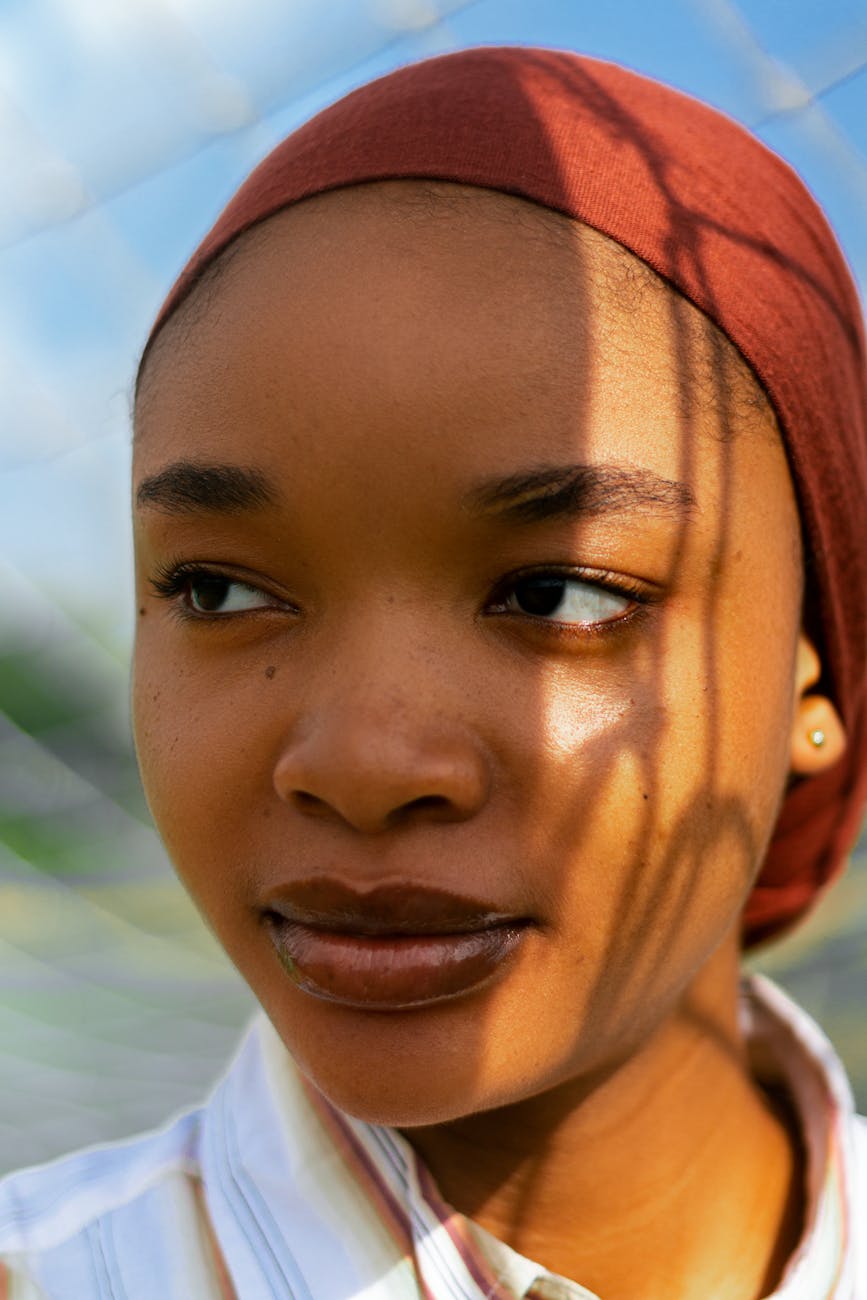
Photo by Ray Kamena on Pexels.com

For Brown girls, beauty is a double-edged sword. While admired for its uniqueness, it often comes with a price—a cost dictated by society’s biased standards, historical oppression, and internalized hierarchies of skin tone. To inhabit a Brown body is to navigate admiration and marginalization simultaneously. Beauty becomes not only a source of pride but also a measure by which judgment, expectation, and limitation are applied.

Historically, the beauty of Black and Brown women has been shaped and constrained by colonialism, slavery, and colorism. Lighter-skinned women were often privileged, both socially and economically, while darker-skinned women were devalued or overlooked (Hunter, 2007). Even today, media representation favors fairer skin tones, subtly signaling that beauty is conditional. Brown girls inherit these standards and are taught, often unconsciously, that their worth is tied to their ability to conform to narrow ideals of attractiveness.

Psychologically, this burden manifests in multiple ways. Colorism and appearance-based discrimination can lower self-esteem, foster anxiety, and contribute to body dissatisfaction (Keith & Herring, 1991). Brown girls may internalize the notion that their natural features—curly hair, darker skin, fuller lips—are obstacles to acceptance, causing them to expend time, money, and energy attempting to align with socially sanctioned beauty ideals. The cost of beauty, therefore, is not simply cosmetic; it is emotional, mental, and relational.

The Bible, however, offers a radical redefinition of beauty. “Charm is deceitful, and beauty is vain: but a woman that feareth the Lord, she shall be praised” (Proverbs 31:30, KJV). True beauty, scripture asserts, is measured by character, virtue, and godly fear—not complexion or features. For Brown girls, embracing this biblical standard becomes a form of resistance against society’s shallow metrics. Their worth is divinely ordained, independent of external validation.

Yet, navigating the social cost of beauty is unavoidable. Brown girls often encounter fetishization, exoticization, or sexualized attention that commodifies their bodies. They may face scrutiny in professional spaces where their appearance is judged more harshly than competence. In relationships, they can confront bias or preference that favors lighter skin, reflecting lingering legacies of racism and colonialism. In every context, the Brown body becomes both celebrated and policed.

Despite these challenges, Brown girls are cultivating empowerment. Movements like natural hair pride, melanin positivity campaigns, and cultural affirmation initiatives teach girls to reclaim their bodies as sources of strength rather than shame. Psychologists note that embracing one’s authentic appearance strengthens self-esteem, fosters resilience, and reduces vulnerability to external biases (Neff, 2011). By redefining beauty on their own terms, Brown girls resist societal prescriptions while creating new norms of acceptance.

Families and communities play a pivotal role in mitigating the cost of beauty. When parents, mentors, and churches affirm the value of natural features and melanin-rich skin, they help Brown girls internalize messages of self-worth. Psalm 139:14 (KJV) reminds us, “I will praise thee; for I am fearfully and wonderfully made: marvellous are thy works; and that my soul knoweth right well.” Spiritual and cultural affirmation provides protection against the subtle violence of societal standards.

Tips for Beauty in a Brown Body

  1. Embrace Your Skin Tone
    • Celebrate your melanin. Know that your skin is beautiful, radiant, and historically significant. Affirm yourself daily with positive statements.
  2. Care for Your Hair Naturally
    • Learn to love and maintain your natural hair texture. Protective styles, natural oils, and gentle care honor your roots and cultural heritage.
  3. Practice Self-Love and Confidence
    • Stand tall in your body. Confidence is magnetic. Avoid comparing yourself to Eurocentric beauty standards.
  4. Set Healthy Boundaries
    • Protect your energy in relationships, social media, and environments where your worth might be questioned or undermined.
  5. Educate Yourself on Colorism
    • Understand historical and modern colorism. Awareness empowers you to challenge biases and make informed choices.
  6. Choose Affirming Communities
    • Surround yourself with people who celebrate you—friends, mentors, and spaces that uplift rather than criticize your natural beauty.
  7. Wear What Makes You Feel Powerful
    • Fashion and style are forms of self-expression. Choose clothing, accessories, and makeup that reflect your personality and culture.
  8. Prioritize Mental Health
    • Seek therapy, journaling, or spiritual guidance to process colorism, trauma, or societal pressures. Emotional wellness strengthens your resilience.
  9. Celebrate Your Cultural Heritage
    • Learn your history, traditions, and ancestry. Cultural pride reinforces self-worth and connects you to a legacy of resilience.
  10. Use Your Voice
    • Speak out against discrimination, colorism, or microaggressions. Advocacy and dialogue can empower you and others around you.
  11. Focus on Spiritual Growth
    • For faith-centered Brown girls, prayer, scripture, and spiritual reflection provide grounding, purpose, and confidence in your identity.
  12. Practice Gratitude for Your Body
    • Your body is a vessel for life, creativity, and experience. Honor it through healthy food, exercise, rest, and positive affirmations.

Ultimately, the cost of beauty in a Brown body is high, but it is not insurmountable. Brown girls learn to navigate admiration and bias, to protect their hearts while embracing their appearance, and to define beauty on their own terms. Through psychological resilience, spiritual grounding, and community support, the Brown body becomes not a burden to bear but a crown to celebrate—a testament to survival, legacy, and divine design.


References

  • Hunter, M. (2007). The persistent problem of colorism: Skin tone, status, and inequality. Sociology Compass, 1(1), 237–254.
  • Keith, V., & Herring, C. (1991). Skin tone and stratification in the Black community. American Journal of Sociology, 97(3), 760–778.
  • Neff, K. D. (2011). Self-compassion: The proven power of being kind to yourself. HarperCollins.
  • The Holy Bible, King James Version.

Beauty, Burden, and Brown Skin: The Weight of Being Seen. #thebrowngirldilemma

Photo by TRIPLE LENS PHOTOGRAPHY on Pexels.com

For Brown girls, beauty is never a neutral experience. It is both a gift and a burden, a source of pride and pain, a reflection of cultural richness but also a reminder of society’s skewed lens. To be seen as a Brown girl is to live at the intersection of visibility and invisibility—noticed for one’s appearance yet often unseen for one’s humanity. This duality forms one of the heaviest weights carried by women of color: the struggle of being defined more by skin tone than by character.

Historically, the beauty of Brown women was distorted through slavery, colonialism, and colorism. Enslaved women were simultaneously exploited for their bodies and devalued as “less beautiful” compared to White women or lighter-skinned counterparts. This legacy persists today. In media, advertisements, and even dating culture, lighter skin often remains the celebrated standard, leaving darker-skinned women to fight for validation. The result is that beauty for Brown girls often comes with unspoken conditions—accepted only if it fits within narrow, Eurocentric frameworks.

The Bible reminds us that true beauty is never defined by skin, hair, or external adornment but by the inner spirit. “Whose adorning let it not be that outward adorning of plaiting the hair, and of wearing of gold, or of putting on of apparel; But let it be the hidden man of the heart, in that which is not corruptible, even the ornament of a meek and quiet spirit, which is in the sight of God of great price” (1 Peter 3:3–4, KJV). For Brown girls, this scripture serves as both comfort and resistance—it affirms that their worth is not contingent upon external validation but upon the divine imprint within.

Psychology helps explain the toll of being hyper-visible yet undervalued. Studies on racialized beauty standards reveal that colorism can erode self-esteem and contribute to depression and anxiety (Keith & Monroe, 2016). When society constantly communicates that lighter skin is preferable, darker-skinned women internalize messages of inadequacy. This psychological burden often begins in childhood, when young girls are teased for their complexion, and extends into adulthood in areas such as employment, dating, and representation.

At the same time, the weight of being seen also generates strength. Brown girls have historically resisted narrow beauty ideals by embracing their natural features—whether through the natural hair movement, melanin pride campaigns, or simply rejecting bleaching products marketed to them. This resilience reflects what psychologists describe as “collective identity affirmation,” the process by which marginalized groups draw strength from shared experiences of struggle and pride (Sellers et al., 1998). For many Brown women, their skin becomes not just a marker of difference but a source of solidarity.

Still, the burden of beauty cannot be ignored. Brown girls often walk into rooms knowing they will be judged before they speak. They navigate workspaces where professionalism is measured against Eurocentric hair textures, and relationships where desirability is filtered through centuries-old biases. The weight is constant: to prove that their beauty is not a liability, to show that their skin is not an obstacle but a testament to survival and resilience.

The challenge for families, churches, and communities is to create counter-narratives that affirm beauty without conditions. Romans 8:37 reminds us, “Nay, in all these things we are more than conquerors through him that loved us” (KJV). For Brown girls, this verse is a reminder that no societal gaze can diminish their divine worth. Healing begins when families affirm dark skin as beautiful, when men honor it without comparison, and when Brown girls themselves embrace their skin not as a burden but as a crown.

Ultimately, beauty for Brown girls will always carry weight—but it can be transformed from a burden into a banner. By rejecting society’s shallow standards and embracing the beauty God already placed within, Brown women redefine what it means to be seen. Their presence becomes a testimony that true beauty does not ask permission to exist—it commands recognition, dignity, and love.


References

  • The Holy Bible, King James Version.
  • Keith, V. M., & Monroe, C. R. (2016). Histories of colorism and its psychological impact on African American women. Gender & Society, 30(2), 184–206.
  • Sellers, R. M., Smith, M. A., Shelton, J. N., Rowley, S. A., & Chavous, T. M. (1998). Multidimensional model of racial identity: A reconceptualization of African American racial identity. Personality and Social Psychology Review, 2(1), 18–39.

The Golden Ratio of Melanin: The Science of Black Beauty. #thescienceofblackbeauty

Photo by Iyke Ibeh on Pexels.com

Black beauty is a concept far deeper than surface appearance. It is the convergence of science, history, and spirit, revealing how genetics, cultural expression, and aesthetic principles work together to create radiance. To speak of the “golden ratio of melanin” is to acknowledge that Black beauty embodies symmetry, biological adaptation, and cultural meaning. This essay explores the anatomy of Black beauty through genetics, symmetry, cultural aesthetics, and identity, uncovering the scientific and symbolic foundations of its radiance.

Evolutionary Foundations of Black Beauty

The human body is a record of adaptation, and African-descended peoples carry evolutionary traits that reflect millennia of survival in diverse climates. Deeply pigmented skin, rich in eumelanin, developed as protection against ultraviolet radiation, safeguarding folate and reproductive health while allowing adequate vitamin D synthesis (Jablonski & Chaplin, 2010). This evolutionary brilliance demonstrates that beauty is inseparable from function and survival.

The Science of Melanin

Melanin, the pigment responsible for skin, hair, and eye color, holds both biological and symbolic power. Biologically, it provides a shield against UV damage and oxidative stress. Symbolically, it has become a marker of identity and pride, as phrases such as “melanin magic” reclaim the beauty once devalued by colonial systems. The “golden ratio of melanin” metaphorically expresses the balance between biological adaptation and aesthetic radiance embedded in Black bodies.

Facial Symmetry and Aesthetics

Scientific studies show that facial symmetry often influences perceptions of beauty (Little et al., 2011). Yet Black beauty complicates this narrative. While symmetry is biologically associated with health and reproductive fitness, the diversity of African facial structures—from high cheekbones to broad noses—illustrates that beauty cannot be reduced to symmetry alone. The unique harmony of features within African-descended populations reflects both genetic depth and aesthetic variety beyond Eurocentric measures.

Genetics and Diversity

Africa is the most genetically diverse continent, containing the origins of humanity itself (Tishkoff et al., 2009). This genetic variation produces an extraordinary range of phenotypes: skin tones from deep ebony to golden bronze, hair textures from tightly coiled to wavy, and eye colors that include rare shades of amber or green. Such diversity underscores that Black beauty is not singular but multifaceted, shaped by genetic inheritance and expressed across continents and diasporas.

The Psychology of Black Beauty

The psychology of beauty is inseparable from systems of power. For centuries, Eurocentric ideals defined beauty in ways that excluded African features, leading to internalized racism and colorism within Black communities (Hunter, 2007). Yet psychological resilience emerged through cultural movements that reframed beauty. From the “Black is Beautiful” movement to today’s natural hair renaissance, psychology demonstrates that Black beauty is not merely seen but also consciously reclaimed as self-affirmation.

The Cultural Expression of Beauty

Culture shapes how beauty is performed and perceived. Hairstyles, adornment, and fashion within African and diasporic traditions are more than aesthetic—they are carriers of memory, resistance, and identity. Cornrows, locs, and Afro hairstyles, once stigmatized, now stand as global fashion statements while retaining cultural significance (Byrd & Tharps, 2014). Thus, Black beauty is not static but evolves with cultural shifts, asserting both individuality and community.

Historical Erasure and Resistance

Colonialism and slavery systematically devalued Black beauty, portraying African features as inferior while elevating Eurocentric standards. Enslaved Africans were stripped of adornments yet found ways to preserve identity, such as braiding hair with hidden codes for survival. This history demonstrates that beauty was never trivial but a form of cultural survival and resistance against dehumanization.

Representation and Media

Representation in media profoundly influences global perceptions of beauty. For much of history, darker skin and African features were either excluded or caricatured. Yet figures like Cicely Tyson, Naomi Campbell, and Lupita Nyong’o have redefined representation, bringing diverse expressions of Black beauty to global platforms (Craig, 2006). Rihanna’s Fenty Beauty further revolutionized the cosmetics industry by centering inclusivity, making darker shades visible and celebrated in ways previously unseen.

The Aesthetics of Proportion

The “golden ratio,” a mathematical principle often associated with ideal beauty, raises questions about universal aesthetics. While some studies suggest that facial proportions linked to the golden ratio are perceived as attractive, such measures often privilege European features (Pallett et al., 2010). Black beauty challenges and expands this framework, demonstrating that harmony and proportion can be expressed in multiple ways that transcend narrow mathematical formulas.

Identity and Self-Perception

Beauty is inseparable from identity. For Black people, affirming beauty has long been an act of self-definition against imposed inferiority. Identity formation involves embracing melanin, natural features, and cultural aesthetics as sources of pride rather than shame. This reclamation is both personal and collective, as communities cultivate beauty standards that reflect African heritage rather than colonial imposition.

Spiritual Dimensions of Beauty

Scripture affirms that true beauty is rooted in spirit rather than external adornment: “Whose adorning let it not be that outward adorning… but the hidden man of the heart” (1 Peter 3:3–4, KJV). For Black communities, whose external beauty was historically denied, spiritual beauty became a foundation of dignity and resilience. Thus, Black beauty radiates not only through skin and hair but through faith, endurance, and inner strength.

Global Influence of Black Aesthetics

Today, Black aesthetics shape global culture in profound ways. From hip-hop fashion to Afrocentric hairstyles on runways, African-descended styles influence mainstream trends worldwide. Yet appropriation remains a challenge, as Black cultural expression is often commodified without honoring its origins (Patton, 2006). Despite this, the global admiration of Black beauty underscores its undeniable power to shape aesthetics on a universal scale.

Resilience as Radiance

At its core, Black beauty is radiant because it has endured. It has survived slavery, colonialism, and systemic erasure, yet continues to redefine standards on its own terms. This resilience transforms beauty from mere appearance into testimony. Black beauty is not fragile—it is forged in fire, radiant because it resisted dehumanization and emerged with power intact.

Conclusion

The anatomy of Black beauty encompasses genetics, symmetry, and identity, but extends beyond science into culture, psychology, and spirit. It is the golden ratio of melanin: a perfect balance of biological brilliance, cultural resistance, and aesthetic radiance. To study the science of Black beauty is to affirm that it is foundational to humanity, diverse in expression, and sacred in meaning. Black beauty is not just seen—it is lived, survived, and celebrated as resilience made radiant.


References

  • Byrd, A., & Tharps, L. (2014). Hair story: Untangling the roots of Black hair in America. St. Martin’s Press.
  • Craig, M. L. (2006). Race, beauty, and the tangled knot of a guilty pleasure. Feminist Theory, 7(2), 159–177.
  • Hunter, M. (2007). The persistent problem of colorism: Skin tone, status, and inequality. Sociology Compass, 1(1), 237–254.
  • Jablonski, N. G., & Chaplin, G. (2010). Human skin pigmentation as an adaptation to UV radiation. Proceedings of the National Academy of Sciences, 107(Suppl 2), 8962–8968.
  • Little, A. C., Jones, B. C., & DeBruine, L. M. (2011). Facial attractiveness: Evolutionary based research. Philosophical Transactions of the Royal Society B: Biological Sciences, 366(1571), 1638–1659.
  • Pallett, P. M., Link, S., & Lee, K. (2010). New “golden” ratios for facial beauty. Vision Research, 50(2), 149–154.
  • Patton, T. O. (2006). Hey girl, am I more than my hair? African American women and their struggles with beauty, body image, and hair. NWSA Journal, 18(2), 24–51.
  • Robins, A. H. (2009). Biological perspectives on human pigmentation. Cambridge University Press.
  • Tishkoff, S. A., et al. (2009). The genetic structure and history of Africans and African Americans. Science, 324(5930), 1035–1044.
Unveiling Radiance: The Science Behind Black Beauty. #thescienccofblackbeauty

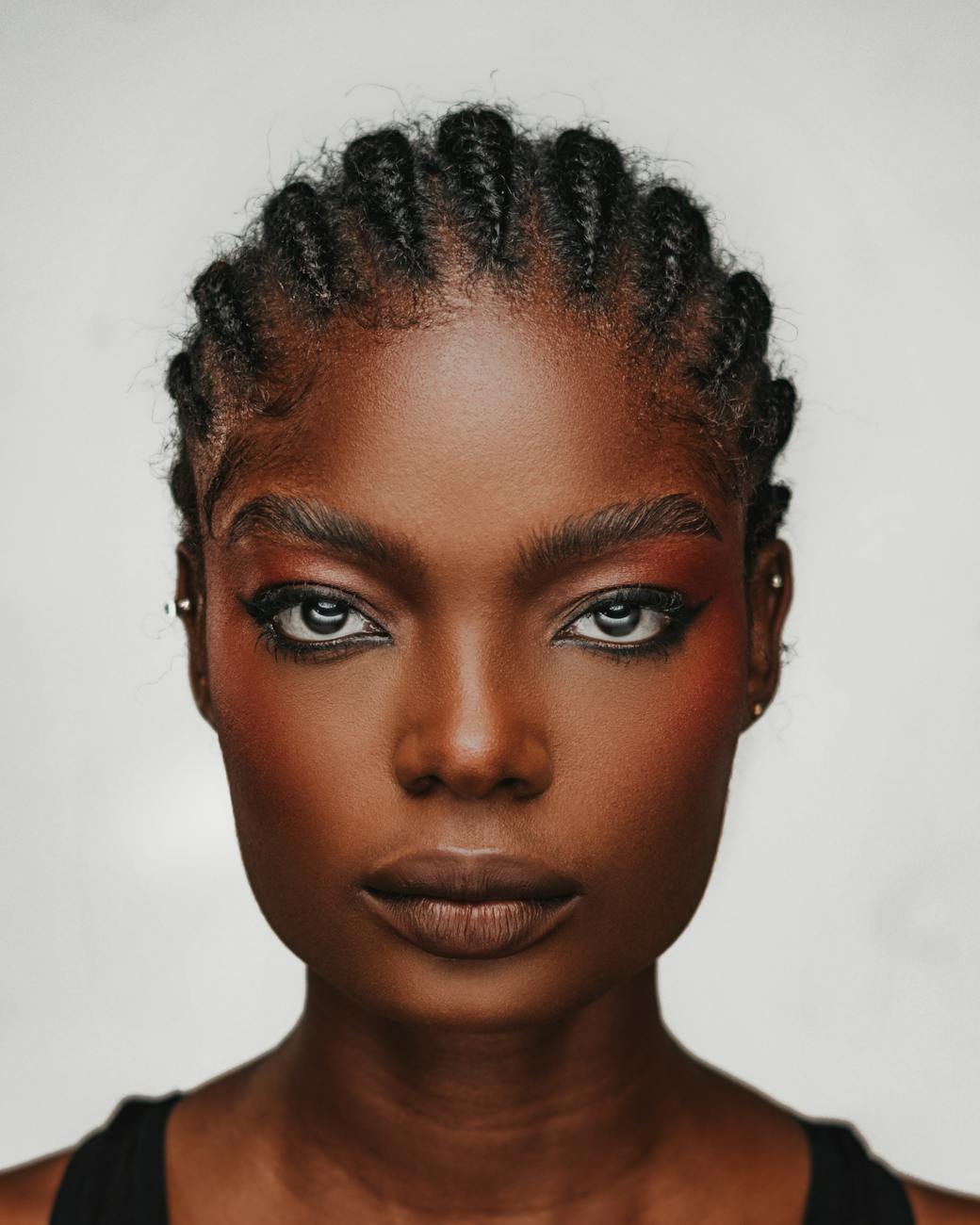
Photo by 3Motional Studio on Pexels.com

Black beauty is a phenomenon that transcends aesthetics, reaching into the realms of biology, psychology, culture, and spirituality. To unveil its radiance is to uncover the evolutionary genius of African traits, the resilience of a people who have endured systemic oppression, and the redefinition of beauty as an act of resistance. Far from being superficial, Black beauty embodies survival, identity, and the sacred dignity of heritage.

From a biological perspective, the features most associated with Black beauty—melanin-rich skin, coiled hair textures, and distinctive facial structures—carry deep evolutionary significance. Dark skin, rich in eumelanin, evolved as protection against harmful ultraviolet rays, while preserving vital nutrients like folate necessary for reproduction (Jablonski & Chaplin, 2010). Similarly, coiled hair functions as a natural insulator, protecting the scalp from heat while aiding in cooling, a design of resilience rooted in Africa’s climate (Robins, 2009). These features reveal that beauty is more than appearance—it is a story of adaptation and survival.

Psychology offers another lens into Black beauty. For centuries, Eurocentric ideals distorted global standards, leading to colorism and the devaluation of African features (Hunter, 2007). Internalized racism caused many to struggle with self-esteem, as seen in studies where Black children favored white dolls over Black dolls. Yet resilience emerged through movements such as “Black is Beautiful,” which reshaped psychological frameworks by affirming melanin, natural hair, and cultural aesthetics (Byrd & Tharps, 2014). In this way, beauty became a psychological anchor of identity and empowerment.

Culturally, representation plays a powerful role in shaping perceptions of beauty. Historically, Black women and men were excluded from mainstream imagery or reduced to stereotypes. However, pioneers like Cicely Tyson and Angela Davis disrupted these patterns by embracing natural styles that carried political meaning. In the modern era, global icons such as Lupita Nyong’o and Rihanna’s Fenty Beauty have expanded definitions of beauty, affirming darker complexions and diverse aesthetics as not only acceptable but aspirational (Tate, 2009). Representation thus transforms beauty from exclusion to celebration.

Black beauty is also inseparable from the politics of survival. During slavery, African women braided hair not only for style but also as cultural memory and, at times, as coded maps for escape (Byrd & Tharps, 2014). Beauty, in this context, was not frivolous but functional, a tool of survival and cultural preservation. This historical resilience underscores that beauty for Black communities is never just cosmetic—it is intertwined with dignity, memory, and liberation.

Spiritually, beauty is rooted in values deeper than appearance. The Bible teaches that true beauty lies within: “Whose adorning let it not be that outward adorning…but the hidden man of the heart” (1 Peter 3:3–4, KJV). For Black people, whose external beauty was often devalued by oppressive systems, inner radiance and spiritual strength became central to survival. Thus, Black beauty is not only seen in skin and hair, but also in character, resilience, and unwavering faith.

In contemporary society, Black aesthetics influence global fashion, music, and art. From natural hairstyles to melanin-positive campaigns, African-descended communities are reclaiming and redefining beauty on their own terms. Yet challenges remain, as colorism and Eurocentric bias persist in media and industries (Patton, 2006). Still, the global celebration of melanin and the mainstreaming of diverse beauty standards signal progress toward broader acceptance.

Ultimately, the science behind Black beauty reveals a truth greater than aesthetics: beauty is resilience, adaptation, and radiance born of struggle and survival. It is biological brilliance, psychological strength, cultural memory, and spiritual dignity combined. To unveil this radiance is to affirm that Black beauty is not only valid—it is foundational to humanity, a sacred testimony to the power of survival, identity, and divine design.


References

  • Byrd, A., & Tharps, L. (2014). Hair story: Untangling the roots of Black hair in America. St. Martin’s Press.
  • Hunter, M. (2007). The persistent problem of colorism: Skin tone, status, and inequality. Sociology Compass, 1(1), 237–254.
  • Jablonski, N. G., & Chaplin, G. (2010). Human skin pigmentation as an adaptation to UV radiation. Proceedings of the National Academy of Sciences, 107(Suppl 2), 8962–8968.
  • Patton, T. O. (2006). Hey girl, am I more than my hair? African American women and their struggles with beauty, body image, and hair. NWSA Journal, 18(2), 24–51.
  • Robins, A. H. (2009). Biological perspectives on human pigmentation. Cambridge University Press.
  • Tate, S. A. (2009). Black beauty: Aesthetics, stylization, politics. Ashgate.

Resilience and Radiance: The Science of Black Beauty. #thescienceofblackbeauty

Photo by jim nyamao on Pexels.com

The beauty of people of African descent has long been both celebrated and contested, occupying a complex intersection of biology, culture, and politics. Black beauty is not simply a matter of outward appearance, but a profound embodiment of resilience, history, and spiritual depth. It reflects evolutionary intelligence, psychological endurance, and cultural resistance. Understanding the “science of Black beauty” requires examining its genetic foundations, the psychology of beauty perception, the historical weight of colonialism and slavery, and the spiritual dimension that has sustained Black people across centuries. In this sense, Black beauty radiates not only from the body, but also from the survival of a people who have redefined beauty against all odds.


Evolutionary and Biological Foundations of Black Beauty

Human variation is shaped by adaptation, and the physical features commonly associated with African ancestry bear witness to millennia of survival in diverse ecological environments. Skin pigmentation is one of the most visible markers. Deeply pigmented skin, rich in eumelanin, developed as an evolutionary shield against ultraviolet (UV) radiation. This adaptation protected folate—essential for reproduction and fetal development—while still permitting sufficient vitamin D synthesis near the equator (Jablonski & Chaplin, 2010). Thus, the very darkness of African skin is not only an aesthetic trait but also a marker of evolutionary fitness and resilience.

Hair texture provides another example of adaptation. Afro-textured hair, with its tightly coiled structure, plays a thermoregulatory role, shielding the scalp from intense sunlight while allowing airflow to cool the head (Robins, 2009). This unique adaptation highlights the functionality and beauty embedded within African biology. Similarly, fuller lips, broader noses, and other phenotypic features often stigmatized under Eurocentric ideals were evolutionary responses to environment and climate, rather than biological deficiencies.

Genetics further demonstrates the diversity within African-descended populations. Africa possesses the greatest genetic variation of any continent, meaning that Black beauty cannot be reduced to a monolith but must be understood as a spectrum of phenotypes, from ebony to bronze skin tones, from tightly coiled to loosely curled hair textures (Tishkoff et al., 2009). This genetic diversity underscores that Black beauty is vast, multifaceted, and scientifically foundational to humanity itself.


The Psychology of Black Beauty and Self-Perception

While biology provides the framework, psychology reveals how beauty is experienced and valued. For centuries, Eurocentric beauty standards have dominated the global imagination, leading to colorism and internalized oppression within Black communities (Hunter, 2007). Skin tone hierarchies, hair texture bias, and the devaluation of African features created psychological scars that persist today.

Psychological studies show that exposure to Eurocentric ideals negatively impacts self-esteem among Black girls and women, often leading to increased anxiety, depression, and identity struggles (Thompson & Keith, 2001). The infamous “doll test” conducted by Kenneth and Mamie Clark in the 1940s revealed that Black children preferred white dolls over Black dolls, associating whiteness with goodness and beauty while internalizing negative views of their own Blackness.

Yet psychology also highlights resilience. The “Black is Beautiful” movement of the 1960s was a revolutionary act of cognitive reframing, challenging dominant standards and affirming Black self-worth (Byrd & Tharps, 2014). Today, the natural hair movement, the rise of melanin pride campaigns, and the increasing visibility of dark-skinned models and actresses reflect an ongoing psychological resistance to internalized colonial narratives. These cultural shifts affirm that Black beauty is not fragile—it is resilient, continuously redefining itself in ways that nurture self-love and communal pride.


Cultural Representation and the Politics of Beauty

Beauty is never neutral; it is political. For centuries, the exclusion of Black women and men from mainstream beauty standards reinforced structures of racial hierarchy. Dark skin was demonized, kinky hair was stigmatized, and African facial features were caricatured or erased from media representation. When Black bodies did appear in art, literature, or film, they were often exoticized, fetishized, or portrayed as subhuman.

This exclusion was not accidental but deeply rooted in colonial projects that sought to dehumanize African people while upholding whiteness as the pinnacle of beauty and civilization (Craig, 2006). In this context, to affirm Black beauty was to resist systemic erasure. Icons such as Nina Simone, Angela Davis, and Cicely Tyson redefined beauty through their unapologetic embrace of natural hair and African aesthetics, disrupting dominant cultural narratives.

In contemporary culture, representation has expanded. Lupita Nyong’o’s global influence as a dark-skinned actress and advocate for young Black girls challenges colorism. Rihanna’s Fenty Beauty brand revolutionized the cosmetics industry by offering foundation shades across the spectrum of skin tones, addressing the long-standing exclusion of darker complexions (Tate, 2009). These shifts reveal that beauty is not just personal—it is structural, reshaping industries and social perceptions.


Spiritual and Historical Dimensions of Black Beauty

Beyond biology and psychology, Black beauty possesses a spiritual and historical dimension. The transatlantic slave trade, colonialism, and systemic racism sought to strip African people of dignity, yet inner beauty and resilience endured. Enslaved women, denied adornments or agency, still braided hair in intricate styles that carried cultural meaning and even mapped escape routes (Byrd & Tharps, 2014). Beauty became an act of survival, a hidden language of strength.

The Bible, too, speaks of beauty in terms deeper than physical appearance. “Whose adorning let it not be that outward adorning of plaiting the hair, and of wearing of gold… but let it be the hidden man of the heart” (1 Peter 3:3–4, KJV). This verse affirms that true beauty is rooted in spirit, dignity, and virtue rather than external adornment. For Black communities, beauty has always transcended surface features—it is found in resilience, faith, and the radiance of survival through centuries of oppression.


Resilience and Radiance in the Modern Era

Today, Black beauty radiates globally, shaping fashion, music, film, and art. Afrocentric hairstyles influence global trends, African skin tones are celebrated on runways, and hip-hop culture redefines aesthetics worldwide. Yet challenges remain: colorism, Eurocentric bias in corporate beauty industries, and the commodification of Black aesthetics without proper respect for Black creators (Patton, 2006).

Nevertheless, Black beauty continues to redefine itself as a site of resistance and radiance. It is a reminder that beauty is not static but evolving, deeply intertwined with survival and identity. In both science and spirit, Black beauty testifies to the resilience of a people who refused to be erased, radiating strength that shines across generations.


Conclusion

The science of Black beauty demonstrates that it is both biological and transcendent. Evolutionary biology reveals its brilliance in adaptation. Psychology uncovers both the wounds of imposed Eurocentric standards and the resilience of self-love movements. Culture illustrates the politics of representation and the revolutionary act of embracing melanin and natural aesthetics. Spiritually, Black beauty is inseparable from dignity, survival, and divine worth.

In this light, Black beauty is not fragile—it is radiant because it endured. It is resilience written into skin, hair, and spirit. It is science fused with history, and history fused with faith. Black beauty is not merely seen; it is survived, celebrated, and sacred.


References

  • Byrd, A., & Tharps, L. (2014). Hair story: Untangling the roots of Black hair in America. St. Martin’s Press.
  • Craig, M. L. (2006). Race, beauty, and the tangled knot of a guilty pleasure. Feminist Theory, 7(2), 159–177.
  • Hunter, M. (2007). The persistent problem of colorism: Skin tone, status, and inequality. Sociology Compass, 1(1), 237–254.
  • Jablonski, N. G., & Chaplin, G. (2010). Human skin pigmentation as an adaptation to UV radiation. Proceedings of the National Academy of Sciences, 107(Suppl 2), 8962–8968.
  • Patton, T. O. (2006). Hey girl, am I more than my hair? African American women and their struggles with beauty, body image, and hair. NWSA Journal, 18(2), 24–51.
  • Robins, A. H. (2009). Biological perspectives on human pigmentation. Cambridge University Press.
  • Tate, S. A. (2009). Black beauty: Aesthetics, stylization, politics. Ashgate.
  • Thompson, M. S., & Keith, V. M. (2001). The Blacker the berry: Gender, skin tone, self-esteem, and self-efficacy. Gender & Society, 15(3), 336–357.
  • Tishkoff, S. A., et al. (2009). The genetic structure and history of Africans and African Americans. Science, 324(5930), 1035–1044.
The Science of Black Beauty: Evolution, Psychology, and Representation.

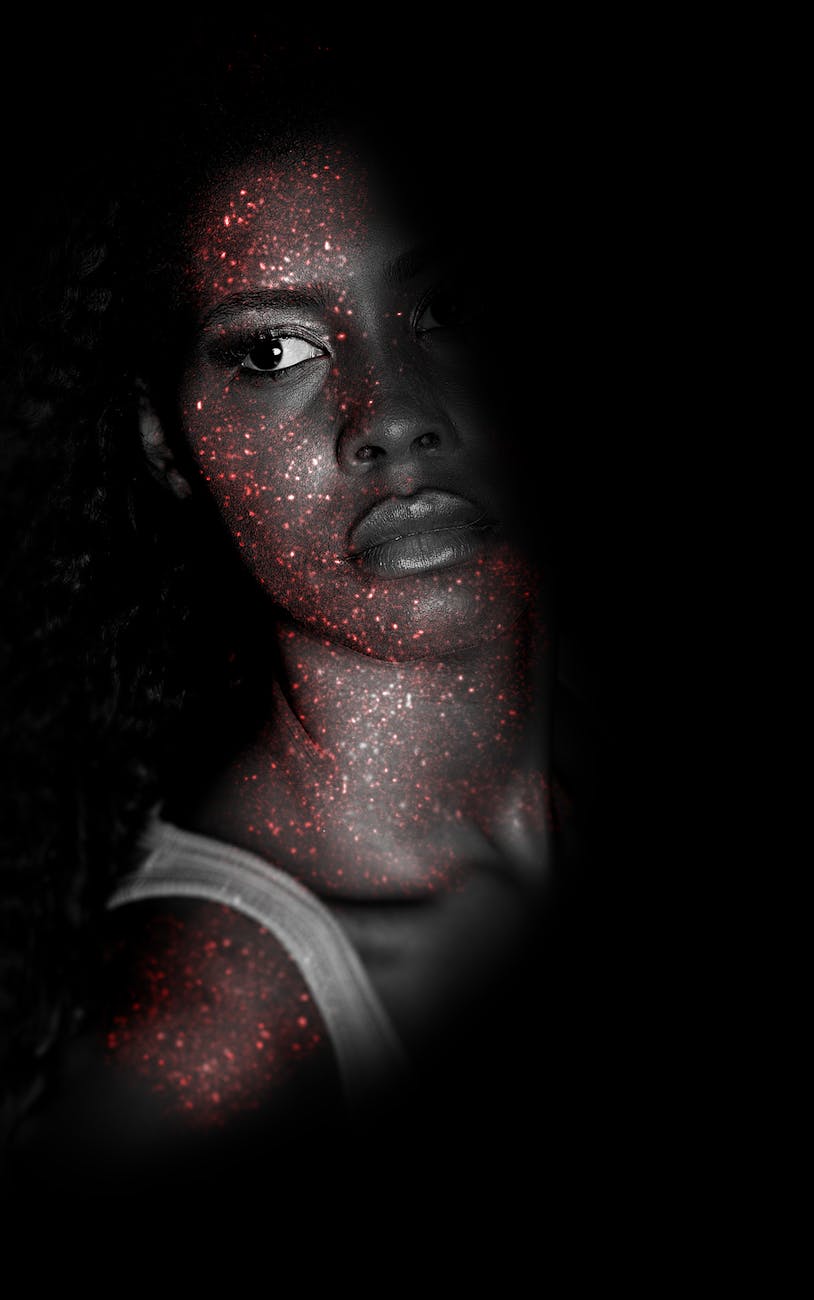
Photo by Abel Kayode on Pexels.com

Black beauty is a multidimensional construct shaped by biology, cultural history, and sociopolitical forces. Unlike mainstream Eurocentric beauty standards, which often reduce attractiveness to narrow features, Black beauty encompasses genetic diversity, evolutionary resilience, and cultural expression. To understand it requires an interdisciplinary lens—examining the evolutionary science of melanin, the psychological impacts of beauty ideals, and the representation of Black aesthetics in society.

Evolutionary Foundations of Black Beauty

From an evolutionary perspective, darker skin pigmentation is a result of natural selection. Melanin, particularly eumelanin, provides protection against ultraviolet (UV) radiation while preserving folate reserves essential for reproduction (Jablonski & Chaplin, 2010). Features common within populations of African descent, such as fuller lips, broader noses, and tightly coiled hair, are not merely aesthetic traits but adaptive markers designed for survival in hot and variable climates (Robins, 2009). These traits, once stigmatized under colonial rule, reflect a scientific truth: Black beauty is evolutionarily advantageous, biologically diverse, and deeply tied to human survival.

Psychological Dimensions of Black Beauty

Psychology reveals how beauty standards affect identity and self-esteem. Eurocentric ideals historically marginalized Black features, creating internalized biases and what Fanon (1967) described as a “racial epidermal schema.” The preference for lighter skin—colorism—illustrates how systemic racism infiltrates concepts of beauty (Hunter, 2007). Conversely, the natural hair movement and celebration of melanin-rich skin highlight the psychological liberation that comes from embracing authentic Black beauty. Self-acceptance, in this context, becomes both a personal act of healing and a political statement.

Representation and Cultural Visibility

Representation of Black beauty in media has historically oscillated between invisibility and exoticization. Early depictions often reinforced stereotypes, while mainstream fashion and entertainment industries celebrated only a limited spectrum of Black aesthetics (Craig, 2006). Today, however, global icons like Lupita Nyong’o, Viola Davis, and Naomi Campbell expand representation by embodying diverse shades, textures, and body types. Social media platforms also empower everyday voices, allowing new narratives to challenge Eurocentric dominance and redefine beauty on global terms.

Intersection of Science and Culture

The study of Black beauty requires bridging scientific objectivity with cultural subjectivity. Facial symmetry, the golden ratio, and evolutionary psychology offer biological explanations for attractiveness (Little et al., 2011). Yet, beauty is also socially constructed, shaped by history, politics, and resistance. For Black communities, beauty is more than appearance—it is identity, resilience, and cultural pride.

Conclusion

The science of Black beauty cannot be divorced from its history of misrepresentation and resistance. Evolutionary biology highlights its adaptive strength; psychology reveals its role in identity formation; and representation underscores its sociopolitical weight. To honor Black beauty is to affirm both its scientific roots and its cultural power, recognizing it as central to human diversity and dignity.


References

  • Craig, M. L. (2006). Race, beauty, and the tangled knot of a guilty pleasure. Feminist Theory, 7(2), 159–177.
  • Fanon, F. (1967). Black skin, white masks. Grove Press.
  • Hunter, M. (2007). The persistent problem of colorism: Skin tone, status, and inequality. Sociology Compass, 1(1), 237–254.
  • Jablonski, N. G., & Chaplin, G. (2010). Human skin pigmentation as an adaptation to UV radiation. Proceedings of the National Academy of Sciences, 107(Supplement 2), 8962–8968.
  • Little, A. C., Jones, B. C., & DeBruine, L. M. (2011). Facial attractiveness: Evolutionary based research. Philosophical Transactions of the Royal Society B: Biological Sciences, 366(1571), 1638–1659.
  • Robins, A. H. (2009). Biological perspectives on human pigmentation. Cambridge University Press.

The Indian Dolls: Priyanka Chopra Jonas

This photograph is the property of its respective owner. No copyright infringement intended.

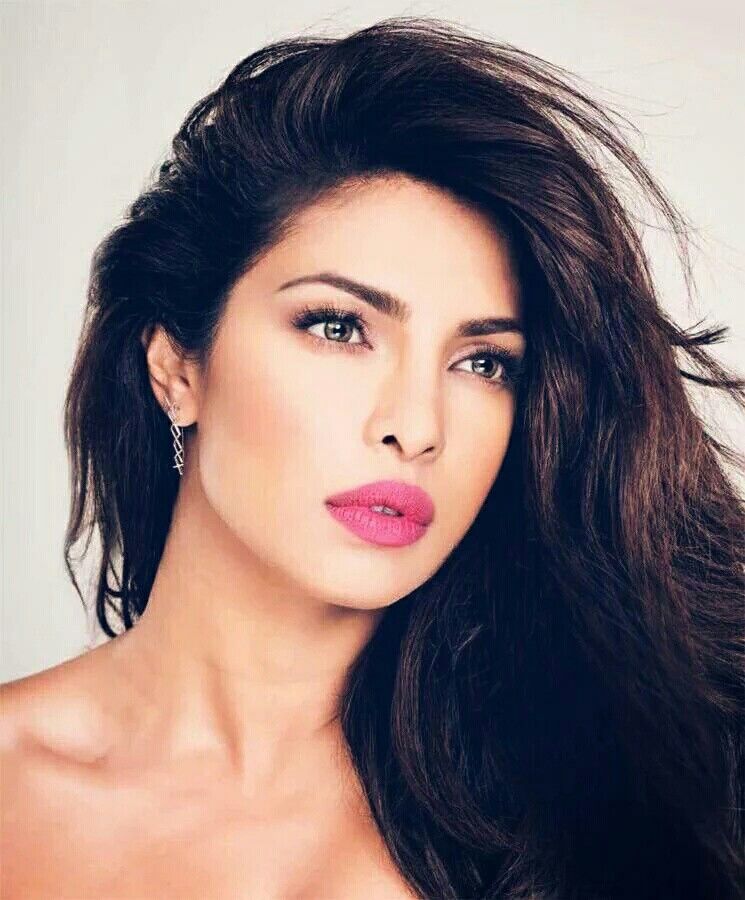
Priyanka Chopra Jonas is one of the most celebrated figures to emerge from India’s entertainment industry and transition successfully into Hollywood. Known for her mesmerizing beauty, intelligence, and fierce determination, she has transcended cultural and cinematic boundaries, becoming a symbol of global Indian excellence. With her captivating eyes, flawless features, and commanding presence, Chopra embodies the allure of what many describe as the “exotic Indian beauty” — timeless, radiant, and powerful.

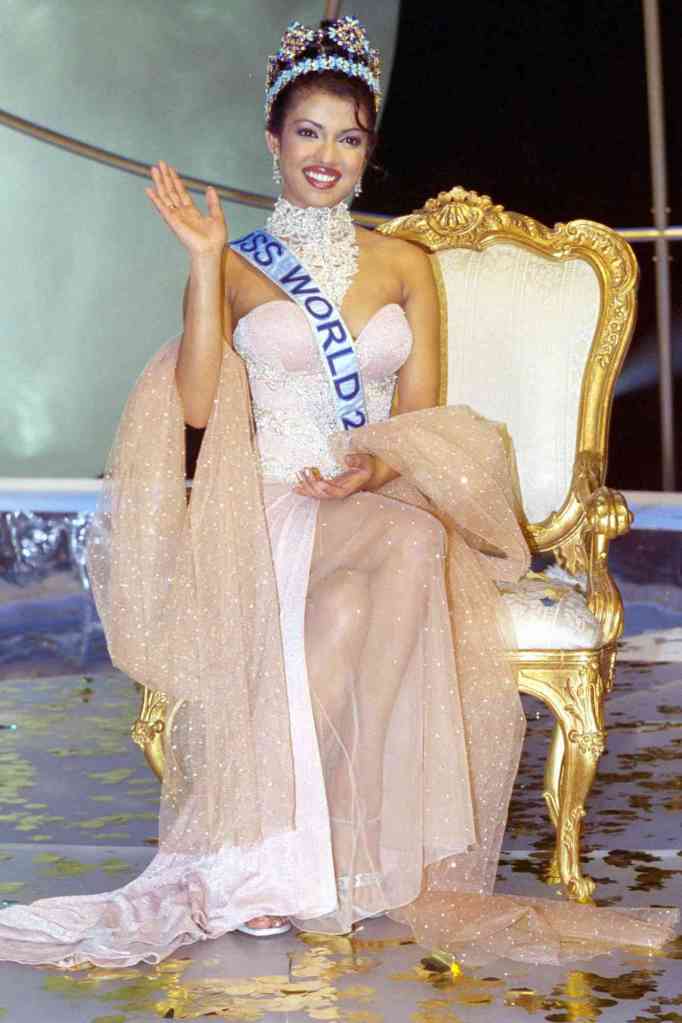
Born on July 18, 1982, in Jamshedpur, Bihar (now Jharkhand), India, Priyanka Chopra grew up in an army household, which meant constant relocation and exposure to diverse cultures across India. This nomadic upbringing shaped her adaptability and confidence. Educated in both India and the United States, she was a bright student who initially aspired to study engineering or psychiatry. Her life took a dramatic turn when she entered the world of beauty pageants, ultimately capturing the Miss World crown in 2000 — a victory that catapulted her into the spotlight overnight.

This photograph is the property of its respective owner. No copyright infringement intended.

Her Miss World win marked the beginning of an illustrious career. Priyanka’s beauty was often described as “regal yet approachable,” her almond-shaped brown eyes often noted as her most striking feature. In India, she was hailed as a national treasure — the perfect blend of modernity and tradition. The Bollywood industry quickly embraced her, recognizing not only her looks but also her immense potential as a performer.

Priyanka’s entry into Bollywood began with the 2003 film The Hero: Love Story of a Spy, followed by her breakout performance in Andaaz (2003), for which she won the Filmfare Award for Best Female Debut. Her versatility became evident as she took on diverse roles, from romantic comedies to action thrillers. Audiences admired her charisma and screen presence, describing her as both glamorous and grounded — a rare combination in the Indian film industry.

The year 2008 marked a turning point in her career with Fashion, directed by Madhur Bhandarkar. Playing the role of Meghna Mathur, a small-town girl navigating the ruthless world of high fashion, Priyanka delivered one of the most powerful performances of her career. The film not only won critical acclaim but also earned her the National Film Award for Best Actress, solidifying her position as one of Bollywood’s finest talents.

Fashion 2008. This photograph is the property of its respective owner. No copyright infringement intended.

Her portrayal in Fashion was hailed as bold and transformative. Critics praised her for breaking stereotypes about female-led films in India. It was a defining moment that proved she was not just another beauty queen but a serious actress capable of carrying a film on her shoulders. Fashion also symbolized her personal philosophy — to reinvent herself continuously and rise stronger from every fall.

Following Fashion, Chopra delivered memorable performances in films such as Kaminey (2009), 7 Khoon Maaf (2011), Barfi! (2012), and Mary Kom (2014). Her ability to embody a wide range of characters earned her several awards, including five Filmfare Awards and numerous international honors. In Barfi!, she portrayed an autistic woman with depth and sensitivity, earning global recognition for her emotional range and commitment to complex roles.

Priyanka’s ambition extended beyond Bollywood. In 2015, she made history as the first South Asian woman to headline an American television series, starring as Alex Parrish in ABC’s Quantico. The role showcased her strength, intelligence, and allure to a global audience, earning her the People’s Choice Award — another first for an Indian actress. Her transition to Hollywood was seen as groundbreaking, symbolizing a cultural bridge between East and West.

This photograph is the property of its respective owner. No copyright infringement intended.

In Hollywood, she continued to expand her repertoire with roles in films like Baywatch (2017), Isn’t It Romantic (2019), and The Matrix Resurrections (2021). Priyanka’s success in both industries demonstrated her adaptability and tenacity. Hollywood insiders often described her as a “global powerhouse” — an artist who commands attention not merely for her looks, but for her intelligence and presence.

Priyanka’s beauty remains one of her most discussed attributes. Her skin tone, eyes, and classic features have inspired discussions on representation and inclusivity in Western media. She has often used her platform to challenge stereotypes about Indian women and advocate for diversity in entertainment. Her elegance and confidence have made her a red-carpet favorite at the Met Gala, the Oscars, and Cannes.

Her love story with American singer Nick Jonas captivated the world. The couple first met in 2017 at the Vanity Fair Oscars afterparty, where Jonas reportedly fell in love at first sight. After a year of dating, they married in December 2018 in a lavish ceremony at the Umaid Bhawan Palace in Jodhpur, blending Hindu and Christian traditions. Their union was celebrated globally as a symbol of cultural harmony and modern love.

This photograph is the property of its respective owner. No copyright infringement intended.

The Chopra-Jonas marriage also sparked widespread admiration for how the couple balances their cultural differences with mutual respect. Nick Jonas often praises Priyanka’s intelligence, work ethic, and sense of humor, while she affectionately calls him her “cheerleader.” Together, they represent a merging of East and West, tradition and modernity.

Priyanka’s influence extends beyond film. She has been a UNICEF Goodwill Ambassador since 2010, advocating for children’s rights, gender equality, and education. Her humanitarian work reflects the same passion and discipline she brings to her acting career. In 2016, Time magazine named her one of the 100 most influential people in the world, and Forbes consistently listed her among the highest-paid actresses globally.

Her entrepreneurial ventures include her haircare brand Anomaly, which emphasizes clean beauty and inclusivity. She is also a published author; her memoir Unfinished (2021) offers an intimate look into her journey, struggles, and triumphs. The book became a bestseller, further cementing her status as a multifaceted global figure.

In both Bollywood and Hollywood, people describe Priyanka as disciplined, ambitious, and fearless. Industry peers admire her for breaking barriers and representing India on a world stage with dignity. In Bollywood, she is remembered as one of the last true “movie stars,” while in Hollywood, she is respected as a cultural trailblazer.

Priyanka’s career has redefined what it means to be an Indian actress in a globalized world. Her ability to navigate different cultures, languages, and cinematic traditions makes her one of the most versatile and influential artists of her generation. She stands as a beacon for women of color striving to succeed in industries historically dominated by Western ideals of beauty and stardom.

Beyond fame, Priyanka remains grounded in her roots. She frequently expresses pride in her Indian heritage and continues to celebrate her culture through fashion, film, and philanthropy. Her journey from Miss World to international superstar illustrates the power of resilience, reinvention, and purpose.

Today, Priyanka Chopra Jonas represents far more than glamour — she symbolizes empowerment, diversity, and global unity. Her beauty may have opened doors, but it is her determination, intelligence, and heart that keep them open. Through her art, activism, and authenticity, she continues to inspire millions around the world. Priyanka Chopra is often described metaphorically as an “Indian doll” because of her striking beauty, polished poise, and global elegance—qualities that blend classical Indian femininity with modern cosmopolitan power. The term, when used respectfully, reflects admiration for her refined features, expressive eyes, symmetrical face, and statuesque presence that photographs and films with remarkable grace.

References

  • Bhandarkar, M. (Director). (2008). Fashion [Film]. UTV Motion Pictures.
  • Chopra Jonas, P. (2021). Unfinished: A Memoir. Ballantine Books.
  • Filmfare Awards Archives. (2024). Priyanka Chopra Jonas Awards and Nominations. Filmfare.
  • TIME Magazine. (2016). 100 Most Influential People: Priyanka Chopra.
  • UNICEF. (2022). Priyanka Chopra Jonas: Goodwill Ambassador Profile.
  • Variety. (2023). Priyanka Chopra: The Global Powerhouse Bridging Bollywood and Hollywood.
  • Vogue India. (2020). Priyanka Chopra on Love, Beauty, and Global Identity.

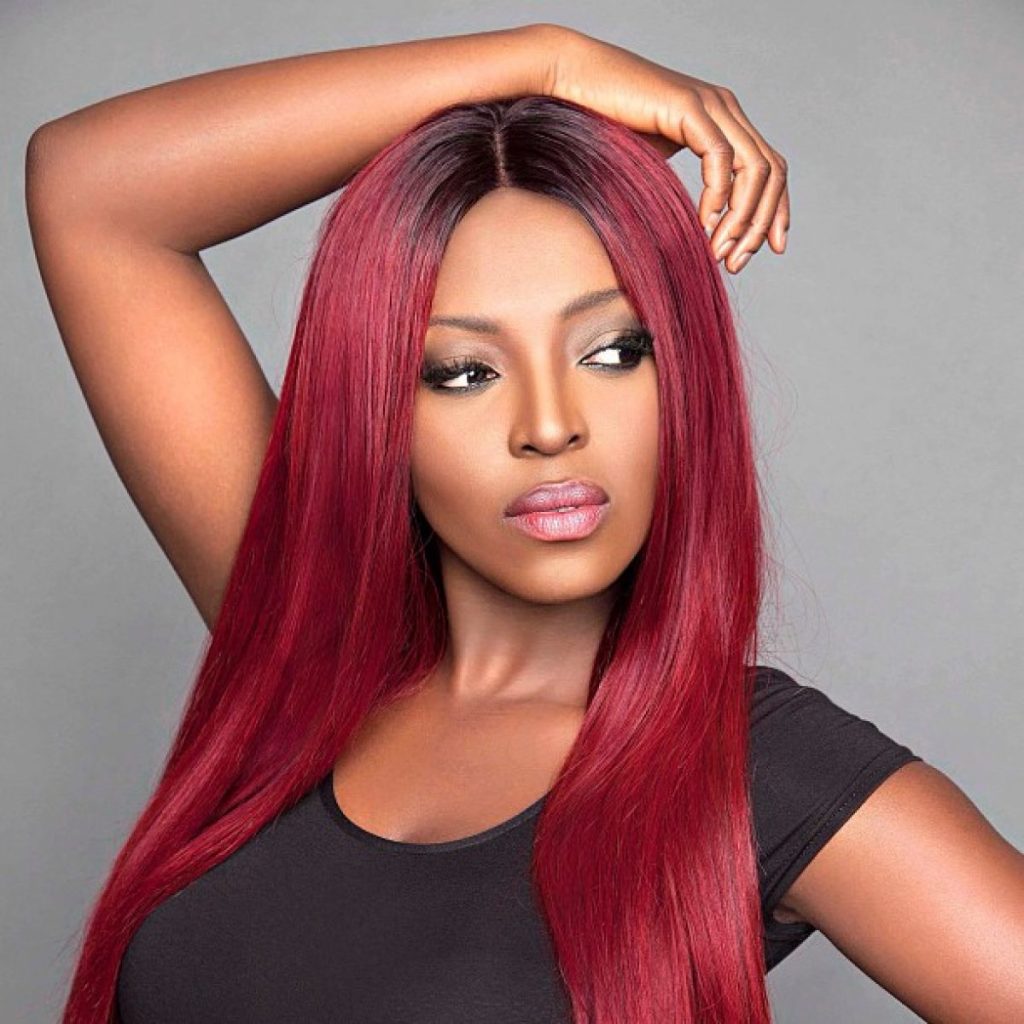
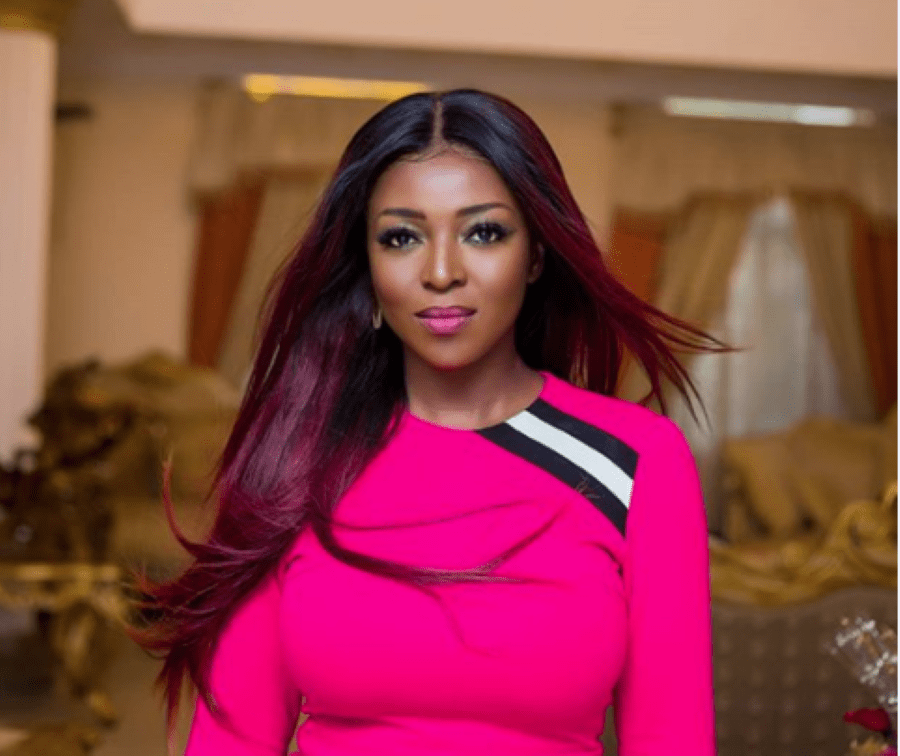
The Ebony Dolls: Yvonne Okoro

This photograph is the property of its respective owners. No copyright infringement intended.

In the constellation of African cinema, Yvonne Okoro shines with a rare brilliance that fuses sophistication, intelligence, and undeniable beauty. With her flawless bronze-ebony complexion, luminous almond-shaped eyes, and refined features framed by a radiant smile, she is often admired for her doll-like allure—a blend of African richness and European elegance. Beyond her physical charm, Okoro’s poise, confidence, and versatility have positioned her among the most respected actresses in both Ghana’s Ghallywood and Nigeria’s Nollywood film industries. She is a modern African woman who balances glamour with grit, embodying excellence both on and off the screen.

Born Chinyere Yvonne Okoro on November 25, 1984, in Tamale, Ghana, she comes from a mixed heritage that beautifully reflects the unity of West Africa—her father is Nigerian (from Abia State, Igbo), and her mother is Ghanaian. This cultural blend enriched her worldview and artistic expression, allowing her to connect with audiences across two major entertainment industries. From a young age, Yvonne demonstrated a passion for performance, often participating in school plays and local talent showcases that revealed her natural charisma and expressiveness.

Yvonne Okoro’s educational journey is as impressive as her acting career. She attended Achimota Preparatory School and Lincoln Community School before earning her Bachelor of Arts in English and Linguistics from the University of Ghana, Legon. She later pursued further studies in France at the Université de Nantes, where she deepened her understanding of communication and modern languages—skills that would later enhance her presence in international cinema.

This photograph is the property of its respective owners. No copyright infringement intended.

Her acting debut came with a supporting role in the Ghanaian film Sticking to the Promise (2002). However, her major breakthrough came when she transitioned into Nollywood, starring in Beyoncé: The President’s Daughter (2006) alongside Nadia Buari and Van Vicker. Her beauty, eloquence, and natural on-screen chemistry with her co-stars captured the attention of filmmakers and audiences alike. Soon, she became a fixture in both Ghanaian and Nigerian film productions, a rare feat achieved by only a handful of actresses.

Over the years, Yvonne Okoro has built an impressive filmography, with notable works including The Game (2010), Contract (2012), Single Six (2011), Rebecca (2016), and Ghana Must Go (2016)—a romantic comedy she also produced. Her role in Contract, opposite Hlomla Dandala, earned her the Best Actress Award at the Ghana Movie Awards and an Africa Magic Viewers’ Choice Award (AMVCA) nomination. The film’s critical success established her as one of the leading ladies of African cinema, capable of blending humor, depth, and authenticity with magnetic beauty.

Yvonne Okoro’s contributions extend beyond acting; she is also a film producer and entrepreneur, using her platform to promote quality storytelling in Africa. Her production company, Desamour Company Limited, has produced several films that highlight African culture, love, and social issues. Through this, she has provided opportunities for emerging talents, especially women in film, fostering growth and creativity in the industry.

This photograph is the property of its respective owners. No copyright infringement intended.

Her grace and intelligence have also made her a favorite for brand endorsements, having represented beauty and fashion brands that mirror her elegance. She is frequently listed among the most beautiful and influential actresses in Africa, celebrated for her radiant skin, well-defined features, and polished style that bridges modern glamour and cultural authenticity.

In addition to her professional achievements, Yvonne Okoro’s personal life reflects humility and purpose. Despite her fame, she remains grounded and family-oriented, often crediting her parents for instilling discipline and confidence. Her close relationship with her siblings—particularly her sister, Roseline Okoro, who also ventured into acting—highlights her belief in family unity and shared success.

Throughout her career, Yvonne has earned numerous accolades, including the Best Actress of the Year (2010) at the Ghana Movie Awards, the Achievement Award at the City People Entertainment Awards in Nigeria, and recognition at the Africa International Film Festival (AFRIFF). Her dedication to excellence has made her one of the highest-paid actresses in Ghana and Nollywood, respected for both her beauty and her business acumen.

Ultimately, Yvonne Okoro represents the epitome of modern African femininity—educated, talented, and unapologetically elegant. Her soft-spoken confidence, luminous ebony glow, and striking intellect set her apart as not merely a star, but a symbol of pan-African pride and excellence. As one of the Ebony Dolls of African cinema, she continues to inspire young women to dream beyond boundaries while embracing their heritage and divine beauty.


References

  • Africa Magic. (2023). Yvonne Okoro: The Actress Who Bridges Ghana and Nollywood. MultiChoice Africa.
  • Ghana Web. (2022). Profile of Yvonne Okoro: From Beauty to Brilliance.
  • Pulse Ghana. (2023). Top 10 Highest-Paid Actresses in Ghana and Nigeria.
  • The Guardian Nigeria. (2021). Yvonne Okoro: The Pan-African Face of Modern Cinema.
  • IMDb. (2024). Yvonne Okoro Biography and Filmography.
  • Modern Ghana. (2022). Yvonne Okoro: The Glamorous Ghanaian-Nigerian Star Redefining African Film.

Cultural Pride as Beauty: Why Identity Shapes Perception.

Photo by Al Ameen Saddiq on Pexels.com

Beauty is more than skin deep—it is inseparable from identity, heritage, and cultural pride. Across history, communities have celebrated aesthetic features that reflect ancestral lineage, values, and collective experience. In this sense, cultural pride becomes an intrinsic component of beauty, shaping both self-perception and how others perceive us. Understanding this relationship illuminates the power of identity in cultivating confidence, resilience, and self-worth.

The Interplay of Identity and Perception

Psychological research highlights that individuals who embrace their cultural heritage experience enhanced self-esteem and body image (Phinney, 1990). When identity is acknowledged and celebrated, aesthetic features are interpreted not merely as physical traits but as expressions of history, values, and belonging. For example, Black and brown individuals who take pride in natural hair, melanin-rich skin, or traditional attire often report greater confidence and satisfaction with appearance.

Embodying Heritage: Real-Life Examples of Cultural Pride in Beauty

Cultural pride transforms beauty into a declaration of identity. Across the African diaspora, Black and brown individuals are redefining aesthetic standards by embracing heritage, natural features, and traditional expressions of self. These examples demonstrate how cultural pride enhances confidence, shifts societal perception, and inspires future generations.

1. Lupita Nyong’o – Embracing Natural Skin and Hair
Lupita Nyong’o’s public celebration of her dark, melanin-rich skin and natural hair textures has challenged Hollywood’s narrow beauty standards. She frequently speaks about the importance of representation, affirming that embracing one’s authentic look is empowering. Her presence has inspired young women worldwide to take pride in their natural hair and skin, validating beauty in shades historically marginalized by media.

2. Tracee Ellis Ross – Championing Cultural Hairstyles
Tracee Ellis Ross is known for embracing and showcasing her natural hair in all its textures. From voluminous curls to intricate protective styles, she elevates cultural hairstyles as symbols of heritage and individuality. By owning her aesthetic, she communicates that cultural features are not just personal but political—empowering others to express identity confidently.

3. Adut Akech – Bridging Heritage and Fashion
Model Adut Akech, of South Sudanese heritage, has made waves in the fashion industry while proudly representing her culture. Through runway appearances, editorials, and advocacy, she demonstrates that heritage and beauty are intertwined, proving that embracing cultural roots does not limit opportunities but instead amplifies presence and influence.

4. Michaela Coel – Authentic Storytelling and Visibility
Michaela Coel, the writer and actress behind I May Destroy You, brings cultural pride into storytelling and media representation. Her unapologetic approach to her identity and appearance fosters authenticity on screen, encouraging audiences to appreciate beauty as inseparable from lived experience, heritage, and personal narrative.

5. Rihanna – Integrating Heritage into Style
Rihanna incorporates Caribbean and African influences into her fashion, makeup, and entrepreneurial ventures. By celebrating her roots in visible ways—through Fenty Beauty’s inclusive makeup lines and culturally inspired styling—she demonstrates that embracing heritage enhances both personal beauty and global influence.

The Psychological and Social Impact

These individuals illustrate that cultural pride enhances self-perception and confidence. Studies show that when individuals see public figures embracing heritage and natural features, it reduces internalized colorism and validates diverse expressions of beauty (Hunter, 2007). Socially, such visibility challenges stereotypes and broadens cultural definitions of attractiveness.

Cultural Pride as a Form of Empowerment

Embracing one’s cultural markers is an act of empowerment. Historically marginalized groups have faced pressure to conform to dominant beauty norms—often Eurocentric standards that devalue natural features. By reclaiming these features as symbols of pride, communities assert self-worth and challenge societal bias. Figures like Lupita Nyong’o, Tracee Ellis Ross, and Adut Akech exemplify how cultural pride and identity elevate perceived beauty on global stages.

Influence on Social Perception

Cultural pride also shapes how others perceive beauty. When individuals present themselves confidently while honoring heritage—through hairstyles, fashion, or traditional practices—it signals authenticity, strength, and self-assurance. Research in social psychology shows that observers are more likely to perceive confident, culturally-grounded individuals as attractive, competent, and influential (Tajfel & Turner, 1986). Thus, beauty is not solely an individual attribute but a social signal of identity and pride.

Historical and Spiritual Contexts

Cultural pride and aesthetic appreciation are intertwined with history and spirituality. In African and diasporic communities, features such as skin tone, hair texture, and attire carry ancestral significance, reflecting resilience and continuity. Biblically, beauty is affirmed in relation to identity and creation (Song of Solomon 1:5 KJV: “I am black, but comely, O ye daughters of Jerusalem”). Recognizing the sacredness of one’s heritage enhances self-esteem and reframes beauty as a celebration of identity rather than conformity.

Practical Steps to Embrace Cultural Beauty

  1. Educate Yourself: Learn about the historical and cultural significance of your aesthetic traits.
  2. Celebrate Heritage: Incorporate cultural fashion, hairstyles, and practices into daily life.
  3. Engage Community: Share experiences and support others in embracing their identity.
  4. Challenge Bias: Advocate for inclusive representation in media, education, and professional spaces.
  5. Affirm Daily: Use positive affirmations to reinforce the connection between cultural pride and beauty.

Conclusion

Cultural pride transforms beauty from a superficial attribute into a multidimensional expression of identity. By embracing heritage, individuals cultivate confidence, inspire admiration, and challenge societal biases. Beauty is thus inseparable from identity: it is cultural, historical, and spiritual. Owning one’s heritage, celebrating uniqueness, and expressing it boldly ensures that perception—both self and societal—aligns with authenticity, pride, and brilliance. Cultural pride is a transformative force in defining beauty. Figures like Lupita Nyong’o, Tracee Ellis Ross, Adut Akech, Michaela Coel, and Rihanna exemplify how embracing heritage, natural features, and identity can shape perception—both personally and societally. Beauty rooted in cultural pride is not superficial; it is resilient, empowering, and a declaration of authenticity. By celebrating heritage, we cultivate confidence, inspire representation, and redefine what it means to be truly beautiful.


References

  • Phinney, J. S. (1990). Ethnic identity in adolescents and adults: Review of research. Psychological Bulletin, 108(3), 499–514.
  • Tajfel, H., & Turner, J. C. (1986). The social identity theory of intergroup behavior. In S. Worchel & W. G. Austin (Eds.), Psychology of intergroup relations (pp. 7–24). Chicago: Nelson-Hall.
  • The Holy Bible, King James Version. (1611). Song of Solomon 1:5.

Hunter, M. (2007). The Persistent Problem of Colorism: Skin Tone, Status, and Inequality. Sociology Compass, 1(1), 237–254.

The Holy Bible, King James Version. (1611). Song of Solomon 1:5.