Category Archives: Beauty

Sacred Shades: A Theological Look at the Brown Girl Dilemma.

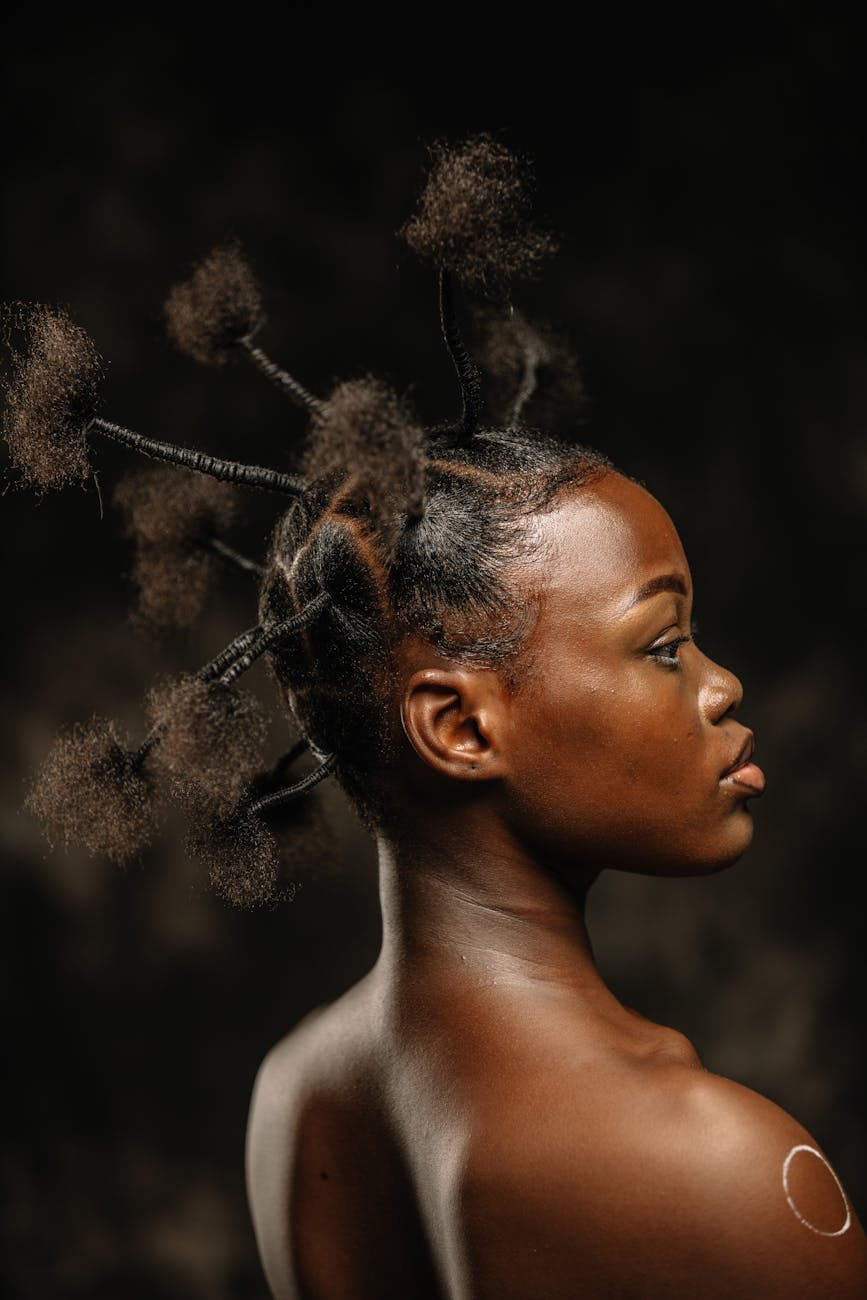
Photo by Christopher Boyd on Pexels.com

The brown girl dilemma is not only cultural or psychological—it is spiritual. At its core lies a tension between society’s distorted beauty standards and God’s divine affirmation of human worth. To take a theological look at this dilemma is to explore how Scripture, faith, and history inform the experience of brown-skinned women. Their skin, often rejected by the world, carries a sacredness rooted in creation, covenant, and divine design. The shades of brown are not incidental; they are sacred reflections of God’s handiwork.

Creation and the Divine Image

The book of Genesis declares that humankind was made in the image of God (Genesis 1:27). This foundational truth dismantles any hierarchy of skin tone. To be created in God’s image means that every shade, from the lightest to the darkest, is imbued with divine dignity. Yet, the brown girl dilemma emerges when society refuses to honor what God declared “very good.” Theology reminds us that brownness is not accidental but intentional, a manifestation of divine artistry.

Dust and Divine Design

The Bible teaches that Adam was formed from the dust of the ground (Genesis 2:7). Scholars note that this dust was rich, dark earth—the very soil that sustains life. Brownness, then, is not a flaw but a return to the origin of humanity. The hues of brown skin echo the fertile soil from which humanity was created, connecting brown women to the very beginning of human existence. The theological truth here is clear: brownness is sacred, not stigmatized.

Song of Solomon and the Beauty of Darkness

Few passages speak more directly to the brown girl dilemma than Song of Solomon 1:5, where the Shulamite woman proclaims, “I am black, but comely.” In this declaration, beauty and blackness are inseparable. She does not apologize for her shade; she affirms it. The fact that this verse is canonized in Scripture indicates that dark skin was not only acknowledged but celebrated. Theology therefore challenges the lie that melanin diminishes beauty.

Bias as Sin, Not Truth

Theologically, bias against brown skin is a distortion of God’s truth. Racism and colorism are manifestations of sin—perversions of justice, love, and equality. James 2:9 warns, “But if ye have respect to persons, ye commit sin.” Bias, therefore, is not divine; it is human error. To stigmatize brownness is to rebel against God’s creation, replacing divine order with human prejudice.

Jesus and Brownness

The humanity of Jesus Himself disrupts Eurocentric beauty standards. While often depicted with pale skin and light eyes, biblical and historical evidence suggests that Jesus, a Middle Eastern Jew, would have had dark features (Reinhartz, 2019). To see Christ through a realistic lens is to affirm that salvation entered the world clothed not in whiteness but in shades closer to brown. This theological truth dismantles false associations of holiness with paleness.

Women of Color in Scripture

The Bible is filled with women whose experiences mirror aspects of the brown girl dilemma. Hagar, an Egyptian servant, endured marginalization yet was seen by God as the one to whom He revealed Himself as “El Roi”—the God who sees (Genesis 16:13). Ruth, a Moabite woman, was integrated into Israel’s covenant line despite cultural biases. These stories affirm that women marked as outsiders in human eyes were central in God’s plan. Theology affirms the visibility and worth of brown women when society renders them invisible.

Spiritual Warfare and Identity

The brown girl dilemma is not merely social but spiritual warfare. Ephesians 6:12 reminds us that the struggle is “not against flesh and blood, but against… the powers of this dark world.” Lies about beauty and worth are weapons of oppression, designed to strip brown women of confidence and identity. Theological reflection reveals that affirming sacred shades is an act of spiritual resistance, reclaiming what God has declared good.

Faith as a Healing Balm

Faith offers a healing balm for wounds inflicted by colorism and racism. Where society says “too dark,” God says “fearfully and wonderfully made” (Psalm 139:14). Where media silences, faith speaks affirmation. Theological reflection transforms beauty from a battlefield into a sanctuary, where brown women find rest in the assurance that their worth is anchored in God, not in bias.

Melanin as a Divine Gift

Science recognizes that melanin protects against UV radiation and aging. Theologically, one might interpret this as evidence of divine provision. Brown skin, with its resilience and richness, testifies to God’s foresight in creation. To demonize melanin is to reject a gift that sustains life. Sacred shades are not burdens but blessings, carrying health, strength, and symbolic connection to the Creator.

The Church and the Dilemma

Unfortunately, the church has often mirrored society’s biases rather than challenged them. From colorist divisions in Black congregations to Eurocentric depictions of biblical figures, the church has sometimes failed to affirm sacred shades. A theological corrective requires churches to re-teach the biblical truth of equality, dismantle internal colorism, and embrace the full spectrum of God’s people.

Theology of Liberation

Liberation theology provides an important framework for addressing the brown girl dilemma. It insists that God is on the side of the oppressed and calls for justice where inequities persist. For brown women, liberation theology proclaims that their shades are not shameful but holy, worthy of celebration and central to God’s work of redemption in the world (Cone, 1997).

Ancestral Spirituality and Continuity

Beyond Christianity, ancestral African traditions celebrated brownness as sacred. Sculptures, rituals, and oral histories elevated melanin as a sign of fertility, vitality, and divinity. For women navigating the brown girl dilemma, theological reflection includes honoring ancestral continuity, integrating African spirituality with biblical truths to affirm that sacred shades transcend cultures and centuries.

Intersection of Theology and Psychology

The brown girl dilemma cannot be understood apart from psychology. Theological affirmation provides spiritual healing, but psychological awareness provides practical tools for resilience. Together, they address both the soul and the mind. Recognizing bias as sin and internalized racism as trauma allows brown women to heal holistically—body, mind, and spirit.

Intergenerational Healing

The dilemma is passed down generationally, as mothers who internalized bias often unknowingly transfer it to daughters. Theology calls for breaking this cycle through intentional affirmation. Proverbs 31:30 teaches, “Favour is deceitful, and beauty is vain: but a woman that feareth the Lord, she shall be praised.” This verse shifts the focus from external bias to spiritual reverence, equipping mothers to pass faith, not fear, to the next generation.

Representation as Sacred Witness

Representation of brown women in media and society becomes a form of sacred witness. When women like Lupita Nyong’o or Michelle Obama shine in public spaces, they testify to the truth that sacred shades can thrive against bias. Their presence affirms God’s creative diversity and challenges systems that seek to erase it. Theology interprets such visibility as not only cultural progress but divine revelation.

The Eschatological Vision of Equality

Revelation 7:9 describes a great multitude before God’s throne, made up of every nation, tribe, people, and language. This eschatological vision affirms that sacred shades will not be erased in eternity but celebrated. The brown girl dilemma is temporary; in God’s kingdom, melanin-rich skin is part of the eternal tapestry of worship. This vision offers hope beyond present bias.

Community as Sanctuary

Healing the dilemma also requires community. The church, when faithful to its calling, can serve as sanctuary where brown women are affirmed and uplifted. By preaching equality, celebrating diversity, and dismantling colorist practices, faith communities can become spaces of restoration. Theology teaches that sacred shades flourish most in communities that reflect God’s inclusive love.

Sacred Resistance

To embrace sacred shades is an act of resistance. It is to say no to systems that profit from insecurity and yes to God’s truth of divine beauty. Sacred resistance involves rewriting narratives, reclaiming biblical affirmations, and living unapologetically in brownness. In this way, theology transforms the dilemma into a declaration.

Conclusion: Shades Made Sacred

The brown girl dilemma may be rooted in history, bias, and oppression, but theology reframes it through divine truth. Brown skin, far from being a deficit, is a sacred mark of creation, continuity, and resilience. To look at brown women theologically is to see reflections of God’s image, testimonies of survival, and bearers of divine light. In the end, sacred shades remind the world that beauty is not found in bias but in the Creator’s design—where every hue carries holiness.


References

  • Cone, J. H. (1997). God of the oppressed. Orbis Books.
  • Painter, N. I. (2010). The history of White people. W.W. Norton & Company.
  • Reinhartz, A. (2019). Jesus of Hollywood. Oxford University Press.
  • Thompson, C. (1996). Black women, beauty, and hair as a matter of being. Women’s Studies, 25(6), 667–678.
  • The Holy Bible, King James Version.

🌸 Pretty is as Pretty Does 🌸

Photo by Pixabay on Pexels.com

The phrase “Pretty is as pretty does” carries a timeless truth: outward beauty may attract attention, but it is character, kindness, and integrity that sustain admiration and respect. True beauty is not measured solely by physical features, but by the way a person lives and treats others. Proverbs 31:30 (KJV) declares, “Favour is deceitful, and beauty is vain: but a woman that feareth the Lord, she shall be praised.” This verse reminds us that godly character outweighs fleeting physical charm.

Personality profoundly shapes how beauty is perceived. Psychology suggests that traits such as warmth, empathy, and generosity amplify attractiveness, while arrogance, cruelty, or selfishness diminish it (Little et al., 2011). A stunning face paired with a bitter spirit quickly loses its luster, whereas someone with modest looks but a radiant personality often becomes more attractive over time. Thus, beauty without virtue is incomplete.

The Bible is filled with examples of women whose beauty went beyond their appearance. One such figure is Esther, whose courage and wisdom saved her people (Esther 4:14). While her outward beauty opened doors, it was her inner strength, faith, and humility that changed the course of history. Her life demonstrates that when physical beauty is matched with moral courage, it has the power to transform lives.

Psychologically, being “gorgeous” extends far beyond facial symmetry or body shape. Attractive people often influence social environments, but their lasting impact depends on their character. Research in social psychology shows that people remember kindness and integrity more vividly than appearance (Dion et al., 1972). This aligns with Christ’s teachings in Matthew 5:16 (KJV): “Let your light so shine before men, that they may see your good works, and glorify your Father which is in heaven.”

The best character traits of a pretty woman are compassion, humility, loyalty, and wisdom. As a friend, she is trustworthy and uplifting; as a mother, nurturing and protective; as a sister, supportive and understanding; as a wife, loving and respectful; as an aunt, caring and encouraging. Her beauty is magnified when she enriches the lives of her family and community.

A woman of true beauty exemplifies balance between grace and strength. Her words heal, her actions inspire, and her presence brings peace. Proverbs 31 paints this picture vividly, showing how a virtuous woman provides for her household, honors her husband, and teaches wisdom with kindness. Her beauty is not static—it grows with every selfless deed.

The moral of the pretty woman is that her value lies not in admiration of her outward appearance, but in the legacy of her actions. She reflects God’s image by embodying love, patience, and righteousness. Such beauty is enduring, for it comes from within and glorifies the Creator rather than the self.

Ultimately, “Pretty is as pretty does” reminds us that genuine beauty is not a possession but a practice. It is cultivated daily through godly living, service to others, and a radiant spirit. The truly pretty woman is one whose inner light outshines her outward appearance, leaving an eternal mark on those she touches.


References

  • Dion, K., Berscheid, E., & Walster, E. (1972). What is beautiful is good. Journal of Personality and Social Psychology, 24(3), 285–290.
  • Little, A. C., Burt, D. M., & Perrett, D. I. (2011). What is good is beautiful: Face preference reflects desired personality. Personality and Individual Differences, 50(7), 862–866.
  • The Holy Bible, King James Version.
The Universal Standard of Beauty vs. the Black Standard of Beauty.

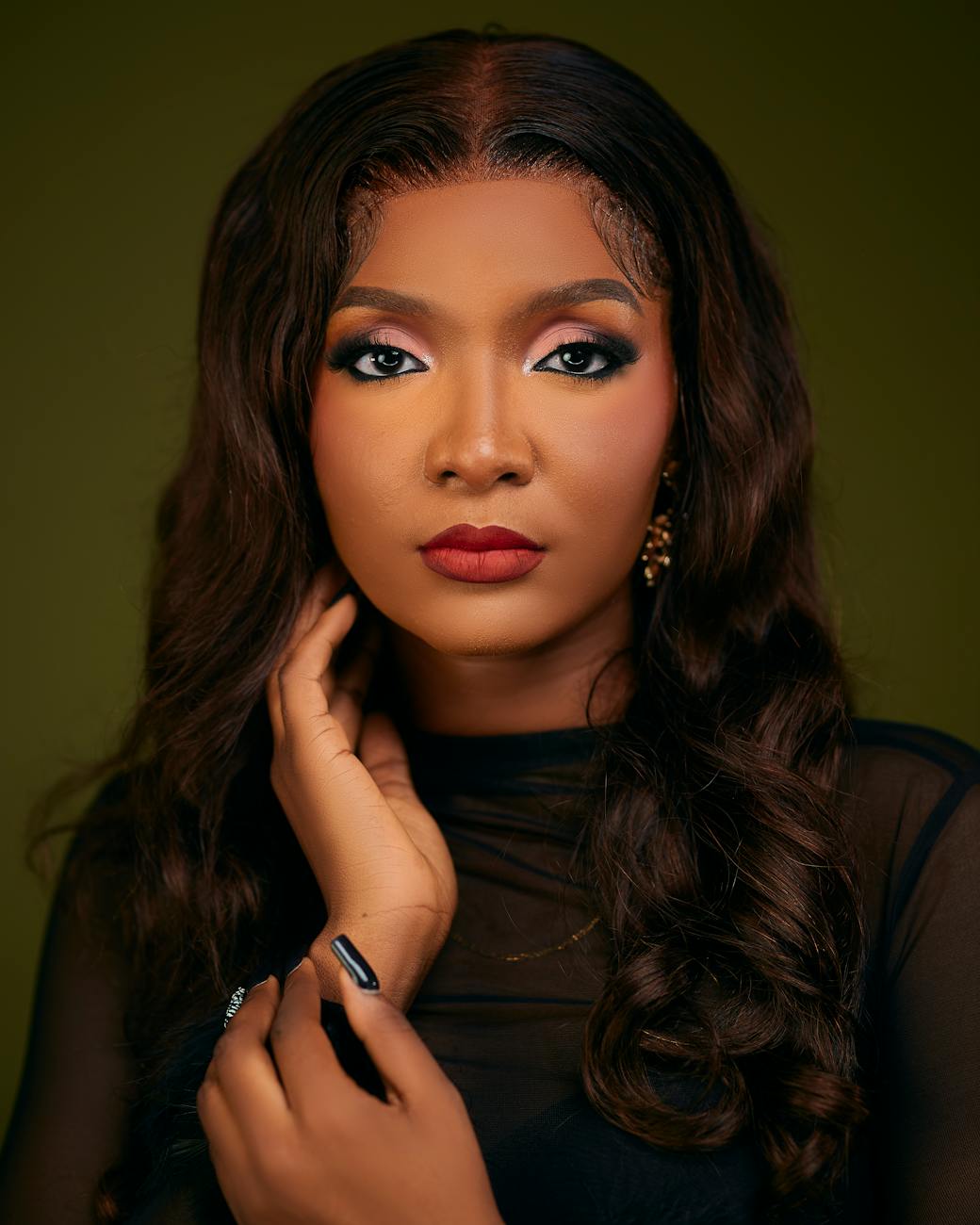
Photo by SHVETS production on Pexels.com

Beauty is one of the most powerful social currencies across cultures. Yet, it is not universal in practice. What is often called the “universal standard of beauty” tends to reflect Eurocentric ideals—light skin, straight or loosely wavy hair, slim but not too thin figures, sharp noses, and symmetry rooted in Western canons. By contrast, the “Black standard of beauty” celebrates features like deep melanin, textured hair, fuller lips, wider hips, and natural curves—features historically marginalized yet increasingly recognized as both beautiful and powerful. The tension between these two standards creates both cultural conflicts and psychological struggles, especially for women navigating global and racialized definitions of beauty.

The universal standard is heavily influenced by colonial history, globalized media, and Western power structures. Fashion runways, Hollywood, and advertising have long promoted whiteness and European features as the ideal. This creates a narrow box for women worldwide, making lightness of skin and straightness of hair aspirational. The problem is not simply preference but the fact that these standards are presented as “neutral” or “natural,” when in reality they are culturally specific and historically constructed.

In contrast, the Black standard of beauty emerges from African heritage, cultural pride, and the resilience of communities resisting erasure. Features like natural hair, darker complexions, broad noses, and fuller bodies reflect an embrace of authenticity and connection to ancestry. While this standard has not always been celebrated in mainstream culture, movements like Black is Beautiful, Black Girl Magic, and the natural hair revolution have shifted the cultural landscape, creating new appreciation for traits once ridiculed or suppressed.

The problem with universal standards is that they often erase diversity. By elevating one aesthetic above all others, they invalidate the beauty of women who do not conform. Black women, in particular, face colorism, hair discrimination, and media exclusion, leading to lower self-esteem, body image struggles, and even the desire for surgical alterations to “fit in.” The psychological toll is compounded by constant comparisons, where Black beauty is deemed desirable only when exoticized or appropriated.

The Black standard, however, also faces challenges. Within Black communities, colorism and texturism can replicate the very hierarchies imposed by Eurocentric ideals. For instance, lighter-skinned Black women or those with looser curls may be celebrated more readily, leaving darker-skinned women with kinkier textures marginalized even within their own cultural space. Thus, the Black standard of beauty, though liberating, is not free from internal tensions.

Psychology helps explain why the universal standard is so dominant. Humans are naturally drawn to symmetry, proportionality, and what evolutionary psychology calls “averageness.” Yet, culture shapes the interpretation of these features. For example, fuller lips may be universally attractive from a biological standpoint, but in Western contexts, they were historically devalued when associated with Blackness. When white celebrities adopt these features—through surgery or makeup—they suddenly become fashionable. This reveals that the problem is not biology but cultural bias.

So, which standard is better? From a cultural and ethical standpoint, the Black standard of beauty is healthier because it embraces diversity, authenticity, and ancestral pride. The universal standard, by contrast, operates under the illusion of neutrality while enforcing a narrow, exclusionary ideal. However, both standards have their flaws. The truest “universal” standard would recognize and celebrate multiple expressions of beauty, free from hierarchy and colonial residue.

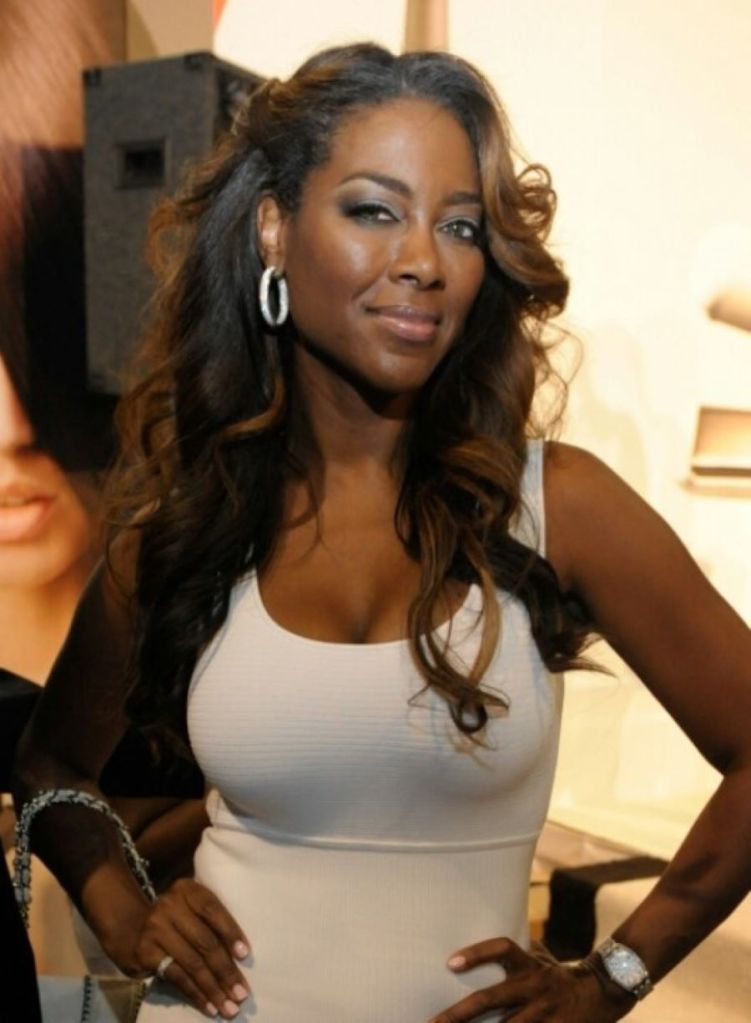
The contrast between Charlize Theron and Kenya Moore illustrates these competing standards. Charlize Theron, a South African-born white actress, embodies the Eurocentric ideal: light skin, blonde hair, sharp facial structure, tall and slender physique. Kenya Moore, an American actress, model, and former Miss USA, embodies the Black standard: rich melanin, high cheekbones, full lips, almond-shaped eyes, and natural curves. Both women are undeniably beautiful, but society’s gaze often places them differently.

Psychologically, Theron represents what Western culture has historically defined as “timeless” beauty—symmetry, slenderness, and lightness. She fits seamlessly into Hollywood’s Eurocentric mold and is often cast as elegant, glamorous, or refined. Kenya Moore, while celebrated in Black communities and crowned in pageantry, faces the double bind of being exoticized by some and dismissed by others because her beauty falls outside Western defaults.

When comparing their features, Charlize’s sharp jawline, narrow nose, and fair skin align with universal standards. Kenya’s full lips, brown skin, hourglass figure, and thick hair align with Black standards. Both share high cheekbones and symmetry, which psychology identifies as universally appealing. However, society esteems Theron more highly because she reflects the Eurocentric beauty hierarchy that dominates mainstream culture.

This hierarchy is evident in global branding. Theron is a face for luxury brands like Dior, while Moore’s opportunities are more culturally specific, tied to Black entertainment or niche markets. This reveals how beauty standards translate directly into economic capital and visibility. Theron benefits from a system that rewards Eurocentric features, while Moore must navigate a world where her beauty is simultaneously celebrated and contested.

Yet, in cultural spaces that embrace Black identity, Kenya Moore’s beauty reigns supreme. Pageants like Miss USA crowned her not only for her physical features but also for her confidence and charisma. In Black communities, her melanin, curves, and boldness embody aspirational beauty. Here, Moore’s beauty challenges universal standards and affirms the richness of the Black aesthetic.

The problem, then, is not that one woman is more beautiful than the other but that society attaches higher value to whiteness. This creates a distorted lens where Theron is elevated globally while Moore is compartmentalized. Psychology calls this halo effect—positive qualities are attributed to those who fit dominant beauty standards, giving them advantages in career, relationships, and social status.

Ultimately, beauty should not be a competition between standards but an expansion of them. The universal standard must evolve to truly include the Black standard, recognizing that beauty is not singular but plural. If society continues to privilege one aesthetic over another, it perpetuates inequality and denies humanity the richness of diversity.

Beauty Standards Comparison Chart

CategoryUniversal (Eurocentric) Standard of BeautyBlack Standard of Beauty
Skin ToneLight, fair, porcelain, often associated with “purity” and elegance.Deep melanin, radiant dark or brown skin, celebrated as strength, richness, and natural glow.
HairStraight, wavy, or silky blonde/brunette textures. Long and smooth styles valued.Kinky, coily, curly, locs, or natural Afro textures. Volume, versatility, and protective styles celebrated.
Facial StructureNarrow nose, sharp jawline, thin lips, angular features.Broad nose, full lips, strong cheekbones, almond eyes.
Body TypeSlim, tall, lean physique; curves downplayed unless subtle.Curvaceous, hourglass shape with fuller hips, thighs, and bust.
SymmetryHigh value placed on geometric symmetry, “delicate” features.Symmetry also prized, but combined with bold and distinctive features.
Cultural AssociationsElegance, luxury, global acceptability, high fashion.Strength, resilience, authenticity, pride in heritage.
Psychological EffectFits dominant media ideals; often boosts confidence through validation.Often marginalized, but growing in pride; empowerment movements (“Black is Beautiful,” “Black Girl Magic”).
Celebrity ExamplesCharlize Theron, Scarlett Johansson, Margot Robbie, Natalie Portman.Kenya Moore, Lupita Nyong’o, Angela Bassett, Kelly Rowland.

Example: Charlize Theron vs. Kenya Moore

  • Charlize Theron: Represents Eurocentric ideals—blonde, fair-skinned, sharp jawline, tall and slim. Universally marketed as elegant and glamorous, especially in luxury beauty industries.
  • Kenya Moore: Represents the Black standard—rich brown complexion, high cheekbones, full lips, voluminous hair, and curvaceous figure. Celebrated in Black spaces as stunning, but less globally esteemed due to systemic beauty hierarchies.

In conclusion, Charlize Theron and Kenya Moore are both stunning examples of beauty, but the esteem they receive reflects systemic bias rather than objective truth. The universal standard favors Theron, while the Black standard affirms Moore. True liberation comes when both women can be equally celebrated without hierarchy, proving that beauty, like humanity, is multifaceted and boundless.


📖 References

  • Etcoff, N. (1999). Survival of the prettiest: The science of beauty. Anchor Books.
  • Hunter, M. L. (2007). The persistent problem of colorism: Skin tone, status, and inequality. Sociology Compass, 1(1), 237–254.
  • Jones, T. (2000). Shades of brown: The law of skin color. Duke Law Journal, 49(6), 1487–1557.
  • The Holy Bible, King James Version. (1769/2017). Cambridge University Press.
Black Beauty: A Curse or a Blessing?

Photo by Adedamola Adetoyi on Pexels.com

The question of whether Black beauty is a curse or a blessing has haunted generations. For centuries, it has been both revered and reviled, celebrated and scorned. To grapple with this paradox is to acknowledge the deep history of how the world perceives Black bodies and how those perceptions have shaped the lived experience of Black people. What society has too often treated as a curse, Scripture and science reveal as a profound blessing.

Historically, the beauty of Black people has been weaponized against them. During slavery, enslaved Black women were simultaneously sexualized and dehumanized. Their features — full lips, wide noses, dark skin, and coiled hair — were ridiculed as evidence of inferiority while being exploited for labor and reproduction (Collins, 2000). This duality created a legacy of shame, where traits of Black beauty were framed as a curse, even while secretly desired.

From a sociological standpoint, the dominance of Eurocentric beauty standards reinforced this distortion. Pale skin, straight hair, and narrow features were upheld as the “universal” ideal, marginalizing African aesthetics. Black people were pressured to straighten their hair, lighten their skin, or alter their features to fit in. This erasure implied that natural Black beauty was somehow less worthy. Yet, these same features, when adopted by non-Black women through tanning, lip fillers, or curly hair perms, were suddenly praised. This contradiction reveals that the problem was never Black beauty itself, but society’s biased lens.

Psychologically, this tension has left deep scars. Colorism, a byproduct of racism, continues to divide communities, privileging lighter skin over darker tones (Hunter, 2007). Dark-skinned women often face harsher discrimination in dating, work, and media representation, while lighter-skinned women are deemed more “acceptable.” Black men, too, experience a contradictory dynamic: their athletic bodies and masculine strength are admired in sports and entertainment, yet feared in daily life. These contradictions fuel the perception that Black beauty is a burden, something to carry rather than something to celebrate.

Yet, when we turn to Scripture, a different narrative emerges. God’s Word affirms the value of every feature He created. In Genesis 1:27, it says: “So God created man in his own image, in the image of God created he him; male and female created he them” (KJV). Black beauty, like all human beauty, reflects the divine image. Song of Solomon 1:5 offers an even more direct affirmation, where the Shulamite woman proclaims, “I am black, but comely, O ye daughters of Jerusalem” (KJV). Her words echo across centuries as a declaration that Blackness and beauty are inseparable, divinely designed.

Biologically, Black beauty is also a blessing. Melanin, often celebrated as “Black gold,” is more than skin deep. It provides protection against the sun’s harmful rays, slows aging, and contributes to unique variations in skin tone, eye color, and hair texture (Jablonski, 2014). Strong bone density, muscular builds, and symmetrical facial features — often found in African-descended populations — align with what science recognizes as markers of physical health and attractiveness (Little et al., 2011). These genetic gifts are not curses but blessings of adaptation and survival.

The cultural reclamation of Black beauty further affirms its blessing. The natural hair movement, the rise of melanin-positive campaigns, and the increasing global embrace of African aesthetics reflect a turning tide. Traits once despised are now celebrated as fashionable and aspirational. What was once shamed is now crowned. Black beauty has become a movement of self-love and resistance against centuries of erasure.

Still, the struggles remain. The media often continues to underrepresent darker-skinned women, and when represented, they are frequently portrayed through stereotypes. Black men’s physiques are admired in sports but criminalized in society. These double standards illustrate how the world continues to twist Black beauty into something threatening or undesirable. The real curse, then, is not in Black beauty itself, but in the systems that refuse to honor it.

Spiritually, the enemy has always sought to distort what God made good. The same way sin corrupted creation, racism and colorism distort beauty. But Romans 8:28 reminds us that God works all things for good for those who love Him. Even in the face of rejection, Black beauty has been a source of resilience, creativity, and community pride. From gospel music to fashion to visual art, Black aesthetics have shaped global culture, often without due credit. What the world tried to curse, God turned into blessing.

To answer the question — Black beauty is not a curse, though it has been treated as one. It is a blessing, intricately woven into God’s creation, carrying strength, resilience, and elegance. The so-called curse lies in society’s refusal to embrace diversity, in the oppressive systems that shame what they do not understand.

For women, Black beauty is a crown that does not need the approval of Western standards. For men, it is the strength of kings and warriors written into their DNA. For children, it is a heritage to be celebrated, not hidden. The more we reclaim and affirm it, the more the illusion of the curse fades, and the truth of the blessing shines.

Psychology affirms this too. Studies show that self-acceptance and positive racial identity are linked to higher self-esteem and resilience among Black individuals (Mandara & Murray, 2000). Choosing to embrace one’s beauty is both an act of healing and defiance. Where society once defined Black beauty as “less than,” psychology and faith remind us it is more than enough.

In closing, the question itself reveals the depth of the struggle: to see oneself through the eyes of God rather than the eyes of a broken world. Black beauty is not a curse — it is a divine blessing, radiant with purpose. As the psalmist declares, “I will praise thee; for I am fearfully and wonderfully made” (Psalm 139:14, KJV). Black beauty is living proof of this truth.


References

  • Collins, P. H. (2000). Black feminist thought: Knowledge, consciousness, and the politics of empowerment. Routledge.
  • Hunter, M. (2007). The persistent problem of colorism: Skin tone, status, and inequality. Sociology Compass, 1(1), 237–254.
  • Jablonski, N. G. (2014). Living color: The biological and social meaning of skin color. University of California Press.
  • Little, A. C., Jones, B. C., & DeBruine, L. M. (2011). Facial attractiveness: Evolutionary based research. Philosophical Transactions of the Royal Society B, 366(1571), 1638–1659.
  • Mandara, J., & Murray, C. B. (2000). Effects of parental marital status, income, and education on the self-esteem of African American adolescents. Journal of Family Psychology, 14(3), 475–490.

The Politics of Pretty and the Brown Girl #thescienceofblackbeauty

Photo by Giulia Freitas on Pexels.com

Beauty has never been a neutral concept. It has always been political, deeply intertwined with power, race, and identity. For the Brown girl, beauty is not simply a matter of style or preference—it is a site of negotiation, resistance, and survival. Living in a world where Eurocentric standards dominate, the Brown girl’s face, hair, and skin are often scrutinized, diminished, or exoticized. To be considered “pretty” in this context is not a simple compliment; it is a measure shaped by systemic bias, cultural narratives, and centuries of colonial influence.

The phrase “politics of pretty” captures the social and cultural forces that determine which bodies are valued and which are marginalized. For Brown girls—women of darker complexions, textured hair, and features often dismissed by dominant culture—beauty becomes less about personal choice and more about fitting into or rejecting the molds society constructs. Being told one is “pretty for a dark-skinned girl” is a backhanded compliment that reveals how beauty is still filtered through racial hierarchies. Such comments reinforce the notion that prettiness is not expected of the Brown girl but rather an exception to a biased rule.

Psychologically, these beauty politics can carry heavy consequences. Studies on colorism reveal how internalized bias leads to lower self-esteem, body image struggles, and even strained relationships among women of color (Hunter, 2007). The Brown girl may feel pressure to straighten her hair, lighten her skin, or alter her features to align more closely with accepted ideals. These acts are not merely aesthetic—they reflect deep systemic forces that punish authenticity while rewarding conformity. Yet, despite these pressures, many Brown girls have chosen reclamation over assimilation, celebrating melanin, curls, and natural features as radical acts of self-love.

Culture and media play central roles in shaping how the Brown girl is seen. Hollywood, fashion industries, and social media influencers often perpetuate narrow standards of beauty, elevating lighter skin, looser curls, and Eurocentric features. When Brown girls do appear, they are frequently cast as exotic, hypersexualized, or secondary characters. However, the rise of movements such as #MelaninMagic and #BlackGirlMagic has shifted this narrative, carving space for Brown girls to redefine “pretty” on their own terms. These campaigns celebrate diverse shades, textures, and features, challenging the idea that beauty must fit within Eurocentric boundaries.

Biblically, the politics of beauty are also addressed. Scripture reminds us that true worth is not measured by outward appearance but by the heart: “Whose adorning let it not be that outward adorning of plaiting the hair, and of wearing of gold, or of putting on of apparel; But let it be the hidden man of the heart” (1 Peter 3:3–4, KJV). For the Brown girl, this message affirms that while society may politicize her body and her beauty, her value in God’s eyes is rooted in character, wisdom, and faith. This spiritual truth provides a counterweight to cultural lies, offering grounding in divine affirmation.

The politics of pretty also extend into economics and social mobility. Research shows that lighter-skinned women often receive preferential treatment in hiring, salary, and even dating markets (Hersch, 2006). For Brown girls, this creates an additional layer of struggle: their looks can impact not only their social experiences but also their material opportunities. This demonstrates how beauty standards are not superficial but structurally impactful. They determine access, privilege, and even wealth distribution.

Yet within these struggles lies a profound resilience. Brown girls have historically been at the forefront of cultural innovation, from music and dance to style and language. What was once mocked or dismissed—from full lips to natural hairstyles—has often been appropriated and celebrated when adopted by others. This irony highlights the cultural hypocrisy of beauty politics, where features belonging to Brown girls are simultaneously devalued and commodified. Despite this, the Brown girl continues to set trends and reshape culture, forcing society to confront its contradictions.

The healing journey for the Brown girl involves unlearning toxic beauty scripts and embracing authenticity. Psychology emphasizes the importance of positive identity formation, affirmations, and community support (Cross, 1991). Spiritually, it involves resting in God’s truth rather than society’s approval. Culturally, it means celebrating diversity and rejecting monolithic beauty standards. When the Brown girl embraces her radiance, she not only heals herself but also challenges a system that has historically sought to erase her.

In the end, the politics of pretty reveals more about society than it does about the Brown girl. It exposes racialized hierarchies, systemic inequities, and cultural insecurities. Yet the Brown girl stands as a living testimony to resilience, creativity, and grace. She is not “pretty for a dark-skinned girl.” She is beautiful, period—because her beauty transcends comparison, rooted in history, faith, and the fullness of her identity.

The task for all of us is not to reshape the Brown girl to fit beauty politics, but to reshape politics to honor her as she is. When society expands its definition of beauty, it creates space for truth, healing, and justice. Until then, the Brown girl will continue to resist, radiate, and redefine what it means to be “pretty” on her own terms.


📖 References

Cross, W. E. (1991). Shades of Black: Diversity in African-American identity. Temple University Press.

Hersch, J. (2006). Skin tone effects among African Americans: Perceptions and reality. American Economic Review, 96(2), 251–255.

Hunter, M. L. (2007). The persistent problem of colorism: Skin tone, status, and inequality. Sociology Compass, 1(1), 237–254.

The Holy Bible, King James Version. (1769/2017). Cambridge University Press.
12 Habits That Make You More Attractive

Blending KJV Scripture and Psychology

Photo by Al Ameen Saddiq on Pexels.com

Attractiveness is more than physical beauty—it is the product of character, habits, and the way we present ourselves to others. Both psychology and the Bible reveal that true charm is cultivated inwardly and expressed outwardly. Below are twelve habits that increase attractiveness in meaningful ways.


1. Confidence Without Arrogance
Confidence is magnetic because it signals security and trustworthiness. Psychological studies show that people are drawn to those who display healthy self-assurance (Swann et al., 2007). Yet arrogance repels. The Bible balances this by teaching, “For the LORD shall be thy confidence” (Proverbs 3:26, KJV). True attractiveness is rooted in confidence in God, not in pride.

2. Good Hygiene and Grooming
Attraction is heavily influenced by cleanliness. Psychologists note that proper grooming signals health and responsibility, key factors in partner selection. God Himself emphasized preparation through cleanliness: “Sanctify them today and tomorrow, and let them wash their clothes” (Exodus 19:10, KJV). A clean and well-kept appearance honors God and attracts others.

3. Kindness and Compassion
Kindness makes one unforgettable. Research demonstrates that altruistic people are rated as more attractive and more desirable long-term partners. Scripture commands, “Be ye kind one to another, tenderhearted” (Ephesians 4:32, KJV). A compassionate spirit shines brighter than external beauty, drawing people through genuine care.

4. Active Listening
In a world where many talk but few listen, giving undivided attention is profoundly attractive. Psychology shows that active listening builds intimacy and emotional closeness. The Bible advises, “Let every man be swift to hear, slow to speak” (James 1:19, KJV). Listening communicates respect and makes others feel valued, deepening relationships.

5. Positive Attitude
Negativity drains, but positivity uplifts. Studies reveal that optimism not only improves one’s own mental health but also makes others more likely to want companionship with you. The Apostle Paul reminds us, “Rejoice in the Lord alway: and again I say, Rejoice” (Philippians 4:4, KJV). A joyful spirit radiates attractiveness.

6. Good Posture and Body Language
Nonverbal communication speaks volumes. Psychology shows that confident posture, open gestures, and a relaxed demeanor make one appear approachable and appealing (Mehrabian, 1972). David declared, “I will praise thee; for I am fearfully and wonderfully made” (Psalm 139:14, KJV). Carrying oneself with dignity reflects inner assurance and God-given worth.

7. Ambition and Purpose
People are drawn to those who have goals and direction. Purpose signals maturity, responsibility, and resilience. Psychological studies confirm that ambition is an attractive trait in both men and women. Scripture affirms, “Write the vision, and make it plain” (Habakkuk 2:2, KJV). A life driven by godly purpose inspires others.

8. Sense of Humor
Laughter is a universal connector. Humor reveals intelligence, creativity, and emotional resilience. Studies show people prefer partners who make them laugh, as it eases tension and builds closeness. The Bible states, “A merry heart doeth good like a medicine” (Proverbs 17:22, KJV). A joyful spirit makes one irresistible.

9. Generosity
Giving increases attractiveness because it shows selflessness and abundance of spirit. Psychology observes that generosity signals both kindness and capability, enhancing desirability. Christ Himself declared, “Give, and it shall be given unto you” (Luke 6:38, KJV). Generosity reflects God’s love and makes relationships thrive.

10. Emotional Stability
Few traits are more attractive than peace under pressure. Emotional stability fosters trust and security, while instability repels. Psychology confirms that people seek partners who remain calm in adversity. Paul wrote, “For God hath not given us the spirit of fear; but of power, and of love, and of a sound mind” (2 Timothy 1:7, KJV). Stability brings beauty to relationships.

11. Self-Discipline
Those who exercise control over their desires and actions earn respect and admiration. Psychology links self-discipline to long-term success and relational reliability. The Apostle Paul modeled this: “But I keep under my body, and bring it into subjection” (1 Corinthians 9:27, KJV). Discipline makes one trustworthy and more attractive as a partner.

12. Spiritual Depth
Ultimately, true attractiveness flows from inner spirituality. Psychology acknowledges that shared faith and moral grounding strengthen bonds. Scripture declares, “Favour is deceitful, and beauty is vain: but a woman that feareth the LORD, she shall be praised” (Proverbs 31:30, KJV). Spiritual character sustains relationships long after physical beauty fades.

12 Habits That Make You More Attractive

Blending KJV Scripture and Psychology

  1. Confidence Without Arrogance
    • Psychology: Confidence signals competence and security (Swann et al., 2007).
    • Proverbs 3:26 (KJV): “For the LORD shall be thy confidence.”
  2. Good Hygiene and Grooming
    • Psychology: Cleanliness increases perceived attractiveness.
    • Exodus 19:10 (KJV): God commanded Israel to “wash their clothes” before meeting Him—purity matters.
  3. Kindness and Compassion
    • Psychology: Altruism makes people more desirable as partners.
    • Ephesians 4:32 (KJV): “Be ye kind one to another, tenderhearted.”
  4. Active Listening
    • Psychology: Attentive listening strengthens emotional bonds.
    • James 1:19 (KJV): “Let every man be swift to hear, slow to speak.”
  5. Positive Attitude
    • Psychology: Optimism draws others in and reduces stress.
    • Philippians 4:4 (KJV): “Rejoice in the Lord alway.”
  6. Good Posture and Body Language
    • Psychology: Open, confident posture increases attractiveness (Mehrabian, 1972).
    • Psalm 139:14 (KJV): “I will praise thee; for I am fearfully and wonderfully made.”
  7. Ambition and Purpose
    • Psychology: Drive and goals signal stability and direction.
    • Habakkuk 2:2 (KJV): “Write the vision, and make it plain.”
  8. Sense of Humor
    • Psychology: Humor signals intelligence and relatability.
    • Proverbs 17:22 (KJV): “A merry heart doeth good like a medicine.”
  9. Generosity
    • Psychology: Giving increases social bonds and attraction.
    • Luke 6:38 (KJV): “Give, and it shall be given unto you.”
  10. Emotional Stability
  • Psychology: Calmness makes relationships safe and secure.
  • 2 Timothy 1:7 (KJV): “For God hath not given us the spirit of fear; but of power, and of love, and of a sound mind.”
  1. Self-Discipline
  • Psychology: People admire those with self-control and resilience.
  • 1 Corinthians 9:27 (KJV): Paul speaks of keeping his body under discipline.
  1. Spiritual Depth
  • Psychology: Faith and moral grounding increase trust and long-term attractiveness.
  • Proverbs 31:30 (KJV): “A woman that feareth the LORD, she shall be praised.”

Conclusion
Attractiveness is not a mystery reserved for the outwardly beautiful—it is a set of habits cultivated daily. Psychology shows us that qualities like kindness, confidence, and stability foster lasting appeal. The Bible reminds us that inner beauty, rooted in godliness, outshines temporary charm. When we practice these twelve habits, we not only become more attractive to others but also align ourselves with the character God desires.

References

  • The Holy Bible, King James Version.
  • Swann, W. B., Jr., Chang-Schneider, C., & McClarty, K. L. (2007). Do people’s self-views matter? Self-concept and self-esteem in interpersonal relationships. Psychological Science, 18(3), 200–206.
  • Mehrabian, A. (1972). Nonverbal communication. Aldine-Atherton.
  • Rhodes, G. (2006). The evolutionary psychology of facial beauty. Annual Review of Psychology, 57, 199–226.
  • Byrne, D. (1971). The Attraction Paradigm. Academic Press.
  • Aron, A., Aron, E. N., & Smollan, D. (1997). Inclusion of Other in the Self Scale and the structure of interpersonal closeness. Journal of Personality and Social Psychology, 63(4), 596–612.
  • Bowlby, J. (1988). A Secure Base: Parent-child attachment and healthy human development. Basic Books.
  • Cialdini, R. B. (2009). Influence: Science and practice (5th ed.). Pearson.
  • Peterson, C., & Seligman, M. E. P. (2004). Character strengths and virtues: A handbook and classification. Oxford University Press.

A Visual Phenomenon: The Masculine Perfection of the Black Man. #thescienceofblackbeauty

Photo by Stephen Audu on Pexels.com

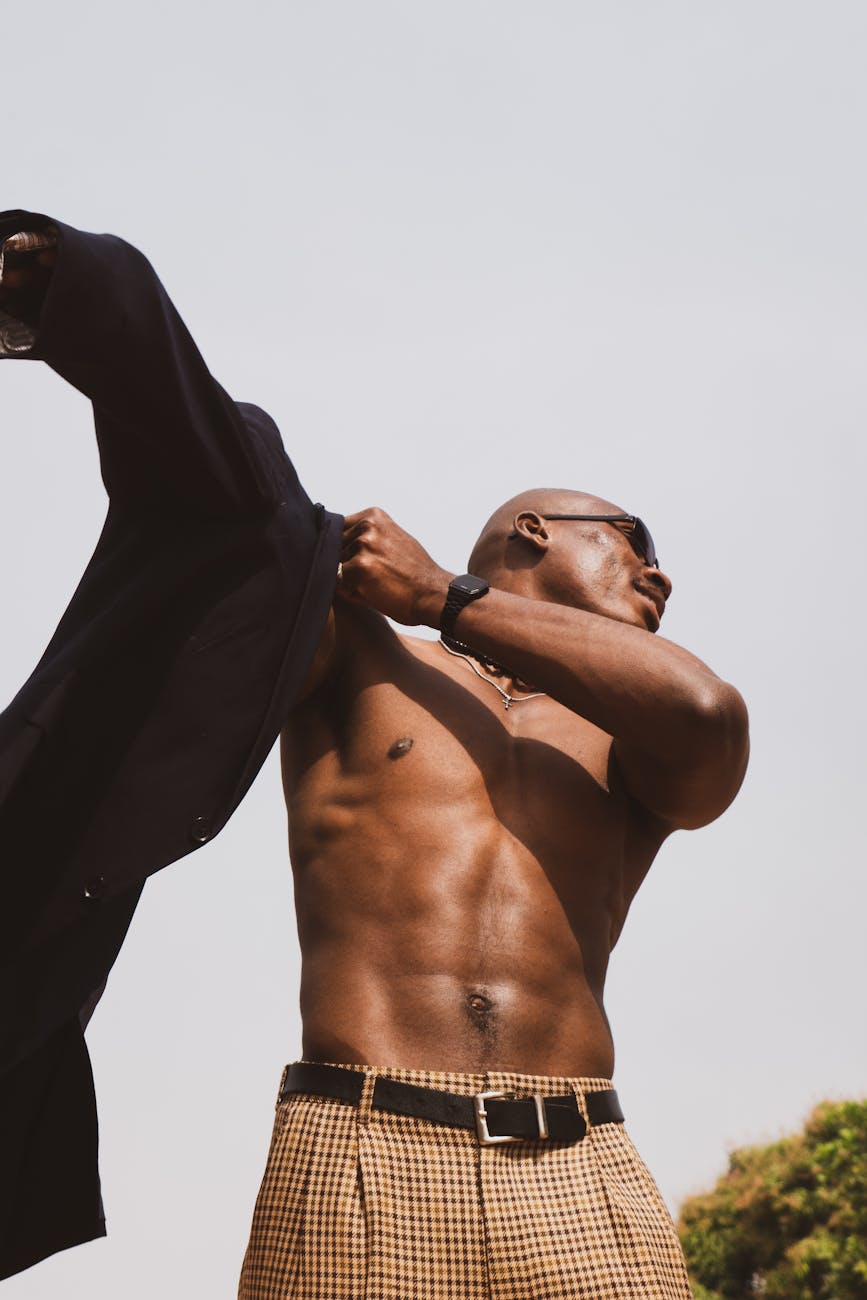
The Black man stands as a visual phenomenon—an embodiment of strength, resilience, and beauty shaped by genetics, culture, and divine design. His presence commands attention, not only for the physical frame that history has often celebrated or feared, but also for the character, spirit, and royal essence within him. From the warrior traditions of Africa to the modern world stage, the Black man continues to reflect the image of God in both body and soul.

Genetics has played a significant role in the body frame and athletic performance of many Black men. With higher bone density, muscle fiber composition, and natural endurance, studies suggest that individuals of African descent often excel in sports and physical performance (Entine, 2000). Yet this strength is not merely physical—it is historical and spiritual, rooted in generations of survival and perseverance. The Bible affirms strength as a divine gift: “The glory of young men is their strength: and the beauty of old men is the gray head” (Proverbs 20:29, KJV).

The aesthetics of the Black man go beyond strength. His melanin skin, rich in tone and resilience, is not only a protective biological gift against the sun’s harsh rays but also a marker of beauty and identity. Melanin is a crown of survival, a natural armor, and a canvas of radiance. It reflects the divine artistry of creation, as Psalm 139:14 (KJV) declares, “I will praise thee; for I am fearfully and wonderfully made: marvellous are thy works.”

Stature is another defining feature. The posture and bearing of the Black man carry the weight of royalty, often likened to kingship. Historically, African warriors and leaders were revered for their physical presence and authority. Psychology affirms that posture, symmetry, and physical form are often subconsciously associated with leadership and dominance (Perrett, 2010). The golden ratio, a mathematical principle of beauty, can often be seen in the symmetry of Black men’s faces and bodies—proportions that align with universal standards of aesthetic appeal.

Muscular structure also speaks volumes about the design of the Black man. Broad shoulders, strong chests, and well-formed musculature communicate power and capability. This does not diminish gentleness but enhances it, reminding us that strength and tenderness can coexist. The apostle Paul writes, “Watch ye, stand fast in the faith, quit you like men, be strong” (1 Corinthians 16:13, KJV). Psychology echoes this truth, suggesting that confidence rooted in body awareness contributes to mental well-being and healthy identity (Cash & Pruzinsky, 2002).

Facial features—the lips, eyes, and nose—further highlight the aesthetics of the Black man. Full lips are often regarded as symbols of sensuality and expression, while deep-set eyes convey depth, wisdom, and intensity. Strong noses, broad and defined, represent heritage and identity. Taken together, these features create a visage that is both striking and unforgettable, challenging narrow Eurocentric beauty standards.

Celebrity Examples:

Kenneth Okolie exemplifies this phenomenon through his tall, commanding frame and model-like proportions. As a Nigerian actor and model, his physicality echoes the presence of African royalty. His symmetry and strong jawline capture the golden ratio, while his grounded demeanor highlights not only aesthetics but also discipline and cultural pride.

Billy Dee Williams, with his legendary career, reshaped the image of the Black man in Hollywood. His suave charm, captivating smile, and smooth voice combined charisma with elegance. Williams’ style in the 1970s became symbolic of Black sophistication, showing that masculinity could be both powerful and tender. He represented not only physical allure but also psychological presence—the ability to command a room with grace.

Jimmy Jean-Louis, known as “the Haitian Hollywood star,” carries a global appeal. His sculpted body, expressive eyes, and deep complexion embody the resilience of a warrior. Beyond his acting career, his humanitarian work in Haiti speaks to a beauty that extends beyond appearance—rooted in compassion, responsibility, and service. His life echoes Proverbs 31:8-9 (KJV), “Open thy mouth for the dumb in the cause of all such as are appointed to destruction. Open thy mouth, judge righteously, and plead the cause of the poor and needy.”

Redaric Williams, with his chiseled muscles, striking symmetry, and expressive features, represents the modern standard of Black male aesthetics in entertainment. His physique mirrors the artistry of strength, while his acting and modeling career emphasize versatility and adaptability. Redaric embodies the psychological principle that beauty fused with confidence and determination amplifies influence (Riggio, 2010).

Biblical Figures as Archetypes of the Black Man

The aesthetics of the Black man today are mirrored in biblical figures who exemplified strength, wisdom, and divine favor. David, for instance, was both a warrior and a man after God’s heart (1 Samuel 16:12-13, KJV). He combined physical skill with courage, integrity, and leadership—qualities reflected in contemporary Black men who aspire to honor, protection, and excellence. Samson, described as a man of immense strength, also carried the mark of God’s favor in his body (Judges 16). His muscular prowess and stature symbolize the God-given potential inherent in Black men. King Solomon, though not described in physical detail, represents wisdom, wealth, and character, showing that beauty and influence extend beyond the physical to intellect, leadership, and moral authority (1 Kings 4:29-34, KJV).

These biblical archetypes emphasize that the Black man’s worth is a combination of body, mind, and spirit. Muscular bodies, symmetrical features, and commanding presence are meaningful when paired with wisdom, faith, and moral character. Psychology supports this holistic view, suggesting that confidence, empathy, and integrity enhance attractiveness and social influence (Goleman, 1995; Riggio, 2010).

In conclusion, the Black man is more than body and bone—he is vision and value, a warrior and a king. His melanin, symmetry, muscles, and stature reveal a divine design, while his heart, mind, and character testify to God’s greater purpose. From Kenneth Okolie to biblical figures like David, Samson, and Solomon, the Black man embodies aesthetics, strength, and wisdom. Truly, he is a visual and spiritual phenomenon.


References

  • Cash, T. F., & Pruzinsky, T. (2002). Body image: A handbook of theory, research, and clinical practice. Guilford Press.
  • Entine, J. (2000). Taboo: Why Black athletes dominate sports and why we’re afraid to talk about it. PublicAffairs.
  • Goleman, D. (1995). Emotional intelligence: Why it can matter more than IQ. Bantam Books.
  • Perrett, D. (2010). In your face: The new science of human attraction. Palgrave Macmillan.
  • Riggio, R. E. (2010). The charisma quotient: The psychology of leadership, persuasion, and social influence. Routledge.
  • The Holy Bible, King James Version (KJV).

The Ebony Dolls: Kenya Moore

Here she is, Miss USA…

This photograph is the property of its respective owner.

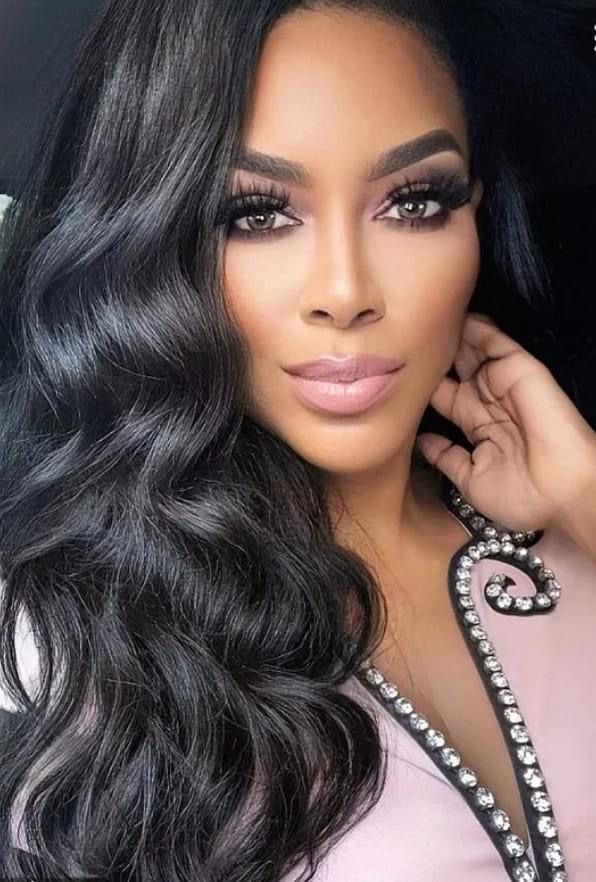
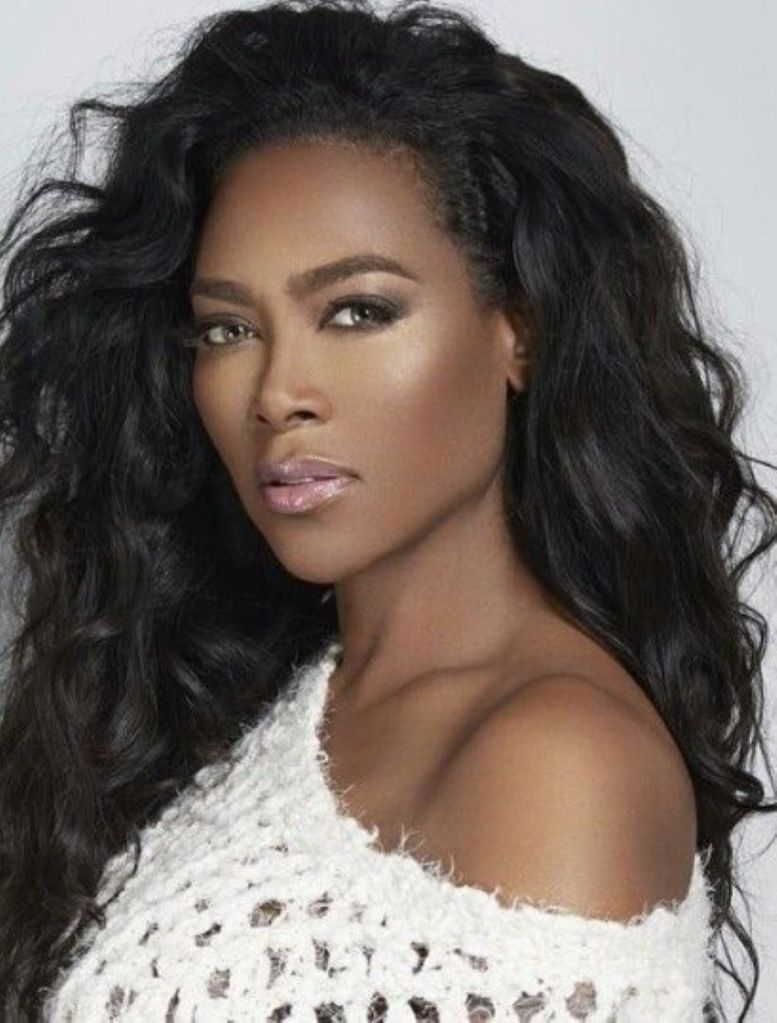
Kenya Moore is a striking vision of beauty whose deep chocolate skin and stunning facial features have captivated audiences for decades. Her almond-shaped hazel eyes, radiant smile, and elegant poise give her a commanding presence—the “wow factor” that makes her one of the most beautiful, recognizable, and celebrated Black celebrities in modern entertainment. Beyond her physical allure, Kenya combines intelligence, talent, and charisma, establishing herself as a multifaceted figure in television, film, and entrepreneurship. She uses her platform to elevate standards of excellence while embracing her African American heritage (Moore, 2010).

This photograph is the property of its respective owner.

Kenya Moore was born on January 24, 1971, in Detroit, Michigan. She is African American and has consistently celebrated her Black identity, often speaking about pride in her heritage and the beauty of her chocolate skin in an industry that has historically marginalized darker-skinned women. Her commitment to representing Black excellence has made her a role model for many young women navigating similar cultural and societal challenges.

This photograph is the property of its respective owner. No copyright infringement intended.

Her rise to prominence began in beauty pageants. In 1993, Kenya Moore won the Miss USA title, a historic achievement that showcased not only her beauty but also her poise, intelligence, and advocacy. This win opened doors in Hollywood and the entertainment industry, allowing her to transition into acting, modeling, and television hosting. She became a prominent figure, blending glamour with business acumen and cultural influence.

Kenya’s acting career includes appearances in films such as Waiting to Exhale (1995), Deliver Us from Eva (2003), and Johnson Family Vacation (2004). She has also appeared in numerous television shows, including recurring roles on series like Girlfriends and guest appearances on The Fresh Prince of Bel-Air. Kenya’s versatility as an actress, combined with her commanding presence, has allowed her to cross genres and media successfully.

In addition to acting, Kenya Moore is widely known for her reality television work. She has been a prominent cast member on The Real Housewives of Atlanta, where her wit, style, and personality have made her a fan favorite. Beyond reality TV, she has ventured into entrepreneurship, founding her own haircare line and engaging in philanthropic initiatives that empower women and young Black girls.

This photograph is the property of its respective owner.

Kenya Moore was married to Marc Daly, and the couple welcomed their first child in 2020. She frequently emphasizes the importance of family, balance, and resilience, sharing her journey as a mother and wife while continuing her career and advocacy work. Her personal life, while celebrated in public, also reflects her commitment to nurturing a grounded, loving family.

Throughout her career, Kenya Moore has received multiple accolades and recognition for her contributions to beauty, fashion, television, and entertainment. Her Miss USA title remains iconic, and she has leveraged her visibility to influence perceptions of Black beauty positively. Kenya’s career exemplifies how talent, perseverance, and authenticity can converge to create a lasting impact in Hollywood and beyond.

This photograph is the property of its respective owner.

Kenya Moore’s legacy is defined by more than her physical beauty. She represents Black excellence, resilience, and empowerment, demonstrating that one can achieve professional success while embracing and celebrating racial identity. Her influence as an actress, television personality, entrepreneur, and mother continues to inspire generations of Black women to pursue their ambitions unapologetically while maintaining dignity, poise, and self-love. All this makes her a true ebony doll.


References

  • Moore, K. (2010). Interviews and public statements on beauty, heritage, and career. Various media outlets.
  • IMDb. (n.d.). Kenya Moore Filmography. Retrieved from https://www.imdb.com/name/nm0600310/
  • Miss USA Organization. (n.d.). Kenya Moore – Miss USA 1993. Retrieved from https://www.missusa.com/history/1993
  • Erenberg, L. A. (2008). Black Women in Media: Representation, Influence, and Cultural Impact. University of Chicago Press.

The Evolution of Black Beauty. #thescienceofblackbeauty

Photo by Ali Drabo on Pexels.com

The story of Black beauty is one of resilience, transformation, and self-definition. It is a history woven through genetics, culture, struggle, and celebration. The evolution of Black beauty reflects not only the physical adaptations of African-descended peoples but also the social forces that sought to erase them and the courageous reclamation that continues today. From the golden courts of African kingdoms to the global stage of fashion and film, Black beauty has endured as both a natural inheritance and a cultural statement of identity.

The origins of Black beauty are rooted in biology and the African environment. Dark skin rich in eumelanin evolved as a protective adaptation against intense ultraviolet radiation, safeguarding against skin cancer and preserving folate levels vital for reproduction (Jablonski & Chaplin, 2010). Afro-textured hair, with its coiled structure, served as insulation, cooling the scalp in hot climates. Broader noses and fuller lips facilitated air regulation and hydration. These features were not only functional but celebrated within ancient African societies, where adornment, scarification, and hairstyles carried spiritual and cultural meaning. Beauty was a reflection of harmony with nature and community.

In African kingdoms such as Nubia, Kush, and Mali, beauty was also tied to power and refinement. Women adorned themselves with jewelry, intricate hairstyles, and natural cosmetics made from minerals and plants. Mansa Musa’s Mali, for example, valued the elegance of dress and presentation as signs of wealth and spiritual dignity. Ancient Egypt revered dark skin as a symbol of fertility and divine blessing, with goddesses like Hathor often represented with rich pigmentation. Within these societies, beauty was never divorced from identity; it was both natural and sacred.

The transatlantic slave trade fractured this organic celebration. Enslaved Africans were torn from cultural practices of adornment and subjected to Eurocentric hierarchies that devalued their features. Skin tone, hair texture, and facial structure became grounds for stereotyping and degradation. Lighter-skinned individuals were often given preferential treatment under slavery, planting the seeds of colorism that persist today (Hunter, 2007). Black beauty, once celebrated, was weaponized as a marker of inferiority.

Despite these oppressive systems, enslaved Africans and their descendants found ways to preserve beauty as resistance. Hair braiding carried coded maps and messages of escape. Sunday church services became occasions for dignified dress, asserting humanity against the indignities of bondage. Beauty practices were acts of survival—quiet rebellions against erasure, affirmations that their bodies held value and dignity beyond the gaze of the oppressor.

The early 20th century introduced new challenges and opportunities. The rise of segregation-era media continued to glorify whiteness, relegating Black features to caricature. Yet, in the Harlem Renaissance of the 1920s, Black artists, writers, and performers redefined beauty through cultural pride. Figures like Josephine Baker challenged stereotypes with her iconic performances, while Black publications such as Ebony and Jet celebrated darker skin, natural hair, and African-inspired fashion. Beauty became intertwined with racial pride and cultural awakening.

The Civil Rights and Black Power movements of the 1960s and 1970s propelled this evolution further. The slogan “Black is Beautiful” declared an unapologetic embrace of African aesthetics. Natural hairstyles such as afros symbolized liberation and self-love, rejecting chemical straightening as a symptom of imposed Eurocentric standards (Byrd & Tharps, 2014). Black beauty shifted from mere aesthetics to political activism, a visible challenge to centuries of marginalization.

Even as these movements gained momentum, mainstream media continued to impose narrow ideals. Black women were often excluded from global standards of beauty unless they fit lighter-skinned, straighter-haired molds. Supermodels like Naomi Sims and later Naomi Campbell carved spaces within the fashion industry, but representation remained limited and conditional. The struggle for full recognition persisted.

The late 20th and early 21st centuries, however, have marked a new renaissance. Celebrities such as Erykah Badu, Lauryn Hill, and later Lupita Nyong’o redefined beauty on their own terms, celebrating natural features and melanin-rich skin. Social media platforms further amplified diverse representations, allowing Black creators to showcase beauty outside of mainstream filters. The natural hair movement gained traction globally, encouraging millions of women to embrace their textured hair as beautiful and worthy.

Corporate industries began to take notice. Rihanna’s Fenty Beauty disrupted cosmetics in 2017 by offering 40 foundation shades, directly addressing the exclusion of darker tones from the beauty market. This inclusivity sparked a revolution in the industry, forcing major brands to rethink representation. Black-owned beauty companies also flourished, ensuring that definitions of beauty were set by the community itself rather than imposed from outside.

The evolution of Black beauty is not merely external—it is psychological and spiritual. Centuries of denigration created scars of internalized racism and colorism, but communities have turned toward healing. Celebrating melanin, natural features, and cultural adornments has become a path to collective empowerment. Scripture reinforces this deeper understanding, reminding us that true beauty is not only in appearance but in spirit: “The king’s daughter is all glorious within” (Psalm 45:13, KJV). This truth has grounded generations of Black people who find strength in both inner character and outer identity.

Yet, challenges remain. Media continues to perpetuate colorism, often privileging lighter-skinned models and actresses. Eurocentric beauty standards still influence surgery trends, skin-lightening practices, and hair straightening industries, especially in regions of Africa and the Caribbean. The battle for holistic acceptance of Black beauty is ongoing, demanding vigilance and continued cultural affirmation (Tate, 2009).

Still, progress cannot be denied. From the braided crowns of ancestors to the afros of revolutionaries and the natural hair influencers of today, Black beauty has proven to be ever-evolving and self-renewing. It is a beauty that adapts without losing its roots, a beauty that radiates resilience even under pressure. Its evolution is not linear but cyclical—always returning to the truth that Black beauty is whole, worthy, and divine.

In conclusion, the evolution of Black beauty is a testament to survival and self-definition. From biological origins to ancient kingdoms, from the horrors of slavery to the triumphs of cultural renaissance, Black beauty has endured and blossomed. Today, it stands as both a scientific marvel and a cultural force, reminding the world that beauty is not dictated by dominance but by dignity. Black beauty, in its many forms, continues to evolve—not toward assimilation but toward liberation, glowing with the radiance of resilience.


References

  • Byrd, A., & Tharps, L. (2014). Hair story: Untangling the roots of Black hair in America. St. Martin’s Press.
  • Hunter, M. (2007). The persistent problem of colorism: Skin tone, status, and inequality. Sociology Compass, 1(1), 237–254.
  • Jablonski, N. G., & Chaplin, G. (2010). Human skin pigmentation as an adaptation to UV radiation. Proceedings of the National Academy of Sciences, 107(Suppl 2), 8962–8968.
  • Mercer, K. (1994). Welcome to the jungle: New positions in Black cultural studies. Routledge.
  • Tate, S. A. (2009). Black beauty: Aesthetics, stylization, politics. Ashgate.

Beyond Skin Deep: The Science and Sociology of Black Beauty #thescienceofblackbeauty

Photo by Mwabonje Ringa on Pexels.com

Black beauty is more than a matter of physical appearance; it is an embodiment of science, history, and cultural meaning. To move “beyond skin deep” is to recognize that beauty among people of African descent has been shaped by biology, interpreted through social structures, and expressed in cultural identity. Understanding Black beauty requires examining the interplay of genetics, aesthetics, and sociology, all of which reveal a narrative of resilience and radiance.

From a scientific perspective, the features commonly associated with African ancestry are products of adaptation. Dark skin, rich in melanin, developed as a natural shield against ultraviolet radiation, protecting folate and preserving reproductive health while enabling vitamin D synthesis (Jablonski & Chaplin, 2010). Afro-textured hair, with its tightly coiled strands, regulates heat by shielding the scalp from sunlight while permitting airflow (Robins, 2009). These traits, often devalued under Eurocentric beauty standards, testify to evolutionary brilliance and biological resilience.

Facial diversity within Black populations further illustrates the scientific depth of beauty. Broader nasal passages aid in humidifying and cooling air in warmer climates, while varied bone structures reflect the genetic richness of African populations—the most diverse in the world (Tishkoff et al., 2009). This diversity challenges narrow beauty ideals, showing that Black beauty cannot be confined to a single standard but encompasses a spectrum of scientifically grounded traits.

Sociologically, however, beauty has long been entangled with systems of power. Eurocentric ideals, rooted in colonialism, constructed whiteness as the norm and devalued African features (Hunter, 2007). This hierarchy produced colorism within and beyond Black communities, where lighter skin was privileged and darker skin marginalized. Beauty thus became not just biological but political, reinforcing racial inequality and internalized oppression.

Despite these challenges, Black communities have consistently redefined and reclaimed beauty. The “Black is Beautiful” movement of the 1960s, alongside the natural hair renaissance of recent decades, reframed melanin and Afrocentric aesthetics as sources of pride and identity (Byrd & Tharps, 2014). These cultural shifts represent acts of resistance, undermining imposed standards and affirming self-worth.

Representation in media and industry also plays a critical role in shaping beauty. For much of history, darker-skinned models and actresses were excluded or stereotyped, while lighter skin tones were more widely accepted. Yet contemporary figures such as Lupita Nyong’o, Viola Davis, and the inclusive cosmetics of Rihanna’s Fenty Beauty have expanded definitions of beauty, elevating African features and diverse skin tones to global prominence (Tate, 2009). Such representation transforms beauty into a sociological tool of empowerment.

Spiritually and socially, beauty extends beyond appearance to character and resilience. The Bible emphasizes that true beauty is “the hidden man of the heart” rather than outward adornment (1 Peter 3:3–4, KJV). For Black people, whose external beauty was historically denied, inner strength, dignity, and cultural creativity became markers of radiance. This spiritual depth underscores that Black beauty is not fragile but fortified by endurance.

In conclusion, the science and sociology of Black beauty reveal it to be multifaceted—rooted in biology yet shaped by cultural and social forces. It is a narrative of survival written in melanin, identity articulated in aesthetics, and resilience expressed in representation. Beyond skin deep, Black beauty is both science and story: a testimony to the enduring strength, creativity, and dignity of African-descended peoples.


References

  • Byrd, A., & Tharps, L. (2014). Hair story: Untangling the roots of Black hair in America. St. Martin’s Press.
  • Hunter, M. (2007). The persistent problem of colorism: Skin tone, status, and inequality. Sociology Compass, 1(1), 237–254.
  • Jablonski, N. G., & Chaplin, G. (2010). Human skin pigmentation as an adaptation to UV radiation. Proceedings of the National Academy of Sciences, 107(Suppl 2), 8962–8968.
  • Robins, A. H. (2009). Biological perspectives on human pigmentation. Cambridge University Press.
  • Tate, S. A. (2009). Black beauty: Aesthetics, stylization, politics. Ashgate.
  • Tishkoff, S. A., et al. (2009). The genetic structure and history of Africans and African Americans. Science, 324(5930), 1035–1044.