Category Archives: Beauty

Beauty Series: When Beauty Becomes a False God.

In contemporary culture, beauty is often elevated to a form of worship. When physical appearance becomes the primary measure of worth, it transforms from an attribute into an idol. Beauty, when prioritized above character, wisdom, and spiritual integrity, can lead individuals to pursue self-glorification rather than meaningful purpose.

The concept of beauty sins arises when aesthetic appeal is used to manipulate, dominate, or deceive. Physical attractiveness becomes a tool for social leverage, economic advantage, or personal validation. Instead of serving as a reflection of God’s creation, beauty is exploited for personal gain.

One manifestation of beauty sins is vanity, where individuals obsess over their appearance to the exclusion of other virtues. Time, resources, and energy are devoted to maintaining an image, often leaving spiritual and emotional development neglected. Scripture warns against such preoccupation, emphasizing that the heart matters more than outward appearance (1 Samuel 16:7, KJV).

Pride is a natural companion to vanity. Those considered beautiful may develop a sense of superiority over others, believing that their worth is inherent and unquestionable. Pride in beauty can alienate friends, distort relationships, and foster isolation. Proverbs 16:18 warns, “Pride goeth before destruction, and a haughty spirit before a fall.”

Idolatry occurs when beauty becomes a false god. Just as the Israelites were admonished to worship God alone, modern idolization of appearance displaces the Creator with the created. Physical attractiveness, in this sense, becomes the ultimate authority, demanding attention, admiration, and devotion.

Beauty sins often involve manipulation. People may use their looks to influence others, secure favors, or gain wealth. Relationships founded on appearance rather than authenticity create dependency, mistrust, and moral compromise. This transactional use of beauty distorts human connection and diminishes both parties.

Narcissism is reinforced by beauty worship. Constant affirmation of appearance can cultivate grandiose self-perception, entitlement, and lack of empathy. Psychological research links excessive focus on looks with narcissistic traits, relational difficulties, and identity fragility.

Plastic surgery and cosmetic enhancement, while sometimes empowering, can become instruments of beauty sins when pursued obsessively or to attain societal approval. Dependence on altering one’s body to secure validation reflects a misplaced sense of worth.

The objectification of self and others is central to beauty sins. Treating the body as a commodity or evaluating individuals primarily on appearance reduces human beings to instruments of visual pleasure or social capital, undermining dignity and moral responsibility.

Social media exacerbates beauty sins. Platforms reward aesthetic performance, encouraging comparison, competition, and self-surveillance. Likes and follower counts become proxies for value, perpetuating insecurity and superficiality even among those deemed conventionally attractive.

Beauty sins often generate envy and resentment. Admiration for physical attractiveness can provoke jealousy, rivalry, and social tension. Cultural emphasis on beauty stratifies communities, creating hierarchies that are arbitrary and destructive.

The spiritual consequences of beauty sins are profound. When individuals place beauty at the center of their identity, they risk spiritual stagnation, misaligned priorities, and moral compromise. True worth becomes dependent on external perception rather than God’s affirmation.

Scripture repeatedly emphasizes the transient nature of beauty. “Favor is deceitful, and beauty is vain” (Proverbs 31:30, KJV). Relying on appearance for validation leads to instability, as youth fades and physical traits inevitably change.

The misuse of beauty also impacts relational dynamics. Romantic, professional, and social interactions can be tainted by superficiality. Those worship for appearance may struggle to form deep, authentic connections, while admirers may be misled into valuing aesthetics over substance.

Overcoming beauty sins requires self-awareness. Recognizing when attraction becomes idolatry allows individuals to realign priorities. Reflection, accountability, and spiritual guidance help maintain beauty in its proper context.

Humility is critical. Understanding that physical appearance is a temporary, God-given trait, rather than an ultimate source of authority or worth, counters pride and vanity. Humble individuals appreciate beauty without making it central to identity.

Discipline complements humility. Limiting obsessive focus on appearance, reducing time on comparison, and prioritizing inner growth redirect attention from external validation to lasting virtues.

Service and empathy provide a counterbalance. By using influence for good rather than self-glorification, individuals shift from self-centered beauty worship to contributing positively to others’ lives. Beauty becomes a tool, not a god.

Faith-based reflection reinforces proper perspective. Prayer, scripture study, and spiritual mentorship help individuals value moral character and divine purpose above temporal aesthetics. True beauty aligns with inner virtue and godly character.

Ultimately, when beauty becomes a false god, it enslaves rather than elevates. Recognition, admiration, and material advantage cannot replace spiritual fulfillment, moral integrity, or authentic human connection. Overcoming beauty sins restores balance and aligns identity with higher principles.

Beauty, when rightly ordered, celebrates creation rather than creating a hierarchy of worth. It can be enjoyed without idolatry, admired without exploitation, and expressed without manipulation. True liberation comes when beauty serves purpose rather than commands devotion.

References

Fredrickson, B. L., & Roberts, T. A. (1997). Objectification theory: Toward understanding women’s lived experiences and mental health risks. Psychology of Women Quarterly, 21(2), 173–206.

Calogero, R. M., Tantleff-Dunn, S., & Thompson, J. K. (2011). Self-objectification in women: Causes, consequences, and counteractions. American Psychological Association.

Twenge, J. M., & Campbell, W. K. (2009). The narcissism epidemic: Living in the age of entitlement. Free Press.

Langlois, J. H., Kalakanis, L., Rubenstein, A. J., Larson, A., Hallam, M., & Smoot, M. (2000). Maxims or myths of beauty? A meta-analytic and theoretical review. Psychological Bulletin, 126(3), 390–423.

Eagly, A. H., Ashmore, R. D., Makhijani, M. G., & Longo, L. C. (1991). What is beautiful is good, but… A meta-analytic review of research on the physical attractiveness stereotype. Psychological Bulletin, 110(1), 109–128.

Hunter, M. (2007). The persistent problem of colorism: Skin tone, status, and inequality. Sociology Compass, 1(1), 237–254.
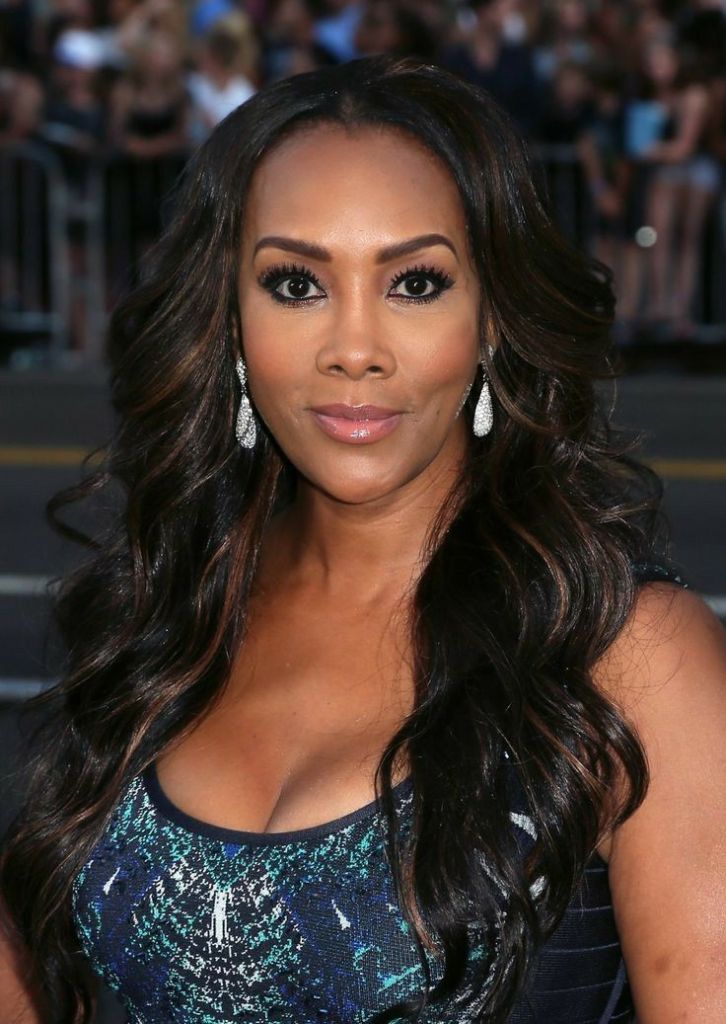
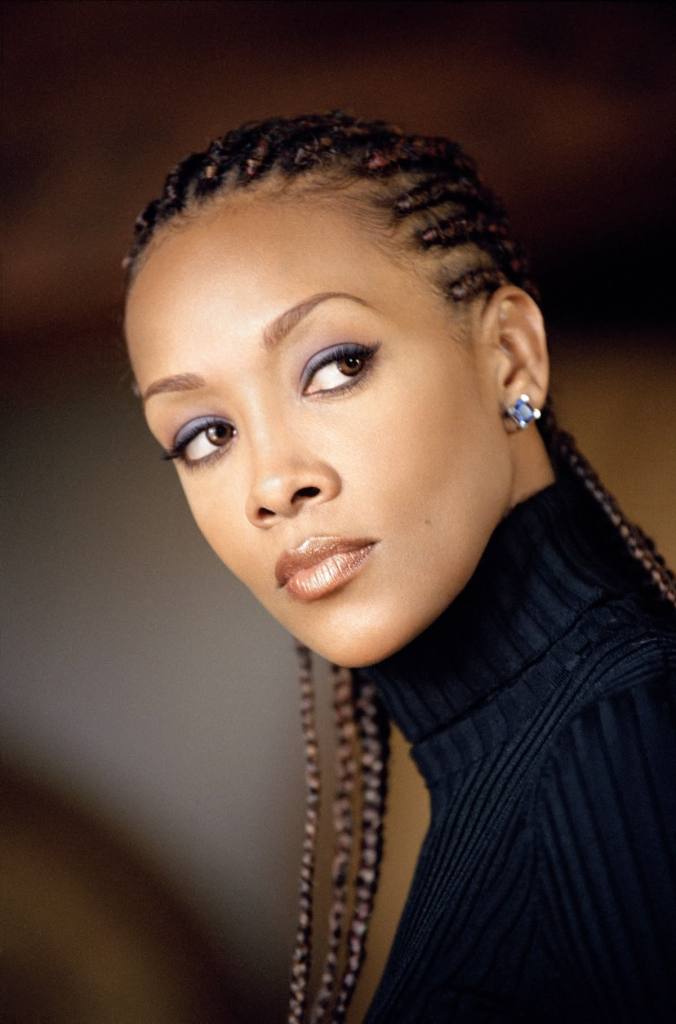
The “It Girl” Series: Vivica A. Fox

The 90s bombshell who turned blockbuster beauty into enduring Black Hollywood power.

This photograph is the property of its respective owner.

In the pantheon of Black Hollywood glamour, few women have embodied resilience, sensuality, and business acumen quite like Vivica A. Fox. With her radiant smile, honey-brown complexion, and unmistakable screen presence, Fox emerged in the 1990s as one of the definitive “It Girls” of her era. She was not merely beautiful—she was bankable. At a time when Hollywood often limited roles for Black actresses, Fox carved out a space where glamour met grit, and vulnerability met strength.

Born July 30, 1964, in South Bend, Indiana, and raised in Indianapolis, Fox earned a degree in social sciences from Golden West College before pursuing acting. Her early career included soap operas such as Days of Our Lives and Generations, where she honed the discipline and stamina required in the entertainment industry. These formative years shaped her work ethic and prepared her for the breakout that would redefine her trajectory.

This photograph is the property of its respective owner.

Fox’s ascension to mainstream fame arrived with her role as Jasmine Dubrow in Independence Day (1996). Acting alongside Will Smith, she portrayed a devoted girlfriend and single mother navigating apocalyptic chaos. The film grossed over $800 million worldwide, cementing Fox as a recognizable face in blockbuster cinema. That same year, she starred opposite Jada Pinkett Smith and Queen Latifah in Set It Off, a cultural landmark that remains one of the most significant portrayals of Black female antiheroes in American film history. Her performance as Frankie Sutton—loyal, fierce, and tragically vulnerable—demonstrated dramatic range and emotional depth.

This photograph is the property of its respective owner.

Throughout the late 1990s and early 2000s, Fox became synonymous with box office consistency and romantic allure. She starred in Soul Food, a film adaptation of the television series’ precursor, highlighting Black family dynamics, and appeared in Why Do Fools Fall in Love, portraying Elizabeth Waters opposite Halle Berry. Fox also displayed comedic brilliance in Booty Call and dramatic intensity in Kill Bill: Vol. 1, directed by Quentin Tarantino. As Vernita Green (Copperhead), she embodied physical power and maternal complexity, proving she could dominate action cinema alongside global stars.

In the 2010s, Vivica A. Fox strategically expanded her brand through a prolific partnership with Lifetime, becoming one of the network’s most recognizable leading ladies and executive producers. She headlined and produced multiple entries in the popular thriller franchise commonly known as “The Wrong” series—including titles such as The Wrong Roommate and The Wrong Fiancé—which centered on suspense-driven narratives involving deception, obsession, and betrayal. In 2020, Fox solidified her relationship with Lifetime and its parent company, A+E Networks, by signing a first-look development and producing deal. The agreement positioned her to both star in and executive produce original films for the network, effectively transitioning her from on-screen talent to creative architect. This deal underscored her business acumen, granting her expanded influence over storytelling while ensuring sustained visibility in a competitive industry.

Beyond acting, Fox evolved into a producer and entrepreneur, founding Foxy Brown Productions. She later became a staple of television, starring in and producing projects for networks such as Lifetime, often portraying sophisticated, high-powered women. Her longevity in the industry reflects not only talent but adaptability—an essential attribute for Black actresses navigating Hollywood’s shifting landscape.

Culturally, Fox’s beauty represented the quintessential “All-American” glamour filtered through a distinctly Black aesthetic. Her softly arched brows, almond-shaped eyes, and luminous skin tone positioned her within mainstream beauty discourse at a time when representation was limited. Yet her appeal transcended aesthetics. She carried herself with confidence, humor, and unapologetic femininity, influencing a generation of actresses and audiences alike.

Vivica A. Fox is an “It Girl” not because of fleeting popularity, but because of sustained visibility, cultural impact, and professional endurance. She represents the archetype of the 1990s Black Hollywood starlet who matured into a mogul—gracefully, strategically, and unapologetically. In a world that often sidelines women as they age, Fox has maintained relevance, embodying elegance and resilience.

Her legacy is one of survival and success. She is not simply remembered for her roles; she is remembered for her presence—bold, beautiful, and enduring.


References

Bogle, D. (2016). Toms, Coons, Mulattoes, Mammies, and Bucks: An interpretive history of Blacks in American films (Updated ed.). Bloomsbury Academic.

Guerrero, E. (1993). Framing Blackness: The African American image in film. Temple University Press.

IMDb. (n.d.). Vivica A. Fox. Retrieved from https://www.imdb.com

Mask, M. (2009). Divas on screen: Black women in American film. University of Illinois Press.

A+E Networks. (2020). Vivica A. Fox signs first-look development deal with Lifetime. Press release.

Deadline. (2020). Vivica A. Fox inks first-look deal with Lifetime.

IMDb. (n.d.). Vivica A. Fox filmography. Retrieved from https://www.imdb.com

Lifetime. (n.d.). Original movies featuring Vivica A. Fox. Retrieved from https://www.mylifetime.com

Beauty Series: Men, Masculinity, and the Face Value Fallacy

In modern society, physical attractiveness often carries disproportionate weight in social perception. For men, appearance can influence how they are perceived in both romantic and professional contexts. The “face value fallacy” refers to the assumption that outward appearance reflects inner character, abilities, or worth, a misconception that can mislead both men and women.

Masculinity is often intertwined with perceptions of physicality. Height, facial structure, muscle tone, and grooming can influence how men are judged socially, romantically, and professionally. Society frequently equates certain physical traits with strength, confidence, or success, creating pressure to conform to idealized standards.

However, the face value fallacy distorts understanding. While appearance may open doors or attract initial attention, it is not indicative of integrity, wisdom, or moral character. A man’s physical appeal does not guarantee faithfulness, responsibility, or emotional intelligence. Proverbs 31:30 reminds us, “Favor is deceitful, and beauty is vain: but a woman that feareth the Lord, she shall be praised.” This principle applies universally—outer attractiveness is transient and not a reliable measure of value.

For Black men, navigating societal standards of masculinity is compounded by cultural pressures and racialized stereotypes. Media, historical prejudice, and community expectations shape perceptions of what it means to be attractive, successful, or powerful. The pressure to embody both physical and social ideals can create internal conflict and influence behavior.

Romantic relationships are particularly impacted by the face value fallacy. Men may prioritize appearance when evaluating potential partners, while women may do the same when assessing men. Overemphasis on looks can obscure important qualities such as faithfulness, kindness, intelligence, and spiritual alignment.

Masculinity is more than appearance; it encompasses responsibility, integrity, and the ability to lead and protect. A godly man demonstrates strength through character, service, and faithfulness, not merely through aesthetics. Ephesians 5:25–28 emphasizes love expressed through action, highlighting the importance of inner virtue over superficial appeal.

The fallacy also affects self-perception. Men may equate their worth with how attractive they are or how favorably they are perceived by women or society. This can foster insecurity, anxiety, or unhealthy competition. True confidence is rooted in competence, character, and alignment with God’s purpose.

Social media amplifies the face value fallacy. Filters, curated images, and public comparison encourage judgment based on looks rather than substance. For men, this environment can distort priorities, fostering preoccupation with external validation instead of spiritual or personal growth.

The face value fallacy impacts decision-making in dating, career, and social interactions. Men who overemphasize appearance may overlook red flags, ignore character flaws, or invest in relationships that lack alignment with God’s principles. Discernment requires looking beyond the surface to evaluate behavior, integrity, and values.

Cultural influences play a role in shaping what is considered masculine and attractive. Historically, certain facial features, skin tone, or body types have been idealized, particularly within Western media. These standards often exclude diverse expressions of masculinity and contribute to pressure to conform.

Men may also experience fetishization, particularly in cross-cultural or interracial contexts. Certain physical traits—muscle, height, facial symmetry—can be objectified, reducing a man to aesthetic qualities rather than recognizing holistic character. This parallels how women are often evaluated primarily on appearance.

Faith provides a corrective lens. A man who prioritizes God’s guidance, integrity, and service embodies true masculinity. Appearance becomes secondary to spiritual alignment, moral responsibility, and relational fidelity. Psalm 37:23–24 underscores that the Lord directs the steps of the righteous, emphasizing guidance over outward perception.

Men who understand the face value fallacy cultivate authenticity. They invest in self-discipline, emotional intelligence, and godly character, ensuring that relationships and social interactions are grounded in substance rather than superficial attraction.

The fallacy also informs mentorship and leadership. Men who rise to positions of influence based solely on appearance or charm risk instability, ethical compromise, or relational discord. True leadership requires wisdom, empathy, and integrity, not merely aesthetic appeal.

Masculinity expressed through service rather than show fosters respect. Protecting, providing, and encouraging others reflects strength rooted in action rather than image. Proverbs 20:7 illustrates this principle: “The just man walketh in his integrity: his children are blessed after him.”

Romantic attraction must balance beauty with virtue. Physical appeal can initiate interest, but faithfulness, encouragement, and spiritual alignment sustain a lasting partnership. Women seeking godly men should look beyond appearance to assess character, values, and consistency.

Education, reflection, and accountability help men navigate pressures of appearance. Mentorship, community guidance, and scripture study reinforce the understanding that true masculinity is holistic, integrating physical, emotional, and spiritual dimensions.

Ultimately, the face value fallacy serves as a cautionary tale: appearances are temporary and often misleading. For men, prioritizing inner character, integrity, and godly principles creates enduring influence, meaningful relationships, and spiritual fulfillment.

Understanding this fallacy also benefits women. Recognizing that physical appearance does not guarantee fidelity, leadership, or moral alignment allows women to make informed choices in partners, fostering healthier relationships and spiritual growth.

Beauty, whether male or female, is a gift, but it should never define worth. Masculinity grounded in integrity, wisdom, and service endures beyond fleeting aesthetic standards. Godly men and women alike are called to evaluate relationships and social interactions through the lens of scripture, ensuring alignment with divine purpose rather than superficial perception.

References

The Holy Bible, King James Version.

Ephesians 5:25–28
Proverbs 31:30
Psalm 37:23–24
Twenge, J. M., & Campbell, W. K. (2009). The Narcissism Epidemic: Living in the Age of Entitlement. Free Press.

Hunter, M. (2007). The persistent problem of colorism: Skin tone, status, and inequality. Sociology Compass, 1(1), 237–254.
Anderson, E. (2012). The Social Dynamics of Black Male Attraction. Oxford University Press.

Psychology Today. (2016). Why physical attractiveness influences behavior.

The “It Girl” Series: Regina King

With hazel eyes that see truth and talent that commands history, Regina King doesn’t follow eras — she defines them.

This photograph is the property of its respective owner.

There are actresses, there are auteurs, and then there is Regina King — a woman whose career arc reflects brilliance, endurance, evolution, and cultural gravitas. Regina King is not merely an “It Girl” because of a trend or visibility. She is an It Girl because she embodies excellence — consistently, intelligently, and unapologetically.

From child star to Academy Award winner to Emmy-winning television powerhouse and acclaimed director, King represents the rare Hollywood figure whose relevance deepens with time.


Early Life & How She Got Started

Born January 15, 1971, in Los Angeles, California, Regina King grew up in View Park–Windsor Hills, a historically Black middle-class enclave. After her parents divorced, King was raised primarily by her mother, Gloria, and encouraged to pursue both education and performance.

Her professional career began in 1985 when she was cast as Brenda Jenkins on the NBC sitcom 227. As the witty, sharp-tongued teenage daughter of Mary Jenkins (played by Marla Gibbs), King displayed natural comedic timing and emotional intelligence beyond her years. “227” ran for five seasons and established her as a household name in Black America.

Unlike many child actors, King did not disappear. She transitioned deliberately into film, starring in culturally defining projects such as Boyz n the Hood (1991), Poetic Justice (1993), and Friday (1995). Each role expanded her range — from socially conscious drama to romantic intensity to comedic realism.


This photograph is the property of its respective owner.

Becoming a Hollywood Force

By the 2000s, Regina King was no longer simply a former child star — she was a powerhouse performer. Her television performances in Southland and American Crime earned her critical acclaim and multiple Emmy Awards. In fact, she has won four Primetime Emmy Awards, making her one of the most decorated Black actresses in television history.

Her career-defining film role came in If Beale Street Could Talk, directed by Barry Jenkins. Her portrayal of Sharon Rivers — a fierce, protective mother — earned her the Academy Award for Best Supporting Actress in 2019. In her Oscar acceptance speech, King declared:

“I’m an example of what it looks like when support and love is poured into someone.”

That statement encapsulates her ethos: grounded, grateful, powerful.

She later directed the critically acclaimed film One Night in Miami…, becoming the first Black woman to direct a film selected for the Venice Film Festival in 2020. The film dramatized a fictionalized meeting between Malcolm X, Muhammad Ali, Jim Brown, and Sam Cooke — positioning King not only as an actress but as a cultural curator of Black history.


Portraying Shirley Chisholm

In 2024, King portrayed pioneering congresswoman Shirley Chisholm in the Netflix film Shirley. Chisholm, the first Black woman elected to Congress and the first Black candidate for a major party’s presidential nomination, required gravitas, discipline, and historical sensitivity. King brought both power and tenderness to the role, further solidifying her reputation for portraying strong, intelligent Black women rooted in political and emotional complexity.


Her Family, Marriage & Personal Loss

Regina King married record executive Ian Alexander Sr. in 1997. They divorced in 2007. Together, they had one son, Ian Alexander Jr.

In January 2022, Ian Alexander Jr. died by suicide at age 26. The tragedy stunned Hollywood and the public. King released a statement describing her son as “a bright light who cared so deeply about the happiness of others.”

Her strength in the aftermath was quiet but profound. She requested privacy while expressing gratitude for the outpouring of love. In interviews before his death, she had often described motherhood as her greatest joy. Afterward, she has spoken about grief as something that does not disappear but transforms.

Her resilience has deepened public admiration. She embodies a particular kind of Black maternal dignity — one that does not collapse under public pain but refuses spectacle. All the best to her.


This photograph is the property of its respective owner.

Beauty, Presence & Hollywood Appeal

Regina King’s beauty is understated yet magnetic. Her warm hazel eyes — often highlighted by minimal, elegant styling — convey intelligence and emotional awareness. Casting directors frequently praise her for her ability to “listen on camera,” a rare acting skill that makes her performances feel lived-in rather than performed.

Critics often describe her as:

  • Disciplined
  • Emotionally precise
  • Thoughtful
  • Commanding without arrogance

Viola Davis once publicly praised King’s range and fearlessness, and many directors note her preparation and leadership on set. Her appeal in Hollywood stems from three rare combinations:

  1. Talent across mediums (film, television, directing)
  2. Professional longevity without scandal-driven notoriety
  3. Intellectual depth paired with cultural authenticity

She is popular not because she is loud, but because she is consistently excellent.


This photograph is the property of its respective owner.

Why She Is an “It Girl”

The term “It Girl” is often associated with trendiness, youth, or fleeting fame. Regina King redefines it.

She is an It Girl because:

  • She began as a teenage sitcom star and evolved into an Oscar-winning actress.
  • She commands respect in both acting and directing.
  • She carries herself with moral and intellectual clarity.
  • She uplifts Black history through her work.
  • She balances glamour with groundedness.

She represents aspirational Black womanhood — educated, accomplished, emotionally complex, and culturally conscious.

Her favorites often include roles that explore justice, motherhood, and Black identity — themes aligned with her public values. She has stated in interviews that she chooses projects that matter socially, not merely financially.


Popularity & Cultural Position

Regina King is popular because she bridges generations:

  • Millennials remember her from Friday.
  • Gen X remembers her from 227.
  • Gen Z knows her from Watchmen.
  • Cinephiles respect her Oscar win.
  • Scholars respect her directorial contributions.

Few artists manage that breadth.

In a Hollywood system that often sidelines Black women after a certain age, King has grown more powerful, not less visible. She is the embodiment of sustained relevance.

Regina King is not simply an actress.
She is a cultural institution.

And in the It Girl Series, she stands as proof that brilliance, when cultivated with discipline and dignity, never fades — it evolves.


References

Academy of Motion Picture Arts and Sciences. (2019). 91st Academy Awards winners list.

Emmys. (n.d.). Regina King – Award history. Television Academy.

IMDb. (n.d.). Regina King filmography. Retrieved from https://www.imdb.com

Jenkins, B. (Director). (2018). If Beale Street Could Talk [Film]. Annapurna Pictures.

King, R. (Director). (2020). One Night in Miami… [Film]. Amazon Studios.

Netflix. (2024). Shirley [Film].

NBC. (1985–1990). 227 [Television series].

People Magazine. (2022). Regina King statement on the death of her son.

The Hollywood Reporter. (2019–2024). Interviews and coverage on Regina King’s directing and acting career.

Variety. (2018–2024). Coverage of Regina King’s awards and industry impact.

Beauty Series: The Halo Effect – How Attractiveness Shapes Perception

The concept of the “halo effect” has fascinated psychologists, sociologists, and everyday observers for decades. At its core, the halo effect describes a cognitive bias whereby one prominent positive trait, such as physical attractiveness, influences the perception of other unrelated traits. In other words, when someone appears beautiful, people often assume they are also intelligent, kind, successful, or trustworthy, even without evidence.

The halo effect was first formally studied by psychologist Edward Thorndike in 1920, who observed that commanding officers in the military rated subordinates more positively across unrelated categories if they excelled in one area. While Thorndike’s research did not focus on physical attractiveness, it laid the groundwork for understanding how first impressions can distort judgment across traits.

Later research explicitly explored how beauty generates this cognitive bias. Dion, Berscheid, and Walster (1972) coined the phrase “what is beautiful is good,” showing that physically attractive individuals were perceived as more socially competent, morally upright, and even happier than less attractive peers. Their experiments highlighted the enduring psychological power of appearance.

The halo effect operates unconsciously. People are rarely aware that their assessments are influenced by attractiveness. This automatic bias can affect evaluations in nearly every area of life, from employment decisions and leadership selection to dating preferences and legal judgments.

One of the most striking examples of the halo effect occurs in the workplace. Attractive employees are often assumed to be more competent and capable of leadership, even when performance metrics are identical. Studies show that attractive individuals receive better performance reviews, higher starting salaries, and more promotional opportunities.

In education, teachers may unconsciously give more favorable evaluations to students they perceive as attractive. This subtle form of bias reinforces social inequalities and demonstrates that the halo effect has tangible consequences beyond social perception.

The halo effect is not limited to positive traits. A single negative feature or action can produce a “horn effect,” in which one perceived flaw leads observers to assume other negative qualities. Both effects illustrate the same cognitive shortcut: humans generalize from salient cues to form overall impressions.

Physical attractiveness is closely tied to evolutionary psychology. Humans are wired to perceive health, symmetry, and vitality as indicators of genetic fitness. These evolutionary preferences amplify the halo effect, making beautiful people appear more capable or desirable.

Modern research expands the halo effect to digital spaces. Social media, filters, and photo-editing software amplify attractiveness cues, often creating inflated perceptions of competence, confidence, or social status. Gulati et al. (2024) demonstrate that AI-enhanced beauty can exacerbate the halo effect, influencing online hiring, social influence, and even dating behavior.

Cultural standards of beauty further shape the halo effect. What is considered attractive in one society may differ in another, yet the cognitive bias persists universally. Studies show that while facial symmetry and skin clarity are often valued cross-culturally, attributes such as height, body proportion, and grooming also contribute to halo-based judgments.

Celebrities and public figures benefit disproportionately from the halo effect. Actors, musicians, and politicians who are conventionally attractive often receive amplified media coverage, favorable reviews, and greater public trust, regardless of their actual competence or achievements.

The halo effect also influences judicial outcomes. Research indicates that defendants who are physically attractive receive more lenient sentences and more favorable juror assessments than less attractive defendants. This underscores how subconscious biases can infiltrate systems of justice.

In romantic relationships, attractiveness plays a dual role. Attractive individuals are often assumed to possess positive personality traits, leading to increased attention, dating opportunities, and perceived compatibility. However, these assumptions are not always accurate, and reliance on the halo effect can lead to misjudgment and disappointment.

Educational institutions, workplaces, and legal systems have developed training and awareness programs to mitigate the halo effect. By making evaluators conscious of their biases, organizations aim to reduce the disproportionate influence of attractiveness on decisions that should rely on objective criteria.

Despite its negative consequences, the halo effect can also have positive social functions. It can facilitate smoother social interactions, foster trust, and encourage prosocial behavior when applied unconsciously in small, everyday encounters. The challenge lies in balancing instinctual perceptions with critical assessment.

Media representation further entrenches halo-driven biases. Television, advertising, and film often equate beauty with moral virtue, intelligence, and social desirability, reinforcing societal beliefs about the link between appearance and character. These portrayals perpetuate stereotypes that extend the halo effect beyond personal observation.

The halo effect intersects with gender and race. Studies reveal that attractive women often experience both advantage and heightened scrutiny, while attractive men are perceived as more competent and dominant. Cultural biases also affect how attractiveness is perceived across different racial groups, revealing the interplay between beauty standards and systemic inequality.

Beauty standards evolve over time, yet the halo effect remains consistent. From Renaissance portraits to modern Instagram filters, humans are inclined to generalize from visible cues of beauty to judgments about competence, character, and social value.

Awareness of the halo effect empowers individuals to question first impressions. By actively seeking objective evidence and critically evaluating assumptions, people can reduce the unconscious influence of attractiveness on decisions, creating fairer evaluations in education, employment, and social judgment.

Ultimately, the halo effect demonstrates the profound power of perception in shaping human interactions. Beauty influences how people are treated, what opportunities they receive, and how society interprets their value. Recognizing this bias is a first step toward creating equitable systems that honor true merit over appearance.


References

Dion, K., Berscheid, E., & Walster, E. (1972). What is beautiful is good. Journal of Personality and Social Psychology, 24(3), 285–290.

Thorndike, E. L. (1920). A constant error in psychological ratings. Journal of Applied Psychology, 4(1), 25–29.

Talamas, S. N., Mavor, K. I., & Perrett, D. I. (2016). Blinded by beauty: Attractiveness bias and accurate perceptions of academic performance. PLoS ONE, 11(2), e0148284.

Gulati, A., Martínez-Garcia, M., Fernández, D., Lozano, M. A., Lepri, B., & Oliver, N. (2024). What is beautiful is still good: The attractiveness halo effect in the era of beauty filters. Computers in Human Behavior, 152, 107034.

Fiske, S. T., & Taylor, S. E. (2013). Social cognition: From brains to culture (2nd ed.). Sage Publications.

Nisbett, R. E., & Wilson, T. D. (1977). The halo effect: Evidence for unconscious alteration of judgments. Journal of Personality and Social Psychology, 35(4), 250–256.

Rosen, S., & Grossman, J. (2020). Attractiveness bias: Implications for education, employment, and justice. Social Science Review, 42(3), 112–128.

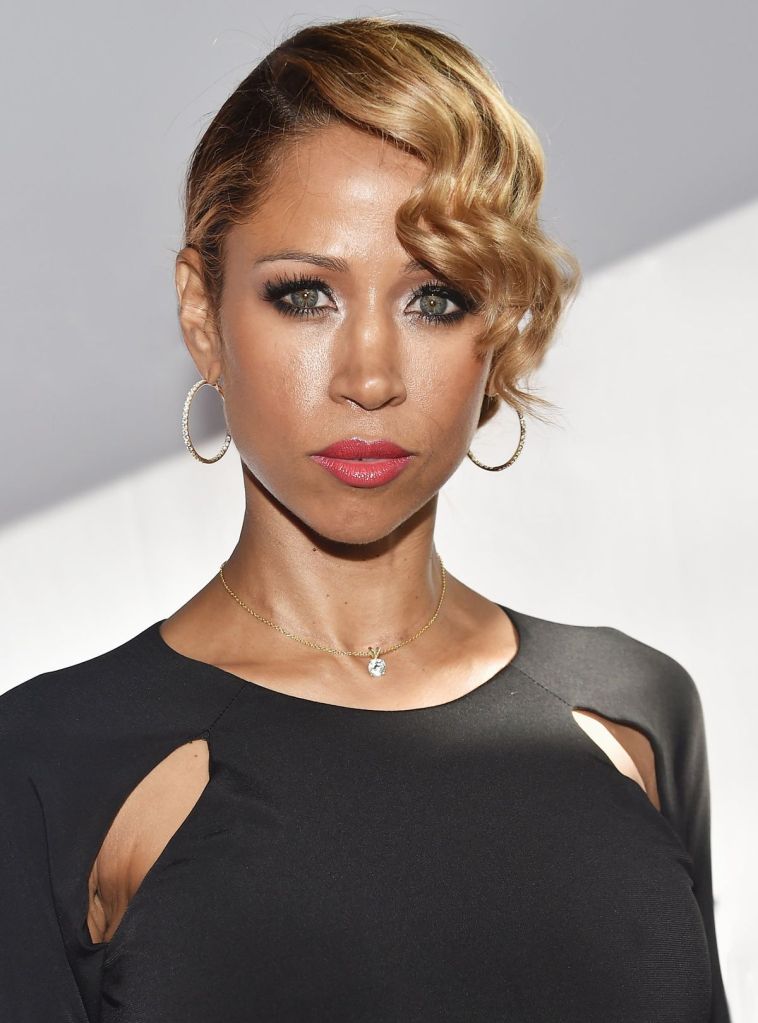
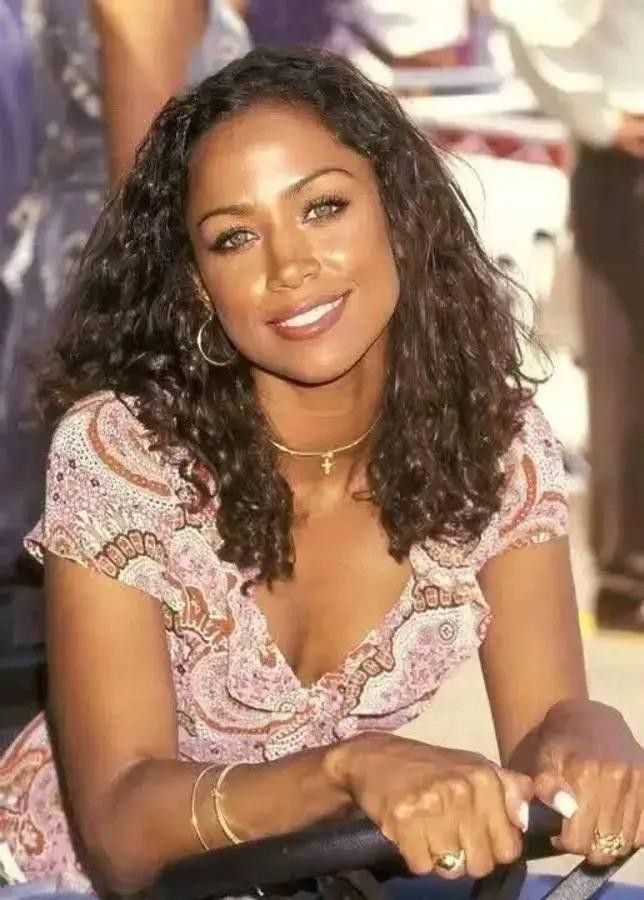
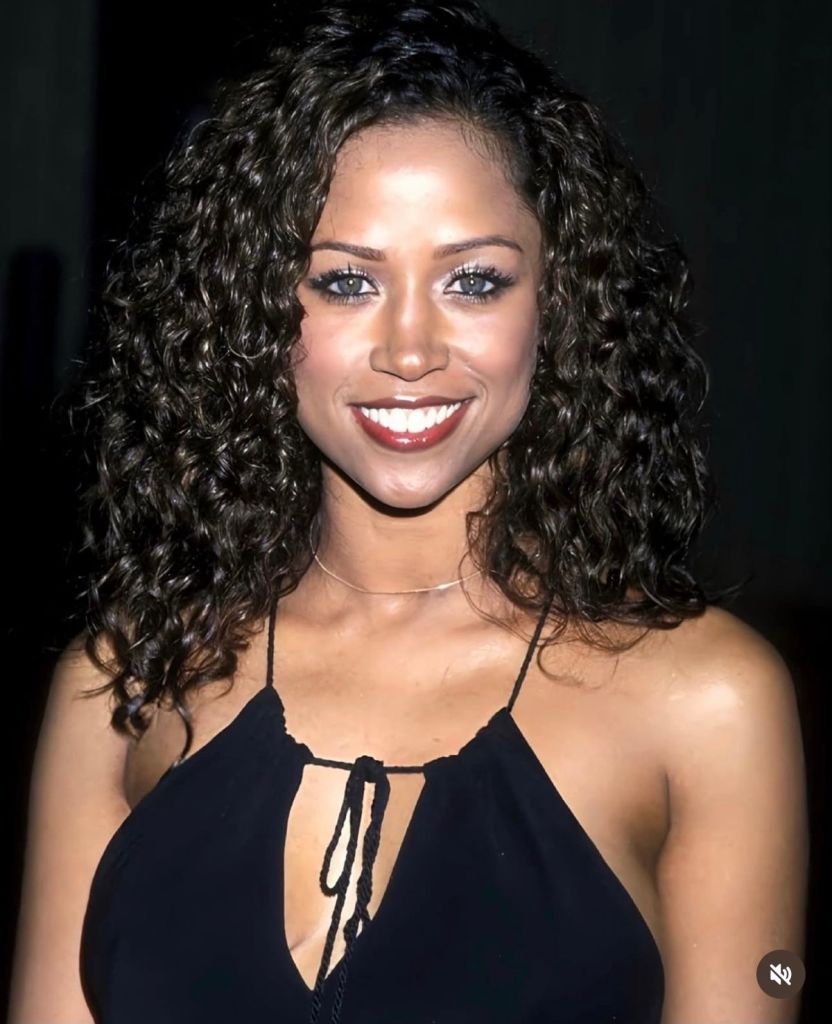
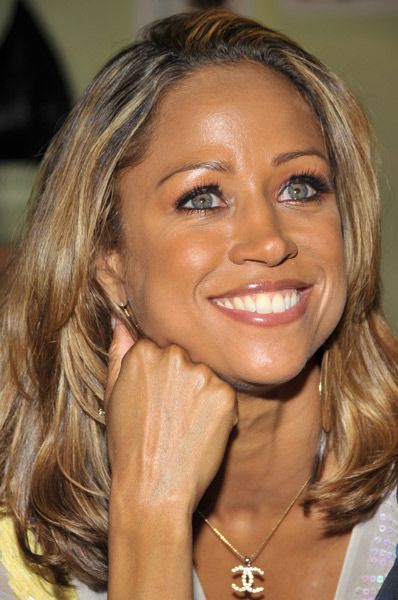
The Ebony Dolls: Stacey Dash

“Striking Beauty, Unforgettable Presence.”

This photograph is the property of its respective owner. No copyright infringement intended.

Stacey Dash is an actress and former television personality whose career spans film, television, and political commentary. Born Stacey Lauretta Dash on January 20, 1967, in the Bronx, New York, she rose to prominence in the 1990s as one of Hollywood’s most recognizable light-skinned Black actresses, known for her youthful appearance, symmetrical features, and refined on-screen charisma.

Dash was raised in a culturally diverse household. Her father is African American, and her mother is of Mexican and Afro-Bajan (Barbadian) descent. This blended heritage contributed to her distinctive look—high cheekbones, almond-shaped, striking green eyes, radiant complexion, and a delicate facial structure that often allowed her to portray characters younger than her actual age. Her beauty became one of her defining industry trademarks.

This photograph is the property of its respective owner.

She began her acting career in the mid-1980s, making her television debut in the NBC crime drama Crime Story (1985). Her first film appearance came in Enemy Territory (1987), followed by roles in films such as Moving, Mo’ Money, and Renaissance Man. These early roles positioned her within urban and mainstream cinema, but she had yet to achieve breakout stardom.

Her defining breakthrough came in 1995 with the teen comedy Clueless, where she portrayed Dionne Davenport alongside Alicia Silverstone. Although Dash was in her late twenties at the time, she convincingly played a fashionable high school student. The film became a cultural phenomenon, and Dionne’s stylish, witty, and confident persona cemented Dash as a pop-culture icon of the 1990s. She later reprised the role in the television adaptation of Clueless (1996–1999).

Throughout the late 1990s and early 2000s, Dash appeared in films such as View from the Top, Gang of Roses, and Paper Soldiers, as well as television programs including The Game and Single Ladies. She also appeared in music videos, most notably in Kanye West’s “All Falls Down,” which reintroduced her to a younger generation of viewers.

This photograph is the property of its respective owner. No copyright infringement intended.

In addition to acting, Dash transitioned into political commentary in the 2010s, becoming a contributor for Fox News. This career pivot sparked significant public discourse and polarized opinions, impacting her public image and altering the trajectory of her entertainment career.

In her personal life, Dash has been married multiple times and is the mother of two children. Despite public scrutiny and media attention surrounding her relationships and political views, she has remained a figure of fascination due to her longevity in public consciousness.

While Dash has not received major Academy-level awards, Clueless remains a cult classic, and her character Dionne continues to be referenced in discussions of 1990s fashion and teen cinema. Her cultural influence is tied heavily to that era’s aesthetic and the representation of affluent, stylish Black teen femininity in mainstream film.

This photograph is the property of its respective owner.

Why is she considered an “Ebony Doll”? The phrase, when used respectfully, reflects admiration for her polished features, petite frame, smooth complexion, and doll-like facial symmetry. She embodied a glamorous, fashion-forward image that blended softness with confidence. Her presence in Clueless especially presented a portrayal of a young Black woman who was affluent, articulate, stylish, and socially powerful—an image not commonly centered in 1990s teen films.

Stacey Dash represents a specific moment in Black pop culture history: the era of glossy, MTV-influenced cinema, high-fashion teen comedies, and multicultural casting that subtly shifted representation. Whether through admiration or controversy, her visibility has been enduring.

She remains a figure associated with timeless 1990s beauty, cultural conversation, and a defining cinematic role that continues to resonate decades later.


References

IMDb. (n.d.). Stacey Dash – Filmography and Biography.
Wikipedia contributors. (n.d.). Stacey Dash.
Paramount Pictures archives. Clueless (1995).
Fox News archives (2014–2017 contributor records).

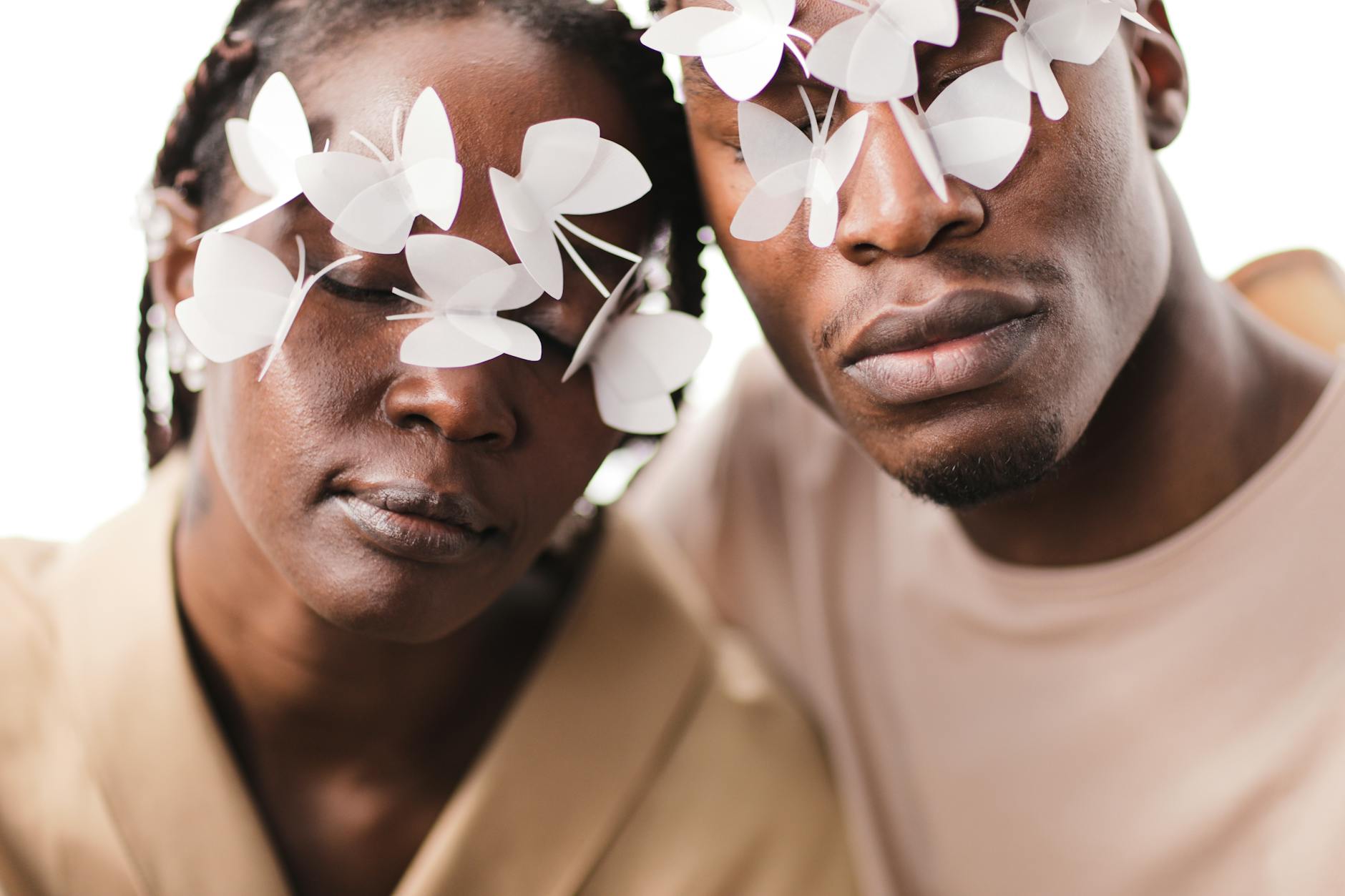
Pretty Privilege Series: The Weight of Hue — How Skin Tone Still Shapes Our Lives.

Photo by cottonbro studio on Pexels.com

Colorism continues to shape the lives of Black people across the globe, creating a hierarchy where lighter skin is often valued above darker skin. This hierarchy influences perceptions of beauty, social status, economic opportunity, and even self-worth (Hunter, 2007).

The roots of colorism are deeply historical. During slavery and colonization, lighter-skinned Africans were often given preferential treatment, assigned domestic roles, and sometimes even granted freedom, while darker-skinned Africans labored in the fields and were systematically dehumanized. These practices embedded the association of lightness with privilege (Williams, 1987).

The media has perpetuated this bias for generations. Hollywood films, advertisements, and television shows historically cast lighter-skinned Black actors in leading, romantic, and heroic roles, while darker-skinned actors were relegated to secondary or villainous roles. Such representation shapes public perception and influences the self-esteem of viewers (Bogle, 2016).

The psychological effects of colorism are profound. Darker-skinned individuals often report higher rates of depression, lower self-esteem, and feelings of inadequacy compared to their lighter-skinned peers. Internalized messages about beauty and desirability can create lifelong struggles with identity and confidence (Hill, 2002).

Colorism also affects romantic relationships. Studies indicate that lighter-skinned women and men are often preferred as partners, while darker-skinned individuals face marginalization. These biases are rooted in historical hierarchies that equate proximity to whiteness with social desirability (Wilder, 2010).

In the workplace, colorism manifests in income and promotion disparities. Research shows that darker-skinned Black men and women often earn less than their lighter-skinned counterparts, even with equivalent qualifications and experience. This shade-based wage gap highlights ongoing systemic inequities (Goldsmith, Hamilton, & Darity, 2006).

Schools are microcosms where colorism begins early. Dark-skinned children are more likely to face teasing, social exclusion, or harsher disciplinary measures. These early experiences shape their academic performance and social confidence (Monk, 2014).

Family and community attitudes play a significant role in either perpetuating or challenging colorism. Compliments that favor lighter skin, such as “You’re pretty for a dark-skinned girl,” reinforce hierarchy, while affirmations of all shades foster resilience and self-love (Russell, Wilson, & Hall, 2013).

Language and terminology also reinforce hierarchy. Terms like “high yellow,” “redbone,” and “chocolate” often carry implicit judgments. Changing this language is a necessary step in dismantling social biases and cultivating inclusive beauty standards (Charles, 2003).

Social media has become a double-edged sword. While it can perpetuate light-skinned beauty ideals, movements such as #MelaninPoppin and #DarkSkinIsBeautiful celebrate deep-skinned beauty and provide visibility to those historically marginalized. These campaigns foster community pride and affirmation.

Religious and spiritual frameworks can help counteract internalized bias. Scriptures like Song of Solomon 1:5 — “I am black, but comely” — affirm that dark skin is beautiful and worthy of celebration. Churches can encourage young women and men to see all shades as reflections of God’s design (James 2:1-4).

Media literacy programs are essential tools for combating the weight of hue. Teaching children and adults to critically evaluate film, television, and advertising helps them resist internalizing harmful colorist norms and fosters appreciation for a wider range of beauty standards.

Empowerment programs targeting youth help counteract the negative effects of colorism. Workshops, mentorship, and historical education about African ancestry instill pride in melanin-rich skin and encourage healthy self-perception (Hall, 1992).

Feminist scholars argue that colorism intersects with sexism and racism, amplifying the oppression of dark-skinned women. Addressing this intersectionality is crucial for holistic liberation and equity within the Black community (Hunter, 2007).

Representation matters not only for women but for men as well. Dark-skinned Black men face societal prejudice that can affect perceptions of attractiveness, trustworthiness, and professional capability. Affirming men of all shades helps dismantle hierarchical standards that harm the entire community.

Black fathers and male mentors have a critical role. By affirming dark-skinned daughters, nieces, and younger women in their communities, men can actively challenge societal preferences for lighter skin and foster confidence in the next generation (Harris, 2015).

Economic and professional equity initiatives are equally important. Organizations must address unconscious bias in hiring, promotions, and pay scales to ensure that darker-skinned individuals are not disadvantaged due to complexion. Equitable policies disrupt systemic inequalities rooted in colorism.

Education about the historical and cultural origins of colorism provides tools for resistance. Teaching children about African leaders, inventors, and cultural figures with dark skin fosters pride and counters centuries of negative messaging (Smedley, 1999).

Therapeutic interventions, including counseling and support groups, can help individuals address internalized colorism. Healing requires acknowledging past trauma, challenging negative beliefs, and embracing one’s natural complexion.

Breaking the shade hierarchy is a lifelong process that requires conscious effort, education, and representation. By affirming beauty across all skin tones, fostering inclusive media, and challenging biases, the Black community can reduce the weight of hue and empower future generations.


References

  • Bogle, D. (2016). Toms, Coons, Mulattoes, Mammies, and Bucks: An Interpretive History of Blacks in American Films. Bloomsbury.
  • Charles, C. (2003). Skin Bleaching, Self-Hate, and Black Identity in Jamaica. Journal of Black Studies, 33(6), 711–728.
  • Goldsmith, A., Hamilton, D., & Darity, W. (2006). Shades of Discrimination: Skin Tone and Wages. American Economic Review, 96(2), 242–245.
  • Hall, R. E. (1992). Bias Among African Americans Regarding Skin Color: Implications for Social Work Practice. Research on Social Work Practice, 2(4), 479–486.
  • Harris, A. (2015). The Influence of Fathers on the Self-Esteem of African American Daughters. Journal of Black Psychology, 41(3), 257–276.
  • Hill, M. (2002). Skin Color and the Perception of Attractiveness Among African Americans. Social Psychology Quarterly, 65(1), 77–91.
  • Hunter, M. (2007). The Persistent Problem of Colorism: Skin Tone, Status, and Inequality. Sociology Compass, 1(1), 237–254.
  • Monk, E. P. (2014). Skin Tone Stratification among Black Americans, 2001–2003. Social Forces, 92(4), 1313–1337.
  • Russell, K., Wilson, M., & Hall, R. (2013). The Color Complex: The Politics of Skin Color Among African Americans. Anchor Books.
  • Smedley, A. (1999). Race in North America: Origin and Evolution of a Worldview. Westview Press.
  • Williams, E. (1987). Capitalism and Slavery. UNC Press.
  • Wilder, J. (2010). Revisiting “Color Names and Color Notions”: A Contemporary Examination of the Language and Attitudes of Skin Color among Young Black Women. Journal of Black Studies, 41(1), 184–206.

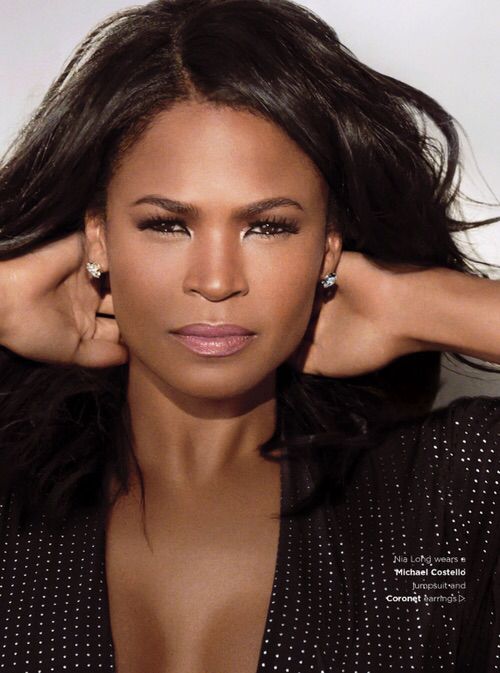
The “It Girl” Series: Nia Long

Timeless Brown Beauty, Unshakable Talent, and Cultural Icon

This photograph is the property of its respective owner. No copyright infringement intended.

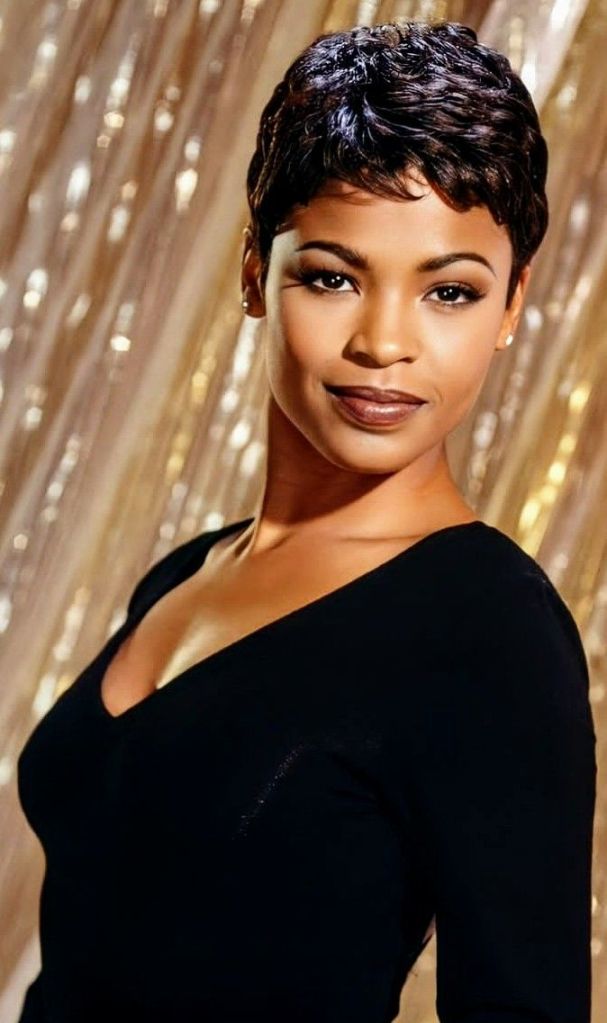
Nia Long is widely celebrated as one of Hollywood’s most luminous actresses—her elegant brown skin, classic features, and magnetic presence have earned her the affectionate status of a Black Hollywood “It Girl.” Born on October 30, 1970, in Brooklyn, New York, Long grew up steeped in creative influence; her mother was a printmaker and teacher, and her father a poet and educator. She cultivated her talents early, studying acting and performing in television roles before breaking through in one of the defining films of Black cinema, Boyz n the Hood (1991), which showcased her ability to inhabit characters with depth and authenticity that resonated deeply with audiences nationwide.

Long’s career is marked by versatility and longevity that few performers achieve. After Boyz n the Hood, she transitioned fluidly between gritty dramas like Love Jones (1997) and ensemble favorites like Friday (1995), Soul Food (1997), and the Best Man franchise, earning critical praise and becoming a beloved fixture in both film and television. She also garnered accolades, including multiple NAACP Image Awards and a Black Reel Award for her work, and her portrayal of Officer Sasha Monroe on Third Watch earned her two NAACP Image Awards for Outstanding Actress in a Drama Series—proof of her dramatic range and respected craft.

This photograph is the property of its respective owner. No copyright infringement intended.

People have often cited Long’s beauty as timeless and magnetic—her brown skin, expressive eyes, and poised elegance convey an all‑American allure that transcends passing trends. Her aesthetic has matured with grace; in 2025, she was named the first North America Brand Ambassador for Estée Lauder Companies, a partnership that celebrates authentic beauty and self-expression in later adulthood—a powerful statement against ageist beauty norms. She also starred in a striking 2024 shapewear campaign for SKIMS, reinforcing her status as a fashion and beauty icon whose confidence and poise continue to inspire across generations.

Beyond aesthetics, Long has navigated Hollywood’s challenges with resilience and conviction. As a brown‑skinned woman in an industry long defined by narrow beauty standards and racial bias, she consistently chose roles that expanded representation and humanized Black women with nuance, strength, and complexity. From classic sitcoms such as The Fresh Prince of Bel‑Air to contemporary hits like NCIS: Los Angeles, Empire, and Dear White People, Long has refused to be typecast, demonstrating breadth and intentionality in her choices. Off‑screen, she has ventured into production and behind‑the‑camera work, and she continues to develop meaningful projects that reflect her artistic vision and lived experience.

In every sense, Nia Long’s career exemplifies timeless beauty fused with artistic integrity. Her gorgeous brown skin and striking features are just the surface of a deeper legacy—one of cultural impact, emotional intelligence, and transcendent talent. She is not just an actress; she is an enduring symbol of Black beauty, power, and representation in Hollywood and beyond.

References

Estée Lauder Companies. (2025, October 9). Estée Lauder names Nia Long as Brand Ambassador. https://www.elcompanies.com/en/news-and-media/newsroom/press-releases/2025/10-09-2025-140045499

IMDb. (n.d.). Nia Long biography and filmography. https://www.imdb.com/name/nm0000505/bio/

Long, N. (2025). Upcoming memoir announcement. Artist & Brand Management. https://www.artistandbrand.com/clients/nia-long

Wikipedia contributors. (2025). Nia Long. Wikipedia. https://en.wikipedia.org/wiki/Nia_Long

SKIMS campaign coverage. (2024). Nia Long stars in SKIMS shapewear campaign. https://www.aol.com/nia-long-gets-almost-naked-214918936.html

Beyond the Shade: Love, Acceptance, and the Brown Girl Journey

Embracing Every Hue, Claiming Every Story

Navigating life as a brown-skinned girl is a journey of constant negotiation—between societal expectations, personal identity, and cultural beauty standards. From childhood, brown girls are acutely aware of how their skin tone situates them within the hierarchy of desirability, both within and outside their communities. Lighter skin is often idealized, celebrated in media, and equated with elegance, intelligence, and worth, while darker tones can be stigmatized or rendered invisible. This color-coded hierarchy, often internalized through subtle comments, media representation, and historical legacies of slavery and colonization, profoundly shapes self-perception and social mobility (Hunter, 2007; Rockquemore & Brunsma, 2002). The result is a dual challenge: the desire to be accepted by mainstream standards and the need to cultivate self-love in the face of systemic bias.

Beauty and fashion industries have historically perpetuated narrow ideals, often favoring Eurocentric features and lighter skin tones, creating a constant tension for brown girls striving to see themselves reflected in the world. Hair texture, eye color, and even body shape are scrutinized through these cultural lenses, further complicating identity formation (Banks, 2018; Russell-Curry, 2019). Social media has added another layer: while platforms provide spaces for celebration and community, they also amplify unrealistic beauty standards and comparison culture. For many brown girls, the pursuit of “acceptable” beauty involves a careful balance between embracing natural features and negotiating external pressures to conform.

Yet, alongside these challenges, a growing movement of empowerment and self-definition is reshaping the narrative. Brown girls are reclaiming their stories, embracing melanin-rich beauty, and celebrating cultural heritage through art, fashion, and activism. Figures like Lupita Nyong’o, Yara Shahidi, and Naomi Campbell exemplify this reclamation, showing that brown skin is not a limitation but a hallmark of strength, resilience, and beauty (Taylor, 2016; Wade & Ferree, 2016). Community-based mentorship, literature, and online collectives further reinforce positive identity development, encouraging brown girls to define beauty on their own terms rather than internalizing external biases.

Love and acceptance, both personal and communal, are central to this journey. Families, peers, and cultural institutions play a pivotal role in fostering confidence, while representation in media and leadership positions helps validate experiences and aspirations. Psychologically, embracing one’s skin tone correlates with higher self-esteem, reduced internalized colorism, and greater social confidence (Keith & Herring, 1991; Monk, 2015). Beyond the Shade is, therefore, more than a conversation about skin—it is about the holistic affirmation of identity, the courage to resist limiting narratives, and the celebration of brown girls as complex, beautiful, and powerful individuals in every sphere of life.

References

Banks, I. (2018). Hair matters: Beauty, power, and Black women’s consciousness. New York University Press.

Hunter, M. (2007). The persistent problem of colorism: Skin tone, status, and inequality. Sociology Compass, 1(1), 237–254.

Keith, V. M., & Herring, C. (1991). Skin tone and stratification in the Black community. American Journal of Sociology, 97(3), 760–778.

Monk, E. P. (2015). The cost of color: Skin color, discrimination, and health among African Americans. American Journal of Sociology, 121(2), 396–444.

Rockquemore, K. A., & Brunsma, D. L. (2002). Beyond Black: Biracial identity in America. Sage Publications.

Russell‑Curry, A. (2019). Shades of identity: Colorism, Black girlhood, and embodied performance. Journal of Gender Studies, 28(2), 147–161.

Taylor, K.-Y. (2016). How we get free: Black feminist visions of liberation. University of Minnesota Press.

Wade, L., & Ferree, M. M. (2016). Gender: Ideas, interactions, institutions (3rd ed.). W.W. Norton & Company.

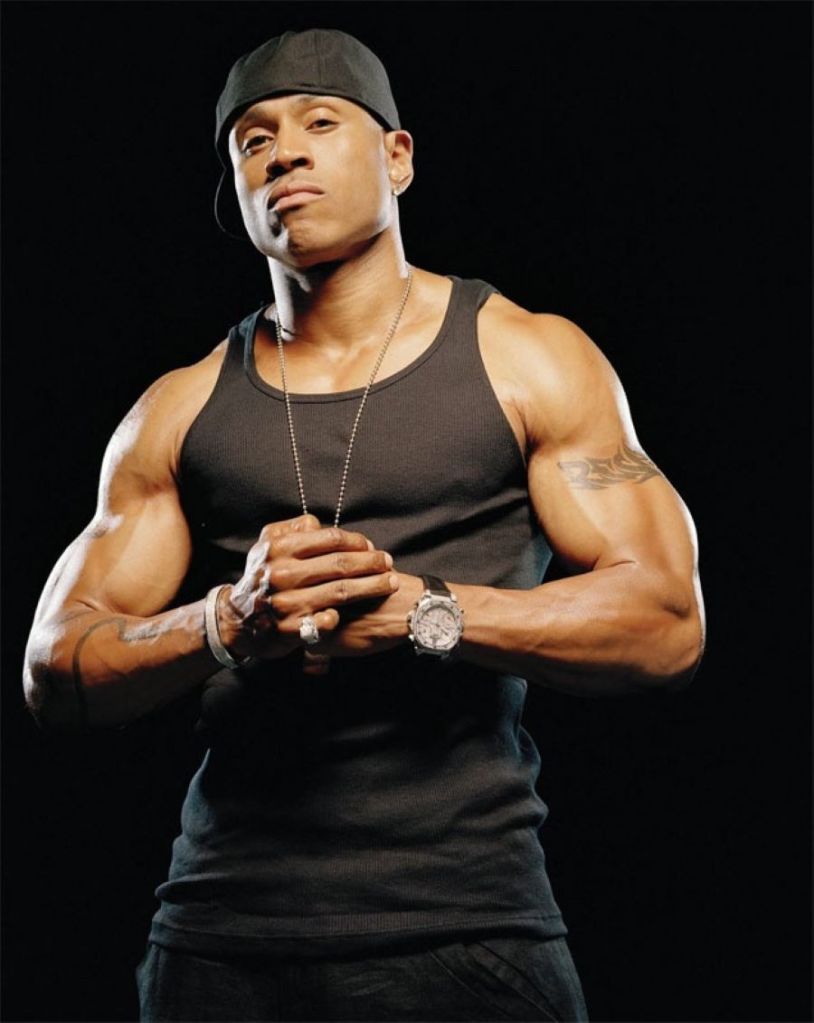
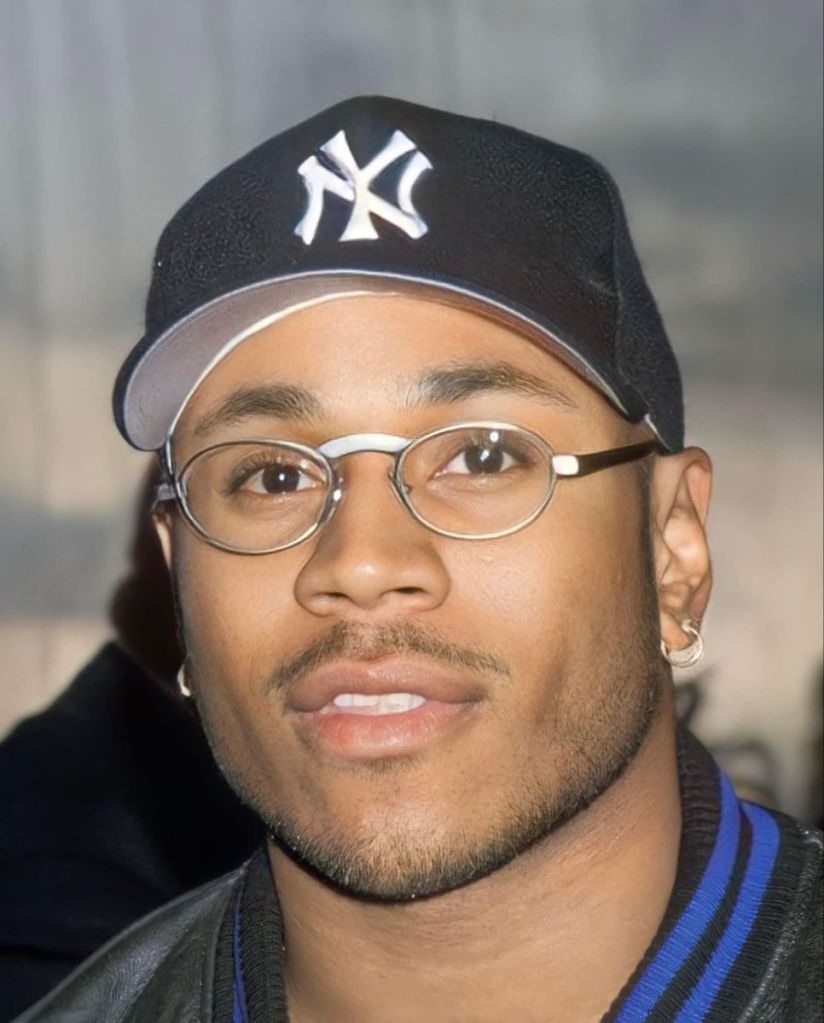
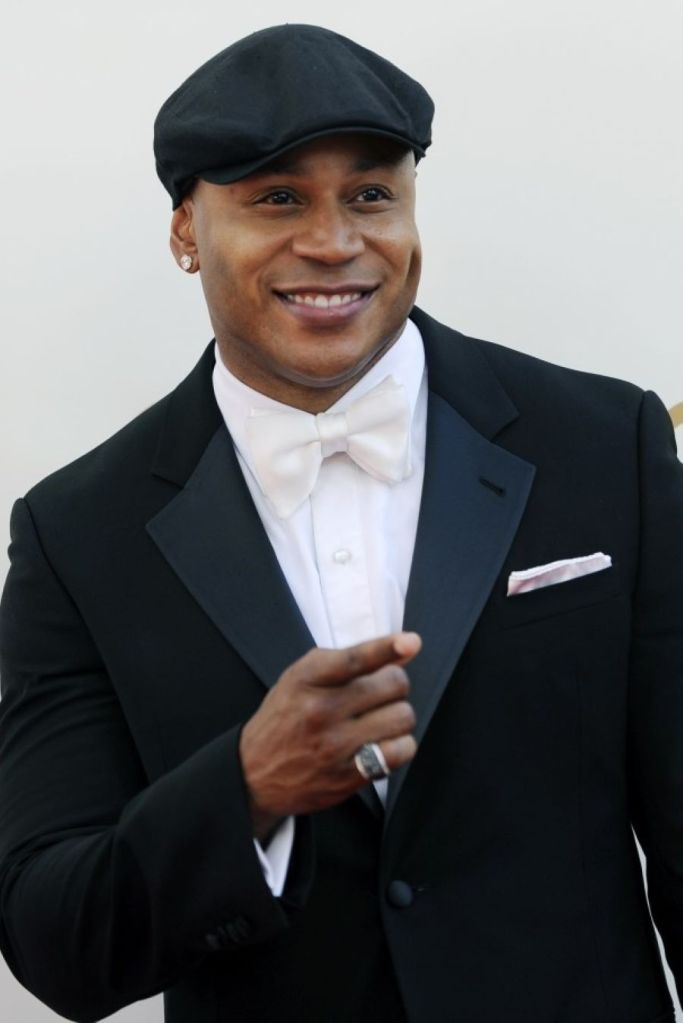
Masculine Perfection Series: L.L. Cool J

The Rapping Peanut-Butter Colored Adonis, one of the pioneers and GOATs of Rap Music, and timeless swagger.

LL Cool J—born James Todd Smith on January 14, 1968, in Queens, New York—emerged from humble beginnings to become one of hip-hop’s most enduring architects. Raised in a working-class household in the Hollis neighborhood, he began writing rhymes at age nine and was recording demos by his early teens. His breakthrough came in 1984 when he signed with the pioneering label Def Jam Recordings, co-founded by Russell Simmons and Rick Rubin. His debut album, Radio (1985), helped solidify the commercial viability of rap music, blending street lyricism with crossover appeal. From the outset, LL Cool J projected confidence, charisma, and lyrical precision—qualities that would earn him the title many fans bestow upon him: one of the GOATs of rap.

Throughout the late 1980s and 1990s, LL Cool J became synonymous with versatility. He balanced hard-edged battle rhymes with romantic ballads like “I Need Love,” proving that vulnerability could coexist with bravado in hip-hop masculinity. Albums such as Bigger and Deffer (1987) and Mama Said Knock You Out (1990) elevated him into rap royalty, with the latter earning a Grammy Award and cementing his comeback narrative. His accolades include multiple Grammy Awards, NAACP Image Awards, and in 2021, induction into the Rock and Roll Hall of Fame—a historic milestone recognizing his foundational role in shaping mainstream hip-hop. His Kennedy Center Honors recognition further affirmed his cultural impact beyond music.

Beyond the microphone, LL Cool J built a formidable acting career. His filmography includes roles in Deep Blue Sea (1999), Any Given Sunday (1999), and S.W.A.T. (2003). On television, he achieved long-running success starring as Sam Hanna in the hit CBS series NCIS: Los Angeles (2009–2023), a role that introduced him to a new generation of viewers and showcased his disciplined, commanding screen presence. His transition from rap pioneer to respected actor demonstrated rare longevity in an industry known for rapid turnover. Few artists have sustained relevance across four decades while maintaining credibility in both music and film.

Physically, LL Cool J has long been celebrated as a striking figure in entertainment—a peanut-butter–hued Adonis with a sculpted physique that redefined hip-hop sex appeal in the late twentieth century. His commitment to fitness, often displayed through sleeveless performances and confident stage presence, challenged stereotypes of rappers and expanded the image of Black male desirability in mainstream media. Yet beneath the aesthetic admiration lies a consistent narrative of discipline and devotion. Married since 1995 to Simone Smith, whom he often describes as his foundation, he is a devoted husband and father to their four children. His story—rooted in Queens grit, maternal encouragement, lyrical hunger, and spiritual grounding—embodies perseverance. LL Cool J is not merely a rapper or actor; he is a cultural institution whose artistry, humility, and longevity continue to shape the architecture of hip-hop and Black masculinity in American popular culture.

LL Cool J belongs in the Masculine Perfection series because he epitomizes the ideal of manhood in both form and presence. With his peanut-butter complexion, sculpted physique, and commanding aura, he embodies physical perfection while exuding confidence, discipline, and charisma. His music redefined Black male aesthetic in hip-hop, blending strength, vulnerability, and emotional intelligence, while his acting career demonstrates gravitas, control, and versatility on screen. Beyond his striking appearance, his humility, devotion to family, and sustained excellence over four decades make him a paragon of refined power, resilience, and timeless appeal—a man whose beauty, talent, and character are “drop-dead fine” and worthy of celebration as the ultimate masculine ideal.

References

LL Cool J. (2023). Biography. Rock & Roll Hall of Fame.

Rock and Roll Hall of Fame. (2021). LL Cool J Inductee Profile.

Dyson, M. E. (2007). Know What I Mean? Reflections on hip-hop. Basic Civitas Books.

Forman, M., & Neal, M. A. (Eds.). (2012). That’s the joint!: The hip-hop studies reader (2nd ed.). Routledge.

Grammy Awards. (n.d.). LL Cool J – Artist Profile. The Recording Academy.

CBS. (2009–2023). NCIS: Los Angeles series archives and cast biography.

Smith, S., & Cool J, L. L. (2022). Public interviews and award acceptance speeches compiled in media archives.