Category Archives: Beauty

The History of the “Afro”

The Afro hairstyle is one of the most iconic and symbolic expressions of Black identity in modern history. It represents far more than fashion—it is a cultural statement, a symbol of pride, and an act of resistance. Rooted in centuries of African tradition, the Afro re-emerged during the 20th century as a political and spiritual symbol of liberation. To understand its history is to trace the evolution of Black consciousness from enslavement to empowerment.
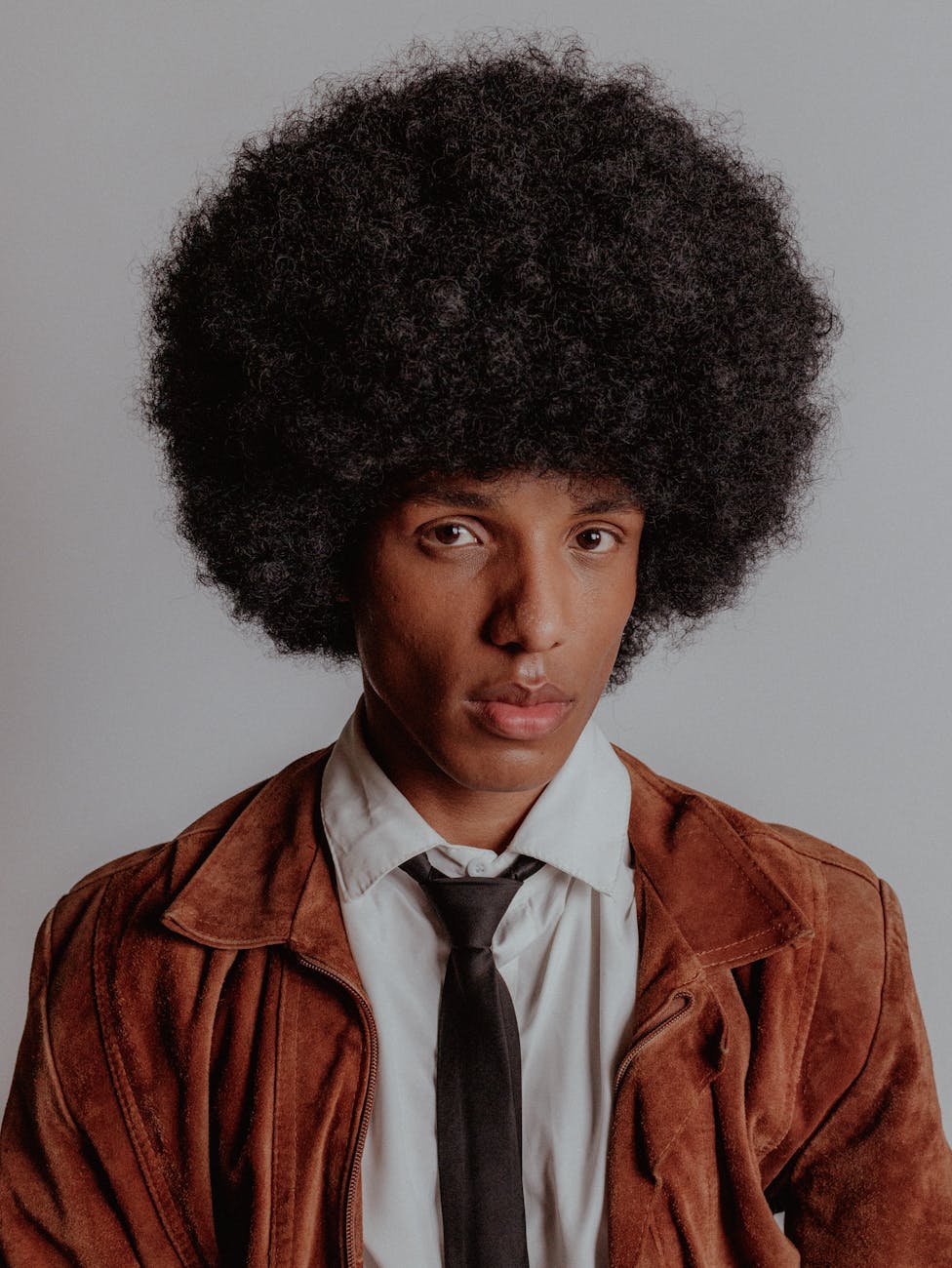
Photo by Alexandre Canteiro on Pexels.com

In pre-colonial Africa, hair was deeply significant. Hairstyles communicated tribe, status, age, religion, and even marital status. The Yoruba, Wolof, and Himba peoples, among others, crafted elaborate styles using natural oils and clay. Hair was not merely aesthetic—it was sacred. The scalp was considered the highest part of the body and, therefore, closest to the Creator. Braiding and grooming rituals reflected intimacy, identity, and spirituality within African societies.
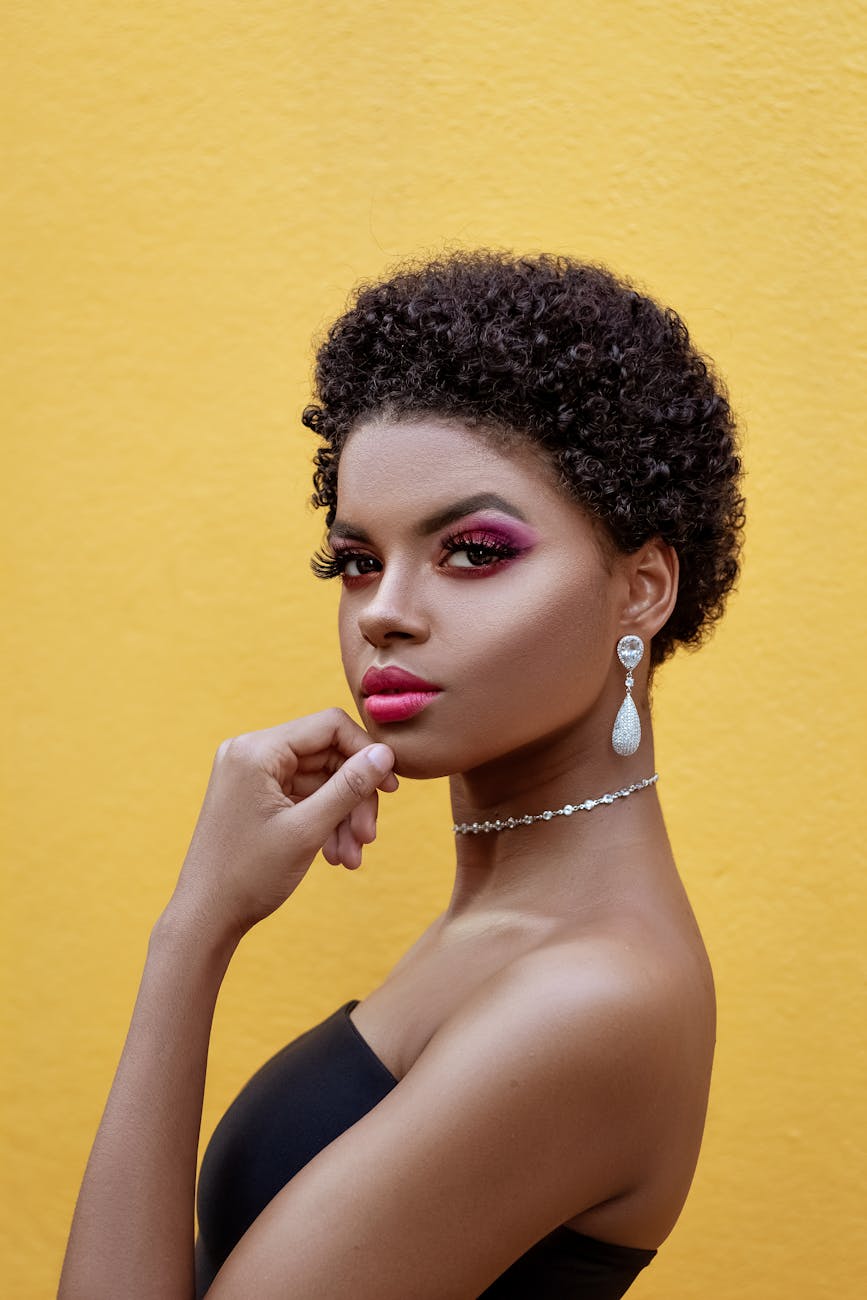
Photo by Marlon Schmeiski on Pexels.com

When the transatlantic slave trade began, these sacred traditions were violently disrupted. Enslaved Africans were often forcibly shaved to strip them of cultural identity and dignity. Hair, once a crown of glory, became a mark of oppression. This degradation marked one of the first psychological tools of dehumanization in slavery. The Eurocentric notion that straight hair was “civilized” and tightly coiled hair was “unkempt” would shape perceptions of beauty for centuries.
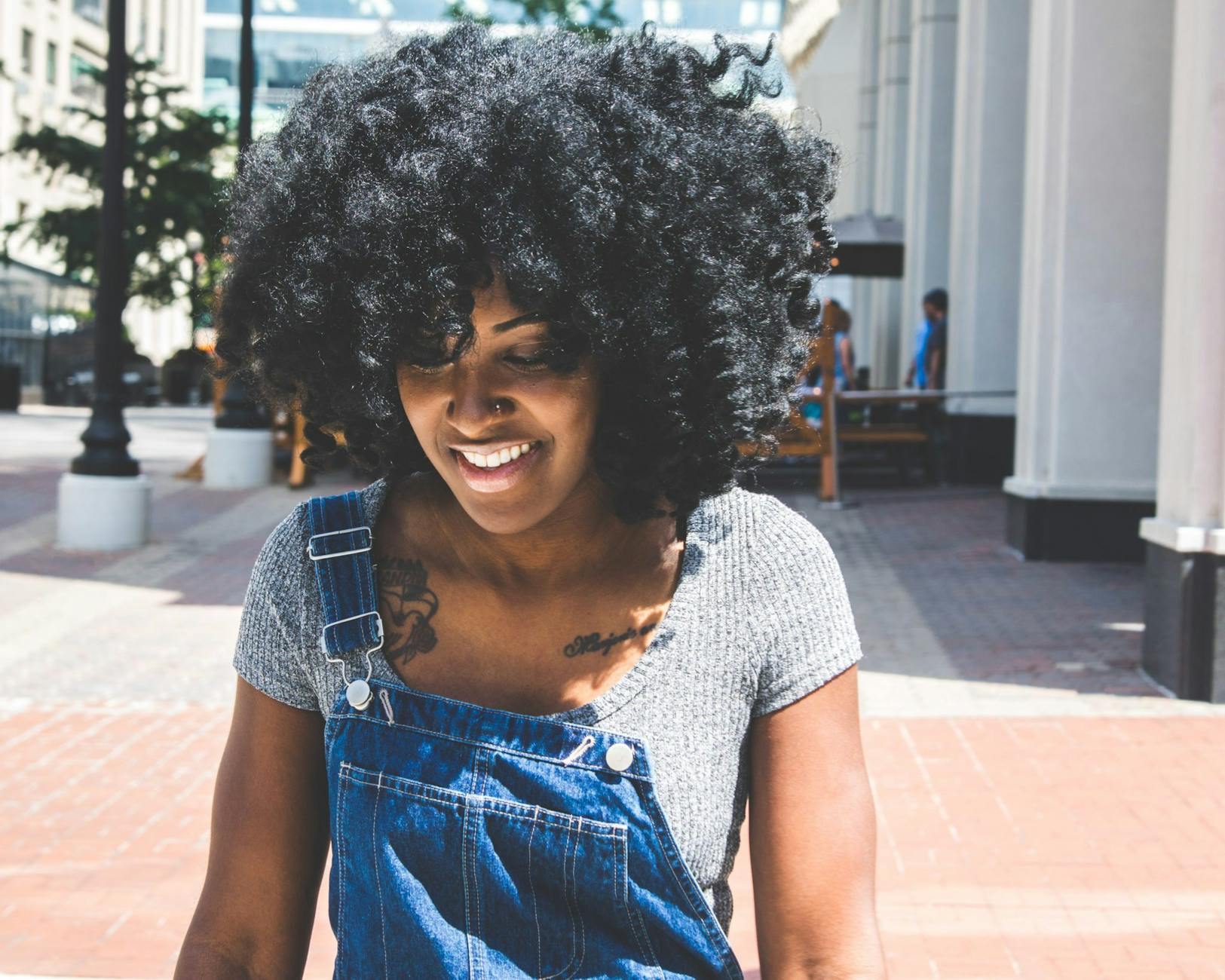
Photo by nappy on Pexels.com

In the United States, the late 19th and early 20th centuries saw the rise of Black haircare pioneers who sought both empowerment and assimilation. Madam C. J. Walker, one of America’s first self-made millionaires, revolutionized Black haircare through her line of pressing oils and straightening combs. While her work provided economic independence for Black women, it also reflected the complex tension between cultural pride and societal conformity.

By the 1950s, the dominant beauty ideal in America still revolved around Eurocentric features. Straightened hair was seen as a sign of professionalism and social acceptance. Black men and women often faced discrimination for wearing natural styles in schools and workplaces. Straightening was not merely aesthetic—it was a survival mechanism in a racist society that punished difference.
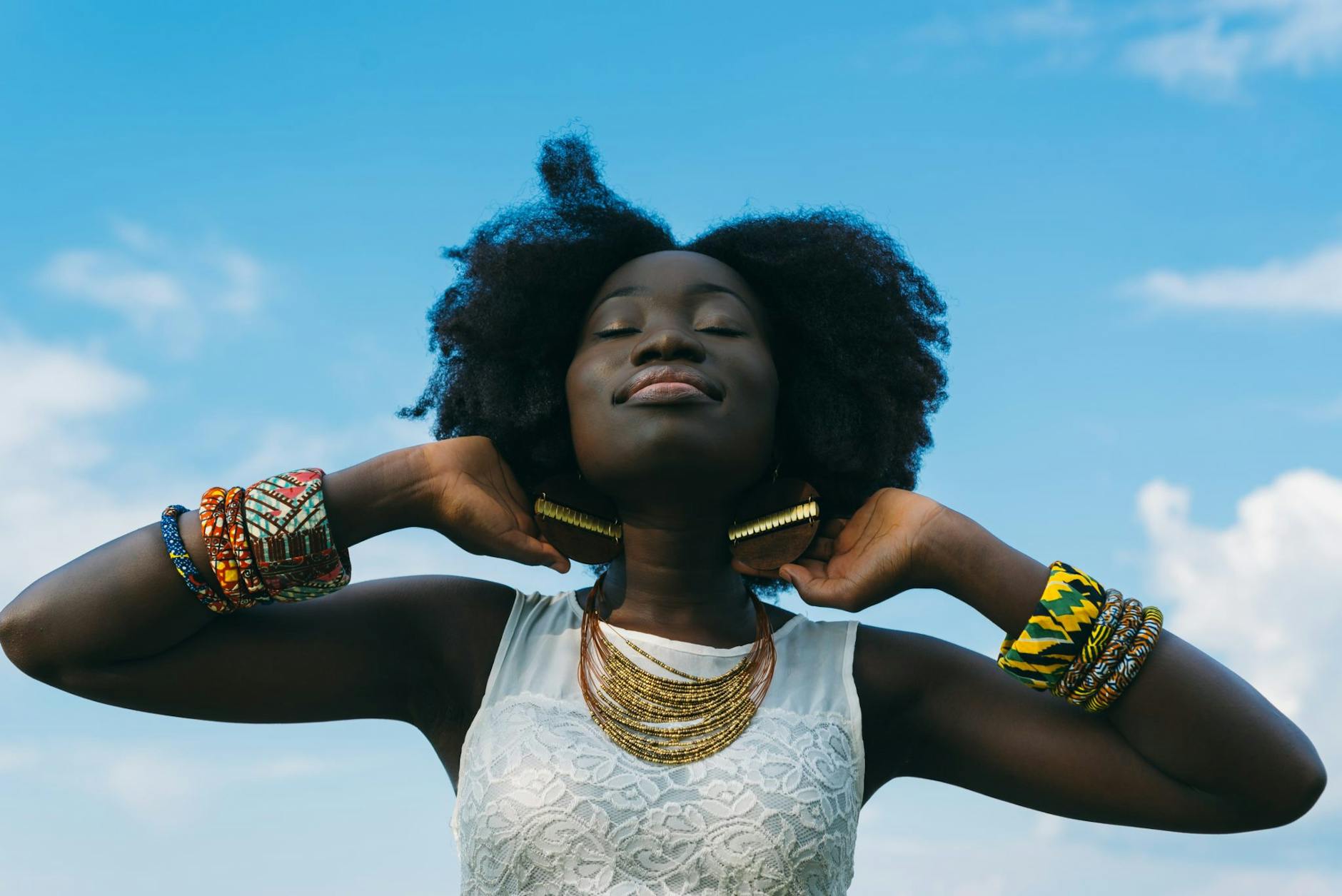
Photo by nappy on Pexels.com

However, as the Civil Rights Movement gained momentum in the 1960s, a cultural revolution began to reshape Black identity. The Afro re-emerged as a bold expression of defiance and pride. It was no longer just a hairstyle but a political statement that rejected assimilation and embraced authenticity. The Afro became a visual symbol of the slogan “Black is Beautiful,” championed by activists and artists alike.

Figures like Angela Davis, Huey P. Newton, and Kathleen Cleaver of the Black Panther Party used the Afro to embody resistance and revolution. The hairstyle’s natural fullness and unapologetic volume mirrored the growing confidence of the movement. It declared that Black people would no longer conform to oppressive standards or hide their God-given features.

Cultural icons such as Nina Simone, Cicely Tyson, and Pam Grier brought the Afro into mainstream visibility, blending elegance with rebellion. Music, fashion, and film became vehicles for Black expression, and the Afro’s aesthetic began to influence pop culture globally. The hairstyle traveled from the streets of Oakland to the runways of Paris, transforming beauty norms and inspiring pride across the African diaspora.

In the 1970s, the Afro was not only political but fashionable. It evolved into different variations—rounded shapes, picked-out crowns, and sculpted silhouettes. Both men and women wore it proudly as a mark of identity. Commercial brands capitalized on the trend, selling Afro picks adorned with fists—the iconic “Black Power” symbol that merged style and activism.
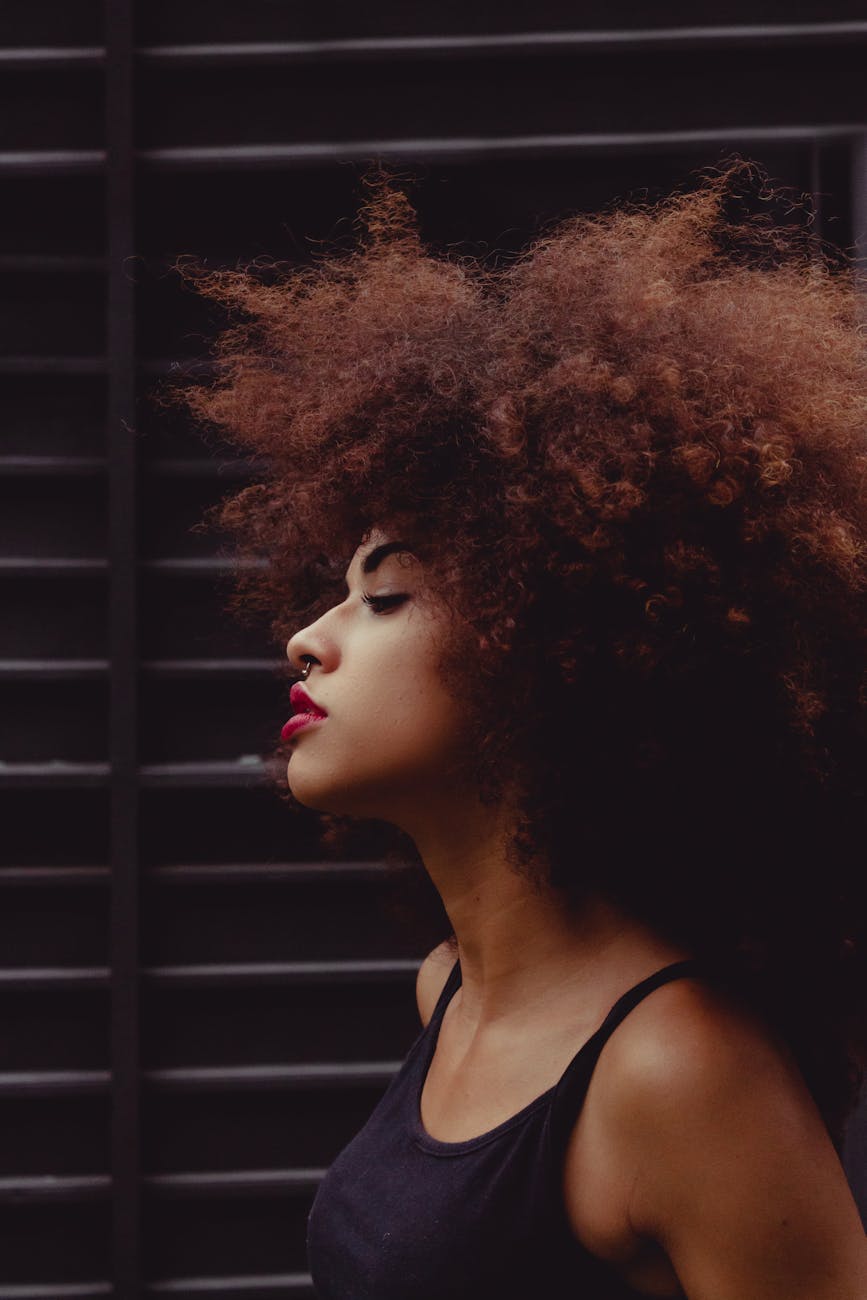
Photo by Bruno Thethe on Pexels.com

However, the 1980s brought a cultural shift. As the post-civil rights era gave way to corporate professionalism, the Afro was gradually replaced by jheri curls, perms, and other styles perceived as more “modern.” The natural movement dimmed as assimilation pressures returned. Yet, for many, the Afro remained a symbol of authenticity and remembrance of a time when Black pride transformed politics and art.

In the 1990s and early 2000s, the natural hair movement began to resurface. Artists like Lauryn Hill and Erykah Badu resurrected Afrocentric aesthetics, merging spirituality, soul, and Black consciousness. Their influence reignited conversations about self-acceptance and ancestral identity. The Afro re-entered mainstream culture as both a retro style and a symbol of self-love.

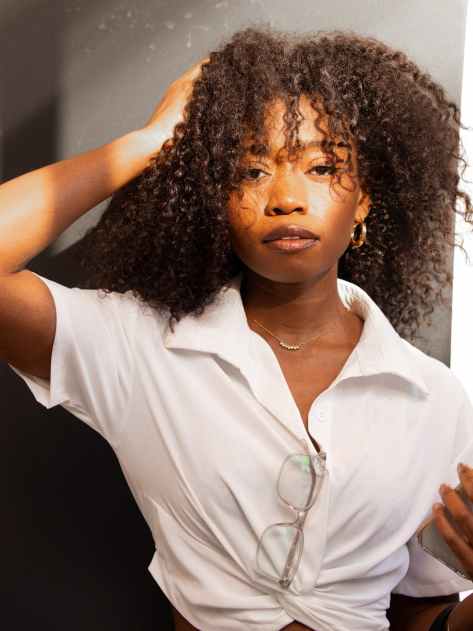
The 2010s brought a global renaissance of natural hair culture. Social media became a platform for education and empowerment. Black women shared tutorials, hair journeys, and stories that celebrated the versatility of Afro-textured hair. Hashtags like #NaturalHairMovement and #TeamNatural encouraged unity and representation, fostering a digital community of pride and resistance.
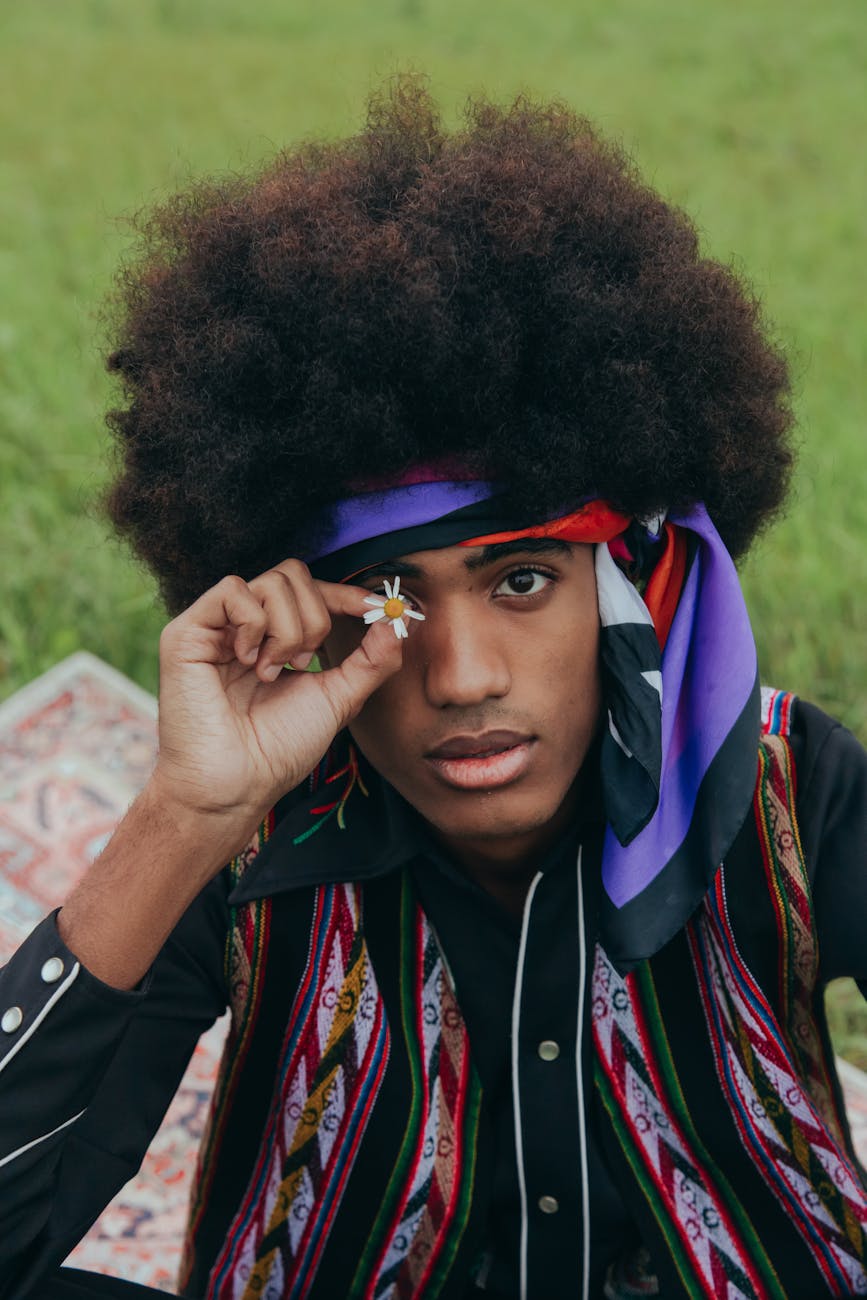
Photo by cottonbro studio on Pexels.com

At the same time, systemic discrimination persisted. Schools and workplaces continued to police natural hairstyles, labeling them as “unprofessional.” The introduction of the CROWN Act (Creating a Respectful and Open World for Natural Hair) in 2019 sought to combat this injustice by legally prohibiting hair-based discrimination. This legislation represents a victory for cultural rights and human dignity.

Globally, the Afro has become a universal symbol of cultural strength and artistic inspiration. From South Africa to Brazil, and from London to the Caribbean, the Afro connects people of African descent to their ancestral roots. It stands as an emblem of resilience—surviving centuries of oppression, yet still radiating dignity and grace.

Spiritually, the Afro reminds many of the scriptural affirmation that “the very hairs of your head are all numbered” (Luke 12:7, KJV). This verse underscores divine intention—every curl, coil, and kink carries purpose and perfection. Wearing an Afro, therefore, is both a celebration of creation and a restoration of cultural order.

The psychology of the Afro reveals how beauty and identity intersect with freedom. It challenges the notion that one must conform to be accepted. Instead, it affirms that true beauty flows from authenticity and self-respect. As bell hooks (1992) noted, reclaiming natural beauty is a revolutionary act in a world that profits from insecurity.

Contemporary art, film, and photography continue to celebrate the Afro as both aesthetic and archive. Artists such as Lorna Simpson and Kerry James Marshall immortalize natural hair as a narrative of memory, power, and belonging. Their works remind audiences that beauty is historical, political, and sacred all at once.

Ultimately, the history of the Afro is a testament to resilience. It chronicles centuries of suppression, survival, and self-reclamation. The Afro endures not merely as a hairstyle but as a movement of liberation—a living monument to the unbreakable spirit of African people.

As the global conversation around race, beauty, and identity evolves, the Afro continues to stand tall—an eternal symbol of pride, freedom, and divine creation. It is not a trend but a testimony, declaring that Blackness, in all its forms, is beautiful beyond measure.

References

  • Asante, M. K. (2003). Afrocentricity: The Theory of Social Change. African American Images.
  • Byrd, A., & Tharps, L. (2014). Hair Story: Untangling the Roots of Black Hair in America. St. Martin’s Press.
  • Davis, A. (1981). Women, Race, and Class. Vintage Books.
  • hooks, b. (1992). Black Looks: Race and Representation. South End Press.
  • Mercer, K. (1987). Black Hair/Style Politics. In New Formations, 3, 33–54.
  • Rooks, N. (1996). Hair Raising: Beauty, Culture, and African American Women. Rutgers University Press.
  • Scripture citations from the Holy Bible, King James Version (KJV).
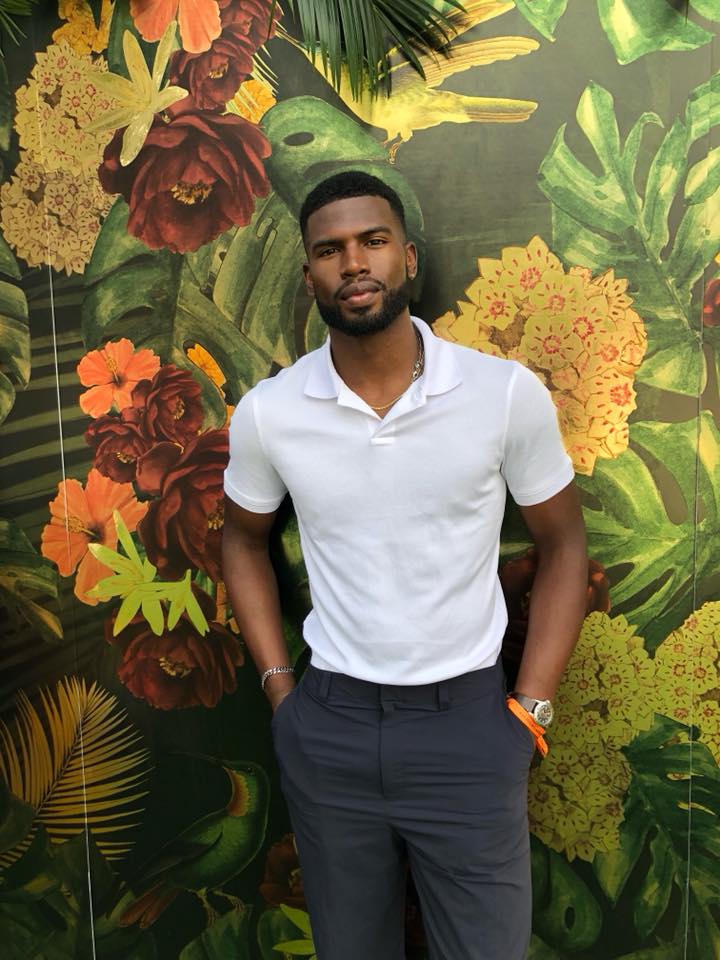
Masculine Perfection Series: Broderick Hunter, Christopher Williams, and Blair Underwood.

Broderick Hunter — “Mesmerizing eyes, boyish charm, modern Black beauty.”

Broderick Hunter Jr., born January 3, 1991, in Fontana, California, is an American model and actor. Originally a basketball player with over fifteen years of experience, an injury shifted his path toward modeling in 2011. Hunter has appeared in editorials and covers for major publications, including Vogue Paris, Italian GQ, Cosmopolitan, Maxim, and Essence. He has also modeled for top brands such as Ralph Lauren. On screen, he has acted in television series, including Insecure, showcasing versatility that combines athleticism, aesthetic polish, and charisma.

Hunter’s allure lies in his “piercing” eyes and boyish charm — a blend of youthful energy and contemporary Black male beauty. His presence conveys both confidence and approachability, making him a standout figure in fashion and media.


Christopher Williams — “Soulful crooner, gorgeous face, velvet voice.”

Christopher Williams, born August 22, 1967, in the Bronx, New York, emerged as a professional recording artist in the late 1980s. His debut album, Adventures in Paradise (1989) introduced his smooth R&B style, and his 1991 single I’m Dreamin’ topped Billboard’s Hot R&B/Hip-Hop Singles chart. Williams continued to produce hits such as Every Little Thing U Do and All I See, solidifying his reputation as a romantic and soulful performer. He has also acted in films, most notably New Jack City, and participated in theatre and smaller screen roles.

Williams embodies a classic form of Black masculinity: his gorgeous face and rich, emotional voice convey vulnerability and romantic depth. His combination of musicality and visual appeal positioned him as a beloved figure in R&B and Black culture.


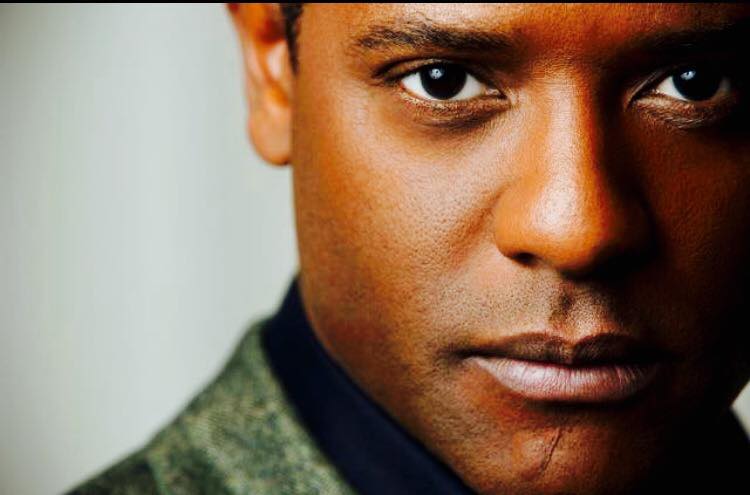
Blair Underwood — “Demure sophistication, classically handsome, acting excellence.”

Blair Underwood, born August 25, 1964, in Tacoma, Washington, is a classically trained actor with a BFA from Carnegie Mellon School of Drama. He gained prominence with the role of attorney Jonathan Rollins on NBC’s L.A. Law (1987–1994) and has sustained a prolific career in film and television, displaying versatility across genres. Underwood has received two Golden Globe nominations, multiple NAACP Image Awards, and a Grammy Award, underscoring his talent and impact.

Underwood represents a timeless, understated elegance, combining classical good looks with gravitas and sophistication. His refined style and acting skill embody a mature, dignified form of Black masculine beauty, emphasizing poise, intellect, and artistic excellence.


Why these three matter

Together, Broderick Hunter, Christopher Williams, and Blair Underwood illustrate a spectrum of Black male beauty and excellence:

  • Hunter reflects contemporary youth, athleticism, and media-ready aesthetic.
  • Williams represents soulful, romantic, and emotionally resonant masculinity.
  • Underwood embodies classical sophistication, gravitas, and unforgettable actor.

Their collective presence challenges narrow standards of Black male beauty, offering multiple models of excellence in fashion, music, and acting.


References

  • Broderick Hunter — Wikipedia, IMDb, Teen Vogue, Vogue Paris.
  • Christopher Williams — Wikipedia, IMDb, Billboard, UrbanBridgez.
  • Blair Underwood — Wikipedia, TV Guide, BET, Encyclopedia.com.

The “It Girl” Series: Sanaa Lathan

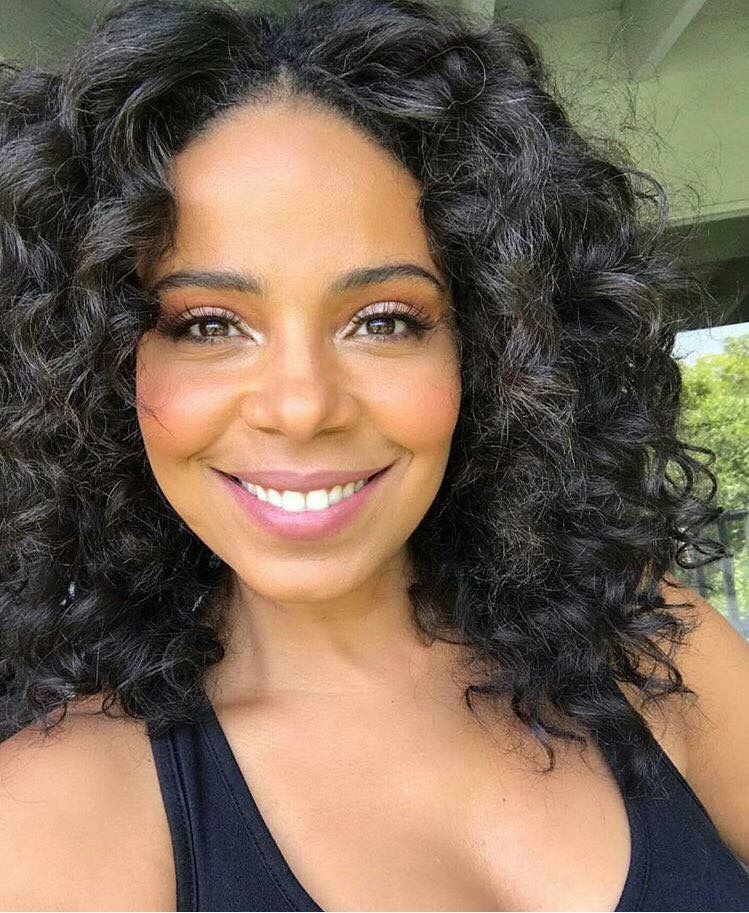
With piercing eyes and quiet fire, she made vulnerability look powerful and love look unforgettable.

This photograph is the property of its respective owner.

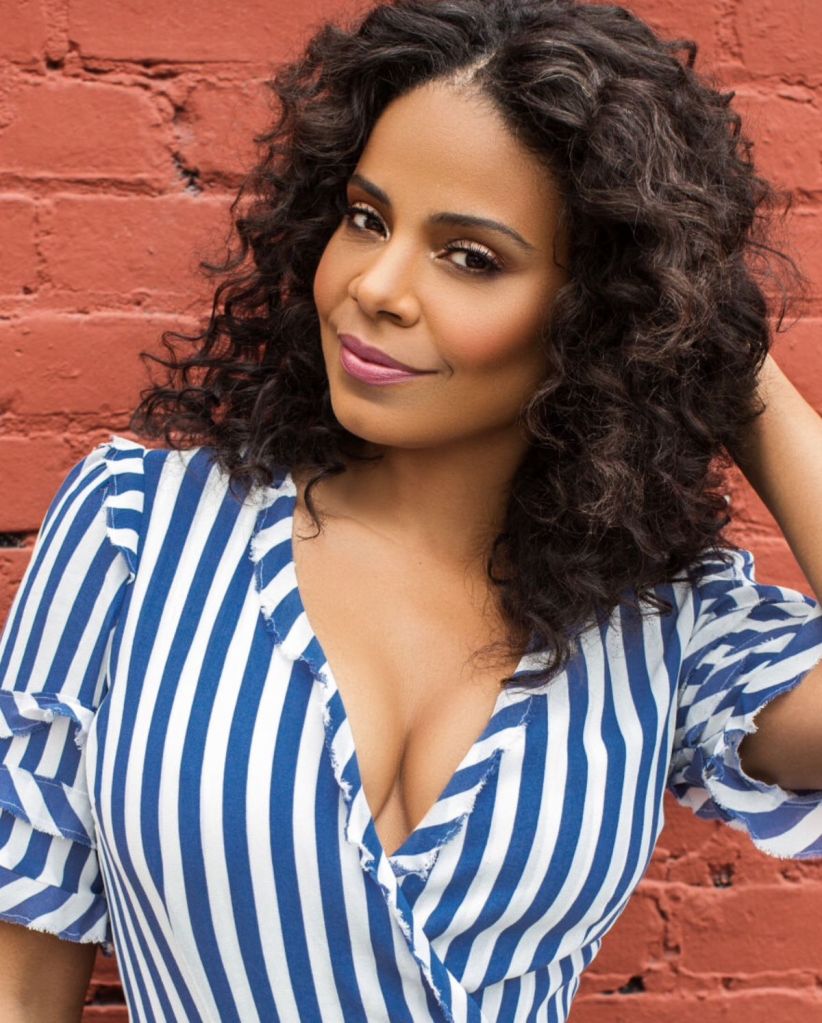
Sanaa Lathan embodies the rare fusion of classical training, romantic allure, and intellectual poise. With her luminous brown skin, serene gaze, and unmistakable voice, she emerged in the late 1990s and early 2000s as one of Black Hollywood’s most desired leading ladies. Yet beyond beauty, Lathan brought gravitas—balancing sophistication in a way that redefined the modern Black romantic heroine.

Born September 19, 1971, in New York City to actress Eleanor McCoy and director Stan Lathan, Sanaa was raised in a creative household steeped in the arts. She earned a bachelor’s degree in English from the University of California, Berkeley, and later received a master’s degree in drama from Yale University. Her classical training distinguished her from many contemporaries, grounding her performances in theatrical discipline and emotional range.

This photograph is the property of its respective owner.

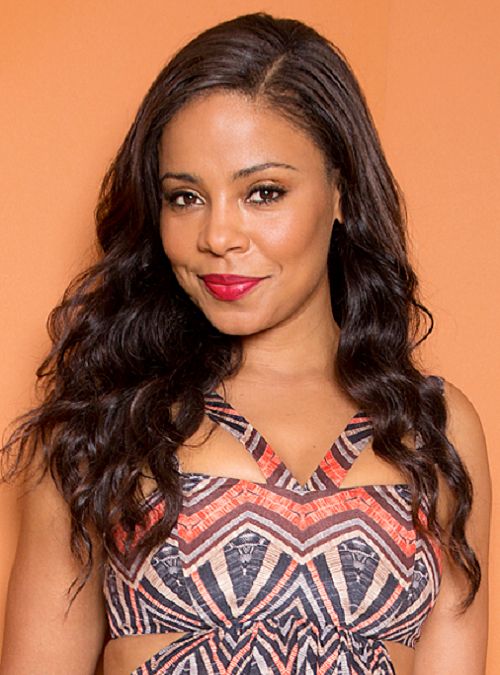
Lathan’s breakout film role came in Love & Basketball, where she starred opposite Omar Epps. As Monica Wright, an ambitious athlete balancing love and professional aspiration, Lathan delivered a performance that has since become iconic in Black cinema. The film cemented her as the face of millennial Black romance—complex, career-driven, emotionally vulnerable, and fiercely independent. Her portrayal earned her a NAACP Image Award and lasting cultural reverence.

She continued her ascent with roles in Brown Sugar alongside Taye Diggs and The Best Man and its sequel, The Best Man Holiday, acting alongside ensemble greats including Nia Long and Morris Chestnut. In these films, Lathan mastered the art of romantic tension—portraying women who were both soft and strong, principled yet passionate.

This photograph is the property of its respective owner.

Breaking beyond romance, Lathan showcased versatility in genre films such as Alien vs. Predator, leading a major sci-fi franchise installment—an uncommon achievement for Black actresses at the time. On stage, she earned a Tony Award nomination for her work in A Raisin in the Sun, demonstrating her enduring commitment to theatrical excellence.

In recent years, Lathan expanded her creative influence by stepping behind the camera. In 2022, she made her directorial debut with On the Come Up, based on the novel by Angie Thomas and released by Paramount+. The project reflected her dedication to telling nuanced coming-of-age stories centered on young Black voices, signaling her evolution from muse to mentor.

Though often private about her personal life, Lathan has navigated public scrutiny—particularly surrounding rumors and media narratives—with composure and dignity. Her career longevity speaks to intentional role selection, artistic credibility, and strategic reinvention. She is neither a tabloid fixture nor a fleeting trend; she is an enduring presence.

Sanaa Lathan is an “It Girl” not because she chased attention, but because the camera gravitates toward her. She defined a generation’s romantic imagination while quietly building a body of work grounded in craft. In an industry obsessed with spectacle, Lathan remains refined—proof that elegance, education, and emotional intelligence are their own form of star power.

References

IMDb. (n.d.). Sanaa Lathan. Retrieved from https://www.imdb.com

Broadway League. (n.d.). Sanaa Lathan – Broadway credits and Tony Award nomination. Retrieved from https://www.ibdb.com

Love & Basketball production and award details retrieved from:
Box Office Mojo. (n.d.). Love & Basketball.

Brown Sugar and The Best Man franchise information retrieved from:
American Film Institute. (n.d.). Catalog entries.

On the Come Up release and directorial information retrieved from:
Paramount+ press materials (2022).

Guerrero, E. (1993). Framing Blackness: The African American image in film. Temple University Press.

Mask, M. (2009). Divas on screen: Black women in American film. University of Illinois Press.

The Science of Beauty: Decoding the Biology, Psychology, and Perception of Aesthetics.

Beauty has long fascinated philosophers, scientists, and artists alike, as it intersects both the tangible and intangible aspects of human existence. While often considered subjective, beauty also possesses measurable biological and psychological dimensions that have been studied across disciplines such as evolutionary biology, neuroscience, and sociology. The science of beauty seeks to understand why certain features, forms, and proportions are universally regarded as attractive and how these perceptions influence human behavior and social dynamics.

Evolutionary biology offers a foundation for understanding beauty through the lens of survival and reproduction. Charles Darwin’s theory of sexual selection posits that beauty functions as a biological signal of health, fertility, and genetic fitness (Darwin, 1871). Facial symmetry, for instance, is often interpreted as an indicator of developmental stability and resistance to disease, leading individuals with symmetrical faces to be perceived as more attractive.

Symmetry is not merely an aesthetic ideal but a biological marker. Studies show that facial symmetry is associated with optimal hormone levels, fewer genetic mutations, and stronger immune systems (Rhodes, 2006). This biological alignment resonates subconsciously with observers, who interpret symmetry as a sign of good genes—a preference encoded over millennia of human evolution.

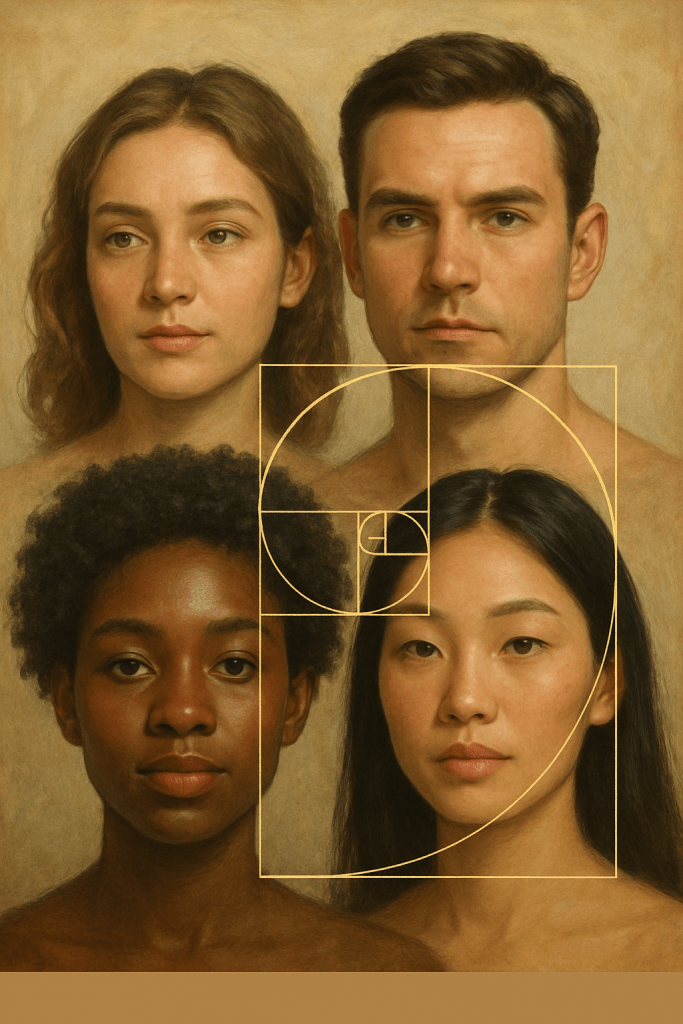
Another key concept in the science of beauty is the “golden ratio,” or phi (approximately 1.618), which describes a mathematical proportion found throughout nature, architecture, and the human body. Research has shown that faces approximating the golden ratio are consistently rated as more attractive (Marquardt, 2002). The Marquardt facial mask, designed to reflect these ideal proportions, has become a scientific model for analyzing facial harmony.

However, beauty extends beyond mathematics. Facial features such as full lips, clear skin, and high cheekbones also influence perceptions of attractiveness because they are subconsciously associated with youth, vitality, and reproductive capability (Etcoff, 1999). These traits act as visual cues that have guided human mate selection throughout history.

Neuroscience further enriches our understanding by exploring how the brain responds to beauty. Neuroimaging studies show that when individuals view faces they perceive as beautiful, the brain’s reward center—the medial orbitofrontal cortex—is activated (Aharon et al., 2001). This activation mirrors responses to pleasurable stimuli such as music or food, suggesting that beauty engages both cognitive and emotional circuits.

Psychological research has long examined the “halo effect,” a cognitive bias where physically attractive individuals are perceived as more intelligent, kind, and capable (Dion, Berscheid, & Walster, 1972). This effect reveals how deeply ingrained visual perception is in shaping human judgment and social hierarchies.

Cultural and racial variations complicate the notion of universal beauty. While certain traits are globally appreciated, cultural contexts shape aesthetic ideals. For example, Western media historically favored Eurocentric features—fair skin, narrow noses, and lighter eyes—whereas African, Asian, and Indigenous societies have celebrated diverse beauty markers such as darker skin tones, fuller bodies, and textured hair (Hunter, 2011).

In the modern era, beauty is also intertwined with media influence and technology. Social media platforms amplify specific beauty standards through filters, digital editing, and algorithms that reward particular looks. This digital aesthetic homogenization can distort self-perception and promote unrealistic ideals (Fardouly & Vartanian, 2016).

The cosmetics and fashion industries further reinforce the commercial side of beauty. The global beauty industry, valued at over $500 billion, capitalizes on insecurities by marketing transformation as empowerment. Yet this commodification raises ethical questions about authenticity and self-worth (Jones, 2021).

Beauty perception is also influenced by hormones and genetics. For example, testosterone levels are linked to masculine facial features such as a strong jawline, while estrogen contributes to features considered feminine, such as soft skin and fuller lips (Thornhill & Gangestad, 1999). These biological signals influence attraction subconsciously, reflecting reproductive compatibility.

Beyond physical features, behavioral expressions such as confidence, warmth, and kindness can enhance perceived attractiveness. Research suggests that beauty is dynamic—animated expressions, body language, and voice tone can transform how a person is viewed (O’Doherty et al., 2003).

The role of melanin in beauty has also been scientifically explored. Melanin not only determines skin tone but also provides photoprotection and age resistance (Kaidbey et al., 1979). Yet, despite its biological advantage, darker skin has often been devalued in societies shaped by colonial and colorist histories.

The psychological toll of beauty bias is profound. Studies link appearance-based discrimination to lower self-esteem, depression, and social anxiety (Rumsey & Harcourt, 2005). This underscores the importance of diversifying beauty ideals to promote psychological well-being and cultural inclusivity.

Beauty also intersects with moral and spiritual philosophy. Biblical and philosophical traditions have long grappled with whether beauty is a reflection of inner goodness or mere external vanity. As Proverbs 31:30 (KJV) reminds us, “Favor is deceitful, and beauty is vain: but a woman that feareth the Lord, she shall be praised.”

Modern science aligns with this idea by revealing that kindness, empathy, and positive energy can alter facial perception—literally making individuals appear more attractive through microexpressions and improved emotional resonance (Little, Burt, & Perrett, 2006).

Aesthetic medicine and cosmetic surgery have blurred the line between natural and artificial beauty. While technological advancements allow individuals to enhance or alter features, the psychological motivation often stems from conformity to societal pressures rather than personal fulfillment (Sarwer et al., 2005).

From a sociological perspective, beauty functions as a form of cultural capital. French sociologist Pierre Bourdieu (1984) argued that aesthetic preferences are tied to social class and education, reinforcing social hierarchies by defining what is considered “refined” or “desirable.”

The future of beauty science lies in inclusivity and authenticity. With increased awareness of genetic diversity, researchers are beginning to celebrate broader definitions of beauty that reflect global humanity rather than narrow ideals. This evolution aligns with the growing understanding that beauty is both innate and learned—an interplay of biology, culture, and consciousness.

Ultimately, the science of beauty reveals a profound truth: beauty is both a mirror and a mystery. It reflects our biological heritage while embodying the values of the societies we build. To understand beauty is to understand humanity itself—a species constantly seeking harmony between the seen and the unseen, the body and the soul.


References

Aharon, I., Etcoff, N., Ariely, D., Chabris, C. F., O’Connor, E., & Breiter, H. C. (2001). Beautiful faces have variable reward value: fMRI and behavioral evidence. Neuron, 32(3), 537–551.

Bourdieu, P. (1984). Distinction: A social critique of the judgement of taste. Harvard University Press.

Darwin, C. (1871). The descent of man, and selection in relation to sex. John Murray.

Dion, K., Berscheid, E., & Walster, E. (1972). What is beautiful is good. Journal of Personality and Social Psychology, 24(3), 285–290.

Etcoff, N. (1999). Survival of the prettiest: The science of beauty. Anchor Books.

Fardouly, J., & Vartanian, L. R. (2016). Social media and body image concerns: Current research and future directions. Current Opinion in Psychology, 9, 1–5.

Hunter, M. (2011). Race, gender, and the politics of skin tone. Routledge.

Jones, M. (2021). Beauty and capitalism: The cultural economy of aesthetics. Palgrave Macmillan.

Kaidbey, K. H., Agin, P. P., Sayre, R. M., & Kligman, A. M. (1979). Photoprotection by melanin—a comparison of black and Caucasian skin. Journal of the American Academy of Dermatology, 1(3), 249–260.

Little, A. C., Burt, D. M., & Perrett, D. I. (2006). Assortative mating for perceived facial personality traits. Personality and Individual Differences, 40(5), 973–984.

Marquardt, S. R. (2002). Dr. Stephen Marquardt’s Phi Mask: The mathematical formula of beauty. Journal of Aesthetic Dentistry, 12(2), 55–65.

O’Doherty, J., Winston, J., Critchley, H., Perrett, D., Burt, D. M., & Dolan, R. J. (2003). Beauty in a smile: The role of medial orbitofrontal cortex in facial attractiveness. Neuropsychologia, 41(2), 147–155.

Rhodes, G. (2006). The evolutionary psychology of facial beauty. Annual Review of Psychology, 57, 199–226.

Rumsey, N., & Harcourt, D. (2005). The psychology of appearance. Open University Press.

Sarwer, D. B., Crerand, C. E., & Didie, E. R. (2005). Body image and cosmetic medical treatments. Body Image, 2(4), 321–333.

Thornhill, R., & Gangestad, S. W. (1999). Facial attractiveness. Trends in Cognitive Sciences, 3(12), 452–460.

Afrocentric Beauty

Photo by Em Batsari on Pexels.com

Afrocentric beauty is more than an aesthetic—it is a cultural reclamation, a spiritual declaration, and a political stance. Rooted in the acknowledgment of African heritage and identity, it transcends Eurocentric ideals that have long dictated global standards of attractiveness. Afrocentric beauty celebrates the divine design of melanin, texture, and form, declaring that Blackness itself is not a deviation from beauty but its original expression (hooks, 1992).

Historically, Western civilization portrayed African features as inferior, using pseudo-science and colonial ideology to justify enslavement and oppression. These narratives reduced Black identity to caricature while promoting whiteness as purity and perfection. Afrocentric beauty emerges as the antidote—restoring dignity to features once demonized and affirming that African phenotypes are symbols of resilience and majesty (Asante, 2003).

The roots of Afrocentric beauty lie in ancient Africa, where adornment and aesthetics held spiritual significance. In Kemet (Egypt), Nubia, and other regions, hairstyles, body paint, and jewelry symbolized power, status, and connection to the divine. Beauty was seen as harmony between the physical and the spiritual, reflecting the Creator’s craftsmanship. This ancient understanding opposes modern beauty industries that commodify insecurity and conformity (Diop, 1974).

In the transatlantic slave era, African aesthetics were systematically stripped away. Enslaved Africans were forced to adopt Western dress and grooming as a means of control. Yet even in bondage, cultural expression survived through braiding, fabrics, and oral traditions. The Afrocentric aesthetic persisted in coded ways, a quiet rebellion against erasure.

Afrocentric beauty today reclaims that stolen narrative. It celebrates the broad nose, full lips, and coiled hair as divine architecture—not flaws to be corrected. The natural hair movement of the 1960s and 1970s reignited this consciousness, encouraging Black women and men to wear their natural textures with pride. The afro became both hairstyle and halo—an emblem of power, freedom, and pride (Byrd & Tharps, 2014).

This movement was more than fashion; it was theology in motion. To love one’s natural self is to accept the Creator’s intention. Genesis 1:31 (KJV) declares, “And God saw everything that He had made, and, behold, it was very good.” Afrocentric beauty, then, is not vanity—it is gratitude. It proclaims that the melanin-rich skin, the kinks and coils, and the ancestral features are reflections of divine artistry.

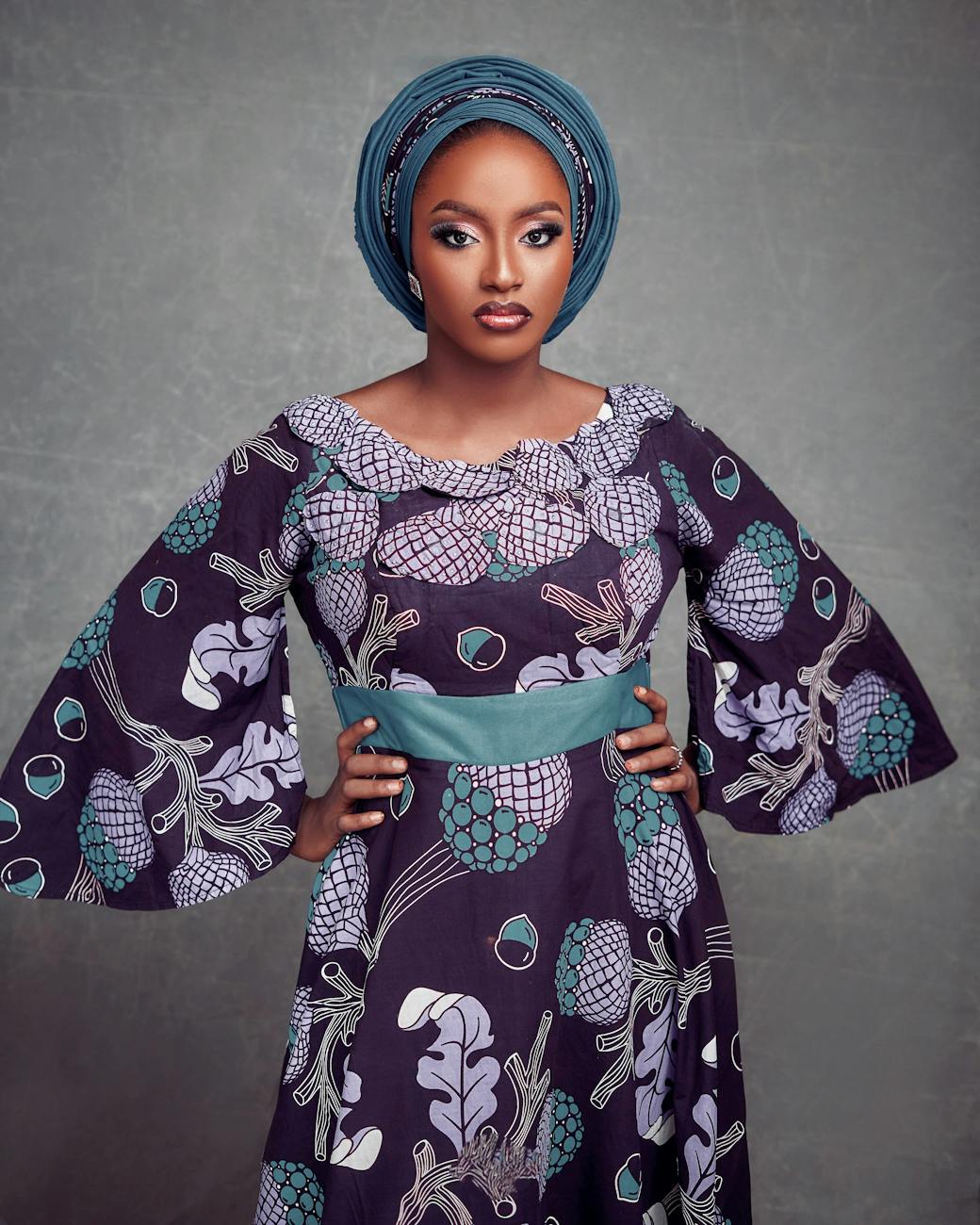
In the modern era, Afrocentric beauty finds expression in media, music, and art. Artists like Erykah Badu, Janelle Monáe, and Solange use their platforms to redefine elegance through Afrocentric symbolism—headwraps, natural hair, and African textiles. These visual languages reject homogenization and celebrate authenticity. Representation, when rooted in Afrocentrism, becomes restoration rather than imitation.

In film and television, productions like Black Panther (2018) reawakened global fascination with African aesthetics. The film’s costume design, inspired by real African tribes, merged tradition with futurism, birthing a movement of “Wakandan beauty.” This cultural phenomenon proved that Afrocentric aesthetics are not confined to the past—they are timeless, innovative, and regal.

Afrocentric beauty also challenges colorism, which remains one of the greatest internalized remnants of colonialism. While media often glorifies lighter skin, Afrocentrism re-centers dark skin as luminous and sacred. The melanin spectrum becomes a continuum of divinity, not hierarchy. When darker complexions are celebrated, the chains of inferiority forged by slavery begin to break (Hunter, 2005).

For men, Afrocentric beauty dismantles hypermasculine stereotypes and redefines Black male allure as intellectual, spiritual, and elegant. From the dignified presence of Chadwick Boseman to the refined strength of Idris Elba, modern representations of Black men embody a balance between power and grace. Their beauty is not aggression—it is majesty.

Fashion plays a vital role in advancing Afrocentric aesthetics. Designers such as Kerby Jean-Raymond, Aurora James, and Mowalola Ogunlesi blend African artistry with contemporary design, asserting that Black creativity drives global style. The presence of African textiles, beads, and natural palettes in haute couture reflects a cultural shift: the world is looking to Africa not for inspiration, but for leadership.

Social media has amplified this revolution. Movements like #BlackIsBeautiful and #MelaninPoppin continue the legacy of 1960s activism in digital form. Through photography, makeup, and storytelling, Black creators present images that affirm self-love and community pride. Afrocentric beauty, in this sense, democratizes representation—giving voice to those once silenced by mainstream platforms (Noble, 2018).

Afrocentric beauty is also intellectual. It questions who defines attractiveness and why. Eurocentric systems profit from the insecurities of others, selling straighteners, bleaching creams, and surgical alterations. Afrocentrism, however, promotes balance and self-knowledge. True beauty, as Proverbs 31:30 (KJV) reminds us, “is vain: but a woman that feareth the Lord, she shall be praised.” Holistic beauty emerges from spiritual alignment, not cosmetic perfection.

The theology of Afrocentric beauty recognizes that the Black body is sacred space. It bears the imprint of divine creativity and ancestral memory. To honor it is to resist systems of oppression that commodify or exploit it. The skin becomes a testimony; the hair becomes a crown; the presence becomes prophetic.

Within the diaspora, Afrocentric beauty connects people across continents and cultures. From the Maasai to the Maroons, from the Yoruba to the Gullah, shared symbols of adornment—beads, braids, gold—bind the global African family. These traditions transcend borders and time, reminding the world that beauty was African before it was commercialized.

Artistic movements continue to expand the Afrocentric aesthetic beyond the body. Painters like Harmonia Rosales and Kehinde Wiley reinterpret classical art through African features and settings, placing Black faces in divine and royal narratives from which they were excluded. This artistic reclamation teaches that representation is both creative and corrective.

Ultimately, Afrocentric beauty invites a paradigm shift. It challenges society to see Blackness not as an exception to beauty but as its essence. When melanin glows, when curls coil toward the heavens, when confidence radiates from self-acceptance—beauty returns to its source. Afrocentric aesthetics remind us that creation itself began with darkness before light (Genesis 1:2–3).

This understanding is revolutionary because it redefines beauty as cultural sovereignty. It is not dictated by Western approval but grounded in ancestral truth. Afrocentric beauty restores wholeness where colonization imposed fragmentation, allowing individuals to exist as both spiritual and physical reflections of their heritage.

In the end, Afrocentric beauty is freedom—the liberation of the mirror from falsehood. It is the harmony of heritage, the poetry of pigment, and the testimony of creation. It whispers that beauty is not conformity but authenticity, not imitation but inheritance. To embrace Afrocentric beauty is to honor the divine image within and the lineage from which we came.


References

Asante, M. K. (2003). Afrocentricity: The Theory of Social Change. African American Images.
Byrd, A. D., & Tharps, L. L. (2014). Hair Story: Untangling the Roots of Black Hair in America. St. Martin’s Press.
Craig, M. L. (2006). Race, Beauty, and the Tangled Knot of a Guilty Pleasure. Feminist Theory, 7(2), 159–177.
Diop, C. A. (1974). The African Origin of Civilization: Myth or Reality. Lawrence Hill Books.
hooks, b. (1992). Black Looks: Race and Representation. South End Press.
Hunter, M. L. (2005). Race, Gender, and the Politics of Skin Tone. Routledge.
Noble, S. U. (2018). Algorithms of Oppression: How Search Engines Reinforce Racism. NYU Press.
The Holy Bible, King James Version (KJV). (1611).

The Politics of Pretty: Brown Girls and Beauty Hierarchies. #thebrowngirldilemma

Photo by Sherman Trotz on Pexels.com

Beauty has never existed in a vacuum; it is deeply political, intertwined with power, culture, and societal hierarchy. For Brown girls, the politics of pretty are particularly complex, as beauty standards are often constructed to privilege lighter skin, Eurocentric features, and Western ideals. These hierarchies shape not only social perception but also opportunities, self-esteem, and cultural identity, producing both overt and subtle forms of discrimination (Hunter, 2007).

Historical legacies of colonialism and slavery play a central role in these hierarchies. Lighter-skinned individuals were historically afforded social, economic, and educational advantages, while darker-skinned people were marginalized. These structures created lasting beauty hierarchies in which skin tone, facial features, and hair texture became markers of status and desirability. Brown girls inherit these dynamics, navigating social spaces that often value proximity to whiteness over authentic cultural identity (Byrd & Tharps, 2014).

The media reinforces these hierarchies by promoting narrow definitions of beauty. Television, film, fashion, and social media often highlight lighter-skinned women as aspirational figures while darker-skinned women remain underrepresented or stereotyped. Celebrities like Yara Shahidi, Salli Richardson, and Mari Morrow illustrate the visibility and privilege associated with lighter skin, whereas Lupita Nyong’o, Kenya Moore, and Issa Rae challenge conventional beauty hierarchies by embracing melanin-rich skin, natural hair, and culturally distinct features (Fardouly et al., 2015).

Psychologically, these hierarchies impact self-perception and identity. Social comparison theory demonstrates that individuals evaluate themselves against societal standards, often internalizing bias. For Brown girls, repeated exposure to hierarchical standards of beauty can produce low self-esteem, body dissatisfaction, and feelings of exclusion. However, mentorship, representation, and culturally affirming environments can counteract these pressures, fostering resilience, confidence, and pride in one’s natural features (Festinger, 1954).

Economic implications of beauty hierarchies are equally significant. Lighter-skinned women often experience advantages in employment, income, and social mobility, demonstrating that beauty standards are not purely aesthetic but are tied to systemic privilege and opportunity. This inequity underscores how societal valuation based on appearance intersects with broader structures of power and access, perpetuating disadvantage for darker-skinned individuals (Hunter, 2007).

Cultural affirmation and advocacy provide pathways for resistance. Celebrating African and diasporic heritage, highlighting achievements of dark-skinned women, and promoting inclusive representation in media and education empower Brown girls to challenge hierarchical standards. Initiatives like #BlackGirlMagic, #MelaninPoppin, and #UnapologeticallyBrown amplify voices historically marginalized, affirming that beauty is multidimensional and not dictated by proximity to Eurocentric ideals (Banks, 2015).

Spiritual grounding complements cultural and social strategies. Proverbs 31:30 (KJV) declares, “Favour is deceitful, and beauty is vain: but a woman that feareth the LORD, she shall be praised.” Faith provides an enduring lens through which Brown girls can measure worth by character, integrity, and divine purpose rather than societal approval. Spiritual perspective reinforces resilience and affirms that authentic beauty emerges from self-awareness, virtue, and confidence.

In conclusion, the politics of pretty create hierarchical structures that privilege lighter skin and Eurocentric features, influencing perception, opportunity, and self-worth for Brown girls. Yet through cultural affirmation, representation, mentorship, and spiritual grounding, these hierarchies can be challenged. By redefining beauty on their own terms, Brown girls assert agency, embrace authentic features, and inspire a new paradigm in which melanin-rich beauty is celebrated, affirmed, and empowered.


References

Banks, J. A. (2015). Cultural diversity and education: Foundations, curriculum, and teaching. Routledge.

Byrd, A. D., & Tharps, L. L. (2014). Hair Story: Untangling the Roots of Black Hair in America. St. Martin’s Press.

Fardouly, J., Diedrichs, P. C., Vartanian, L. R., & Halliwell, E. (2015). Social comparisons on social media: The impact of Facebook on young women’s body image concerns and mood. Body Image, 13, 38–45.

Festinger, L. (1954). A theory of social comparison processes. Human Relations, 7(2), 117–140.

Hunter, M. (2007). The persistent problem of colorism: Skin tone, status, and inequality. Sociology Compass, 1(1), 237–254.

More Than Skin Deep: The Fight Against Lookism.

This photograph is the property of its respective owner. No copyright infringement intended.

In a society increasingly obsessed with physical appearance, the phenomenon of lookism—the discrimination or bias based on how one looks—permeates nearly every aspect of life. From hiring practices and social interactions to media representation and personal relationships, individuals are often judged not by their character or intellect, but by the superficial metrics of beauty, skin tone, and body shape. For Black communities and other marginalized groups, this bias intersects with historical legacies of colorism, Eurocentric standards of beauty, and systemic oppression, compounding the psychological and social toll. Yet, the human experience is far richer than what the eye can perceive; our value, identity, and potential extend well beyond mere appearances. This essay confronts the pervasive culture of lookism, examining its roots, manifestations, and consequences, while advocating for a deeper understanding of worth that transcends the skin.

In contemporary society, the valuation of individuals based on physical appearance has become both pervasive and pernicious. Lookism—the systemic bias favoring certain facial features, body types, skin tones, and other physical attributes—functions as an often invisible form of discrimination. While it may appear superficial, its consequences permeate employment, education, social relationships, and mental health. For marginalized communities, particularly Black people, lookism intersects with colorism, historical oppression, and racialized beauty standards, magnifying its impact.

The roots of lookism are historical, entwined with social hierarchies and colonialism. European colonial powers imposed ideals of whiteness as superior, embedding racialized beauty standards into law, media, and social norms. Enslaved Africans in the Americas were subjected not only to physical bondage but also to a devaluation of natural features—skin tone, hair texture, and facial structures—creating lasting psychological and cultural wounds (Hunter, 2007).

Colorism, a subset of lookism, privileges lighter skin over darker skin within the same racial or ethnic group. For Black communities, this bias is deeply internalized, influencing mate selection, career advancement, and social perception. Research shows that lighter-skinned individuals are often perceived as more competent, attractive, and socially acceptable, while darker-skinned individuals are subject to prejudice and exclusion (Russell, Wilson, & Hall, 1992).

Lookism is not solely about skin tone. Height, body shape, facial symmetry, hair texture, and other physical characteristics are equally evaluated against culturally constructed ideals. Psychologists have shown that people unconsciously associate beauty with intelligence, morality, and success—a cognitive bias known as the “halo effect” (Nisbett & Wilson, 1977). Consequently, those deemed “less attractive” face subtle but measurable disadvantages in life opportunities.

Media perpetuates these biases by idealizing Eurocentric features in film, television, advertising, and social media. Black actors and models are often expected to conform to these standards through skin-lightening, hair straightening, or cosmetic surgery. Such pressures reinforce the notion that natural Black beauty is insufficient, undermining self-esteem and cultural pride (Taylor, 2002).

The psychological toll of lookism is profound. Studies in social psychology indicate that chronic exposure to appearance-based discrimination contributes to anxiety, depression, and low self-worth. Dark-skinned Black women, in particular, report feelings of invisibility and rejection, even within their own communities, due to entrenched color hierarchies (Hunter, 2005).

Biblical scripture speaks to the limitations of superficial judgment. In 1 Samuel 16:7 (KJV), it is written: “…Man looketh on the outward appearance, but the LORD looketh on the heart.” This verse underscores the spiritual truth that intrinsic value resides within character, integrity, and faith rather than outward form. The fight against lookism is thus both a social and spiritual endeavor.

The workplace provides a clear arena in which lookism manifests. Studies show that resumes with photographs or names suggestive of certain racial or ethnic backgrounds receive fewer callbacks. Attractive candidates are more likely to be promoted, while those deemed less aesthetically pleasing are systematically overlooked, regardless of skill or experience (Hamermesh & Biddle, 1994).

Education is similarly affected. Teachers and peers may unconsciously favor students who fit conventional beauty standards, granting them more attention, encouragement, and opportunities. This bias shapes self-perception, academic achievement, and long-term socioeconomic mobility, demonstrating that the consequences of lookism are cumulative (Langlois et al., 2000).

Social media amplifies lookism in unprecedented ways. Platforms like Instagram and TikTok reward images aligned with popular beauty ideals, while algorithms disproportionately promote content featuring lighter skin, Eurocentric features, or conventionally thin bodies. The resulting feedback loop reinforces internalized beauty hierarchies and societal discrimination (Tiggemann & Slater, 2014).

In relationships, lookism influences attraction and partnership dynamics. Research on dating preferences indicates that darker-skinned individuals, particularly women, are often desexualized or stigmatized. Men with darker skin may be perceived as less desirable, while lighter-skinned counterparts are fetishized or privileged. These patterns echo historical practices of slavery and segregation, demonstrating the persistence of racialized beauty bias (Hunter, 2007).

Cultural resistance to lookism is both historical and contemporary. Figures like Marcus Garvey, Maya Angelou, and Lupita Nyong’o have celebrated natural Black beauty, challenging entrenched ideals and affirming pride in African features, hair textures, and skin tones. Their work illustrates the transformative power of representation and visibility in combating appearance-based discrimination.

Psychological strategies for resisting lookism include cultivating self-compassion, rejecting external validation, and fostering community affirmation. Programs promoting diversity in media, workplace equity initiatives, and educational campaigns can reduce the impact of appearance-based bias. Recognizing the systemic nature of lookism is essential to dismantling its influence (Cokley et al., 2013).

Intersectionality is key to understanding lookism’s full impact. Gender, race, class, and disability intersect with physical appearance to produce compounded disadvantage. Dark-skinned women, for instance, experience a “double bind” of sexism and colorism, while Black men face societal expectations around masculinity and attractiveness that limit their perceived value (Crenshaw, 1991).

Lookism also has generational implications. Children absorb societal standards from media, peers, and family, internalizing hierarchical valuations of beauty. This perpetuates cycles of self-rejection, colorism, and prejudice, making the fight against lookism an urgent matter of social justice (Jones, 2000).

From a theological perspective, combating lookism aligns with the principle of imago Dei—the belief that all humans are created in the image of God (Genesis 1:27). This doctrine affirms the inherent dignity of every person, regardless of outward appearance, and calls for ethical treatment based on intrinsic worth rather than superficial evaluation.

Historically, communities of color have developed resilience strategies to counteract lookism. Black churches, cultural organizations, and activist groups have emphasized self-worth, pride in natural features, and the celebration of heritage. Such collective reinforcement strengthens identity and provides a counter-narrative to oppressive beauty hierarchies (Hughes et al., 2016).

Lookism’s influence in popular culture continues to evolve. While representation of diverse bodies and features has improved, subtle biases remain embedded in casting, advertising, and beauty standards. True progress requires systemic change, including media accountability, educational reform, and cultural affirmation of all forms of beauty.

Scholars, activists, and faith leaders advocate a multi-pronged approach to defeating lookism: challenging internalized biases, reforming structural inequities, and promoting media literacy. By valuing character, intellect, and spiritual depth above appearance, society can create a more equitable and humane environment (Hunter, 2007; Taylor, 2002).

In conclusion, the fight against lookism is a struggle to recognize human worth beyond superficiality. For Black communities and all marginalized groups, it is both a social and spiritual imperative to confront these biases, affirm intrinsic dignity, and cultivate a culture in which beauty is not a barrier to opportunity, love, or respect. As 1 Samuel 16:7 reminds us, true judgment lies not in the eye, but in the heart.


References

Cokley, K., McClain, S., Enciso, A., & Martinez, M. (2013). An examination of the impact of minority status stress and impostor feelings on the mental health of diverse ethnic minority college students. Journal of Multicultural Counseling and Development, 41(2), 82–95.

Crenshaw, K. (1991). Mapping the margins: Intersectionality, identity politics, and violence against women of color. Stanford Law Review, 43(6), 1241–1299.

Hamermesh, D. S., & Biddle, J. E. (1994). Beauty and the labor market. American Economic Review, 84(5), 1174–1194.

Hughes, D., Johnson, D. J., & Stevenson, H. C. (2016). Stress and resilience in African American youth: Contextual and cultural considerations. Journal of Child and Family Studies, 25, 1–15.

Hunter, M. (2005). Race, gender, and the politics of skin tone. Routledge.

Hunter, M. (2007). The persistent problem of colorism: Skin tone, status, and inequality. Sociology Compass, 1(1), 237–254.

Jones, C. (2000). The psychology of skin color: Social consequences and self-perception. Greenwood Publishing Group.

Langlois, J. H., Kalakanis, L., Rubenstein, A. J., Larson, A., Hallam, M., & Smoot, M. (2000). Maxims or myths of beauty? A meta-analytic and theoretical review. Psychological Bulletin, 126(3), 390–423.

Nisbett, R. E., & Wilson, T. D. (1977). The halo effect: Evidence for unconscious alteration of judgments. Journal of Personality and Social Psychology, 35(4), 250–256.

Russell, K., Wilson, M., & Hall, R. (1992). The color complex: The politics of skin color among African Americans. HarperCollins.

Taylor, S. A. (2002). Skin tone, status, and self-esteem among African Americans. Journal of Black Studies, 33(5), 674–694.

Tiggemann, M., & Slater, A. (2014). NetGirls: The Internet, Facebook, and body image concern in adolescent girls. International Journal of Eating Disorders, 47(6), 630–643.

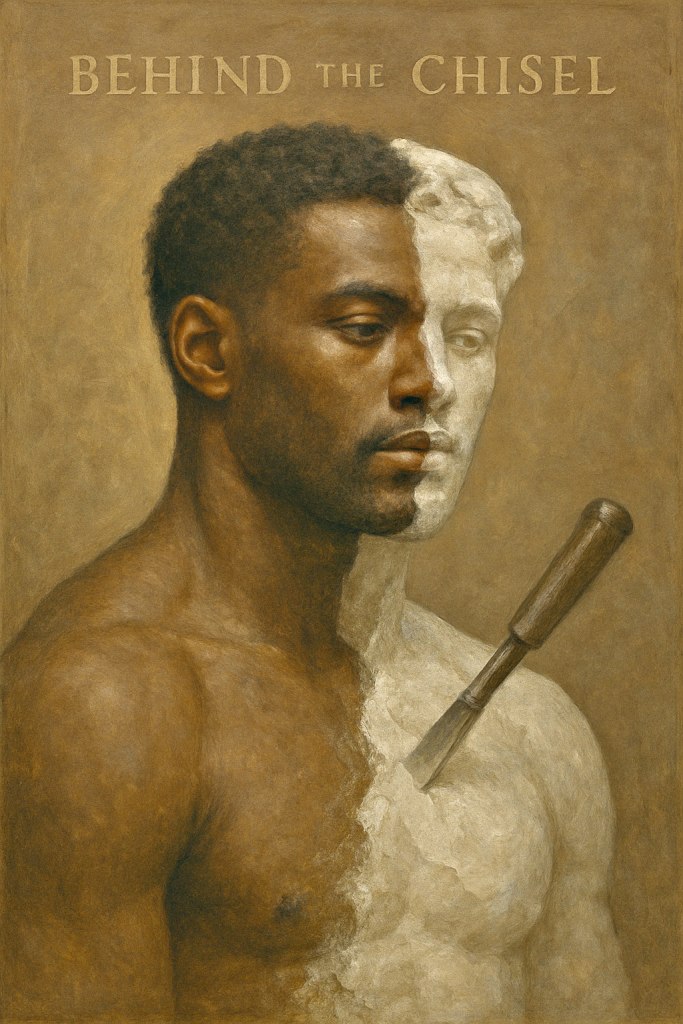
Behind the Chisel: The Vulnerability of the Beautiful Man.

Beauty, when embodied by a man, is both a gift and a burden. It grants social privilege, admiration, and power, yet it also confines him within the rigid expectations of visual perfection. The beautiful man becomes both subject and object, celebrated for his form but often alienated from his soul. In a society that prizes physical allure, his beauty becomes a mask—a chiseled shield hiding the delicate reality of human vulnerability beneath.

Historically, the male form was idealized not merely for attraction but as a symbol of strength, divinity, and order. In classical Greece and Rome, sculptors such as Polykleitos and Praxiteles established proportions that became the gold standard of masculine beauty, where symmetry reflected moral and cosmic harmony. The male nude in marble was not erotic but sacred, representing the balance between spirit and flesh. Yet even in this idealization, beauty was a double-edged sword. The hero’s perfect form was both admired and envied, his body a site of reverence and scrutiny alike.

The Renaissance revived this fascination with masculine perfection. Michelangelo’s David stands as the archetype—a beautiful man poised between youth and destiny. His body radiates strength, but his eyes betray contemplation, even fear. The chisel that shaped his muscles also exposed his soul. David’s tension between beauty and purpose mirrors the existential weight of the beautiful man throughout time: the pressure to embody power while concealing fragility.

In modernity, beauty became democratized yet commodified. With the advent of photography, cinema, and advertising, male beauty entered the realm of mass consumption. Icons like Paul Newman, Sidney Poitier, and Denzel Washington were admired not only for their talent but for their faces—faces that carried racial, social, and moral narratives. The beautiful man became a product of gaze and market, sculpted by expectation rather than stone.

The rise of digital media has intensified this commodification. Social media, with its relentless curation of images, has made beauty a measurable currency. Men are now expected to maintain a “natural perfection,” performing effortless attractiveness through fitness regimens, fashion, and self-branding. Yet behind the filtered glow and crafted angles lies the silent weight of performance anxiety—the fear of losing the audience’s gaze.

Psychologically, this creates a tension between identity and image. As Susan Bordo (1999) notes, men have increasingly internalized the gaze once reserved for women, becoming self-conscious objects of visual consumption. The male body is now a spectacle, and its owner becomes a curator of his own desirability. Beauty thus shifts from being a trait to being a task, an endless project of maintenance and validation.

The burden of male beauty also manifests in emotional suppression. Society rarely permits beautiful men to express vulnerability without undermining their masculine image. Strength, stoicism, and confidence are the expected traits—yet beneath them often lies loneliness. The beautiful man may find himself admired but not known, desired but not loved for his depth. His beauty becomes a barrier to intimacy, a mirror reflecting only surface light.

This paradox is magnified for Black men in particular, whose beauty often carries both hypervisibility and erasure. As scholars like bell hooks (2004) observe, the Black male body is simultaneously fetishized and feared, admired for its physicality yet denied full humanity. When beauty is filtered through racialized lenses, it becomes both a resistance and a burden. The Black beautiful man, then, is not only contending with aesthetics but with history—with centuries of objectification and survival inscribed into his skin.

The entertainment industry further distills this complexity. The camera loves the handsome man, yet it traps him in archetypes—the hero, the lover, the rebel. Hollywood celebrates his face while scripting his silence. Even within this admiration lies exploitation: beauty is marketable only when it conforms to prevailing ideals. As Laura Mulvey (1975) articulated in her theory of the “male gaze,” visual culture conditions viewers to consume bodies, not comprehend souls.

Behind this consumption lies a subtle cruelty: beauty fades. Time, the ultimate sculptor, erodes even the most flawless face. The beautiful man thus lives with an awareness of impermanence, of the day when admiration turns to nostalgia. His identity, if built on physical perfection, risks collapsing when youth departs. To age beautifully, therefore, becomes an act of rebellion—of reclaiming substance over surface.

Yet the vulnerability of beauty is not purely tragic. It invites empathy, forcing us to confront the shared fragility of all human ideals. The beautiful man who acknowledges his imperfections dismantles the myth of invincibility and reveals a more sacred kind of strength—the courage to be seen fully. His cracks become the proof of life, the evidence that marble can breathe.

Cultural critic Alexander Nehamas (2007) argues that beauty is “a promise of happiness,” not its guarantee. For the beautiful man, this promise often proves deceptive. The attention beauty attracts can isolate rather than fulfill, reducing complexity to aesthetics. Yet in that tension lies an opportunity: the chance to transform admiration into introspection, and image into meaning.

Spiritual traditions echo this truth. The Bible reminds humanity that “man looketh on the outward appearance, but the Lord looketh on the heart” (1 Samuel 16:7, KJV). True beauty, then, is not carved into flesh but cultivated in character. When a man understands that his worth transcends his reflection, he begins to live from the inside out—reclaiming the divine balance once symbolized in stone.

In art and life alike, the chisel’s purpose is revelation, not concealment. Every strike that shapes the figure also exposes the form beneath. Likewise, every trial that humbles the beautiful man reveals his essence. Vulnerability becomes the ultimate aesthetic—the invisible beauty of the soul.

This reclamation is vital in a world obsessed with surfaces. To be beautiful and human is to accept both admiration and misunderstanding, to find freedom not in perfection but in authenticity. Beauty ceases to be performance when it becomes truth. The man who dares to be imperfect redefines strength itself.

The modern beautiful man stands, like David, at the threshold between image and destiny. He learns that behind the chisel—the cuts of scrutiny, aging, and expectation—lies the deeper sculpture of spirit. His vulnerability is not his downfall but his masterpiece.

References

Bordo, S. (1999). The male body: A new look at men in public and in private. Farrar, Straus and Giroux.

Gilmore, D. D. (1990). Manhood in the making: Cultural concepts of masculinity. Yale University Press.

hooks, b. (2004). We real cool: Black men and masculinity. Routledge.

Kimmel, M. (2017). Angry white men: American masculinity at the end of an era. Nation Books.

Mulvey, L. (1975). Visual pleasure and narrative cinema. Screen, 16(3), 6–18.

Nehamas, A. (2007). Only a promise of happiness: The place of beauty in a world of art. Princeton University Press.

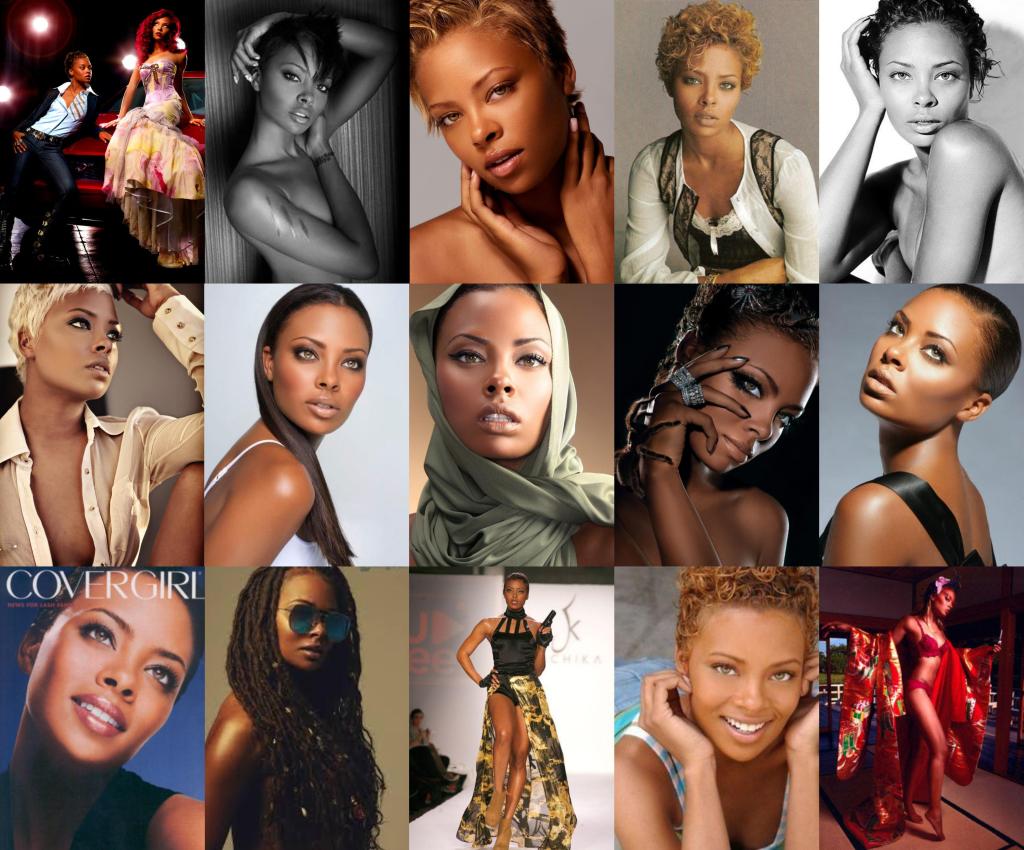
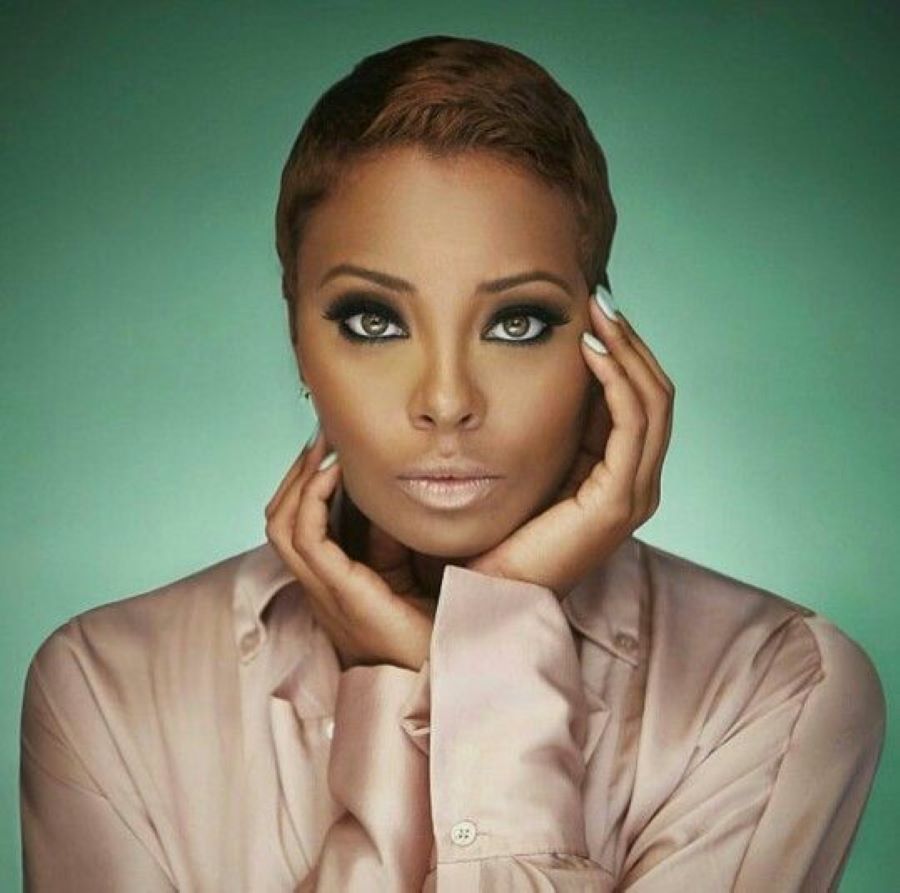
The Ebony Dolls: Eva Marcille

This photograph is the property of its respective owner. No copyright infringement intended.

She entered the world like a masterpiece brushed in melanin—a canvas of luminous light ebony-toned skin, warmed with golden undertones that seemed to glow without permission. Her eyes, a mesmerizing hazel-green ocean rimmed with amber, framed by elongated lashes, and her face sculpted in elegant symmetry, carried a porcelain-like softness yet striking angularity that photographers would later call exotic, rare, unforgettable. She was not just beautiful, but possessed an aesthetic harmony where Africa, Europe, and possibility met in one gaze.

Eva Marcille Pigford was born on October 30, 1984, in Los Angeles, California, to Evan Pigford and Michelle Pigford (IMDB, 2024). She identifies as African American and Puerto Rican, with additional European ancestry, making her widely recognized as multiracial/biracial or “mixed, though she embraces her Black identity as dominant in representation and cultural affiliation (Marcille in BET, 2022). She grew up in South Central Los Angeles, later attending Clark Atlanta University, where she studied broadcast journalism before entering the modeling world (Essence, 2020).

Her journey into Hollywood began on one of the most-watched runways on television—America’s Next Top Model (ANTM). In 2004, Eva auditioned for the third cycle of ANTM, impressing judges with her high-fashion potential, bone structure, presence, and magnetic eyes. She won the competition at age 19, securing a CoverGirl cosmetics contract and becoming the first winner with significantly darker skin and exotic features to take the mainstream commercial modeling crown (Banks et al., 2004; Tyra Show Archives).

This photograph is the property of its respective owner. No copyright infringement intended.

Following ANTM, she quickly transitioned into major print and commercial modeling campaigns. She signed with Ford Models, one of the most prestigious agencies globally (Models.com, 2010). Her early post-show momentum included high-profile spreads in Elle, Essence, King Magazine, GQ, and Cosmopolitan, elevating her beyond reality TV into fashion-editorial legitimacy (IMDB, 2024; Elle Archives, 2005).

Marcille became a campaign face for major brands. Her CoverGirl contract was followed by modeling partnerships and appearances in ad work for Samsung, Apple Bottoms, DKNY, Avon, and Macy’s commercials (Advertising Archives via Commercial Database; IMDB, 2024). She also became the face of shea-butter beauty and urban fashion aesthetics through co-signs with Apple Bottoms and beauty editorials celebrating deeper melanin-VS-Eurocentric glam balance (Essence, 2020).

She accumulated numerous accolades during her modeling years. In 2006, she received the Young Hollywood Award for Female Superstar of Tomorrow, marking her crossover potential beyond modeling into scripted media (Young Hollywood Awards, 2006). Her career trajectory would later include multiple NAACP media appearances and beauty acknowledgments for diversifying beauty representation for young Black and multiracial women (NAACP Image Awards Nominations Database).

Eva soon pursued acting, initially through guest television roles before securing recurring characters. Early appearances included roles on Smallville (2005), Everybody Hates Chris (2007), and House of Payne (2008), which helped transition her from model to actress in the early 2000s Hollywood pipeline (IMDB, 2024).

This photograph is the property of its respective owner. No copyright infringement intended.

She later earned significant screen attention in film, appearing in Crossover (2006), followed by roles in I Think I Love My Wife (2007) alongside comedian Chris Rock, and other Black-ensemble screen projects that positioned her as a staple face of the modern ebony Hollywood class (IMDB, 2024).

Her most culturally impactful work in scripted television came decades later. In 2021, she joined the cast of Tyler Perry’s drama-soap powerhouse All the Queen’s Men, portraying Madam’s rival, Marilyn “Ms. Noelle” Deville, a glamorous yet cunning boss-woman role that aligned her beauty with narrative authority, seduction, and psychological complexity (Perry, 2021). This role cemented her presence in the urban neo-noir glam queen archetype (IMDB, 2024).

Her career also expands into hosting, reality television, and brand ambassadorship. In 2018, she joined The Real Housewives of Atlanta (RHOA), increasing her cultural relevance in Black pop-culture media. She leveraged that visibility into business, advocacy, and television commentary (Bravo, 2018).

Her personal life became part of her public narrative. Eva is a mother to three children:

  • Marley Rae McCall (born 2014) with singer Kevin McCall,
  • Michael Todd Sterling Jr. (born 2018),
  • and Maverick Leonard Sterling (born 2019) with her ex-husband, attorney Michael Sterling (Sterling & Marcille in People, 2023).

She married Michael Sterling in 2018 in a star-studded Atlanta ceremony, widely praised for elegance, intimacy, and cultural grandeur (People, 2023). In 2023, she filed for divorce, citing irreconcilable differences, but has publicly maintained a co-parenting-forward family focus (People, 2023).

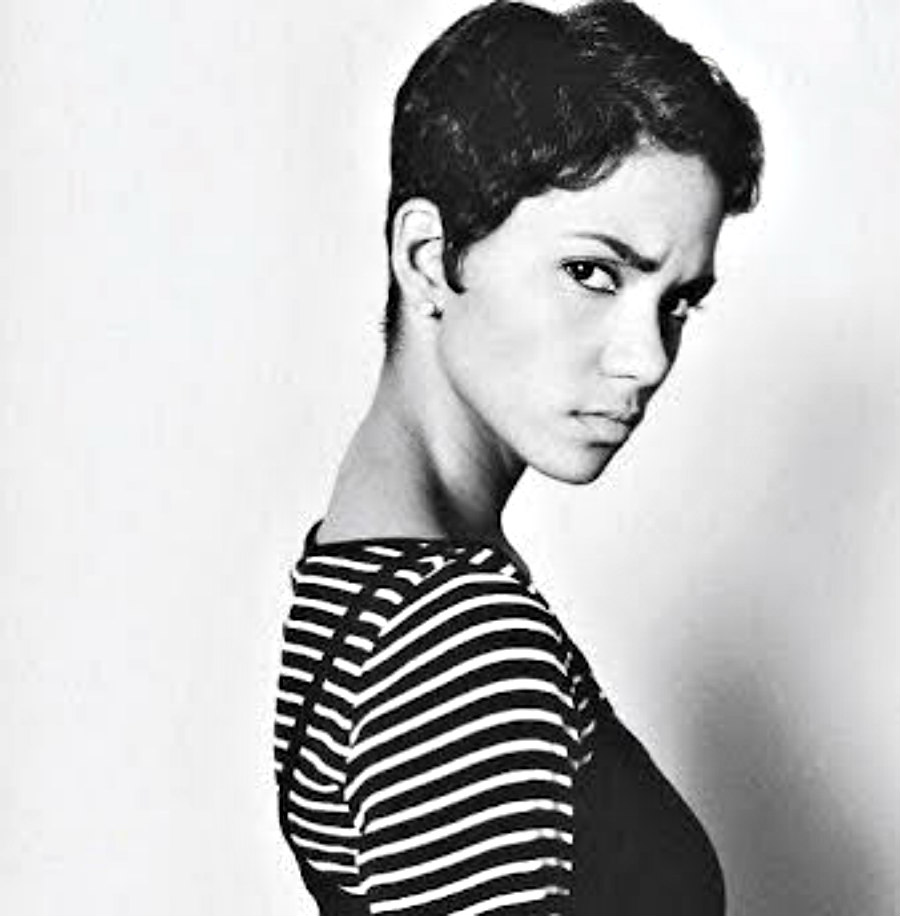
So what makes her an Ebony Doll archetype? The phrase “Ebony Doll” symbolizes more than skin tone—it represents exotic facial symmetry, soft-spoken glam power, and editorial beauty rooted in Black aesthetics but universal in appeal (Hunter, 2005; Hall, 1997). Eva embodies this through her deep-melanin foundation, mixed-heritage features, commercial runway legitimacy, and Hollywood endurance. But deeper still, an ideal Ebony Doll must influence beauty psychology—she did. Eva helped normalize hazel-green eyes on dark melanin, short-hairstyle femininity in Black fashion media, and soft yet dominant screen presence (Hooks, 1992; Hunter, 2005).

This photograph is the property of its respective owner. No copyright infringement intended.

Her features align with cross-cultural beauty science. Studies on beauty perception highlight the high impact of eye color contrast against deep skin, facial symmetry, upper-cheekbone prominence, oval face sculpting, and universal aesthetic ambiguity (“ethnically mixed facial harmonics”) being perceived as exotically attractive (Rhodes, 2006; Little, Jones, & DeBruine, 2011). This matches Eva’s visual profile and explains her path to fashion-campaign success and sustained camera appeal.

Thus, she is an Ebony Doll ideal not simply because she is beautiful, but because she is representative, aspirational, adaptable, culturally resonant, fashion-validated, screen-anchored, and psychologically unforgettable.


References

Bravo. (2018). The Real Housewives of Atlanta cast archives.

Banks, T., et al. (2004). America’s Next Top Model, Cycle 3 production and judging transcripts. UPN Archives.

Bet. (2022). Interview commentary on multiracial identity, ethnicity, and cultural affiliation archives.

Essence. (2020). Eva Marcille career editorial and modeling retrospective.

Hall, S. (1997). Representation: Cultural representations and signifying practices. Sage.

Hooks, B. (1992). Black looks: Race and representation. South End Press.

Hunter, M. (2005). Race, gender, and the politics of skin tone. Routledge.

IMDB. (2024). Eva Marcille professional filmography and career database archives.

Jones, B. C., DeBruine, L. M., & Little, A. C. (2011). Facial contrast and attractiveness. Psychological Science, 22(1), 57–62.

Marcille, E., Sterling, M. (2023). Marriage and co-parenting public statements. People Magazine Archives.

Perry, T. (2021). All the Queen’s Men production and casting archives.

Rhodes, G. (2006). The evolutionary psychology of facial beauty. Annual Review of Psychology, 57, 199–226.

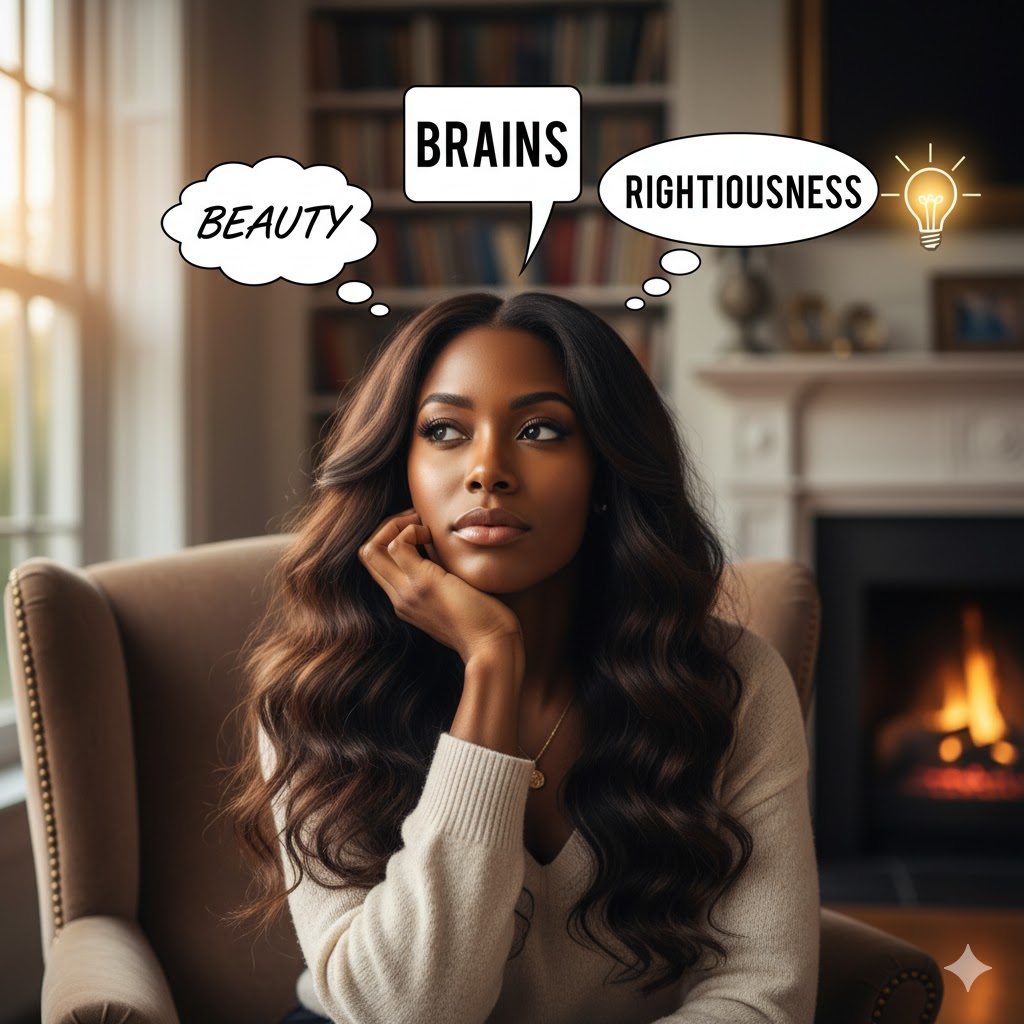
Girl Talk Series: What really matters Beauty, Brains, or Righteousness?

In a world that worships outward beauty, social validation, and intellect, many women find themselves asking: What truly matters most? Is it our appearance, our intelligence, or our righteousness before God? The truth is, while beauty and brains are gifts from the Most High, righteousness is the crown that endures forever. In a society obsessed with aesthetics and achievement, we must be reminded that our eternal worth is not measured by what others see, but by what God sees within.

Beloved daughters, before we polish the outside, we must build the inside. Our skin may glow and our minds may shine, but if our spirits are unclean, the beauty fades and the brilliance dims. The Most High looks beyond the surface—He searches the heart, the intentions, and the purity of our walk. As women of faith, we must learn to prioritize righteousness first, then allow our wisdom and beauty to flow from that divine foundation.

The order of importance, according to the Word of God, is:

  1. Righteousness (Spiritual Beauty)
  2. Brains (Wisdom and Understanding)
  3. Beauty (Outer Appearance)

When righteousness is the root, everything else blossoms in its rightful season.


Righteousness: The True Measure of a Woman

The Scriptures teach that righteousness—our right standing with God—is of eternal value. Proverbs 31:30 (KJV) reminds us:

“Favour is deceitful, and beauty is vain: but a woman that feareth the Lord, she shall be praised.”

This verse is the anchor for every virtuous woman. Physical beauty can captivate for a moment, but spiritual beauty sustains for eternity. When we live in obedience to God, clothed in humility, love, and holiness, we reflect a divine glow that no makeup or mirror can reproduce. The inner beauty of righteousness is the fragrance of heaven on earth—it pleases God and transforms others.


Brains: The Beauty of Wisdom

Next comes the mind—our intellect and understanding. The world celebrates intelligence as power, and in truth, wisdom is indeed a crown. But the Bible distinguishes between worldly knowledge and spiritual wisdom. Proverbs 3:13 (KJV) declares:

“Happy is the man that findeth wisdom, and the man that getteth understanding.”

True intelligence begins with the fear of the Lord (Proverbs 9:10). A woman may hold degrees and titles, but without godly wisdom, her knowledge lacks eternal fruit. Spiritual intelligence allows us to discern truth from deception, to walk in peace, and to make choices aligned with God’s will. The wise woman not only studies books—she studies the Word.


Beauty: A Fleeting Gift of Grace

Finally, we come to outward beauty—something every woman cherishes. Beauty is a divine gift, not a sin, but it was never meant to define us. 1 Samuel 16:7 (KJV) says:

“For the Lord seeth not as man seeth; for man looketh on the outward appearance, but the Lord looketh on the heart.”

While the world teaches us to contour, enhance, and perfect, God calls us to purify, renew, and transform. There is nothing wrong with taking care of our bodies, dressing beautifully, or expressing our femininity—but when appearance becomes an idol, we lose sight of who we are. True beauty flows from a righteous heart and a gentle spirit. As 1 Peter 3:3–4 (KJV) reminds us:

“Whose adorning let it not be that outward adorning of plaiting the hair, and of wearing of gold, or of putting on of apparel;
But let it be the hidden man of the heart, in that which is not corruptible, even the ornament of a meek and quiet spirit, which is in the sight of God of great price.”


Building the Inner Temple

Ladies, our true reflection is not in the mirror—it is in our spirit. We must build the inner temple with prayer, fasting, discipline, and faith. Outward beauty will fade, worldly intelligence will pass, but righteousness will lead us into eternal life.

When we walk in purity, kindness, humility, and obedience, we are building treasures in heaven (Matthew 6:19–21). That is the beauty that never dies. The Proverbs 31 woman was praised not just for her strength or skill, but because “she feareth the Lord.” Her beauty was holy; her intelligence, guided by wisdom; and her righteousness, eternal.


In God’s Eyes

So what really matters in the eyes of God?
It is not the flawless face, nor the perfect résumé—it is the pure heart.
It is not the crown we wear, but the character we keep.
It is not what we look like, but who we are becoming in Christ.

Righteousness is the essence of divine femininity. Brains and beauty will attract the world, but righteousness will attract heaven. When a woman walks in holiness, she walks in power.


Scripture References

  • Proverbs 31:30 – “Favour is deceitful, and beauty is vain: but a woman that feareth the Lord, she shall be praised.”
  • 1 Samuel 16:7 – “For the Lord seeth not as man seeth; for man looketh on the outward appearance, but the Lord looketh on the heart.”
  • 1 Peter 3:3–4 – “Let it be the hidden man of the heart… a meek and quiet spirit, which is in the sight of God of great price.”
  • Proverbs 9:10 – “The fear of the Lord is the beginning of wisdom.”
  • Matthew 6:19–21 – “Lay not up for yourselves treasures upon earth… but lay up for yourselves treasures in heaven.”
  • Proverbs 3:13 – “Happy is the man that findeth wisdom, and the man that getteth understanding.”