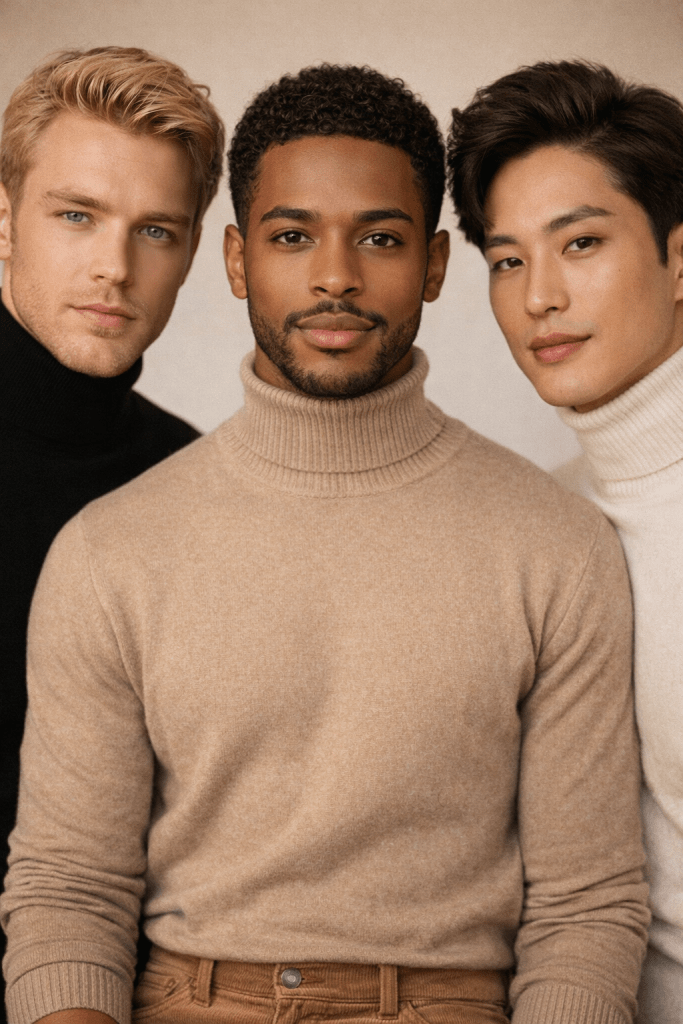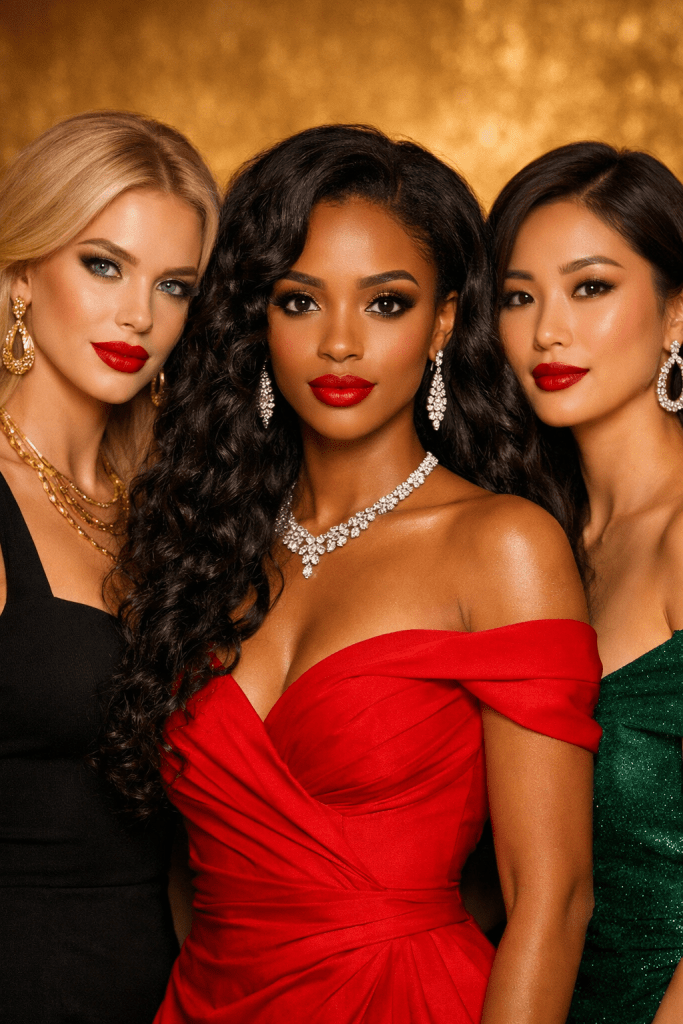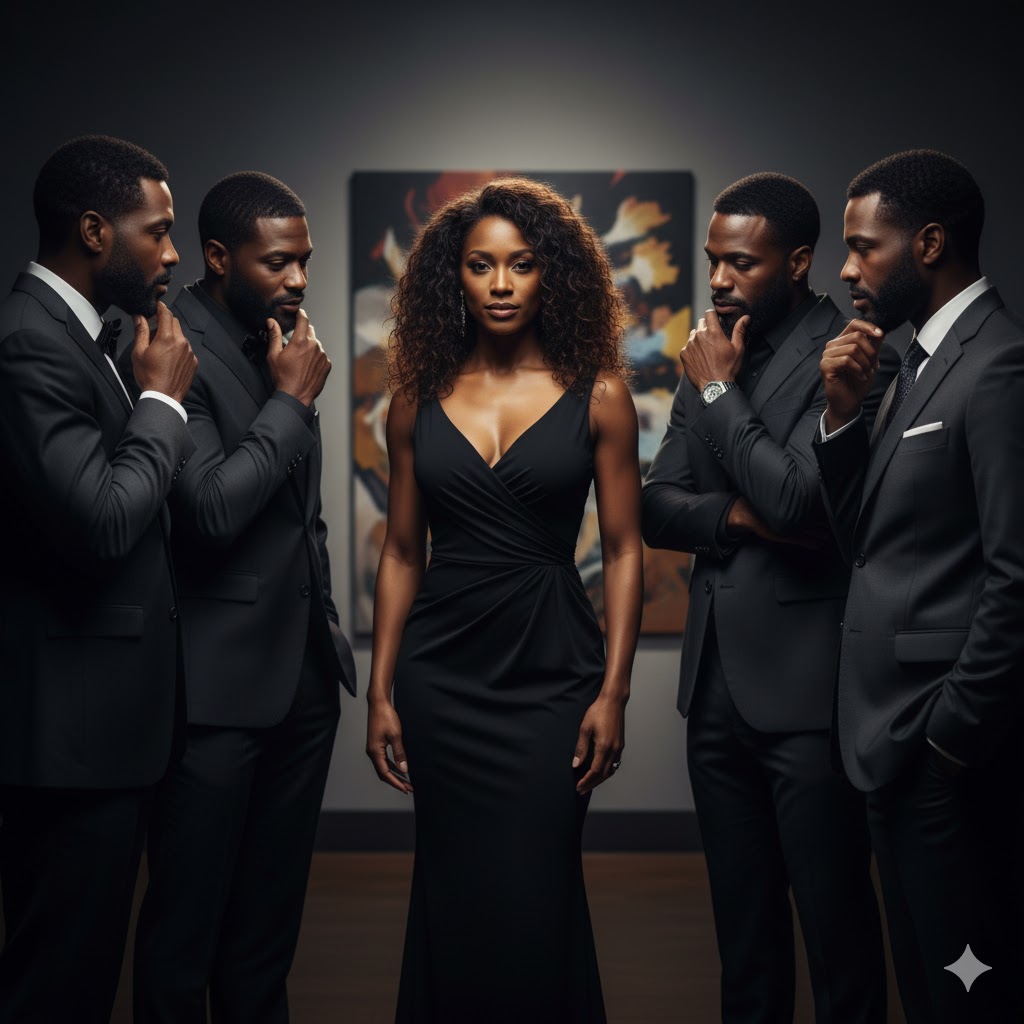
Category Archives: Beauty

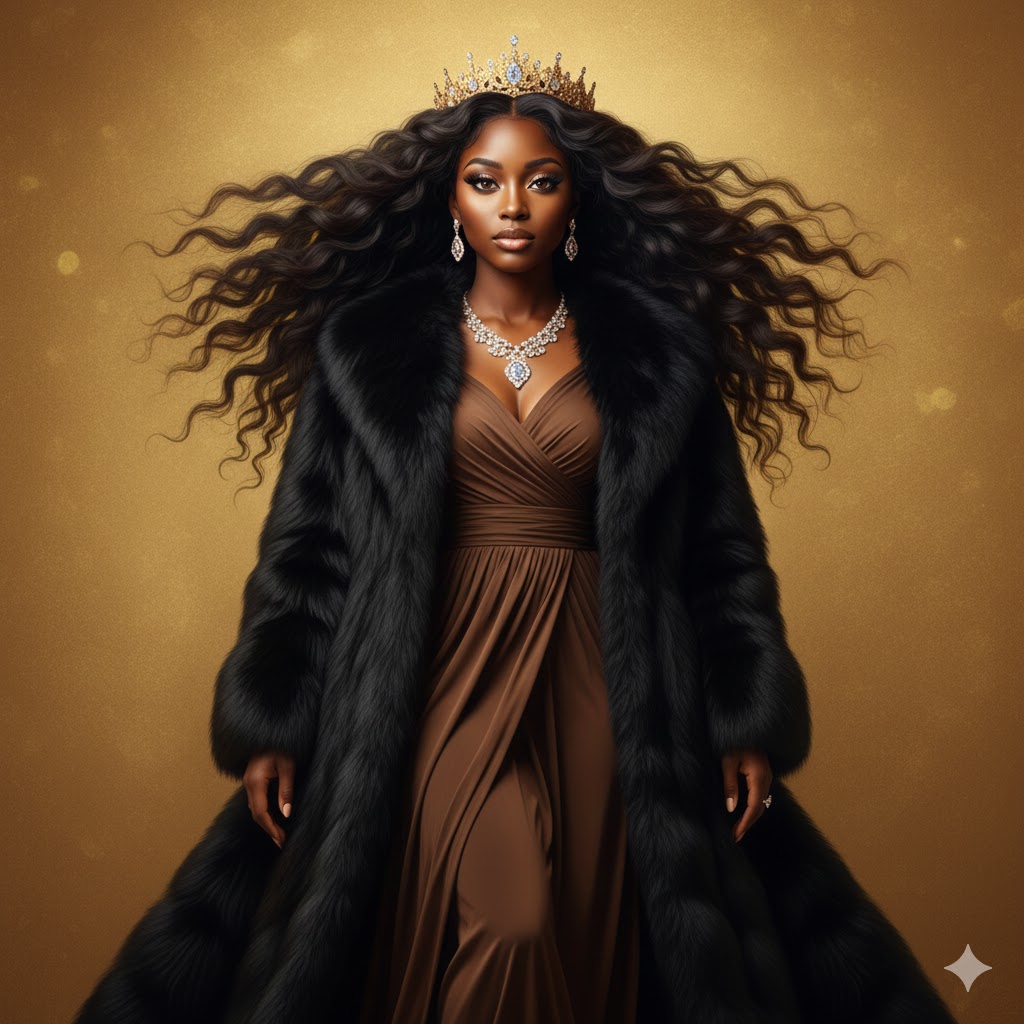
Golden Resistance: The Triumph of the Brown-Skinned Woman

The brown-skinned woman embodies resilience, beauty, and cultural heritage. Across centuries, she has faced systemic oppression, colorism, and societal erasure, yet she persists, embodying a narrative of triumph against all odds.

Historical narratives often marginalized dark- and brown-skinned women, privileging Eurocentric ideals of beauty. Despite this, brown-skinned women cultivated spaces of empowerment within communities, families, and spiritual traditions (Hunter, 2007).

Colonialism and slavery imposed external definitions of worth, linking lighter skin to privilege and darker tones to subjugation. Yet brown-skinned women resisted these narratives, preserving identity, culture, and dignity (Gates, 2019).

Beauty standards have long been weaponized against brown-skinned women. Media and literature often depicted them as exotic or undesirable, fostering internalized oppression. Still, many embraced their natural beauty as a form of defiance (Hall, 1997).

The brown-skinned woman’s strength is rooted in cultural memory. Oral histories, music, and literature have documented resilience, transmitting lessons of perseverance and self-respect across generations (hooks, 2000).

Education became a site of resistance. Brown-skinned women have historically fought to access learning, literacy, and leadership roles, challenging societal assumptions of intellect and capability (Collins, 2000).

In contemporary times, brown-skinned women are redefining standards of beauty and success. Social media and grassroots movements celebrate melanin-rich skin, natural hair, and Afrocentric features, reclaiming visibility and pride (Banks, 2017).

Colorism within communities posed internal challenges. Brown-skinned women navigated both external oppression and intra-community hierarchies, cultivating solidarity and mentorship to foster empowerment (Hunter, 2007).

Representation in media and entertainment has been transformative. Figures like Lupita Nyong’o, Kerry Washington, and Tracee Ellis Ross challenge stereotypes, embodying success, beauty, and influence for brown-skinned women worldwide (Ferguson, 2015).

Brown-skinned women have shaped social justice movements. Their leadership in civil rights, feminist movements, and contemporary activism underscores the intersection of gender, race, and color in the struggle for equality (Crenshaw, 1991).

Entrepreneurship is another arena of triumph. Brown-skinned women create businesses, brands, and platforms celebrating Black excellence, simultaneously challenging economic marginalization and societal biases (Smith, 2020).

Art and literature provide spaces to assert identity. Brown-skinned women use creative expression to celebrate heritage, critique oppression, and cultivate self-love, creating enduring cultural legacies (Gates, 2019).

Physical beauty, while celebrated, is not the sole measure of triumph. Intelligence, courage, resilience, and leadership are equally central to the brown-skinned woman’s legacy (hooks, 2000).

Intersectionality shapes the lived experience of brown-skinned women. Navigating race, gender, class, and color, they demonstrate adaptability and agency, crafting strategies for survival and success (Collins, 2000).

Global movements like #MelaninPoppin and #BlackGirlMagic highlight the celebratory reclamation of brown skin, challenging centuries of marginalization and providing visible role models for younger generations (Banks, 2017).

Brown-skinned women’s triumphs are evident in academia. Scholars and researchers assert authority, contribute to global knowledge, and dismantle stereotypes regarding intellectual capacity (Smith, 2020).

In family and community life, brown-skinned women often serve as anchors. They nurture, mentor, and cultivate resilience, passing on wisdom and cultural pride to future generations (hooks, 2000).

Spirituality and faith provide sustenance. Many brown-skinned women draw strength from religious and cultural traditions, which reinforce identity, hope, and perseverance (Hall, 1997).

Overcoming systemic barriers requires courage. Brown-skinned women navigate discrimination in workplaces, media, and education, asserting presence and excellence despite societal prejudice (Crenshaw, 1991).

The triumph of the brown-skinned woman is a continuous narrative. Through resilience, creativity, leadership, and unapologetic self-expression, she transforms historical oppression into a legacy of empowerment, inspiration, and beauty (Hunter, 2007).


References

  • Banks, T. (2017). Representation and beauty in Black media: Celebrating melanin-rich identity. Journal of Black Studies, 48(7), 657–678.
  • Collins, P. H. (2000). Black feminist thought: Knowledge, consciousness, and the politics of empowerment. Routledge.
  • Crenshaw, K. (1991). Mapping the margins: Intersectionality, identity politics, and violence against women of color. Stanford Law Review, 43(6), 1241–1299.
  • Ferguson, R. (2015). Representation matters: African American women in contemporary media. Cultural Studies Review, 21(2), 45–67.
  • Gates, H. L. (2019). The Black image in the White mind: Media and race in America. Vintage Books.
  • Hall, R. E. (1997). Beauty and power: Race, gender, and the visual culture of Black women. Feminist Media Studies, 3(1), 23–45.
  • hooks, b. (2000). Feminism is for everybody: Passionate politics. South End Press.
  • Hunter, M. L. (2007). The persistent problem of colorism: Skin tone, status, and inequality. Sociology Compass, 1(1), 237–254.
  • Smith, D. (2020). Entrepreneurship, empowerment, and the brown-skinned woman. Journal of Black Business, 17(3), 115–130.
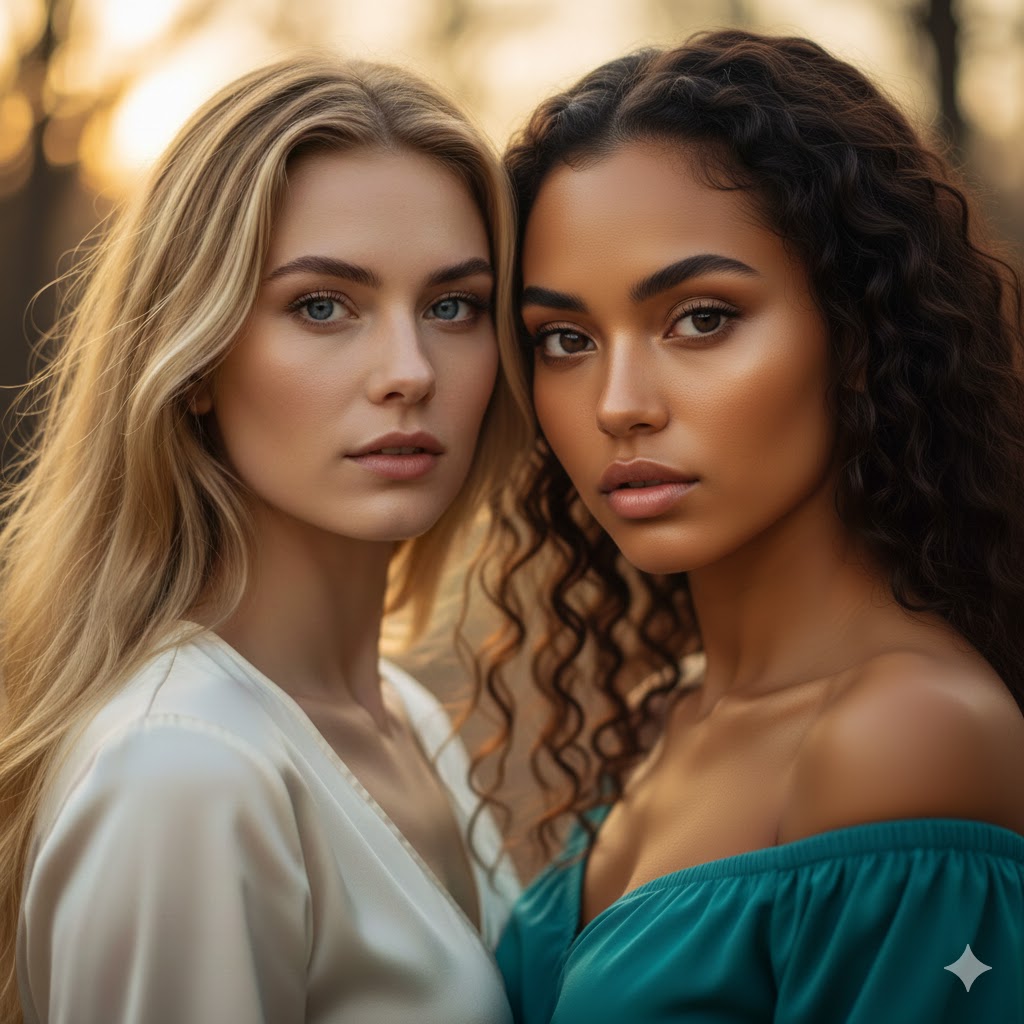
Beautyism and the Inheritance of Colonial Aesthetics.

Beauty, often perceived as an individual trait, is deeply social, political, and historically constructed. “Beautyism” refers to the systemic privileging of individuals who conform to dominant aesthetic standards, and the inheritance of colonial aesthetics highlights how these standards are racialized, gendered, and embedded in structures of power. For communities of color, particularly Black and brown populations, these standards are not neutral; they are a legacy of colonialism, slavery, and European dominance, which continue to shape perceptions of worth, social mobility, and cultural acceptance.

Colonial powers imposed Eurocentric standards of beauty on colonized populations, privileging light skin, straight hair, narrow noses, and European facial features. As Fanon (1967) argues, these imposed ideals created internalized hierarchies of appearance, teaching oppressed populations to equate proximity to European aesthetics with social value, intelligence, and morality. Over generations, these beauty norms became cultural inheritance, producing what is now widely referred to as colorism—a preference for lighter skin and Eurocentric features within communities of color (Hunter, 2007).

Colorism manifests in multiple ways: social visibility, economic opportunity, media representation, and interpersonal desirability. Light-skinned individuals frequently receive more favorable treatment in employment, education, and romantic contexts, reflecting the lingering impact of colonial aesthetics (Anderson, Grunert, Katz, & Lovascio, 2010; Hamermesh, 2011). Conversely, darker-skinned individuals, despite possessing features celebrated in ancestral or cultural contexts, often face marginalization, invisibility, and devaluation, highlighting how colonial beauty norms persist as systemic bias.

Hair has been one of the most conspicuous battlegrounds of colonial influence. European standards historically stigmatized curly, coily, or wooly hair textures, pressuring Black women and men to straighten or chemically alter their hair to fit “acceptable” ideals (Banks, 2000). Such practices extend beyond aesthetics—they reinforce internalized notions of inferiority and perpetuate the belief that natural features are undesirable. Resistance to these pressures, such as embracing natural hair and protective styling, has become an act of cultural reclamation and defiance against inherited colonial aesthetics.

Facial features and skin tone remain central to the perpetuation of beautyism. Big eyes, full lips, broad noses, and melanin-rich skin, historically undervalued under colonial influence, are increasingly celebrated in movements reclaiming Black and brown beauty (Craig, 2002). These movements challenge the internalized notion that beauty is synonymous with European features, insisting that aesthetic value is culturally situated and historically contingent.

Media representation plays a crucial role in reinforcing or challenging beautyism. For decades, Eurocentric standards dominated television, film, and advertising, marginalizing Black and brown bodies. Contemporary efforts to highlight diverse skin tones, natural hair textures, and a variety of facial features counteract these historical biases, providing visibility and affirming that inherited colonial aesthetics are neither universal nor inherently desirable (Rhode, 2010).

Psychologically, the inheritance of colonial aesthetics contributes to internalized bias and self-perception challenges. Individuals who deviate from Eurocentric ideals may experience diminished self-esteem, feelings of inadequacy, and a constant pressure to conform (Eagly, Ashmore, Makhijani, & Longo, 1991). Conversely, embracing features that align with ancestral or culturally grounded standards fosters self-confidence, pride, and cultural continuity.

Beautyism also intersects with gender. Women, particularly in Black and brown communities, are disproportionately affected by the pressure to conform to colonial aesthetics. Their features, hair textures, and skin tones are policed in professional, social, and romantic contexts. Men, though often less scrutinized in terms of aesthetics, are still influenced by preferences for lighter skin and Eurocentric traits, reflecting broader societal biases (Langlois et al., 2000).

Colorism and beautyism are not merely personal issues; they are structural. The inheritance of colonial aesthetics influences hiring practices, media representation, and social networking opportunities, reinforcing systems of inequality. Recognition of this legacy is essential to dismantling discriminatory practices and cultivating inclusive standards of beauty that honor diversity, ancestry, and cultural heritage (Hunter & Davis, 1992).

Resistance and reclamation are central to the contemporary response to beautyism. Movements such as natural hair advocacy, Afrocentric beauty campaigns, and media platforms centering melanin-rich aesthetics demonstrate that beauty is culturally constructed and that inherited colonial standards can be challenged. By embracing diverse features—full lips, broad noses, textured hair, and rich skin tones—communities affirm identity, resilience, and historical continuity.

The spiritual dimension of beauty further contextualizes resistance. Biblical principles remind us that worth is not measured by external appearance but by character, virtue, and alignment with divine purpose (1 Samuel 16:7). Celebrating ancestral aesthetics aligns with this principle, affirming that beauty, when rooted in heritage and authenticity, reflects God’s design rather than imposed societal preference.

Education is pivotal in addressing beautyism. Teaching the historical origins of Eurocentric aesthetics, colorism, and colonial beauty standards empowers individuals to recognize internalized biases and make informed choices regarding self-perception, presentation, and cultural alignment. Cultural literacy fosters pride in ancestral features and counters centuries of devaluation.

Economically, beautyism affects access to opportunities. Hamermesh (2011) notes that perceptions of attractiveness influence hiring, wages, and promotion. Since colonial aesthetics continue to inform societal standards, individuals whose appearance aligns with Eurocentric norms often enjoy systemic advantages, while those embracing ancestral features may face barriers. Recognizing and challenging this inequity is a critical step toward social justice.

The inheritance of colonial aesthetics also impacts interpersonal relationships. Preferences for lighter skin and European features shape dating dynamics, friendship hierarchies, and social inclusion, often privileging proximity to Eurocentric ideals. Such dynamics reflect broader societal biases rather than objective measures of attractiveness or compatibility.

By redefining beauty standards to honor ancestral traits, communities challenge entrenched hierarchies. Features once devalued under colonial influence—full lips, broad noses, textured hair, and melanin-rich skin—are now celebrated, affirming identity, pride, and historical continuity. This reclamation disrupts beautyism and repositions cultural aesthetics as a source of empowerment rather than limitation.

Media, fashion, and entertainment industries play a transformative role by presenting diverse representations of Black and brown beauty. Featuring a range of skin tones, natural hair textures, and varied facial features shifts public perception, challenges internalized biases, and promotes equitable valuation of appearance.

Ultimately, beautyism and the inheritance of colonial aesthetics illustrate how historical oppression continues to shape contemporary standards of appearance. Recognizing this legacy is crucial for personal empowerment, cultural reclamation, and societal equity. By embracing diverse features and ancestral aesthetics, communities resist Eurocentric dominance and affirm the dignity, worth, and beauty inherent in melanin-rich bodies.

In conclusion, understanding beautyism requires acknowledging the colonial origins of aesthetic hierarchies and their ongoing impact on perception, opportunity, and self-worth. Reclaiming ancestral beauty—through features, hair, and skin tone—resists the internalization of colonial standards, celebrates diversity, and affirms cultural pride. True beauty emerges not from conformity to inherited Eurocentric ideals but from embracing the richness, history, and authenticity of Black and brown aesthetics.


References

Anderson, T. L., Grunert, C., Katz, A., & Lovascio, S. (2010). Aesthetic capital: A research review on beauty perks and penalties. Sociology Compass, 4(8), 564–575. https://doi.org/10.1111/j.1751-9020.2010.00312.x

Banks, I. (2000). Hair matters: Beauty, power, and Black women’s consciousness. New York University Press.

Bourdieu, P. (1986). The forms of capital. In J. Richardson (Ed.), Handbook of theory and research for the sociology of education (pp. 241–258). Greenwood Press.

Craig, M. L. (2002). Ain’t I a beauty queen? Black women, beauty, and the politics of race. Oxford University Press.

Eagly, A. H., Ashmore, R. D., Makhijani, M. G., & Longo, L. C. (1991). What is beautiful is good, but… A meta-analytic review. Psychological Bulletin, 110(1), 109–128.

Fanon, F. (1967). Black skin, white masks. Grove Press.

Feingold, A. (1992). Good-looking people are not what we think. Psychological Bulletin, 111(2), 304–341.

Hamermesh, D. S. (2011). Beauty pays: Why attractive people are more successful. Princeton University Press.

Hunter, M. (2007). The persistent problem of colorism: Skin tone, status, and inequality. Sociology Compass, 1(1), 237–254. https://doi.org/10.1111/j.1751-9020.2007.00006.x

Hunter, M., & Davis, A. (1992). Colorism: A new perspective. Cultural Diversity and Mental Health, 4(2), 25–35.

Langlois, J. H., et al. (2000). Maxims or myths of beauty? Psychological Bulletin, 126(3), 390–423.

Rhode, D. L. (2010). The beauty bias: The injustice of appearance in life and law. Oxford University Press.

Wilson, T. D. (2002). Strangers to ourselves: Discovering the adaptive unconscious. Harvard University Press.

Gafney, W. (2017). Womanist midrash: A reintroduction to the women of the Torah and the Throne. Westminster John Knox Press.

Pretty Privilege Series: Undoing the Light Trap — Love, Liberation, and Color Truths.

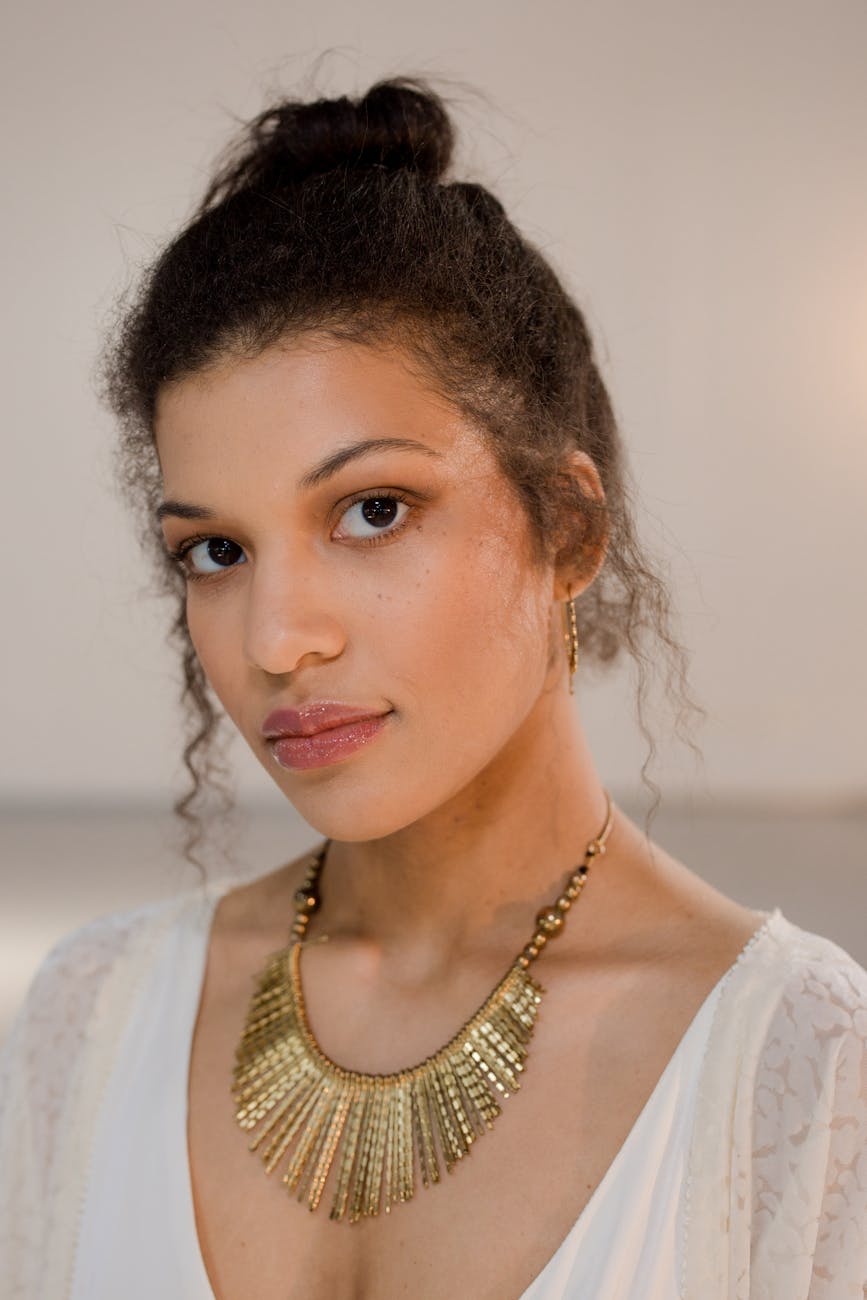
Photo by cottonbro studio on Pexels.com

Pretty privilege is often discussed as an invisible advantage, yet within Black communities it carries a distinct and painful history rooted in colorism, colonial aesthetics, and racial hierarchy. The “light trap” refers to the social conditioning that equates proximity to whiteness—lighter skin, looser hair textures, narrower features—with value, safety, and desirability. This trap has shaped how love is distributed, how protection is granted, and how worth is measured.

Colorism did not emerge organically within Black societies; it was engineered through slavery and colonial rule. European powers imposed racial stratification systems that rewarded lighter-skinned enslaved people with marginal privileges, creating internal divisions that persist generations later. These divisions were not accidental but strategic, designed to fracture unity and reinforce dominance.

Within this system, beauty became currency. Lighter skin functioned as symbolic capital, granting access to social mobility, romantic desirability, and even perceived intelligence. Darker skin, by contrast, was associated with labor, invisibility, and punishment. These associations embedded themselves into collective psychology, passing quietly from parent to child, community to community.

The light trap distorts love by attaching affection to appearance rather than character. Romantic preferences are often framed as “personal taste,” yet taste itself is socially constructed. When lighter skin is consistently preferred, rewarded, and praised, desire becomes less about choice and more about conditioning.

For many dark-skinned women, love is experienced not as abundance but as audition. They are taught—implicitly and explicitly—that they must compensate for their skin tone with perfection, silence, or service. This burden creates emotional fatigue and reinforces the false belief that love must be earned through suffering.

Men are not immune to the light trap. Black men are socialized to equate lighter partners with status, success, and validation, mirroring the values of a society that already devalues Blackness. This dynamic harms men as well, narrowing their emotional range and disconnecting them from authentic attraction rooted in shared struggle and truth.

Media plays a central role in maintaining pretty privilege. Film, television, advertising, and social media overwhelmingly center lighter-skinned Black women as romantic leads, beauty icons, and symbols of femininity. Dark-skinned women, when included, are often relegated to stereotypes or supporting roles that affirm marginality.

These representations do more than entertain; they educate. They teach children who is worthy of love and who must wait. They instruct society on whose pain matters and whose is invisible. Over time, repeated images harden into “common sense,” making bias appear natural rather than manufactured.

Undoing the light trap requires naming it. Silence protects systems of harm. When colorism is dismissed as divisive or exaggerated, the wound deepens. Truth-telling is not betrayal; it is repair. Liberation begins where honesty is allowed to breathe.

Love, in its truest form, is incompatible with hierarchy. It cannot thrive where one shade is exalted and another is endured. A liberated vision of love honors the full spectrum of Black beauty without ranking, comparison, or apology. It sees dark skin not as an obstacle but as inheritance.

Healing also requires confronting internalized bias. Many people carry unconscious preferences shaped by years of exposure to colorist messaging. Acknowledging these biases is not an admission of evil but a commitment to growth. What is learned can be unlearned.

Community accountability is essential. Families, churches, schools, and cultural institutions must reject colorist language and practices. Casual jokes, backhanded compliments, and “good hair” narratives are not harmless; they are ideological tools that reinforce inequality.

The light trap also intersects with economics. Studies show that lighter-skinned individuals often receive higher wages, lighter sentences, and more favorable evaluations. These outcomes reinforce the illusion that lightness equals competence, while darkness signals deficiency.

Spiritual traditions have not been exempt from color bias. Imagery that associates light with goodness and dark with evil has been misused to justify racial hierarchies. Reclaiming spiritual language requires separating metaphor from misapplication and affirming that Blackness is not a curse but a creation.

Liberation demands new narratives. Stories that center dark-skinned women as loved, chosen, protected, and celebrated disrupt generations of conditioning. These narratives do not erase light-skinned experiences but refuse to place them on a pedestal.

Men who choose liberation must interrogate what they have been taught to desire. Love rooted in healing rather than status frees both partners from performance. It allows relationships to be spaces of refuge rather than reenactments of oppression.

For women, undoing the light trap means reclaiming self-definition. Worth is not granted by proximity to lightness or male approval. It is inherent, unmovable, and ancestral. Confidence grounded in truth is an act of resistance.

Collective healing will not be instant. Colorism is deeply woven into social fabric, reinforced by institutions and incentives. Yet every conscious choice, every honest conversation, weakens the trap’s hold.

The goal is not to reverse hierarchy but to abolish it. Liberation is not dark skin replacing light skin at the top; it is the dismantling of the ladder itself. Beauty without hierarchy restores humanity to everyone.

Undoing the light trap is ultimately about love—love that is truthful, expansive, and just. When Black communities choose truth over comfort and liberation over illusion, love becomes less about appearance and more about alignment, dignity, and shared freedom.

References

Adams, T. L., & Fuller, D. B. (2006). The words have changed but the ideology remains the same: Misogynistic lyrics in rap music. Journal of Black Studies, 36(6), 938–957.

Hunter, M. (2007). The persistent problem of colorism: Skin tone, status, and inequality. Sociology Compass, 1(1), 237–254.

Hunter, M. (2011). Buying racial capital: Skin-bleaching and cosmetic surgery in a globalized world. Journal of Pan African Studies, 4(4), 142–164.

Russell, K. Y., Wilson, M., & Hall, R. E. (2013). The color complex: The politics of skin color among African Americans. Anchor Books.

Thompson, V. S., & Keith, V. M. (2001). The blacker the berry: Gender, skin tone, self-esteem, and self-efficacy. Gender & Society, 15(3), 336–357.

Wilder, J. (2010). Revisiting “color names and color notions”: A contemporary examination of the language and attitudes of skin color among young Black women. Journal of Black Studies, 41(1), 184–206.

The Beauty of Righteous Strength: God’s Design for the Male Form

The male body, according to biblical theology, is not merely a biological structure but a visible expression of purpose, order, and responsibility. God’s design for the male form reflects strength governed by righteousness, power restrained by wisdom, and authority tempered by humility. In Scripture, physical strength is never separated from moral obligation.

From the beginning, God formed man with intention. Adam was created to cultivate, protect, and steward (Genesis 2:15, KJV). His physical design corresponded with his calling. Strength was not for domination, but for service. The male body was shaped to labor, defend, and build within God’s created order.

Biblical masculinity emphasizes functional strength rather than ornamental beauty. While Scripture acknowledges attractiveness, it consistently elevates character over appearance. True male beauty is measured by obedience, discipline, and faithfulness rather than aesthetic appeal alone.

The Psalms frequently associate strength with righteousness. “The Lord is my strength and my shield” (Psalm 28:7, KJV) frames strength as something derived from God rather than self-exaltation. The male form becomes beautiful when it reflects dependence on divine authority rather than personal pride.

In Proverbs, strength without wisdom is portrayed as dangerous. “He that is slow to anger is better than the mighty; and he that ruleth his spirit than he that taketh a city” (Proverbs 16:32, KJV). The most admirable strength is self-governed strength, where power is mastered rather than unleashed recklessly.

The male physique in Scripture is often connected to protection. Men are repeatedly called to guard households, communities, and faith. This protective role gives meaning to physical strength, transforming it from aggression into responsibility.

The New Testament deepens this framework. Christ, the ultimate model of manhood, embodied strength through sacrifice. His power was revealed not through domination, but through endurance, restraint, and submission to the Father’s will. The male form finds its highest expression when aligned with Christ-like character.

Paul instructs men to love sacrificially, especially within marriage. “Husbands, love your wives, even as Christ also loved the church, and gave himself for it” (Ephesians 5:25, KJV). Strength becomes beautiful when it is willing to give rather than take.

Cultural distortions often redefine male beauty as aggression, sexual conquest, or physical intimidation. Scripture rejects this model. Biblical strength is measured by faithfulness, integrity, and the ability to stand firm without cruelty or excess.

Psychological research supports this biblical framing. Studies show that men who integrate strength with emotional regulation and moral clarity experience healthier relationships and greater psychological well-being than those who rely on dominance-based identity.

The male body also reflects discipline. Athleticism, labor, and endurance are praised in Scripture when exercised with self-control. Paul compares spiritual life to physical training, acknowledging the value of bodily discipline while placing greater emphasis on godliness (1 Timothy 4:8, KJV).

Righteous strength also includes restraint in sexuality. The male form is powerful, yet Scripture calls men to govern desire rather than be ruled by it. Self-control is repeatedly listed as evidence of spiritual maturity.

The beauty of the male form is further revealed through leadership. Biblical leadership is not coercive but accountable. Men are instructed to lead as servants, understanding that authority is stewardship, not entitlement.

Historically, societies that honored righteous masculinity valued strength paired with honor. Modern culture often divorces strength from virtue, producing confusion, violence, and identity crisis among men. Scripture offers a corrective framework.

The male body ages, weakens, and changes, yet righteousness preserves dignity. Scripture teaches that strength rooted solely in physical capacity fades, but strength anchored in character endures.

The prophet Micah summarizes masculine virtue succinctly: to do justly, love mercy, and walk humbly with God. These qualities redefine strength as moral clarity rather than physical force.

True masculine beauty is therefore functional, moral, and purposeful. It is a strength that builds rather than destroys, protects rather than exploits, and leads without arrogance.

When men understand their bodies as instruments of service rather than symbols of ego, they reclaim dignity. The male form becomes a testimony rather than a spectacle.

Righteous strength also benefits the community. Families, churches, and societies flourish when men embody disciplined power rather than unchecked dominance. Strength ordered by righteousness produces stability.

The beauty of the male form ultimately points beyond itself. It reflects the Creator’s intent that power exists to uphold life, justice, and truth. When strength is aligned with righteousness, it becomes a visible expression of divine order.

In God’s design, the male form is not merely strong—it is accountable. Its beauty is revealed not in how much it can conquer, but in how faithfully it can serve under God’s authority.

References

The Holy Bible, King James Version.
Genesis 2:15
Psalm 28:7
Proverbs 16:32
Ephesians 5:25
1 Timothy 4:8
Micah 6:8

Connell, R. W. (2005). Masculinities (2nd ed.). University of California Press.

Levant, R. F., & Richmond, K. (2016). The gender role strain paradigm and masculinity ideologies. Psychology of Men & Masculinity, 17(2), 111–119.

Peterson, C., & Seligman, M. E. P. (2004). Character strengths and virtues. Oxford University Press.

Beauty Sins

Beauty, while not inherently sinful, becomes destructive when it is misused, idolized, or weaponized. “Beauty sins” refer to the moral, psychological, and social distortions that arise when physical appearance is elevated above character, humility, and righteousness. These sins are not limited to those considered attractive; they are produced by cultures that reward appearance over integrity and encourage self-worship rather than self-governance.

One of the primary beauty sins is pride. When beauty becomes the foundation of identity, it fosters superiority, entitlement, and disdain for others. Scripture warns that pride precedes destruction, yet beauty-based pride often goes unnoticed because it is socially rewarded rather than corrected.

Another beauty sin is partiality—the way people treat others based on appearance. Favoring the attractive while dismissing or devaluing those deemed unattractive reinforces injustice and cruelty. Psychological research confirms that beauty bias influences hiring, education, and even legal outcomes, creating systemic inequality rooted in aesthetics.

Vanity is closely related to pride. Excessive preoccupation with appearance consumes time, resources, and mental energy, often at the expense of spiritual growth, empathy, and purpose. Vanity turns the mirror into an altar, requiring constant sacrifice to maintain approval.

Idolatry occurs when beauty becomes a source of worth, security, or power. In this state, beauty replaces God, morality, or truth as the ultimate reference point. The fear of losing beauty often leads to anxiety, desperation, and moral compromise.

Plastic surgery, while sometimes medically necessary or personally justified, can become a beauty sin when driven by self-hatred, social pressure, or obsession. Research links excessive cosmetic procedures to body dysmorphic disorder and chronic dissatisfaction, revealing that altering the body rarely heals the soul.

Another beauty sin is manipulation—using appearance to lure men for money, status, or access. When beauty becomes a transactional tool, relationships are reduced to exchange rather than connection. This dynamic dehumanizes both parties and reinforces exploitative gender norms.

Narcissism thrives in beauty-centered cultures. When admiration becomes addictive, individuals may develop grandiose self-importance, lack empathy, and require constant validation. Studies link social media-driven beauty performance to increased narcissistic traits and decreased relational depth.

Objectification is both a sin committed and endured. Treating oneself or others as objects for visual consumption strips people of dignity. Self-objectification, in particular, leads individuals to police their bodies rather than develop their minds, ethics, or gifts.

Deception is another beauty sin. Filters, false presentation, and performative perfection create illusions that distort reality. While presentation is natural, deliberate misrepresentation fosters insecurity and mistrust, particularly in romantic and social relationships.

Envy and comparison flourish where beauty is ranked. Constant measurement against others breeds resentment, competition, and self-loathing. Social comparison theory shows that repeated exposure to idealized images increases depression and dissatisfaction.

Beauty sins also affect how people are treated. Attractive individuals may be excused for harmful behavior, while unattractive individuals are punished more harshly. This moral distortion undermines justice and accountability.

The commodification of beauty turns the body into a product. Likes, followers, brand deals, and sexual capital monetize appearance, encouraging people to market themselves rather than cultivate substance. This economic system profits from insecurity.

Overcoming beauty sins begins with reordering values. Grounding identity in character, faith, intellect, and service weakens beauty’s false authority. Psychological research consistently shows that purpose-driven identity promotes greater well-being than appearance-based self-worth.

Humility is essential. Recognizing beauty as temporary and unearned disrupts pride. Aging, illness, and time reveal the fragility of appearance, reminding individuals that dignity must rest on deeper foundations.

Self-discipline counters vanity. Limiting mirror-checking, social media consumption, and comparison behaviors reduces obsession. Developing skills, knowledge, and spiritual practices shifts focus from display to development.

Integrity in relationships is another remedy. Refusing to use beauty as leverage fosters authentic connection. Relationships rooted in honesty, mutual respect, and shared values endure longer and heal deeper.

Accountability matters. Trusted community, faith leaders, or mental health professionals can help confront unhealthy patterns such as narcissism, cosmetic addiction, or manipulation before they harden into identity.

Compassion dismantles beauty bias. Treating all people with dignity regardless of appearance challenges societal hierarchies and restores moral clarity. This practice humanizes both the giver and the receiver.

Finally, beauty must be properly ordered, not erased. Beauty can be enjoyed without being worshiped, appreciated without being exploited. When beauty becomes expression rather than identity, it loses its power to enslave.

True freedom comes when people are valued for who they are, not how they look. Overcoming beauty sins is not about rejecting beauty, but about reclaiming humanity in a culture that too often confuses appearance with worth.

References

Fredrickson, B. L., & Roberts, T. A. (1997). Objectification theory: Toward understanding women’s lived experiences and mental health risks. Psychology of Women Quarterly, 21(2), 173–206.

Eagly, A. H., Ashmore, R. D., Makhijani, M. G., & Longo, L. C. (1991). What is beautiful is good, but… A meta-analytic review of research on the physical attractiveness stereotype. Psychological Bulletin, 110(1), 109–128.

Calogero, R. M., Tantleff-Dunn, S., & Thompson, J. K. (2011). Self-objectification in women: Causes, consequences, and counteractions. American Psychological Association.

Twenge, J. M., & Campbell, W. K. (2009). The narcissism epidemic: Living in the age of entitlement. Free Press.

American Psychiatric Association. (2013). Diagnostic and statistical manual of mental disorders (5th ed.).

Hunter, M. (2007). The persistent problem of colorism: Skin tone, status, and inequality. Sociology Compass, 1(1), 237–254.

Beauty Series: The Burden of Being Beautiful

Beauty has long been celebrated as a gift, yet in modern society, it often functions as a burden disguised as privilege. Those deemed beautiful are elevated, admired, and desired, but they are also scrutinized, objectified, and reduced to appearance. What is praised publicly often becomes a private weight, shaping identity, relationships, and self-worth in complex and often damaging ways.

Sociologists describe beauty as a form of social capital. Attractive individuals frequently receive preferential treatment in employment, education, and social interactions. This phenomenon, known as the “halo effect,” creates the illusion that beauty guarantees ease, while concealing the psychological costs attached to constant evaluation and expectation.

Beauty becomes a sin when it is idolized. Cultures that worship appearance teach individuals that their value is conditional, dependent on youth, symmetry, and desirability. This idolatry transforms the body into currency, forcing beautiful individuals to maintain an image rather than develop a self.

Those considered beautiful often experience a loss of agency. Their bodies are perceived as public property, inviting unsolicited attention, entitlement, and invasion of boundaries. Research on objectification shows that being constantly watched and appraised can lead to self-surveillance, anxiety, and diminished cognitive performance.

The burden of beauty also appears in relational dynamics. Attractive individuals are frequently desired but not deeply known. Assumptions about their character, intelligence, or morality replace genuine curiosity, resulting in relationships built on projection rather than truth.

Psychological studies indicate that highly attractive individuals are often stereotyped as shallow or less competent, particularly women. While beauty opens doors, it simultaneously invites suspicion and resentment, creating a paradox where advantage and disadvantage coexist.

Beauty becomes a moral accusation in societies shaped by envy. Attractive people are often blamed for the attention they did not seek and punished for privileges they did not assign themselves. This resentment manifests in social exclusion, rivalry, and character attacks.

Gender intensifies the burden. Women, especially, are socialized to understand beauty as both power and threat. A beautiful woman must manage her appearance carefully to avoid being labeled arrogant, promiscuous, or intimidating. This double bind forces constant self-policing.

Race further complicates the experience of beauty. Black beauty, in particular, has been historically exoticized, erased, or fetishized. When Black women are recognized as beautiful, it is often through Eurocentric standards, reinforcing colorism and internalized hierarchies within marginalized communities.

Media plays a central role in shaping beauty sins. Social media platforms commodify faces and bodies through likes, algorithms, and monetization. Beauty becomes performance, and visibility becomes validation, creating a cycle of comparison and insecurity even among those who benefit most from aesthetic approval.

The pressure to remain beautiful is relentless. Aging, weight changes, illness, and motherhood threaten social value in appearance-driven cultures. Studies show that fear of losing beauty contributes to anxiety, disordered eating, and cosmetic dependency.

Beauty can also silence pain. Attractive individuals are often assumed to be happy, desired, and fulfilled, making their suffering invisible or invalidated. This expectation discourages vulnerability and reinforces emotional isolation.

In professional settings, beauty can undermine credibility. Research demonstrates that attractive women in leadership roles are often taken less seriously, while attractive men may be perceived as less authoritative depending on context. Beauty becomes a liability where competence is questioned.

Faith traditions have long warned against the elevation of appearance. Scripture emphasizes that outward beauty fades, while character endures. When beauty becomes identity, it displaces virtues such as wisdom, humility, and integrity.

The burden of beauty is ultimately a spiritual one. Identity rooted in appearance is fragile, easily shaken by time and comparison. When self-worth is externalized, peace becomes impossible to sustain.

Beauty sins are not committed by individuals alone but by systems that reward appearance while neglecting humanity. Blaming the beautiful obscures the deeper injustice of cultures that commodify bodies and monetize insecurity.

Healing begins with disentangling worth from aesthetics. Psychological research consistently shows that a self-concept grounded in values, relationships, and purpose leads to greater well-being than appearance-based identity.

Reclaiming beauty requires redefining it. Beauty can be appreciated without being worshiped, admired without being exploited. This reframing allows beauty to exist as expression rather than obligation.

The burden of being beautiful reveals a paradox: what society elevates most often enslaves first. Until cultures learn to value people beyond appearance, beauty will remain both a blessing and a burden.

True liberation occurs when beauty is no longer a measure of worth but a fleeting attribute within a whole and complex human identity. Only then can beauty cease being a sin and become simply human.

References

Fredrickson, B. L., & Roberts, T. A. (1997). Objectification theory: Toward understanding women’s lived experiences and mental health risks. Psychology of Women Quarterly, 21(2), 173–206.

Eagly, A. H., Ashmore, R. D., Makhijani, M. G., & Longo, L. C. (1991). What is beautiful is good, but… A meta-analytic review of research on the physical attractiveness stereotype. Psychological Bulletin, 110(1), 109–128.

Langlois, J. H., et al. (2000). Maxims or myths of beauty? A meta-analytic and theoretical review. Psychological Bulletin, 126(3), 390–423.

Calogero, R. M., Tantleff-Dunn, S., & Thompson, J. K. (2011). Self-objectification in women: Causes, consequences, and counteractions. American Psychological Association.

Hunter, M. (2007). The persistent problem of colorism: Skin tone, status, and inequality. Sociology Compass, 1(1), 237–254.

Twenge, J. M. (2014). Generation me. Atria Books.

Lookism: Man Looketh on the Outward Appearance, but the LORD Looketh on the Heart

Lookism is the societal bias that judges people primarily by their physical appearance. It elevates those deemed conventionally attractive while marginalizing those who do not fit narrowly defined standards. While human perception often values symmetry, skin tone, body shape, or facial features, scripture reminds us that God’s measure of worth differs fundamentally: He examines the heart (1 Samuel 16:7).

The Psychology of Lookism

Human beings make rapid judgments based on appearance, often within seconds. These evaluations affect social interactions, opportunities, and perceptions of competence. Research shows that attractive individuals receive preferential treatment in education, employment, and social settings, a phenomenon known as the “halo effect” (Langlois et al., 2000).

Cultural Standards of Beauty

Lookism is culturally constructed. Different societies prioritize different physical traits, and media perpetuates narrow ideals, often favoring Eurocentric features or lighter skin tones. These standards are fluid and historically contingent, not universal indicators of worth or beauty.

Facial Harmony and Symmetry

Scientific studies reveal that perceived attractiveness is strongly linked to facial harmony and symmetry, not merely skin tone or superficial features (Rhodes, 2006). Symmetry signals health and genetic fitness, which influences human attraction across cultures.

The Eye of the Beholder

Attraction is subjective. What one person finds beautiful, another may not. This variability emphasizes that societal biases are not absolute truths but reflect collective preferences shaped by media, culture, and personal experience.

Consequences of Lookism

The prioritization of appearance can lead to discrimination, low self-esteem, and social exclusion. Those outside conventional beauty standards often experience prejudice, while attractive individuals are granted unearned advantages. Lookism perpetuates inequality and undermines the intrinsic value of all humans.

Skin Tone and Colorism

Within lookism, colorism—a bias favoring lighter skin—is pervasive. However, light skin does not guarantee attractiveness, just as dark skin is not inherently less beautiful. True beauty is determined by proportional features, expression, and presence, not melanin content (Hunter, 2007).

Inner Beauty vs. Outer Appearance

While human culture emphasizes outward appearance, scripture highlights the primacy of the heart. God values character, kindness, and integrity over superficial traits. True attractiveness incorporates moral and spiritual qualities alongside physical features.

Biblical Perspective

1 Samuel 16:7 instructs, “Man looketh on the outward appearance, but the LORD looketh on the heart.” This passage underscores that divine judgment prioritizes intentions, character, and spiritual alignment over physical attributes.

Lookism and Gender

Lookism affects both men and women but manifests differently. Women often face heightened scrutiny of body shape, facial features, and youthfulness, while men may experience bias based on muscularity, height, or facial symmetry. Faith calls both genders to focus on godly character rather than societal validation.

The Media’s Role

Advertising, film, and social media amplify lookism by promoting idealized, often unattainable images. Filters, photo editing, and selective representation reinforce unrealistic standards, distorting perceptions of beauty.

Impact on Self-Esteem

Repeated exposure to biased standards fosters insecurity, comparison, and self-rejection. Individuals may equate their worth with appearance, neglecting their spiritual, emotional, and moral development.

Resisting Lookism

Awareness is the first step to resisting lookism. By understanding the cultural and psychological mechanisms behind appearance bias, individuals can cultivate self-acceptance and celebrate diverse forms of beauty.

Faith-Based Resistance

Prayer, scripture meditation, and community support help believers resist societal pressures. By anchoring self-worth in God’s assessment rather than public opinion, one can live confidently without succumbing to superficial standards.

Redefining Beauty

True beauty transcends symmetry, facial features, or skin tone. It encompasses kindness, wisdom, humility, and spiritual alignment. Lookism is a human construct, but divine beauty is timeless and inclusive.

Role Modeling and Mentorship

Mentors and role models who exemplify godly character and confidence help counteract the effects of lookism, especially for younger generations navigating social pressures.

Encouraging Diversity

Celebrating diverse appearances—different skin tones, body types, and facial features—challenges societal biases and reflects the richness of God’s creation.

Lookism and Society

Addressing lookism requires collective effort. Education, media representation, and conscious social practices can shift cultural norms to value character and capability over superficial appearance.

Personal Reflection and Growth

Believers are called to self-reflection, assessing whether they have internalized lookist biases. Recognizing the heart as the true measure fosters humility, gratitude, and equitable treatment of others.

Conclusion

Lookism privileges the outward and often misjudges intrinsic worth. Scripture reminds us that God’s perception is rooted in the heart. By embracing this perspective, individuals can resist societal pressure, celebrate authentic beauty, and cultivate moral and spiritual excellence, reflecting divine priorities in a world obsessed with appearances.


References

The Brown Girl: Beauty Personified

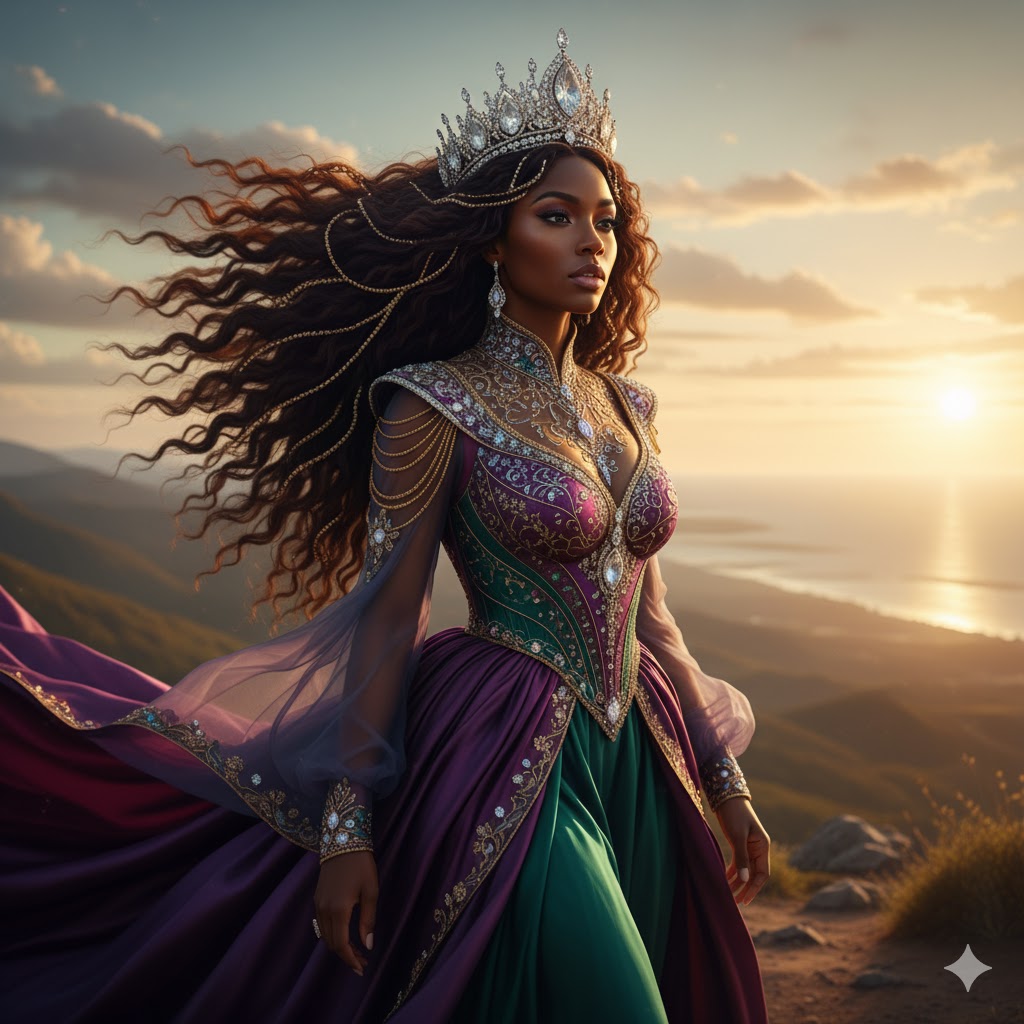
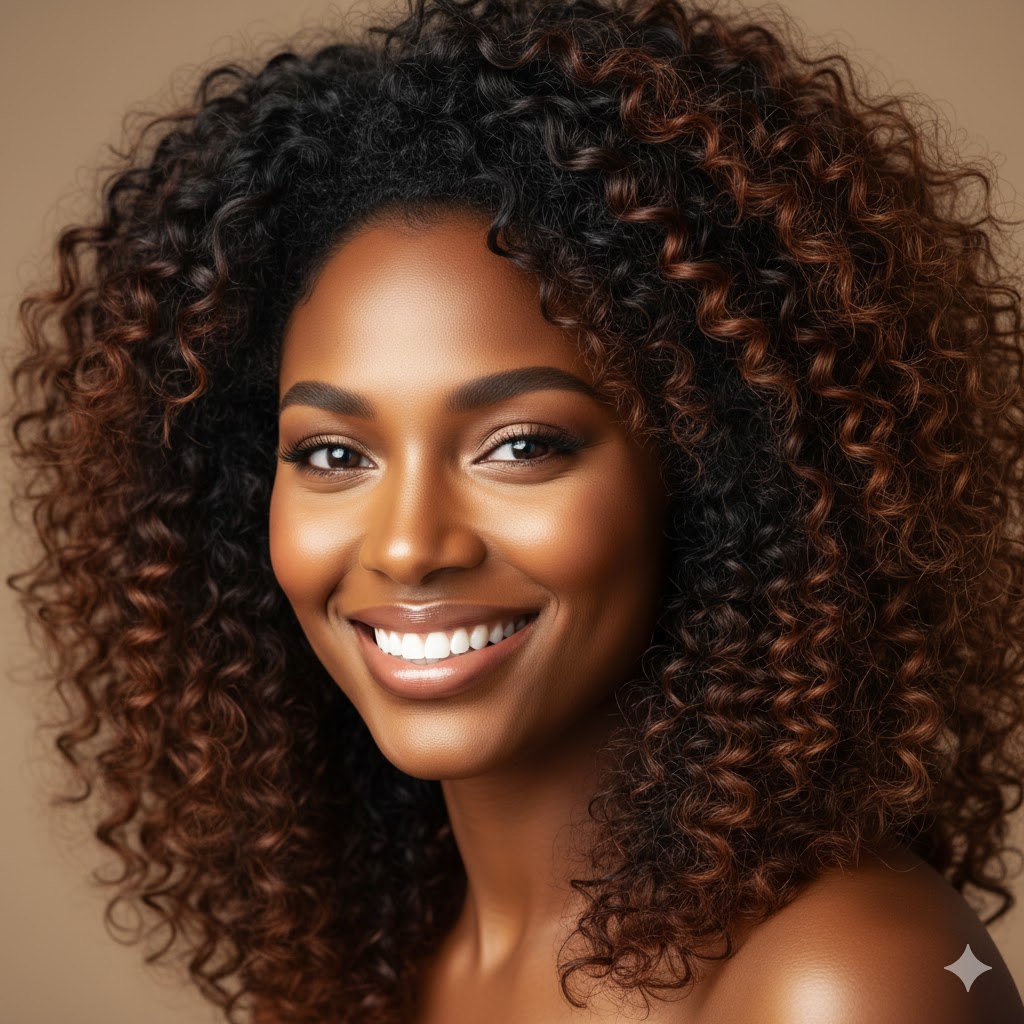
The brown girl stands as a timeless symbol of radiance, resilience, and regal splendor. Her beauty is not merely external, nor confined to superficial definitions shaped by Eurocentric visual hierarchies. Rather, her essence glows from a divine inheritance—carried in her skin like sunlight wrapped in earth, in her features shaped by ancestral strength, and in her spirit forged through generations of perseverance and brilliance. The brown girl is beauty personified, not because the world always affirms it, but because creation itself does.

Historically, the image of the brown-skinned woman has been misunderstood, misrepresented, and underestimated. Yet she has always existed as a foundational pillar of civilization. From the queens of Kemet, Kush, and Punt to the heroines of the African diaspora, her presence has defined cultural, spiritual, and intellectual legacies across continents and centuries. Beauty, in her, is embodied not as ornament but as origin.

Her melanin—rich, warm, and luminescent is not merely pigment, but a tapestry of genetic sophistication and divine artistry. Science affirms that melanin serves as a natural protector, a molecular masterpiece that absorbs light, defends against damage, and radiates health and vitality (Wakamatsu et al., 2022). The brown girl carries in her skin a biological excellence that is both ancient and unmatched.

Her facial structure—broad nose or small nose, full lips, expressive eyes, and sculpted cheekbones—has inspired imitation, innovation, and admiration throughout history. Yet these same features have been policed, mocked, and exoticized by systems that simultaneously envy and oppress. Sociologists note the long legacy of colorism and phenotype bias rooted in colonial psychology, where beauty was weaponized as a tool of hierarchy (Hunter, 2007). Despite this, the brown girl remains unstolen, unbroken, and undeniably radiant.

Her hair—coils, curls, waves, and kinks—stands as a crown of divine geometry. Spiraled like galaxies and textured like sacred earth, it is a testament to identity and inheritance. Where the world once demanded conformity, the brown girl reclaimed autonomy, turning her hair into a proclamation of dignity, heritage, and pride. Her beauty is not assimilation—it is revolution.

Culturally, she has shaped fashion, language, art, rhythm, and rhythm-born movements. From braided hairstyles that carry historical codes to dance forms born in Black communities, her presence is culture’s heartbeat. Her grace has been echoed in poetry, sculpted in bronze, sung in gospel hymns, and captured through lenses that struggle to contain her brilliance.

Emotionally, she embodies empathy and power—able to nurture nations and challenge empires. The brown girl’s beauty is rooted in emotional intelligence, compassion, and spiritual depth. Her resilience is not merely reaction but prophecy: she rises not because she must, but because she is called to rise.

Spiritually, she reflects what is sacred. In the biblical narrative, wisdom is personified as a woman of strength, dignity, and divine insight (Proverbs 31:10-31 KJV). Across cultures, goddesses of fertility, creation, and justice are depicted in brown forms. In her, heaven and earth meet.

In modern society, she still battles stereotypes that attempt to flatten her identity—too loud, too strong, too independent, too dark, too much. Yet she breaks these molds effortlessly, revealing that her beauty is multifaceted: soft and mighty, gentle and powerful, intellectual and artistic, graceful and grounded. She is not a trope—she is truth.

She has become the muse and the creator—architect of movements, scholar of survival, priestess of dignity, and mother of nations. The brown girl does not wait for permission to shine; her glow predates oppression and outlives it. Her beauty, like her story, is eternal.

The global beauty industry once erased her image, yet now attempts to profit from the features it ignored. Still, the brown girl understands her value is not market-made but God-given. She does not seek validation—she commands presence.

Education, enterprise, and expression are her adornments. She writes, builds, heals, leads, and innovates. Her mind is fertile ground for brilliance; her voice alters narratives. She births both children and movements, both leaders and legacies.

In relationships, she loves deeply and thoughtfully. Her softness is not weakness—it is wisdom. Her standards are not arrogance—they are inheritance. To be loved by her is to witness excellence and be called higher.

Her walk carries rhythm, grace, and authority; her presence fills rooms. She does not shrink to soothe insecurity—she rises to affirm destiny. Her beauty is not performative; it is purposeful. She is art in motion, history in flesh, divinity in form.

The brown girl is not defined by the struggle that shaped her, but by the glory within her. Trauma has touched her, but triumph crowns her. She carries memory and prophecy simultaneously, holding ancient worlds and future visions in her smile.

She exists beyond gaze or approval. She is beauty when seen and beauty when overlooked. When the world forgets her, she remembers herself. When the world imitates her, she remains original. Her reflection is sacred, not simply stunning.

Time cannot diminish her, trends cannot outrun her, and systems cannot erase her. Her beauty is foundational—before magazines, filters, or metrics ever tried to measure it. She was beauty in womb, in cradle, in history’s first breath.

Her existence refutes any narrative of inferiority. She is evidence of God’s creative genius, Africa’s royal bloodline, and humanity’s first mother. Beauty began with her—and still rests within her.

To see the brown girl is to witness elegance and endurance. To know her is to learn power and peace. To honor her is to honor humanity’s beginning and future. She is not striving to become beauty—she has always been beauty.

And the world, slowly returning to the truth it once denied, is learning again to bow to the brilliance of the brown girl—beauty personified.


References

Hunter, M. (2007). The persistent problem of colorism: Skin tone, status, and inequality. Sociology Compass, 1(1), 237–254.

Wakamatsu, K., Ito, S., & Hasegawa, A. (2022). Melanin chemistry and its implications for skin health. International Journal of Molecular Sciences, 23(18), 10521–10539.

Proverbs 31:10-31, King James Version.

Hair Is the Crowning Glory

This photograph is the property of its respective owner. No copyright infringement intended.

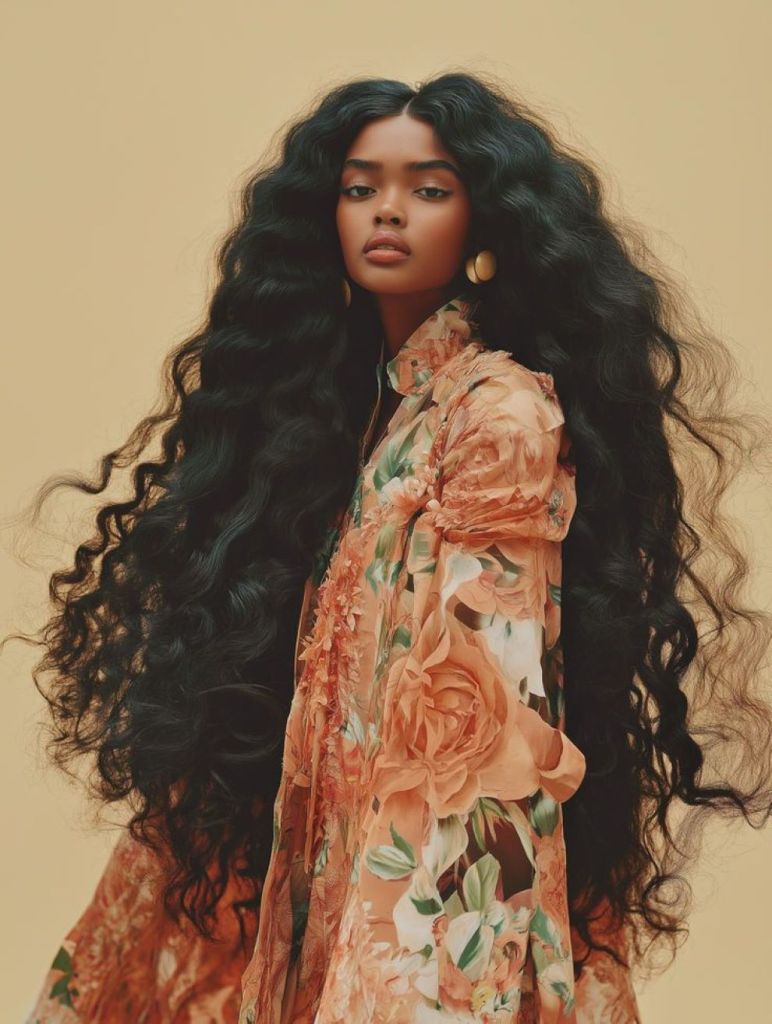
Hair is more than adornment — it is an anointing. In every strand lies a story, in every curl, a code of creation. Scripture declares, “If a woman have long hair, it is a glory to her: for her hair is given her for a covering” (1 Corinthians 11:15, KJV). To understand the sacredness of hair is to recognize it as both physical beauty and spiritual symbolism — a divine marker of identity and inheritance.

For the Black woman, hair is history. It has been braided in kingdoms, cut in captivity, covered in faith, and celebrated in freedom. Each texture — from the tightest coil to the softest wave — bears the fingerprint of God’s artistry. It connects her not only to her ancestors but to the Creator who crowned her with distinction.

In ancient Africa, hair was language. Styles conveyed tribe, status, age, and even spiritual calling. The Yoruba, Himba, and Fulani women wore their stories on their scalps, transforming their heads into living manuscripts of identity. To touch a woman’s hair was to read her soul. In this way, hair became both heritage and halo.

The transatlantic slave trade attempted to sever that connection. Enslaved women were often forced to shave their heads, a violent act of dehumanization meant to erase tribal lineage and pride. Yet, even in bondage, hair remained a silent act of resistance — braided maps, hidden seeds, and whispered prayers wove freedom into every plait.

When Paul wrote of hair as a woman’s glory, he spoke of divine order — not vanity, but sacred symbolism. Hair represents covering, covenant, and consecration. In the Bible, Nazarites like Samson carried divine strength in their locks (Judges 16:17). The cutting of his hair symbolized the breaking of a spiritual vow. Likewise, a woman’s hair remains a visible emblem of her spiritual integrity.

The Black woman’s hair has always carried more than aesthetic meaning — it bears cultural warfare. From workplace discrimination to school dress codes, society has repeatedly tried to regulate her crown. But the CROWN Act and a rising chorus of self-love movements declare a new era: her hair is no longer a battleground but a banner of liberation.

Natural hair is not rebellion; it is revelation. It reveals the divine geometry of God’s creation — coiled like galaxies, spiraled like fingerprints, and strong enough to defy gravity. Each strand stands as a metaphor for resilience: stretched, twisted, and yet unbroken. To wear one’s natural hair is to testify, “I am fearfully and wonderfully made” (Psalm 139:14, KJV).

From wigs and weaves to locs and fros, Black hair expresses multiplicity — not confusion, but creativity. It evolves, transforms, and reinvents itself just as the woman does. Her hair is her canvas; her crown is her story. To style her hair is not vanity but ritual — a daily affirmation of worth and womanhood.

The sacred ritual of haircare connects generations. Mothers oil their daughters’ scalps with tenderness, whispering lessons of patience and pride. Grandmothers pass down recipes of shea, coconut, and castor — ancient anointing oils for modern queens. In those intimate moments, hair becomes ministry.

Hair is also prophetic. It carries spiritual resonance — the way it grows, sheds, and renews mirrors the seasons of a woman’s life. It teaches her detachment when it breaks, humility when it thins, and gratitude when it flourishes. Her crown becomes a compass of divine timing.

To cover the head, as practiced in many biblical and Hebraic traditions, is an act of reverence, not repression. It symbolizes spiritual submission, protection, and modesty. But whether covered or uncovered, sacred femininity reminds her that the glory lies not in the style, but in the spirit beneath it.

Colorism and Eurocentric beauty ideals once tried to shame the kink and celebrate the curl that conformed. Yet today, locs, afros, and braids have returned to their throne. Each twist and cornrow becomes a crown of resilience — a statement that she no longer seeks to assimilate but to ascend.

In the diaspora, hair has been both burden and beacon. It has endured burning combs, toxic relaxers, and societal rejection. Yet, like the phoenix, it rises again — embracing its natural rhythm, its divine pattern. What was once mocked is now magnified.

The theology of hair is the theology of glory. Just as Christ’s transfiguration revealed His divine nature, a woman walking in her authenticity reveals God’s creative intention. Her crown is not for decoration but for declaration: that she is chosen, set apart, and sovereign.

When she adorns her hair with beads, scarves, or oils, she is not performing — she is prophesying. Each adornment is symbolic: beads of remembrance, scarves of sanctity, oils of anointing. Her head becomes holy ground, her hair a visible altar of gratitude.

Hair connects heaven and heritage. In African cosmology, the head — ori — is the seat of destiny, the place where divine purpose dwells. To honor the hair is to honor the spiritual headship God placed upon woman — a reminder that she walks with divine covering and creative authority.

Her hair carries memory — of pain, of pride, of prayer. Each style tells of seasons survived: the big chop of new beginnings, the protective style of rest, the natural growth of self-acceptance. Through each transition, she learns that her beauty is not borrowed; it is born of God.

To despise her natural hair is to reject her divine design. But to embrace it is to walk in resurrection — a restoration of what colonialism tried to cut away. In loving her hair, she reclaims her history, her holiness, and her harmony with heaven.

Thus, hair becomes more than a crown; it becomes a covenant. It binds the woman to her lineage and to her Lord. In the sacred rhythm of braiding, washing, and wrapping, she remembers that she is a daughter of Zion — crowned with compassion, wrapped in wisdom, and radiant in glory.

For indeed, hair is not just her glory — it is her testimony. It tells the world that she has survived every storm and still stands crowned. Her head lifted, her crown intact, she becomes the living fulfillment of Scripture: “She shall give to thine head an ornament of grace: a crown of glory shall she deliver to thee” (Proverbs 4:9, KJV).


References

  • The Holy Bible, King James Version. (n.d.).
  • Byrd, A., & Tharps, L. L. (2014). Hair Story: Untangling the Roots of Black Hair in America. St. Martin’s Press.
  • hooks, b. (2000). Feminism Is for Everybody: Passionate Politics. South End Press.
  • Collins, P. H. (2000). Black Feminist Thought: Knowledge, Consciousness, and the Politics of Empowerment. Routledge.
  • Walker, A. (1983). In Search of Our Mothers’ Gardens: Womanist Prose. Harcourt.
  • Tate, S. A. (2009). Black Beauty: Aesthetics, Stylization, Politics. Ashgate.
  • Banks, I. (2000). Hair Matters: Beauty, Power, and Black Women’s Consciousness. New York University Press.

The Handsome Burden: How Society Looks at Black Male Beauty.

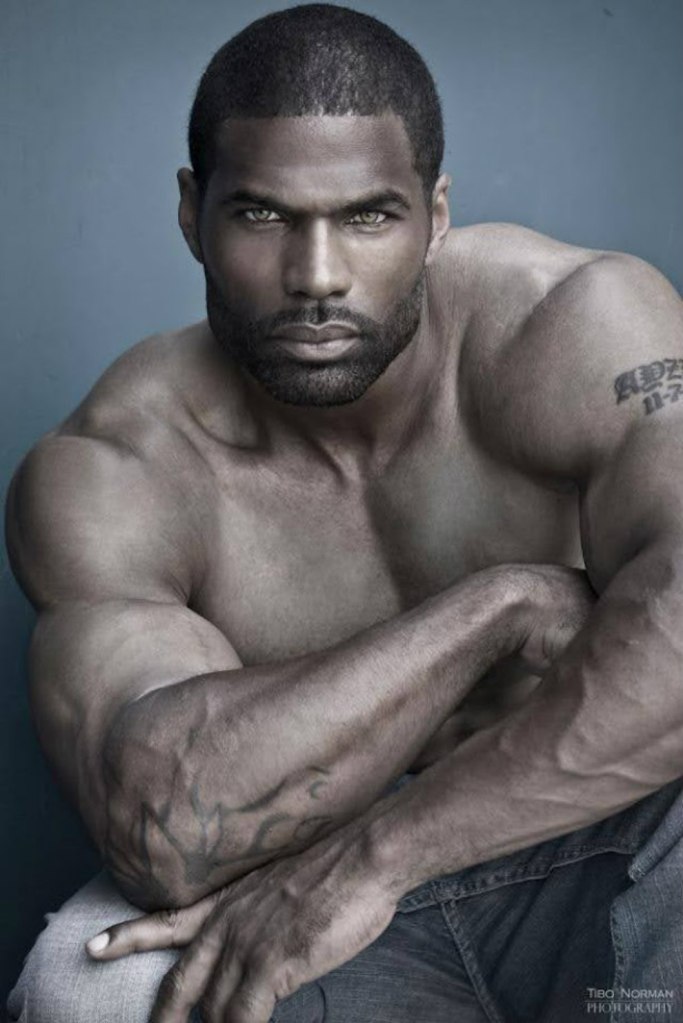
Photo Credit: Tibo Norman (used with permission)

Black male beauty has historically existed in a complex intersection of admiration and marginalization. In Western culture, ideals of masculinity and attractiveness have often been racially coded, favoring Eurocentric features such as light skin, straight hair, and narrow noses, leaving Black men to negotiate a beauty standard that often excludes them (Hunter, 2007). Despite these systemic barriers, Black men have consistently exemplified a wide range of physical beauty that challenges monolithic societal expectations.

The aesthetic evaluation of Black men is heavily influenced by historical and social contexts. During slavery and colonial periods, Black male bodies were subjected to objectification and dehumanization, yet their physicality was simultaneously fetishized as symbols of raw strength and virility (hooks, 1992). This duality created a paradoxical space where Black male attractiveness was both feared and desired.

Skin tone continues to play a significant role in how Black male beauty is perceived. Colorism, an intra-racial bias favoring lighter-skinned individuals, disproportionately affects Black men, impacting their representation in media and the dating market (Keith & Herring, 1991). Darker-skinned men often confront stereotypes associating them with aggression or hyper-masculinity, while lighter-skinned men are more frequently idealized in romantic or social contexts.

Facial features are another critical component in perceptions of beauty. Broad noses, full lips, and strong jawlines, which are characteristic of many Black men, are alternately fetishized and stigmatized in popular culture (Hall, 1997). Media representations often distort these features to fit palatable norms, leading to both admiration in certain subcultures and marginalization in mainstream society.

Hair texture and style also heavily influence social reception. Natural hair, afros, dreadlocks, and braids have long been sites of both cultural pride and discrimination. The policing of Black male hair in professional and social settings reflects broader societal discomfort with expressions of Black identity and beauty (Byrd & Tharps, 2014).

Athleticism is frequently conflated with attractiveness in Black men, reinforcing narrow definitions of beauty tied to physical performance rather than aesthetic nuance. This overemphasis perpetuates the stereotype that Black men’s value lies predominantly in their bodies’ functional capacity, rather than their individuality or style (Sailes, 1998).

The concept of “handsome burden” emerges from the paradox that Black male beauty, while celebrated in certain spaces, carries additional social costs. Attractive Black men are often hyper-visible, subjected to scrutiny, and stereotyped in ways that can impede social mobility and personal relationships (Griffin, 2012). The very features that draw admiration can also elicit bias.

Media representation is central to shaping societal views. Historically, Black men were either absent from mainstream portrayals of romantic leads or depicted in hypersexualized or villainized roles (Bogle, 2016). The lack of nuanced representation has contributed to a skewed understanding of Black male attractiveness, privileging exoticism over authenticity.

Black male celebrities frequently navigate the tension between societal fascination and personal agency over their image. Figures like Idris Elba, Michael B. Jordan, and Denzel Washington have gained recognition for their appearance, yet their visibility often subjects them to reductive discussions centered on looks rather than accomplishments (Russell, 2008).

Society’s obsession with physique and style creates pressures unique to Black men. Fashion, grooming, and fitness become mechanisms through which Black men negotiate social acceptance and desirability, amplifying the burden of external expectations (Banks, 2000).

Intersecting identities—such as socioeconomic status, sexuality, and regional background—further complicate the reception of Black male beauty. For example, a wealthy Black man may gain admiration that is denied to a working-class counterpart, illustrating how social capital intersects with racialized beauty standards (Patton, 2006).

Racialized beauty ideals also affect intimate relationships. Studies show that Black men often face exclusion in dating markets due to stereotypes about their masculinity or desirability (Felmlee, 2001). This phenomenon highlights how social perceptions of Black male beauty can influence both personal and emotional wellbeing.

The global circulation of Black male aesthetics offers a counter-narrative to Eurocentric beauty norms. Across Africa, the Caribbean, and the diaspora, Black men are celebrated for features that are undervalued in Western contexts, creating a multiplicity of beauty frameworks that resist homogenization (Ekine & Abbas, 2013).

Social media has amplified both the pressures and opportunities for Black men to curate their appearance. Platforms like Instagram provide spaces for self-representation and affirmation, yet they also expose individuals to heightened scrutiny and comparison, reinforcing anxieties about desirability (Tynes et al., 2016).

The commodification of Black male beauty through advertising and branding further complicates its social reception. Black men are often marketed as symbols of sexual allure or physical prowess, reducing complex identities to consumable aesthetic traits (Cole, 2015).

Historical trauma and generational narratives contribute to contemporary experiences of beauty for Black men. The lingering effects of slavery, segregation, and systemic oppression influence internalized self-perception and the valuation of physical traits, creating a psychological dimension to the “handsome burden” (Anderson, 2010).

Mental health implications are significant. Hypervisibility and the pressure to perform attractiveness can lead to stress, anxiety, and identity conflicts, revealing how aesthetic ideals intersect with emotional wellbeing (Wyatt et al., 2015).

Resistance movements have emerged, celebrating Black male beauty on its own terms. Cultural expressions such as hip hop, Afrofuturism, and Black fashion activism challenge normative aesthetics and create spaces where diverse Black male appearances are celebrated (Morgan & Bennett, 2011).

Education and scholarship play essential roles in redefining beauty narratives. By analyzing and challenging historical biases, researchers and cultural critics help to broaden society’s understanding of Black male attractiveness beyond reductive stereotypes (hooks, 1992).

Ultimately, Black male beauty exists as both a gift and a burden. The societal gaze can elevate and constrain, praise and stereotype, celebrate and marginalize. Understanding the intricate dynamics of this perception is critical to fostering cultural equity and dismantling limiting beauty paradigms.


References

Anderson, C. (2010). The psychology of African American male identity: Understanding the impact of historical trauma. Journal of Black Psychology, 36(4), 357–381.

Banks, I. (2000). Hair matters: Beauty, power, and Black men’s culture. New York University Press.

Bogle, D. (2016). Toms, coons, mulattoes, mammies, and bucks: An interpretive history of Blacks in American films (4th ed.). Bloomsbury Academic.

Byrd, A., & Tharps, L. (2014). Hair story: Untangling the roots of Black hair in America. St. Martin’s Press.

Cole, D. (2015). Advertising Blackness: Representation and racialization in marketing. Media, Culture & Society, 37(8), 1238–1254.

Ekine, S., & Abbas, H. (2013). African men and masculinities: Gendered transformations. Palgrave Macmillan.

Felmlee, D. (2001). No couple is an island: Social networks and mate selection. Social Forces, 79(4), 1259–1283.

Griffin, R. (2012). Beauty and the burden: Racialized perceptions of African American men. Journal of African American Studies, 16(3), 345–360.

Hall, R. (1997). The standard of beauty: A critical review of racialized aesthetics. Race & Society, 1(2), 123–138.

hooks, b. (1992). Black looks: Race and representation. South End Press.

Hunter, M. (2007). The persistent problem of colorism: Skin tone, status, and inequality. Sociology Compass, 1(1), 237–254.

Keith, V., & Herring, C. (1991). Skin tone and stratification in the Black community. American Journal of Sociology, 97(3), 760–778.

Morgan, M., & Bennett, D. (2011). Hip hop & the global imagination: Black male beauty and cultural resistance. Cultural Studies, 25(5), 643–664.

Patton, T. (2006). In the house of hip hop: Black masculinity and cultural capital. Gender & Society, 20(5), 599–617.

Russell, R. (2008). Image and identity: Black male celebrity culture. Media, Culture & Society, 30(5), 675–693.

Sailes, G. (1998). African American male athletes: Phenomenalism and stereotypes. Journal of Sport & Social Issues, 22(4), 390–402.

Tynes, B., Giang, M., Williams, D., & Thompson, G. (2016). Online racial discrimination and psychological adjustment among adolescents. Journal of Adolescent Health, 58(1), 30–36.

Wyatt, S., Gilbert, R., & Rivers, R. (2015). The impact of societal beauty standards on Black male mental health. Journal of Black Psychology, 41(2), 123–147.