
Category Archives: Athletes

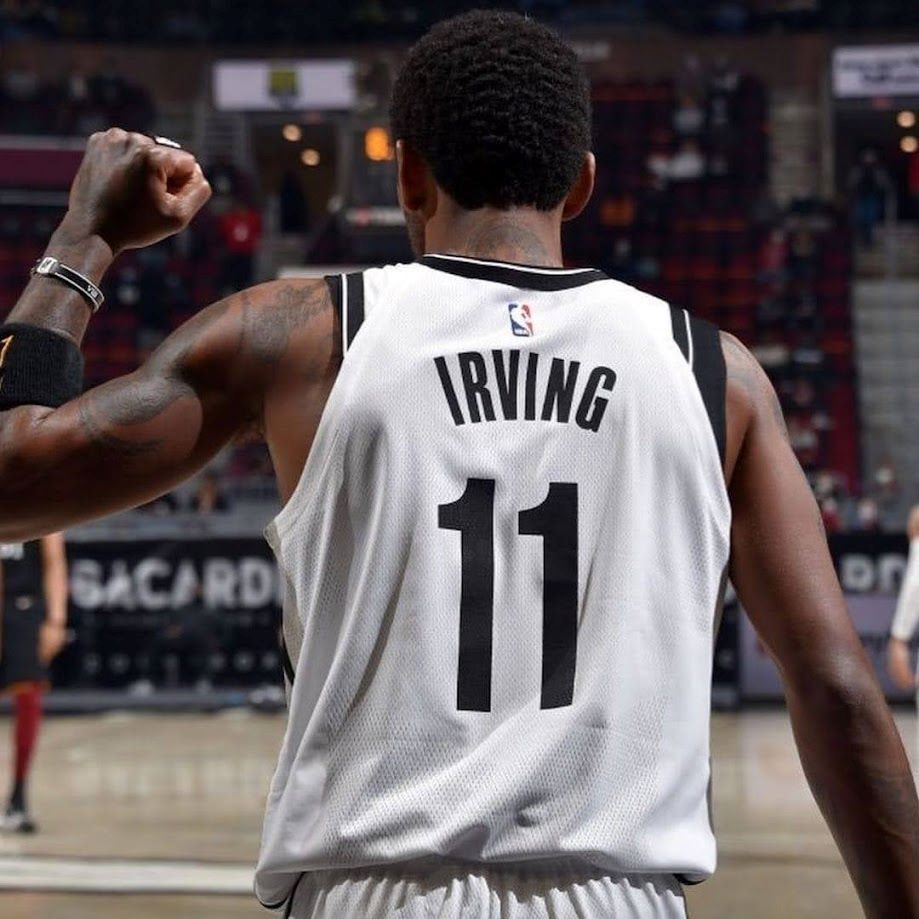
Celebrity Spotlight: Kyrie Irving – Talent, Identity, and Revelation.

This photograph is the property of its respective owner. No copyright infringement intended.

Kyrie Irving, born March 23, 1992, in Melbourne, Australia, is a professional basketball player widely regarded for his extraordinary skill, agility, and creativity on the court. Raised in the United States by parents Drederick Irving and Elizabeth Larson, Kyrie grew up with an early exposure to sports, particularly basketball, influenced by his father’s professional experience in the sport. His heritage traces to African-American roots, and he has consistently expressed pride in exploring the deeper dimensions of his cultural and ancestral identity.
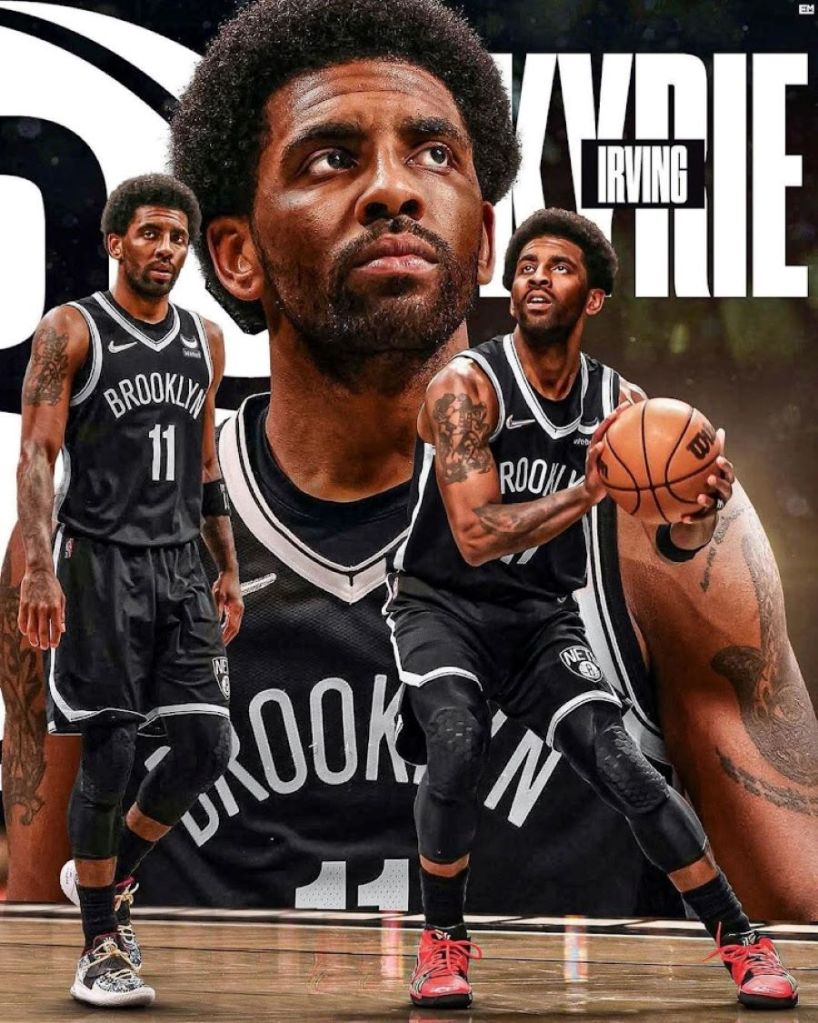
These photographs are the property of their respective owners. No copyright infringement intended.

Kyrie’s basketball career is distinguished by numerous accolades. After a stellar tenure at Duke University, he was selected first overall by the Cleveland Cavaliers in the 2011 NBA Draft. He won the NBA Rookie of the Year (2012), was a six-time NBA All-Star, and earned the NBA Championship in 2016, famously hitting the series-clinching three-pointer in Game 7 of the Finals. Beyond his on-court excellence, Kyrie is known for his ball-handling wizardry and clutch performance in high-pressure games.

However, Kyrie has faced public controversy and backlash due to his exploration of truth about history, identity, and spirituality. He has spoken openly about the African roots of Native American and Hebrew people, highlighting suppressed histories that challenge mainstream narratives. This perspective has sparked tension in public discourse, as many media and institutional entities resist such revelations.

His experiences reflect a broader societal issue: the deliberate erasure or distortion of Black history. Acts of suppression, misinformation, and systemic racism have historically aimed to prevent Black people from understanding their true lineage. Deuteronomy 28:37 (KJV) warns, “And thou shalt become an astonishment, a proverb, and a byword among all nations whither the LORD shall lead thee.” This verse aligns with the reality that oppressed communities are often misrepresented to maintain control over knowledge and perception.

Kyrie’s journey also illuminates the psychological impact of discovering suppressed truths. Research in racial identity development shows that uncovering historical erasure can evoke both empowerment and conflict, as one reconciles mainstream narratives with ancestral reality (Cross, 1991). Kyrie’s courage in asserting his understanding of history demonstrates the tension between personal truth and public perception.

The family plays a central role in his narrative. Kyrie has credited his parents for instilling discipline, curiosity, and resilience. His father, Drederick Irving, introduced him to competitive basketball and emphasized understanding life beyond the court. His mother, Elizabeth Larson, provided support while emphasizing education and character development, teaching Kyrie to navigate fame with integrity.

Kyrie has also encountered cultural resistance. Those invested in maintaining a Eurocentric view of history often react negatively to revelations about African heritage, Hebrew ancestry, or spiritual identity. Proverbs 4:23 (KJV) instructs, “Keep thy heart with all diligence; for out of it are the issues of life.” Preserving knowledge and self-awareness is critical in resisting societal deception.

Despite challenges, Kyrie continues to use his platform to educate, inspire, and reclaim narratives for Black people. He emphasizes pride in African heritage, understanding of historical oppression, and the importance of seeking truth. His advocacy is not only cultural but also spiritual, encouraging youth to explore identity while remaining grounded in God’s word.

The hostility he faces reflects a broader pattern of suppression throughout history. Enemies of truth often sow confusion, hatred, and fear to maintain dominance. Psalm 83:1–3 (KJV) speaks to this spiritual reality: “Keep not thou silence, O God: hold not thy peace, and be not still, O God… they have taken crafty counsel against thy people, and consulted against thy hidden ones.” Those who seek to hide truth often target those courageous enough to reveal it.

In conclusion, Kyrie Irving embodies the intersection of extraordinary talent, personal exploration, and cultural revelation. His biography and career achievements are remarkable, but his journey into understanding identity underscores the systemic forces that obscure historical truth from Black people. Through faith, resilience, and public advocacy, Kyrie challenges false narratives, aligning with the biblical principle of walking in light and truth (John 8:32, KJV): “And ye shall know the truth, and the truth shall make you free.”

Biographical & Career References


Identity & Heritage References

  • Irving, K. (2021). Public interviews discussing African/Hebrew heritage. CNN, “Kyrie Irving on African roots and identity”.
  • Ben-Jochannan, Y. A. A. (1974). Africa: Mother of Western Civilization. Alkebu-Lan Books.
  • DeGruy, J. (2005). Post Traumatic Slave Syndrome: America’s Legacy of Enduring Injury and Healing. Joy DeGruy Publications.
  • Cross, W. E. (1991). Shades of Black: Diversity in African-American Identity. Temple University Press.

Biblical References (KJV)

  • Deuteronomy 28:37 – “And thou shalt become an astonishment, a proverb, and a byword among all nations whither the LORD shall lead thee.”
  • Psalm 83:1–3 – Addresses oppression and conspiracies against God’s people.
  • John 8:32 – “And ye shall know the truth, and the truth shall make you free.”
  • Genesis 1:27 – Affirmation that all humans are made in God’s image.
  • Proverbs 4:23 – “Keep thy heart with all diligence; for out of it are the issues of life.”

Media Coverage of Controversy & Public Response

  • The Guardian. (2021). Kyrie Irving sparks debate over historical identity claims.
  • The New York Times. (2021). Kyrie Irving, identity, and controversy in the NBA.
  • Sports Illustrated. (2021). Kyrie Irving on cultural heritage and social responsibility.
The GOAT … The LEGEND … The MAN …

With six championships, five MVPs, and a flawless Finals record, Michael Jordan isn’t just the GOAT—he’s the standard by which greatness is measured, also beyond the game. Michael Jordan, Air Jordan, and the Making of a Cultural Empire.

Photo by Willian Justen de Vasconcellos on Pexels.com

In the pantheon of global sports figures, Michael Jordan’s name occupies an almost mythic place. He is more than a retired professional basketball player; he is a brand, an icon, and a case study in the fusion of athleticism, entrepreneurship, and cultural influence. The Air Jordan brand—launched through his collaboration with Nike—did not merely change sportswear; it redefined the relationship between athletes and corporate branding. This report examines Michael Jordan’s biography, his partnership with Nike, his business ventures, controversies, and enduring influence, drawing on historical, economic, and sociocultural contexts.


Early Life and Career

Michael Jeffrey Jordan was born on February 17, 1963, in Brooklyn, New York, and raised in Wilmington, North Carolina. The fourth of five children to James and Deloris Jordan, he developed an early love for sports. After being famously cut from his high school varsity team as a sophomore, Jordan’s relentless work ethic propelled him to basketball stardom at the University of North Carolina at Chapel Hill, where he hit the game-winning shot in the 1982 NCAA Championship (Lazenby, 2014).

Jordan entered the NBA in 1984, drafted third overall by the Chicago Bulls. His explosive athleticism, combined with an unmatched competitive drive, quickly transformed him into one of the league’s most marketable stars.


The Nike Partnership and Birth of Air Jordan

In 1984, Nike—a company then struggling to regain its market share—offered Jordan a five-year endorsement deal worth $2.5 million, an unprecedented sum for an NBA rookie (Katz, 2013). At the time, Adidas and Converse dominated basketball shoes, but Nike took a risk on a player who had yet to play an NBA game.

The original Air Jordan I, designed by Peter Moore, debuted in 1985 and was banned by the NBA for violating uniform color rules. Nike capitalized on the controversy, marketing the sneakers with the tagline, “On October 15, Nike created a revolutionary new basketball shoe. On October 18, the NBA threw them out of the game. Fortunately, the NBA can’t stop you from wearing them.” The ban fueled demand, and sales skyrocketed to over $126 million in the first year (Nike Archives, 2020).


The Cultural Impact of Air Jordan

The Air Jordan brand transformed sneaker culture from simple athletic gear into a status symbol. Jordan’s on-court dominance—winning six NBA championships, five MVP awards, and ten scoring titles—was mirrored by his off-court marketing mastery. Nike commercials, including the iconic “It’s Gotta Be the Shoes” campaign with Spike Lee as “Mars Blackmon,” merged basketball with hip-hop culture, fashion, and urban identity.

By 2023, the Air Jordan line generated over $5 billion in annual revenue for Nike (Forbes, 2023). The brand’s limited-edition releases and retro models became a global phenomenon, inspiring sneaker resale markets and collector subcultures.


Business Ventures and Billionaire Status

Jordan’s financial empire extends beyond Nike. He owns the Charlotte Hornets NBA franchise (recently selling majority control while retaining a minority stake), has investments in restaurants, car dealerships, and tequila brands (Cincoro Tequila), and holds equity in DraftKings. According to Forbes (2023), his net worth surpassed $3 billion, making him one of the wealthiest former athletes in history.


Personal Life and Tragedy

Jordan married Juanita Vanoy in 1989, with whom he had three children—Jeffrey, Marcus, and Jasmine. The couple divorced in 2006. In 2013, he married Yvette Prieto, and they have twin daughters.
A pivotal tragedy occurred in 1993 when his father, James Jordan Sr., was murdered during a robbery in North Carolina. The incident profoundly impacted Jordan, leading to his first retirement from basketball.


Controversies and Criticism

Although celebrated as the greatest of all time (“GOAT”) by many, Jordan has faced criticism. Some in the Black community argue that he has not been as vocal on social justice issues as other athletes, famously summarized in his alleged quip, “Republicans buy sneakers too”—a statement he later clarified as a joke (Smith, 2020). Others point to incidents involving gambling and reports of a demanding, sometimes abrasive personality with teammates.


Basketball Legacy and Statistics

Jordan’s career statistics are staggering:

  • Points per game: 30.1 (highest in NBA history)
  • NBA titles: 6 (1991–1993, 1996–1998)
  • MVP Awards: 5
  • All-Star Selections: 14
  • Olympic Gold Medals: 2 (1984, 1992 Dream Team)

His silhouette, captured in the “Jumpman” logo, is now one of the most recognizable symbols in global marketing.


Memorialization and Statues

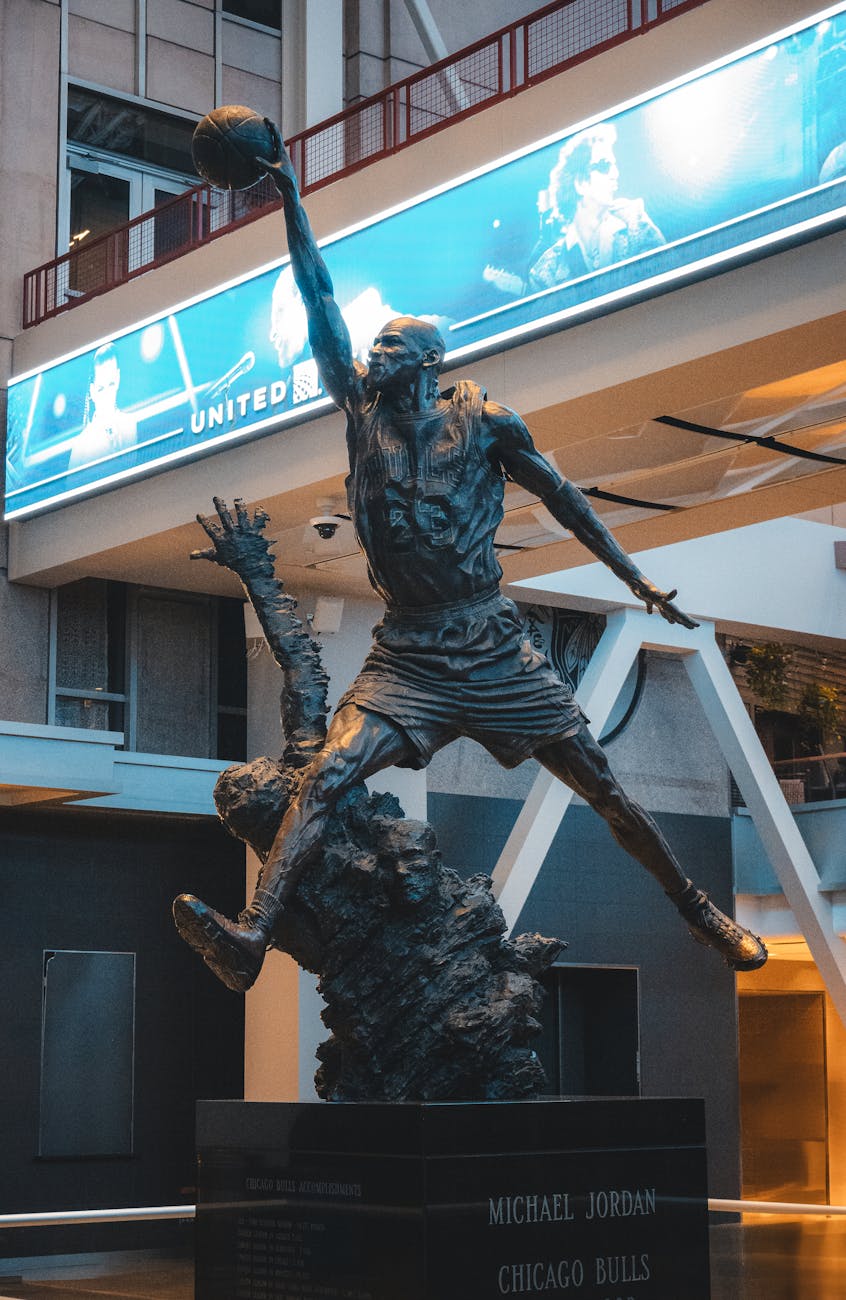
The Michael Jordan Statue, “The Spirit,” stands outside the United Center in Chicago, unveiled in 1994. It immortalizes his soaring dunk, symbolizing excellence, flight, and determination.


Marketing Slogan: “Be Like Mike”

In 1991, Gatorade launched the “Be Like Mike” campaign, cementing Jordan as a model of aspiration for millions of young fans. The commercials showcased him as approachable yet extraordinary—a balance that fueled his lasting appeal.


Conclusion

Michael Jordan’s journey from a determined teenager in North Carolina to a global icon encapsulates the synergy between sports excellence, branding mastery, and cultural influence. The Air Jordan brand is not merely a commercial product—it is a socio-cultural artifact, representing ambition, identity, and global capitalism. Jordan’s legacy is multifaceted: a legendary athlete, a savvy businessman, a cultural influencer, and a symbol of aspiration, particularly for Black entrepreneurs navigating both the challenges and opportunities of American capitalism.


References

  • Forbes. (2023). Michael Jordan Net Worth. Retrieved from https://www.forbes.com
  • Katz, D. (2013). When Michael Met Nike: The Birth of Air Jordan. Sports Illustrated.
  • Lazenby, R. (2014). Michael Jordan: The Life. Little, Brown and Company.
  • Nike Archives. (2020). The History of Air Jordan. Nike, Inc.
  • Smith, S. (2020). Michael Jordan and Social Responsibility: Context and Controversy. Journal of Sports and Society, 12(3), 45-57.