Category Archives: Africa

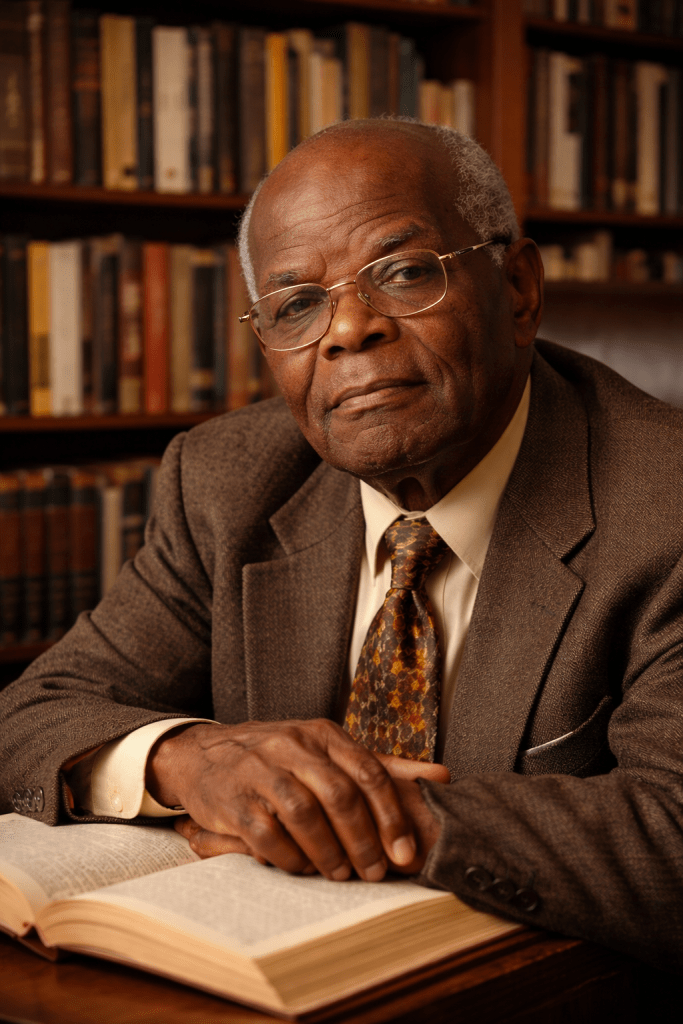
John Henrik Clarke: The Historian Who Restored Africa to World History.

John Henrik Clarke is widely regarded as one of the most influential intellectual activists in modern Black history. A historian, educator, lecturer, and Pan-African thinker, Clarke devoted his life to correcting what he believed were distortions and omissions in Western scholarship regarding African and African-American history. Through decades of teaching, writing, and public speaking, he helped generations of Black people rediscover their historical roots and cultural identity.

Clarke was born John Henry Clark on January 1, 1915, in Union Springs, Alabama, into a family of sharecroppers. Growing up in the racially segregated South during the Jim Crow era, he witnessed firsthand the harsh realities of racism and economic hardship that shaped the lives of many African Americans during the early twentieth century. These early experiences deeply influenced his lifelong mission to understand the historical roots of oppression and to educate Black communities about their past.

Like many African Americans seeking better opportunities, Clarke migrated north during the Great Migration. As a young man, he moved to Harlem in New York City, which at the time was a vibrant center of Black intellectual, artistic, and political life. Harlem introduced Clarke to writers, activists, and scholars deeply engaged in discussions of race, identity, colonialism, and global Black liberation.

Although Clarke did not initially attend a traditional university, he became largely self-educated through extensive reading and mentorship. He studied history, philosophy, literature, and politics with a passion that would later earn him recognition as one of the most respected independent scholars of African history. His intellectual discipline demonstrated that scholarship could emerge both inside and outside formal academic institutions.

One of the individuals who inspired Clarke was the Jamaican-born Pan-African leader Marcus Garvey. Garvey’s philosophy of Black pride, self-determination, and global African unity had a profound influence on Clarke’s worldview. Garvey’s movement emphasized that people of African descent should study their history, celebrate their heritage, and build independent institutions.

Clarke was also inspired by the historian Carter G. Woodson, who founded Negro History Week, which later became Black History Month. Woodson’s work demonstrated that African-American history was worthy of serious academic study. Clarke followed in Woodson’s footsteps by expanding the study of African and diasporic history.

Another major intellectual influence on Clarke was the Senegalese scholar Cheikh Anta Diop. Diop’s research argued that ancient Egypt was fundamentally an African civilization and that African cultures played central roles in early human development. Clarke promoted Diop’s scholarship throughout the United States and helped introduce many Americans to these perspectives.

Clarke’s work centered on correcting what he believed to be Eurocentric interpretations of history. He argued that Western historical narratives often minimized Africa’s contributions to world civilization while exaggerating European influence. Clarke believed that restoring Africa’s historical role was essential for the psychological liberation of African people.

Throughout his career, Clarke emphasized that history shapes identity. He frequently explained that people who do not know their history struggle to understand their place in the world. For African Americans whose ancestry had been disrupted by slavery, historical knowledge became a tool for cultural reconstruction and empowerment.

Clarke believed that African civilizations had made significant contributions to philosophy, science, architecture, and governance long before the rise of Europe. By highlighting ancient African kingdoms and intellectual traditions, he challenged stereotypes that portrayed Africa as historically primitive or disconnected from global progress.

In the 1960s and 1970s, Clarke played a significant role in the development of Black Studies programs in American universities. At a time when many institutions had little or no coursework focused on African or African-American history, Clarke advocated for academic departments dedicated to Africana studies.

He helped establish scholarly organizations that centered African perspectives in research. One of the institutions he helped found was the African Heritage Studies Association, which was created by Black scholars who believed African history should be studied through African and diasporic intellectual frameworks.

Clarke also served as a professor at Hunter College in New York, where he taught courses on African history and the African diaspora. His lectures were widely attended and known for their passionate delivery and depth of knowledge. Many students described him as a master storyteller who could connect historical events across continents and centuries.

Beyond the classroom, Clarke was deeply committed to educating the broader community. He delivered lectures in churches, community centers, and public forums. He believed knowledge should not remain confined within universities but should reach everyday people.

Clarke’s scholarship helped many African Americans develop a stronger sense of cultural pride. By reconnecting Black communities with African history, he challenged narratives that had historically portrayed people of African descent as culturally inferior.

His work also emphasized the global nature of African history. Clarke taught that the African diaspora extended across the Americas, the Caribbean, and Europe, linking the experiences of African people across continents through shared histories of migration, slavery, and cultural resilience.

In addition to teaching, Clarke wrote numerous essays and books. Among his most influential works was African People in World History, which provided a broad overview of Africa’s historical role in global civilization. The book became widely used in Black Studies courses and community education programs.

Clarke also wrote extensively about the relationship between colonialism, slavery, and European economic development. He argued that the transatlantic slave trade and the exploitation of African resources played significant roles in the rise of Western economies.

Regarding race relations, Clarke held complex views about white people and European institutions. He often criticized systems of colonialism, racism, and imperialism that had oppressed African populations around the world. However, his critiques were primarily directed at historical systems of power rather than individual people.

Clarke believed that racism was a structural problem embedded in political and economic institutions. His writings focused on dismantling these systems through historical awareness, education, and cultural self-determination.

At the same time, Clarke maintained that true historical scholarship required honesty and critical thinking. He encouraged students to question dominant narratives and examine historical evidence carefully.

Clarke also stressed that African history should be studied within the broader context of world history. Rather than isolating Africa, he argued that African civilizations interacted with Europe, Asia, and the Middle East through trade, diplomacy, and cultural exchange.

Despite beginning his career outside traditional academic pathways, Clarke eventually received numerous honors and recognition for his scholarship. Universities awarded him honorary degrees acknowledging his contributions to the study of African history.

Clarke was also respected for his mentorship of younger scholars and activists. Many historians, writers, and educators credit Clarke with encouraging them to pursue research in African and African-diasporic history.

His influence extended beyond academia into cultural and political movements focused on Black empowerment. Clarke’s lectures often emphasized self-knowledge, cultural pride, and historical awareness as tools for liberation.

On a personal level, Clarke was married to Augusta Clarke, and together they raised children while balancing family life with his demanding career as a lecturer and writer. Despite his public role as an intellectual leader, he remained deeply committed to family and community.

Clarke continued teaching and writing well into his later years. His dedication to historical scholarship remained unwavering throughout his life. Even as new generations of scholars entered the field of Africana studies, Clarke remained a respected elder within the intellectual community.

He passed away in 1998, leaving behind a legacy that reshaped the way African history is studied and understood in the United States. Today he is remembered as one of the pioneers who helped establish Africana studies as a legitimate academic discipline.

For many scholars and students, Clarke represents the power of intellectual independence and cultural pride. His work reminds people that history is not merely a record of the past but a foundation for understanding identity and shaping the future.

Through his teaching, writing, and activism, John Henrik Clarke helped millions of people see Africa not as a footnote in world history but as one of its central chapters.


References

Clarke, J. H. (1993). African People in World History. Black Classic Press.

Clarke, J. H. (1999). Christopher Columbus and the Afrikan Holocaust: Slavery and the Rise of European Capitalism. A&B Books.

Hine, D. C., Hine, W. C., & Harrold, S. (2018). The African-American Odyssey. Pearson.

Howe, S. (1999). Afrocentrism: Mythical Pasts and Imagined Homes. Verso.

Asante, M. K. (2009). The History of Africa: The Quest for Eternal Harmony. Routledge.

Wikipedia contributors. “John Henrik Clarke.” Wikipedia, The Free Encyclopedia.
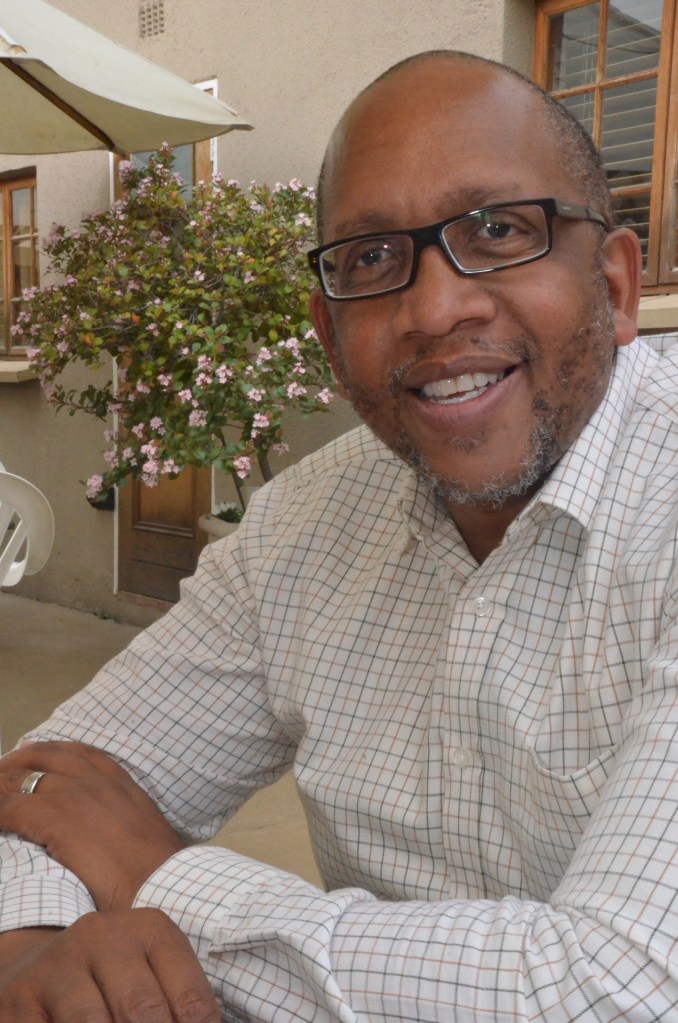
Black Royalty Series: Prince Seeiso

Prince Seeiso is a prominent African royal, humanitarian, and social impact leader from the Kingdom of Lesotho. He is best known internationally for his work in child welfare, education, and sustainable development, and for being a co-founder of one of Africa’s most influential philanthropic organizations focused on vulnerable children.

Prince Seeiso was born in 1980 into the royal family of Lesotho. He is the younger brother of King Letsie III, the current monarch of Lesotho, making him a senior prince within one of Africa’s few remaining traditional kingdoms. Lesotho itself is a small, landlocked nation completely surrounded by South Africa, known for its strong cultural identity and constitutional monarchy.

He received his early education in Lesotho before studying abroad in the United Kingdom. Like many modern African royals, Prince Seeiso was educated within both African and Western systems, giving him a global outlook while remaining deeply rooted in Basotho culture and tradition.

Prince Seeiso is best known as the co-founder of Sentebale, a major charitable organization he established in 2006 with Prince Harry, Duke of Sussex. The organization was created in memory of their mothers—Princess Diana and Queen Mamohato Bereng Seeiso—and focuses on supporting children affected by HIV/AIDS, poverty, and inequality in southern Africa.

Sentebale has become one of the most respected child-focused charities in Africa, operating primarily in Lesotho and Botswana. The organization provides healthcare, psychological support, leadership training, and educational programs for orphaned and marginalized youth.

In African royal tradition, Prince Seeiso holds the title of Principal Chief of Matsieng, one of the most important chieftaincies in Lesotho. This role gives him both cultural authority and political influence, as chiefs play a significant role in governance, land stewardship, and community leadership.

Unlike many ceremonial royals, Prince Seeiso is actively involved in grassroots development. He frequently visits rural villages, schools, and healthcare centers, advocating for youth empowerment, mental health awareness, and social justice within African communities.

He is particularly passionate about African leadership and self-determination. Prince Seeiso often speaks about the need for African solutions to African problems, emphasizing dignity, cultural pride, and sustainable systems over dependency on foreign aid.

Internationally, he represents a new generation of African royalty—one that blends traditional authority with modern activism. Rather than living solely in luxury or symbolic status, he uses his royal position as a platform for policy influence, philanthropy, and social reform.

Prince Seeiso is also a strong advocate for mental health, especially among African men and young people. He has publicly discussed the psychological toll of poverty, trauma, and historical inequality, calling for culturally grounded healing practices.

His work places him among a growing class of global Black leaders who challenge stereotypes about African royalty being disconnected from real social struggles. Instead, he embodies a model of servant leadership rooted in community uplift.

Culturally, Prince Seeiso represents continuity between pre-colonial African governance systems and modern constitutional leadership. Chiefs in Lesotho are not symbolic—they are mediators between people and state, tradition and law.

He is married and has children, though he keeps much of his family life private in accordance with Basotho royal customs, which prioritize dignity and collective identity over celebrity exposure.

Prince Seeiso’s global recognition increased through his association with Prince Harry, but within Africa, he is respected independently as a national figure and humanitarian leader in his own right.

His life reflects a broader truth often ignored in Western narratives: Africa still has living royal bloodlines, traditional governance systems, and indigenous leadership structures that predate European monarchies by centuries.

Prince Seeiso stands today as a modern example of a Black African prince making real impact in the world—not through conquest or inherited wealth alone, but through service, advocacy, and the restoration of human dignity.

In a global system still shaped by colonial hierarchies, Prince Seeiso represents the reclamation of African nobility as moral leadership, not just historical symbolism.

references

References

Royal Household of Lesotho. (n.d.). His Royal Highness Prince Seeiso. Government of Lesotho. Retrieved from https://www.gov.ls/royal-family

Sentebale. (2023). About Us: Our Founders. Sentebale. Retrieved from https://www.sentebale.org/about-us

BBC News. (2016). Prince Harry and Prince Seeiso: A Royal Partnership for Africa. BBC. Retrieved from https://www.bbc.com/news/uk-37711383

Mokoena, T. (2018). African Royals in the 21st Century: Leadership and Philanthropy. Johannesburg: South African Historical Press.

Peters, J. (2020). Modern African Monarchies: Tradition and Transformation. Cambridge University Press.

Harris, M. (2019). The Rise of Royal Humanitarianism in Southern Africa. African Affairs, 118(473), 112–131.

Africa’s Central Role in Biblical Prophecy

Africa holds a central and indispensable role in biblical prophecy, not as a peripheral landmass, but as a divinely positioned continent woven throughout Scripture from Genesis to Revelation. The Bible consistently presents Africa as a place of refuge, judgment, preservation, and future redemption. When read carefully through a prophetic lens, Africa emerges as a key stage upon which God’s purposes for humanity and Israel unfold.

From the earliest chapters of Genesis, Africa is present in sacred geography. The land associated with Cush, Mizraim, Put, and Ethiopia traces directly to the sons of Ham, whose descendants populated much of the African continent. Genesis records that one of the four rivers flowing from Eden, Gihon, compassed the whole land of Ethiopia, establishing Africa’s presence at the dawn of human history (Genesis 2:13, KJV). This placement signals Africa’s foundational role in God’s original creation narrative.

Africa also serves as a place of divine preservation. Egypt, located in northeast Africa, became the refuge for Joseph and later the entire family of Jacob during famine. God used Africa to sustain the covenant line through which Israel would emerge, demonstrating that African lands were instrumental in preserving the people of promise (Genesis 47:11–12, KJV).

The prophetic significance of Africa intensifies in the Exodus narrative. Egypt stands as both a place of refuge and bondage, illustrating how African territories function in God’s redemptive plan as spaces of testing, judgment, and eventual deliverance. The plagues upon Egypt were not random acts, but prophetic demonstrations of God’s supremacy over nations and false gods (Exodus 12:12, KJV).

Africa’s role extends beyond ancient Israel into messianic prophecy. The Gospel of Matthew records that Jesus Christ was taken into Egypt as a child to escape Herod’s massacre, fulfilling the prophecy, “Out of Egypt have I called my son” (Matthew 2:15, KJV). This moment affirms Africa as a protector of the Messiah and a fulfillment point of prophetic Scripture.

The prophets repeatedly reference African nations in end-time contexts. Isaiah speaks of Ethiopia as a land “shadowing with wings,” sending ambassadors by the sea, indicating geopolitical and prophetic relevance in global affairs (Isaiah 18:1–2, KJV). These passages suggest Africa’s involvement in international movements that precede divine intervention.

Psalm 68 explicitly foretells Africa’s future spiritual awakening, declaring, “Princes shall come out of Egypt; Ethiopia shall soon stretch out her hands unto God” (Psalm 68:31, KJV). This verse is widely understood as a prophetic declaration of Africa’s role in worship, restoration, and alignment with God’s kingdom purposes in the last days.

Africa also appears in prophetic judgments. Ezekiel prophesies against Egypt and its allies, including Cush and Put, demonstrating that African nations are not exempt from divine accountability (Ezekiel 30:4–5, KJV). These judgments align Africa with the broader prophetic pattern of nations being weighed according to righteousness and obedience to God.

The book of Daniel includes Africa in visions of global power shifts. The “king of the north” is said to have authority over “the precious things of Egypt,” along with the Libyans and Ethiopians following at his steps (Daniel 11:43, KJV). This prophecy places African nations within end-time geopolitical alignments.

Africa’s prophetic relevance is also seen in the spread of the gospel. Acts records the conversion of the Ethiopian eunuch, a high official who carried the message of Christ back to Africa, signaling the continent’s early and enduring connection to Christian faith (Acts 8:27–39, KJV). This event foreshadows Africa’s role in global evangelism.

The Bible repeatedly challenges Eurocentric interpretations that marginalize Africa. Scripture itself affirms Africa’s proximity to God’s redemptive acts, revealing that African lands and peoples were never spiritually distant or insignificant within biblical history or prophecy.

Africa’s suffering through colonization, enslavement, and exploitation mirrors biblical patterns of oppression followed by divine reckoning. Just as Egypt was judged for its cruelty toward Israel, Scripture warns that nations will be judged for injustice and bloodshed (Genesis 15:14, KJV). This principle reinforces Africa’s prophetic role as both witness and participant in God’s justice.

The prophetic scriptures also emphasize restoration. Isaiah foretells a time when scattered peoples will be brought back to worship the Lord from distant lands, including Africa (Isaiah 11:11, KJV). This regathering theme resonates strongly with African and diasporic histories.

Africa’s inclusion in prophecy demonstrates God’s global sovereignty. Biblical prophecy does not center exclusively on one region, but reveals a God who governs all nations, including those often overlooked or dismissed by human power structures (Acts 17:26, KJV).

The Book of Revelation depicts all nations and peoples standing before God’s throne, which necessarily includes Africa (Revelation 7:9, KJV). This vision affirms Africa’s presence in the culmination of prophetic history, not as a footnote, but as a redeemed participant in God’s eternal kingdom.

Africa’s prophetic significance also lies in its spiritual resilience. Despite centuries of trauma, African spirituality, worship, and biblical literacy remain deeply rooted, aligning with prophecies of endurance and faith under persecution (Matthew 24:13, KJV).

The repeated biblical mention of African lands underscores that prophecy is inseparable from geography. God acts in real places, among real people, and Africa consistently appears as one of those divinely appointed locations.

Understanding Africa’s role in biblical prophecy challenges distorted narratives that separate faith from Black history. Scripture affirms Africa as central to God’s plan, restoring dignity and biblical identity to African peoples worldwide.

Africa’s place in prophecy ultimately points to hope. The same God who used African lands for preservation, judgment, and refuge promises restoration, worship, and inclusion in His kingdom. This assures that Africa’s story is not marginal, but prophetic.

In the unfolding of biblical prophecy, Africa stands as a witness to God’s faithfulness across generations. From Eden to the Exodus, from the Messiah’s refuge to the final gathering of nations, Africa remains essential to the divine narrative, confirming that God’s promises encompass all lands and all peoples according to His sovereign will.

References

The Holy Bible, King James Version. (1769/2017). Cambridge University Press.

Genesis 2:13 (King James Version).

Genesis 47:11–12 (King James Version).

Exodus 12:12 (King James Version).

Genesis 15:14 (King James Version).

Psalm 68:31 (King James Version).

Isaiah 11:11 (King James Version).

Isaiah 18:1–2 (King James Version).

Ezekiel 30:4–5 (King James Version).

Daniel 11:43 (King James Version).

Matthew 2:15 (King James Version).

Matthew 24:13 (King James Version).

Acts 8:27–39 (King James Version).

Acts 17:26 (King James Version).

Revelation 7:9 (King James Version).

Masculine Perfection Series: Idris Elba

The Crown Jewel of British African Cool

Photo Credit: People AP

Idris Elba is the epitome of modern masculinity, one of the finest men on earth who is often referred to as “tall, dark, and handsome” with a depth of talent and presence that makes hearts race across continents. With a chiseled jawline, soulful eyes, and a baritone British accent that exudes quiet power, Elba’s face ranked among the top scores on ThePerfectHumanFace.com, affirming what many have already believed: he is masculine perfection personified. But behind the looks lies a powerhouse of acting prowess, a multifaceted artist who has reshaped how Black men are portrayed on screen—dignified, dynamic, and deeply human.

Born Idrissa Akuna Elba on September 6, 1972, in London, England, to a Sierra Leonean father and a Ghanaian mother, Elba proudly carries his African heritage while representing the finest of British talent. He grew up in Hackney, East London, and began acting in his early twenties, gaining his first big break on the British TV series Bramwell. He would later gain international recognition for his iconic portrayal of Russell “Stringer” Bell on HBO’s The Wire, a role that fused intellect with danger and redefined what a Black gangster could look like on television.

Idris Elba is also a devoted family man. He has been married to model and activist Sabrina Dhowre Elba since 2019, and he is a proud father to two children. Outside of acting, he has launched a men’s skincare and wellness line called S’Able Labs, focused on inclusion, health, and self-care, co-founded with his wife. The brand reflects his belief in holistic well-being, emphasizing inner confidence alongside outer grooming.

Elba’s acting résumé is robust and decorated. He’s received Golden Globe nominations, an NAACP Image Award, a Screen Actors Guild Award, and was even appointed an Officer of the Order of the British Empire (OBE) by Queen Elizabeth II in 2016 for his services to drama. From Mandela: Long Walk to Freedom to Beasts of No Nation, and Luther to The Harder They Fall, Elba’s range has no boundaries. His favorite role, as he once shared in interviews, is John Luther—the brilliant but troubled detective he portrayed with grit and grace in the BBC series Luther.

In 2018, People Magazine named him the “Sexiest Man Alive,” a title that made global headlines. Elba accepted the honor with humility and humor, tweeting, “Who’d have thought it! Thank you People magazine. I’m honored & thankful.” Yet the title meant more than vanity—it was a rare acknowledgment of a Black man as the universal standard of male desirability. “Representation matters,” Elba has said. “To see yourself reflected as beautiful or powerful—that’s life-changing.”

Elba has been vocal about racism in Hollywood and the challenges of being a Black actor. He has criticized the lack of diversity and inclusion in the British and American entertainment industries, once stating, “Change is coming, but it’s too slow. We’re not asking for handouts—we’re asking for opportunity.” His rumored potential casting as James Bond sparked both excitement and racial backlash, highlighting the ongoing resistance to Black leads in legacy roles. Elba responded with elegance, emphasizing that representation is about inspiration, not provocation.

Standing 6’2″ tall, Elba’s presence is physically commanding and emotionally magnetic. Black women have long expressed admiration for him, not just for his looks but for his aura. Comments such as, “He’s the perfect blend of rugged and refined,” and “Idris Elba could read a phone book and still sound like Shakespeare,” are common across social media. One fan gushed, “Idris is like fine wine—smooth, complex, and only gets better with time.”

Elba’s love and respect for Black women are evident both in his interviews and in the way he uplifts his wife. In one interview he shared, “Black women have held me down since day one. My mother, my daughter, my wife—they are the definition of strength and beauty.” These sentiments further elevate his appeal, as he acknowledges and honors the role of Black women in shaping his journey.

In terms of industry differences, Elba has often compared acting in the UK and the US. He noted that in Britain, classism affects casting just as much as race, whereas in America, race is more overtly central to opportunity. “In the UK, I wasn’t black enough. In America, I was black and British, so I was exotic,” he once reflected. Regardless of geography, Elba has proven that excellence transcends borders.

In conclusion, Idris Elba is more than a pretty face—he is a symbol of global Black excellence. He represents dignity, strength, style, and substance. As both an actor and advocate, he challenges outdated narratives and forges new paths for Black men in media. Whether he’s commanding the screen or speaking truth to power, Elba remains a towering figure—physically, artistically, and culturally. He is, without question, a modern legend.


Quotes

  • “Black women have held me down since day one. My mother, my daughter, my wife—they are the definition of strength and beauty.” — Idris Elba
  • “Representation matters. To see yourself reflected as beautiful or powerful—that’s life-changing.” — Idris Elba
  • “Idris Elba is like fine wine—smooth, complex, and only gets better with time.” — Anonymous fan

References

People Magazine. (2018). Sexiest Man Alive: Idris Elba.
BBC News. (2016). Idris Elba receives OBE from Queen Elizabeth II.
The Guardian. (2020). Idris Elba on diversity in Hollywood and James Bond rumors.
Essence Magazine. (2021). Idris and Sabrina Elba Launch S’Able Labs: Skincare for All.
Vogue. (2022). Idris Elba and the Redefinition of Masculinity.

The Afrocentric Reclamation

The Afrocentric Reclamation represents a global awakening among people of African descent—an intentional return to ancestral identity, cultural memory, spiritual heritage, and historical truth. It is a movement born from centuries of erasure, distortion, and colonial narratives that sought to diminish the contributions of African civilizations. Yet in the twenty-first century, this reclamation signals a collective turning of the tide: a restoring of dignity, a rewriting of narratives, and a reconnection to the intellectual, artistic, and spiritual genius of Africa’s past. At its core, Afrocentric reclamation is not merely about remembering history; it is about repositioning Africa at the center of its own story.

This reclamation emerged as a corrective to Eurocentric frameworks that portrayed Africa as primitive or culturally inferior. Scholars, activists, and artists recognized that the continent’s civilizations—Kemet, Nubia, Mali, Songhai, Axum, Benin, and countless others—were pillars of human development. By reinserting Africa into global historical narratives, Afrocentric thinkers challenged stereotypes and offered a fuller, more truthful account of African ingenuity. This reclamation affirms that African identity is not a legacy of slavery but a legacy of civilization.

The Afrocentric perspective emphasizes agency—the understanding that African people shaped their own destinies rather than being passive subjects of history. This shift in thinking allows descendants of the African diaspora to see themselves as inheritors of wisdom, strength, and resilience. Through Afrocentric reclamation, the Black world finds empowerment in continuity rather than rupture, seeing diaspora identity as spiritually and culturally connected to the continent despite forced displacement.

A crucial part of this reclamation involves reexamining the psychological effects of colonization, enslavement, and racial narratives. Scholars such as Frantz Fanon and Carter G. Woodson exposed how systems of domination created internalized oppression, teaching Black people to undervalue their culture and identity. Afrocentric reclamation disrupts these psychological chains by cultivating a renewed pride in African languages, fashions, traditions, and worldviews.

Language itself becomes a radical act of reclamation. From the restoration of Swahili and Yoruba in the diaspora to the resurgence of Kemetian linguistic studies, language reacquaints African-descended people with the philosophies embedded in ancient words. Language offers access to African concepts of community, spirituality, and cosmology—ideas that are often absent in Western discourse but foundational in African thought.

Spiritual reclamation is another crucial dimension. Many reconnect with African spirituality, whether through traditional religions, Ethiopian Christianity, Hebraic identity frameworks, or African interpretations of the Christian faith. This spiritual renaissance asserts that African people have always possessed deep relationships with the divine—relationships that predate colonial missionary efforts. Afrocentric spirituality highlights harmony, ancestry, communal ethics, and the sacredness of life.

The arts—music, literature, dance, and visual expression—play a powerful role in this cultural resurgence. From Afrobeat to Afrofuturism, from Pan-African literature to contemporary African film, the creative world reflects a growing pride in African aesthetics. The arts become a gateway for younger generations who may not have direct access to historical scholarship but feel the reclamation in rhythm, style, and imagery.

Education is a key battleground for Afrocentric reclamation. Afrocentric curriculum movements challenge the absence or misrepresentation of Africa in textbooks. Instead of centering Europeans as global discoverers or innovators, Afrocentric education highlights African contributions in mathematics, architecture, metallurgy, astronomy, medicine, and governance. This educational shift is vital for reshaping how Black children see themselves and how the world sees Africa’s genius.

Diaspora communities—from the Caribbean to the Americas to Europe—participate in this reclamation by reconnecting with African roots through genealogical research, DNA testing, and travel. DNA analysis, despite limitations, has helped millions rediscover ancestral regions, validating intuitions of identity that survived slavery and dislocation. This reconnection strengthens the spiritual and emotional ties between Africa and its global descendants.

Afrocentric reclamation also challenges global power structures that maintain racial inequality. By reclaiming African historical centrality, the movement exposes how colonialism, capitalism, and racism collaborated to strip Africa of power and resources. Reclamation becomes a political act, pushing the world to confront ongoing injustices in economics, land theft, global trade, and media representation.

Furthermore, Afrocentric reclamation empowers Black women, whose contributions have often been doubly erased—both by racism and patriarchy. Reclaiming African matriarchal traditions, warrior queens, philosophers, and leaders restores balance to narratives that once sidelined them. This reclamation allows Black women to step into ancestral identities that affirm their strength, wisdom, and divinity.

The movement also reshapes concepts of beauty. Instead of Western beauty standards that devalued African features, the Afrocentric perspective celebrates melanin, coils, braids, full lips, and ancestral aesthetics. Beauty becomes political, spiritual, and historical—an affirmation of the sacredness of African bodies.

Economically, Afrocentric reclamation encourages Pan-African cooperation. Black-owned businesses, global trade networks, and cross-continental partnerships reflect a renewed commitment to economic self-sufficiency. This economic revival echoes earlier movements such as Garveyism but adapts to modern digital and global realities.

Politically, Afrocentric reclamation supports unity across national borders. Pan-Africanism urges African-descended people to collaborate in addressing issues such as police violence, neocolonialism, environmental injustice, and educational barriers. This unity strengthens global activism and amplifies the voices of African people worldwide.

Afrocentric reclamation redefines the African diaspora not as a scattered people but as a global community connected by history, struggle, and destiny. It fosters a shared consciousness that transcends nationality, tribe, or language. This collective identity resists fragmentation and builds strength through shared purpose and memory.

The movement also challenges academia to reconsider long-held assumptions. Archaeologists, geneticists, historians, and theologians are increasingly interrogating Eurocentric biases and expanding their frameworks to include African perspectives. Afrocentric inquiry elevates indigenous knowledge systems and reevaluates the origins of civilization.

At its core, Afrocentric reclamation is a healing process. It addresses historical trauma by giving African descendants the tools to name their pain, reclaim their dignity, and restore their cultural inheritance. Healing occurs when people reconnect with roots that were forcibly severed, discovering that ancestral pride is stronger than oppression.

Finally, the Afrocentric Reclamation is a vision for the future. It imagines a world where Africa is recognized not for its suffering but for its contributions, leadership, and promise. It envisions a global Black community grounded in unity, consciousness, and empowerment—standing tall in the knowledge that Africa is not a footnote to history but a foundation of humanity.


References

Asante, M. K. (2007). An Afrocentric manifesto: Toward an African renaissance. Polity Press.

Asante, M. K. (1998). The Afrocentric idea (2nd ed.). Temple University Press.

Diop, C. A. (1989). The African origin of civilization: Myth or reality. Lawrence Hill Books.

Fanon, F. (2004). Black skin, white masks (R. Philcox, Trans.). Grove Press. (Original work published 1952)

Karenga, M. (2010). Introduction to Black studies (4th ed.). University of Sankore Press.

Woodson, C. G. (2006). The mis-education of the Negro. Classic House Books. (Original work published 1933)

Wright, J. (2018). The transatlantic slave trade: A history in documents. Hackett Publishing.

Mazama, A. (Ed.). (2003). The Afrocentric paradigm. Africa World Press.

Obenga, T. (2004). African philosophy: The Pharaonic period: 2780–330 BC. Per Ankh.

Thornton, J. K. (1998). Africa and Africans in the making of the Atlantic world, 1400–1800 (2nd ed.). Cambridge University Press.

Language of the Diaspora: Reclaiming the Tongues of Our Ancestors.

This photograph/artwork is the property of its respective owner. No copyright infringement intended

Language serves as a cornerstone of cultural identity, embodying the nuances of history, tradition, and collective memory. For communities displaced from their ancestral lands, reclaiming their native languages becomes a vital act of cultural restoration and resistance. This paper delves into the historical trajectories of language loss and revival within the African and Jewish diasporas, examining the challenges and successes encountered in these endeavors.


Historical Context of Language Displacement

The transatlantic slave trade forcibly removed millions of Africans from their homelands, leading to the suppression and eventual loss of numerous African languages. Similarly, the Jewish diaspora experienced a shift from Hebrew as a spoken language to its role as a liturgical and scholarly medium, particularly after the destruction of the Second Temple in 70 CE. In both cases, the dislocation resulted in a disconnection from linguistic heritage, necessitating deliberate efforts for reclamation.


The Revival of Hebrew: A Model of Linguistic Reclamation

The revival of Hebrew in the late 19th and early 20th centuries stands as a notable example of successful language reclamation. Spearheaded by Eliezer Ben-Yehuda, Hebrew was transformed from a liturgical language into a spoken vernacular. This movement involved the establishment of Hebrew-speaking schools, the publication of Hebrew newspapers, and the creation of a standardized grammar and lexicon. The efforts culminated in Hebrew becoming one of the official languages of the State of Israel in 1948, demonstrating the feasibility of reviving a dormant language through concerted community effort and institutional support.

Language is more than a means of communication; it is a vessel of culture, history, and identity. For communities displaced from their ancestral lands, language becomes a lifeline, connecting them to their heritage and roots. The Hebrew language, once a spoken tongue of the Israelites, underwent a transformation over centuries, evolving from a sacred scriptural language to a living, spoken language in the modern era. This paper explores the journey of Hebrew through the diaspora, its role in preserving Jewish identity, and the contemporary efforts to reclaim and revitalize this ancient language.


The Evolution of Hebrew: From Sacred to Vernacular

Hebrew’s journey from a spoken language to a liturgical one began after the destruction of the Second Temple in 70 CE. As Jews dispersed across the globe, Hebrew remained central to religious practices and scholarly pursuits but ceased to be a vernacular language. Communities adopted local languages—such as Greek, Latin, Arabic, Ladino, and Yiddish—while retaining Hebrew for religious texts and rituals.


Diasporic Hebrew: A Symbol of Identity

Despite its limited use in daily conversation, Hebrew served as a unifying thread for Jewish communities worldwide. It connected disparate groups through shared religious texts and traditions. The study and preservation of Hebrew allowed Jews to maintain a sense of continuity and identity, even in the face of displacement and adversity.


The Revival Movement: Eliezer Ben-Yehuda’s Vision

The late 19th century saw a concerted effort to revive Hebrew as a spoken language, spearheaded by Eliezer Ben-Yehuda. Born in Lithuania in 1858, Ben-Yehuda believed that the revival of Hebrew was essential for the unity and cultural renaissance of the Jewish people. He advocated for Hebrew to be taught in schools, used in newspapers, and spoken in homes. His efforts culminated in the establishment of Hebrew as one of the official languages of the State of Israel in 1948 .


Modern Hebrew: A Lingua Franca

Today, Modern Hebrew is the official language of Israel and is spoken by millions worldwide. It has adapted to contemporary needs, incorporating new vocabulary and expressions. However, this modern iteration of Hebrew is not without its challenges, including debates over linguistic purity and the influence of other languages.


Diasporic Hebrew Today: A Literary and Cultural Movement

In recent years, there has been a resurgence of interest in diasporic Hebrew. Initiatives like the literary journal Mikan Ve’eylakh aim to reclaim Hebrew as a language of the diaspora, focusing on themes and narratives that resonate with Jewish communities outside Israel. This movement seeks to preserve and promote a version of Hebrew that reflects the diverse experiences of Jews worldwide .


Challenges in Reclaiming Diasporic Hebrew

Reclaiming diasporic Hebrew presents several challenges. These include the dominance of English and other local languages in Jewish communities, the lack of resources for Hebrew education outside Israel, and the need to adapt the language to contemporary contexts. Overcoming these obstacles requires concerted efforts from educational institutions, cultural organizations, and community leaders.


The Role of Technology in Language Preservation

Technology plays a crucial role in the preservation and revitalization of Hebrew. Online platforms, digital archives, and language learning apps have made Hebrew more accessible to a global audience. These tools facilitate learning and engagement, allowing individuals to connect with their heritage and participate in the broader conversation about the future of the language.

Hebrew is a written language, not a spoken one, most scholars have stated.


Educational Initiatives and Community Engagement

Educational initiatives are vital in promoting Hebrew language acquisition. Schools, universities, and community centers offer courses and programs designed to teach Hebrew to learners of all ages. Additionally, community engagement through cultural events, literary readings, and online forums fosters a sense of belonging and encourages active participation in the language’s revival.


The Significance of Language in Cultural Identity

Language is intrinsically linked to cultural identity. For the Jewish people, Hebrew is more than a means of communication; it is a symbol of resilience, continuity, and connection to ancestral roots. Reclaiming and preserving Hebrew strengthens cultural identity and ensures that future generations can access the rich tapestry of Jewish history and traditions.


The Intersection of Language and Faith

For many Jews, Hebrew is not only a cultural asset but also a spiritual one. It is the language of the Torah, prayers, and religious rituals. Understanding Hebrew allows individuals to engage more deeply with their faith and participate fully in religious life. Efforts to reclaim Hebrew thus intersect with spiritual practices, enriching both cultural and religious experiences.


Global Perspectives on Hebrew Reclamation

The movement to reclaim Hebrew is not confined to Israel or Jewish communities; it has global implications. In the United States, for example, Hebrew language programs in schools and universities have seen increased enrollment. Similarly, Jewish communities in Europe, Latin America, and Africa are investing in Hebrew education as a means of cultural preservation and identity affirmation.


The Future of Diasporic Hebrew

The future of diasporic Hebrew depends on continued efforts to adapt the language to modern contexts while preserving its historical and cultural significance. This includes developing new educational materials, fostering intergenerational transmission, and encouraging creative expressions in Hebrew through literature, music, and art.


The journey of Hebrew from a sacred scriptural language to a living, spoken tongue is a testament to the resilience and adaptability of the Jewish people. Reclaiming Hebrew as a diasporic language is not merely an academic endeavor; it is a cultural imperative that bridges generations and connects individuals to their heritage. As communities worldwide continue to engage with and revitalize Hebrew, they ensure that this ancient language remains a vibrant part of the Jewish experience.


Afrocentric Initiatives in Language Reclamation

In the African diaspora, various initiatives have emerged to reclaim indigenous languages and assert cultural identity. Afrocentric education programs, such as those promoting the study of African American Vernacular English (AAVE) and African-based languages, aim to validate and preserve linguistic heritage. These programs often face challenges, including societal stigmatization and limited resources, yet they play a crucial role in fostering cultural pride and continuity.


Gullah and Creole Languages: Preserving African Linguistic Legacy

The Gullah language, spoken by African Americans in the coastal regions of the southeastern United States, exemplifies the preservation of African linguistic elements. Gullah incorporates elements from various African languages, reflecting the diverse origins of enslaved Africans. Efforts to revitalize Gullah involve community-based education, cultural festivals, and academic research, aiming to sustain this unique linguistic heritage.


Jewish Diaspora and the Maintenance of Hebrew

Outside of Israel, Jewish communities have undertaken various measures to maintain Hebrew as a living language. These include Hebrew language schools, cultural programs, and online platforms that facilitate language learning and cultural exchange. Such initiatives ensure that Hebrew remains a vital part of Jewish identity, connecting individuals to their ancestral roots and fostering a sense of global community.


Challenges in Language Reclamation

Reclaiming a lost or suppressed language presents numerous challenges. These include the dominance of global languages, intergenerational gaps in language proficiency, and the erosion of traditional linguistic practices. Additionally, there is often a lack of institutional support and resources dedicated to language revitalization efforts. Overcoming these obstacles requires a multifaceted approach, involving education, community engagement, and policy advocacy.

Hebrew: Spoken vs. Written

Historically, Hebrew originated as a spoken language of the ancient Israelites (around 1200 BCE). It was widely spoken until roughly the 2nd century CE, when it ceased to be used as a common everyday tongue after the Jewish dispersal following the Roman destruction of Jerusalem. For centuries afterward, Hebrew survived mainly as a written and liturgical language used in religious texts (such as the Hebrew Bible, Mishnah, and liturgical prayers) and scholarly writings.

In the late 19th and early 20th centuries, however, Hebrew underwent a remarkable revival as a spoken language, spearheaded by Eliezer Ben-Yehuda, who promoted it as the national language of the Jewish people. Today, Hebrew is both a living spoken language (the official language of the State of Israel, spoken by over 9 million people) and a written language used in literature, government, and religious contexts.

Spoken Languages in the African Diaspora

The African diaspora produced a range of creole, pidgin, and vernacular languages that preserved African linguistic roots mixed with European and indigenous languages. These became not just means of communication, but also carriers of identity and cultural survival.

Here are some major diaspora languages still spoken today:

  1. African American Vernacular English (AAVE) – Evolved from the contact of English with West African languages among enslaved Africans in the U.S.
  2. Gullah (Sea Islands Creole) – Spoken in coastal South Carolina, Georgia, and Florida; it preserves significant African linguistic features.
  3. Haitian Creole (Kreyòl Ayisyen) – Derived from French and West African languages; spoken by over 12 million people in Haiti and the diaspora.
  4. Papiamento – A creole language spoken in Aruba, Bonaire, and Curaçao, blending Spanish, Portuguese, Dutch, and African influences.
  5. Jamaican Patois (Patwa) – English-based creole with Akan, Igbo, and other African linguistic roots.
  6. Cape Verdean Creole (Kriolu) – Portuguese-based creole with West African influences, spoken in Cape Verde and diaspora communities.
  7. Trinidadian and Tobagonian Creole – English-based with African and French influences.
  8. Sranan Tongo (Suriname Creole) – English- and Dutch-based creole influenced by African languages.
  9. Palmas Creole & Garifuna – In Central America (Belize, Honduras, Nicaragua, Guatemala), Garifuna blends Arawakan, Carib, and African linguistic elements.
  10. Portuguese- and Spanish-based creoles – such as Guinea-Bissau Creole and Equatoguinean Pidgin, which influenced diaspora speech patterns.


Conclusion

The reclamation of ancestral languages within the African and Jewish diasporas underscores the resilience and determination of communities to preserve their cultural identities. The journey of Hebrew from a sacred scriptural language to a living, spoken tongue is a testament to the resilience and adaptability of the Jewish people. Reclaiming Hebrew as a diasporic language is not merely an academic endeavor; it is a cultural imperative that bridges generations and connects individuals to their heritage. As communities worldwide continue to engage with and revitalize Hebrew, they ensure that this ancient language remains a vibrant part of the Jewish experience. While challenges persist, the examples of Hebrew revival and Afrocentric language initiatives illustrate the potential for linguistic restoration. By continuing to invest in language reclamation efforts, these communities can ensure that their linguistic heritage endures for future generations.


References

  1. Fishman, J. A. (1991). Reversing language shift: Theoretical and empirical foundations of assistance to threatened languages. Multilingual Matters.
  2. Ben-Yehuda, E. (1919). The revival of the Hebrew language. Jewish Publication Society.
  3. Smith, E. (2009). Language and identity in the African diaspora. Oxford University Press.
  4. Crystal, D. (2000). Language death. Cambridge University Press.
  5. Alim, H. S., Rickford, J. R., & Ball, A. F. (2016). Raciolinguistics: How language shapes our ideas about race. Oxford University Press.

Gomez, M. A. (2005). Exchanging our country marks: The transformation of African identities in the colonial and antebellum South. University of North Carolina Press.

Phillipson, R. (1992). Linguistic imperialism. Oxford University Press.

Reviel, N. (2007). Language and nation: The story of Hebrew revival. Journal of Modern Jewish Studies, 6(2), 121–139.

Smith, E. (2019). Diaspora and language: Preserving tongues across generations. Routledge.

  1. Hebrew Before Ivrit – The Life of a Language in Exile.” Polis Institute. https://www.polisjerusalem.org/hebrew-before-ivrit-the-life-of-a-language-in-exile/
  2. “Revival of the Hebrew language.” Wikipedia. https://en.wikipedia.org/wiki/Revival_of_the_Hebrew_language
  3. “Reclaiming a Minor Literature.” Jewish Currents. https://jewishcurrents.org/reclaiming-a-minor-literature
  4. “The Revival of Hebrew: From Sacred Tongue to Living Language.” Biblical Hebrew. https://biblicalhebrew.org/the-revival-of-hebrew-from-sacred-tongue-to-living-language.aspx
  5. “The Man and the Miracle that Revived Hebrew: Eliezer Ben-Yehuda.” Messianic Bible. https://www.messianicbible.com/feature/man-miracle-revived-hebrew-eliezer-ben-yehuda/
  6. “The ‘return’ of a diasporic Hebrew literary culture in Berlin.” Taylor & Francis Online. https://www.tandfonline.com/doi/abs/10.1080/1462169X.2020.1859182
  7. “Preservation of Hebrew ‘a glorious loop’ that galvanizes the Jewish people.” Jewish Herald-Voice. https://jhvonline.com/preservation-of-hebrew-a-glorious-loop-that-galvanizes-the-jewish-people-p22812-220.htm
  8. “Hebrew Language in Israel and the Diaspora.” ResearchGate. https://www.researchgate.net/publication/251151243_Hebrew_Language_in_Israel_and_the_Diaspora
  9. “When utopias become real: The case of Hebrew and Mandarin.” Liverpool University Press. https://www.liverpooluniversitypress.co.uk/journals/article/67424/
  10. “Why I started learning Hebrew after Oct. 7.” The Forward. https://forward.com/opinion/578274/learning-hebrew-father-war/
  11. “The Revival of Hebrew and Indigenous Languages.” YouTube. https://www.youtube.com/watch?v=Ph1wRWkAhg0
  12. “A Language I Come Home To: Yiddish in the Jewish Diaspora.” Smithsonian Folklife. https://folklife.si.edu/magazine/yiddish-language-diaspora
  13. “Diaspora, Modern Hebrew in.” Brill Reference Works. https://referenceworks.brill.com/view/entries/EHHL/EHLL-COM-000442.xml
  14. “How to revive an ancient language, according to 19th-century scholars.” Jewish Studies at the University of Washington. https://jewishstudies.washington.edu/israel-hebrew/reviving-hebrew-persian-ancient-languages-eliezer-ben-yehuda-manekji-limji-hataria/
  15. “How did Israel convince their initial migrant Jewish population to speak Hebrew?” Reddit. https://www.reddit.com/r/history/comments/cagiyi/how_did_israel_convince_their_initial_migrant/

Rickford, J. R. (1999). African American Vernacular English: Features, Evolution, Educational Implications. Blackwell.

Mufwene, S. S. (2001). The Ecology of Language Evolution. Cambridge University Press.

Alleyne, M. (1980). Comparative Afro-American. Karoma Publishers.

Harshav, B. (1993). Language in Time of Revolution. University of California Press.

Sáenz-Badillos, A. (1993). A History of the Hebrew Language. Cambridge University Press.

🌍⭐🎬 NOLLYWOOD 🌍⭐🎬

Nollywood is the term used to describe Nigeria’s film industry, a cinematic powerhouse that has grown into one of the most prolific film ecosystems in the world. Emerging in the early 1990s from low-budget home-video productions, it has transformed into a cultural phenomenon recognized globally. The industry developed organically, driven not by massive studios or government investment, but by the creativity, urgency, and determination of everyday Nigerian storytellers.

Nollywood began as a response to the absence of a formal filmmaking infrastructure in Nigeria. With limited access to cinemas and expensive equipment, early filmmakers turned to VHS and later DVD formats to distribute stories directly to the public. This democratization of filmmaking allowed people outside elite circles to participate in an art form that had historically been restricted to the well-financed.

Each year, Nollywood produces thousands of films, often with rapid production timelines and modest budgets. Estimates vary, but it consistently ranks among the world’s top three filmmaking centers in terms of annual film output. This massive volume reflects both the demand for Nigerian stories and the necessity of quick turnarounds in a largely informal film economy.

When compared to other global industries, Nollywood stands out for its intense productivity. Bollywood in India remains the world’s largest film industry by the number of films released yearly, while Hollywood leads in global box office revenue and production budgets. Nollywood, however, occupies a unique middle ground—second or third in volume but operating with far fewer resources.

Purpose, Outcome, and Legacy of Nollywood
The purpose of Nollywood has been multifaceted: to tell Nigerian stories, provide entertainment for local audiences, create economic opportunity, and assert cultural identity. The outcome has been the world’s second-largest film industry (by volume) that has reshaped African popular culture, created celebrity economies, and entered the streaming era. The legacy includes a vibrant film ecosystem, diasporic audiences, and increased global awareness of African cinema. Challenges remain (distribution, piracy, production quality, funding), but Nollywood has established a model of low-budget high-volume filmmaking that has inspired creative industries across Africa.

For many Nigerians, Nollywood is not just entertainment but a mirror of social realities. The films often portray family dynamics, religion, corruption, romance, and supernatural beliefs deeply rooted in Nigerian culture. As a result, audiences feel intimately connected to the characters and stories.

Cultural Significance within Africa and the Diaspora
Nollywood’s cultural resonance extends beyond Nigeria. Its films are widely viewed across Africa and among the African diaspora; they carry Nigerian English, local dialects, cultural references, and social dynamics familiar to many Africans. In this sense, Nollywood serves as a cultural ambassador exporting African narratives rather than importing foreign ones. By giving voice to local experiences, the industry contributes to continental self-representation in film.

The Nigerian public has a complex but affectionate relationship with the industry. Many celebrate it as a symbol of African creativity and cultural independence. Others criticize it for repetitive themes, low production quality in earlier eras, or exaggerated moral stories. Yet overall, Nollywood remains a source of national pride, representing a shift from foreign-dominated media to African-owned narratives.

Nollywood has changed countless lives by creating jobs in acting, directing, set design, costume creation, scriptwriting, and technical production. Beyond film workers, the industry stimulates the economy for caterers, drivers, rental companies, and local communities where filming takes place. For many Nigerians, Nollywood has become a pathway out of poverty.

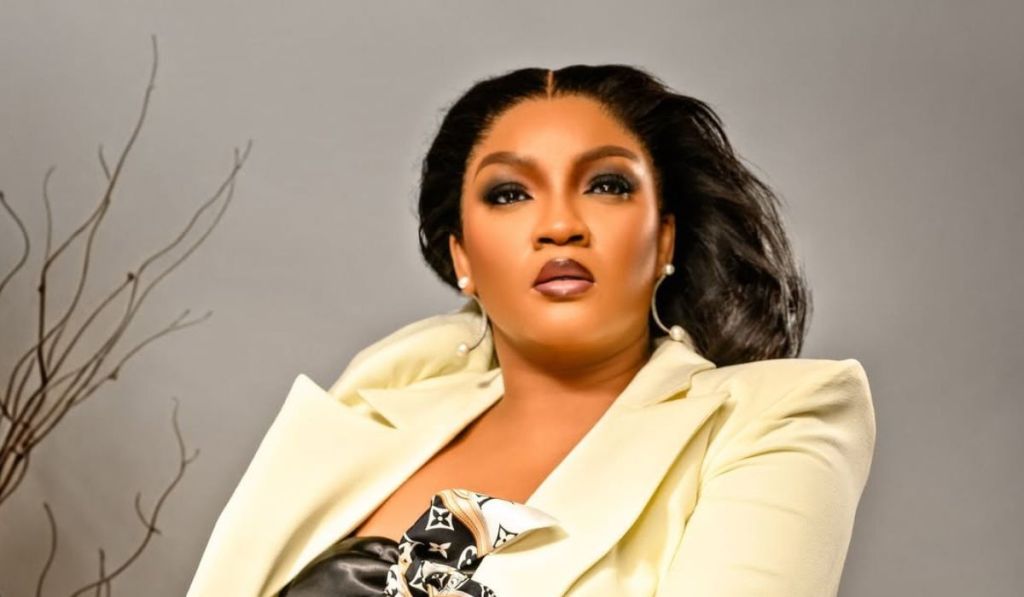
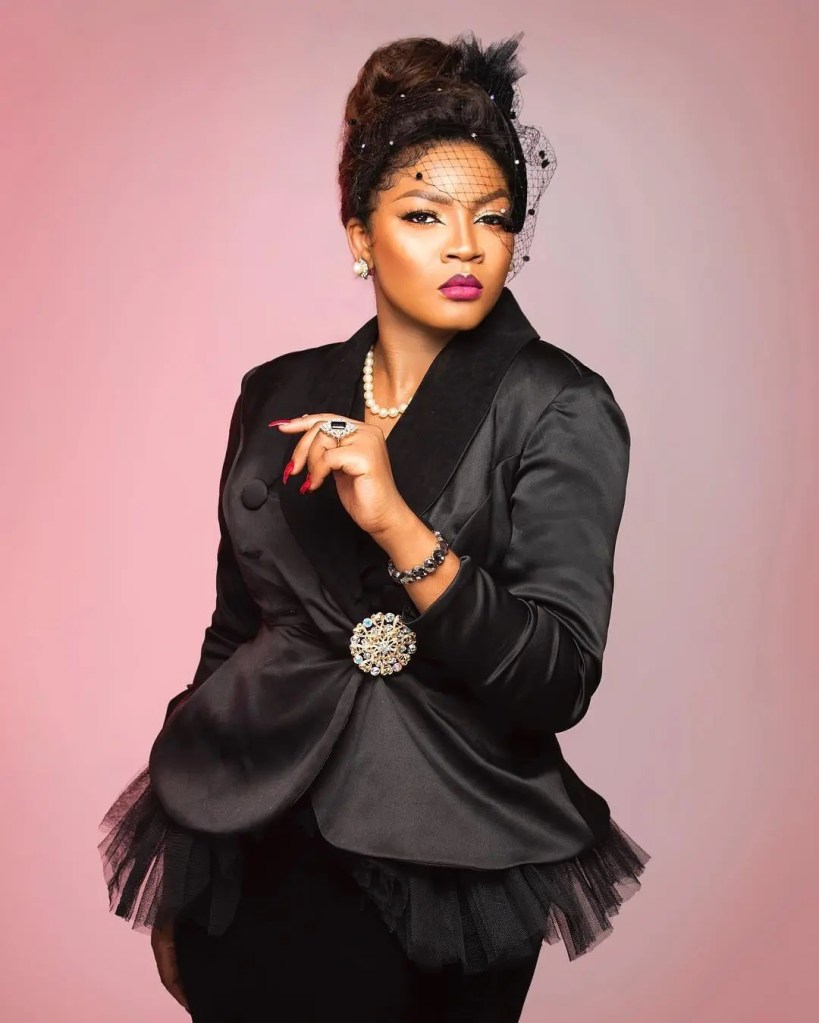
The industry has its own set of celebrities who have become household names. Actors such as Omotola Jalade Ekeinde, Genevieve Nnaji, Ramsey Nouah, and Pete Edochie have achieved fame not only in Nigeria but across Africa and in diaspora communities worldwide. Their rise to prominence demonstrates Nollywood’s ability to shape global perceptions of African talent.

Actresses like Genevieve Nnaji and Omotola Jalade Ekeinde have become cultural icons, admired for both their screen presence and their influence in fashion, politics, and philanthropy. Their careers reflect the evolution of Nollywood from a local video market to an international industry with global recognition.

Some of the most well-known Nollywood films include Living in Bondage, Osuofia in London, Last Flight to Abuja, The Wedding Party, and Weekend Getaway. These films illustrate the industry’s versatility—from comedy to romance, from thriller to traditional folklore—and show how Nigerian filmmakers adapt genres to local contexts.

The purpose of Nollywood has always been rooted in storytelling. It offers narratives that resonate deeply with Nigerian viewers while also giving global audiences insight into African traditions, conflicts, humor, and spirituality. Through this lens, Nollywood becomes not only a form of entertainment but a cultural archive.

The outcome of this massive storytelling tradition is the creation of a distinct Nigerian cinematic identity. Today, Nollywood is recognized internationally for its characteristic fast pacing, emotional storytelling, and cultural authenticity. Its films travel across Africa and beyond, shaping regional entertainment trends.

The legacy of Nollywood is profound. It has inspired filmmakers across Africa, influenced television production, and shifted the global conversation about who gets to make films and whose stories deserve to be told. For many Africans in the diaspora, Nollywood movies serve as a connection to home and heritage.

Despite its success, Nollywood still faces several challenges. Piracy remains one of the industry’s biggest problems, costing producers significant revenue. Limited funding and inadequate filmmaking infrastructure also restrict the industry’s growth potential. However, these obstacles have not dampened its resilience.

The arrival of digital streaming platforms such as Netflix, Amazon Prime, and local services has been transformative. These platforms have expanded Nollywood’s global audience and encouraged higher production values. Filmmakers now have access to better equipment and more refined storytelling methods.

Streaming has also allowed Nollywood films to reach viewers who may never have encountered African cinema otherwise. As a result, the industry is now more visible on the world stage, attracting international collaborations, investments, and film-festival recognition.

Culturally, Nollywood has become a tool for shaping identity and reinforcing values. Families bond over films, communities debate moral lessons, and social themes shown on screen often reflect real societal issues. In this sense, Nollywood shapes not only entertainment but national consciousness.

The influence of Nollywood extends into fashion, music, and lifestyle. Many of its actors set fashion trends, promote Nigerian clothing designers, and inspire young people to dream beyond their circumstances. The industry contributes to cultural pride and the celebration of African beauty and creativity.

Nollywood also functions as a soft-power instrument for Nigeria, exporting culture in a way that fosters understanding and connection. Films featuring Nigerian languages, traditions, and comedic styles have become beloved across the continent.

In terms of social impact, Nollywood has helped normalize African perspectives in mainstream media. Instead of relying on Hollywood portrayals, many African youth now see themselves reflected onscreen with authenticity and dignity.

In conclusion, Nollywood is far more than a film industry—it is a movement, an economic engine, and a cultural storyteller. It stands as a testament to Nigerian creativity, resilience, and the power of African narratives. With continued growth, streaming expansion, and increasing global collaboration, Nollywood is poised to play an even greater role in shaping world cinema in the decades to come. Nollywood stands as a remarkable cinematic phenomenon: it is Nigeria’s cultural powerhouse, a global film-production leader by volume, and a creative engine that has challenged the dominance of Hollywood and Bollywood on the metrics of output. Yet its true significance lies in the way it creates stories, jobs, and identity for Nigerians—not only as spectators but as producers and participants. While structural challenges remain, its life-changing potential for individuals, its cultural affirmation, and its economic contribution ensure that Nollywood is far more than a mere film industry—it is a societal movement.

References

Andrews, D. (2009, April 28). What is Nollywood? Yale Insights. https://insights.som.yale.edu/insights/what-is-nollywood

Demand Africa. (2019, January 28). Top Nollywood film stars — Who is Genevieve Nnaji? https://demandafrica.com/entertainment/celebrities/top-nollywood-film-stars-genevieve-nnaji/

Encyclopedia Britannica. (n.d.). Nollywood. https://www.britannica.com/topic/Nollywood

Giwa, E. T. (2012). Nollywood: A case study of the rising Nigerian film industry (Master’s thesis, Southern Illinois University). https://opensiuc.lib.siu.edu/gs_rp/667

Northwestern University Libraries. (2025). Nollywood and beyond: Research guide. https://libguides.northwestern.edu/nollywood

StudioBinder. (2019, December 5). What is Nollywood and how did it become the 2nd largest film industry in the entire world? https://www.studiobinder.com/blog/what-is-nollywood/

TechCulture Africa. (2025, February 26). Nigeria’s Nollywood is Africa’s largest cinema hub; here’s why. https://techcultureafrica.com/nollywood

Time Magazine. (2014). Hooray for Nollywood! https://time.com/3153912/hooray-for-nollywood

Wikipedia. (n.d.). Omotola Jalade Ekeinde. https://en.wikipedia.org/wiki/Omotola_Jalade_Ekeinde

Wikipedia. (n.d.). Last Flight to Abuja. https://en.wikipedia.org/wiki/Last_Flight_to_Abuja

Wikipedia. (n.d.). Weekend Getaway. https://en.wikipedia.org/wiki/Weekend_Getaway

Aliko Dangote: The Richest Man in Africa

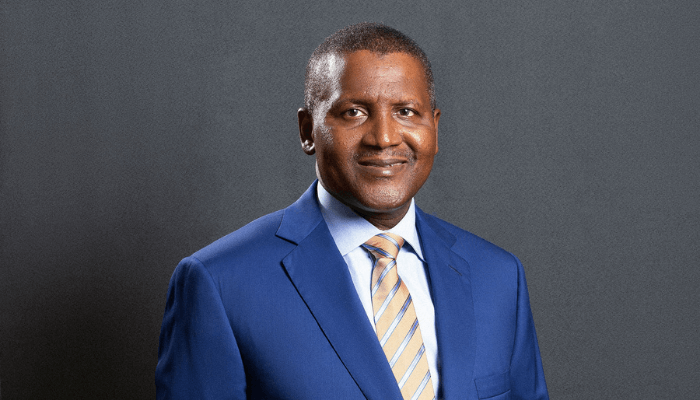
Aliko Mohammad Dangote is one of the most influential business figures on the African continent, known for his unmatched industrial footprint across multiple sectors. Born on April 10, 1957, in Kano, Nigeria, he emerged from a family whose legacy in commerce dates back generations. Growing up in a household connected to trade and entrepreneurship gave him early exposure to business fundamentals that would later inform his industrial empire.

His great-grandfather, Alhassan Dantata, was one of the wealthiest men in West Africa in the early 20th century, which placed Dangote within a lineage of economic leadership. Despite this background, Dangote’s ascent into modern global wealth was not inherited; instead, he built his conglomerate through strategic investments, reinvestment of profits, and a deep understanding of Africa’s economic needs.

Dangote’s business journey began in 1977 when he started a trading enterprise focused on importing sugar, rice, and other basic commodities. With a small loan from an uncle, he quickly found success by identifying gaps in Nigeria’s supply chain. This strength in commodity trading laid the foundation for more ambitious ventures in manufacturing and industrial production.

As Nigeria and other African nations faced growing demand for construction materials, Dangote shifted from trading to manufacturing. This move proved transformative. Cement production became the cornerstone of his wealth, with Dangote Cement rising to become the largest cement producer in Africa. The company expanded rapidly across borders and now operates in several African countries.

Sugar refining, flour milling, salt production, and logistics soon joined the portfolio, turning Dangote Group into a true continental powerhouse. Manufacturing enabled Dangote to reduce Nigeria’s reliance on imported goods, creating thousands of jobs and stimulating infrastructure growth across the region. This shift from trading to large-scale industrialisation is one of the defining aspects of his business success.

Dangote’s wealth surged as his companies grew, consistently placing him at the top of Africa’s wealth rankings. While fluctuations in currency and commodity prices occasionally shift positions, Dangote has held the title “richest man in Africa” for over a decade, according to major global wealth indexes. His dominance in multiple essential industries makes his economic influence both significant and stable.

A list of Africa’s wealthiest individuals often places Dangote first, followed by figures such as Johann Rupert, Nicky Oppenheimer, Nassef Sawiris, Naguib Sawiris, Abdul Samad Rabiu, and Mike Adenuga. These individuals represent diverse industries such as luxury goods, mining, telecommunications, and manufacturing, but Dangote stands out for building Africa’s largest home-grown industrial conglomerate.

His impact on Africa extends far beyond wealth. Dangote’s businesses have created millions of direct and indirect jobs, strengthened national economies, and brought vital infrastructure to regions that previously relied heavily on foreign imports. His companies have become symbols of African self-sufficiency and industrial capability, reshaping economic landscapes from West Africa to East Africa.

Dangote Cement alone revolutionized construction sectors across the continent, enabling more affordable housing, public works, and urban development. His entry into fertilizer production has had major implications for agricultural self-reliance, while his oil refinery—one of the largest privately owned refineries in the world—aims to significantly reduce Africa’s dependence on imported fuel.

For Nigeria specifically, Dangote is a monumental figure. His industries bolster the country’s GDP, expand its manufacturing sector, and contribute substantially to tax revenue. The refinery project is expected to change Nigeria’s fuel economy by transforming the nation from an importer to a potential exporter of refined petroleum products. This structural shift could reposition Nigeria’s economic identity globally.

Philanthropically, Dangote’s foundation supports healthcare, education, nutrition, and disaster relief across the continent. He has funded major campaigns against malnutrition, disease outbreaks, and pandemic emergencies. His charitable work reflects a commitment to human development alongside industrial progress.

His personal life is rooted in Northern Nigerian traditions. Dangote married early, divorced, remarried, and later divorced again. He has three daughters—Maria, Halima, and Fatima—and an adopted son, Abdulrahman. Despite his immense wealth, Dangote is known for his relatively private lifestyle, placing stronger emphasis on business growth than on public spectacle.

He was educated at schools in Kano before attending Al-Azhar University in Egypt, where he studied business. His education, combined with his family’s commercial influence, shaped his entrepreneurial outlook. From selling simple products as a child to controlling multibillion-dollar industries, his journey displays a consistent drive and business instinct.

Dangote’s rise was not without challenges. He maneuvered through Nigeria’s volatile economic environment, currency devaluations, changing government policies, and intense competition. Yet his strategic focus on essential goods—products people rely on daily—made his businesses recession-resistant and consistently profitable.

The history of his empire is also a history of African industrialisation. While many African billionaires derive wealth from inherited mining assets or globalized sectors, Dangote stands apart as a builder of factories, refineries, plants, and supply chains. His operations bring value directly to African soil, fostering development through manufacturing rather than raw-resource export.

Today, Dangote is not only a symbol of personal achievement but a symbol of African economic possibility. His success demonstrates the potential for African-led industrial transformation, inspiring entrepreneurs across the continent to invest locally and expand boldly.

In summary, Aliko Dangote is widely considered the richest man in Africa because of his vast industrial empire, dominant market position, and sustained economic influence. His contributions to Nigeria and the continent have been profound, reshaping industries, improving infrastructure, and setting a powerful example of African entrepreneurship. His life story—from a trading stall in Kano to global billionaire status—remains one of the most remarkable narratives in modern African history.


References

Britannica. (n.d.). Aliko Dangote.
Investopedia. (n.d.). How Aliko Dangote Became the Richest African.
Wikipedia. Aliko Dangote.
Wikipedia. Wealth of Aliko Dangote.
Wikipedia. List of Africans by Net Worth.
Dangote Group Official Website.
Bloomberg Billionaires Index.
Forbes Africa Billionaires List.

The History of Colorism in Africa.

Colorism, the preferential treatment of lighter-skinned individuals over darker-skinned individuals, has deep historical roots in Africa. Its origins are complex, shaped by indigenous hierarchies, colonial influence, and global perceptions of beauty. While often associated with the transatlantic slave trade and European colonization, colorism predates these periods in African history.

In many pre-colonial African societies, lighter skin was sometimes associated with elite status or spiritual purity. Certain ethnic groups linked complexion to lineage, nobility, or proximity to power. However, these distinctions were not uniform across the continent.

In West Africa, for example, the Yoruba and Igbo societies had intricate social hierarchies where physical features, including skin tone, played a symbolic role in determining social standing. Lighter skin was occasionally linked to a higher social rank or a closer relation to ruling families.

Colorism in Africa became more pronounced with the expansion of trade networks. Contact with North African, Arab, and European traders introduced new aesthetic ideals, privileging lighter skin as a mark of beauty, sophistication, and social mobility.

The arrival of Europeans during the colonial period amplified these biases. Colonizers often positioned themselves as racially and culturally superior, framing African features as inferior. This instilled a hierarchy of skin tones that favored proximity to whiteness.

Colonial administration reinforced color-based hierarchies through legal and social systems. Access to education, economic opportunities, and positions in governance were often easier for lighter-skinned Africans. This institutionalized colorism at systemic levels.

Missionary activities also played a role. Western missionaries frequently associated lighter skin with morality, civility, and Christian virtue, while darker skin was linked to backwardness or paganism. This created a lasting cultural association between skin tone and virtue.

During the era of slavery and the transatlantic slave trade, European traders specifically valued lighter-skinned Africans for domestic roles, believing them to be more “manageable” or aesthetically appealing. This preference further entrenched color-based biases.

Colorism was not only external; internalized notions of skin hierarchy emerged within African communities. Families and communities sometimes perpetuated preferential treatment of lighter-skinned children, associating their complexion with potential social advantage.

In urban centers during the 20th century, the rise of Western media, cinema, and advertising propagated ideals of beauty centered on lighter skin. Africans were exposed to globalized beauty standards, often favoring Eurocentric features.

Skin-lightening practices became widespread in some regions, driven by the desire for social mobility, attractiveness, and acceptance. This practice reflects a deep-rooted historical preference for lighter skin that continues to impact African societies.

In contemporary Africa, colorism manifests in employment, education, marriage, and media representation. Lighter-skinned individuals frequently receive preferential treatment, while darker-skinned individuals face prejudice and stereotyping.

Celebrity culture plays a role in perpetuating these ideals. Public figures with lighter complexions often receive heightened visibility and acclaim, reinforcing societal biases about beauty and status.

In East Africa, historical interactions with Arab traders introduced complexions lighter than the indigenous population, which sometimes became associated with higher status or exotic beauty. These interactions created a nuanced color hierarchy in the region.

In North Africa, colorism intersected with issues of ethnicity, particularly between Arab and Sub-Saharan African populations. Skin tone became a marker not only of beauty but also of social belonging and perceived racial identity.

In Southern Africa, colonial settlers imposed racial hierarchies that privileged whiteness. Colorism extended beyond colonial times, influencing post-apartheid perceptions of beauty, success, and social capital.

Despite its long history, colorism is not universally accepted or uncontested. African societies have consistently resisted imposed hierarchies through cultural pride, advocacy, and artistic expression celebrating darker skin.

Literature and oral traditions in Africa often feature protagonists and heroes of darker complexions, challenging prevailing narratives and asserting the value of all skin tones.

In media, the portrayal of lighter-skinned Africans as elite or desirable continues to marginalize darker-skinned individuals, influencing self-esteem, mental health, and social dynamics.

Educational campaigns in several African countries aim to combat colorism by promoting skin positivity and cultural pride, highlighting the historical roots and contemporary consequences of prejudice based on complexion.

Colorism also intersects with gender. Women, in particular, face heightened pressures to conform to lighter-skinned beauty ideals, affecting marriage prospects, career opportunities, and social mobility.

The legacy of slavery, colonization, and global beauty standards collectively shaped colorism as a pervasive social issue. Understanding its historical trajectory is crucial to addressing contemporary manifestations.

Today, scholars emphasize the need to recognize colorism as distinct from racism, though the two often overlap. Colorism is an intraracial and intracultural phenomenon with unique historical and social determinants.

African diasporic communities continue to grapple with colorism, which has been transmitted across generations. Media, education, and family practices all play a role in sustaining or challenging these biases.

Activism, particularly among young Africans and diasporic communities, seeks to dismantle colorist standards. Campaigns promoting melanin appreciation and diverse beauty standards are part of a broader movement toward social equity.

In conclusion, colorism in Africa is a multi-layered phenomenon with origins in pre-colonial social structures, intensified by colonialism, slavery, and globalized beauty ideals. Combating it requires historical understanding, cultural advocacy, and systemic change.


References

  • Hunter, M. (2007). The persistent problem of colorism: Skin tone, status, and inequality. Sociology Compass, 1(1), 237–254.
  • Glenn, E. N. (2008). Yearning for lightness: Transnational circuits in the marketing and consumption of skin lighteners. Gender & Society, 22(3), 281–302.
  • Lewis, R. (2018). Skin deep: Race and colorism in modern African societies. African Studies Review, 61(2), 45–67.
  • Tate, S. A. (2009). Black beauty: Skin color and the cultural politics of race. New York, NY: Routledge.
  • Nzewi, M. (2016). Historical roots of colorism in Africa. Journal of African Cultural Studies, 28(3), 245–263.
  • Hunter, M., & Davis, D. (2021). Colorism, identity, and African social structures. Journal of African Sociology, 12(1), 101–122.
  • Williams, L. (2015). Shades of privilege: Colorism and social hierarchy in Africa. International Journal of African Studies, 7(2), 89–105.

Celebrity Spotlight: Omotola Jalade Ekeinde #Nollywood

There are women whose presence commands admiration before they even speak — and Omotola Jalade Ekeinde, fondly called “Omosexy,” is one of them. With her radiant light caramel complexion, captivating almond eyes, and statuesque physique, she embodies a perfect fusion of African grace, sensuality, and sophistication. Her beauty is not only physical but regal — the kind that glows from confidence, faith, and purpose. She is not merely a Nollywood actress; she is a global phenomenon, humanitarian, wife, and mother whose impact extends far beyond the screen.


Early Life and Family Background

Omotola Jalade Ekeinde was born on February 7, 1978, in Lagos, Nigeria, to Oluwashola Jalade, a manager with the Lagos Country Club, and Oluwatoyin Jalade, a businesswoman. Raised in a disciplined Christian household, Omotola grew up with strong moral values, a sense of independence, and an early appreciation for education and service. She attended Chrisland School, Opebi, Oxford Children School, and Command Secondary School, Kaduna, before studying Estate Management at Yaba College of Technology.

At the age of 18, Omotola married her long-time partner, Captain Matthew Ekeinde, a respected Nigerian airline pilot, in a union that has become one of the most admired and enduring celebrity marriages in Africa. Together, they have four beautiful children, and their family stands as a symbol of stability, love, and faith within the entertainment industry.


Journey into Nollywood and Rise to Stardom

Omotola’s path to stardom began unexpectedly. Initially aspiring to a career in business management, she accompanied a friend to a movie audition and was encouraged to try out for a role herself. This spontaneous decision became destiny. Her acting debut came in 1995 with the film Venom of Justice, but it was her performance in Mortal Inheritance (1995) that catapulted her to fame. The film, which explored interracial marriage and sickle-cell anemia, showcased her emotional depth and established her as one of Nollywood’s most gifted talents.

Since then, Omotola has appeared in over 300 films, portraying complex characters that explore themes of love, justice, and womanhood. Her commanding performances have made her a household name, not only in Nigeria but across Africa and the diaspora.


Awards, Honors, and Global Recognition

Omotola’s contributions to film and society have earned her an impressive array of awards and distinctions. She received the Africa Movie Academy Award (AMAA) for Best Actress in a Leading Role and has won numerous Africa Magic Viewers’ Choice Awards (AMVCA) honors for her outstanding acting.

In 2013, Time Magazine named her one of the “100 Most Influential People in the World”, alongside Michelle Obama, Beyoncé, and Kate Middleton — an honor that solidified her status as a global icon. She was also recognized by the Nigerian government with the Member of the Order of the Federal Republic (MFR) for her contributions to Nigerian cinema.

Her film Alter Ego (2017) earned widespread critical acclaim for tackling issues of trauma and justice, further demonstrating her evolution as an actress of depth and conviction.


Endorsements and Humanitarian Work

Beyond the screen, Omotola is a dedicated humanitarian. She is a long-time UN World Food Programme Ambassador, advocating for the rights of women and children across Africa. She also works with the Amnesty International campaign on human rights awareness. Her commitment to social justice has earned her the nickname “The Real Life African Superwoman.”

Her beauty, intelligence, and authenticity have also made her one of the most sought-after brand ambassadors in Africa. She has partnered with major brands including Knorr, Ghandour Cosmetics, and BO16 Hair Care, using her platform to promote empowerment and self-confidence among African women.


Personal Life and Legacy

Despite her global fame, Omotola’s humility and devotion to her family remain at the heart of her identity. She often speaks openly about the importance of faith, balance, and maintaining one’s integrity in the entertainment industry. Her marriage to Captain Ekeinde remains one of the longest and most respected in Nollywood, defying the stereotype of fleeting celebrity unions.

Affectionately called “Omosexy” by fans, she redefines sensuality with grace — not as a tool of vanity, but as an expression of confidence and self-love. Her legacy is not only in film but also in her example of womanhood: strong, intelligent, nurturing, and unapologetically powerful.


Is Omotola the Highest-Paid Nollywood Actress?

For years, Omotola has ranked among the highest-paid actresses in Nollywood, often commanding premium fees per film. Alongside Genevieve Nnaji, she helped elevate the professional standards of pay and production quality in the Nigerian film industry. Her business acumen and professionalism have set new precedents for African actors, helping Nollywood evolve into a billion-dollar global industry.


Impact and Cultural Influence

Omotola Jalade Ekeinde’s influence reaches far beyond cinema. She represents the evolution of African womanhood — bold yet humble, beautiful yet principled, powerful yet nurturing. Her presence has inspired countless women to pursue their dreams without compromise. She is not only admired for her radiant ebony beauty but for her substance, discipline, and heart.

Her life is a living parable of excellence — proof that true beauty radiates from purpose and character. Omotola’s journey from a young Lagos girl to a world-renowned icon embodies the strength, resilience, and divine elegance of the modern African woman.


Conclusion

Omotola Jalade Ekeinde remains an enduring symbol of Black femininity and excellence. With her gleaming brown skin, sculpted face, and regal aura, she is a masterpiece of nature and nurture — a woman who moves with both grace and authority. As an actress, wife, and humanitarian, she continues to inspire a generation to dream boldly and love deeply. In every sense, she is carved by destiny, refined by faith, and crowned by legacy.


References

Amnesty International. (2015). Omotola Jalade Ekeinde joins campaign for human rights in Africa. Amnesty International. https://www.amnesty.org

BBC News. (2013, April 18). Time 100: Omotola Jalade Ekeinde among world’s most influential people. BBC. https://www.bbc.com/news

IMDb. (n.d.). Omotola Jalade Ekeinde biography. IMDb. https://www.imdb.com/name/nm1069989/

Nigerian Government Gazette. (2011). National honors list: Member of the Order of the Federal Republic (MFR). Federal Republic of Nigeria.

Pulse Nigeria. (2022, September 6). Omotola Jalade Ekeinde: Biography, family, and career success. Pulse Nigeria. https://www.pulse.ng

Time Magazine. (2013, April). The 100 Most Influential People in the World: Omotola Jalade Ekeinde. TIME Magazine. https://time.com

Vanguard Nigeria. (2021, August 12). Omotola Jalade Ekeinde: The timeless beauty of Nollywood. Vanguard Nigeria. https://www.vanguardngr.com