Category Archives: aesthetics

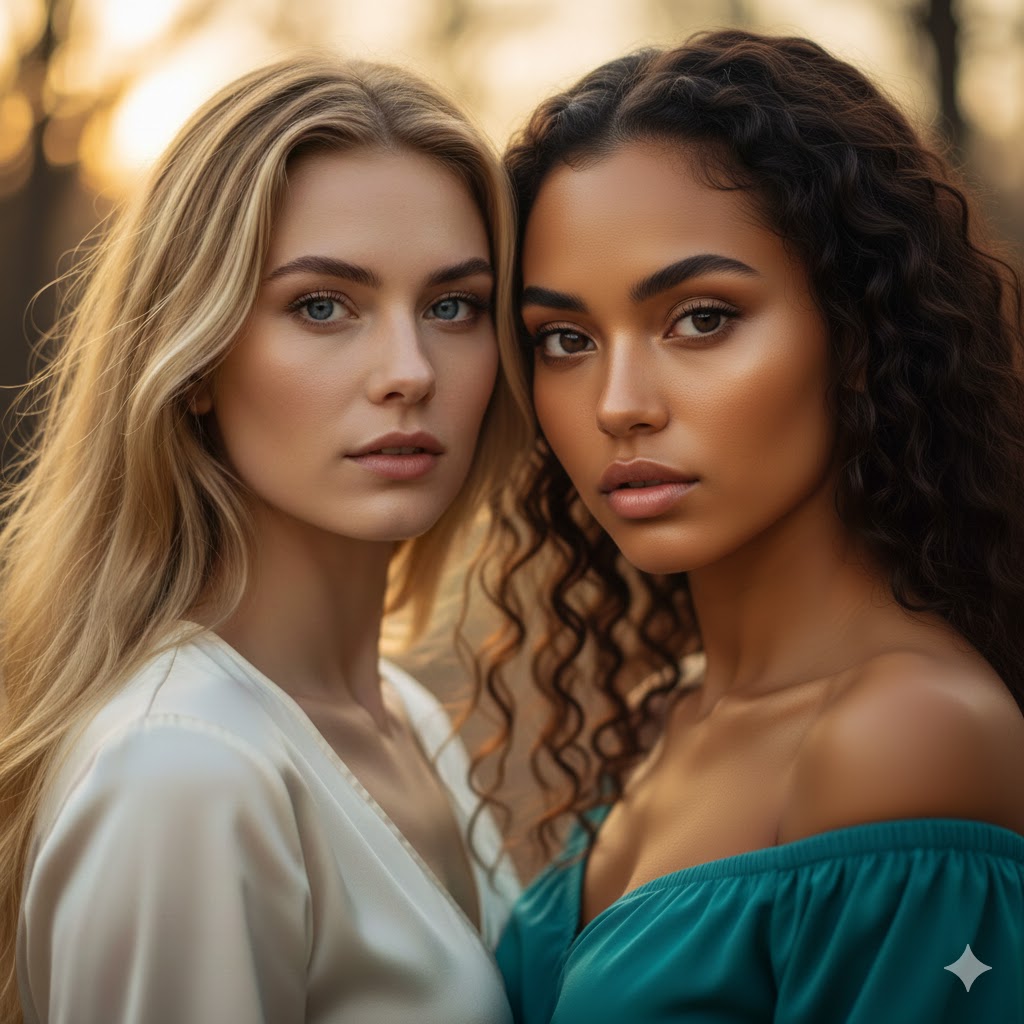
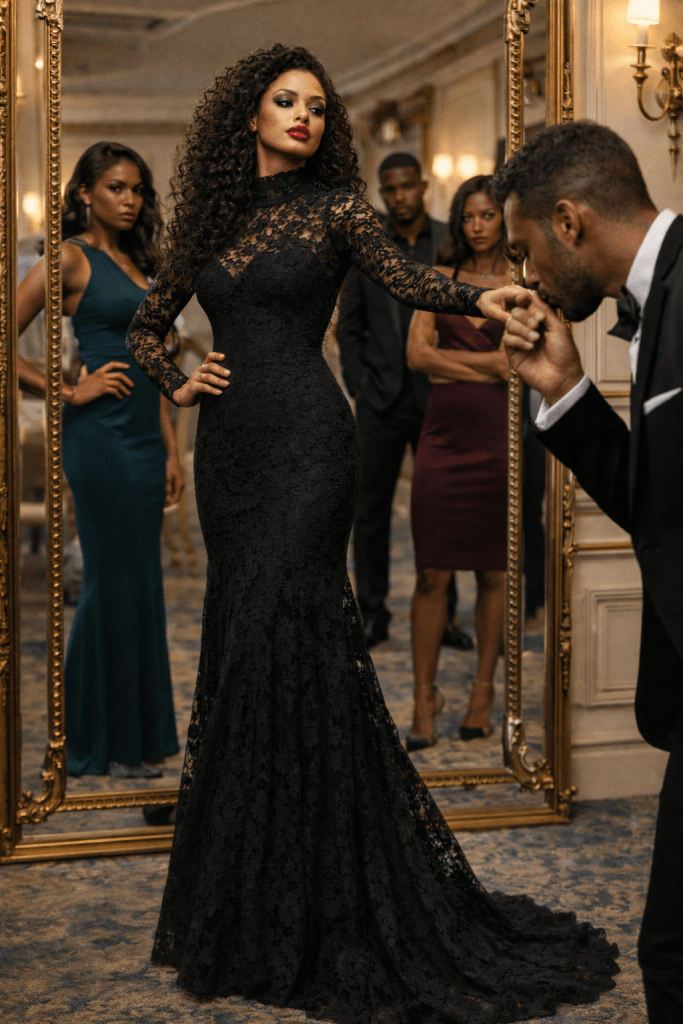
It is Okay to be “The Most Beautiful Woman in the Room” but are you making everyone else sick with it? Beverly says….

Beauty has always carried social power. From ancient civilizations to modern digital culture, physical attractiveness has functioned as a form of symbolic capital—something that grants attention, access, and influence. To be the most beautiful woman in the room is not inherently wrong; in fact, it can be a gift. The problem arises not from beauty itself, but from how it is performed, weaponized, or used to dominate social space.

Psychological research consistently shows that attractive individuals receive preferential treatment in hiring, education, and social relationships—a phenomenon known as the “halo effect.” Beauty is often unconsciously equated with intelligence, kindness, and competence. This distortion creates a power imbalance before a single word is spoken.

When a woman becomes aware of this power, she faces a choice: will she carry her beauty with humility, or with entitlement? Arrogance emerges when beauty shifts from being a trait to being an identity—when self-worth becomes entirely anchored in how one is seen rather than who one is.

Arrogance with beauty often manifests subtly. It appears in body language, tone, dismissiveness, constant comparison, or the need to dominate attention. It is not loud narcissism alone; it is a quiet assumption of superiority that others can feel immediately.

For other women in the room, this dynamic can generate insecurity, competition, and emotional fatigue. Social comparison theory explains that people evaluate themselves relative to others, especially in appearance-based environments. When one woman positions herself as the standard, others are forced into a hierarchy they never consented to.

Jealousy is not always petty—it is often psychological pain produced by unequal social valuation. When beauty is flaunted rather than shared, it can create a climate of silent hostility, where women feel diminished simply by proximity.

Men, meanwhile, respond differently. Beauty can trigger sexualization, fantasy, and projection. Research in evolutionary psychology suggests that physical attractiveness activates reward circuits in the brain similar to drugs or gambling. Lustful attention is not neutral; it changes social energy in a room.

When a woman consciously or unconsciously cultivates male desire as validation, she may enjoy attention without realizing its ripple effects. Conversations shift. Boundaries blur. Other women become invisible. Men become performative. The social space becomes eroticized rather than communal.

Over time, this environment becomes emotionally toxic. People do not feel seen; they feel measured. The most beautiful woman becomes the emotional sun around which everyone else must orbit.

This is where beauty becomes harmful—not because it exists, but because it consumes relational space. It monopolizes attention, distorts dynamics, and subtly communicates: “I matter more than you.”

The irony is that true beauty is expansive, not extractive. It makes others feel comfortable, uplifted, and safe. Arrogant beauty makes others feel smaller, anxious, or invisible.

Narcissism research shows that individuals who rely heavily on external validation often lack stable self-esteem. The need to be admired becomes addictive. Beauty becomes a performance that must be maintained at all costs—through comparison, competition, and dominance.

This is why some beautiful people leave others feeling drained. They are not just attractive; they are emotionally demanding. They require constant affirmation, attention, and deference.

Social environments thrive on reciprocity. When one person absorbs all the light, others are forced into shadow. Over time, resentment replaces admiration.

Even the beautiful woman herself becomes trapped. Her value becomes conditional. Aging, weight change, or shifting attention threatens her identity. What once felt like power becomes fragility.

The most dangerous illusion is believing that beauty makes one better than others. Attractiveness is not virtue. It is not wisdom. It is not moral superiority. It is a biological lottery shaped by genetics, culture, and social bias.

Humility is what redeems beauty. A woman who knows she is beautiful but does not need to prove it becomes magnetic without harm. She does not compete; she collaborates. She does not dominate; she invites.

Beauty with humility creates safety. It allows other women to exist without fear of comparison. It allows men to engage without objectification. It restores balance to the social field.

The real question is not “Am I the most beautiful woman in the room?” but “How do people feel when I enter the room?” Do they feel tense or at ease? Smaller or affirmed? Observed or welcomed?

It is okay to be beautiful. It is not okay to make others sick with it. Beauty should be a gift to the room, not a threat to it. When beauty becomes a mirror instead of a spotlight—reflecting humanity rather than demanding worship—it finally becomes what it was always meant to be: connection, not control.


References

Buss, D. M. (2019). Evolutionary psychology: The new science of the mind (6th ed.). Routledge.

Cash, T. F., & Smolak, L. (2011). Body image: A handbook of science, practice, and prevention (2nd ed.). Guilford Press.

Festinger, L. (1954). A theory of social comparison processes. Human Relations, 7(2), 117–140.

Hamermesh, D. S. (2011). Beauty pays: Why attractive people are more successful. Princeton University Press.

Langlois, J. H., et al. (2000). Maxims or myths of beauty? A meta-analytic and theoretical review. Psychological Bulletin, 126(3), 390–423.

Twenge, J. M., & Campbell, W. K. (2009). The narcissism epidemic: Living in the age of entitlement. Free Press.

Tate, S. A. (2009). Black beauty: Aesthetics, stylization, politics. Ashgate.

Vohs, K. D., et al. (2014). Objectification and self-objectification. Current Directions in Psychological Science, 23(6), 416–420.
Aesthetics, Access, and Anti-Blackness

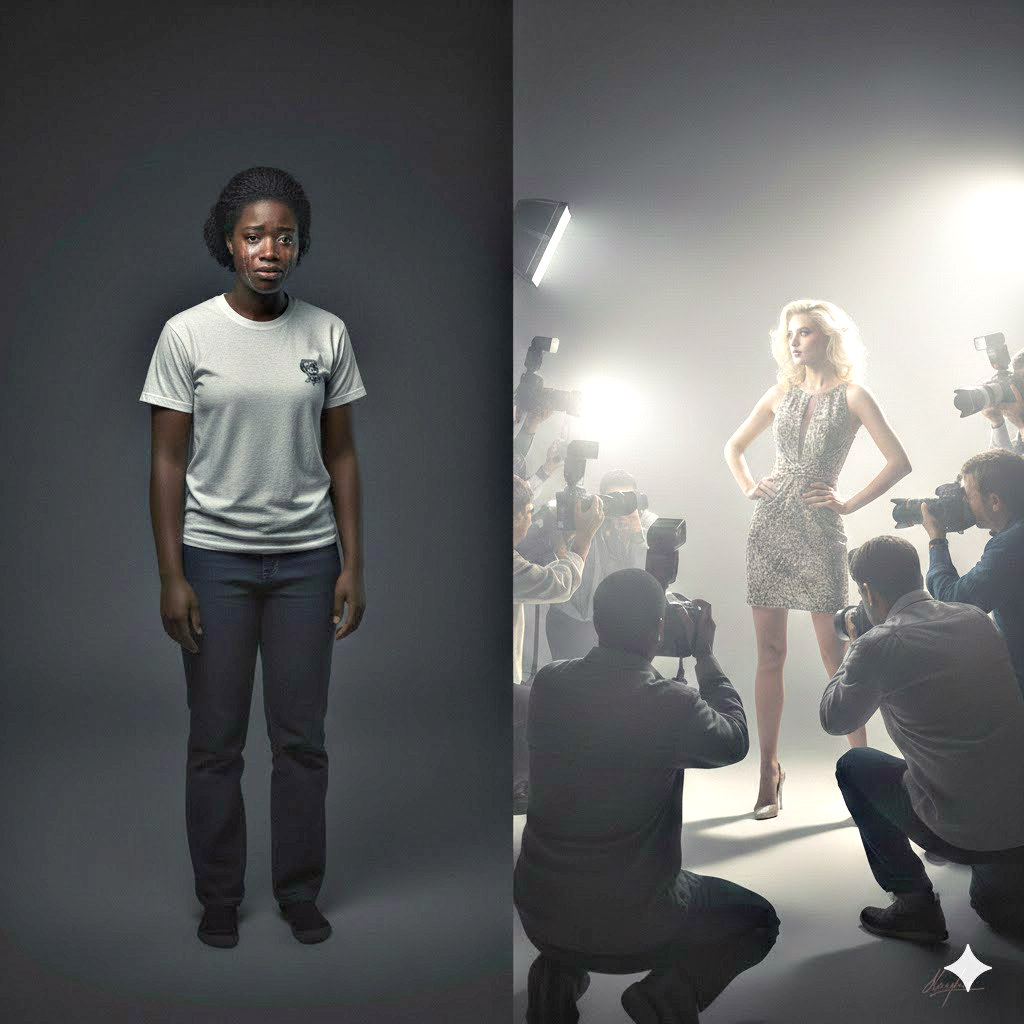
Aesthetics have never been neutral. From art and architecture to beauty standards and branding, what a society deems “beautiful” often reflects who holds power. In the Western world, aesthetic norms were constructed alongside colonialism, elevating Eurocentric features while devaluing African phenotypes, cultures, and expressions. This hierarchy of beauty became a quiet but powerful mechanism of anti-Blackness.

Anti-Black aesthetics operate by rendering Blackness undesirable, excessive, or threatening. Dark skin, broad noses, full lips, coily hair, and African body types were historically caricatured and pathologized. These representations did not arise organically; they were crafted to justify enslavement, segregation, and social exclusion.

Colonial visual culture played a central role in this process. European art and early scientific illustrations depicted Africans as primitive or animalistic, contrasting sharply with idealized white bodies portrayed as rational and refined. These images circulated widely, shaping public perception and reinforcing racial hierarchies.

Access became the material consequence of aesthetic hierarchy. Beauty standards dictated who could enter certain spaces, industries, and opportunities. From employment and housing to education and media visibility, proximity to whiteness often determined access to social mobility.

The beauty industry institutionalized this bias. For decades, cosmetic products, hair care lines, and advertising excluded darker skin tones and natural hair textures. Black consumers were forced to assimilate or self-alter in order to be seen as professional or acceptable.

Colorism emerged as a byproduct of anti-Black aesthetics. Within Black communities themselves, lighter skin and looser curls were rewarded, while darker skin was stigmatized. This internalized hierarchy reflects the psychological residue of colonial domination.

Media representation continues to shape aesthetic access. Black characters are often relegated to stereotypes, while darker-skinned women and men are underrepresented in leading or romantic roles. Visibility becomes conditional upon conformity to palatable forms of Blackness.

Fashion and luxury spaces also function as aesthetic gatekeepers. Black bodies are celebrated as inspiration yet policed as consumers. Cultural appropriation allows Black style to be commodified while Black people themselves face exclusion from elite spaces.

Educational institutions reinforce aesthetic norms through Eurocentric curricula that privilege Western art, philosophy, and standards of excellence. African aesthetics are often treated as supplemental or folkloric rather than foundational.

In the workplace, aesthetics dictate professionalism. Natural Black hair has been labeled unkempt, braids deemed unprofessional, and dark skin subtly associated with incompetence. These judgments translate into hiring bias, wage gaps, and limited advancement.

The criminalization of Black aesthetics further exposes anti-Blackness. Hoodies, sagging pants, and Afros have been used to justify surveillance, harassment, and lethal force. Black style becomes evidence of threat rather than expression.

Social media has intensified aesthetic policing while offering new avenues of resistance. Algorithms often favor Eurocentric beauty, yet digital platforms also allow Black creators to reclaim narrative control and redefine beauty on their own terms.

Historically, Black resistance has always included aesthetic rebellion. From African textiles and hairstyles to the Black Arts Movement, aesthetic expression has functioned as cultural preservation and political defiance.

Access to health and wellness is also shaped by aesthetics. Studies show that darker-skinned individuals receive less attentive medical care, as pain tolerance and credibility are racially biased. Appearance influences who is believed and who is neglected.

Aesthetics intersect with capitalism by determining market value. Black beauty generates billions in revenue, yet ownership and profit remain largely outside Black communities. Extraction persists even in celebration.

The psychological toll of aesthetic exclusion is profound. Anti-Black beauty standards contribute to low self-esteem, body dysmorphia, and identity fragmentation, particularly among Black youth.

Policy interventions such as the CROWN Act reveal how deeply aesthetics are tied to civil rights. Laws protecting natural hair underscore that beauty norms are not merely cultural preferences but mechanisms of discrimination.

Challenging anti-Black aesthetics requires structural change, not just representation. It demands redistribution of access, ownership, and authority over cultural production.

Reclaiming Black aesthetics is an act of liberation. When Black people define beauty on their own terms, they disrupt systems that profit from their erasure while consuming their culture.

Ultimately, aesthetics are about power—who is seen, who is valued, and who belongs. Until Blackness is no longer a barrier to beauty, access, and dignity, anti-Blackness will remain embedded in the visual and social fabric of society.


References

Bourdieu, P. (1984). Distinction: A social critique of the judgement of taste. Harvard University Press.

Collins, P. H. (2000). Black feminist thought: Knowledge, consciousness, and the politics of empowerment. Routledge.

Craig, M. L. (2002). Ain’t I a beauty queen? Black women, beauty, and the politics of race. Oxford University Press.

Fanon, F. (1952/2008). Black skin, white masks. Grove Press.

Hunter, M. (2007). The persistent problem of colorism. Sociology Compass, 1(1), 237–254.

Tate, S. A. (2015). Skin bleaching in black Atlantic zones. Palgrave Macmillan.

Wilkerson, I. (2020). Caste: The origins of our discontents. Random House.

Biblical Exegesis and Racialized Aesthetics: Deuteronomy 28, the Apocrypha, and the Theology of Appearance

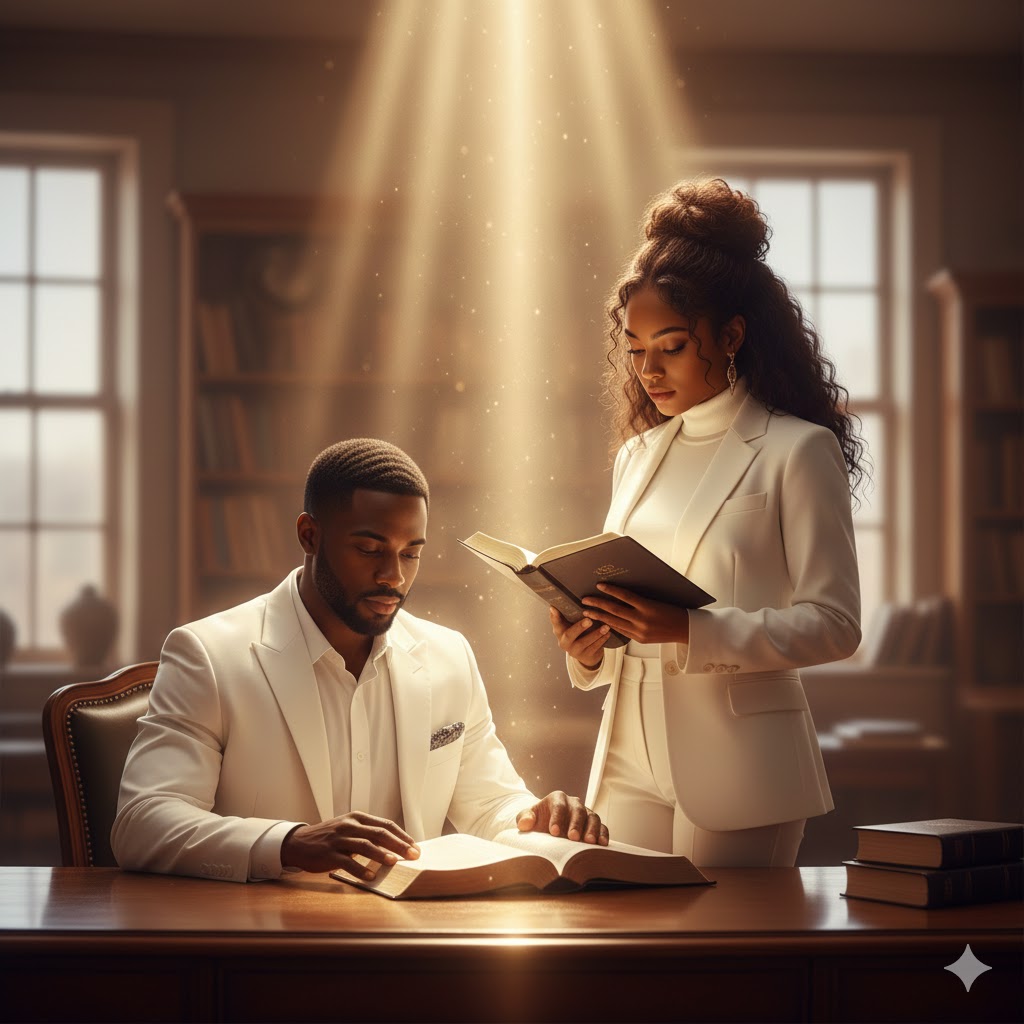
Biblical exegesis demands disciplined attention to text, context, and theology. Yet interpretation is never neutral. Throughout history, Scripture has been filtered through cultural assumptions about the body, beauty, and belonging. One of the most persistent distortions is racialized aesthetics—the assignment of moral, spiritual, and intellectual value to physical appearance along racial lines. When this aesthetic hierarchy enters biblical interpretation, it produces theological error, ethical harm, and spiritual injustice.

Racialized aesthetics did not originate in Scripture; they were imposed upon it. The biblical text consistently resists appearance-based judgment, yet Christian interpretation—especially within Western traditions—has often elevated visual traits aligned with power while diminishing those associated with the oppressed. This article argues that faithful exegesis requires dismantling aesthetic hierarchies and recovering Scripture’s rejection of visual virtue.

The Hebrew Bible establishes early that appearance is an unreliable indicator of divine favor. In 1 Samuel 16:7, God explicitly rejects physical stature as a criterion for leadership, declaring that divine judgment penetrates beyond what the eye can see. This moment is not incidental; it is theological. It exposes the human tendency to confuse visibility with worth and confronts it directly.

Deuteronomy 28 further complicates the relationship between embodiment and judgment. The chapter details blessings for covenant obedience and curses for disobedience, many of which are experienced visibly—on bodies, families, and communities. These curses include displacement, enslavement, public humiliation, and generational suffering. Importantly, the text does not frame these visible afflictions as evidence of moral inferiority, but as the result of covenantal violation within a specific historical framework.

However, later interpreters racialized these visible conditions, detaching them from covenant theology and reassigning them to biological destiny. Enslaved African peoples, whose suffering mirrored Deuteronomy 28’s curses, were not read as participants in biblical history but as objects of divine rejection. This inversion transformed Scripture from a witness against oppression into a weapon of justification.

The Apocrypha reinforces Scripture’s critique of appearance-based judgment. Sirach warns against pride rooted in external beauty and cautions that honor does not arise from outward display but from wisdom and righteousness. Wisdom of Solomon condemns rulers who mistake power and splendor for moral authority, reminding readers that God judges motives rather than monuments.

These texts reveal a consistent biblical anthropology: the body is meaningful but not determinative of virtue. Beauty is acknowledged but relativized. Power is visible but accountable. Racialized aesthetics violates this framework by treating physical traits as theological evidence.

The New Testament intensifies this critique. Jesus repeatedly confronts religious leaders who rely on external markers of holiness. His condemnation of “whited sepulchres” exposes aesthetic righteousness as a form of deception—clean surfaces concealing ethical decay. The warning is unmistakable: visual holiness can coexist with moral corruption.

Paul’s epistles further dismantle embodied hierarchy. In Galatians, Paul rejects ethnic, social, and gender distinctions as determinants of spiritual status. This declaration is not abstract theology; it is a direct challenge to systems that rank bodies according to worth. Any theology that reintroduces visual hierarchy contradicts apostolic teaching.

Despite these textual correctives, Christian theology absorbed racialized aesthetics through colonial expansion, Enlightenment racial theory, and artistic representation. Christ was rendered through Eurocentric imagery, saints were depicted as pale and symmetrical, and holiness became visually coded. Over time, whiteness was unconsciously equated with godliness, while Blackness was associated with curse, carnality, or distance from God.

This aesthetic theology shaped ecclesial life. Leadership, credibility, and spiritual authority were disproportionately granted to those whose appearance aligned with dominant norms. Even today, churches often reward visual respectability while overlooking ethical substance.

Psychologically, this mirrors the halo effect—the cognitive bias in which attractiveness produces assumed virtue. When baptized into theology, the halo effect becomes a doctrinal error. It replaces discernment with impression and confuses presentation with obedience.

Biblical wisdom literature directly challenges this confusion. Proverbs warns that beauty without discretion is dangerous, while Ecclesiastes insists that external advantage is fleeting. These texts call believers to value fear of God over visual appeal and righteousness over reputation.

A faithful exegetical method must therefore interrogate not only Scripture but the interpreter. What bodies do we trust instinctively? Whose suffering do we spiritualize or dismiss? Without confronting these questions, interpretation risks perpetuating injustice under the guise of orthodoxy.

Theologically, racialized aesthetics constitutes idolatry. It elevates created form over divine command and assigns salvific meaning to appearance. Scripture consistently condemns such distortions, not because beauty is evil, but because it is insufficient as a moral measure.

Recovering biblical exegesis requires hermeneutical repentance—a willingness to unlearn aesthetic hierarchies and re-center Scripture’s ethical vision. This includes recognizing that divine election does not follow visual logic and that suffering bodies are not theological failures.

In a digital age dominated by image curation and performative holiness, this recovery is urgent. Faith is increasingly evaluated through visibility rather than fruit, branding rather than obedience. Scripture stands in opposition to this trend, insisting that righteousness is revealed through action, justice, and covenantal faithfulness.

Ultimately, biblical exegesis and racialized aesthetics are incompatible. One seeks truth through disciplined reading; the other imposes hierarchy through visual bias. To read Scripture faithfully is to reject the lie that appearance reveals virtue and to affirm that God’s judgment rests beyond the reach of the eye.


References

Banks, P. (2021). Black aesthetics and the Bible: Reading scripture through embodied experience. Fortress Press.

Cone, J. H. (1997). God of the oppressed (Rev. ed.). Orbis Books.

Felder, C. H. (Ed.). (1991). Stony the road we trod: African American biblical interpretation. Fortress Press.

Gafney, W. (2017). Womanist midrash: A reintroduction to the women of the Torah and the Throne. Westminster John Knox Press.

Jennings, W. J. (2010). The Christian imagination: Theology and the origins of race. Yale University Press.

Kidd, T. S. (2006). The forging of races: Race and scripture in the Protestant Atlantic world. Cambridge University Press.

Sugirtharajah, R. S. (2012). Exploring postcolonial biblical criticism: History, method, practice. Wiley-Blackwell.

Taylor, P. C. (2016). Black is beautiful: A philosophy of Black aesthetics. Wiley-Blackwell.

Wimbush, V. L. (2014). White men wrote the Bible: Theological racism and the politics of interpretation. Continuum.

The Holy Bible, King James Version. (1611/2017).

The Apocrypha. (Sirach; Wisdom of Solomon).

Beautyism and the Inheritance of Colonial Aesthetics.

Beauty, often perceived as an individual trait, is deeply social, political, and historically constructed. “Beautyism” refers to the systemic privileging of individuals who conform to dominant aesthetic standards, and the inheritance of colonial aesthetics highlights how these standards are racialized, gendered, and embedded in structures of power. For communities of color, particularly Black and brown populations, these standards are not neutral; they are a legacy of colonialism, slavery, and European dominance, which continue to shape perceptions of worth, social mobility, and cultural acceptance.

Colonial powers imposed Eurocentric standards of beauty on colonized populations, privileging light skin, straight hair, narrow noses, and European facial features. As Fanon (1967) argues, these imposed ideals created internalized hierarchies of appearance, teaching oppressed populations to equate proximity to European aesthetics with social value, intelligence, and morality. Over generations, these beauty norms became cultural inheritance, producing what is now widely referred to as colorism—a preference for lighter skin and Eurocentric features within communities of color (Hunter, 2007).

Colorism manifests in multiple ways: social visibility, economic opportunity, media representation, and interpersonal desirability. Light-skinned individuals frequently receive more favorable treatment in employment, education, and romantic contexts, reflecting the lingering impact of colonial aesthetics (Anderson, Grunert, Katz, & Lovascio, 2010; Hamermesh, 2011). Conversely, darker-skinned individuals, despite possessing features celebrated in ancestral or cultural contexts, often face marginalization, invisibility, and devaluation, highlighting how colonial beauty norms persist as systemic bias.

Hair has been one of the most conspicuous battlegrounds of colonial influence. European standards historically stigmatized curly, coily, or wooly hair textures, pressuring Black women and men to straighten or chemically alter their hair to fit “acceptable” ideals (Banks, 2000). Such practices extend beyond aesthetics—they reinforce internalized notions of inferiority and perpetuate the belief that natural features are undesirable. Resistance to these pressures, such as embracing natural hair and protective styling, has become an act of cultural reclamation and defiance against inherited colonial aesthetics.

Facial features and skin tone remain central to the perpetuation of beautyism. Big eyes, full lips, broad noses, and melanin-rich skin, historically undervalued under colonial influence, are increasingly celebrated in movements reclaiming Black and brown beauty (Craig, 2002). These movements challenge the internalized notion that beauty is synonymous with European features, insisting that aesthetic value is culturally situated and historically contingent.

Media representation plays a crucial role in reinforcing or challenging beautyism. For decades, Eurocentric standards dominated television, film, and advertising, marginalizing Black and brown bodies. Contemporary efforts to highlight diverse skin tones, natural hair textures, and a variety of facial features counteract these historical biases, providing visibility and affirming that inherited colonial aesthetics are neither universal nor inherently desirable (Rhode, 2010).

Psychologically, the inheritance of colonial aesthetics contributes to internalized bias and self-perception challenges. Individuals who deviate from Eurocentric ideals may experience diminished self-esteem, feelings of inadequacy, and a constant pressure to conform (Eagly, Ashmore, Makhijani, & Longo, 1991). Conversely, embracing features that align with ancestral or culturally grounded standards fosters self-confidence, pride, and cultural continuity.

Beautyism also intersects with gender. Women, particularly in Black and brown communities, are disproportionately affected by the pressure to conform to colonial aesthetics. Their features, hair textures, and skin tones are policed in professional, social, and romantic contexts. Men, though often less scrutinized in terms of aesthetics, are still influenced by preferences for lighter skin and Eurocentric traits, reflecting broader societal biases (Langlois et al., 2000).

Colorism and beautyism are not merely personal issues; they are structural. The inheritance of colonial aesthetics influences hiring practices, media representation, and social networking opportunities, reinforcing systems of inequality. Recognition of this legacy is essential to dismantling discriminatory practices and cultivating inclusive standards of beauty that honor diversity, ancestry, and cultural heritage (Hunter & Davis, 1992).

Resistance and reclamation are central to the contemporary response to beautyism. Movements such as natural hair advocacy, Afrocentric beauty campaigns, and media platforms centering melanin-rich aesthetics demonstrate that beauty is culturally constructed and that inherited colonial standards can be challenged. By embracing diverse features—full lips, broad noses, textured hair, and rich skin tones—communities affirm identity, resilience, and historical continuity.

The spiritual dimension of beauty further contextualizes resistance. Biblical principles remind us that worth is not measured by external appearance but by character, virtue, and alignment with divine purpose (1 Samuel 16:7). Celebrating ancestral aesthetics aligns with this principle, affirming that beauty, when rooted in heritage and authenticity, reflects God’s design rather than imposed societal preference.

Education is pivotal in addressing beautyism. Teaching the historical origins of Eurocentric aesthetics, colorism, and colonial beauty standards empowers individuals to recognize internalized biases and make informed choices regarding self-perception, presentation, and cultural alignment. Cultural literacy fosters pride in ancestral features and counters centuries of devaluation.

Economically, beautyism affects access to opportunities. Hamermesh (2011) notes that perceptions of attractiveness influence hiring, wages, and promotion. Since colonial aesthetics continue to inform societal standards, individuals whose appearance aligns with Eurocentric norms often enjoy systemic advantages, while those embracing ancestral features may face barriers. Recognizing and challenging this inequity is a critical step toward social justice.

The inheritance of colonial aesthetics also impacts interpersonal relationships. Preferences for lighter skin and European features shape dating dynamics, friendship hierarchies, and social inclusion, often privileging proximity to Eurocentric ideals. Such dynamics reflect broader societal biases rather than objective measures of attractiveness or compatibility.

By redefining beauty standards to honor ancestral traits, communities challenge entrenched hierarchies. Features once devalued under colonial influence—full lips, broad noses, textured hair, and melanin-rich skin—are now celebrated, affirming identity, pride, and historical continuity. This reclamation disrupts beautyism and repositions cultural aesthetics as a source of empowerment rather than limitation.

Media, fashion, and entertainment industries play a transformative role by presenting diverse representations of Black and brown beauty. Featuring a range of skin tones, natural hair textures, and varied facial features shifts public perception, challenges internalized biases, and promotes equitable valuation of appearance.

Ultimately, beautyism and the inheritance of colonial aesthetics illustrate how historical oppression continues to shape contemporary standards of appearance. Recognizing this legacy is crucial for personal empowerment, cultural reclamation, and societal equity. By embracing diverse features and ancestral aesthetics, communities resist Eurocentric dominance and affirm the dignity, worth, and beauty inherent in melanin-rich bodies.

In conclusion, understanding beautyism requires acknowledging the colonial origins of aesthetic hierarchies and their ongoing impact on perception, opportunity, and self-worth. Reclaiming ancestral beauty—through features, hair, and skin tone—resists the internalization of colonial standards, celebrates diversity, and affirms cultural pride. True beauty emerges not from conformity to inherited Eurocentric ideals but from embracing the richness, history, and authenticity of Black and brown aesthetics.


References

Anderson, T. L., Grunert, C., Katz, A., & Lovascio, S. (2010). Aesthetic capital: A research review on beauty perks and penalties. Sociology Compass, 4(8), 564–575. https://doi.org/10.1111/j.1751-9020.2010.00312.x

Banks, I. (2000). Hair matters: Beauty, power, and Black women’s consciousness. New York University Press.

Bourdieu, P. (1986). The forms of capital. In J. Richardson (Ed.), Handbook of theory and research for the sociology of education (pp. 241–258). Greenwood Press.

Craig, M. L. (2002). Ain’t I a beauty queen? Black women, beauty, and the politics of race. Oxford University Press.

Eagly, A. H., Ashmore, R. D., Makhijani, M. G., & Longo, L. C. (1991). What is beautiful is good, but… A meta-analytic review. Psychological Bulletin, 110(1), 109–128.

Fanon, F. (1967). Black skin, white masks. Grove Press.

Feingold, A. (1992). Good-looking people are not what we think. Psychological Bulletin, 111(2), 304–341.

Hamermesh, D. S. (2011). Beauty pays: Why attractive people are more successful. Princeton University Press.

Hunter, M. (2007). The persistent problem of colorism: Skin tone, status, and inequality. Sociology Compass, 1(1), 237–254. https://doi.org/10.1111/j.1751-9020.2007.00006.x

Hunter, M., & Davis, A. (1992). Colorism: A new perspective. Cultural Diversity and Mental Health, 4(2), 25–35.

Langlois, J. H., et al. (2000). Maxims or myths of beauty? Psychological Bulletin, 126(3), 390–423.

Rhode, D. L. (2010). The beauty bias: The injustice of appearance in life and law. Oxford University Press.

Wilson, T. D. (2002). Strangers to ourselves: Discovering the adaptive unconscious. Harvard University Press.

Gafney, W. (2017). Womanist midrash: A reintroduction to the women of the Torah and the Throne. Westminster John Knox Press.

Aesthetics as Inequality: The Rise of Beautyism.

Beautyism, the systematic bias based on physical appearance, functions as a social and economic hierarchy that privileges certain aesthetic traits while marginalizing others. Unlike racism or sexism, beautyism often operates under the guise of “preference” or “merit,” making it less visible yet no less damaging. Cultural norms, media representation, and historical hierarchies have transformed beauty into a form of currency that dictates opportunity, influence, and social value.

The origins of beautyism are deeply entwined with colonialism and European imperialism. Eurocentric standards of beauty were exported globally, creating benchmarks for skin tone, facial features, and body proportions. These norms were framed as universal ideals, elevating certain traits while devaluing others. In effect, beauty became a marker of social hierarchy (Hamermesh & Biddle, 1994).

In professional environments, beautyism manifests as differential treatment in hiring, promotions, and salary. Research demonstrates that attractive individuals are more likely to be hired, perceived as competent, and receive higher wages. These advantages often operate unconsciously, reinforcing inequality in ostensibly meritocratic systems (Hosoda, Stone-Romero, & Coats, 2003).

Beautyism intersects with race, gender, and class, compounding advantage for those whose appearance aligns with dominant cultural norms. Lighter skin, Eurocentric facial features, and specific body types are disproportionately rewarded, while darker skin and Afrocentric features are often penalized. The result is an embedded social hierarchy that favors appearance in ways that mirror historical oppression (Hunter, 2007).

In social interactions, beautyism shapes perceived personality and character. The “halo effect” demonstrates that people attribute positive traits such as intelligence, kindness, and reliability to those deemed attractive. Conversely, individuals judged less attractive are more likely to face skepticism, distrust, or diminished respect (Eagly et al., 1991).

Romantic and relational dynamics are also shaped by beautyism. Culturally preferred features increase desirability, creating inequitable distribution of attention, marriage proposals, and social affirmation. Those outside the beauty hierarchy are frequently marginalized, fetishized, or objectified, reproducing social inequality.

Within families, beautyism can exacerbate favoritism. Children deemed more attractive may receive greater encouragement, resources, and protection, while those judged less appealing experience neglect or lower expectations. These early disparities influence self-esteem, ambition, and life outcomes.

Women face disproportionate consequences of beautyism due to gendered expectations. Societal pressure to conform to beauty norms imposes emotional, financial, and social labor. Women are more harshly judged for aging, body shape, and skin tone, making appearance a persistent determinant of perceived worth.

Media and culture perpetuate beautyism by normalizing narrow aesthetic ideals. Television, film, advertising, and social media consistently privilege certain body types, facial features, and skin tones, while underrepresenting or misrepresenting others. Repetition reinforces internalized bias and shapes public perception (Frisby, 2004).

Psychologically, beautyism contributes to low self-esteem, anxiety, and body dysmorphia. Internalized preference for certain appearances fosters shame and self-policing, disproportionately affecting marginalized groups whose natural features diverge from dominant standards.

Education systems also reflect beauty-based inequities. Attractive students are often perceived as more capable or motivated, receiving more encouragement and leniency. Less attractive students face higher scrutiny and lower expectations, which can impact long-term academic trajectories.

Economic impact of beautyism is measurable. Attractive individuals receive higher compensation, more promotions, and broader social networks. Beauty operates as a form of social and cultural capital, granting opportunities inaccessible to those outside the aesthetic norm (Hamermesh, 2011).

Beautyism functions as social mobility currency. Conformity to idealized aesthetics facilitates entry into elite spaces, mentorship networks, and influential social circles, while deviation can hinder progress, access, and visibility. Appearance thus becomes a gatekeeper for success.

Theologically, beautyism contradicts the principle that worth is determined by the heart rather than outward appearance. Scripture instructs, “Man looketh on the outward appearance, but the Lord looketh on the heart” (1 Samuel 16:7, KJV). Favoritism based on looks violates this divine standard.

Faith communities are not immune. Even where racial or socioeconomic partiality is rejected, appearance-based favoritism subtly influences leadership selection, visibility, and social validation. Spiritual integrity demands that beauty hierarchies be challenged.

Overcoming beautyism requires conscious awareness of bias and its structural implications. Individuals must interrogate personal preferences, institutions must audit policies, and media must diversify representation. Recognition of privilege tied to appearance is crucial for reform.

Internalized beautyism must be addressed to heal its psychological effects. Self-worth should be disentangled from societal standards, and programs emphasizing character, talent, and virtue over appearance can mitigate the impact of bias.

Collective action involves creating equitable environments where appearance does not dictate value or opportunity. Policies and practices must be scrutinized to prevent subtle favoritism based on looks, just as society addresses racial and gender inequities.

Beautyism is a social construct that entrenches inequality. Its dismantling requires intentional cultural, institutional, and personal reform, prioritizing character, skill, and virtue over conformity to aesthetic norms.

Ultimately, addressing beautyism affirms the inherent dignity and worth of all individuals. When societies reject hierarchical valuation based on appearance, they foster environments of justice, inclusion, and human flourishing.


References

The Holy Bible, King James Version. (1611). Various passages.

Hamermesh, D. S., & Biddle, J. E. (1994). Beauty and the labor market. American Economic Review, 84(5), 1174–1194.

Hosoda, M., Stone-Romero, E. F., & Coats, G. (2003). The effects of physical attractiveness on job-related outcomes: A meta-analysis of experimental studies. Personnel Psychology, 56(2), 431–462.

Hunter, M. (2007). The persistent problem of colorism: Skin tone, status, and inequality. Sociology Compass, 1(1), 237–254.

Eagly, A. H., Ashmore, R. D., Makhijani, M. G., & Longo, L. C. (1991). What is beautiful is good, but…: A meta-analytic review of research on the physical attractiveness stereotype. Psychological Bulletin, 110(1), 109–128.

Frisby, C. M. (2004). Does race or gender matter? Effects of media images on self-perception. Journal of Broadcasting & Electronic Media, 48(2), 301–317.

Hamermesh, D. S. (2011). Beauty pays: Why attractive people are more successful. Princeton University Press.

The Aesthetic Era

The Aesthetic Era represents a cultural shift where beauty, style, and visual presence have become central to personal identity. In this digital age, people curate their appearance with intention, crafting images that express personality, mood, and lifestyle. Beauty is no longer passive—it is a language spoken through color, texture, fashion, and design. This era celebrates innovation and individuality, making outer presentation an art form.

Social media platforms have amplified the importance of visuals. With every photo, reel, or story, individuals participate in a global exchange of aesthetics. This visibility has created new standards and new freedoms. For many, it has become a space to redefine what beauty looks like and to expand representation for people who have been historically excluded. The Aesthetic Era is not simply about looks—it is about being seen.

Fashion has become one of the leading drivers of modern aesthetics. Instead of rigid rules, style now exists on a spectrum of expression. Trends shift quickly, born from streetwear, influencers, and global culture. In this era, fashion encourages experimentation—mixing luxury with thrift finds, bold colors with neutrals, vintage with futuristic. Personal style is now a form of storytelling.

Skin and beauty care also dominate the aesthetic landscape. Wellness culture promotes glowing skin, self-care routines, and intentional grooming. The desire to look refreshed and radiant reflects a deeper desire for inner balance and mental well-being. Outer beauty has become intertwined with emotional health, reminding us that how we present ourselves often mirrors how we care for ourselves.

Technology has also shaped the Aesthetic Era. Filters, editing tools, and AI-powered enhancements create idealized versions of beauty. While these tools offer creative freedom, they also raise questions about authenticity. Many people feel pressure to meet digital standards that are often unattainable in real life. The tension between the real and the edited is one of the defining challenges of this era.

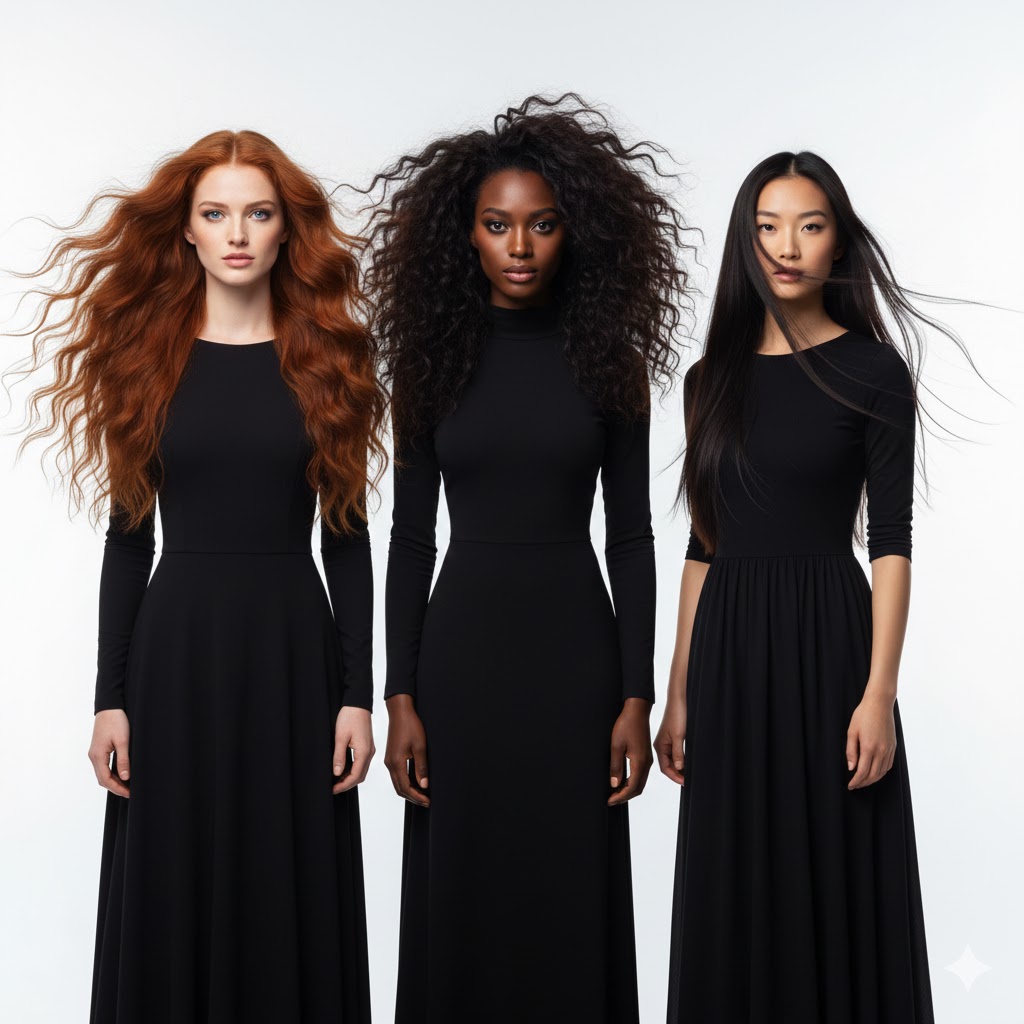
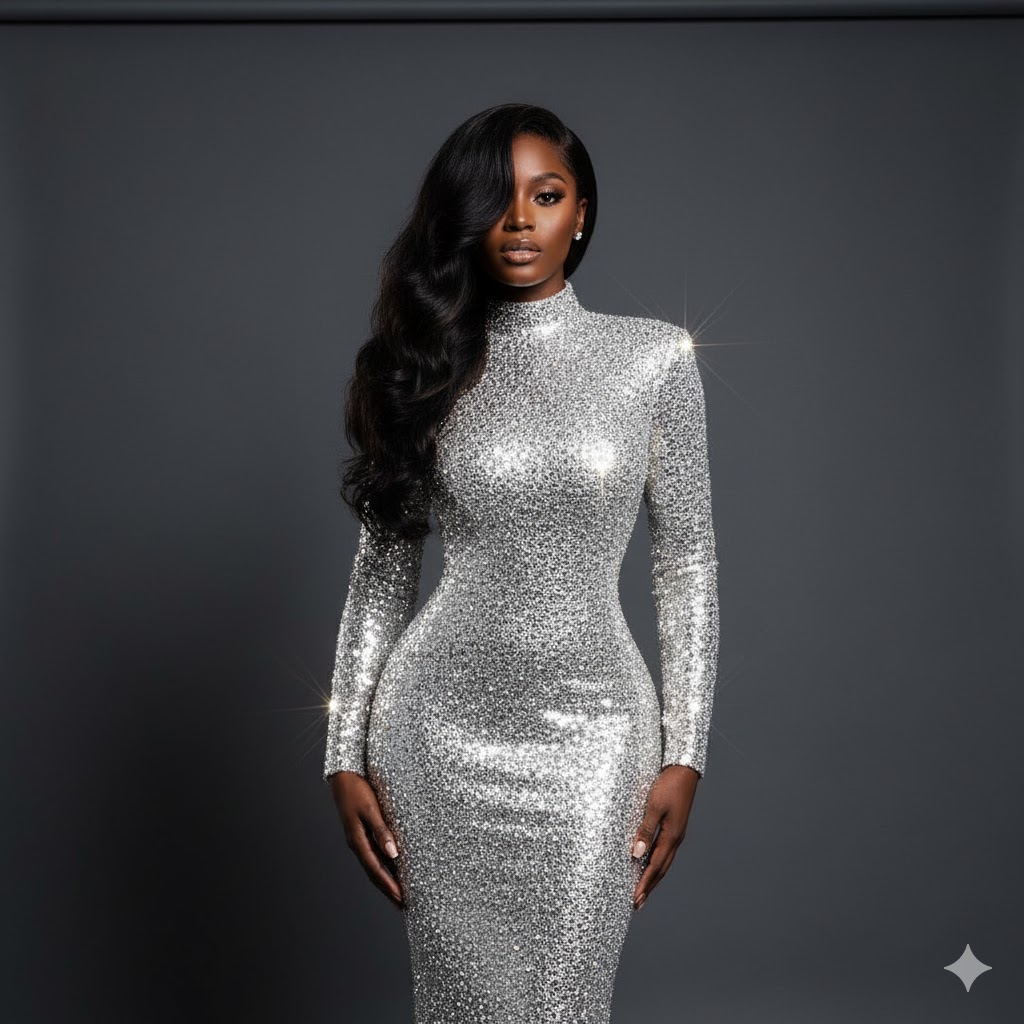
Despite the pressure, modern beauty is more inclusive than ever. Dark skin, natural hair, fuller features, diverse body shapes, and cultural aesthetics are gaining visibility. The global push for diversity in beauty campaigns has softened the rigid standards of the past. The Aesthetic Era celebrates people who look like themselves—unique, textured, and culturally rooted.

Minimalism has emerged as a major aesthetic trend. Clean lines, soft tones, and simplicity reflect a desire for calm in an overstimulated world. Many embrace minimal beauty routines, neutral palettes, and understated style as a form of emotional clarity. This minimalist aesthetic teaches that beauty doesn’t require excess—it requires intention.

In contrast, maximalism has also made a strong comeback. Bold prints, vibrant colors, layered textures, and expressive makeup appeal to those who find joy in visual abundance. This aesthetic rejects the idea of playing small, embracing color and creativity as sources of empowerment. In the Aesthetic Era, both minimalists and maximalists have room to shine.

The influence of psychology is undeniable. The way people present themselves affects how they are perceived and how they feel internally. Outer beauty boosts confidence, shapes self-perception, and influences mood. When someone feels aesthetically aligned with their identity, they walk with greater assurance. Beauty becomes a psychological anchor.

The Aesthetic Era also encourages personal branding. Individuals use color palettes, makeup styles, hair choices, and fashion to create a recognizable look. This branding is no longer limited to celebrities or influencers but is embraced by everyday people who want their appearance to reflect their values and lifestyle. Visual identity has become part of personal empowerment.

As beauty evolves, so does the concept of femininity. Modern femininity is fluid, diverse, and self-defined. Whether bold or subtle, glamorous or minimalist, women are reclaiming their right to shape their own image. The Aesthetic Era supports this freedom, allowing femininity to exist authentically without apology.

However, this era also brings pressure. Constant comparison, online judgment, and the pursuit of perfection can harm self-esteem. The same platforms that celebrate beauty can heighten insecurity. Many people struggle to balance self-expression with self-acceptance. The Aesthetic Era challenges us to enjoy beauty without losing ourselves in it.

There is a growing movement toward natural beauty. People are embracing their real skin, textured hair, freckles, and unique features. This shift supports authenticity and helps break the illusion that perfection is the standard. Natural beauty celebrates humanity in its raw and honest form.

Cultural aesthetics are also shaping this era. From Afrocentric prints to East Asian skincare trends, beauty has become global. This cross-cultural exchange enriches style, pushes innovation, and expands appreciation for diverse traditions. The world is borrowing, blending, and celebrating beauty collectively.

Men, too, are embracing aesthetics. Grooming, skincare, fashion, and self-care have become normalized for men in ways that break old stereotypes. The Aesthetic Era is not gender-limited—it is universal, inviting everyone to participate in visual identity and self-expression.

The rise of sustainable beauty reflects a shift toward responsibility. Eco-friendly products, ethical brands, and conscious consumption are influencing choices. Beauty is no longer just about looking good—it is about aligning actions with values. Sustainability has become part of the aesthetic philosophy.

In this era, outer beauty is both visual and emotional. It represents how people show up in the world, how they choose to be perceived, and how they express their inner selves. Beauty becomes a bridge between identity and visibility, between the internal and external world.

The Aesthetic Era encourages creativity. Every outfit, makeup look, hairstyle, and photograph becomes an opportunity to create art. This artistic freedom empowers individuals to reinvent themselves whenever they choose, without needing permission from society.

But above all, this era teaches that beauty is personal. There is no universal formula, no single ideal, and no wrong aesthetic. The modern world makes space for soft beauty, bold beauty, natural beauty, artistic beauty, cultural beauty, and everything in between.

Ultimately, the Aesthetic Era invites us to see beauty as a form of liberation. It is a celebration of self, a declaration of identity, and a testimony of confidence. Outer beauty, when embraced with balance and authenticity, becomes a powerful expression of who we are and who we are becoming.

And in embracing this era, we honor the truth that beauty is not merely something we wear—it is something we create. It is our invitation to the world to see us, understand us, and appreciate the art we carry on the outside.

References

Anderson, B. (2020). The beauty bias in the digital age. Routledge.

Cash, T. F. (2017). Cognitive-behavioral perspectives on body image. Guilford Press.

Chae, J. (2014). “Am I a better mother than you?” Media and the social comparison of idealized images of motherhood. Journal of Media Psychology, 26(4), 155–162.

Clay, D., Vignoles, V. L., & Dittmar, H. (2005). Body image and self-esteem among adolescent girls. Journal of Research on Adolescence, 15(4), 451–477.

Dittmar, H. (2008). Consumer culture, identity and well-being: The search for the “good life” and the “body perfect.” Psychology Press.

Fardouly, J., Diedrichs, P. C., Vartanian, L. R., & Halliwell, E. (2015). Social comparisons on social media: The impact of Facebook on young women’s body image concerns and mood. Body Image, 13, 38–45.

Fredrickson, B. L., & Roberts, T. (1997). Objectification theory: Toward understanding women’s lived experiences and mental health risks. Psychology of Women Quarterly, 21(2), 173–206.

Haferkamp, N., & Krämer, N. C. (2011). Social comparison on Facebook: A review. Computers in Human Behavior, 27(1), 251–257.

Jones, M. (2021). Minimalism and identity: The psychology of simplicity. Oxford University Press.

Karan, K., & Yang, K. C. C. (2022). Influencers and the rise of curated identity. Journal of Digital Culture, 6(2), 112–129.

Khamis, S., Ang, L., & Welling, R. (2017). Self-branding and the influencer economy. Media International Australia, 165(1), 66–76.

Liu, J. (2023). Aesthetics and the self: Modern beauty culture in a globalized world. University of California Press.

Mahmood, S. (2020). Cross-cultural aesthetics in contemporary fashion. International Journal of Fashion Studies, 7(1), 54–72.

Perloff, R. M. (2014). Social media use and body image disturbances: The role of internalization and social comparison. Sex Roles, 71(11–12), 363–377.

Tiggemann, M., & Slater, A. (2013). NetGirls: The Internet, Facebook, and body image concern in adolescent girls. International Journal of Eating Disorders, 46(6), 630–633.

Tufekci, Z. (2017). Twitter and tear gas: The power and fragility of networked protest. Yale University Press.

Ward, J. (2021). The new beauty culture: Identity and aesthetics in the digital age. Harvard University Press.

Winn, M. (2020). Aesthetic minimalism and emotional well-being. Journal of Humanistic Psychology, 60(3), 367–383.

Yoon, H. (2022). Cultural hybridity and global beauty trends. Journal of Aesthetic Studies, 10(2), 44–59.

Zhao, S. (2015). The selfie phenomenon: Visual communication and identity performance. International Journal of Communication, 9, 1733–1741.