Category Archives: abuse

The Male Files: Beating Women — Understanding Abuse, Seeking Help, and Finding Hope

The Silent Epidemic

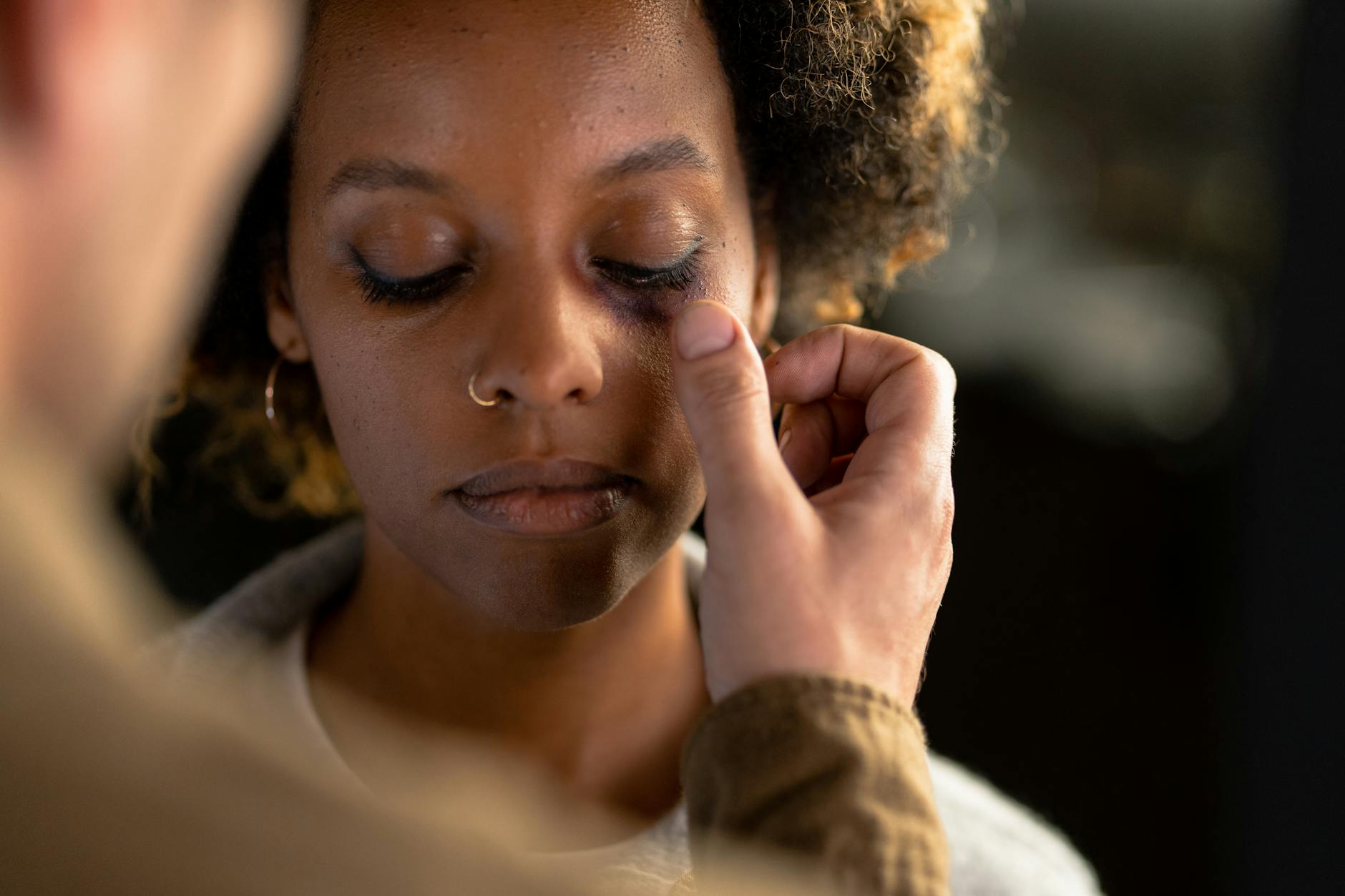
Photo by cottonbro studio on Pexels.com

Domestic violence is a pervasive issue that affects millions of women worldwide. In the United States alone, nearly 5.3 million incidents of intimate partner violence (IPV) occur annually among women aged 18 and older Emory School of Medicine. This violence manifests in various forms, including physical, emotional, and psychological abuse, often leading to severe consequences for the victims.


Why Does Domestic Violence Happen?

The reasons behind domestic violence are complex and multifaceted. Factors contributing to abusive behavior include:

  • Power and Control: Abusers often seek to dominate their partners, using violence as a means to maintain control.
  • Psychological Factors: Some individuals may have witnessed or experienced abuse in their own childhoods, perpetuating a cycle of violence.
  • Cultural Norms: Societal attitudes that condone aggression or view women as subordinates can foster environments where abuse is tolerated.
  • Substance Abuse: Alcohol and drugs can exacerbate violent tendencies, though they do not cause abuse CAWC.

The Psychology of Abusers

Abusers often exhibit certain psychological traits and behaviors:

  • Narcissism: A sense of entitlement and lack of empathy for others.
  • Jealousy and Possessiveness: Viewing partners as property rather than equals.
  • Manipulation: Using guilt, threats, or gaslighting to control the victim.
  • Emotional Instability: Rapid mood swings that can escalate into violence Psychology Today.

Understanding these traits can help in identifying abusive patterns and seeking appropriate interventions.


The Devastating Impact on Women

Domestic violence has profound effects on women, including:

  • Physical Injuries: Bruises, broken bones, and in severe cases, death.
  • Mental Health Issues: Depression, anxiety, and post-traumatic stress disorder (PTSD).
  • Social Isolation: Abusers often cut off victims from friends and family, making it difficult to seek help.
  • Economic Hardship: Victims may be financially dependent on their abusers, limiting their ability to escape Emory School of Medicine.

Age Groups Most Affected

While domestic violence can affect women of all ages, certain groups are at higher risk:

  • Young Women (18–24): This age group experiences the highest rates of intimate partner violence.
  • Older Women (Over 70): Increasingly, older women are becoming victims of domestic abuse, often facing unique challenges in seeking help The Guardian.

Global Statistics on Femicide

Femicide—the killing of women because of their gender—is a tragic outcome of domestic violence. In 2023, an average of 140 women and girls were killed daily by an intimate partner or family member, totaling approximately 51,100 deaths globally AP News.


Understanding the Cycle of Abuse

Domestic violence often follows a predictable pattern:

  • Tension Building: Minor incidents escalate.
  • Incident: The abuser lashes out.
  • Reconciliation: The abuser apologizes, promising change.
  • Calm: A period of peace before the cycle repeats GotQuestions.org.

Recognizing this cycle is crucial for victims and those supporting them.


The Question: Why Does Love Hurt?

Victims often grapple with conflicting emotions. They may love their abuser and hope for change, but love should never cause pain. Abuse is not a manifestation of love but a distortion of it, rooted in control and manipulation.


Biblical Perspective on Domestic Violence

The Bible condemns violence and oppression. Scriptures such as Malachi 2:16 and Psalm 11:5 affirm that God despises injustice and calls for the protection of the vulnerable. While the Bible does not explicitly address modern domestic violence, it upholds principles of love, respect, and justice Anglican Families & Culture Commission.


What Should a Woman Do?

If you are experiencing domestic violence:

  • Acknowledge the Abuse: Recognize that you deserve respect and safety.
  • Seek Support: Reach out to trusted friends, family, or professionals.
  • Create a Safety Plan: Know where to go and who to contact in case of emergency.
  • Contact Authorities: Report the abuse to law enforcement and seek legal protection.

Where Can a Battered Woman Go for Help?

Numerous resources are available for victims of domestic violence:

  • National Domestic Violence Hotline: Call 1-800-799-SAFE (7233) for confidential support.
  • Local Shelters: Many communities offer safe housing and services.
  • Legal Aid: Seek assistance for restraining orders and custody issues.
  • Counseling Services: Professional therapy can aid in recovery.

The Role of the Church

Faith communities can play a pivotal role in supporting victims:

  • Provide Safe Spaces: Offer counseling and refuge.
  • Educate Congregations: Raise awareness about domestic violence.
  • Advocate for Justice: Stand against abuse and support legal reforms Assemblies of God.

Breaking the Cycle

Ending domestic violence requires:

  • Education: Teaching about healthy relationships and respect.
  • Intervention: Addressing abusive behavior early.
  • Support Systems: Providing resources for victims and rehabilitation for abusers.

The Importance of Empowerment

Empowering women involves:

  • Building Self-Esteem: Encouraging confidence and independence.
  • Providing Resources: Access to education, employment, and legal aid.
  • Creating Support Networks: Connecting with others who understand and support.

Legal Protections

Laws exist to protect victims:

  • Restraining Orders: Legal orders that prevent abusers from contacting victims.
  • Domestic Violence Laws: Legislation that criminalizes abuse and provides penalties.
  • Custody Laws: Protecting children from exposure to violence.

The Role of Men

Men can be allies by:

  • Challenging Misogyny: Rejecting attitudes that condone abuse.
  • Supporting Victims: Listening and offering assistance.
  • Educating Peers: Promoting respect and equality in relationships.

The Impact on Children

Children who witness domestic violence may experience:

  • Emotional Distress: Anxiety, depression, and behavioral issues.
  • Risk of Abuse: Increased likelihood of becoming victims or perpetrators in the future.
  • Disrupted Development: Challenges in forming healthy relationships.

The Need for Societal Change

Addressing domestic violence requires:

  • Cultural Shifts: Changing attitudes that tolerate abuse.
  • Community Engagement: Involving all sectors in prevention and support.
  • Policy Reforms: Strengthening laws and services for victims.

The Path to Healing

Healing from domestic violence involves:

  • Acknowledgment: Recognizing the trauma and its effects.
  • Therapy: Engaging in counseling to process experiences.
  • Support: Building a network of trusted individuals and resources.

20. Conclusion

Domestic violence is a serious issue that requires collective action. By understanding the causes, recognizing the signs, and providing support, we can work towards a society where women are safe and valued. Remember, no one deserves to be abused, and help is always available.


References

Indigenous People of America

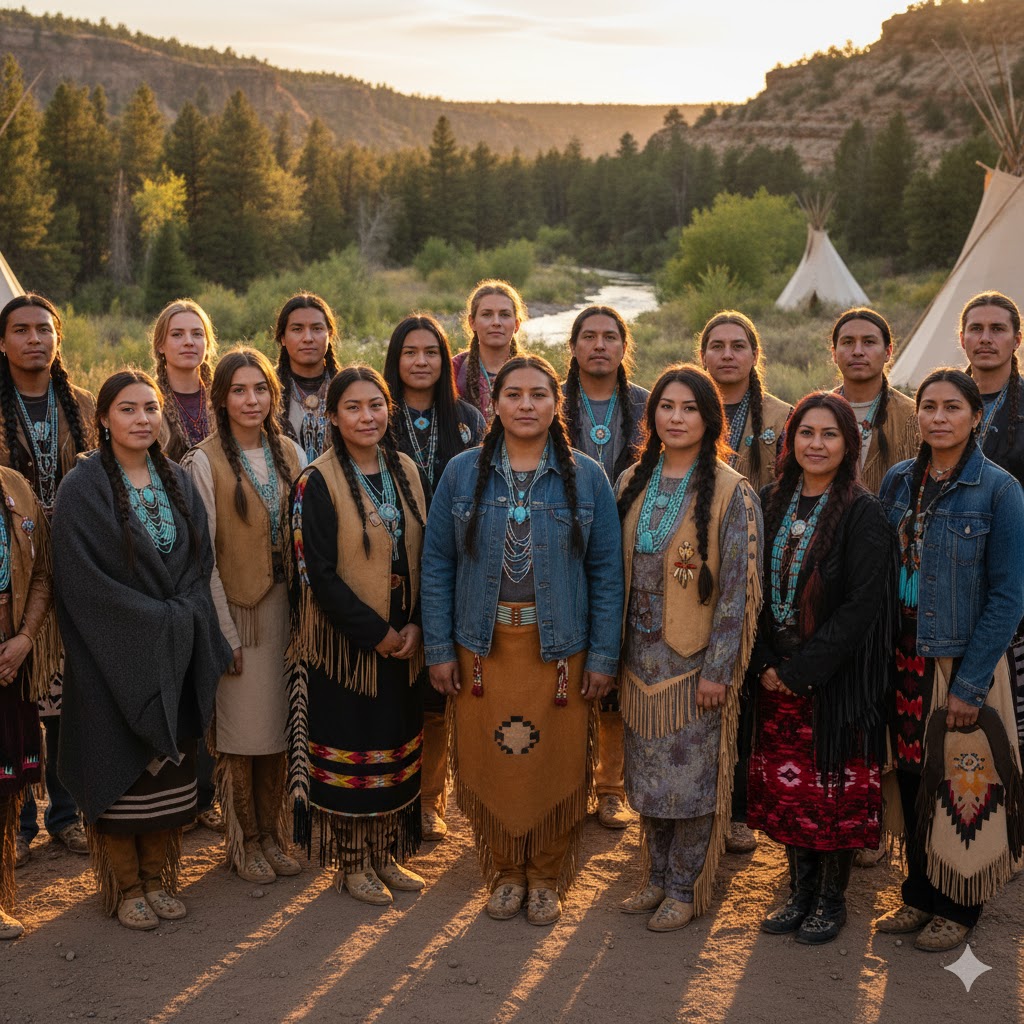
Native American people are the Indigenous peoples of the land now called the United States, and they are known by many names depending on the region and cultural group. The term “Native Americans” is commonly used today, but older names include “American Indians,” “Indigenous Americans,” “First Nations,” and “First Peoples.” Each tribe, however, has its own original name in its own language, often meaning “the people,” “the original ones,” or “human beings.” This diversity reflects the rich cultural and linguistic complexity of Indigenous civilizations long before European arrival.

Native Americans came in a wide range of skin tones, reflecting geographic diversity and ancient migrations. Historical accounts, genetic studies, and artwork created before European contact describe Indigenous peoples as brown-skinned, copper-toned, or deep reddish-brown. Some early explorers described them using terms like “tawny,” “brown,” or “dark.” A small group of historians and Afrocentric scholars argues that some Indigenous groups were Black or had African admixture prior to Columbus, but mainstream anthropology concludes that the first peoples of the Americas descended from ancient Asian populations.

Christopher Columbus’s arrival in 1492 dramatically altered the lives of Indigenous people. Columbus and his crew initially described the Indigenous people of the Caribbean as generous, peaceful, and welcoming. However, his treatment of them quickly turned violent. Columbus enslaved Native men, women, and children, forced them to mine gold, and imposed brutal punishments for failing to meet quotas. Many Indigenous people died from torture, forced labor, and diseases introduced by Europeans. These early actions set the stage for centuries of exploitation and colonization.

The history of Native Americans after Columbus is marked by war, displacement, forced assimilation, and systematic oppression. European settlers pushed Indigenous peoples off their ancestral lands through military force, broken treaties, and deliberate starvation campaigns. Entire communities were destroyed through massacres such as Wounded Knee, Sand Creek, and the Trail of Tears, which forced the Cherokee and other nations to relocate under deadly conditions. These events devastated populations, cultures, and social structures.

Many people ask what happened to the Native Americans, and the answer is complex. Disease brought by Europeans—smallpox, influenza, measles—caused massive population decline. Historians estimate that tens of millions of Indigenous people may have lived in the Americas before 1492, but up to 90% perished within the first century of contact. Survivors were pushed into reservations, stripped of cultural rights, and subjected to assimilation efforts, including boarding schools that prohibited Native languages and traditions.

Regarding reparations, the United States treated Native Americans differently from Black Americans. While Black Americans received no national reparations for slavery, Native Americans received limited forms of compensation in the form of treaties, land rights, and financial settlements—though these were often inadequate or unenforced. The Indian Claims Commission, established in 1946, offered monetary compensation for stolen land, but the payments were small compared to the value of what was taken. Many Indigenous activists note that no amount of money can compensate for genocide, cultural loss, and the destruction of entire nations.

Compared to Black people, Native Americans were treated through a system of removal and replacement, while Black people were subjected to chattel slavery and generational bondage. Both groups experienced racial violence, dehumanization, and systemic oppression, but the mechanisms differed. Enslaved Africans were forced into labor, while Indigenous people were pushed off their land or exterminated. Yet both suffered under white supremacy and colonial expansion.

The languages spoken by Native Americans before colonization were vast and varied. More than 300 Indigenous languages existed in North America, belonging to major language families such as Algonquian, Iroquoian, Siouan, Athabaskan, Uto-Aztecan, and Muskogean. Many tribes today work to preserve or revive these languages through immersion schools and cultural programs.

How Native Americans arrived in the Americas is a continuing subject of research. The most widely accepted theory holds that ancient peoples migrated from Siberia into Alaska across a land bridge called Beringia around 15,000–20,000 (not sure if this is true the amount of years)years ago. Alternative theories suggest coastal migration by boat or earlier arrivals, but these remain debated. Regardless of the exact method, Indigenous peoples developed sophisticated civilizations long before European contact.

The land now known as America had many Indigenous names before colonization. Different tribes had different names for regions, but the continent itself had no single unified name since there was no single unified nation. The English name “America” comes from Amerigo Vespucci, an Italian navigator whose writings incorrectly suggested he discovered a “New World.” European mapmakers later used his name to describe the continents.

Columbus Day has a complicated and painful history. First celebrated in the late 18th century, the holiday gained national recognition in 1937 as a celebration of Italian American heritage and Columbus’s voyages. However, for Native Americans, Columbus Day represents colonization, enslavement, massacres, and the beginning of genocide. This has led many states and cities to replace Columbus Day with Indigenous Peoples’ Day to honor Native resilience and history.

The treatment of Native Americans varied by region and time period, but their experiences consistently reflected displacement, violence, and cultural suppression. Treaties were broken, families were separated, and children were taken from their homes to be “Americanized.” Yet Indigenous peoples survived through resistance, resilience, and a commitment to preserving their identity.

The debate over whether some Indigenous peoples were Black adds another layer to the discussion. Some scholars point to early European reports describing “dark-skinned” or “Black” Native peoples, while others argue that these descriptions referred to natural variations in skin tone among Indigenous populations. Most anthropologists conclude that any similarity to African features developed independently.

Native Americans today continue to fight for sovereignty, land rights, cultural preservation, and justice. Their survival in spite of centuries of oppression is a testament to their strength. Across the United States, Indigenous nations maintain vibrant cultures, languages, and traditions, ensuring that the legacy of their ancestors endures.

The question of reparations remains ongoing. Many Indigenous communities seek not only financial compensation but also land restoration, legal recognition, and protection of sacred sites. Some progress has been made, but the historical wounds run deep.

Ultimately, Native American history is central to the story of America. Their experiences reveal the contradictions of a nation built on ideals of freedom while practicing colonization and racial hierarchy. By understanding this history, modern society can better honor Indigenous contributions and acknowledge the injustices committed against them.

The legacy of Columbus is deeply contested. While some view him as an explorer, others see him as the initiator of a brutal colonial system. His actions toward Indigenous peoples—including enslavement, torture, and exploitation—serve as a stark reminder of the destructive impact of European colonization.

Native American history is not just a story of suffering but also one of survival, identity, and endurance. Through cultural revival, language preservation, and political activism, Indigenous peoples continue to shape the future. Their presence and contributions remain foundational to the story of the Americas.


References

Calloway, C. G. (2012). First peoples: A documentary survey of American Indian history (4th ed.). Bedford/St. Martin’s.

Dunbar-Ortiz, R. (2014). An Indigenous peoples’ history of the United States. Beacon Press.

Loewen, J. W. (2007). Lies my teacher told me: Everything your American history textbook got wrong. The New Press.

Mann, C. C. (2005). 1491: New revelations of the Americas before Columbus. Vintage Books.

Stannard, D. E. (1992). American Holocaust: The conquest of the New World. Oxford University Press.

Thornton, R. (1987). American Indian Holocaust and survival. University of Oklahoma Press.