
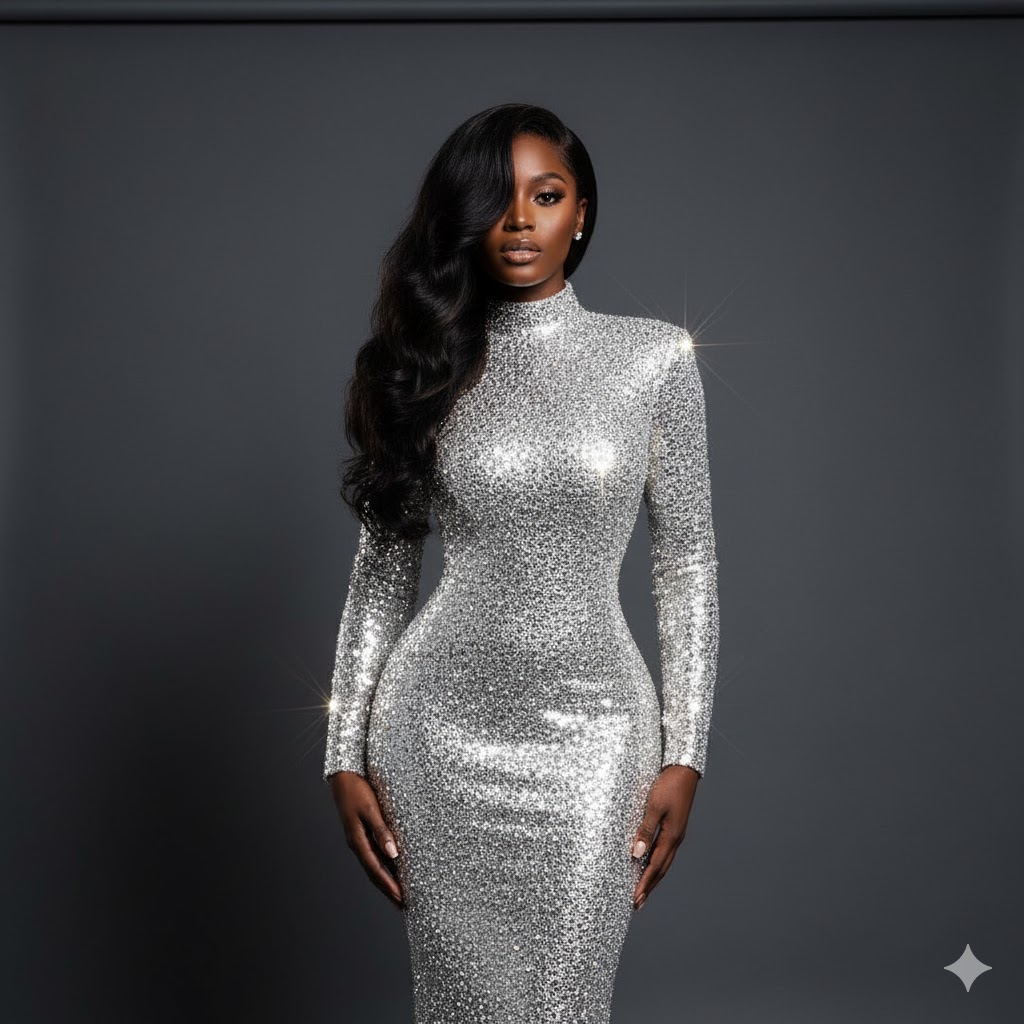
The Aesthetic Era represents a cultural shift where beauty, style, and visual presence have become central to personal identity. In this digital age, people curate their appearance with intention, crafting images that express personality, mood, and lifestyle. Beauty is no longer passive—it is a language spoken through color, texture, fashion, and design. This era celebrates innovation and individuality, making outer presentation an art form.
Social media platforms have amplified the importance of visuals. With every photo, reel, or story, individuals participate in a global exchange of aesthetics. This visibility has created new standards and new freedoms. For many, it has become a space to redefine what beauty looks like and to expand representation for people who have been historically excluded. The Aesthetic Era is not simply about looks—it is about being seen.
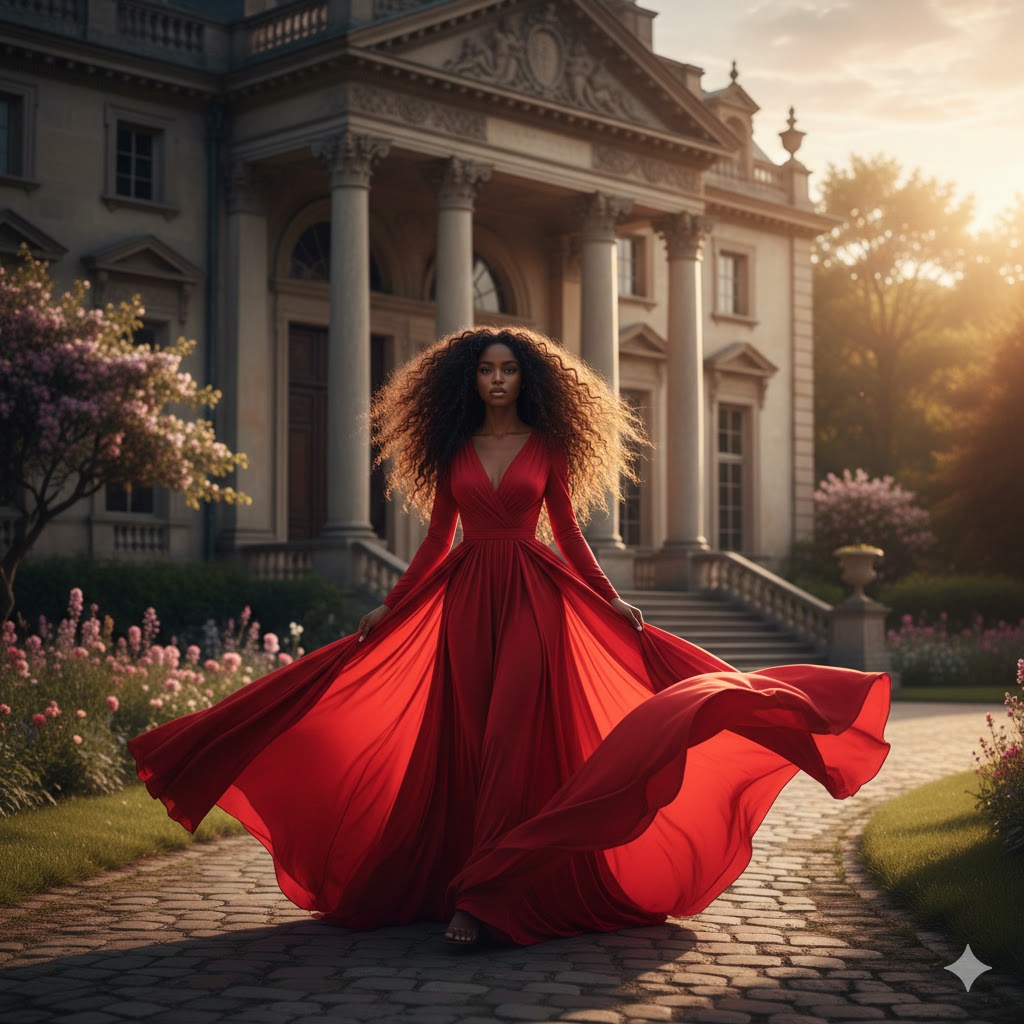
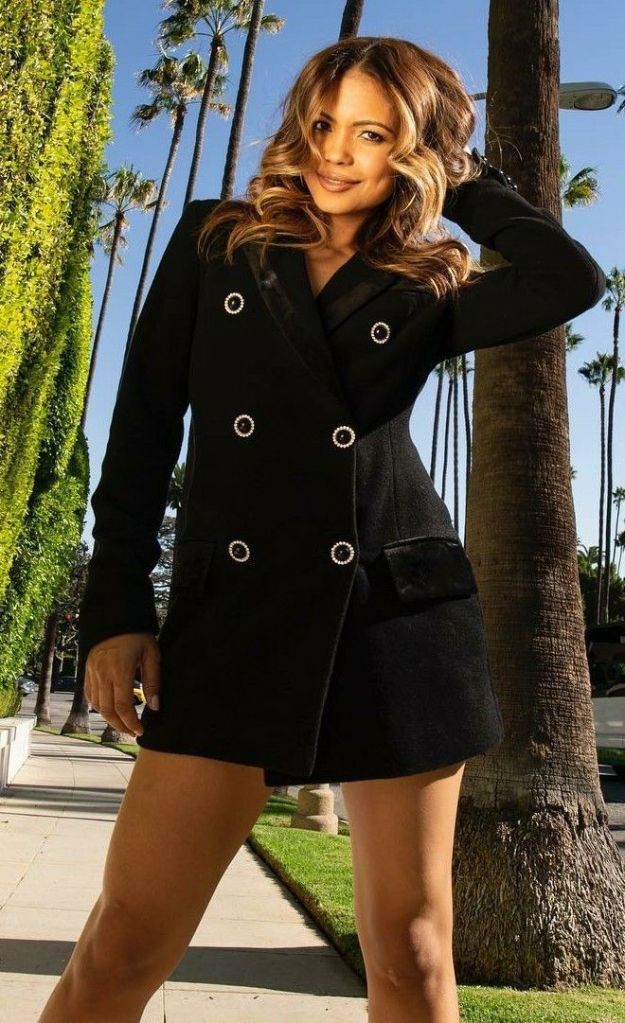
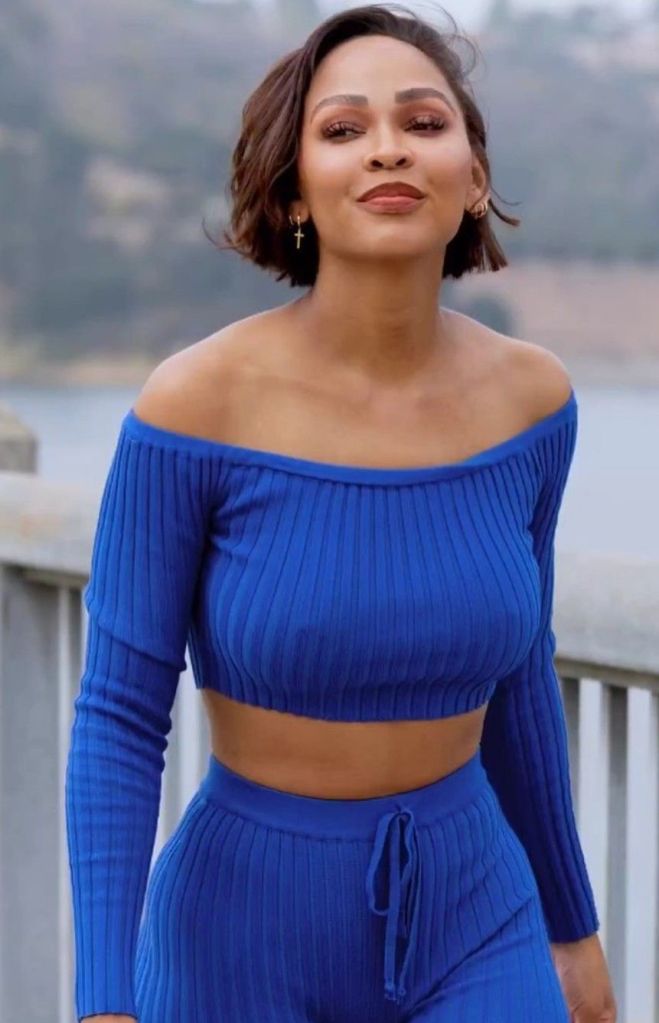
Fashion has become one of the leading drivers of modern aesthetics. Instead of rigid rules, style now exists on a spectrum of expression. Trends shift quickly, born from streetwear, influencers, and global culture. In this era, fashion encourages experimentation—mixing luxury with thrift finds, bold colors with neutrals, vintage with futuristic. Personal style is now a form of storytelling.
Skin and beauty care also dominate the aesthetic landscape. Wellness culture promotes glowing skin, self-care routines, and intentional grooming. The desire to look refreshed and radiant reflects a deeper desire for inner balance and mental well-being. Outer beauty has become intertwined with emotional health, reminding us that how we present ourselves often mirrors how we care for ourselves.
Technology has also shaped the Aesthetic Era. Filters, editing tools, and AI-powered enhancements create idealized versions of beauty. While these tools offer creative freedom, they also raise questions about authenticity. Many people feel pressure to meet digital standards that are often unattainable in real life. The tension between the real and the edited is one of the defining challenges of this era.
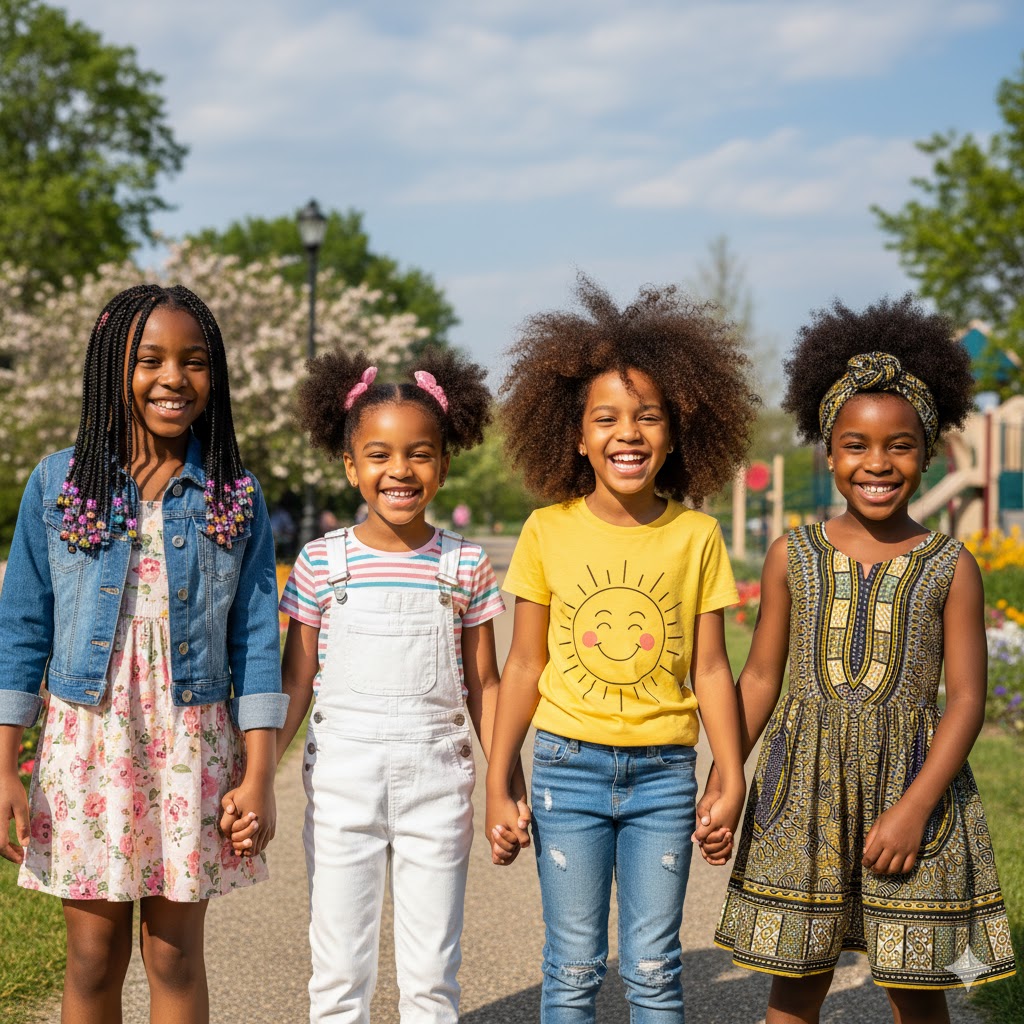
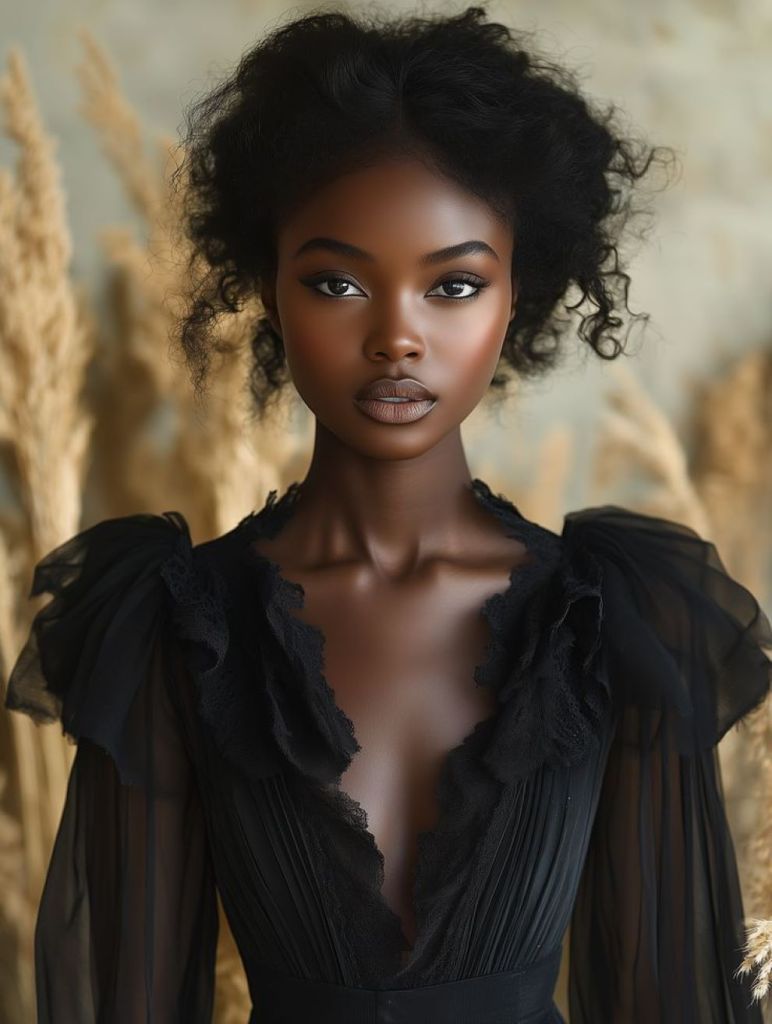
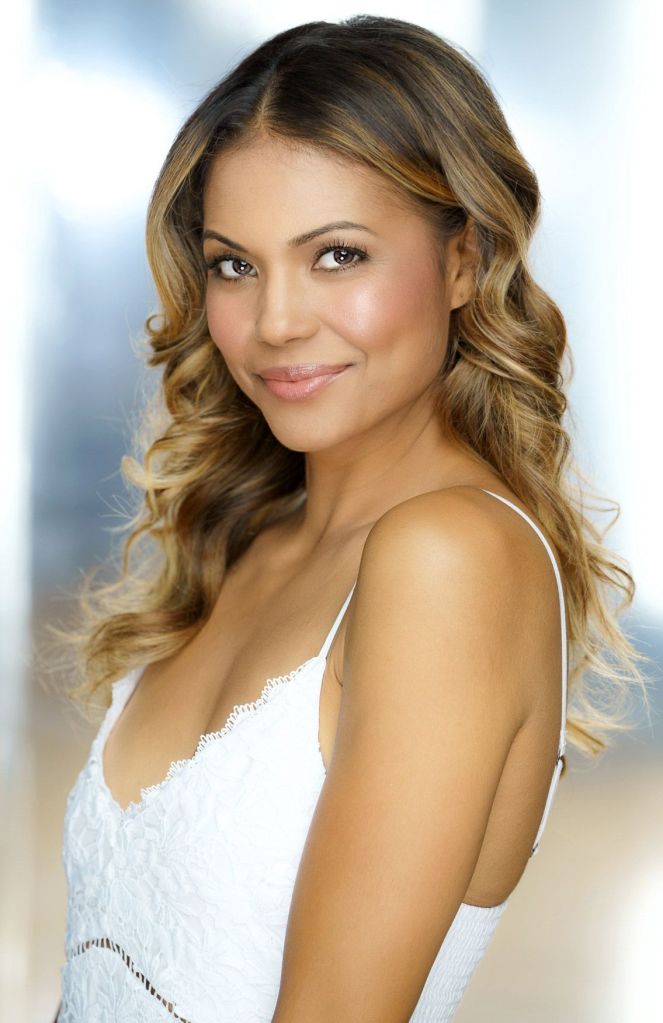
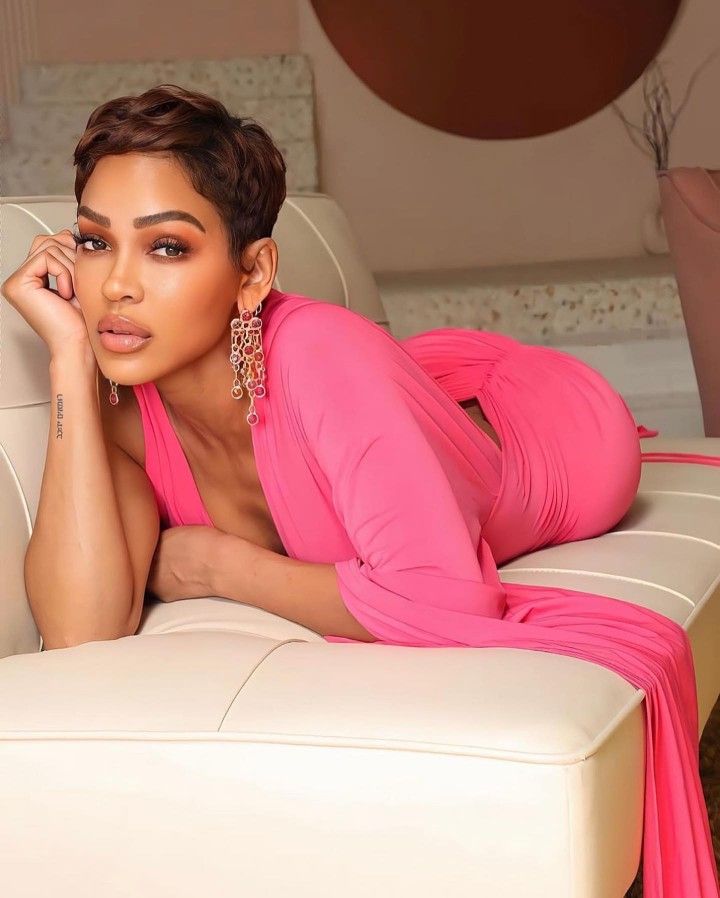
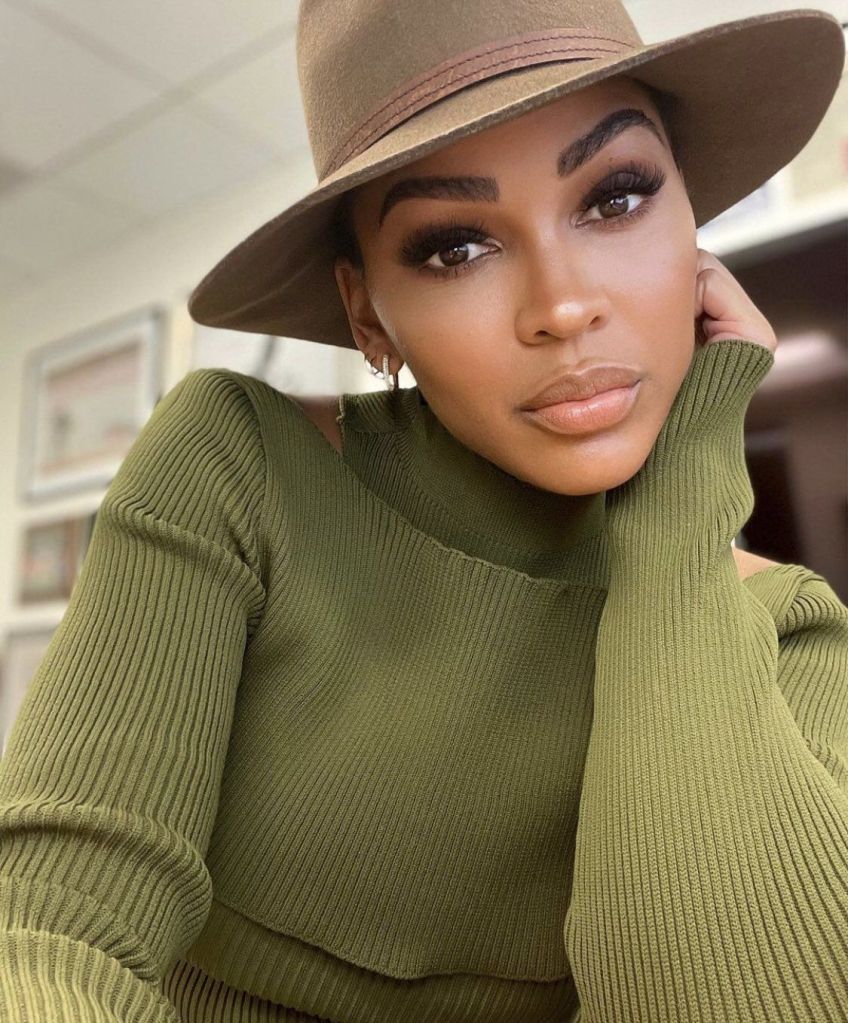
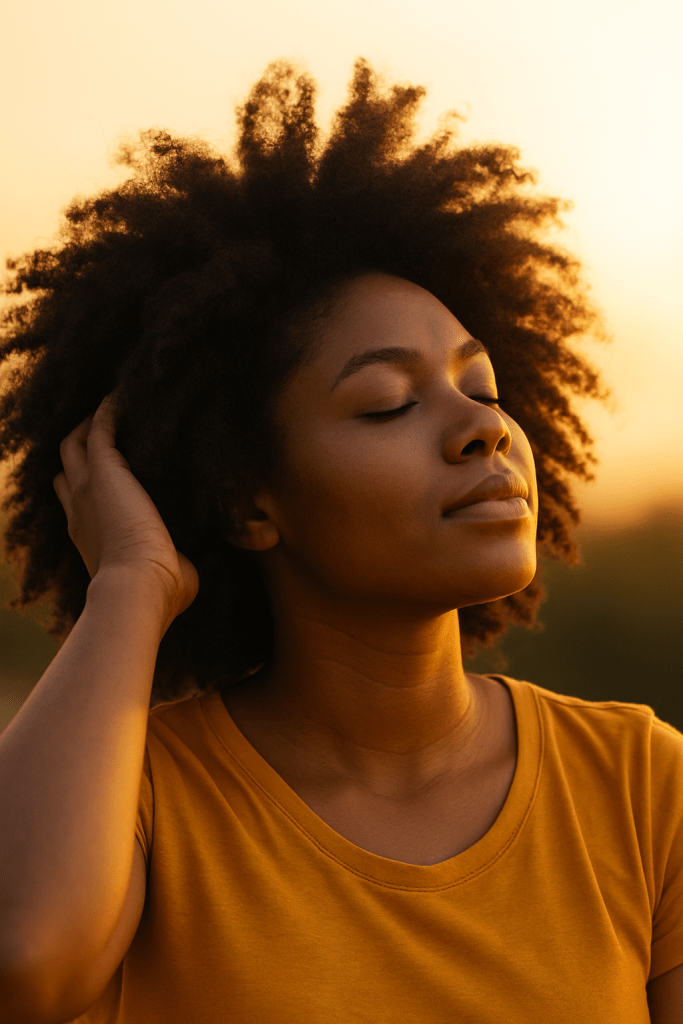
Despite the pressure, modern beauty is more inclusive than ever. Dark skin, natural hair, fuller features, diverse body shapes, and cultural aesthetics are gaining visibility. The global push for diversity in beauty campaigns has softened the rigid standards of the past. The Aesthetic Era celebrates people who look like themselves—unique, textured, and culturally rooted.
Minimalism has emerged as a major aesthetic trend. Clean lines, soft tones, and simplicity reflect a desire for calm in an overstimulated world. Many embrace minimal beauty routines, neutral palettes, and understated style as a form of emotional clarity. This minimalist aesthetic teaches that beauty doesn’t require excess—it requires intention.
In contrast, maximalism has also made a strong comeback. Bold prints, vibrant colors, layered textures, and expressive makeup appeal to those who find joy in visual abundance. This aesthetic rejects the idea of playing small, embracing color and creativity as sources of empowerment. In the Aesthetic Era, both minimalists and maximalists have room to shine.
The influence of psychology is undeniable. The way people present themselves affects how they are perceived and how they feel internally. Outer beauty boosts confidence, shapes self-perception, and influences mood. When someone feels aesthetically aligned with their identity, they walk with greater assurance. Beauty becomes a psychological anchor.
The Aesthetic Era also encourages personal branding. Individuals use color palettes, makeup styles, hair choices, and fashion to create a recognizable look. This branding is no longer limited to celebrities or influencers but is embraced by everyday people who want their appearance to reflect their values and lifestyle. Visual identity has become part of personal empowerment.
As beauty evolves, so does the concept of femininity. Modern femininity is fluid, diverse, and self-defined. Whether bold or subtle, glamorous or minimalist, women are reclaiming their right to shape their own image. The Aesthetic Era supports this freedom, allowing femininity to exist authentically without apology.
However, this era also brings pressure. Constant comparison, online judgment, and the pursuit of perfection can harm self-esteem. The same platforms that celebrate beauty can heighten insecurity. Many people struggle to balance self-expression with self-acceptance. The Aesthetic Era challenges us to enjoy beauty without losing ourselves in it.
There is a growing movement toward natural beauty. People are embracing their real skin, textured hair, freckles, and unique features. This shift supports authenticity and helps break the illusion that perfection is the standard. Natural beauty celebrates humanity in its raw and honest form.
Cultural aesthetics are also shaping this era. From Afrocentric prints to East Asian skincare trends, beauty has become global. This cross-cultural exchange enriches style, pushes innovation, and expands appreciation for diverse traditions. The world is borrowing, blending, and celebrating beauty collectively.
Men, too, are embracing aesthetics. Grooming, skincare, fashion, and self-care have become normalized for men in ways that break old stereotypes. The Aesthetic Era is not gender-limited—it is universal, inviting everyone to participate in visual identity and self-expression.
The rise of sustainable beauty reflects a shift toward responsibility. Eco-friendly products, ethical brands, and conscious consumption are influencing choices. Beauty is no longer just about looking good—it is about aligning actions with values. Sustainability has become part of the aesthetic philosophy.
In this era, outer beauty is both visual and emotional. It represents how people show up in the world, how they choose to be perceived, and how they express their inner selves. Beauty becomes a bridge between identity and visibility, between the internal and external world.
The Aesthetic Era encourages creativity. Every outfit, makeup look, hairstyle, and photograph becomes an opportunity to create art. This artistic freedom empowers individuals to reinvent themselves whenever they choose, without needing permission from society.
But above all, this era teaches that beauty is personal. There is no universal formula, no single ideal, and no wrong aesthetic. The modern world makes space for soft beauty, bold beauty, natural beauty, artistic beauty, cultural beauty, and everything in between.
Ultimately, the Aesthetic Era invites us to see beauty as a form of liberation. It is a celebration of self, a declaration of identity, and a testimony of confidence. Outer beauty, when embraced with balance and authenticity, becomes a powerful expression of who we are and who we are becoming.
And in embracing this era, we honor the truth that beauty is not merely something we wear—it is something we create. It is our invitation to the world to see us, understand us, and appreciate the art we carry on the outside.
References
Anderson, B. (2020). The beauty bias in the digital age. Routledge.
Cash, T. F. (2017). Cognitive-behavioral perspectives on body image. Guilford Press.
Chae, J. (2014). “Am I a better mother than you?” Media and the social comparison of idealized images of motherhood. Journal of Media Psychology, 26(4), 155–162.
Clay, D., Vignoles, V. L., & Dittmar, H. (2005). Body image and self-esteem among adolescent girls. Journal of Research on Adolescence, 15(4), 451–477.
Dittmar, H. (2008). Consumer culture, identity and well-being: The search for the “good life” and the “body perfect.” Psychology Press.
Fardouly, J., Diedrichs, P. C., Vartanian, L. R., & Halliwell, E. (2015). Social comparisons on social media: The impact of Facebook on young women’s body image concerns and mood. Body Image, 13, 38–45.
Fredrickson, B. L., & Roberts, T. (1997). Objectification theory: Toward understanding women’s lived experiences and mental health risks. Psychology of Women Quarterly, 21(2), 173–206.
Haferkamp, N., & Krämer, N. C. (2011). Social comparison on Facebook: A review. Computers in Human Behavior, 27(1), 251–257.
Jones, M. (2021). Minimalism and identity: The psychology of simplicity. Oxford University Press.
Karan, K., & Yang, K. C. C. (2022). Influencers and the rise of curated identity. Journal of Digital Culture, 6(2), 112–129.
Khamis, S., Ang, L., & Welling, R. (2017). Self-branding and the influencer economy. Media International Australia, 165(1), 66–76.
Liu, J. (2023). Aesthetics and the self: Modern beauty culture in a globalized world. University of California Press.
Mahmood, S. (2020). Cross-cultural aesthetics in contemporary fashion. International Journal of Fashion Studies, 7(1), 54–72.
Perloff, R. M. (2014). Social media use and body image disturbances: The role of internalization and social comparison. Sex Roles, 71(11–12), 363–377.
Tiggemann, M., & Slater, A. (2013). NetGirls: The Internet, Facebook, and body image concern in adolescent girls. International Journal of Eating Disorders, 46(6), 630–633.
Tufekci, Z. (2017). Twitter and tear gas: The power and fragility of networked protest. Yale University Press.
Ward, J. (2021). The new beauty culture: Identity and aesthetics in the digital age. Harvard University Press.
Winn, M. (2020). Aesthetic minimalism and emotional well-being. Journal of Humanistic Psychology, 60(3), 367–383.
Yoon, H. (2022). Cultural hybridity and global beauty trends. Journal of Aesthetic Studies, 10(2), 44–59.
Zhao, S. (2015). The selfie phenomenon: Visual communication and identity performance. International Journal of Communication, 9, 1733–1741.
 THE BROWN GIRL DILEMMA