Chosen ones, seeking the will of the Most High is the highest calling of a believer’s life, for purpose is not discovered in ambition but in obedience. The world teaches us to chase success, status, and self-fulfillment, but Scripture teaches us to seek God’s will above all things, knowing that His plan is eternal, perfect, and aligned with our true destiny (Romans 12:2, KJV).
God’s will is not hidden in mystery to torment us, but revealed progressively to those who desire Him sincerely. The Most High does not guide the proud, the distracted, or the double-minded; He leads those who humble themselves and hunger for righteousness (Matthew 5:6, KJV).
The first way to seek God’s will is through prayer and communion. Prayer is not merely asking for blessings, but aligning your spirit with God’s mind. Through prayer, the believer learns to listen more than speak, and to submit rather than demand (Jeremiah 33:3, KJV).
The second way is through studying the Word of God. Scripture is the primary revelation of God’s will. If something contradicts the Word, it is not God’s will, no matter how appealing it seems (Psalm 119:105, KJV).
The third way is through fasting and spiritual discipline. Fasting weakens the flesh and strengthens spiritual sensitivity. Many cannot hear God clearly because their flesh is too loud and their spirit too weak (Matthew 17:21, KJV).
The fourth way is through obedience in small things. God does not reveal big assignments to people who ignore small instructions. Faithfulness qualifies you for clarity (Luke 16:10, KJV).
The fifth way is through godly counsel. The Most High often speaks through wise and spiritually grounded people. Isolation breeds deception, but wise counsel brings stability (Proverbs 11:14, KJV).
The sixth way is through patience and waiting. God’s will unfolds in seasons, not instantly. Many people rush into decisions and later pray for God to fix what they never asked Him about (Isaiah 40:31, KJV).
The seventh way is through surrender of personal desires. God’s will cannot be followed while clinging to ego, pride, or personal agendas. True guidance begins where self ends (Proverbs 3:5–6, KJV).
The eighth way is through inner peace and conviction. God’s will brings spiritual peace, even when the assignment is difficult. Confusion, chaos, and anxiety are not the voice of God (Colossians 3:15, KJV).
The ninth way is through observing spiritual fruit. God’s will produces righteousness, humility, growth, and love—not pride, greed, or destruction (Matthew 7:16, KJV).
The tenth way is through aligning your life with service. God’s will is always connected to serving others, not just enriching yourself. Purpose is found in impact, not comfort (Mark 10:45, KJV).
Seeking God’s will requires dying to the culture of self-worship and individualism. The modern world glorifies personal dreams, but Scripture calls believers to die daily and live for God’s glory (Luke 9:23, KJV).
Many people remain spiritually stuck because they want God to bless their plans instead of submitting to His. But God does not exist to serve human ambition; humans exist to serve divine purpose (Job 42:2, KJV).
The will of God often requires separation from people, environments, and habits that no longer align with your calling. Growth always involves pruning (John 15:2, KJV).
God’s will may not always be comfortable, but it will always be meaningful. It may involve sacrifice, rejection, or obscurity, but it will never be empty (2 Corinthians 4:17, KJV).
Those who seek God’s will develop spiritual discernment. They learn to recognize when opportunities are distractions and when closed doors are protection (1 Thessalonians 5:21, KJV).
When you seek God’s will, provision follows purpose. You do not chase resources; resources are assigned to your obedience (Matthew 6:33, KJV).
God’s will is not about becoming famous, wealthy, or admired, but about becoming aligned, obedient, and useful in His kingdom (Romans 8:28, KJV).
The chosen are not chosen for comfort but for calling. They are shaped by trials, refined by waiting, and strengthened by faith (James 1:2–4, KJV).
Those who truly walk in God’s will become spiritually anchored. They are not easily swayed by trends, pressure, or public opinion because their identity is rooted in divine instruction (Galatians 1:10, KJV).
Ultimately, seeking God’s will is seeking God Himself. Purpose is not found in destinations, careers, or titles, but in intimacy with the Creator who formed you before you were born (Jeremiah 1:5, KJV).
To seek the Most High’s will is to choose eternal alignment over temporary pleasure, divine purpose over human praise, and spiritual obedience over worldly success. This is the path of the chosen.
This artwork is the property of its respective owner. No copyright infringement intended.
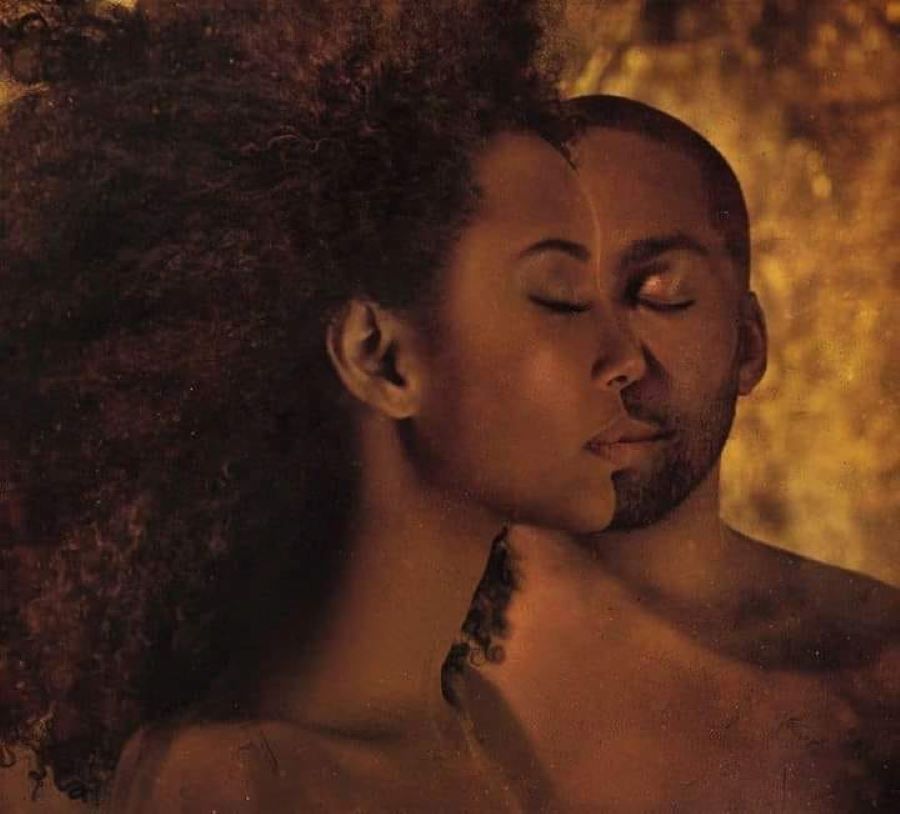
Marriage is one of the oldest and most sacred institutions, established by God Himself in the Garden of Eden. Unlike modern society, which often treats marriage as a contract subject to cancellation, Scripture presents marriage as a covenant—a holy and binding promise before God. A contract can be broken when terms are not met, but a covenant calls for faithfulness even when feelings change or circumstances shift. Malachi 2:14 (KJV) reminds us that God is a witness to the covenant between husband and wife, emphasizing that this union is spiritual as well as relational.
The first marriage was officiated by God in Eden. Genesis 2:22-24 (KJV) records that God made a woman from Adam’s rib, brought her to him, and declared that “a man shall leave his father and his mother, and shall cleave unto his wife: and they shall be one flesh.” This act not only created Eve but also instituted the divine blueprint for marriage: one man, one woman, under the authority of one God. This was a covenantal union meant to reflect God’s relationship with His people.
Marriage is not merely a social construct or legal agreement—it is a reflection of divine unity. Ephesians 5:31-32 (KJV) connects marriage to the mystery of Christ and the church, showing that the marital bond symbolizes the relationship between the Bridegroom (Christ) and His bride (the Church). This means that marriage is more than companionship or procreation; it is a living parable of redemption, forgiveness, and sacrificial love.
Psychologically, marriage plays a crucial role in human development and emotional stability. Research in family psychology demonstrates that healthy marriages contribute to better physical health, increased life satisfaction, and stronger mental well-being (Waite & Gallagher, 2000). When a couple is emotionally attuned, they create a secure attachment that lowers stress and fosters resilience. This echoes God’s intention for marriage to be a place of safety and mutual support.
Leaving father and mother is a vital step toward a successful marriage. This does not mean dishonoring parents, but rather reprioritizing one’s loyalty. When a husband and wife become one flesh, they form a new family unit. Failure to “leave and cleave” can create emotional dependency, boundary issues, and conflict. Psychology affirms this principle, teaching that individuation from one’s family of origin is necessary for mature intimacy (Bowen, 1978).
Marriage, then, can be defined as a covenantal union between a man and a woman, joined by God, to live in loving faithfulness and pursue His purposes together. It is a relationship based on commitment rather than convenience, requiring intentional effort to nurture trust, communication, and mutual respect. Unlike a contractual arrangement, marriage calls for grace and forgiveness when either spouse falls short.
One of the most inspiring biblical examples of love is the story of Jacob and Rachel. Genesis 29 reveals Jacob’s willingness to labor seven years for Rachel’s hand in marriage, a period which “seemed unto him but a few days, for the love he had to her” (Genesis 29:20, KJV). This narrative shows that true love is patient and sacrificial, willing to endure hardship for the sake of the beloved. A joyful marriage is built on such love—one that perseveres through trials.
Another important element in a lasting marriage is emotional intimacy. Psychological research shows that couples who regularly share their thoughts and feelings experience greater marital satisfaction (Gottman & Silver, 1999). Scripture encourages this type of open communication: “Be kindly affectioned one to another with brotherly love; in honour preferring one another” (Romans 12:10, KJV). Emotional intimacy fosters trust and prevents resentment from festering.
Mutual respect is the backbone of marital joy. Husbands are called to love their wives as Christ loved the church, and wives are instructed to respect their husbands (Ephesians 5:25, 33, KJV). This reciprocal honor creates a healthy cycle of love and respect that sustains emotional closeness. When either spouse fails to show respect, contempt and criticism can erode the marriage over time.
Conflict is inevitable, but how a couple handles conflict determines whether it will draw them closer or push them apart. Psychology teaches that constructive conflict resolution involves listening, empathy, and collaborative problem-solving rather than blame-shifting (Gottman, 2015). The Bible agrees, instructing us to be “swift to hear, slow to speak, slow to wrath” (James 1:19, KJV). Couples who master this principle grow stronger through disagreements.
Forgiveness is essential for marital longevity. No marriage can survive without grace, as both spouses are imperfect. Colossians 3:13 (KJV) commands believers to forgive “even as Christ forgave you.” Forgiveness releases bitterness and allows healing to take place. Couples who forgive one another quickly tend to have higher satisfaction and lower divorce rates (Fincham et al., 2002).
Spiritual intimacy is just as important as emotional and physical intimacy. Couples who pray together, worship together, and read Scripture together build a spiritual foundation that keeps them united even in adversity. Ecclesiastes 4:12 (KJV) teaches, “A threefold cord is not quickly broken.” God must remain at the center of the marriage to ensure lasting joy.
Trust is another pillar of a joyful marriage. Trust is built through honesty, faithfulness, and consistency over time. Betrayal of trust—through infidelity, deception, or broken promises—deeply wounds the relationship. Psychology teaches that rebuilding trust requires transparency and accountability (Glass, 2003). The Bible likewise commands integrity and truthfulness (Ephesians 4:25, KJV).
Physical intimacy is a God-given gift designed to strengthen the marital bond. 1 Corinthians 7:3-5 (KJV) encourages spouses not to withhold themselves from one another, as intimacy nurtures unity. A healthy sex life promotes emotional closeness and guards against temptation (Hebrews 13:4, KJV).
Shared purpose is another factor that contributes to lasting joy in marriage. Couples who pursue common goals—whether raising godly children, serving in ministry, or building a business—experience a sense of partnership that deepens their bond. Amos 3:3 (KJV) asks, “Can two walk together, except they be agreed?” Shared vision keeps couples moving in the same direction.
Financial stewardship is also critical. Money disputes are one of the top causes of divorce (Stanley et al., 2002). Couples who align their financial priorities and practice generosity experience less tension. The Bible provides guidance: “Owe no man any thing, but to love one another” (Romans 13:8, KJV). Wise financial management helps a marriage thrive.
Another secret to a joyful marriage is laughter and playfulness. Couples who share joy and humor build emotional resilience (Bachorowski & Owren, 2001). Proverbs 17:22 (KJV) says, “A merry heart doeth good like a medicine.” Playful moments keep a marriage light-hearted and protect against monotony.
Healthy boundaries are also essential. A couple must protect their marriage from outside interference—whether from toxic friends, meddling relatives, or workaholic tendencies. Genesis 2:24 reminds us to “leave and cleave.” Boundaries guard intimacy and prevent division.
Couples must also nurture friendship. Marriage is not just romance but companionship. Song of Solomon 5:16 (KJV) describes the beloved as both lover and friend. Friendship in marriage provides a solid foundation when passionate feelings fluctuate.
Serving one another sacrificially is a mark of Christlike love. Philippians 2:3-4 (KJV) exhorts believers to esteem others better than themselves. When both spouses adopt a servant-hearted attitude, selfishness diminishes, and unity grows.
Consistency in communication is vital. Couples should schedule regular check-ins to discuss their dreams, struggles, and gratitude. This intentional practice prevents emotional drift and deepens connection.
Another key is perseverance. Marriage is not always easy, but endurance produces maturity and blessing. James 1:4 (KJV) teaches that patience produces perfection and completeness. Couples who stay committed through trials often experience greater intimacy afterward.
Mentorship can also be valuable. Younger couples benefit from the wisdom of older, godly couples who can offer guidance, prayer, and accountability (Titus 2:3-5, KJV).
Lastly, gratitude transforms marriage. Couples who regularly express appreciation build a culture of honor and joy. 1 Thessalonians 5:18 (KJV) commands, “In every thing give thanks.” Gratitude turns the ordinary into the sacred.
In conclusion, a joyful marriage that lasts is not an accident but the result of covenant commitment, spiritual grounding, and intentional nurturing of love and respect. By following the biblical blueprint—leaving and cleaving, forgiving, praying, and persevering—couples can experience a marriage that reflects the beauty of Christ and His church.
Practical Tips for a Joyful, Lasting Marriage
Pray Together: Make prayer a daily habit to invite God into your union (Ecclesiastes 4:12).
Communicate Openly: Practice honest, compassionate dialogue to avoid resentment.
Forgive Quickly: Release grudges and extend grace as Christ forgives (Colossians 3:13).
Honor Each Other’s Roles: Respect and love according to Ephesians 5:25, 33.
Protect Your Marriage: Set healthy boundaries with family, work, and social media.
Keep the Romance Alive: Date regularly and invest in shared experiences.
Agree on Finances: Budget together and steward resources wisely (Romans 13:8).
Build Friendship: Spend quality time simply enjoying one another’s company.
Pursue Shared Purpose: Serve God together and chase common dreams.
References
Bachorowski, J. A., & Owren, M. J. (2001). Not all laughs are alike: Voiced but not unvoiced laughter readily elicits positive affect. Psychological Science, 12(3), 252–257. https://doi.org/10.1111/1467-9280.00346
Bowen, M. (1978). Family therapy in clinical practice. New York: Jason Aronson.
Fincham, F. D., Beach, S. R. H., & Davila, J. (2002). Forgiveness and conflict resolution in marriage. Journal of Family Psychology, 16(1), 72–81. https://doi.org/10.1037/0893-3200.16.1.72
Glass, S. P. (2003). Not “Just Friends”: Rebuilding trust and recovering your sanity after infidelity. New York: Free Press.
Gottman, J. M., & Silver, N. (1999). The seven principles for making marriage work. New York: Crown.
Gottman, J. M. (2015). Principia Amoris: The new science of love. New York: Routledge.
Stanley, S. M., Markman, H. J., & Whitton, S. W. (2002). Communication, conflict, and commitment: Insights on the foundations of relationship success from a national survey. Family Process, 41(4), 659–675. https://doi.org/10.1111/j.1545-5300.2002.00659.x
Waite, L. J., & Gallagher, M. (2000). The case for marriage: Why married people are happier, healthier, and better off financially. New York: Broadway Books.
The Holy Bible, King James Version. (1769/2017). Cambridge University Press.
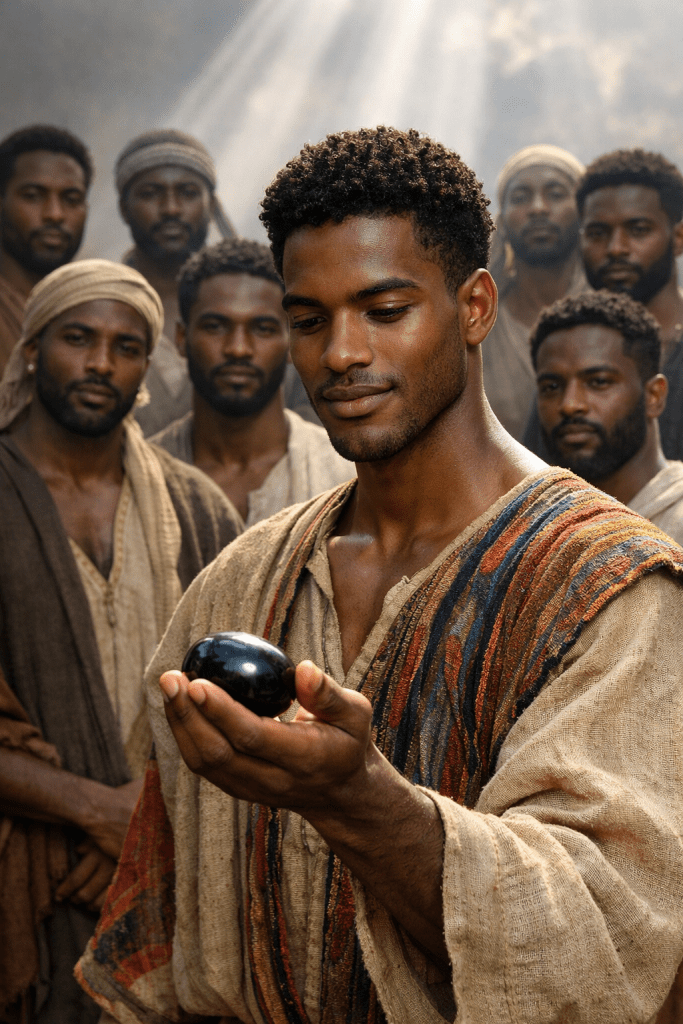
Onyx, dark as the midnight sky yet polished with hidden light, a stone of mystery shaped by time and pressure, a gem that carries both beauty and burden, whispering of destinies forged through suffering, and of souls refined in the fire of betrayal.
Onyx holds deep symbolic meaning in the biblical tradition, representing endurance, spiritual depth, and divine remembrance. In Scripture, onyx is one of the stones set in the high priest’s breastplate, engraved with the names of the tribes of Israel, signifying that each tribe was carried before God in sacred memory.
Joseph, the eleventh son of Jacob and the firstborn of Rachel, stands as one of the most compelling figures among the twelve tribes of Israel. His life narrative is not merely historical but theological, illustrating divine providence, generational conflict, and the mystery of chosenness within a fractured family system.
According to rabbinic and later symbolic traditions, Joseph is associated with the onyx stone, reflecting both his dark trials and radiant destiny. Onyx becomes a metaphor for Joseph’s life—polished through suffering, yet ultimately exalted through divine purpose.
Joseph’s story begins with favor, as he is given the coat of many colors by his father, a garment symbolizing distinction, authority, and emotional preference. This visible sign of love ignites jealousy among his brothers, sowing the seeds of betrayal long before the act itself unfolds.
The dreams Joseph receives intensify this conflict. In his visions, the sun, moon, and stars bow before him, along with sheaves of grain belonging to his brothers. These dreams are not merely youthful imagination but prophetic revelations that foreshadow his future role as a ruler and preserver of life.
Yet divine insight does not shield Joseph from human cruelty. His brothers, consumed by envy, conspire against him, stripping him of his garment and casting him into a pit before selling him to Midianite traders for silver, effectively turning family into traffickers and blood into profit.
This act of betrayal reflects one of the Bible’s deepest moral tensions: how God’s purpose often unfolds through human sin. Joseph is innocent, yet he becomes the vessel through which divine redemption will later flow, revealing the paradox of suffering as preparation.
Joseph’s descent into Egypt marks the beginning of his transformation. Though enslaved, he maintains integrity, resisting moral compromise even when falsely accused and imprisoned. His righteousness becomes a quiet rebellion against despair.
In prison, Joseph’s gift of dream interpretation resurfaces, proving that divine calling cannot be silenced by circumstance. His spiritual insight becomes the very instrument that elevates him from prisoner to prince.
Pharaoh’s dreams of famine and abundance position Joseph as a savior figure, entrusted with authority over Egypt’s economy. He rises not by lineage but by wisdom, embodying the principle that divine favor transcends social status.
Joseph’s beauty is also noted in Scripture, described as fair in form and appearance, making him both desired and tested. His physical attractiveness parallels his spiritual calling, showing how outward beauty can coexist with inner discipline.
When famine strikes, Joseph’s brothers unknowingly come before him in search of food, fulfilling the very dreams they once mocked. Their bowing becomes not an act of submission to a man, but to the divine orchestration behind his life.
Joseph’s emotional response reveals the complexity of forgiveness. He weeps privately, torn between memory and mercy, justice and compassion. His power is not in revenge, but in restraint.
The moment of reconciliation becomes one of the Bible’s most profound theological revelations. Joseph declares that what his brothers meant for evil, God intended for good, reframing trauma as testimony.
This declaration does not erase the pain of betrayal but redeems it. Joseph becomes the preserver of the family that once sought his destruction, turning the wound into a wellspring of survival.
Onyx, in this context, becomes more than a gemstone; it is a symbol of Joseph himself—darkened by suffering, refined by pressure, and set in divine memory as part of Israel’s eternal identity.
The family affair of Joseph is not merely about sibling rivalry but about generational inheritance, divine election, and moral responsibility. His story challenges the illusion of fairness and exposes the deeper logic of providence.
Joseph’s life reveals that destiny is not destroyed by betrayal, but often activated by it. The pit becomes the passageway, the prison becomes the platform, and the wound becomes the witness.
Through Joseph, the tribe associated with onyx emerges as a testament to spiritual endurance. He becomes a living stone in the architecture of Israel’s story, bearing both the scars of rejection and the seal of divine favor.
Onyx thus stands as a sacred metaphor for Joseph’s journey, reminding readers that God often engraves glory upon the darkest surfaces, and that what is polished by suffering may one day shine in sovereignty.
References The Holy Bible, King James Version. (2017). Hendrickson Publishers. (Original work published 1611). Exodus 28:9–12, 28:20 (KJV). Genesis 37–50 (KJV). Alter, R. (2018). The Hebrew Bible: A translation with commentary. W. W. Norton & Company. Sarna, N. M. (1989). Genesis: The traditional Hebrew text with the new JPS translation. Jewish Publication Society. Brown, F., Driver, S. R., & Briggs, C. A. (2001). The Brown-Driver-Briggs Hebrew and English lexicon. Hendrickson.
The story of a people is written not only in sacred texts and historical records, but also in the very code of their DNA. For descendants of the African diaspora, the intersection of Scripture and science reveals a profound truth: identity cannot be erased, no matter the depth of dispersion or oppression. Deuteronomy 28, one of the most sobering chapters of the Hebrew Scriptures, outlines blessings for obedience and curses for disobedience. Many have drawn parallels between its prophetic warnings and the lived experiences of Africans scattered through the transatlantic slave trade.
The Bible declares, “And the LORD shall scatter thee among all people, from the one end of the earth even unto the other” (Deuteronomy 28:64, KJV). Historically, this scattering is vividly mirrored in the forced displacement of millions of Africans from West and Central Africa to the Americas, Europe, and beyond. Genetic studies confirm these origins: Y-DNA haplogroup E1b1a (E-M2) and mtDNA lineages such as L2 and L3 are dominant among African Americans and Afro-Caribbean populations, directly tying them to regions historically involved in the slave trade (Salas et al., 2002; Tishkoff et al., 2009).
What is striking is how prophecy, history, and genetics intersect. Deuteronomy 28:68 warns of a return to Egypt “with ships,” a verse many connect with the Middle Passage. Ships became the vessels of bondage, scattering families and bloodlines across continents. Yet even in this rupture, the genetic markers remain unbroken—silent witnesses of survival. Each haplogroup is a testimony that no empire, chain, or auction block could erase God’s covenantal design.
The diaspora, then, is not simply a tragic result of history; it is a prophetic unfolding. Genetics confirms dispersion, but Scripture provides meaning. In the double helix of DNA, one sees both the curse of scattering and the promise of eventual regathering. As Isaiah declares, “He shall set up an ensign for the nations, and shall assemble the outcasts of Israel” (Isaiah 11:12, KJV). The science of ancestry maps the scattering; the Word of God points toward the gathering.
📖 References
Holy Bible, King James Version.
Salas, A., Richards, M., De la Fe, T., Lareu, M. V., Sobrino, B., Sánchez-Diz, P., … & Carracedo, Á. (2002). The making of the African mtDNA landscape. American Journal of Human Genetics, 71(5), 1082–1111.
Tishkoff, S. A., Reed, F. A., Friedlaender, F. R., Ehret, C., Ranciaro, A., Froment, A., … & Williams, S. M. (2009). The genetic structure and history of Africans and African Americans. Science, 324(5930), 1035–1044.
This artwork is the property of its respective owner. No copyright infringement intended.
The story of God’s chosen people is deeply rooted in Scripture, prophecy, and history. Deuteronomy 28 (KJV) outlines blessings for obedience and curses for disobedience, serving as both a covenant promise and a prophetic warning. Many within the African diaspora identify their struggles and resilience with these verses, seeing themselves as the “seeds of the promise,” scattered across the earth yet preserved by God’s hand. Like trees planted by rivers of living water, they endure oppression, displacement, and hardship while continuing to grow, flourish, and bear fruit.
The Seeds and the Promise Seeds carry potential and continuity. Spiritually, the descendants of Israel are seeds of the covenant God made with Abraham (Genesis 17:7, KJV). Psychologically, seeds represent identity and generational transmission. Black people, despite systemic oppression, have carried cultural, spiritual, and intellectual seeds across continents, preserving language, rhythm, faith, and resilience. These seeds testify to survival against all odds.
Deuteronomy 28 and the Black Experience The curses in Deuteronomy 28:15–68 resonate profoundly with the history of Black people. Enslavement, scattering across nations, oppression by enemies, and loss of identity parallel the transatlantic slave trade and subsequent struggles of the African diaspora. Verse 68 speaks of returning to Egypt “again with ships,” a striking image that mirrors the ships that carried millions into bondage. Many interpret these prophecies as evidence that Black people are part of God’s chosen covenant people.
Trees Planted by Living Water Psalm 1:3 (KJV) describes the blessed man as being “like a tree planted by the rivers of water, that bringeth forth his fruit in his season.” This metaphor speaks to endurance and divine sustenance. Despite centuries of slavery, segregation, and systemic oppression, Black communities have remained rooted in faith, producing leaders, artists, scholars, and prophets who have blessed the world. The psychology of Black resilience reveals a deep wellspring of spiritual and cultural resources that mirror this biblical imagery.
Psychologically, Black people have carried generational trauma from enslavement, colonization, and racism. Yet, alongside trauma exists resilience—expressed through music, oral tradition, communal bonds, and faith in God. Na’im Akbar (1984) noted that African-descended people maintain strength by reclaiming identity, resisting oppression, and drawing on spirituality. This resilience is evidence of the “living water” that sustains God’s chosen, nourishing them in the face of systemic attempts to uproot them.
The history of Black people stretches far beyond the African continent. Evidence of African presence is found in ancient Israel, Mesopotamia, and early Christian communities. African contributions shaped global civilizations through science, mathematics, philosophy, and theology. From the Kingdom of Kush to the Moors in Spain, Black history reveals a legacy of leadership and brilliance that extends into the Americas, the Caribbean, and beyond. These contributions reveal a scattered yet resilient people, reflecting the biblical narrative of God’s chosen seed dispersed among nations.
Being chosen does not mean privilege without responsibility; it means bearing the covenant of obedience. Deuteronomy 7:6 (KJV) declares, “For thou art an holy people unto the LORD thy God: the LORD thy God hath chosen thee to be a special people unto himself, above all people that are upon the face of the earth.” This chosenness is marked not only by blessings but also by trials meant to refine and bring the people back to God. Black people’s journey through slavery, segregation, and systemic oppression mirrors this refining fire.
The transatlantic slave trade attempted to erase identity, yet language, song, and spirituality preserved the covenant consciousness of the people. Spirituals like “Go Down, Moses” encoded biblical identity, likening the plight of enslaved Africans to the Israelites in Egypt. This connection shows how deeply the promise of God was embedded in the psychology of Black communities, even in the darkest times.
Conclusion The seeds of the promise remain alive in God’s chosen. Though scattered, bruised, and oppressed, they continue to grow like trees planted by the rivers of water, sustained by the living Word of God. Black history—beyond Africa and into the Americas, Europe, and beyond—bears witness to the fulfillment of prophecy and the preservation of a covenant people. To live as God’s chosen is to embrace both identity and responsibility, walking in obedience, resilience, and faith. The story of the seeds of the promise is not only a history lesson—it is a living testimony of God’s hand upon His people.
References
Akbar, N. (1984). Africentric Social Sciences for Human Liberation. Journal of Black Studies.
This photograph is the property of its respective owner. No copyright infringement intended.
Joseph, the eleventh son of Jacob, was born to Rachel, Jacob’s beloved wife, and immediately marked as a child of promise (Genesis 30:22–24, KJV). From his earliest years, he demonstrated a spirit favored by God and recognized by his father, who bestowed upon him the coat of many colors, a garment symbolizing both love and divine favor (Genesis 37:3, KJV). Yet this symbol of distinction also stirred deep envy among his brothers, planting seeds of rivalry that would shape Joseph’s early trials.
Each of the twelve sons of Jacob, founders of Israel’s tribes, had a corresponding precious stone on the High Priest’s breastplate, representing God’s covenant with them. Joseph’s stone was onyx, described in Exodus 28:20: “And the fourth row a beryl, and an onyx, and a jasper: they shall be set in gold in their inclosings” (KJV). Onyx symbolizes resilience, layered strength, and divine protection, foreshadowing Joseph’s ability to endure hardship while preserving his faith and integrity. The stone’s complex beauty reflects his life: layered with trials yet polished by God’s providence.
Joseph’s early life was defined by extraordinary dreams, foretelling that he would rise above his family: “Behold, I have dreamed a dream more; and, behold, the sun and the moon and the eleven stars made obeisance to me” (Genesis 37:9, KJV). These dreams fueled his brothers’ jealousy, motivating them to betray him. They initially plotted to kill him, but ultimately sold him into slavery to Midianite traders, demonstrating the destructive power of envy (Genesis 37:18–28, KJV).
Sold to Potiphar, an officer of Pharaoh, Joseph’s character quickly distinguished him. Despite being a foreigner and a slave, he found favor in Potiphar’s sight, “and the Lord was with Joseph, and he was a prosperous man” (Genesis 39:2, KJV). Joseph’s diligence and faithfulness exemplify how God’s presence can elevate and sustain His servants even in adversity.
Potiphar’s wife tested Joseph’s moral integrity, attempting to seduce him. Joseph resisted, declaring, “How then can I do this great wickedness, and sin against God?” (Genesis 39:9, KJV). His refusal highlights the principle that consecration is not only about obedience but also about protecting the sanctity of the body and the soul from defilement.
False accusations led to Joseph’s imprisonment, yet even there God’s favor remained. “But the Lord was with Joseph, and shewed him mercy, and gave him favour in the sight of the keeper of the prison” (Genesis 39:21–23, KJV). Joseph’s life demonstrates that God’s providence can operate through trials, shaping character, wisdom, and resilience.
Joseph’s God-given gift of dream interpretation became central to his rise. He accurately interpreted the dreams of Pharaoh’s servants in prison (Genesis 40:8, KJV), and later Pharaoh’s troubling dreams of seven years of plenty followed by seven years of famine (Genesis 41:15–32, KJV). This prophetic insight elevated him to second-in-command over Egypt, entrusted with the nation’s resources during a time of impending crisis.
His administration during the famine revealed extraordinary wisdom, foresight, and humility. “Thou shalt be over my house, and according unto thy word shall all my people be ruled” (Genesis 41:40, KJV). Joseph’s leadership saved Egypt and positioned him to fulfill God’s covenant promises to his family, demonstrating that consecrated service benefits both the individual and God’s broader plan.
The famine brought Joseph’s brothers to Egypt seeking sustenance. Initially unrecognized, Joseph tested their hearts to discern repentance (Genesis 42–44, KJV). His careful discernment, mercy, and wisdom underscore the spiritual maturity cultivated through suffering.
Ultimately, Joseph revealed his identity, saying, “I am Joseph; doth my father yet live?” (Genesis 45:3, KJV). His forgiveness reconciled his family, turning their envy and betrayal into instruments of divine providence. Joseph exemplified how God can transform human malice into salvation and blessing.
Joseph’s personal gifts—wisdom, discernment, humility, and prophetic insight—were manifestations of God’s Spirit (Genesis 41:16, KJV). These gifts allowed him to preserve nations, restore his family, and serve as a model of faithfulness. His consecrated life demonstrates that spiritual gifts function best when aligned with obedience and trust in God.
His marriage to Asenath and the birth of Ephraim and Manasseh ensured his lineage and the continuation of God’s covenant through his descendants (Genesis 41:45; 41:50–52, KJV). The tribes of Ephraim and Manasseh inherited prominence in Israel, reflecting the enduring blessing of Joseph’s faithfulness and the symbolic double portion often associated with the firstborn.
Joseph’s onyx stone reflects his layered resilience. Like the stone, his life endured pressures of betrayal, slavery, and false accusation, emerging strengthened and polished. Onyx symbolizes moral fortitude, protection, and divine favor, qualities that Joseph embodied throughout his trials.
The tribes of Ephraim and Manasseh illustrate Joseph’s enduring legacy. Ephraim, often a leading tribe, and Manasseh, settled east of the Jordan, both carried forward Joseph’s influence, demonstrating how God multiplies the faithfulness of one servant into blessings for generations.
Spiritually, Joseph’s life reveals the principle of refinement through adversity. God used suffering to cultivate patience, wisdom, and discernment in him. His faithfulness in small matters, like serving in Potiphar’s house and prison, prepared him for enormous responsibilities, showing that consecration is a process shaped by trials.
Forgiveness and reconciliation were central to Joseph’s legacy. By forgiving his brothers, he preserved covenantal unity, demonstrating that divine leadership is rooted not only in authority but in mercy and relational wisdom (Genesis 50:17, KJV).
Joseph’s prophetic dreams, from youth through adulthood, symbolized God’s sovereign plan. While initially misunderstood and resented, these dreams guided him toward his destiny, revealing that God’s guidance often unfolds gradually and through trials (Genesis 37:5–11, KJV).
The onyx stone, embedded in the High Priest’s breastplate, represents the visible presence of God’s covenant, mirrored in Joseph’s life as a conduit of divine providence. Just as the stone endures layers of pressure and emerges brilliant, Joseph’s integrity and faithfulness shone through adversity, blessing nations and securing his family’s survival.
Joseph’s trials and triumphs exemplify God’s providential care. Romans 8:28 parallels his story: “And we know that all things work together for good to them that love God, to them who are the called according to his purpose” (KJV). Every betrayal and hardship in Joseph’s life served a higher purpose, demonstrating God’s sovereignty.
In conclusion, Joseph’s life, marked by divine favor, prophetic insight, moral integrity, and leadership, serves as a model of faithfulness and consecration. His onyx stone symbolizes resilience, divine protection, and layered beauty revealed through trials. Through his sons, Ephraim and Manasseh, his legacy endured, blessing Israel for generations. Joseph exemplifies how God transforms adversity into purpose, and how consecrated obedience produces enduring spiritual fruit.
Africa holds a central and indispensable role in biblical prophecy, not as a peripheral landmass, but as a divinely positioned continent woven throughout Scripture from Genesis to Revelation. The Bible consistently presents Africa as a place of refuge, judgment, preservation, and future redemption. When read carefully through a prophetic lens, Africa emerges as a key stage upon which God’s purposes for humanity and Israel unfold.
From the earliest chapters of Genesis, Africa is present in sacred geography. The land associated with Cush, Mizraim, Put, and Ethiopia traces directly to the sons of Ham, whose descendants populated much of the African continent. Genesis records that one of the four rivers flowing from Eden, Gihon, compassed the whole land of Ethiopia, establishing Africa’s presence at the dawn of human history (Genesis 2:13, KJV). This placement signals Africa’s foundational role in God’s original creation narrative.
Africa also serves as a place of divine preservation. Egypt, located in northeast Africa, became the refuge for Joseph and later the entire family of Jacob during famine. God used Africa to sustain the covenant line through which Israel would emerge, demonstrating that African lands were instrumental in preserving the people of promise (Genesis 47:11–12, KJV).
The prophetic significance of Africa intensifies in the Exodus narrative. Egypt stands as both a place of refuge and bondage, illustrating how African territories function in God’s redemptive plan as spaces of testing, judgment, and eventual deliverance. The plagues upon Egypt were not random acts, but prophetic demonstrations of God’s supremacy over nations and false gods (Exodus 12:12, KJV).
Africa’s role extends beyond ancient Israel into messianic prophecy. The Gospel of Matthew records that Jesus Christ was taken into Egypt as a child to escape Herod’s massacre, fulfilling the prophecy, “Out of Egypt have I called my son” (Matthew 2:15, KJV). This moment affirms Africa as a protector of the Messiah and a fulfillment point of prophetic Scripture.
The prophets repeatedly reference African nations in end-time contexts. Isaiah speaks of Ethiopia as a land “shadowing with wings,” sending ambassadors by the sea, indicating geopolitical and prophetic relevance in global affairs (Isaiah 18:1–2, KJV). These passages suggest Africa’s involvement in international movements that precede divine intervention.
Psalm 68 explicitly foretells Africa’s future spiritual awakening, declaring, “Princes shall come out of Egypt; Ethiopia shall soon stretch out her hands unto God” (Psalm 68:31, KJV). This verse is widely understood as a prophetic declaration of Africa’s role in worship, restoration, and alignment with God’s kingdom purposes in the last days.
Africa also appears in prophetic judgments. Ezekiel prophesies against Egypt and its allies, including Cush and Put, demonstrating that African nations are not exempt from divine accountability (Ezekiel 30:4–5, KJV). These judgments align Africa with the broader prophetic pattern of nations being weighed according to righteousness and obedience to God.
The book of Daniel includes Africa in visions of global power shifts. The “king of the north” is said to have authority over “the precious things of Egypt,” along with the Libyans and Ethiopians following at his steps (Daniel 11:43, KJV). This prophecy places African nations within end-time geopolitical alignments.
Africa’s prophetic relevance is also seen in the spread of the gospel. Acts records the conversion of the Ethiopian eunuch, a high official who carried the message of Christ back to Africa, signaling the continent’s early and enduring connection to Christian faith (Acts 8:27–39, KJV). This event foreshadows Africa’s role in global evangelism.
The Bible repeatedly challenges Eurocentric interpretations that marginalize Africa. Scripture itself affirms Africa’s proximity to God’s redemptive acts, revealing that African lands and peoples were never spiritually distant or insignificant within biblical history or prophecy.
Africa’s suffering through colonization, enslavement, and exploitation mirrors biblical patterns of oppression followed by divine reckoning. Just as Egypt was judged for its cruelty toward Israel, Scripture warns that nations will be judged for injustice and bloodshed (Genesis 15:14, KJV). This principle reinforces Africa’s prophetic role as both witness and participant in God’s justice.
The prophetic scriptures also emphasize restoration. Isaiah foretells a time when scattered peoples will be brought back to worship the Lord from distant lands, including Africa (Isaiah 11:11, KJV). This regathering theme resonates strongly with African and diasporic histories.
Africa’s inclusion in prophecy demonstrates God’s global sovereignty. Biblical prophecy does not center exclusively on one region, but reveals a God who governs all nations, including those often overlooked or dismissed by human power structures (Acts 17:26, KJV).
The Book of Revelation depicts all nations and peoples standing before God’s throne, which necessarily includes Africa (Revelation 7:9, KJV). This vision affirms Africa’s presence in the culmination of prophetic history, not as a footnote, but as a redeemed participant in God’s eternal kingdom.
Africa’s prophetic significance also lies in its spiritual resilience. Despite centuries of trauma, African spirituality, worship, and biblical literacy remain deeply rooted, aligning with prophecies of endurance and faith under persecution (Matthew 24:13, KJV).
The repeated biblical mention of African lands underscores that prophecy is inseparable from geography. God acts in real places, among real people, and Africa consistently appears as one of those divinely appointed locations.
Understanding Africa’s role in biblical prophecy challenges distorted narratives that separate faith from Black history. Scripture affirms Africa as central to God’s plan, restoring dignity and biblical identity to African peoples worldwide.
Africa’s place in prophecy ultimately points to hope. The same God who used African lands for preservation, judgment, and refuge promises restoration, worship, and inclusion in His kingdom. This assures that Africa’s story is not marginal, but prophetic.
In the unfolding of biblical prophecy, Africa stands as a witness to God’s faithfulness across generations. From Eden to the Exodus, from the Messiah’s refuge to the final gathering of nations, Africa remains essential to the divine narrative, confirming that God’s promises encompass all lands and all peoples according to His sovereign will.
References
The Holy Bible, King James Version. (1769/2017). Cambridge University Press.
The Y-DNA haplogroup E1B1A is one of the most significant genetic markers in the study of human ancestry, particularly among African populations. Its prevalence in sub-Saharan Africa, especially among West and Central Africans, points to deep historical roots that connect modern descendants to ancient African civilizations. Understanding E1B1A provides insight into the lineage often associated with the biblical Seed of Israel.
Genetic studies indicate that E1B1A likely originated in East Africa and spread westward thousands of years ago. This haplogroup is notably dominant among people of the African diaspora, particularly those whose ancestors were forcibly brought to the Americas during the transatlantic slave trade (Henn et al., 2008). Its prevalence underscores the continuity of African ancestry across continents and centuries.
From a biblical perspective, the Seed of Israel carries promises of covenant, blessing, and nationhood. Scriptures emphasize that God’s covenantal blessings were passed down through the lineages of Abraham, Isaac, and Jacob (Genesis 17:7). Genetic markers like E1B1A offer a modern framework for tracing this lineage in historical and contemporary populations.
The dispersion of E1B1A aligns with historical accounts of migration and conquest. African kingdoms such as Ghana, Mali, and Songhai housed populations with high frequencies of this haplogroup. Their social, economic, and cultural achievements demonstrate a continuity of intelligence, leadership, and resilience—qualities associated biblically with the Israelites (Deuteronomy 28:1–14).
The biblical narrative situates the Israelites as a chosen people, set apart for divine purpose. The connection of E1B1A to African populations reinforces the argument that the original Israelites were of African descent. Psalm 105:6–11 recounts God’s covenant with Abraham and his seed, highlighting the enduring lineage that extends into modern African-descended populations (KJV).
Historically, the transatlantic slave trade severed cultural and genealogical continuity, obscuring the direct lineage of African descendants in the Americas. Despite this disruption, genetic markers like E1B1A provide scientific evidence of enduring heritage and ancestral connection, affirming the biblical promise of the preservation of Israel’s seed (Jeremiah 31:35–37).
Anthropological studies of E1B1A reveal patterns of societal structure, migration, and adaptation. Populations with this haplogroup historically established powerful kingdoms, engaged in sophisticated trade networks, and developed rich cultural traditions. These accomplishments reflect the divine favor and resilience described in Deuteronomy 28:12–13.
The association between E1B1A and leadership traits is notable. Historically, men with this lineage often held positions of authority, governance, and military command. This aligns with the biblical depiction of Israelite men as leaders, judges, and warriors chosen to uphold God’s law and protect their communities (Joshua 1:6–9).
E1B1A also connects to spiritual heritage. The Israelites were entrusted with God’s laws, ethical codes, and covenantal responsibilities. The resilience of African-descended populations, despite centuries of oppression, slavery, and displacement, mirrors the biblical narrative of enduring faith and divine preservation (Psalm 105:8).
Culturally, E1B1A populations have preserved elements of African identity, including language, music, and communal structures, even across diasporic contexts. These cultural continuities serve as living testimony to the endurance of the Seed of Israel, reflecting values emphasized in biblical instruction (Exodus 12:14).
Genetics and scripture intersect in demonstrating continuity and purpose. While DNA provides biological evidence, the Bible provides spiritual and moral context, framing the lineage as not only preserved but chosen and blessed by God (Genesis 28:13–15). Together, these perspectives illuminate the depth of African heritage.
The study of E1B1A challenges Eurocentric historical narratives that have often obscured African achievements. Recognizing the genetic, cultural, and spiritual legacies of E1B1A populations restores historical truth and affirms the presence of the Israelites in Africa (Deuteronomy 28:68).
The distribution of E1B1A among diasporic populations underscores the persistence of identity despite adversity. African-descended people in the Americas, Caribbean, and Europe carry markers of ancient lineage, testifying to the survival of Israel’s seed against historical forces of erasure (Isaiah 49:15–16).
Spiritual reflection on E1B1A emphasizes responsibility and calling. Those who carry this lineage are encouraged to embody principles of justice, wisdom, and leadership, reflecting the covenantal blessings promised to Israel (Proverbs 4:7). The DNA serves not merely as inheritance but as a blueprint for purpose.
Education and awareness of genetic heritage foster empowerment. Understanding the connection between E1B1A and biblical Israel allows African-descended populations to reclaim narratives of dignity, history, and destiny, reinforcing self-worth and communal pride (Jeremiah 33:3).
Modern research on E1B1A includes advanced genetic mapping and population studies. These studies reveal migration patterns, admixture, and historical continuity, providing scientific validation for long-held ancestral knowledge and oral traditions (Henn et al., 2012).
The resilience of E1B1A populations in the face of slavery, colonialism, and systemic oppression demonstrates a living manifestation of biblical promises. Their endurance exemplifies faithfulness and divine protection, echoing Deuteronomy 31:6.
Understanding E1B1A also highlights the intersection of biology, history, and theology. DNA does not exist in isolation—it interacts with culture, belief, and community. Recognizing this interplay enriches both scientific and spiritual understanding of human identity.
Mentorship and intergenerational transmission of knowledge are vital. Passing down awareness of lineage, cultural heritage, and spiritual responsibility ensures that the lessons embedded in E1B1A continue to guide descendants of Israel (Proverbs 22:6).
In conclusion, E1B1A is more than a genetic marker; it is a testament to endurance, heritage, and divine purpose. Tracing this lineage illuminates the biblical Seed of Israel, connecting modern African-descended populations to their ancestral covenant. Recognizing and embracing this inheritance empowers individuals and communities to embody the greatness, resilience, and responsibility embedded in their DNA.
References
Henn, B. M., Botigué, L. R., Gravel, S., Wang, W., Brisbin, A., Byrnes, J. K., … & Bustamante, C. D. (2012). Genomic ancestry of North Africans supports back-to-Africa migrations. PLOS Genetics, 8(1), e1002397. https://doi.org/10.1371/journal.pgen.1002397
Henn, B. M., Cavalli-Sforza, L. L., & Feldman, M. W. (2008). The great human expansion. Proceedings of the National Academy of Sciences, 105(36), 13471–13476. https://doi.org/10.1073/pnas.0805312105
The account of Gideon and the Midianites unfolds during a dark period in Israel’s history, when the people repeatedly turned away from the covenant and suffered oppression as a consequence. The book of Judges situates this narrative in a cycle of sin, servitude, supplication, and salvation, revealing both human frailty and divine mercy according to the LORD’s enduring faithfulness.
Midian’s oppression of Israel was severe and systematic, stripping the land of its produce and driving the people into dens and caves. The Israelites cried unto the LORD, acknowledging that their distress was linked to disobedience, and the text emphasizes that economic devastation and fear had become daily realities in the promised land.
Before deliverance came, the LORD sent a prophet to remind Israel of His saving acts, declaring that He brought them out of Egypt and delivered them from the hand of all their oppressors. This rebuke framed the coming salvation as an act of grace rather than reward, exposing the spiritual root of Israel’s suffering.
Gideon is introduced not as a mighty warrior but as a fearful man threshing wheat by the winepress to hide it from Midian. This setting underscores the humility of Gideon’s beginnings and the contrast between human weakness and divine calling.
The Angel of the LORD greeted Gideon with words that seemed contradictory to his circumstances, calling him a “mighty man of valour.” This divine address reveals God’s perspective, which speaks identity and purpose into situations that appear barren and defeated.
Gideon questioned how deliverance could come through him, citing his clan’s insignificance and his own low status. The LORD’s response redirected Gideon’s focus from self-assessment to divine presence, promising, “Surely I will be with thee.”
A sign was given to Gideon through an offering consumed by fire, confirming the LORD’s commission. Gideon’s fear turned to reverence as he recognized the holiness of the encounter, building an altar and naming it “The LORD is peace.”
The call to deliver Israel began at home, as Gideon was instructed to tear down his father’s altar to Baal and cut down the grove beside it. This act demonstrated that spiritual reform must precede national victory and that idolatry could not coexist with covenant faithfulness.
Though Gideon acted by night out of fear, the LORD honored his obedience. When opposition arose from the men of the city, Gideon’s father defended him, declaring that Baal should plead for himself if he were truly a god.
As Midian gathered with Amalek and the children of the east, the Spirit of the LORD clothed Gideon, empowering him to call Israel to arms. Yet even in leadership, Gideon sought reassurance, revealing the patience of God with those who desire confirmation of His will.
The sign of the fleece demonstrated God’s condescension to Gideon’s weakness, granting clarity without rebuke. This moment highlights the balance between faith and divine compassion within the narrative.
When the army assembled, the LORD reduced Gideon’s forces to prevent Israel from boasting that victory came by human strength. The deliberate shrinking of the army underscored that salvation belongs to the LORD alone.
The final selection of three hundred men emphasized obedience and alertness rather than military might. Through this unlikely company, God prepared to display His power unmistakably.
On the eve of battle, the LORD strengthened Gideon by revealing a Midianite’s dream foretelling defeat by Gideon’s hand. Gideon’s worship in response illustrates faith matured through divine reassurance.
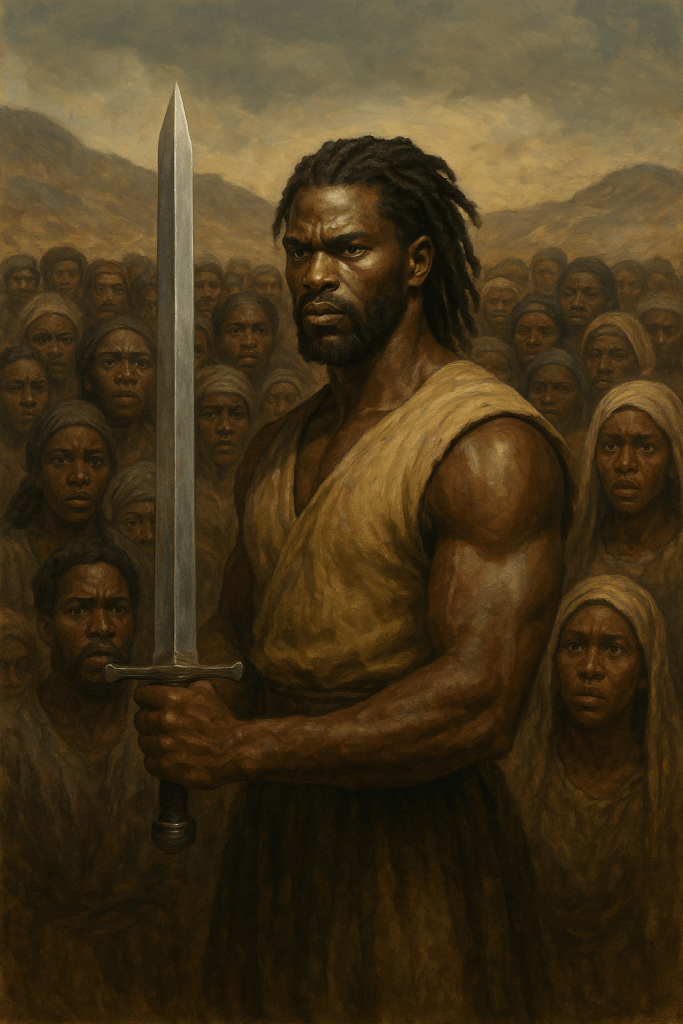
The strategy of trumpets, pitchers, and lamps defied conventional warfare, signaling that the victory would be miraculous. When the men cried, “The sword of the LORD, and of Gideon,” confusion seized the enemy camp.
The Midianites turned their swords upon one another and fled, fulfilling the LORD’s promise of deliverance. Israel pursued, and the oppressors were subdued, marking a decisive turning point.
Despite victory, Gideon refused kingship, declaring that the LORD alone would rule over Israel. This confession affirmed divine sovereignty, though later actions revealed lingering human weakness.
Gideon’s request for gold led to the creation of an ephod that became a snare to Israel, reminding readers that even faithful leaders can falter. The narrative remains honest about the complexity of righteousness and leadership.
The land had rest for forty years in the days of Gideon, reflecting the peace that follows obedience and divine intervention. Yet the cycle of Judges warns that peace is often temporary when remembrance fades.
The story of Gideon and Midian ultimately testifies to God’s power perfected in weakness, calling every generation to trust not in numbers or strength, but in the presence and promises of the LORD.
The dilemma of forced diaspora stands as one of the most defining and devastating realities in human history, particularly for African-descended peoples whose displacement reshaped the modern world. This rupture was not merely geographic but spiritual, psychological, and generational, severing people from land, language, kinship systems, and sacred memory.
Diaspora, in its truest sense, implies scattering. Forced diaspora, however, denotes violent expulsion—movement without consent, carried out through domination, coercion, and terror. The transatlantic slave trade exemplifies this condition, transforming human beings into cargo and redefining captivity as commerce.
Within the Hebrew Bible, displacement functions as both a consequence and a warning. Deuteronomy 28 in the King James Version presents blessings for obedience and curses for disobedience, culminating in exile, captivity, and foreign domination. The chapter is not abstract theology; it is historically grounded prophecy rooted in covenantal law.
Deuteronomy 28 begins with prosperity and national elevation, but the latter portion details systematic collapse. Hunger, poverty, loss of sovereignty, and enslavement emerge as consequences when a people fall under divine judgment. These themes recur throughout biblical history, particularly in the experiences of Israel.
Verse 48 declares that the people would serve enemies “in hunger, and in thirst, and in nakedness, and in want of all things,” while verse 68 foretells transportation into bondage by ships. This specific imagery has drawn sustained attention in diasporic biblical interpretation.
The reference to ships in Deuteronomy 28:68 is striking, as captivity in the ancient Near East was typically overland. The verse’s maritime language suggests a future mode of enslavement distinct from earlier Assyrian or Babylonian exiles, intensifying its interpretive gravity.
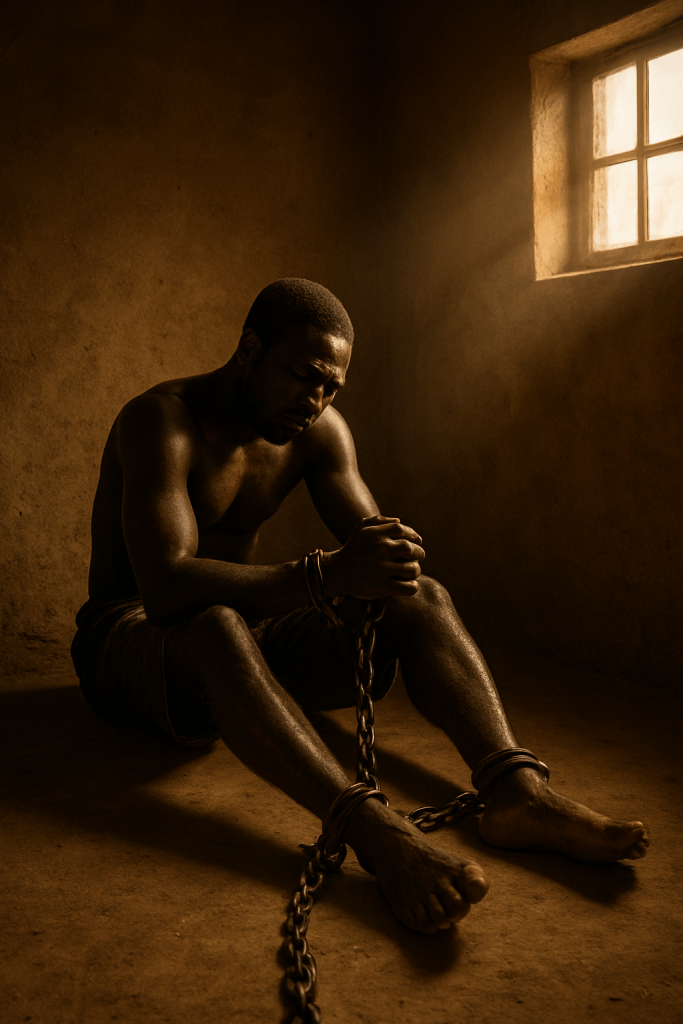
The Middle Passage, spanning the fifteenth through nineteenth centuries, involved the forced shipment of millions of Africans across the Atlantic Ocean. Conditions aboard slave ships included extreme overcrowding, disease, starvation, and death, reflecting the dehumanization described in Deuteronomy’s curses.
Men, women, and children were chained in holds, stripped of identity, and reduced to inventory. The loss of names, languages, and familial ties parallels the biblical language of becoming “a byword and a proverb” among nations, as stated in Deuteronomy 28:37.
The Middle Passage was not an isolated event but the center of a global economic system dependent upon forced labor. European empires extracted wealth through plantations, mines, and infrastructure built upon the backs of enslaved Africans.
Forced labor in the Americas mirrored the biblical description of unrelenting servitude. Enslaved people labored without rest, legal protection, or compensation, echoing Deuteronomy 28:65, which describes no ease, trembling hearts, and failing eyes.
The plantation system institutionalized violence, sexual exploitation, and family separation. Children were sold away from parents, marriages were unrecognized, and kinship networks were deliberately destroyed to prevent resistance.
This systematic breaking of family structures resonates with Deuteronomy 28:32, which warns that sons and daughters would be given to another people, with no power to rescue them. The verse reflects a loss of agency that defined chattel slavery.
Forced diaspora also produced cultural amnesia. African cosmologies, languages, and governance systems were suppressed, replaced by imposed identities rooted in racial hierarchy. Yet fragments survived through music, oral tradition, and spiritual practice.
The introduction of Christianity to enslaved Africans occurred within contradiction. While Scripture was used to justify bondage, enslaved people discerned liberation themes within the text, identifying with Israel’s suffering and hope for deliverance.
Biblical narratives of exile—from Egypt to Babylon—offered frameworks for understanding suffering without surrendering dignity. The God who judged also promised restoration, a tension deeply embedded in Deuteronomy 30’s assurance of return.
Forced diaspora produced a transnational Black identity forged through shared trauma. Though stripped of homeland, African-descended peoples formed new cultures across the Caribbean, South America, and North America.
Resistance took many forms, including revolts, maroon societies, work slowdowns, and spiritual endurance. These acts challenged the totalizing power of forced labor systems and affirmed retained humanity.
Economic exploitation under slavery laid the foundation for modern global capitalism. Wealth extracted from forced labor financed industrialization, universities, banks, and nation-states, while the enslaved inherited poverty.
The end of legal slavery did not end the conditions described in Deuteronomy 28. Sharecropping, convict leasing, segregation, and mass incarceration functioned as continuations of forced labor under new legal frameworks.
Psychological captivity followed physical captivity. Generations internalized narratives of inferiority imposed to rationalize enslavement, fulfilling Deuteronomy 28:34, which speaks of madness for the sight of one’s eyes.
The forced diaspora fractured identity, producing questions of origin, belonging, and purpose. Many descendants of the enslaved continue to search archives, DNA, and Scripture for an ancestral connection.
Theological interpretations linking Deuteronomy 28 to the African diaspora remain contested, yet their persistence reflects an attempt to reconcile history with sacred text. For many, Scripture becomes a map through trauma.
The curse language of Deuteronomy is inseparable from covenant responsibility. In biblical theology, judgment is never arbitrary; it functions as correction rather than annihilation.
Importantly, Deuteronomy 28 does not conclude Israel’s story. Later prophets promise regathering, healing, and restoration, emphasizing divine faithfulness beyond punishment.
Forced diaspora, while devastating, did not erase African-descended peoples. Survival itself stands as testimony to resilience under conditions designed to destroy.
Cultural contributions born from displacement—music, language, theology, and political thought—have reshaped global civilization, often without acknowledgment of their origins.
Memory remains central to healing. To remember the Middle Passage is to resist erasure and affirm the humanity of those who endured it.
Scripture, when read with historical awareness, becomes a site of reckoning rather than oppression. Deuteronomy 28 challenges readers to confront how power, obedience, and justice intersect.
The dilemma of forced diaspora persists in contemporary inequalities, reminding the world that history is not past. The echoes of ships, chains, and fields remain embedded in modern systems.
Yet the biblical narrative insists that captivity is not the final word. Justice, restoration, and truth remain integral to divine order.
Forced diaspora stands as both a warning and a witness—a warning against unchecked power and a witness to the enduring strength of a people who survived the unthinkable.
References
The Holy Bible, King James Version. (1611/1769). Deuteronomy 28–30.
Curtin, P. D. (1969). The Atlantic slave trade: A census. University of Wisconsin Press.
Gomez, M. A. (2005). Reversing sail: A history of the African diaspora. Cambridge University Press.
Smallwood, S. E. (2007). Saltwater slavery: A middle passage from Africa to American diaspora. Harvard University Press.
Williams, E. (1944). Capitalism and slavery. University of North Carolina Press.
Where faith, history, and truth illuminate the Black experience.







 THE BROWN GIRL DILEMMA