All posts by The Brown Girl Dilemma

I welcome everyone— women and men of all nationalities—to read, reflect, and gather insight across the many topics about black people explored here. To the Brown girl and the Brown boy who walk into rooms already carrying history, beauty, and burden—this space is for you. You stand at the intersection of visibility and erasure, desirability and disregard, reverence and resistance, often praised, questioned, desired, dismissed, and debated all at once. In a world that studies your skin more than your soul and distorts what God designed with intention, may truth, healing, and divine purpose meet you here. This is a conversation created to name your journey without silencing your truth, to restore what society has tried to redefine, and to remind you that your worth was never the problem—only the world’s inability to honor it.

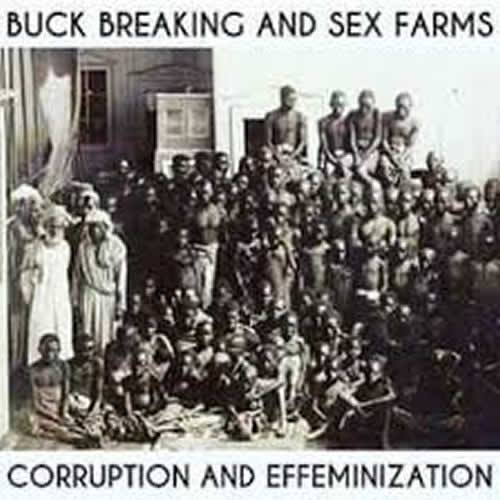
Black History: Buck Breaking/Breaking the Buck and Sex Farms.

This photograph is the property of its respective owner.


Buck-Breaking: A Historical Analysis of Sexual Violence, Power, and Psychological Warfare During American Slavery

“Buck-breaking” was a term associated with one of the most heinous and dehumanizing practices employed during the transatlantic slavery era, particularly in the Caribbean and parts of the American South. This form of sexual violence was a deliberate tool of psychological and social control, weaponized by white slaveholders to emasculate enslaved Black men, traumatize enslaved families, and dismantle any sense of resistance within the Black community.

Definition and Origins

The term buck-breaking refers to the forced sexual violation of enslaved Black men—referred to derogatorily as “bucks” by slaveholders—typically by white male enslavers. Though not widely discussed in mainstream historical texts, references to such acts are found in historical accounts, oral traditions, and emerging scholarship on slavery and sexual violence. The practice is believed to have been most rampant in the Caribbean, particularly in Jamaica and Barbados, but was also used in the American South to suppress rebellion and instill fear (Fanon, 2008; Patterson, 1982).

Purpose of Buck-Breaking

The purpose of buck-breaking was multifaceted. First, it served as a method of breaking the spirit of enslaved Black men who displayed signs of resistance or insubordination. By publicly humiliating them through sexual violence, slave owners sought to destroy their masculinity and assert total dominance. Secondly, it psychologically devastated enslaved women and children who were forced to witness the violation of their husbands, fathers, and sons. The psychological terror inflicted served as a preventive mechanism against organized rebellion (Hine, 1994).

Moreover, by using sexual violence as a spectacle, white enslavers aimed to invert traditional gender roles and strip Black men of agency, pride, and familial authority. This public act of dehumanization sent a clear message: resistance would be met with degradation, not just punishment.

Psychological Impact and Legacy

The psychological impact of such acts cannot be overstated. Enslaved families who witnessed these violations were left traumatized, with long-term implications for self-worth, masculinity, and kinship bonds. As psychiatrist Frantz Fanon (2008) noted in Black Skin, White Masks, the colonial project was not merely about physical domination but also psychological fragmentation—an internalized sense of inferiority reinforced through brutality and humiliation.

In the post-slavery era, the trauma of buck-breaking has been theorized to contribute to various sociocultural dynamics within the African American community, including distrust, the suppression of vulnerability in men, and familial disintegration.

Modern Symbolism and Myths

One controversial claim connects the modern trend of “sagging pants” to buck-breaking, arguing that it originated as a marker of sexual violation during slavery. While this claim is popular in some Afrocentric and activist circles, it is not widely supported by mainstream historical scholarship. Most academic sources trace sagging to 20th-century prison culture, where belts were often confiscated (Alexander, 2010).

Nevertheless, such narratives—true or symbolic—reflect ongoing struggles to interpret and reclaim historical trauma in a modern context.

The Caste System and Sexual Politics of Slavery

Buck-breaking fits within a broader racial caste system that valorized whiteness and weaponized Blackness. Enslaved Black men were commodified based on perceived physical strength and virility, which made their bodies both a source of economic productivity and sexual threat in the eyes of the white supremacist regime. This further justified acts of violence to control, neuter, and dehumanize them. Scholar Saidiya Hartman (1997) has written extensively on how the Black body, particularly during slavery, was the site of spectacular violence and commodified suffering.

The practice was employed as a strategic tool to:

  • Emasculate enslaved men and negate any sense of masculine authority or defiance, thus neutralizing potential rebellion.
  • Instill terror among enslaved communities by forcing families and peers to witness the sexual shame of defiance (Urban Dictionary; Face2Face Africa) Wyatt O’Brian Evans.
  • Reinforce power dynamics, making clear that black bodies were commodities to be abused and controlled.

According to emerging scholarship, “sex farms” were plantations or compound-like areas maintained for the systematic sexual exploitation of enslaved men. Slaveholders allegedly transported enslaved males from plantation to plantation for group sexual assaults, creating a traveling circuit—a grotesque and institutionalized practice (RasTafari TV) rastafari.tv.

The trauma of buck-breaking became a weapon of psychological subjugation. Witnessing a father or brother publicly violated aimed to:

  • Undermine self-worth and family cohesion.
  • Criminalize resistance internally: enslaved men who survived this abuse often left trauma not addressed and seldom spoken of (Jennings & White, via Project MUSE; TalkAfricana) Reddit+13Project MUSE+13TalkAfricana+13.

Scholars argue the degradation of masculinity under slavery contributed to long-term disruptions in identity, familial protective roles, and community cohesion (Jennings et al.; Fanon’s frameworks) Project MUSETalkAfricana.

Slaveholders also operated breeding farms where enslaved women—and sometimes men—were forcibly impregnated to increase the enslaved labor force. While breeding farms chiefly targeted women, male exploitation was part of the broader system of sexual commodification (Wikipedia; Sublette) rastafari.tv+5Wikipedia+5Wikipedia+5.

Due to stigma and silencing, rape of male slaves was rarely documented in legal records. Most evidence appears in slave narratives and case studies—making direct quantification difficult, yet multiple historians affirm these abuses occurred (Project MUSE; TalkAfricana) Wikipedia+15Project MUSE+15TalkAfricana+15.

Deuteronomy 28:68 (KJV)

“And the Lord shall bring thee into Egypt again with ships, by the way whereof I spake unto thee, Thou shalt see it no more again: and there ye shall be sold unto your enemies for bondmen and bondwomen, and no man shall buy you.”

This verse is part of the curses listed in Deuteronomy 28 for Israel’s disobedience, and many in the African American and Hebrew communities interpret it as a prophetic reference to the transatlantic slave trade, including the horrific abuses such as buck-breaking. It reflects divine foresight into the suffering of a people taken into captivity by ships, sold into slavery, and dehumanized.


Lamentations 5:11–13 (KJV)

“They ravished the women in Zion, and the maids in the cities of Judah. Princes are hanged up by their hand: the faces of elders were not honoured. They took the young men to grind, and the children fell under the wood.”

This passage mourns the violent humiliation and abuse of both men and women in the time of Judah’s destruction. The word “ravished” refers to rape and sexual abuse, and “took the young men to grind” is understood by many biblical scholars to imply forced labor and sexual humiliation.


Isaiah 3:9 (KJV)

“The shew of their countenance doth witness against them; and they declare their sin as Sodom, they hide it not. Woe unto their soul! for they have rewarded evil unto themselves.”

While originally a rebuke to the people of Judah, this verse indicts all who, like the men of Sodom, openly commit abominable acts—such as sexual assault or humiliation—and refuse to repent. It reflects God’s judgment against those who violate others.

Conclusion and Theological Reflections

The atrocity of buck-breaking is not merely a historical footnote—it is a wound in the collective memory of the African diaspora. Understanding it is crucial to unpacking the complex intersection of race, sexuality, power, and trauma. For believers, it is also a call to lament, to pursue justice, and to reclaim dignity lost through centuries of dehumanization. Scripture reminds us that every person is made in the image of God (Genesis 1:27), and that the destruction of one’s dignity—especially through acts of sexual violence—is an affront to the Creator Himself. Deliverance from such trauma involves truth-telling, communal healing, and a return to a biblical vision of wholeness, where no one’s humanity is reduced to their body, race, or utility.

References:

Alexander, M. (2010). The New Jim Crow: Mass Incarceration in the Age of Colorblindness. The New Press.

Fanon, F. (2008). Black Skin, White Masks (R. Philcox, Trans.). Grove Press.

Hartman, S. (1997). Scenes of Subjection: Terror, Slavery, and Self-Making in Nineteenth-Century America. Oxford University Press.

Hine, D. C. (1994). Hine Sight: Black Women and the Re-construction of American History. Indiana University Press.

Patterson, O. (1982). Slavery and Social Death: A Comparative Study. Harvard University Press.

Face2Face Africa. (2019). 5 horrifying ways enslaved African men were sexually exploited and abused by their white masters 3CHICSPOLITICO+1Wyatt O’Brian Evans+1.


Jennings, T. A., et al. (2024). Sexual abuse of Black men under American slavery. Project MUSE Journal. Project MUSE


TalkAfricana. (2023, May 30). Buck Breaking: How slave masters used rape to emasculate enslaved African men. TalkAfricana


RasTafari TV. (2024). Sex farms during slavery & the effeminization of Black Men. Wikipedia+13rastafari.tv+13Project MUSE+13

Fair Is Lovely — The Color Complex and the Global Obsession with Light Skin.

This photograph is the property of its respective owner. No copyright infringement intended.

My teenage years were plagued by the idea that light skin was better skin. There were adverts on TV … I felt that I was not considered beautiful because of my complexion. My self-worth was deeply compromised in those years.” –– Lupita Nyong’o


Throughout history, beauty has not merely been an aesthetic pursuit but a reflection of power, status, and identity. The modern obsession with light skin, despite its dangers and toxic implications, is one of the most telling examples of how deeply colonialism has shaped global perceptions of worth. Even in the face of severe health risks from mercury-based skin-whitening creams, millions continue to use them, driven by an invisible yet powerful ideology: that lighter is better.

To understand this fixation, one must first look to history. The global conquest of Europe during the colonial era redefined the hierarchy of human value. Through political domination, missionary education, and cultural imperialism, whiteness was not only privileged but sanctified. From Africa to Asia, and the Caribbean to Latin America, colonized people internalized the myth that white skin was the mark of civility, intelligence, and beauty (Hunter, 2007).

During the Renaissance period, this idealization of whiteness was reinforced through art, literature, and religion. White women were portrayed in paintings as divine, ethereal, and pure. Pale skin became a symbol of wealth and class, as only those who did not labor under the sun could afford to be fair. This visual narrative of “fairness equals virtue” became embedded in the social consciousness of the Western world (Glenn, 2008).

As colonialism expanded, these Eurocentric ideals traveled globally, becoming the beauty gospel imposed upon darker nations. Fair skin became not just a preference but a social passport. In many societies, lighter complexions opened doors to better marriage prospects, employment opportunities, and higher social standing. This stratification birthed what sociologists call colorism—a system of discrimination based on skin tone within one’s own race (Russell, Wilson & Hall, 2013).

In Asia, the legacy of colonialism and caste further reinforced this mindset. Skin-lightening creams became billion-dollar industries in countries like India, South Korea, and the Philippines. Advertisements depicted fair-skinned women as more successful, desirable, and confident, cementing the false equation between fairness and happiness. The slogan “Fair is Lovely,” once used by a leading Indian brand, became both a marketing triumph and a cultural tragedy.

Africa, too, bears the scars of this color complex. The introduction of European beauty standards during colonial occupation devalued the natural features of Black people. From hair texture to skin tone, everything dark was labeled “undesirable.” As a result, some individuals began using harmful bleaching agents to emulate European features, unaware that they were absorbing toxins and erasing the beauty of their own heritage (Charles, 2009).

In the Americas, the legacy of slavery compounded these issues. Enslaved Africans with lighter skin were often given preferential treatment, allowed to work in the master’s house rather than in the fields. This created divisions within the Black community that persist today, where lighter skin is often perceived as more acceptable or beautiful, echoing the “house slave versus field slave” dichotomy (Keith & Herring, 1991).

The psychological damage of colorism runs deep. It fosters self-hatred, envy, and a lifelong pursuit of unattainable beauty standards. The constant bombardment of light-skinned models in magazines, movies, and advertisements perpetuates the illusion that dark skin is something to overcome rather than embrace. The media, acting as the modern missionary, continues to preach the gospel of whiteness through filters, Photoshop, and casting decisions.

Yet, this obsession is not born of vanity alone—it is a byproduct of systemic conditioning. Generations have been raised to equate whiteness with success and darkness with deficiency. This internalized racism manifests as economic behavior: billions spent annually on skin-lightening products, surgeries, and treatments, often marketed as “brightening” or “toning” to disguise their true purpose (Glenn, 2008).

Spiritually, this phenomenon mirrors the biblical warning against conforming to worldly standards. Romans 12:2 (KJV) reminds believers: “And be not conformed to this world: but be ye transformed by the renewing of your mind.” The obsession with lightness is a form of conformity—a submission to a false idol of beauty that profits from insecurity.

Psychologically, the pursuit of lighter skin reflects an inferiority complex rooted in generational trauma. When an entire race has been told for centuries that they are less than human, the desire to approximate the oppressor’s image becomes a coping mechanism, albeit a destructive one. This cycle of psychological bondage mirrors the words of Proverbs 23:7 (KJV): “For as he thinketh in his heart, so is he.”

Health-wise, the implications are severe. Mercury, hydroquinone, and corticosteroids—common in bleaching products—cause skin thinning, kidney failure, neurological damage, and in extreme cases, death. What begins as a quest for beauty often ends in tragedy, revealing the literal toxicity of self-rejection.

However, a global awakening is underway. Movements such as “Dark Is Beautiful” in India and “Melanin Poppin’” in the United States are reclaiming the beauty of darker tones. Black and brown creators are challenging the dominance of Eurocentric beauty on social media, promoting self-love, and redefining what it means to be beautiful.

The conversation around skin color is not merely cosmetic—it is cultural, political, and spiritual. To embrace one’s melanin is to resist centuries of indoctrination and to honor the divine craftsmanship of creation. Genesis 1:27 (KJV) declares, “So God created man in his own image.” If all shades come from God, then no shade is superior.

Media responsibility also plays a crucial role in dismantling this narrative. Representation matters. When darker-skinned women are seen as heroines, scholars, and leaders, they challenge the subconscious biases formed through decades of white-centered beauty imagery. Change in perception begins with visibility.

Economically, promoting natural beauty empowers local industries and rejects exploitative global beauty chains that profit from colonial residue. Supporting melanin-positive brands is an act of resistance—a declaration that beauty no longer bows to a Eurocentric ideal.

In conclusion, the obsession with fair skin is neither new nor benign. It is the residue of colonization, perpetuated through art, religion, and commerce. The solution lies in education, representation, and spiritual renewal. To reclaim beauty in all its shades is to reclaim one’s identity, worth, and freedom from psychological slavery.

When people learn to see themselves as God created them—fearfully and wonderfully made—the market for inferiority collapses. The true revolution begins not with lighter skin, but with enlightened minds.


References (APA 7th Edition)

Charles, C. A. D. (2009). Skin bleaching, self-hate, and black identity in Jamaica. Journal of Black Studies, 40(2), 153–170. https://doi.org/10.1177/0021934708315587

Glenn, E. N. (2008). Yearning for lightness: Transnational circuits in the marketing and consumption of skin lighteners. Gender & Society, 22(3), 281–302. https://doi.org/10.1177/0891243208316089

Hunter, M. (2007). The persistent problem of colorism: Skin tone, status, and inequality. Sociology Compass, 1(1), 237–254. https://doi.org/10.1111/j.1751-9020.2007.00006.x

Keith, V. M., & Herring, C. (1991). Skin tone and stratification in the Black community. American Journal of Sociology, 97(3), 760–778. https://doi.org/10.1086/229819

Russell, K., Wilson, M., & Hall, R. (2013). The Color Complex (Revised): The Politics of Skin Color Among African Americans. Anchor Books.

The Holy Bible, King James Version. (n.d.). Bible Gateway. https://www.biblegateway.com

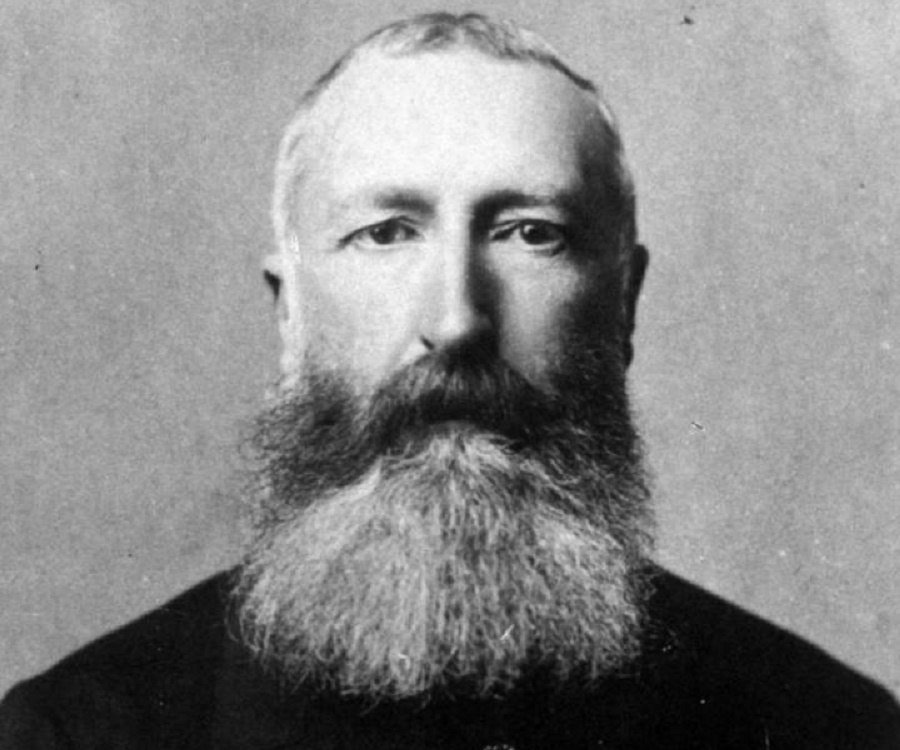
Black History: Leopold II of Belgium

Leopold II of Belgium AKA The Devil Leopold


He skinned my people
Castrated my brothers
Raped my sisters
And brutally murdered my people
All in the name of the Devil
He is the Devil incarnate


King Leopold II of Belgium: Lineage, Tyranny, and the Congo Atrocities

King Leopold II (born Leopold Louis Philip Marie Victor; 1835–1909) reigned as King of the Belgians from 1865 until his death, succeeding Leopold I (Britannica, 2025). He belonged to the House of Saxe-Coburg and Gotha and was a first cousin to Queen Victoria of Britain. In 1853, he married Marie-Henriette of Austria, and together they had several children, though none of his sons survived to adulthood (Wikipedia, 2025). His rule over Belgium was constitutional, but he became infamous for personally owning and exploiting the vast territory known as the Congo Free State (Wikipedia, 2025; Britannica, 2025).

The Congo Free State: Private Empire and Devastation

In 1885, at the Berlin Conference, European powers granted Leopold jurisdiction over the Congo Basin, under the guise of humanitarian mission and civilization. However, he administered the territory as his private enterprise, exploiting its natural wealth—particularly ivory and rubber—through coercive labor, forced quotas, and extreme violence enforced by the Force Publique, his mercenary army (Wikipedia, 2025; Britannica, 2025).

The consequences were catastrophic. Adam Hochschild described Leopold’s project as a “genocidal plundering” that caused the deaths of approximately 10 million Congolese people, through brutal violence, starvation, and disease (Wikipedia, 2025; New Yorker, 2015). Population-loss estimates range from 5 million to 13 million, with the most widely accepted figure around 10 million (Wikipedia, 2025).

Leopold’s Ideology and Racial Violence

Leopold’s colonial ideology was deeply grounded in scientific racism and Eurocentric paternalism. He justified his rule in the Congo as a civilizing mission, though in reality it facilitated systematic terror, mutilation, rape, and forced labor (Casement Report, 1904). A 1904 investigation by Roger Casement, commissioned by the British government, exposed widespread atrocities committed under Leopold’s authority—including cutting off hands for missed rubber quotas, castration, and mass violence (Casement Report, 1904; Wikipedia, 2025).

Why Did Leopold Target Black People So Harshly?

Leopold’s racial hostility was institutional rather than personal. Africans were treated as subhuman labor to be exploited for personal wealth. Violence was a tool to suppress resistance, ensure compliance, and perpetuate a racial hierarchy that dehumanized native populations (Hochschild, 1999). The global popularity of eugenics and social-Darwinian thought in Europe and America validated these acts, enabling them under the cloak of colonial legitimacy.

Legacy and Comparison to Other Tyrants

Historians often place Leopold alongside Hitler and Stalin in terms of absolute cruelty, yet his actions remain less recognized internationally. Leopold’s reign precipitated one of history’s most extensive humanitarian disasters—yet his atrocities were shrouded under euphemistic justifications until international activists, missionaries, and journalists exposed the truth (Hochschild, 1999; New Yorker, 2015).

Conclusion

King Leopold II’s personal ambition created a private colonial state defined by terror. Between 1885 and 1908, his rule in the Congo wrought famine, mutilation, and mass death on an unimaginable scale. This genocide—the greatest in African colonial history—reflects how unchecked power, racial supremacism, and capitalist greed can combine to produce catastrophic violence.


📚 References

  • Adam Hochschild. (1999). King Leopold’s Ghost: A Story of Greed, Terror, and Heroism in Colonial Africa.
  • Britannica. (2025). King Leopold II. Encyclopedia Britannica.
  • Casement, R. (1904). Report on the Congo Atrocities. British Parliamentary Papers.
  • Wikipedia. (2025). King Leopold II of Belgium; Atrocities in the Congo Free State.
  • New Yorker. (2015). The Elephant in the Courtroom.

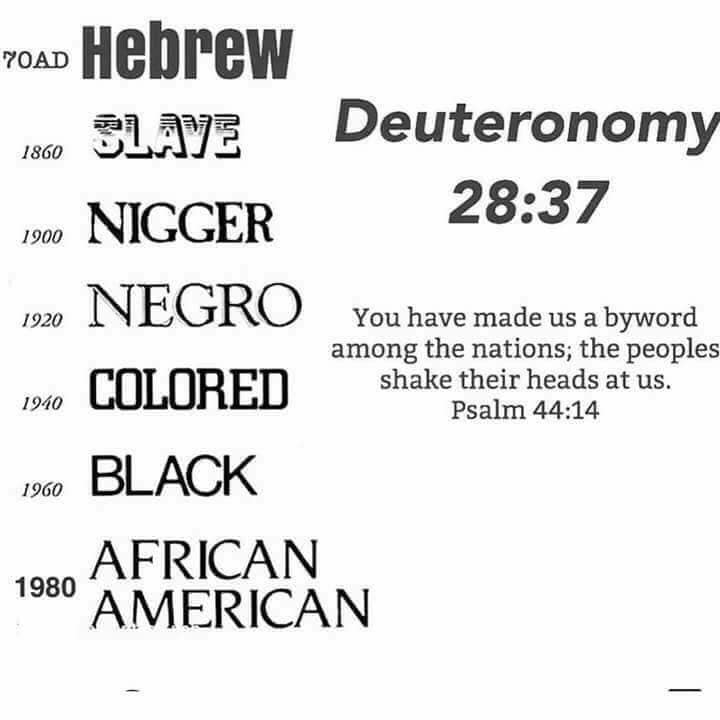
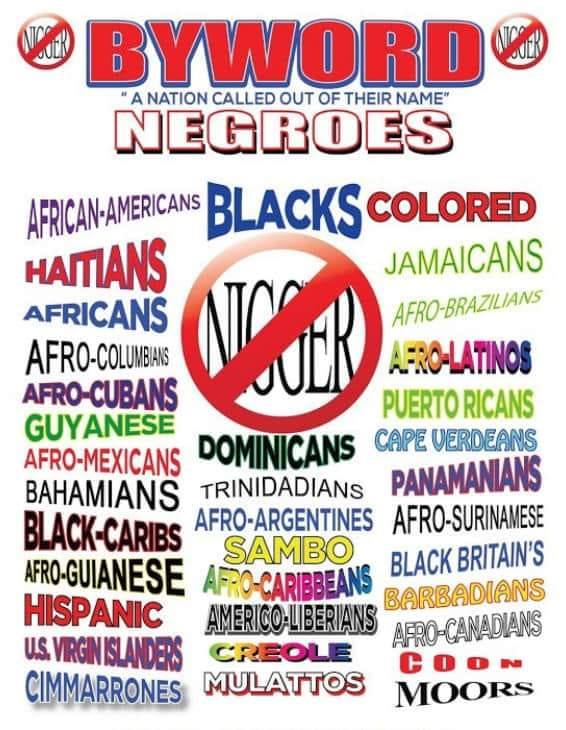
Who Do They Say We Are?

And thou shalt become an astonishment, a proverb, and a byword, among all nations whither the Lord shall lead thee. Deuteronomy 28:37

NIGGERS * SPICS *COONS * DARKIES * BLACK * UGLY * MULATTOS *FEEBLE MINDED * UNFIT * IMBECILES * IMMORAL * CRIMINAL * CATTLE * SLAVES
NEGROES * AFRO THIS OR THAT *MONKIES *  SAVAGES * COLORED *JUNGLE BUNNIES * DIRT *JIGABOOS * ANIMALS *WET BACKS * SPOOKS *SAMBOO * ASIATIC BLACK
MIXED * BIRACIAL* MULTIRACIAL * BURNT And so forth… Code words used to establish slavery.

We exist under the myriad complexities of slavery even today

1619-1834 Slaves
1834-1892 Coons/Colored
1892-1934 Niggers/Niggas
1934-1970 Boy/Africans
1970-1983 Afro Americans
1983-2002 Black Americans
2002-2016 African Americans 

The answer: Romans 12:1

“I beseech you therefore, brethren, by the mercies of God, that ye present your bodies a living sacrifice, holy, acceptable unto God, which is your reasonable service.”

Darkism Uncovered: An Exclusive Interview with the First Darkism Activist, Rashida Strober.

 In the landscape of American performance arts and racial activism, few figures have emerged with the visceral intensity and unapologetic candor of Rashida Strober. A Florida native and self-proclaimed “Dark-Skin Activist,” Strober has galvanized national and international attention for her groundbreaking work that brings the realities of colorism and Black female marginalization into sharp, theatrical relief. Her life story, an intricate blend of tragedy, survival, and triumph, reflects the collective struggle of dark-skinned Black women across the African diaspora—especially those who have borne the brunt of beauty hierarchies predicated upon Eurocentric standards.

Rashida Strober, “The Dark-Skin Activist,” stands unapologetically in her truth—bold, brilliant, and unbreakable—redefining beauty and power for melanated women around the world.

From the depths of childhood abuse and social alienation to the heights of creative excellence and advocacy, Strober’s work transcends the stage and touches the pulse of systemic injustice. She is not merely a performer but a prophetess of truth, using her voice, pen, and body as sacred instruments to declare: dark skin is not a defect; it is divine.


A Life Marked by Pain and Power

Born in St. Petersburg, Florida, Rashida Strober was the only girl among five brothers. Her early life was plagued with ridicule, economic instability, and trauma. At school, she endured brutal mockery from classmates and peers, frequently labeled with slurs such as “black and ugly,” “monkey mouth,” and “African booty scratcher.” These insults reflected a pervasive social pathology: colorism—a hierarchical system of discrimination that privileges light skin over dark within and beyond Black communities (Hunter, 2007).

At the tender age of 14, Strober found herself homeless, a victim of sexual exploitation and neglect. Yet even in these dark corridors of despair, her dream of becoming an actress refused to die. With relentless determination, she earned her GED, secured stable employment, saved for housing, and enrolled in college. Eventually, she obtained a Master’s degree in Political Science from the University of South Florida.

Her story is an empirical counter-narrative to the myth of Black inferiority, one that aligns with the scriptural exhortation from the Apocrypha:

“For gold is tried in the fire, and acceptable men in the furnace of adversity.” (Ecclesiasticus [Sirach] 2:5, KJV Apocrypha)


Theater as Activism: From Pain to Platform

Rashida’s foray into theater was not merely artistic; it was revolutionary. In 2006, she wrote, produced, and starred in The Ice Cream Lady’s Dream, a deeply autobiographical one-woman show chronicling her harrowing yet triumphant journey. That same year, she launched A Dark Skin Woman’s Revenge, a play that ignited a global conversation about the emotional, romantic, and professional struggles of dark-skinned women. Through this theatrical masterpiece, Strober enacted multiple characters, each representing distinct facets of pain and power in the lives of melanated women.

Her ability to inhabit various psychological states, particularly in her role as Georgana Nelson—a mentally ill dark-skinned woman subjected to systemic and familial abuse—earned her the 2012 Playwrights Red Carpet Award for Actress of the Year. Her performance resonates with the biblical lamentation:

“Woe is me now! for the Lord hath added grief to my sorrow; I fainted in my sighing, and I find no rest.” (Baruch 3:1, KJV Apocrypha)

Strober is also the founder of ICLD Productions and creator of Dark Skin TV, the first internet show exclusively focused on issues affecting dark-skinned women. Her authorship includes five books, notably Darkism, in which she deconstructs the covert and overt mechanisms of skin-tone discrimination in contemporary society.


Interview with Rashida Strober from my book – The Brown Girl Dilemma,

Q: What are a few of your experiences as a dark-skinned woman?
Rashida: I remember being called the blackest and ugliest girl in school by a boy I referred to as “Seedy.” That incident left a psychological mark. Even now, I sometimes fear being around Black men because I wonder if they see me as ugly, too.

Q: Who had the greatest impact on your life?
Rashida: My seventh-grade teacher, Mattie Everette. She saw something in me when others didn’t.

Q: What do you think is the solution to the light-skinned/dark-skinned divide?
Rashida: Pure honesty. We must own the fact that dark-skinned beauty discrimination exists. Only then can we address it.

Q: What is something people don’t know about you?
Rashida: I was homeless. I was raped. I’ve known pain intimately, but I’ve also known deliverance.


Colorism and the Mirror of Self-Perception

As a light-skinned Black woman, I have come to recognize the complex interplay between privilege and empathy within my lived experience. While residing in Germany, I was frequently complimented on my appearance—initially attributing this affirmation solely to conventional beauty. However, with time and reflection, I realized that these perceptions were also shaped by the societal preference for lighter skin, revealing an unspoken privilege I had long overlooked.

This observation is critical, for it highlights the intersectional burden of shade-based bias. Lighter skin has, historically, functioned as both social currency and silent enabler in systems of intra-racial bias (Russell, Wilson, & Hall, 1992).

This admission is not an indictment but a confession that aims to dismantle the binary of blame. As the writer aptly states: “We are all of the colors… if one of a different shade is honored, it should be applied to all.”

This resonates with the biblical wisdom from the Apocrypha:

“Look not upon me, because I am black, because the sun hath looked upon me: my mother’s children were angry with me; they made me the keeper of the vineyards; but mine own vineyard have I not kept.” (Song of Solomon 1:6, KJV)


Conclusion: The Revolution Must Be Humanized

The Rashida Strober story is not an isolated narrative—it is emblematic of a broader societal ailment that refuses to reconcile beauty with Blackness unless whiteness is somehow attached. Her journey confronts the world with an unsettling truth: the battle against white supremacy begins with confronting the enemy within—the colonial gaze that still inhabits our mirrors, our schools, our relationships, and our institutions.

Through her voice, Strober urges us not to pity her, but to stand with her. To see the light in the dark. To dismantle the walls of pigmentocracy. And to teach a new generation of Black girls that their value does not come from Eurocentric molds, but from their Creator and their culture.

As Ecclesiasticus affirms:

“Give not thy soul unto a woman to set her foot upon thy substance. Seek not out things that are too hard for thee… but in the multitude of the wise is the welfare of the world.”
(Ecclesiasticus 7:24; 3:21; 6:24, KJV Apocrypha)


References

  • Ecclesiasticus (Sirach), KJV Apocrypha
  • Rachida Strober, Darkism
  • The Brown Girl Dilemma, 2017
  • Song of Solomon, KJV
  • Hunter, M. (2007). The Persistent Problem of Colorism: Skin Tone, Status, and Inequality. Sociology Compass, 1(1), 237–254.
  • Russell, K., Wilson, M., & Hall, R. (1992). The Color Complex: The Politics of Skin Color Among African Americans. Harcourt Brace.

Dilemma: Vanity

She enters rooms like storms of flame,
Hoping all will gasp her name.
With eyes that hunt and lips that lure,
She craves the gaze, intense and pure.

She stalks the hearts of wandering men,
Their weakness feeds her strength again.
She bares her flesh to mask her soul,
A fractured crown, a queen unwhole.

In mirrors, lies become her truth—
A hollow shrine adorned in youth.
She longs for love she’s never earned,
From hollow praise her heart has burned.

To be adored, to be revered,
To silence every inner fear.
She wears ambition like perfume,
And scatters pride through every room.

Her confidence, a shallow stream,
A desperate echo of a dream.
For every compliment she stores,
A thousand doubts still flood her shores.

She buys devotion, buys disguise,
In name-brand lies and jeweled eyes.
But all her wealth cannot conceal
The ache no man or cloth can heal.

Her gaze is laced with lustful fire,
A serpent’s charm, a carnal choir.
Men fall like stars into her snare,
Not knowing demons dwell in there.

She drinks the worship, sweet and bold,
As if her breath could turn to gold.
The ground she walks becomes her stage,
A goddess trapped within a cage.

And in the hush of darkened rooms,
Where silence drowns perfume and plumes,
One truth remains, as shadows creep—
Vanity never lets one sleep.

She is the idol, clothed in skin,
A monument to secret sin.
She smiles—but hides a curse within…
And her name… is Vanity.

🔍 What is Vanity?

Vanity is an excessive concern with one’s appearance, abilities, or social status—often rooted in pride, insecurity, or narcissism.

“Vanity of vanities, saith the Preacher, vanity of vanities; all is vanity.”
Ecclesiastes 1:2, KJV

Vanity is not just external beauty obsession; it’s a spiritual emptiness, a pursuit of admiration or validation that distracts from one’s divine identity and purpose.


🪞 Narcissism & Vanity in Today’s Culture

In psychology, narcissism is characterized by grandiosity, a need for admiration, and a lack of empathy. In today’s society, this manifests through:

  • Self-obsession on social media

  • Posting revealing photos for attention and likes

  • Seeking external validation over inner peace

  • Hypersexualization for profit and approval

  • Low self-esteem disguised as confidence

“In the last days, people will be lovers of themselves, lovers of money, boastful, proud…”
2 Timothy 3:1-5


📱 Social Media & the Rise of Vanity

Social media platforms (like Instagram or TikTok) have created a performance-based culture, where women—and men—seek approval through:

  • Physique-focused selfies 📸

  • Revealing clothing for likes 👍

  • Sexualized dances for followers 👯‍♀️

  • Paid validation via OnlyFans or similar sites 💵

This breeds dopamine addiction, where attention becomes an emotional drug.

“Let your beauty not be external… but the hidden person of the heart, with the incorruptible beauty of a gentle and quiet spirit…”
1 Peter 3:3-4 (ESV)


💔 The Psychological Toll of Vanity

Vanity often masks deep-rooted trauma or insecurity, leading to:

  • Low self-worth

  • Eating disorders (anorexia, bulimia, binge eating)

  • Depression and body dysmorphia

  • Sexual objectification

  • Shame after validation fades

Psychologist Dr. Jean Twenge (2013) links the “selfie generation” to growing mental health issues and narcissistic traits.


💃 How Did Women in the Past Dress?

Historically, women dressed modestly, valuing dignity over seduction. Biblical and ancient cultures saw clothing as an extension of morality and identity, not a tool of temptation.

“In like manner also, that women adorn themselves in modest apparel, with shamefacedness and sobriety…”
1 Timothy 2:9 (KJV)

Biblical women like Ruth, Esther, and Mary were praised for character, not cleavage. They influenced nations through virtue, wisdom, and obedience, not sensual display.


👗 What Does It Mean to Dress Like a Lady?

To be ladylike is to:

  • Dress elegantly and modestly

  • Represent God’s image with honor

  • Avoid clothing that provokes lust or dishonor

  • Reflect inner beauty outwardly

“Charm is deceitful and beauty is vain, but a woman who fears the Lord is to be praised.”
Proverbs 31:30


🚫 Why Abstain from Sex Until Marriage?

Sex outside of marriage leads to:

  • Soul ties

  • Shame or guilt

  • Emotional instability

  • Unwanted pregnancies

  • Disease and spiritual disconnect

“Flee from sexual immorality. Every other sin a person commits is outside the body…”
1 Corinthians 6:18-20

“Marriage is honorable in all, and the bed undefiled: but whoremongers and adulterers God will judge.”
Hebrews 13:4 (KJV)


🛐 Deliverance from Vanity & Eating Disorders

1. Repent and Realign with God

  • Acknowledge that worth comes from being made in God’s image (Genesis 1:27).

  • Confess insecurities and ask for healing (Psalm 34:18).

2. Renew Your Mind

  • Avoid comparisons (2 Corinthians 10:12)

  • Meditate on the Word daily (Romans 12:2)

3. Fast from Social Media

  • Break from toxic platforms

  • Curate content that uplifts spiritually and mentally

4. Surround Yourself with Godly Women

  • Build a circle that encourages holiness, not hype

5. Seek Professional Help if Needed

  • Eating disorders often require therapy, nutritionists, and spiritual counseling


🛑 Advice to Women on Showing Their Bodies Online

Dear sister,

Your body is a temple, not a display shelf. You are more than your curves, your lashes, your followers.

  • When you reveal your body for likes, you are leasing your soul for approval.

  • God sees your worth even in sweatpants and silence.

  • Real love sees you clothed in dignity, not desperation.


📚 References

  • Twenge, J. M. (2013). The narcissism epidemic: Living in the age of entitlement. Atria Books.

  • American Psychological Association. (2022). Eating disorders. https://www.apa.org/topics/eating-disorders

  • Tishkoff, S. A., et al. (2009). The genetic structure and history of Africans and African Americans. Science, 324(5930), 1035–1044. https://doi.org/10.1126/science.1172257

  • Holy Bible, King James Version (KJV)

  • Holy Bible, English Standard Version (ESV)


Dilemma: Singleness, Widowhood, and Purity.

Photo by Sherman Trotz on Pexels.com

Singleness, Widowhood, and Purity: A Hebraic Israelite Reflection on Divine Timing and Purpose

1. Singleness as a Sacred Gift

Singleness is not a curse—it is a consecrated gift from the Most High. It offers an undivided opportunity for devotion, clarity, and spiritual intimacy. As the Psalmist declares, “I will lift up mine eyes unto the hills, from whence cometh my help” (Psalm 121:1, KJV). In the stillness of singleness, the believer can focus wholeheartedly on the things of YAH without the distractions of earthly partnership.

Yahawahshi (Jesus) Himself affirmed the spiritual blessing of singleness when He said, “All men cannot receive this saying, save they to whom it is given” (Matthew 19:11, KJV). Similarly, Apostle Paul echoed this sentiment: “For I would that all men were even as I myself. But every man hath his proper gift of God” (1 Corinthians 7:7, KJV). This gift is not for everyone, but for those whom the Most High has graced with it, it becomes a sacred calling.

As Brother Emmanuel Sdi beautifully reflects:

“I love being single. I get to spend all my time with the Most High. No pressure, just sheer happiness.”

2. The Virtues of Singleness

Singleness offers a distinct advantage in fulfilling divine assignments. Apostle Paul articulates this in his epistle to the Corinthians, asserting that “he that is unmarried careth for the things that belong to the Lord, how he may please the Lord” (1 Corinthians 7:32, KJV). The absence of marital obligations allows one to be wholly available to the service and ministry of the Most High.

It is not merely about freedom from marital conflict, but about spiritual focus. The weight and responsibilities of marriage are significant, and not to be entered into lightly (Matthew 19:6). While the institution of marriage is honorable, it requires time, sacrifice, and energy that can divide a person’s focus. A single person, in contrast, may travel, serve, and worship with unburdened liberty.

Sister Lena Garth reflects this truth poignantly:

“I don’t envy those married people having to deal with each other’s problems… Doing my mission work is easier, and if I were married, it would be harder, I imagine.”

3. The Challenges of Singleness

Despite its benefits, singleness presents profound emotional and spiritual challenges. The Scripture affirms, “It is not good that the man should be alone; I will make him an help meet for him” (Genesis 2:18, KJV). Companionship, intimacy, and support are natural and necessary human desires, and the lack thereof can lead to emotional voids, sexual temptation, and spiritual fatigue.

Paul acknowledges the battle: “But if they cannot contain, let them marry: for it is better to marry than to burn” (1 Corinthians 7:9, KJV). Loneliness, if unchecked, may lead to destructive habits such as masturbation, pornography, and emotional despair. This requires vigilance: “Flee fornication” (1 Corinthians 6:18, KJV). Practical strategies such as accountability partners, prayer, fasting, and community engagement can fortify the soul in times of trial.

ZakaYah Banath Yasharahla shares an unfiltered, passionate testimony of the feminine struggle in modernity:

“To hell with this independent woman, I don’t need no man, do bad all by myself thing… I’m ready to be dependent on my king… I’m tired of having to defend myself from males outside my home… I want to be the feminine, soft, sweet, quiet, nurturing, skilled in home economics, family-oriented virtuous woman that Yah designed me to be.”

Her testimony underscores the deep yearning many women experience—not merely for marriage, but for alignment with their created role under divine order. It also illustrates the psychological, emotional, and spiritual cost of living outside that sacred design.

4. The Eternal View of Singleness

Not all singles will marry in this life—but no follower of YAH is alone for eternity. Earthly marriage is a temporary picture of a much greater reality: the marriage between the Messiah and His bride—the assembly of the faithful. Revelation 19:7 proclaims, “Let us be glad and rejoice… for the marriage of the Lamb is come, and his wife hath made herself ready.” This eschatological hope gives eternal meaning to the single life.

Brother Samuel Geitz, at age 40, reflects with both longing and hope:

“I look forward to getting married, but at 40 it seems so hard to find someone in the truth. I pray that I will experience marriage before I die. Pray for me to find my Sarah.”

His statement is a blend of realism and righteous hope. The wait may be long, but the reward is worth the wait when one’s desire aligns with divine timing.


The Six Commandments for the Set-Apart Woman

  1. Seek the Most High Above All
    • The Bible is your blueprint. Meditate on His Word day and night (Joshua 1:8).
  2. Remain Under Parental Covering (When Possible)
    • In ancient Israel, daughters remained with their families until betrothal (Exodus 22:16–17). This tradition offered protection and moral guidance.
  3. Beware of Spiritual Manipulation
    • Test every spirit (1 John 4:1). Not every man who claims, “The Most High told me you’re my wife,” is sent by YAH. Pray for discernment.
  4. Maintain Physical and Mental Health
    • Our bodies are temples of the Holy Spirit (1 Corinthians 6:19–20). Eat well, rest, exercise, and remain spiritually sober.
  5. Adorn Yourself in Modesty
    • Modesty is dignity (1 Timothy 2:9–10). It honors both YAH and your future husband.
  6. Preserve Your Purity Until Marriage
    • “Present your bodies a living sacrifice, holy, acceptable unto God” (Romans 12:1, KJV). Your body is not a bargaining chip—it is a sacred offering.

Final Word

Being single, widowed, or unmarried is not a mark of shame—it is a station ordained by the Most High for purpose, purification, and preparation. Whether waiting for a mate, recovering from loss, or walking a lifelong path of celibacy, know that you are not forgotten. As Isaiah 54:5 reminds us: “For thy Maker is thine husband; the Lord of hosts is his name.”

Wait with hope, walk in holiness, and serve with gladness.


References:

  • Holy Bible, King James Version. (1769). Thomas Nelson.
  • Apostle Paul. (ca. 55 AD). First Corinthians.
  • Isaiah. (ca. 740–681 BC). Book of Isaiah.
  • Revelation. (ca. 95 AD). Book of Revelation.
  • Harris, J. (2006). Sacred Singleness: The Set-Apart Life for Women. Multnomah.
  • Piper, J. (2011). This Momentary Marriage: A Parable of Permanence. Crossway.

The Biblical Composition of Man: The Spirit, The Soul, and The Body.

Photo by Elu012bna Aru0101ja on Pexels.com

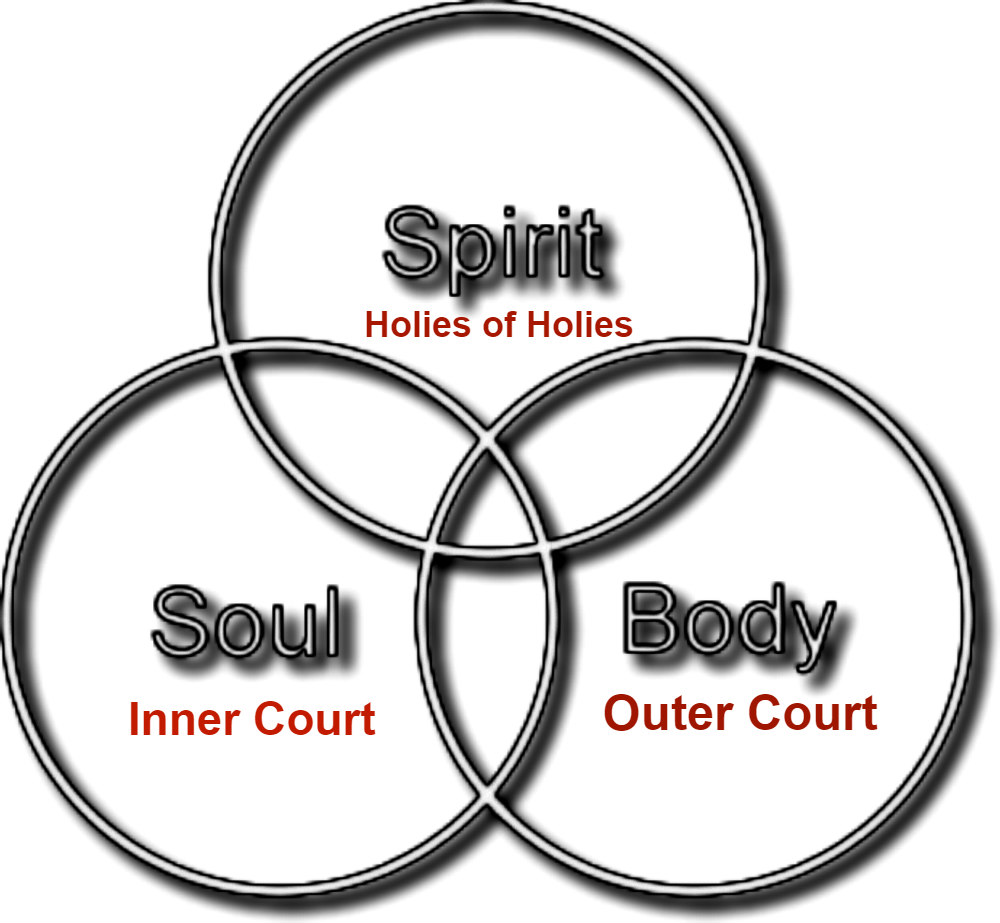
The human constitution, as divinely designed, consists of three distinct yet interwoven components: the spirit, the soul, and the body. The body is the earthly vessel, formed from dust, which enables our engagement with the physical world. The soul is the seat of our intellect, will, and emotions—our personal essence and moral identity. The spirit, breathed into man by God Himself (Genesis 2:7), is the eternal faculty by which we commune with the Divine. Together, these elements form the totality of our being, intricately woven to reflect the image of God (1 Thessalonians 5:23; Hebrews 4:12). To understand this triune nature is to begin grasping the sacred mystery of human life and destiny.”


The Biblical Composition of Man: Spirit, Soul, and Body

The Bible presents man as a triune being made in the image of God (Genesis 1:26). According to 1 Thessalonians 5:23 (KJV), the Apostle Paul wrote:

“And the very God of peace sanctify you wholly; and I pray God your whole spirit and soul and body be preserved blameless unto the coming of our Lord Jesus Christ.”

This verse affirms that the human person consists of three distinct elements:

  1. The Body – the physical, visible aspect.

  2. The Soul – the seat of emotions, will, and personality.

  3. The Spirit – the eternal, God-conscious part that allows communication with God.

Hebrews 4:12 also distinguishes between soul and spirit:

“For the word of God is quick, and powerful… piercing even to the dividing asunder of soul and spirit, and of the joints and marrow, and is a discerner of the thoughts and intents of the heart.”
(Hebrews 4:12, KJV)

This clearly shows that soul and spirit are not the same. While often used interchangeably in modern speech, biblically they refer to different aspects of the human essence.


II. What Is the Spirit According to the KJV Bible?

The spirit (Hebrew: ruach; Greek: pneuma) is the life-giving breath from God.

“The spirit of man is the candle of the Lord, searching all the inward parts of the belly.”
(Proverbs 20:27, KJV)

“Then shall the dust return to the earth as it was: and the spirit shall return unto God who gave it.”
(Ecclesiastes 12:7, KJV)

Here, Scripture teaches that the spirit is what gives life and returns to God upon death. It is not the soul—it is the divine spark, the animating force from God.


III. What Is the Soul According to the KJV Bible?

The soul (Hebrew: nephesh; Greek: psuchē) is the seat of emotions, reasoning, and identity. It represents the “personhood” of a human.

“And the LORD God formed man of the dust of the ground, and breathed into his nostrils the breath of life; and man became a living soul.”
(Genesis 2:7, KJV)

The soul is conscious, moral, and eternal. It experiences joy, sorrow, fear, and decision-making. After death, the soul continues to exist.

“Fear not them which kill the body, but are not able to kill the soul: but rather fear him which is able to destroy both soul and body in hell.”
(Matthew 10:28, KJV)

This verse clearly distinguishes between body and soul, with the soul being capable of eternal destination—either heaven or hell.


IV. What Happens at Death?

The Bible teaches that death is the separation of the spirit from the body.

“For as the body without the spirit is dead, so faith without works is dead also.”
(James 2:26, KJV)

At death:

  • The body returns to dust (Genesis 3:19).

  • The spirit returns to God (Ecclesiastes 12:7).

  • The soul enters a place of waiting, either comfort or torment.


V. Afterlife in the Apocrypha

The Apocryphal books, while not part of the canon for all denominations, offer deep insights into Jewish beliefs about the soul after death.

2 Esdras 7:78-88 (Apocrypha) outlines what happens to the soul:

“Now, concerning death, the teaching is: When the decisive decree has gone out from the Most High that a person shall die, as the spirit leaves the body… it returns to him who gave it, first adoring the glory of the Most High… the souls of the righteous are in the hand of God, and no torment shall touch them…”

In contrast:

“But the way of sinners is hard… they shall wander in torments and be in anguish seven ways…”

This aligns with Luke 16:19–31, the parable of the rich man and Lazarus, where Jesus describes two destinations after death: Abraham’s bosom (comfort) or Hades (torment).


VI. The Purpose of the Soul and Spirit

The soul is judged for moral and spiritual decisions, while the spirit connects with God.

“The soul that sinneth, it shall die.”
(Ezekiel 18:20, KJV)

The spirit returns to God, but if the soul is unredeemed by Christ, it is condemned (John 3:18).


VII. Summary: Key Differences

Element Nature Function Destination After Death
Body Physical World interaction Returns to dust (Genesis 3:19)
Soul Emotional / Personal Identity, Emotion, Will Judgment: Heaven or Hell (Matthew 10:28)
Spirit Spiritual Life-giving force; connection with God Returns to God (Ecclesiastes 12:7)

VIII. Conclusion

The KJV Bible and Apocryphal writings clearly present a tripartite view of humanity. The body decays, the spirit returns to God, and the soul awaits judgment. The spirit is not the same as the soul, although deeply connected. Understanding this distinction helps us grasp the eternal nature of our being and the urgency of repentance and spiritual transformation in this life. Ultimately, the destiny of the soul is determined not by status or knowledge, but by one’s relationship with God through Christ.


Key Scriptures to Meditate On (KJV)

  • Genesis 2:7

  • 1 Thessalonians 5:23

  • Ecclesiastes 12:7

  • Matthew 10:28

  • Luke 16:19–31

  • 2 Esdras 7:78–88 (Apocrypha)


Dilemma: Materialism

Photo by Gustavo Fring on Pexels.com

Set your affections on things above, not on things on the earth. Colossians Chapter 3:4 KJV

Materialism, the Illusion of Wealth, and the Erosion of the Soul: A Biblical and Societal Critique

In an era driven by consumption and appearance, materialism has become a defining trait of modern society. Rooted in the philosophy that material possessions and physical comfort are the highest values, materialism not only distorts personal identity but also undermines spiritual integrity, economic wisdom, and communal relationships. It is the manifestation of what Scripture warns against: the “lust of the flesh, the lust of the eyes, and the pride of life” (1 John 2:16, KJV). This worldly trinity seduces countless individuals into a cycle of comparison, covetousness, and consumption, often at the expense of their spiritual and financial well-being.

The Definition and Roots of Materialism

Materialism is the excessive desire for and preoccupation with material possessions and wealth as measures of success, status, and happiness (Kasser, 2002). In capitalist societies like America, this ideology is perpetuated by consumer culture, which equates worth with ownership. Advertisements, social media, and celebrity influence all push the narrative that happiness is found in luxury brands, real estate, or technology, rather than in character, relationships, or faith. The Apostle Paul warned that “they that will be rich fall into temptation and a snare… for the love of money is the root of all evil” (1 Timothy 6:9–10, KJV). This Scripture does not condemn wealth itself but the idolatry of it.

Financial Illiteracy and the Performance Trap

Many people today are financially prosperous on paper, yet economically impoverished in practice. Earning six figures is not enough to prevent debt when spending is governed by image rather than wisdom. Emmanuel Valerio notes, “Many people are making over 100k a year, and they’re still struggling with bills… They don’t understand financial freedom” (Valerio, 2023). Financial instability is often a byproduct of trying to “keep up with the Joneses,” a societal sickness driven by ego, envy, and insecurity. Christ warned, “No man can serve two masters… Ye cannot serve God and mammon” (Matthew 6:24, KJV).

The Psychology of Comparison and Social Status

Social comparison theory, introduced by Leon Festinger (1954), reveals the psychological mechanism that fuels materialism. People assess their worth by measuring themselves against others, leading to upward comparisons that breed dissatisfaction, and downward comparisons that foster arrogance or pity. The ego—driven by fear, pride, and insecurity—seeks validation through visible success. But Solomon, the wisest king, dismantled this illusion: “Vanity of vanities… all is vanity” (Ecclesiastes 1:2, KJV). True joy is not found in possessions but in purpose and obedience to God.

Biblical Condemnation of Covetousness

The Bible consistently warns against the dangers of valuing possessions above the presence of God. The story of the rich young ruler (Luke 18:18–30) illustrates the spiritual cost of material obsession: though moral and wealthy, he could not surrender his possessions to follow Christ. Likewise, the parable of Lazarus and the rich man (Luke 16:19–31) shows that temporal luxury is no guarantee of eternal reward. The rich man’s opulence blinded him to justice and mercy, leading to eternal torment, while Lazarus, poor in the world’s eyes, inherited the Kingdom.

The American Dream or a Delusion?

The so-called “American Dream”—a suburban home, luxury vehicles, and lavish vacations—often becomes a nightmare for many. The pressure to project success has pushed families into crippling debt and spiritual emptiness. The testimony of Terry Walker, who found himself $200,000 in credit card debt, reveals the high price of pride and pretense. “Now I am worse than an infidel, can’t provide for my family,” he laments. Paul admonishes in 1 Timothy 5:8 that “if any provide not for his own… he hath denied the faith.”

The Illusion of Wealth and Social Favoritism

Materialism breeds a culture of favoritism and hypocrisy. As shown in James 2:2–4, society tends to honor the outwardly rich while marginalizing the poor: “Are ye not then partial in yourselves, and are become judges of evil thoughts?” This bias promotes division in both the church and the world, violating the “royal law” to love one’s neighbor as oneself (James 2:8). We must remember that God “looketh on the heart” (1 Samuel 16:7, KJV), not on garments, brands, or bank balances.

How to Escape the Bondage of Materialism

Freedom from materialism begins with a renewed mind and heart. Romans 12:2 instructs, “Be not conformed to this world: but be ye transformed by the renewing of your mind.” Practical steps include learning financial stewardship (Proverbs 21:20), practicing generosity (Luke 6:38), and meditating on eternal treasures (Matthew 6:19–21). Giving to those in need disarms the hold of greed, reminding us that “a man’s life consisteth not in the abundance of the things which he possesseth” (Luke 12:15).

Conclusion

Materialism is not just a financial issue; it is a spiritual and psychological stronghold that enslaves the soul. It seduces the ego, distorts priorities, fractures families, and robs individuals of divine purpose. As Cornel West remarked, “We have a market-driven society so obsessed with buying and selling… with power and pleasure and property.” To overcome this, we must prioritize eternal values over temporary things. “What shall it profit a man, if he shall gain the whole world, and lose his own soul?” (Mark 8:36, KJV). The true riches are found in wisdom, compassion, and a life centered on God, not goods.


References

Festinger, L. (1954). A theory of social comparison processes. Human Relations, 7(2), 117–140.

Kasser, T. (2002). The High Price of Materialism. MIT Press.

The Holy Bible, King James Version.

Valerio, E. (2023). The Truth Movement. [Facebook post].