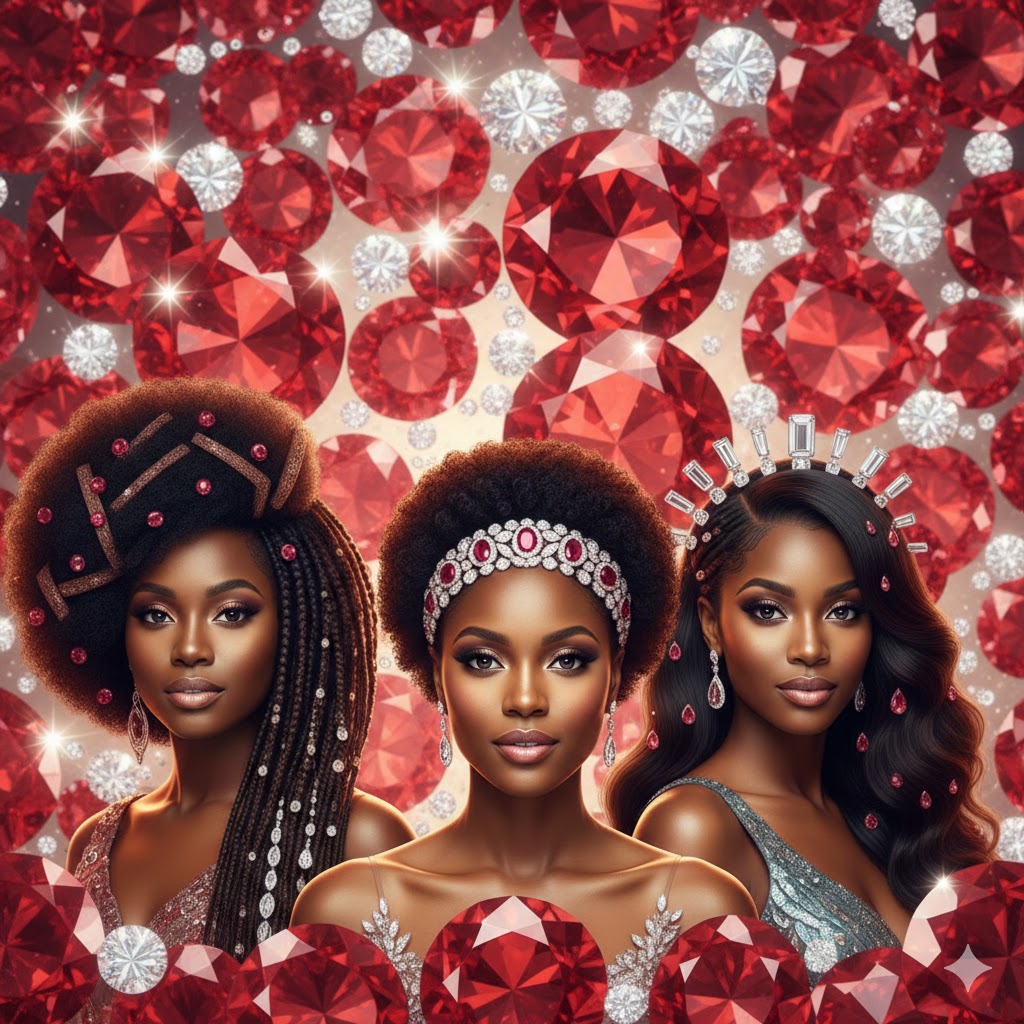
All posts by The Brown Girl Dilemma

I welcome everyone— women and men of all nationalities—to read, reflect, and gather insight across the many topics about black people explored here. To the Brown girl and the Brown boy who walk into rooms already carrying history, beauty, and burden—this space is for you. You stand at the intersection of visibility and erasure, desirability and disregard, reverence and resistance, often praised, questioned, desired, dismissed, and debated all at once. In a world that studies your skin more than your soul and distorts what God designed with intention, may truth, healing, and divine purpose meet you here. This is a conversation created to name your journey without silencing your truth, to restore what society has tried to redefine, and to remind you that your worth was never the problem—only the world’s inability to honor it.

Adornment of the Spirit: Rediscovering Beauty in Holiness.

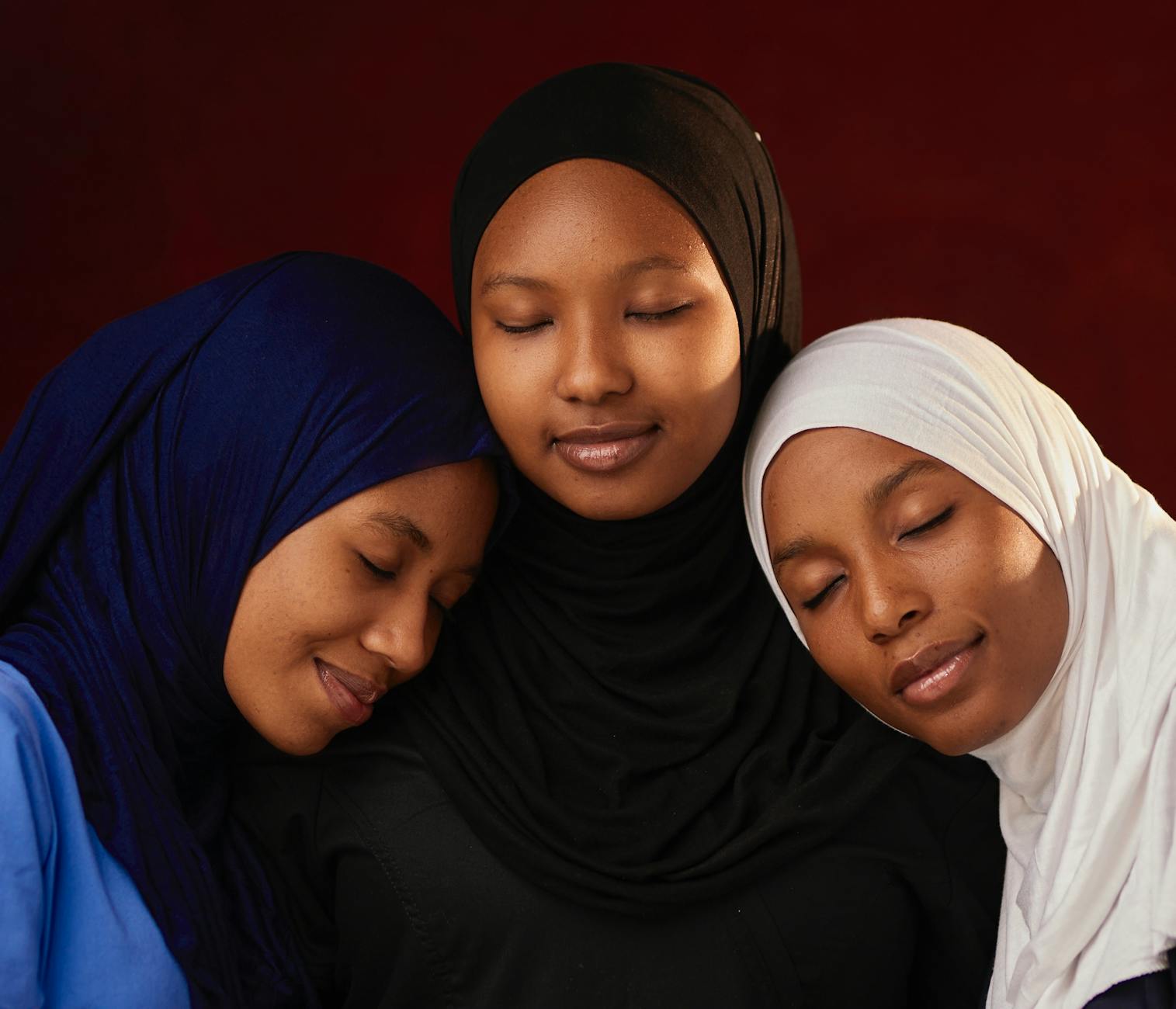
Photo by Darkshade Photos on Pexels.com

In an age obsessed with appearances, filters, and flawless presentation, beauty has become a performance rather than a reflection of character. Modern society teaches women to seek validation through glamour, cosmetics, and the external polish of perfection. Yet Scripture reminds believers that true beauty originates not from surface-level adornment but from the sanctified heart. Holiness, not highlight, is what radiates lasting light.

The Apostle Peter addresses this in 1 Peter 3:3–4 (KJV): “Whose adorning let it not be that outward adorning of plaiting the hair, and of wearing of gold, or of putting on of apparel; but let it be the hidden man of the heart.” This teaching does not condemn beauty but redefines it. God’s perspective elevates inward virtue above temporal aesthetics, challenging worldly measures that exalt glamour over grace.

For centuries, the adornment of women has been linked to social status, desirability, and power. From ancient jewelry to contemporary beauty industries, outward embellishment has symbolized worth. However, holiness calls for an inversion of these priorities—where beauty is not a competition for attention but a reflection of divine alignment. The Spirit becomes the ultimate designer of the soul’s wardrobe.

In Proverbs 31, the virtuous woman is described not by her facial symmetry or garments, but by her strength, wisdom, and fear of the Lord. “Favor is deceitful, and beauty is vain: but a woman that feareth the Lord, she shall be praised” (Proverbs 31:30). This verse strips beauty of its idolatrous allure and restores it as a byproduct of godly living. Spiritual adornment becomes a manifestation of reverence and righteousness.

Modern culture equates beauty with consumption—buying more to become more. Yet the spiritual economy functions inversely: the less one depends on adornment for identity, the more radiant one becomes. Isaiah 61:10 proclaims, “He hath clothed me with the garments of salvation, he hath covered me with the robe of righteousness.” The believer’s true embellishment is grace itself, woven by the hands of God.

Holiness is not synonymous with austerity or neglect of self-care. It is the balance between stewardship of the body and submission of the spirit. When a person adorns themselves in modesty, confidence, and humility, they demonstrate an awareness that the body is a temple, not a trophy. The adornment of the spirit cultivates quiet strength and enduring influence.

Throughout biblical history, beauty often intersected with purpose. Esther’s physical grace gained the king’s favor, yet her true adornment was courage and faith. Her beauty became a vessel for divine deliverance, not vanity. Similarly, the story of Ruth highlights loyalty, integrity, and humility as spiritual ornaments far more valuable than any material possession.

Eurocentric beauty norms have long enslaved many to an impossible standard of perfection. From the lightening of skin to the straightening of hair, these practices reveal a deeper spiritual bondage—an unspoken belief that God’s original design is insufficient. Rediscovering beauty in holiness liberates the believer from such deceptions, inviting restoration of the natural, the authentic, and the sacred.

When the Spirit dwells within, it beautifies the soul. The fruits of the Spirit—love, joy, peace, patience, kindness, goodness, faithfulness, gentleness, and self-control—become ornaments that never fade (Galatians 5:22–23). These qualities draw others not to envy but to inspiration. They signify a life adorned with divine excellence rather than artificial charm.

Holiness transforms presence. It gives a quiet confidence that radiates without striving. This inner beauty, unlike physical allure, deepens with time. Wrinkles become lines of wisdom; scars become testimonies of grace. True beauty matures; it does not decay. In this, holiness restores dignity to aging, reminding us that sanctification is a continual process of refinement.

The church must reclaim its prophetic role in redefining beauty. Too often, even faith communities have mirrored worldly glamour, prioritizing appearance over authenticity. A generation raised on image must be reminded that holiness is not outdated—it is revolutionary. To adorn the spirit is to rebel against the culture of comparison and reclaim identity as God’s creation.

Adornment of the spirit requires daily consecration. Prayer, fasting, study, and worship cleanse the soul as cosmetics polish the skin. The inward glow of divine intimacy cannot be replicated through makeup or luxury—it is cultivated through surrender and obedience. The Holy Spirit becomes the illuminator, giving believers an incorruptible beauty.

Black women, in particular, have been burdened by historical distortion of beauty. The Eurocentric gaze devalued their features, prompting centuries of erasure and mimicry. Yet to rediscover beauty in holiness is to reclaim the image of God within melanin, curls, and curves. Each feature becomes a sacred signature of divine artistry.

The Psalms declare, “Let the beauty of the Lord our God be upon us” (Psalm 90:17). This beauty is moral, spiritual, and eternal. When the believer reflects God’s character, they embody a holiness that transcends culture, color, and class. It is the light of righteousness adorning the redeemed.

Worldly adornment fades; divine adornment endures. The makeup of holiness does not wash away. It sanctifies attitudes, purifies motives, and beautifies behavior. It aligns the believer’s appearance with their purpose, turning vanity into virtue.

In rediscovering beauty through holiness, one begins to see glamour for what it truly is—a fleeting imitation of God’s enduring splendor. To pursue holiness is to invest in eternal elegance, the kind that outlasts trends and transcends mortality. Grace becomes the ultimate cosmetic of the soul.

As Paul reminds the Corinthians, “We all, with open face beholding as in a glass the glory of the Lord, are changed into the same image” (2 Corinthians 3:18). The more one beholds divine glory, the more radiant they become—not from outer glow but inner transformation.

Rediscovering beauty in holiness invites women to lay down the mirror of vanity and lift up the mirror of Scripture. There, reflection becomes revelation, and image becomes identity. The believer no longer seeks to be admired but to be anointed.

In the end, the most beautiful face is the one illuminated by faith. The most adorned soul is the one clothed in righteousness. Holiness is not merely moral cleanliness—it is the restoration of beauty to its rightful place: an expression of God’s glory, not man’s approval.


References

  • The Holy Bible, King James Version.
  • hooks, b. (1992). Black looks: Race and representation. South End Press.
  • Tate, S. A. (2009). Black beauty: Aesthetics, stylization, politics. Ashgate.
  • Wolf, N. (1991). The beauty myth: How images of beauty are used against women. HarperCollins.
  • Banks, I. (2000). Hair matters: Beauty, power, and Black women’s consciousness. New York University Press.
  • Thomas, L. (2012). Modesty and modernity: A study of Christian embodiment. Oxford University Press.
  • Wilmore, G. S. (1983). Black religion and Black radicalism: An interpretation of the religious history of African Americans. Orbis Books.


Man Looketh on the Outward Appearance

Human society has long been captivated by physical appearance, often allowing external beauty to shape judgment, social status, and opportunity. While aesthetic appeal can inspire admiration, it frequently fosters bias, favoritism, and misjudgment, obscuring true character. This tendency aligns with the biblical observation that humans often prioritize outward appearance over the qualities of the heart (1 Samuel 16:7, KJV).

The “halo effect” in psychology illustrates this phenomenon: attractive individuals are often perceived as possessing positive traits such as intelligence, honesty, and competence, regardless of their actual qualities (Dion, Berscheid, & Walster, 1972). Conversely, individuals considered less attractive may face prejudice, exclusion, or undervaluation.

Societal standards of beauty are culturally and historically contingent, often reflecting power structures and reinforcing social hierarchies (Wolf, 1991). In Western societies, Eurocentric features are frequently idealized, affecting the opportunities and treatment afforded to those who conform to these norms.

The Bible highlights the limitations of human judgment. 1 Samuel 16:7 (KJV) states: “But the Lord said unto Samuel, Look not on his countenance, or on the height of his stature; because I have refused him: for the Lord seeth not as man seeth; for man looketh on the outward appearance, but the Lord looketh on the heart.” This passage emphasizes the moral imperative to discern character beyond superficial traits.

Pretty privilege, a modern manifestation of appearance-based bias, provides tangible social and economic advantages to those deemed attractive (Langlois et al., 2000). Such privilege can influence employment, education, legal outcomes, and relational dynamics, demonstrating the profound real-world consequences of aesthetic judgment.

Cultural and media influences reinforce the emphasis on outward appearance. Advertising, film, and social media platforms promote idealized images of beauty, normalizing narrow standards and perpetuating social hierarchies based on aesthetics (Marwick, 2017; Noble, 2018).

Colorism further complicates the valuation of appearance, particularly for Black individuals. Lighter-skinned individuals are often favored in social and professional contexts, while darker-skinned individuals may experience bias or marginalization, illustrating how outward appearance intersects with racialized hierarchies (Hunter, 2007).

In professional settings, attractive employees frequently experience faster promotions, higher pay, and favorable evaluations, whereas those not meeting aesthetic norms may face subtle or overt discrimination (Hosoda, Stone-Romero, & Coats, 2003). These patterns underscore the structural influence of appearance in human society.

The psychological impact of being judged primarily by appearance is significant. Individuals may develop low self-esteem, anxiety, or social withdrawal when they perceive themselves as unattractive or devalued based on superficial traits (Langlois et al., 2000). Conversely, those advantaged by beauty may struggle with entitlement or overreliance on appearance for social validation.

Religious and ethical teachings encourage evaluating individuals based on virtue, character, and moral integrity. Proverbs 31:30 (KJV) declares: “Favor is deceitful, and beauty is vain: but a woman that feareth the Lord, she shall be praised.” True worth transcends aesthetic appeal, prioritizing internal qualities recognized by God.

The social consequences of focusing on outward appearance include distorted relationships, unjust hierarchies, and superficial assessments of merit. Favoritism and prejudice based on looks undermine fairness and relational depth.

Psychological interventions, such as awareness of implicit biases and deliberate evaluation of character, can mitigate the influence of appearance-based judgment (Eagly et al., 1991). Cultivating empathy and discernment encourages more equitable treatment and aligns human evaluation with divine principles.

Digital culture intensifies the scrutiny of physical appearance. Social media platforms amplify visual evaluation, rewarding attractiveness with likes, followers, and engagement metrics, which can reinforce self-worth and societal valuation based on appearance (Noble, 2018).

In educational contexts, students deemed attractive often receive more positive attention, encouragement, and social support, whereas less attractive students may be overlooked or underestimated. These dynamics illustrate the early socialization of appearance-based bias (Langlois et al., 2000).

The commodification of beauty in consumer culture further entrenches its influence. Cosmetics, fashion, and wellness industries profit by promoting appearance as central to social and economic value (Wolf, 1991).

Leadership and mentorship must consciously counteract the emphasis on outward appearance. Evaluating individuals based on skills, integrity, and character fosters fairness, reduces bias, and aligns with ethical and spiritual standards.

Intersectional approaches are essential to understanding how appearance-based judgment interacts with race, gender, age, and socioeconomic status. Marginalized groups often experience compounded disadvantages related to aesthetic bias (Hunter, 2007).

Ultimately, the biblical admonition reminds believers to resist superficial judgments. Aligning human assessment with God’s perspective—valuing the heart over outward appearance—encourages justice, humility, and discernment.

In conclusion, while society often privileges outward beauty, the moral and spiritual imperative is to look beyond the flesh, evaluating individuals by character, virtue, and integrity. Recognizing and mitigating appearance-based bias fosters ethical, equitable, and spiritually aligned communities.

References

Dion, K., Berscheid, E., & Walster, E. (1972). What is beautiful is good. Journal of Personality and Social Psychology, 24(3), 285–290.

Eagly, A. H., Ashmore, R. D., Makhijani, M. G., & Longo, L. C. (1991). What is beautiful is good, but…: A meta-analytic review of research on the physical attractiveness stereotype. Psychological Bulletin, 110(1), 109–128.

Hosoda, M., Stone-Romero, E. F., & Coats, G. (2003). The effects of physical attractiveness on job-related outcomes: A meta-analysis of experimental studies. Personnel Psychology, 56(2), 431–462.

Hunter, M. (2007). The persistent problem of colorism: Skin tone, status, and inequality. Sociology Compass, 1(1), 237–254.

Langlois, J. H., Kalakanis, L., Rubenstein, A. J., Larson, A., Hallam, M., & Smoot, M. (2000). Maxims or myths of beauty? A meta-analytic and theoretical review. Psychological Bulletin, 126(3), 390–423.

Marwick, A. (2017). Status update: Celebrity, publicity, and branding in the social media age. Yale University Press.

Noble, S. U. (2018). Algorithms of oppression: How search engines reinforce racism. NYU Press.

Wolf, N. (1991). The beauty myth: How images of beauty are used against women. HarperCollins.

Holy Bible, King James Version (KJV). 1 Samuel 16:7; Proverbs 31:30.

Girl Talk Series: Infidelity – When He Cheats.

Photo by Artem Podrez on Pexels.com

Ladies, if you have experienced betrayal, know this: you are not imagining things, and you are not “too sensitive.” Cheating is a profound violation of covenant trust, an offense against God’s design for marriage, and a wound to the soul of the betrayed partner. The pain is real, deep, and multifaceted—encompassing emotional, physical, and spiritual aspects.

The Bible calls marriage a sacred covenant. Hebrews 13:4 declares, “Marriage is honourable in all, and the bed undefiled: but whoremongers and adulterers God will judge.” Infidelity breaks the covenant, dishonors God, and leaves lingering effects on the betrayed spouse. Proverbs 6:32 further warns that “Whoso committeth adultery with a woman lacketh understanding: he that doeth it destroyeth his own soul.”

Emotionally, infidelity can lead to anxiety, depression, and a profound sense of rejection. A woman may question her worth, blaming herself for his choices. Yet Scripture reminds us that your value is inherent: Psalm 139:14 says, “I will praise thee; for I am fearfully and wonderfully made.” You are not the problem; the sin rests squarely with the offender.

Physically, betrayal can trigger stress-related health issues. Elevated cortisol from prolonged emotional trauma can affect sleep, appetite, and immunity. Spiritual consequences may include a sense of distance from God, questioning divine justice, or struggling with trust in future relationships.

Psychology helps us understand why some men cheat. Attachment theory suggests that men with avoidant attachment may struggle with intimacy, seeking external validation to cope with fear of vulnerability. Emotional immaturity often manifests as a lack of accountability, an inability to empathize, and chronic self-centeredness.

Emotional immaturity in men can be recognized by their avoidance of responsibility, inconsistent behavior, and lack of transparency. Proverbs 4:23 advises, “Keep thy heart with all diligence; for out of it are the issues of life.” Protecting your heart requires discernment of immaturity.

One hallmark of emotionally immature men is blame-shifting. They refuse to take responsibility for their choices, instead projecting guilt onto their partner. Signs include deflecting questions, accusing you of “overreacting,” or claiming you pushed them into sin. Psychologically, this aligns with projection—a defense mechanism to avoid self-reproach.

Another tactic is intermittent reinforcement. This occurs when a man alternates between apology, charm, and betrayal, keeping you emotionally hooked. Proverbs 25:14 calls this “clouds without rain”—promises made but never fulfilled. Repeated cycles of hope and disappointment weaken discernment.

Women are often tempted to measure words by desire or wishful thinking. Practical wisdom says: measure him by consistent actions, not promises. If he repeatedly fails to honor commitments, recognize that behavior reveals character. Luke 6:45 states, “A good man out of the good treasure of his heart bringeth forth that which is good; and an evil man out of the evil treasure bringeth forth that which is evil.”

Healing from betrayal trauma requires intentional steps. Journaling can help process feelings and externalize pain. Writing prayers of release affirms that God holds justice, and you do not need to carry his sin or shame. Romans 12:2 encourages renewing your mind—replacing lies and self-blame with God’s truth.

Therapy, particularly trauma-informed approaches, can help rebuild self-worth and emotional stability. Cognitive-behavioral therapy (CBT) is effective in challenging distorted thinking patterns like “I caused this” or “I am unlovable.” Replacing them with evidence-based, Scripture-aligned truths fosters restoration.

Refusing to carry someone else’s sin is essential. Psalm 51 and 1 John 1:9 describe the biblical model of confession and repentance. The cheater must acknowledge wrongdoing before God and seek genuine change. You are not responsible for his repentance; your task is to protect your heart.

Emotionally immature men often offer empty promises of change. They may swear fidelity, attend counseling superficially, or present an image of transformation without actual growth. Recognizing this pattern is crucial to avoid further harm.

Infidelity also teaches women discernment. Proverbs 6:32 labels adultery as a lack of understanding, signaling that the man’s behavior reflects his character, not your value. Observing patterns helps women protect themselves in future relationships.

Blame-shifting often accompanies gaslighting. The cheater may make you doubt your perception, claiming, “You’re too sensitive,” or, “I only did it because you ignored me.” This is psychological manipulation designed to maintain control and evade accountability.

Rebuilding trust in yourself is critical. Journaling prayers of release, meditating on Psalm 139:14, and reciting affirmations grounded in Scripture reinforce self-worth and emotional resilience. This practice aligns with Romans 12:2—renewing the mind to perceive truth over lies.

Spiritual disciplines such as fasting, worship, and prayer restore mental clarity. They help you connect to God’s perspective, release bitterness, and reclaim peace. Philippians 4:6–7 teaches that prayer, combined with thanksgiving, guards your heart and mind.

Practically, setting boundaries is vital. You must define what behavior is unacceptable and refuse re-entry into situations that compromise your emotional health. Proverbs 22:3 reminds us, “A prudent man foreseeth the evil, and hideth himself.” Wisdom safeguards your heart.

Recognizing projection and blame-shifting protects you from further manipulation. The offender projecting his guilt onto you is a psychological tactic to maintain control. Awareness empowers you to reject internalizing these false accusations.

Forgiveness, distinct from reconciliation, is a spiritual requirement. You may release anger and bitterness without restoring trust. Colossians 3:13 commands, “Forbearing one another, and forgiving one another, if any man have a quarrel against any: even as Christ forgave you, so also do ye.”

Restoring self-worth involves intentional affirmations. Daily declarations like, “I am fearfully and wonderfully made” (Psalm 139:14), and “God’s love defines my value” counter the internalized shame and insecurity caused by betrayal.

Healing requires time. Women must allow themselves to grieve, process, and rebuild. Infidelity may shake your foundation, but God promises restoration and renewal. Isaiah 61:3 assures that He gives “the garment of praise for the spirit of heaviness”—a transformation from pain to strength.

A final principle is discernment in future relationships. Utilize experience, Scripture, and the guidance of the Holy Spirit to recognize warning signs/red flags. Emotional immaturity and infidelity patterns are often repeated unless addressed with accountability, repentance, and spiritual growth.

Red Flags & Healing Checklist for Women After Infidelity

1. Recognize Emotional Immaturity

  • Refuses accountability or always blames you.
  • Minimizes your feelings: “You’re too sensitive” or “You’re overreacting.”
  • Avoids meaningful communication about his mistakes.

Scripture: Proverbs 4:23 – “Keep thy heart with all diligence; for out of it are the issues of life.”


2. Identify Blame-Shifting & Projection

  • He accuses you of causing his infidelity.
  • Projects his guilt onto you or others.
  • Uses your past mistakes as “justification” for current sin.

Tip: Write down examples as they occur to validate your perception.


3. Spot Intermittent Reinforcement

  • Alternates between apologies, charm, and betrayal.
  • Makes promises he does not keep (clouds without rain – Proverbs 25:14).
  • Leaves you hoping for change instead of demonstrating it through consistent actions.

Tip: Measure behavior by repeated actions, not words.


4. Protect Your Emotional & Spiritual Health

  • Maintain personal boundaries.
  • Limit access if he continues destructive patterns.
  • Protect your heart while still offering grace through prayer.

Scripture: Luke 5:16 – Jesus withdrew to pray and restore clarity.


5. Rebuild Self-Worth

  • Daily affirmations: “I am fearfully and wonderfully made” (Psalm 139:14).
  • Journaling positive qualities and achievements.
  • Reframing your identity around God, not his betrayal.

Psychology Tip: Use Cognitive-Behavioral Therapy (CBT) techniques to challenge negative thoughts:

  • Thought: “I caused this.”
  • Reframe: “His choices reflect his character, not my worth.”

6. Release Bitterness

  • Write a prayer or letter of release (you may never send it).
  • Surrender anger to God daily.
  • Refuse to carry the shame of his sin.

Scripture: Colossians 3:13 – “Forbearing one another, and forgiving one another, if any man have a quarrel against any: even as Christ forgave you, so also do ye.”


7. Seek Counseling & Support

  • Trusted mentors, pastors, or therapists.
  • Trauma-informed approaches for betrayal trauma.
  • Support groups for accountability and encouragement.

8. Evaluate Promises vs. Actions

  • Keep a record of commitments and actual follow-through.
  • Recognize patterns of repeated failure as indicators of character.

Scripture: Luke 6:45 – “A good man out of the good treasure of his heart bringeth forth that which is good; and an evil man out of the evil treasure bringeth forth that which is evil.”


9. Spiritual Disciplines for Clarity

  • Prayer, fasting, Scripture meditation, worship.
  • Reconnect with God’s perspective on your identity, value, and boundaries.

Romans 12:2“And be not conformed to this world: but be ye transformed by the renewing of your mind…”


10. Set Boundaries for Future Relationships

  • Guard your heart until trust can be verified through consistent, accountable behavior.
  • Avoid resuming relationships with those who repeat betrayal patterns.
  • Pray for discernment and wisdom in new connections.

11. Forgive Without Reconciliation

  • Release anger spiritually without necessarily restoring the relationship.
  • Trust God for justice and restoration, not your own control.

Scripture: 1 John 1:9 – “If we confess our sins, he is faithful and just to forgive us our sins, and to cleanse us from all unrighteousness.”


12. Recognize Signs of Recovery

  • You no longer obsess over betrayal.
  • You can think of him without emotional spikes of anxiety or rage.
  • You act from a place of wisdom, not fear or hope.

Ultimately, the woman who survives betrayal can emerge stronger, wiser, and spiritually fortified. Her identity is anchored not in a man’s choices but in Christ. She learns that forgiveness frees her heart, wisdom protects it, and self-worth cannot be stolen.


References

  • Holy Bible, King James Version (KJV).
  • American Psychological Association. (2020). APA Dictionary of Psychology.
  • Cloud, H., & Townsend, J. (2017). Boundaries: When to Say Yes, How to Say No to Take Control of Your Life. Zondervan.
  • Enright, R. D. (2015). Forgiveness Therapy: An Empirical Guide for Resolving Anger and Restoring Hope. American Psychological Association.
  • Mikulincer, M., & Shaver, P. R. (2016). Attachment in Adulthood: Structure, Dynamics, and Change. Guilford Press.

The Ebony Dolls: Joyce Bryant

The Bronze Blonde Bombshell Who Redefined Black Glamour

In the golden age of American nightlife, before the Civil Rights Movement reshaped the nation’s moral compass, one woman stood beneath the spotlight with silver hair gleaming and a voice that silenced entire rooms. Joyce Bryant was not merely a nightclub singer — she was spectacle, defiance, elegance, and contradiction embodied. She was called “The Bronze Blonde Bombshell,” “The Black Marilyn Monroe,” and “The Voice You’ll Always Remember.” Yet beyond the glamour was a woman of discipline, faith, and conviction whose life defied the industry that made her famous.

Born Ione Emily Bryant on October 14, 1927, in Oakland, California, and raised in San Francisco in a strict Seventh-day Adventist household, Bryant’s upbringing was conservative and deeply religious. Her early life did not forecast the sensual icon she would become. At fourteen, she briefly eloped — a youthful rebellion that ended almost as quickly as it began. It would not be the last time she surprised those who tried to define her.

Her entry into entertainment was accidental. In 1946, while visiting Los Angeles, she accepted a dare to sing at a nightclub to earn money for her return home. The club owner paid her $25 and invited her back. That impromptu performance marked the birth of a career that would soon electrify New York’s nightclub circuit.

By the late 1940s and early 1950s, Bryant was headlining major venues, reportedly earning thousands per week — an extraordinary sum for a Black woman in segregated America. Her four-octave vocal range captivated audiences, but it was her appearance that made her unforgettable. She dyed her hair metallic silver — initially using radiator paint — and wore impossibly tight mermaid gowns that required her to be sewn into them before performances. She moved minimally on stage, creating an aura of mystique that intensified her sensual presence.

Her aesthetic was deliberate. In an era when Black women were often denied glamorous representation, Bryant constructed herself as living art. In 1954, Ebony magazine named her one of the five most beautiful Black women in the world, alongside icons such as Lena Horne, Eartha Kitt, and Dorothy Dandridge. That recognition solidified her place within the visual lineage of celebrated Black femininity — what cultural historians often describe metaphorically as “Ebony Dolls”: women whose beauty, poise, and cultural visibility reshaped aesthetic standards.

Bryant’s recordings included songs such as “Love for Sale,” “Runnin’ Wild,” and “Drunk with Love.” Some were banned from radio due to perceived suggestiveness. Yet the controversy only amplified her allure. She was daring but never vulgar; provocative yet controlled. She understood that power in performance was not merely about exposure, but about command.

Her impact extended beyond aesthetics. Bryant broke racial barriers by performing in previously segregated venues, including Miami Beach nightclubs that rarely booked Black entertainers. She received threats from white supremacist groups but continued performing, quietly challenging Jim Crow norms with every booking.

Despite reaching the height of nightclub fame, Bryant walked away from it all in the mid-1950s. Disillusioned with the exploitation and moral compromises demanded by the entertainment industry, she returned to her religious roots. She studied at Oakwood College and devoted herself to faith-based service and activism. She also participated in civil rights fundraising efforts and supported the broader movement for racial justice emerging under leaders such as Martin Luther King Jr..

Unlike many performers who fade into obscurity after leaving the spotlight, Bryant reinvented herself. In the 1960s, she returned as a classically trained vocalist, studying opera and performing with respected companies including the New York City Opera. Her transition from nightclub bombshell to operatic soprano confounded critics who had underestimated her discipline and artistry.

Her film work was limited but historically noted. She appeared in the 1946 crime film Mr. Ace, performing as a nightclub singer. While Hollywood never fully capitalized on her magnetism, her screen presence remains a testament to her versatility.

Personally, Bryant’s life was marked more by independence than domestic publicity. Aside from her teenage elopement, she did not build her legacy around marriage or publicized romantic partnerships. Instead, she cultivated a life of artistic growth, spiritual conviction, and community service.

In later years, renewed interest in her story led to documentaries and retrospectives, reintroducing her to audiences who had never witnessed her reign firsthand. She passed away in Los Angeles in 2022 at the age of 95, leaving behind a legacy that spans glamour, resistance, faith, and reinvention.

Why is Joyce Bryant considered an Ebony Doll? Because she represented an archetype rarely afforded to Black women in mid-20th-century America: high glamour without apology, sensuality without shame, beauty without concession to Eurocentric standards. She crafted her image intentionally and then relinquished it on her own terms. She proved that beauty and righteousness, performance and principle, could coexist within one woman.

Joyce Bryant was not merely a nightclub sensation. She was a cultural architect of Black glamour. She was a pioneer who stood radiant in silver hair beneath hostile skies — and she remains a symbol of elegance forged in resistance.


References

Bryant, J. (n.d.). Official Biography. JoyceBryant.net.

Joyce Bryant. (2024). In Wikipedia.

Ebony. (1954). “The World’s Most Beautiful Black Women.” Ebony Magazine.

Mr. Ace. (1946). Republic Pictures.

Black Women Radicals. (n.d.). Joyce Bryant Biography.

Ebony Magazine. (2022). “Acclaimed Singer Joyce Bryant Passes Away at 95.”

Why Are Americans So Overweight?

The United States stands among the nations most affected by the global obesity epidemic. According to the Centers for Disease Control and Prevention, more than 40% of American adults are classified as obese, with even higher percentages considered overweight. These figures represent a dramatic increase over the past five decades and correlate with rising rates of type 2 diabetes, cardiovascular disease, hypertension, and certain cancers. Obesity is no longer a marginal issue; it is a defining public health crisis of the modern American era.

A primary driver of excess weight in the United States is the dominance of ultra-processed foods in the national diet. Researchers at institutions such as the National Institutes of Health have demonstrated that diets high in ultra-processed foods lead to greater caloric intake and measurable weight gain compared to whole-food diets, even when macronutrients are matched. These foods are engineered for hyper-palatability, long shelf life, and convenience, often at the expense of nutritional integrity.

Ultra-processed foods typically contain high levels of added sugars, refined carbohydrates, industrial seed oils, and sodium. Ingredients such as high-fructose corn syrup, hydrogenated oils, artificial flavor enhancers, and synthetic preservatives increase calorie density while reducing satiety. Excess sugar consumption, particularly in beverages, has been strongly linked to insulin resistance and fat accumulation.

A growing body of scientific evidence links diets high in ultra-processed foods, added sugars, processed meats, and chemical additives to an increased risk of cancer and other chronic illnesses. The World Health Organization, through its cancer research arm the International Agency for Research on Cancer, has classified processed meats as Group 1 carcinogens, meaning there is sufficient evidence that they cause colorectal cancer in humans. Additionally, high consumption of ultra-processed foods has been associated with increased risks of cardiovascular disease, type 2 diabetes, and certain cancers due to factors such as chronic inflammation, insulin resistance, oxidative stress, and exposure to food additives and contaminants formed during high-heat processing. Diets rich in refined sugars and unhealthy fats further contribute to metabolic dysfunction, obesity, and nonalcoholic fatty liver disease, all of which elevate long-term disease risk. These findings underscore the importance of prioritizing whole, minimally processed foods to reduce the burden of diet-related illness.

Beyond macronutrients, the modern American food supply contains numerous additives and chemical agents that may influence metabolic processes. Certain emulsifiers, artificial sweeteners, and preservatives have been studied for their potential impact on gut microbiota and metabolic regulation. Disruption of gut flora has been associated with inflammation and weight gain, suggesting that food chemistry may indirectly contribute to obesity risk.

Another controversial but frequently discussed topic is genetically modified organisms (GMOs). While leading scientific bodies, including the National Academy of Sciences, conclude that GMOs currently approved for consumption are not directly linked to obesity or chronic disease, concerns persist among consumers regarding pesticide residues and the broader industrial agricultural model. The issue may be less about genetic modification itself and more about the industrial processing of foods derived from such crops.

Hormones in meat production are often cited in discussions about weight gain. It is important to clarify that the use of added hormones is prohibited in U.S. poultry production, as regulated by the U.S. Department of Agriculture. However, hormones are permitted in some cattle production. While no definitive evidence links dietary hormones in approved quantities to obesity, the perception reflects broader mistrust of industrial food systems.

Chemical exposure is not limited to food alone. Drinking water contamination has become a growing concern. Substances such as PFAS (per- and polyfluoroalkyl substances), sometimes referred to as “forever chemicals,” have been detected in water supplies across the country. The Environmental Protection Agency has acknowledged links between certain PFAS exposures and metabolic disorders, thyroid dysfunction, and hormonal disruption. Although research is ongoing, endocrine-disrupting chemicals in water may influence fat storage and metabolic balance.

Bisphenol A (BPA), phthalates, and other plastic-associated chemicals can leach into both food and water from packaging and containers. These compounds are classified as endocrine disruptors because they mimic or interfere with hormonal signaling. Hormonal dysregulation affects appetite, fat storage, and insulin sensitivity, potentially contributing to weight gain over time.

Lifestyle patterns further compound the issue. Americans consume larger portion sizes than most nations and eat outside the home more frequently. Restaurant meals and fast food portions often exceed daily caloric needs in a single sitting. Combined with sedentary occupations and car-dependent infrastructure, caloric intake often surpasses energy expenditure.

Globally, the most obese countries include small Pacific Island nations such as Nauru and Tonga, where obesity rates exceed 60–70%. The United States ranks among the highest of large industrialized nations. In contrast, countries such as Japan and Vietnam report adult obesity rates below 5%.

Many Americans question why countries like France appear to maintain relatively lower obesity rates despite consuming bread, pastries, and desserts. The so-called “French paradox” highlights differences in eating culture rather than specific foods. French meals tend to emphasize portion control, slower eating, fewer snacks, and fresh ingredients rather than highly processed packaged products.

Similarly, traditional diets in China historically centered on vegetables, rice, legumes, and modest portions of meat. While modern China is experiencing rising obesity due to Western dietary influence, traditional dietary patterns involved high fiber intake and minimal processed sugar.

Food deserts and socioeconomic disparities also contribute significantly. In many American urban and rural areas, fresh produce is less accessible than convenience stores stocked with packaged snacks. Lower-income communities often face limited access to affordable, nutrient-dense food options, reinforcing unhealthy dietary cycles.

Marketing practices intensify the issue. Ultra-processed foods are heavily advertised, especially to children. Bright packaging, cartoon branding, and digital marketing campaigns normalize excessive sugar and snack consumption from an early age, shaping lifelong habits.

Sleep deprivation and chronic stress also affect metabolic health. Elevated cortisol levels are associated with increased abdominal fat storage and cravings for high-calorie foods. In a fast-paced, high-stress society, these physiological responses amplify dietary risks.

Physical inactivity is another structural factor. Unlike many European and Asian countries where walking, biking, and public transit are common, American infrastructure often requires automobile travel. Reduced daily movement contributes to energy imbalance over time.

The solution to American obesity must be multifaceted. Individual behavior change—such as cooking whole foods, reducing processed sugar intake, filtering drinking water when necessary, and increasing physical activity—is essential. However, systemic change is equally critical.

Policy interventions may include regulating harmful additives, improving water quality standards, limiting marketing of unhealthy foods to children, and incentivizing access to fresh produce. Public health campaigns must emphasize food literacy, label awareness, and long-term lifestyle change rather than short-term dieting.

Culturally, a shift toward mindful eating, smaller portions, and valuing food quality over quantity may help reshape national norms. Observing dietary patterns in countries with lower obesity rates suggests that eating rituals, moderation, and whole-food traditions play a powerful role in weight stability.

Ultimately, Americans are not overweight because of a single ingredient or habit. The crisis reflects an intricate interaction of industrial food production, chemical exposures in food and water, environmental design, socioeconomic disparities, stress, and lifestyle patterns. Addressing obesity requires both personal accountability and structural reform aimed at restoring balance to the modern American diet and environment.


References

Centers for Disease Control and Prevention. (2023). Adult obesity facts.
Environmental Protection Agency. (2023). PFAS and human health effects.
Hall, K. D., et al. (2019). Ultra-processed diets cause excess calorie intake and weight gain: An inpatient randomized controlled trial. Cell Metabolism, 30(1), 67–77.
National Academy of Sciences. (2016). Genetically Engineered Crops: Experiences and Prospects.
National Institutes of Health. (2022). Ultra-processed foods and obesity research updates.
U.S. Department of Agriculture. (2023). Hormones in meat and poultry.
World Health Organization. (2023). Obesity and overweight global statistics.

International Agency for Research on Cancer. (2015). IARC Monographs evaluate consumption of red meat and processed meat. World Health Organization.

The Economics of Beauty Bias

Physical appearance has long influenced social and economic outcomes, but the intersection of beauty and economics extends beyond superficial preference. Scholars have demonstrated that “beauty bias” affects employment, wages, promotions, and even perceptions of competence. Those who conform more closely to socially sanctioned standards of attractiveness often receive tangible economic advantages, while those who do not face systemic disadvantages. Thus, beauty is not merely aesthetic — it functions as a form of social capital with measurable economic consequences.

Studies in labor economics have consistently identified a “beauty premium,” wherein attractive individuals earn higher wages and experience faster career advancement than their less conventionally attractive peers. This phenomenon transcends gender, though its magnitude is often greater for women due to historical gendered expectations and the commodification of female appearance. Employers’ implicit biases reinforce these disparities, translating societal beauty norms into financial outcomes.

The mechanisms behind beauty bias are multifaceted. Cognitive psychology suggests that physical attractiveness triggers a “halo effect,” where positive traits are inferred from appearance. Attractive individuals are often perceived as more competent, trustworthy, and socially adept. These perceptions influence hiring decisions, client relations, and peer evaluations, creating a feedback loop in which beauty becomes both a signal and a form of economic leverage.

Beauty bias is also intertwined with race and ethnicity. Historical and contemporary standards have privileged Eurocentric features, marginalizing people of color and reinforcing structural inequalities. For Black women, this manifests as compounded discrimination: societal devaluation of darker skin, hair texture, or features intersects with gendered expectations, limiting access to economic opportunities while amplifying pressure to conform to dominant ideals.

The media and advertising industries exacerbate economic disparities tied to appearance. Representation in fashion, television, and corporate imagery often favors specific beauty standards, signaling which appearances are socially desirable and economically valuable. This systemic visibility shapes consumer behavior, career aspirations, and self-perception, further reinforcing the economic advantages of beauty.

In addition to income effects, beauty bias influences access to professional networks, mentorship, and career capital. Attractive individuals are more likely to receive invitations to key social and professional spaces, creating opportunities for skill development, sponsorship, and advancement. Conversely, those who diverge from conventional standards may face subtle exclusion, limiting both tangible and intangible resources that drive career success.

The consequences of beauty bias extend beyond the individual, affecting societal efficiency and equity. Organizations that reward appearance over merit risk underutilize talent, reducing productivity and innovation. Furthermore, beauty-based economic stratification perpetuates social hierarchies, reinforcing inequality across race, class, and gender lines. Addressing this bias is therefore not only a moral imperative but also an economic one.

Policy interventions and organizational strategies can mitigate beauty bias. Blind hiring processes, diversity training, and structured evaluation criteria reduce the influence of appearance in decision-making. Similarly, promoting diverse representations of beauty challenges cultural norms and expands the range of socially and economically valued appearances, reducing systemic inequities.

From a theoretical standpoint, beauty bias illustrates the intersection of sociology, economics, and psychology. It demonstrates how social constructs translate into material outcomes and highlights the embeddedness of cultural values within economic systems. Appearance, in this framework, is both symbolic and instrumental: a social signal with quantifiable consequences.

Ultimately, the economics of beauty bias reveals the pervasive power of appearance in shaping opportunity, wealth, and social mobility. Recognizing and addressing these dynamics is critical for creating equitable systems in which merit, skill, and character — rather than conformity to aesthetic ideals — determine success. Beauty, as a form of economic capital, must be understood not as personal preference but as a structural force with measurable consequences.


References

Hamermesh, D. S., & Biddle, J. E. (1994). Beauty and the labor market. American Economic Review, 84(5), 1174–1194.

Kelley, H. H. (1973). The processes of causal attribution. American Psychological Association.

Langlois, J. H., Kalakanis, L., Rubenstein, A. J., Larson, A., Hallam, M., & Smoot, M. (2000). Maxims or myths of beauty? A meta-analytic and theoretical review. Psychological Bulletin, 126(3), 390–423.

Moss, P., & Tilly, C. (2001). Stories employers tell: Race, skill, and hiring in America. Russell Sage Foundation.

Stavins, R., & Hamermesh, D. (2017). Gender, attractiveness, and labor market outcomes: Cross-country evidence. Journal of Economic Behavior & Organization, 140, 232–252.

Wolf, N. (1991). The beauty myth: How images of beauty are used against women. HarperCollins.

Fiske, S. T., Cuddy, A. J. C., & Glick, P. (2007). Universal dimensions of social cognition: Warmth and competence. Trends in Cognitive Sciences, 11(2), 77–83.

Brown Girls Are Not Invisible — They Are Invaluable

Brown girls have long existed at the intersection of visibility and erasure, seen when convenient yet ignored when their voices disrupt dominant narratives. From classrooms to media, from pulpits to policy, their presence has often been minimized while their labor, creativity, and resilience are consumed. This contradiction has produced a quiet harm, teaching many brown girls that to be valued they must first be validated by systems that were never built with them in mind.

Historically, the devaluation of brown girls is inseparable from the legacy of slavery and colonialism, where Black female bodies were reduced to commodities rather than recognized as bearers of intellect, spirit, and humanity. Enslaved African women were forced into roles that denied their femininity while simultaneously exploiting it, creating a distorted image that still echoes today. These inherited myths continue to shape how brown girls are treated, disciplined, and dismissed in modern society.

Colorism further complicates this reality, establishing a hierarchy within Blackness itself that privileges proximity to Eurocentric features. Brown girls often find themselves navigating a world that praises their culture while policing their skin tone, hair texture, and facial features. Research has shown that darker-skinned women face harsher discipline in schools, reduced romantic desirability in media, and fewer economic opportunities, reinforcing a message of disposability.

In media representation, brown girls are frequently absent or misrepresented. When they do appear, they are often cast in roles defined by struggle, aggression, or hypersexualization rather than joy, innocence, and complexity. This limited imagery narrows the public imagination and subtly instructs brown girls on how society expects them to exist.

Psychologically, invisibility functions as a form of trauma. When young girls do not see themselves affirmed, they internalize silence as survival. Studies in racial identity development show that chronic invalidation can lead to diminished self-esteem, anxiety, and a fractured sense of worth, especially during adolescence.

Yet despite these forces, brown girls have always resisted erasure. From the wisdom of enslaved women who preserved culture through oral tradition to modern scholars, activists, and artists, brown girls have continuously asserted their humanity. Their resistance has often been quiet but enduring, rooted in community, spirituality, and ancestral memory.

Biblically, invisibility has never equaled insignificance. Scripture repeatedly affirms that God sees those whom society overlooks. Hagar, a Black woman in bondage, is the first person in the Bible to name God, calling Him “El Roi,” the God who sees. Her story stands as divine confirmation that marginalized women are not unseen by heaven.

The Psalmist’s declaration that humanity is “fearfully and wonderfully made” directly challenges narratives that diminish brown girls. This scripture is not conditional upon skin tone, social status, or cultural acceptance. It affirms intrinsic worth bestowed by God, not granted by society.

Song of Solomon’s proclamation, “I am black, but comely,” confronts ancient and modern beauty hierarchies. It boldly asserts that Blackness and beauty are not opposites but companions. For brown girls, this verse offers both validation and resistance against internalized shame.

Educational systems have often failed brown girls by misinterpreting their confidence as defiance and their vulnerability as weakness. Studies reveal that Black girls are disciplined at disproportionate rates, criminalizing their childhood and accelerating adultification. This systemic bias communicates that their innocence is less worthy of protection.

Within faith spaces, brown girls are sometimes celebrated for their service but silenced in leadership. Their bodies are policed while their spiritual gifts are overlooked. True liberation within the church requires acknowledging how theology has been weaponized to control rather than affirm Black womanhood.

Despite these barriers, brown girls continue to redefine value on their own terms. Through self-love movements, natural hair reclamation, and intellectual production, they are dismantling imposed hierarchies. This reclamation is not vanity but survival, a refusal to accept inherited lies.

Womanist theology reminds us that the experiences of Black women are not peripheral to God’s story but central to understanding justice, redemption, and love. When brown girls speak their truth, they reveal dimensions of faith that challenge both racism and sexism simultaneously.

Invisibility thrives in silence, but healing begins with naming harm. When brown girls are encouraged to tell their stories, write their narratives, and honor their emotions, they reclaim agency. Storytelling becomes a sacred act of restoration.

Community plays a vital role in affirming value. Intergenerational mentorship, sisterhood, and cultural affirmation counteract isolation. When brown girls are surrounded by those who see them fully, their confidence flourishes.

Economically, recognizing the value of brown girls means investing in their education, creativity, and leadership. Equity is not charity; it is justice. Societies that uplift marginalized girls create stronger, healthier futures for all.

Romantically and relationally, brown girls deserve to be chosen without condition. They are not consolation prizes or aesthetic trends. They are worthy of love that honors their minds, bodies, and spirits without comparison.

The reclaiming of beauty is not about competing with Eurocentric standards but dismantling the need for them altogether. Brown girls are not seeking inclusion; they are asserting authorship over their own image.

Ultimately, invisibility is a lie sustained by systems, not a reflection of truth. Brown girls have always been invaluable, whether acknowledged or not. Their worth predates oppression and outlives it.

To affirm brown girls is to participate in restoration. It is to declare that what was once ignored is now honored, what was dismissed is now celebrated, and what was undervalued is now recognized as essential. Brown girls are not invisible. They are invaluable, divinely seen, and historically significant.

References

Banks, I. (2015). Hair matters: Beauty, power, and Black women’s consciousness. New York, NY: New York University Press.

Collins, P. H. (2000). Black feminist thought: Knowledge, consciousness, and the politics of empowerment (2nd ed.). New York, NY: Routledge.

Craig, M. L. (2002). Ain’t I a beauty queen? Black women, beauty, and the politics of race. Oxford, UK: Oxford University Press.

Davis, A. Y. (1981). Women, race & class. New York, NY: Vintage Books.

Hunter, M. (2007). The persistent problem of colorism: Skin tone, status, and inequality. Sociology Compass, 1(1), 237–254. https://doi.org/10.1111/j.1751-9020.2007.00006.x

Hunter, M. (2011). Buying racial capital: Skin bleaching and cosmetic surgery in a globalized world. The Journal of Pan African Studies, 4(4), 142–164.

hooks, b. (1992). Black looks: Race and representation. Boston, MA: South End Press.

Russell, K., Wilson, M., & Hall, R. (1992). The color complex: The politics of skin color among African Americans. New York, NY: Anchor Books.

Walker, A. (1983). In search of our mothers’ gardens: Womanist prose. San Diego, CA: Harcourt Brace Jovanovich.

Williams, D. S. (1993). Sisters in the wilderness: The challenge of womanist God-talk. Maryknoll, NY: Orbis Books.

Townes, E. M. (2006). Womanist ethics and the cultural production of evil. New York, NY: Palgrave Macmillan.


Biblical References (KJV)

The Holy Bible, King James Version.
Psalm 139:14 – “I will praise thee; for I am fearfully and wonderfully made…”
Genesis 1:27 – “So God created man in his own image…”
Song of Solomon 1:5 – “I am black, but comely…”
Isaiah 43:4 – “Since thou wast precious in my sight, thou hast been honourable…”
1 Samuel 16:7 – “For the LORD seeth not as man seeth…”


The Asian Dolls: Liu Yifei

Ethereal Beauty, Timeless Radiance.

This photograph is the property of its respective owner. No copyright infringement intended.

Liu Yifei is one of the most beautiful and celebrated actresses in contemporary Chinese cinema and one of the few Chinese-born performers to successfully bridge Eastern and Western film industries. Known affectionately in China as the “Fairy Sister” (神仙姐姐), Liu embodies a delicate yet commanding presence that has made her a modern symbol of classical Asian beauty.

Born An Feng in Wuhan, Hubei, China, on August 25, 1987, she later adopted her stage name Liu Yifei. Her parents divorced when she was young, and she relocated to the United States with her mother at age ten, living in New York. During this period, she obtained U.S. citizenship. Her bicultural upbringing would later position her uniquely within global cinema.

At fifteen, Liu was accepted into the prestigious Beijing Film Academy, becoming one of its youngest students. Her early television roles quickly elevated her status. She gained national recognition for performances in Chinese dramas such as The Story of a Noble Family and Chinese Paladin. However, it was her portrayal of Wang Yuyan in Demi-Gods and Semi-Devils that earned her the nickname “Fairy Sister,” a testament to her ethereal screen presence, porcelain complexion, oval facial harmony, and serene gaze.

Liu transitioned to film with notable roles in historical epics and martial arts dramas, including The Forbidden Kingdom alongside Jackie Chan and Jet Li. Her composure in action sequences, combined with her refined aesthetic, reinforced her image as both graceful and strong. In 2020, she achieved global prominence starring as the lead in Disney’s live-action adaptation of Mulan. This role made her one of the most internationally visible Chinese actresses of her generation and introduced her to mainstream American audiences.

Her beauty is often described as classical and balanced. She possesses luminous skin, soft yet defined facial symmetry, almond-shaped eyes, and an understated elegance that aligns with traditional Chinese aesthetic ideals. Unlike hyper-glamorous archetypes, Liu’s appeal is subtle and refined. Her expressions carry quiet strength, which enhances her cinematic mystique.

In terms of awards, Liu Yifei has received numerous honors in China, including accolades from the Macau International Movie Festival and nominations from prominent Chinese film institutions. She has also appeared on Forbes China Celebrity lists, reflecting her commercial and cultural influence.

This photograph is the property of its respective owner. No copyright infringement intended.

Regarding her personal life, Liu Yifei has largely maintained privacy. She was previously in a relationship with South Korean actor Song Seung-heon, whom she met during the filming of The Third Way of Love. The couple eventually separated. As of recent public information, she is not married and does not have children. Her discretion regarding her private affairs has only deepened her enigmatic appeal.

In China, Liu Yifei is exceptionally famous. She is considered an A-list actress with a strong fan base and significant brand endorsements. Her name carries both commercial and artistic weight. In the United States, her fame increased substantially after Mulan, though her recognition remains more concentrated among audiences familiar with international cinema. Nonetheless, she represents a crucial bridge between Hollywood and the Chinese film industries.

Her impact extends beyond film. Liu symbolizes the globalization of Chinese femininity—rooted in heritage yet adaptable to modern, transnational platforms. She challenges narrow Western perceptions of Asian beauty by presenting depth, discipline, and dignity.

Why is she an “Asian Doll”? The phrase, when used respectfully, reflects admiration for her porcelain complexion, balanced features, expressive yet gentle eyes, and graceful composure. She appears almost sculpted—like fine art—yet she moves with quiet power. However, she is far more than an aesthetic appeal. She is educated, multilingual, internationally experienced, and professionally disciplined.

Liu Yifei represents refinement without excess, fame without scandal, and beauty without aggression. She is ethereal yet grounded. She is delicate yet resilient. She is cinematic poetry in motion.


References

Beijing Film Academy archives.
Forbes China Celebrity List reports.
IMDb. (n.d.). Liu Yifei – Filmography and Biography.
Macau International Movie Festival records.
Wikipedia contributors. (n.d.). Liu Yifei.
Wikipedia contributors. (n.d.). Song Seung-heon.

Healthy Relationships

Healthy relationships are foundational to emotional stability, spiritual well-being, and societal strength. Whether romantic, familial, or platonic, relationships thrive when rooted in mutual respect, honesty, trust, and shared values. In a culture that often promotes temporary pleasure over lasting commitment, rediscovering the principles of covenant, self-control, and moral responsibility is essential for building relationships that endure.

From a psychological standpoint, research consistently shows that secure attachment, clear communication, and emotional regulation are central components of relationship health. The American Psychological Association emphasizes that strong relationships are associated with lower stress levels, improved mental health, and greater life satisfaction. Emotional safety allows individuals to express vulnerability without fear of rejection or manipulation.

Spiritually grounded relationships add another dimension of stability. Biblical teaching presents love not merely as emotion, but as discipline and action. In 1 Corinthians 13, love is described as patient, kind, not self-seeking, and not easily angered. These virtues align closely with modern therapeutic principles that encourage empathy, accountability, and restraint. Love that is governed by principle rather than impulse fosters long-term harmony.

A critical but often overlooked component of healthy romantic relationships is sexual discipline. Scripture consistently teaches that sexual intimacy is designed for marriage. The Bible states in Hebrews 13:4 that marriage is honorable and the marriage bed undefiled, while warning against sexual immorality. The Greek term often translated as fornication (porneia) refers broadly to sexual relations outside the covenant of marriage. Biblical wisdom frames sexual restraint not as repression, but as protection—guarding emotional, spiritual, and even physical health.

Empirical research supports the benefits of delayed sexual involvement within committed partnerships. Studies suggest that couples who delay sexual intimacy until deeper levels of commitment report higher relationship satisfaction, improved communication, and lower divorce rates. While correlation does not imply causation, the pattern indicates that intentional boundaries can strengthen emotional bonding before physical attachment complicates decision-making.

Fornication often introduces emotional complexity that can destabilize relationships. Oxytocin and vasopressin—hormones released during sexual activity—promote bonding. When sexual relationships occur outside commitment, individuals may form attachments that are not supported by shared values or long-term compatibility. This biological bonding mechanism can cloud judgment and prolong unhealthy relationships.

Healthy relationships also require shared moral frameworks. When both partners agree on expectations regarding faithfulness, boundaries, and long-term goals, conflict decreases. The prophet Amos asked, “Can two walk together, except they be agreed?” Agreement on spiritual and ethical standards strengthens unity and reduces confusion.

Communication is another cornerstone. Open dialogue about expectations, boundaries, and beliefs—including convictions about abstinence—builds trust. Avoiding fornication requires proactive conversation, mutual accountability, and practical safeguards. Boundaries are not signs of distrust; they are expressions of wisdom and intentionality.

Respect for one’s body and spirit is deeply connected to relationship health. In 1 Corinthians 6:18–20, believers are urged to flee sexual immorality, recognizing the body as a temple. This metaphor underscores dignity and stewardship. Viewing intimacy as sacred rather than casual reshapes behavior and elevates the seriousness of commitment.

Cultural messaging frequently contradicts these values. The media often portrays premarital sex as normal, consequence-free, and essential for compatibility. However, rising rates of relational dissatisfaction, sexually transmitted infections, and unplanned pregnancies reveal that cultural norms do not always produce stable outcomes. Countercultural commitment to chastity requires courage but can yield long-term stability.

Beyond sexual ethics, healthy relationships demand emotional maturity. This includes conflict resolution skills, active listening, and personal accountability. Blame-shifting and pride erode trust, while humility strengthens it. The ability to apologize sincerely and forgive generously reflects both psychological insight and spiritual depth.

Trust is cultivated through consistency. Words and actions must align. Faithfulness in small commitments builds confidence for larger ones. Betrayal, whether emotional or physical, fractures the foundation of intimacy and requires significant effort to repair.

Community support also enhances relationship health. Couples surrounded by mentors, faith communities, or supportive families often experience greater resilience. Shared worship, prayer, and spiritual disciplines reinforce unity and provide accountability structures that discourage destructive behaviors.

Self-control is frequently misunderstood as deprivation. In reality, discipline is empowerment. The fruit of the Spirit listed in Galatians 5 includes temperance, or self-control. Mastery over impulses fosters clarity, dignity, and strength. Abstaining from fornication before marriage can be viewed as an act of reverence—honoring both God and one’s future spouse.

Emotional intimacy should precede physical intimacy. Deep conversations, shared goals, spiritual study, and collaborative problem-solving establish relational infrastructure. When intimacy unfolds within a covenant rather than an impulse, it carries greater security and less fear of abandonment.

Healthy relationships also recognize individuality. Two whole individuals, each grounded in purpose and identity, come together not out of desperation but alignment. Codependency weakens relationships, while interdependence strengthens them.

Forgiveness is essential. Even within committed unions, mistakes occur. The willingness to extend grace mirrors divine mercy and supports healing. However, forgiveness does not eliminate the need for boundaries or accountability.

Ultimately, healthy relationships reflect covenant rather than convenience. They are built intentionally, protected through discipline, and sustained by love defined through action. Choosing to abstain from fornication is not merely a rule; it is a commitment to emotional clarity, spiritual alignment, and long-term stability.

In a society that often prioritizes instant gratification, cultivating restraint, mutual respect, and covenant faithfulness sets a different standard—one that aligns psychological wisdom with spiritual truth and promotes enduring relational health.


References

American Psychological Association. (2022). Close relationships and health.
Stanley, S. M., Rhoades, G. K., & Markman, H. J. (2010). Sliding versus deciding: Inertia and the premarital cohabitation effect. Family Relations, 59(3), 315–328.
World Health Organization. (2023). Sexual health and well-being overview.
The Holy Bible, King James Version. Hebrews 13:4; 1 Corinthians 6:18–20; Galatians 5:22–23.

Narcissism Series: Hoovering

Photo by Beyzanur K. on Pexels.com

Hoovering is a manipulative tactic used by narcissists to “suck” their victims back into the toxic relationship, much like a vacuum cleaner. The term was coined after the Hoover vacuum brand, which “sucks up” everything in its path. This behavior typically occurs after the victim begins to set boundaries, go no-contact, or detach emotionally. The narcissist senses a loss of control and attempts to reel the victim back in with false promises, charm, or even manufactured crises.

Psychologically, hoovering plays on the victim’s empathy, fear, and hope. Victims often long for closure, reconciliation, or the return of the “idealized” phase of the relationship when the narcissist was loving and attentive. The narcissist exploits this longing by pretending to have changed, offering apologies, or creating emotional situations that force contact.

Biblically, hoovering resembles the behavior described in 2 Peter 2:22 (KJV): “But it is happened unto them according to the true proverb, The dog is turned to his own vomit again.” Returning to a toxic relationship can feel like returning to something that has already proven destructive. This is why discernment and prayer are crucial when a narcissist suddenly resurfaces with kindness or remorse.

Hoovering can take many forms. One common method is love-bombing — sudden messages of affection, declarations of love, or reminders of good memories. The narcissist may send flowers, gifts, or long emotional texts promising to do better.

Another hoovering tactic is playing the victim. They may claim to be sick, depressed, or in crisis, hoping to trigger your compassion and make you feel guilty for pulling away. Some even use fear tactics, threatening self-harm or dramatic outcomes if you do not respond.

A more covert form of hoovering is triangulation. The narcissist might post about a “new relationship” or mention someone else’s attention to provoke jealousy and pull you back into the cycle out of competition or fear of replacement.

Hoovering can also involve apologies that sound sincere but lack real accountability. They might say “I’m sorry” but quickly shift blame, saying things like, “I wouldn’t have done that if you hadn’t…” or “You know how I get when I’m stressed.”

Psychologically, hoovering works because it activates the trauma bond — the push-pull cycle of abuse and reward that keeps victims hooked. Each time the victim gives in, the narcissist learns that their manipulations still work, reinforcing the cycle.

Spiritually, the antidote to hoovering is remembering your identity in Christ. Galatians 5:1 (KJV) says, “Stand fast therefore in the liberty wherewith Christ hath made us free, and be not entangled again with the yoke of bondage.” Hoovering tries to pull you back into bondage — emotional, spiritual, and sometimes physical.

Victims must learn to pause before responding to hoovering attempts. Instead of reacting emotionally, seek counsel, pray, and evaluate whether the narcissist has truly demonstrated repentance — not just words, but consistent actions over time (Matthew 7:16, KJV: “Ye shall know them by their fruits”).

Setting firm boundaries is critical. This may include blocking numbers, limiting social media exposure, and refusing to engage with manipulative communication. Grey rocking (previously discussed) can be combined with no-contact or low-contact to minimize emotional vulnerability.

It is important to understand that not every attempt at contact is hoovering — but in patterns of abuse, sudden reappearances after conflict should raise caution. Victims should keep a journal to track patterns and avoid falling into cycles of false reconciliation.

Therapists recommend focusing on your healing during this phase: therapy, prayer, journaling, and building a support network can help you resist the urge to go back. Replacing unhealthy patterns with healthy relationships and activities allows the emotional hold of the narcissist to weaken over time.

Forgiveness plays a role in healing, but forgiveness does not mean reconciliation. You can forgive from a distance, trusting God to handle the narcissist’s heart while you maintain the boundaries necessary for your peace and safety.

The danger of hoovering is that it can reset the abuse cycle. Victims often find themselves back in the idealization phase, only for the narcissist to eventually return to devaluation and discard. Recognizing this cycle is the first step toward breaking free permanently.

Spiritually, hoovering is also a test of obedience — will you trust the Most High enough to stay free, or will you return to what God has delivered you from? Psalm 34:17 (KJV) reminds us: “The righteous cry, and the LORD heareth, and delivereth them out of all their troubles.” Deliverance must be maintained through vigilance.

When hoovering fails, narcissists may escalate to smear campaigns or more aggressive tactics. This is why maintaining emotional stability, prayer, and support systems is so critical during this time.

Ultimately, hoovering is about control. The narcissist does not necessarily want you back out of love — they want access to your energy, your emotions, and your devotion. Recognizing this truth allows you to respond with clarity rather than confusion.

Choosing not to respond to hoovering is an act of reclaiming your power. It is not unloving — it is wise. Proverbs 22:3 (KJV) says, “A prudent man foreseeth the evil, and hideth himself: but the simple pass on, and are punished.” Protecting yourself from further harm is both prudent and biblical.

Breaking free from hoovering takes courage and support, but it is possible. The more you stand firm, the more the narcissist’s hold weakens, and the more space you create for God’s healing presence to fill your life.


References

  • The Holy Bible, King James Version (KJV): 2 Peter 2:22; Galatians 5:1; Matthew 7:16; Psalm 34:17; Proverbs 22:3.
  • Forward, S., & Frazier, C. (1997). Emotional Blackmail: When the People in Your Life Use Fear, Obligation, and Guilt to Manipulate You. New York: HarperCollins.
  • Herman, J. L. (2015). Trauma and Recovery: The Aftermath of Violence. New York: Basic Books.