All posts by The Brown Girl Dilemma

I welcome everyone— women and men of all nationalities—to read, reflect, and gather insight across the many topics about black people explored here. To the Brown girl and the Brown boy who walk into rooms already carrying history, beauty, and burden—this space is for you. You stand at the intersection of visibility and erasure, desirability and disregard, reverence and resistance, often praised, questioned, desired, dismissed, and debated all at once. In a world that studies your skin more than your soul and distorts what God designed with intention, may truth, healing, and divine purpose meet you here. This is a conversation created to name your journey without silencing your truth, to restore what society has tried to redefine, and to remind you that your worth was never the problem—only the world’s inability to honor it.

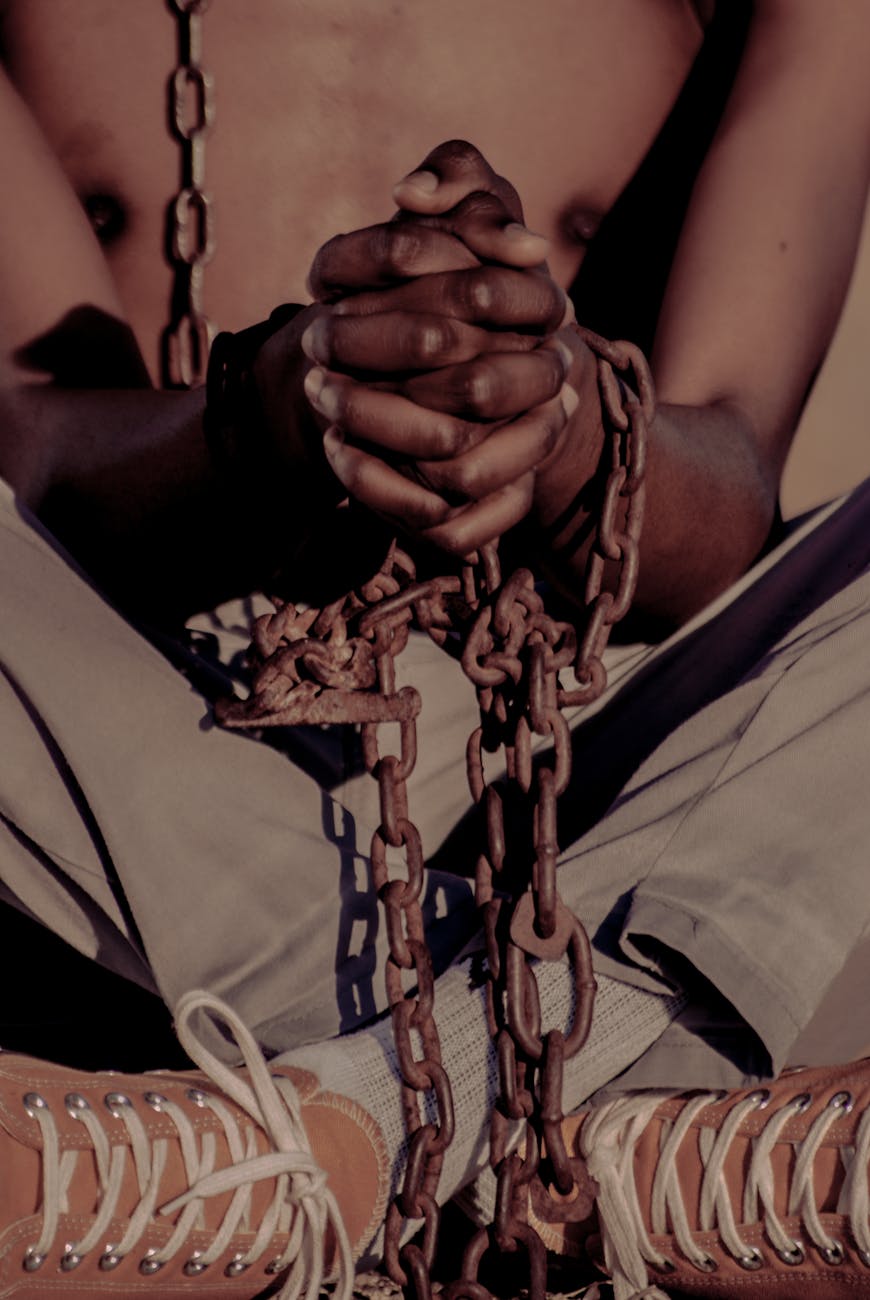
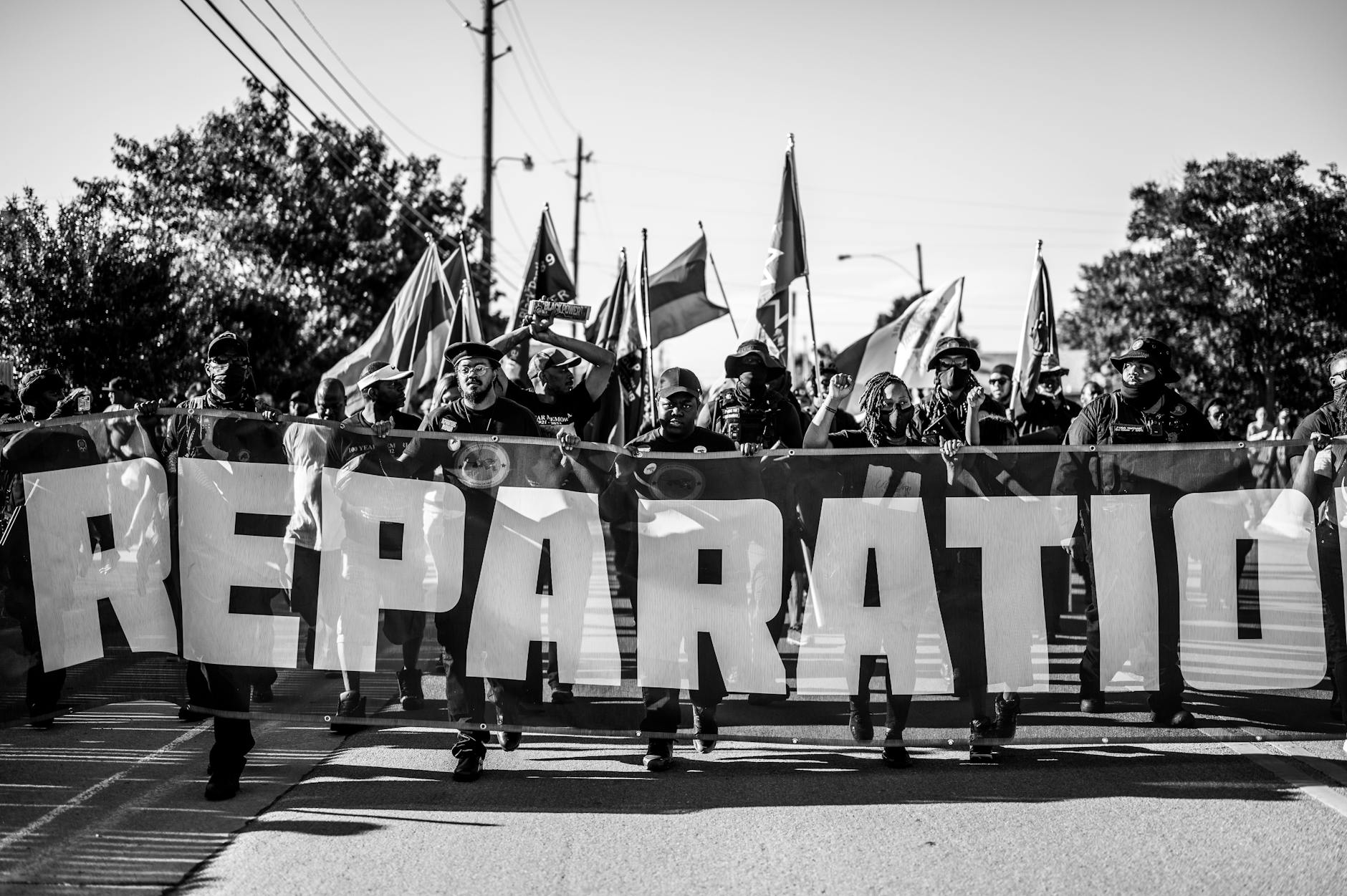
America’s Ten Unpaid Debts to Black Citizens.

A Historical and Moral Reckoning

Photo by Alfo Medeiros on Pexels.com

The history of the United States is marked by both the rhetoric of liberty and the reality of systemic exclusion. From slavery to present-day racial inequities, the nation has accumulated what Dr. Martin Luther King Jr. famously described as a “promissory note” to Black Americans—an unfulfilled promise of equality, justice, and opportunity (King, 1963). These unpaid debts are not merely metaphorical; they are tangible, measurable, and rooted in centuries of institutionalized oppression. This essay examines ten of the most significant debts owed to Black citizens, explaining their historical origins and ongoing impact.


1. Reparations for Slavery

From 1619 to 1865, millions of African people were enslaved, generating immense wealth for the United States without receiving wages, property, or restitution (Baptist, 2014). The labor of enslaved Africans built the economic foundation of the nation, particularly in agriculture and trade. The failure to provide “forty acres and a mule” after emancipation represents a broken promise (Foner, 1988). Today, the racial wealth gap is a direct legacy of this uncompensated labor.


2. Unpaid Wages of Sharecropping and Convict Leasing

After slavery, sharecropping and convict leasing perpetuated forced labor under exploitative contracts, often leaving Black workers in perpetual debt (Blackmon, 2008). This system enriched landowners, railroads, and industrialists while trapping Black families in generational poverty. Psychological trauma from this economic exploitation remains embedded in communities.


3. Land Theft and Dispossession

Throughout the late 19th and early 20th centuries, Black farmers lost millions of acres through discriminatory lending practices, violence, and fraudulent legal tactics (Mitchell, 2005). Entire Black towns—such as Rosewood, Florida, and Tulsa’s Greenwood District—were destroyed by white mobs, erasing economic gains and property inheritance.


4. Denial of GI Bill Benefits

Following World War II, the GI Bill offered veterans home loans, education, and business assistance. However, discriminatory administration by banks and colleges meant Black veterans were largely excluded (Katznelson, 2005). This hindered upward mobility and the ability to pass wealth to future generations.


5. Housing Discrimination and Redlining

From the 1930s through the 1970s, the federal government sanctioned redlining—refusing mortgages in Black neighborhoods—which restricted home ownership and property value appreciation (Rothstein, 2017). This structural exclusion solidified racial segregation and the wealth divide.


6. Unequal Education

For centuries, Black children were denied equal education, from the prohibition of literacy under slavery to segregated and underfunded schools after Brown v. Board of Education (1954). Even today, predominantly Black school districts receive significantly less funding, perpetuating educational inequities (Darling-Hammond, 2010).


7. Mass Incarceration

The disproportionate policing, arrest, and imprisonment of Black Americans—especially since the 1970s “War on Drugs”—represents another unpaid debt. Mass incarceration has stripped millions of voting rights, broken families, and drained economic potential (Alexander, 2010). Biblically, this parallels unjust imprisonment condemned in Isaiah 10:1–2 (KJV).


8. Healthcare Inequities

Black Americans have historically faced medical neglect, from the Tuskegee Syphilis Study to present disparities in maternal mortality and access to care (Washington, 2006). Structural racism in healthcare has cost countless lives, a debt measured in both mortality and moral failure.


9. Cultural Appropriation without Compensation

Black creativity has been a driving force in American music, fashion, sports, and art. Yet, cultural appropriation often strips Black innovators of credit and financial benefit, enriching corporations and others while leaving the originators marginalized (Love, 2019).


10. Political Disenfranchisement

From poll taxes and literacy tests to modern voter ID laws and gerrymandering, Black citizens have been systematically denied full political participation (Anderson, 2018). This exclusion undermines the democratic promise of equal representation and self-determination.


Conclusion

These ten unpaid debts—spanning economic, political, social, and cultural domains—reveal that the promise of America remains partially unfulfilled for Black citizens. Addressing them is not merely about restitution but about moral accountability and the biblical imperative to “do justly, and to love mercy” (Micah 6:8, KJV). Until these debts are acknowledged and addressed, the dream of a truly equal America will remain deferred.


References

Alexander, M. (2010). The new Jim Crow: Mass incarceration in the age of colorblindness. The New Press.
Anderson, C. (2018). One person, no vote: How voter suppression is destroying our democracy. Bloomsbury Publishing.
Baptist, E. E. (2014). The half has never been told: Slavery and the making of American capitalism. Basic Books.
Blackmon, D. A. (2008). Slavery by another name: The re-enslavement of Black Americans from the Civil War to World War II. Anchor Books.
Darling-Hammond, L. (2010). The flat world and education. Teachers College Press.
Foner, E. (1988). Reconstruction: America’s unfinished revolution, 1863–1877. Harper & Row.
Katznelson, I. (2005). When affirmative action was white: An untold history of racial inequality in twentieth-century America. W.W. Norton & Company.
Love, B. L. (2019). We want to do more than survive: Abolitionist teaching and the pursuit of educational freedom. Beacon Press.
Mitchell, T. (2005). From reconstruction to deconstruction: Undermining black landownership, political independence, and community through partition sales of tenancies in common. Northwestern University Law Review, 95(2), 505–580.
Rothstein, R. (2017). The color of law: A forgotten history of how our government segregated America. Liveright Publishing.
Washington, H. A. (2006). Medical apartheid: The dark history of medical experimentation on Black Americans from colonial times to the present. Doubleday.

❤️💓💞💗*LOVE Is….*❤️💓💞💗

A Biblical and Psychological Perspective

Photo by 10 Star on Pexels.com

❤️Love According to the Bible (KJV)❤️

In the King James Version of the Bible, love is presented not merely as a fleeting emotion but as a divine command and a reflection of God’s nature. 1 Corinthians 13:4–8 describes love (charity) as patient, kind, without envy, not proud, not easily provoked, and rejoicing in truth. The Bible asserts that “God is love” (1 John 4:8), indicating that love is both the essence and the expression of His being. Love in Scripture is sacrificial, enduring, and rooted in righteousness—calling believers to love God, themselves, and others (Matthew 22:37–39).

Love According to Psychology

Psychology views love as a complex set of emotions, behaviors, and cognitive processes involving intimacy, passion, and commitment (Sternberg, 1986). It encompasses attachment, care, trust, and empathy. Neuroscientifically, love activates the brain’s reward system, releasing dopamine, oxytocin, and serotonin—chemicals linked to pleasure, bonding, and happiness (Zeki, 2007). While psychology focuses on the human mechanisms of love, Scripture addresses its divine origin and moral responsibility.

The Three Greek Words for Love

  1. Agápē – Selfless, unconditional love; the type God has for humanity (John 3:16).
  2. Phileō – Brotherly or affectionate love; a warm friendship and deep connection (John 15:13).
  3. Éros – Romantic and passionate love; physical attraction and desire (Song of Solomon 1:2).

These distinctions help us understand love’s various expressions and contexts.

How We Show Love

Love is both a feeling and an action word. Biblically, love is demonstrated through kindness, service, forgiveness, generosity, and sacrifice (1 John 3:18). In everyday life, love is expressed through active listening, quality time, physical affection, encouragement, and meeting the needs of others.

10 Signs a Person Loves You (KJV & Practical Life)

  1. Selflessness – They put your needs before their own (Philippians 2:3–4).
  2. Kindness – Their actions are consistently gentle and uplifting (1 Corinthians 13:4).
  3. Patience – They wait and endure without frustration (1 Corinthians 13:4).
  4. Faithfulness – They remain loyal through challenges (Proverbs 17:17).
  5. Honesty – They speak truth in love (Ephesians 4:15).
  6. Forgiveness – They do not hold grudges (Colossians 3:13).
  7. Sacrifice – They are willing to give up something for your well-being (John 15:13).
  8. Encouragement – They lift you up in hard times (1 Thessalonians 5:11).
  9. Protection – They seek to guard your heart and safety (Psalm 91:14).
  10. Consistency – Their love does not change with circumstances (Romans 8:38–39).

The Author of Love

God Himself is the author and source of love. From creation to redemption, His nature demonstrates perfect love toward humanity (Jeremiah 31:3). Love flows from Him, enabling people to truly love others.

Hate vs. Love

Love builds, unites, and gives life; hate destroys, divides, and brings death (1 John 3:14–15). For example, Martin Luther King Jr. once said, “Hate cannot drive out hate; only love can do that.” Love heals wounds that hate deepens.


References

  • Holy Bible, King James Version.
  • Sternberg, R. J. (1986). A triangular theory of love. Psychological Review, 93(2), 119–135.
  • Zeki, S. (2007). The neurobiology of love. FEBS Letters, 581(14), 2575–2579.
  • King, M. L. Jr. (1963). Strength to Love. Harper & Row.

Media Mirrors: How Hollywood Shapes the World’s View of Blackness

Photo by Paul Deetman on Pexels.com

Hollywood doesn’t just entertain—it educates, influences, and often distorts global understanding of what it means to be Black. Through both its celebrated icons and its systemic blind spots, the film industry plays a profound role in shaping identity, aspiration, and prejudice. Drawing on reflections from Halle Berry, Denzel Washington, Viola Davis, and Blair Underwood, this article examines how media representation reverberates across borders—and what that means for Black communities everywhere.


1. The Power of Representation: Breaking Ground and Limiting Legacies

Halle Berry, the first—and still only—woman of color to win the Academy Award for Best Actress (for Monster’s Ball, 2002), reflects on her victory with tempered hope. She hoped it would open doors—but nearly two decades later, remains the lone woman of color honored in that category. Despite incremental changes, Berry describes Hollywood’s progress as slow and calls for more honest storytelling that reflects the real diversity of culture and experience.Vanity FairGlamour

Denzel Washington recently shared a deeply emotional response upon watching Black Panther, saying “he ‘cried a little bit’… felt like the baton had been passed” to a younger generation of Black actors. His joy reflects both pride and readiness for broader representation.People.com

These testimonies affirm how rare and symbolic truly groundbreaking achievements remain—and how they resonate internationally.

Icons, Audiences, and Global Resonance

Actors like Halle Berry, Denzel Washington, Viola Davis, Blair Underwood, and others, have become globally recognized symbols of Black excellence. Their talent and accolades draw admiration worldwide, yet their individual experiences reveal systemic limitations.

In the upcoming documentary Number One on the Call Sheet, actors—including Washington, Berry, Murphy, Union, Davis, Jordan, Kaluuya, and Erivo—reflect on how being a leading name in Hollywood remains a powerful statement of representation and a symbol of Black presence at the highest level of storytelling.People.com

These icons show that global admiration exists—but it’s also conditional, often tied to rare breakthroughs rather than sustained structural inclusion.


Spike Lee: A Filmmaker as Cultural Provocateur

As a towering figure in Black cinema, Spike Lee offers a vivid case study of Hollywood’s influence—and its contradictions.

  • Origins & Self-Made Drive
    Lee’s breakthrough came with She’s Gotta Have It, funded through handwritten letters and collecting cans—“Kickstarter before there was Kickstarter.”The Guardian This underlines both the ingenuity and the necessity of self-reliance for Black creators.
  • Demanding Authentic Storytelling
    When Lee directed Malcolm X, he insisted on a Black director, stating: “White Americans will never know what it feels like to be an African-American in this country.”Los Angeles Times
    This insistence enabled unmatched authenticity—allowing access to Malcolm’s inner circle, Mecca, and narrative frameworks that a white director likely couldn’t achieve.
  • Challenging Stereotypes through Satire
    In Bamboozled, Spike Lee dissected and satirized media’s racist stereotypes—portraying Black actors in minstrel roles to expose Hollywood’s complicity. Though a box-office failure, it later gained cult status and was added to the U.S. National Film Registry for its cultural significance.Wikipedia The world now recognizes its sharp critique of Black portrayal, years ahead of its time.
  • Global Perception: The Provocateur as Brand
    Lee’s reputation as an outspoken figure—”rabble-rouser,” publicity-loving, provocative—is part of his brand identity. He once remarked: “Spike Lee is a brand.”Vulture Over time, his voice has resonated globally, especially as his films (e.g., BlacKkKlansman) awakened international audiences to persistent racial injustices.TIME
  • Standing Up for Structural Change
    Lee has long criticized the lack of diversity among industry gatekeepers, arguing that genuine representation means having Black people with green-light power in studios and networks—not just actors on-screen.The Washington Times

On platforms like Reddit, fans express how Spike Lee’s films shaped their conscience:

“Do the Right Thing was brilliant in how it held a mirror up to the viewer’s biases… Spike Lee’s genius is in eliciting the tension and discomfort that Americans… still will not confront in themselves.”Reddit

Others celebrate how he carved a space when none existed:

“He carved out a place for himself, and employed many amazing actors.”Reddit

These reflections highlight how representation resonates not just on screens, but in global cultural awareness.

Hollywood’s “media mirrors” reflect both achievement and limitation. While Berry, Washington, Davis, Underwood, and Lee have become global icons—people the world admires—their journeys reveal how rare visibility can be.

Spike Lee’s legacy shows how embracing fullness—demanding authenticity, satirizing stereotypes, and insisting Black stories be told by Black voices—pushes the world’s mirror closer to our truth. Yet the work continues: true representation means expanding beyond iconic individuals to empowerment across the creative landscape.

When Hollywood mirrors the full breadth of Black humanity—complex, joyful, painful, triumphant—global perceptions can evolve. That is the profound power of representation, and the responsibility we must continue to claim.


2. Confronting Stereotypes and the Burden of Tokenism

Hollywood’s history is riddled with tropes: the “mammy,” the criminal, the sidekick—persistent caricatures that reinforce limited, dehumanizing views of Black identity. Viola Davis, reflecting on her role in The Help, expressed deep discomfort with the enduring “mammy” trope and challenged filmmakers to humanize Black characters beyond stereotypes.Wikipedia

Blair Underwood, who became one of the first regular Black faces on L.A. Law in the late 1980s, described the scarcity of Black representation: “You know Denzel… It was very rare to see any of us on the big screen… usually… pimps or thugs… Hollywood wanted to promote and project.”inklCinemablend His presence signified a shift, but his words underscore the uphill battle against tokenism and cliché.


3. Behind-the-Scenes Power—The Real Battleground

Representation isn’t just about who’s on screen—it’s about who’s telling the story. A 2022 NAACP report revealed that studio leadership remains almost exclusively white—over 90% of CEOs, senior executives, and unit heads.Psych Central Similarly, McKinsey data shows Black creators — writers, producers, directors — remain vastly underrepresented. Only about 6% of films and TV shows have Black directors, and fewer than 5% of showrunners are Black.McKinsey & Company+1

These facts underscore why stereotypical scripts persist, and why progress often stalls: creative power remains concentrated outside Black hands.


4. Authenticity Matters—Shifting Narratives, Shifting Minds

Research shows inclusive content doesn’t just entertain—it reshapes perception. A recent machine-learning study of over 300,000 images in popular culture found that non-inclusive media reinforces stereotypes, while diverse visibility helps reduce biases.arXiv

Moreover, voices from within the community reflect the profound impact of authentic storytelling. As one commenter quoting Viola Davis said:

“The audience is a huge part of our work, and they need to see themselves.”
Another actor added:
“We put asses in seats.”Reddit

These candid remarks highlight the transformative power of representation—and the financial as well as cultural stakes.


5. Global Perceptions and the Empathy Gap

Hollywood’s global reach means its portrayals become many people’s primary lens into Black lives. When narratives are skewed or limited, entire cultures risk being misunderstood. A Vanity Fair piece calls on audiences—especially white viewers—to support genuine Black stories, pointing out how false universality reinforces bias: Black-led stories are often underfunded and under-marketed, even though they perform well with investment.Vanity Fair

Viola Davis and others have amplified that need: authentic, diverse stories bridge that empathy gap and reshape how the world sees—and values—Black humanity.


Conclusion: The Reflections, the Responsibility, the Future.Global Perceptions and Admiration… But Through What Lens?

Internationally, the global audience often respects and admires Black talent, but such visibility is frequently restricted to a few celebrated faces—Washington, Berry, Davis, and so on. Behind the public facade, systemic barriers remain:

  • A 2022 NAACP report emphasized how rare Black creatives are in executive and production roles.Vanity FairVogue
  • Vogue notes that Black suffering dominates narratives—reinforcing empathy, yes, but also reinforcing a one-dimensional view.Vogue
  • Research continues to show that equitable representation isn’t just ethical—it shifts perceptions, builds empathy, and challenges stereotypes.Vanity F

Hollywood holds up a mirror—and the reflection it offers shapes how Blackness is perceived across the world. Icons like Berry, Washington, Davis, and Underwood have broken barriers and challenged assumptions. Their experiences illustrate both progress and the limits of representation when control remains marginalized.

True transformation demands power behind the camera—so that stories aren’t merely performed, but lived, with depth, nuance, and dignity. As research and international success demonstrate, inclusive storytelling isn’t just morally right—it’s universally compelling.

In a world where media frames empathy and identity, the mirror Hollywood holds up must reflect the full spectrum of Black lives. Only then can global perceptions evolve beyond stereotypes—toward understanding, respect, and uplift.

Dilemma: Deuteronomy 28

The Black Experience: Prophecy or History Repeating?

Photo by Thato Moiketsi on Pexels.com


The twenty-eighth chapter of Deuteronomy in the King James Version (KJV) is one of the most striking passages in the Bible because of its detailed account of blessings for obedience and curses for disobedience. For centuries, many have read this chapter as a prophetic warning to ancient Israel. However, within the Black community—particularly among African Americans and the African diaspora—Deuteronomy 28 has been seen as more than distant history. Its descriptions of exile, suffering, and generational struggle resonate deeply with the legacy of slavery, systemic oppression, and the enduring trials faced by Black people today.


What Deuteronomy 28 Means (KJV Context)

Deuteronomy 28 outlines two distinct paths:

  • Verses 1–14 – Blessings for obedience to God’s commandments: prosperity, victory over enemies, fruitful land, and respect among nations.
  • Verses 15–68 – Curses for disobedience: poverty, disease, oppression, exile, enslavement, and a loss of identity.

For example:

“The LORD shall cause thee to be smitten before thine enemies… thou shalt be removed into all the kingdoms of the earth.” (Deut. 28:25, KJV)
“And the LORD shall bring thee into Egypt again with ships… and there ye shall be sold unto your enemies for bondmen and bondwomen, and no man shall buy you.” (Deut. 28:68, KJV)

In biblical times, “Egypt” symbolized bondage. The reference to ships in verse 68 has been interpreted by many in the African diaspora as a prophetic mirror to the transatlantic slave trade.


How It Affects Black People Today

For many descendants of the transatlantic slave trade, Deuteronomy 28 feels eerily personal:

  • Loss of Homeland & Identity – The scattering of Israelites into foreign nations parallels the forced removal of Africans from their native lands, stripping away language, culture, and heritage.
  • Generational Oppression – The curses describe cycles of poverty and violence that continue to plague Black communities worldwide.
  • Cultural Disconnection – Enslavement replaced ancestral traditions with foreign religions, names, and lifestyles, creating a fractured sense of self.

This sense of displacement—spiritual, cultural, and physical—has left an imprint that still affects Black people’s self-perception, unity, and empowerment.


Is History Repeating Itself?

While the transatlantic slave trade has ended, its legacy persists in new forms:

  • Mass Incarceration – A modern system echoing the chains of the past.
  • Police Brutality – Public killings and abuse as an extension of historical racial violence.
  • Economic Inequality – Wealth gaps between Black communities and white counterparts remain rooted in systemic barriers from slavery and Jim Crow.
  • Global Displacement – Migration crises and gentrification uproot Black families from established communities.

These parallels suggest that although the methods have changed, the core patterns of oppression remain. In this sense, history is not merely repeating—it is evolving in ways that still reflect the curses described in Deuteronomy 28.


Trials and Tribulations of the Black Experience

From enslavement to present-day systemic injustice, Black people have endured:

  • Enslavement & Forced Labor – Centuries of physical bondage and exploitation.
  • Lynchings & Racial Terrorism – The use of fear to maintain racial hierarchies.
  • Educational Barriers – Underfunded schools and restricted access to higher learning.
  • Cultural Appropriation – The theft and monetization of Black creativity without proper recognition or benefit.
  • Health Disparities – Higher rates of preventable diseases due to unequal access to care.

These struggles align with the “yoke of iron” (Deut. 28:48) that speaks not just to physical chains, but to social, economic, and psychological oppression.


Why Are We Going Through This?

From a biblical perspective, the trials faced by Black people can be seen through the lens of covenant relationship. In the Hebrew Scriptures, disobedience to God brought consequences upon Israel. Theologically, some interpret the suffering of the African diaspora as part of a divine chastisement that calls for repentance, unity, and a return to God’s commandments.

From a historical lens, the reason lies in systemic exploitation and white supremacy, which have sought to control, divide, and profit from Black labor and culture for centuries. Both spiritual and political explanations reveal that our suffering has roots deeper than mere coincidence.


Why Did This Separate Us?

Deuteronomy 28 speaks of being “scattered among all people” (v. 64). The scattering of African peoples through slavery physically separated families and tribes. Colonialism and forced assimilation further divided communities, creating:

  • Fragmented Identity – Different surnames, languages, and religions within the same bloodline.
  • Division by Colorism – A lingering byproduct of slavery’s “divide and rule” tactics.
  • Cultural Amnesia – Loss of collective memory about African kingdoms, traditions, and biblical heritage.

This separation weakens unity, making it harder for Black communities to mobilize for collective liberation.


Conclusion: Prophecy and Purpose

Whether one views Deuteronomy 28 as ancient prophecy directly describing the African diaspora or as an allegorical warning, the parallels are undeniable. The chapter reads like both a historical account and a prophetic mirror reflecting the Black experience—past and present.

Yet within the same chapter lies hope: the blessings that come with obedience, unity, and spiritual restoration. If the curses came to pass, so too can the promises of restoration, prosperity, and freedom. Our history may feel like it’s repeating, but prophecy also offers the possibility of breaking the cycle.

“And the LORD thy God will turn thy captivity, and have compassion upon thee, and will return and gather thee from all the nations…” (Deut. 30:3, KJV)

The call, then, is not only to recognize the pattern but to rise above it—spiritually, culturally, and collectively—so history’s repetition ends with us.

The 10 Reasons a Woman Should Not Pursue a Man.

Why a Woman Should Not Pursue a Man: Biblical, Psychological, and Practical Reasons

Photo by Maksim Goncharenok on Pexels.com

In a world where modern culture encourages women to take initiative in romance, the Word of God offers a countercultural standard rooted in wisdom, order, and divine design. The King James Bible repeatedly emphasizes that men are called to pursue, protect, and provide, while women are called to embody virtue, discernment, and patience. As Proverbs 18:22 (KJV) declares: “Whoso findeth a wife findeth a good thing, and obtaineth favour of the Lord.” The verse clearly positions the man as the seeker and initiator, while the woman is the treasure to be found.

The King James Version (KJV) consistently presents the man as the initiator in romantic pursuit. From Adam seeking Eve (Genesis 2:23–24) to Jacob laboring for Rachel (Genesis 29:18–20), Scripture illustrates a divine order in which a man takes responsibility for initiating and sustaining covenant relationships.

Proverbs 18:22 (KJV)“Whoso findeth a wife findeth a good thing, and obtaineth favour of the LORD.”
The word findeth (Hebrew: matsa) means to discover or secure through intentional seeking. This places the responsibility on the man, not the woman, to initiate.


10 Reasons a Woman Should Not Pursue a Man

  1. Biblical Design for Pursuit
    • God ordained men to be the seekers and leaders (Genesis 2:24). When a woman takes on this role, it reverses the biblical order.
  2. Preservation of Feminine Dignity
    • Proverbs 31 describes a virtuous woman as valuable and rare, not one who chases validation. Pursuing can diminish perceived value in the eyes of a man.
  3. Test of His Intentionality
    • Pursuit reveals a man’s investment level. If he will not take initiative to win you, he may not take initiative to keep you.
  4. Avoidance of Desperation Signals
    • Pursuing can signal insecurity, which can be exploited by manipulative or emotionally unavailable men.
  5. Alignment with God’s Timing
    • Forcing pursuit can rush relationships outside of God’s timing, leading to emotional or spiritual harm.
  6. Maintaining Proper Roles
    • Ephesians 5:23–25 presents the man as the head, mirroring Christ’s relationship with the church. If the woman leads the pursuit, it can set a precedent for role confusion in marriage.
  7. Self-Worth Rooted in God, Not Man
    • Isaiah 54:5 declares the Lord as our first husband. A woman confident in her divine worth does not need to chase earthly attention.
  8. Filtering Out Unworthy Suitors
    • A man who is truly interested will act on it. Pursuing him removes the natural filter that reveals who genuinely values you.
  9. Avoidance of One-Sided Relationships
    • Chasing sets the stage for imbalance—one gives effort while the other passively receives. Healthy relationships require mutual pursuit.
  10. Upholding the Mystery and Challenge
    • Song of Solomon presents romance as a dance of pursuit, longing, and timing. When the mystery is lost, interest can fade prematurely.

Modern Question: Is “If He Wants You, He Will Pursue” True?

In the majority of cases, yes—if a man values and desires a woman, he will initiate. Psychology affirms that human beings pursue what they value, invest in, and feel responsible for. If he does not, the lack of pursuit often reflects disinterest or misplaced priorities.

10 Ways Women Unintentionally Pursue Men in Modern Culture

1. Initiating Most or All Communication

  • Texting first every time, calling often, or always starting conversations removes the man’s responsibility to seek you out.
  • Proverbs 25:17 (KJV)“Withdraw thy foot from thy neighbour’s house; lest he be weary of thee, and so hate thee.” Overexposure without pursuit can breed disinterest.

2. Making Yourself Constantly Available

  • Always saying “yes” to meet-ups or rearranging your schedule for him sends the signal that your time has no boundaries.

3. Offering Relationship Benefits Without Commitment

  • Emotional support, gifts, acts of service, or even physical intimacy before he has shown covenant-level commitment can remove his incentive to pursue marriage.

4. Fishing for His Attention on Social Media

  • Liking all his posts, commenting often, or posting strategically just to get his attention is indirect pursuit.

5. Planning All the Dates or Outings

  • When a woman does all the initiating and planning, it tells him he doesn’t need to put in effort to see her.

6. Dropping Too Many “Availability Hints”

  • Overly broadcasting that you’re single, bored, or “in need of someone” can be a subtle form of chasing.

7. Going Out of Your Way to “Accidentally” Bump Into Him

  • Repeatedly showing up in his spaces or circles in hopes he’ll notice you.

8. Buying Him Gifts Without Reciprocity

  • Gifts before commitment can shift the balance, making her the provider instead of allowing him to give first.

9. Over-Sharing Personal Life Too Early

  • Pouring out your life story, struggles, and emotions quickly in hopes of bonding often results in emotional overinvestment before his pursuit begins.

10. Justifying His Lack of Pursuit

  • Making excuses like “He’s just busy” or “He’s shy” keeps you chasing a man who has shown no active interest.

Key Takeaway

The essence of not pursuing is not about arrogance—it’s about resting in your God-given worth and letting a man’s effort reveal his intentions. A man who values you will invest in you, and one who does not will fade away, which is a blessing in disguise.

Theological Reflection on Idolatry in Romance

Pursuing a man who has not been led by God to pursue you can, in itself, become a form of idolatry—placing his attention above God’s order and timing. Exodus 20:3 (KJV) commands: “Thou shalt have no other gods before me.” Any relationship in which the pursuit of a person overshadows obedience to the Most High risks replacing Him as the ultimate source of love, worth, and security.


Conclusion

Both Scripture and human psychology confirm this timeless truth: a man who truly values a woman will pursue her. Pursuit is not about playing games, but about honoring divine order. A woman who rests in her virtue and worth allows space for the right man—sent by God—to find her. Until then, she is called to guard her heart (Proverbs 4:23) and live a life that reflects her value in the eyes of the Most High. God’s divine order is not a cultural suggestion but a blueprint for lasting relationships. The Most High calls women to be receivers of pursuit, not initiators, guarding both dignity and spiritual alignment. As Proverbs 18:22 declares, the blessing lies in being found—not in chasing to be noticed.

Scriptural References (KJV)

  • Genesis 2:24“Therefore shall a man leave his father and his mother, and shall cleave unto his wife.”
  • Genesis 29:18–20 — Jacob’s pursuit of Rachel.
  • Proverbs 18:22“Whoso findeth a wife findeth a good thing, and obtaineth favour of the LORD.”
  • Ephesians 5:25–27 — Christ as the head and husband of the church.
  • Proverbs 31 — The virtuous woman.
  • Proverbs 25:17“Withdraw thy foot from thy neighbour’s house; lest he be weary of thee.”
  • Exodus 20:3“Thou shalt have no other gods before me.”
  • Proverbs 4:23“Keep thy heart with all diligence; for out of it are the issues of life.”
  • Ruth 3 — Ruth’s respectful positioning without chasing.
  • 1 Corinthians 11:3 — Spiritual headship order.
  • Matthew 6:24“No man can serve two masters.”
  • Romans 1:21–23 — Idolatry as rejection of God.

References

Briggs, R. (2015). Biblical principles of relationships: A theological overview. Zondervan.

De Silva, D. A. (2011). An introduction to the New Testament: Contexts, methods & ministry formation (2nd ed.). InterVarsity Press.

Fee, G. D., & Stuart, D. (2014). How to read the Bible for all its worth (4th ed.). Zondervan.

Foster, R. J. (2018). Celebration of discipline: The path to spiritual growth. HarperOne.

Goldberg, J. (2013). The power of the masculine and feminine: Biblical perspectives on gender roles. Crossway.

Gundry, R. H. (2003). A survey of the New Testament (4th ed.). Zondervan.

Keller, T. (2017). The meaning of marriage: Facing the complexities of commitment with the wisdom of God. Dutton.

Miller, W. R., & Rollnick, S. (2012). Motivational interviewing: Helping people change (3rd ed.). Guilford Press.

Moo, D. J. (2007). The epistle to the Romans (NIGTC). Eerdmans.

Nolland, J. (2005). The Gospel of Matthew: A commentary on the Greek text (NIGTC). Eerdmans.

Richards, L. O. (2017). The theology of the family. Baker Academic.

Roberts, T. (2016). Marriage and family in the Bible: A theological foundation. InterVarsity Press.

Schaeffer, F. A. (1990). The God who is there. Crossway.

Smith, C. (2010). Psychology and the Bible: Integrating biblical and psychological truths. Baker Academic.

Wright, N. T. (2012). Paul and the faithfulness of God. Fortress Press.

Dilemma: SUNDOWN TOWNS

Shadows After Sunset: The Enduring Legacy of “SUNDOWN TOWNS” in the United States

THEY STILL EXIST TODAY

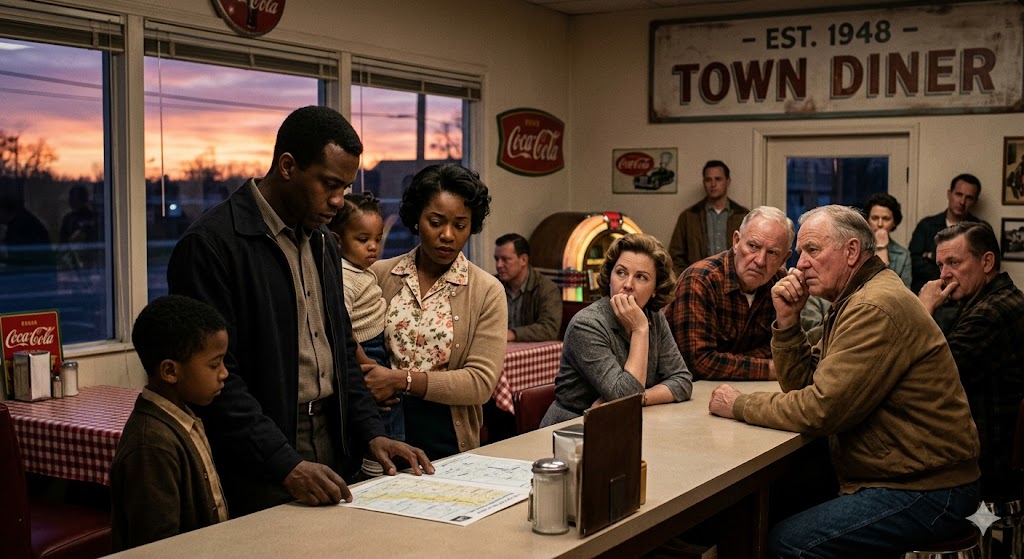
In the collective American memory, racism is often geographically assigned to the Jim Crow South. Yet, beneath the surface of Northern progressivism and Midwestern hospitality lies a sinister historical truth: sundown towns—white-only communities where African Americans were prohibited from residing, working, or even being present after sunset. These towns, scattered across the U.S. from the late 19th century through the 20th century, enforced their exclusionary practices through violence, intimidation, and local ordinances. Their existence challenges the notion that racism was solely a Southern enterprise and forces a national reckoning with the institutionalization of racial segregation across the country.

The Origins and Practices of Sundown Towns

The term was popularized by sociologist James W. Loewen, whose research documented thousands of towns that historically excluded African Americans. His book Sundown Towns: A Hidden Dimension of American Racism explains that these communities used violence, restrictive covenants, and intimidation to maintain racial homogeneity well into the 20th century.

Many towns did not have written laws but relied on informal enforcement, including harassment by police or residents, discriminatory housing policies, and economic exclusion.


Examples of Towns Often Discussed in Research

Scholars and historical records frequently cite several communities that historically operated as sundown towns and are still sometimes discussed today in conversations about racial exclusion. These include:

  • Anna, Illinois – Historically notorious; the town’s name has often been interpreted as shorthand for “Ain’t No Negroes Allowed.”
  • Forsyth County, Georgia – Black residents were violently expelled in 1912 and the county remained almost entirely white for decades.
  • Harrison, Arkansas – Known historically for exclusionary practices and later controversies involving white supremacist groups.
  • Vidor, Texas – Historically associated with hostility toward Black residents and integration.
  • Dearborn, Michigan – Historically restrictive toward Black residents during the 20th century under Mayor Orville L. Hubbard, though the city is now more diverse.
  • Levittown, New York – One of several suburban developments created by William Levitt that used racially restrictive housing covenants.

Researchers stress that many places have changed significantly, while others still show patterns of exclusion through demographics and housing access.


Why Some Places Still Function Like Sundown Towns

Even without explicit racial rules, several structural factors allow these communities to maintain exclusionary patterns:

1. Housing Segregation

Historically, practices like redlining and racially restrictive covenants prevented Black families from purchasing homes in certain neighborhoods. Although outlawed by the Fair Housing Act of 1968, the legacy of those policies continues to shape demographics.

2. Economic Barriers

High housing costs, zoning restrictions, and limited affordable housing can function as modern gatekeeping mechanisms that maintain racial and class segregation.

3. Social Intimidation

In some communities, minorities report subtle or overt hostility—ranging from surveillance to harassment—which discourages long-term residency.

4. Political and Institutional Culture

Local policing, school zoning, and political leadership may reinforce social boundaries even without explicit racial language.

5. Demographic Momentum

If a town was historically all-white for generations, that demographic pattern often continues simply because new residents tend to resemble the existing population.


Are Sundown Towns Still Legal?

Explicit sundown policies are illegal today due to federal civil rights protections, including the Civil Rights Act of 1964 and the Fair Housing Act of 1968. However, historians argue that informal exclusion can still occur through social pressure, economic barriers, and residential patterns.


How Many Existed Historically?

Research suggests there were thousands of sundown towns across the United States during the late 19th and early 20th centuries, particularly in the Midwest, West, and parts of the South. According to Loewen’s work, entire counties sometimes functioned as sundown areas.


In short: Modern America rarely has official sundown laws, but the legacy of racial exclusion, housing policy, and social norms means that some communities still operate in ways that resemble the old system.

The rise of sundown towns occurred primarily between the 1890s and 1960s, during a period of intense racial backlash following Reconstruction and the emergence of Black mobility. White residents in many towns, especially in the Midwest and North, adopted racial exclusion as a method of preserving “racial purity” and economic control. These towns often placed signs at their borders warning African Americans to leave by sundown, and many used violence, threats, or discriminatory ordinances to enforce this racial terror.

According to Loewen, these towns existed in at least 30 states, with especially high concentrations in Illinois, Indiana, Ohio, Oregon, and California. The practice was not just tolerated but reinforced by realtors, police, local businesses, and sometimes even churches.

Case Study: Anna, Illinois – “Ain’t No Negroes Allowed”

Perhaps the most infamous example is the town of Anna, Illinois, which has been widely believed to be an acronym for “Ain’t No N*s Allowed.” Located in Southern Illinois, Anna became a sundown town following a series of racial expulsions in the early 1900s, including the violent lynching of William “Froggie” James in nearby Cairo, Illinois, in 1909. Afterward, Black residents were systematically forced out of surrounding towns, including Anna.

Though no formal “sundown” signs are currently visible, the town’s demographic patterns and cultural memory have maintained its legacy of exclusion. As recently as 2019, Anna’s population was reported as over 95% white, and Black visitors have reported ongoing hostility and suspicion, particularly after dark. The Southern Poverty Law Center has cited Anna as a contemporary example of how the legacy of racial exclusion continues in subtle yet persistent ways (Southern Poverty Law Center, 2018).

A striking account came from journalist Logan Jaffe, who spent months in Anna documenting the ongoing racial tension. In her reporting for ProPublica, she found that many residents denied the sundown label while simultaneously acknowledging the town’s racial homogeneity. One resident told her, “We’re not racist—we just don’t have any Black people here,” demonstrating the quiet normalization of segregation in everyday speech and consciousness (Jaffe, 2019).

Why Are These Practices Allowed?

The persistence of sundown towns—and the lack of legal accountability—can be attributed to several factors. First, many of the practices were unwritten policies, enforced through vigilante violence rather than legislation, making them difficult to litigate or challenge in court. Second, law enforcement and local governments often collaborated with or turned a blind eye to these actions, ensuring no one was held responsible. Third, the federal government did little to intervene before the Civil Rights Act of 1964, and even afterward, lacked enforcement power in many rural and suburban areas.

The psychology of white fear and racial entitlement also played a significant role. Whites in these towns often justified their actions through tropes of protecting women, property values, and “community harmony,” reinforcing the notion that Black presence was inherently threatening. These deeply embedded beliefs were supported by media portrayals, educational institutions, and local traditions that dehumanized Black people and erased Black contributions to American life.

The Legacy Today

Although formal sundown policies have mostly disappeared, their cultural residue remains potent. Many towns still maintain racially homogenous populations and unwelcoming reputations. In places like Vidor, Texas, Forsyth County, Georgia, and Elwood, Indiana, Black travelers are still warned to proceed with caution. These areas may not have signs anymore, but their histories are well known—passed down by both white residents and African Americans who experienced or heard of the dangers firsthand.

Moreover, the economic impact of these exclusionary practices lingers. By keeping Black families out of thriving towns, African Americans were denied access to housing, education, healthcare, and business opportunities. This has directly contributed to the racial wealth gap and the geographic concentration of poverty among Black Americans. It also means that generational trauma and spatial segregation are not accidents—they are the result of deliberate policies and practices.

Historical Map and Geographic Patterns

Research by historian James W. Loewen, author of Sundown Towns: A Hidden Dimension of American Racism, found that thousands of communities across the United States operated as sundown towns during the late nineteenth and twentieth centuries.

Contrary to popular belief, sundown towns were not only a Southern phenomenon. They were especially common in the Midwest, West, and border states, where Black populations were often driven out entirely.

States with particularly high concentrations historically included:

  • Illinois
  • Indiana
  • Ohio
  • Oregon
  • Missouri
  • California

Many of these towns became almost completely white because African Americans were forced out through intimidation, violence, or discriminatory laws.


Examples of Historically Documented Sundown Towns

Several communities are often discussed in academic and historical research:

  • Anna, Illinois – Historically infamous; the town name was often interpreted as shorthand for “Ain’t No Negroes Allowed.”
  • Harrison, Arkansas – Long associated with white supremacist activity and exclusionary practices.
  • Vidor, Texas – Historically hostile toward Black residents, particularly during school integration.
  • Forsyth County, Georgia – In 1912, Black residents were violently expelled, leaving the county overwhelmingly white for decades.
  • Dearborn, Michigan – Historically exclusionary during the tenure of Mayor Orville L. Hubbard, though the city has since become more diverse.

Some entire counties and suburbs developed reputations for exclusion through housing practices rather than explicit ordinances.


How Black Travelers Navigated These Areas

During the segregation era, Black travelers relied on a guidebook known as the The Negro Motorist Green Book, created by Victor Hugo Green in 1936.

The Green Book listed:

  • Hotels that accepted Black guests
  • Restaurants and gas stations that were safe
  • Cities where Black travelers could stay overnight

This guide helped families avoid towns where they might face harassment or violence.


Why Some Places Still Appear Similar Today

Although explicit sundown policies are illegal under laws such as the Civil Rights Act of 1964 and the Fair Housing Act of 1968, several factors allow patterns of exclusion to persist.

1. Housing Segregation

Historical redlining and racially restrictive covenants shaped where families could buy homes. Even after these policies were outlawed, their effects remain visible in many neighborhoods.

2. Economic Barriers

High housing costs, zoning restrictions, and limited affordable housing often function as modern barriers that indirectly limit demographic diversity.

3. Social Culture

In some communities, minorities report subtle forms of intimidation or unwelcoming social climates that discourage settlement.

4. Demographic Momentum

If a town remained overwhelmingly white for generations, new residents often come from similar social networks, reinforcing the same demographic patterns.


Sundown Towns in the Southeast

In the Southeast, several areas gained reputations for exclusion during the twentieth century. For example:

  • Forsyth County, Georgia, near Atlanta, was historically notorious for expelling Black residents in 1912.
  • Certain small towns in Alabama, Mississippi, and Tennessee also developed reputations for racial exclusion during the Jim Crow era.

Many of these communities have changed significantly since the late twentieth century, though the history remains an important part of understanding regional demographics.


The Broader Historical Impact

Historians estimate that thousands of towns across the United States were once sundown communities. These policies contributed significantly to the racial segregation of American suburbs and small towns, shaping patterns of wealth, education, and opportunity that persist today.

Understanding this history helps explain why some regions remain less diverse and why discussions about housing equity and community inclusion continue today.

Conclusion

The history of sundown towns reveals a disturbing truth: systemic racism in America has always been national in scope, deeply embedded in urban planning, real estate, law enforcement, and local governance. These towns are not relics of the past—they are active reminders of how geography was weaponized to maintain white supremacy. By naming towns like Anna, Vidor, Forsyth County, and Elwood and documenting their histories, we begin to dismantle the myth of Northern innocence and challenge the narrative of post-racial progress.

It is only through public acknowledgment, educational reform, and community reconciliation that the shadows of sundown towns can be dispelled. The question is not just “why were they allowed to do this?”—but “why are we still allowing the consequences to persist?”


References

Jaffe, L. (2019). In a town called Anna. ProPublica. Retrieved from https://www.propublica.org/article/in-a-town-called-anna

Loewen, J. W. (2005). Sundown towns: A hidden dimension of American racism. The New Press.

Southern Poverty Law Center. (2018). The unfinished business of the Civil Rights Movement: Sundown towns and racial exclusion. Retrieved from https://www.splcenter.org

Getting2theRoots.com. (2023). What are sundown towns? Retrieved from https://getting2theroots.com/sundown-towns

Sundown Towns: A Hidden Dimension of American Racism – James W. Loewen. New York, NY: The New Press, 2005.

Equal Justice Initiative. (2017). Lynching in America: Confronting the Legacy of Racial Terror. Montgomery, AL.

The Color of Law: A Forgotten History of How Our Government Segregated America – Richard Rothstein. New York, NY: Liveright Publishing, 2017.

The Warmth of Other Suns: The Epic Story of America’s Great Migration – Isabel Wilkerson. New York, NY: Random House, 2010.

The Negro Motorist Green Book – Victor Hugo Green. New York: Victor H. Green & Co., various editions (1936–1967).

Civil Rights Act of 1964. U.S. Congress.

Fair Housing Act of 1968. U.S. Congress.

National Museum of African American History and Culture. (n.d.). The Green Book and Travel in the Jim Crow Era.

Mapping Inequality Project. (University of Richmond, Virginia Tech, University of Maryland). Redlining Maps and Racial Segregation in the United States.

    The 10 Signs a Man Is Stringing You Along

    When Love Is an Illusion: Recognizing and Responding to a Man Who Strings You Along

    Photo by Erik Mclean on Pexels.com

    Relationships flourish when mutual commitment, clarity, and respect are present (Gottman & Silver, 2015). However, some men deliberately keep women emotionally invested without offering genuine commitment—a tactic often referred to as stringing along. This behavior is both psychologically damaging and spiritually dangerous, as it breeds confusion, emotional instability, and wasted years.


    10 Signs a Man Is Stringing You Along

    1. He Avoids Defining the Relationship – Months or years pass, yet he resists labels like “girlfriend” or “fiancée.”
    2. Inconsistent Communication – Some days he is attentive, other days emotionally absent without explanation.
    3. Keeps You at Arm’s Length from His Inner Life – You haven’t met his family or close friends despite significant time together.
    4. He Talks About the Future… Vaguely – He dangles promises (“someday we’ll…”) without taking concrete steps.
    5. He Prioritizes Convenience Over Commitment – He contacts you mainly when it benefits him.
    6. Lack of Effort in Building Emotional Intimacy – Conversations remain shallow or avoid important life topics.
    7. Keeps Options Open – Engages in flirtatious behavior or remains active on dating apps.
    8. Emotional Hot-and-Cold Patterns – You never feel secure because his affection fluctuates.
    9. No Progress Over Time – The relationship feels stagnant despite your effort.
    10. He Makes You Feel You’re “Asking for Too Much” – Genuine needs are framed as unreasonable demands.

    Why Do Some Men String Women Along?

    From a psychological standpoint, men may string women along for several reasons:

    • Fear of Commitment – Avoidance due to past trauma or desire for freedom (Levine & Heller, 2010).
    • Ego Boost – Enjoying female attention without the responsibility of a relationship.
    • Emotional Immaturity – Inability to handle the demands of partnership.
    • Backup Plan Mentality – Keeping a woman “on the hook” while exploring other options.
    • Selfishness – Prioritizing personal gratification over another person’s emotional well-being.

    Biblically, this aligns with the description of double-minded men—unstable and unreliable (James 1:8, KJV).


    What Kind of Man Strings You Along—and Why?

    • The Commitment-Phobic – Wants intimacy but not responsibility.
    • The Opportunist – Uses a woman’s resources, time, or body without intention to marry.
    • The Serial Dater – Thrives on novelty and avoids settling down.
    • The Insecure Man – Keeps you for validation but fears true vulnerability.

    Proverbs warns against aligning with a man who “flattereth with his tongue” (Proverbs 26:28, KJV), because deceitful intentions corrupt trust.


    How to Detect the Warning Signs Early

    • Observe consistency between words and actions (Matthew 7:16).
    • Pay attention to how he prioritizes you in public and private life.
    • Assess whether his plans include you beyond convenience.
    • Watch for defensiveness when discussing commitment.

    What to Do if You’re Being Strung Along

    1. Clarify Your Boundaries – Define what you need and communicate it directly.
    2. Set a Time Limit – Avoid letting months or years pass without progress.
    3. Don’t Confuse Chemistry with Commitment – Emotional and physical attraction are not proof of intention.
    4. Seek Wise Counsel – Proverbs 15:22 reminds us that “without counsel purposes are disappointed.”
    5. Be Willing to Walk Away – Protect your dignity and emotional health.

    5 Ways a Man Shows He Truly Wants You

    1. He Pursues You Consistently – Effort is steady, not situational.
    2. He Makes His Intentions Clear – There’s no guessing about his commitment.
    3. He Integrates You into His Life – Family, friends, and future plans.
    4. He Invests in Your Growth – Supports your goals and well-being.
    5. He Works to Resolve Conflicts – Disagreements don’t make him disappear.

    How Long Should You Give a Man Before Leaving?

    While timelines vary, healthy relationships typically progress toward clarity within 6–12 months (Knox & Schacht, 2016). If after a year there is no forward movement toward exclusivity or marriage, Proverbs 4:23—“Keep thy heart with all diligence”—reminds you not to squander emotional resources.


    What Does the Bible Say About Men Who String Women Along?

    Scripture condemns deceit, manipulation, and using others for selfish gain:

    • James 1:8 – “A double minded man is unstable in all his ways.”
    • Proverbs 26:28 – “A lying tongue hateth those that are afflicted by it.”
    • 1 Corinthians 14:33 – “For God is not the author of confusion, but of peace.”
    • Ephesians 5:25 – Men are commanded to love their wives sacrificially, not exploit them.
    • Matthew 7:16 – “Ye shall know them by their fruits.”

    A man who deliberately strings a woman along is acting outside God’s design for love, which calls for honesty, covenant, and care.


    References
    Gottman, J., & Silver, N. (2015). The seven principles for making marriage work. Harmony Books.
    Knox, D., & Schacht, C. (2016). Choices in relationships: An introduction to marriage and the family. Cengage Learning.
    Levine, A., & Heller, R. (2010). Attached: The new science of adult attachment and how it can help you find—and keep—love. TarcherPerigee.

    Dilemma: 🤔gods🤔

    Photo by Dino Uniyal on Pexels.com

    In Scripture, the term “god” (Hebrew: elohim, אֱלֹהִים) refers to any being, entity, or object to which humans attribute supreme power, reverence, or devotion—whether real or imagined. A god can be the true and living Creator, YHWH (Yahweh), or a false entity that receives misplaced loyalty and worship (Psalm 82:6; Deuteronomy 10:17).

    The Human Psyche and the Urge to Worship

    Humans are innately spiritual beings (Ecclesiastes 3:11), created with a longing for transcendence, meaning, and connection to something greater than themselves. Psychologically, people often seek gods because:

    1. Security: A god—whether divine or false—represents protection against chaos and uncertainty.
    2. Identity: People derive self-worth and belonging through alignment with their chosen deity or ideology.
    3. Control: By pleasing or appeasing a “god,” humans believe they can influence their destiny or environment.
    4. Projection: Often, gods are human ideals magnified—projecting human desires, fears, and values into a divine image.

    When people reject the Most High, this spiritual vacuum is filled with substitutes (Romans 1:21-23).


    Can a Person Be a God to Themselves?

    Yes—self-worship is one of the most dangerous forms of idolatry. In modern psychology, this aligns with narcissism and self-deification, where one’s own desires, opinions, and ambitions override divine authority. The serpent’s temptation to Eve—“Ye shall be as gods” (Genesis 3:5)—remains a core seduction today, manifesting in philosophies that glorify self-rule, self-sufficiency, and self-exaltation above God’s will.


    Can We Make People Into Gods?

    Absolutely. Throughout history, rulers, celebrities, and leaders have been elevated to godlike status—given unquestioned loyalty, devotion, and imitation. In biblical times, Pharaoh and Nebuchadnezzar demanded worship (Daniel 3:4-6). Today, celebrity culture, political cults, and even certain religious leaders receive reverence that rivals or replaces God (Acts 14:11-15).


    What Is an Idol?

    An idol (pesel, פֶסֶל in Hebrew) is a physical or conceptual representation of a false god. Idolatry is not limited to carved statues—it includes anything that replaces God as the ultimate object of trust, love, and obedience. Paul warns that covetousness itself “is idolatry” (Colossians 3:5), showing that the heart can worship possessions, not just figures.


    Present-Day Gods

    In modern society, gods often disguise themselves as “normal” pursuits or values, but they carry the same spiritual consequences as ancient idols:

    1. Money & Wealth (Mammon) – Matthew 6:24 warns we cannot serve God and riches.
    2. Celebrities & Influencers – People mimic lifestyles and values that oppose biblical truth.
    3. Government & Political Systems – When allegiance to a political ideology supersedes loyalty to God’s kingdom.
    4. Technology & Social Media – Consuming devotion, shaping thought, and determining self-worth.
    5. Self & Personal Ambition – The rise of “manifest your own destiny” culture, ignoring God’s sovereignty.
    6. Relationships & Romantic Partners – Placing human love above God’s will.
    7. Pleasure & Entertainment – Prioritizing comfort and leisure over holiness and service.

    Impact on Humanity

    Modern gods subtly reshape human values, causing moral relativism, loss of reverence for God, and increasing self-centeredness. They fragment societies by promoting division, consumerism, and endless comparison. Most dangerously, they redirect worship from the Creator to the creation (Romans 1:25), blinding people to truth and righteousness.

    (Exodus 20:3, KJV)

    Meaning in Biblical Context

    This is the first commandment, and it sets the foundation for all the others. In Hebrew, it literally means, “You shall not have any other gods in My presence.” God is declaring that He alone is to be worshiped, loved, obeyed, and trusted as the ultimate authority.

    In ancient times, “gods” often referred to literal idols or deities worshiped by surrounding nations (Baal, Ashtoreth, Ra, Zeus, etc.). For Israel, this command was a direct rejection of polytheism and idolatry, calling for exclusive covenant loyalty to the one true God (Deuteronomy 6:4–5).


    Spiritual Principle

    • God desires exclusive devotion.
    • Anything we place above Him in importance—whether physical, emotional, or spiritual—becomes a “god” to us.
    • Worship is not just bowing to an idol—it’s where we give our deepest loyalty, time, trust, and affection.

    How People Break This Commandment Today

    Even without bowing to statues, people still violate this commandment through modern forms of idolatry. Here’s how:

    1. Materialism & Consumerism
      • Treating wealth, possessions, or luxury brands as the highest goal in life.
      • Example: Someone who sacrifices integrity, relationships, and health just to get more money or status symbols is effectively worshiping material wealth.
        (Matthew 6:24 – “Ye cannot serve God and mammon.”)
    2. Career or Ambition as a “God”
      • Obsessing over professional success to the point where it overshadows faith, morality, and relationships.
      • Example: A person who neglects worship, family, and personal well-being for a job promotion.
    3. Celebrity and Influencer Worship
      • Idolizing musicians, actors, athletes, or social media figures—treating their opinions or lifestyles as more important than God’s Word.
      • Example: Mimicking every fashion, belief, or action of a celebrity, even when it goes against biblical principles.
    4. Self-Worship
      • Prioritizing personal image, pleasure, and independence over God’s will.
      • Example: Living by “my truth” rather than God’s truth, and valuing personal comfort above obedience to Scripture.
    5. Technology and Entertainment
      • Allowing social media, gaming, or streaming platforms to consume most waking hours.
      • Example: Spending 6–8 hours a day online but having “no time” for prayer or Scripture.
    6. Relationships as Idols
      • Placing a romantic partner, spouse, or friend in the place of God.
      • Example: Compromising moral convictions just to keep someone’s affection.
    7. New Age or Occult Practices
      • Seeking spiritual power, guidance, or protection from crystals, astrology, or witchcraft instead of God.
      • Example: Checking a horoscope daily for decision-making rather than praying for guidance.

    Why This Commandment Still Matters

    Placing anything “before God” distorts our priorities, erodes our moral compass, and draws us away from our source of life and truth. As Jesus said, the greatest commandment is to “love the Lord thy God with all thy heart, and with all thy soul, and with all thy mind” (Matthew 22:37, KJV).

    When God is truly first, every other area—relationships, work, health, finances—finds its proper balance.


    Dilemma: Worldly Validation

    The Deception of Worldly Validation: A Biblical and Psychological Exposé.

    Photo by Ann H on Pexels.com

    Worldly validation is the pursuit of approval, acceptance, or worth through external measures—often defined by society’s ever-shifting standards of beauty, success, popularity, or material achievement. It is the constant need to be seen, liked, applauded, or affirmed by others, rather than finding peace in intrinsic worth or divine identity. This form of validation is rooted in the values of the world system, which often contradicts the eternal truths of Scripture. While it can appear harmless or even motivating, worldly validation is deeply deceptive, drawing individuals into cycles of comparison, performance, and insecurity.

    From early childhood, the human need for validation begins to take shape. A child first learns their sense of value through their parents, peers, and environment. Compliments for physical beauty, academic performance, or athletic ability teach children that love and acceptance can be earned through performance. When affirmation is withheld, children may internalize rejection and form a lifelong hunger to seek external approval. Over time, they begin to associate their identity with how others perceive them—leading to the development of people-pleasing behaviors, perfectionism, and an inability to rest in who they are. This craving for validation becomes especially acute in the age of social media, where likes, followers, and comments become a false measure of one’s worth.

    The roots of worldly validation are deeply entrenched in humanity’s fallen condition. After the fall in Genesis 3, Adam and Eve became self-conscious and ashamed, covering themselves with fig leaves and hiding from God. This moment reveals the birth of insecurity and the separation from divine affirmation. Instead of finding identity in God’s voice, humanity began to seek worth from external things. Throughout biblical history, God warns His people not to conform to the world’s standards. Romans 12:2 commands, “Do not be conformed to this world, but be transformed by the renewing of your mind.” Galatians 1:10 asks, “Am I now seeking the approval of man, or of God?” These verses suggest that worldly validation is a form of idolatry, replacing God’s approval with man’s applause.

    When it comes to gender, worldly validation manifests in different but equally destructive ways. For men, validation is often sought through success, strength, power, and status. Society teaches men that their worth is tied to what they can produce, conquer, or control. For women, the pressure is frequently centered around beauty, body image, and likability. The world whispers that unless a woman is desirable, youthful, and admired, she is invisible. These lies fuel comparison, insecurity, and unhealthy relationships. In both genders, worldly validation becomes a prison—chasing a standard that is ever-elusive and never satisfying.

    One of the most dangerous forms of worldly validation is that based on appearance. The obsession with physical beauty, designer labels, and flawless images creates a culture of vanity and false self-worth. Proverbs 31:30 warns, “Charm is deceptive, and beauty is fleeting; but a woman who fears the Lord is to be praised.” Likewise, 1 Samuel 16:7 reminds us that “Man looks at the outward appearance, but the Lord looks at the heart.” Worldly validation through looks leads people to idolize the mirror rather than cultivate the soul. It leaves them vulnerable to depression, eating disorders, and pride, as they chase an ideal that was never meant to define them.

    From a psychological perspective, the need for external validation stems from the innate human desire to belong, be seen, and be loved. Abraham Maslow’s hierarchy of needs includes esteem and belonging as foundational human motivators. When people lack internal security or experience rejection in formative years, they may become addicted to external praise to fill that void. Social comparison theory, developed by Leon Festinger, posits that individuals evaluate themselves based on how they stack up against others—especially in ambiguous situations. This explains why people seek applause, status, or validation even when it’s harmful. Additionally, narcissism, trauma, low self-esteem, and fear of rejection drive individuals to construct identities that gain them the attention or approval they crave.

    Why do people seek to impress others? Because they believe that by doing so, they will finally be seen as “enough.” People who grow up without affirmation or who internalize shame often strive to prove their value through achievement, image, or performance. The desire to impress is a coping mechanism—a mask for deeper wounds. It’s a way of saying, “If I look successful, attractive, or important, then maybe I’ll be loved.” Unfortunately, impressing others only offers fleeting relief. The more we try to be what others want, the more disconnected we become from our authentic selves. The deeper truth is that no amount of applause can substitute for inner peace, nor can the world’s approval replace the affirmation of God.

    Yet there is hope—and deliverance. The gospel of Jesus Christ offers freedom from the bondage of worldly validation. God calls us to rest in His love, not in others’ opinions. Ephesians 1:6 says we are “accepted in the beloved.” Psalm 139 declares that we are “fearfully and wonderfully made.” Our worth is not earned but given. It is not tied to beauty, performance, or approval but rooted in God’s unchanging love. The believer is not defined by Instagram likes or corporate promotions, but by the fact that they are a child of God. Only in Christ can we find the identity that satisfies, the love that does not fluctuate, and the security that does not fail.

    Let this be a call to release the chains of worldly validation. We must not conform to a world that demands we earn love through perfection. We must return to the One who gave us value before we were born. To the woman struggling with beauty standards, to the man trapped in performance-based identity, to the youth seeking likes online—know that you are already seen, already chosen, already enough in Christ. The applause of the world fades, but the affirmation of heaven is eternal.


    References

    • Baumeister, R. F., & Leary, M. R. (1995). The need to belong: Desire for interpersonal attachments as a fundamental human motivation. Psychological Bulletin, 117(3), 497–529. https://doi.org/10.1037/0033-2909.117.3.497
    • Festinger, L. (1954). A theory of social comparison processes. Human Relations, 7(2), 117–140.
    • Maslow, A. H. (1943). A theory of human motivation. Psychological Review, 50(4), 370–396.
    • Smedley, A., & Smedley, B. D. (2005). Race as biology is fiction, racism as a social problem is real. American Psychologist, 60(1), 16–26.
    • The Holy Bible, King James Bible. Scriptures: Romans 12:2; Galatians 1:10; Proverbs 31:30; 1 Samuel 16:7; Ephesians 1:6; Psalm 139.

    Building Economic Legacy

    A Comprehensive Guide to Entrepreneurship, Business Structures, and Wealth Creation for Black Entrepreneurs.

    Photo by Tom Fisk on Pexels.com

    The pursuit of economic independence has long been recognized as a pathway to freedom, stability, and generational wealth. For African Americans, entrepreneurship holds the potential to counter historical economic exclusion and build lasting community assets. However, starting a business requires more than ambition—it demands strategic planning, legal knowledge, and financial literacy. This essay explores the steps to start a business, the distinctions between entrepreneurship and business ownership, the formation of legal entities such as LLCs and C-Corporations, business credit development, and the importance of structures such as trusts for long-term protection.


    I. Understanding Entrepreneurship vs. Business Ownership

    Although often used interchangeably, entrepreneurship and business ownership are distinct. Entrepreneurship is the process of identifying, developing, and bringing a new idea, product, or service to market—often involving innovation and risk-taking (Drucker, 1985). Business ownership, in contrast, may involve operating an established business model without necessarily creating something new (Scarborough & Cornwall, 2018). An entrepreneur may be a business owner, but not all business owners are entrepreneurs.

    • Entrepreneurship = Innovation + Risk + Vision.
    • Business Ownership = Management + Profitability + Stability.

    For Black entrepreneurs, understanding this distinction is key in determining whether the goal is to disrupt industries with new ideas or to operate a sustainable, income-generating business.


    II. What It Takes to Start a Business

    Starting a business requires several key steps:

    1. Concept Development – Defining the value proposition and target market.
    2. Market Research – Studying competitors, industry trends, and customer needs (Kotler & Keller, 2016).
    3. Business Planning – Creating a written plan with goals, budgets, and operational strategies.
    4. Legal Structure Selection – Choosing the appropriate entity (LLC, C-Corp, S-Corp, sole proprietorship).
    5. Funding – Securing startup capital through personal savings, loans, grants, or investors.
    6. Compliance – Registering the business, obtaining licenses, and meeting regulatory requirements.
    7. Marketing and Sales – Building a brand and generating revenue streams.

    III. Forming an LLC vs. C-Corporation

    Limited Liability Company (LLC)

    • Flexible structure, minimal formalities, and pass-through taxation.
    • Best for small-to-medium businesses or those seeking asset protection with simplified operations (IRS, 2024).
    • Owners (members) are not personally liable for debts.
    • Can hold assets such as real estate, intellectual property, and multiple business ventures under one LLC.

    C-Corporation

    • Separate legal entity with potential for unlimited shareholders.
    • Subject to corporate tax and shareholder tax (double taxation).
    • Attracts investors more easily, often used by high-growth startups seeking venture capital (Romano, 2017).
    • Greater administrative complexity but better suited for large-scale growth.

    Which is Better?
    For a first-time Black entrepreneur, an LLC may be more cost-effective and easier to manage. However, for scaling nationally or going public, a C-Corp provides more funding opportunities.


    IV. Obtaining an Employer Identification Number (EIN)

    The EIN is a unique nine-digit number issued by the IRS to identify a business for tax purposes. It is essential for:

    • Opening a business bank account.
    • Filing taxes.
    • Applying for business credit and loans.
    • Hiring employees.

    V. Building Business Credit

    Business credit separates personal and business finances, protecting personal assets and increasing funding options. Steps to build business credit include:

    1. Register the business with an EIN.
    2. Open a business bank account.
    3. Establish trade lines with vendors.
    4. Obtain a D-U-N-S Number from Dun & Bradstreet.
    5. Pay bills on time to build a positive payment history (Anderson, 2021).

    VI. Should You Rent a Building?

    Renting a commercial space can enhance credibility, provide a customer-facing location, and separate business from personal life. However, virtual offices or shared workspaces can reduce overhead costs, especially during the early stages. The decision depends on the business model, budget, and customer interaction needs.


    VII. Trusts and Asset Protection

    For entrepreneurs building generational wealth, forming a trust can protect business assets, reduce estate taxes, and ensure that ownership passes smoothly to heirs (Madoff, 2010). An LLC can be owned by a trust, offering maximum privacy and protection.


    VIII. Supporting Black Men in Business

    Black male entrepreneurs face systemic barriers such as limited access to startup capital, lower approval rates for loans, and discriminatory lending practices (Fairlie, 2020). Solutions include:

    • Accessing minority business grants.
    • Joining Black business associations.
    • Networking with other Black entrepreneurs for mentorship.
    • Leveraging government programs like the SBA 8(a) Business Development Program.

    Conclusion

    Starting a business is both a legal and strategic process that demands careful planning, proper entity formation, and disciplined financial management. For Black entrepreneurs, especially men navigating systemic economic disparities, choosing the right structure—whether an LLC or C-Corp—alongside building business credit and considering asset protection through trusts, is essential to creating generational wealth. As Proverbs 13:22 (KJV) states, “A good man leaveth an inheritance to his children’s children.” Strategic business building is one of the most effective ways to fulfill that biblical mandate.


    References

    Anderson, R. (2021). Business credit decoded. Business Credit Solutions.
    Drucker, P. F. (1985). Innovation and entrepreneurship. Harper & Row.
    Fairlie, R. W. (2020). Racial inequality in business ownership and performance. Small Business Economics, 55(3), 611–631.
    IRS. (2024). Limited liability company (LLC). Internal Revenue Service.
    Kotler, P., & Keller, K. L. (2016). Marketing management (15th ed.). Pearson.
    Madoff, R. D. (2010). Immortality and the law: The rising power of the American dead. Yale University Press.
    Romano, R. (2017). The advantages and disadvantages of incorporating. Journal of Corporation Law, 42(3), 423–450.
    Scarborough, N. M., & Cornwall, J. R. (2018). Essentials of entrepreneurship and small business management. Pearson.