All posts by The Brown Girl Dilemma

I welcome everyone— women and men of all nationalities—to read, reflect, and gather insight across the many topics about black people explored here. To the Brown girl and the Brown boy who walk into rooms already carrying history, beauty, and burden—this space is for you. You stand at the intersection of visibility and erasure, desirability and disregard, reverence and resistance, often praised, questioned, desired, dismissed, and debated all at once. In a world that studies your skin more than your soul and distorts what God designed with intention, may truth, healing, and divine purpose meet you here. This is a conversation created to name your journey without silencing your truth, to restore what society has tried to redefine, and to remind you that your worth was never the problem—only the world’s inability to honor it.

The Things Never to Share with Anyone.

Photo by Victor Koonoo on Pexels.com

“A fool uttereth all his mind: but a wise man keepeth it in till afterwards.” (Proverbs 29:11, KJV)

Human beings are social creatures, inclined to share their thoughts, dreams, and vulnerabilities with others. Yet, wisdom and discernment remind us that not every part of our lives should be open for public consumption. Both psychology and scripture emphasize the value of guarding one’s heart, words, and private matters. The Book of Proverbs warns, “Keep thy heart with all diligence; for out of it are the issues of life” (Proverbs 4:23, KJV). Likewise, psychological research demonstrates that oversharing can expose individuals to exploitation, manipulation, and long-term harm. In an age where social media and constant communication tempt us to reveal everything, it becomes essential to understand what must remain guarded.

Things Never to Share with Anyone

  • Your future plans and business ideas
  • Painful details of your past
  • Regrets, weaknesses, or insecurities
  • Financial status or income
  • Your next big move or goals
  • Conflicts, grudges, or who you dislike
  • Family issues or disputes
  • Personal health struggles (unless necessary)
  • Sensitive information about loved ones
  • Secrets entrusted to you by others

One of the most sensitive areas to protect is one’s plans for the future. When aspirations, business ventures, or personal goals are shared too freely, they often become subject to sabotage or appropriation. People with narcissistic tendencies or competitive motives may steal ideas, present them as their own, or undermine progress. The Bible cautions, “A fool uttereth all his mind: but a wise man keepeth it in till afterwards” (Proverbs 29:11, KJV). In psychology, this connects to the concept of self-regulation—where restraint in disclosure preserves agency and control over one’s future trajectory (Baumeister & Heatherton, 1996) . Revealing future plans prematurely can be detrimental. Both the biblical principle in Habakkuk 2:3, which encourages waiting for the appointed time, and psychological theories on envy suggest that sharing goals invites sabotage. Ambitious individuals, especially in competitive environments, may appropriate ideas or subtly undermine progress. Wise individuals protect their vision until it is strong enough to withstand opposition.

Equally important is guarding one’s past. Narcissists and manipulators often use past mistakes or confessions as tools of control, employing guilt or shame to assert dominance. From a clinical perspective, this is a form of emotional blackmail (Forward & Frazier, 1997), where personal disclosures are weaponized. Spiritually, scripture reminds believers not to dwell on the past but to press forward: “Remember ye not the former things, neither consider the things of old” (Isaiah 43:18, KJV). Disclosing painful history indiscriminately may hinder one’s ability to heal and can entrap one in cycles of exploitation. While confession to God brings healing (1 John 1:9), sharing personal regrets or past mistakes indiscriminately can backfire. Narcissists and manipulative personalities often use such confessions as ammunition during future conflicts (Campbell & Miller, 2011). Psychology terms this “weaponized disclosure,” where vulnerabilities once shared in trust are used for control.

One’s **personal life—regrets, weaknesses, and insecurities—**is another domain where oversharing invites unnecessary risk. These elements form the psychological “soft spots” that toxic individuals target. Research in personality psychology shows that narcissists often exploit insecurities to assert power in relationships (Campbell & Miller, 2011). From a biblical lens, the call to guard one’s speech is clear: “In the multitude of words there wanteth not sin: but he that refraineth his lips is wise” (Proverbs 10:19, KJV). Silence, at times, becomes a shield of strength rather than a weakness. Discussing family issues, marital conflicts, or intimate details of one’s personal life often leads to judgment, gossip, or distorted narratives. The Bible warns in 1 Thessalonians 4:11 to “study to be quiet, and to do your own business.” From a psychological standpoint, overexposure of private matters damages one’s sense of boundaries and increases interpersonal stress.

Finances, including income, debt, or investments, are also areas to protect. Disclosure of financial status can breed envy, resentment, or manipulation in relationships. Studies in behavioral economics reveal that discussions of money often trigger competitive and exploitative dynamics (Fiske & Taylor, 2013). Scripture also cautions against flaunting wealth or poverty in ways that expose one to unnecessary harm (Proverbs 13:7, KJV). Confidentiality in financial matters not only protects material well-being but also maintains peace and dignity in relationships. Revealing income, financial struggles, or insecurities makes one susceptible to jealousy, exploitation, or manipulation. Proverbs 13:11 reminds us that “wealth gotten by vanity shall be diminished,” underscoring stewardship and discretion. In psychology, boundary theory explains that blurred lines between personal and public information compromise security and well-being (Ashforth et al., 2000).

Another category of disclosure to avoid is your next big move in life—goals, aspirations, and future plans. Broadcasting dreams before they are realized invites unnecessary pressure, skepticism, or interference. Joseph’s biblical narrative illustrates this when he revealed his dreams to his brothers, provoking jealousy that led to betrayal (Genesis 37:5–28, KJV). Psychologically, this aligns with findings on premature disclosure, which can dissipate motivation and increase vulnerability to external criticism (Gollwitzer, 2014). By safeguarding future moves until they are realized, individuals preserve both motivation and protection.

📖 Biblical vs. 🧠 Psychological Insights on What Not to Share

TopicBiblical Insight (KJV)Psychological Insight
Future Plans & Aspirations“For the vision is yet for an appointed time… though it tarry, wait for it” (Habakkuk 2:3). Plans should be kept until God’s time.Sharing goals prematurely can invite envy and sabotage (social comparison theory).
Past Mistakes & Regrets“Confess your faults one to another, and pray one for another, that ye may be healed” (James 5:16). Confession is for healing, not gossip.Narcissists weaponize disclosure; vulnerabilities can be used against you (Campbell & Miller, 2011).
Personal & Family Life“Study to be quiet, and to do your own business” (1 Thessalonians 4:11). Protect family privacy.Overexposure creates boundary violations and interpersonal stress (boundary theory).
Finances“Wealth gotten by vanity shall be diminished” (Proverbs 13:11). Money matters require discretion.Revealing income invites envy, exploitation, and resentment (status competition research).
Weaknesses & Insecurities“A prudent man concealeth knowledge” (Proverbs 12:23). Keep vulnerabilities guarded.Disclosure of insecurities can make individuals targets for manipulation (emotional exploitation theory).
Negative Opinions of Others“The tongue is a fire… it defileth the whole body” (James 3:6). Speech can destroy relationships.Negative talk fosters hostility and ruins reputations (gossip & group dynamics research).
Next Big Move / Goals“Be swift to hear, slow to speak” (James 1:19). Silence protects progress.Anticipatory disclosure reduces motivation and makes ideas vulnerable to theft (psychology of goal setting).

Additional areas that require discretion include conflicts and dislikes (revealing who you do not like can spark gossip), family issues (which may invite judgment or exploitation), and health struggles (which can be stigmatized or misunderstood). Each of these disclosures has the potential to be used against a person in the wrong hands. The Bible advises believers to seek wise counsel, not widespread opinion: “He that walketh with wise men shall be wise: but a companion of fools shall be destroyed” (Proverbs 13:20, KJV). In psychology, the principle of boundary-setting is critical to mental health and relational safety (Cloud & Townsend, 1992). Sharing dislikes or criticisms about others often breeds conflict. James 3:6 calls the tongue “a fire” that can defile a whole body. Social psychology highlights how gossip or negative speech creates hostility and fuels division. Guarding such thoughts prevents unnecessary enmity and protects reputation.

Your future plans or aspirations (they may be stolen or sabotaged).

Past mistakes/regrets (can be used against you).

Intimate personal or family issues (can fuel gossip).

Financial details (invites envy or exploitation).

Weaknesses and insecurities (targets for manipulation).

Negative opinions about others (damage relationships and reputation).

Your next big move in life (best revealed when it is complete).

In conclusion, discernment in disclosure is both a biblical mandate and a psychological necessity. The KJV Bible repeatedly emphasizes the wisdom of restraint, while psychology underscores the risks of oversharing in relationships, workplaces, and communities. To protect one’s future, heal from one’s past, and preserve emotional and financial well-being, individuals must set firm boundaries around what they share. Discretion is not secrecy born of fear but wisdom rooted in self-preservation and spiritual discipline. To live prudently means guarding one’s tongue, setting boundaries, and discerning between safe spaces of trust and arenas of vulnerability. Both Scripture and psychology affirm that those who manage their words wisely protect their peace, relationships, and future


References

  • Baumeister, R. F., & Heatherton, T. F. (1996). Self-regulation failure: An overview. Psychological Inquiry, 7(1), 1–15.
  • Campbell, W. K., & Miller, J. D. (2011). The handbook of narcissism and narcissistic personality disorder: Theoretical approaches, empirical findings, and treatments. Wiley.
  • Cloud, H., & Townsend, J. (1992). Boundaries: When to say yes, how to say no to take control of your life. Zondervan.
  • Forward, S., & Frazier, D. (1997). Emotional blackmail: When the people in your life use fear, obligation, and guilt to manipulate you. HarperCollins.
  • Fiske, S. T., & Taylor, S. E. (2013). Social cognition: From brains to culture (2nd ed.). Sage.
  • Gollwitzer, P. M. (2014). Weakness of the will: Is a quick fix possible? Motivation and Emotion, 38(3), 305–322.
  • The Holy Bible, King James Version. (1611/2017). Thomas Nelson.
  • Ashforth, B. E., Kreiner, G. E., & Fugate, M. (2000). All in a day’s work: Boundaries and micro role transitions. Academy of Management Review, 25(3), 472–491.


Dilemma: SIN

The Nature of Sin: Biblical Definition, Psychological Implications, and Eternal Consequences

Photo by Worldspectrum on Pexels.com

Defining Sin According to the Bible

Sin, as defined in the King James Version (KJV) Bible, is a transgression against the law of God. The apostle John clearly writes, “Whosoever committeth sin transgresseth also the law: for sin is the transgression of the law” (1 John 3:4, KJV). This foundational definition sets the tone for all biblical discussions of sin: it is not merely wrongdoing by societal standards but a violation of divine law and order.

Sin originated in the Garden of Eden when Adam and Eve disobeyed God’s direct command, introducing death and separation from God into human experience (Genesis 3). That act of rebellion set the precedent for all human sinfulness. Examples of sin in Scripture include Cain murdering his brother Abel (Genesis 4:8), King David committing adultery and murder (2 Samuel 11), and Judas Iscariot betraying Jesus Christ for money (Matthew 26:14–16). These acts reflect various forms of sin—violence, lust, greed, and betrayal—that are still prevalent today.

Types of Sin and Sin Against the Body

The Bible distinguishes between various categories of sin, including sins of commission (actively doing what is forbidden), sins of omission (failing to do what is required), and willful or presumptuous sin (Numbers 15:30). One category of sin receives special attention: sins against one’s own body. Paul writes, “Flee fornication. Every sin that a man doeth is without the body; but he that committeth fornication sinneth against his own body” (1 Corinthians 6:18, KJV). This type of sin, including sexual immorality, damages not only the spiritual relationship with God but the physical and emotional integrity of the sinner.

Psychological Understanding of Sin and Death

In psychological terms, sin can be understood as maladaptive behavior that violates moral conscience and social harmony. While psychology does not use the term “sin” in clinical contexts, it acknowledges behaviors such as lying, cheating, narcissism, and violence as harmful to mental well-being and relationships. Sigmund Freud posited that guilt resulting from wrongdoing can cause internal conflict, anxiety, and neurosis. When sin becomes habitual, it sears the conscience, resulting in desensitization (1 Timothy 4:2). This mirrors the biblical concept of a “reprobate mind” (Romans 1:28)—a mind no longer capable of moral discernment.

Neuroscientific studies suggest that repeated immoral behavior alters neural pathways, leading to a hardened conscience and behavioral addiction. The “pleasure centers” of the brain are activated by sinful behaviors like lust, greed, and pride, reinforcing them neurologically. Paul’s lament in Romans 7:15–24, where he expresses his struggle between doing right and succumbing to sin, mirrors the psychological conflict between the id (pleasure-driven urges) and the superego (moral compass).

The Top Sins and Their Penalties

The Bible lists numerous sins, but several are emphasized for their severity. The “seven abominations” listed in Proverbs 6:16–19 include:

  • A proud look
  • A lying tongue
  • Hands that shed innocent blood
  • A heart that deviseth wicked imaginations
  • Feet that be swift in running to mischief
  • A false witness that speaketh lies
  • He that soweth discord among brethren

Revelation 21:8 explicitly names those who will face the second death in the lake of fire: “the fearful, and unbelieving, and the abominable, and murderers, and whoremongers, and sorcerers, and idolaters, and all liars.” The penalty for unrepented sin is eternal separation from God: “For the wages of sin is death” (Romans 6:23, KJV).

Hell, Hades, and the Judgment to Come

According to the Bible, persistent sin without repentance leads to damnation in hell or “Hades,” a temporary abode of the dead awaiting final judgment (Luke 16:23). Eventually, Hades will be cast into the lake of fire (Revelation 20:14), the eternal place of punishment. Christ warns, “If thy right eye offend thee, pluck it out… it is better for thee that one of thy members should perish, and not that thy whole body should be cast into hell” (Matthew 5:29). This metaphorical yet severe language underscores the eternal danger of unrepented sin.

The Devil, the Flesh, and the War Within

Scripture teaches that sin has three sources: the world, the flesh, and the devil (1 John 2:16). Satan tempts humanity by appealing to the lust of the flesh, the lust of the eyes, and the pride of life—just as he did with Eve (Genesis 3:6) and Christ (Matthew 4:1–11). Paul writes that the “flesh lusteth against the Spirit,” creating an internal war within the believer (Galatians 5:17). The devil exploits human desires and weaknesses through deception, isolation, and accusation.

The Commandments of God and the Solution to Sin

God’s solution to sin is His commandments, given to bring life, not death. The Ten Commandments (Exodus 20:1–17) form the moral core, but Christ summarizes them into two: love God and love your neighbor (Matthew 22:37–40). These commandments are not burdensome but protective, steering us from the self-destructive nature of sin.

The ultimate solution, however, is not merely rule-keeping but redemption through Jesus Christ. “But God commendeth his love toward us, in that, while we were yet sinners, Christ died for us” (Romans 5:8). Through confession and repentance, we are cleansed: “If we confess our sins, he is faithful and just to forgive us” (1 John 1:9). The indwelling of the Holy Spirit enables believers to overcome the power of sin (Romans 8:2–4).


Conclusion

Sin is more than a moral failure—it is rebellion against divine order with physical, psychological, and eternal consequences. The Bible warns that sin enslaves, deceives, and ultimately leads to death. Yet, it also offers a path to redemption through Jesus Christ, obedience to the commandments, and the power of the Holy Spirit. While psychology acknowledges the destructive nature of immoral behavior, only the gospel provides a cure that addresses the root: the human heart. “The heart is deceitful above all things, and desperately wicked: who can know it?” (Jeremiah 17:9). Thus, the call is clear: repent, obey, and walk in the Spirit, that sin may no longer have dominion over you.


References (KJV & Scholarly Sources)

  • The Holy Bible, King James Version.
  • Freud, S. (1923). The Ego and the Id. Vienna: Internationaler Psychoanalytischer Verlag.
  • Paul, R. W. (2009). Sin: A History. Yale University Press.
  • Wright, N. T. (2006). Evil and the Justice of God. InterVarsity Press.
  • American Psychological Association (2020). The psychology of moral behavior.

Dilemma: Distractions

Photo by Yan Krukau on Pexels.com

Distractions are anything that diverts the mind, heart, or body away from its true purpose. In a biblical sense, distractions are obstacles that draw us away from the Most High and His Word. They are not always inherently evil, yet when they dominate our attention, they become idols of the mind. Social media scrolling for hours, chasing after relationships, the endless pursuit of money, video games, fornication, adultery, or even the simple habit of oversleeping can all keep a person from reading the Bible, praying, and seeking the face of God. The apostle Paul warned in 1 Corinthians 7:35 that the believer must attend “upon the Lord without distraction,” highlighting that spiritual focus is essential to pleasing God.

From a scriptural lens, distractions are often rooted in the lust of the flesh, the lust of the eyes, and the pride of life. These three categories, described in 1 John 2:16, embody the very temptations that led Adam and Eve astray in Eden. The lust of the flesh represents indulgence in sensual pleasures such as fornication or gluttony. The lust of the eyes includes coveting material possessions, fame, or worldly beauty. The pride of life captures arrogance, self-worship, and chasing validation from others rather than God. When unchecked, these distractions do not simply waste time—they pull the soul further from eternal truth.

Social media epitomizes modern distraction. Studies in psychology have shown that platforms such as Instagram, TikTok, and Facebook manipulate the brain’s reward system through dopamine feedback loops (Meshi et al., 2015). Each notification or “like” conditions individuals to seek validation, reducing attention spans and increasing anxiety. For many, scrolling becomes a substitute for prayer, and comparison on these platforms fosters envy, insecurity, and dissatisfaction. Proverbs 4:25 instructs, “Let thine eyes look right on, and let thine eyelids look straight before thee.” In essence, the Bible teaches us to fix our gaze on what is eternal rather than the fleeting images on a screen.

Chasing people—whether in romantic relationships, friendships, or social status—can also become a distraction. When one’s identity is wrapped up in the pursuit of another’s approval, God ceases to be the ultimate focus. Jeremiah 17:5 warns, “Cursed be the man that trusteth in man, and maketh flesh his arm, and whose heart departeth from the Lord.” Psychology supports this truth, noting that codependency and excessive people-pleasing often stem from unmet emotional needs and lead to cycles of disappointment and low self-worth. Such entanglements distract not only from one’s spiritual walk but also from self-development and peace.

Materialism and the chase for wealth likewise preoccupy countless lives. While money itself is a tool, the love of it is described as “the root of all evil” (1 Timothy 6:10). The pursuit of riches can enslave the mind, drawing attention away from humility, family, and devotion to God. From a psychological perspective, the hedonic treadmill illustrates that even after achieving financial goals, individuals quickly adapt and desire more (Brickman & Campbell, 1971). This endless striving mirrors the biblical warning in Ecclesiastes 5:10: “He that loveth silver shall not be satisfied with silver.”

Yet distractions are not merely external; they are internal battles of the heart. Oversleeping, laziness, and procrastination are often subtle but powerful hindrances. Proverbs 6:9–11 rebukes slothfulness, warning that “poverty shall come as one that travelleth, and thy want as an armed man.” Psychologists describe this as avoidance behavior—a way of escaping responsibility by indulging in short-term comfort at the expense of long-term goals. In spiritual terms, procrastination delays obedience to God’s Word, leaving the soul vulnerable to complacency.

Overcoming distraction requires intentional discipline, both spiritual and psychological. Spiritually, believers are called to prayer, fasting, and meditation on Scripture. Psalm 1:2 describes the blessed man as one whose “delight is in the law of the Lord; and in his law doth he meditate day and night.” This practice reorients the heart toward eternal matters. Psychologically, cognitive-behavioral strategies such as setting boundaries, limiting digital consumption, and creating routines support focus and reduce susceptibility to distraction. Accountability from community, mentors, or family also reinforces consistency in the spiritual walk.

Finally, it is crucial to remember that not all attention-grabbers are inherently evil, but their danger lies in displacing God from the center. The key is balance: using tools such as social media or money without being consumed by them, loving others without idolizing them, resting without falling into sloth. As Hebrews 12:1 reminds us, believers must “lay aside every weight, and the sin which doth so easily beset us, and… run with patience the race that is set before us.” By fixing our eyes on Christ, we gain wisdom and strength to resist distraction and live with clarity of purpose.


📚 References

  • Meshi, D., Morawetz, C., & Heekeren, H. R. (2015). Nucleus accumbens response to gains in reputation for the self and others predicts social media use. Social Neuroscience, 8(3), 224–243.
  • Brickman, P., & Campbell, D. T. (1971). Hedonic relativism and planning the good society. Adaptation-level theory. Academic Press.

Brown Skin, Heavy Crown: The Weight of Expectations on Black Women

Photo by mahfuz visual on Pexels.com

“The most disrespected person in America is the Black woman. The most unprotected person in America is the Black woman. The most neglected person in America is the Black woman.” – Malcolm X, 1962

This piercing statement still resonates today, capturing the enduring reality that Black women carry a unique weight in society. The title Brown Skin, Heavy Crown: The Weight of Expectations on Black Women speaks to the duality of being both admired and burdened, resilient and weary. Their “crown” is both literal and symbolic—representing beauty, strength, responsibility, and the heavy expectations imposed upon them.


Day-to-Day Struggles of Black Women

The struggles of Black women are multifaceted and often invisible to those who do not share their experience. Day to day, many must navigate:

  • Workplace Bias: Stereotypes about competence, tone, and appearance force Black women to “prove themselves” beyond their peers.
  • Hair and Body Politics: Choices about hair, dress, and body image are scrutinized more harshly, often deemed “unprofessional” or “too much.”
  • Family and Community Expectations: Many are expected to be the “backbone” of families and communities, carrying immense emotional and financial burdens.
  • Healthcare Inequality: Black women face disproportionate maternal mortality rates and are often ignored or dismissed in medical settings.
  • Microaggressions and Racism: Subtle but constant reminders that their identity is undervalued, whether in classrooms, workplaces, or public spaces.

These struggles create a reality in which Black women are expected to endure more, speak less, and carry others—while often being denied rest, vulnerability, or protection.


The Weight of Expectations

The “heavy crown” symbolizes how society demands resilience from Black women, often at the cost of their well-being. The archetype of the “strong Black woman” can be both empowering and damaging. While it honors resilience, it also pressures Black women to suppress vulnerability and avoid asking for help. This results in what psychologists call the Superwoman Schema, a coping mechanism where Black women overperform in roles of strength while neglecting self-care, leading to stress, anxiety, and depression (Woods-Giscombé, 2010).

Society expects Black women to be endlessly strong, forgiving, nurturing, and graceful under pressure. Yet, when they resist these expectations, they risk being labeled “angry,” “difficult,” or “unfeminine.” The crown of strength becomes a weight rather than a jewel.


Biblical Reflections on Burden and Strength

The Bible acknowledges the weight of burdens but also offers encouragement:

  • “Cast thy burden upon the Lord, and he shall sustain thee: he shall never suffer the righteous to be moved” (Psalm 55:22, KJV).
  • “Come unto me, all ye that labour and are heavy laden, and I will give you rest” (Matthew 11:28, KJV).
  • “She girdeth her loins with strength, and strengtheneth her arms” (Proverbs 31:17, KJV).

These verses affirm both the strength and the humanity of women. While society demands that Black women carry impossible burdens, Scripture reminds them that strength is not found in perpetual suffering but in faith, rest, and divine sustenance. The Bible does not glorify exploitation—it calls for justice and care for the oppressed (Isaiah 1:17).


Psychological Insights

The expectations placed on Black women have measurable psychological impacts.

  • Superwoman Schema: Over-identification with strength creates barriers to seeking help and worsens stress-related health outcomes (Woods-Giscombé, 2010).
  • Stereotype Threat: Fear of confirming stereotypes about anger or incompetence forces Black women into emotional suppression (Rosenthal & Lobel, 2011).
  • Resilience and Coping: Despite these challenges, research shows that spiritual practices, community ties, and cultural affirmation are key coping strategies for Black women’s mental health (Watson & Hunter, 2015).

These insights reveal that the “heavy crown” is not only social but psychological—demanding constant balance between external expectations and inner well-being.


Conclusion

Brown Skin, Heavy Crown: The Weight of Expectations on Black Women reminds us that while Black women have been celebrated for their resilience, they are too often denied softness, rest, and protection. The crown they wear should symbolize dignity, beauty, and divine strength, not relentless exploitation. To break free, society must dismantle oppressive expectations and affirm Black women as whole human beings—vulnerable, valuable, and beloved.

As Scripture says, “For my yoke is easy, and my burden is light” (Matthew 11:30, KJV). The true crown is not the one society imposes but the one God gives—of honor, peace, and eternal worth.


References

  • Rosenthal, L., & Lobel, M. (2011). Explaining racial disparities in adverse birth outcomes: Unique sources of stress for Black American women. Social Science & Medicine, 72(6), 977–983.
  • Watson, N. N., & Hunter, C. D. (2015). Anxiety and depression among African American women: The costs of strength and negative attitudes toward psychological help-seeking. Cultural Diversity and Ethnic Minority Psychology, 21(4), 604–612.
  • Woods-Giscombé, C. L. (2010). Superwoman schema: African American women’s views on stress, strength, and health. Qualitative Health Research, 20(5), 668–683.
  • The Holy Bible, King James Version.

Unspoken Struggles: The Silent Battles of Black Women.

Photo by Kazys Photography on Pexels.com

The narrative of Black women has always been one of resilience, yet beneath this strength lies a series of silent battles that often go unnoticed. From the time of slavery until today, Black women have carried the weight of racial prejudice, gender discrimination, and economic disparity. Their voices, though powerful, are often silenced by the demand to remain strong. As a result, the struggles they endure are not always visible, yet they are deeply embedded in the social, psychological, and spiritual fabric of their lives (Collins, 2000).

Visible Roles vs. Silent Battles of Black Women

Visible Roles (What the World Sees)Silent Battles (What They Endure)
Caregiver and nurturer for familyNeglect of personal needs and self-care
Resilient “Strong Black Woman” figureSuppressed emotions, hidden depression
Professional achiever and breadwinnerWorkplace bias, underpaid and undervalued
Community leader and activistBurnout, exhaustion, lack of recognition
Pillar of faith and spiritualitySilent questioning, struggles with doubt
Embodiment of beauty and styleInternalized pressure to meet Eurocentric beauty standards
Protector of othersVulnerability ignored, need for protection overlooked
Source of cultural pride and strengthStruggle with identity, isolation, and fatigue

One of the most profound struggles is the expectation to embody the archetype of the “Strong Black Woman.” While strength has enabled survival, it has also been a heavy burden. Many women are conditioned to suppress vulnerability and emotional needs, leading to high rates of depression, anxiety, and stress-related illnesses (Woods-Giscombé, 2010). The silent battle, therefore, is not only external but internal—a conflict between societal demands and the natural human need for rest, softness, and care.

Racism and sexism compound these struggles, creating what Kimberlé Crenshaw (1989) defines as “intersectionality.” Black women must constantly navigate a world where their race and gender intersect in ways that expose them to unique disadvantages. For example, in the workplace, they often face being undervalued, overlooked, or tokenized. In social contexts, they are stereotyped as “angry” or “difficult” when they assert themselves. These layered forms of oppression force Black women into silent endurance, as speaking out risks further marginalization.

The silence is also evident in the realm of beauty and identity. The Western beauty standard, rooted in whiteness, has historically excluded the natural features of Black women—dark skin, textured hair, and full bodies. This exclusion fosters feelings of inadequacy and internalized self-doubt. As Frances Cress Welsing argued, the elevation of whiteness in beauty is a reflection of deeper systems of racial dominance (Welsing, 1991). For Black women, the unspoken struggle becomes a daily negotiation between self-acceptance and societal rejection.

Family responsibilities further intensify these battles. Many Black women juggle roles as breadwinners, caretakers, and community pillars, often without adequate support. The silent weight of being “everything to everyone” can leave little room for personal dreams or self-care. Yet Scripture reminds us of the importance of rest and casting burdens on God: “Casting all your care upon him; for he careth for you” (1 Peter 5:7, KJV). This verse emphasizes that Black women need not carry the weight of the world alone.

Faith, however, is often both a coping mechanism and a source of resilience. Many Black women turn to prayer, worship, and church communities for strength and comfort. Still, the church has at times perpetuated the expectation that women must endlessly serve, sacrifice, and remain silent about their pain. Yet, biblical truth offers a counter-narrative: “Come unto me, all ye that labour and are heavy laden, and I will give you rest” (Matthew 11:28, KJV). This scripture dismantles the myth of invulnerability, affirming that rest and vulnerability are divine rights.

Psychologically, the suppression of these silent struggles can lead to “weathering,” a concept describing the cumulative effects of chronic stress on Black women’s health (Geronimus, 1992). Heart disease, hypertension, and mental health disparities often emerge as unspoken consequences of constantly enduring adversity. The lack of safe spaces to share struggles further reinforces silence, making vulnerability both a necessity and a challenge. Breaking this cycle requires intentional cultural, spiritual, and psychological healing.

In conclusion, the silent battles of Black women reveal the need for a collective reimagining of strength. True strength lies not in unending endurance but in the courage to acknowledge pain, embrace softness, and seek support. The Bible affirms that God’s strength is made perfect in weakness (2 Corinthians 12:9, KJV), reminding us that humanity, not superhuman resilience, is the essence of divine design. By breaking the silence, Black women—and the communities that rely on them—can begin to heal, reclaiming dignity and wholeness in the face of centuries of struggle.


References

  • Collins, P. H. (2000). Black feminist thought: Knowledge, consciousness, and the politics of empowerment. Routledge.
  • Crenshaw, K. (1989). Demarginalizing the intersection of race and sex. University of Chicago Legal Forum, 1989(1), 139–167.
  • Geronimus, A. T. (1992). The weathering hypothesis and the health of African-American women and infants. Ethnicity & Disease, 2(3), 207–221.
  • Welsing, F. C. (1991). The Isis papers: The keys to the colors. Third World Press.
  • Woods-Giscombé, C. L. (2010). Superwoman schema: African American women’s views on stress, strength, and health. Qualitative Health Research, 20(5), 668–683.

Strong Black Woman or Soft Human Being? The Myth of Superwoman

Photo by Derrick Buckner on Pexels.com

The image of the “Strong Black Woman” has been passed down through generations as both a survival mechanism and a cultural burden. Rooted in slavery, systemic racism, and patriarchal oppression, this identity evolved as Black women were forced to carry the weight of their families, communities, and societies while being denied the protection and gentleness afforded to white women (Collins, 2000). This identity—though resilient and empowering on the surface—often comes with deep psychological, spiritual, and physical costs. It is here that the myth of the “Superwoman” emerges: the expectation that Black women can endlessly endure pain, labor, and responsibility without rest or vulnerability.

The Myth of the Superwoman

The “Superwoman Schema,” a term in psychology, describes the pressure many Black women feel to appear strong, suppress emotions, succeed despite limited resources, and prioritize others over themselves (Woods-Giscombé, 2010). Historically, this myth stems from slavery, where Black women were expected to work like men in the fields, bear children often against their will, and still nurture enslaved families. In modern society, these expectations persist in the workplace, the home, and even the church, leading to high rates of stress-related illnesses, depression, and anxiety among Black women (Beauboeuf-Lafontant, 2009).

Struggles and Dilemmas of the Black Woman

Black women face intersecting struggles of racism and sexism, navigating what Kimberlé Crenshaw (1989) termed “intersectionality.” They are often stereotyped as “angry” if they speak out, “lazy” if they rest, or “unfeminine” if they assert themselves. Balancing career, family, motherhood, and community roles often leaves little room for self-care. Psychologically, the burden of being strong leads to emotional suppression, which can erode mental health and spiritual well-being.

Managing It All: Coping and Consequences

To “manage it all,” many Black women rely on faith, cultural resilience, and community support. Prayer, church involvement, and scriptural affirmations become coping strategies. Yet even these can mask pain when vulnerability is discouraged. The Bible acknowledges the need for strength but also affirms human weakness and dependence on God: “Come unto me, all ye that labour and are heavy laden, and I will give you rest” (Matthew 11:28, KJV). This verse highlights the divine permission for Black women to rest, release, and receive care rather than carry the world alone.

Reclaiming Humanity Beyond the Myth

To heal, Black women must be allowed to exist as “soft human beings,” not just invincible figures. The Apostle Paul reminds believers that “My grace is sufficient for thee: for my strength is made perfect in weakness” (2 Corinthians 12:9, KJV). True strength does not lie in endless endurance but in recognizing limitations and leaning on God’s grace and community. Psychologists argue that dismantling the myth requires creating safe spaces for Black women to express vulnerability, seek therapy without stigma, and redefine self-worth beyond sacrifice (Watson & Hunter, 2015).

Conclusion

The myth of the Superwoman both honors and harms Black women. While it acknowledges resilience, it also denies softness, tenderness, and the right to be cared for. Black women’s struggles—historical and contemporary—show the need to dismantle the narrative that they must “manage it all.” Healing begins with affirming that being human is enough, and that rest, vulnerability, and softness are not weaknesses, but sacred acts of self-preservation.


References

  • Beauboeuf-Lafontant, T. (2009). Behind the mask of the strong Black woman: Voice and the embodiment of a costly performance. Temple University Press.
  • Collins, P. H. (2000). Black feminist thought: Knowledge, consciousness, and the politics of empowerment. Routledge.
  • Crenshaw, K. (1989). Demarginalizing the intersection of race and sex. University of Chicago Legal Forum, 1989(1), 139–167.
  • Watson, N. N., & Hunter, C. D. (2015). “I had to be strong”: Tensions in the strong Black woman schema. Journal of Black Psychology, 41(5), 424–452.
  • Woods-Giscombé, C. L. (2010). Superwoman schema: African American women’s views on stress, strength, and health. Qualitative Health Research, 20(5), 668–683.

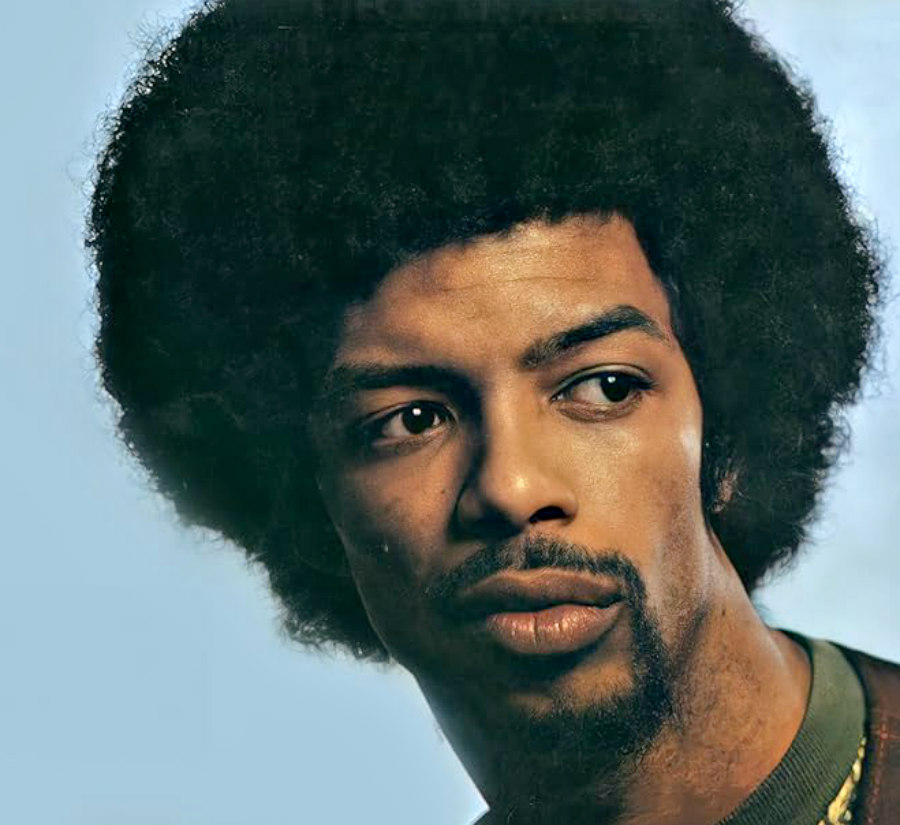
Gil Scott-Heron: The Voice of the Revolution that was Televised 🎤

🎤 The Voice of a Generation…..

Gil Scott-Heron was a poet, musician, novelist, and spoken-word prophet whose powerful lyrics and uncompromising critique of systemic racism made him a towering figure in Black consciousness and American protest culture. Best known for his seminal work “The Revolution Will Not Be Televised,” Scott-Heron used jazz, funk, and poetry to expose the hypocrisy of American democracy and ignite a deeper understanding of Black identity, oppression, and resilience.


🪶 Biography: A Revolutionary Mind

Gilbert Scott-Heron was born on April 1, 1949, in Chicago, Illinois, and raised in Jackson, Tennessee and later The Bronx, New York. His mother, Bobbie Scott, was a librarian and opera singer; his father, Gil Heron, was a Jamaican-born professional soccer player and the first Black man to play for Scotland’s Celtic FC. Scott-Heron was intellectually precocious, winning a full scholarship to the elite Fieldston School in New York and later attending Lincoln University—a historically Black university in Pennsylvania—where he began collaborating with future jazz great Brian Jackson.

He later earned his master’s degree in creative writing from Johns Hopkins University, blending literary talent with political activism and music.


📢 “The Revolution Will Not Be Televised” – A Cultural Detonation

First recorded in 1970, “The Revolution Will Not Be Televised” became an anthem for Black power and radical critique. Delivered in a gritty, urgent tone over a sparse conga beat, the piece warned against passive consumption of media, urging Black Americans to reject corporate distractions and confront real-world oppression.

“The revolution will not be brought to you by Xerox…The revolution will not go better with Coke.”

It rejected commercialism and fake liberalism, shaking the Black community out of political slumber. For many, it was a wake-up call to reclaim agency, identity, and justice—decades before terms like “woke” were popularized. It remains a cornerstone of hip-hop, neo-soul, and conscious rap, influencing artists like Public Enemy, Kendrick Lamar, Common, and Kanye West.


💍 Marriage, Family, and Struggles

Scott-Heron was married to Brenda Sykes, an actress, and had several children, including Gia Scott-Heron, a poet. His personal life, however, was often turbulent. He struggled with drug addiction, particularly crack cocaine, which led to multiple arrests and prison stints.

He died on May 27, 2011, in New York City, reportedly from complications related to HIV/AIDS, as well as pneumonia.


🏆 Awards and Recognition

Despite his commercial limitations, Scott-Heron was widely revered:

  • Grammy Lifetime Achievement Award (posthumously, 2012)
  • BET Honors and various tributes by musical peers
  • Inducted into the Rock and Roll Hall of Fame (2021) under the category of Early Influence

Critics often credit him as the “godfather of rap,” though he personally rejected the label, arguing that his work was rooted more in Blues, Jazz, and Soul-inflected poetry than the structure of hip-hop.


📚 Literary Work: The Vulture (1970)

Gil Scott-Heron was also an accomplished novelist. His debut novel The Vulture was a gripping urban murder mystery that explored themes of race, violence, and identity in Harlem. The story follows the murder of a young Black man and the perspectives of four friends as they try to uncover the truth.

Written when he was just 19, the novel was raw, honest, and infused with street dialect, jazz rhythms, and sociopolitical tension. Scott-Heron wrote it because he saw literature as another weapon to confront societal neglect and expose the real conditions of inner-city youth. The novel was praised for giving voice to disenfranchised Black characters in a way few literary works had done before.


🤍 Reception from White America

Scott-Heron’s message was unapologetically pro-Black and critical of systemic whiteness, so mainstream (largely white) America viewed him with caution, if not outright hostility. However, progressive white intellectuals and musicians appreciated his genius. Over time, as social justice became a broader conversation, even mainstream outlets began to recognize his prophetic insight.


🧠 What He Thought and Said

Scott-Heron was not only a performer but also a philosopher of Black struggle. One of his most quoted lines:

“The first revolution is when you change your mind.”
—Gil Scott-Heron, The Mind of Gil Scott-Heron (1978)

He believed liberation began with mental transformation—a message that deeply influenced Black consciousness movements.


🔥 Legacy and Influence

Scott-Heron’s work laid the foundation for conscious hip-hop, Black Lives Matter rhetoric, and modern spoken word. His uncompromising style still echoes through the works of artists like Nas, Mos Def, Erykah Badu, and Common.

Though he passed away in 2011, Gil Scott-Heron’s prophetic voice still resonates in every protest, every poem, and every performance that dares to tell the truth.


📚 References

MOVIE REVIEW: Lady sings the Blues (1972)

⭐⭐⭐⭐⭐ 5/5

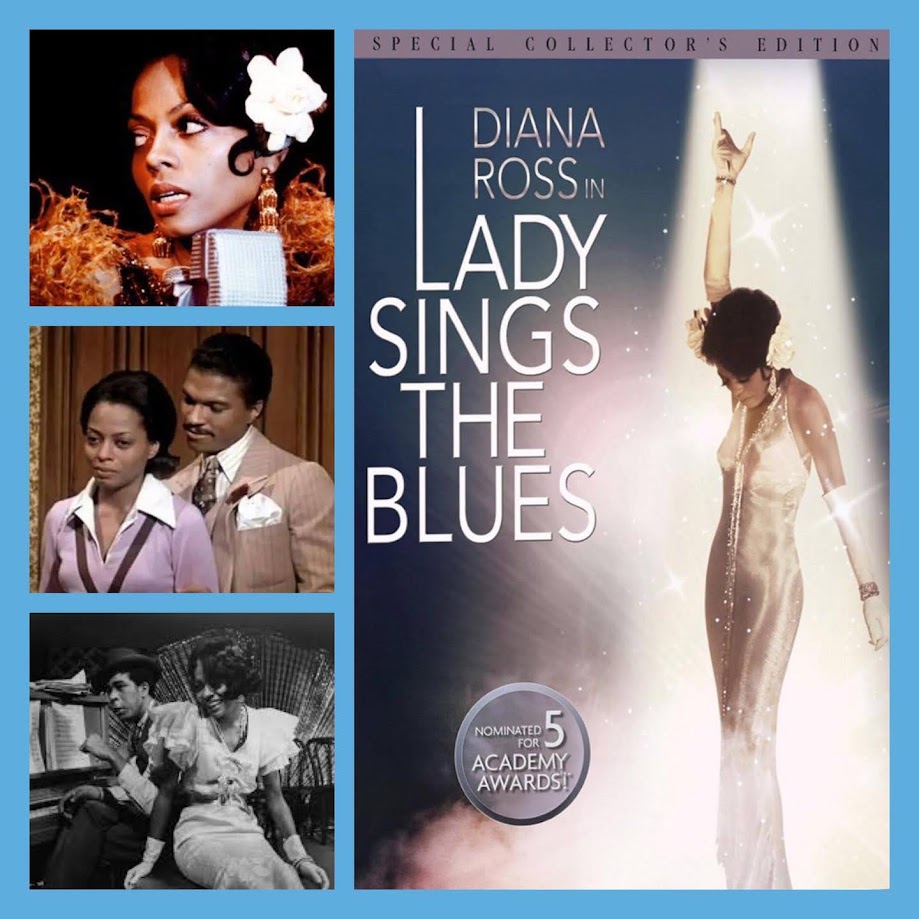
Lady Sings the Blues: A Five-Star Tribute to Billie Holiday and Black Cinematic Brilliance

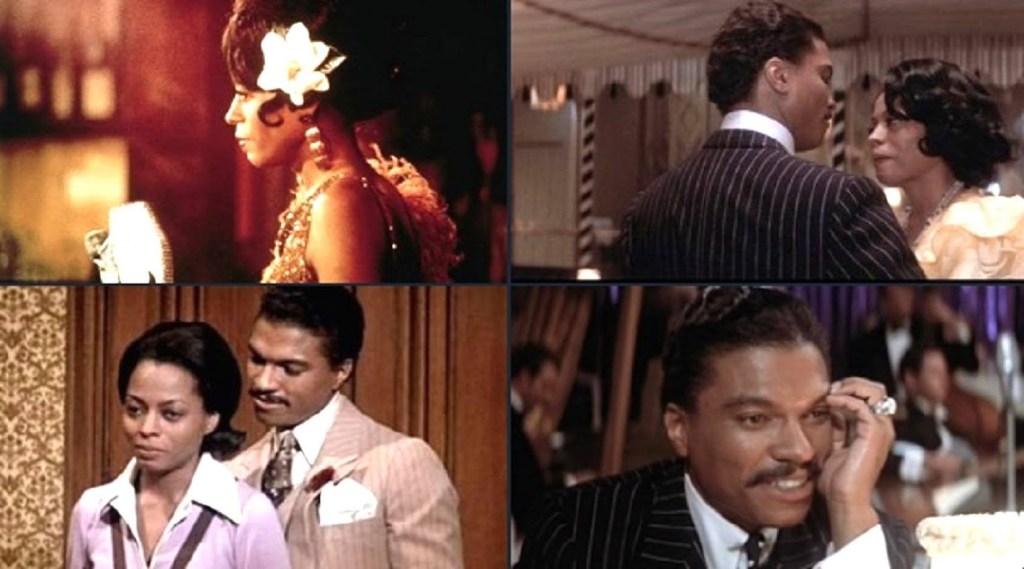
In 1972, Lady Sings the Blues captivated audiences with its raw, poignant dramatization of jazz legend Billie Holiday’s tumultuous life. With Diana Ross stepping boldly into the role of Holiday and Billy Dee Williams offering one of his most iconic performances, the film transcended traditional biopics. It gave voice to the complexities of Black womanhood, addiction, racism, and love through the lens of music. Directed by Sidney J. Furie and produced by Motown Productions, the film became an instant classic, earning five Academy Award nominations and launching Ross’s career as a serious actress.


The Film’s Narrative and Cultural Importance

Scenes from the movie – All photographs are the property of their respective owners.

Based loosely on Billie Holiday’s 1956 autobiography, Lady Sings the Blues follows her journey from a troubled childhood in Baltimore to stardom as one of the most influential jazz vocalists of all time. It candidly explores her battles with sexual trauma, substance abuse, and racial injustice. The film doesn’t just document her music career—it illustrates how the weight of being Black and brilliant in Jim Crow America often meant fighting to simply survive.

Audiences were struck not only by the musical numbers but by the painful authenticity in the story. As Ross sang Holiday’s signature pieces like “Strange Fruit” and “God Bless the Child,” the songs took on new meaning in the post-Civil Rights era, speaking directly to a generation still healing from America’s legacy of racial terror.


🎤 Billie Holiday: The Woman Behind the Blues

Billie Holiday, born Eleanora Fagan in 1915, rose from the poverty of Baltimore’s streets to become a jazz icon whose voice remains one of the most distinctive in music history. Orphaned early and sent to work in brothels, her life was marked by trauma. Despite these early hardships, Holiday channeled her pain into poignant songs that defied the sanitized entertainment norms of the time.

In her own words, she once said:

“If I’m going to sing like someone else, then I don’t need to sing at all.”

Holiday’s impact was revolutionary. Her song “Strange Fruit” was one of the first explicit artistic condemnations of American lynching, which made her a target of the FBI and earned her a place in both musical and civil rights history. Her voice, described as smoky and full of soul, was less about technical precision and more about raw emotion. She said,

“I don’t think I’m singing. I feel like I’m playing a horn… I try to improvise like Les Young, like Louis Armstrong, or someone else I admire.”

Holiday died in 1959 under federal arrest in her hospital bed, yet she remains a symbol of resistance, artistry, and tragic beauty.


🌟 Diana Ross: From Supreme Starlet to Dramatic Powerhouse

Diana Ross’s transformation from pop music icon to dramatic actress stunned the industry. Known primarily as the glamorous frontwoman of The Supremes, Ross had never acted professionally before taking on the daunting task of portraying Billie Holiday. Yet her performance earned widespread acclaim.

Ross reflected on the emotional toll the role demanded:

“I had to feel everything she felt. I had to go deep into her darkness to bring out her light.”

Critics praised her haunting renditions of Holiday’s music. Though Ross did not imitate Holiday’s exact vocal style, she captured the essence of her sorrow and resilience. Roger Ebert declared:

“Diana Ross doesn’t play Billie Holiday. She becomes her.”

Ross earned an Academy Award nomination for Best Actress and a Golden Globe win for Most Promising Newcomer. Her role opened the door for future Black actresses to take center stage in complex, leading roles. Ebony magazine wrote,

“Ross didn’t just play Billie—she exorcised her ghost with grace, grit, and unflinching beauty.”


💎 Billy Dee Williams: The Romantic Soul of the Film

The drop dead handsome Billy Dee Williams brought elegance, strength, and warmth to the role of Louis McKay, Billie Holiday’s husband and protector. Though the real-life relationship between Holiday and McKay was marked by volatility, the film portrayed him as a stabilizing presence and symbol of enduring love.

Born in New York City in 1937, Williams was an accomplished painter and stage actor before he rose to fame on screen. His breakthrough came with Brian’s Song (1971), but it was Lady Sings the Blues that made him a romantic icon in Black cinema. Williams once said:

“It was a love story wrapped in sorrow, but also in survival. That’s what moved people.”

His chemistry with Diana Ross was undeniable, helping redefine the image of Black love on screen. Williams later reflected:

“In that moment, we weren’t just acting. We were telling our story—our people’s story.”

His portrayal helped reshape Hollywood’s image of Black men, portraying tenderness, loyalty, and passion with quiet strength.


🌍 Awards, Acclaim & Cultural Reverberations

Lady Sings the Blues received five Academy Award nominations, including Best Actress (Diana Ross), Best Original Score, Best Screenplay, Best Art Direction, and Best Costume Design. It also won the NAACP Image Award and was nominated for a Golden Globe.

Critics and audiences alike were swept away. The New York Times praised the film’s boldness:

“It dares to tell the story of a Black woman’s tragedy and brilliance without apology.”

In Black America, the film became an instant classic. It was one of the first major studio pictures to center a Black woman’s story, inspiring a generation of artists and sparking deeper conversations about racism, addiction, and resilience.


Final Reflection: A Testament to Black Excellence

Lady Sings the Blues is not merely a film—it is a five-star artistic triumph and cultural monument. It honored the life of Billie Holiday not with pity, but with reverence and passion. With Diana Ross’s electrifying debut and Billy Dee Williams’s heartfelt performance, the film transformed pain into poetry and tragedy into triumph.

As Ross herself said:

“Billie’s story broke my heart. I had to tell it not as a diva, but as a woman trying to heal.”


References

Ebert, R. (1972). Lady Sings the Blues movie review. Chicago Sun-Times.
Holiday, B., & Dufty, W. (1956). Lady Sings the Blues. Doubleday.
Motown Productions. (Producer), & Furie, S. J. (Director). (1972). Lady Sings the Blues [Film]. Paramount Pictures.
Ebony Magazine. (1972). Diana Ross: The Triumph of Billie Holiday.
Williams, B. D. (2021). Interview on Lady Sings the Blues. Essence Magazine.

The Art of Etiquette: 30 Essential Rules for Cultured Conduct

Photo by Monstera Production on Pexels.com

Introduction

Etiquette, derived from the French word étiquette meaning “ticket” or “label,” refers to the established code of polite behavior in society. Far beyond superficial manners, proper etiquette demonstrates respect, cultural competence, emotional intelligence, and self-discipline. Whether at the dinner table, in a business meeting, or walking down the street, etiquette shapes how we are perceived and how we influence others. This guide presents 30 timeless rules of etiquette across various social domains to help individuals embody grace, professionalism, and cultural decorum.


I. Dining Etiquette (Table Manners)

  1. Wait to Begin Until Everyone Is Served
    It is proper to wait until everyone has their plate before eating unless the host insists otherwise.
  2. Use Utensils from the Outside In
    Formal place settings are organized by course; start with the outermost utensils and work your way in.
  3. Napkin on the Lap
    As soon as you sit down, place the napkin on your lap. It stays there throughout the meal.
  4. Don’t Reach Across the Table
    Ask politely for items to be passed rather than stretching over others’ plates.
  5. Chew with Your Mouth Closed
    No talking with food in your mouth, no loud chewing, and no slurping.
  6. Excusing Yourself
    Politely say, “Excuse me,” if you must leave the table—never announce personal matters like bathroom use.
  7. Pass Salt and Pepper Together
    Even if someone only asks for one, both are passed together in formal etiquette.
  8. Cut One Bite at a Time
    Only cut the piece of meat you are about to eat, rather than slicing the whole portion at once.
  9. Hold Wine Glass by the Stem
    Holding the bowl of a wine glass warms the wine and leaves smudges.
  10. Tipping Servers
    In the U.S., it’s customary to tip 15–20% of the bill to express gratitude for service.

II. Social and Party Etiquette

  1. RSVP Promptly
    Respond to invitations quickly, even if you cannot attend. It shows consideration for planning.
  2. Bring a Host Gift
    When invited to someone’s home, arrive with a small gift—wine, dessert, or flowers are appropriate.
  3. Introduce Others by Name and Relevance
    Always facilitate social introductions with full names and a helpful context (e.g., “This is my friend Sarah, a graphic designer”).
  4. Don’t Monopolize Conversations
    Practice active listening. Be aware of body language cues that suggest disinterest or exclusion.
  5. Avoid Politics and Controversy in New Company
    Unless you know the group well, steer clear of divisive subjects at social gatherings.

III. Business and Professional Etiquette

  1. Arrive on Time
    Punctuality is a sign of respect. In professional settings, arrive 5–10 minutes early.
  2. Dress Appropriately for the Industry
    Know the dress code—business formal, business casual, or creative casual—and present yourself accordingly.
  3. Use Professional Greetings
    Always say “Good morning,” “Good afternoon,” and greet colleagues by name. A firm handshake and eye contact matter.
  4. Respect Hierarchy and Titles
    Refer to superiors with appropriate titles unless invited to use first names.
  5. Follow Up with a Thank You
    After meetings or interviews, send a follow-up message expressing gratitude and summarizing key takeaways.

IV. Personal Appearance and Dressing Etiquette

  1. Dress Modestly and Neatly
    Cleanliness and grooming are fundamental. Wrinkled, stained, or revealing clothes undermine credibility.
  2. Fragrance Should Be Subtle
    Perfume or cologne should never overpower the room or cause discomfort to others.
  3. Shoes Should Match the Occasion
    Choose footwear that is appropriate—polished dress shoes for business, clean casual shoes for informal outings.
  4. Accessories Should Enhance, Not Distract
    Avoid excessive jewelry or loud fashion statements unless the environment encourages it.
  5. Always Maintain Good Posture
    How you carry yourself speaks before you say a word—stand tall, shoulders back.

V. Gestures, Body Language, and Public Behavior

  1. Don’t Point with Fingers
    It’s considered rude in many cultures. Use an open hand or nod to direct attention.
  2. Keep Personal Space
    Respect the “social distance” bubble—typically 2–3 feet in casual and business settings.
  3. Silence Cell Phones in Public Settings
    Phones should be on silent or vibrate during meetings, meals, or cultural events.
  4. Walking in Public
    Walk on the right side of the path or hallway, keep pace with traffic, and yield to elders or those with mobility needs.
  5. Standing in Public
    Avoid blocking doorways, escalators, or walkways. If you stop to speak, move aside.

Conclusion

Proper etiquette reflects the inner character and social awareness of an individual. It is not a rigid set of outdated rules but a fluid language of respect, poise, and cultural sensitivity. Whether navigating a formal dinner, corporate boardroom, or sidewalk, practicing etiquette affirms dignity—both your own and that of others. As Emily Post once said, “Manners are a sensitive awareness of the feelings of others. If you have that awareness, you have good manners.”


References

  • American Psychological Association. (2023). Etiquette and professionalism. https://www.apa.org
  • Post, P., & Post Senning, D. (2011). Emily Post’s Etiquette, 18th Edition. William Morrow.
  • Forni, P. M. (2002). Choosing Civility: The Twenty-five Rules of Considerate Conduct. St. Martin’s Press.
  • Vanderbilt, T. (2008). Traffic: Why We Drive the Way We Do (and What It Says About Us). Knopf.
  • The Protocol School of Washington. (2024). Etiquette training resources. https://www.psow.edu

Dilemma: Misogynoir

The Unique Discrimination Against Black Women

Photo by Bave Pictures on Pexels.com

Misogynoir—a term coined by Moya Bailey (2010)—captures the specific intersection of racism and sexism that Black women face. Unlike generalized sexism or racism, misogynoir uniquely blends both to create social, cultural, and psychological burdens for Black women. It is manifested in harmful stereotypes that distort their humanity and confine them to demeaning roles. The “angry Black woman” trope frames Black women as hostile, aggressive, and perpetually dissatisfied, disregarding the legitimate roots of their frustration in systemic injustice. The hypersexualized “jezebel” stereotype objectifies Black women, reducing them to their bodies and marking them as sexually available. Meanwhile, the “mammy” archetype portrays Black women as self-sacrificing caretakers, expected to prioritize others’ needs at the expense of their own. These stereotypes have persisted from slavery into the present day, shaping workplace dynamics, media representation, and interpersonal relationships (Collins, 2000).

From a psychological standpoint, these stereotypes function as a form of “stereotype threat” (Steele, 1997), in which awareness of negative perceptions can hinder performance, increase stress, and damage self-concept. Black women often navigate “double consciousness” (Du Bois, 1903), a fractured identity where they see themselves through both their own cultural lens and the distorted gaze of a white, patriarchal society. This duality can lead to anxiety, depression, and diminished self-esteem (Watson-Singleton, 2017). Furthermore, the internalization of misogynoir reinforces cycles of silence, guilt, or perfectionism, where Black women feel compelled to “work twice as hard” to prove their worth. Psychology affirms that such sustained exposure to stress produces physical consequences, often termed “weathering” (Geronimus, 1992), leading to earlier onset of health disparities such as hypertension and heart disease.

The King James Bible reminds us that stereotypes and false witness are contrary to God’s commandments. Proverbs 31:10–31 exalts the virtuous woman, describing her as strong, wise, and industrious—not angry, oversexualized, or expendable. God calls women to be valued as His image-bearers (Genesis 1:27), not diminished by human prejudice. Ephesians 4:29 warns, “Let no corrupt communication proceed out of your mouth, but that which is good to the use of edifying.” Thus, speech and actions rooted in misogynoir are not only socially destructive but also spiritually sinful. The Bible underscores that all slander and demeaning words are falsehoods, and in God’s sight, women are honored creations with divine purpose.

Overcoming misogynoir requires both personal and collective strategies. Spiritually, Black women and communities are called to reclaim identity in God’s truth, remembering that liberation begins with obedience to His commandments and the refusal to internalize lies. As Romans 12:2 reminds, “Be not conformed to this world: but be ye transformed by the renewing of your mind.” Healing begins by rejecting false stereotypes and embracing God’s definition of worth. Psychologically, access to therapy, affirming spaces, and intergenerational support networks counter the damage of stereotype threat and provide avenues for resilience. Collective affirmation of beauty, intelligence, and dignity serves as a cultural shield against internalized oppression.

Socially, dismantling misogynoir means challenging media portrayals, workplace discrimination, and community dynamics that recycle harmful tropes. Black men in particular bear responsibility for rejecting narratives that demean Black women, while allies of all backgrounds must amplify voices that resist sexist-racist imagery. Policy reforms addressing wage gaps, healthcare disparities, and violence against Black women also play a crucial role in reducing the systemic roots of misogynoir. Building unity within the Black community, rooted in love and respect, strengthens collective resistance and ensures that oppressive frameworks are not perpetuated internally.

Ultimately, the dilemma of misogynoir is overcome by centering truth—biblical truth that affirms dignity, psychological truth that validates lived experiences, and social truth that reclaims narrative power. As Michelle Obama (2018) once said, “We need to do a better job of putting ourselves higher on our own ‘to-do list.’” Black women must be honored as full, complex beings, not limited by stereotypes. When society begins to see Black women through the lens of God’s truth and not historical lies, healing, restoration, and justice can emerge for future generations.


📚 References

  • Bailey, M. (2010). They aren’t talking about me… Misogynoir in hip-hop culture.
  • Collins, P. H. (2000). Black feminist thought. Routledge.
  • Du Bois, W. E. B. (1903). The Souls of Black Folk.
  • Geronimus, A. T. (1992). The weathering hypothesis. Ethnicity & Disease, 2(3), 207–221.
  • Steele, C. (1997). A threat in the air: How stereotypes shape intellectual identity. American Psychologist, 52(6), 613–629.
  • Watson-Singleton, N. (2017). Strong Black woman schema and mental health. Journal of Black Psychology, 43(8), 771–789.