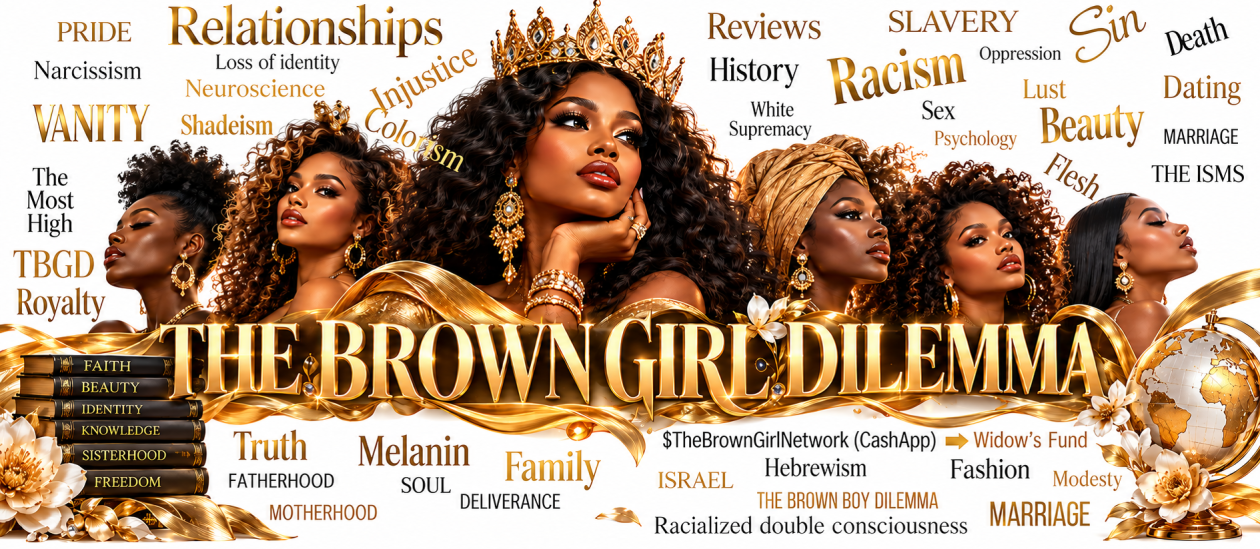

Black beauty standards are not simply aesthetic preferences; they are deeply embedded social codes that shape perception, desire, and ultimately romantic choice. Across history, media representation and cultural hierarchy have influenced what is considered attractive within Black communities and beyond them. These standards often operate invisibly, shaping who is seen as desirable, who is overlooked, and who is deemed worthy of love.

Attraction is frequently framed as personal preference, yet research in social psychology suggests that preferences are heavily conditioned by environment, exposure, and repeated cultural messaging. When certain phenotypes—lighter skin, Eurocentric facial features, or specific hair textures—are consistently elevated in media, they become psychologically associated with desirability (Russell, Wilson, & Hall, 1992).
Within the Black community, colorism has played a particularly influential role in shaping relationship dynamics. Colorism refers to differential treatment based on skin tone, often privileging lighter skin over darker skin within the same racial group. This hierarchy did not emerge organically but was reinforced through colonial history, slavery, and post-slavery social stratification.
Romantic attraction does not exist outside these systems. Studies have shown that skin tone can influence dating preferences, mate selection, and perceived attractiveness ratings, even among individuals who consciously reject colorist ideologies (Hill, 2002). This suggests a disconnect between conscious beliefs and subconscious conditioning.
Media representation reinforces these biases by repeatedly showcasing certain types of Black beauty while marginalizing others. Television, film, music videos, and advertising have historically prioritized Eurocentric beauty ideals, which in turn shape what audiences internalize as “standard” attractiveness.
However, Black beauty standards are not static. Cultural movements such as natural hair advocacy, dark skin appreciation campaigns, and increased representation of diverse Black aesthetics have begun to challenge long-standing norms. These shifts are slowly expanding the definition of beauty and reshaping romantic expectations.

In relationships, these standards often manifest in subtle but powerful ways. Individuals may experience internalized bias that affects whom they approach, whom they reject, and how they perceive their own desirability. This can lead to unequal dating experiences within the same racial community.
Psychologically, attraction is also tied to self-esteem and self-concept. When individuals internalize restrictive beauty standards, they may experience reduced confidence, which can influence their willingness to pursue relationships or set healthy boundaries within them.
Sociological research indicates that perceived desirability hierarchies can influence partner selection patterns, sometimes resulting in stratification within dating markets. This is not unique to Black communities but is intensified where historical oppression and racialized beauty norms intersect.
The concept of “beauty capital,” derived from sociological theory, helps explain how physical appearance functions as a form of social currency. In romantic contexts, those who align more closely with dominant beauty ideals may experience expanded dating opportunities, while others may be marginalized.
Yet attraction is not purely visual. Emotional compatibility, cultural identity, shared values, and lived experience play essential roles in sustaining romantic bonds. These factors often challenge or override initial aesthetic biases once deeper connection forms.

Still, initial attraction is frequently shaped within seconds, and those seconds are heavily influenced by culturally learned standards. This makes beauty norms particularly powerful in shaping who enters the “consideration set” for romantic relationships.
Within Black communities, there is also a generational divide in beauty perception. Older generations may hold different standards shaped by earlier media landscapes, while younger generations are increasingly influenced by globalized digital aesthetics and social media algorithms.
Social media platforms intensify these dynamics by curating highly filtered and selective images of beauty. Algorithm-driven visibility often amplifies specific looks, reinforcing narrow ideals of attractiveness that circulate rapidly and globally.
At the same time, digital spaces have also become sites of resistance. Influencers, creators, and communities actively challenge colorism and expand representations of Black beauty, offering counter-narratives that influence dating norms and self-perception.
Religious and cultural frameworks further complicate beauty standards in relationships. In some communities, spiritual teachings emphasize inner character over physical appearance, yet lived social experience often reveals tension between ideal belief and actual preference.
From a psychological standpoint, implicit bias research suggests that individuals can hold egalitarian beliefs while still demonstrating automatic preferences shaped by exposure and cultural conditioning (Greenwald & Banaji, 1995). This helps explain why beauty standards can affect love even when people consciously reject them.

Ultimately, Black beauty standards affect not only who is considered attractive but also how individuals interpret their own worthiness of love. This internal dimension may be even more influential than external judgment in shaping relationship outcomes.
However, beauty standards are not destiny. Awareness, intentional unlearning, and expanded representation can reshape attraction patterns over time. As cultural definitions of beauty widen, so too does the landscape of romantic possibility.
In conclusion, the hidden rules of attraction are not purely personal—they are cultural, historical, and psychological. Black beauty standards do influence who we love, but they are also continuously being rewritten by those who challenge and expand them.
If this work has informed or inspired you, please consider supporting it so we can continue researching, writing, and sharing these stories.
CashApp: $thebrowngirlnetwork
Make a one-time donation
Make a monthly donation
Make a yearly donation
Choose an amount
Or enter a custom amount
Your contribution is appreciated.
Your contribution is appreciated.
Your contribution is appreciated.
References
Greenwald, A. G., & Banaji, M. R. (1995). Implicit social cognition: Attitudes, self-esteem, and stereotypes. Psychological Review, 102(1), 4–27.
Hill, M. E. (2002). Skin color and the perception of attractiveness among African Americans. Social Psychology Quarterly, 65(1), 77–92.
Russell, K., Wilson, M., & Hall, R. E. (1992). The color complex: The politics of skin color among African Americans. Anchor Books.
Discover more from THE BROWN GIRL DILEMMA
Subscribe to get the latest posts sent to your email.