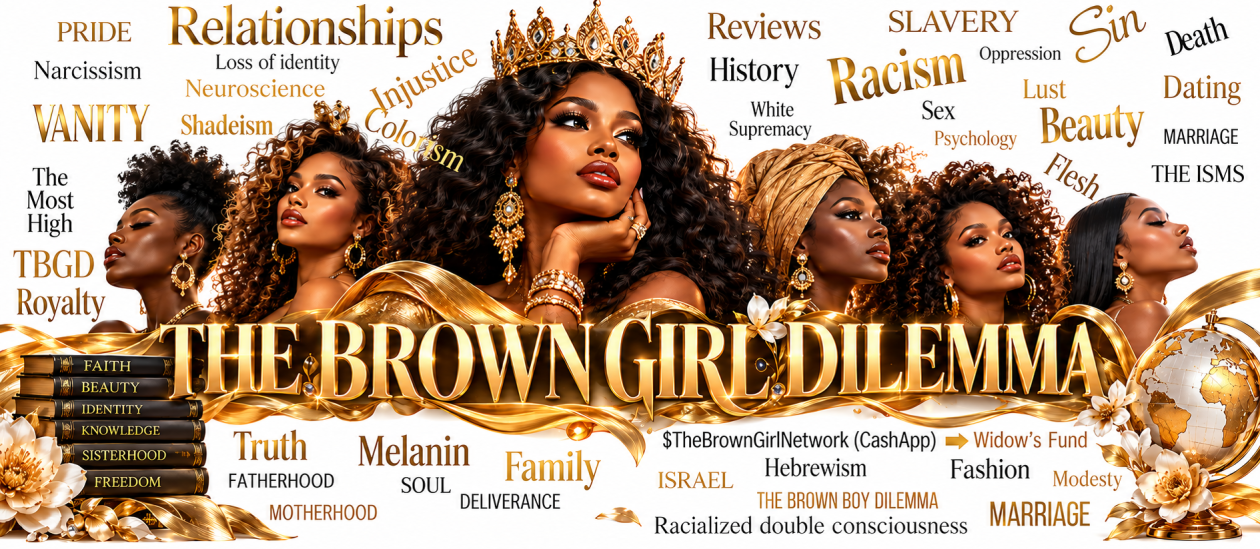

In a world often dominated by narrow and Eurocentric standards of beauty, the celebration of Black beauty remains a revolutionary act. Theologically, the recognition of worth beyond superficiality is rooted in Scripture, which affirms that true beauty and value are seen by God, not merely by human perception (1 Samuel 16:7, KJV). Chosen in Bronze explores the intersection of aesthetics, divine affirmation, and cultural empowerment, particularly for Black women whose beauty is historically marginalized or misrepresented.
The metaphor of “bronze” evokes both the radiance of dark skin and the resilience required to withstand societal judgment. Black women have long navigated systemic oppression that includes colorism, sexism, and the denial of their aesthetic and moral worth (Hunter, 2007). Yet, in spiritual terms, the divine gaze recognizes the intrinsic beauty and dignity of every individual, irrespective of cultural bias or societal neglect.
Scripture consistently emphasizes that God values the heart over outward appearance. 1 Samuel 16:7 (KJV) declares: “The Lord seeth not as man seeth; for man looketh on the outward appearance, but the Lord looketh on the heart.” This passage underscores that human evaluations of beauty are often flawed, whereas divine recognition affirms inner virtue, purpose, and identity.
Anthropologically, beauty is both culturally constructed and socially enforced. In modern contexts, media, fashion, and entertainment perpetuate narrow definitions of beauty, often marginalizing darker-skinned individuals while valorizing lighter complexions and Eurocentric features (Wolf, 1991; Marwick, 2017). This selective valuation reinforces systemic hierarchies and affects social, economic, and relational opportunities.
Theologically, however, the King—the divine archetype of justice and discernment—identifies the daughter as lovely, reflecting both her aesthetic presence and her inner virtues. Proverbs 31:30 (KJV) affirms: “Favor is deceitful, and beauty is vain: but a woman that feareth the Lord, she shall be praised.” Here, spiritual devotion is inseparable from recognized beauty, positioning God’s affirmation as the ultimate measure of worth.
Historically, Black women have been objectified and evaluated predominantly on physical terms. The transatlantic slave trade, colonialism, and systemic racism contributed to the devaluation of dark-skinned women’s beauty and humanity (Hunter, 2007). In contrast, recognizing their beauty as “chosen” reframes societal narratives and reclaims dignity and honor.
Culturally, the concept of being “chosen in bronze” resonates as a form of empowerment. Artistic representation, fashion, and media can celebrate the diversity and richness of Black beauty, challenging the normative paradigms that have historically excluded darker-skinned women (Langlois et al., 2000).
Psychologically, affirmation of beauty and worth combats internalized oppression. When society undervalues or misrepresents one’s appearance, it can generate feelings of inadequacy, invisibility, and low self-esteem. Divine acknowledgment or culturally supportive recognition serves as a counterbalance, fostering confidence and identity (Eagly et al., 1991).
In relational dynamics, Black women often navigate complex expectations of beauty, both imposed externally and internalized. By framing their beauty as divinely chosen, the narrative disrupts objectification and promotes relational respect, recognizing the multidimensionality of character, intellect, and spiritual integrity.
Educational and professional settings are also influenced by appearance-based biases. Pretty privilege often favors individuals who conform to Eurocentric aesthetics, creating systemic inequities (Hosoda, Stone-Romero, & Coats, 2003). Affirmation of intrinsic worth challenges these inequities and centers on moral and intellectual virtues.
Media representation is crucial. Celebrating Black women in their authentic aesthetic expressions—embracing natural hair textures, darker skin, and Afrocentric features—resists the homogenization of beauty and fosters collective cultural pride (Marwick, 2017; Noble, 2018).
Socially, affirming the beauty of Black women also disrupts colorism within the community, encouraging equitable recognition across diverse skin tones and features. This internal cultural acknowledgment complements the theological affirmation of God’s chosen.
From a theological lens, the acknowledgment of the daughter’s beauty by the King exemplifies divine justice and taste, contrasting sharply with human partiality and societal bias. It demonstrates that ultimate recognition is not contingent on human validation but on spiritual discernment (1 Samuel 16:7, KJV).
Anthropological studies indicate that beauty functions as social currency, yet it is culturally mediated. Black women’s recognition in media, politics, and professional domains often reflects both tokenism and selective privilege. Affirming their beauty on broader, more inclusive terms disrupts these patterns (Langlois et al., 2000).
Psychologically, embracing one’s beauty as “chosen” promotes resilience against societal marginalization. This framework empowers women to navigate external judgment without compromising self-worth or identity (Eagly et al., 1991).
Ethically, the recognition of intrinsic beauty challenges superficial assessments of merit. It affirms that moral integrity, character, and spiritual devotion are inseparable from true aesthetic value (Proverbs 31:30, KJV).
Culturally, “chosen in bronze” serves as a rallying motif for Black women’s empowerment, influencing art, literature, and social discourse. It elevates the narrative of beauty as both authentic and divinely affirmed, countering centuries of marginalization.
Theologically, the narrative reframes beauty as a reflection of God’s favor and intention, rather than a social commodity. The daughter’s recognition embodies the convergence of divine affirmation and cultural pride.
Ultimately, Chosen in Bronze illustrates that beauty, when recognized as God-given and morally grounded, transcends social prejudice. It calls for both spiritual discernment and cultural acknowledgment of worth, dignity, and loveliness.
References
Eagly, A. H., Ashmore, R. D., Makhijani, M. G., & Longo, L. C. (1991). What is beautiful is good, but…: A meta-analytic review of research on the physical attractiveness stereotype. Psychological Bulletin, 110(1), 109–128.
Hosoda, M., Stone-Romero, E. F., & Coats, G. (2003). The effects of physical attractiveness on job-related outcomes: A meta-analysis of experimental studies. Personnel Psychology, 56(2), 431–462.
Hunter, M. (2007). The persistent problem of colorism: Skin tone, status, and inequality. Sociology Compass, 1(1), 237–254.
Langlois, J. H., Kalakanis, L., Rubenstein, A. J., Larson, A., Hallam, M., & Smoot, M. (2000). Maxims or myths of beauty? A meta-analytic and theoretical review. Psychological Bulletin, 126(3), 390–423.
Marwick, A. (2017). Status update: Celebrity, publicity, and branding in the social media age. Yale University Press.
Noble, S. U. (2018). Algorithms of oppression: How search engines reinforce racism. NYU Press.
Wolf, N. (1991). The beauty myth: How images of beauty are used against women. HarperCollins.
Holy Bible, King James Version (KJV). 1 Samuel 16:7; Proverbs 31:30.
http://www.thebrowngirldilemma.com
Discover more from THE BROWN GIRL DILEMMA
Subscribe to get the latest posts sent to your email.