
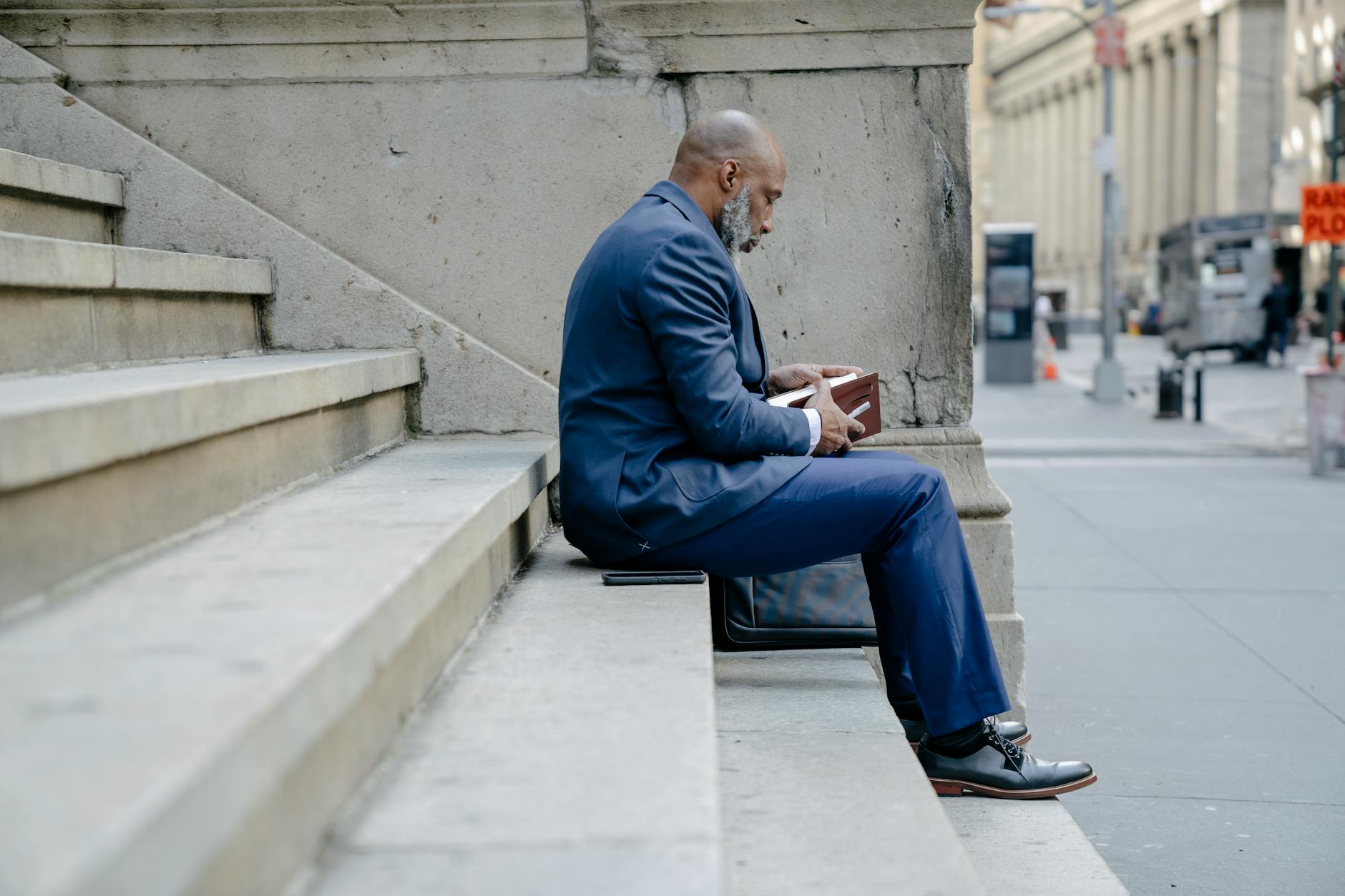
Manhood, in its truest sense, is more than physical maturity—it is the cultivation of character, purpose, and ethical responsibility. Modern societal pressures, cultural shifts, and historical misrepresentations have fragmented traditional concepts of manhood, necessitating a conscious effort to rebuild its foundation. The Male Files examines how men can reconstruct a blueprint for responsible, empowered, and principled masculinity.
Historically, rites of passage marked the transition from boyhood to manhood. In many cultures, these ceremonies emphasized accountability, community contribution, and personal integrity. They served as a framework for teaching values, skills, and ethical responsibility, creating a clear blueprint for adulthood (Imam, 2015).
Spiritual grounding is central to the foundation of manhood. Faith or a principled moral compass provides men with guidance, resilience, and ethical clarity. Biblical examples such as King David illustrate the importance of aligning leadership, decision-making, and personal conduct with spiritual convictions (1 Samuel 16:7, KJV).
Education and knowledge are integral to rebuilding manhood. Intellectual development equips men to navigate life with discernment, problem-solving abilities, and critical thinking. Learning also empowers men to mentor others, contribute meaningfully to society, and resist destructive cultural narratives.
Emotional intelligence is essential in constructing a new blueprint. Men must cultivate self-awareness, empathy, and relational skills. Developing the ability to manage emotions, communicate effectively, and form healthy relationships differentiates responsible manhood from mere physical maturity.
Economic responsibility forms a critical component of the foundation. Financial literacy, resource management, and intergenerational planning reflect a man’s commitment to sustaining himself, his family, and his community. A rebuilt blueprint emphasizes strategic stewardship over impulsive or self-centered behavior (Graves, 2013).
Accountability is non-negotiable in ethical manhood. Owning decisions, accepting consequences, and learning from mistakes are hallmarks of integrity. Men who practice accountability cultivate trust, respect, and leadership credibility in both personal and professional spheres.
Mentorship is a cornerstone of the blueprint. Experienced men passing on wisdom, ethical standards, and practical skills foster continuity and resilience within communities. Mentorship transforms individual development into a generational legacy of responsible manhood.
Physical health and well-being support the reconstruction of manhood. Strength, endurance, and vitality allow men to fulfill roles as protectors, providers, and leaders. However, true health encompasses mental, emotional, and spiritual dimensions, creating holistic capacity for action.
Resilience in adversity shapes the character of modern manhood. Life inevitably presents challenges—economic hardship, societal marginalization, or personal loss. Men who cultivate resilience respond with perseverance, courage, and strategic problem-solving rather than impulsive reactions or avoidance.
Leadership within family structures is foundational. Fathers and elder men establish environments of guidance, protection, and ethical modeling. Their influence ensures that children develop a clear understanding of responsibility, integrity, and relational dynamics within a stable family framework.
Cultural narratives influence the reconstruction of manhood. Media, literature, and societal discourse often portray men narrowly, emphasizing aggression, dominance, or material success. Rebuilding the blueprint involves redefining masculinity to prioritize emotional literacy, ethical leadership, and service.
Faithful engagement in community work reinforces the new model. Acts of service, mentorship programs, and civic participation demonstrate that manhood extends beyond self-interest. Community-oriented behavior underscores accountability, empathy, and social responsibility.
Spiritual resilience undergirds ethical decision-making. Men anchored in principles or faith are better equipped to navigate societal pressures that encourage dishonesty, exploitation, or moral compromise. Integrity becomes both a compass and a foundation for enduring manhood.
Self-reflection is essential in maintaining and improving the blueprint. Regular evaluation of character, behavior, and goals allows men to identify areas for growth, correct misalignments, and strengthen ethical and emotional capacities.
Interpersonal relationships are a reflection of rebuilt manhood. Respectful engagement, honest communication, and empathetic support enhance friendships, romantic partnerships, and professional connections, demonstrating consistency in principle and action.
Economic empowerment complements the broader blueprint. Financial literacy, entrepreneurship, and ethical wealth-building create independence and reinforce personal and familial stability, demonstrating responsible stewardship and foresight.
Education on historical and social influences equips men to resist destructive patterns. Awareness of systemic oppression, cultural expectations, and inherited biases allows men to make informed choices, breaking cycles of neglect, aggression, or underachievement.
Artistic and cultural expression can reinforce identity, purpose, and self-respect. Engaging with music, literature, or visual arts enables men to process experiences, express values, and cultivate pride in heritage while affirming individuality within societal structures.
Ultimately, rebuilding the foundation of manhood requires holistic integration of faith, intellect, emotional intelligence, accountability, and service. Men who consciously reconstruct their blueprint embody leadership, responsibility, and ethical purpose, setting a model for future generations.
In conclusion, The Male Files presents manhood as a deliberate, ongoing project. By embracing responsibility, cultivating resilience, and modeling principled behavior, men can redefine masculinity in a modern context, fostering communities, families, and societies grounded in integrity, strength, and purposeful action.
References
Graves, J. (2013). Black men in America: Health, family, and social policy. Routledge.
Hunter, M. (2005). Race, gender, and the development of African American masculinity. In M. Hunter & J. Davis (Eds.), African American family life: Ecological and cultural diversity (pp. 45–62). Sage Publications.
Imam, A. (2015). African rites of passage: Cultural significance and social impact. African Studies Review, 58(2), 89–107. https://doi.org/10.1017/asr.2015.21
1 Samuel 16:7 (King James Bible). (n.d.). King James Bible Online. https://www.kingjamesbibleonline.org
Connell, R. W. (2005). Masculinities (2nd ed.). University of California Press.
Zimbardo, P. G., & Coulombe, N. D. (2015). Man interrupted: Why young men are struggling and what we can do about it. Conari Press.
Discover more from THE BROWN GIRL DILEMMA
Subscribe to get the latest posts sent to your email.
 THE BROWN GIRL DILEMMA