
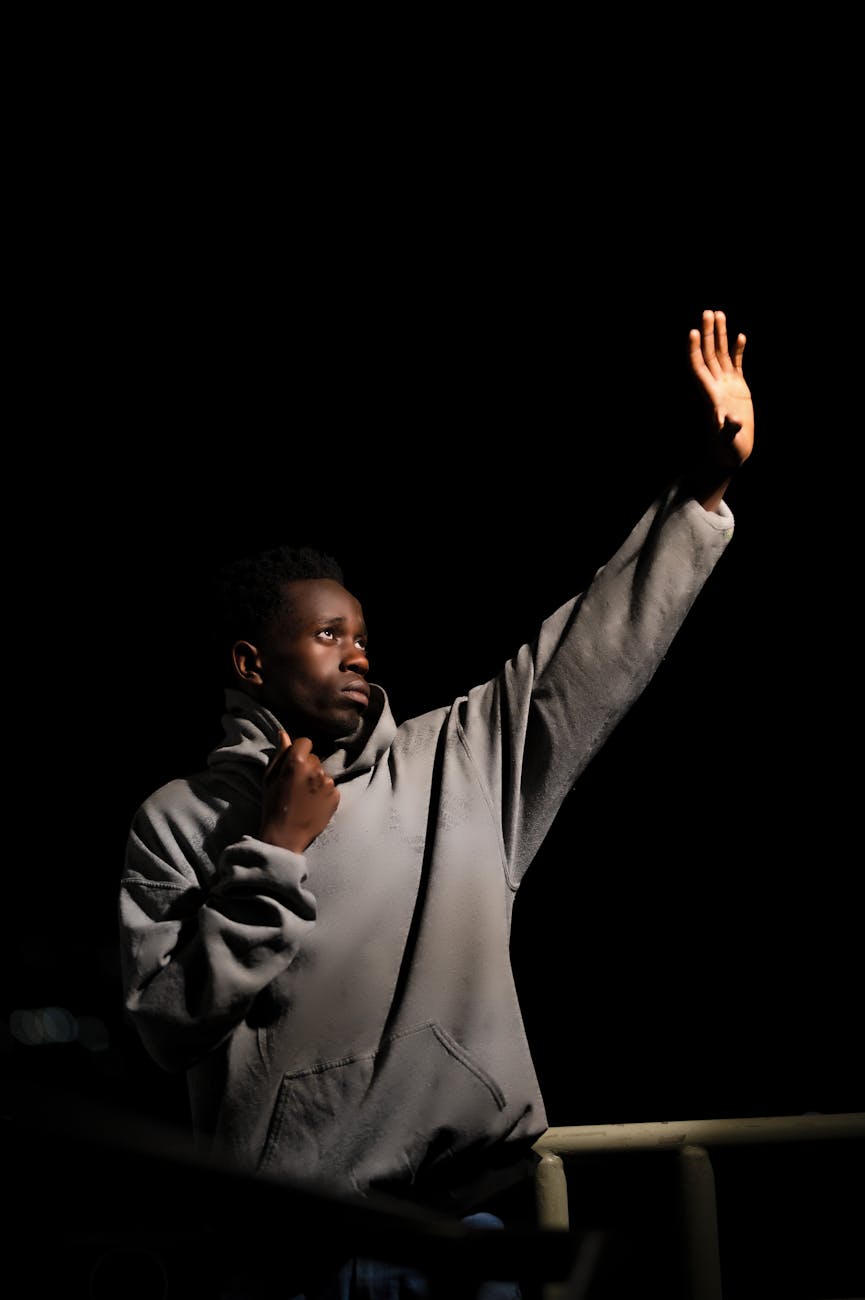
There comes a moment in every man’s life when he must look into the mirror and see not just his reflection, but his rebellion. The story of the prodigal son is not only about a wayward youth who squandered his inheritance—it is a timeless metaphor for men who lose themselves chasing fulfillment in the far country of sin, pride, and self-will. “The Return of the Prodigal Man” speaks to every soul who has wandered away from purpose, from family, and from God, only to discover that the road back home is the road toward redemption.
The prodigal’s journey begins with rebellion. Like many men, he believed freedom meant separation—freedom from responsibility, authority, and divine order. He demanded his inheritance early (Luke 15:12, KJV), symbolizing humanity’s constant desire to possess blessings without submission to the Giver. In this act, he rejected relationship in favor of autonomy. Yet true manhood cannot exist apart from accountability. The rebellion of the prodigal man mirrors the ancient fall of Adam, who also chose independence over intimacy with God.
The far country represents more than physical distance—it is a spiritual exile. There, the prodigal man exchanges identity for indulgence. He surrounds himself with counterfeit pleasures and temporary applause, believing that validation equals value. But the glamour of rebellion always fades. The Scripture says he “wasted his substance with riotous living” (Luke 15:13, KJV). Modern men waste their inheritance not on livestock and parties, but on distractions—lust, materialism, ego, and the pursuit of image over integrity.
In the far country, the prodigal’s fortune runs dry, and so does his pride. The famine that follows symbolizes the inevitable emptiness of a life disconnected from purpose. No matter how gifted or successful a man becomes, spiritual famine sets in when he trades calling for comfort. In this state, he begins to crave the very things he once despised—structure, love, and the Father’s presence. The famine humbles the man who once believed he needed no one.
The turning point comes “when he came to himself” (Luke 15:17, KJV). That phrase is the axis of redemption. It signifies self-awareness, repentance, and revelation. The prodigal’s return begins not with movement, but with memory—remembering who he was before he fell. Many men live decades away from their true selves, numbing pain through performance. Redemption begins when they awaken to the realization that identity cannot be bought, borrowed, or branded—it must be reclaimed through humility.
The prodigal’s decision to rise and return is the first act of true manhood. It takes greater strength to confess failure than to conceal it. The path back home is paved with repentance, not reputation. The journey requires courage—the courage to admit, “I have sinned against heaven, and before thee” (Luke 15:18, KJV). The returning man must face the damage done by his distance, but also trust the grace that awaits him.
When the father sees his son “a great way off,” he runs to meet him (Luke 15:20, KJV). This image reveals the heart of God toward fallen men—not condemnation, but compassion. The Father does not wait behind locked gates of judgment; He runs down the road of mercy. The robe, ring, and feast symbolize restoration of identity, authority, and belonging. The man who left as a rebel returns as a son. This is the divine exchange—shame for grace, rebellion for restoration.
Every prodigal man carries both wounds and wisdom. The scars of rebellion remind him of where pride leads, while the mercy of the Father reminds him of where love restores. True redemption does not erase the past; it redeems it. The lessons learned in the far country become testimonies that strengthen others still wandering.
Yet not everyone rejoices at the prodigal’s return. The older brother’s resentment reveals society’s tendency to value performance over repentance. Many men fear returning home because they expect rejection rather than restoration. But God’s grace offends the self-righteous and uplifts the broken. Heaven rejoices more over one repentant man than ninety-nine who never left (Luke 15:7, KJV).
The modern prodigal man takes many forms—the absent father, the unfaithful husband, the spiritually lost leader. Yet the same invitation stands: return home. The Father’s arms remain open, not because men deserve it, but because grace demands it. Redemption is not a reward for the perfect; it is a rescue for the repentant.
The rebellion of men has cost families stability, women protection, and children direction. Generations have suffered from the absence of fathers who left physically or emotionally. But the return of the prodigal man has generational power—it restores lineage, rebuilds legacy, and revives love. The same man who once wandered can become the watchman who guards his home with prayer and purpose.
The return requires humility, confession, and accountability. It is not enough to feel sorry; one must come home. The prodigal did not text an apology from afar—he walked the road himself. Redemption demands presence. Modern men must learn that healing begins not in isolation but in community, under the guidance of faith, family, and fellowship.
Spiritually, the story symbolizes humanity’s redemption through Christ. Just as the father received his lost son, God receives all who turn back to Him through repentance. The robe represents righteousness, the ring signifies authority, and the shoes symbolize restored purpose. These are the gifts of grace awaiting every man who chooses to return.
The rebellion of the prodigal was fueled by pride; his return was guided by grace. This pattern reflects the very arc of salvation. Man’s downfall begins with “I will,” but redemption begins with “I have sinned.” To return to God is to rediscover the image of manhood that sin distorted—a man who walks in humility, service, and faith.
In returning home, the prodigal man finds that the Father never stopped waiting. The same is true today. No man is too far gone, no failure too great, no distance too wide for grace to bridge. Redemption is not about erasing the past but transforming it into testimony.
When the prodigal man returns, he does not merely restore his own soul—he revives his household. His repentance becomes a seed that produces generational fruit. Sons learn forgiveness, daughters learn safety, and wives learn trust. His story becomes proof that God still redeems men who once lost their way.
The return of the prodigal man is not just a homecoming—it is a spiritual revolution. It is the restoration of Adam’s voice, David’s heart, and Christ’s calling. It is the rise of men who lead with love, serve with humility, and speak with truth. From rebellion to redemption, the journey of the prodigal man reveals that God is not finished with the fallen—He is waiting to crown them with purpose.
References
Baucham, V. (2009). What he must be: If he wants to marry my daughter. Crossway.
Bonhoeffer, D. (1959). The cost of discipleship. Macmillan.
Eldredge, J. (2001). Wild at heart: Discovering the secret of a man’s soul. Thomas Nelson.
Lewis, C. S. (1952). Mere Christianity. HarperOne.
Moore, R. (2018). The storm-tossed family: How the cross reshapes the home. B&H Publishing Group.
Ortberg, J. (2010). The me I want to be: Becoming God’s best version of you. Zondervan.
Piper, J., & Grudem, W. (Eds.). (1991). Recovering biblical manhood and womanhood. Crossway.
The Holy Bible, King James Version. (1611). Thomas Nelson.
Tchividjian, T. (2012). Glorious ruin: How suffering sets you free. David C. Cook.
Wright, N. T. (2012). After you believe: Why Christian character matters. HarperOne.
Discover more from THE BROWN GIRL DILEMMA
Subscribe to get the latest posts sent to your email.
 THE BROWN GIRL DILEMMA