
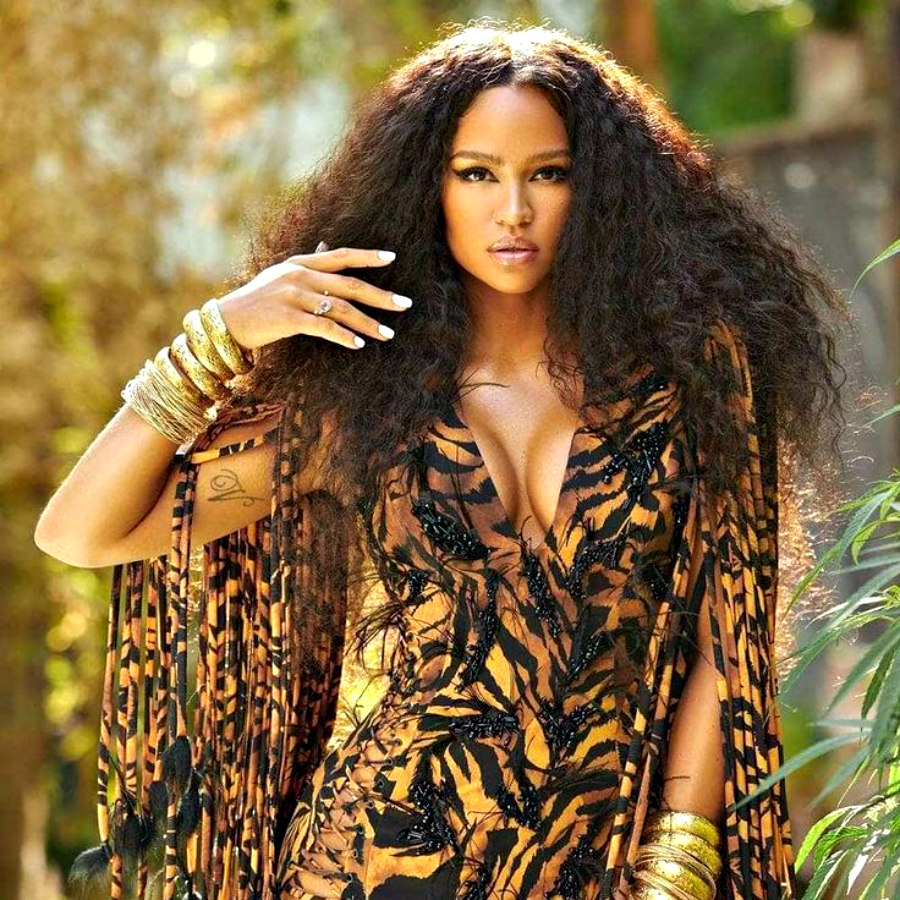
The conversation surrounding mixed-race identity—especially within the African diaspora—is layered with history, psychology, and theology. To understand its roots, one must trace the origins of racial mixing to colonialism and slavery. During the transatlantic slave trade, European men often exploited enslaved African women, creating generations of mixed-race offspring who were caught between two worlds—belonging fully to neither. These children were used to reinforce racial hierarchies, as their lighter skin often afforded them privileges denied to darker-skinned Africans. The complex legacy of this division continues to shape how mixed-race individuals view themselves and how they are perceived within Black communities.
The origin of mixed-race identity in the Black context is deeply tied to oppression rather than equality. Colonial societies created rigid racial classifications such as “mulatto,” “quadroon,” and “octoroon,” assigning social worth based on proximity to whiteness. This system, known as colorism, weaponized phenotype to maintain control and discord among African-descended people. The lighter one’s skin, the closer they were deemed to “civilization.” Such hierarchies fractured unity among the enslaved, fulfilling the divide-and-rule tactics of white supremacy.
This historical divide evolved into a psychological wound. Many mixed-race individuals internalized superiority due to their European features, while darker-skinned individuals were conditioned to associate beauty, intelligence, and worth with lightness. This perpetuated a silent competition within the Black community, where acceptance often hinged on color rather than character. The psychological scars of colonial classification still bleed into modern Black relationships, culture, and self-perception.
The Bible, however, dismantles all forms of racial hierarchy. Acts 17:26 declares, “And hath made of one blood all nations of men for to dwell on all the face of the earth” (KJV). Scripture affirms that all humanity shares a divine origin—therefore, racial superiority or inferiority is antithetical to God’s design. The divisions birthed from slavery and colonialism are not of God but of man’s rebellion and pride.
Mixed-race identity, while historically exploited, also symbolizes resilience. Despite the injustices of their conception, mixed descendants are living testimonies of survival. Yet, the question remains: how do mixed-race individuals navigate a world that often demands they “choose a side”? Many experience rejection from both Black and white communities—too light for one, too dark for the other. This dual rejection can lead to identity confusion and emotional isolation, especially when racial loyalty becomes politicized.
The treatment of darker-skinned Black people by some mixed-race individuals reflects internalized colonial psychology. Proximity to whiteness can unconsciously breed bias, leading to elitism, exclusion, or disdain toward darker skin tones. This phenomenon, known as color stratification, still affects employment, dating, and media representation. It is a modern manifestation of an ancient wound. James 2:9 warns, “But if ye have respect to persons, ye commit sin, and are convinced of the law as transgressors” (KJV). Partiality based on appearance, therefore, is sin before God.
The internal division among Black people undermines collective progress. While society benefits from multiculturalism, the unresolved trauma surrounding mixed identity can perpetuate division rather than unity. Instead of bridging gaps, colorism often reinforces hierarchies of beauty and worth. This spiritual fracture hinders the restoration of Black dignity and solidarity.
Interracial marriage—another byproduct of global migration and cultural exchange—has long sparked theological debate. Some interpret biblical passages as forbidding such unions, yet the KJV Bible does not condemn marriage between races. Rather, it forbids unions that lead believers into idolatry or disobedience to God’s law (Deuteronomy 7:3–4). The issue is not color but covenant. When two people of different races unite under Christ, their marriage honors God’s design for love and unity, transcending the artificial barriers of race.
Nevertheless, interracial relationships carry historical complexities. In societies still healing from racism, these unions can trigger deep emotions, from resentment to fascination. For some Black individuals, seeing interracial relationships—particularly between Black men and white women—can resurrect feelings of rejection and devaluation. This stems not from hate but from historical pain: the centuries-long erasure of Black women’s beauty and humanity.
The modern glorification of mixed-race aesthetics—curly hair, light skin, ambiguous features—continues to marginalize darker-skinned individuals. Media representation often reinforces this bias, promoting “safe” versions of Blackness that appeal to white audiences. This selective visibility diminishes the diversity of Black beauty. Psalm 139:14 reminds us, “I will praise thee; for I am fearfully and wonderfully made.” God crafted all shades of melanin with divine intent; none are superior or inferior in His sight.
Spiritually, division based on color mirrors the sin of pride. Lucifer himself was cast down for exalting his image above God’s (Isaiah 14:12–15). When human beings exalt lighter skin as “better,” they mirror that same rebellion—valuing creation over Creator. True healing requires repentance from color-based idolatry and a return to divine order, where love, not lightness, defines worth.
The social consequences of colorism within the Black community are profound. Darker-skinned individuals often experience higher rates of discrimination, lower marriage rates, and underrepresentation in leadership. Meanwhile, mixed-race or lighter-skinned individuals may face resentment, misunderstanding, or pressure to “prove” their Blackness. This dynamic fosters tension rather than unity, perpetuating what psychologist Beverly Tatum (1997) calls “intra-racial racism.”
Yet, the gospel calls for reconciliation. Galatians 3:28 declares, “There is neither Jew nor Greek… for ye are all one in Christ Jesus.” The identity of the believer transcends color and heritage. The Church must model this unity, teaching that racial hierarchy is sin and diversity is divine. The mixed-race believer, in particular, carries a sacred opportunity to embody this unity—to be a living testimony that God’s kingdom is multiethnic, yet singular in spirit.
Understanding mixed-race identity through a biblical lens helps dismantle shame and confusion. The enemy thrives in division, but Christ restores wholeness. He redeems what history distorted. The color of one’s skin should never define one’s closeness to God or one’s acceptance among brethren. As 1 Samuel 16:7 teaches, “Man looketh on the outward appearance, but the Lord looketh on the heart.”
Interracial marriages, when rooted in faith, symbolize the redemption of divided bloodlines. What once resulted from oppression can now become a covenant of healing. When two races unite under Christ, they testify that love conquers hatred and unity conquers prejudice. Such unions must, however, remain spiritually grounded to resist cultural pressures and ancestral wounds.
It is vital for mixed-race individuals and interracial couples to understand their spiritual assignment. They are not just participants in diversity—they are vessels of reconciliation. Their existence challenges centuries of division and calls all people back to the biblical truth of shared creation. Their journey, however, requires humility, empathy, and active rejection of color-based superiority.
The Black community must also embrace healing by confronting internalized colorism. This begins with education, love, and scriptural truth. The hierarchy of skin tone must be replaced with the hierarchy of virtue. Proverbs 22:2 reminds us, “The rich and poor meet together: the Lord is the maker of them all.” Similarly, light and dark meet in the Creator’s palette, both radiant in His image.
Ultimately, the evolution of mixed-race identity is a spiritual parable. What began in exploitation can end in redemption. What once divided can now unite. The challenge lies in uprooting the psychological residue of slavery and reestablishing identity upon divine truth.
In God’s kingdom, there are no “half” identities—only whole souls. Every shade, feature, and lineage is crafted for His glory. The world divides by pigment, but Heaven unites by purpose. Revelation 7:9 envisions a multitude “of all nations, and kindreds, and people, and tongues, stood before the throne.” This is the divine end of racial confusion—oneness in the presence of the Creator, where all colors reflect His light perfectly.
References (KJV Bible)
Acts 17:26; Deuteronomy 7:3–4; 1 Samuel 16:7; Proverbs 22:2; Psalm 139:14; Isaiah 14:12–15; James 2:9; Galatians 3:28; Romans 10:12; 1 Corinthians 12:13; Revelation 7:9.
Scholarly References
Tatum, B. D. (1997). Why Are All the Black Kids Sitting Together in the Cafeteria? Basic Books.
Hunter, M. (2007). The Persistent Problem of Colorism: Skin Tone, Status, and Inequality. Sociology Compass, 1(1), 237–254.
Russell, K., Wilson, M., & Hall, R. (1992). The Color Complex: The Politics of Skin Color Among African Americans. Anchor Books.
Ifekwunigwe, J. (2004). Mixed Race Studies: A Reader. Routledge.
Discover more from THE BROWN GIRL DILEMMA
Subscribe to get the latest posts sent to your email.
 THE BROWN GIRL DILEMMA