
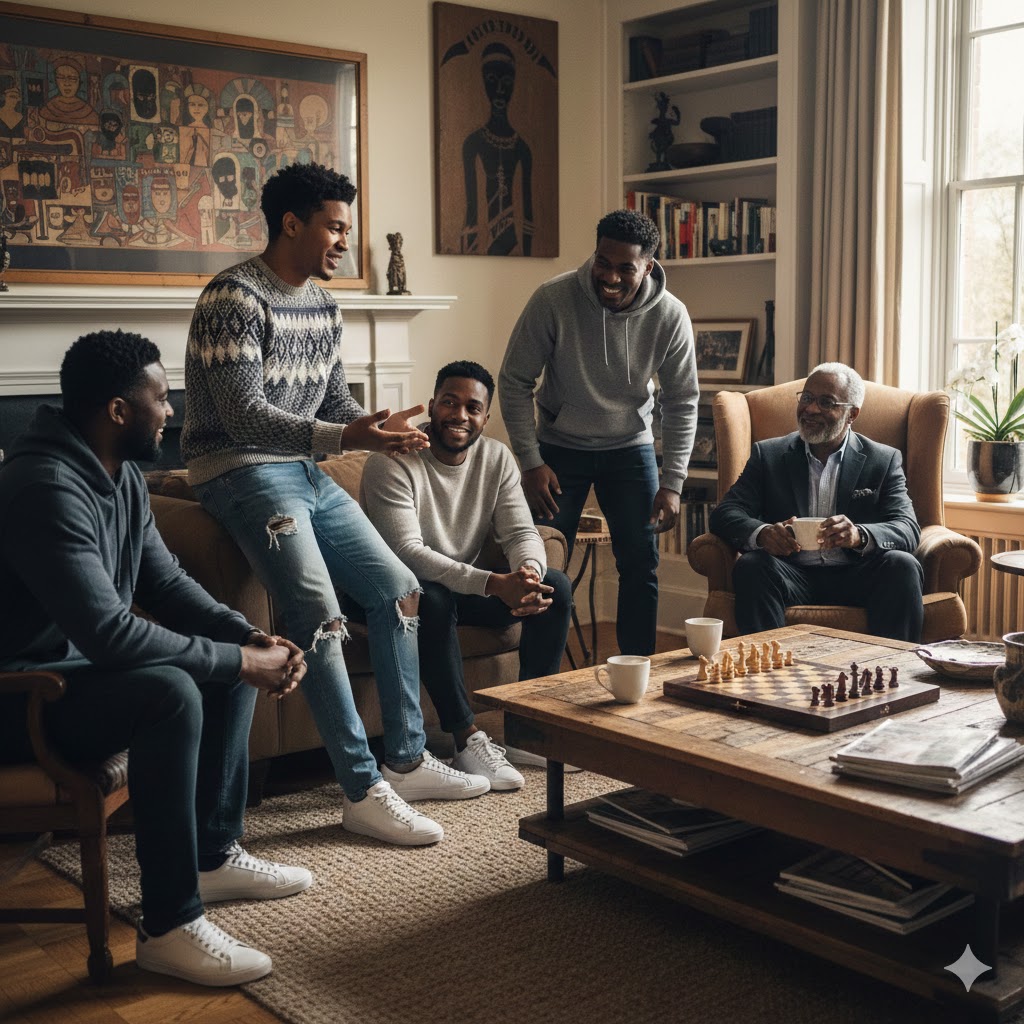
Modern men are increasingly becoming islands—connected by technology yet disconnected emotionally, spiritually, and socially. The phrase “Islands of Men” captures a deep truth about masculine loneliness in the digital era, and how many men turn to online spaces in search of brotherhood, guidance, and identity. As society shifts and family structures fracture, these digital shores become places where men seek belonging, meaning, and leadership.
Loneliness among men has reached historic levels. Studies show that contemporary men report fewer friendships, fewer intimate bonds, and less emotional support than previous generations. The cultural expectation that men remain stoic and self-sufficient often prevents them from forming meaningful connections. As a result, many men drift through adulthood without a consistent community.
The digital world becomes a substitute for real-life brotherhood. Forums, livestreams, and manosphere communities provide men a place to voice their frustrations, their fears, and their longing for guidance. While some of these spaces can promote emotional honesty, many others reinforce isolation by encouraging competition, cynicism, or ideological extremism.
Leadership is central to the male search for belonging. Historically, men derived identity from mentorship, apprenticeship, and communal rites of passage. Today, these traditional forms have eroded. Without stable mentors, many men turn to online personalities for direction. This shift has profound implications, as influencers often prioritize entertainment and monetization over genuine leadership.
The loneliness men experience is not just social—it is also spiritual. Scripture teaches that “it is not good that the man should be alone” (Genesis 2:18), highlighting both relational and communal design. Yet modern men often carry silent burdens with no spiritual accountability. For many, the search for brotherhood becomes a search for identity in a world that offers conflicting messages about masculinity.
Digital brotherhood can mimic the structure of community but often lacks its substance. Men bond over shared frustrations—about relationships, society, or the economy—yet remain emotionally isolated. They find connection without intimacy, conversation without healing. This paradox deepens their loneliness rather than alleviating it.
Men seek guidance on how to lead, but leadership without character becomes dangerous. Many online spaces teach leadership as dominance rather than service. True leadership requires humility, accountability, and emotional awareness—traits that digital communities often undervalue.
The crisis of male loneliness is tied to the absence of father figures and mentors. Generational wounds perpetuate cycles of emotional detachment. Without strong relational models, many men learn to suppress vulnerability. Digital communities often reinforce this suppression instead of addressing it.
In real-life communities, men once learned leadership by observing fathers, uncles, pastors, and elders. Now, the most influential male voices come from screens instead of households. This shift disconnects leadership from lived experience and turns masculinity into performance rather than practice.
Economically, men face pressures that amplify their sense of isolation. Job instability, financial insecurity, and societal expectations can make men feel inadequate. Digital brotherhood often reinforces survivalist mindsets instead of nurturing hope and collaboration.
Emotionally, men carry unspoken trauma. Many have never been given permission to grieve, to fear, or to doubt openly. Without emotional outlets, these feelings turn into frustration or apathy. Digital spaces allow anonymity, but anonymity rarely fosters genuine healing.
Relationships intensify men’s loneliness. Romantic rejection, marital stress, or divorce can leave men more isolated than women due to weaker social support systems. Instead of seeking counsel, many retreat into digital echo chambers that validate bitterness rather than growth.
Men long for legacy, yet legacy requires community. A man cannot build generational impact alone. He needs brotherhood, elders, younger men to mentor, and a purpose greater than his own survival. Digital isolation undermines this pursuit by convincing men that independence is strength.
Spiritually, men need accountability that digital communities cannot provide. Growth requires people who know one’s struggles, habits, and flaws—not anonymous usernames. Biblical brotherhood involves correction, compassion, and shared purpose. This cannot be replicated through algorithms.
Men also seek belonging through achievements—career success, wealth, physical strength—but these do not replace brotherhood. Achievements impress others but do not heal loneliness. Brotherhood offers what success cannot: connection, validation, and shared mission.
The search for brotherhood online is ultimately a search for meaning. Men yearn for battles worth fighting, relationships worth maintaining, and identities grounded in more than external validation. The manosphere often promises quick answers, but meaning requires depth, discipline, and authentic community.
A healthier form of digital brotherhood is possible—one based on emotional literacy, mentorship, accountability, and spiritual grounding. Some communities encourage men to heal their trauma, develop resilience, and walk in integrity. These spaces model a better masculinity rooted not in dominance but in character.
Real brotherhood must eventually move beyond screens. Men need in-person connection—shared meals, honest conversations, activities, and spiritual support. Brotherhood flourishes when men stand shoulder-to-shoulder with those they trust, not when they scroll through curated identities.
Ultimately, the islands of men can become bridges if men rediscover what it means to build community. Leadership grows in connection, not isolation. Loneliness fades when men learn to be vulnerable, supportive, and accountable. And the digital search for brotherhood can become a pathway to real-life transformation when guided by truth, wisdom, and love.
References
Brooks, D. (2020). The crisis of male loneliness in modern society. Journal of Social Psychology, 162(4), 415–428.
Connell, R. W. (2005). Masculinities (2nd ed.). University of California Press.
Ging, D. (2019). Alphas, betas, and incels: The manosphere as a transnational online masculinity ecosystem. Men and Masculinities, 22(4), 638–657.
Mahalik, J. R., & Rochlen, A. (2019). Men, loneliness, and digital communities: A psychological exploration. American Journal of Men’s Health, 13(1), 1–12.
Way, N. (2011). Deep secrets: Boys’ friendships and the crisis of connection. Harvard University Press.
Wilcox, W. B., & Kline, K. (2021). Father absence, male identity, and digital belonging. Journal of Family Studies, 27(3), 345–361.
Discover more from THE BROWN GIRL DILEMMA
Subscribe to get the latest posts sent to your email.
 THE BROWN GIRL DILEMMA